Engineered structural steel storage racks optimized for industrial pipes, sheet metals, structural lumber, and specialized profiles within Philippine coastal and urban logistic zones.
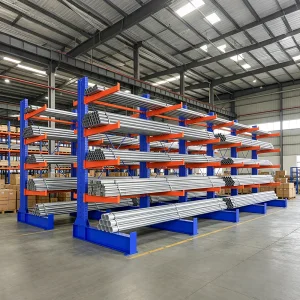
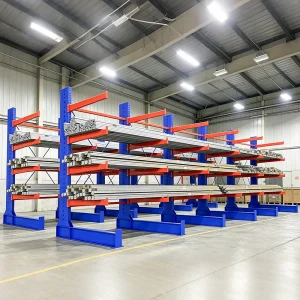
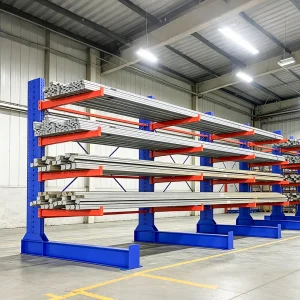
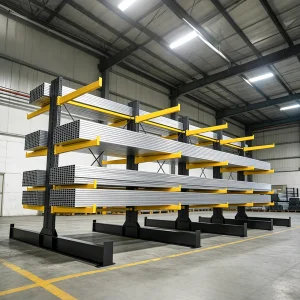
As the Philippines advances its infrastructure blueprint through national investment programs, the country's manufacturing, construction, and supply chain sectors are seeing an unprecedented need for space maximization. Key industrial corridors, including Calabarzon (Cavite, Laguna, Batangas, Rizal, and Quezon), Metro Manila, Cebu, and Davao, are experiencing high land acquisition costs. For companies dealing with heavy and oversized inventories—such as structural steel tubes, PVC conduits, industrial plastics, and imported lumber—traditional floor-stacking is no longer financially viable.
"High humidity, seasonal monsoons, and extreme seismic activity require structural racking systems in the Philippines to adhere strictly to the National Structural Code of the Philippines (NSCP) and international AISC standards."
Cantilever racking systems address these demands by offering obstacle-free front loading, allowing forklift operators to easily access profiles of varying lengths. Because there is no front vertical column, operations become safer, speed is increased, and vertical clearance is maximized.
Storage of structural H-beams, angle bars, rebar coils, and industrial pipes at port areas like Manila North Harbor and Batangas International Port.
Providing high-load, weather-resistant cantilever arm racking for timber yards, dry plywood storage, and fiber cement boards in Mindanao and Central Luzon.
Flexible arm settings prevent bowing and structural deformation for long PVC, PPR pipes, and aluminum extrusions stored in Cavite and Laguna economic zones.
Founded in 2015, Kimsuk is a premier manufacturer specializing in heavy-duty industrial warehouse racking systems, automated storage solutions, and customizable steel shelving.
Spanning a state-of-the-art production facility, Kimsuk combines advanced manufacturing infrastructure with high-precision engineering to deliver robust logistics and warehousing infrastructure globally. We operate direct OEM/ODM export and strategic global distribution partnerships to supply enterprise distribution centers, cold chain facilities, and heavy industrial hubs.
Primary Export Markets: North America, Western Europe, Southeast Asia, Australia, and the Middle East.
Our structures comply with ISO 9001:2015 Quality Management Systems, CE standards, and global load-bearing safety certifications. The product inspection methodology includes:
Step-by-step production processing and specialized tooling machinery utilized at our 38,000 m² facility to ensure industrial safety, dimensional accuracy, and corrosion-resistant finishes.
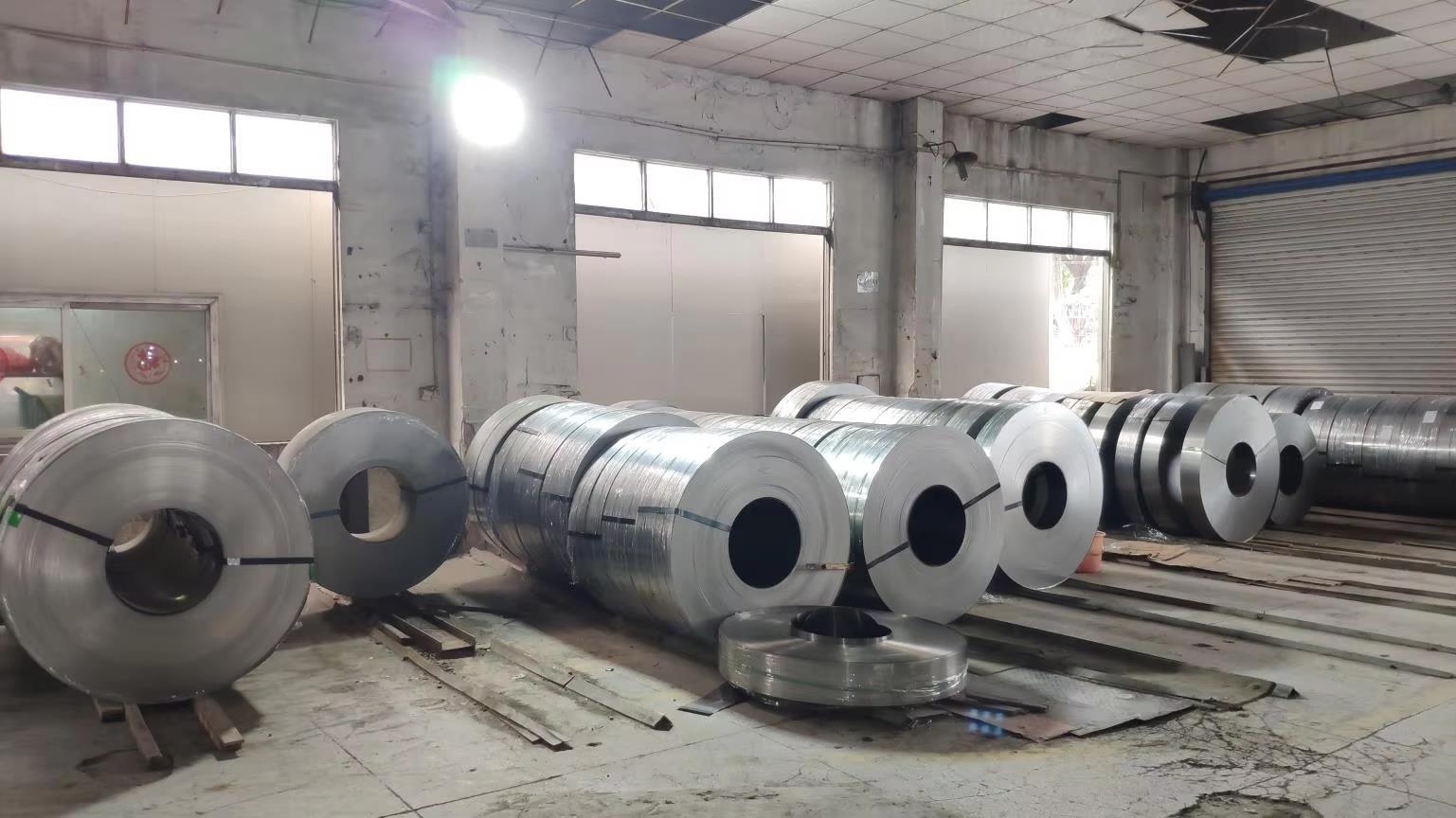
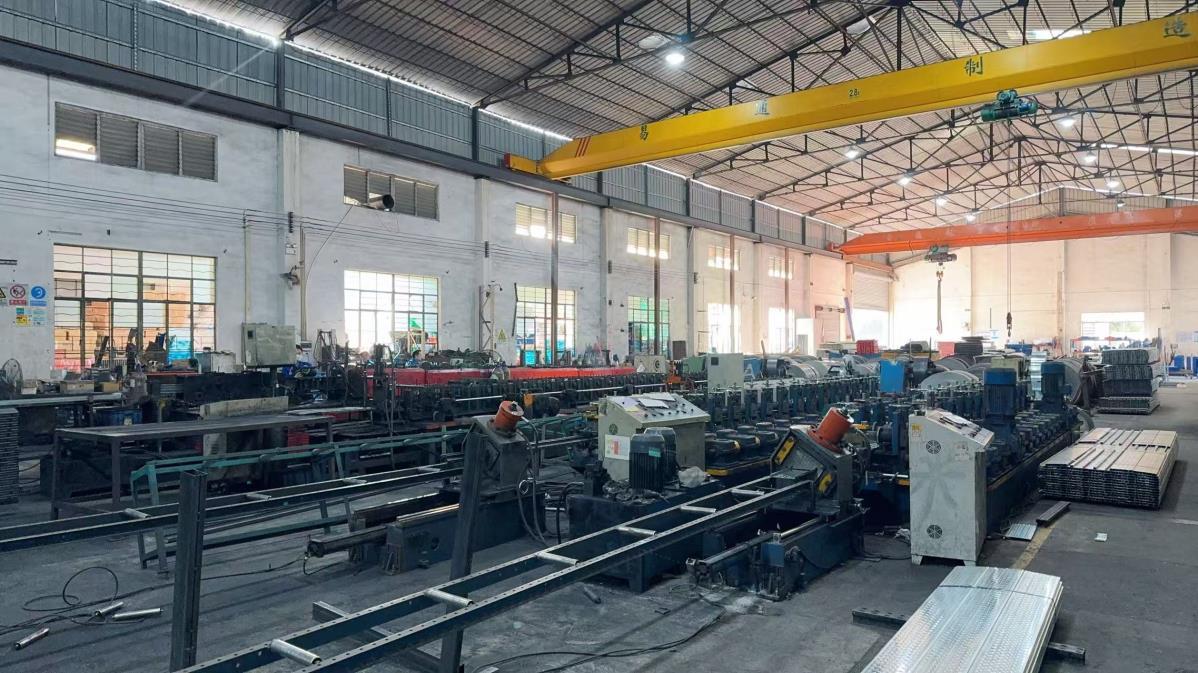
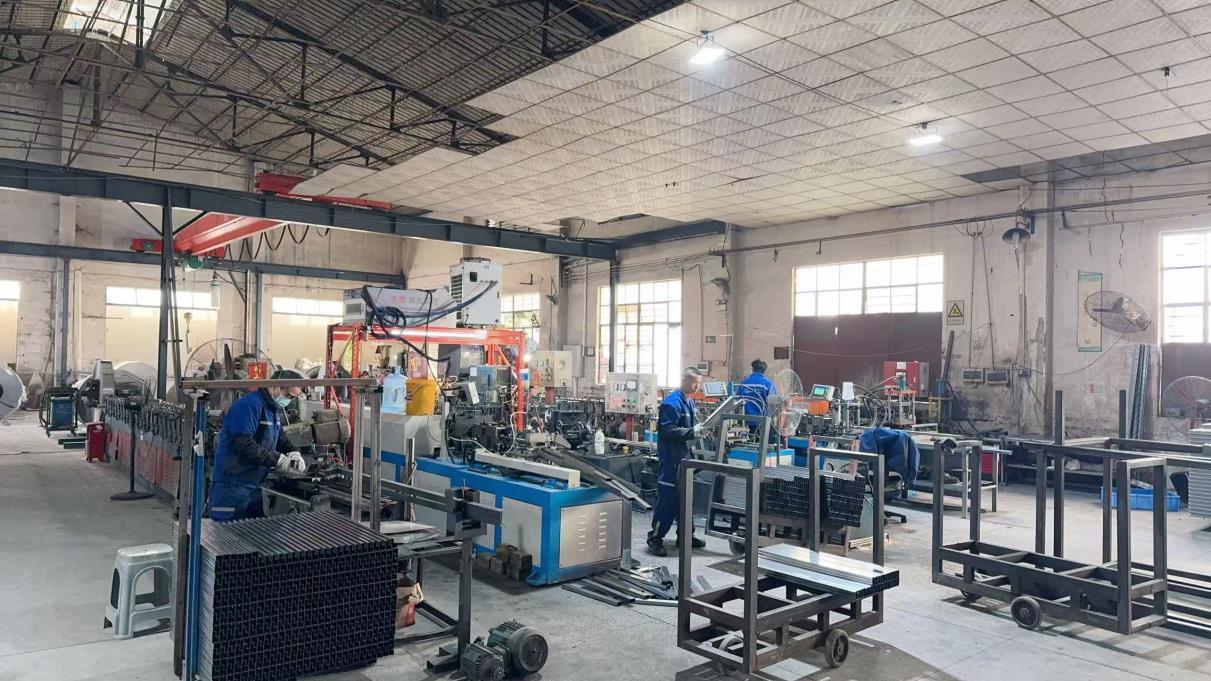
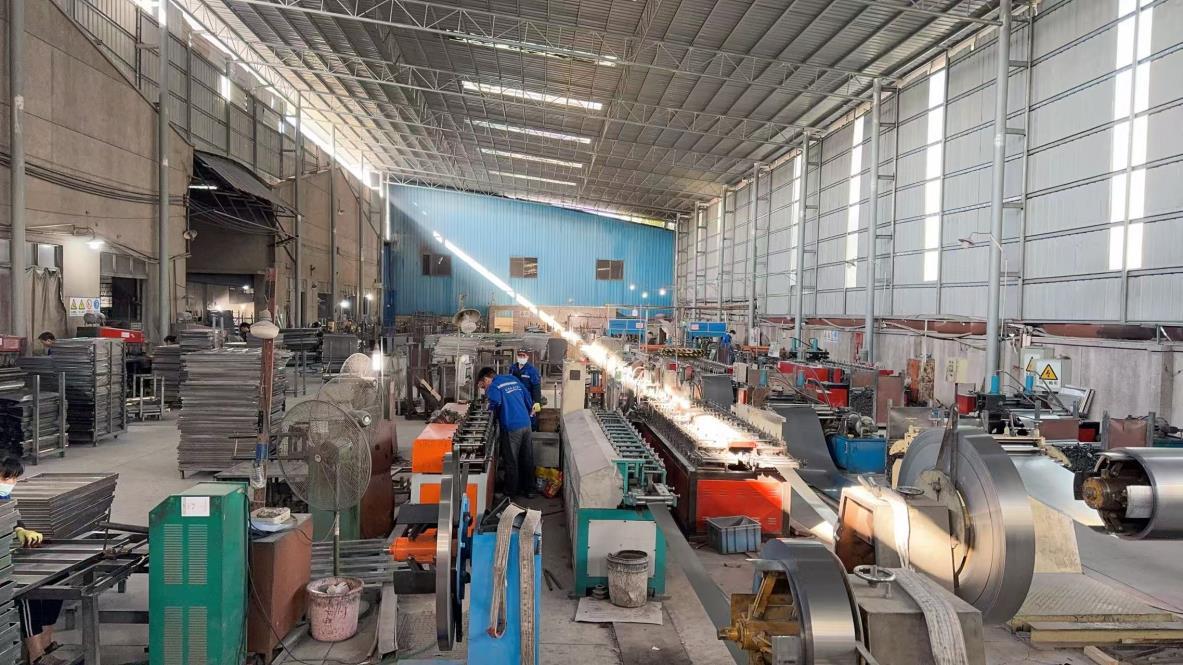
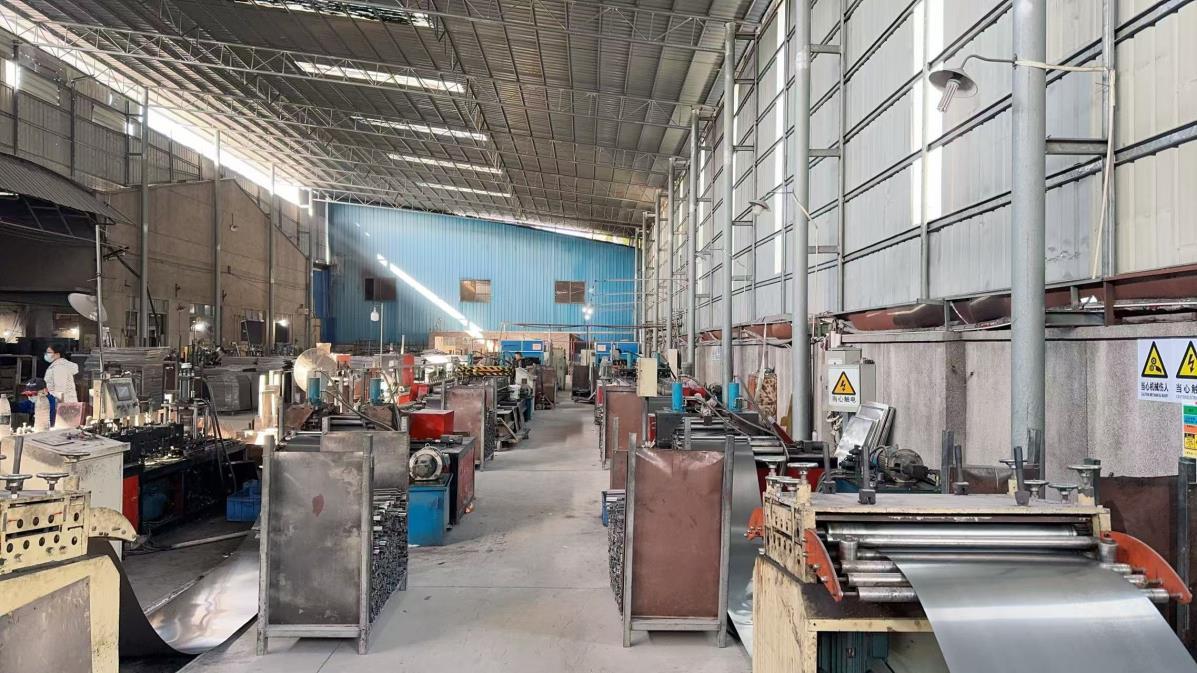
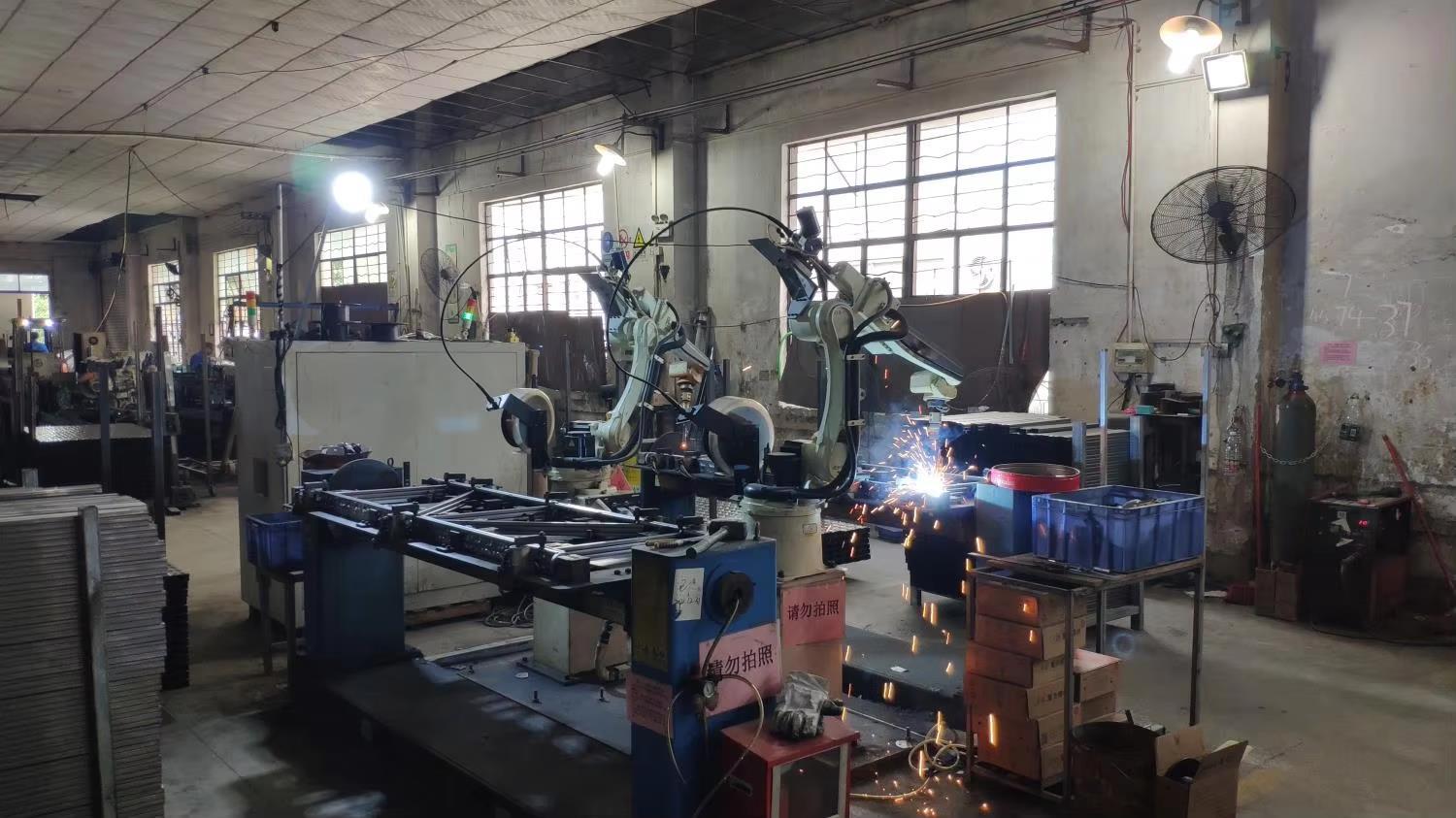
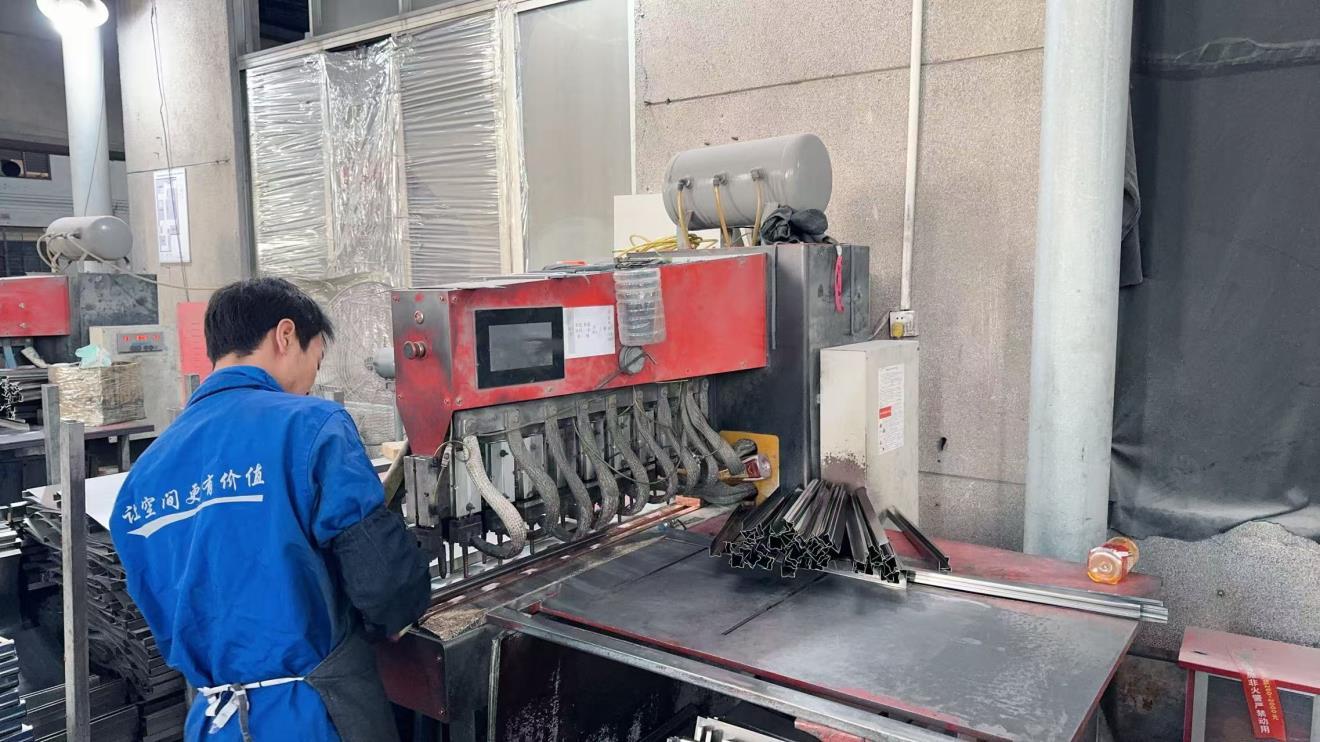
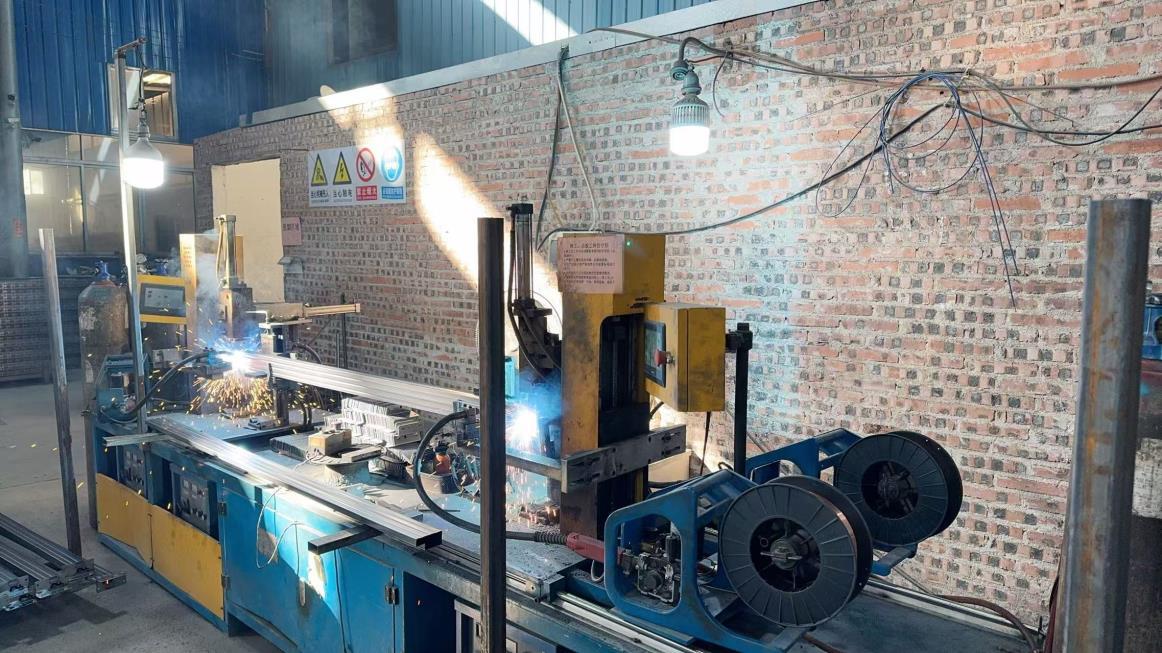
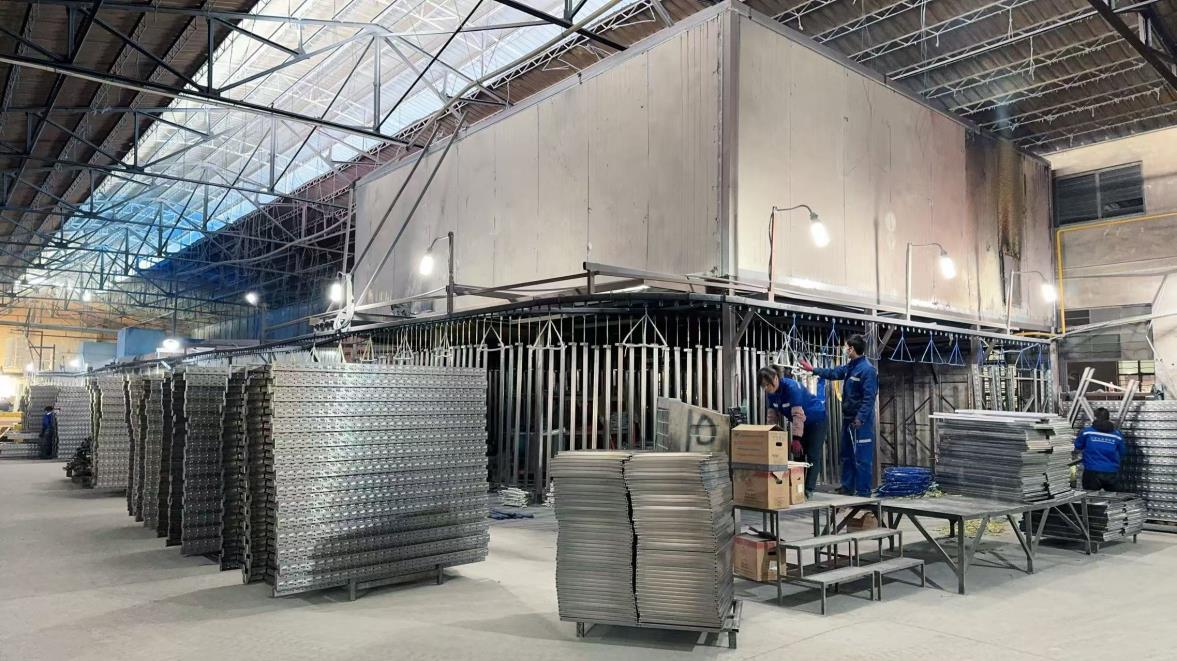
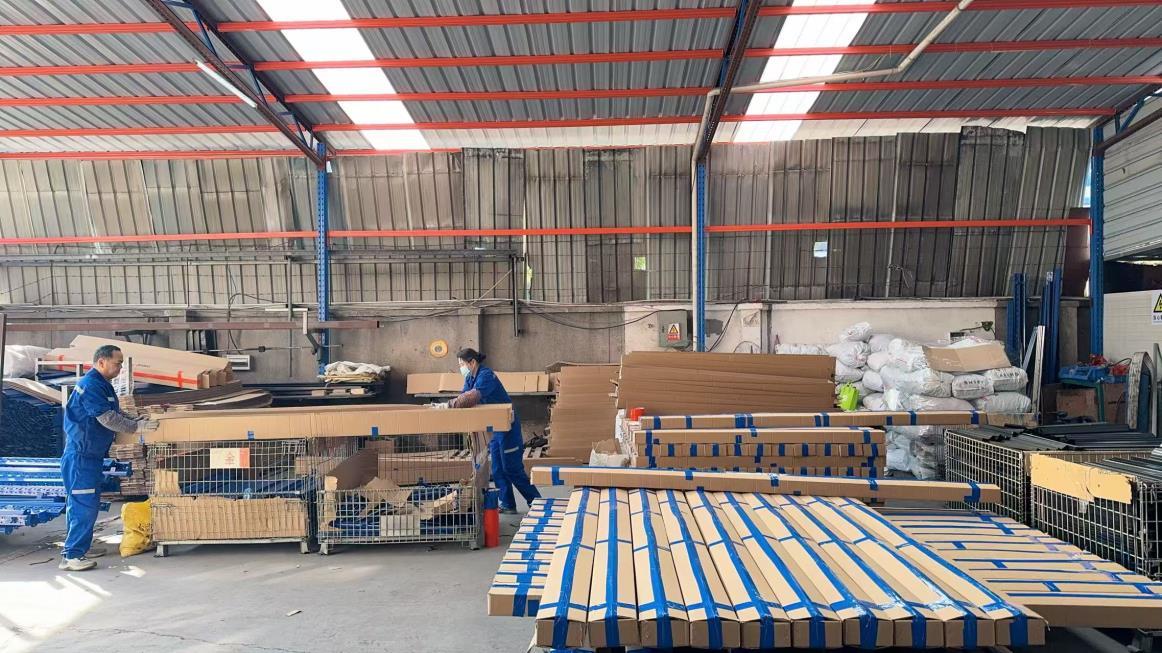
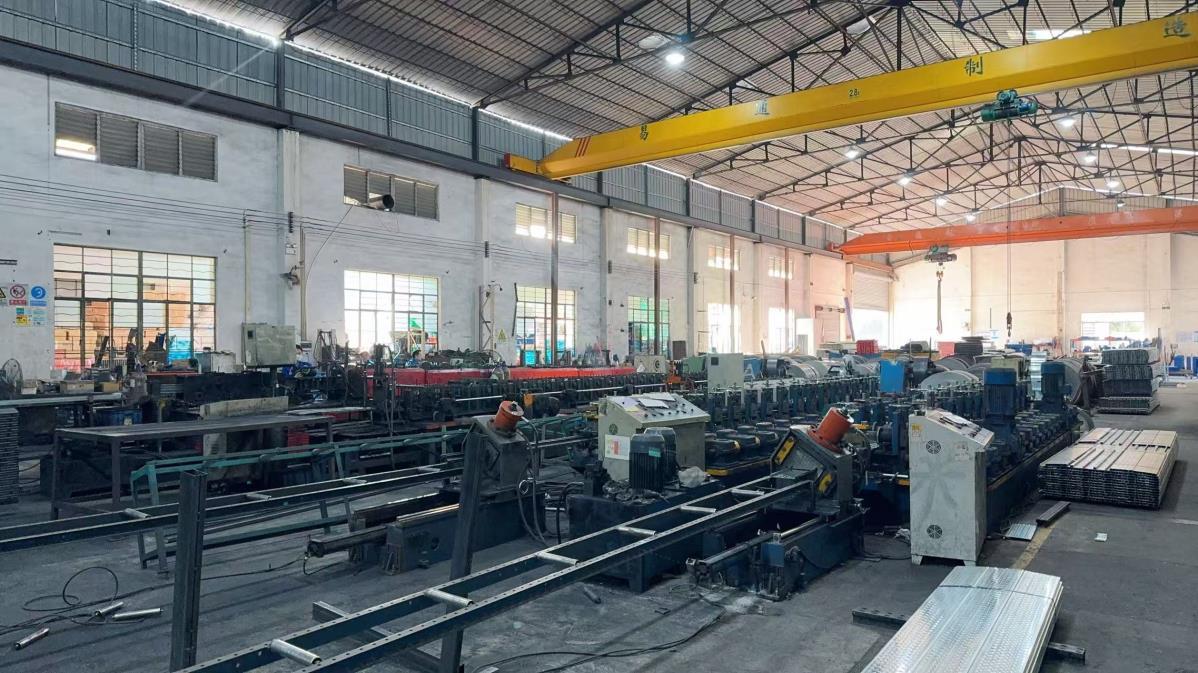
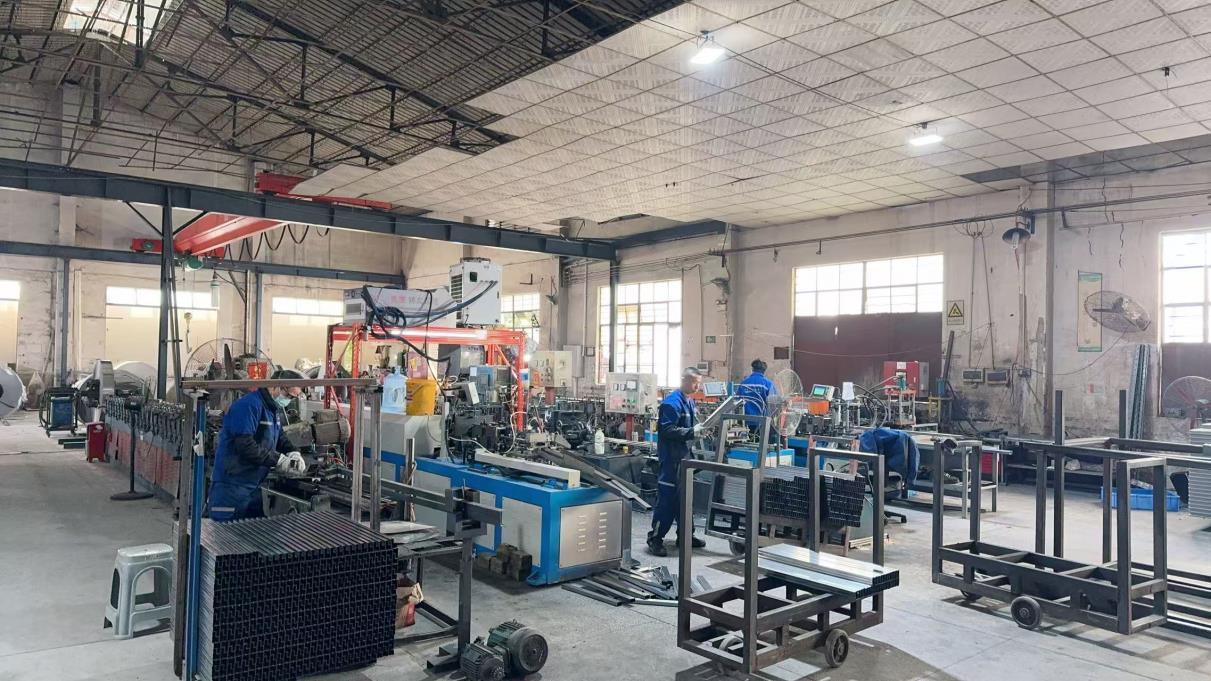
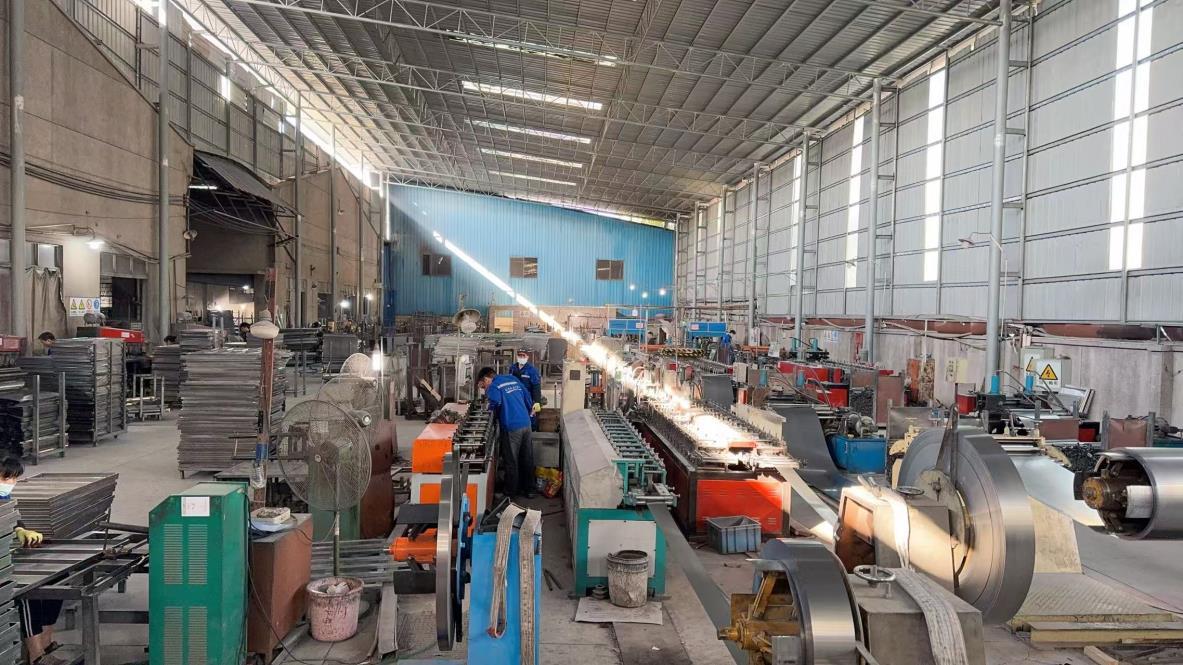
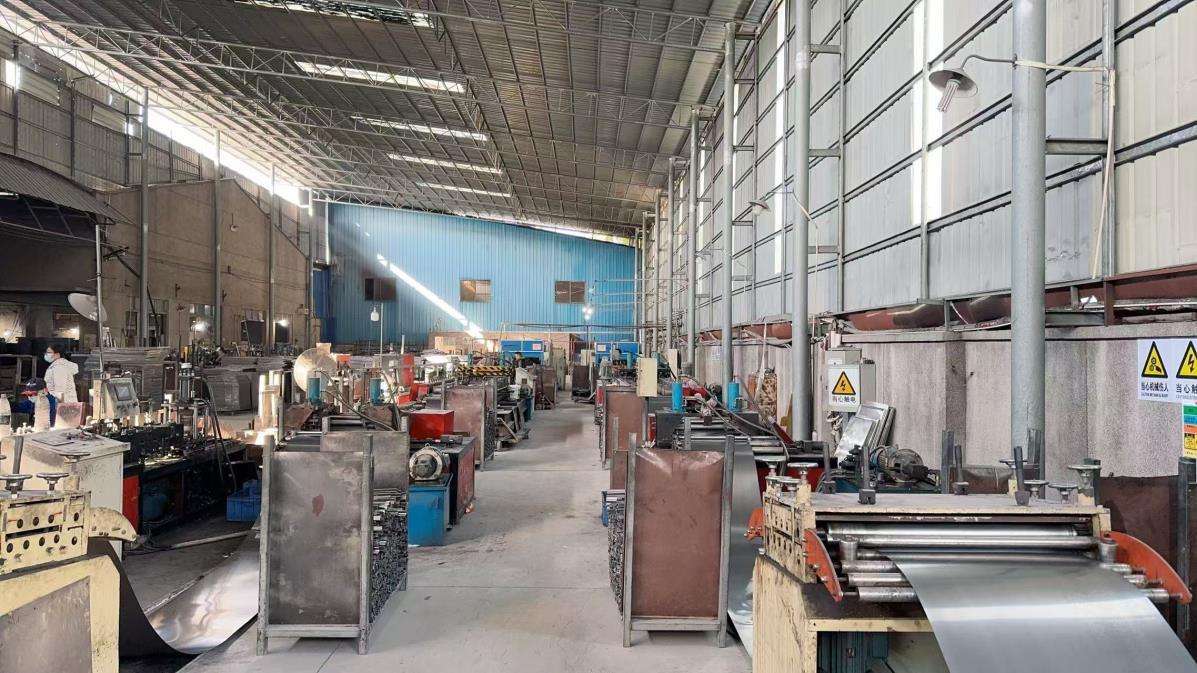
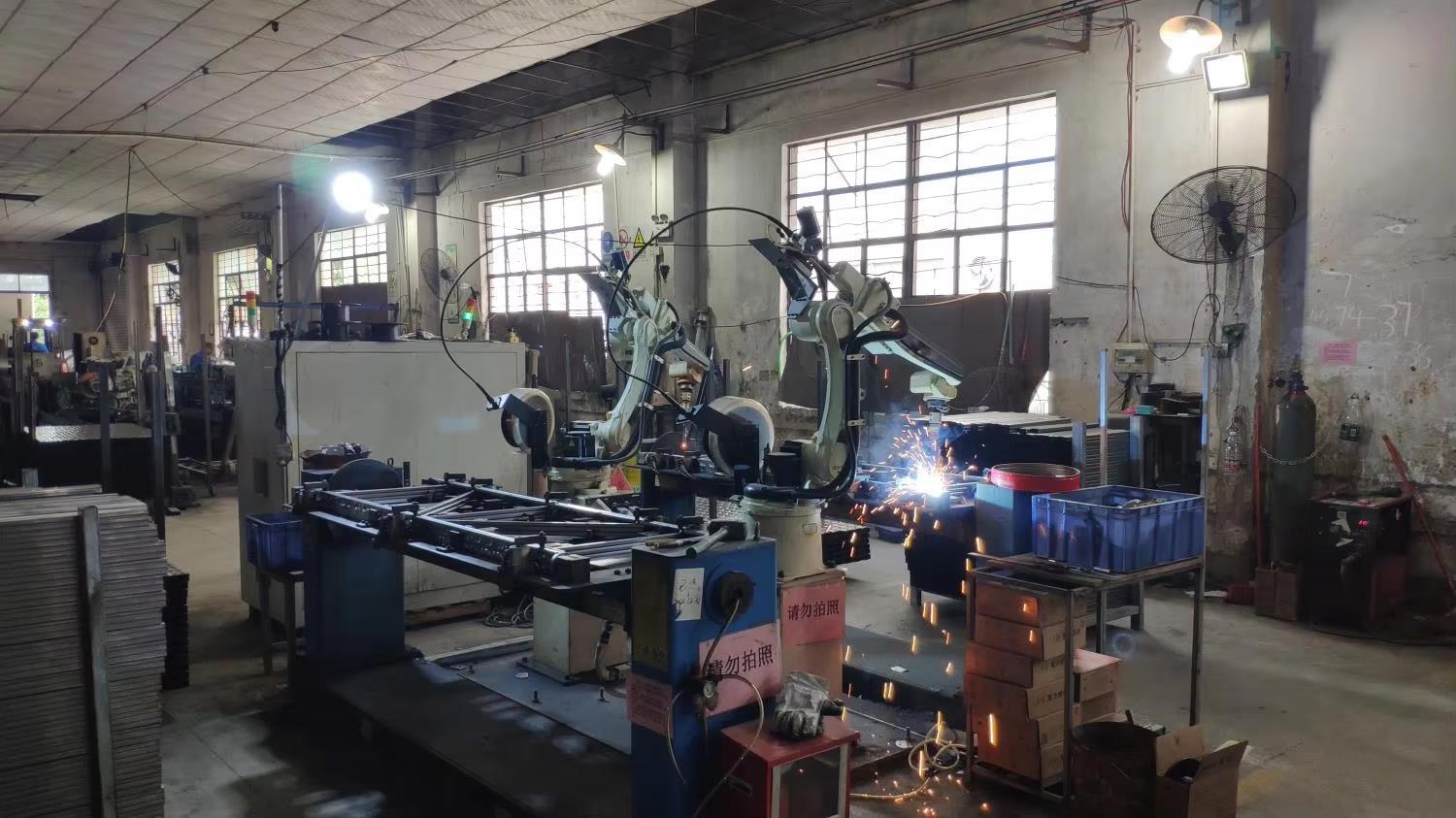
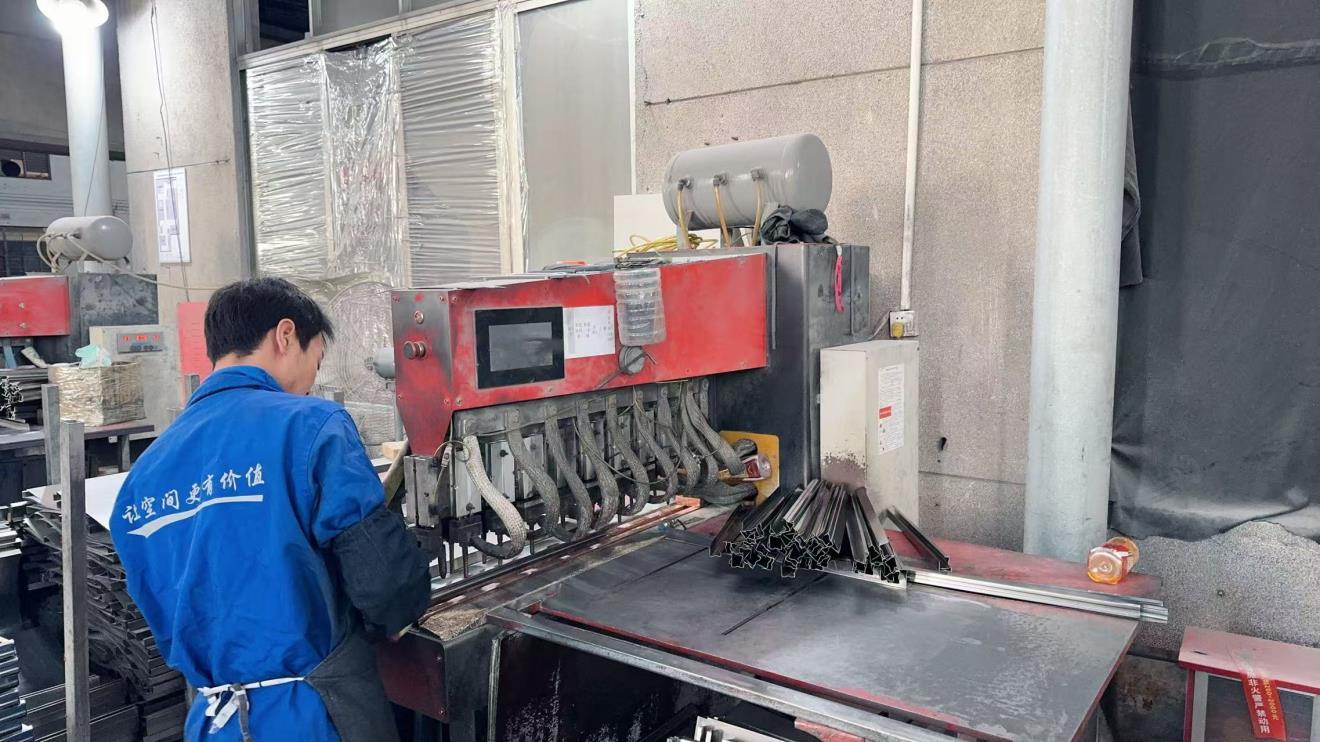
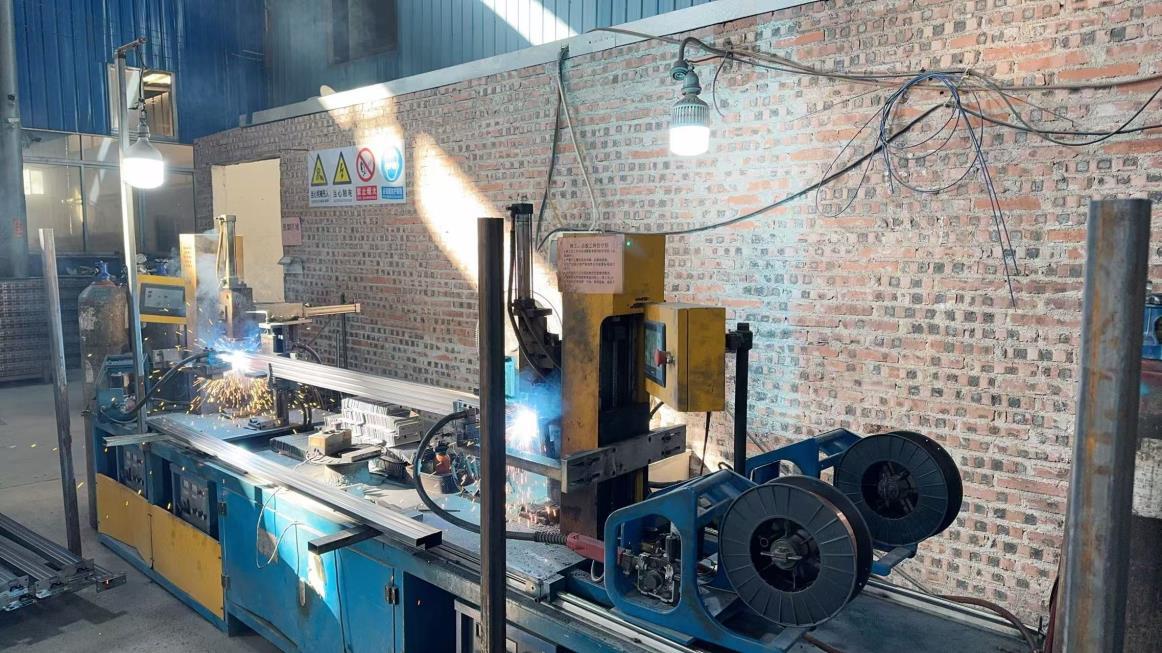
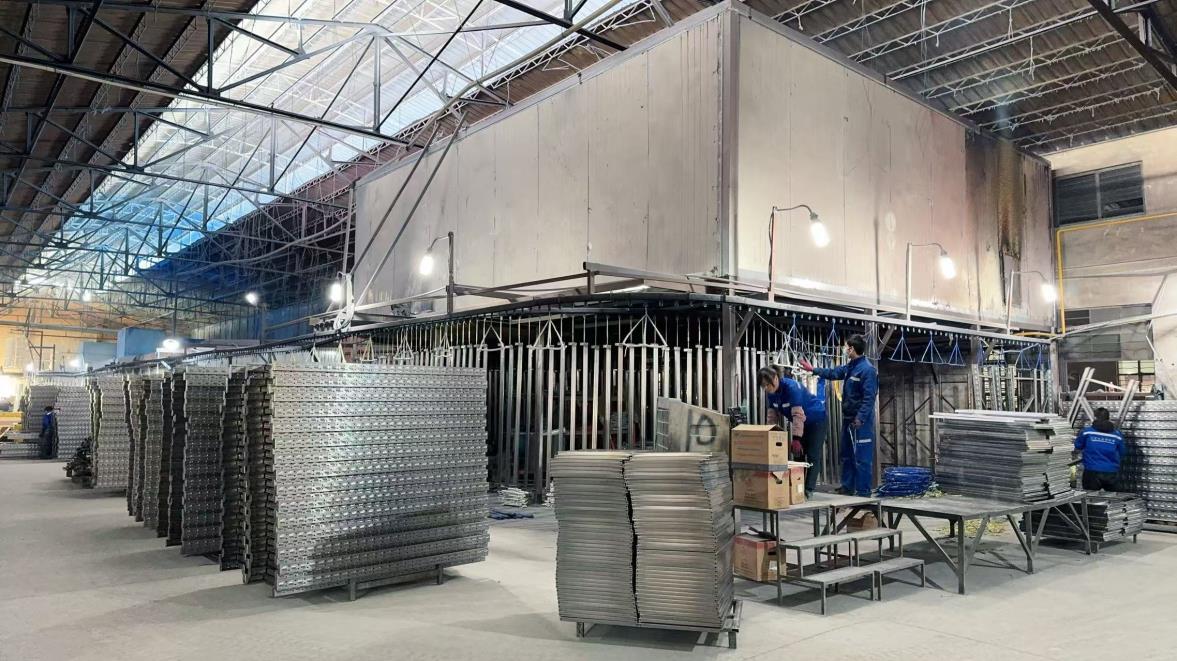
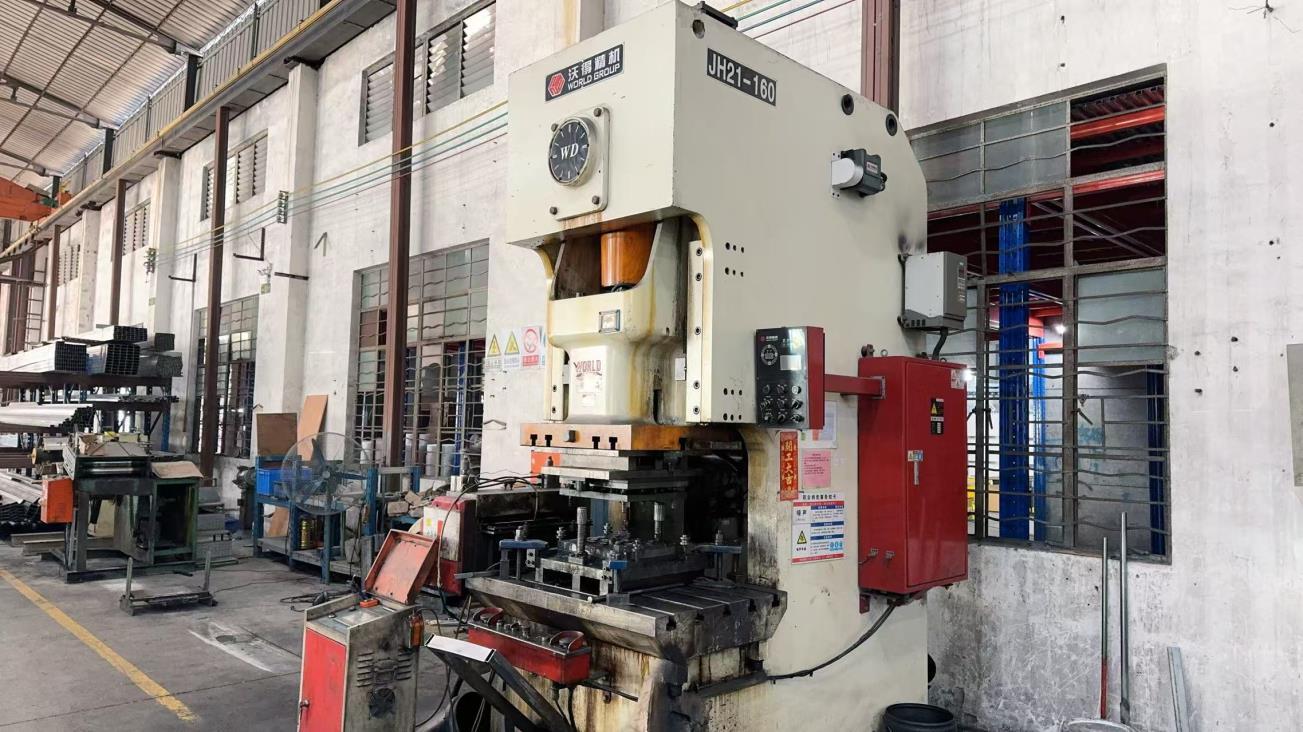
Specialized industrial modules utilizing high-grade Q235B / Q355B structural steel profiles, offering maximum flexibility and stability in high-bay setups.
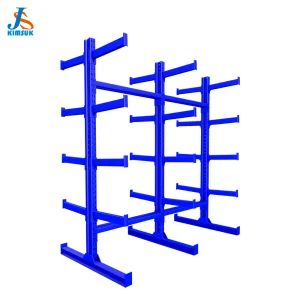
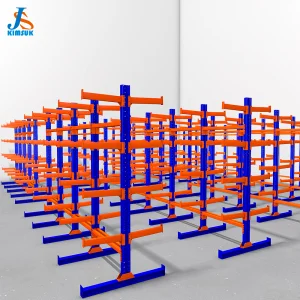
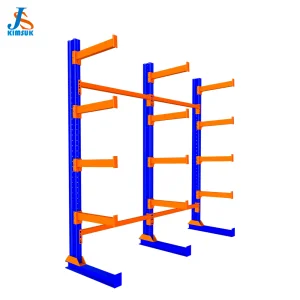
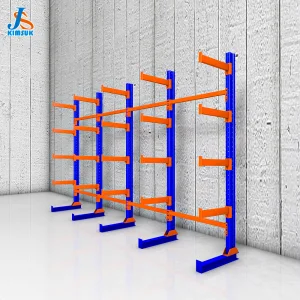
The structural and economic advantages of sourcing custom-engineered steel solutions directly from Chinese production lines.
Chinese manufacturers leverage direct supply chains of certified structural steels, specifically Q235B and Q355B. This provides the ideal tensile strength and ductility to handle structural loads under seismic loads, typical in typhoon-prone coastal regions like the Philippines.
By using automated welding arms, roll-forming lines, and continuous electrostatic powder-coating, factories in China produce high-capacity structural parts with minimum scrap rate, passing significant cost savings to Philippine buyers.
Proximity to major export ports (such as Shenzhen, Guangzhou, and Hong Kong) allows for direct maritime routes to Manila Harbor (North/South) and Batangas Port. This ensures transit times of 7 to 10 days, minimizing supply chain delays.
Engineered options and standard configurations available for regional distribution networks and custom warehouse installations.
| System Configuration Parameter | Standard Dynamic Values | Heavy-Duty Dynamic Values | Structural Compliance standard |
|---|---|---|---|
| Column Section (mm) | 200 x 100 / 250 x 100 / 300 x 90 | 305 x 305 H-Beam / 350 x 350 Custom | EN 1993 (Eurocode 3) / AISC |
| Arm Load Capacity (kg) | 300 to 1,000 kg per arm | 1,200 to 3,500 kg per arm | RMI Standards / MH16.1 |
| Standard System Height (mm) | 2,000 to 5,000 mm | 6,000 to 12,000 mm | AS 4084 Steel Storage Racking |
| Finish Coating Type | Electrostatic Powder Coated (60-80μm) | Hot-Dip Galvanized (Outdoor/Corrosive) | ISO 1461 / ASTM A123 |
| Seismic Anchor Configurations | Standard Floor Bolt Plates | Heavy-Duty Base Gussets & Anchor Ties | NSCP Section 208 / FEMA 460 |
Explore our range of heavy-duty and adjustable cantilever racking options for warehouses, manufacturing plants, and logistics hubs.
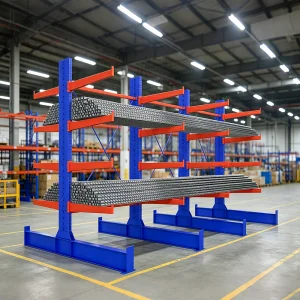
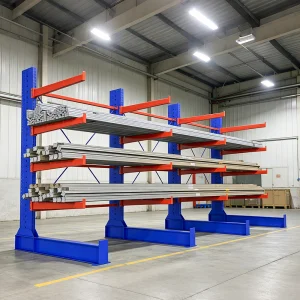
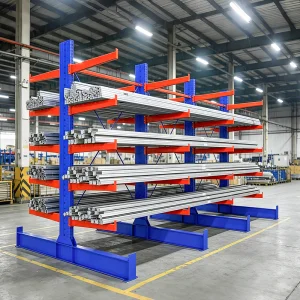
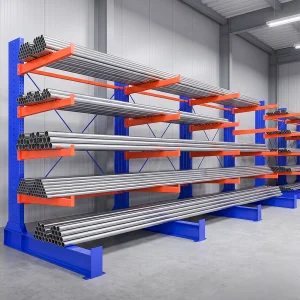
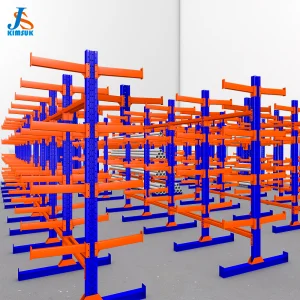
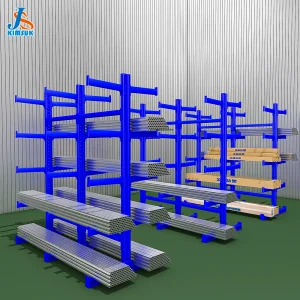
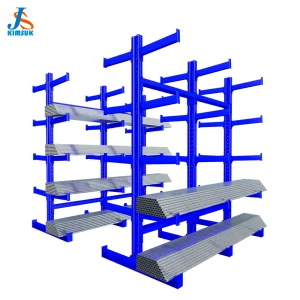
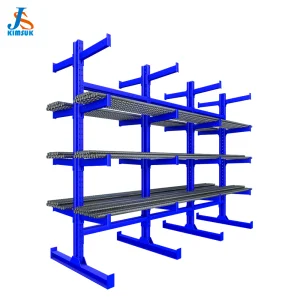
Because the Philippines is located on the Pacific Ring of Fire, it is prone to frequent seismic activity. Standard racking systems designed for low-risk zones run the risk of structural buckling or collapse under local ground acceleration conditions.
For projects in high-risk zones, such as Metro Manila or Surigao, Kimsuk engineers use finite element analysis (FEA) to simulate local seismic conditions. Structural columns are designed with wide base plate connections and anchor bolts to distribute lateral load forces efficiently, preventing damage during structural shifts.
Importing custom structural racking systems into the Philippines involves complying with several customs procedures. To help you manage import taxes, shipping routes, and logistics, our export support team works closely with local logistics firms.
We provide all necessary documentation—including packing lists, certificates of origin, bills of lading, and mill test reports—to simplify the customs clearance process at the Bureau of Customs (BOC). Whether your cargo lands at Manila Port or Port of Cebu, we coordinate to minimize port delays.
Technical advice and structural answers for engineering and procurement managers.
We utilize high-strength structural carbon steels, primarily Q235B and Q355B (equivalent to ASTM A36 and ASTM A572 Grade 50). These materials deliver the necessary tensile strength, yield limits, and ductility required to handle heavy industrial inventories and seismic loads.
Our structural engineers design base plates, anchor bolts, and upright columns to accommodate local seismic zone ratings (Zone 4 for the majority of the Philippines). We use thicker structural members, heavy-duty floor anchoring, and dynamic bracing configurations to prevent failure during seismic activity.
For high-humidity or coastal environments, we recommend hot-dip galvanizing (HDG), which conforms to ISO 1461 standards. HDG provides long-term corrosion protection against saltwater exposure. For indoor facilities, we apply an electrostatic powder coating (60-80 microns thick) to resist chipping and wear.
Yes, our design team offers customized arm configurations. The arm lengths, vertical pitch adjustments, and overall capacities can be modified to suit your specific items, whether you are storing light PVC tubes or heavy steel coils.
Standard production takes between 20 to 25 days, depending on project volume. Transit from our facility in Dongguan to Manila Port averages 7 to 10 days, while shipping to Davao or Cebu takes about 12 to 15 days.
 Kimsuk Racking