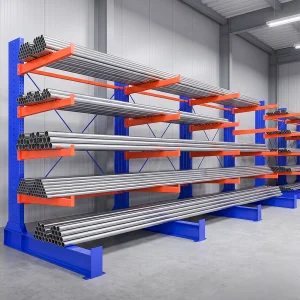
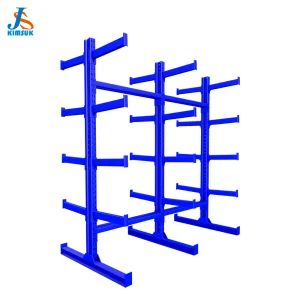
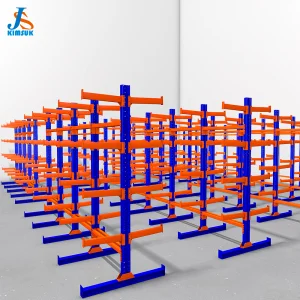
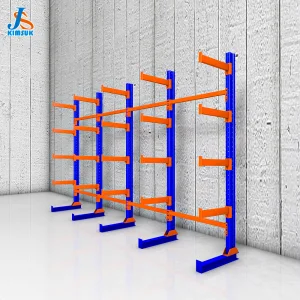
Engineered for structural durability and rapid configuration. Browse our primary range of heavy bearing cantilever steel systems designed for heavy pipes, long bars, and raw materials.
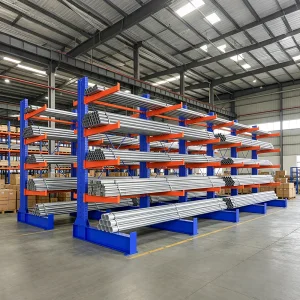
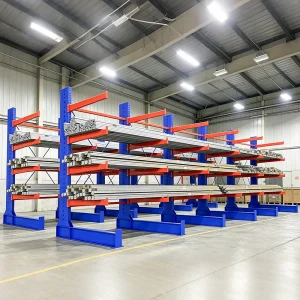
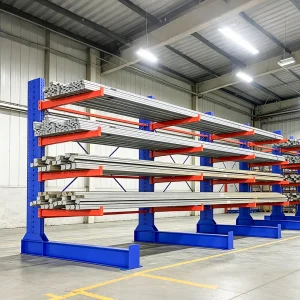
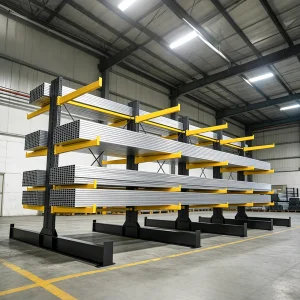
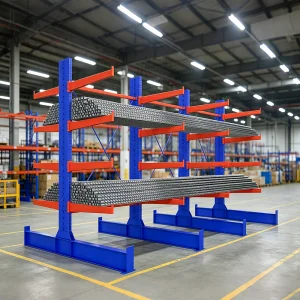
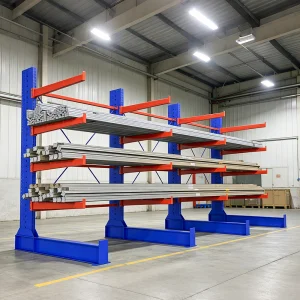
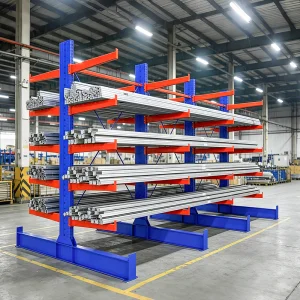
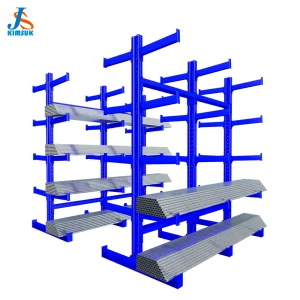
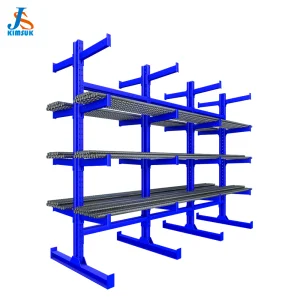
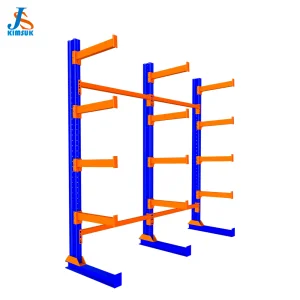
Within heavy industrial sectors, manufacturing hubs, and distribution centers, managing long, bulky, or non-standard profiles presents significant structural and logistics challenges. Conventional pallet racks are inherently limited by upright front columns that interrupt the continuity of loading zones. This restricts the handling of materials such as steel tubes, structural channels, extruded aluminum profiles, timber packages, and industrial piping. Cantilever racking systems solve this issue by utilizing free-standing load-bearing columns combined with horizontal arms projecting outwards. This design provides continuous, horizontal access without front-upright obstructions, optimizing space for overhead cranes, reach trucks, and sideloader forklifts.
Our heavy-duty cantilever racks feature custom-tailored steel grades (Q235 & Q355 structural steel) engineered to withstand extreme horizontal load vectors. The lack of structural obstructions at the front ensures efficient handling of asymmetric loads, optimizing warehouse flow and preventing structural strain during loading cycles.
When engineering cantilever systems for global supply chains, suppliers must determine whether structural steel I-beams or roll-formed profiles are better suited for the project. Roll-formed cantilever racking, formed from high-yield coil steel, is cost-effective and highly adjustable for light to medium loads (typically ranging from 500kg to 1500kg per arm). However, for extreme heavy-duty operations—such as structural steel storage, heavy foundry bars, and automated machinery manufacturing—hot-rolled structural steel I-beams are standard. These components are secured with high-tensile grade 8.8 structural bolts, providing higher resistance to impact damage from forklifts and exceptional resistance to torsional twisting under uneven load distribution.
Procuring industrial racks involves navigating complex regulatory requirements across different markets. In North America, structural racking must conform strictly to the Rack Manufacturers Institute (RMI) MH16.1 specifications. In Europe, the EN 15512 and FEM 10.2.09 standards dictate safety margins, load-deflection ratios, and testing protocols. As an exporter, Dongguan Kimsuk Shelves Co., Ltd. custom-designs structural bases and column heights to accommodate localized seismic hazards (from Seismic Design Categories A through F). Using advanced Finite Element Analysis (FEA), we calculate dynamic base plates and anchor spacing to withstand regional seismic accelerations, ensuring safety, compliance, and structural integrity.
Many long materials, such as raw steel tubes, pipeline segments, and treated lumber, are stored in outdoor environments. Standard powder-coated racks are vulnerable to corrosion under constant UV exposure and moisture. To address this, we apply specialized anti-corrosion treatments:
The industrial warehousing sector is shifting rapidly toward automated storage and retrieval systems (AS/RS). Our technical roadmap focuses on integrating cantilever racking with specialized crane mechanisms and multi-directional shuttles. By designing telescopic cantilever arms that adjust dynamically to load widths and placing IoT-enabled strain sensors along key columns, our systems support real-time weight monitoring, structural health reporting, and automatic alignment for automated storage operations.
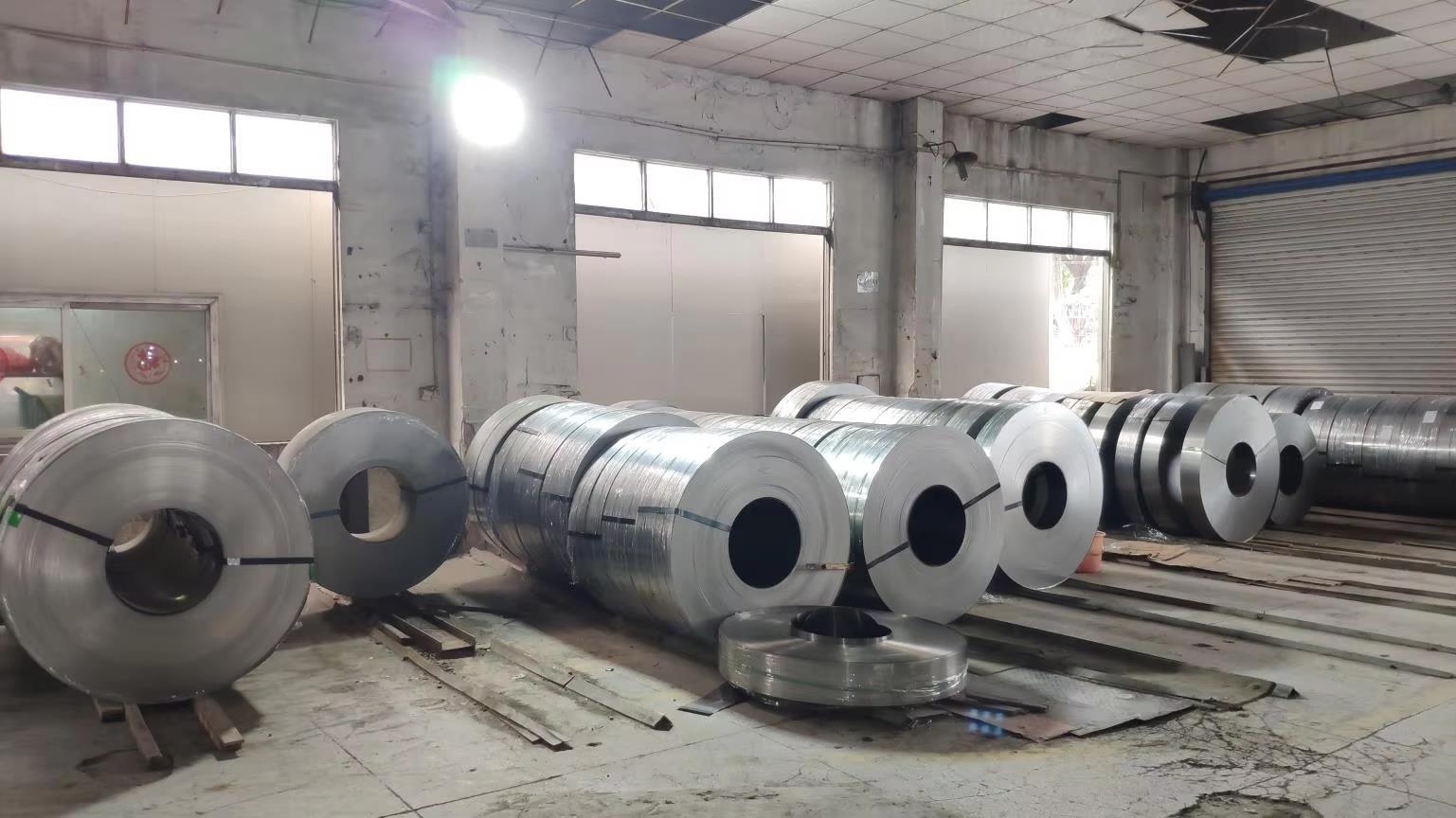
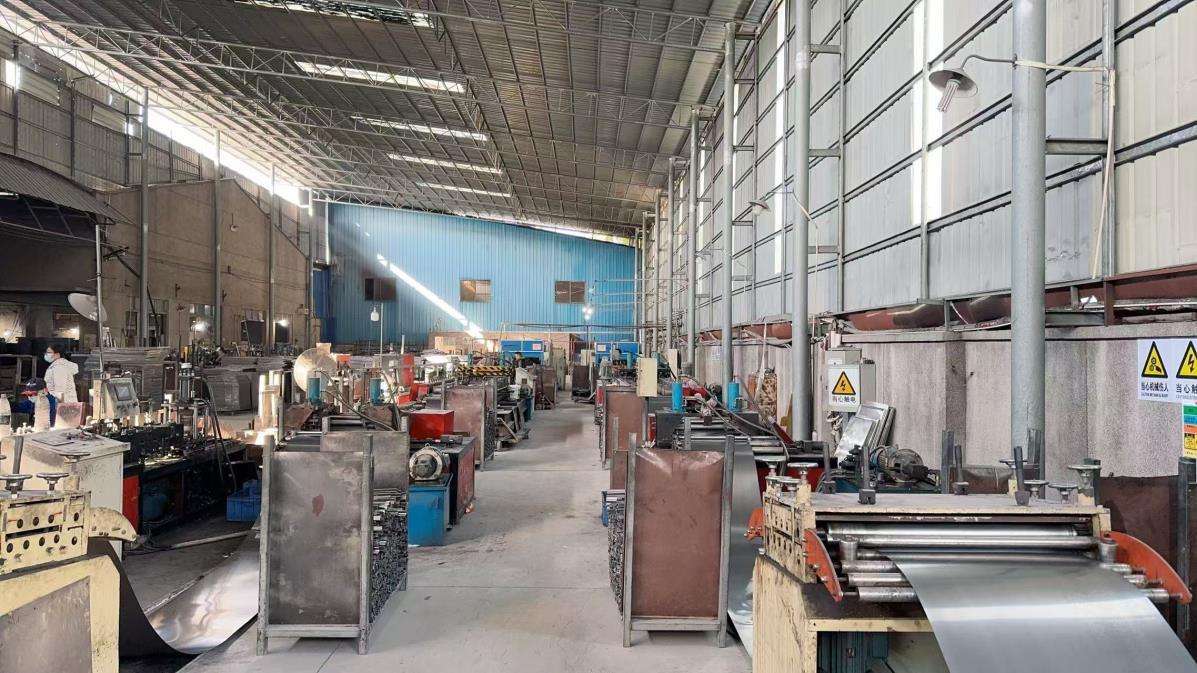
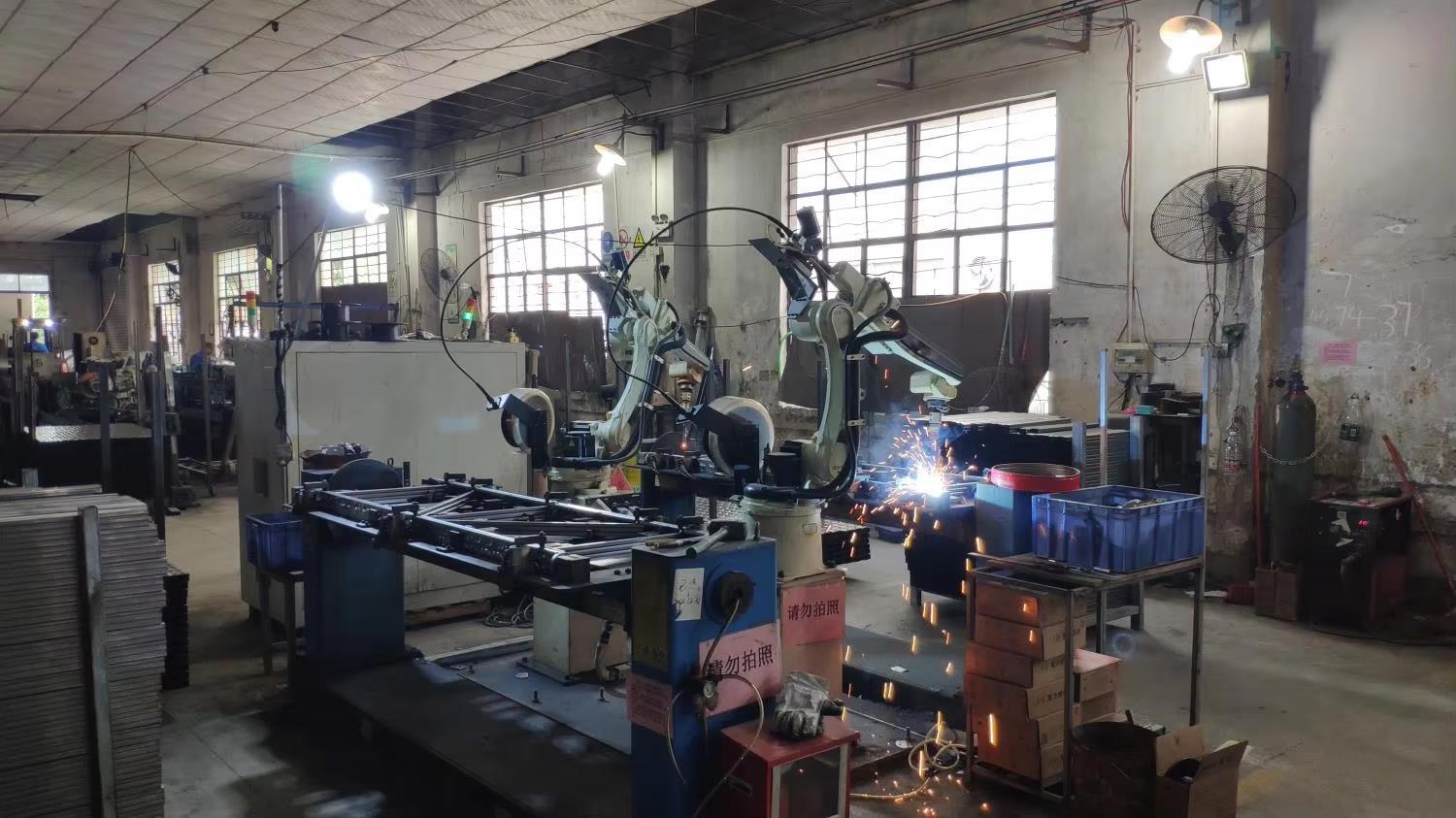
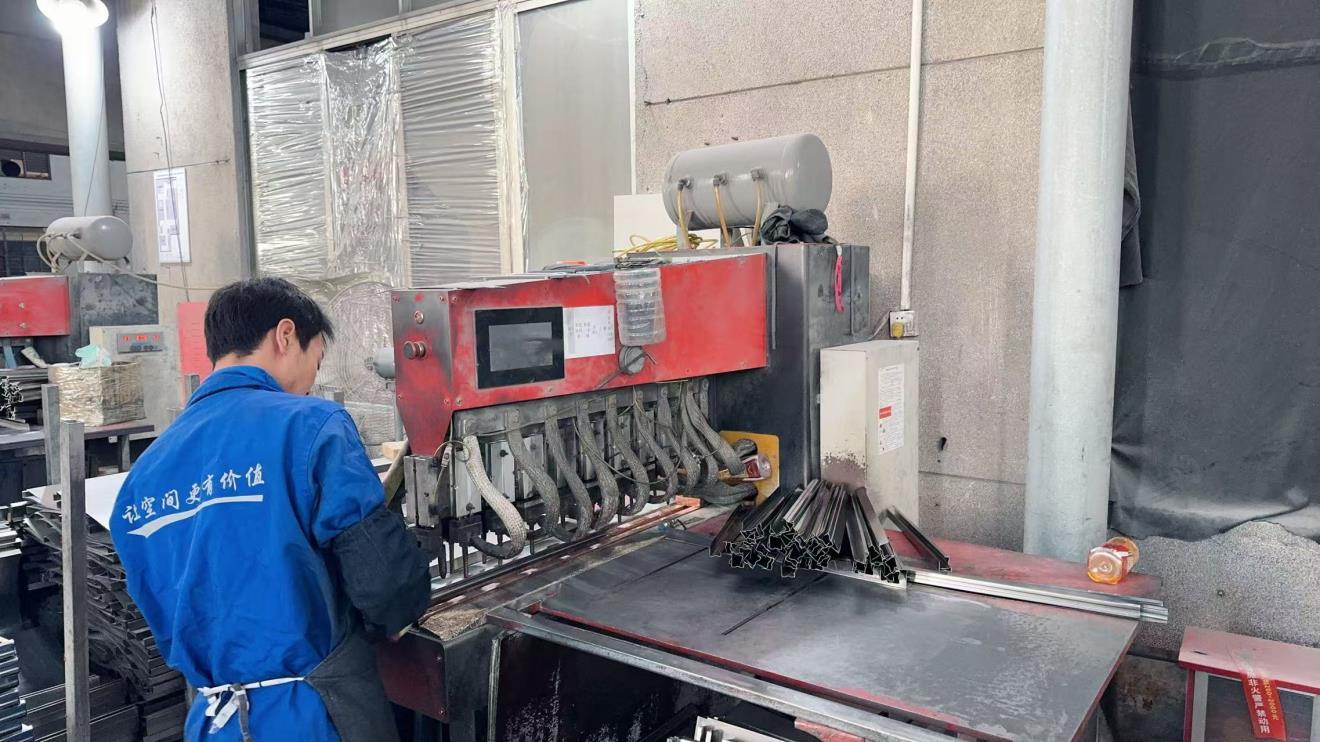
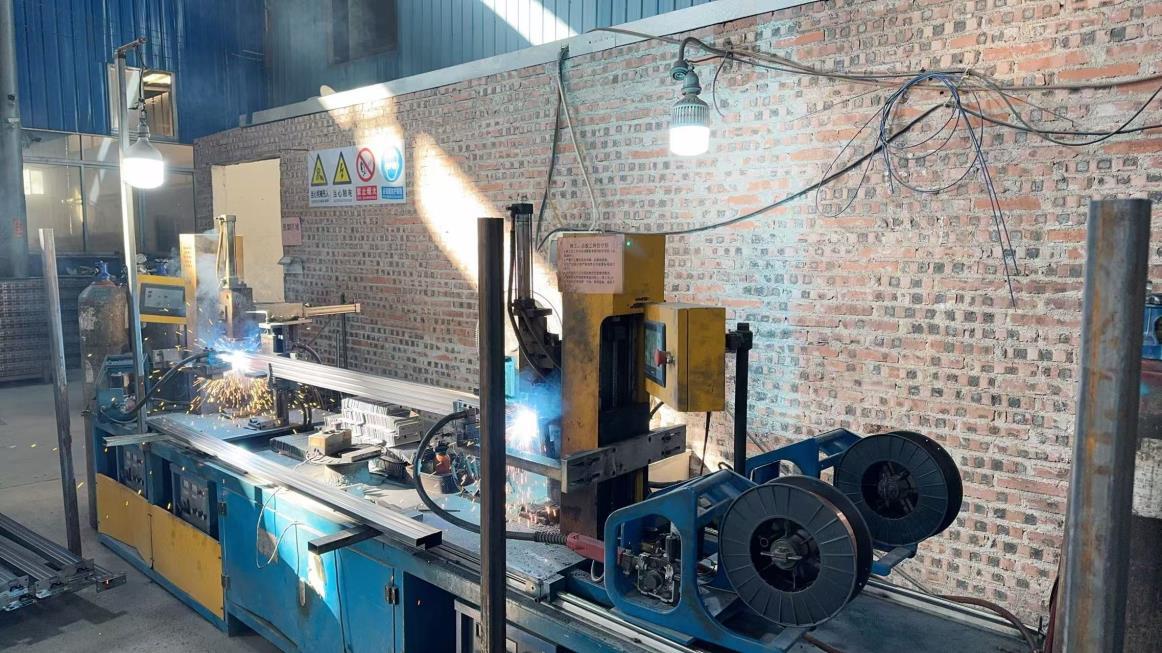
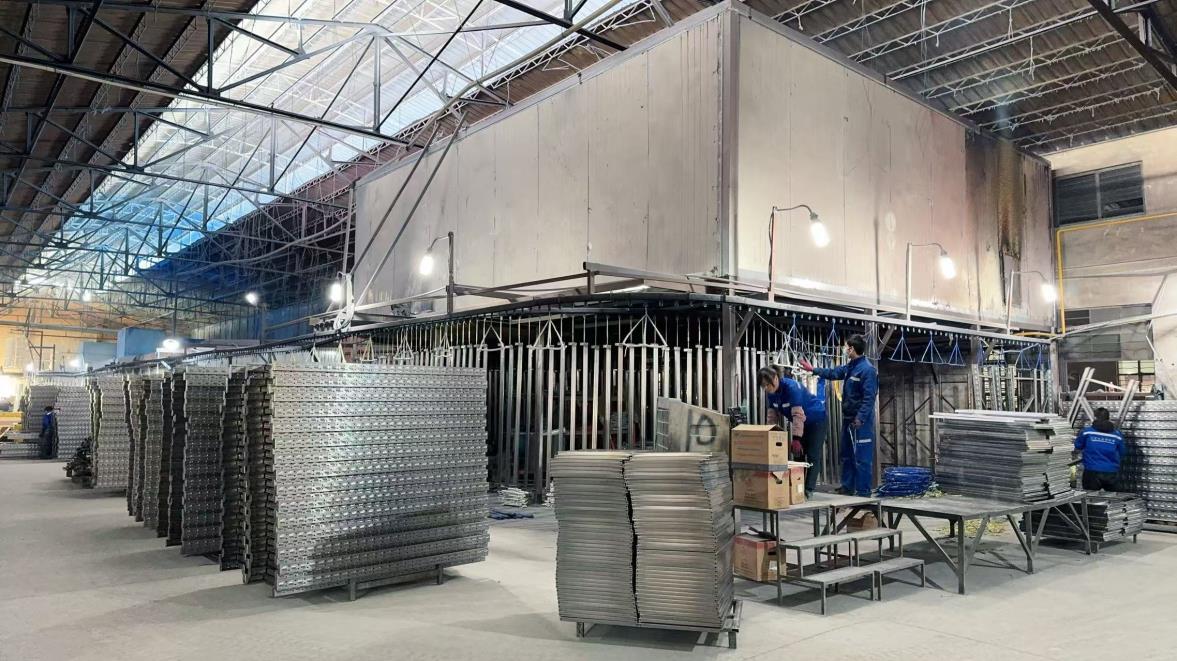
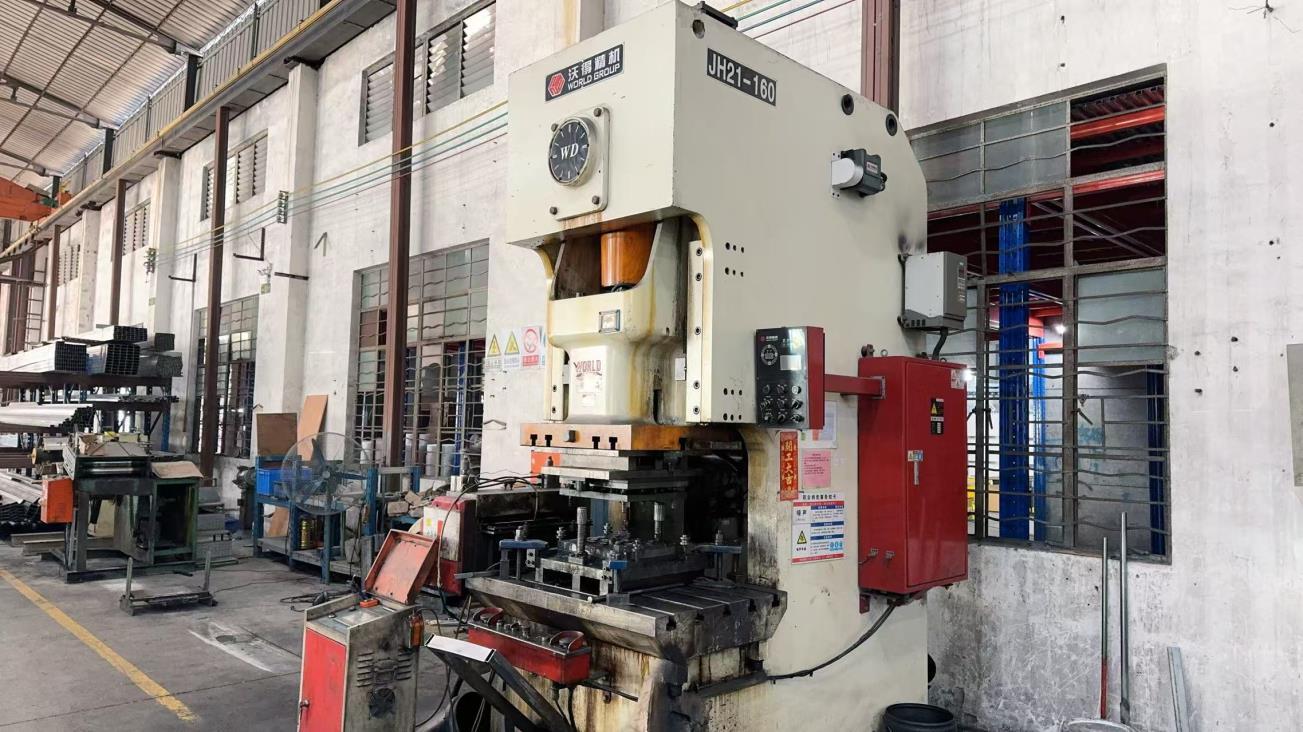
From raw high-grade steel sheets to robotic welding and automated powder coating lines, discover Kimsuk’s end-to-end industrial manufacturing process flow.
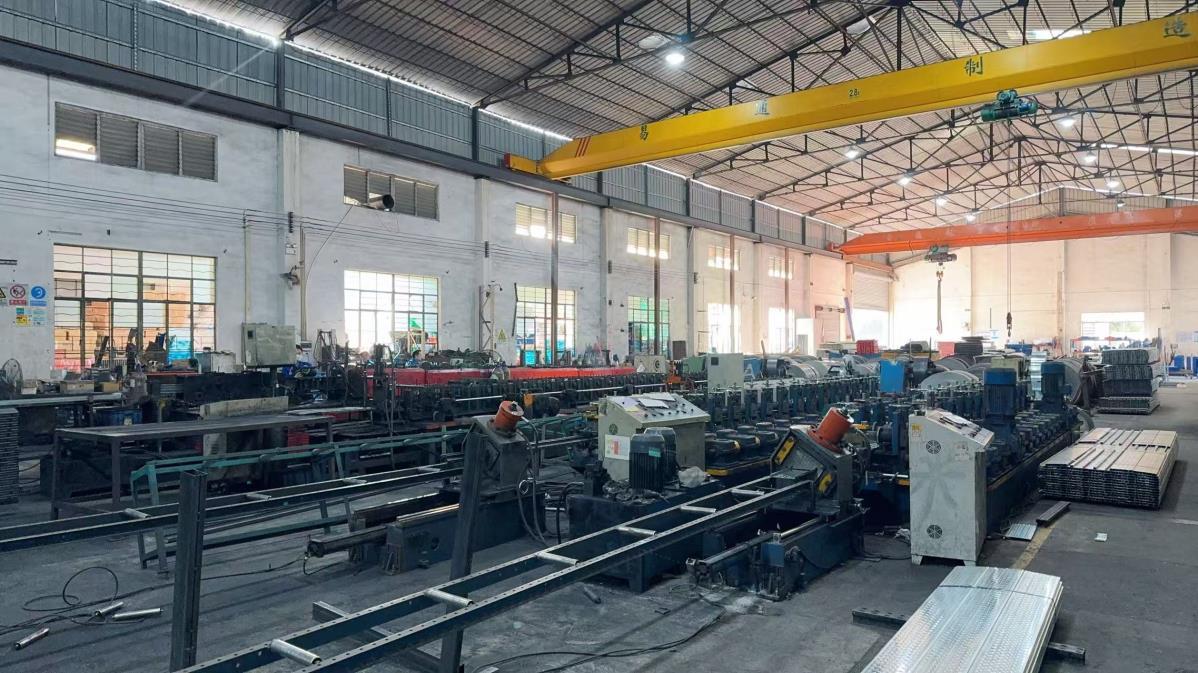
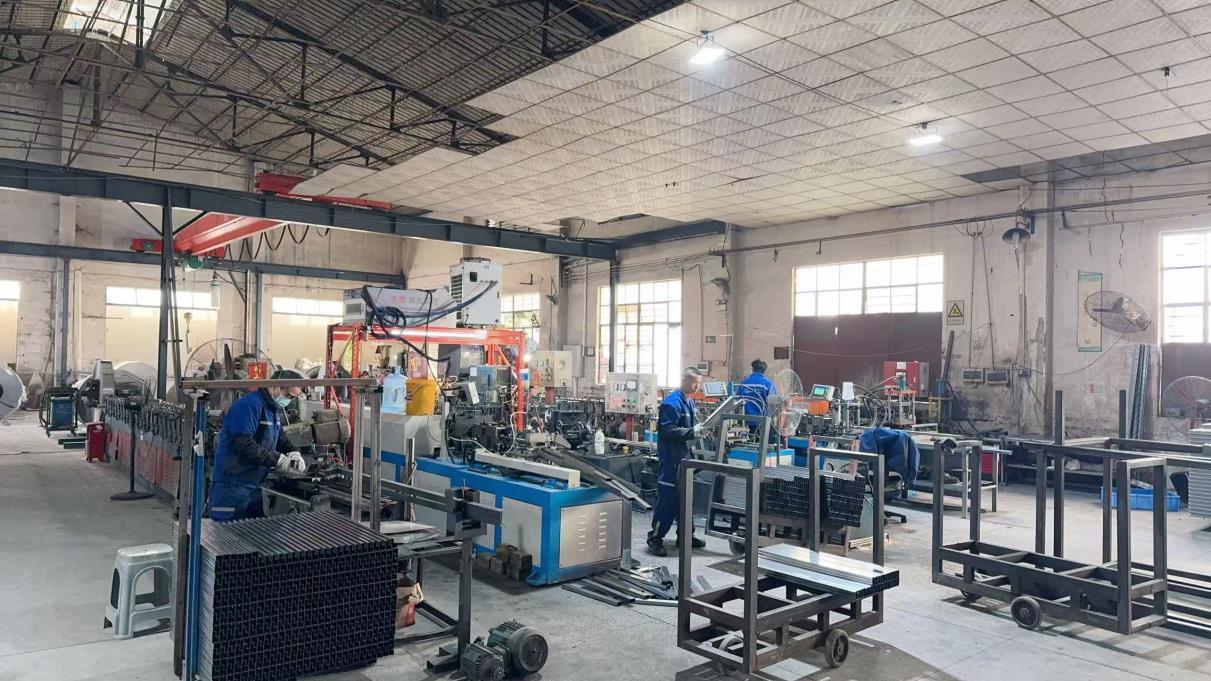
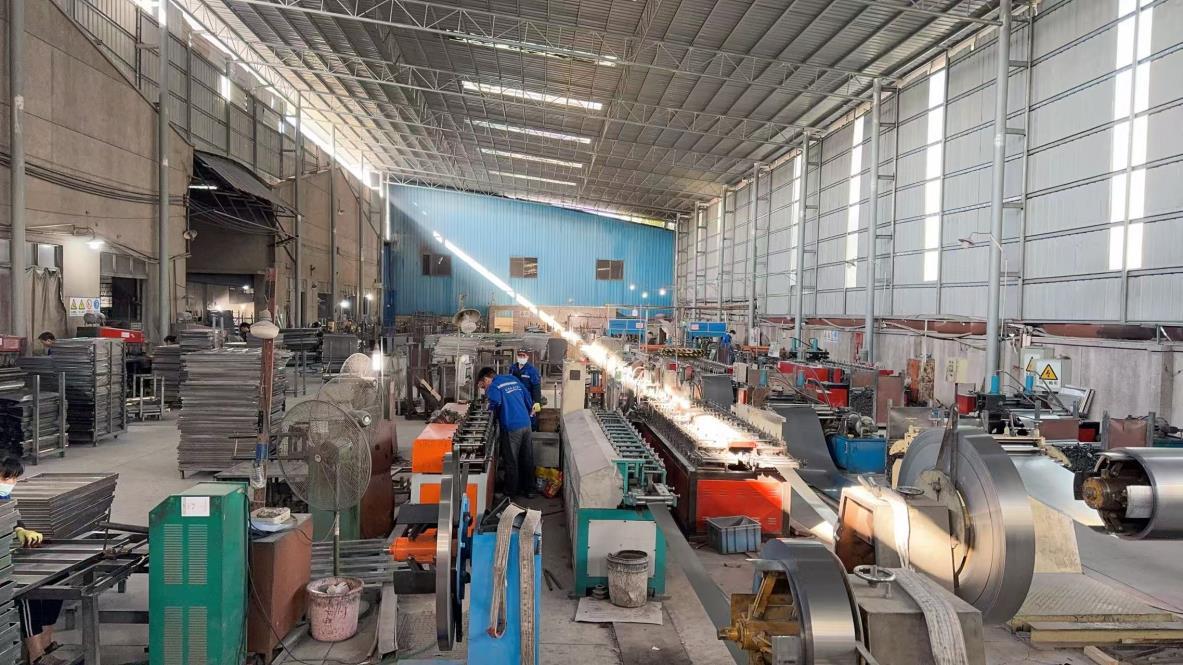
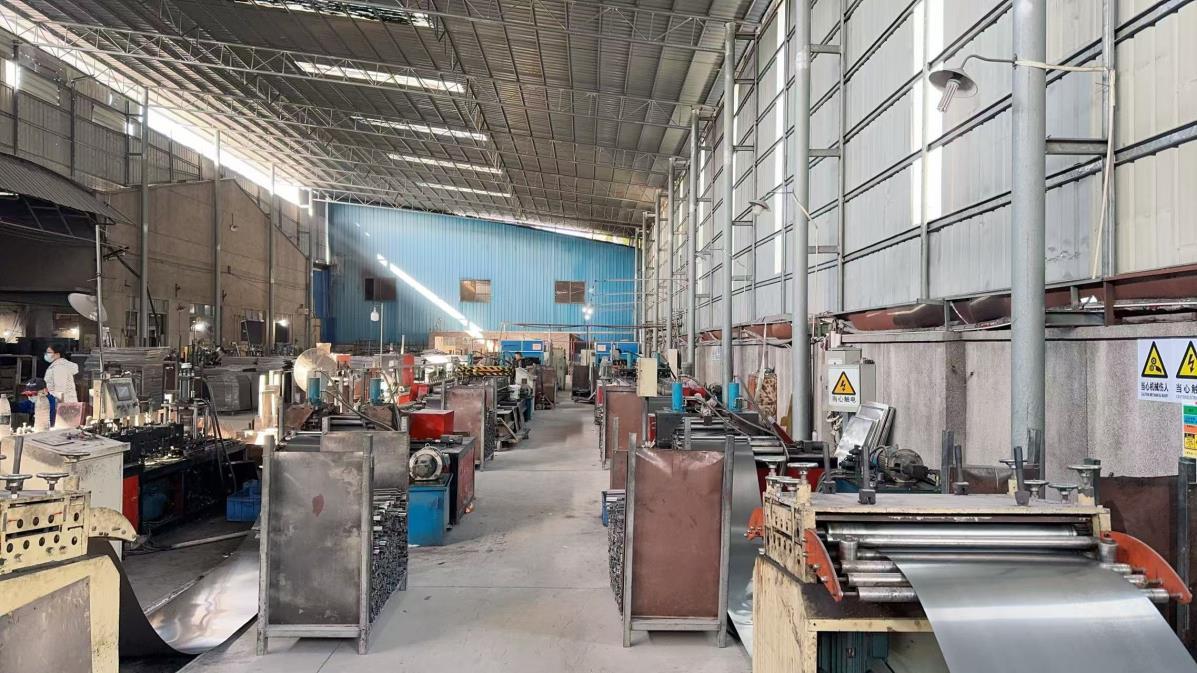
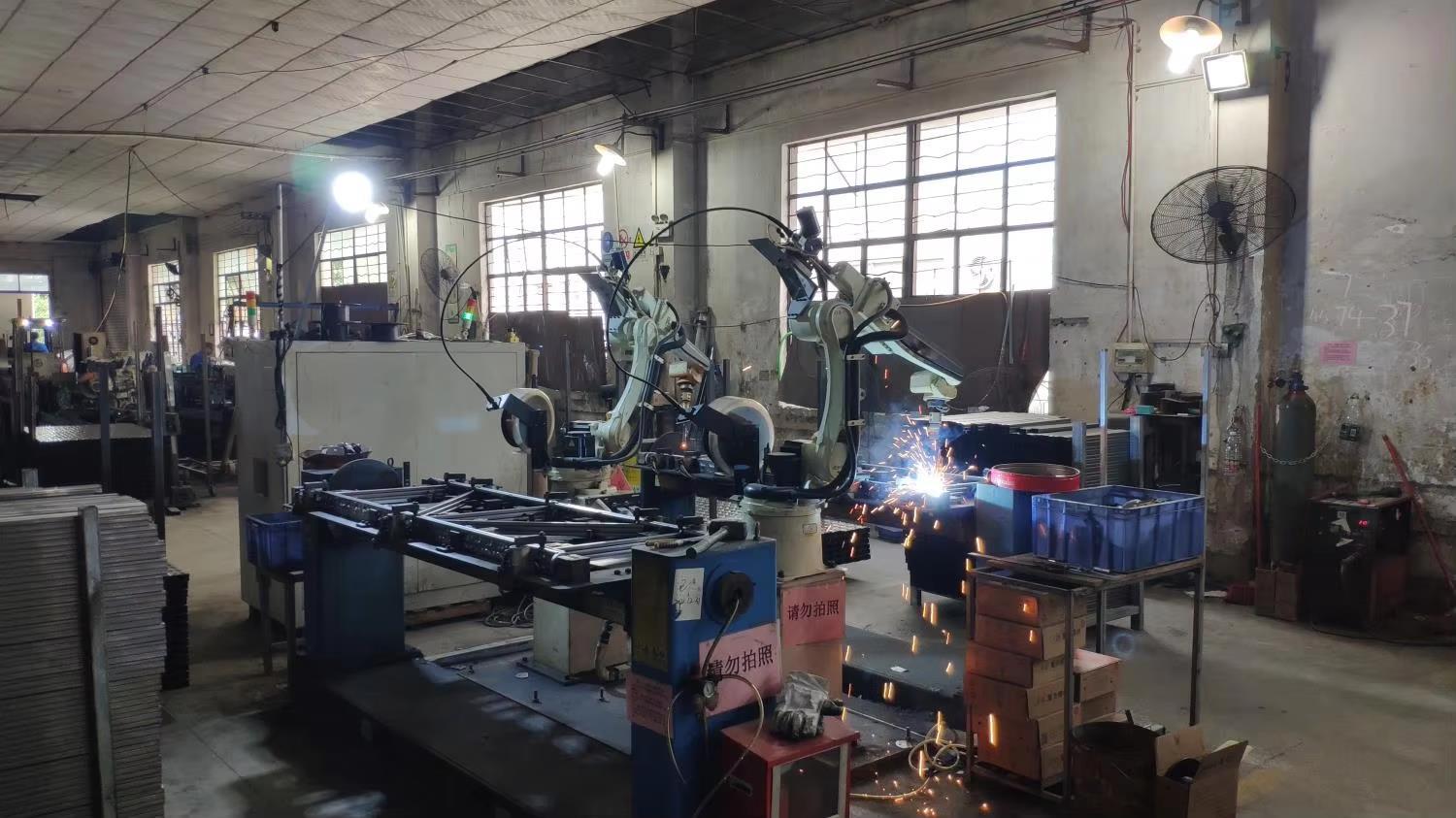
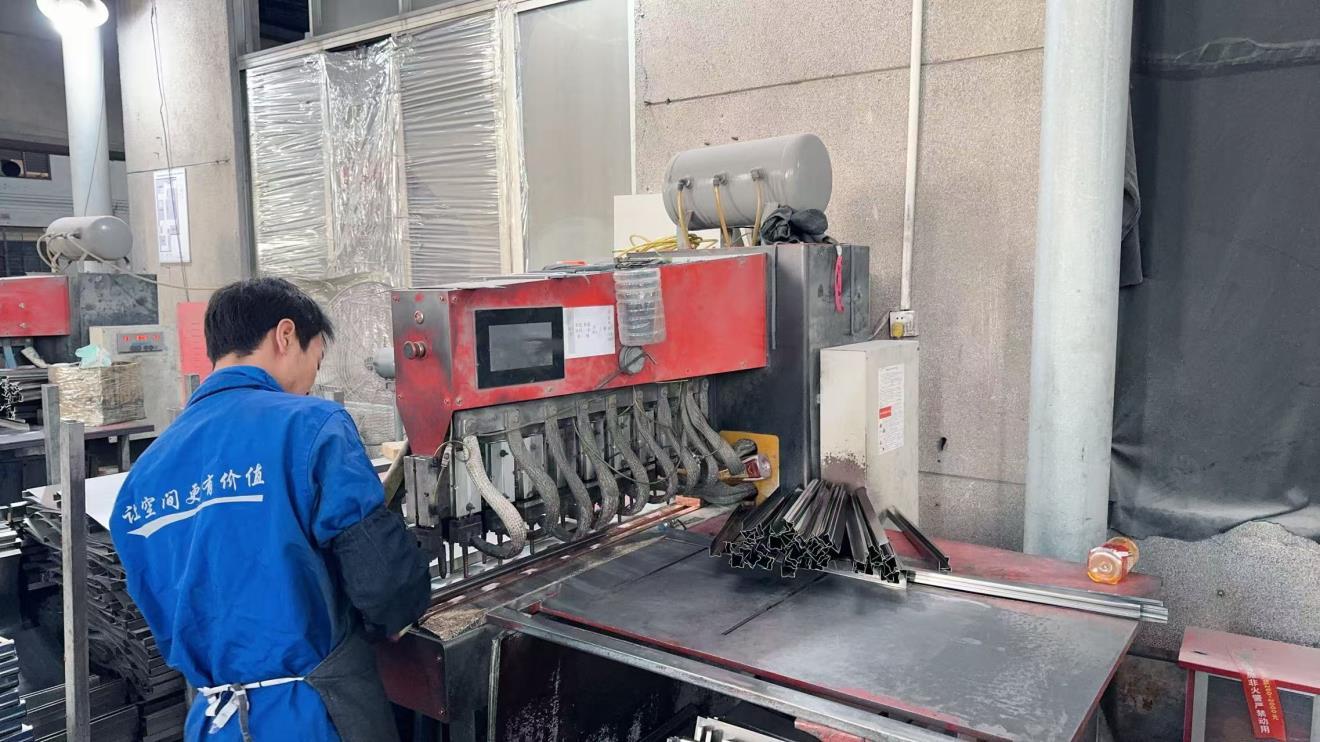
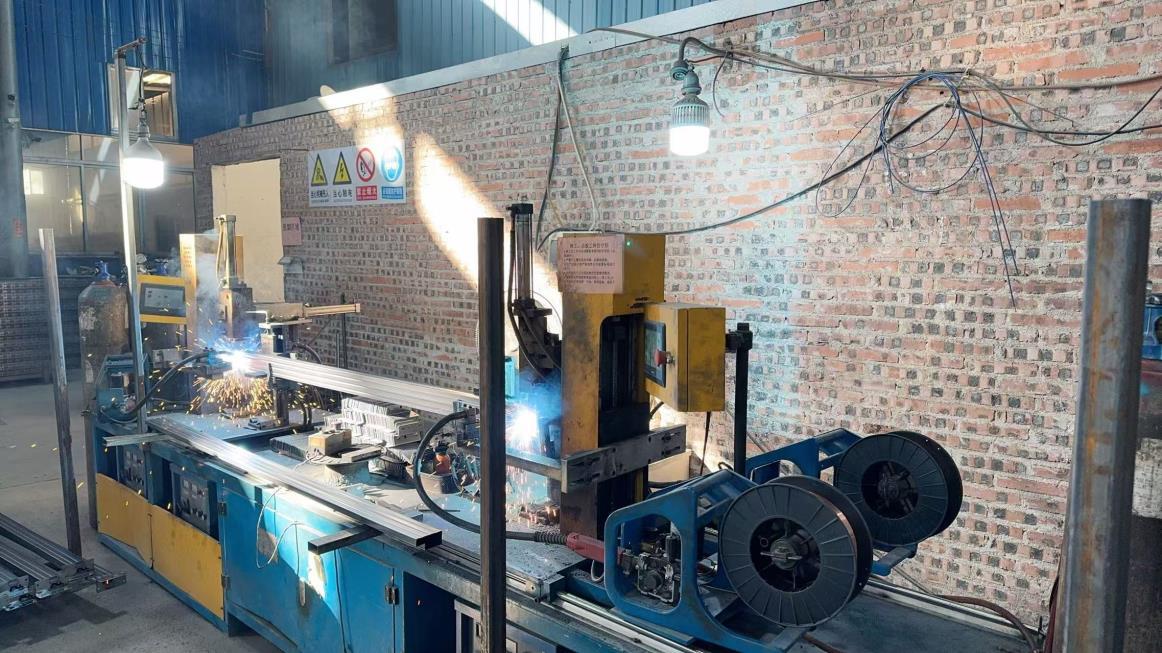
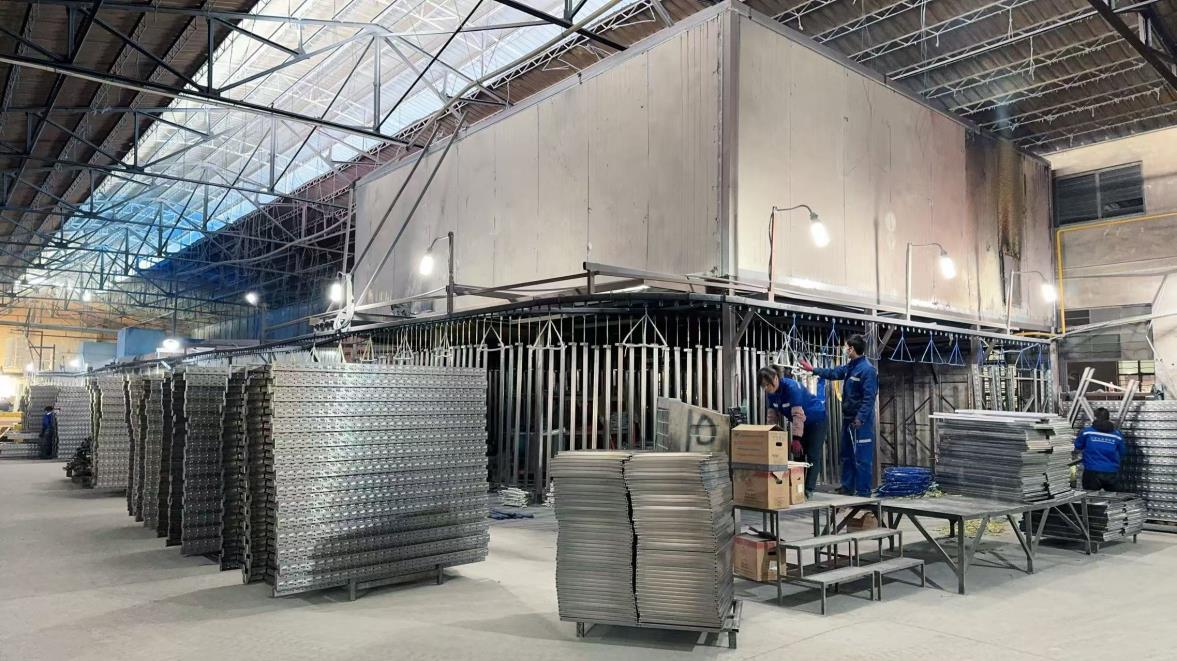
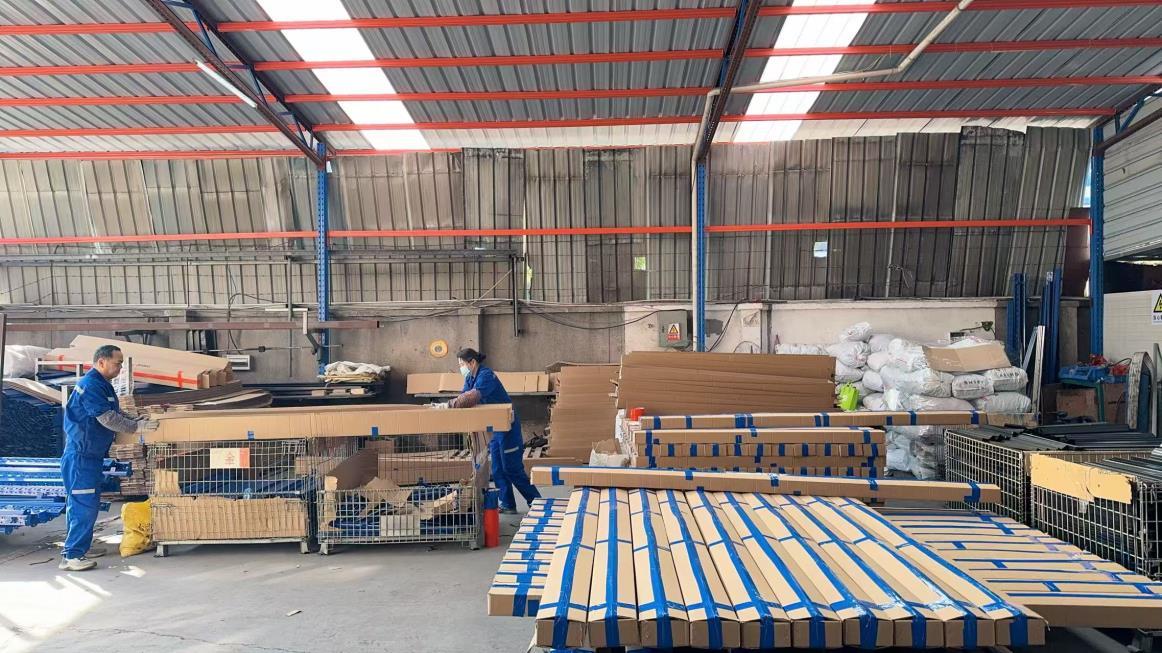
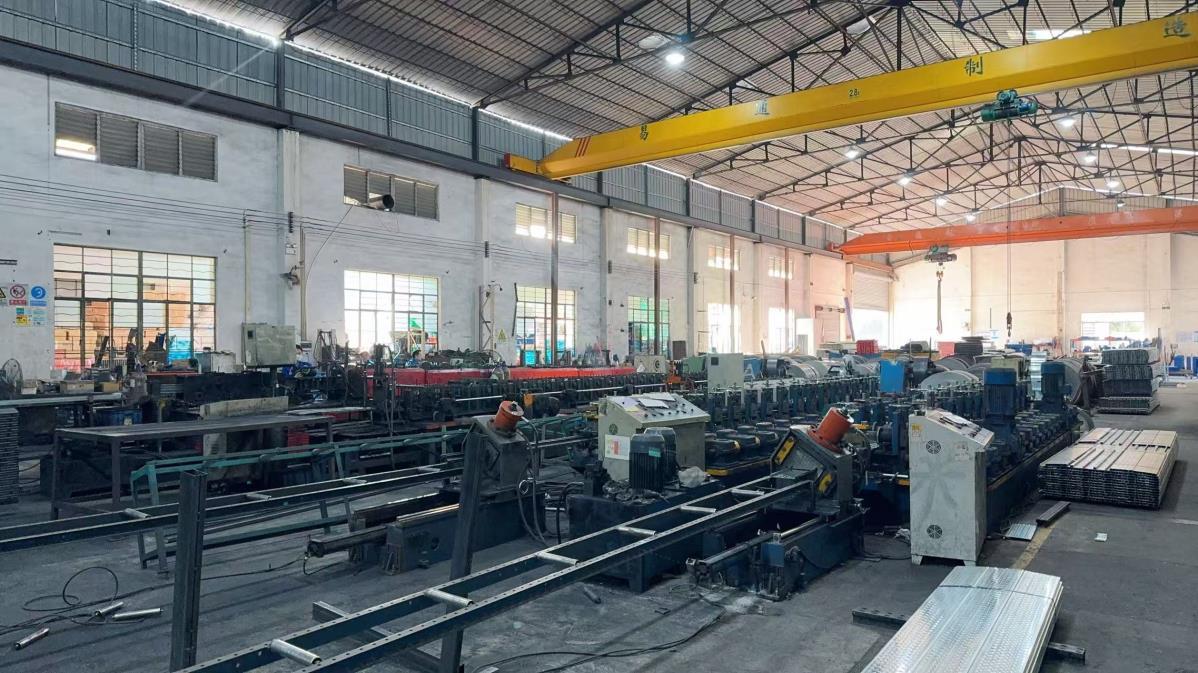
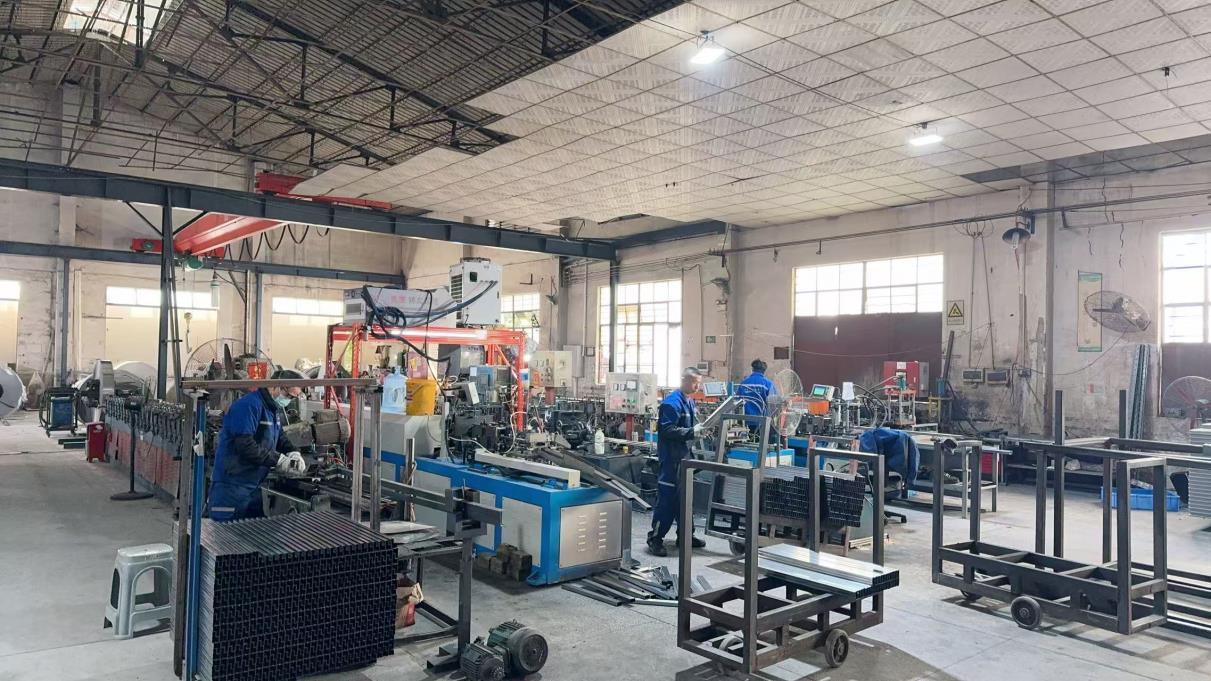
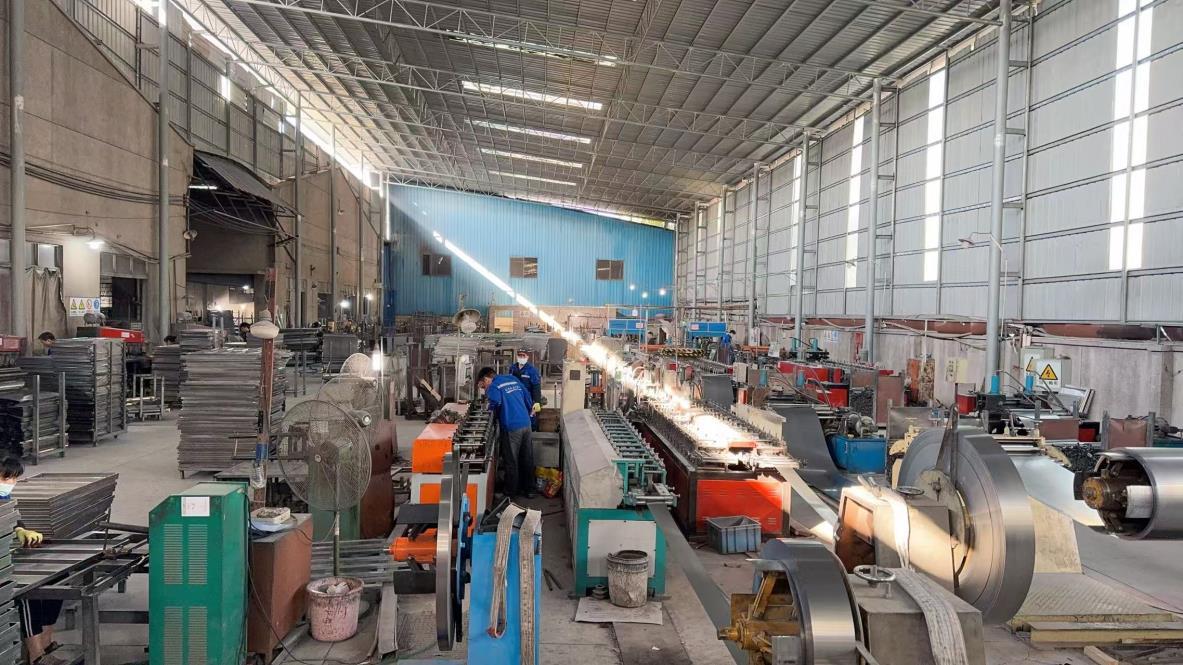
Compare structural capabilities across Kimsuk’s cantilever rack configurations, designed to meet international warehouse standards.
| Parameter / Specifications | Roll-Formed Cantilever System | Structural I-Beam System | Seismic / Extreme Heavy Duty |
|---|---|---|---|
| Steel Grades (GB/ASTM) | Q235B (equivalent to ASTM A36) | Q355B (equivalent to ASTM A572 Grade 50) | High-Tensile Reinforced Alloys |
| Load Capacity Per Arm | 100 kg to 1,500 kg | 1,000 kg to 5,000 kg | Up to 8,000 kg (Engineered Spec) |
| Standard Column Heights | 2,000 mm to 6,000 mm | 3,000 mm to 9,000 mm | Customized up to 12,000 mm |
| Arm Configurations | Straight, Inclined, Tapered, Pipe-Stop | Heavy-Duty Pin/Bolt Joint Arms | Telescopic and Guided-V Groove |
| Structural Deflection Limit | L/180 or L/240 as per RMI | L/300 for high-stability handling | Custom low-deflection limits |
| Corrosion Protection | Electrostatic Epoxy Powder Coat | Powder Coating / Hot-Dip Galvanized | Thermal Spray Zinc / ISO 1461 HDG |
Key engineering considerations, safety parameters, and installation guidelines for enterprise procurement directors.
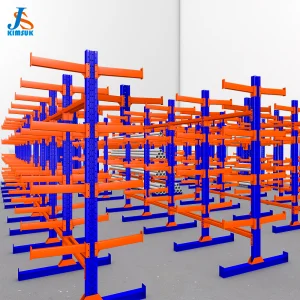
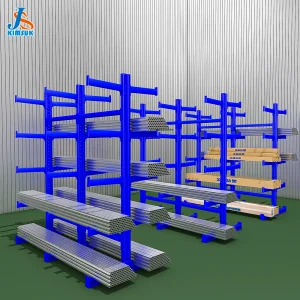
High-capacity configurations designed for high-density warehouse environments, structural pipe yards, and automated telescopic systems.
 Kimsuk Racking