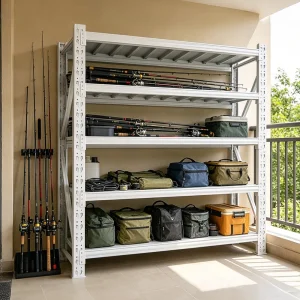
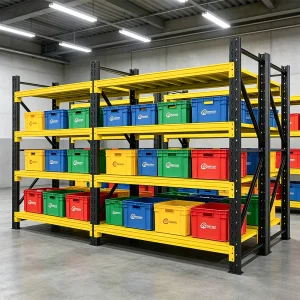
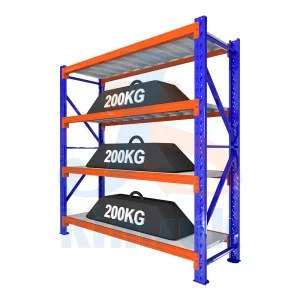
Engineered to handle extreme load capacities, our RTS industrial racking units facilitate instant spatial optimization for modern warehousing hubs.
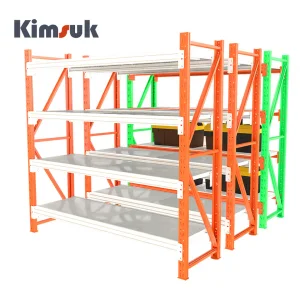
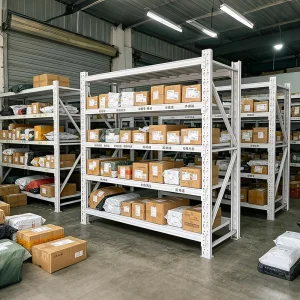
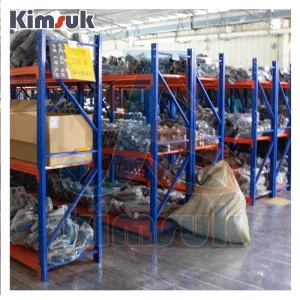
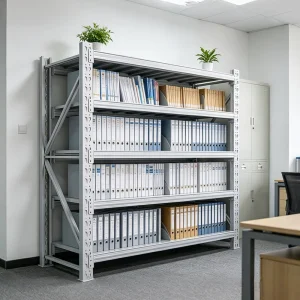
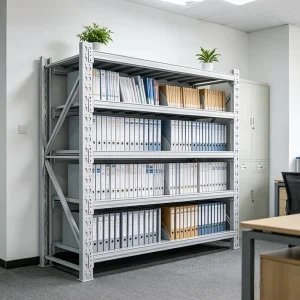
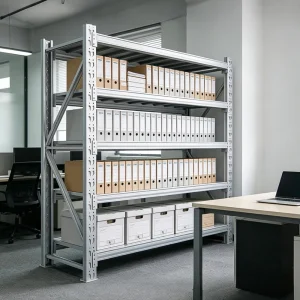
In an era characterized by dynamic market fluctuations, instant consumer demand, and volatile supply networks, Ready-to-Ship (RTS) logistics infrastructure has transitioned from a operational preference to a critical macroeconomic necessity. Industrial entities, 3PL providers, and e-commerce distribution networks no longer have the luxury of 12-to-16-week lead times for customized warehouse structural components. Today's industrial paradigm demands high-velocity deployment capabilities to prevent spatial bottlenecks and mitigate inventory storage overhead.
Globally, the warehousing sector is undergoing a massive shift towards structural modularity. In-stock, standardized shelving components enable rapid scalability and cross-compatible modular designs. By deploying high-grade Q235B steel racking systems directly from factories with pre-existing inventory reserves, international procurement departments can compress lead times by up to 75%. This responsive agility ensures that industrial plants, automotive parts hubs, and temperature-controlled food distribution centers maintain continuous operational status, avoiding costly delays caused by regional supply chain failures.
Recent third-party logistics studies indicate that a 10% delay in warehouse layout reconfiguration results in a cumulative 4.2% loss in operational fulfillment throughput. Utilizing standardized, pre-engineered RTS systems directly addresses this operational bottleneck by allowing warehouses to adapt instantly to fluctuating inbound volumes.
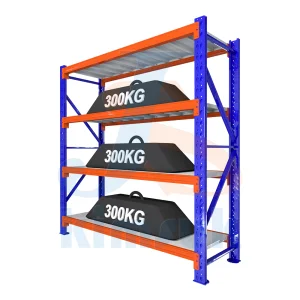
The future of industrial storage is defined by three fundamental vectors: vertical spatial optimization, heavy-duty capacity standardization, and integration with robotic logistics networks. As land costs escalate in major logistical corridors, warehouses are extending vertically. High-tier racking configurations must support higher load ratings—often exceeding 1,000kg to 5,000kg per bay—while maintaining rigid structural safety limits under seismic and load conditions.
Furthermore, automation is reforming how racking units are specified. Standard boltless and long-span racking systems are increasingly redesigned to accommodate Automated Guided Vehicles (AGVs) and Autonomous Mobile Robots (AMRs). Standardized clearances, electrostatic powder-coated protective surfaces, and precise beam spacing configurations are mandatory to prevent robotic navigation errors. Consequently, top-tier RTS suppliers are optimizing their stock designs to serve both conventional human-operated logistics and next-generation automated distribution pipelines.
A global leader in heavy-duty industrial warehouse racking systems and automated storage solutions.
Founded in 2015, Dongguan Kimsuk Shelves Co., Ltd. is a premier manufacturer specializing in heavy-duty industrial warehouse racking systems, automated storage solutions, and customizable steel shelving. Spanning a state-of-the-art production facility of 38,000 square meters, Kimsuk combines advanced manufacturing infrastructure with high-precision engineering to deliver robust logistics and warehousing infrastructure globally.
ISO 9001:2015 Quality Management System, CE Standard Compliance, and Load-Bearing Safety Certifications.
Non-destructive Ultrasonic Testing, Automated Ultrasonic Weld Flaw Detection, Coating Thickness Measurement, Surface Salt Spray Corrosion Testing, and Structural Static/Dynamic Load Testing.
35 Certified QC Inspectors and Material Testing Engineers. R&D Team consists of 18 Senior Structural Engineers and Industrial Automation Specialists.
Direct OEM/ODM Export, Strategic Global Distribution Partnerships, and Turnkey Logistics EPC Solutions. Primary Export Markets include North America, Western Europe, Southeast Asia, Australia, and the Middle East.
Over 850 Upstream Material Suppliers and Downstream Logistics Partners ensuring highly integrated industrial supply chains.
Serving Global Logistics Hubs, Enterprise E-commerce Distribution Centers, Cold Chain Facilities, Industrial Equipment Wholesalers, and Third-Party Logistics (3PL) Operators. Capabilities include CAD/3D BIM Warehouse Modeling and Finite Element Analysis (FEA).
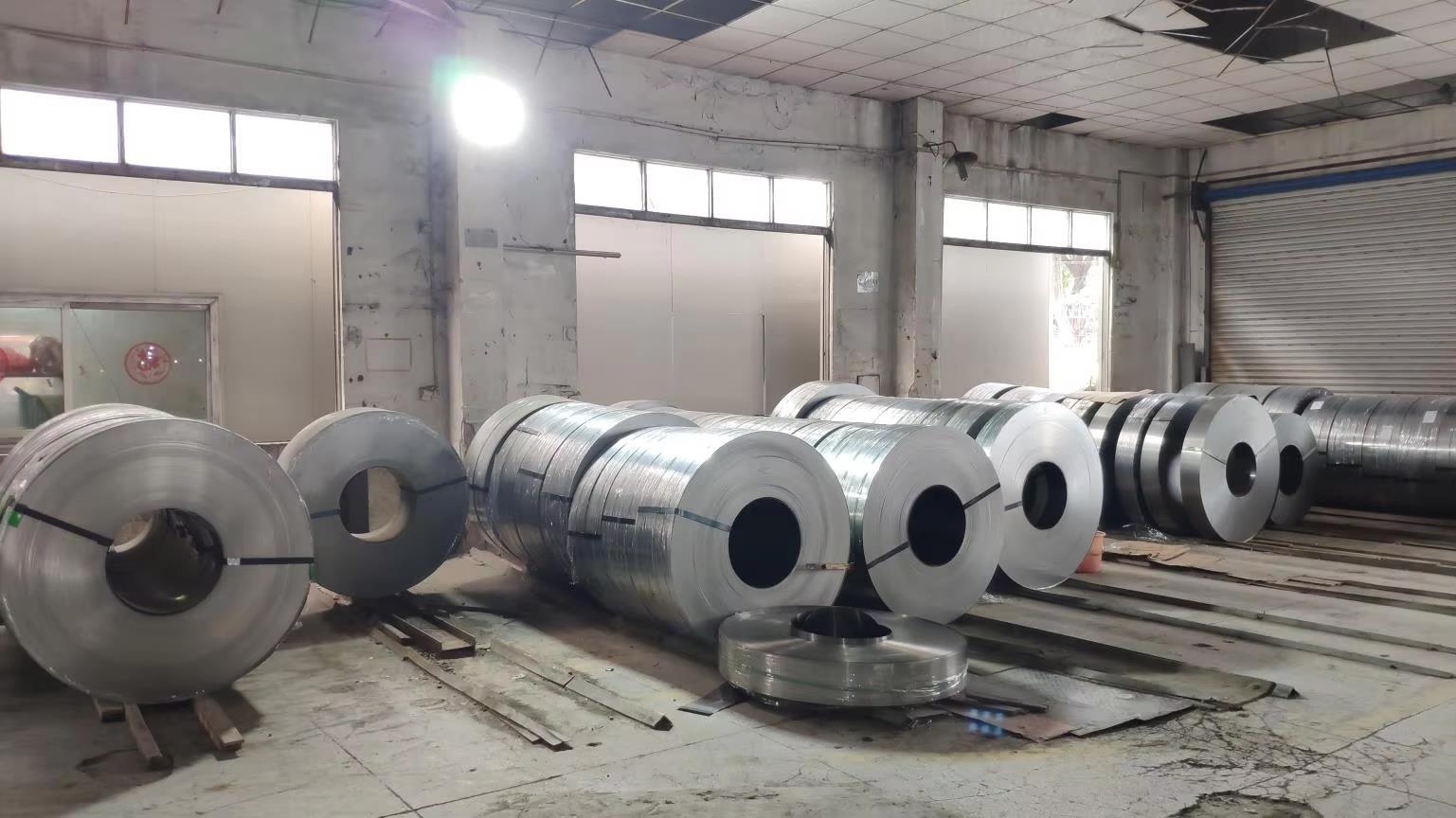
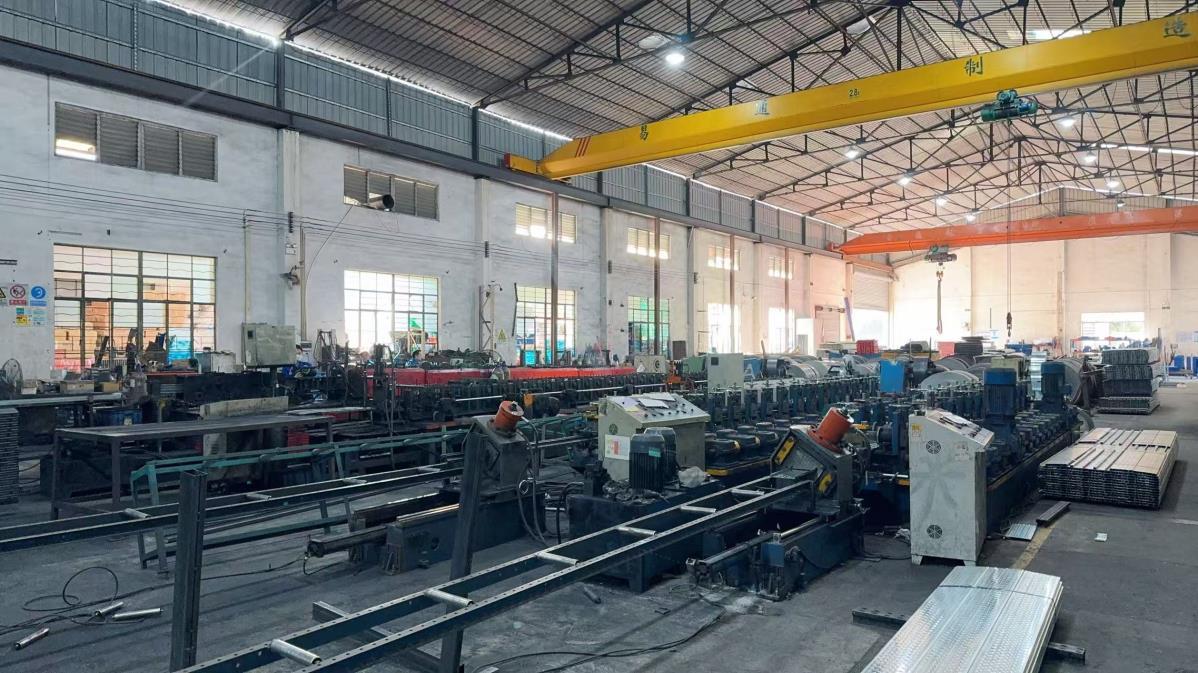
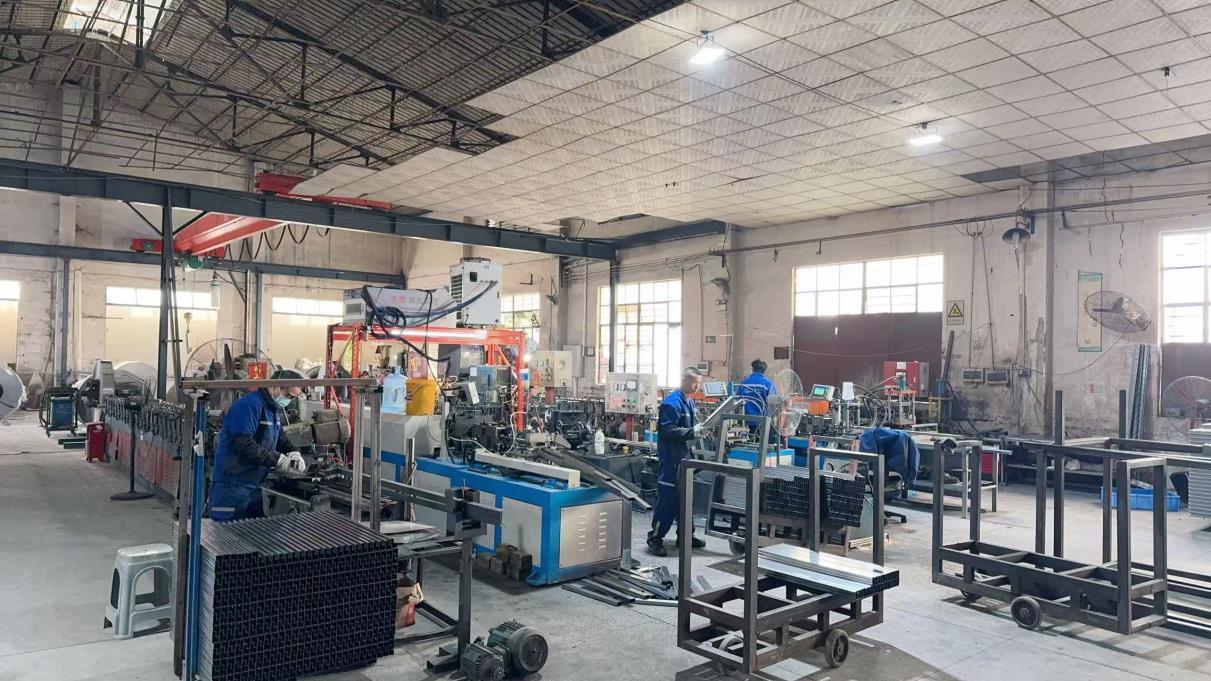
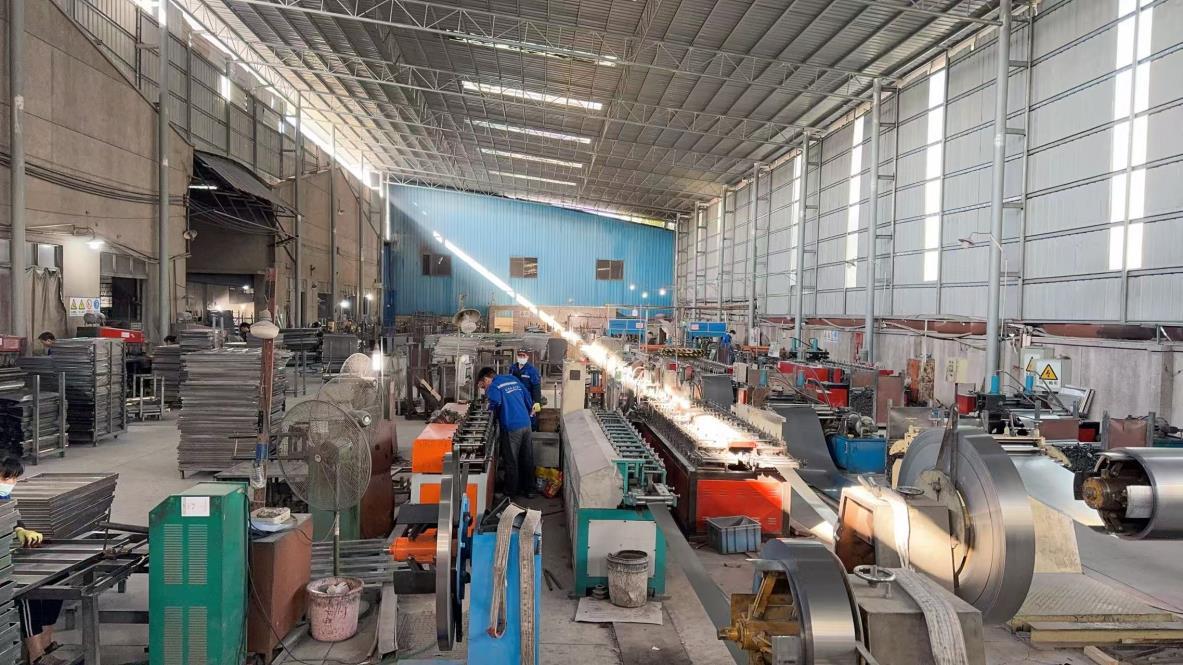
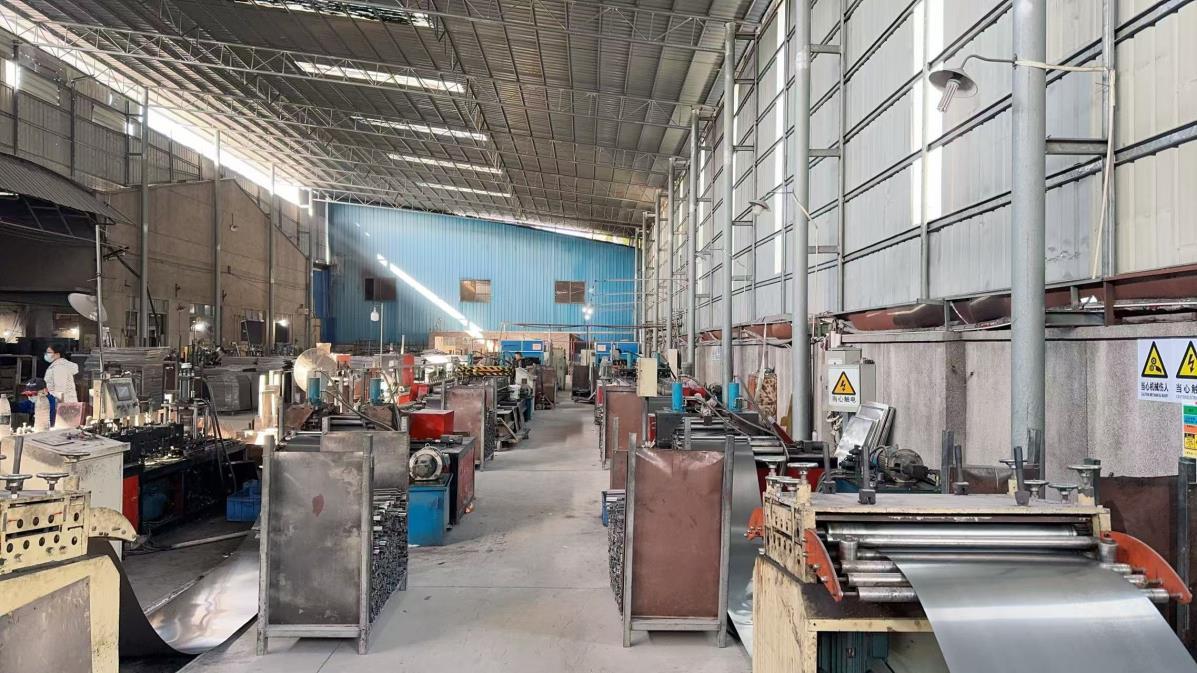
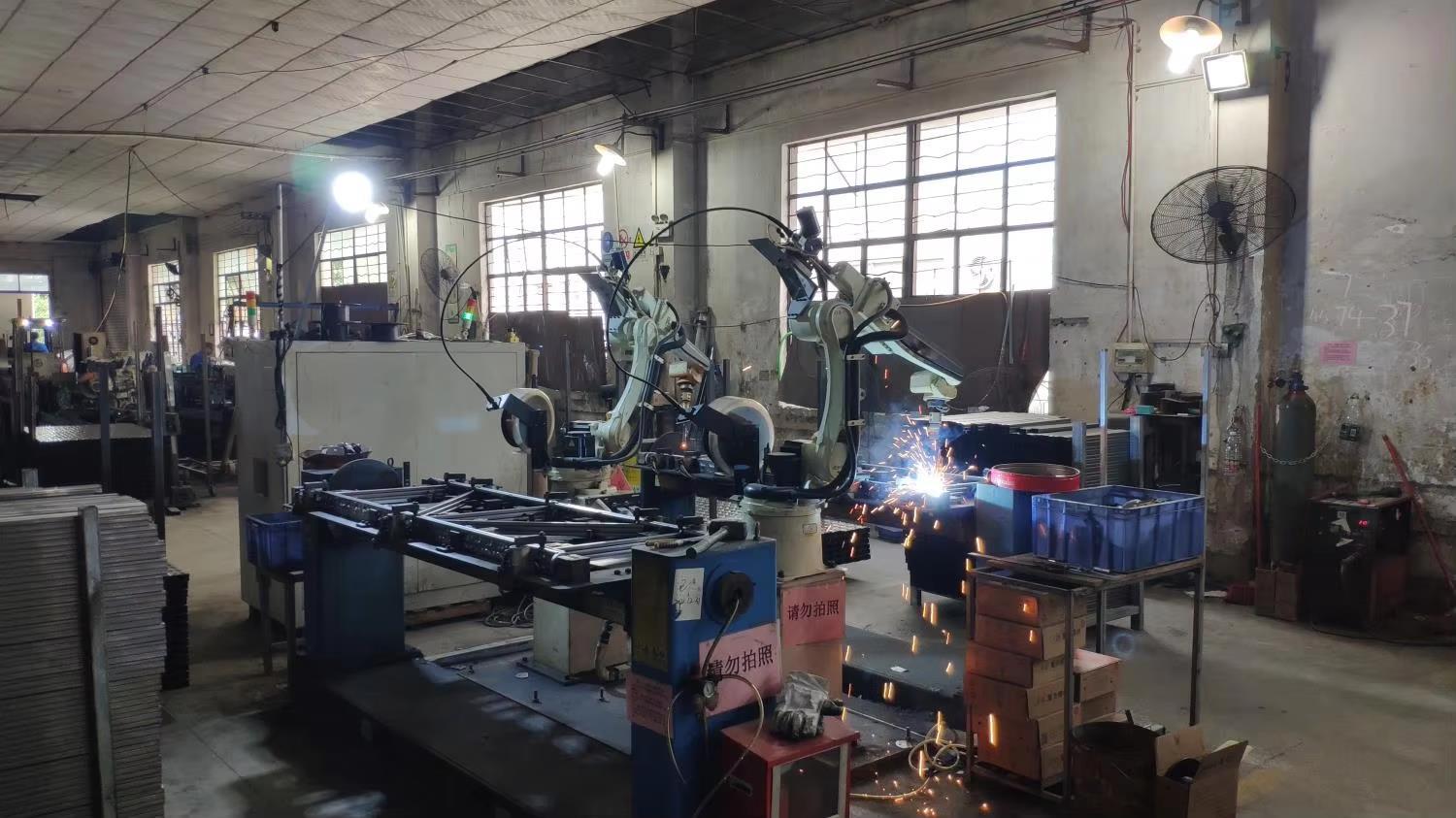
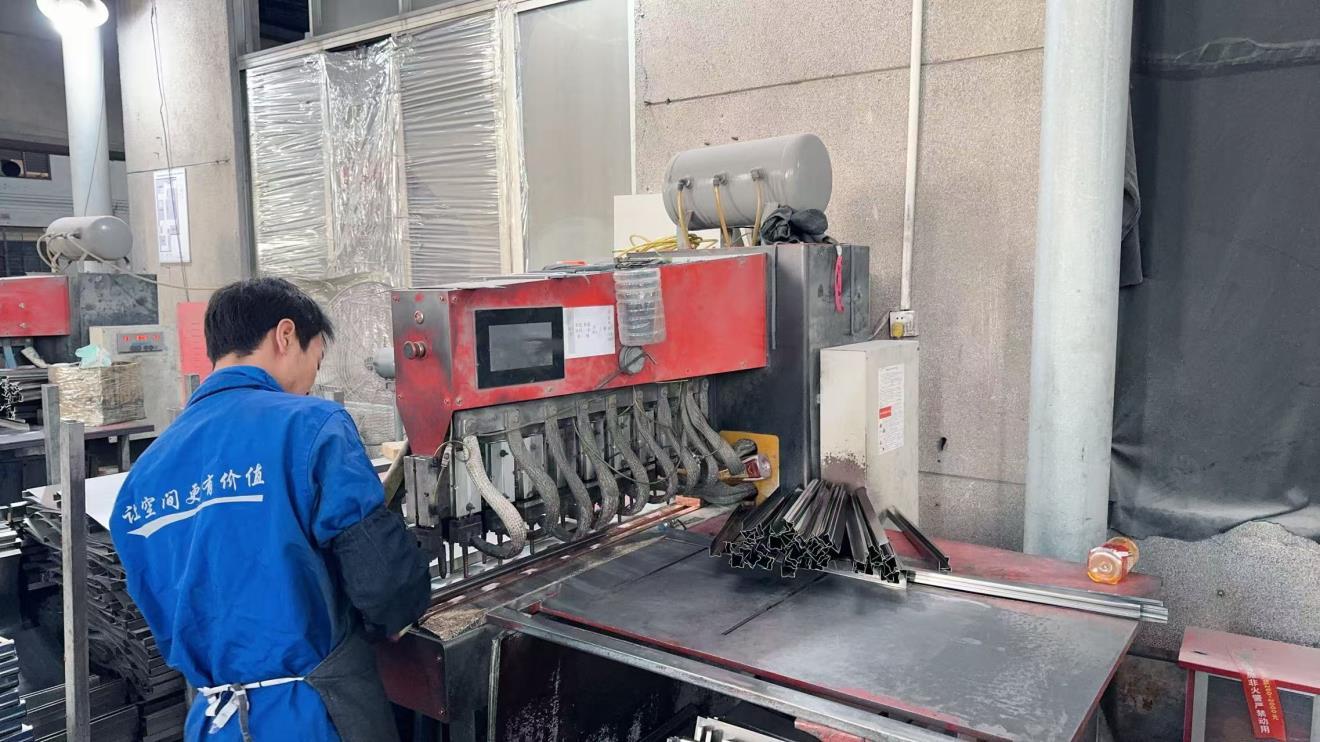
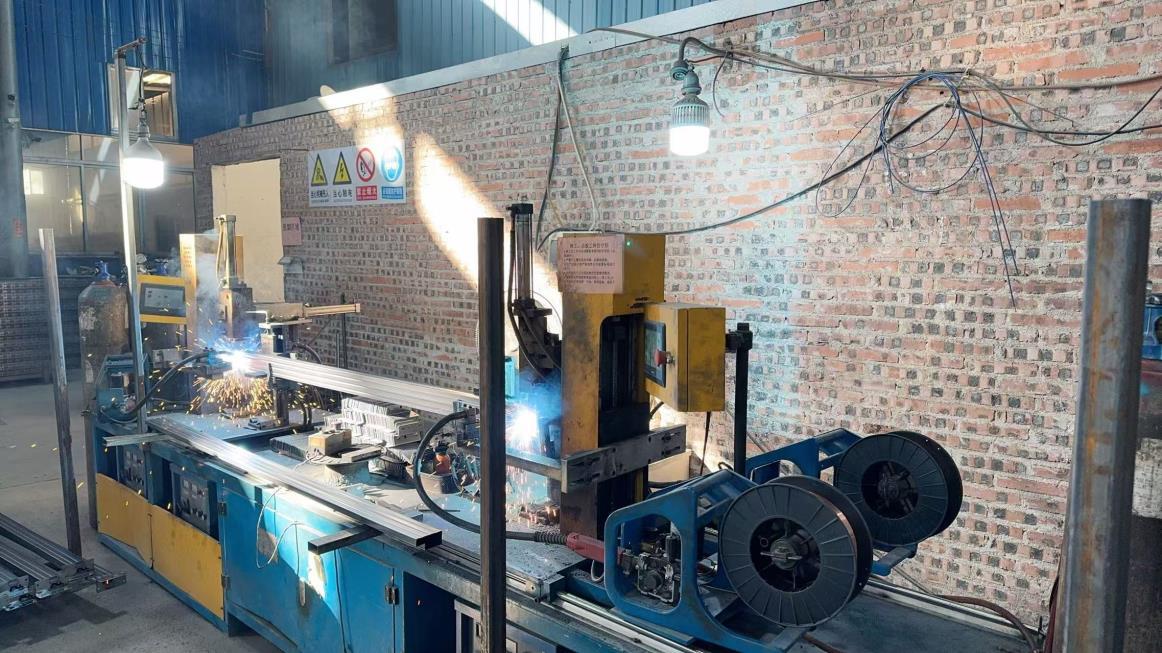
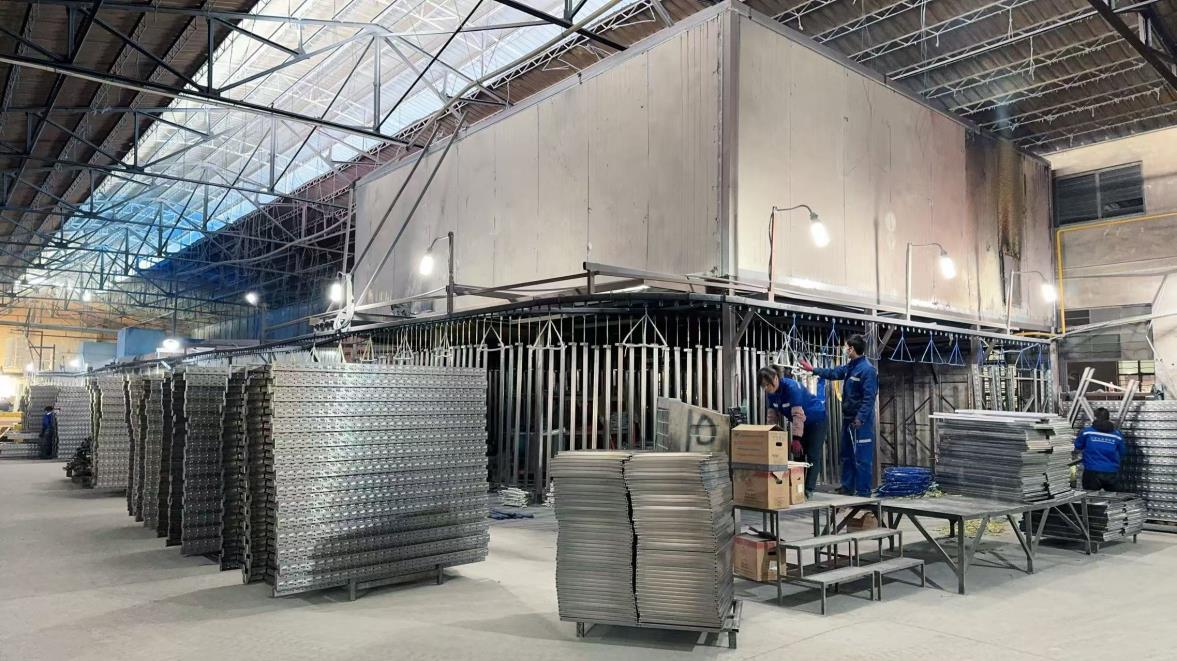
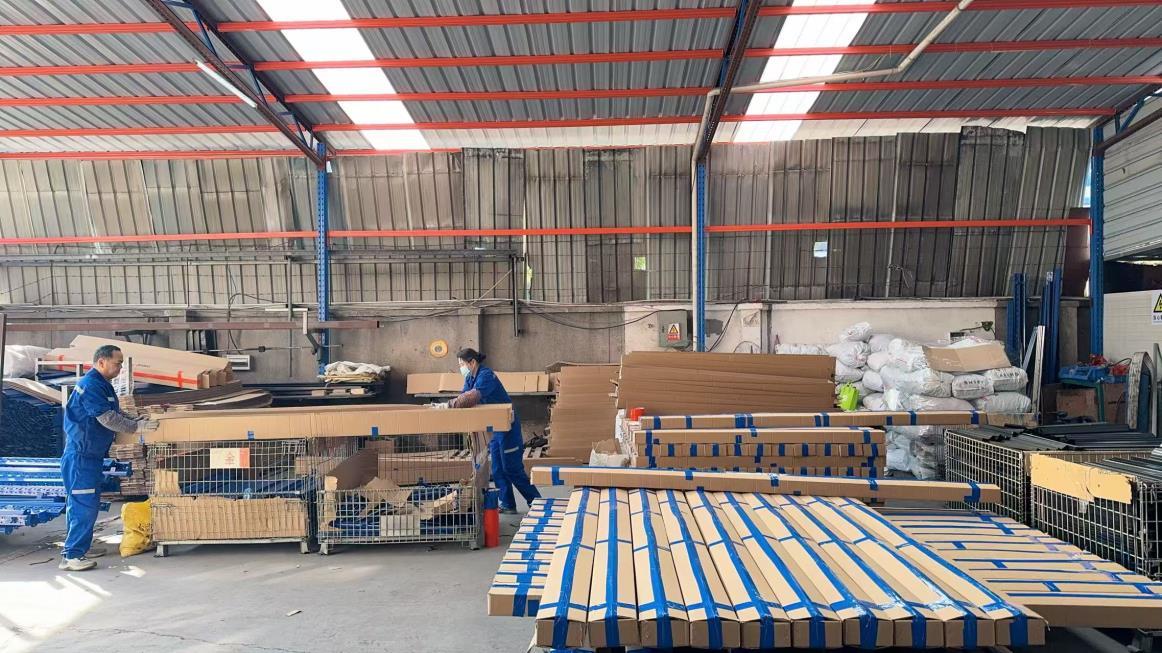
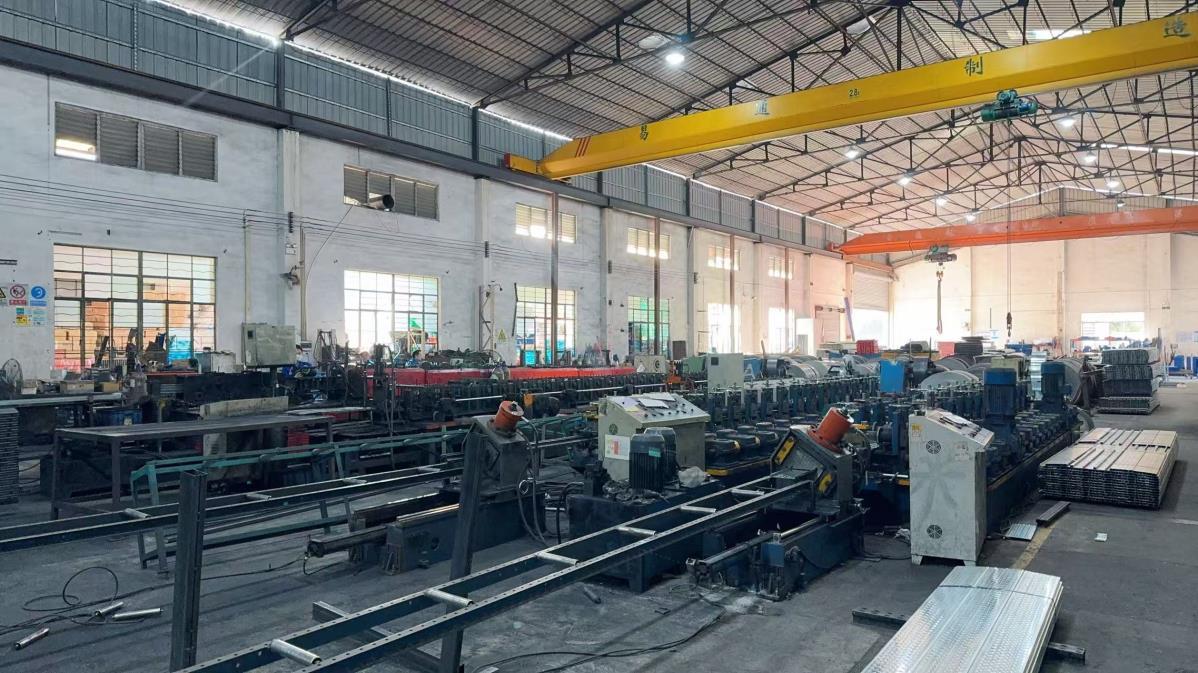
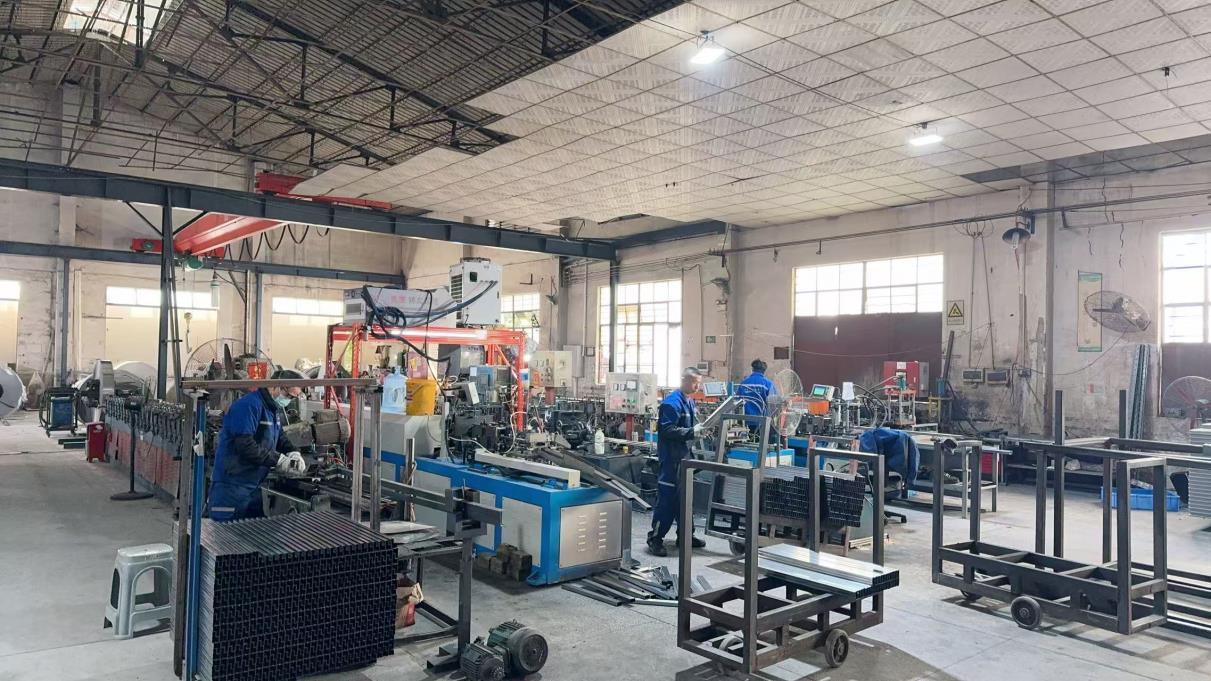
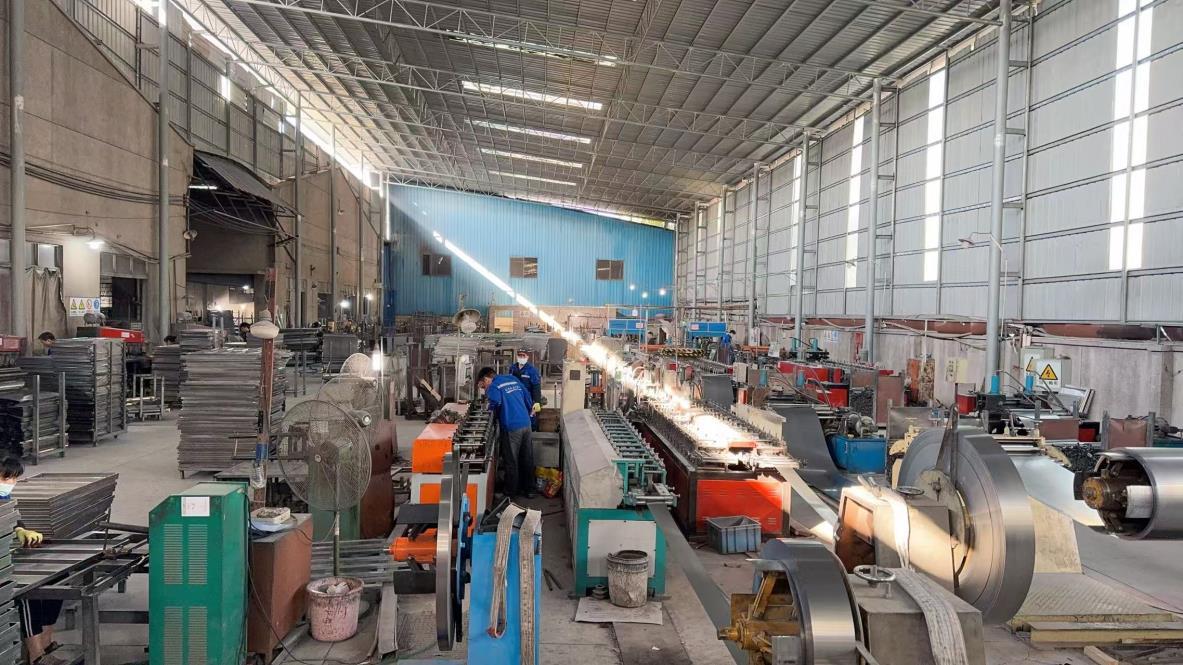
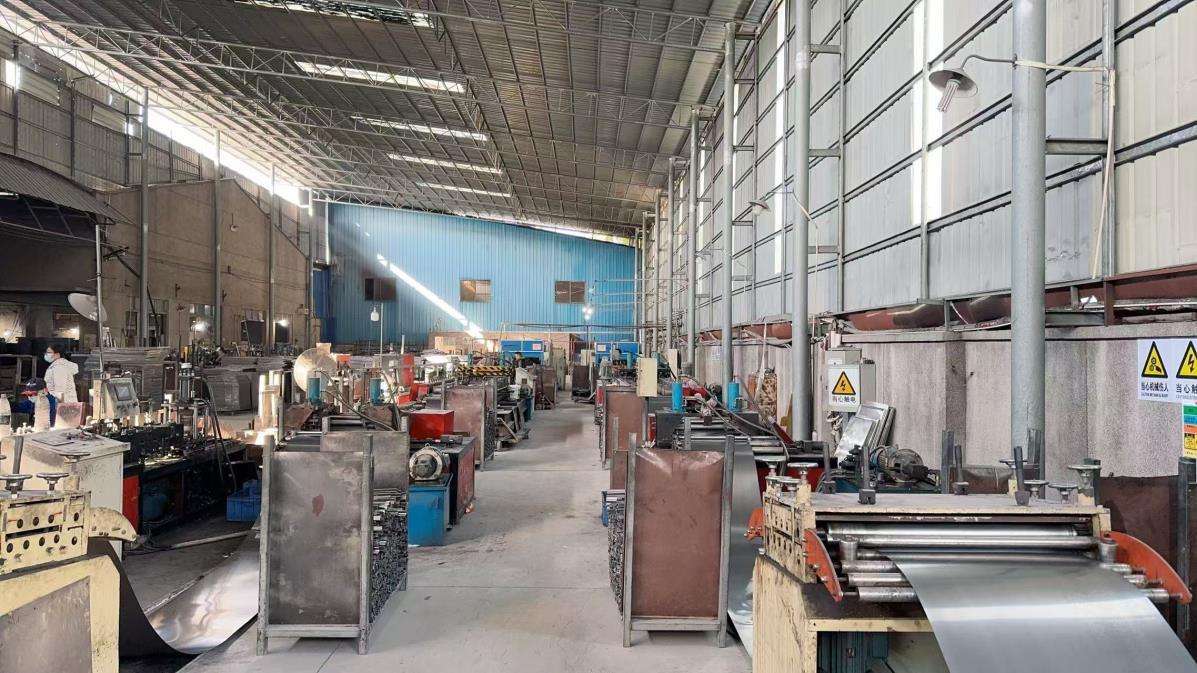
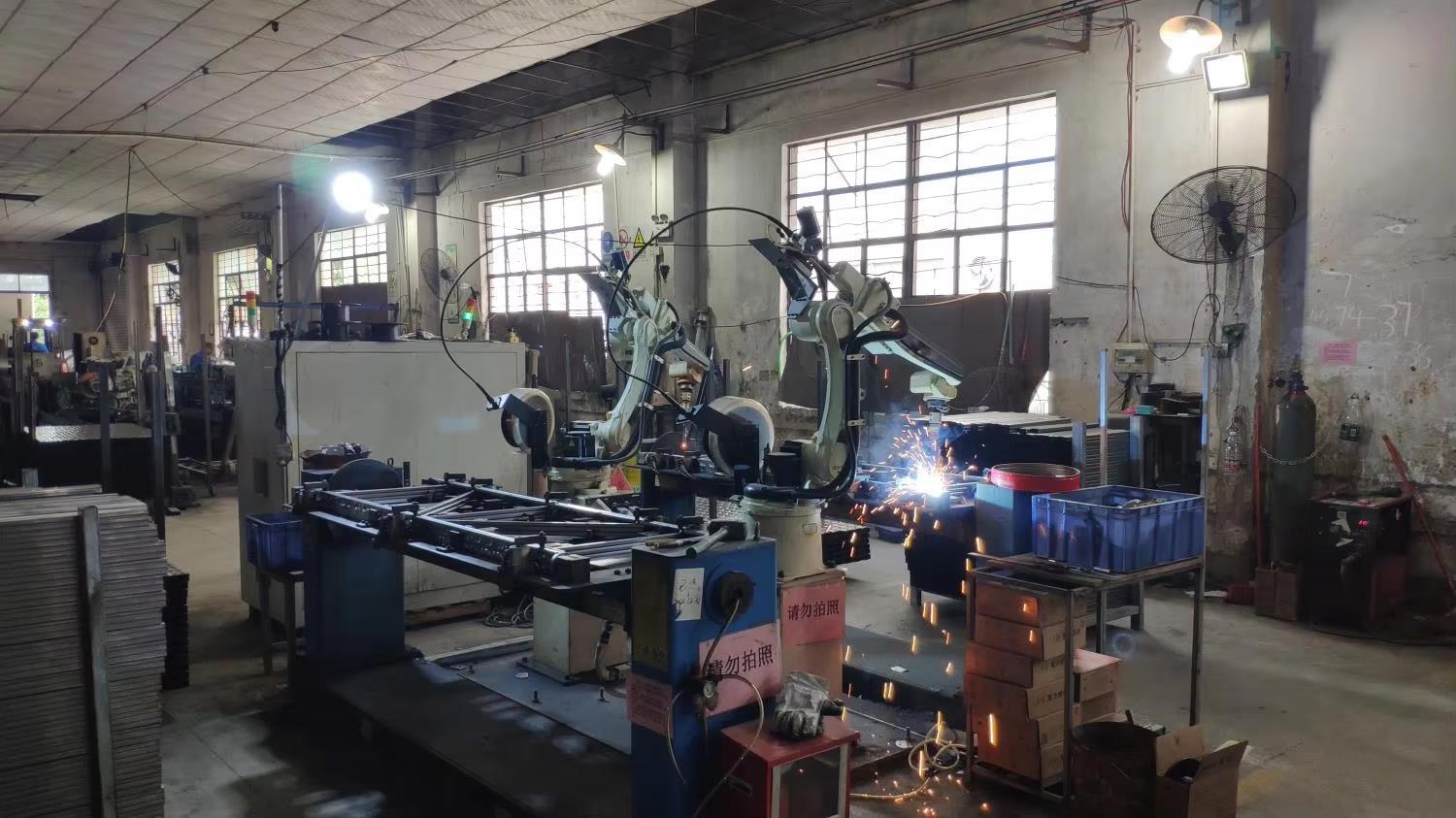
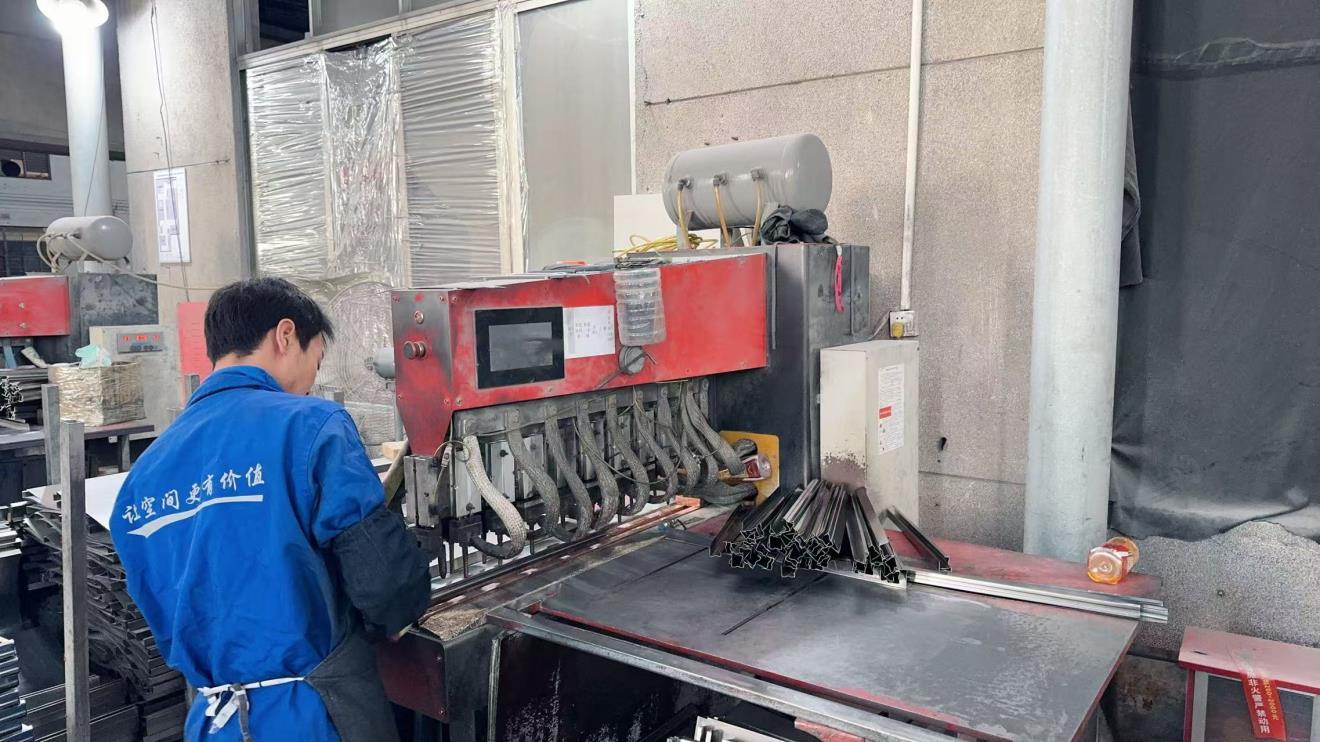
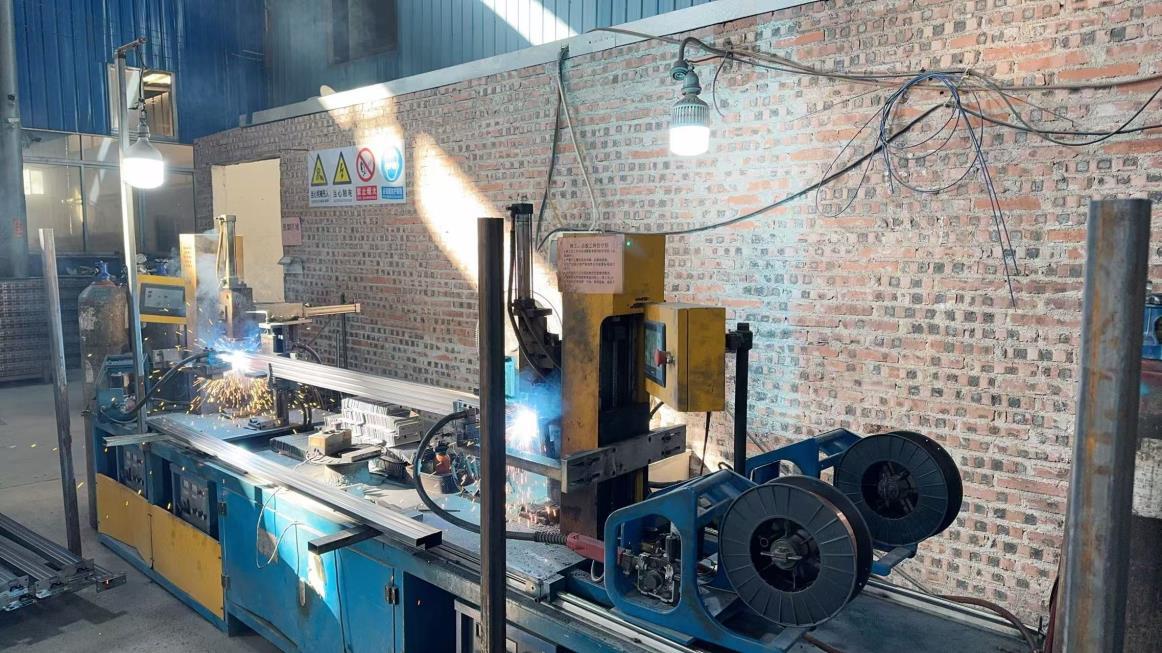
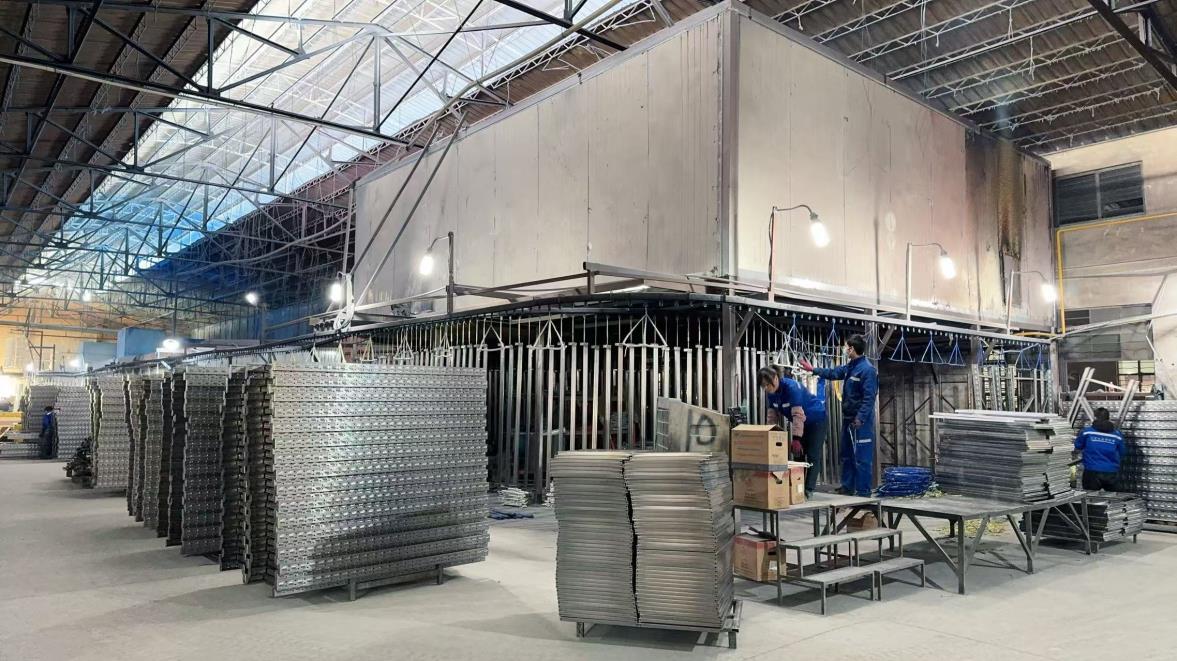
Comprehensive step-by-step technological process visual documentation illustrating from raw materials processing to automated structural finishing.
Industrial storage solutions are not one-size-fits-all. Different economic sectors present unique operational variables that dictate racking configuration, finish, and alloy specification. Below are the key scenarios where Kimsuk's ready-to-ship inventory solves critical storage bottlenecks:
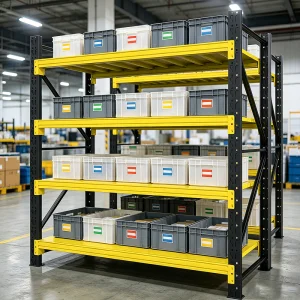
Dynamic warehouse setups require high-density, multi-layer shelving units that can be configured manually without specialized tools. Boltless, adjustable systems facilitate rapid modification to accommodate seasonal inventory shifts.
Operating in environments down to -30°C demands specialized electrostatic powder-coated or hot-dip galvanized steel finishes. This prevents structural embrittlement and surface oxidation under high humidity levels.
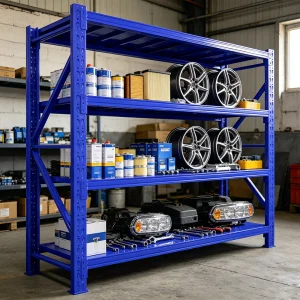
Heavy, irregularly shaped components (like engines and transmissions) require deep, high-tensile pallet racking system designs capable of bearing off-center concentrated loads without buckling.
Optimized for space utilization, mobile-rail and long-span racking systems maximize archival volume per square meter, integrating seamlessly with fire-prevention sprinklers and tracking tags.
Industrial racking safety is fundamentally dependent on metallurgical consistency and engineering integrity. At Dongguan Kimsuk Shelves Co., Ltd., structural configurations are calculated using Finite Element Analysis (FEA) to simulate load distributions, seismic forces, and wind shear for outdoor applications.
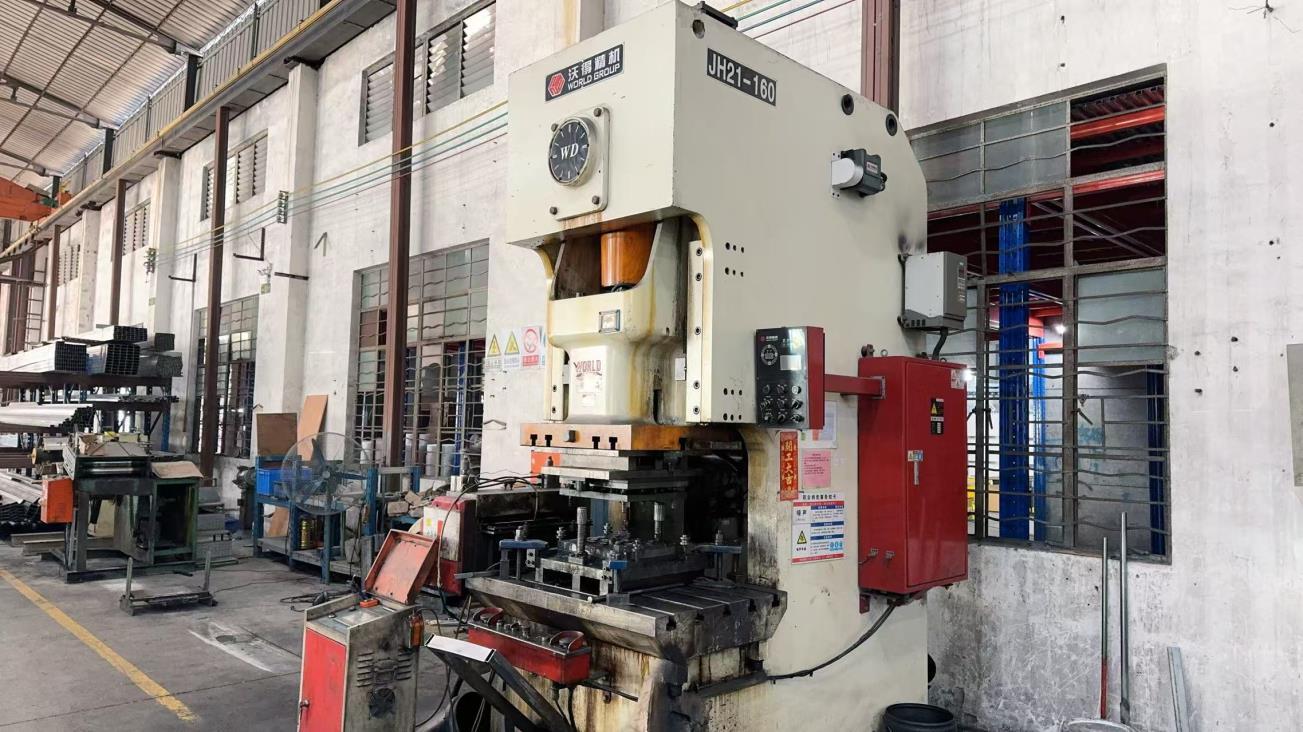
Our technical pipeline starts with premium grade Q235B steel rolls, selected for their optimal ratio of yield strength and ductility. The roll-forming process is automated, utilizing high-precision multi-station forming rollers to create upright frames and box beams with zero localized stress points. Welding is performed by high-precision robotic arms to guarantee uniform penetration and reduce weld flaw rates to less than 0.05%, verified via non-destructive ultrasonic testing.
Surface preparation consists of a 9-stage pre-treatment wash including hot phosphating, acid pickling, and clean-water rinsing to remove all trace oils and mill scale. This is followed by the application of electrostatic powder coatings, cured at 200°C to achieve a durable, chip-resistant finish. Coating thickness is checked systematically with electromagnetic gauges, and sample components are subjected to ASTM B117 salt spray tests to ensure long-term corrosion resistance.
As logistics networks lean into the integration of Artificial Intelligence and real-time asset tracking, the humble racking system is evolving. Standardized RTS steel structures are becoming the structural skeleton for smart warehouse systems. RFID tags, load sensors integrated directly into pallet beams, and environmental tracking modules are now being implemented to give operations directors real-time data on shelf weight capacities and storage conditions.
From a sustainability perspective, Kimsuk is pioneering carbon-reduced steel manufacturing techniques. By sourcing raw materials from eco-certified smelting facilities and adopting low-emission, solvent-free powder coatings, we help international enterprises meet strict Environmental, Social, and Governance (ESG) compliance metrics. The ultimate goal is a closed-loop system where modular warehouse racks can be disassembled, reconfigured, or recycled with minimal environmental impact.
Expert answers addressing the primary engineering, capacity, and logistical questions of industrial warehouse buyers.
Our standard RTS product lines, including adjustable steel racks and light-medium duty shelving, are kept in stock at our Dongguan warehouse facility. These items can be packed and dispatched for international shipping within 3 to 7 working days from order confirmation, drastically reducing the typical industry lead times.
We use Finite Element Analysis (FEA) software to simulate maximum load stress conditions and structural behavior. Every racking batch undergoes physical static and dynamic load testing in our laboratory using hydraulic presses to ensure compliance with CE standards, ISO 9001 quality guidelines, and specific customer requirements.
Yes. While we stock standard designs for rapid deployment, our R&D team can customize seismic upgrades. This includes thicker baseplates, high-tensile anchor bolts, and additional cross-bracing profiles engineered to comply with the seismic zone ratings of your specific location.
Our metal parts are treated with high-durability electrostatic powder coating. For aggressive environments such as cold storage rooms or chemical storage facilities, we offer hot-dip galvanization (HDG), providing a thick layer of zinc-iron alloy that protects the steel core against corrosion and oxidation.
We use robotic welding arms that guarantee high repeatability and precision. Additionally, our QC engineers perform non-destructive ultrasonic testing and weld-penetration microanalysis to detect internal defects and micro-cracks before powder coating.
Explore our highly integrated list of structural storage products, available for immediate global shipping.
 Kimsuk Racking