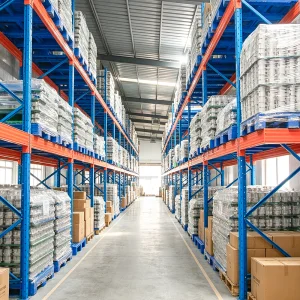
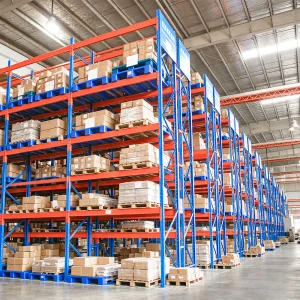
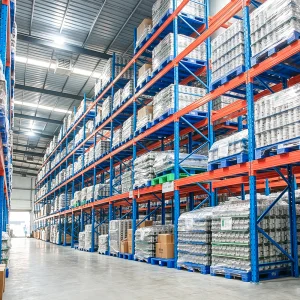
Premium warehouse configuration hardware engineered for peak capacity load profiles.
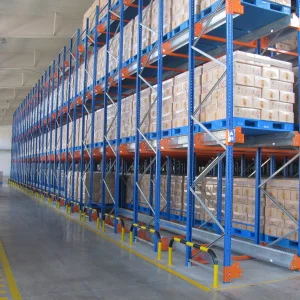
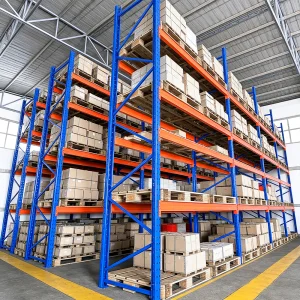
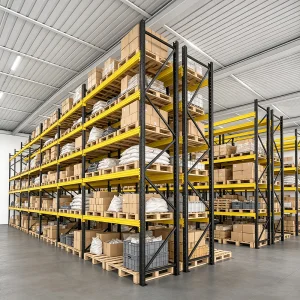
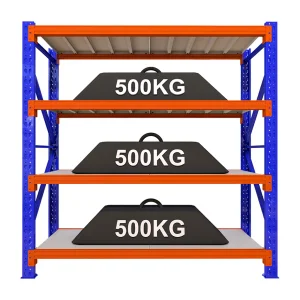
In modern industrial logistics, optimizing physical space is no longer just a structural preference; it is a critical driver of profitability and operational efficiency. Land values near metropolitan distribution channels continue to surge, pushing the logistics sector toward higher density setups. Conventional selective racking, though versatile, wastes precious floor space on forklift access aisles. Drive-in racking has emerged as the premier engineering answer, consolidating the footprint by allowing forklifts to enter the physical storage lanes to load and retrieve pallets. This system reduces dedicated aisle space by up to 75% and boosts overall storage density by as much as 80% compared to standard layout formats.
As a leading global drive-in rack supplier, Dongguan Kimsuk Shelves Co., Ltd. customizes heavy-duty structures to withstand high-volume operations, rapid product cycles, and demanding cold-storage conditions. By implementing Last-In, First-Out (LIFO) or continuous lane workflows, our systems operate as structural frameworks designed to maximize every cubic meter of storage space.
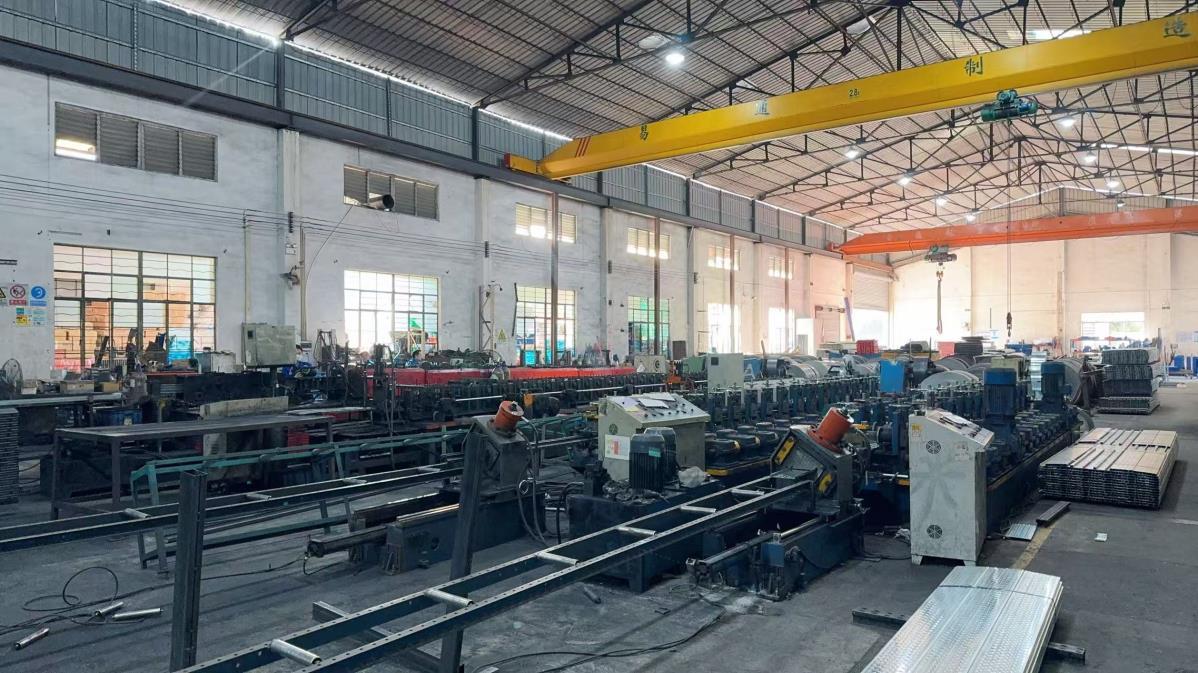
Founded in 2015, Dongguan Kimsuk Shelves Co., Ltd. is a premier manufacturer specializing in heavy-duty industrial warehouse racking systems, automated storage solutions, and customizable steel shelving. Spanning a state-of-the-art production facility of 38,000 square meters, Kimsuk combines advanced manufacturing infrastructure with high-precision engineering to deliver robust logistics and warehousing infrastructure globally.
With a dedicated focus on safety and load durability, our organization supports major global logistics centers, chemical storage facilities, food processors, and heavy industry distributors. We pride ourselves on engineering solutions that balance structural integrity with cost efficiency, giving our commercial clients a clear spatial advantage.
A visual walkthrough of our high-precision roll-forming, robotic welding, and automated surface treatment plants.
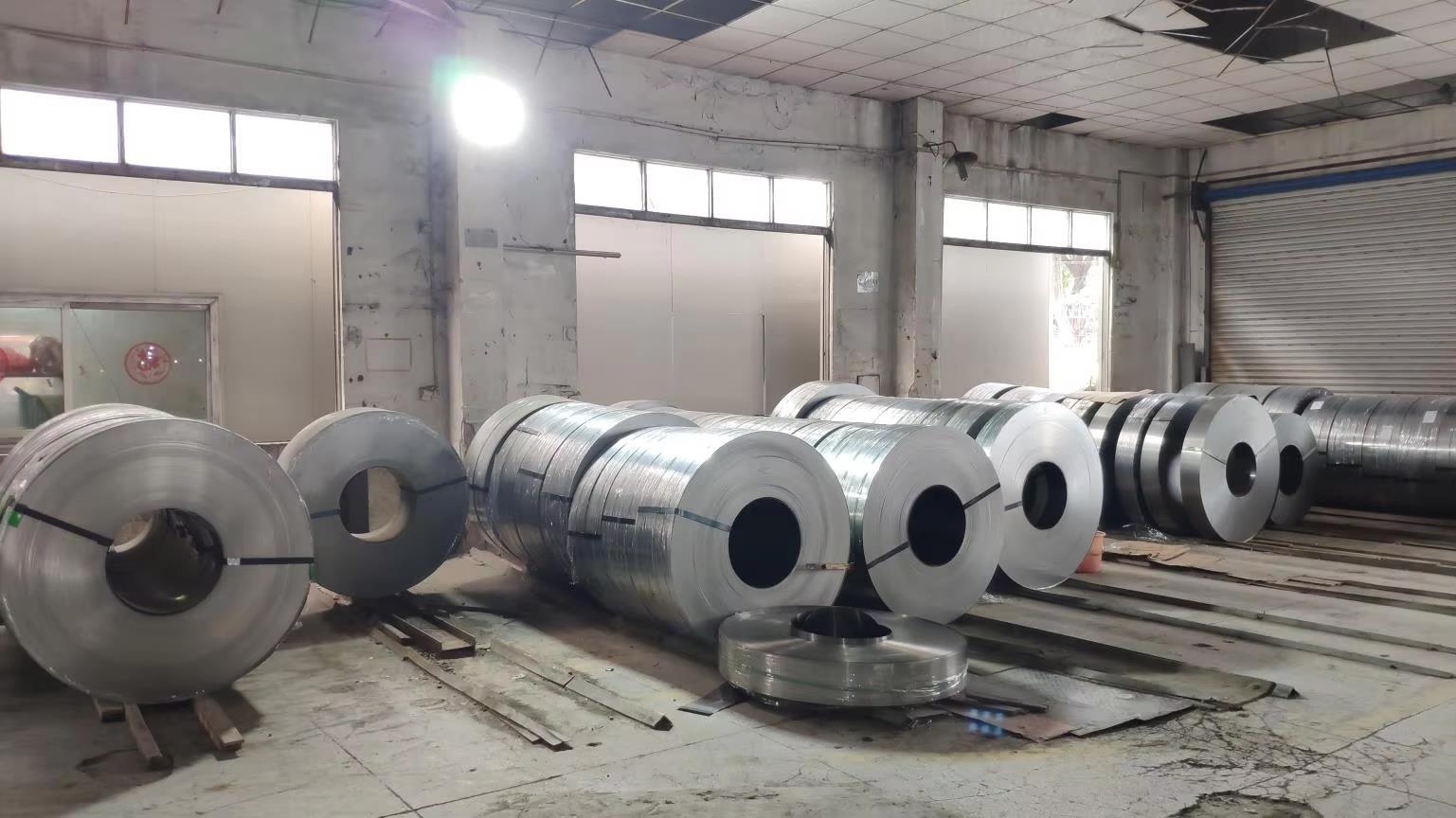
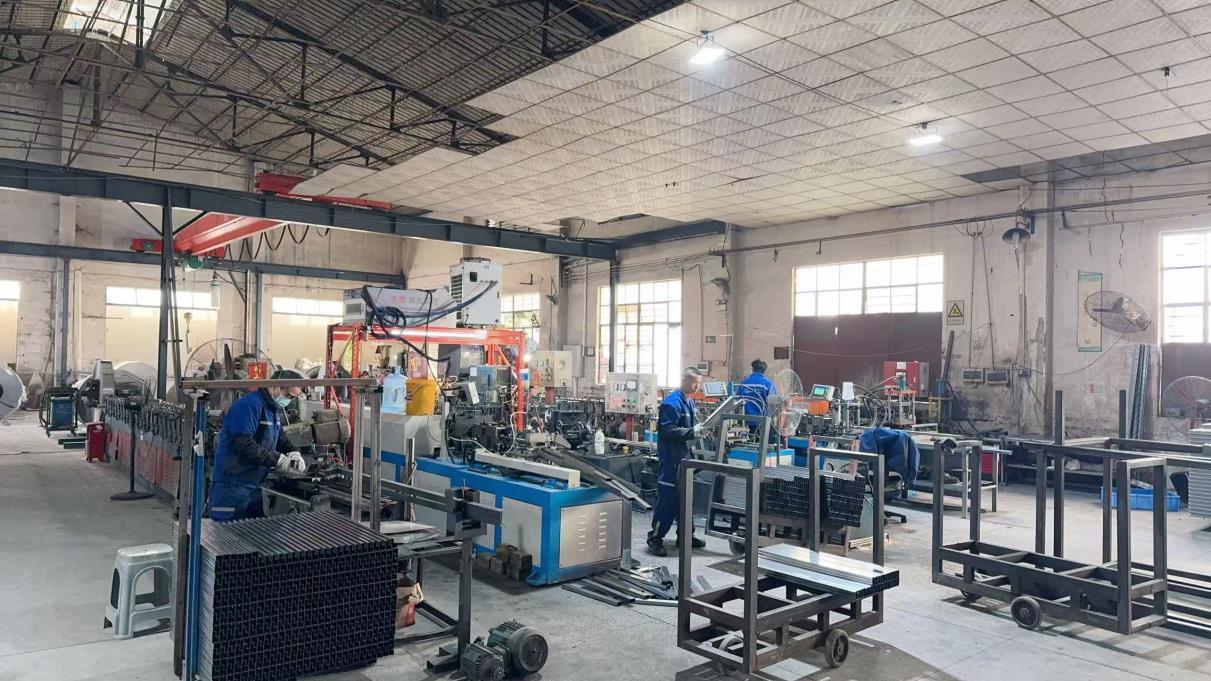
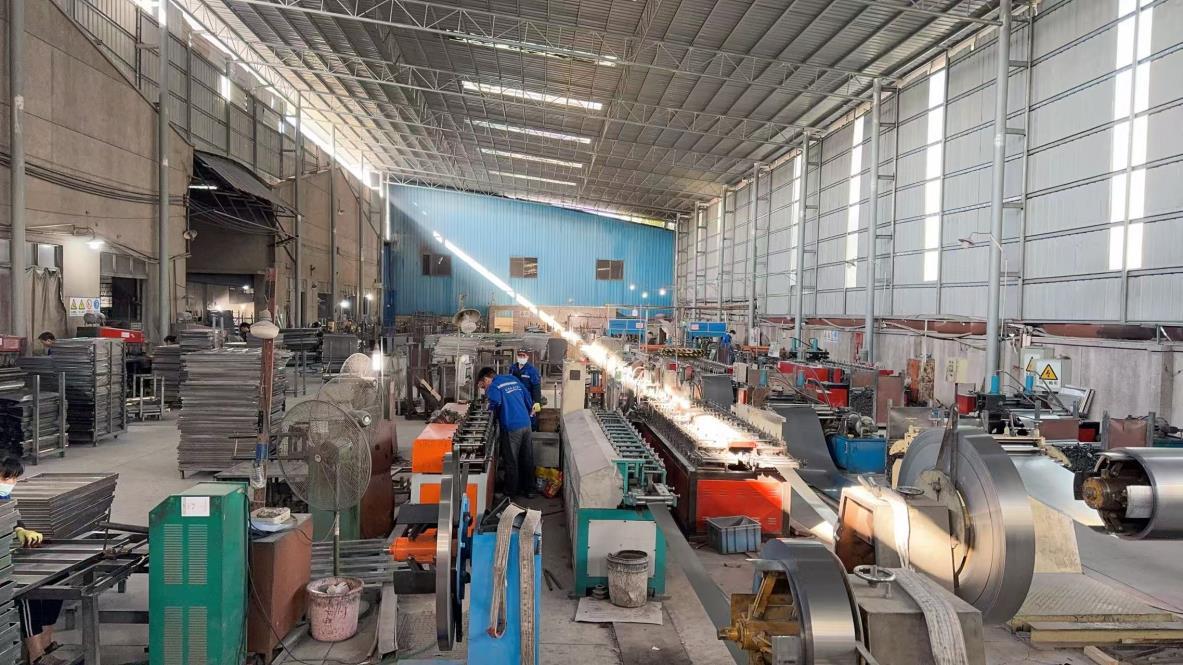
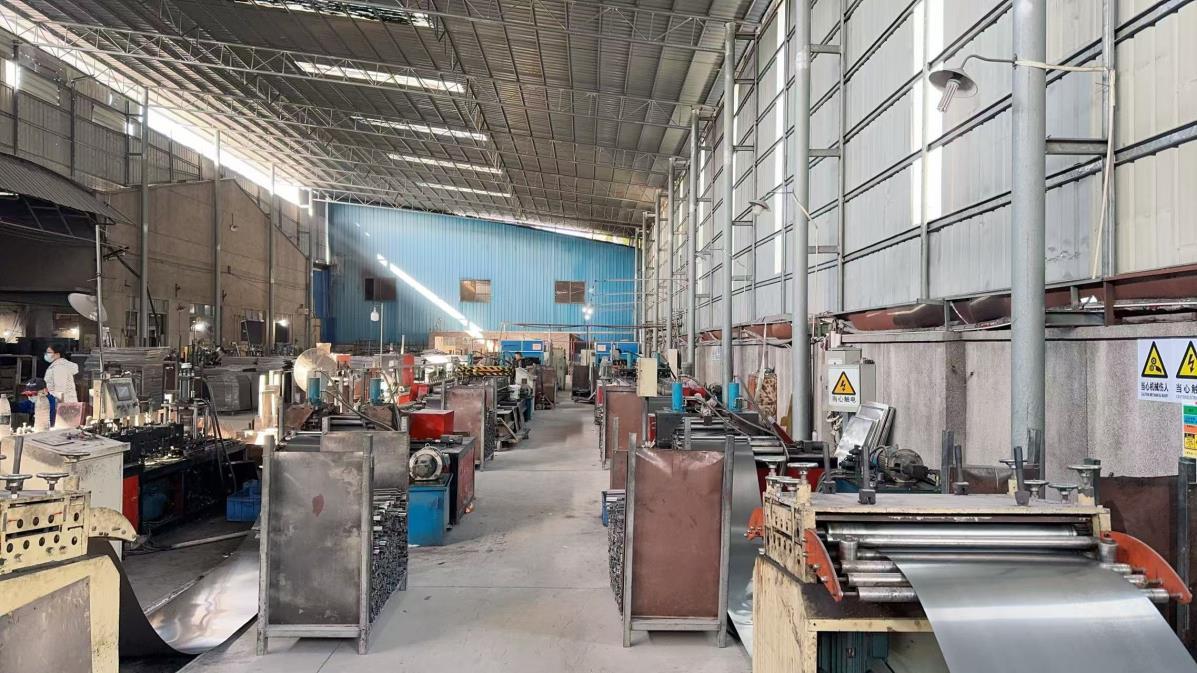
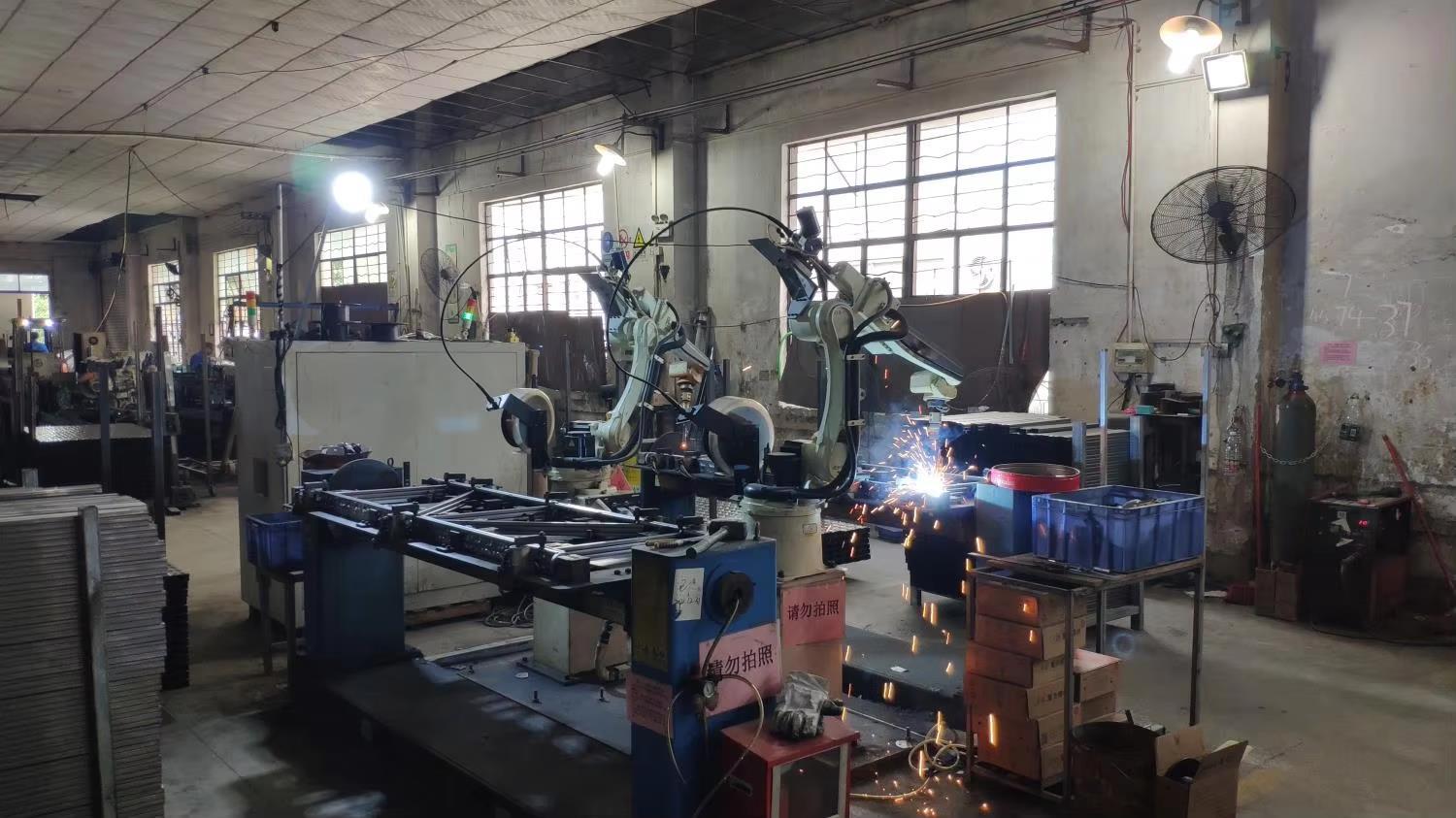
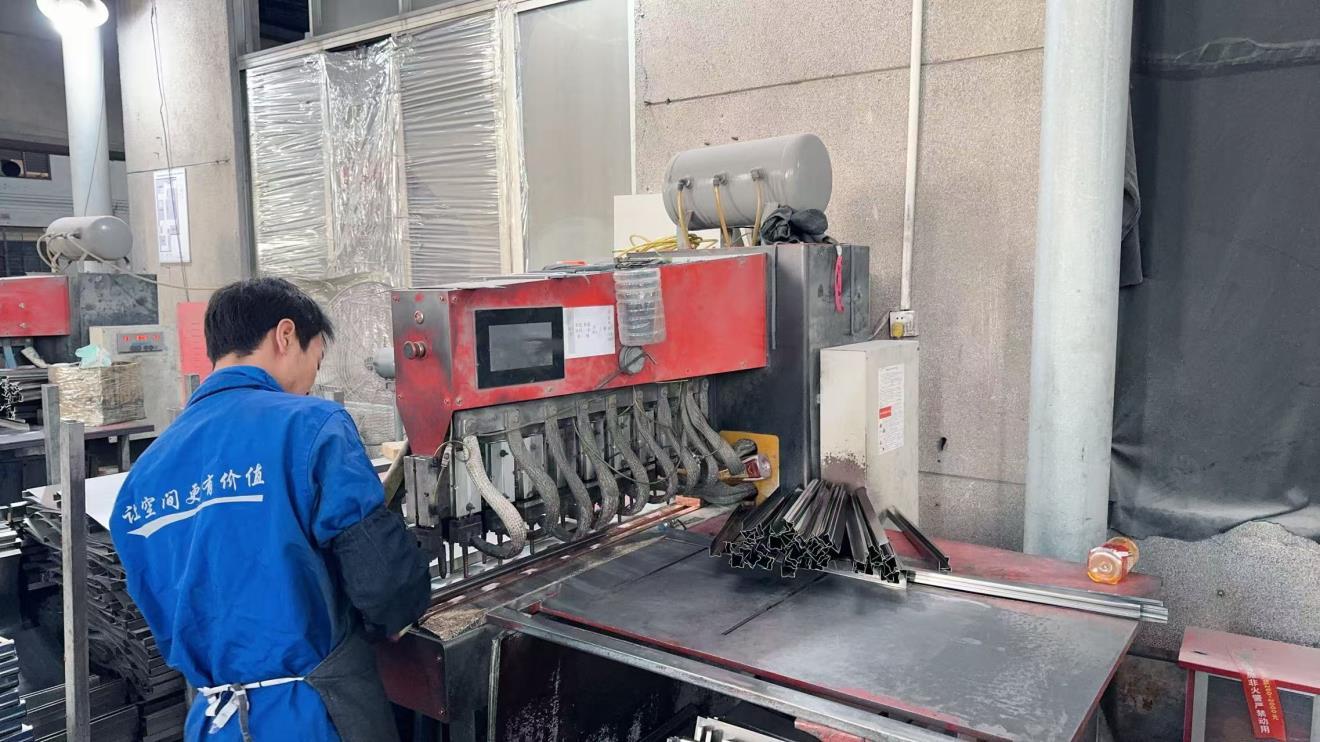
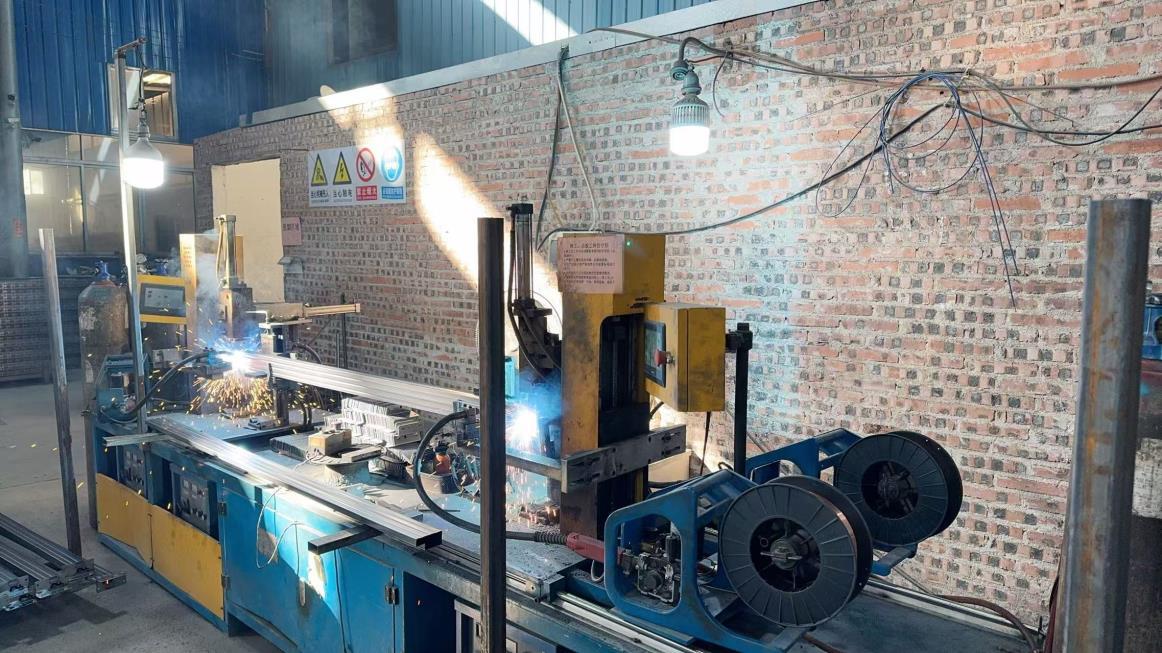
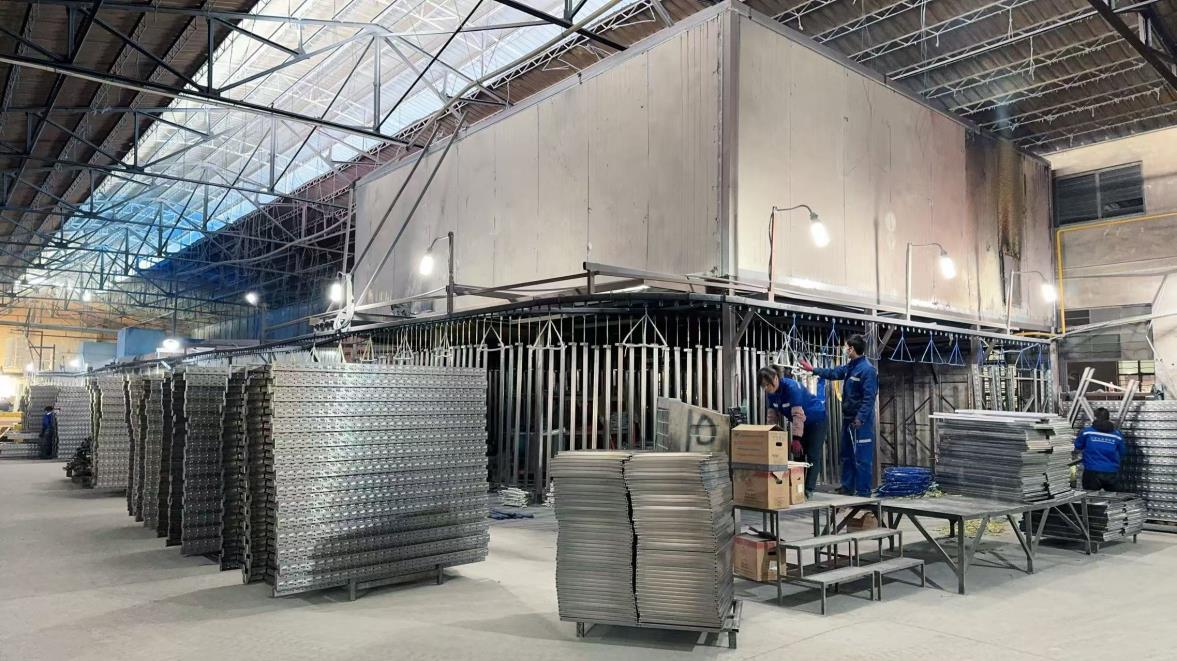
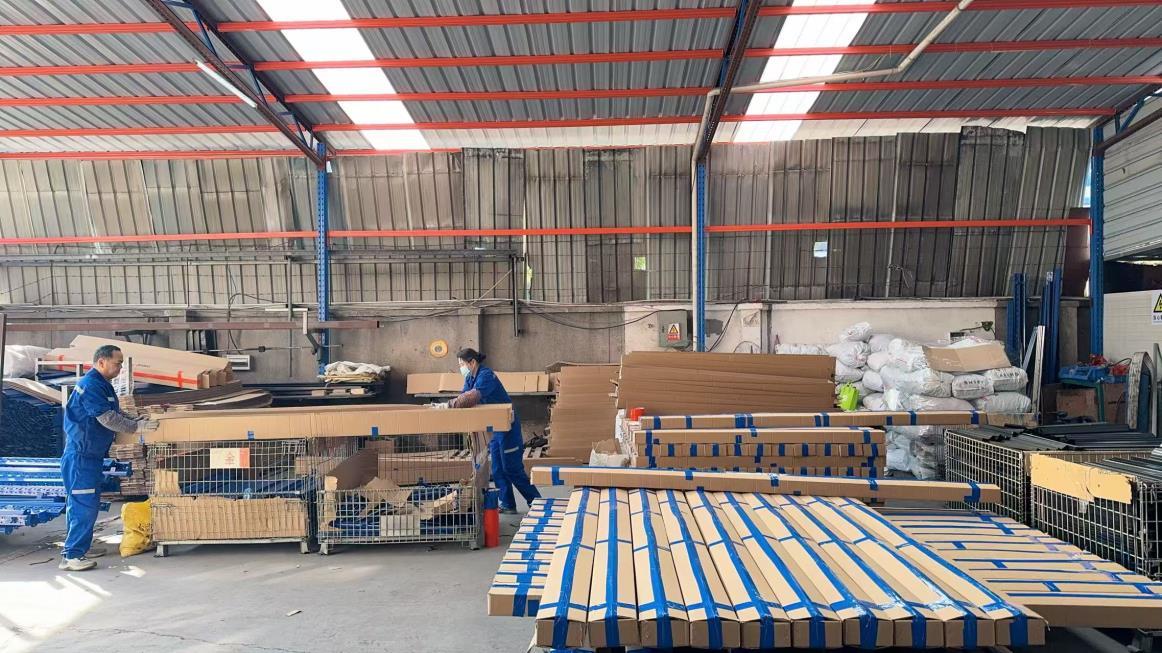
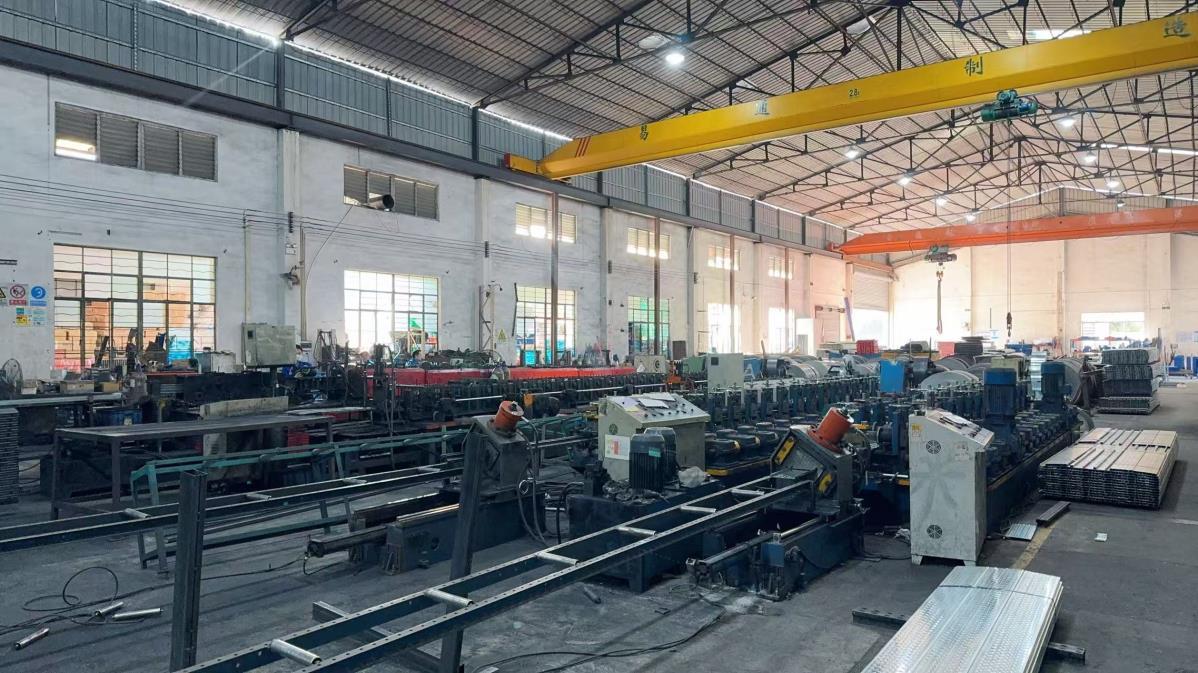
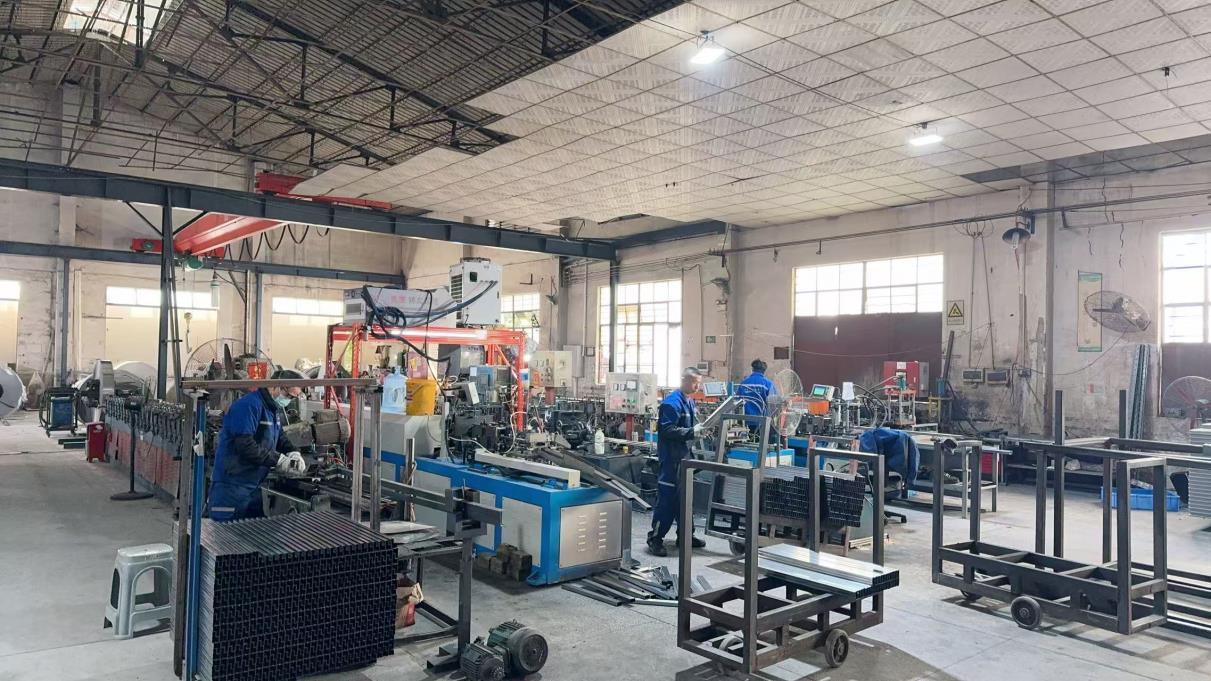
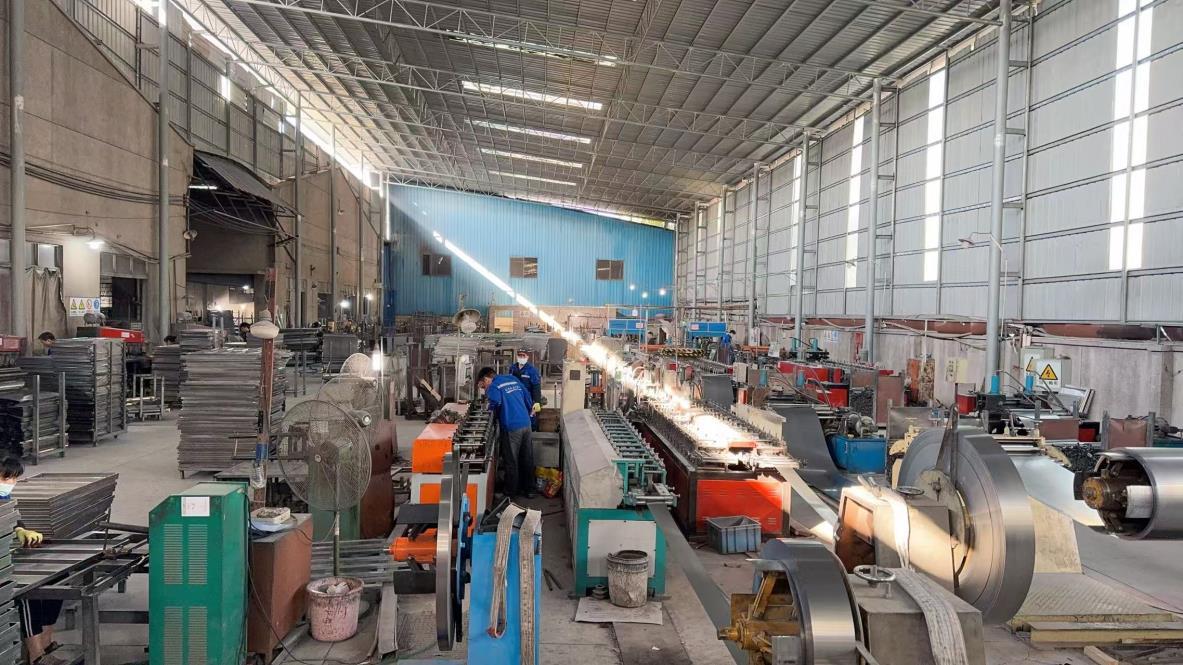
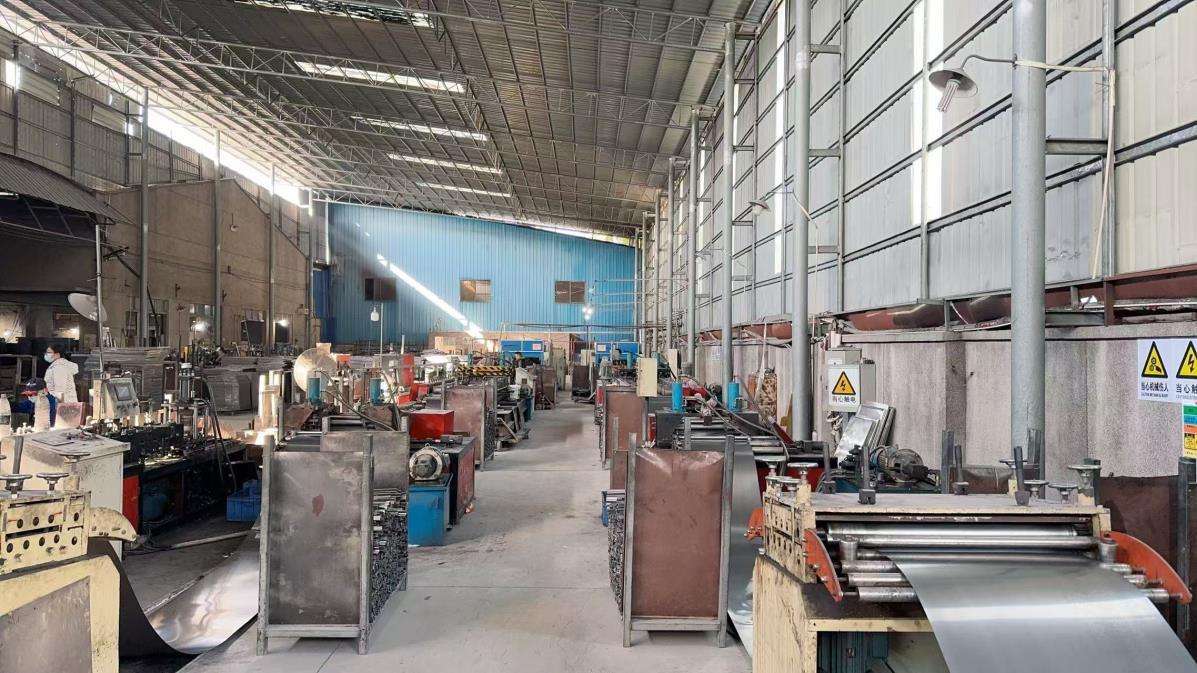
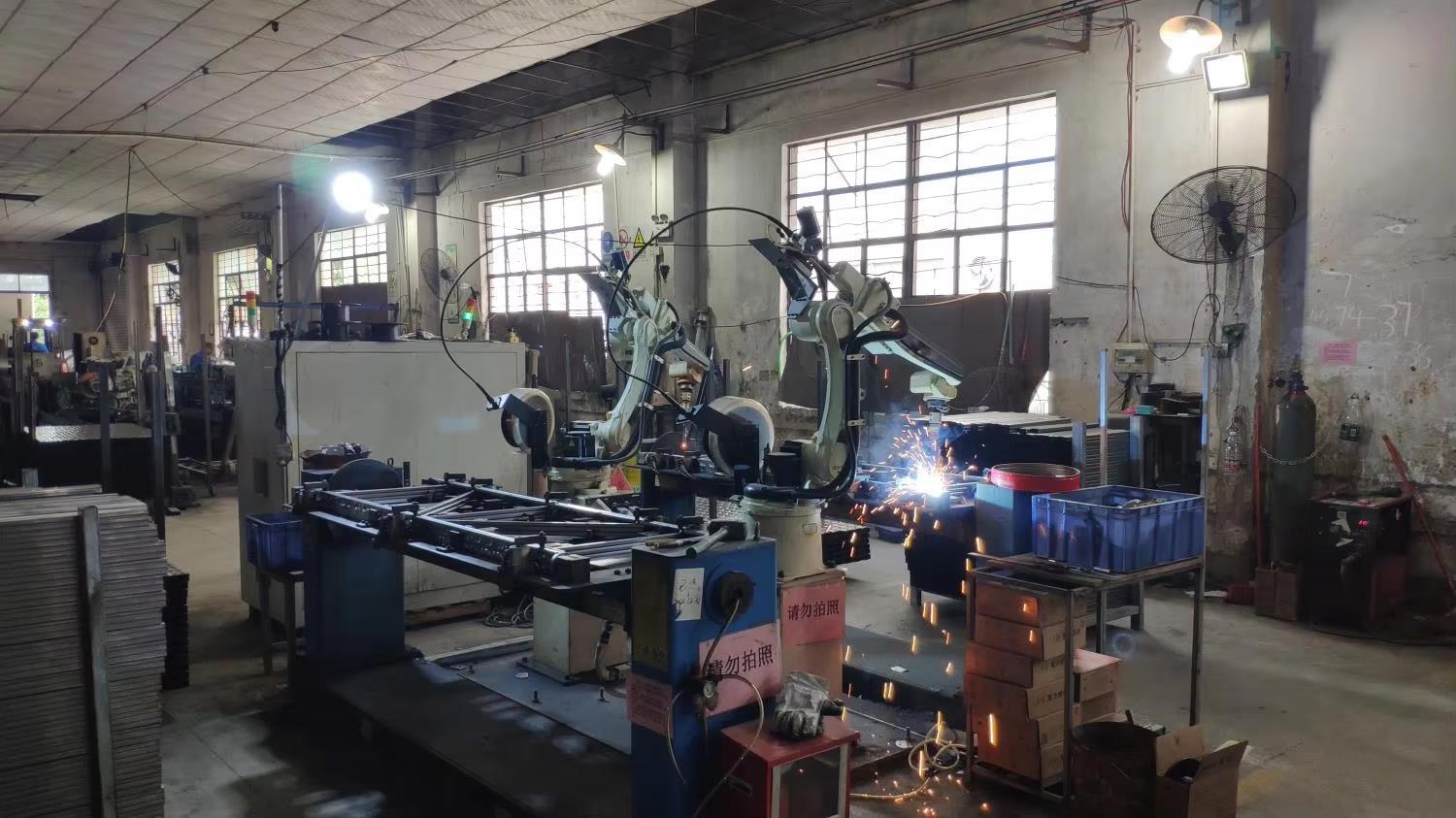
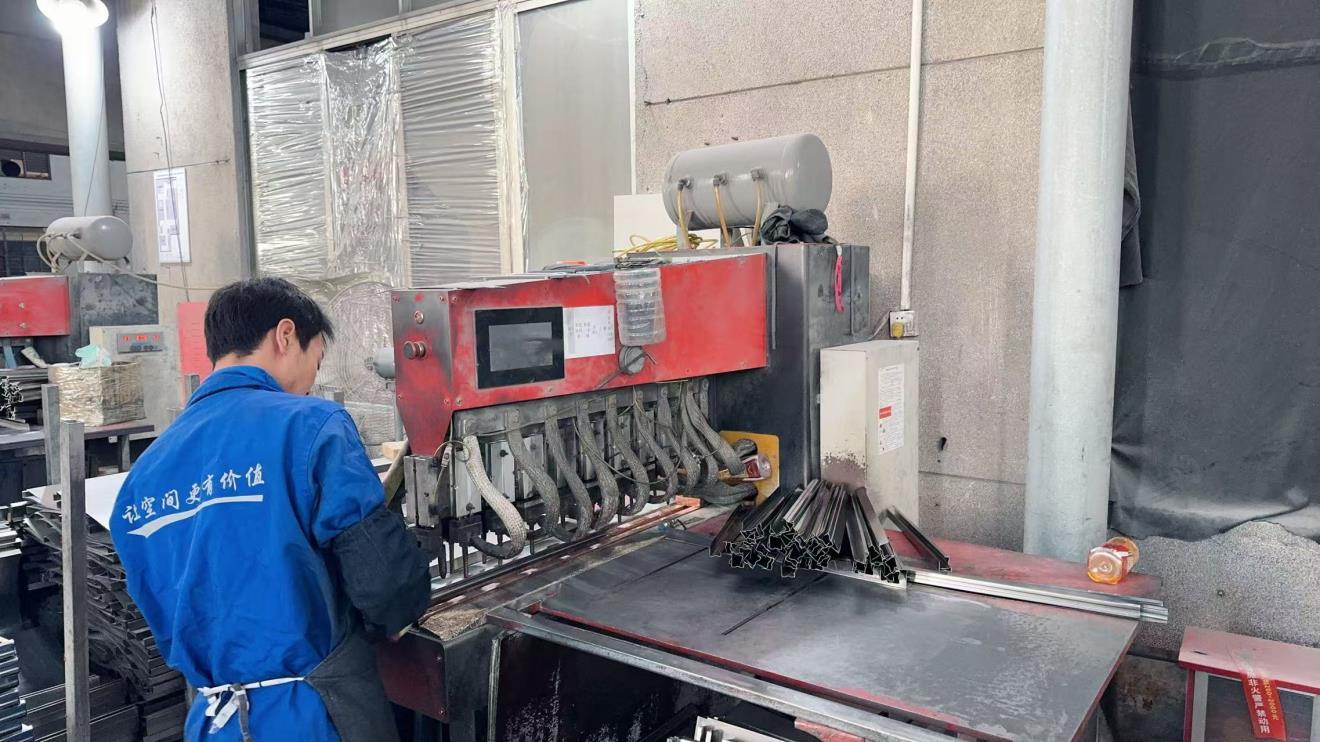
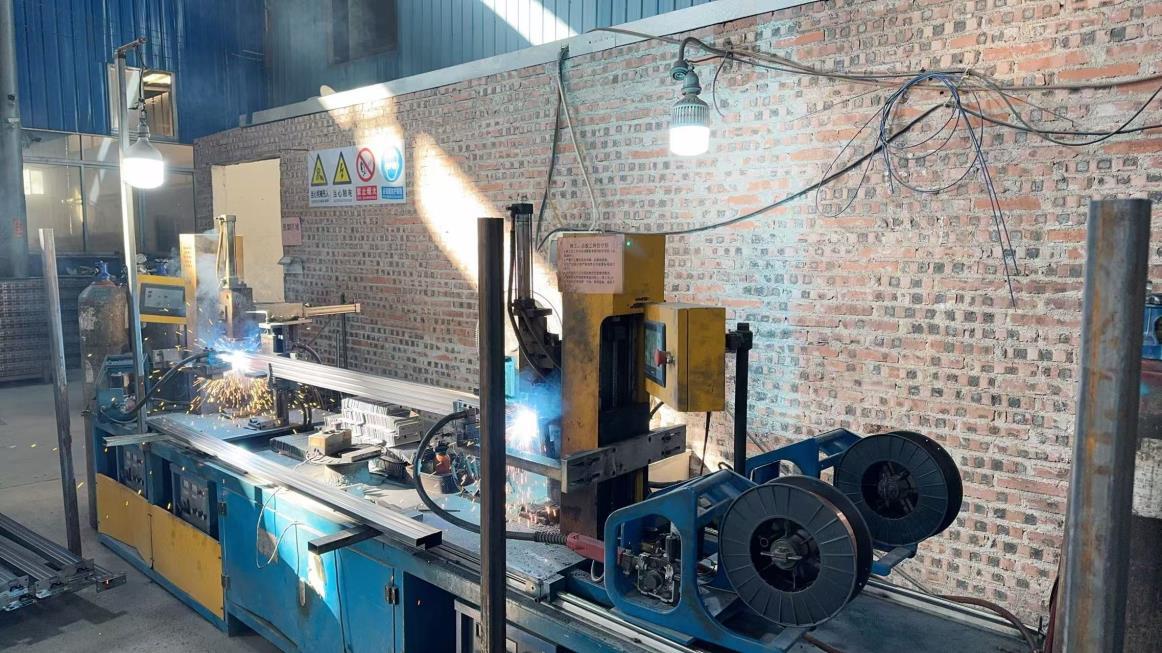
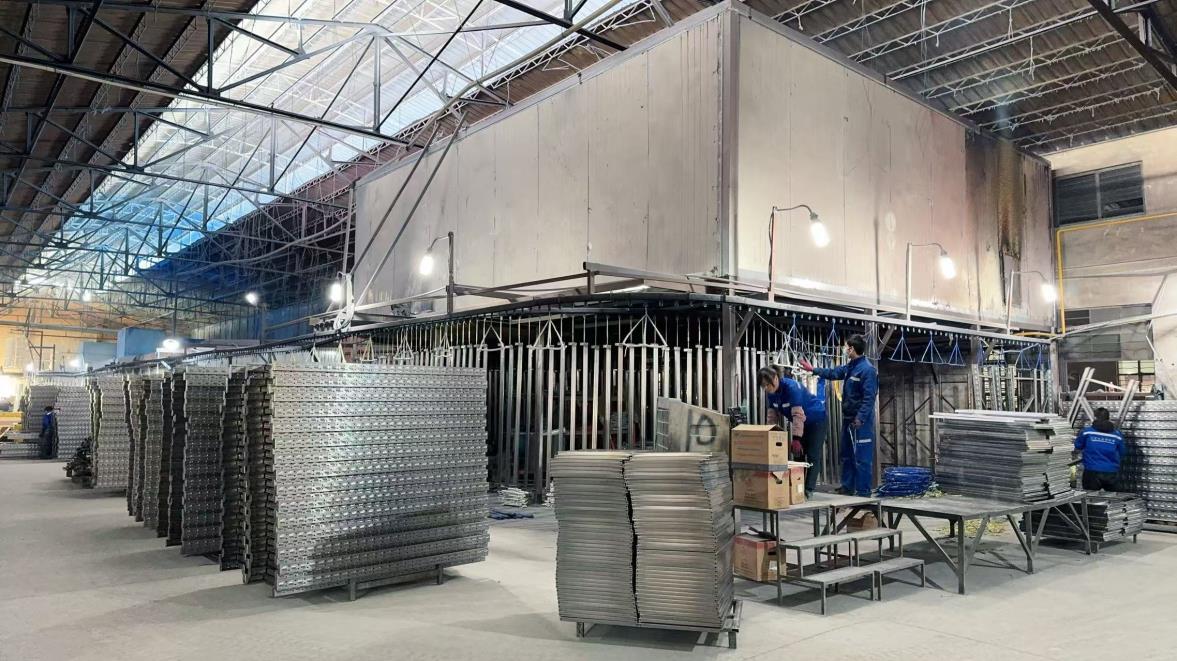
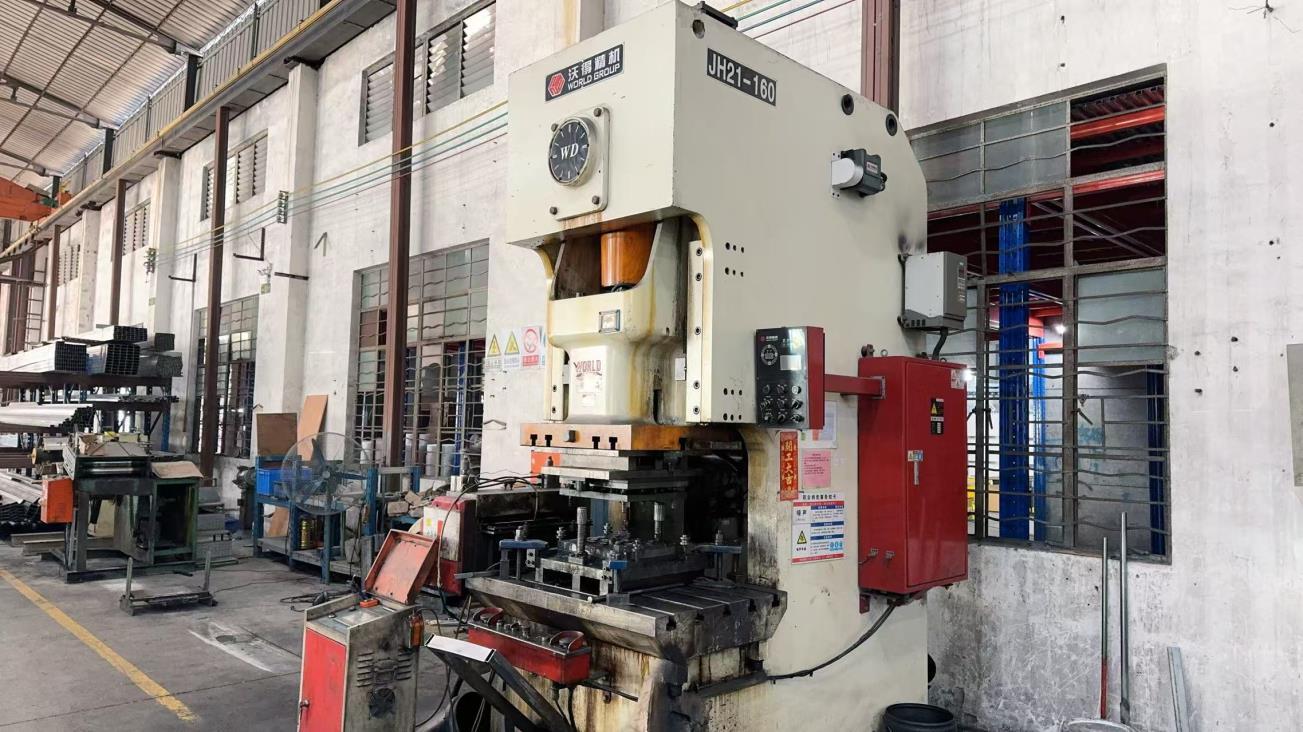
Drive-in racking structures demand highly meticulous engineering due to the lack of horizontal beams across the forklift access channels. Because standard load support beams are omitted to allow forklift entry, the structural integrity relies heavily on the design of the upright frames, cantilever arms, and pallet support rails. Unbalanced forces or minor forklift collisions can create high lateral stress on the vertical uprights. As a quality-driven manufacturer, Kimsuk engineers systems using structural steel grades (such as Q235B or Q355B) and employs Finite Element Analysis (FEA) to simulate dynamic load responses under varying seismic and weight configurations.
To mitigate the risk of forklift impact, Kimsuk incorporates robust heavy-duty protection elements, including ground-level guide rails, reinforced baseplates, and high-visibility post protectors. These structural reinforcements isolate the upright columns from direct mechanical impact, maintaining structural stability and ensuring long-term safety in high-turnover warehouses.
Continuous horizontal and diagonal steel bracing across the top of the racking structure forms a rigid overhead diaphragm, transferring lateral loads to external wall ties and floor anchors.
Dual-hook cantilever support arms feature a tapered wedge connection, fitting tightly into upright slots to minimize structural deflection under high load-bearing demands.
Reinforced steel base isolation plates paired with thick anchor bolts absorb ground shocks and prevent column displacement, ensuring stable warehouse operations.
Technical data comparing Drive-in Racking with other high-density warehouse storage systems.
| Racking Type | Space Optimization | Access Strategy | Damage Resistance | Ideal SKU Density | Relative Cost |
|---|---|---|---|---|---|
| Drive-In Racking | Excellent (Up to 80% utilization) | LIFO (Last-In, First-Out) | Medium (Requires structural guards) | High density, low SKU count | Cost-Effective / Mid-Range |
| Selective Pallet Racking | Standard (35-40% utilization) | FIFO (First-In, First-Out) | High (Wide access aisles) | Low density, high SKU variety | Low Initial Investment |
| Pallet Shuttle Racking | Maximum (Up to 85% utilization) | FIFO / LIFO Adaptable | High (No forklift entry needed) | Very high volume per SKU | Higher (Automated System) |
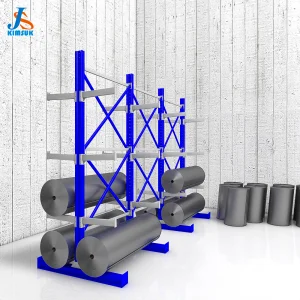
| Cantilever Racking | Specific (Long/Bulky goods) | Immediate access to items | Medium-High | Long format pipes/lumber | Mid-Range Custom |
Operating as a global drive-in rack supplier, Dongguan Kimsuk Shelves Co., Ltd. designs products that comply with regional structural and safety regulations. Different countries require specific steel certifications, load testing methods, and seismic tolerances to meet local safety codes.
In North America, our designs align with the Rack Manufacturers Institute (RMI) standards, utilizing high-grade, cold-formed steel to meet regional seismic safety parameters. In Western Europe, our systems comply with EN standards (EN 15512 / FEM 10.2.07), which require rigorous ultimate limit state structural analysis. For the Australian market, our racking conforms to AS4084-2012 standards, ensuring safe design and installation practices. This strict adherence to global engineering standards ensures our racking systems pass municipal safety inspections and maintain operational integrity worldwide.
Features structural steel construction, safety locks, and seismic baseplates designed to meet RMI standards for high-seismic zones.
Complies with EN 15512 structural design codes. Includes safety labeling, drop testing documentation, and impact tolerance checks.
Conforms to AS4084-2012 load regulations, featuring specialized spacing, high-grade structural bolts, and clear load placards.
Detailed engineering answers regarding drive-in racking configuration, safety, and operation.
The maximum height typically reaches up to 10 to 12 meters, governed by the lift limit of the forklift and the overall buckling resistance of the upright frames. Kimsuk structural engineers utilize Finite Element Analysis (FEA) to calculate the exact height limit based on the weight distribution of the pallets and local seismic requirements.
Generally, drive-in systems operate on a LIFO (Last-In, First-Out) basis because forklift access is restricted to a single entry side. However, by designing the system as a "drive-through" configuration—which features separate entry lanes on both sides—you can achieve a FIFO (First-In, First-Out) flow, though this layout requires an additional forklift access aisle.
We use automated robotic welding lines to ensure consistent weld quality and penetration across all structural connections. Additionally, our QC engineers conduct ultrasonic weld flaw detection and non-destructive static load testing to verify that every connection meets the rated load capacity.
For cold-storage environments, we recommend a durable powder-coated finish cured at high temperatures, or a hot-dip galvanized coating. These treatments prevent rust, withstand thermal shock, and resist peeling down to temperatures of -30°C.
Most standard counterbalanced or reach trucks can be used, provided their outer chassis width fits within the entry lane clearances. We recommend adding ground guide rails in the lanes to help operators position the forklift and prevent collisions with the upright posts.
Because drive-in systems lack traditional horizontal beams, they require top bracing and back bracing assemblies to resist seismic forces. At Kimsuk, we design custom bracing patterns and use heavy-duty anchor plates to securely anchor the system based on local seismic hazard maps.
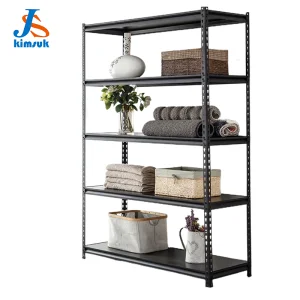
Industrial steel cage designs, automated racks, and cantilever structures for complete facility optimization.
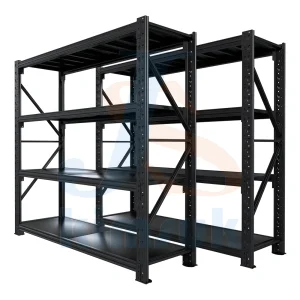
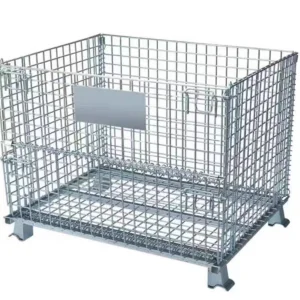
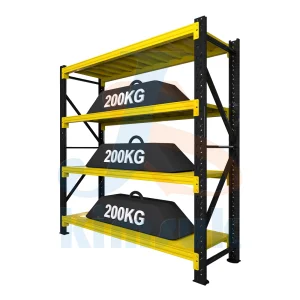
 Kimsuk Racking