Precision-engineered high-density racking configurations custom manufactured to maximize vertical cube efficiency and load capacity limits.
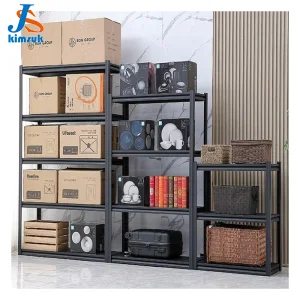
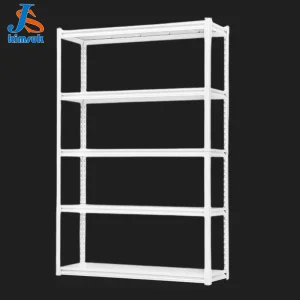
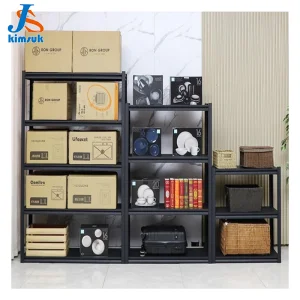
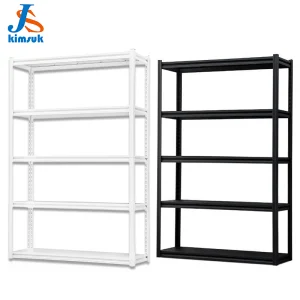
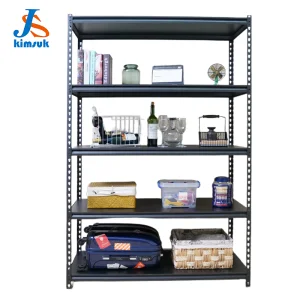
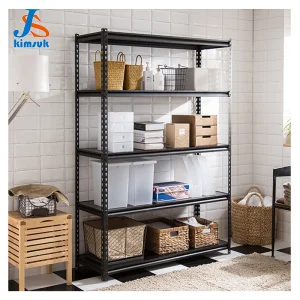
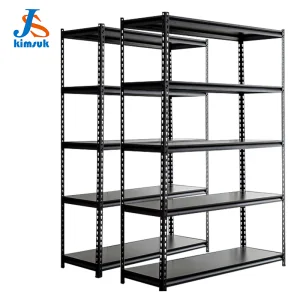
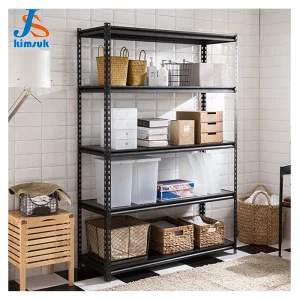
As corporate real estate valuations climb and inventory volatility demands rapid adaptivity, supply chain leaders are shifting away from traditional static racking setups. Modern high-density logistics centers demand modular stacking racks that maximize vertical spaces while retaining physical flexibility. Dynamic logistics environments require solutions that can scale rapidly based on structural seasonality, automated material handling mechanisms, and SKU-level variability.
By bypassing permanent structural construction, stacking rack setups provide key tax advantages, immediate capital cost efficiency, and modular scaling pathways. Whether managing cold chain logistics for international perishables or staging semi-finished automotive frames in heavy industrial assemblies, choosing the right stacking rack design defines a facility's operational throughput, speed, and safety index.
Established in 2015, Kimsuk is a premier manufacturer specializing in heavy-duty industrial warehouse racking systems, automated storage solutions, and customizable steel shelving.
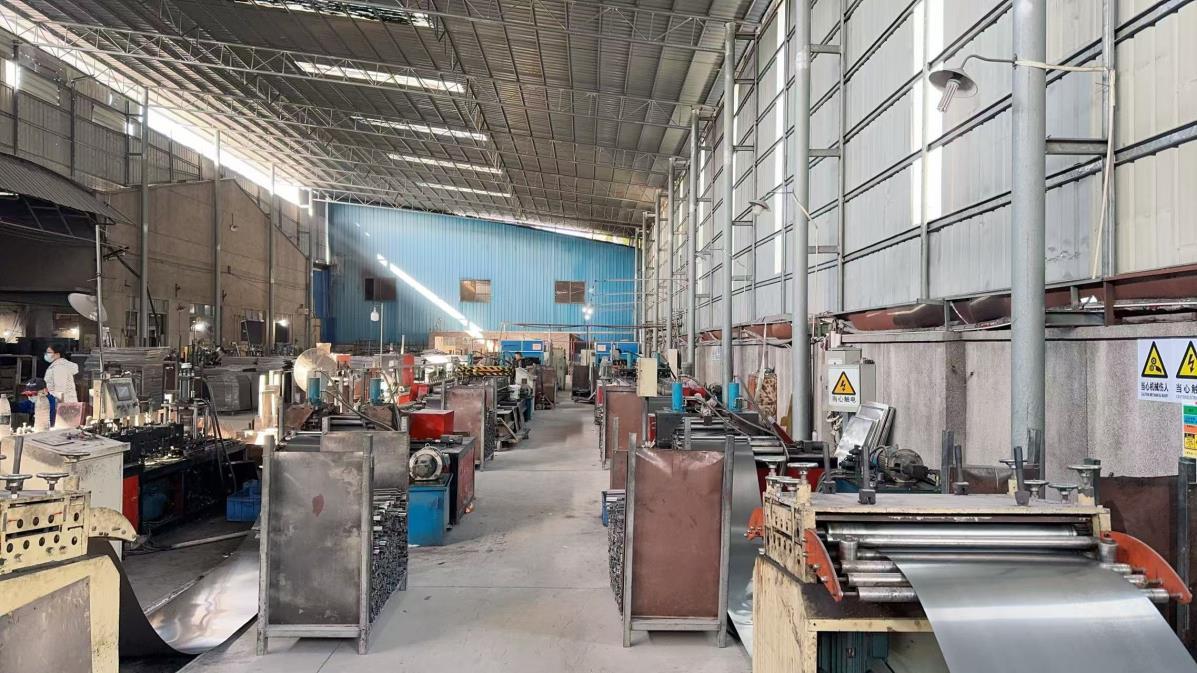
Operating a state-of-the-art production facility of 38,000 square meters, combining high-precision automated manufacturing with rigorous quality systems to support bulk global logistics pipelines.
Staffed by 35 certified QC inspectors and material testing engineers. Backed by ISO 9001:2015, CE standard compliance, and non-destructive weld testing protocols.
18 senior structural engineers and automation experts deliver custom, full-cycle structural CAD/3D BIM designs using finite element analysis (FEA) structural simulations.
High-integrity steel storage rack fabrication is rooted in advanced structural mechanics, robust material science, and precision automated tooling.
We source heavy-gauge structural carbon steel (ASTM A1011 / Q235B / Q355B) from premier mills. Each batch undergoes chemical analysis and tensile yield strength evaluation to prevent deformation under dynamic loading environments.
Our engineering team simulates static, seismic, and impact forces before production. SolidWorks and ANSYS structural models evaluate buckling risks, deflections, and weld stress concentrations to verify design integrity.
Our state-of-the-art electrostatic powder coating line treats rack components through multi-stage chemical washing and thermosetting. This process ensures durability, resistance to industrial solvents, and stability down to -30°C.
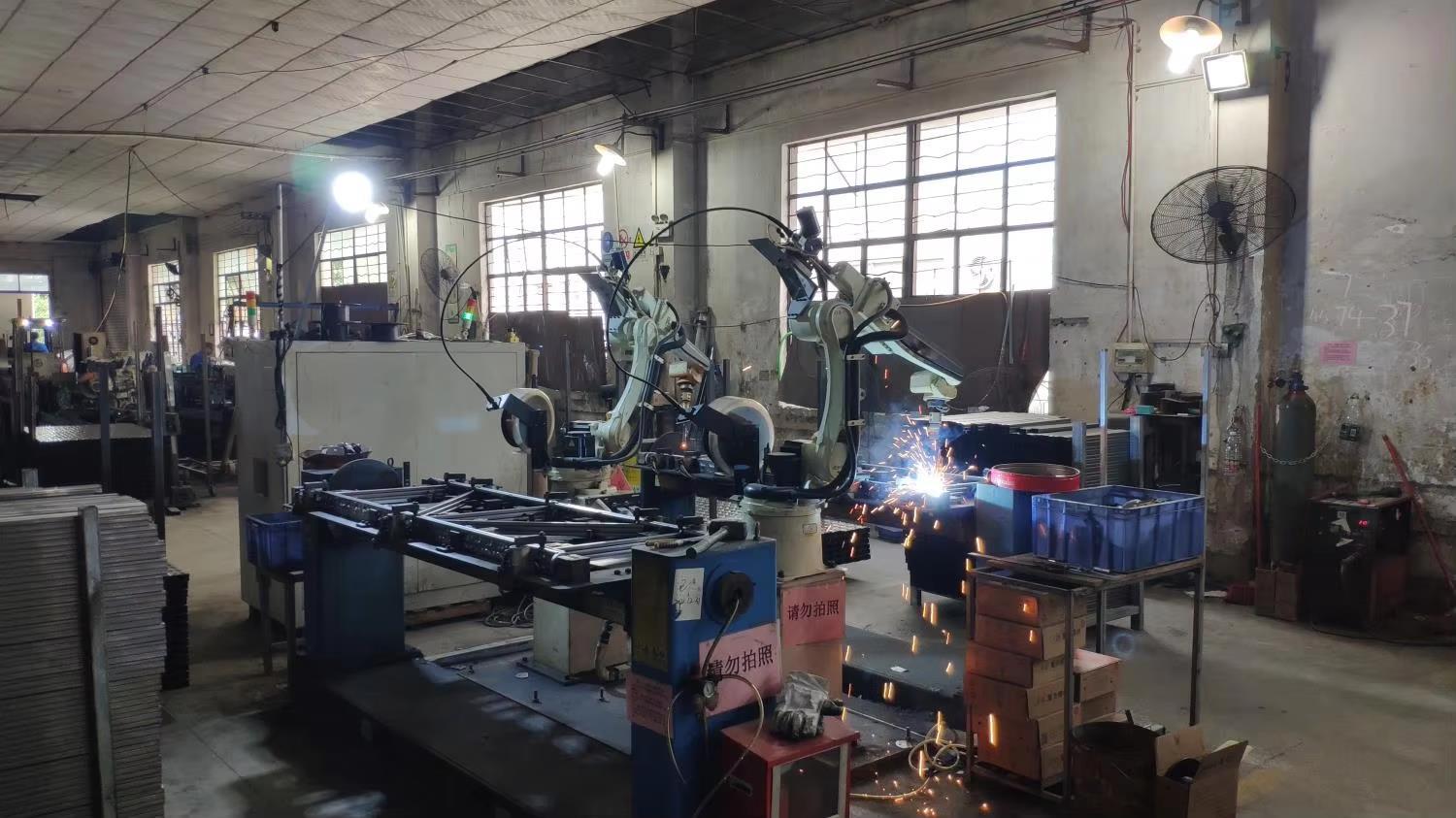
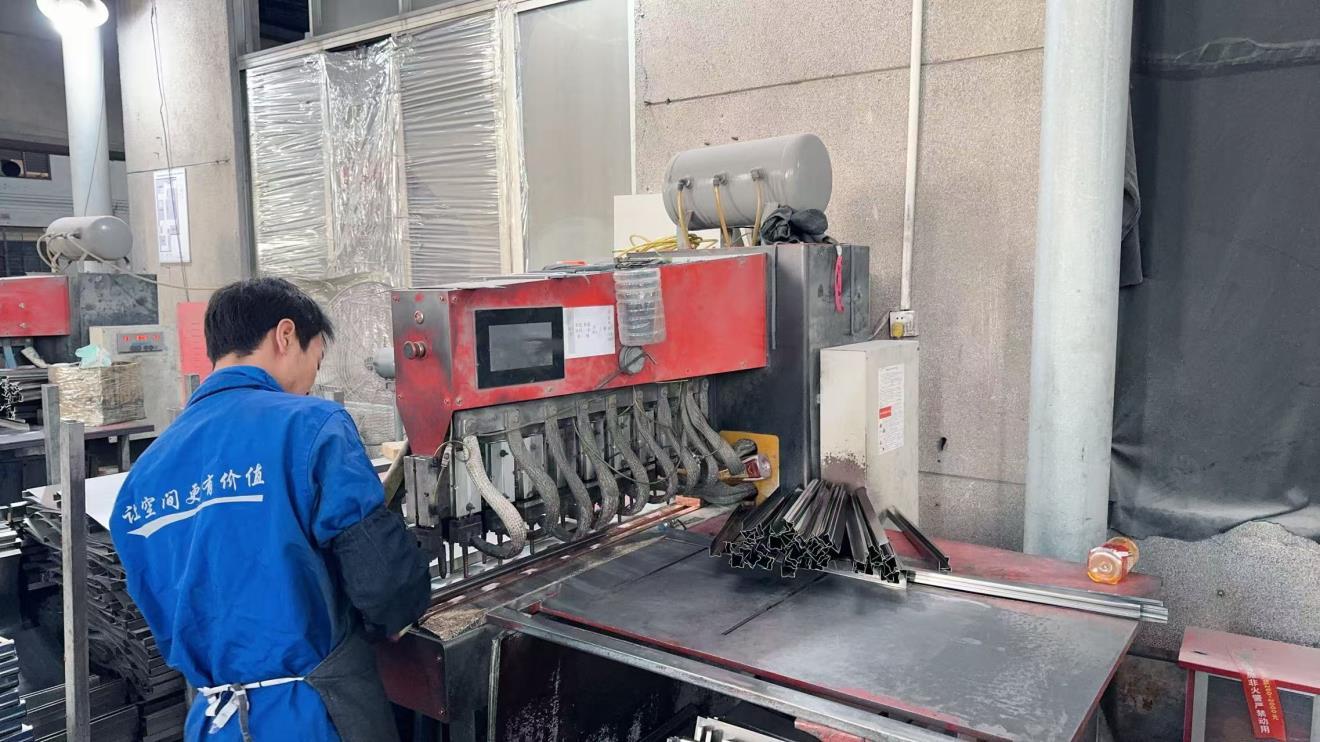
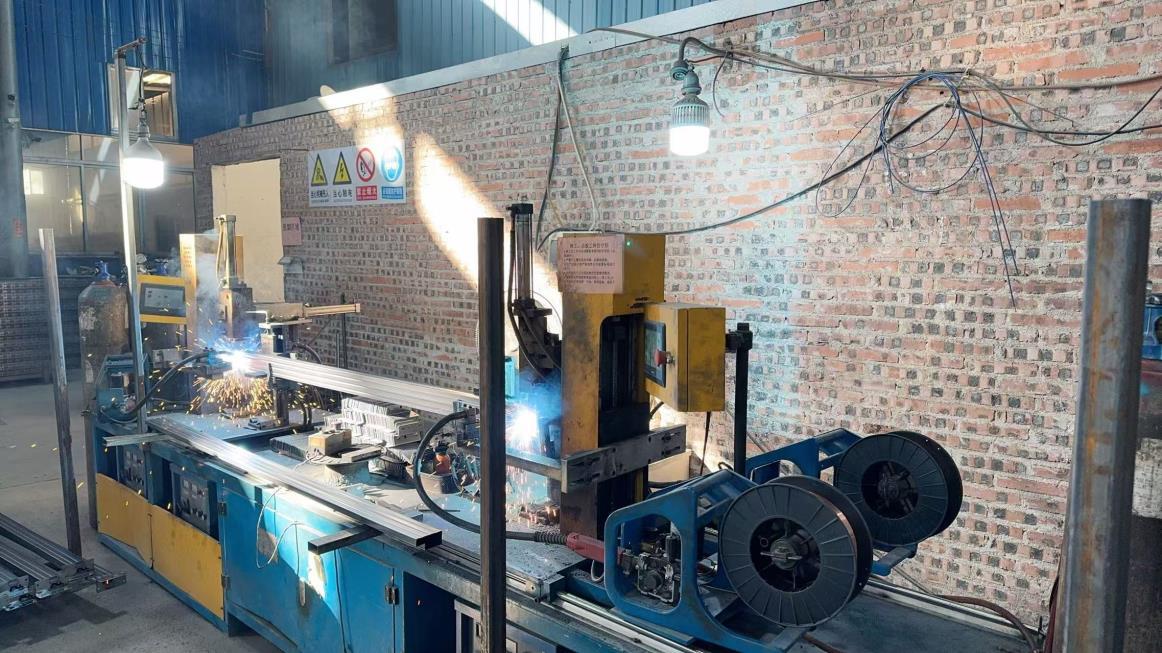
Step-by-step transparency into our production facility, showcasing high-speed fabrication equipment, robotic welding stations, and quality control checkpoints.
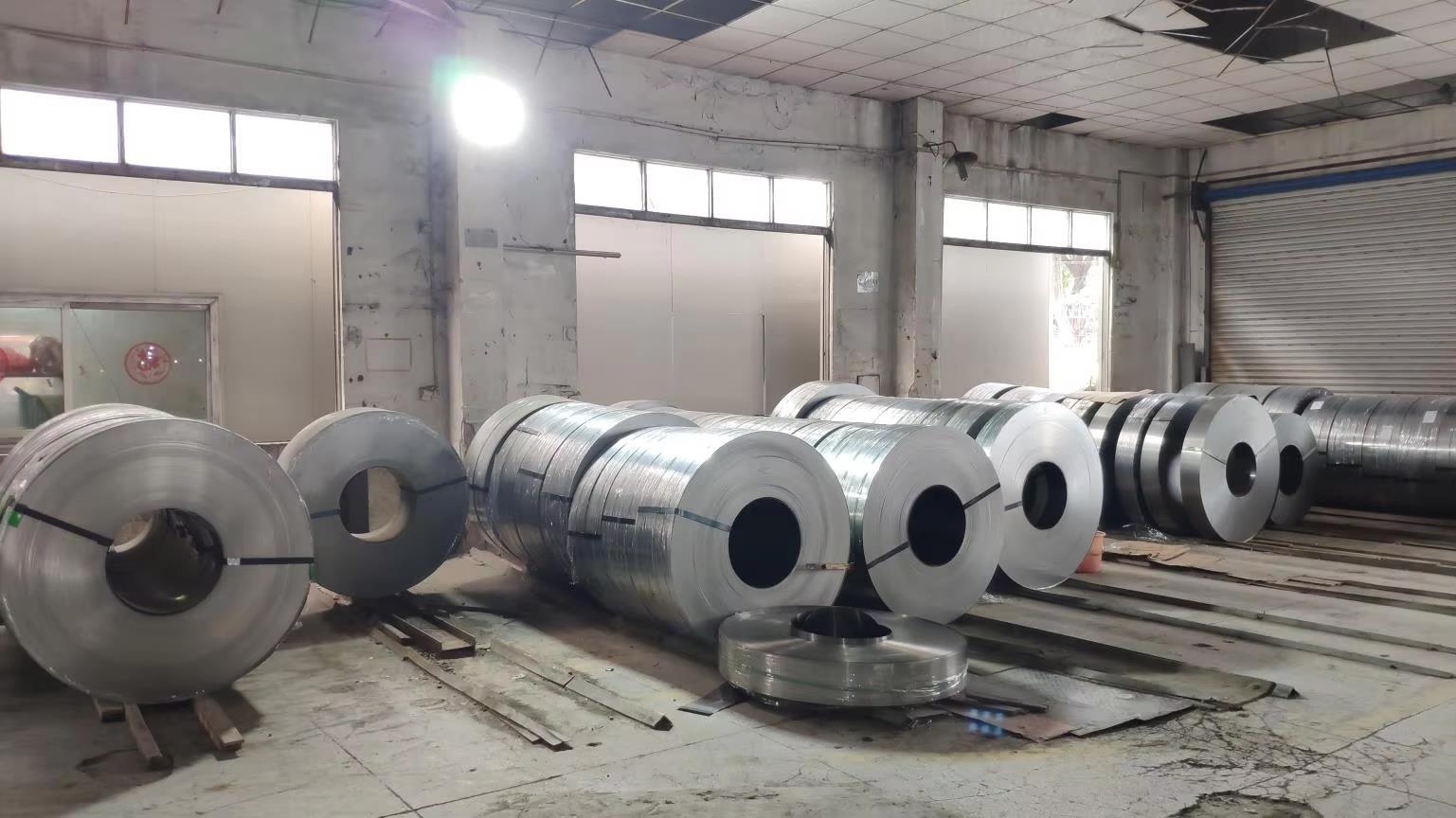
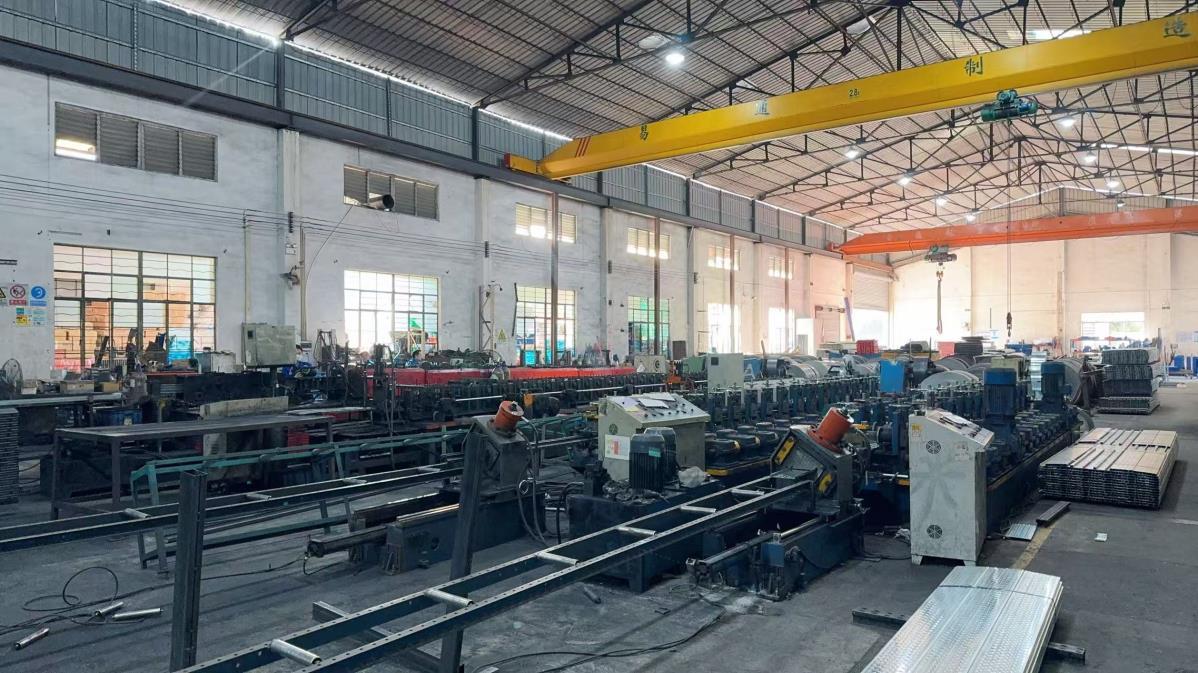
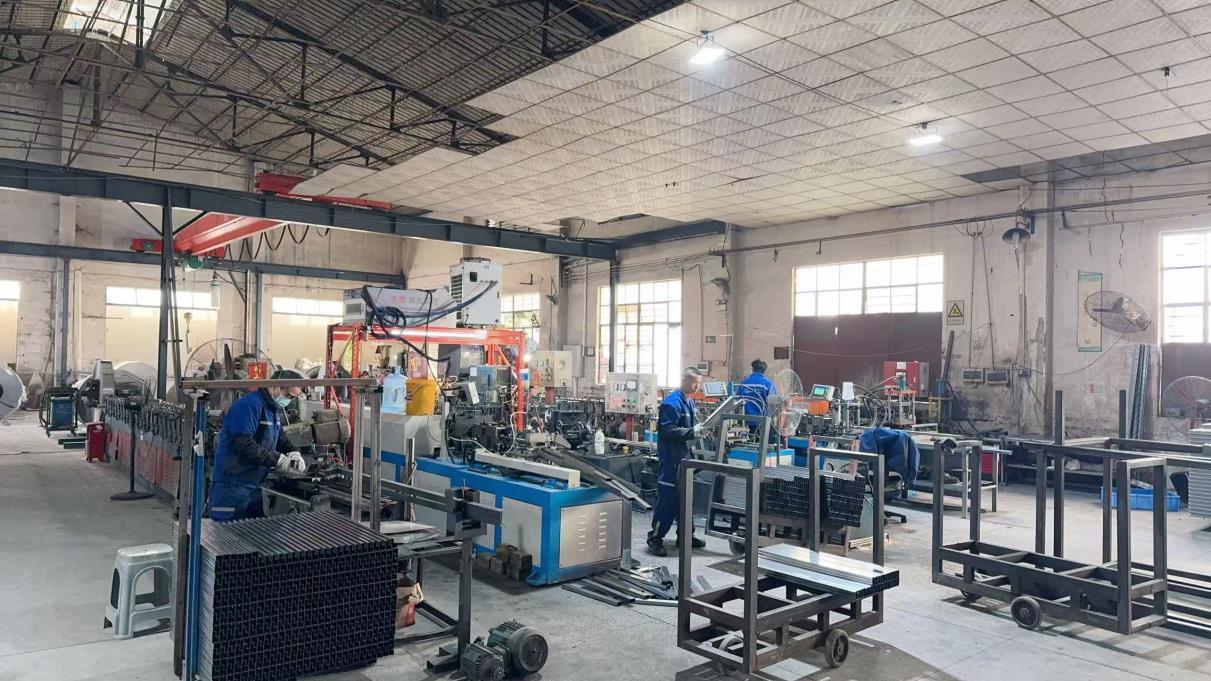
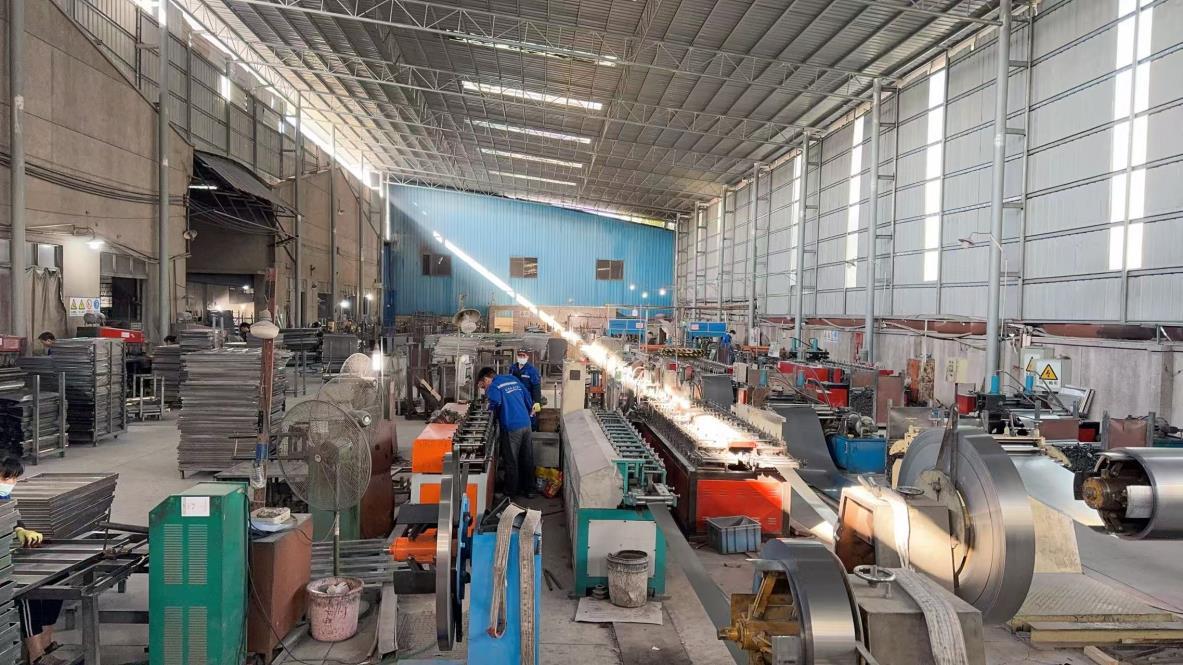
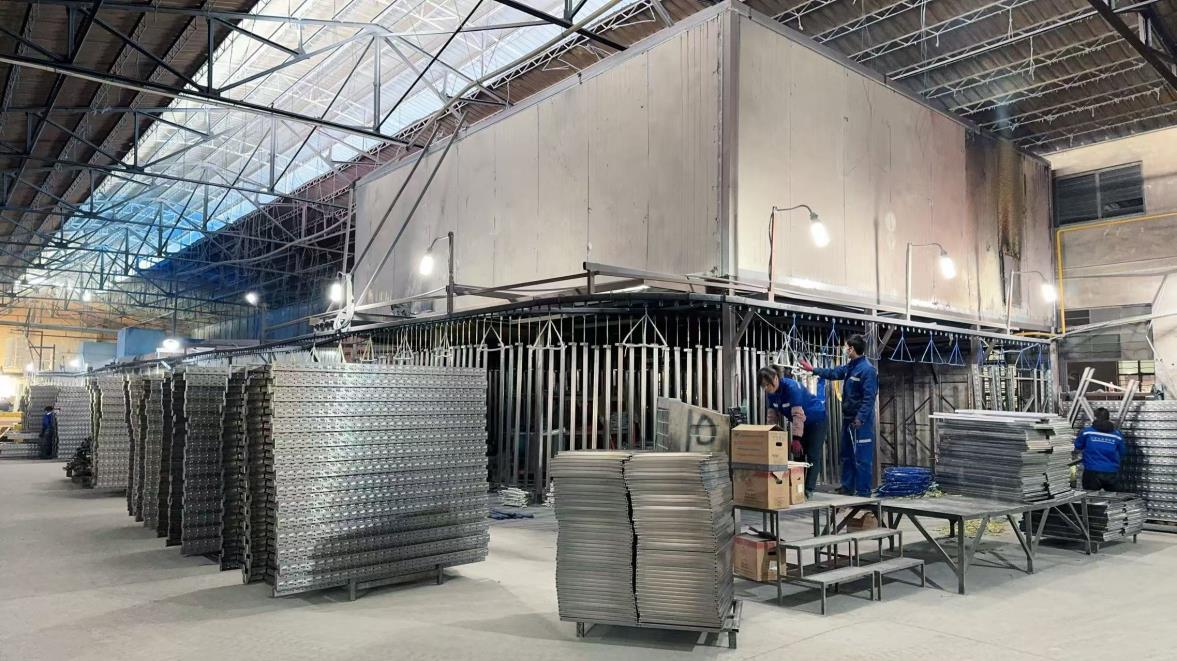
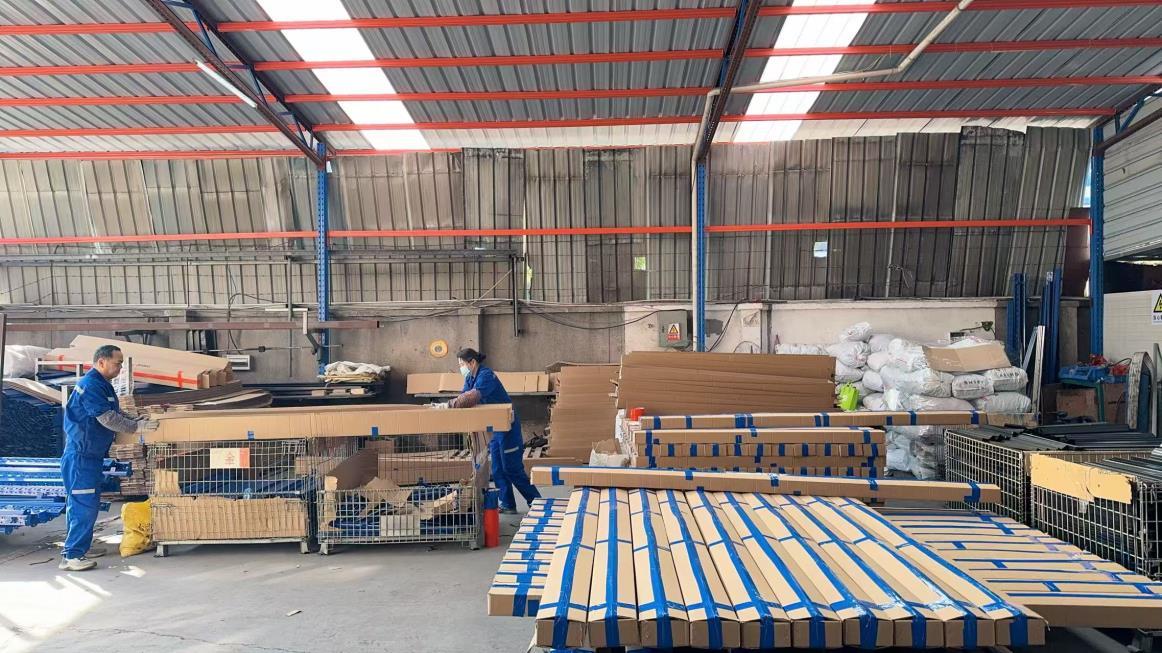
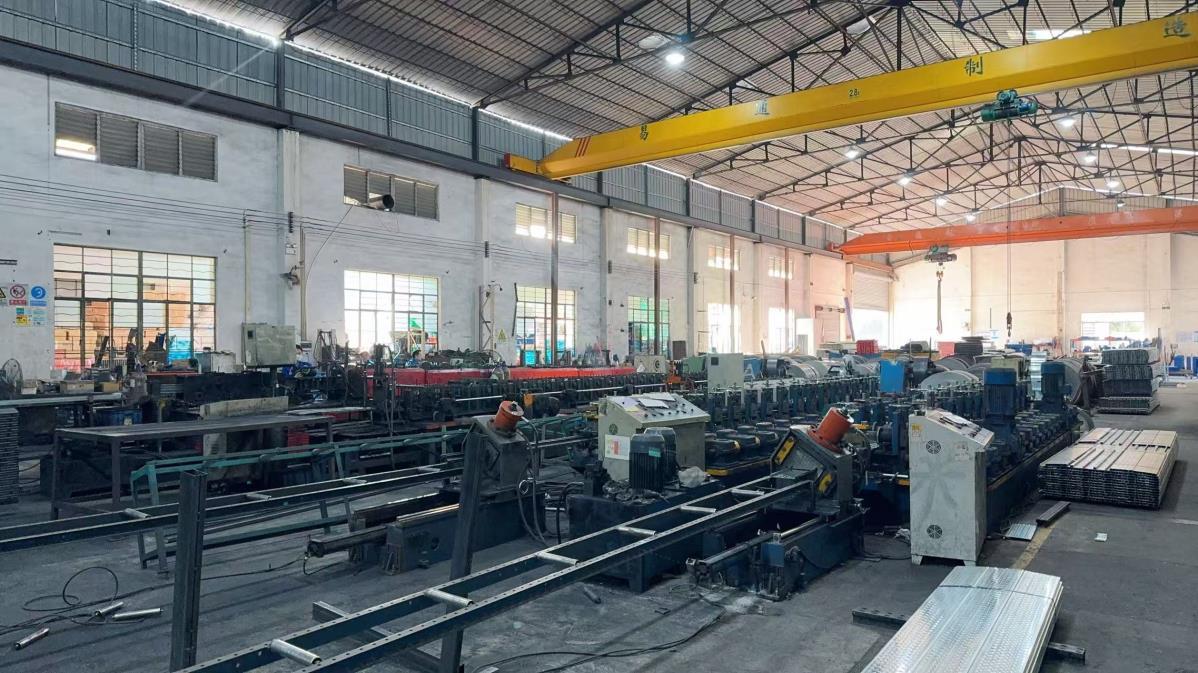
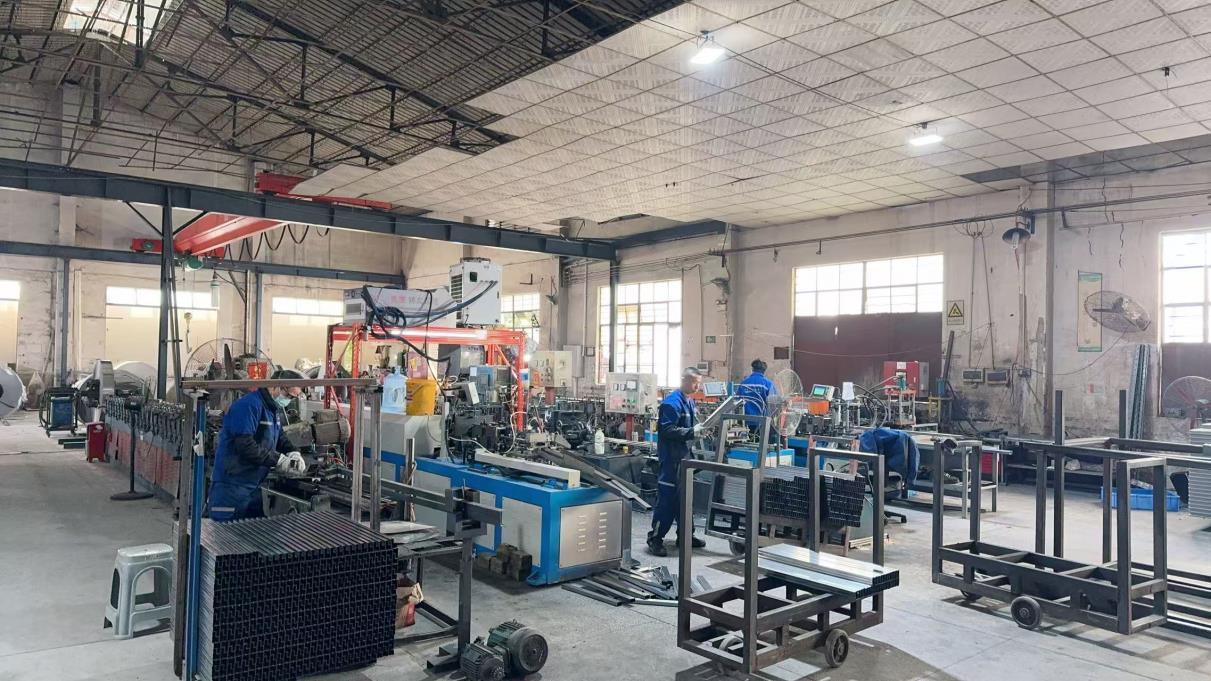
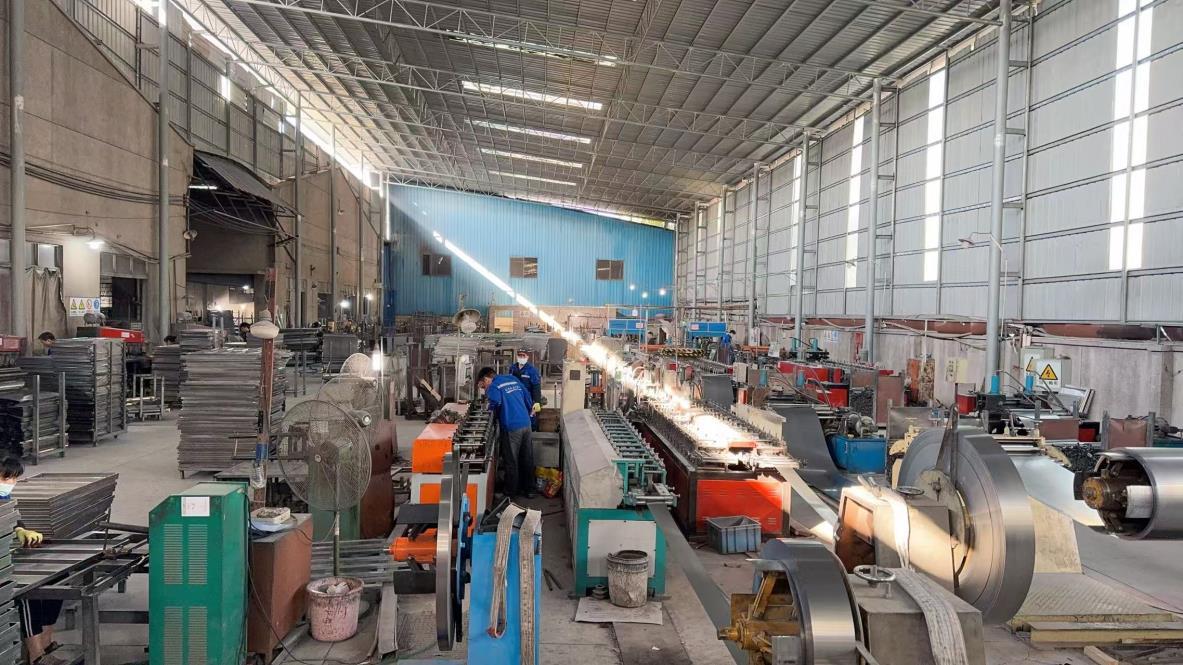
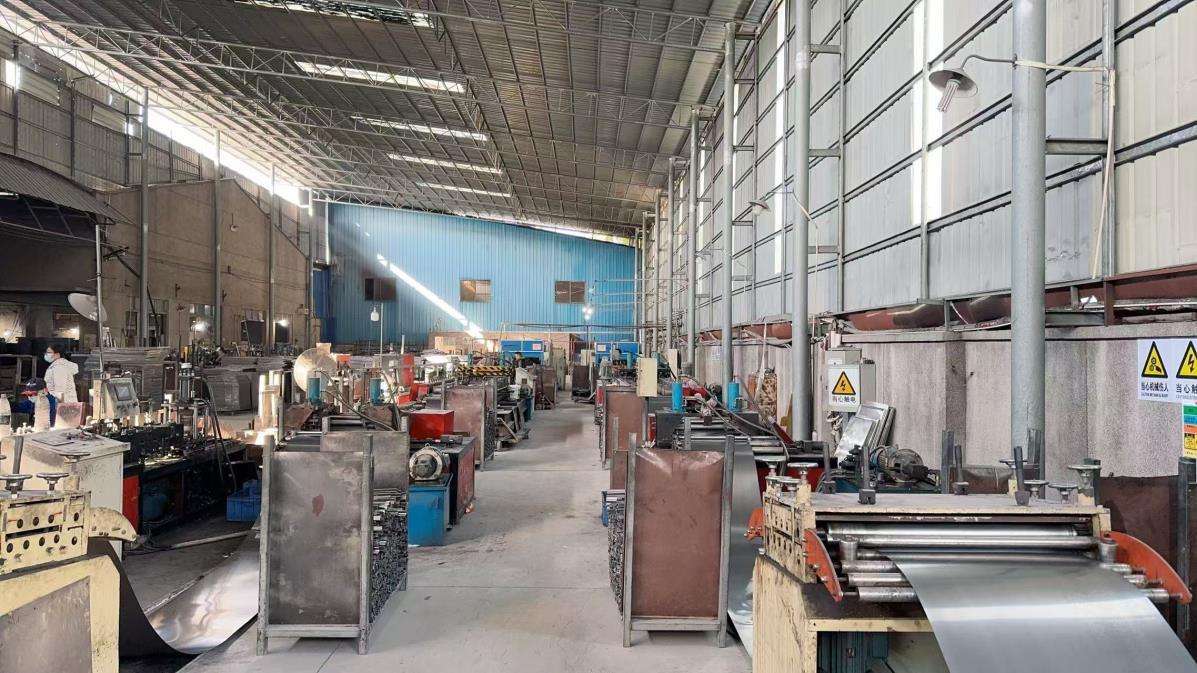
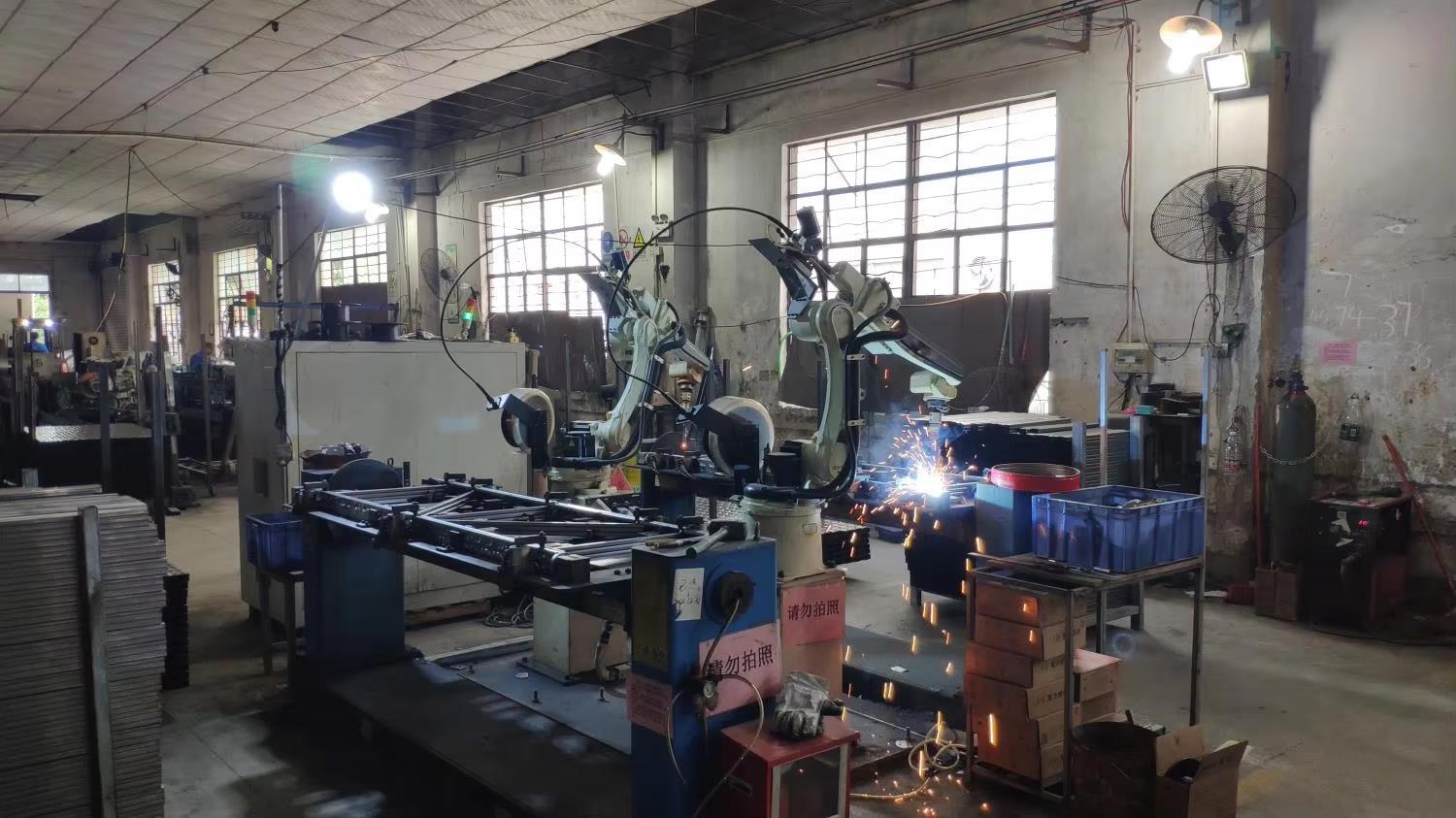
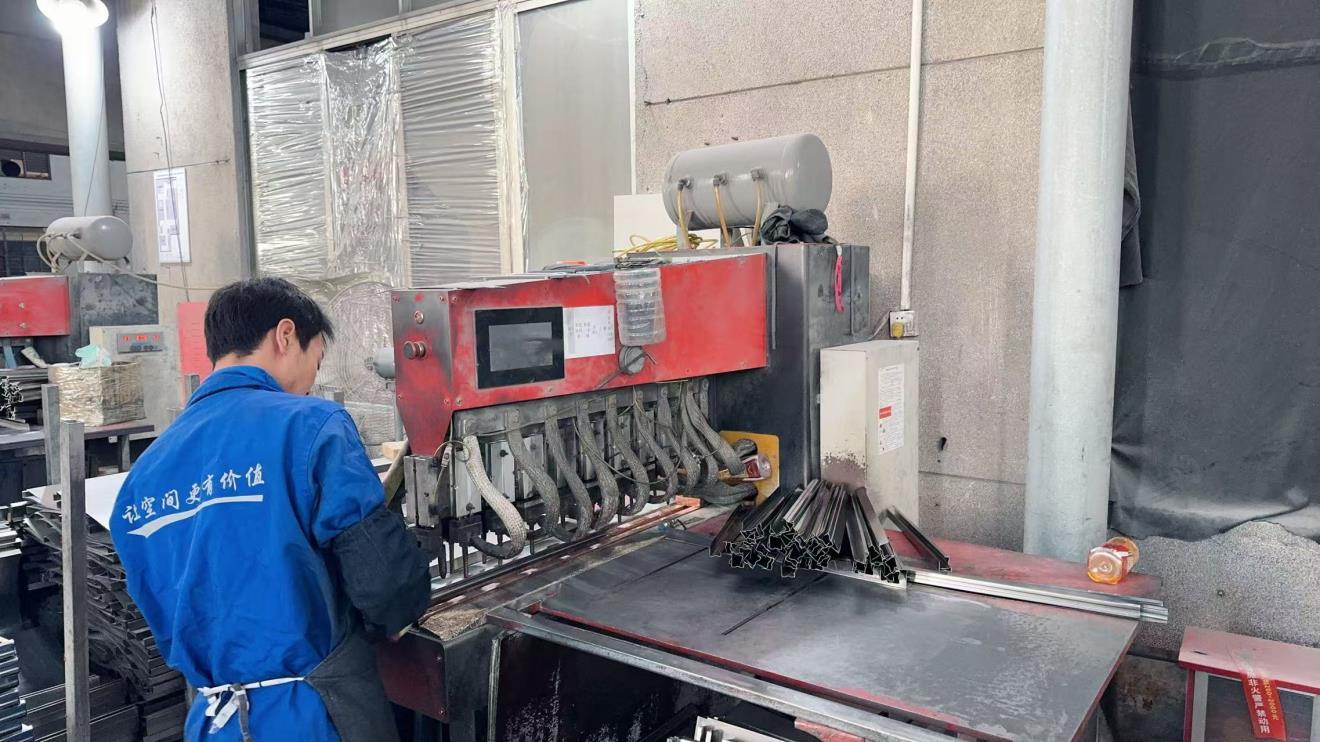
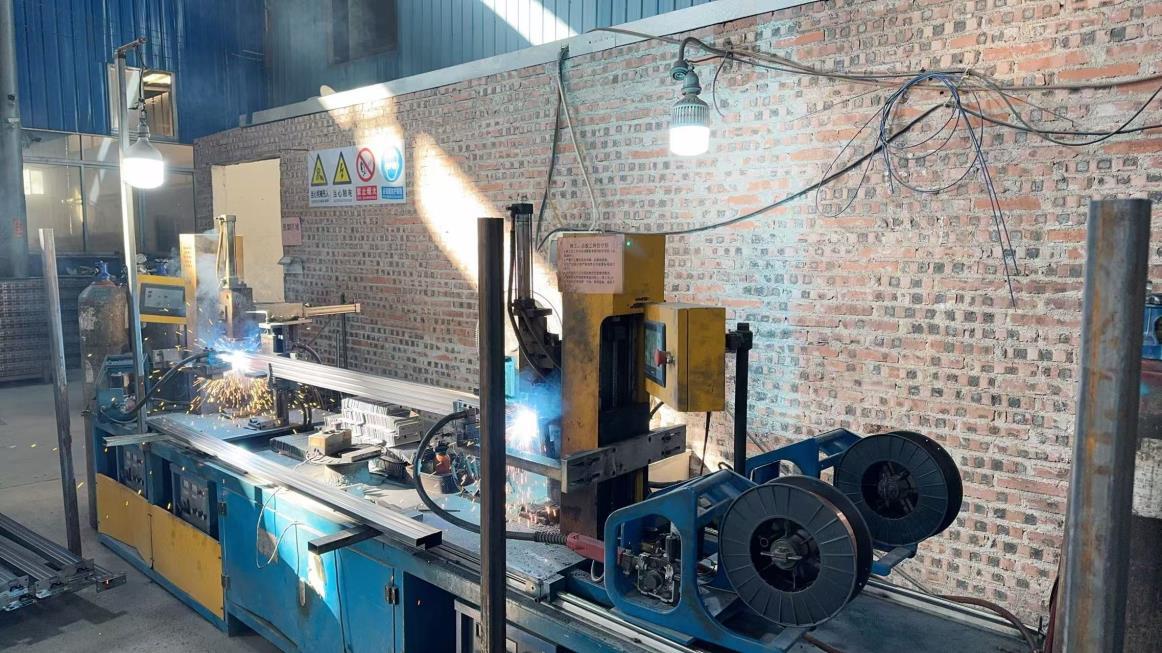
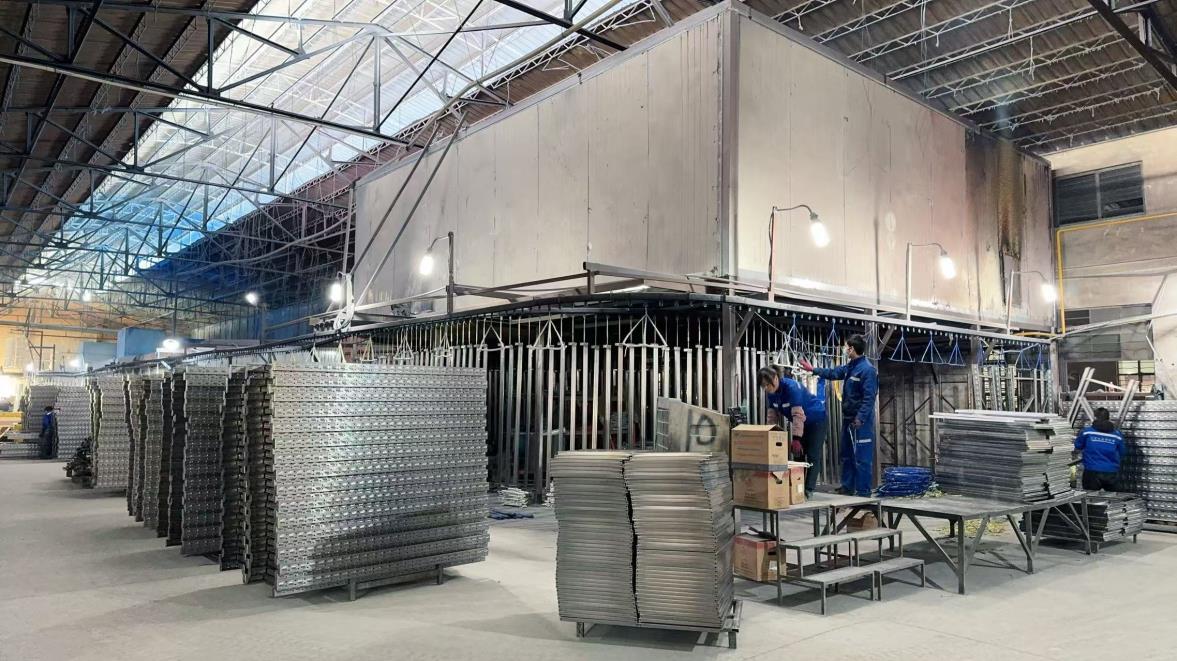
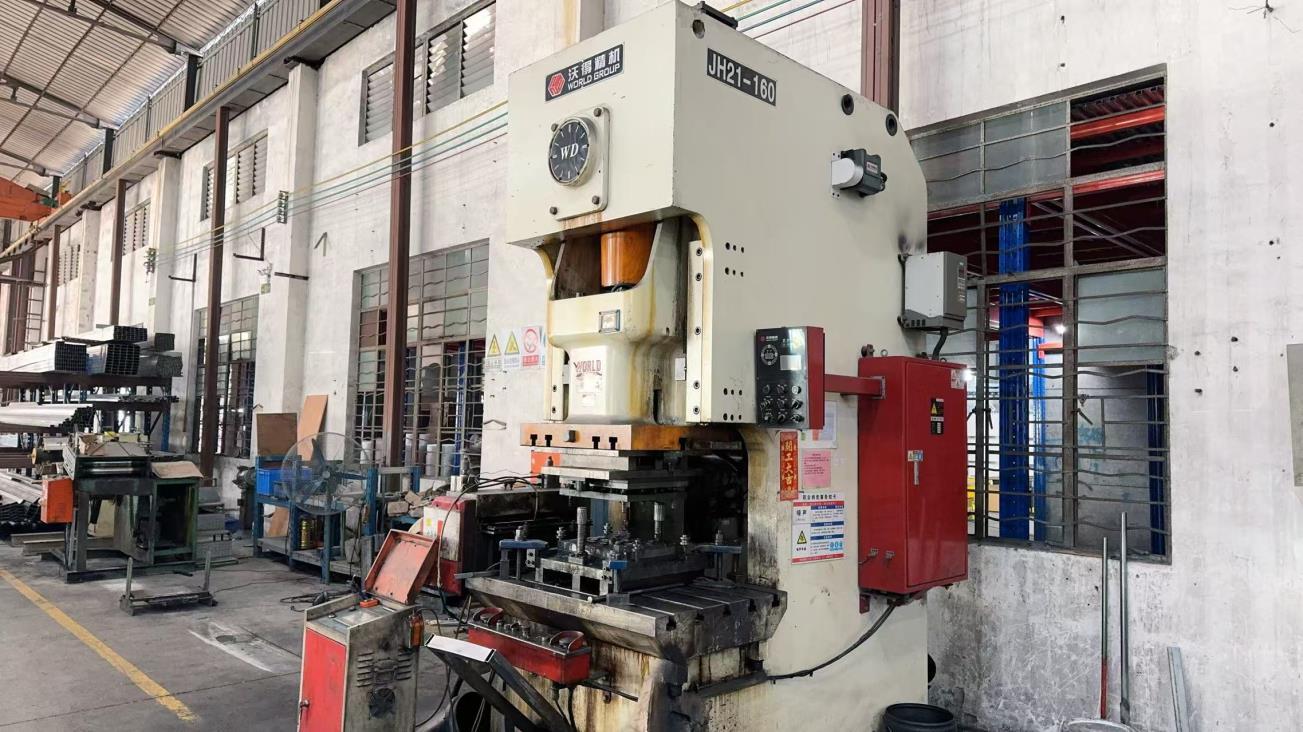
Tailoring rack engineering metrics to meet the operating requirements of diverse global supply chains.
Custom nestable stacking racks accommodate heavy steel components, chassis, engine blocks, and panels. Tailored protective dunnage and heavy-duty steel pockets prevent component shifting and surface friction scratches during in-plant handling and inter-facility transport.
Operating in temperatures as low as -30°C requires specialized steel formulas. Standard carbon steel can become brittle and fracture under stress at low temperatures. Kimsuk uses low-temperature grade steel structural sections coated with weather-resistant finishes to ensure long-term stability in cold storage facilities.
During peak shopping seasons, inventory flows surge quickly. Modular stacking racks allow quick assembly to handle seasonal overflow, and can be collapsed and nested when inventory levels drop, maximizing floor space for order-sorting processes.
Sourcing stacking racks globally requires compliance with safety standards and regulatory frameworks. Dongguan Kimsuk Shelves Co., Ltd. builds products in compliance with international racking codes, including ANSI/RMI MH16.1 (North America), FEM 10.2.02 (European Code of Practice), and AS 4084-2012 (Australian Standard for Steel Storage Racking).
Every design is subjected to physical load-deflection testing and validation. Dynamic stress testing validates structural performance under realistic material handling conditions, ensuring that calculated load limits protect both workforce personnel and valuable inventory assets.
Verifies weld penetration depth and structural integration, eliminating invisible micro-voids.
Guarantees paint layer coverage limits to prevent moisture penetration and early corrosion.
Ensures long-term performance under high humidity and marine transport conditions.
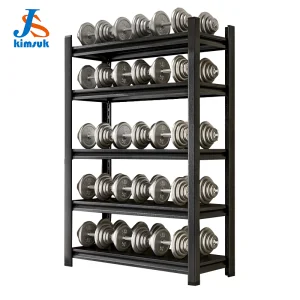
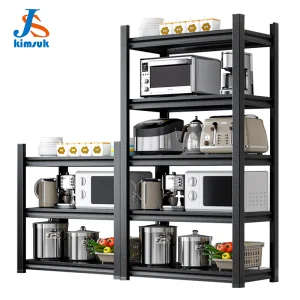
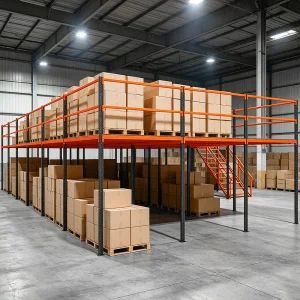
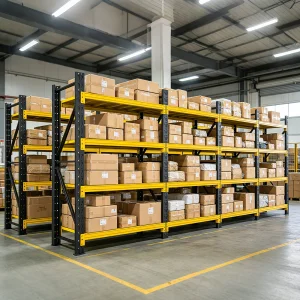
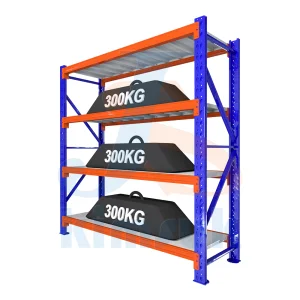
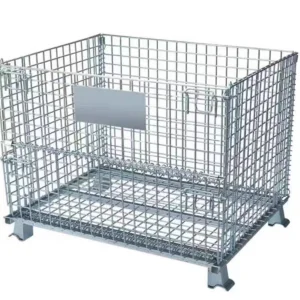
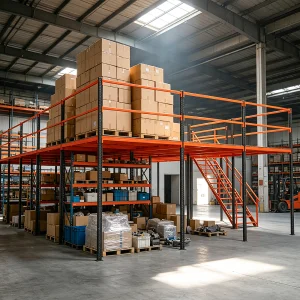
Expanding material handling capabilities with large-span structural platforms, high-density mezzanine systems, and steel storage mesh cages.
Technical questions regarding raw materials, weight tolerances, safety factors, and global logistics handling.
We manufacture using hot-rolled/cold-rolled carbon steel, primarily grades Q235B and Q355B (equivalent to ASTM A36 and ASTM A572). Q355B provides higher yield strength, allowing structural designs to support heavier loads with thinner material walls, reducing overall rack weight without compromising structural safety.
Our QA process begins with digital Finite Element Analysis (FEA) to identify stress points. Post-manufacturing, we conduct destructive and non-destructive load tests on actual production units, applying up to 1.5 to 2.0 times the rated safety capacity to verify structural limits.
For standard dry warehouse environments, a polyester powder coat finish offers excellent scratch and corrosion resistance. For cold chain applications, humid zones, or chemical environments, we recommend hot-dip galvanized coating or specialized primer coatings to prevent rust and surface degradation.
Yes, our systems are built with fork pocket dimensions and structural entry guides configured to align with standard material handling equipment. For AGV systems, we hold strict dimensional tolerances to ensure automated sensors can reliably align with the racks.
To protect finishes during international shipping, components are bundled with protective layers, secured with steel straps, and wrapped in heavy-duty shrink wrap. Customized wood/steel pallets are integrated into bundles to streamline unloading at arrival ports.
Standard custom production runs take 20 to 30 days from layout approval to ready-to-ship status. Projects requiring unique engineering configurations or specific steel profiles may extend this window to 45 days, depending on material sourcing requirements.
Yes, for seismic areas, we design systems with larger baseplates, upgraded steel thickness, and structurally reinforced post connections. The engineered footprint distributes dynamic lateral loads safely down to the concrete slab.
 Kimsuk Racking