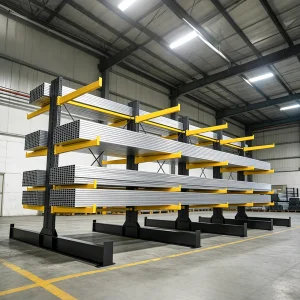
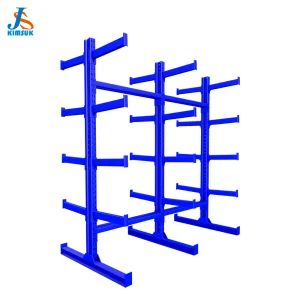
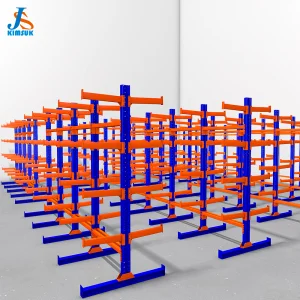
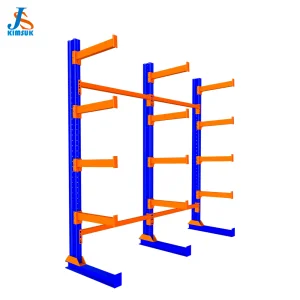
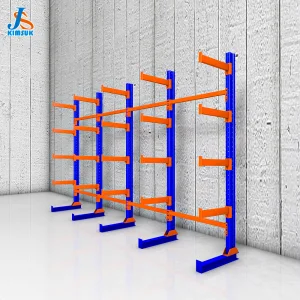
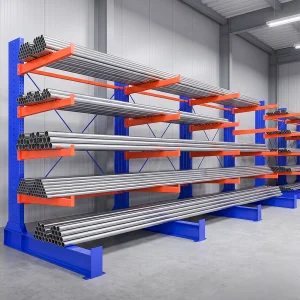
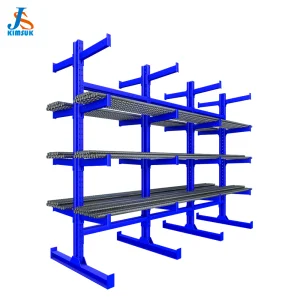
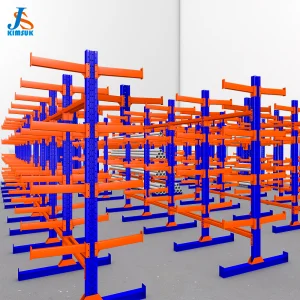
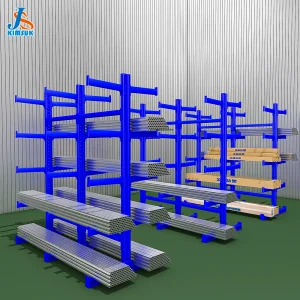
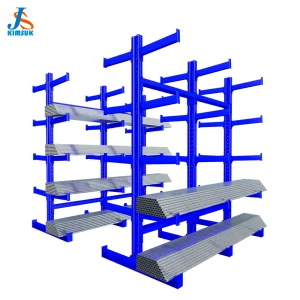
Engineered for high load limits, customizable arms, and seamless integration with standard material handling equipment.
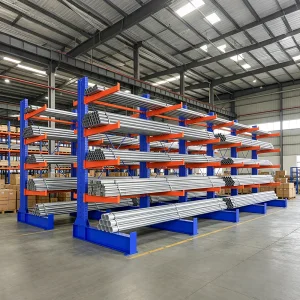
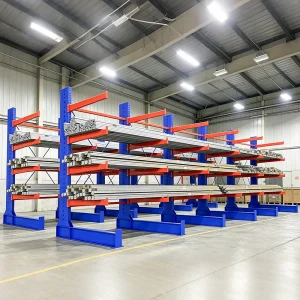
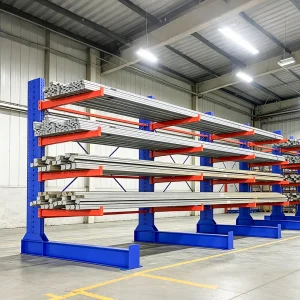
Analyzing key commercial dynamics, layout constraints, and logistics operations in New England.
The Greater Boston industrial real estate sector continues to experience structural transformations driven by space constraints, skyrocketing lease costs, and a pivot towards last-mile delivery centers. High-density commercial warehousing clusters along key logistics bypasses including Route 128 (I-95), I-495, and I-93 are challenged to optimize horizontal space. Since land acquisition costs in Eastern Massachusetts are among the highest in the country, logistics executives and industrial storage managers must look up. Custom cantilever rack systems are critical components for storage facilities managing long-span materials such as structural steel, piping, construction materials, and raw manufacturing inputs.
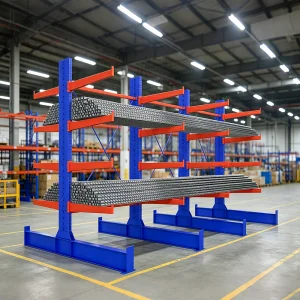
Cantilever racking solves a core structural challenge: storing items that do not fit inside traditional pallet rack frames. Removing front vertical columns creates an unobstructed horizontal space, allowing operations to stack items of varying lengths without structural obstruction. In Boston's dense commercial hubs (such as Chelsea, Everett, Quincy, and Worcester), this space optimization translates directly into increased efficiency and reduced cost per square foot.
Maximize ceiling height clearing limits up to 30 feet in New England warehouses, transforming floor storage to high-capacity overhead storage.
Modular arm connectors allow warehouse operators to adjust storage level pitches in 3-inch increments to fit changing inventory patterns.
Engineered with hot-rolled structural steel to absorb forklift impacts common in fast-moving regional distribution yards.
How local and national regulations dictate structural parameters in seismic zones.
Building codes in Massachusetts are strictly enforced to manage localized safety challenges, particularly regional seismic activities and heavy winter wind and snow patterns. The Massachusetts State Building Code (780 CMR), built on the International Building Code (IBC) standard, classifies structural storage racks as non-building structures. Any rack system exceeding 8 feet in height must be calculated to meet localized seismic load requirements.
Cantilever structures installed in Boston must meet the design parameters set by the Rack Manufacturers Institute (RMI) under standard ANSI MH16.3 (Specification for the Design, Testing, and Utilization of Industrial Steel Cantilever Racks). Designers must calculate base-to-height stability, column bending moments, connection shear stresses, and anchors. Given Boston's soil variations—ranging from soft marine clay to dense glacial till—special attention must be paid to footplates and anchoring bolts to distribute heavy static loads across warehouse concrete slabs.
We work with local structural engineers to secure structural calculations and PE stamps for building permits, ensuring that all our systems satisfy the safety and zoning requirements of the city of Boston and local fire departments.
Understanding structural steel chemistry, advanced powder coating, and modern warehouse engineering.
Cantilever rack systems are manufactured using two primary techniques: cold roll-forming and hot-rolled structural steel fabrication. Roll-formed cantilever racks use high-strength sheet steel shaped at room temperature, offering a cost-effective solution for light to medium-duty loads. Structural steel systems are made from hot-rolled steel channels, providing superior durability, high loading limits, and impact resistance. This structural style is best suited for heavy machinery parts, thick lumber bundles, and heavy structural steel tubing.
Kimsuk employs strict quality control practices throughout our manufacturing workflow. Every structural steel piece is tested for chemical properties, tensile strength, yield stress, and elongation. Our computerized powder coating process creates an industrial-grade finish resistant to corrosion, chips, and temperature variations—a key feature for coastal warehousing in New England.
Founded in 2015, Dongguan Kimsuk Shelves Co., Ltd. is a premier manufacturer specializing in heavy-duty industrial warehouse racking systems.
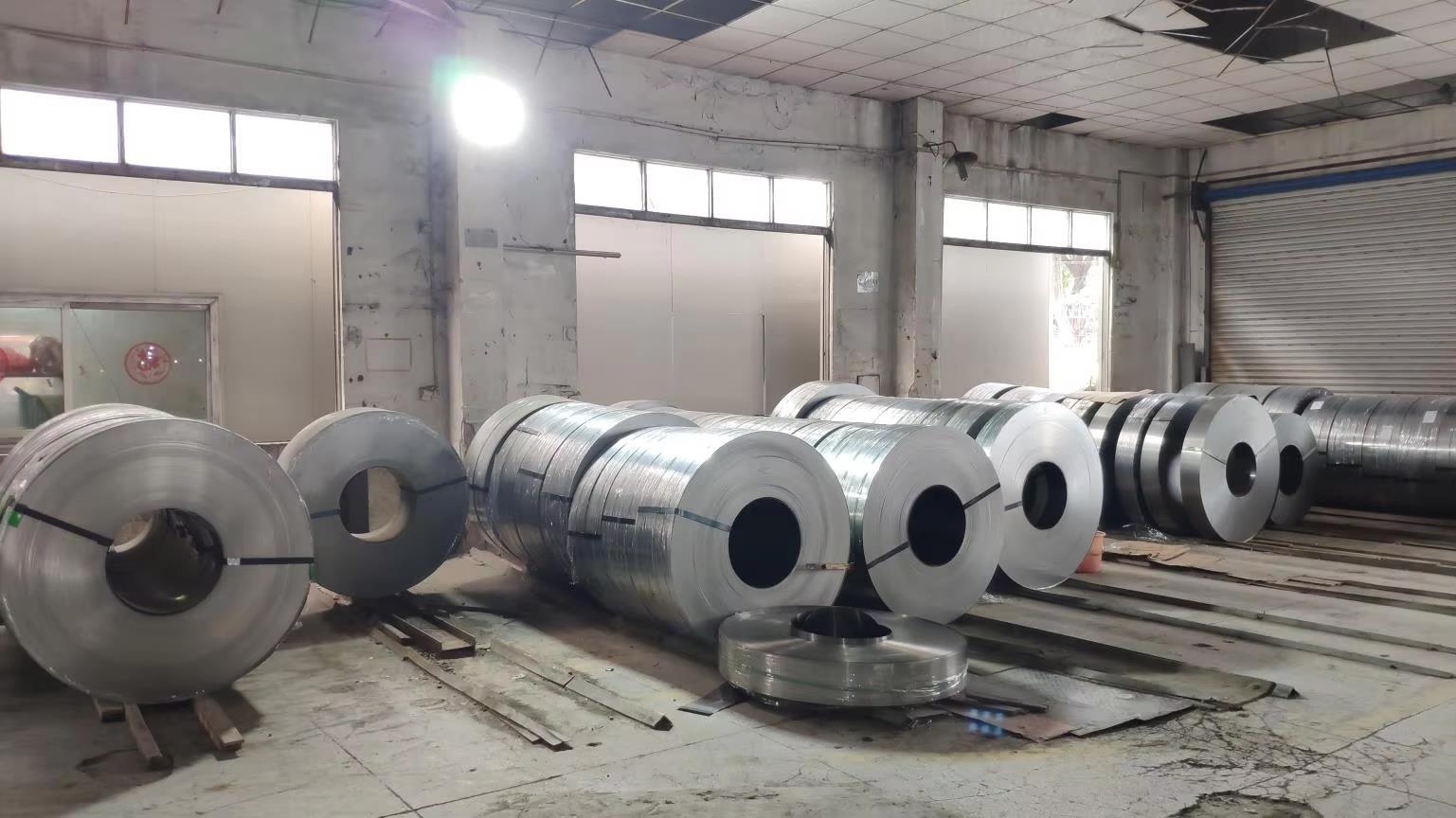
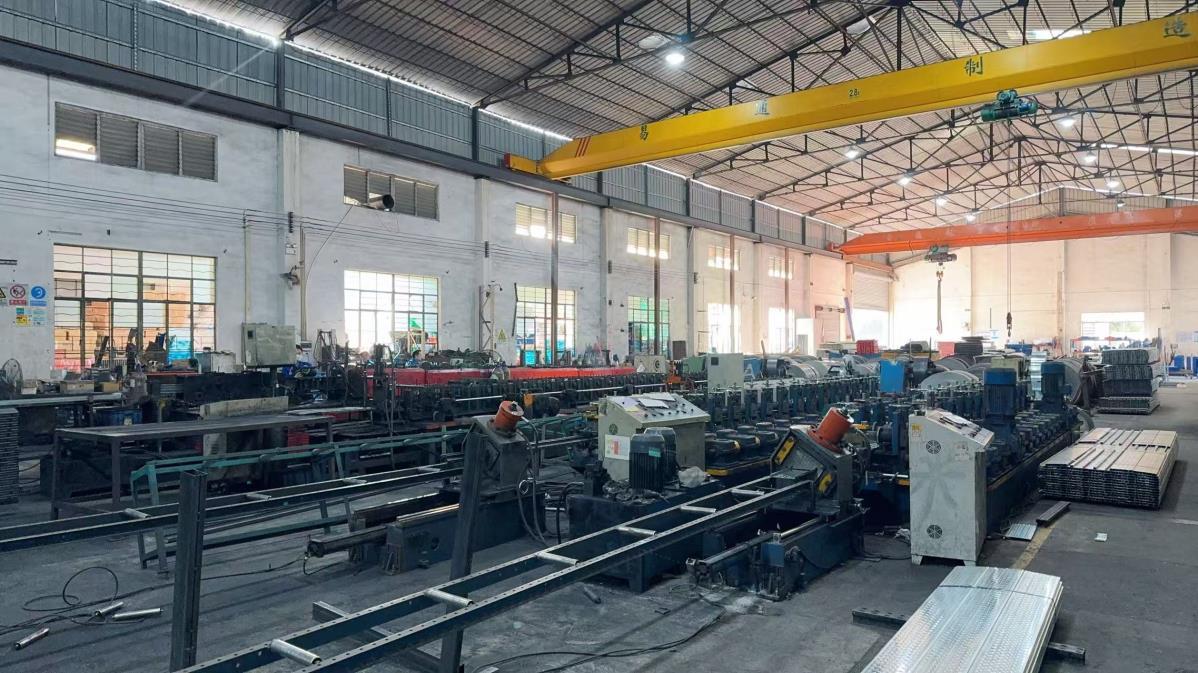
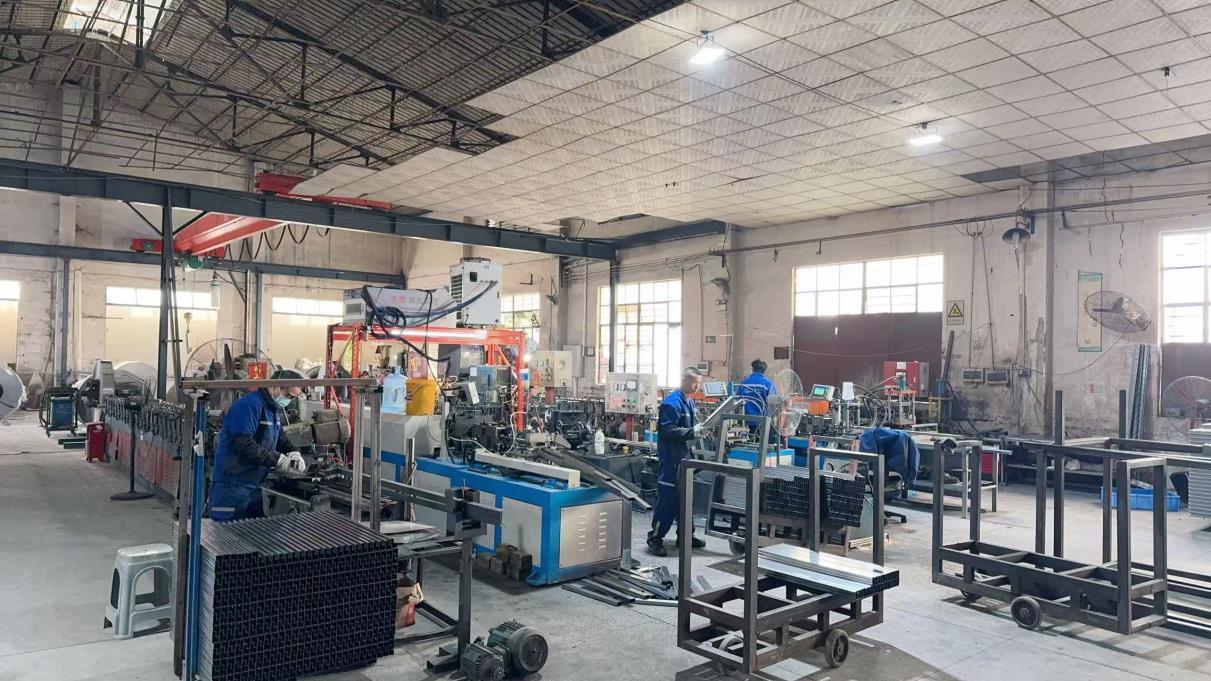
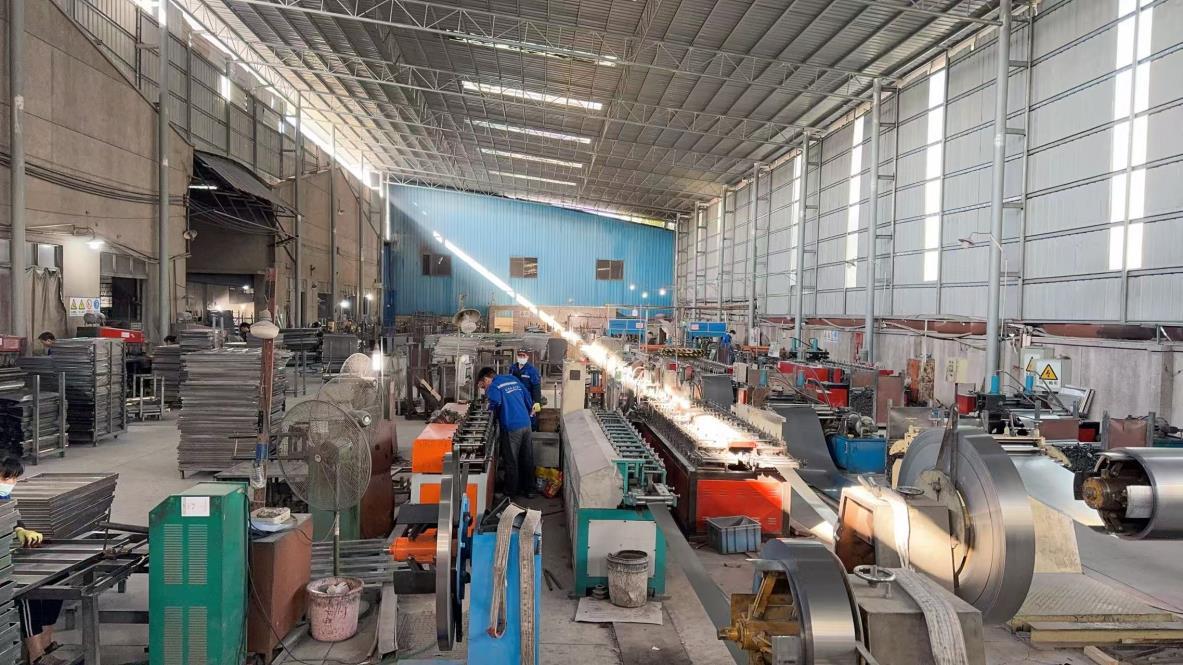
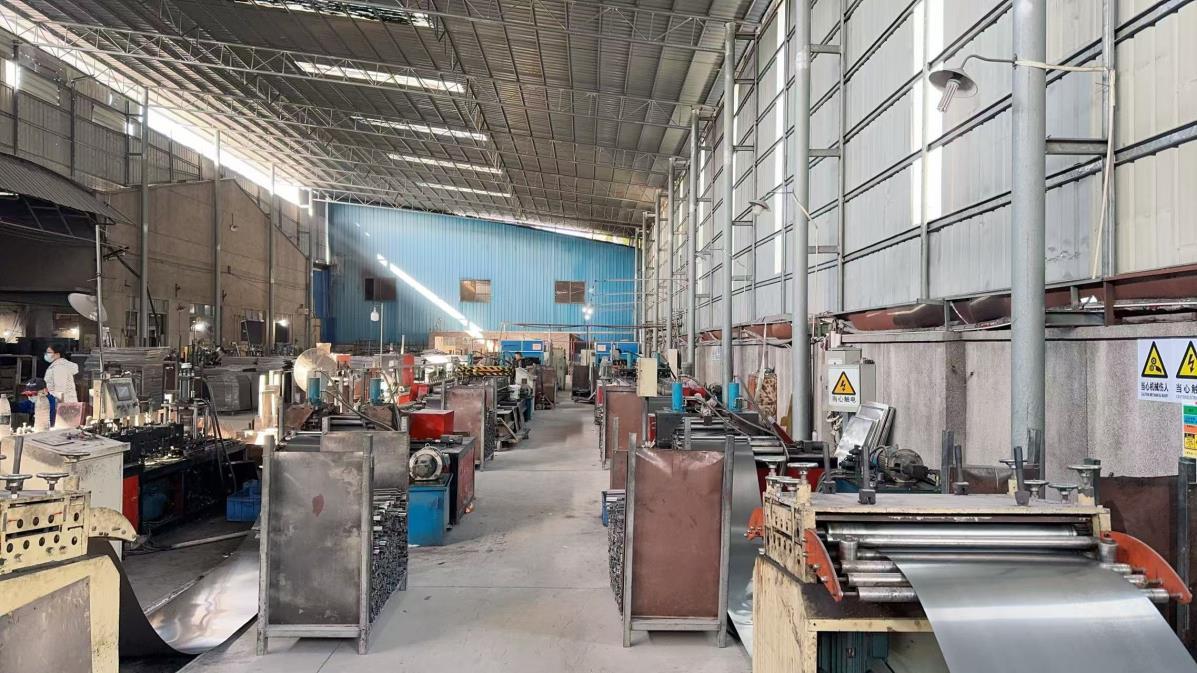
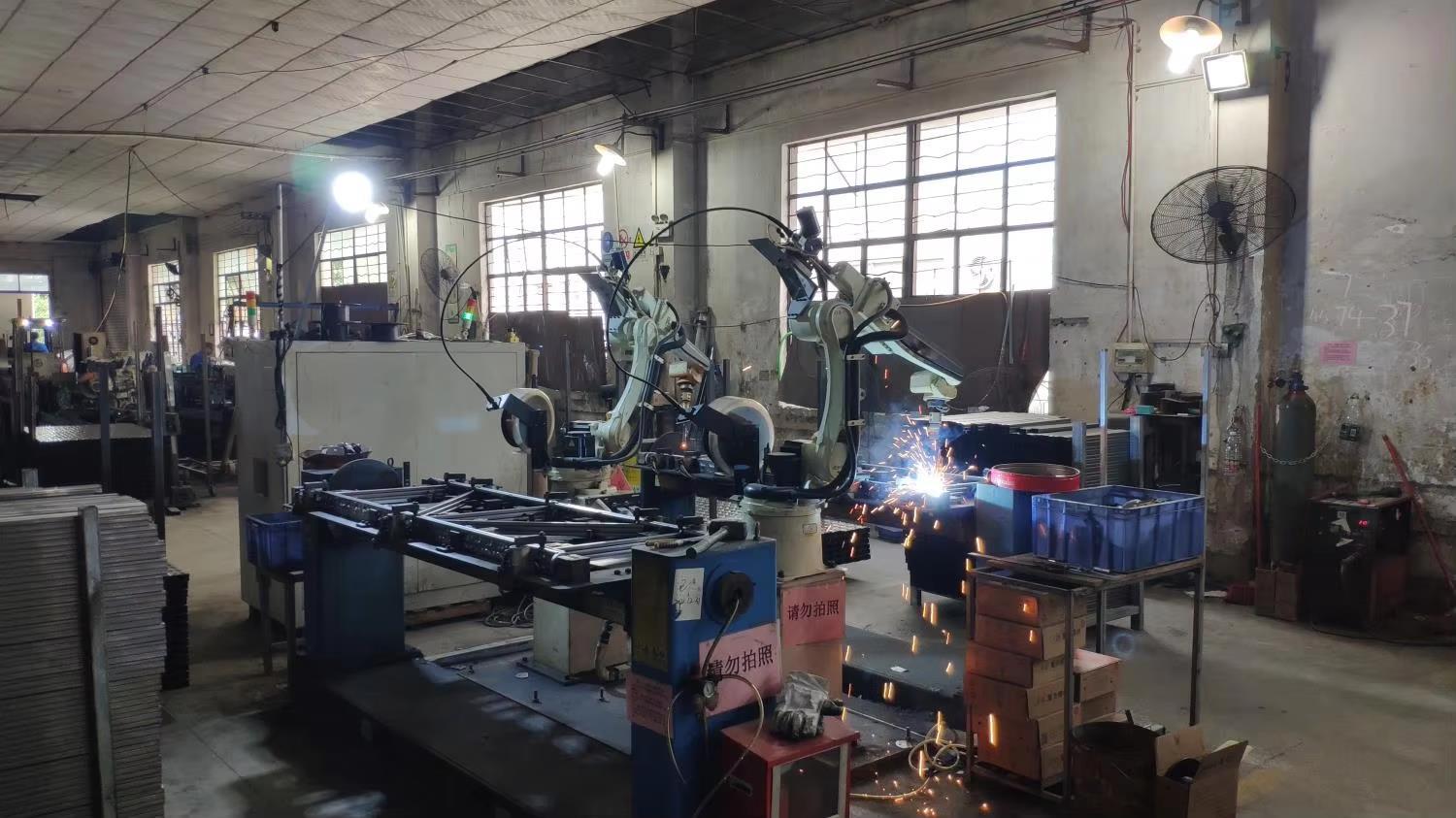
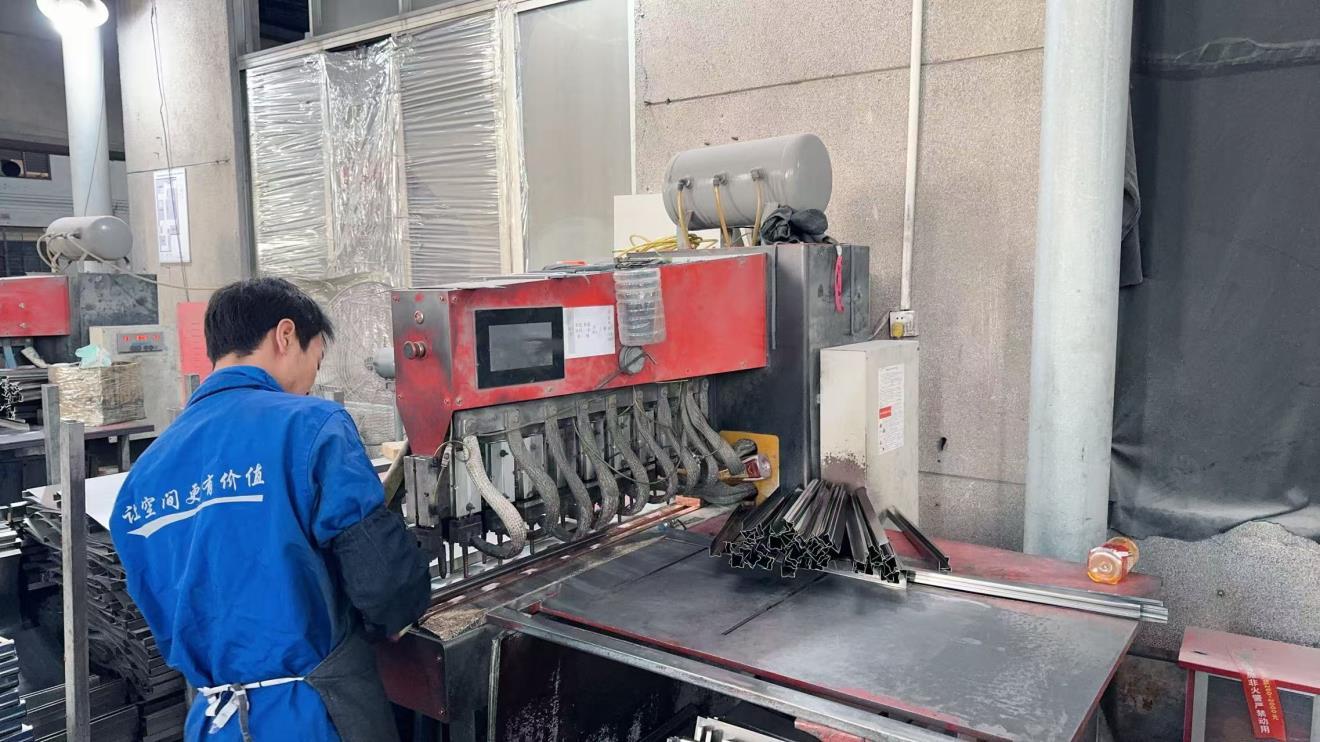
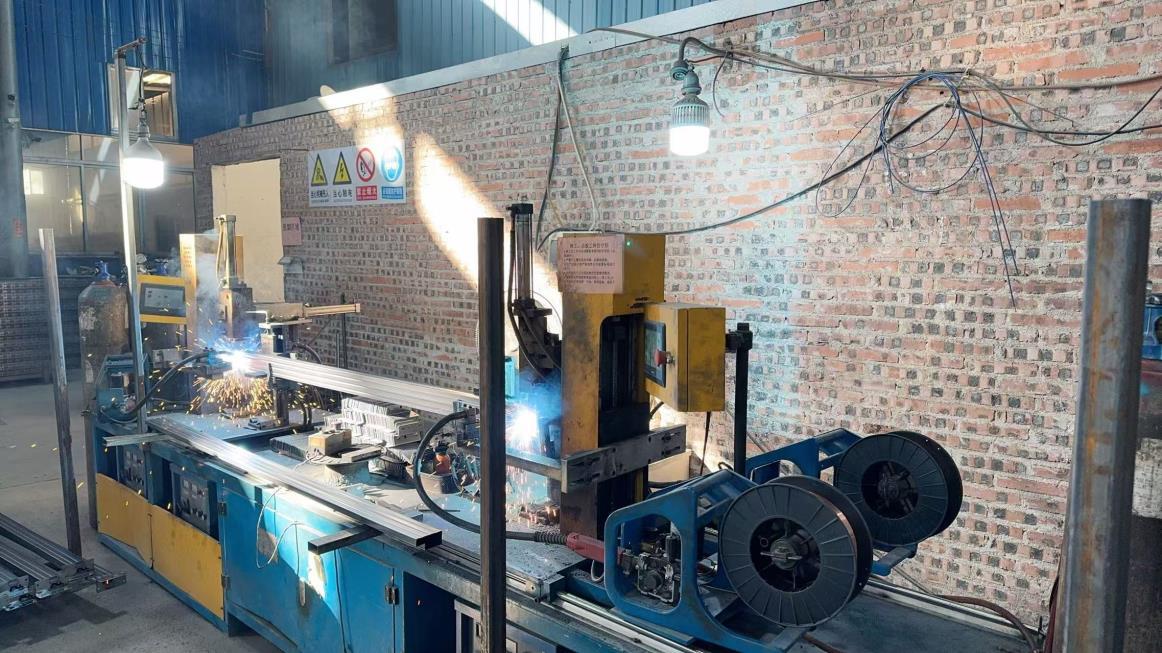
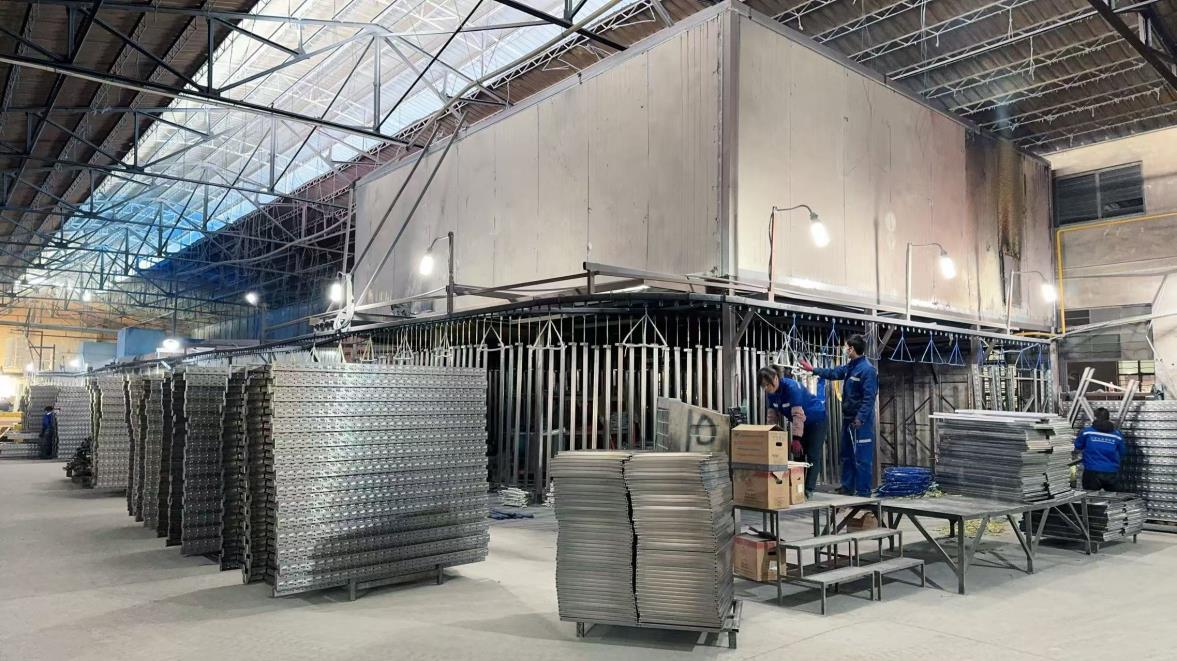
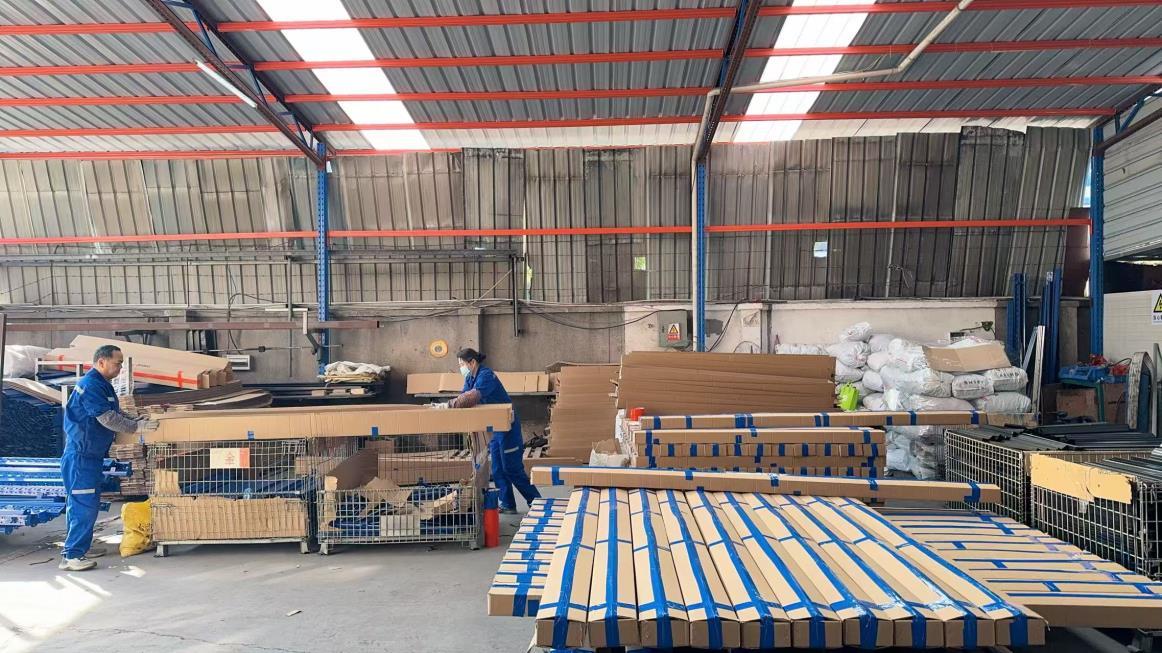
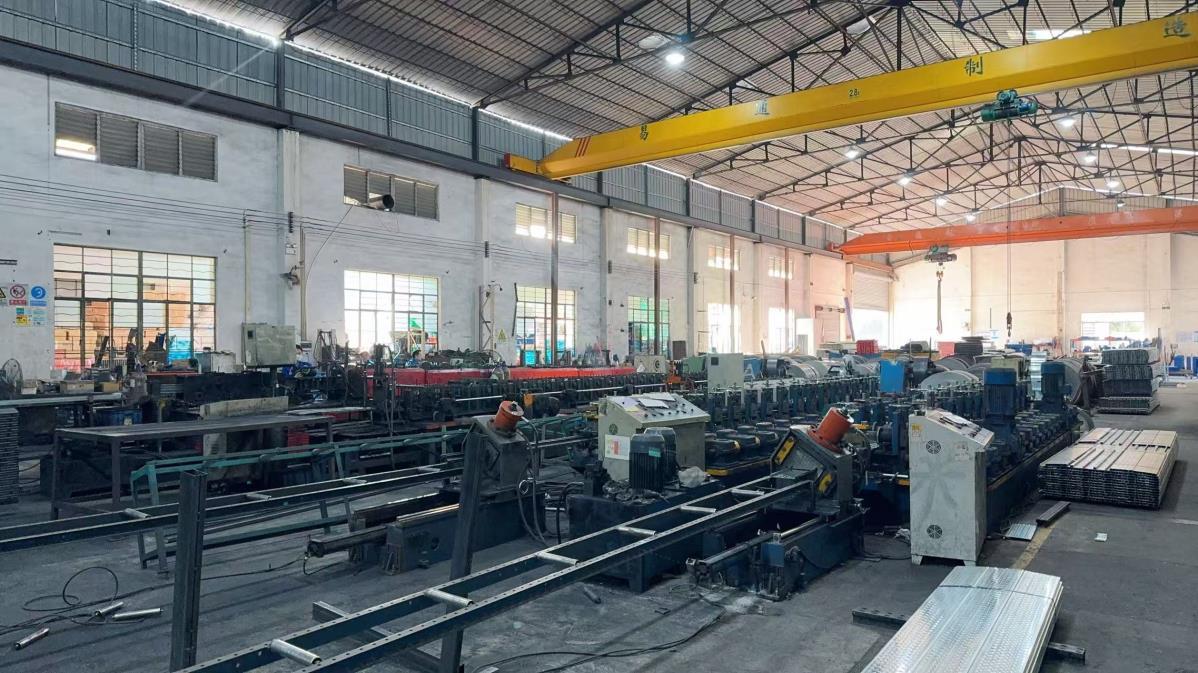
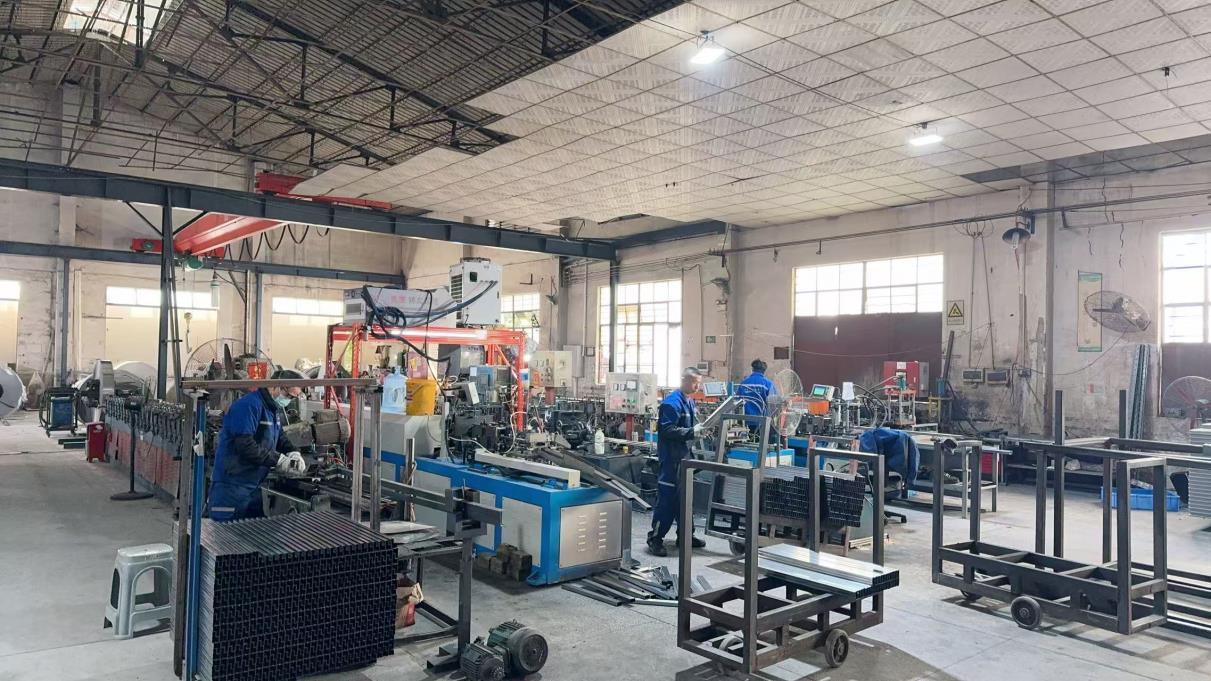
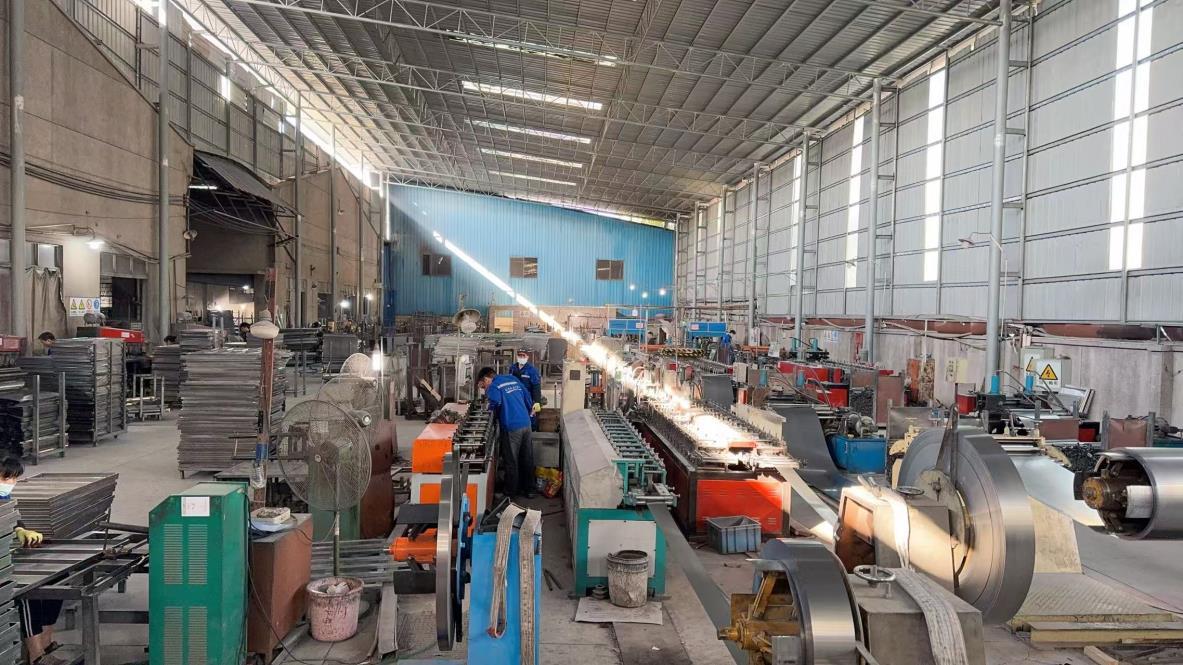
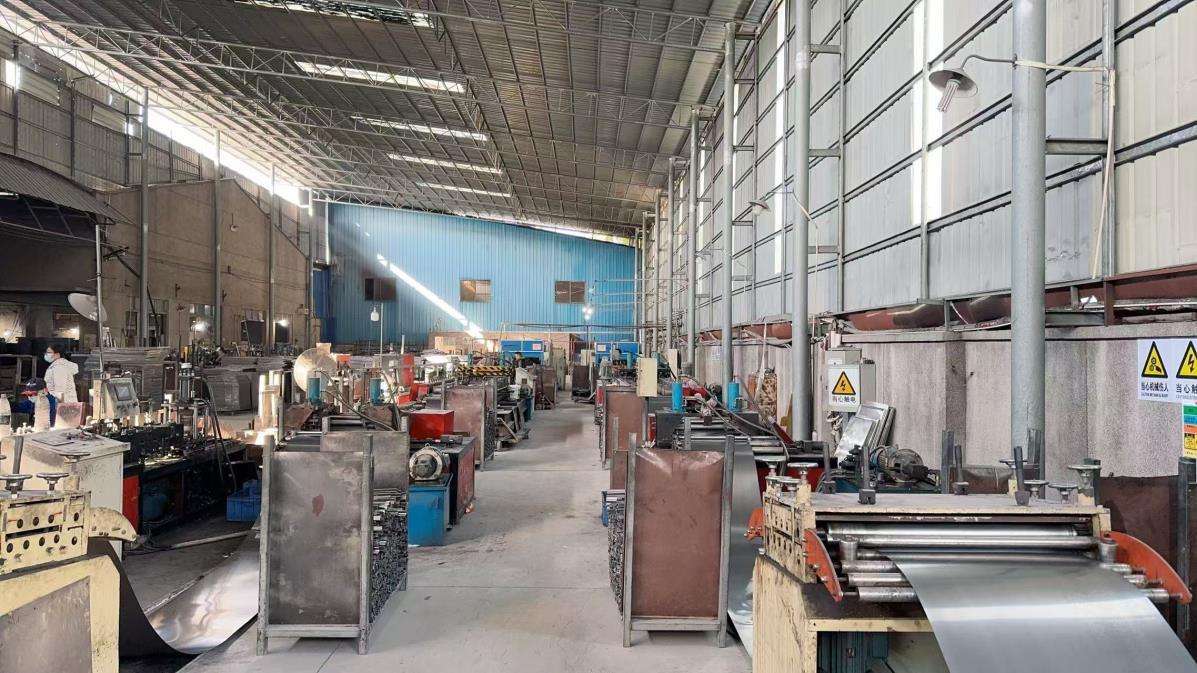
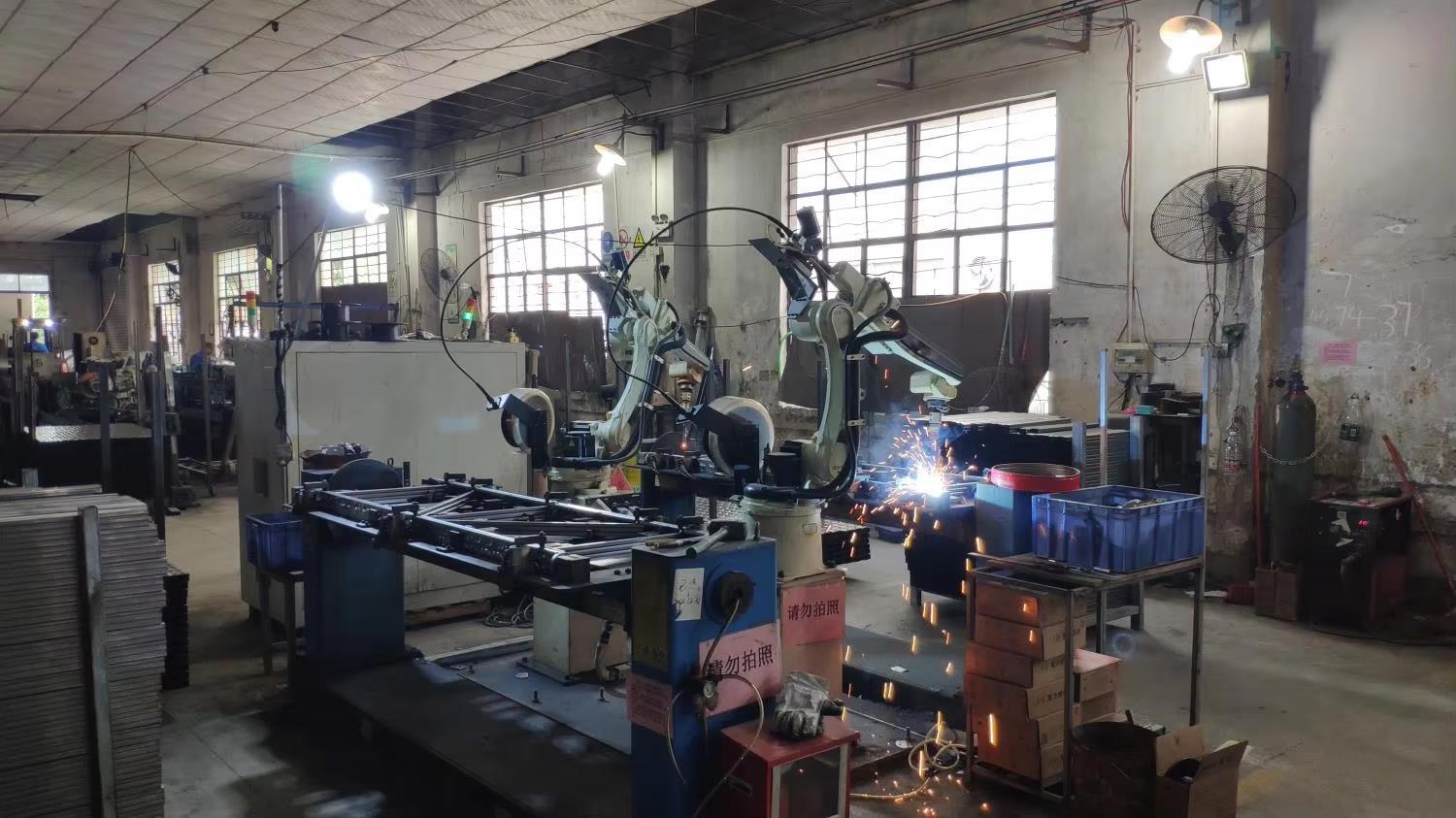
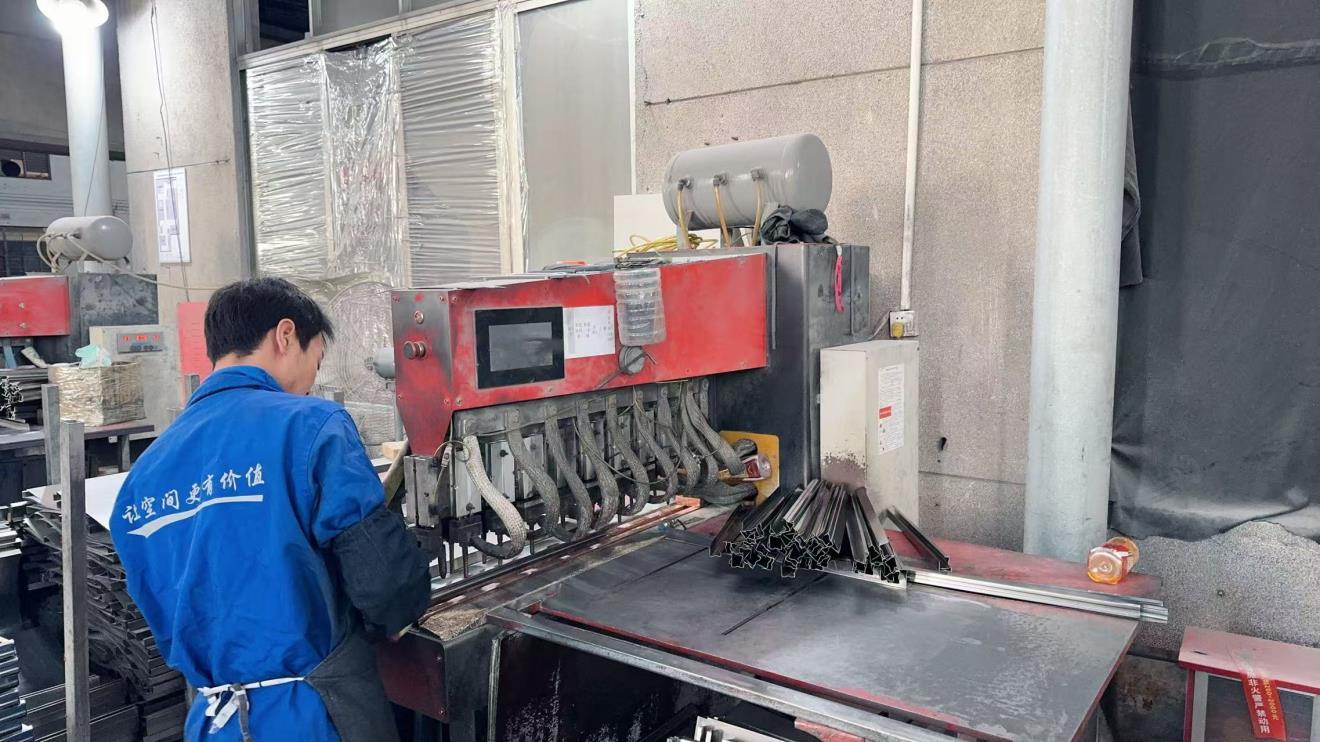
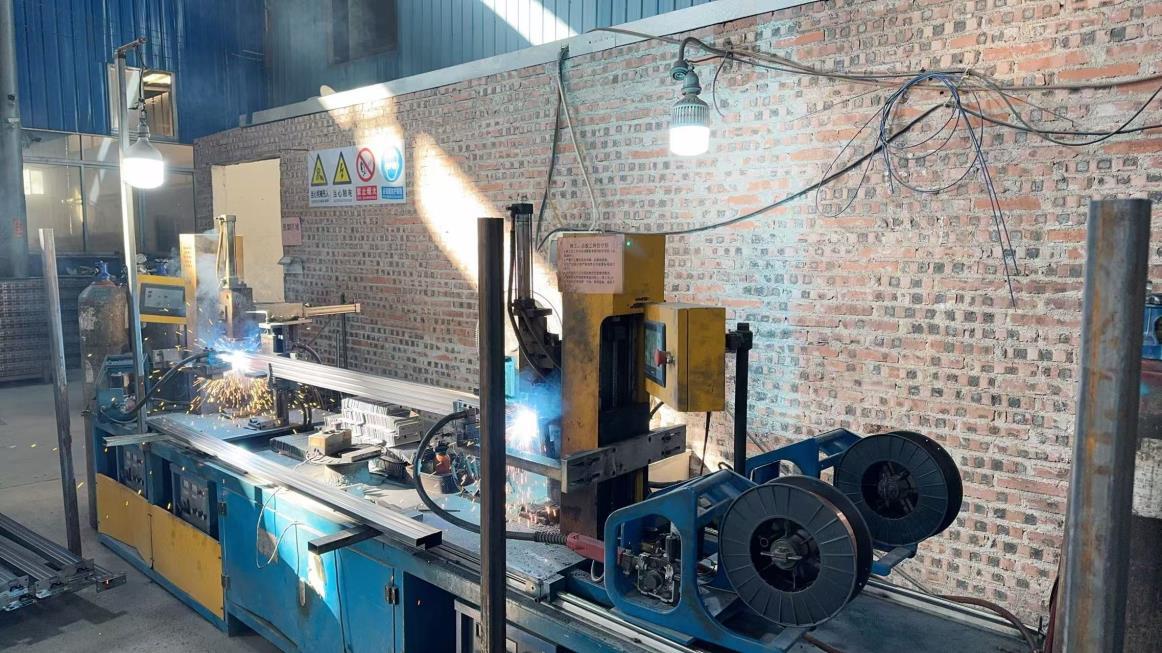
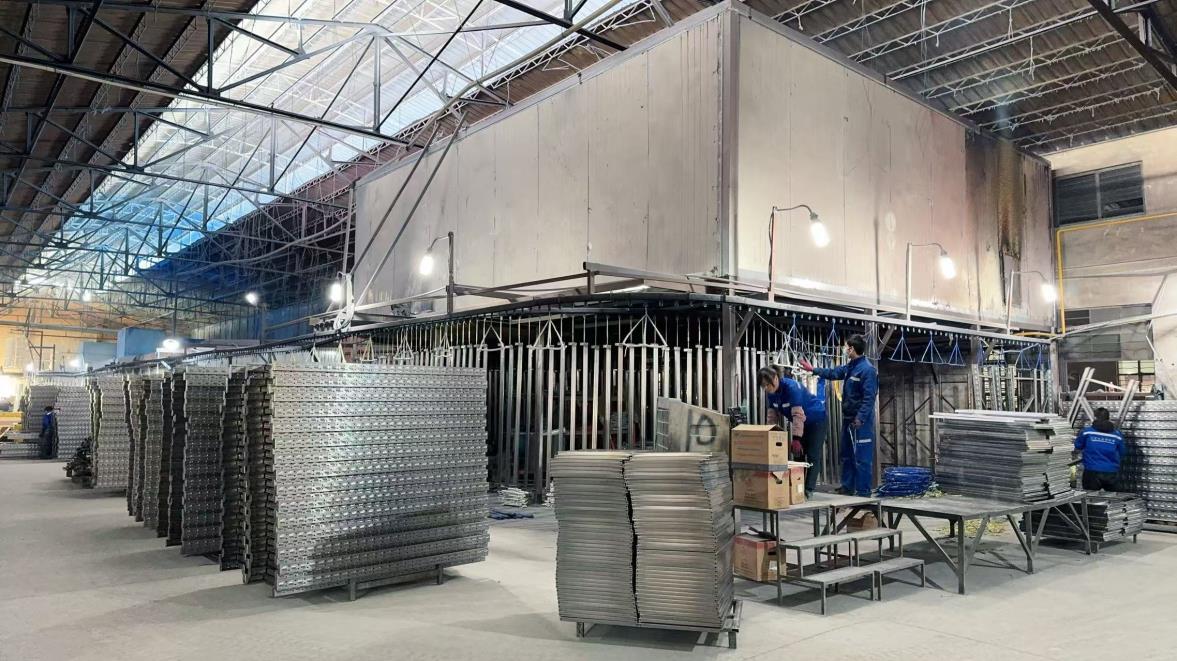
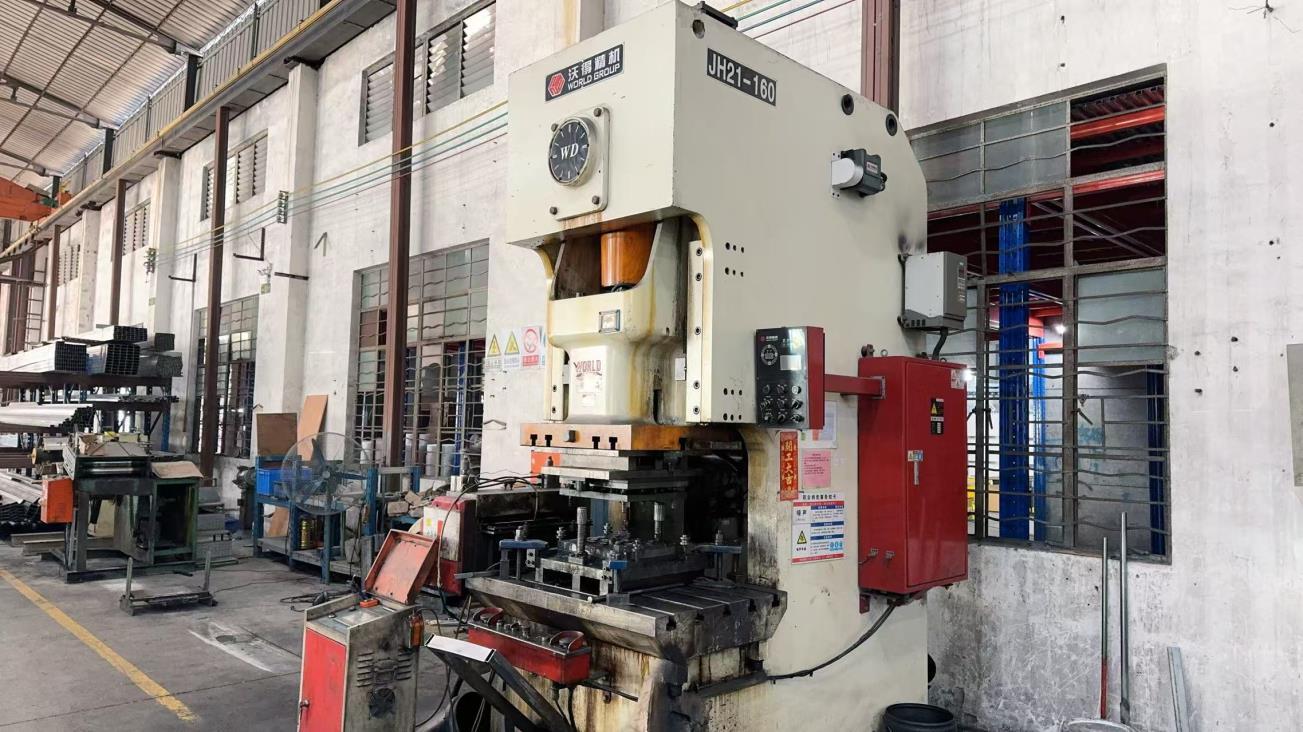
Integrated structures designed to handle heavy industrial products, piping, and long-load configurations.
Exploring the shift toward automated systems, IoT sensors, and computer-managed distribution hubs.
As the warehousing and logistics industries adapt to labor shortages and demands for rapid shipping, storage systems are evolving from passive iron and steel setups into smart, automated platforms. Mobile cantilever racking, which slides along recessed floor rails to open and close aisles on demand, can double storage capacities within the same warehouse footprint. This design is highly effective in cold-chain and temperature-controlled storage operations, where cooling costs make space utilization critical.
Additionally, modern systems are starting to integrate IoT load sensors and strain gauges into the racking columns and arms. These sensors monitor load balances in real time, alerting facility managers before structural fatigue or over-loading limits are reached. Adding automated retrieval crane interfaces also helps warehouse operators move long loads like pipes and lumber without manual forklift handling, reducing product damage and improving overall safety.
Detailed technical answers addressing cantilever structural calculations, arm capacities, and Boston permitting protocols.
Roll-formed cantilever systems are manufactured from high-gauge sheet steel shaped at room temperature. They are cost-effective, easy to install, and work well for light to medium-duty loads. Structural steel cantilever systems are manufactured from hot-rolled steel channels. These systems are highly durable and impact-resistant, making them ideal for heavy industrial products, thick piping, and demanding outdoor yards.
Under the Massachusetts State Building Code (780 CMR), structural storage racks must meet localized seismic safety parameters. Calculations are based on factors such as building occupancy, local soil properties, and geographic seismic data. In Boston, racking installations exceeding 8 feet in height typically require structural PE calculations and stamped documentation to ensure the footplates and anchors are rated for ground accelerations.
Yes, cantilever systems are commonly used outdoors for lumber, pipe, and raw steel storage. To withstand the elements, outdoor systems require a protective finish such as hot-dip galvanizing (HDG) or a multi-layer exterior-grade powder coating. Outdoor designs must also factor in local wind and snow loads in their load capacity calculations.
Arm deflection is the downward bend of a cantilever arm when a load is applied. Industry standards like ANSI MH16.3 recommend limiting arm deflection to L/180 (where L is the arm length). Controlling deflection ensures the load remains stable and does not slide off the arm, protecting both inventory and warehouse staff.
The length of the cantilever arm affects the center of gravity and the rotational pull (bending moment) on the vertical column. Longer arms shift the weight further outward, which increases the bending forces on the upright. When designing a system, the column must be engineered to handle both the total vertical weight and the rotational pull based on the specific arm length used.
Heavy-duty steel cantilever systems built for industrial and logistics operations across Massachusetts.
Connect with our engineering team to design, manufacture, and verify a custom storage setup tailored to your warehouse layout and load needs.
Send Inquiry Now Kimsuk Racking