Engineered for maximum structural stability, optimal space utilization, and long-term durability in high-throughput environments.
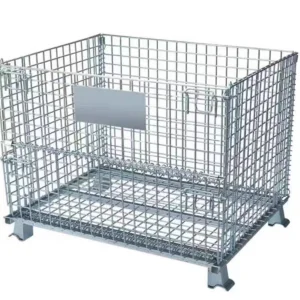
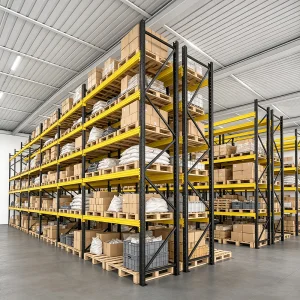
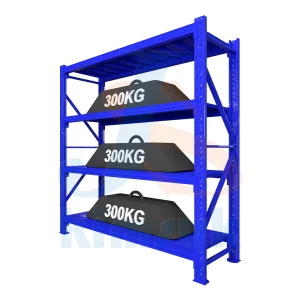
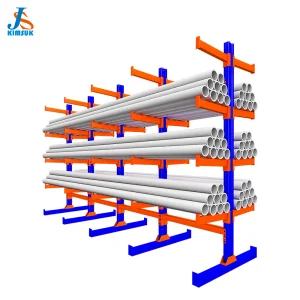
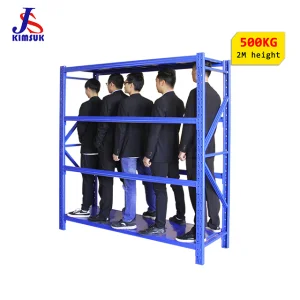
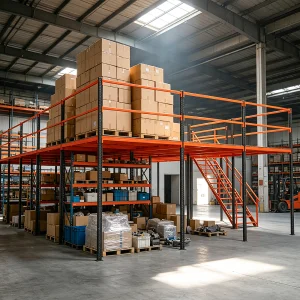
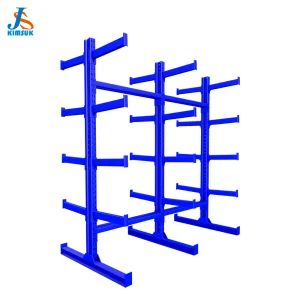
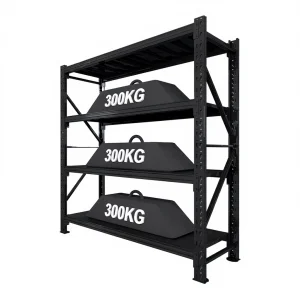
Founded in 2015, Dongguan Kimsuk Shelves Co., Ltd. is a premier manufacturer specializing in heavy-duty industrial warehouse racking systems, automated storage solutions, and customizable steel shelving. Spanning a state-of-the-art production facility of 38,000 square meters, Kimsuk combines advanced manufacturing infrastructure with high-precision engineering to deliver robust logistics and warehousing infrastructure globally.
With more than 15 years of deep industry expertise and over 8 years of direct export operations, we serve global enterprise logistics hubs, cold chain facilities, high-throughput e-commerce fulfillment centers, and leading 3PL operators. Our operational philosophy is built on technical accuracy, strict compliance with international structural standards, and a robust QA framework designed to mitigate structural risk and optimize storage footprints.
By using premium steel grades and automated processing machinery, we ensure that every column, beam, and connector is manufactured to exact structural design tolerances, supporting safe operations under demanding high-load warehouse cycles.
Understanding how modern fabrication clusters, integrated supply chains, and large-scale manufacturing capacity drive high-quality global exports.
Global procurement directors face the continuous challenge of balancing system safety, load-bearing reliability, and initial capital expenditures. Manufacturing industrial steel structures in China, particularly in the Pearl River Delta industrial cluster of Dongguan, offers specific structural and financial advantages:
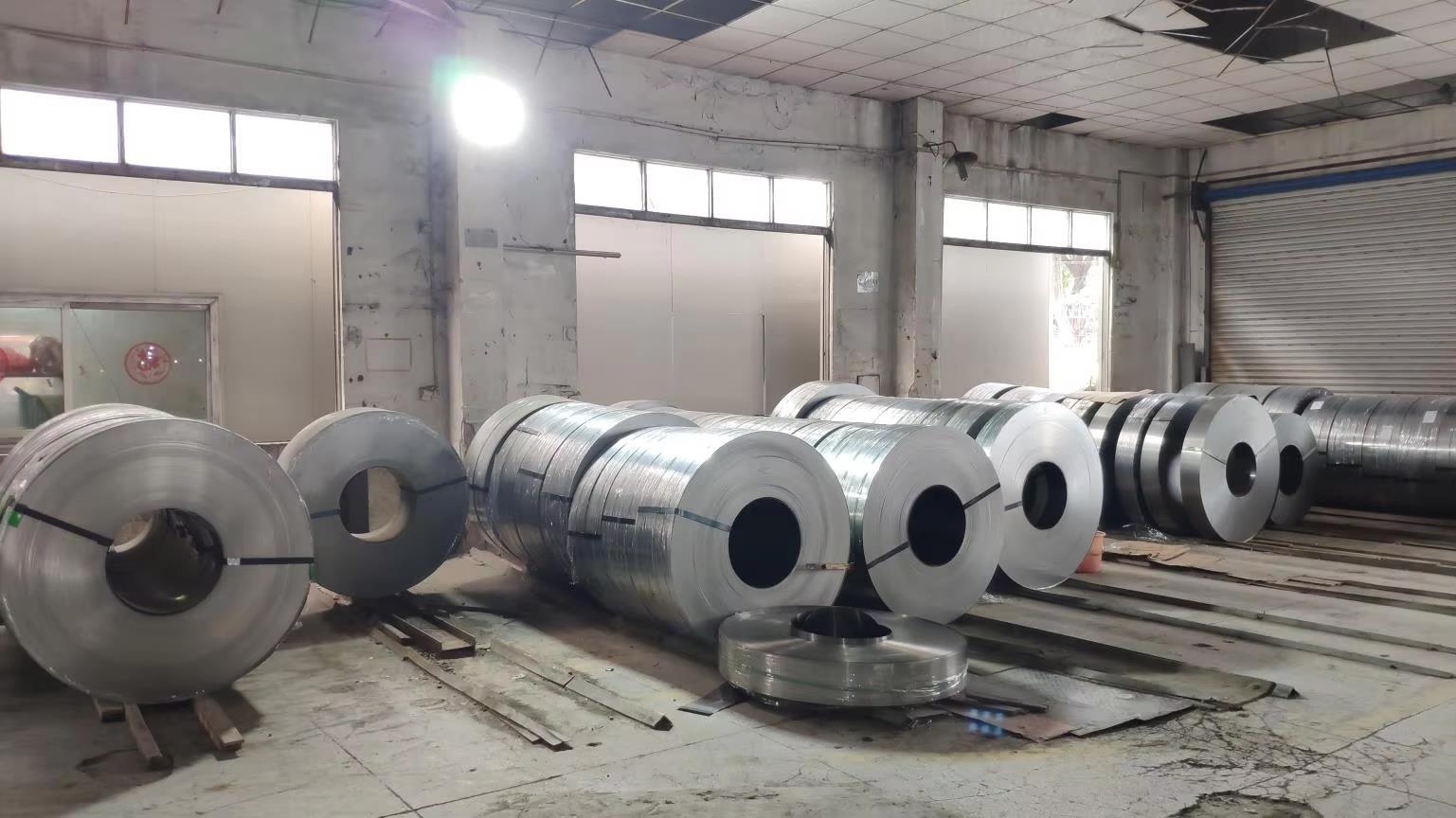
Proximity to leading state-owned steel foundries provides direct access to consistently high-quality raw materials. We source structural carbon steel (primarily Q235B and Q355B grades) with certified metallurgical properties. This direct vertical integration keeps raw material pricing stable, helps guarantee uniform wall thickness, and ensures high structural yield strength across production runs.
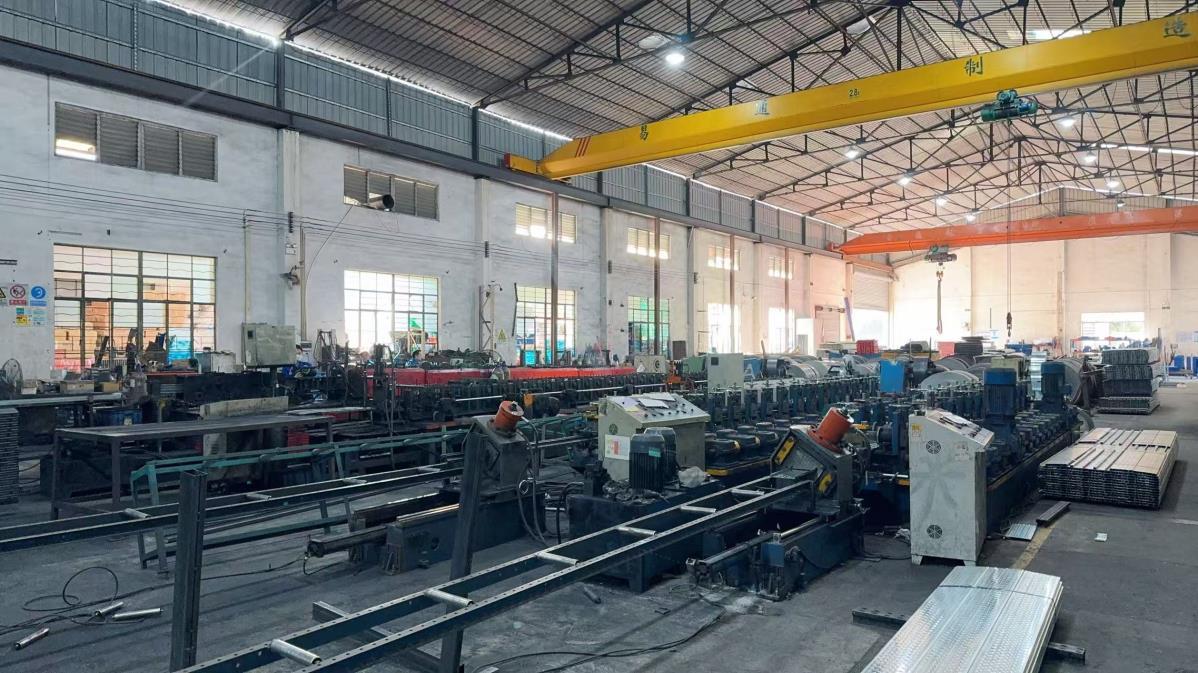
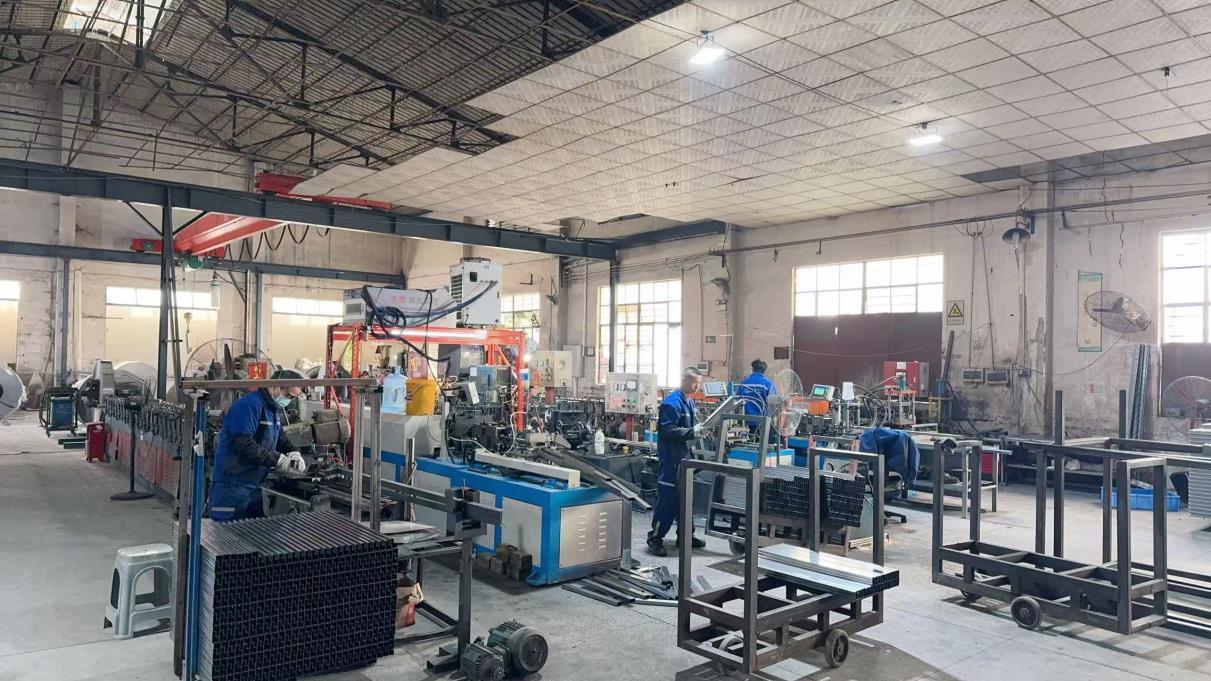
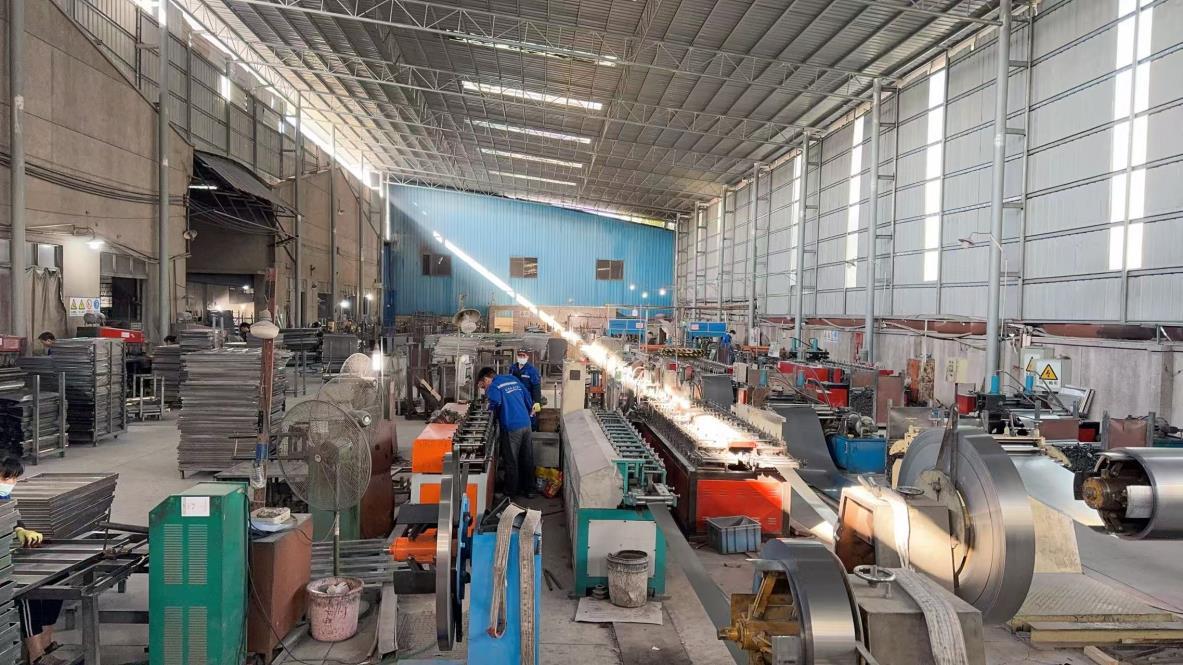
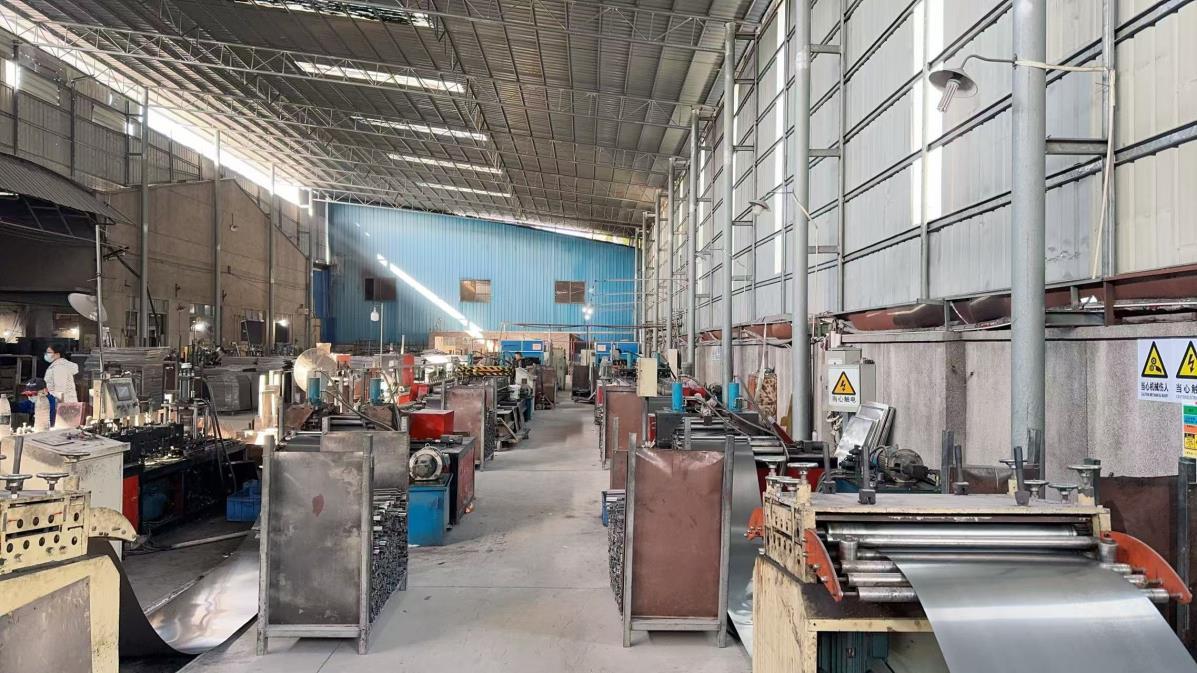
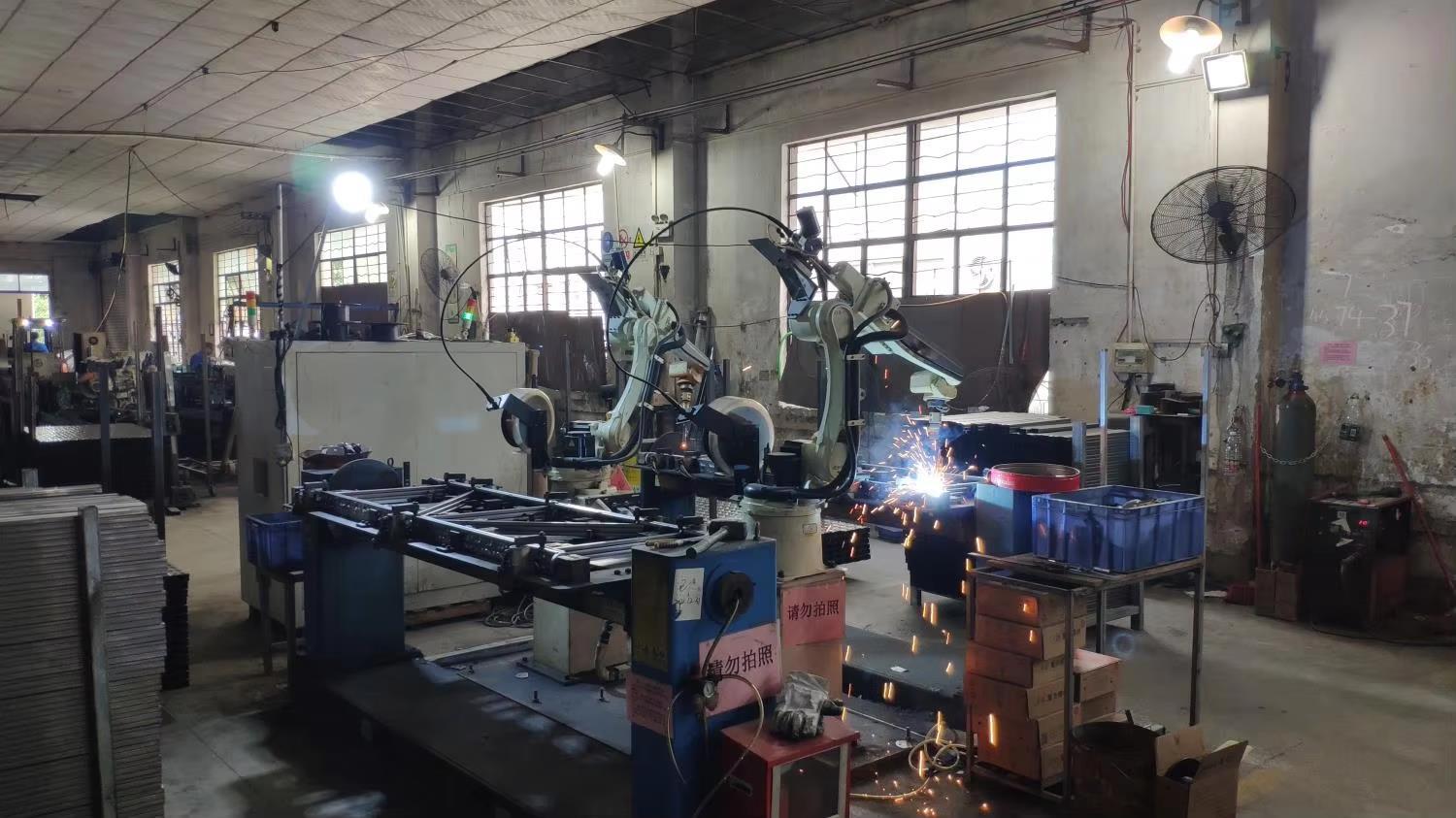
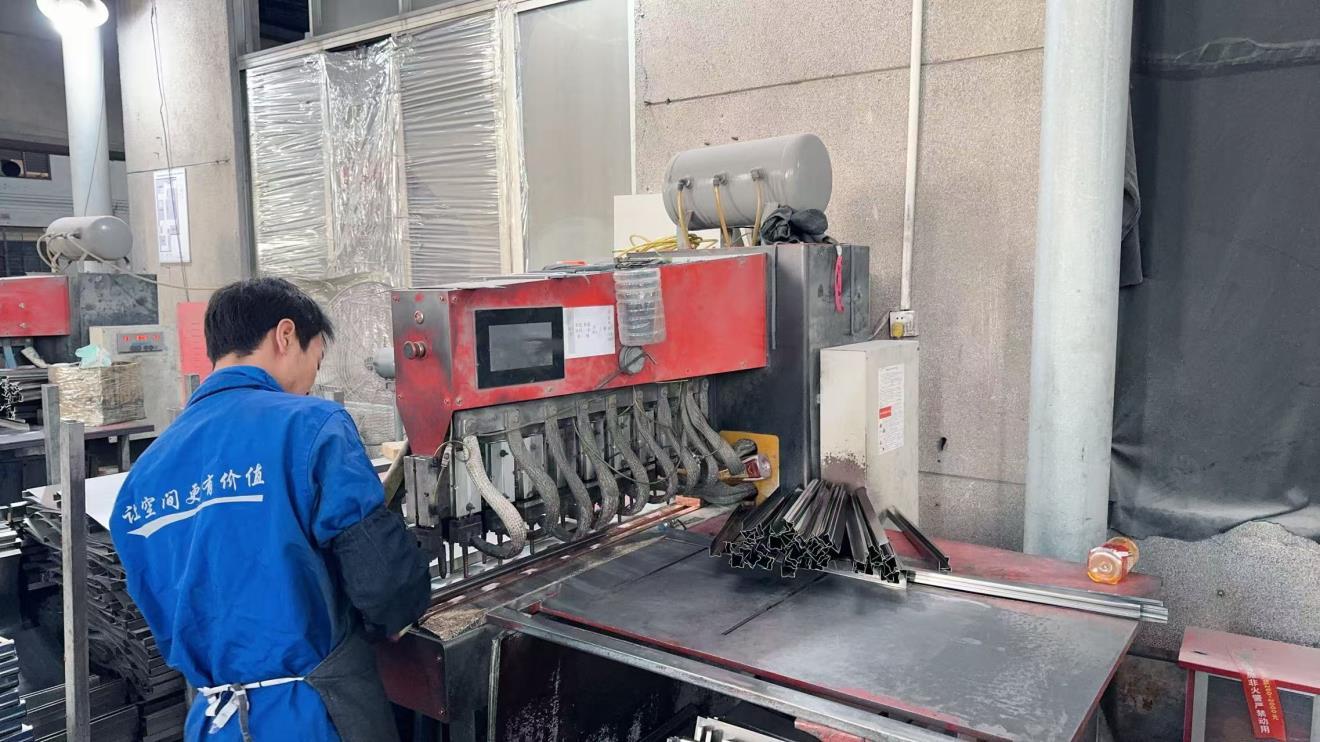
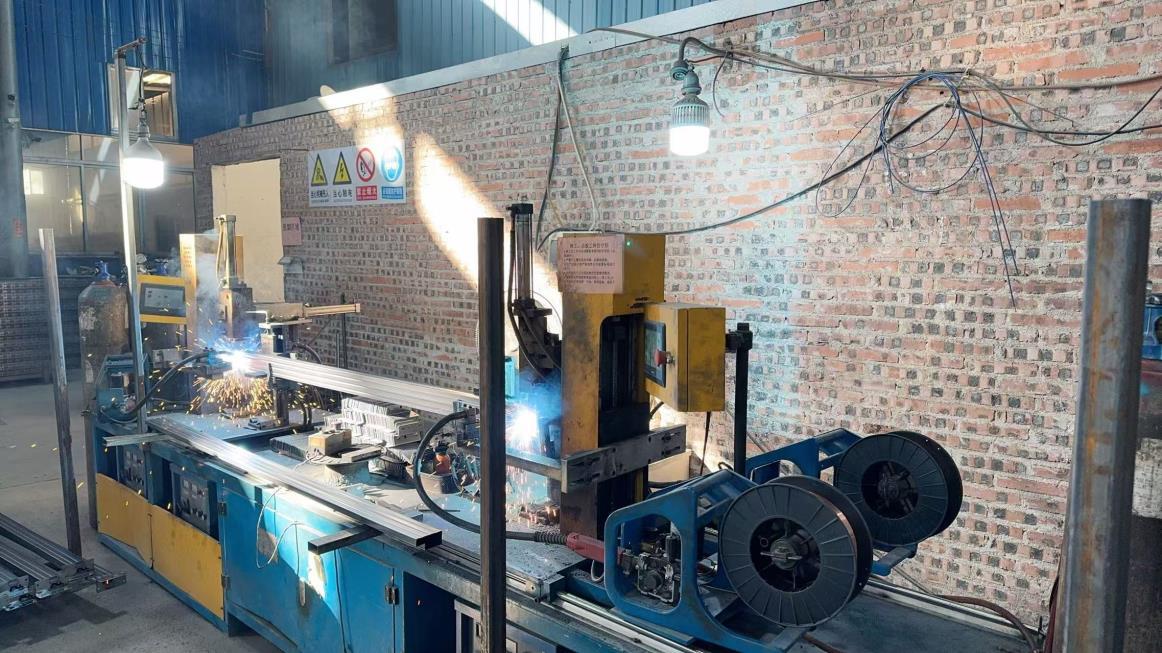
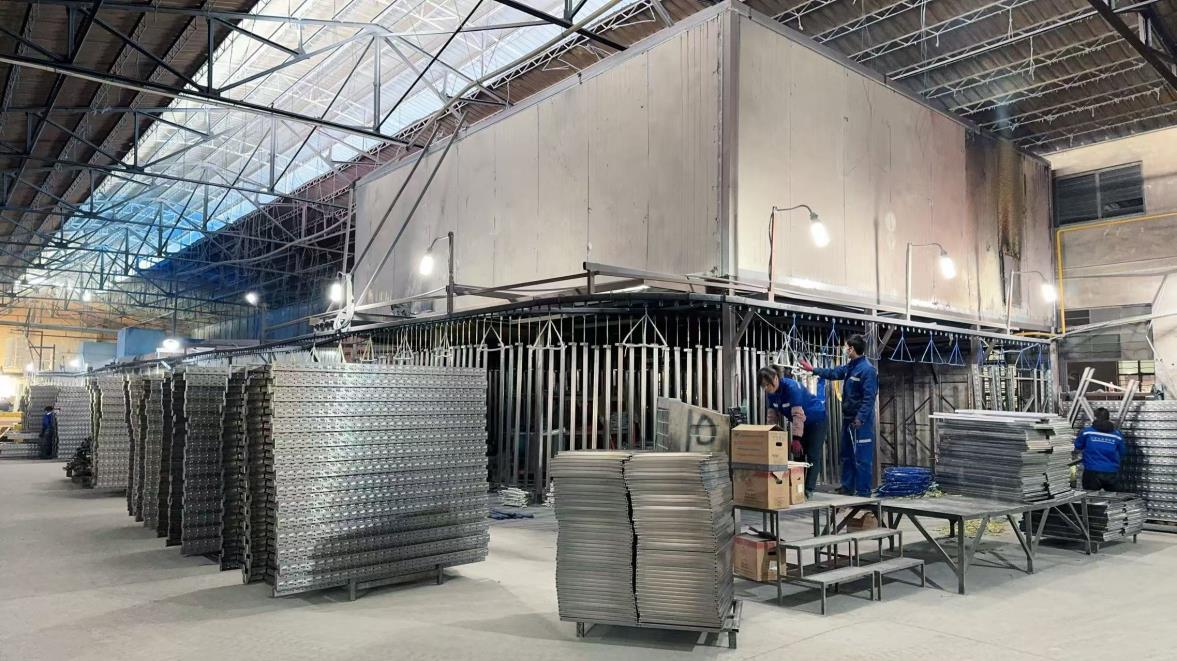
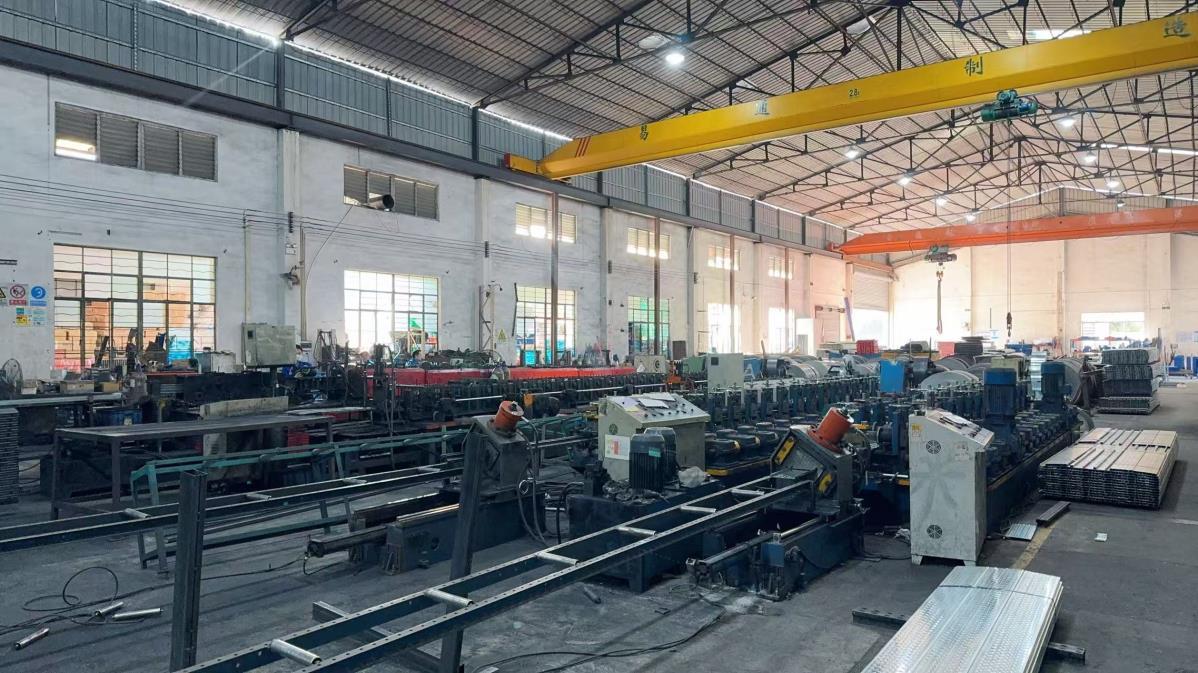
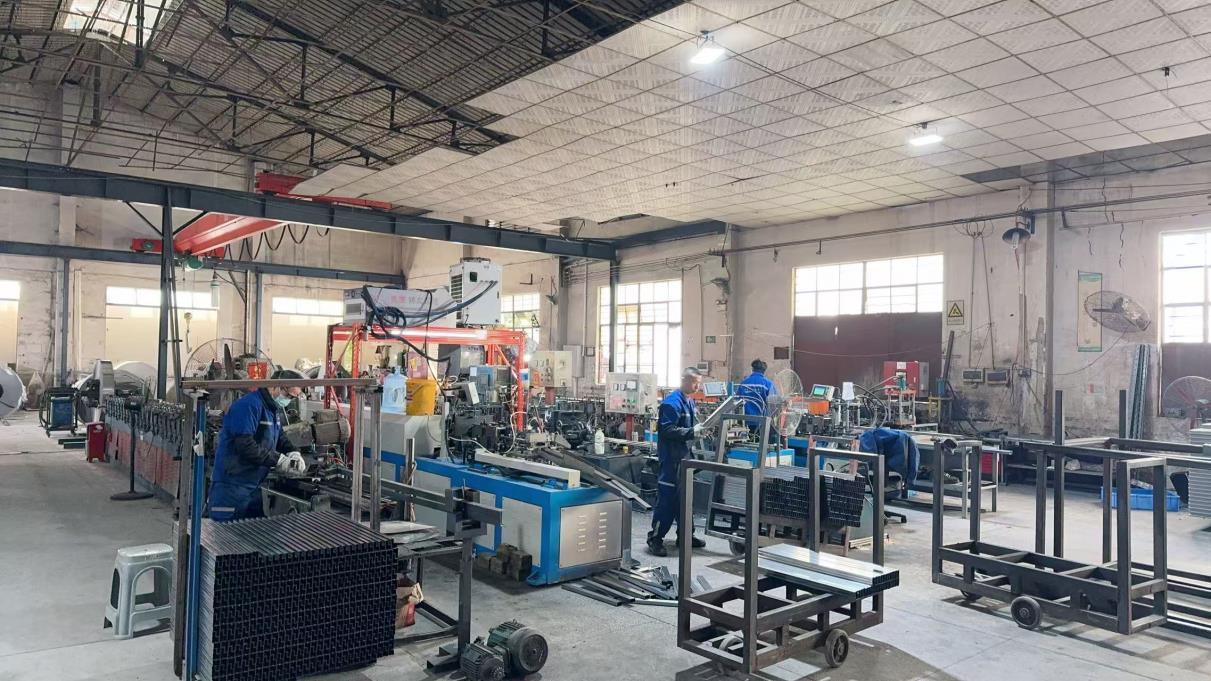
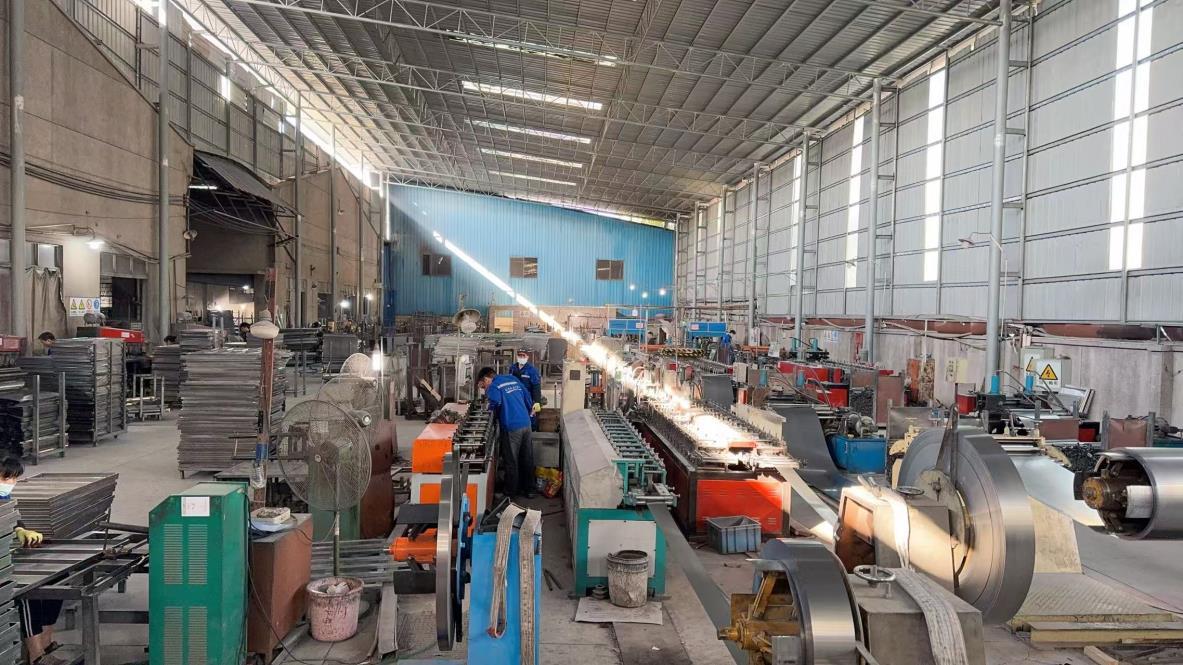
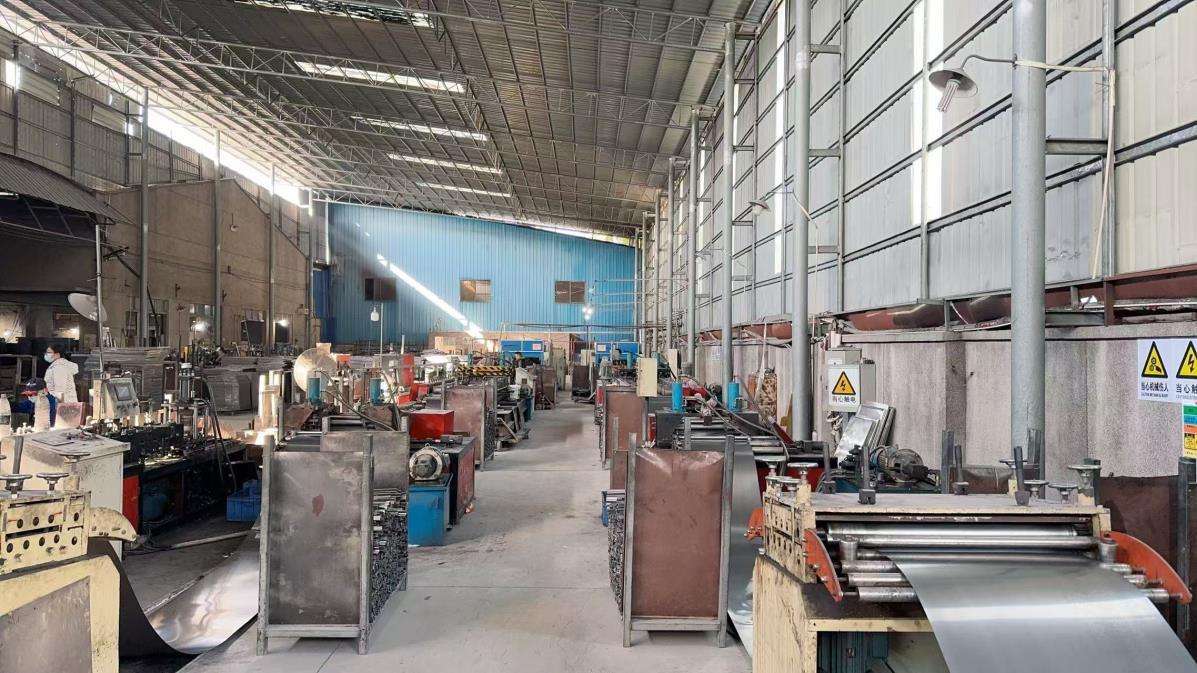
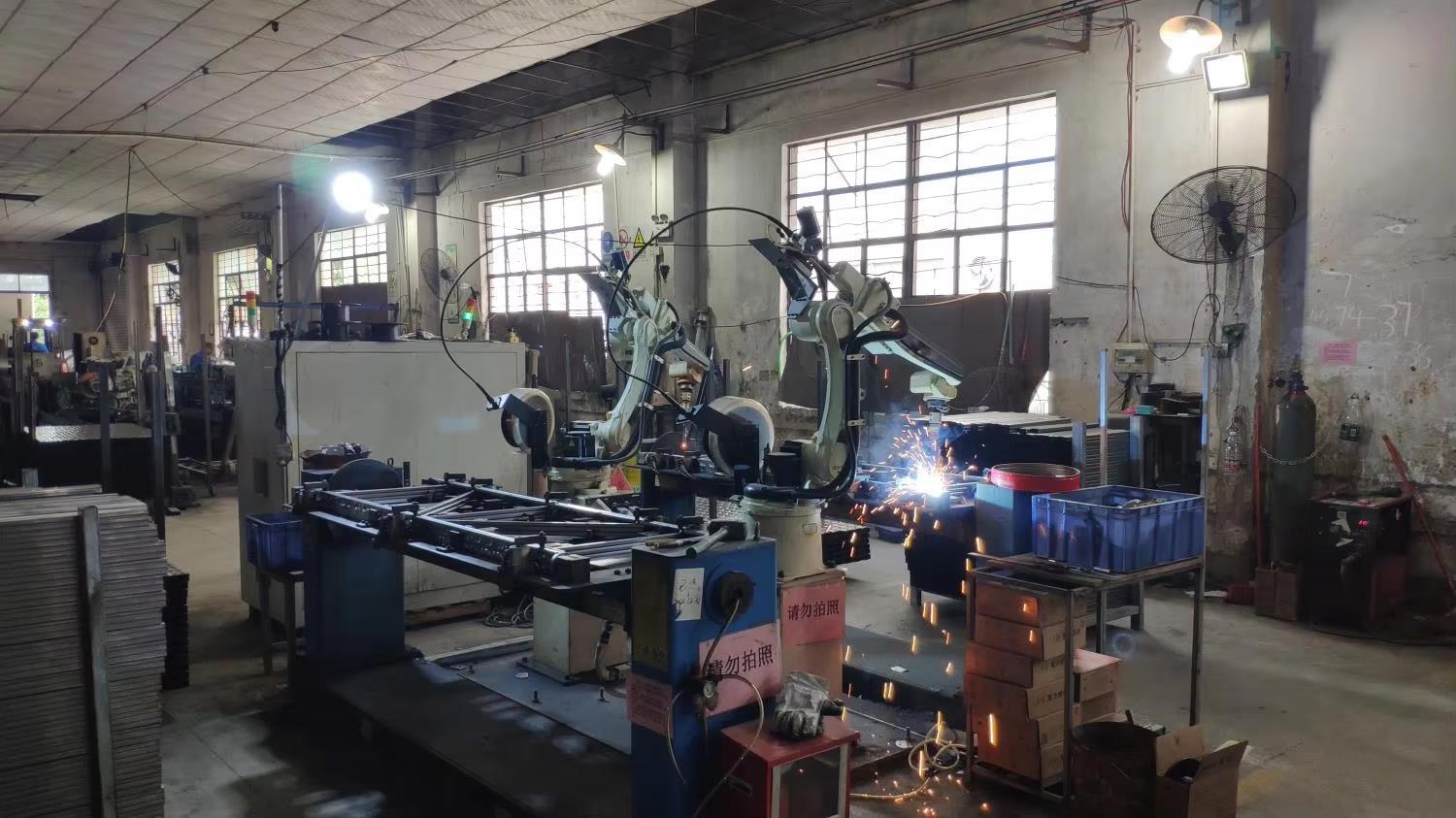
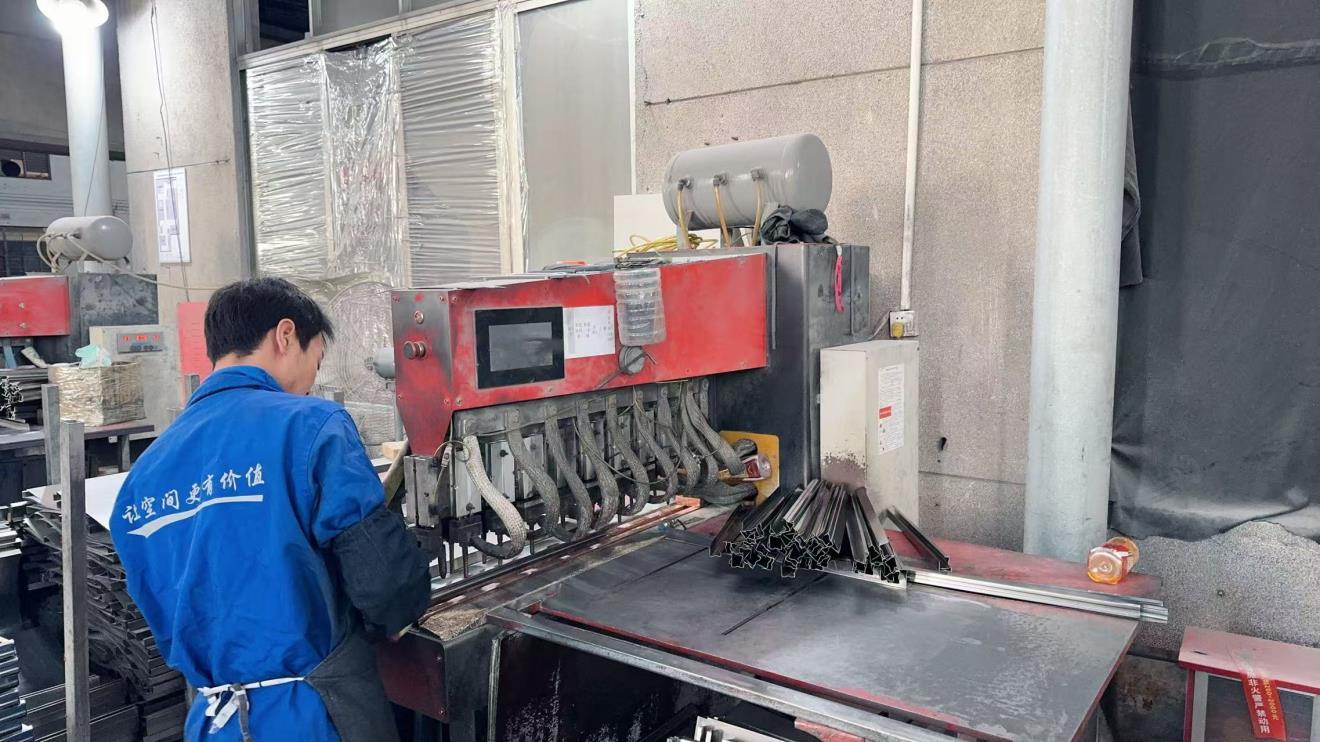
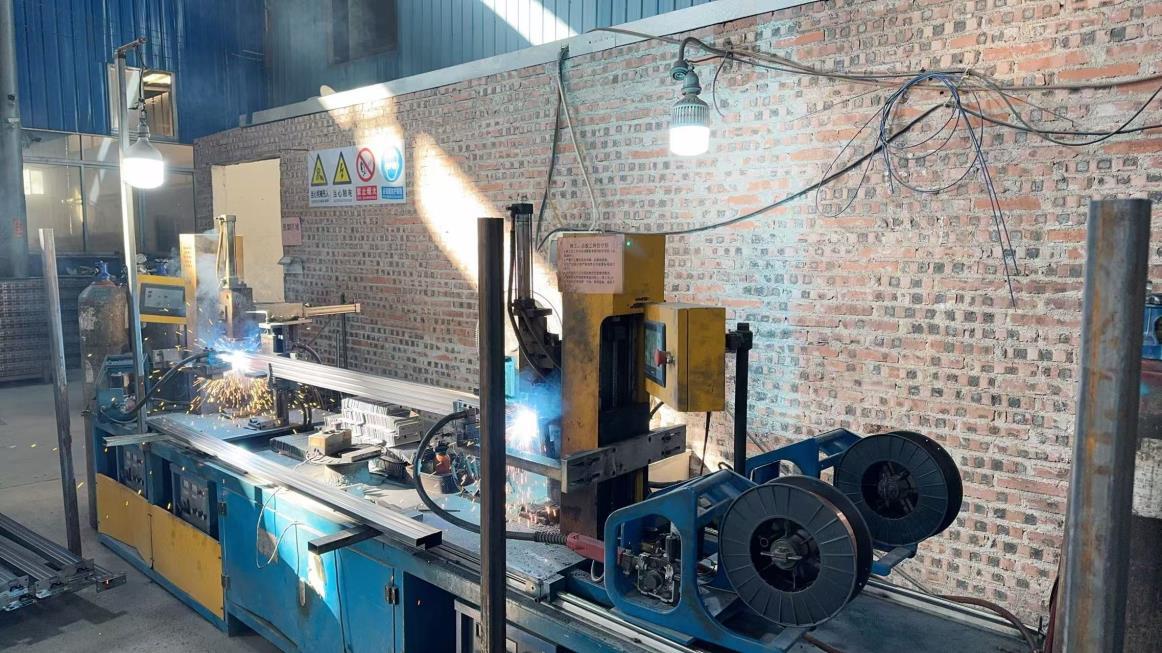
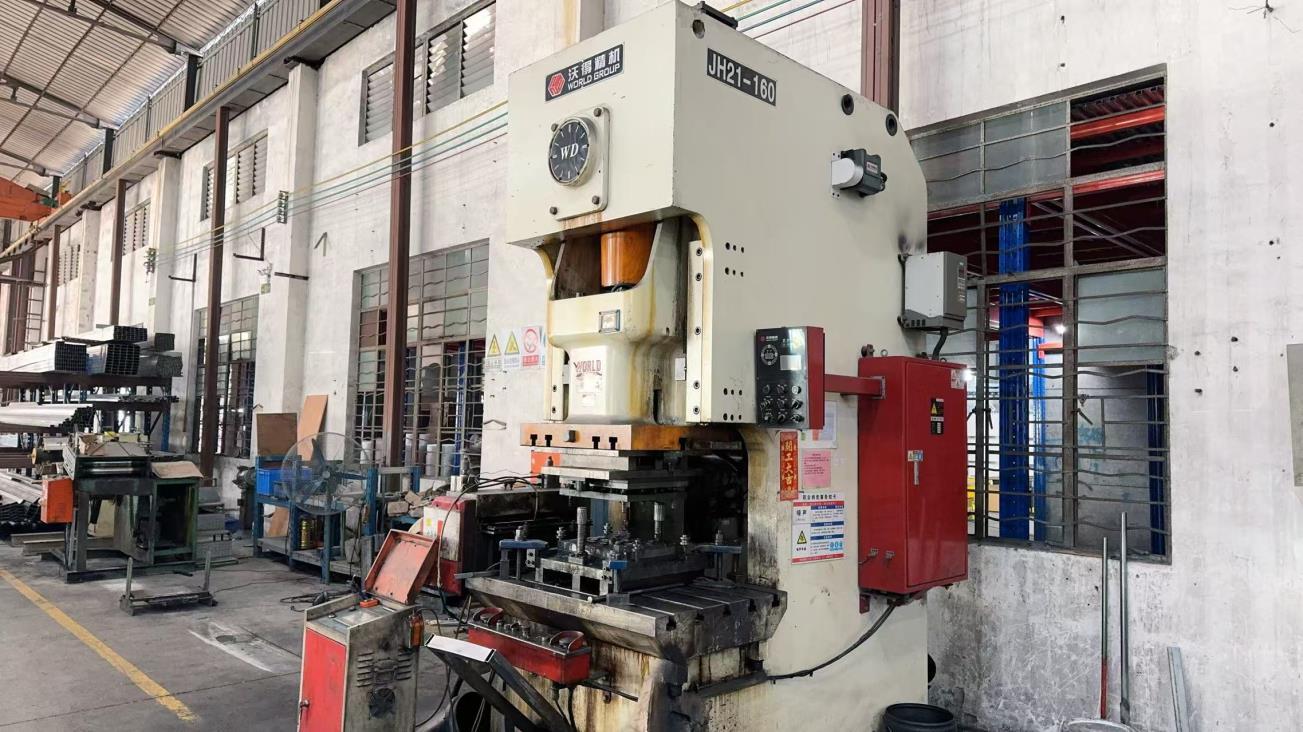
Modern Chinese racking facilities use high-volume, automated production equipment. Our facilities utilize multi-stage continuous roll-forming lines, computerized punching presses, and robotic welding stations. Automated welding ensures consistent, deep weld penetration at critical joints, reducing the risk of structural failure from manual welding variations.
By leveraging structured testing standards in-house, we verify both material chemistry and physical performance. Quality validation includes non-destructive ultrasonic testing of welds, dry-film coating thickness verification, salt-spray corrosion tests for exterior coatings, and physical load testing of finished racking components.
How our customized steel structures meet the engineering, storage density, and operational requirements of diverse industries.
Operating in environments down to -30°C requires specific steel selection to prevent low-temperature embrittlement. We use Q355D steel grades combined with high-durability hot-dip galvanized finishes. These structural finishes protect against rust from condensation cycle changes, maintaining mechanical integrity in automated drive-in and mobile racking systems.
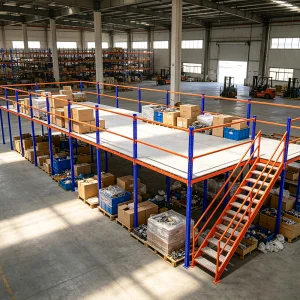
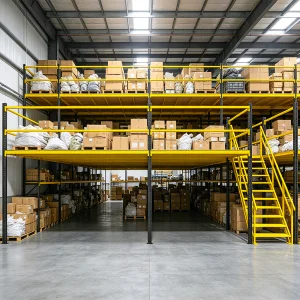
High-turnover fulfillment centers require optimized spatial efficiency and smooth vertical flow. Our multi-level mezzanine systems and pick-module towers integrate with dynamic roller paths and automated conveyors, increasing pick rates while maintaining structural safety margins across floor levels.
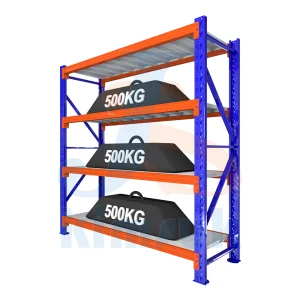
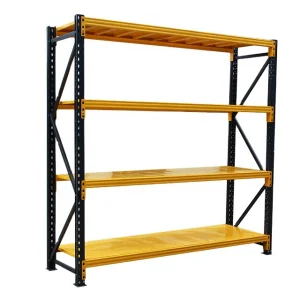
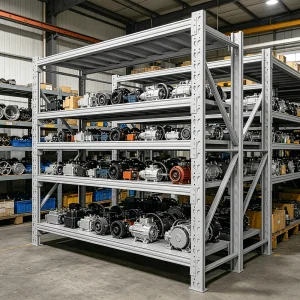
Industrial warehousing of raw metals, motors, and manufacturing components requires very high load capacities. Our adjustable, heavy-duty selective pallet racks feature high-capacity box beams, wrap-around upright connectors, and floor-anchored post protectors to withstand impacts from heavy forklift operations.
AS/RS environments demand extremely low tolerance deviations and strict vertical alignment. Our custom roll-formed uprights are manufactured to precise straightness specifications, preventing structural drift and ensuring smooth operation of high-speed robotic shuttles, cranes, and automated guided vehicles (AGVs).
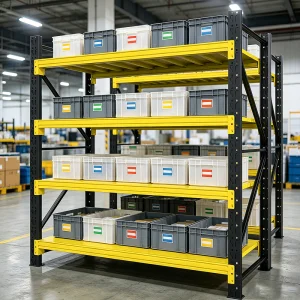
Combining heavy-duty bulk storage with customer-facing display capabilities requires adaptable rack designs. We manufacture integrated system platforms featuring adjustable wire decks, bolt-free step beams, and customizable label-holder configurations for flexible retail layouts.
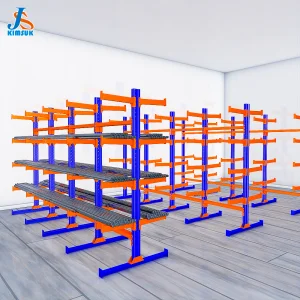
Storing bar stocks, structural tubes, timber, and sheet metal requires unobstructed access. Our heavy-duty cantilever systems feature structural pivot arms that deflect upward on impact, protecting materials and forklift operators from rigid resistance failures.
Modern material handling systems are moving rapidly toward automation, structural optimization, and stricter regulatory compliance. The demand for taller, narrower aisle structures requires racking systems that can support high static and dynamic loads while maintaining vertical alignment.
Real estate limitations are prompting logistics operators to increase vertical storage heights. Traditional forklift setups are transitioning to Very Narrow Aisle (VNA) and automated crane layouts. This shift requires rack tolerances of less than 1mm deviation per meter of height, ensuring clean integration with automated machinery.
Global regulatory bodies require detailed seismic safety calculations for high-density storage systems. Racking structures must be engineered using Finite Element Analysis (FEA) to simulate dynamic ground motions, selecting appropriate base plate dimensions and anchor bolts for seismic hazard zones.
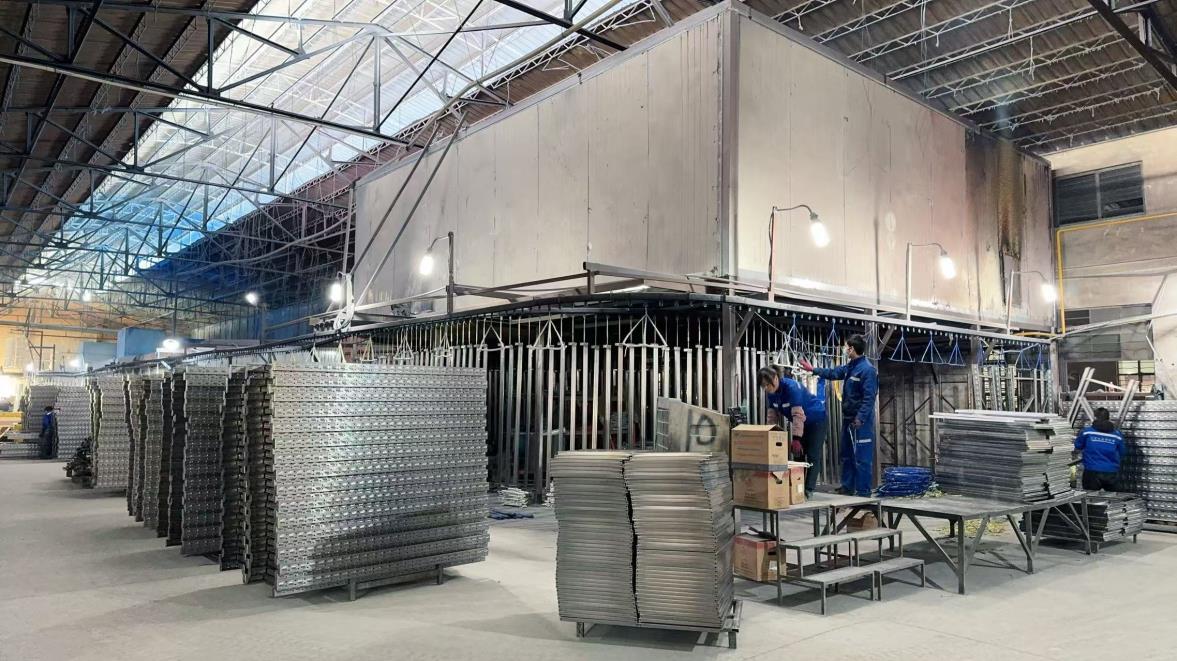
Industrial powder coating processes must minimize environmental impact. We use lead-free, low-VOC electrostatic powder coatings that resist scratching and chemical exposure while meeting global environmental compliance standards.
Purchasing heavy-duty racking systems requires careful verification of structural specifications. When evaluating suppliers, global procurement teams should verify the following engineering standards:
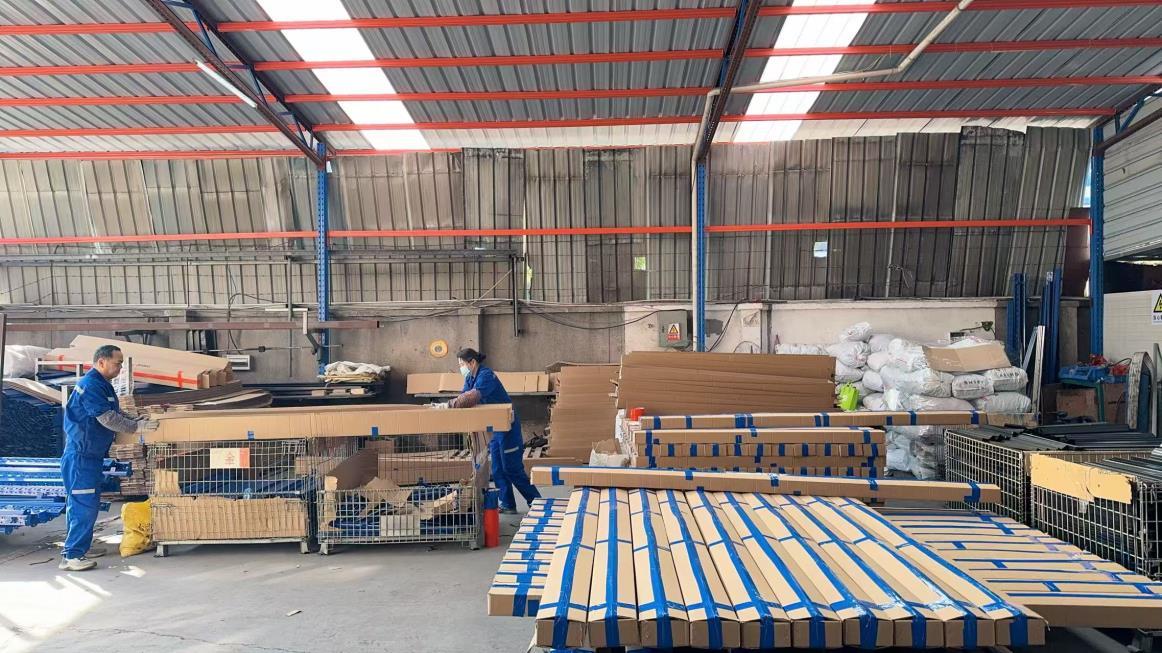
A detailed look at the machinery and quality inspection checkpoints across our 38,000 square meter production facility.
Answers to common structural, logistics, and compliance questions from engineering and facility managers.
We primarily use Q235B and Q355B structural carbon steel sourced from leading state-owned steel foundries. Each batch comes with mill test certificates confirming its chemical composition and mechanical properties. Our engineering team calculates load-bearing capacities using Finite Element Analysis (FEA) to confirm safety margins before production begins.
For projects in seismic zones, we calculate the dynamic seismic response using local building codes. We adjust the racking design by increasing upright wall thickness, using larger, heavy-duty floor baseplates, and specifying high-tensile anchor bolts to resist lateral forces.
Our standard indoor electrostatic powder coating thickness ranges between 60 to 80 microns. For high-humidity or cold storage environments, we recommend hot-dip galvanized steel or a zinc-rich primer basecoat under the powder finish. This provides excellent corrosion protection, preventing rust formation during temperature transitions.
Yes, our engineering department provides complete structural CAD design and 3D BIM modeling based on your warehouse layout. We customize upright heights, beam lengths, shelf depths, and frame load capacities to match your forklift specifications, building columns, and fire safety requirements.
Our Quality Control team performs comprehensive pre-shipment inspections: 1) Dimension validation of roll-formed profiles against design plans; 2) Ultrasonic inspection of structural welds; 3) Coating thickness testing and cross-hatch adhesion checks; 4) Dynamic load testing of selected structural beams; 5) Packaging inspections to ensure safe transit during ocean freight.
Engineered industrial storage designs, heavy-duty shelving units, and modular steel structures for complex warehousing needs.
 Kimsuk Racking