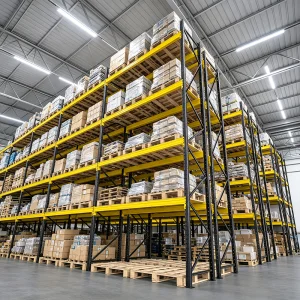
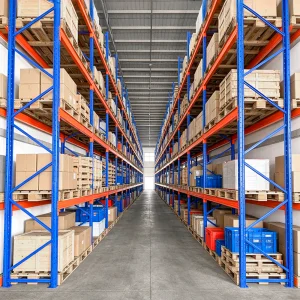
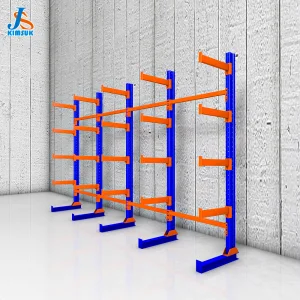
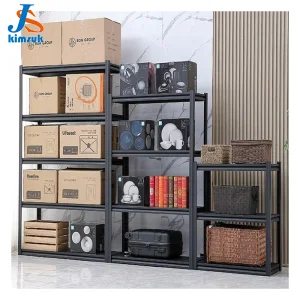
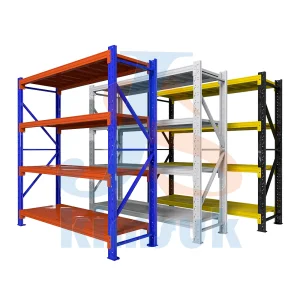
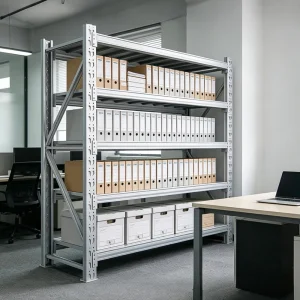
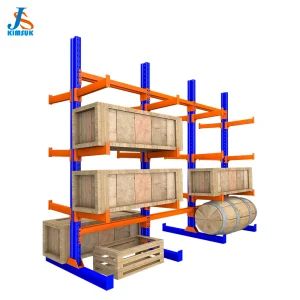
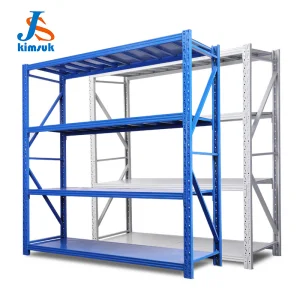
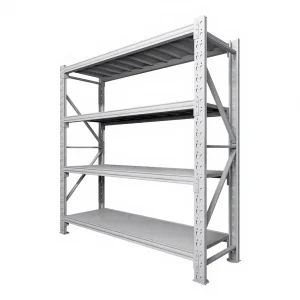
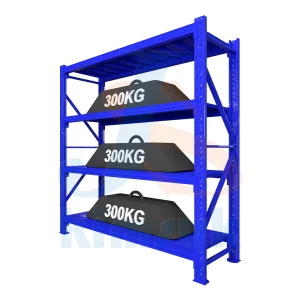
Engineered to meet the exact seismic, structural, and load parameters of the South American supply chain corridor.
Navigating structural requirements, regional supply hubs, and domestic demand for high-load reliability.
The Argentine industrial corridor relies on vital key locations: the Greater Buenos Aires (AMBA) belt, Santa Fe's agricultural shipping ports (Rosario), and the automotive-aerospace manufacturing complexes in Córdoba. Each hub presents distinct operational configurations. Heavy-duty structures must satisfy these demands, accommodating variations from sea-level saline humidity along the Paraná river docks to dry, higher altitude seismic profiles in Neuquén and Mendoza. Standard consumer shelves fall short; heavy enterprise demands bespoke material handling configurations.
Argentina maintains rigorous structural guidelines. Seismic zones 3 and 4 (primarily Cuyo and Northwestern regions) mandate structural calculations that comply with local INPRES-CIRSOC codes. Standard racking systems lack the essential baseplate dimensions, node rigidity, and upright cold-formed profile gauge necessary to withstand lateral horizontal acceleration. Our engineering team incorporates Finite Element Analysis (FEA) simulation models to ensure our racking systems exceed standard criteria, offering certified load structural integrity under active seismic stress.
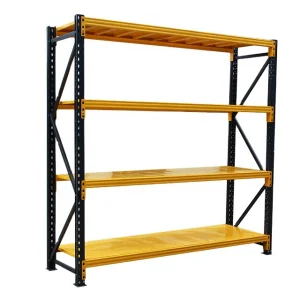
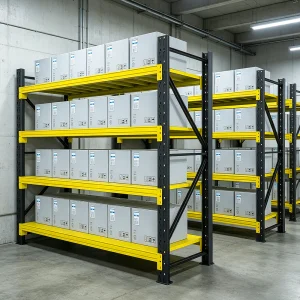
The continuous growth of cold chain warehousing for agricultural exports, combined with the rising demands of rapid-fulfillment e-commerce within major metro areas, calls for highly adaptable medium-to-heavy shelving designs. A flexible 200KG-500KG layer-load platform bridges the gap between lighter shelving options and massive heavy-duty pallet racks. This system supports high density, versatile storage configurations that can easily integrate with automated guided vehicles (AGVs) and standard stacker cranes.
How international enterprise procurement evaluates reliable manufacturing infrastructure and risk mitigation.
We source heavy-gauge structural steel conforming to Q235B and Q355B classifications, equivalent to domestic IRAM standards. Heavy-load upright frames and structural beams undergo strict tension, yield, and raw chemical analyses to ensure they can handle rated capacities without structural fatigue. Every production lot remains fully traceable from initial mill certification through final powder coating application.
For industrial distribution centers in high-salinity maritime zones or climate-controlled cold storage facilities, surface protection is vital to prevent structural failure. Our automated electrostatic powder-coating line produces a dense, durable finish. All structural elements are subjected to ISO-compliant salt-spray corrosion tests to ensure long-term service life in challenging environments.
Founded in 2015, Dongguan Kimsuk Shelves Co., Ltd. is a premier manufacturer specializing in heavy-duty industrial warehouse racking systems, automated storage solutions, and customizable steel shelving. Spanning a state-of-the-art production facility of 38,000 square meters, Kimsuk combines advanced manufacturing infrastructure with high-precision engineering to deliver robust logistics and warehousing infrastructure globally.
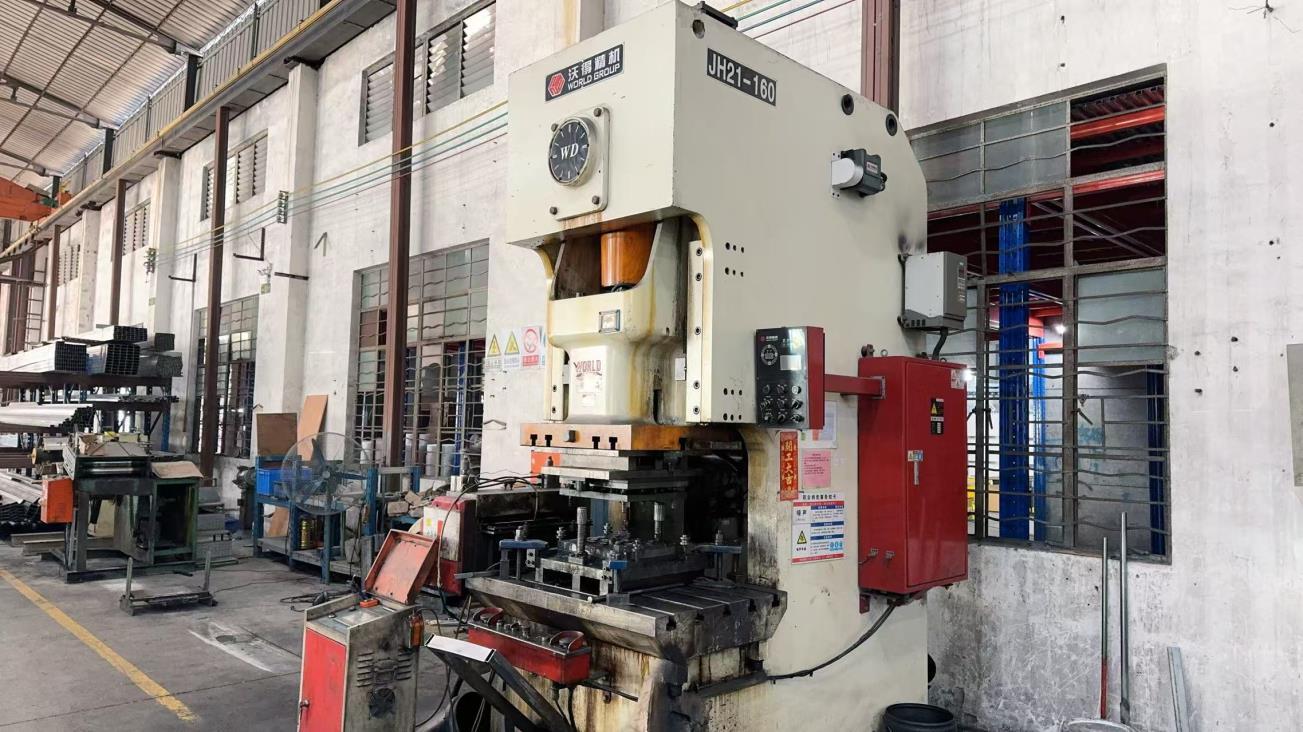
A detailed, step-by-step visual and technical overview of our internal industrial production process.
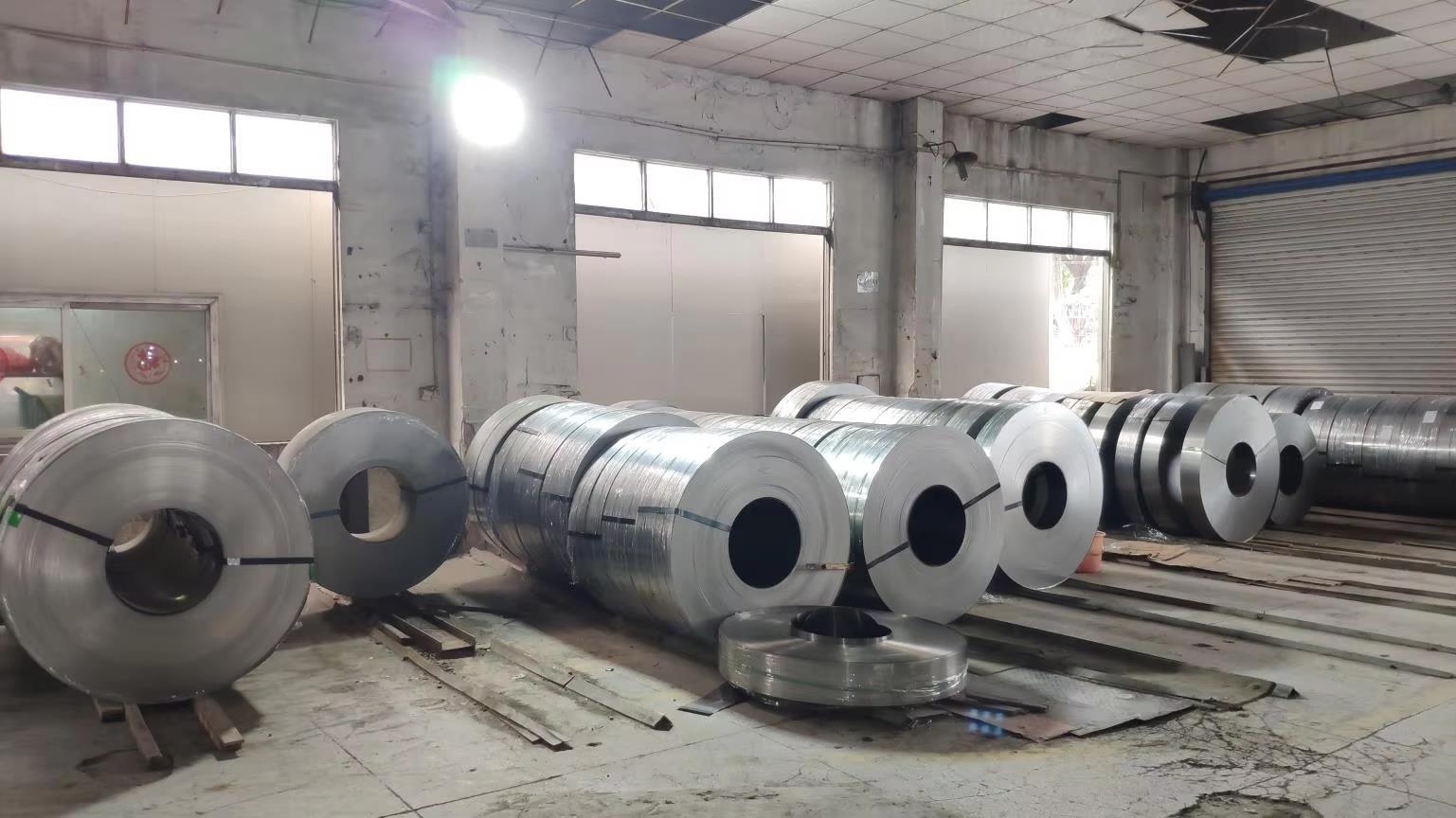
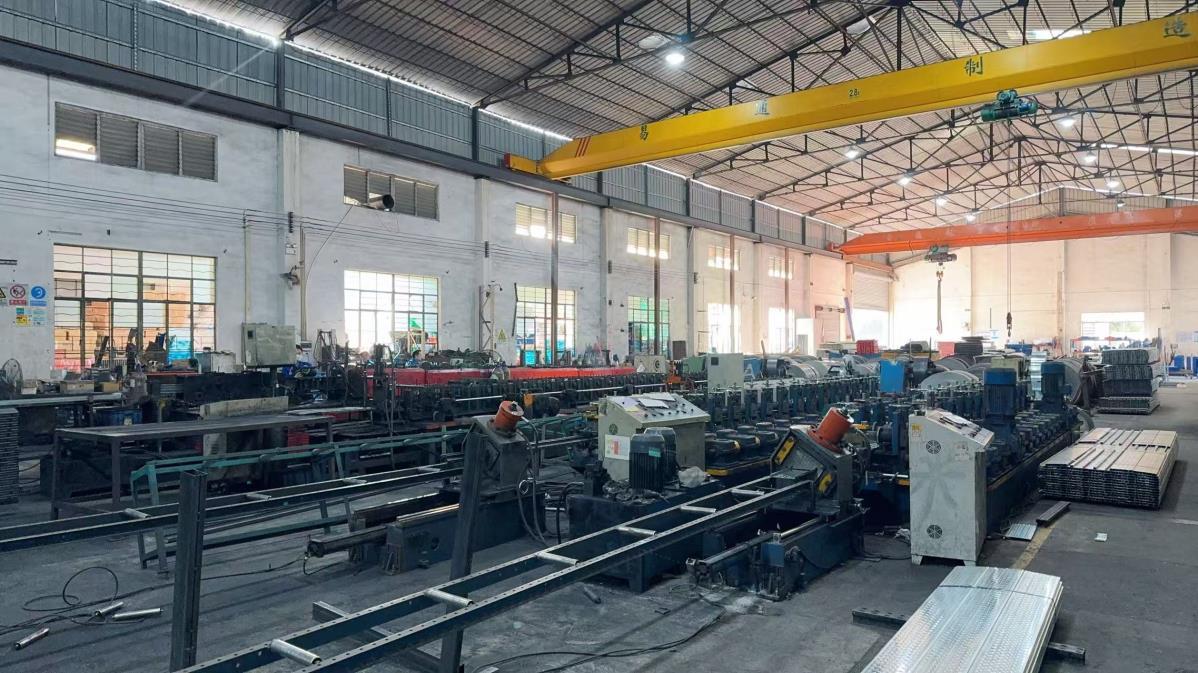
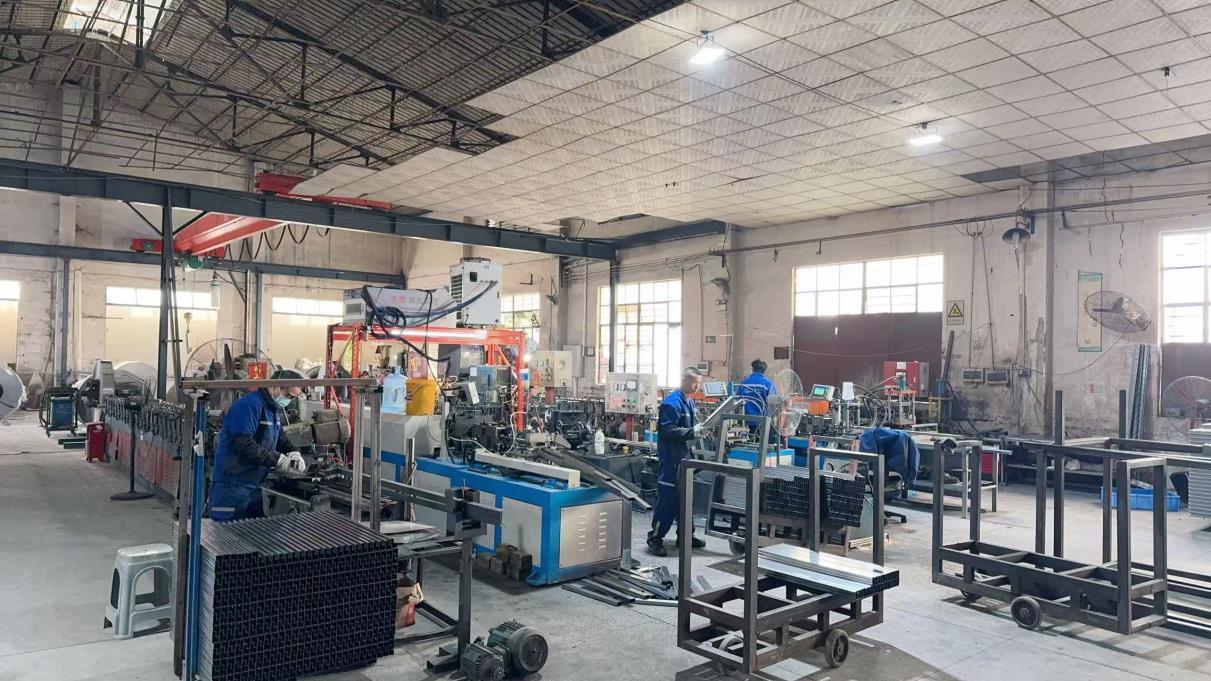
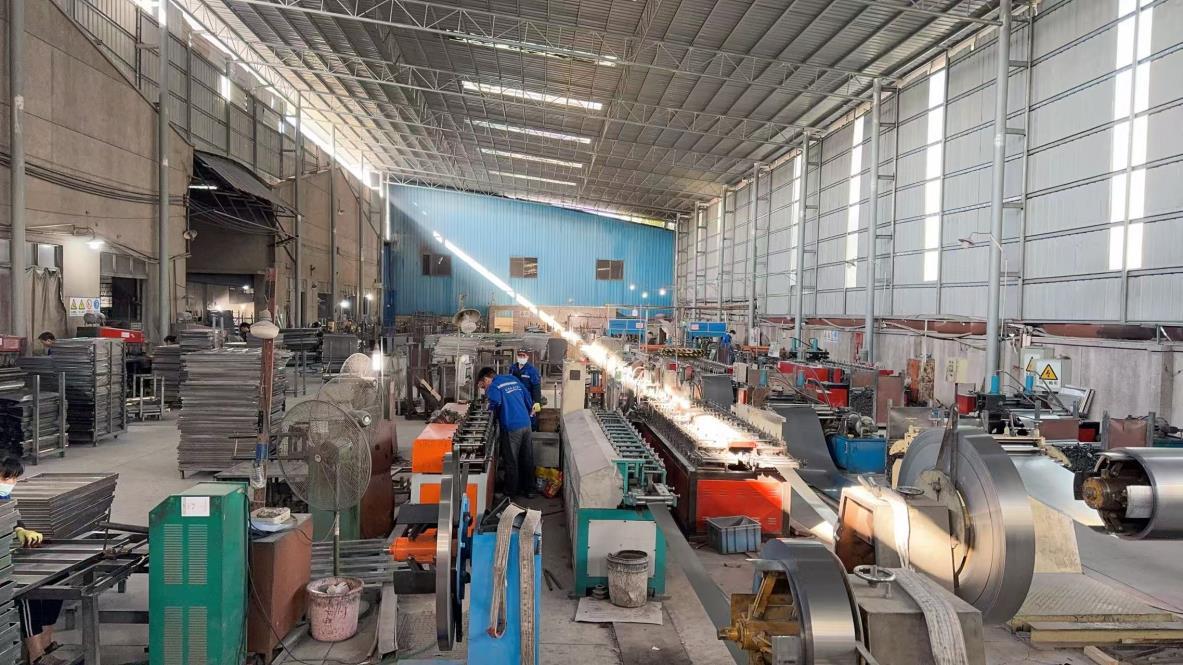
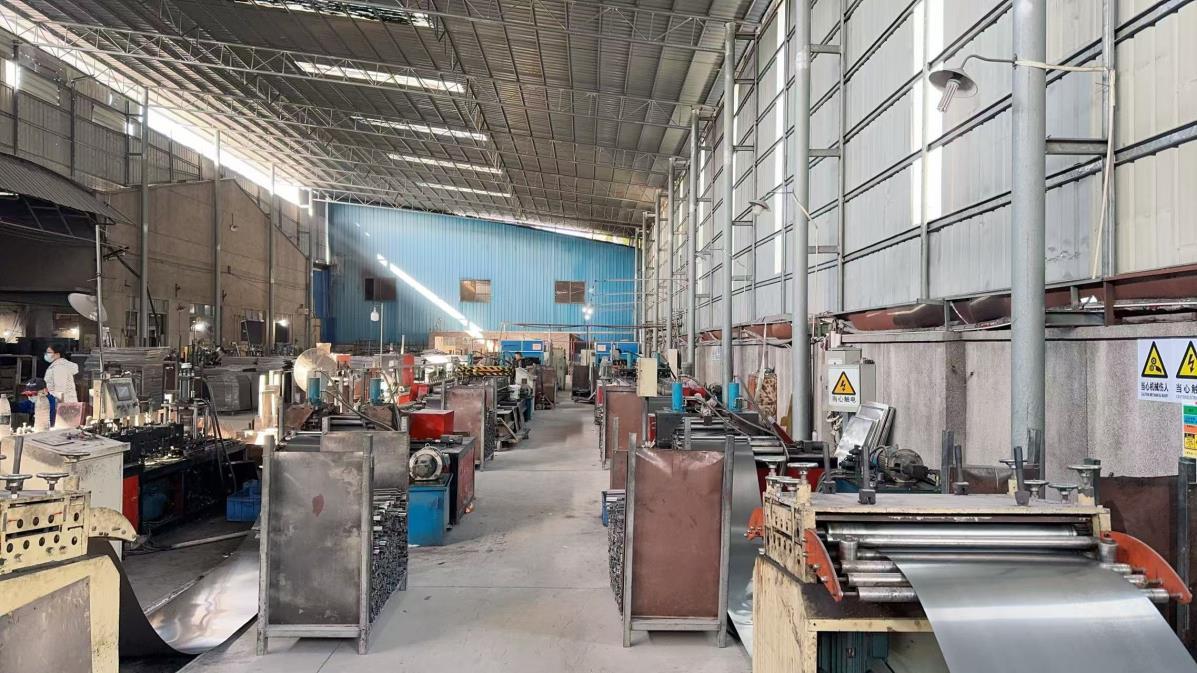
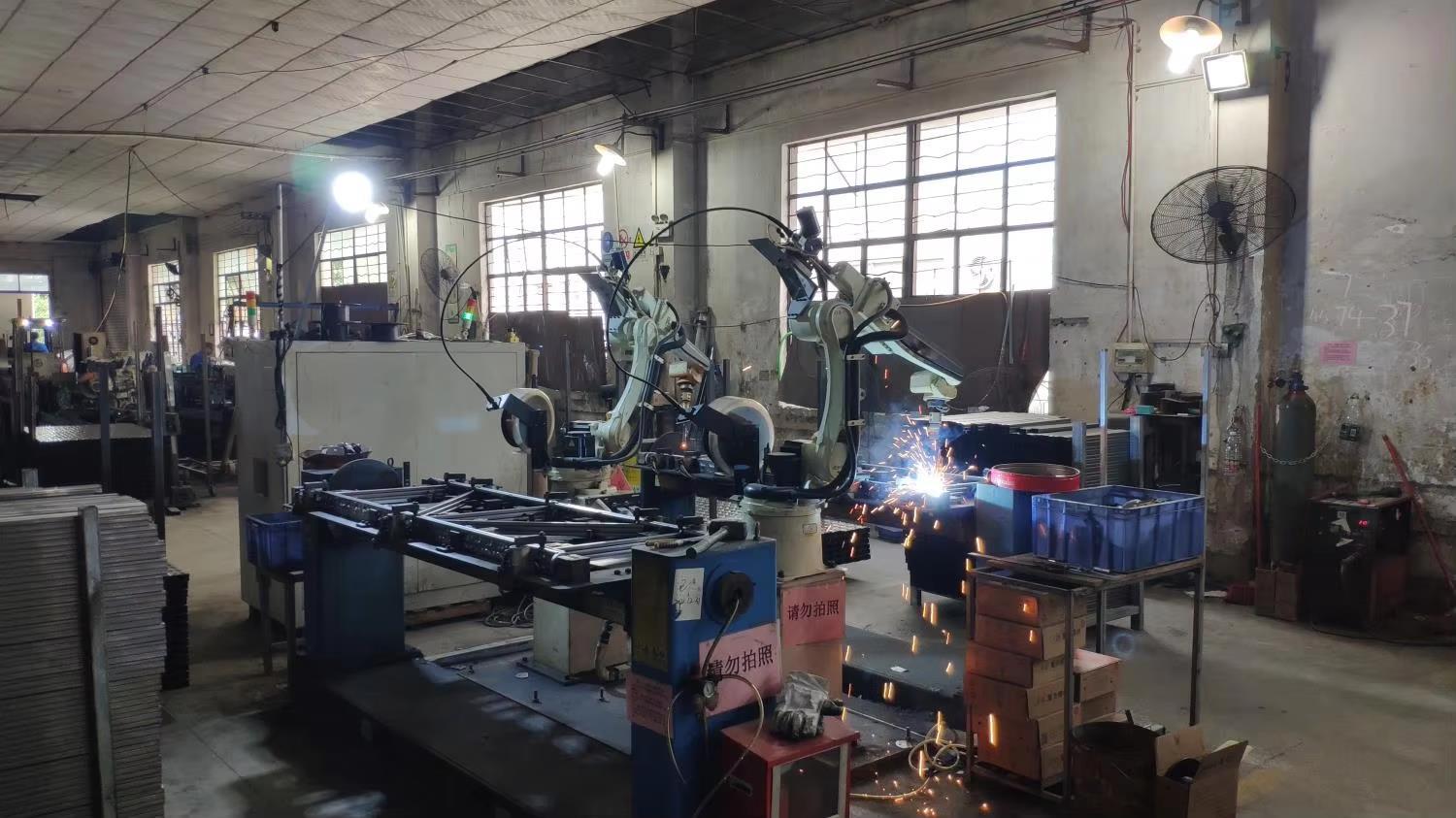
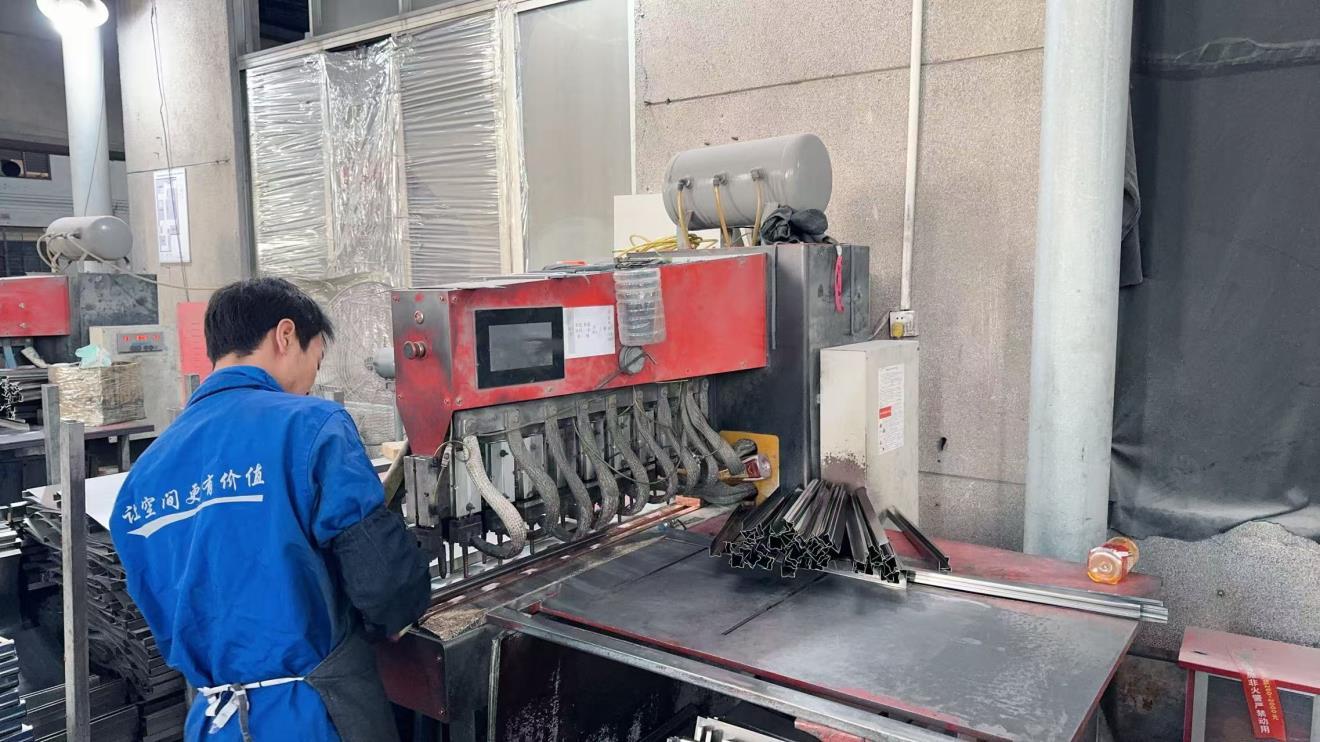
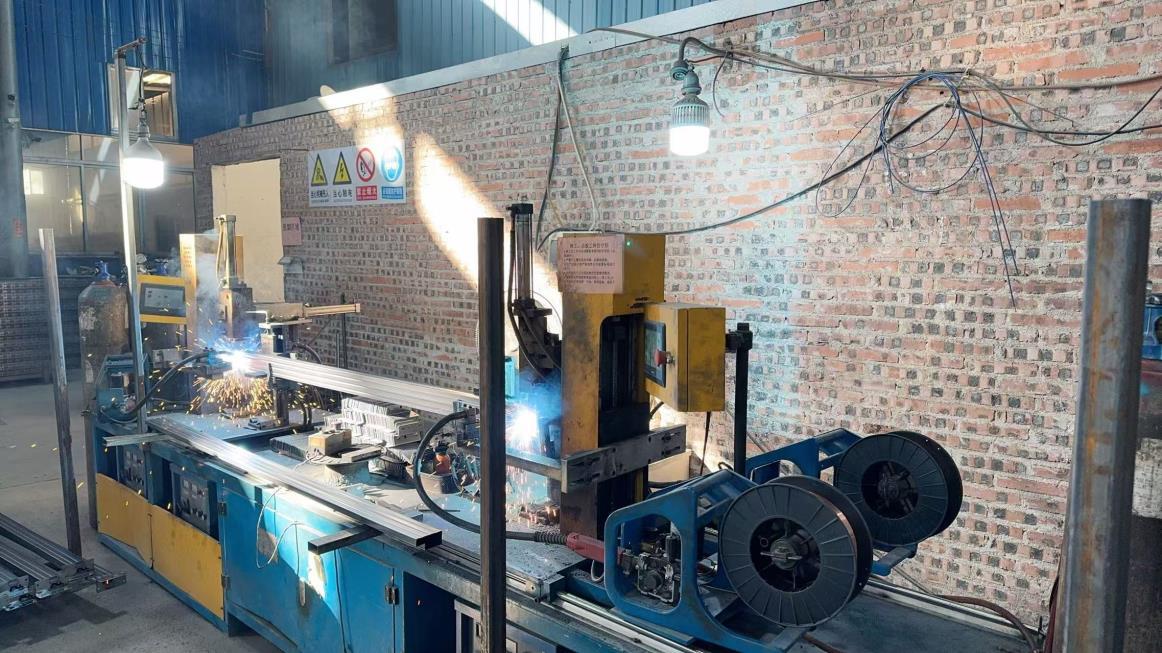
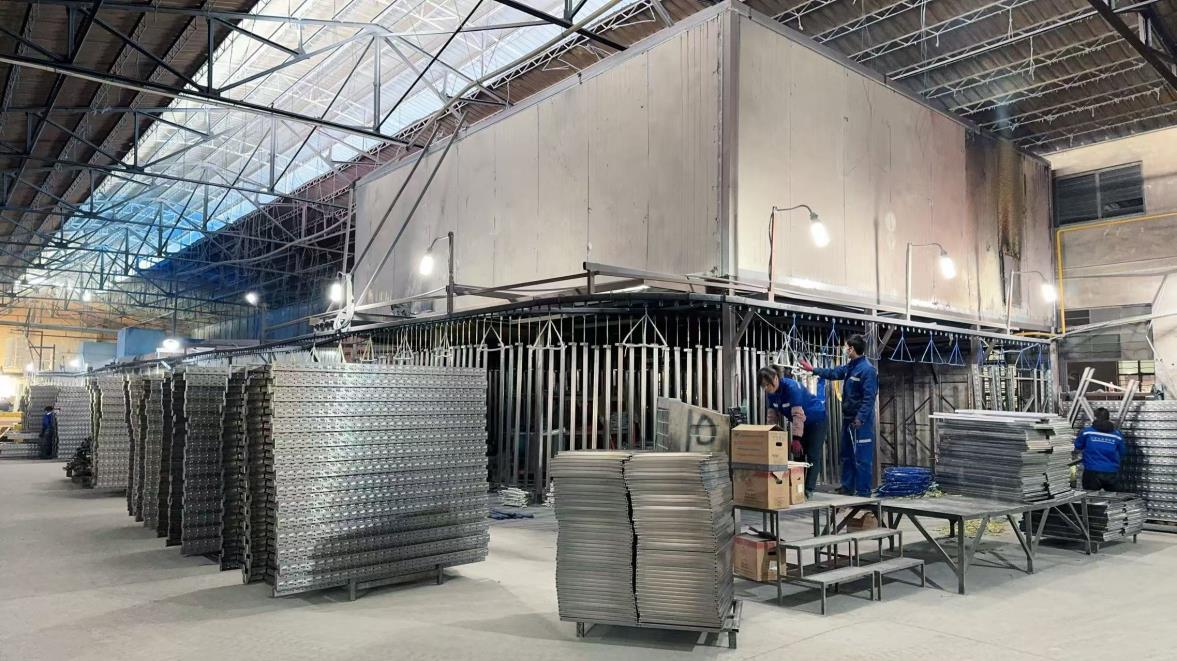
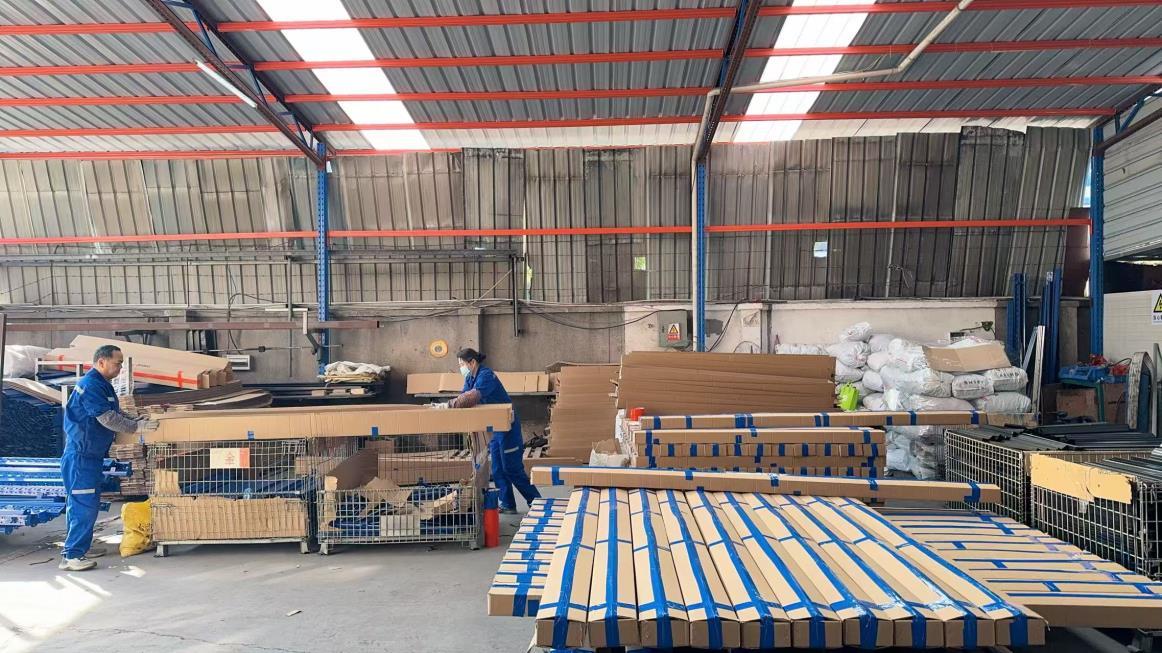
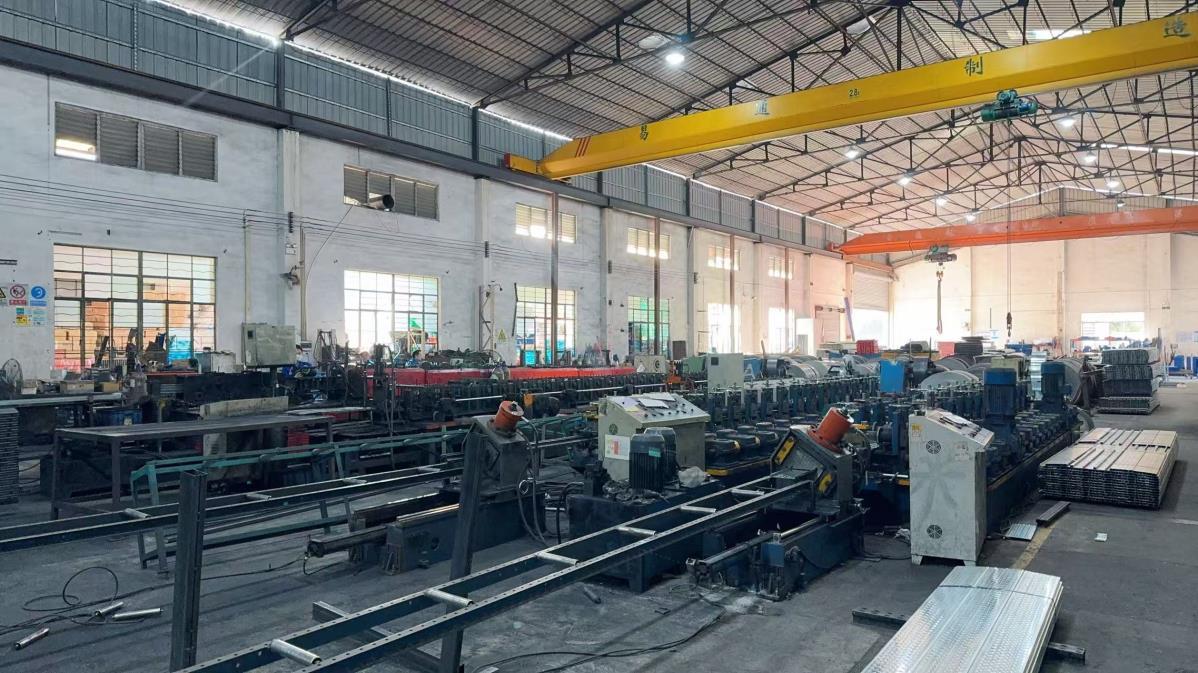
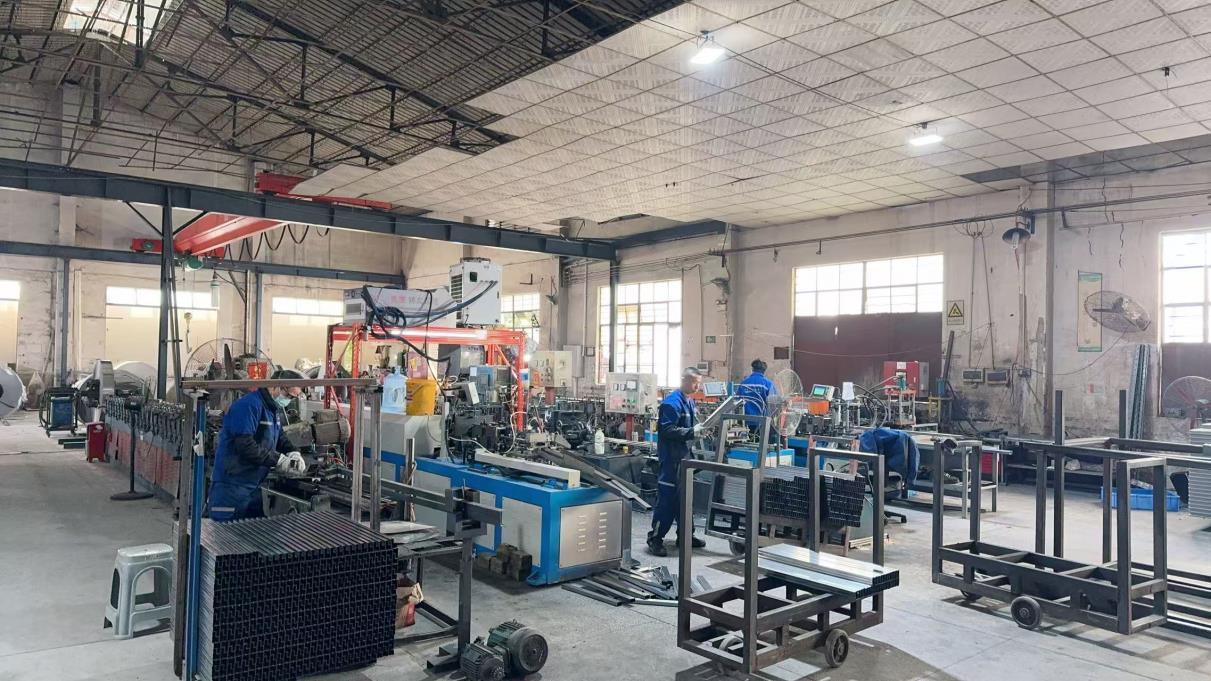
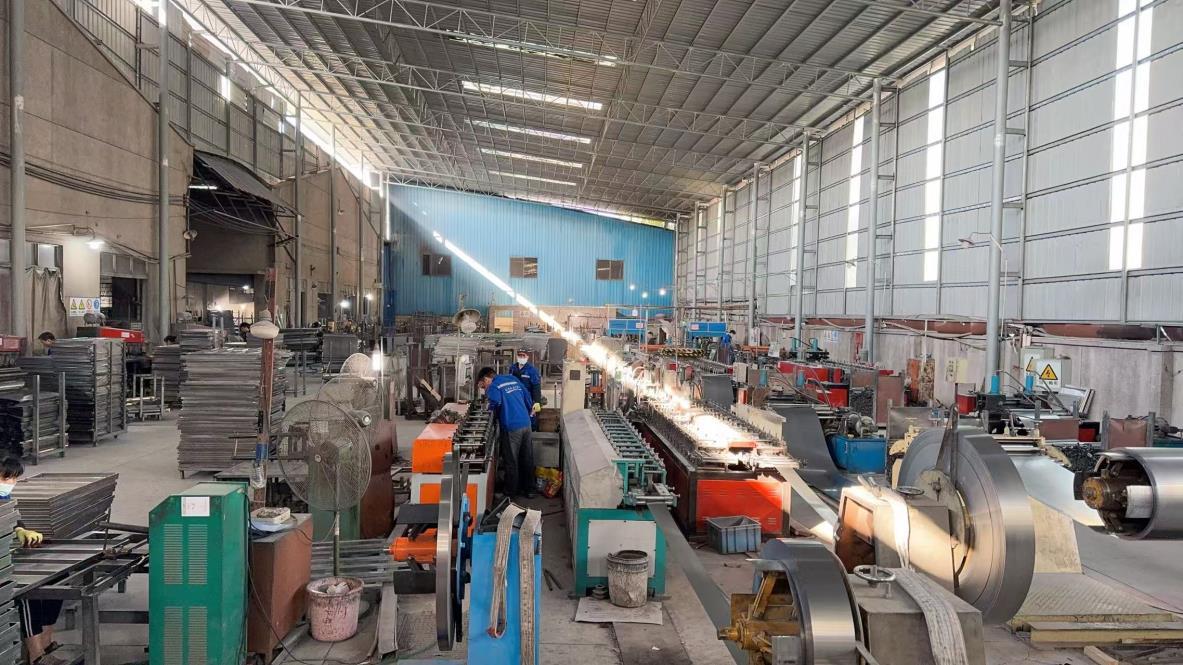
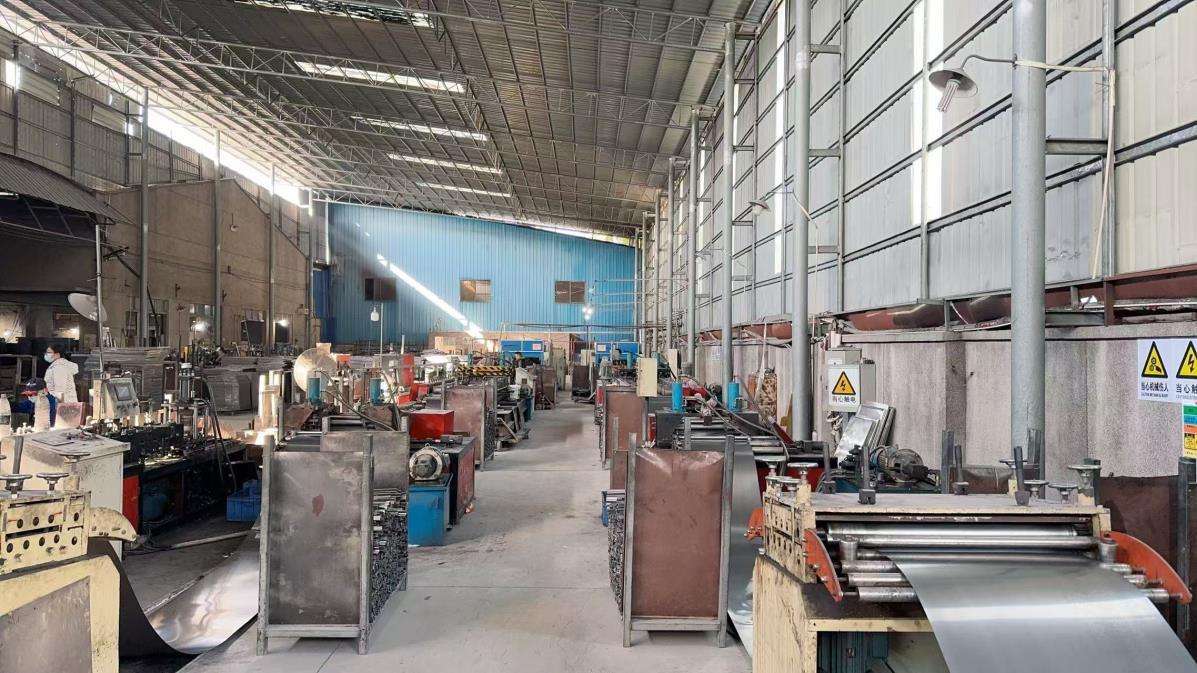
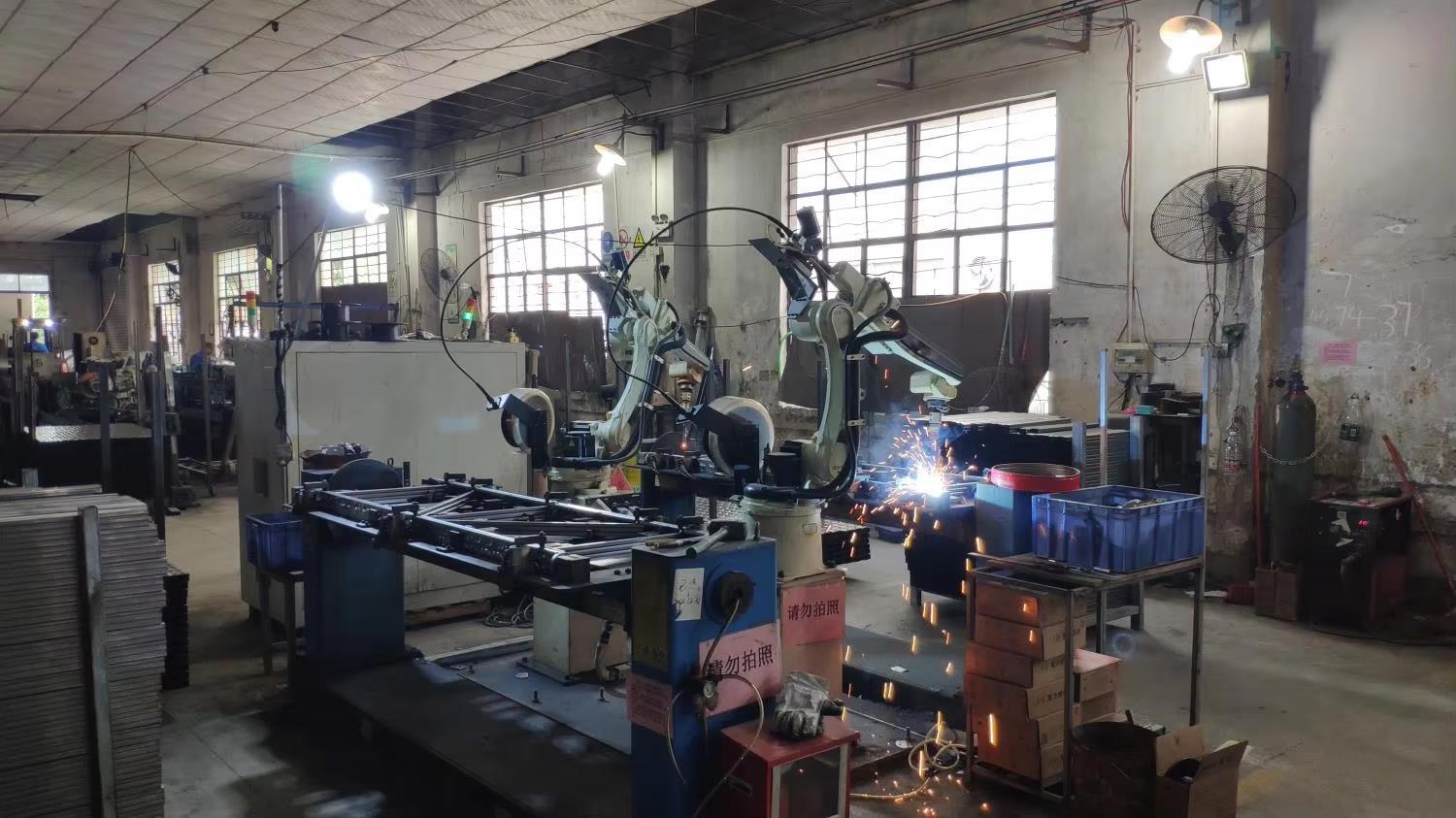
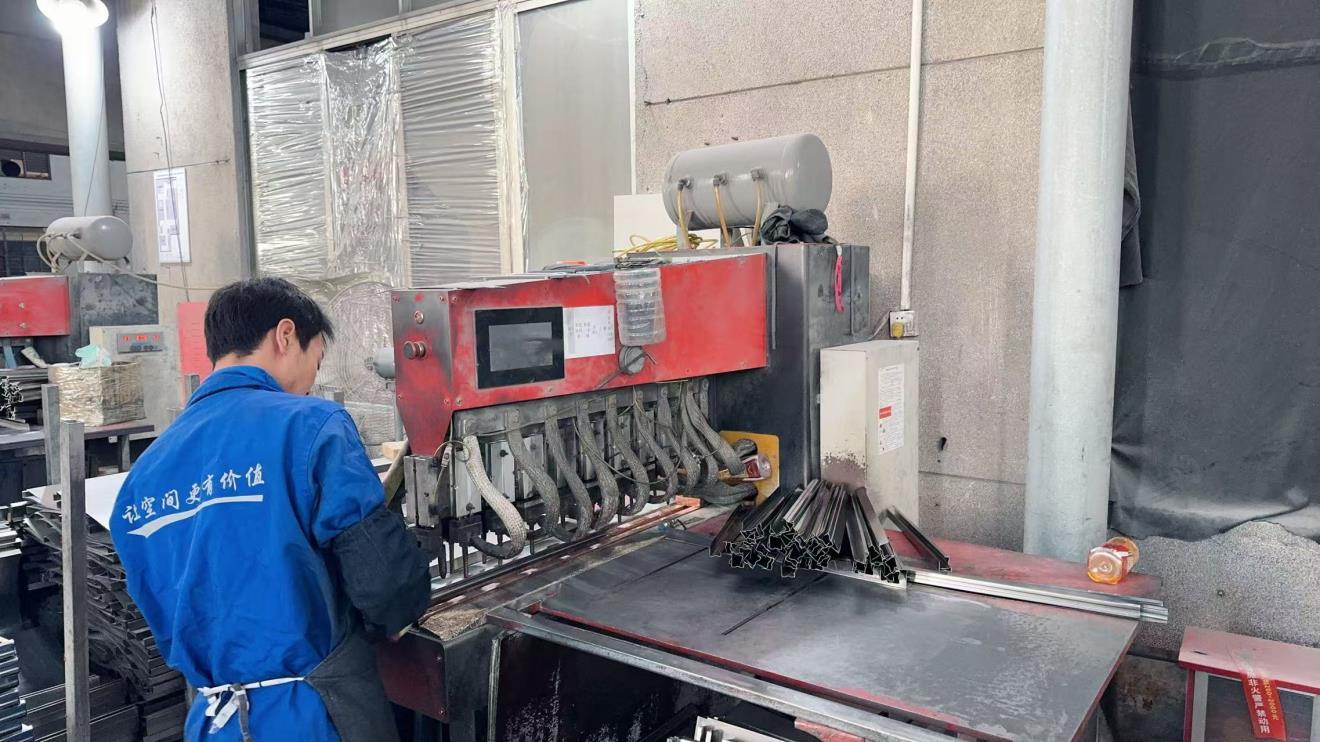
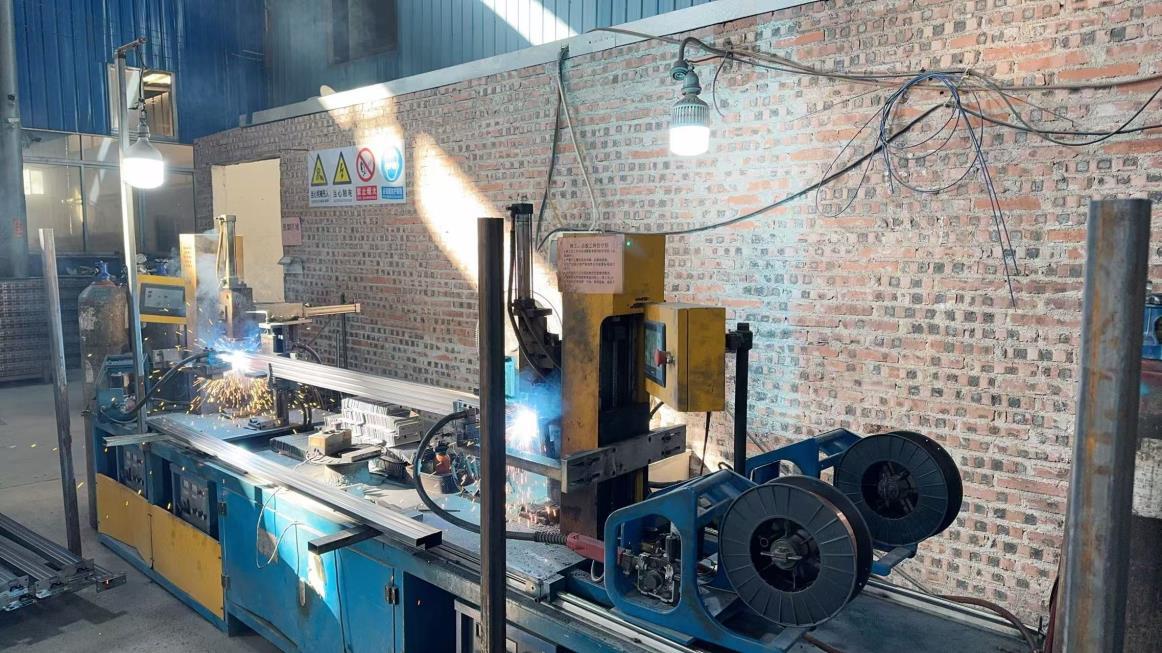
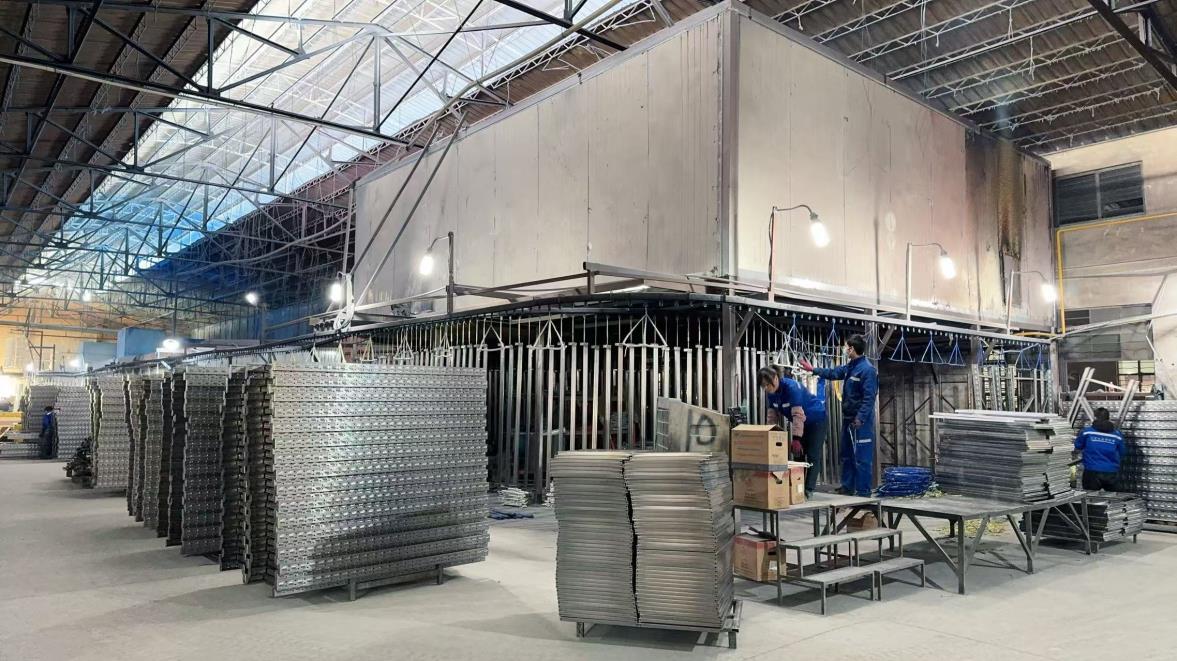
A detailed breakdown of capacity ratings, safety margins, and structural engineering compliance.
Load calculation methods must account for both static and dynamic forces. For medium-load (200KG - 500KG per shelf level) projects, load calculations follow FEM 10.2.02 and EN 15512 guidelines. We apply a minimum safety factor of 1.5 against permanent deformation. This ensures structural integrity even when loading speeds exceed standard operating limits or during minor forklift collisions.
Seismic areas require larger baseplate footprints and dual-expansion anchoring systems. Using CAD and Finite Element Analysis (FEA) software, we model floor load distribution and structural node strength. This prevents single-point concrete failure under heavy loads, ensuring the system safely transfers stresses to the building's foundation.
Our technical development roadmap focuses on integrating structural monitoring sensors directly into key upright profiles. These sensors track stress accumulation, structural drift, and dynamic loading changes in real time. This is especially valuable for high-throughput, automated facilities that operate continuously. Providing clear data on system stress helps prevent structural fatigue and supports predictive maintenance strategies.
Aligning international production quality with local certification rules and import protocols.
Importing capital assets like industrial warehousing systems into Argentina requires navigating customs clearance protocols (SIRA/SIMI). We assist regional buyers by providing comprehensive paperwork, accurate tariff classification codes (NCM), certified bill of lading documents, and complete structural calculation certificates. This helps streamline the customs import process and minimize delay risks.
Industrial installations must satisfy local health and safety regulations. In cold storage facilities housing agriculture or meat exports, food contact and hygiene standards apply. Our lead-free electrostatic powder coatings are fully certified to meet these requirements. This ensures the racking systems are suitable for cleanroom environments and chemical storage facilities without contamination concerns.
Expert answers detailing loads, materials, seismic compliance, and import logistics.
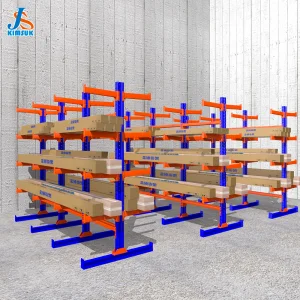
Heavy-duty industrial configurations designed for regional distribution centers and logistics hubs.
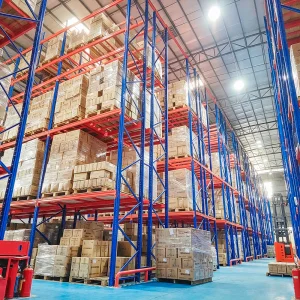
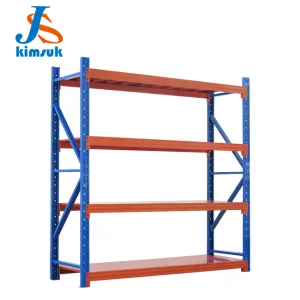
Get in touch with our engineering team for detailed technical designs, custom layout plans, structural simulations, and competitive pricing for the South American market.
 Kimsuk Racking