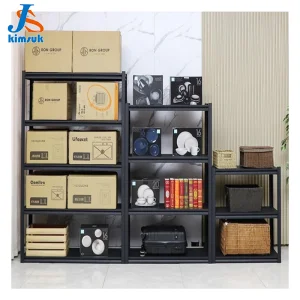
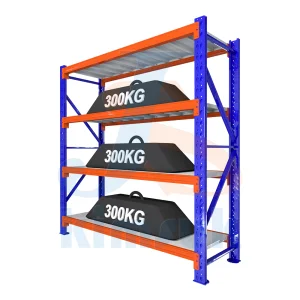
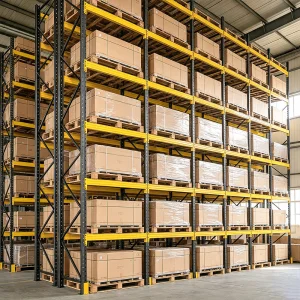
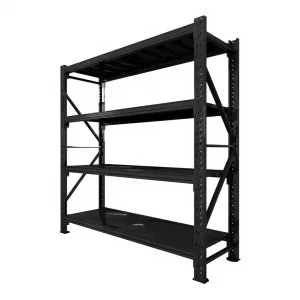
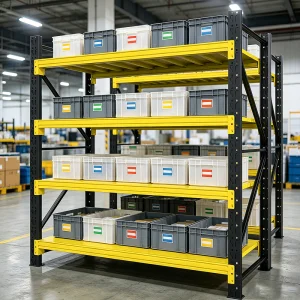
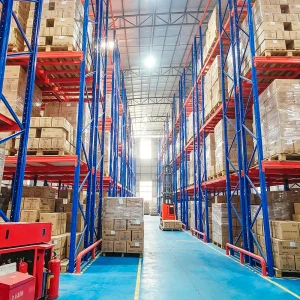
Explore the first tier of our heavy-duty industrial shelving, boltless assemblies, and dynamic warehouse automation modules engineered for high operational flexibility.
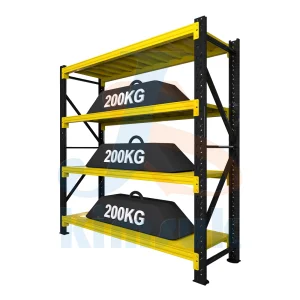
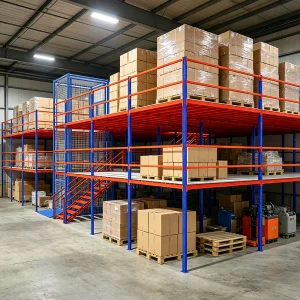
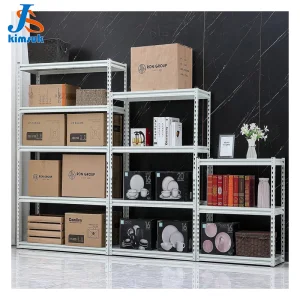
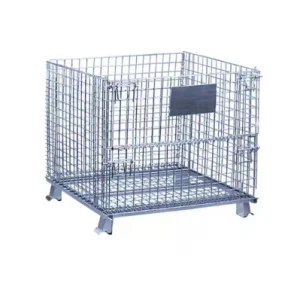
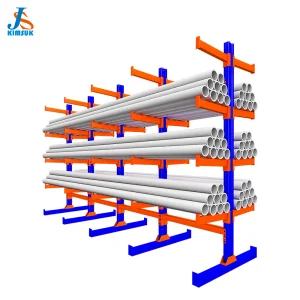
The contemporary global supply chain landscape is defined by heightened volatility, shorter inventory turn cycles, and the rapid expansion of Omni-channel distribution networks. Within this high-pressure environment, static industrial storage systems are increasingly viewed as strategic bottlenecks. Enterprise logistics hubs, cold chain centers, and third-party logistics (3PL) operators require adaptable, modular, and portable shelving solutions to keep pace with demand fluctuations.
By transitioning from fixed structures to highly customizable, scalable, and transportable racking, facilities can optimize their spatial efficiency, reduce material handling times, and achieve significant savings in capital expenditure (CAPEX). In seismic zones and complex regulatory markets (such as the EU and North America), the design of these structures must comply with rigorous load-bearing safety limits, structural elasticity standards, and corrosion tolerances.
Seamlessly scale vertical and horizontal bays without costly downtime or structural welding requirements.
Advanced CAD structural simulation guarantees stability during dynamic load shifts and seismic events.
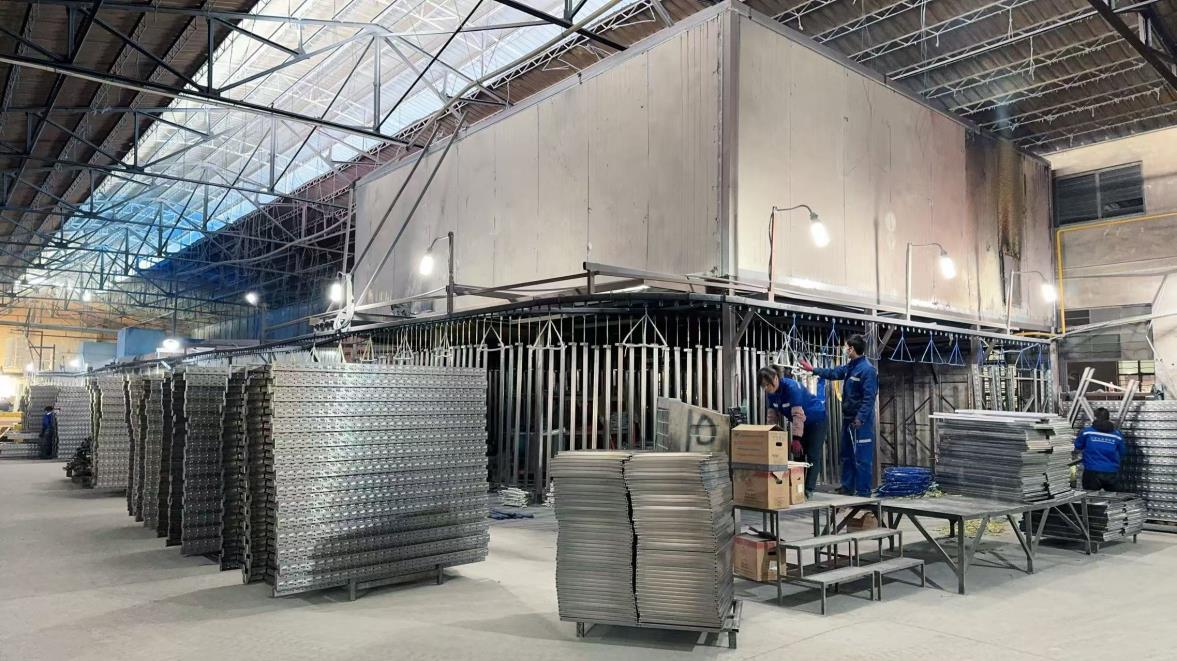
State-of-the-art multi-stage wash systems and powder coating cure processes shield steel structures from salt, humidity, and wear.
Smooth baseplates and uniform racking layouts facilitate seamless automated guided vehicle operations.
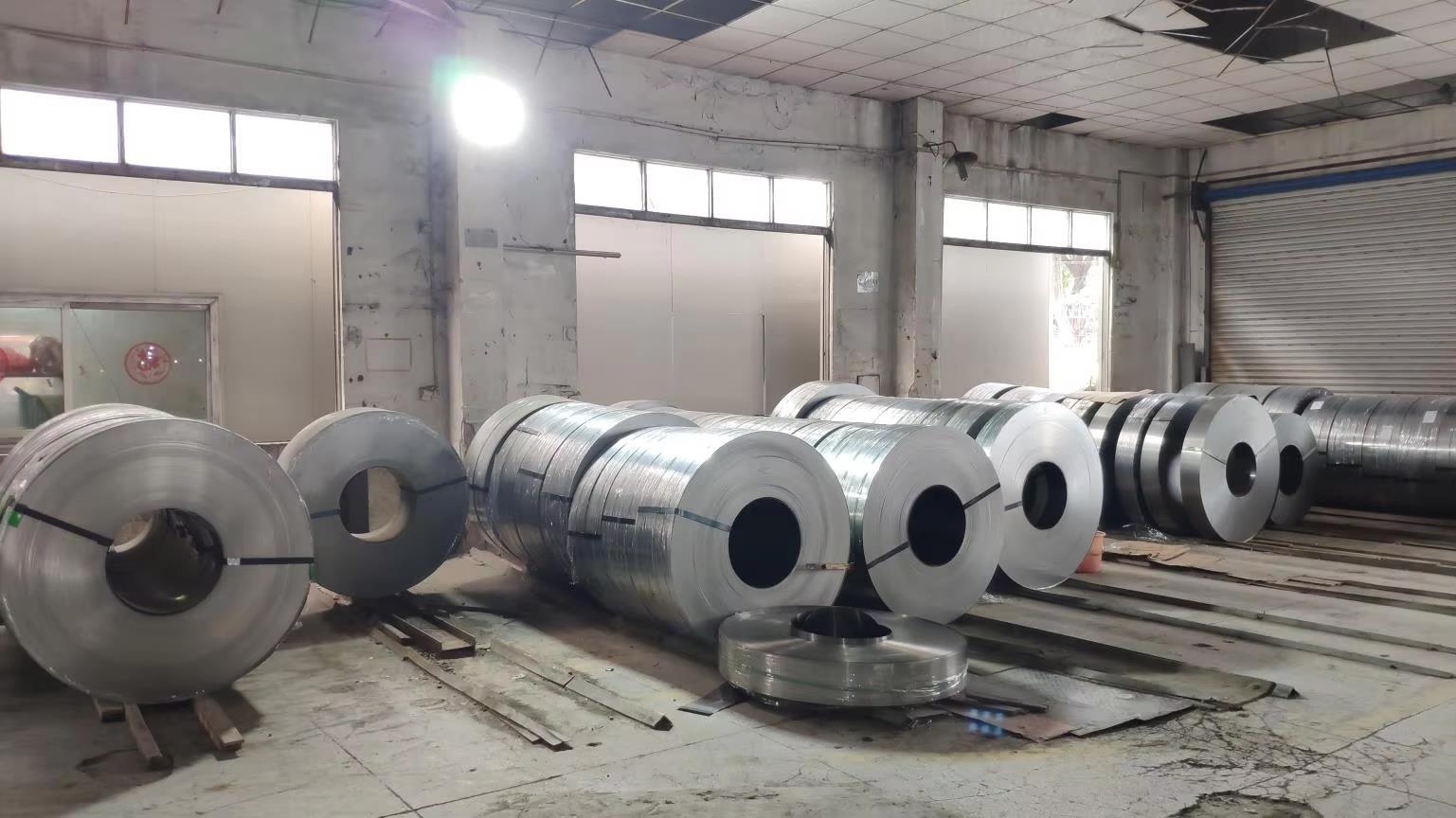
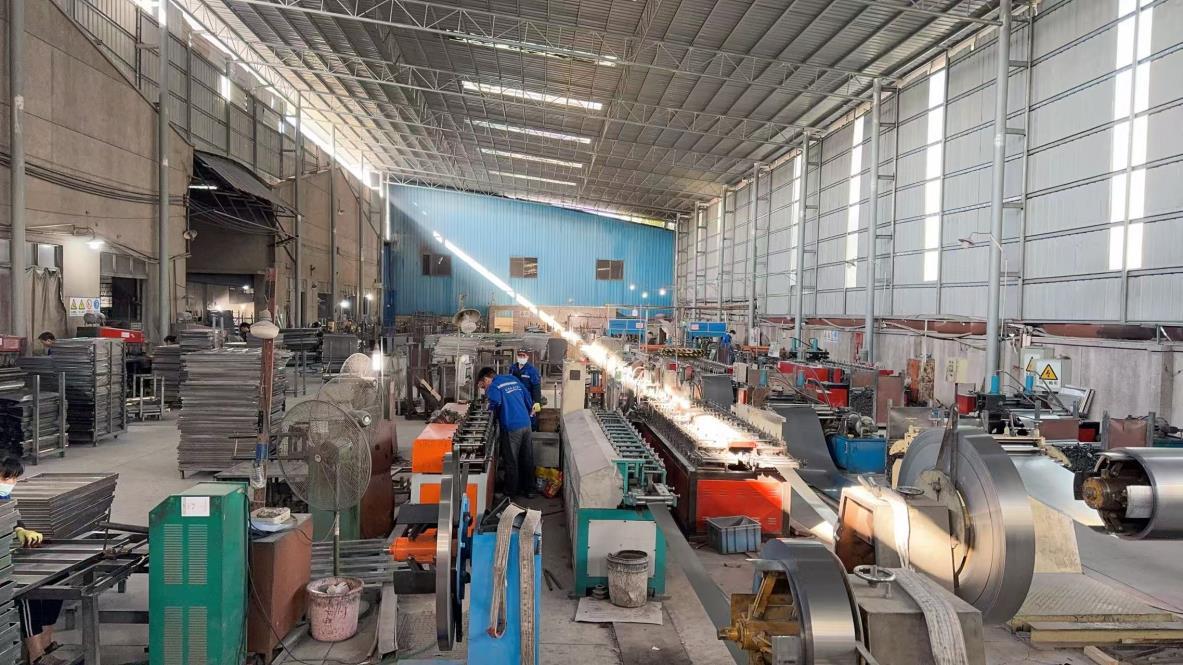
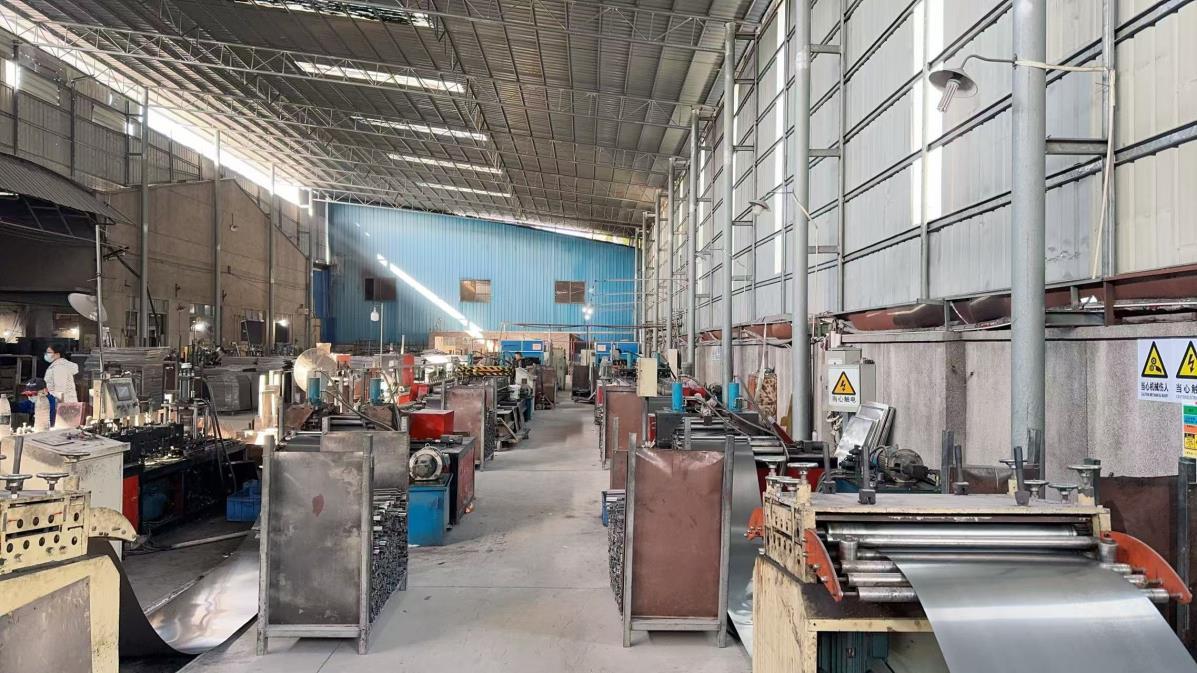
As industrial facilities shift toward modern automation, the structural properties of raw steel profiles dictate operational life cycles. High-grade cold-rolled steel, processed using state-of-the-art automatic roll-forming lines, ensures high weight-to-volume performance ratios. This allows our storage products to achieve structural loading margins up to 1.5 times nominal ratings without compromising structural safety factors.
Furthermore, the integration of advanced smart elements like Automatic Pallet Shuttles and modular multi-tier mezzanines allows distribution hubs to dynamically adjust storage configurations based on seasonal demand metrics. This flexible approach to space management effectively mitigates real estate constraints, providing strategic benefits in highly crowded logistics corridors.
Founded in 2015, Dongguan Kimsuk Shelves Co., Ltd. has established itself as an authoritative global manufacturer of heavy-duty warehouse racking and automation interfaces.
Production Facility Area
Annual Export Revenue
Core Industry Expertise
Quality Control & Testing Team
Senior R&D and CAD Specialists
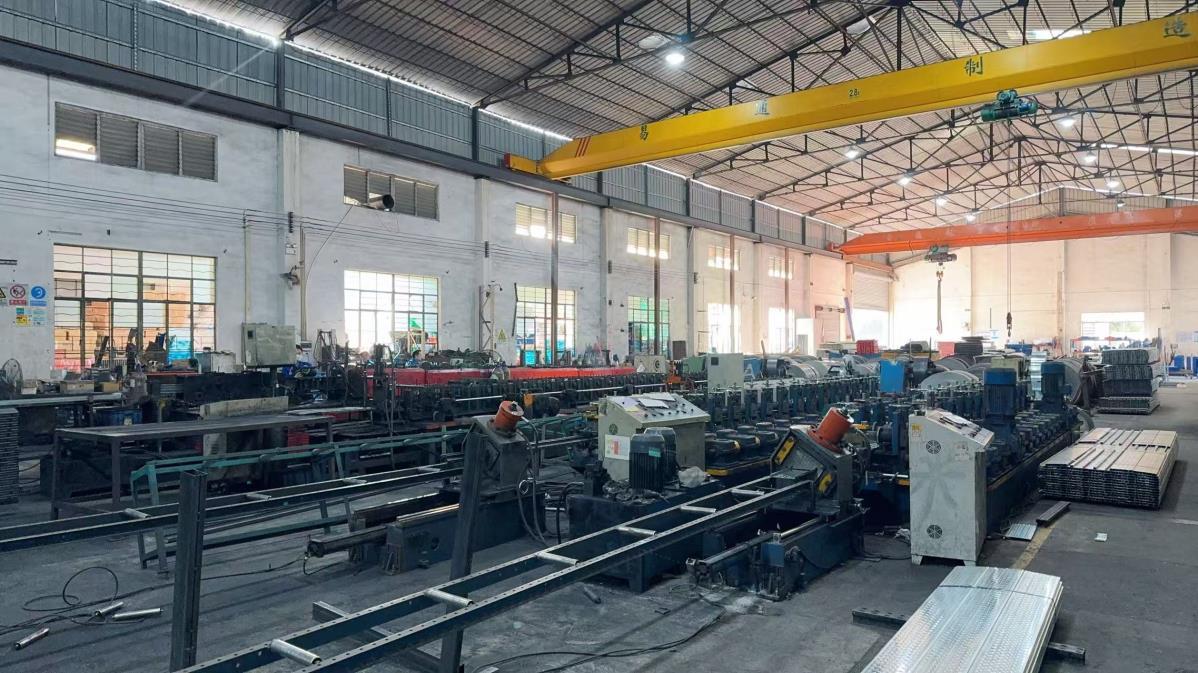
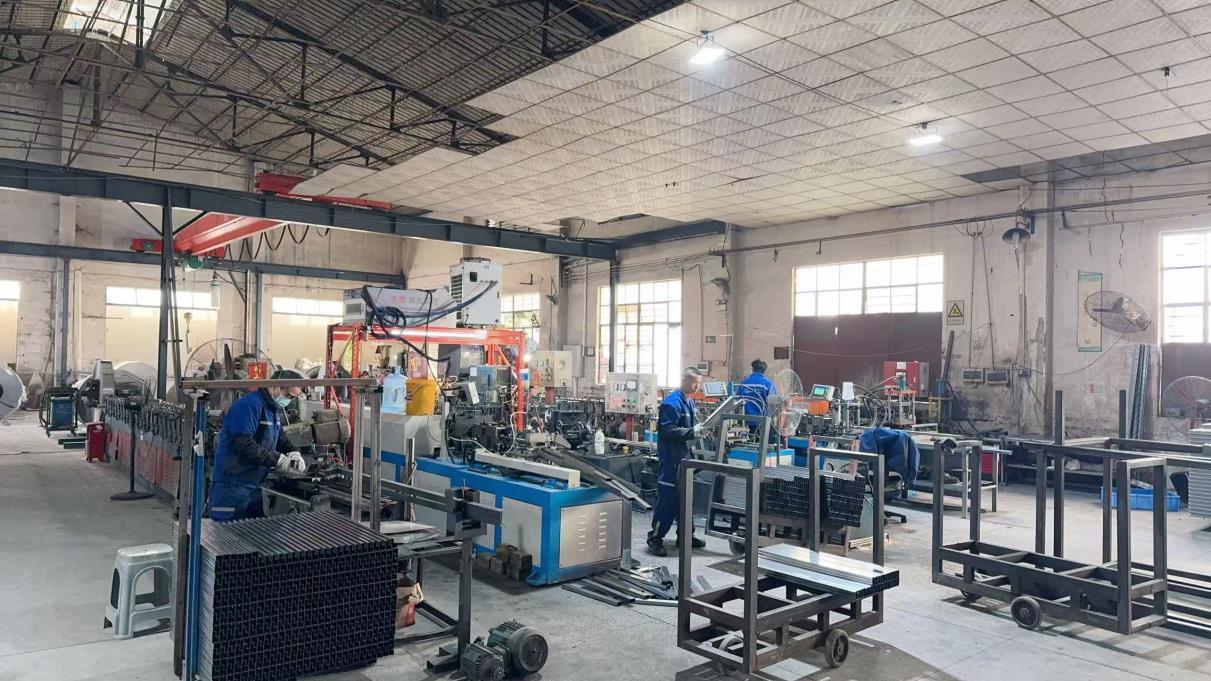
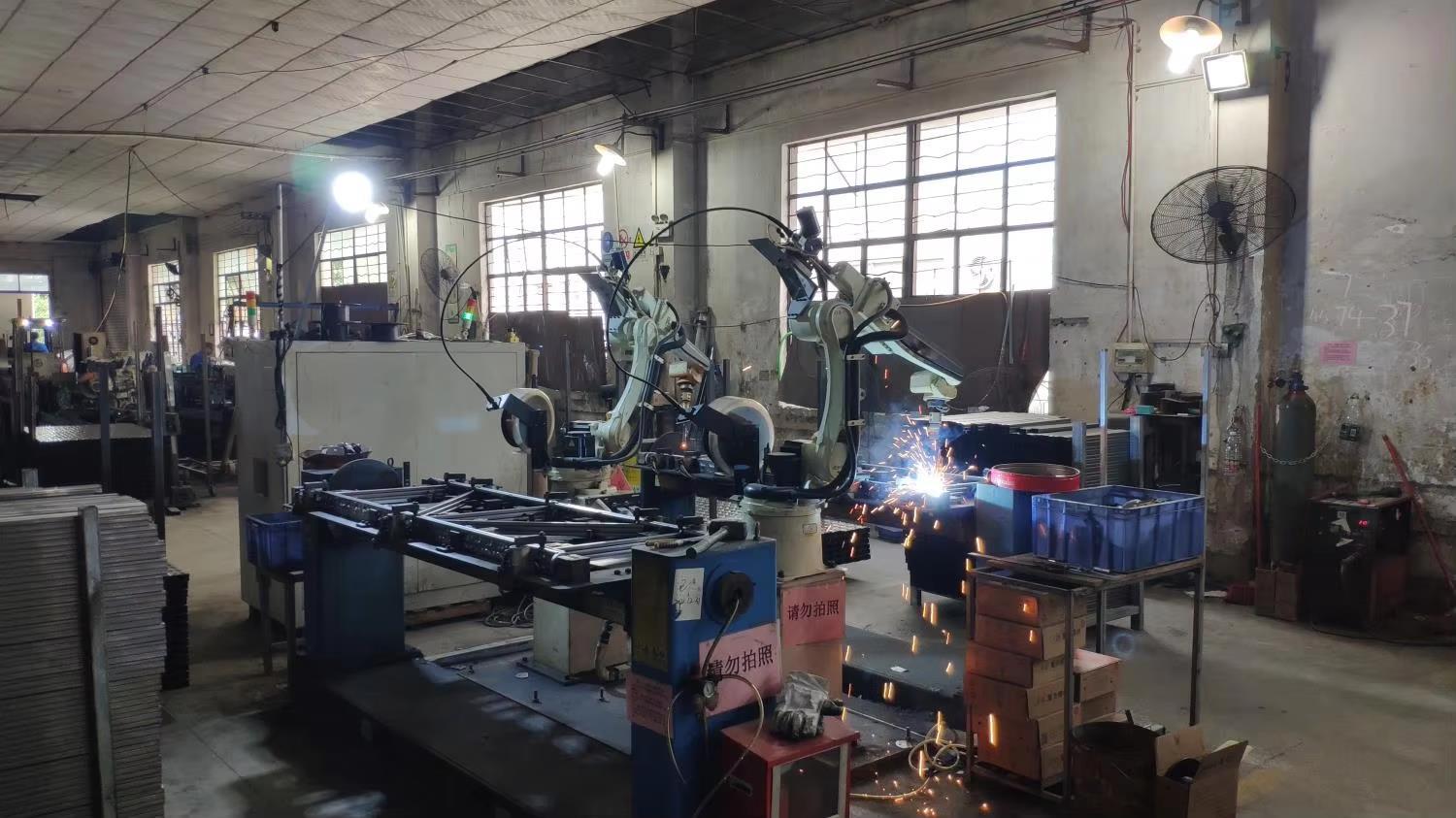
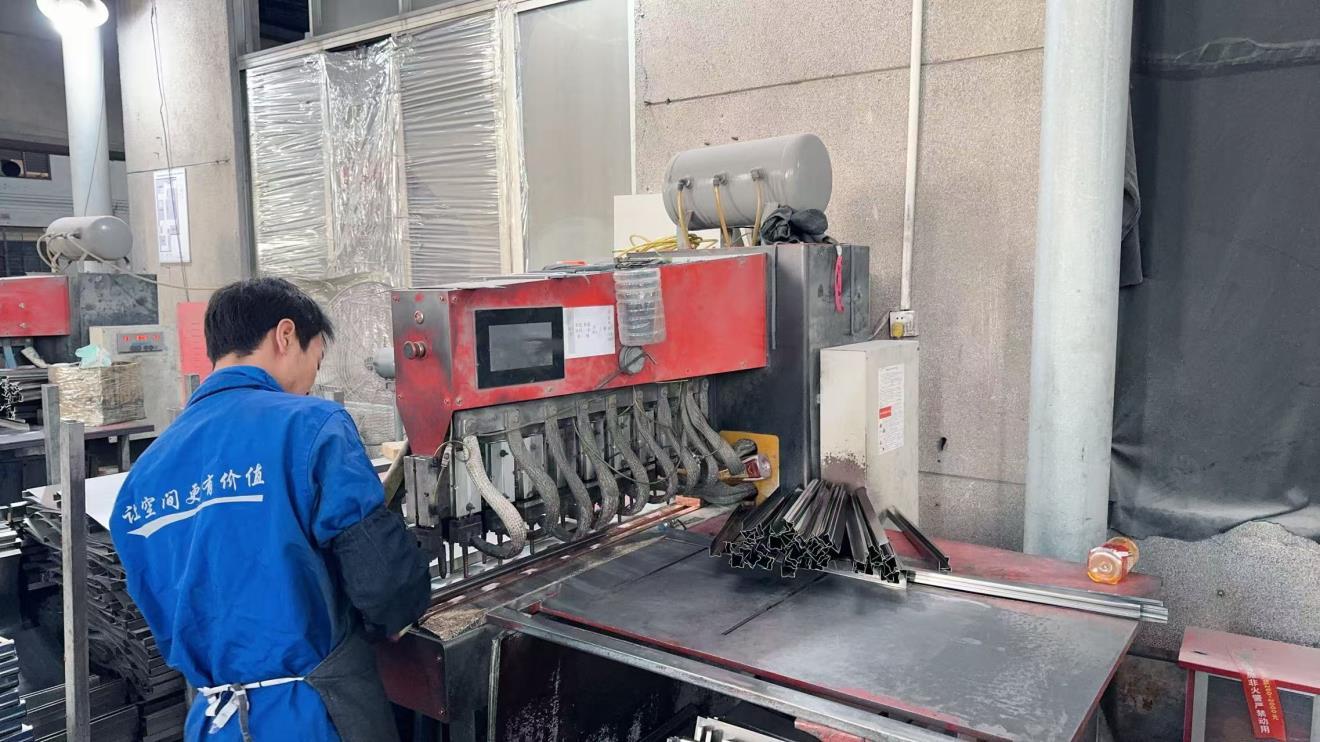
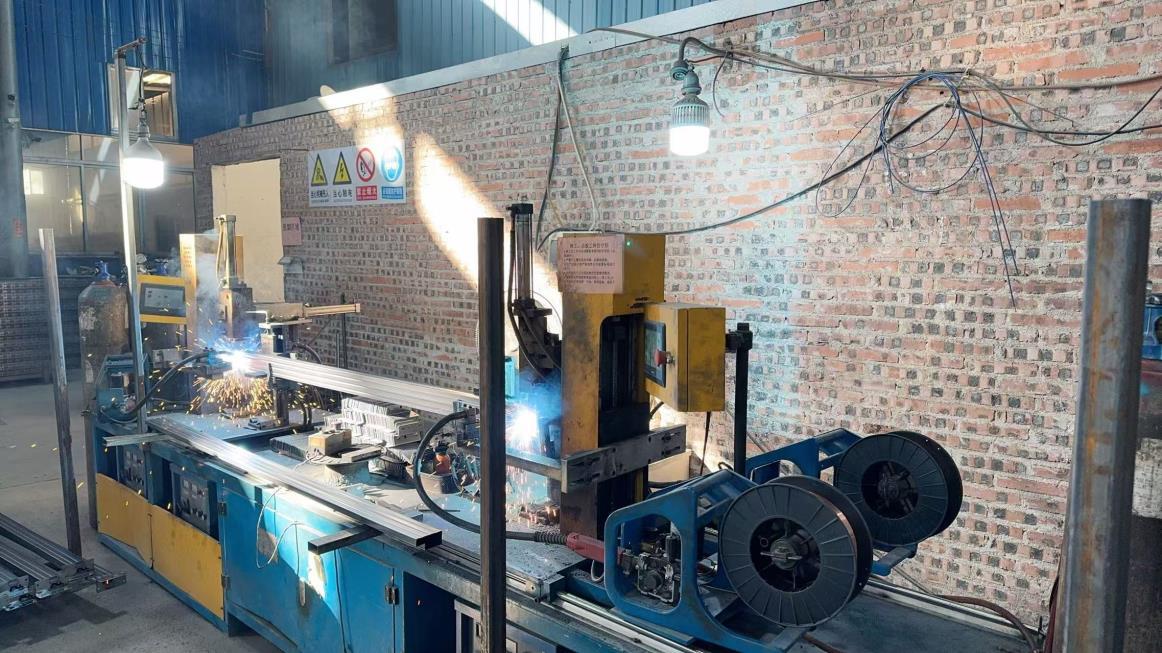
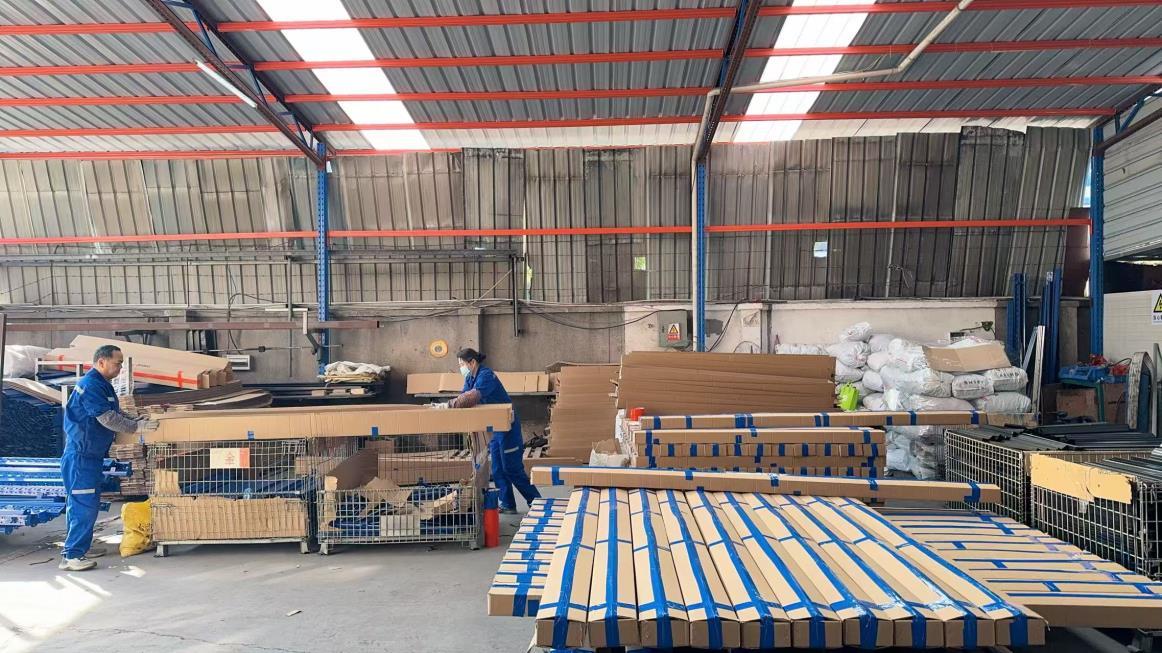
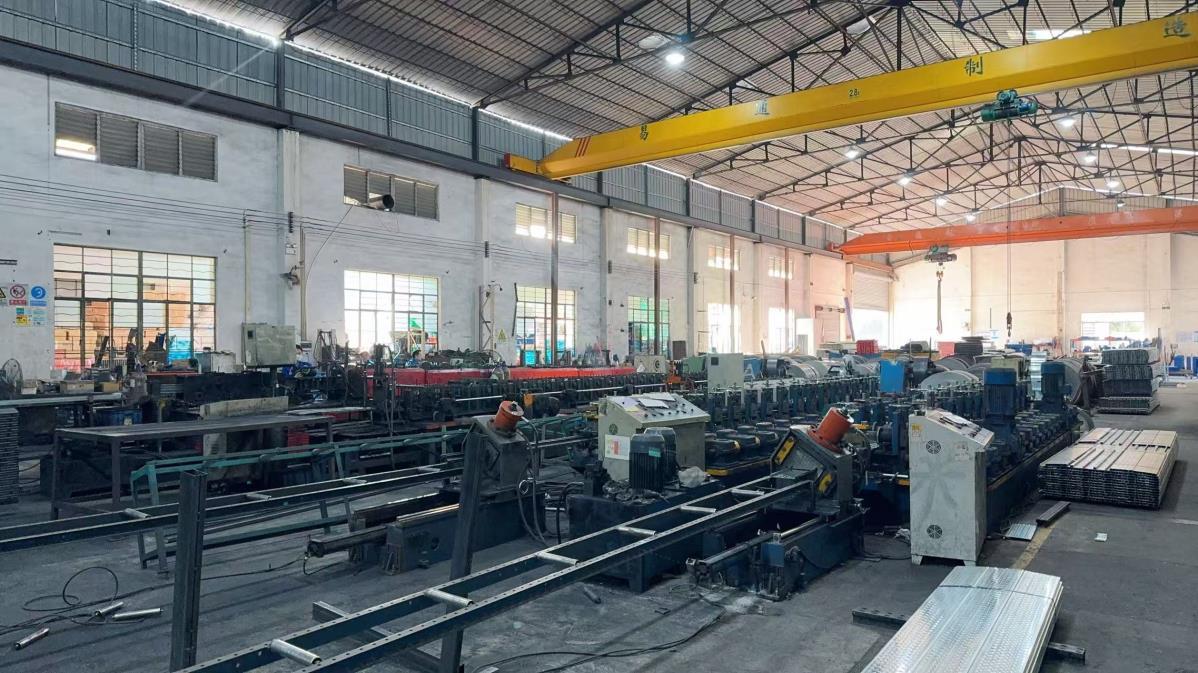
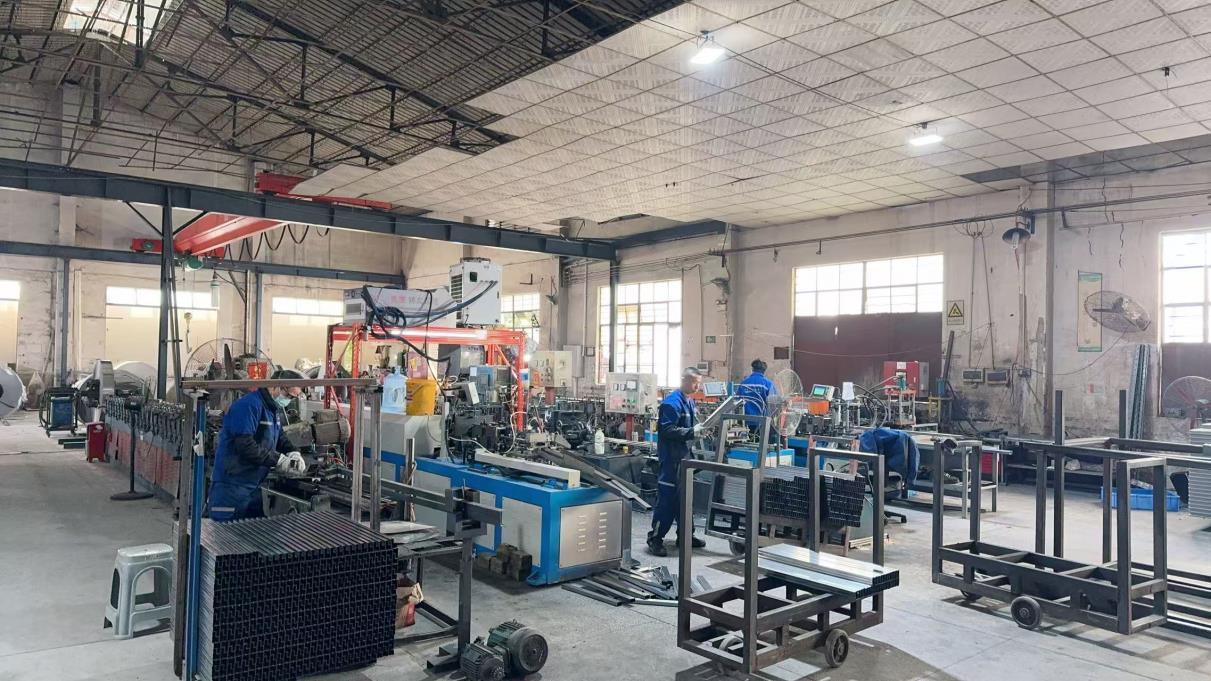
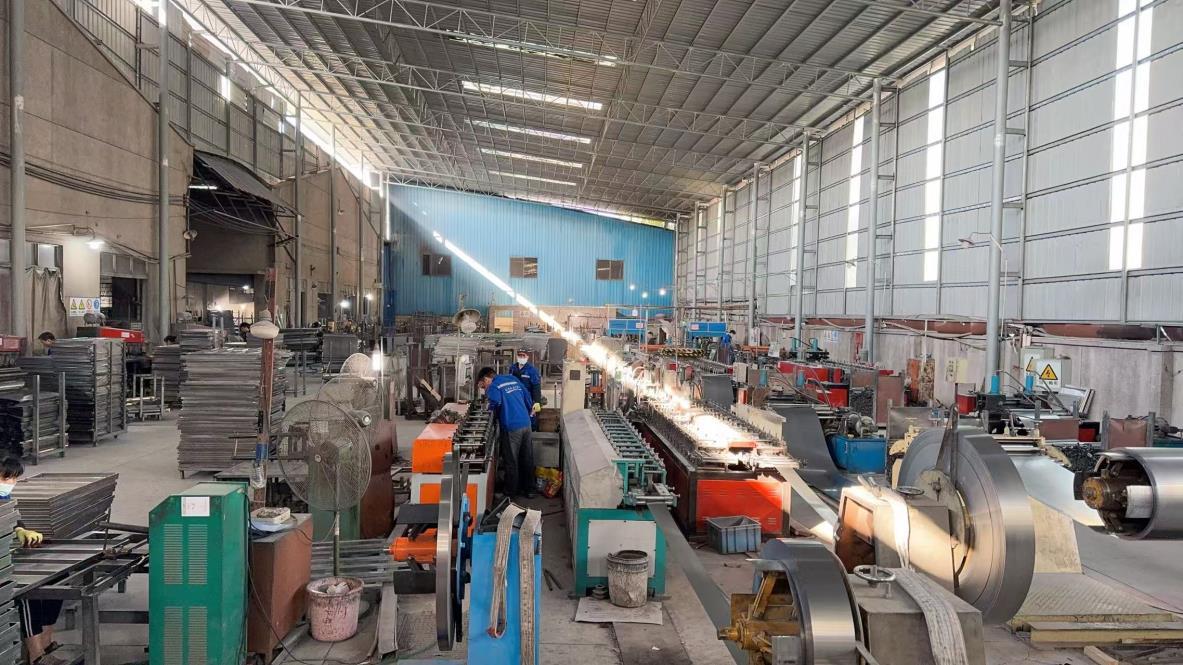
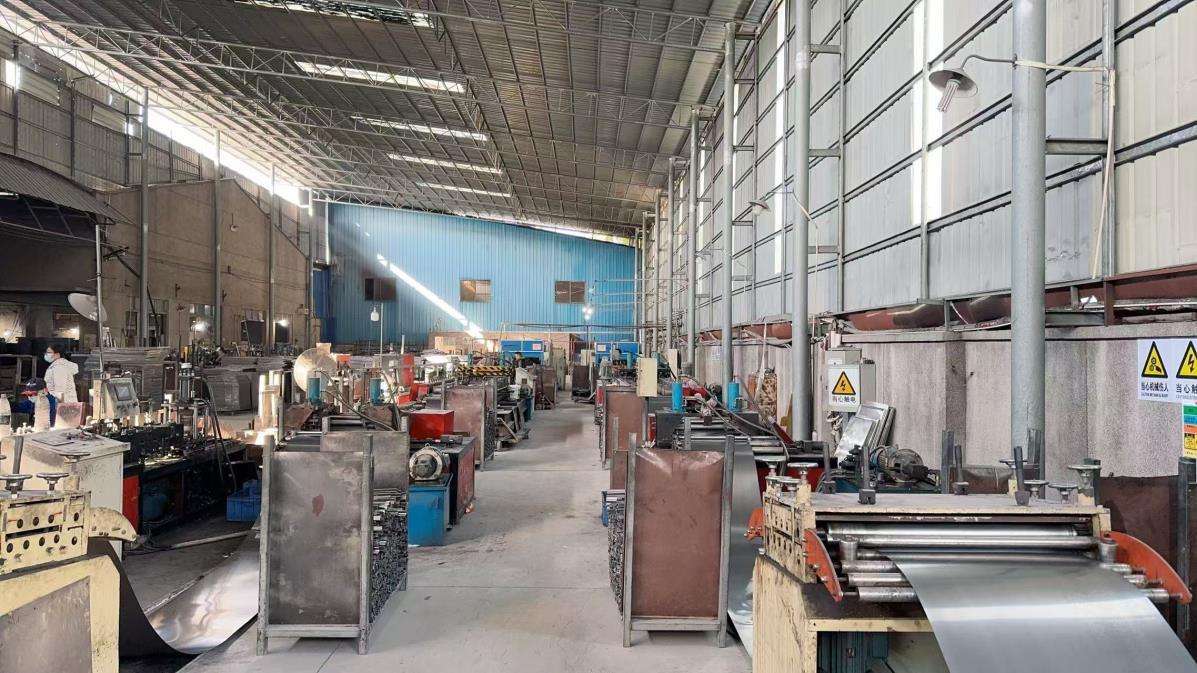
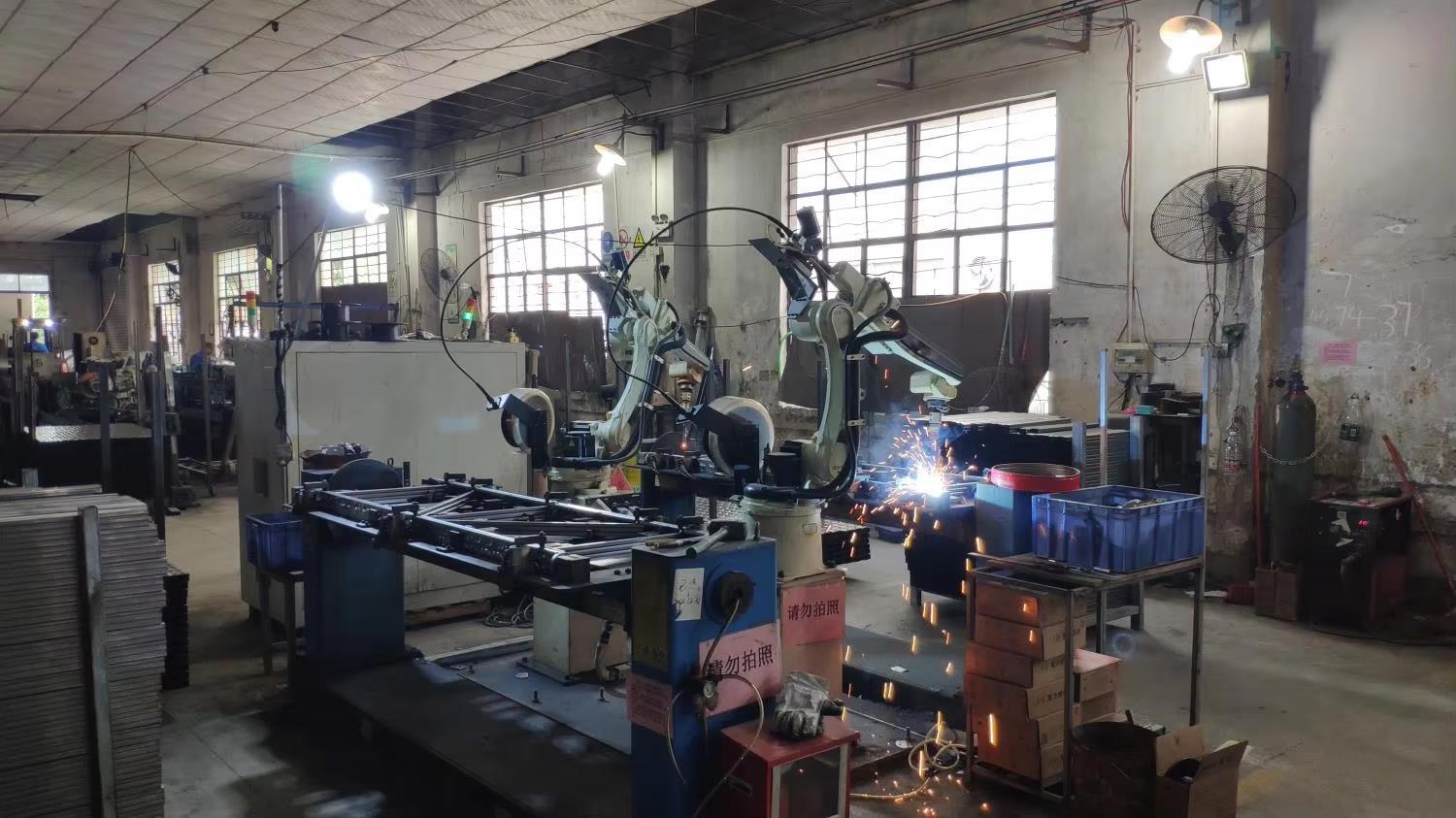
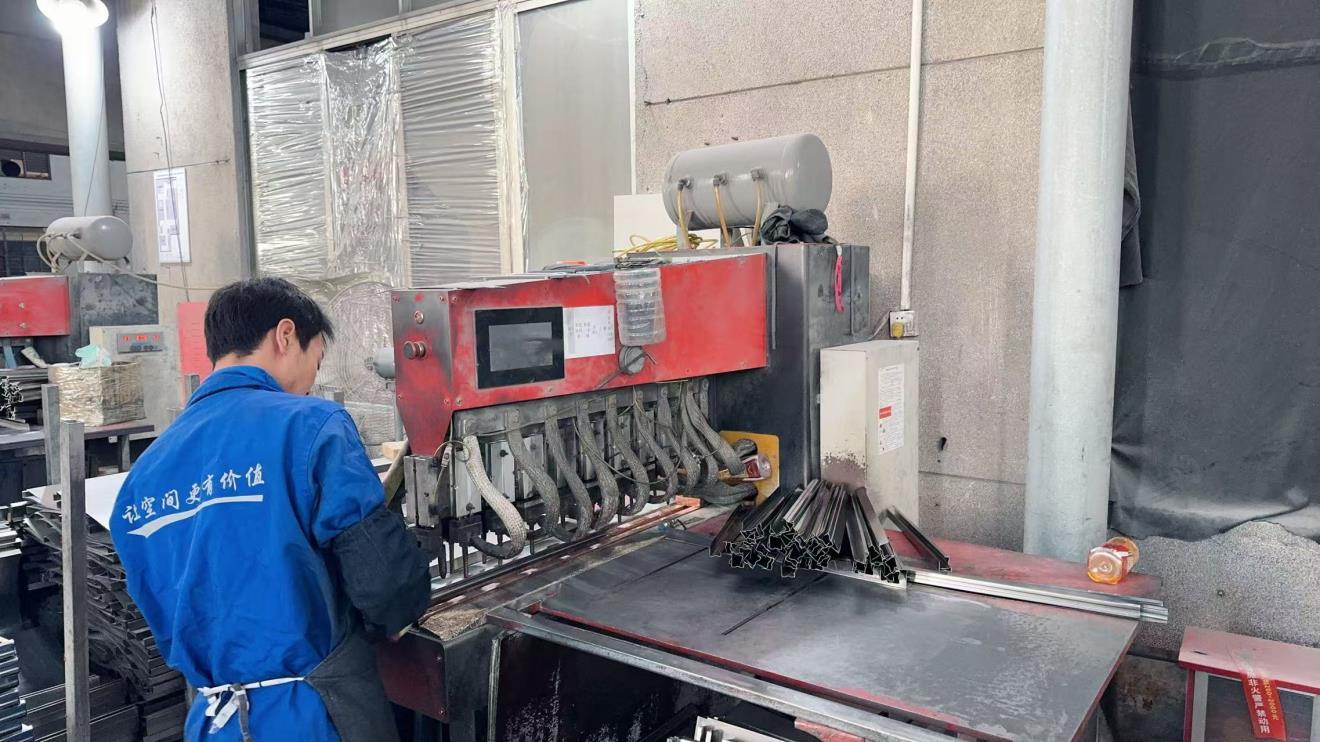
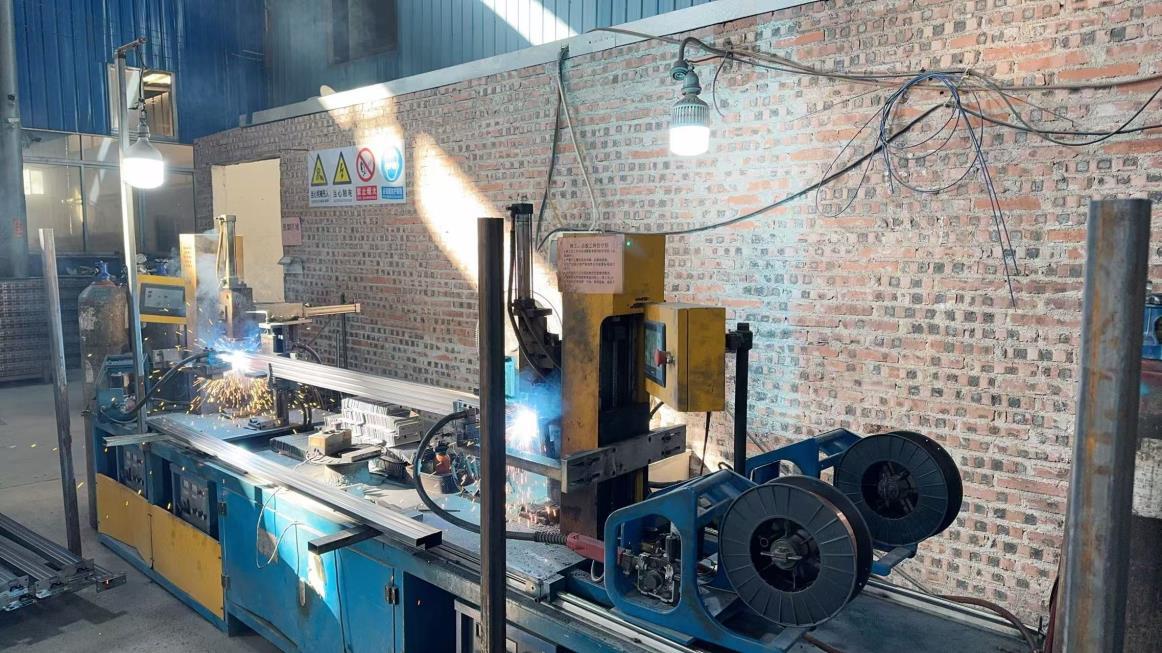
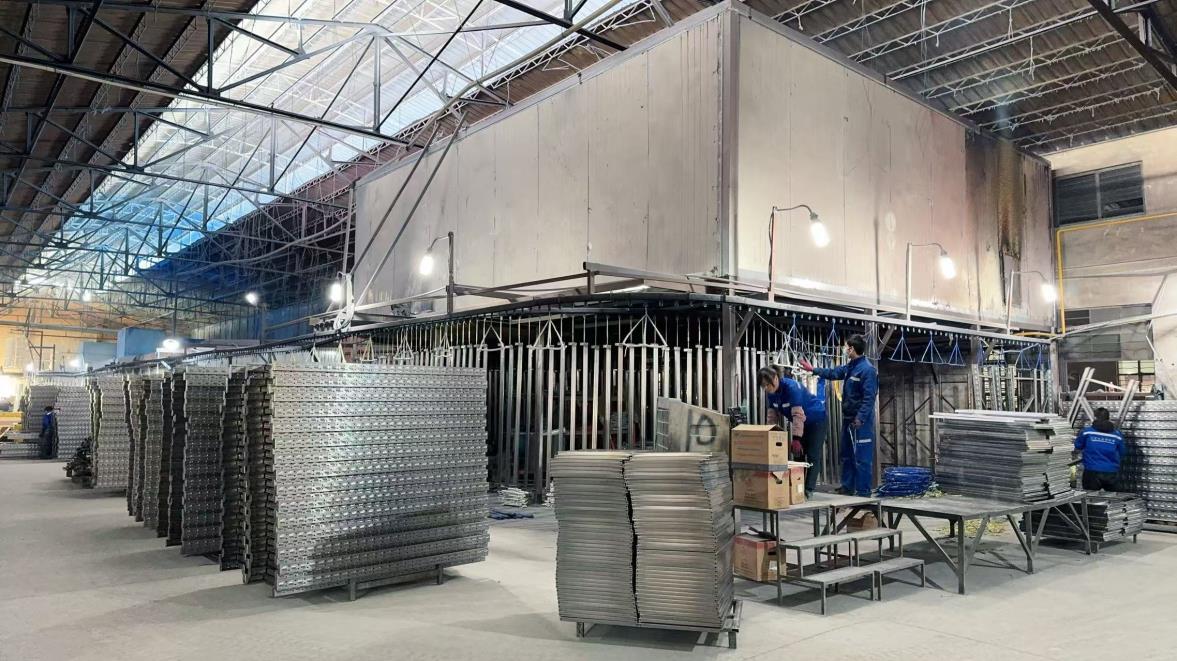
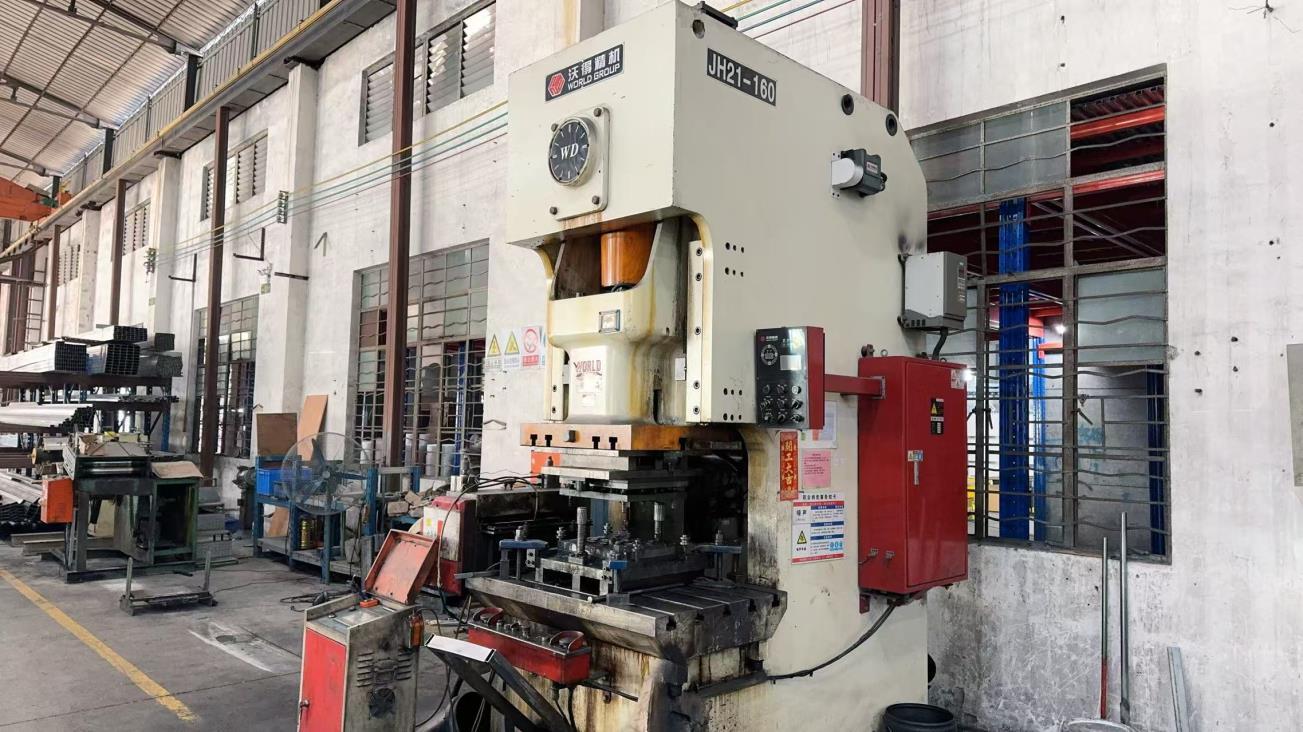
Operating a sprawling 38,000 square meter factory, Kimsuk integrates precision engineering with high-capacity steel fabrication. We execute rigorous QA testing at every step of production. Our non-destructive ultrasonic testing, automated welding weld flaw detections, and coating thickness analyses guarantee that every structural steel component matches international ISO 9001:2015 and European CE safety benchmarks.
Our raw material acquisition strategy focuses exclusively on high-tensile steel providers. This ensures consistent mechanical properties, yielding structural profiles that withstand high static and dynamic stresses. Our engineering team specializes in Finite Element Analysis (FEA) to develop custom seismic upgrades, automated roll-forming line integrations, and specialized material specifications for high-load industrial applications.
A comprehensive visual overview of Kimsuk's manufacturing processes, highlighting the automated machinery and robotic welding cells that support our export capacity.
For industrial structures, regional regulatory requirements are critical for product deployment. The EN 15635 standards govern operations in Europe, while RMI (Rack Manufacturers Institute) guidelines apply across North America. Complying with these safety codes requires precise design adjustments to accommodate regional environmental conditions, seismic risks, and structural load variations.
For example, in cold storage facilities throughout Western Europe and Canada, materials face sub-zero temperatures that can cause structural embrittlement. To address this, Kimsuk engineers use specialized low-temperature carbon steels with higher impact resistance. Our anti-corrosion treatments, including multi-layer zinc phosphates, are proven to withstand moisture cycles, satisfying international hygiene and food safety standards.
In seismic-active zones such as California and Japan, we incorporate structural modifications like dynamic load baseplates, larger bolt configurations, and reinforced braces. By running comprehensive finite element analysis simulations (FEA), we calculate shear strength and frame deflection under sudden seismic stress, ensuring employee safety and protecting warehouse inventory.
The rise of automated material handling devices, like Autonomous Mobile Robots (AMRs) and automated shuttle storage systems, has changed tolerance requirements for industrial shelving. Traditional shelving systems could afford slight layout misalignments. However, automated warehouses operate on millimeter-level tolerances to avoid collision hazards and sensor tracking errors.
Our recent product developments emphasize precise structural alignment, integrating seamlessly with smart sensor systems and automated pallet shuttles. Kimsuk's custom shelving options feature laser-aligned uprights and smooth guide rails to guarantee flawless integration with third-party AGV systems, helping companies upgrade to semi- or fully-automated inventory management.
Discover the second tier of our high-capacity modular storage units, heavy-duty pallet racks, and robust adjustable steel shelving designs.
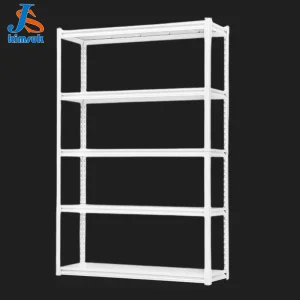
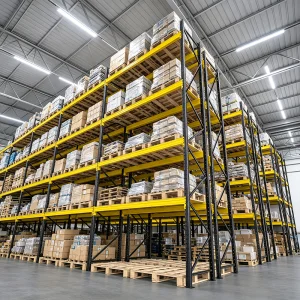
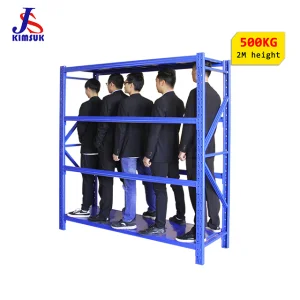
Read through expert insights on specification criteria, compliance, logistics coordination, and customization paths for our racking solutions.
 Kimsuk Racking