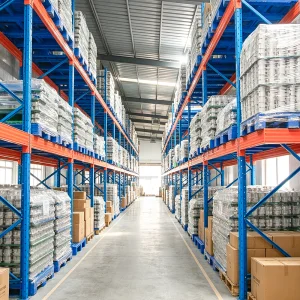
Top Trusted Longspan Storage Factories & Suppliers

Industrial Strength Heavy-Duty Engineering & Global Supply Chain Logistics Optimization

The Global Commercial & Industrial Storage Paradigm

In modern industrial logistics, supply chain efficiency relies on rapid structural adaptation. Global trade fluctuations, the rise of multi-channel e-commerce fulfillment, and high warehouse footprint costs require storage configurations that balance space utilization with flexible stock access. Traditional storage designs often force logistics managers to choose between high-density, low-accessibility methods (like deep pallet racking) and low-density, high-accessibility solutions (like light shelving). Heavy-duty longspan shelving bridges this operational gap.

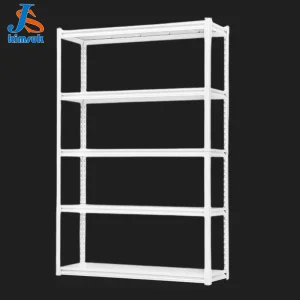
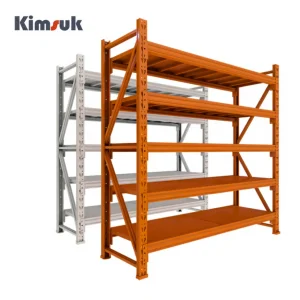
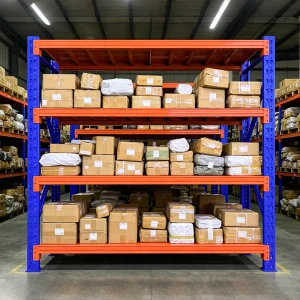
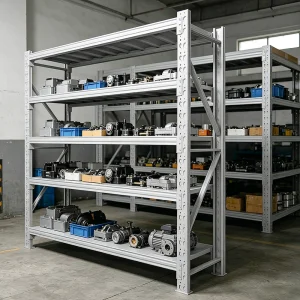
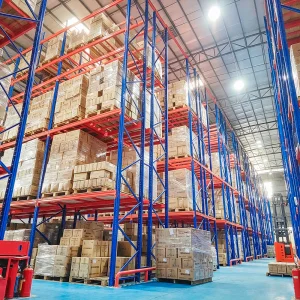
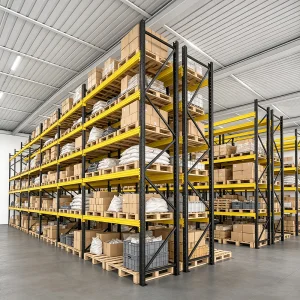
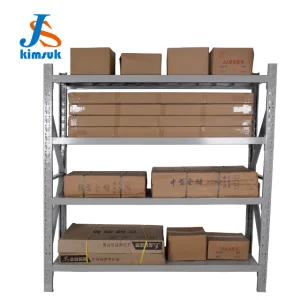
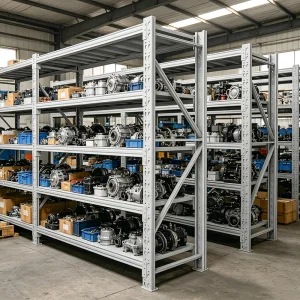
Longspan racking systems feature high load ratings, open spans, and modular configurations. They support manual order picking, medium-bulk container storage, and non-standard inventory sizes. By removing structural center-posts, longspan systems provide wide, uninterrupted loading areas. This design maximizes storage efficiency for bulky, heavy items and simplifies product changes in dynamic storage environments.

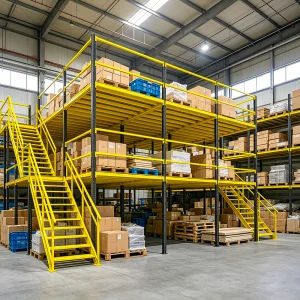
Key Market Trend: Modern supply chains are shifting toward hybrid storage facilities. In these facilities, selective pallet racking handles bulk pallet inflow, while lower-level longspan bays support active hand-picking workflows. This layout reduces travel times and boosts pick-and-pack performance for third-party logistics (3PL) providers and distribution hubs.

Because longspan storage supports high-load capacities and versatile configurations, it has become essential in diverse industrial settings. Today's facilities require modular structures that can adapt to changing supply chain demands, and longspan systems provide the necessary layout flexibility and strength.

Corporate Overview & High-Precision Infrastructure

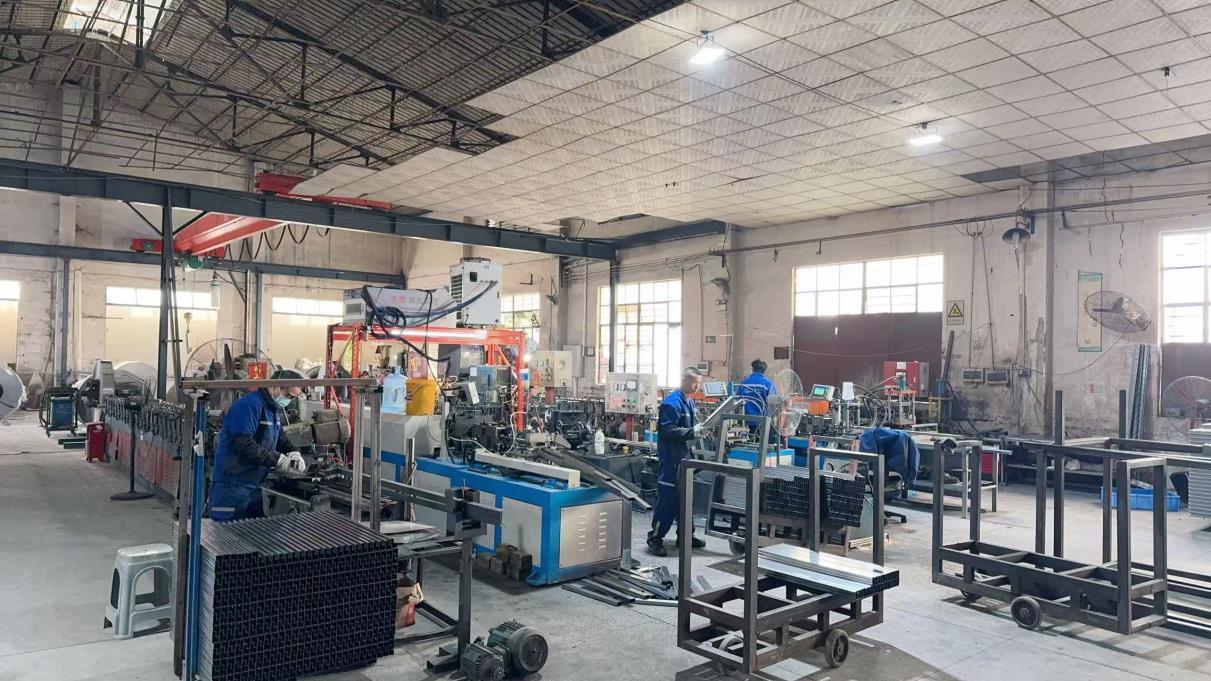
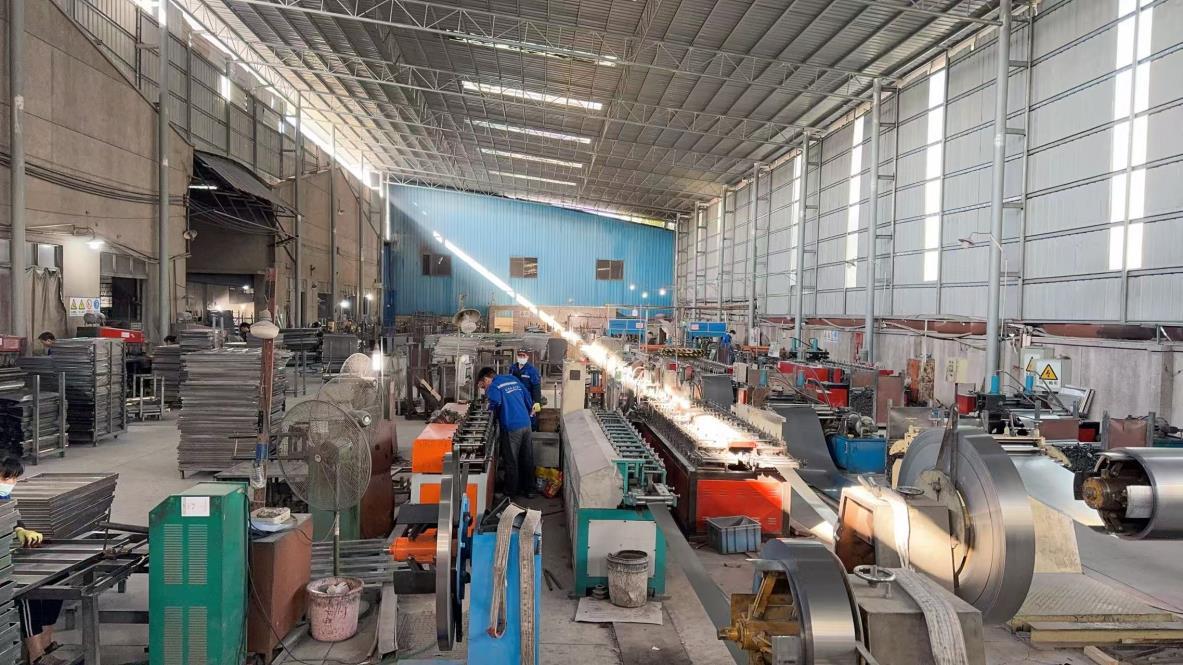
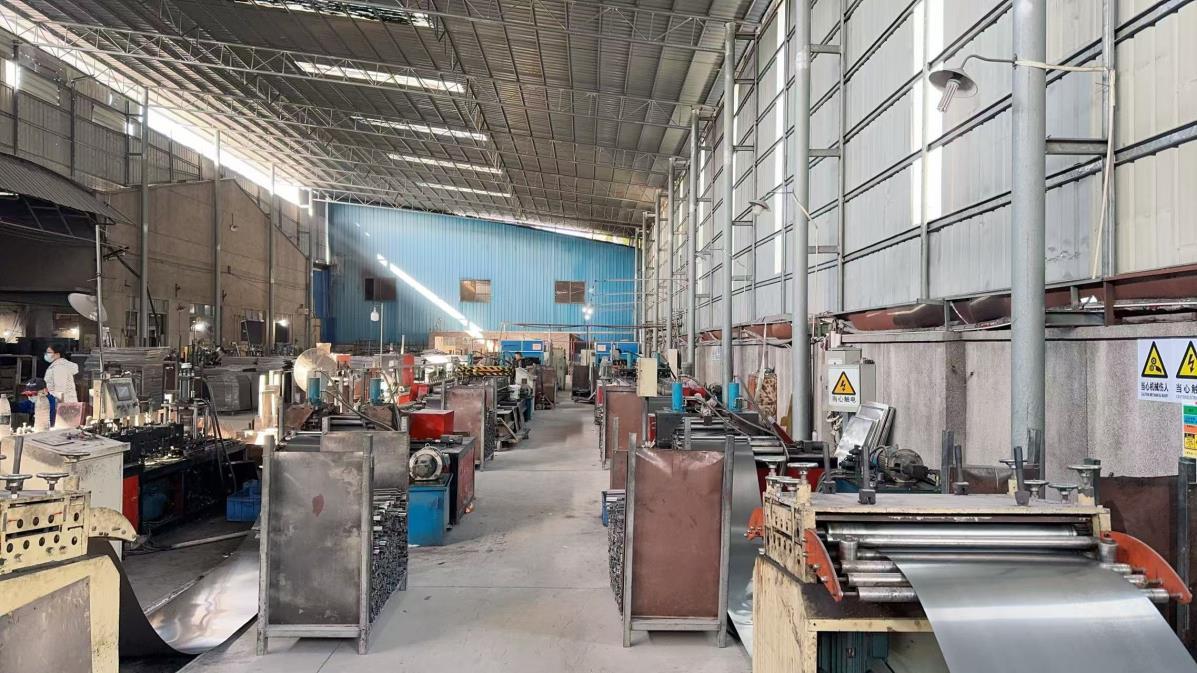
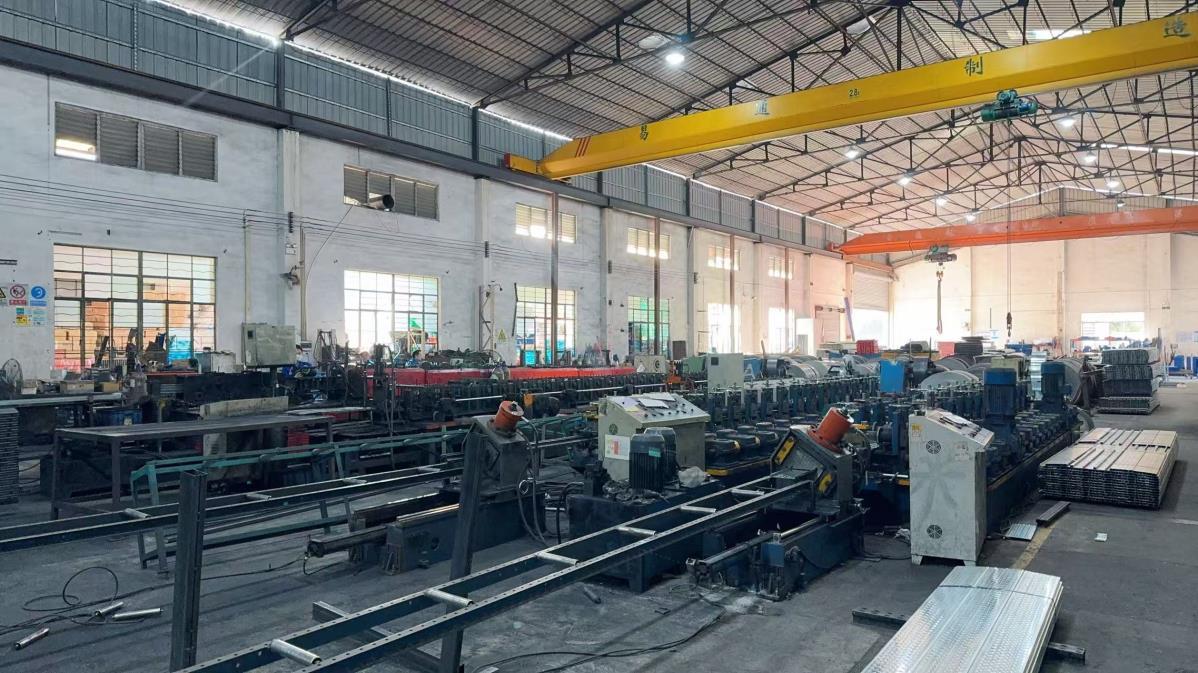
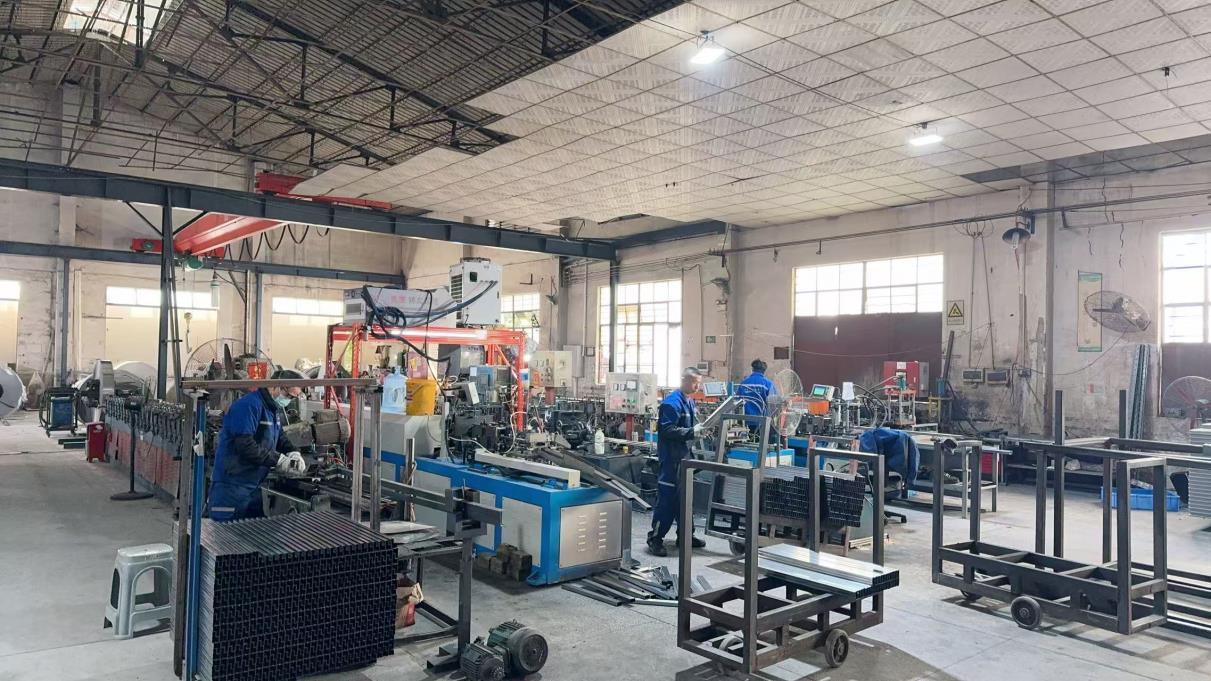
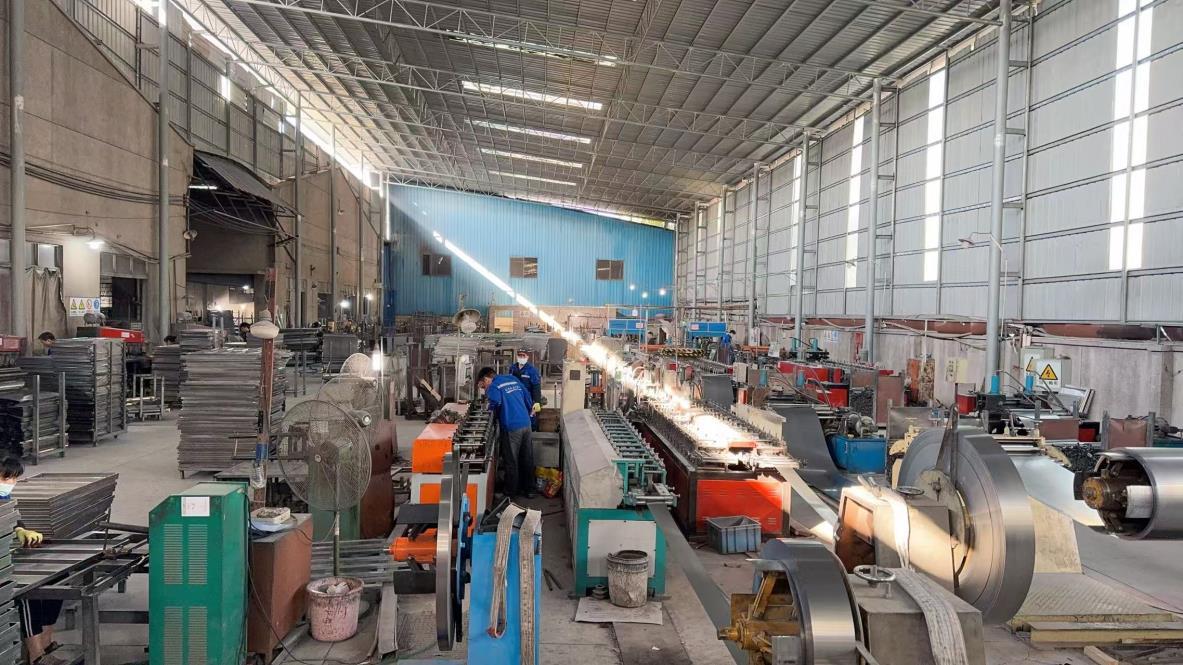
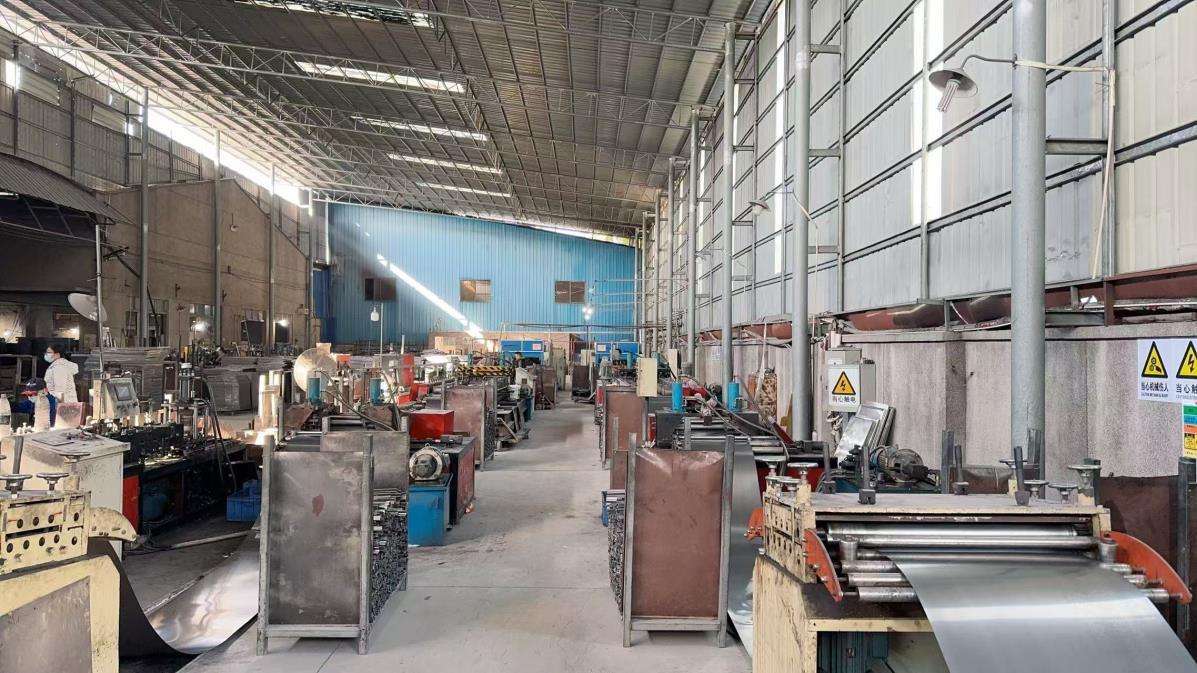
Founded in 2015, Dongguan Kimsuk Shelves Co., Ltd. is a premier manufacturer specializing in heavy-duty industrial warehouse racking systems, automated storage solutions, and customizable steel shelving. Operating out of a state-of-the-art 38,000 square meter manufacturing facility, Kimsuk utilizes high-precision engineering to deliver reliable structural storage systems worldwide.

2015
Established Year
38,000 m²
Facility Area
$28,000,000
Annual Export Revenue (USD)
15+ Years
Industry Experience

To support high-load applications and demanding operating conditions, Kimsuk maintains strict control over its raw materials and manufacturing processes. Our QA/QC framework operates at every production phase, from material selection to final coating. This focus on precision ensures that each racking element meets international structural engineering standards.

Our quality assurance program is backed by ISO 9001:2015 certification and European CE standards. The factory maintains a dedicated QA team of 35 certified QC inspectors and material testing engineers. We utilize non-destructive ultrasonic testing, weld flaw detection, coating thickness gauges, salt spray corrosion chambers, and static and dynamic load testing beds to evaluate structural integrity.
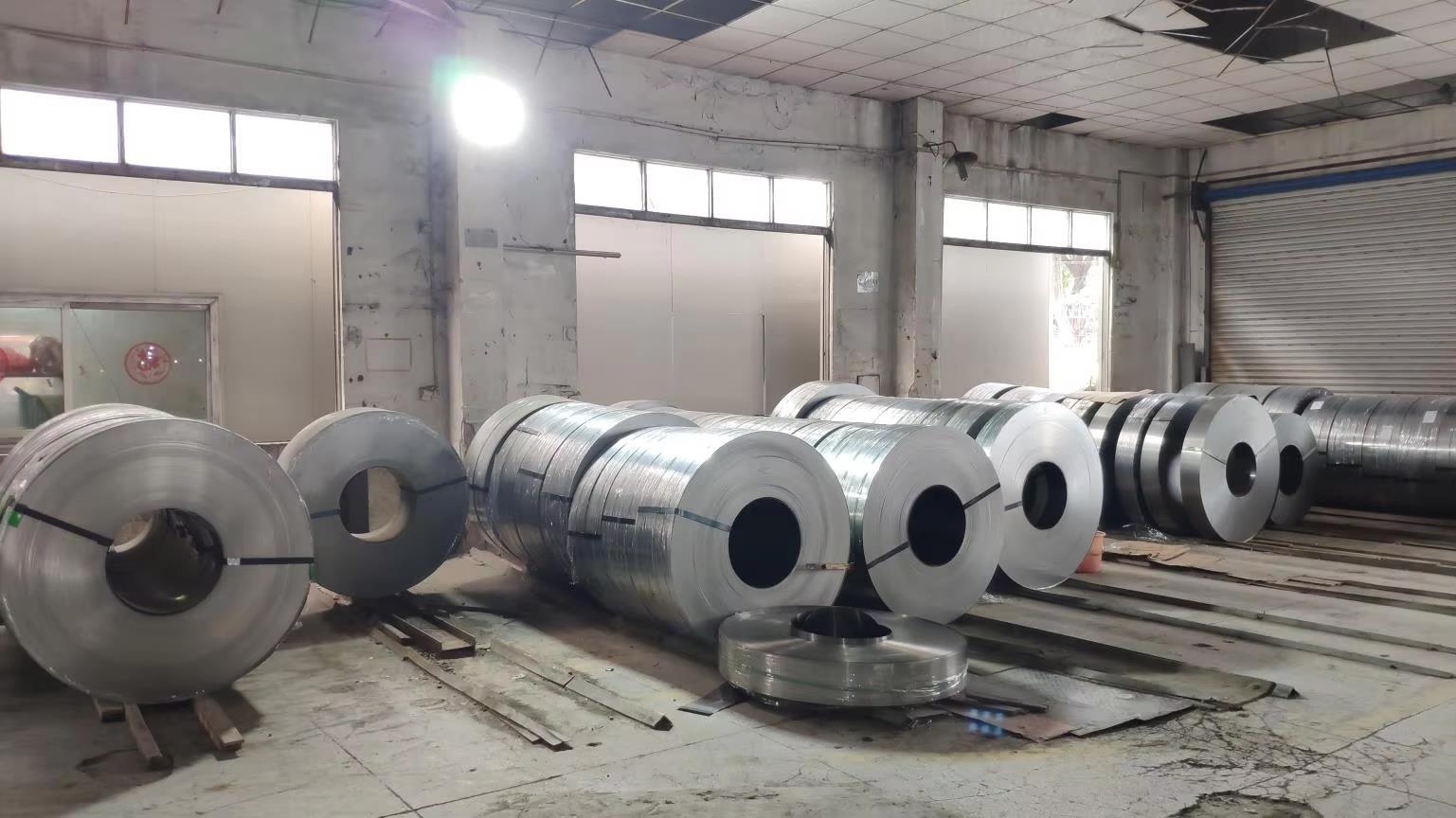
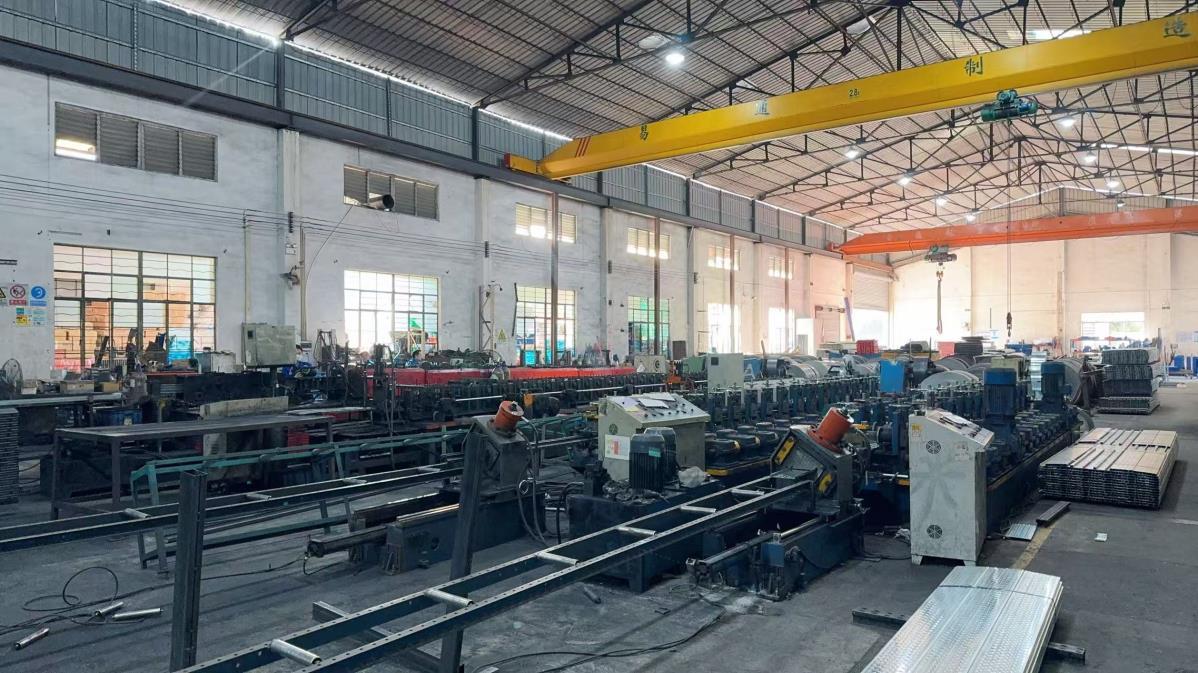
Advanced Process Technology & Machinery

Raw Material
Raw Material
Metal Sheet Cutting
Metal Sheet Cutting
Pipe Cutting
Pipe Cutting
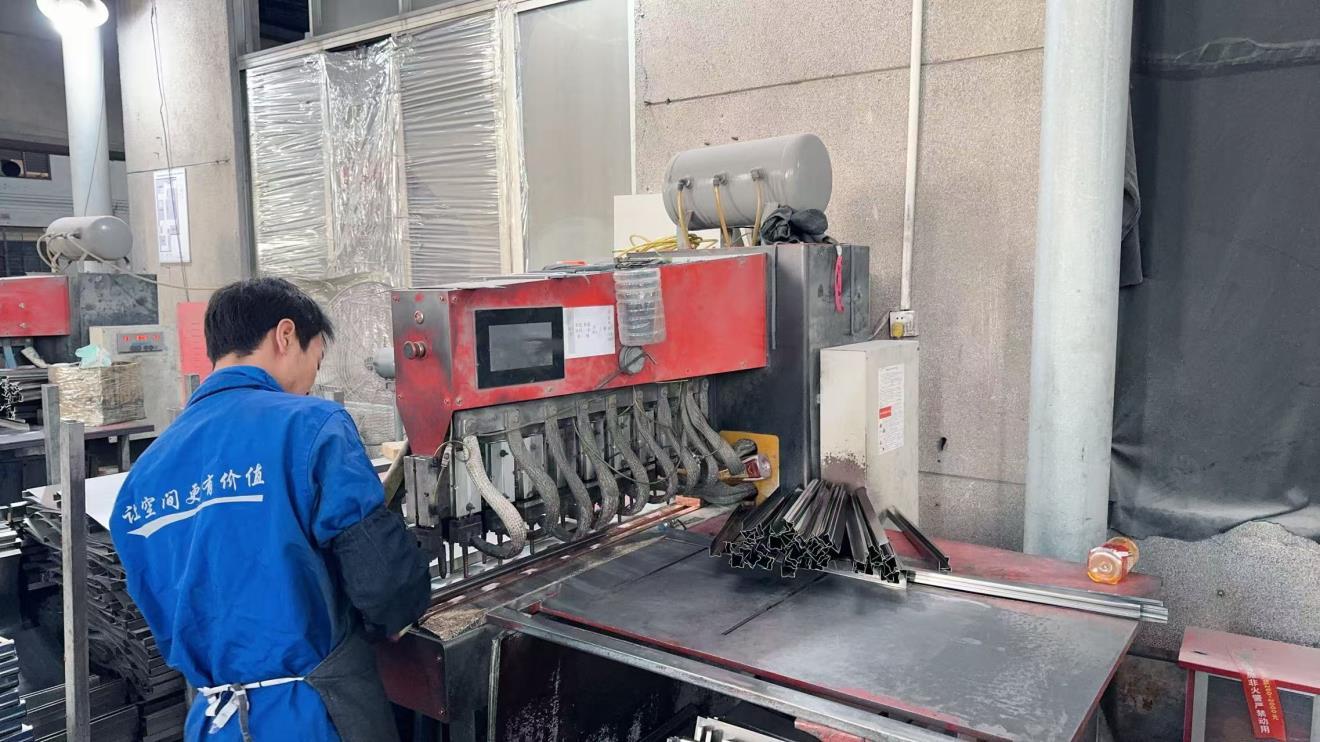
Stamping
Stamping
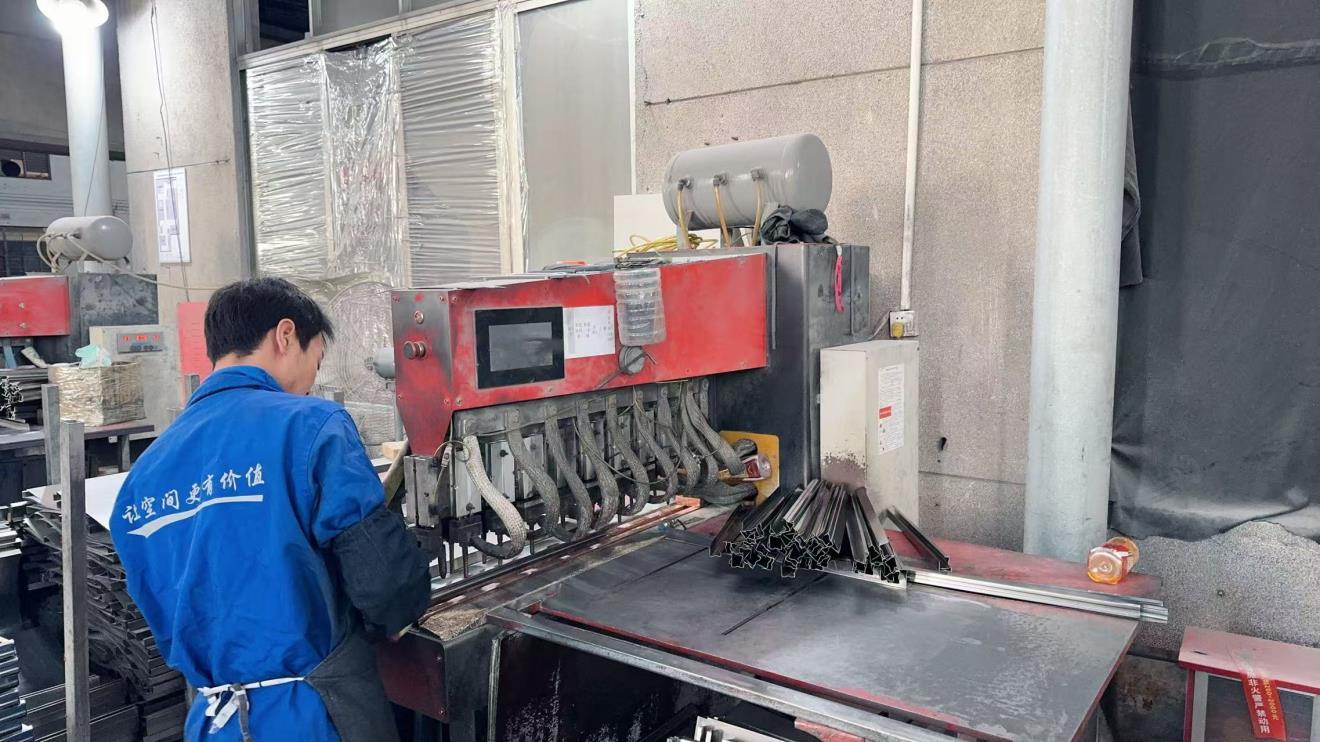
Forming
Forming
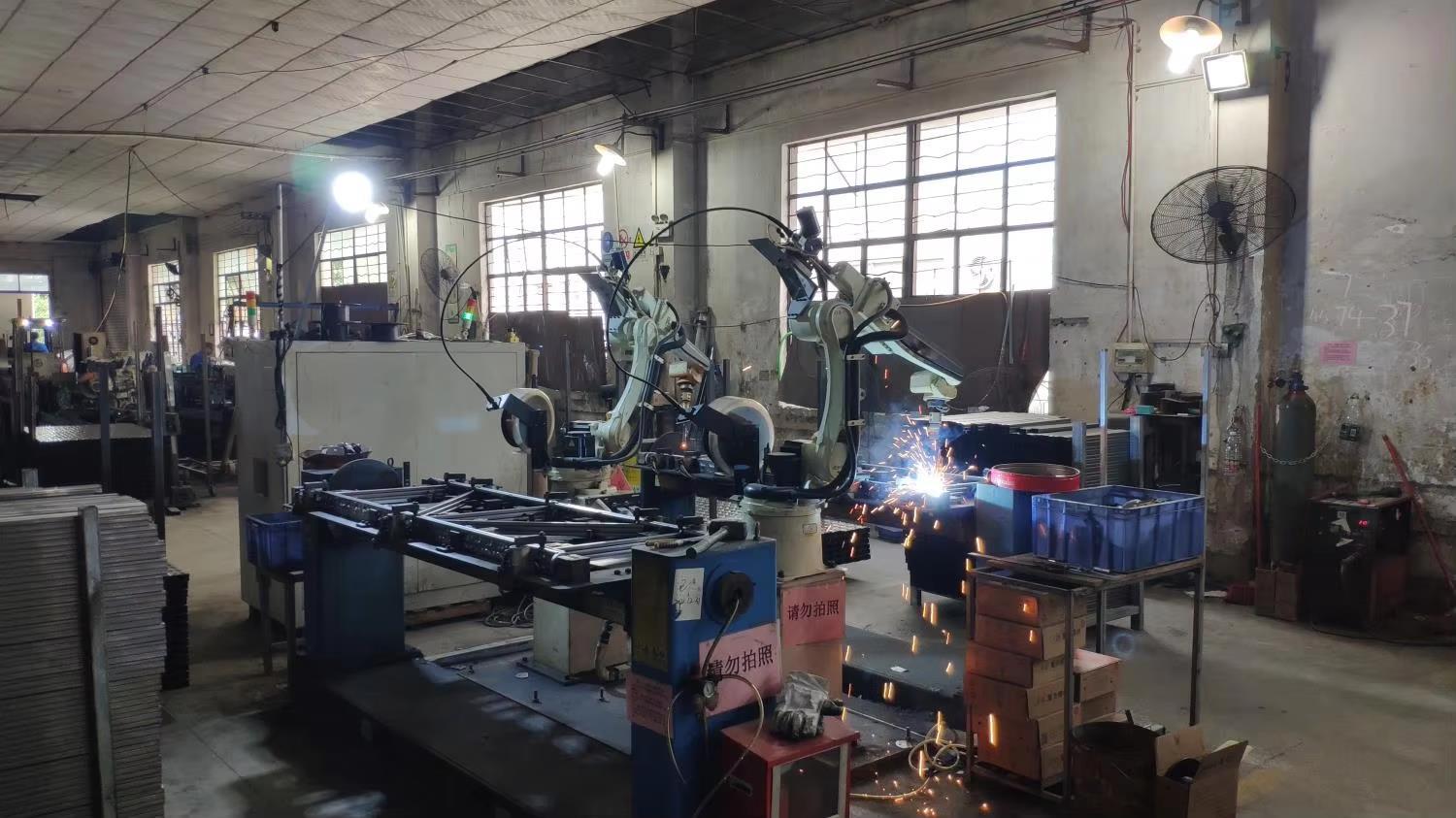
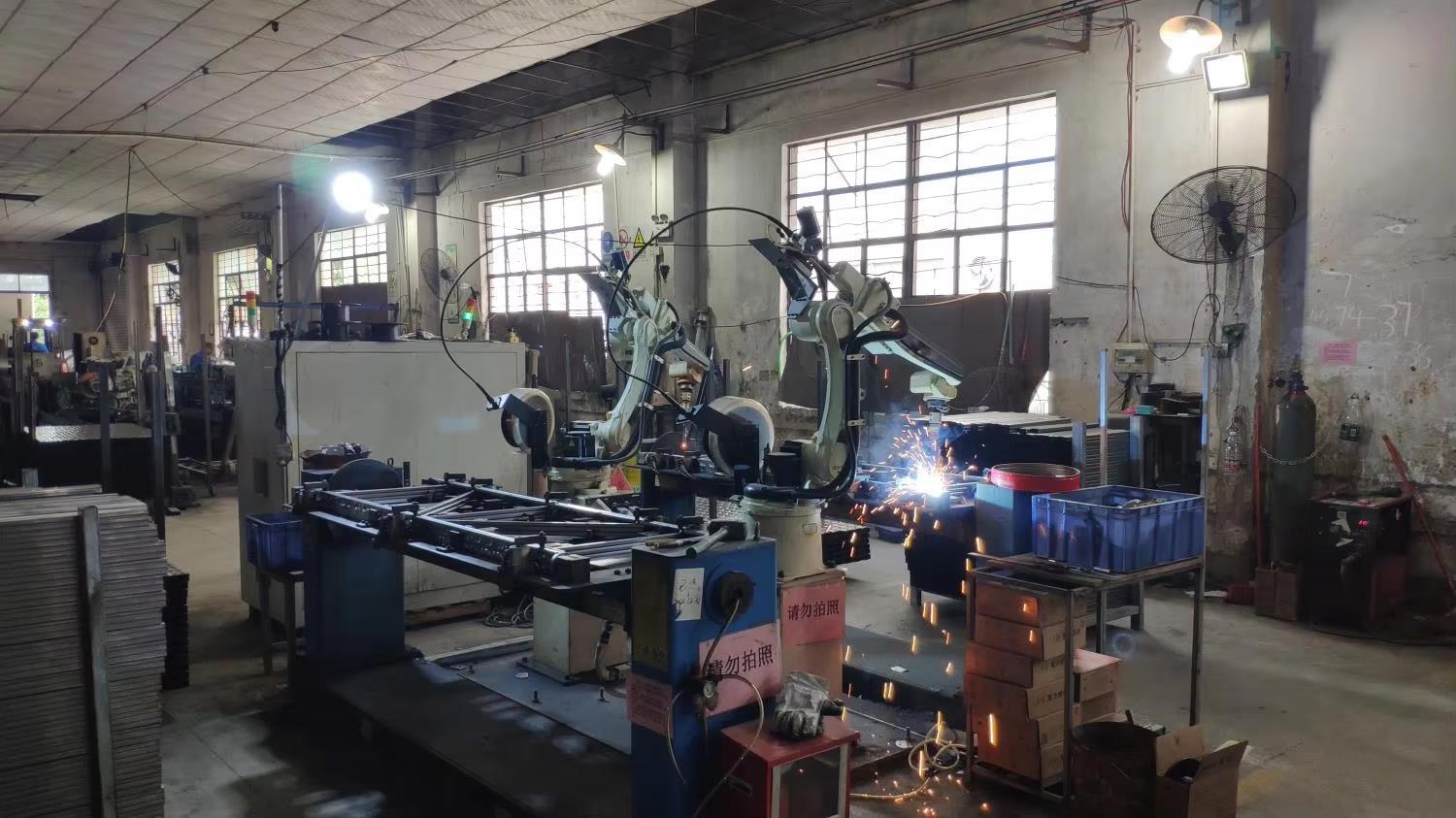
Robot Welding
Robot Welding
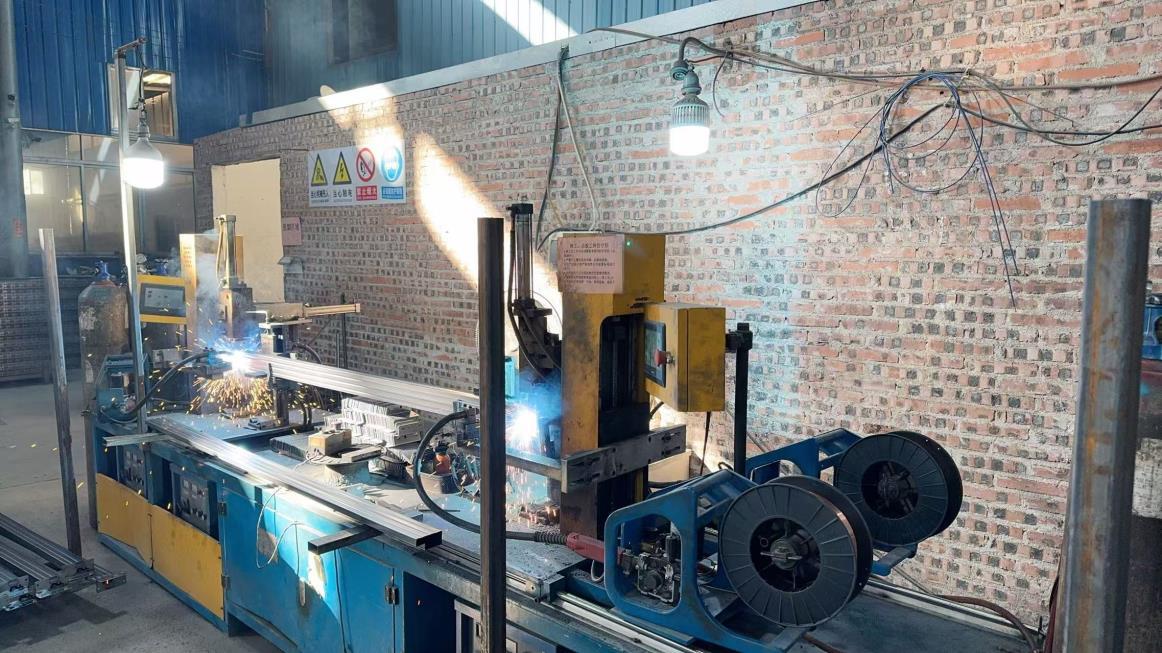
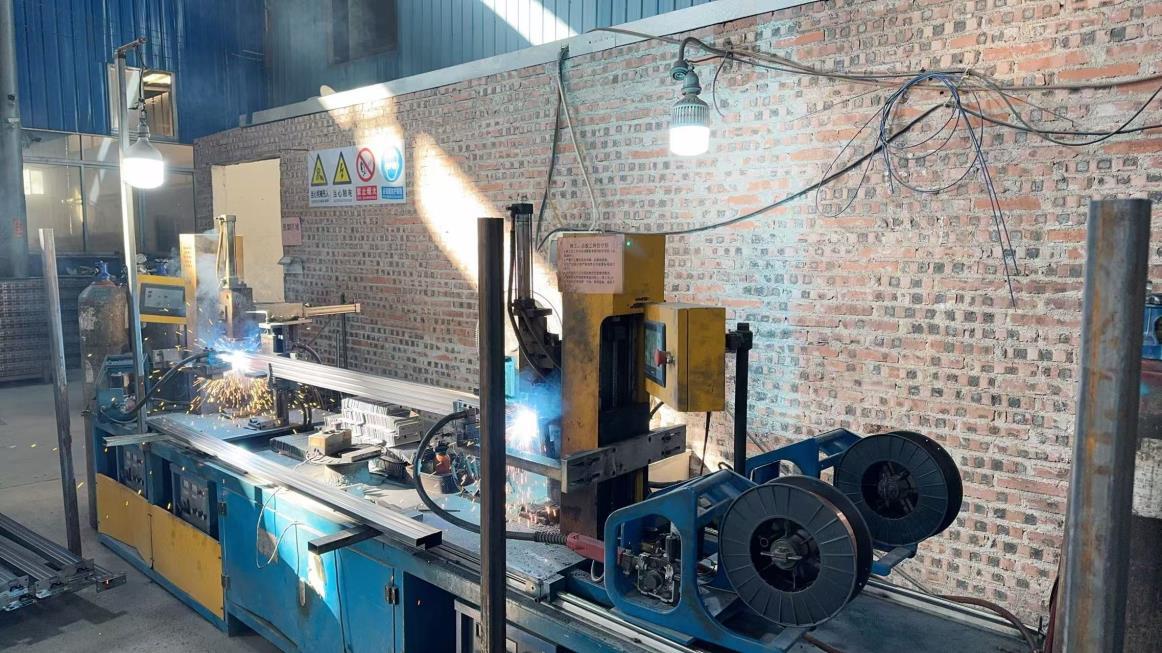
Welding 1
Welding 1
Welding 2
Welding 2
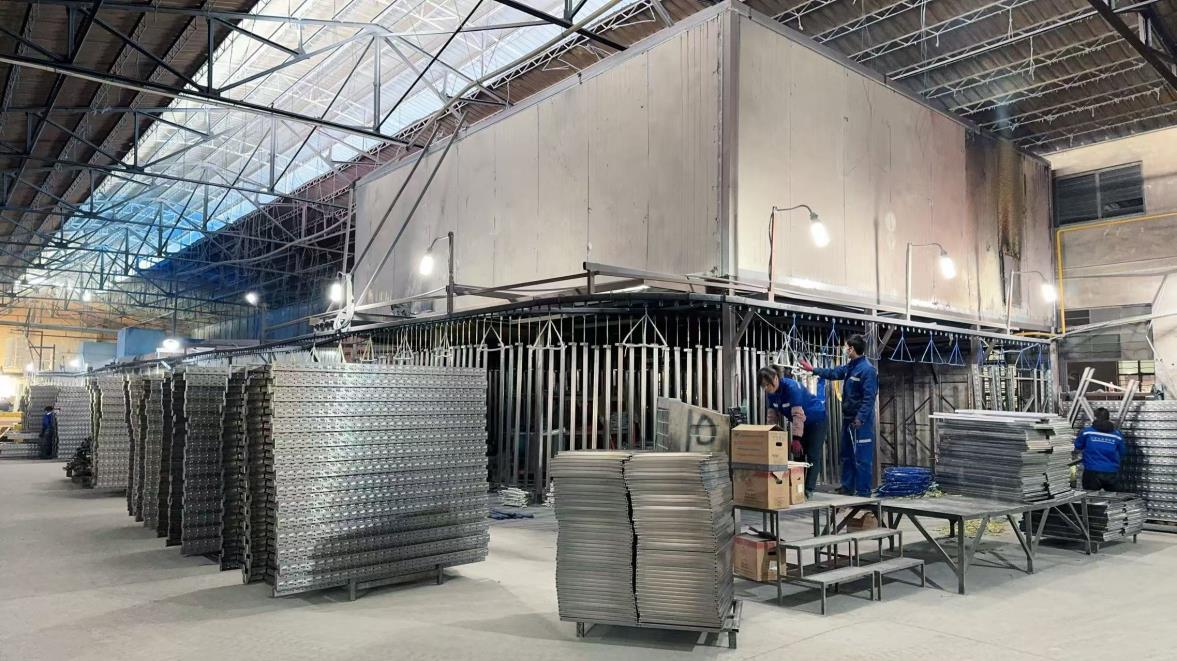
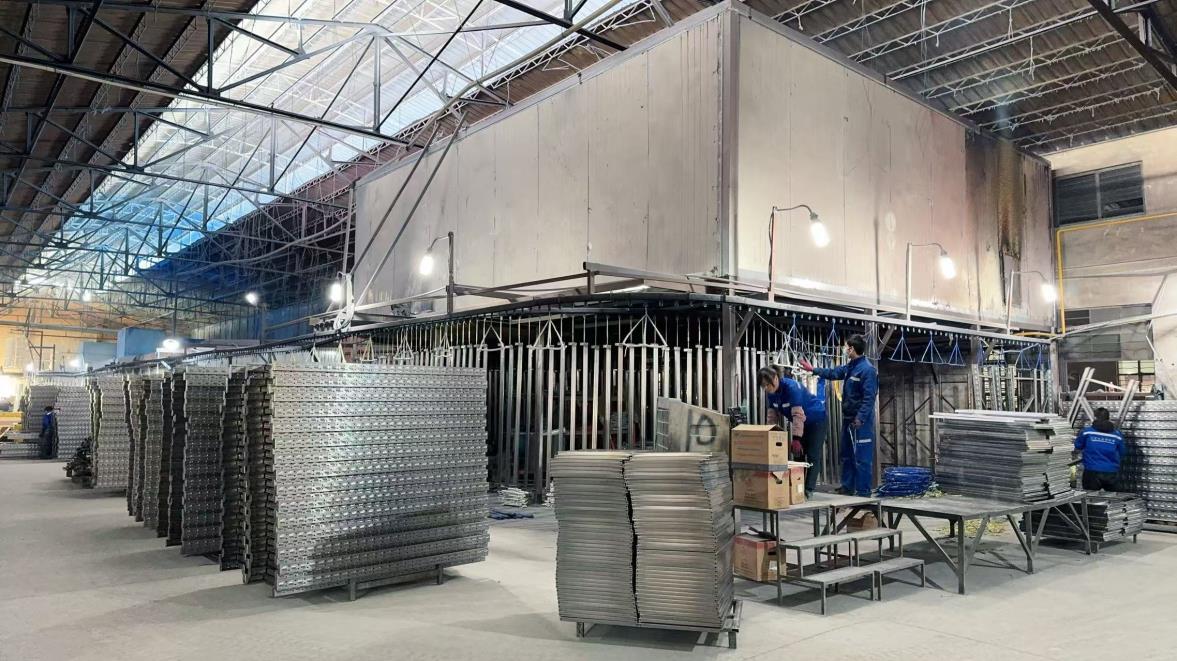
Spray
Spray
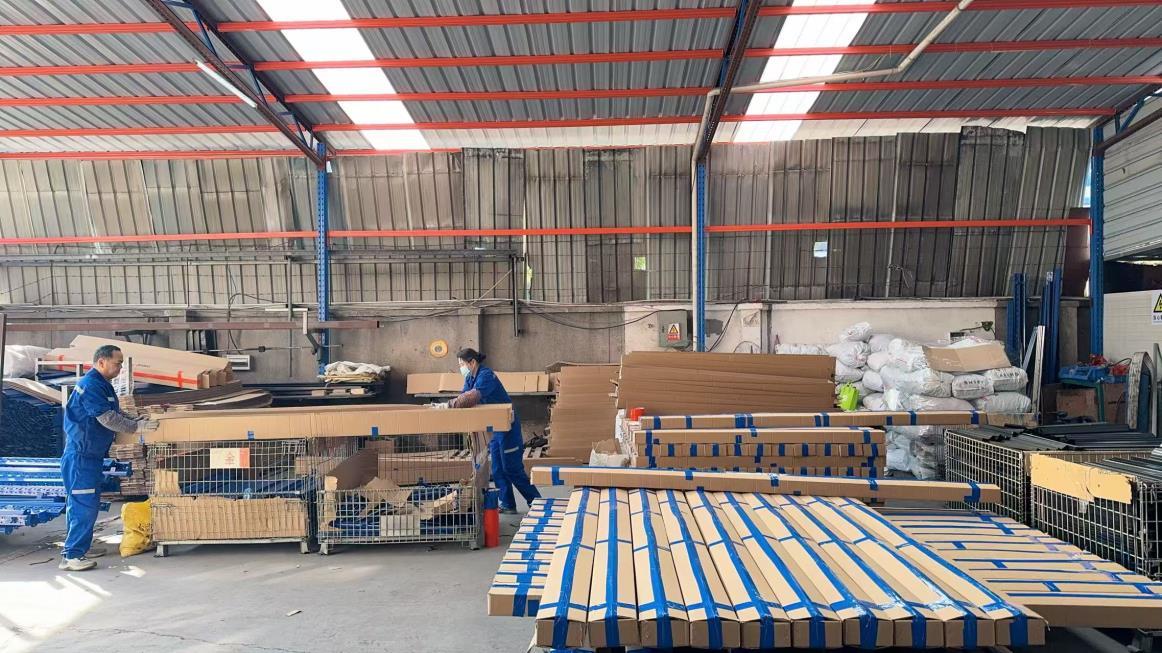
Packaging
Packaging
Raw Material Cutting Machine
Raw Material Cutting
Pipe Cutting Machine
Cutting Machine
Cutting Machine
Forming Machine
Forming Machine
Robot Welding Arm
Robot Welding Arm
Spot Welding Machine
Automatic Welding Machine
Automatic Welding
Spray Line
Spray Line
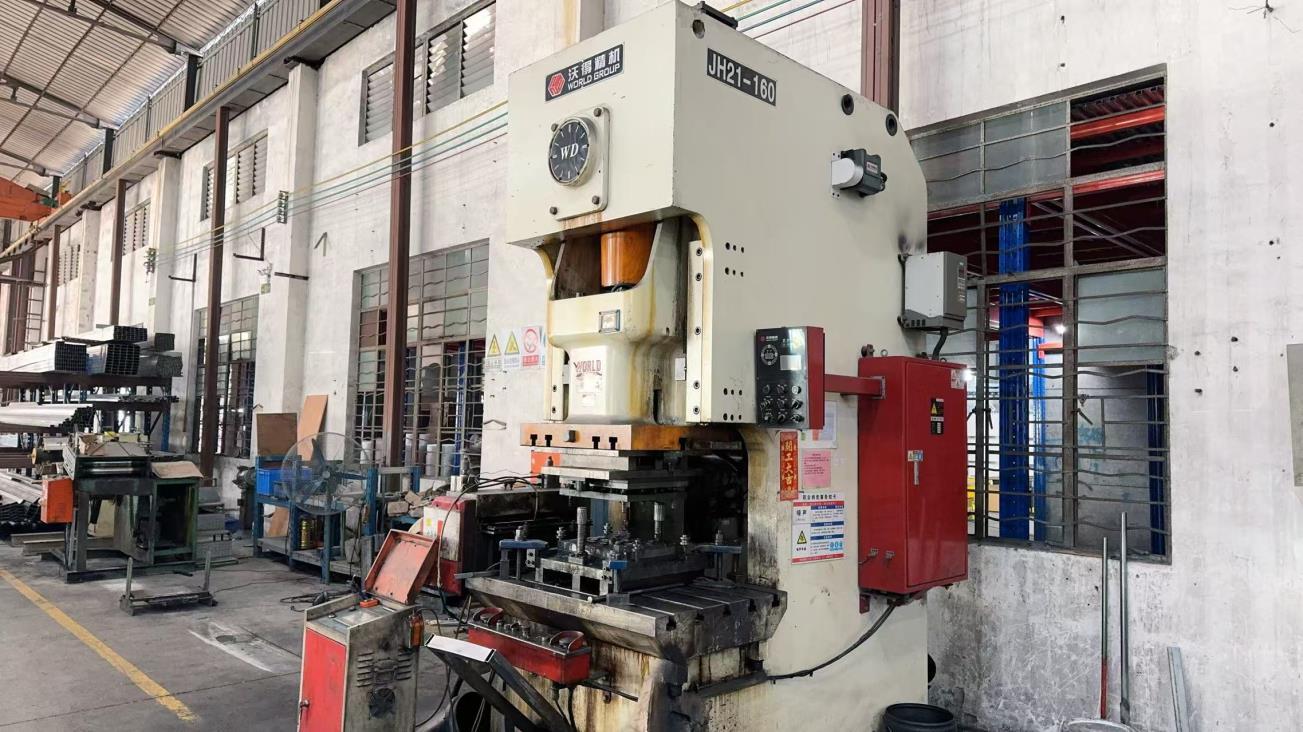
Punch Press
Heavy Industrial Punch Press

Structural Engineering & Material Analysis

The mechanical performance of longspan racking depends on structural engineering and material selection. Unlike light-duty shelving systems that use thin steel coils, Kimsuk's longspan storage elements are manufactured using high-strength, structural-grade cold-rolled steel (such as Q235B or Q355B). These materials feature high yield points and robust ultimate tensile strength, allowing the racking structures to resist elastic deformation under continuous maximum loads.

Uprights are cold-formed into omega-shaped profiles. This geometry maximizes the radius of gyration, reducing the risk of torsional buckling under compression. The uprights are punched with precision pitch holes (typically at 50mm or 75mm intervals) using high-speed CNC punching presses. This precise hole spacing ensures solid connections with the beam end-connectors, maintaining vertical alignment across multi-bay configurations.

Our step beams are engineered with dual-reinforcement structures. They are roll-formed with a recessed step on the inner upper edge to support step-in steel decking panels, wire mesh decks, or composite timber boards. We use robot welding arms to join the beam profiles to the heavy-duty end connectors. These connectors feature 3-claw or 4-claw locking designs that engage with the upright slots, creating a rigid structural joint that limits rotation under load.

Engineering Focus: Our engineering team uses finite element analysis (FEA) to simulate stress distribution under static and dynamic loading. We model seismic forces, forklift impacts, and asymmetrical loading conditions to optimize profile geometry and ensure a structural safety factor exceeding 1.5. This design approach complies with EN 15512 standards.

Localized Logistics Integration & Compliance

Automated 3PL Operations

Our longspan racks are designed to integrate with modern warehouse management software (WMS) and pick-to-light systems. They feature clean profiles that support the installation of sensors, barcodes, and automated guided vehicle (AGV) tracks. This structural compatibility helps optimize order-picking workflows for third-party logistics centers.

Regulatory Compliance

Our engineering and manufacturing frameworks comply with key regional building codes, including Rack Manufacturers Institute (RMI) guidelines in North America, SEMA codes in Europe, and AS4084 standards in Australia. Kimsuk designs custom seismic bracing systems to ensure stability in active earthquake zones.

BIM & CAD Modeling

We provide comprehensive spatial planning assistance before production. Using CAD and 3D Building Information Modeling (BIM), our engineers design warehouse layouts that optimize load paths, aisle widths, and ceiling clearances. These detailed plans help simplify local regulatory approval processes.

Chinese Supply Chain Integration & Production Efficiency

Operating in Dongguan, a key global manufacturing and logistics hub, Kimsuk benefits from direct access to a mature industrial supply chain. Our facility maintains deep partnerships with over 850 upstream material suppliers and logistics providers. This dense industrial network allows us to source raw structural steel and process components quickly, maintaining stable production schedules even during periods of high market demand.

This localized supply chain integration supports high manufacturing efficiency. We source steel coils directly from major national steel mills, ensuring consistent metallurgical properties and competitive raw material costs. By combining automated roll-forming and welding processes with lean manufacturing principles, we minimize material waste and optimize throughput, allowing us to offer cost-effective structural systems to international buyers.

In addition, our proximity to the major shipping ports of Shenzhen, Guangzhou, and Hong Kong simplifies international logistics. We coordinate closely with global shipping lines to offer flexible delivery terms, including FOB, CIF, DDP, and DAP, helping clients streamline their logistics and customs clearance procedures.

Technical Frequently Asked Questions

What distinguishes longspan shelving from standard light-duty storage shelving?
Longspan shelving is designed for heavier, bulkier loads and features wider clear spans than standard light shelving. While light shelving typically supports up to 150kg per level and spans up to 1200mm, longspan systems can carry between 300kg and 1000kg per level, with shelf widths extending up to 2700mm. Longspan configurations use heavier-gauge structural steel profiles and robust step beams to support wire mesh decks, steel panels, or timber decking without sag.
How does Kimsuk verify the load capacity and safety factors of its racking?
Our engineering team conducts finite element analysis (FEA) on all custom profile designs to model stress and deflection under load. We then perform physical load testing using calibrated test rigs to confirm these simulations. These tests check for structural deflection, yield limits, and ultimate structural failure. This verification process ensures our products achieve a minimum safety factor of 1.5, satisfying European EN 15512 and FEM design regulations.
What surface finishes are available, and how do they resist corrosion?
We use an automated powder coating process. Steel components go through a multi-stage pre-treatment wash, including phosphate cleaning, to remove manufacturing oils and improve coating adhesion. We then apply an electrostatic thermosetting epoxy-polyester powder coating and cure it at 200°C. This treatment produces a durable finish that resists scratches, impacts, and chemical exposure. For high-humidity or cold storage environments, we offer hot-dip galvanized finishes for long-term corrosion protection.
Can Kimsuk design longspan shelving to comply with local seismic codes?
Yes, our engineering department designs custom seismic bracing systems. We calculate the required floor baseplate dimensions, anchor bolt specifications, and diagonal bracing layouts to match the seismic zone requirements of the installation site. These calculations comply with local building regulations, including RMI specifications in the United States and AS4084 standards in Australia, helping clients secure structural approvals from local authorities.
What is the typical production and delivery lead time for custom export orders?
Standard production times range from 15 to 25 days after technical drawing approval and deposit receipt. This timeline is supported by our high-capacity roll-forming machinery and automated robotic welding cells. Shipping transit times depend on the destination port, typically taking 15 to 20 days to Western Europe and 18 to 28 days to North American ports. We provide full shipping documentation, structural certifications, and detailed installation guides with every shipment.