Top 10 ASRS Systems Factories & Suppliers

A Comprehensive Industry Whitepaper on Automated Storage & Retrieval Systems: Global Engineering Standards, Supply Chain Integration, and Strategic Sourcing Options.

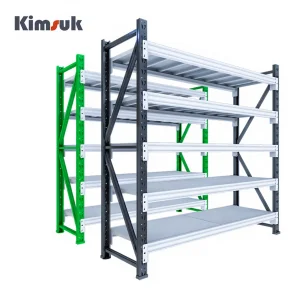
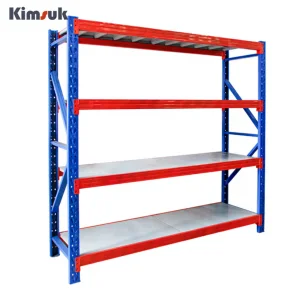
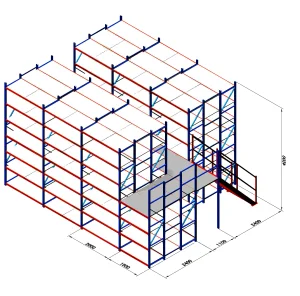
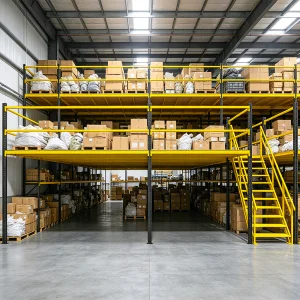
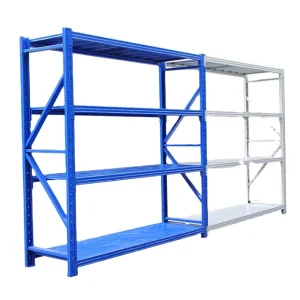
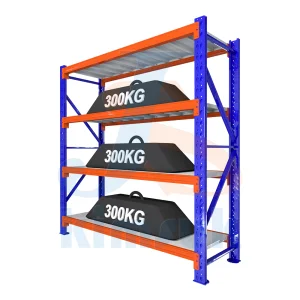
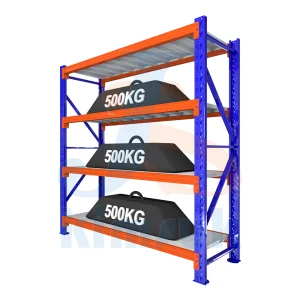
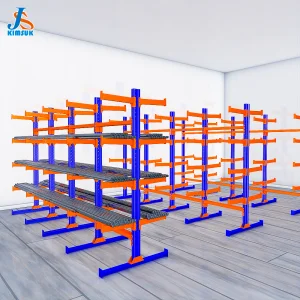
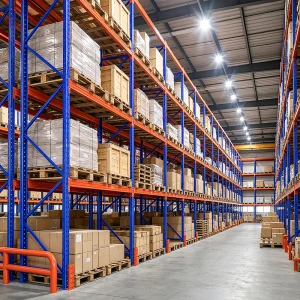
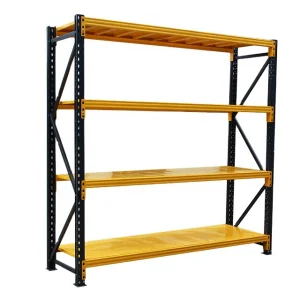
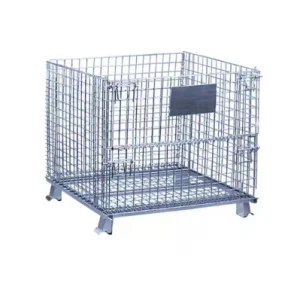
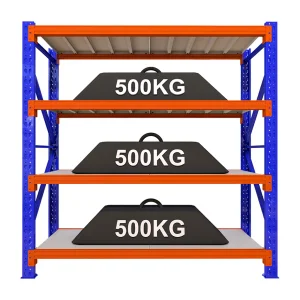
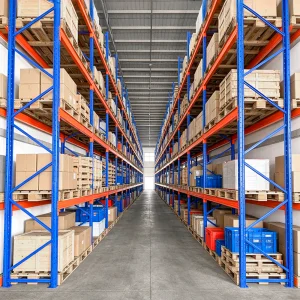
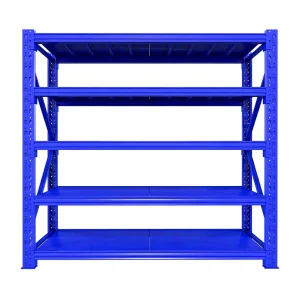
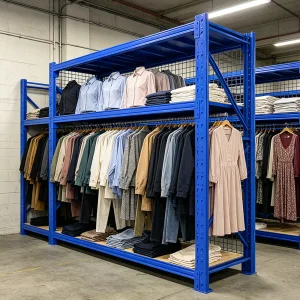
Featured Automated & Heavy-Duty Structural Systems (Top Selections)

1. Executive Whitepaper: The Evolution of ASRS & Supply Chain Demands

In the era of rapid logistics execution, smart retail, and intensive manufacturing, global material handling is shifting from static storage layouts to high-performance Automated Storage and Retrieval Systems (ASRS). Modern warehouse logistics centers are no longer just places to store inventory; they are dynamic processing units where retrieval velocity, vertical utilization, and data integrity determine overall profitability.

Implementing an ASRS solution reduces warehouse footprint requirements by up to 85%, increases picking accuracy rates beyond 99.9%, and resolves ongoing labor constraints. However, the structural reliability of these automated installations depends entirely on the engineering precision of the base structural racking. The tolerances for ASRS vertical frames, dynamic load ratings, and rail alignment profiles are multiples more demanding than standard manual selector racks. Selecting a high-tier factory with validated manufacturing credentials, structural engineering depth, and certified automated welding workflows is the foundational choice for long-term project success.

2. Sourcing Analysis: The Industrial Advantage of Tier-1 Chinese Factories

Sourcing high-load racking infrastructure and structural frame assemblies from Tier-1 Chinese manufacturing centers has become the default path for many Fortune 500 logistics hubs and automation integrators. This sourcing dynamic is driven by three core industrial pillars:

Q355B
Material Sourcing Edge
Direct integration with premier national steel mills provides access to high-strength, certified structural steel grades (such as Q235B and Q355B) at highly competitive costs. This maintains low raw material pricing while meeting structural performance demands.
ISO / CE
Strict Standards Compliance
Leading factories align directly with international engineering certifications including RMI (Rack Manufacturers Institute) specifications in North America, EN/FEM 10.2.02 standards in Western Europe, and AS 4084 structures in Australia.
100%
End-to-End Vertical Chain
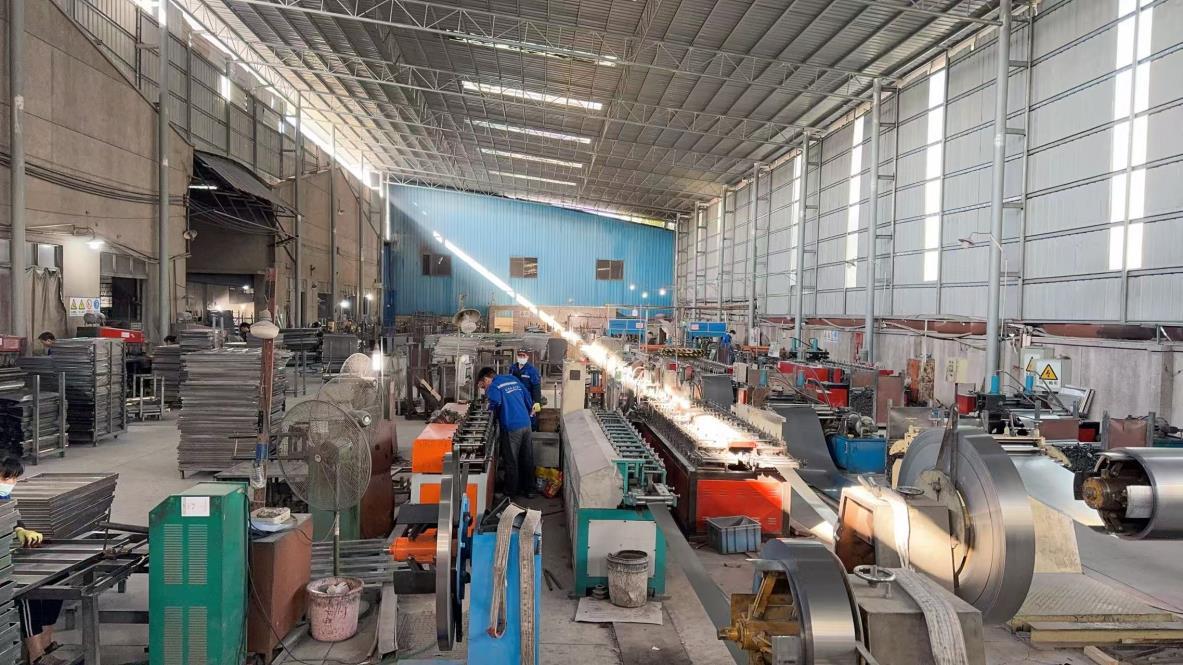
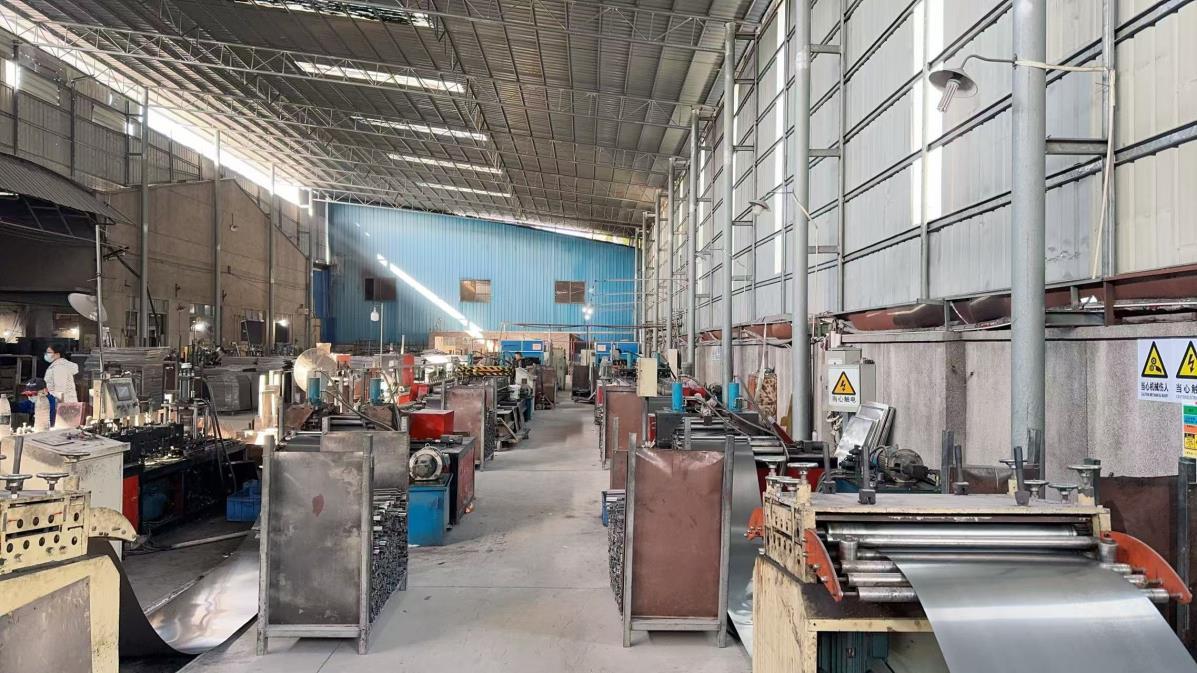
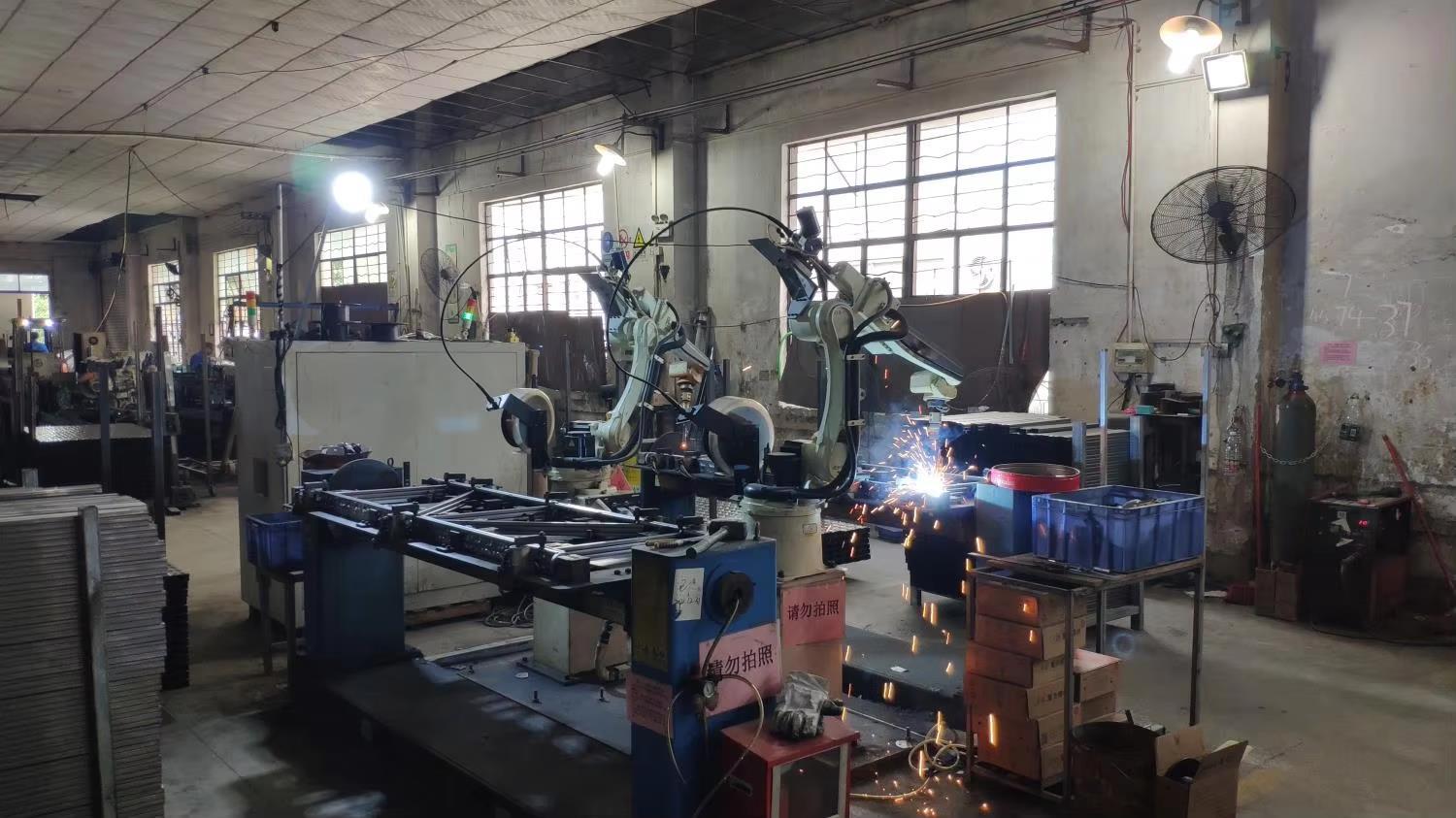
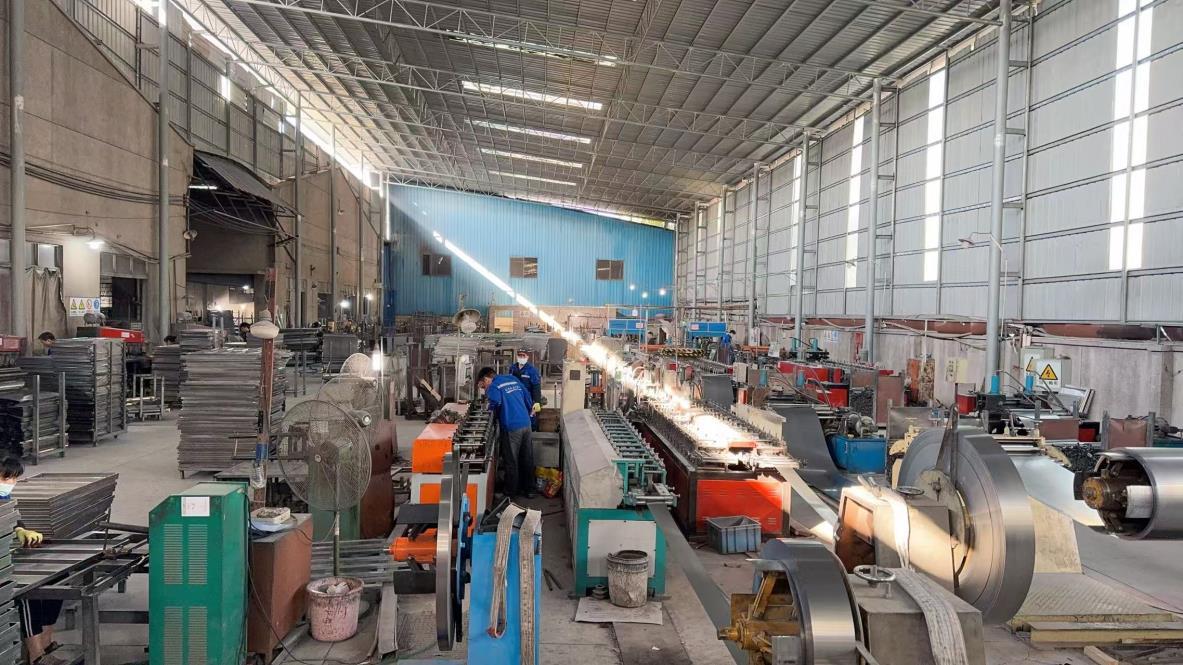
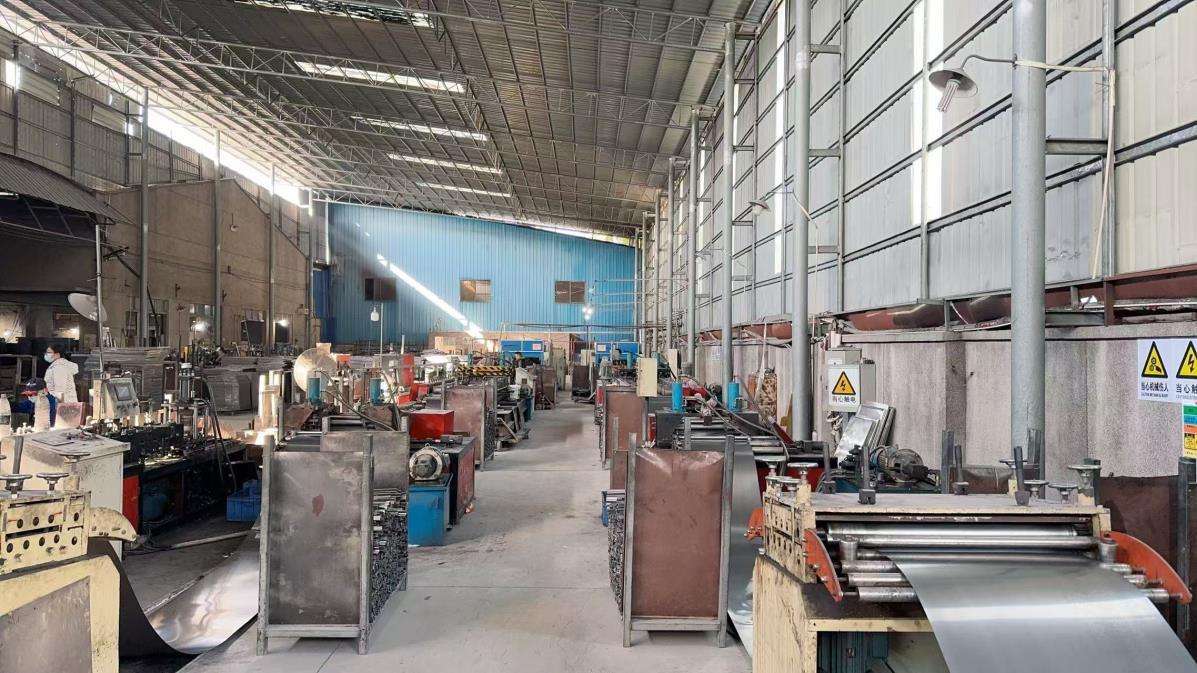
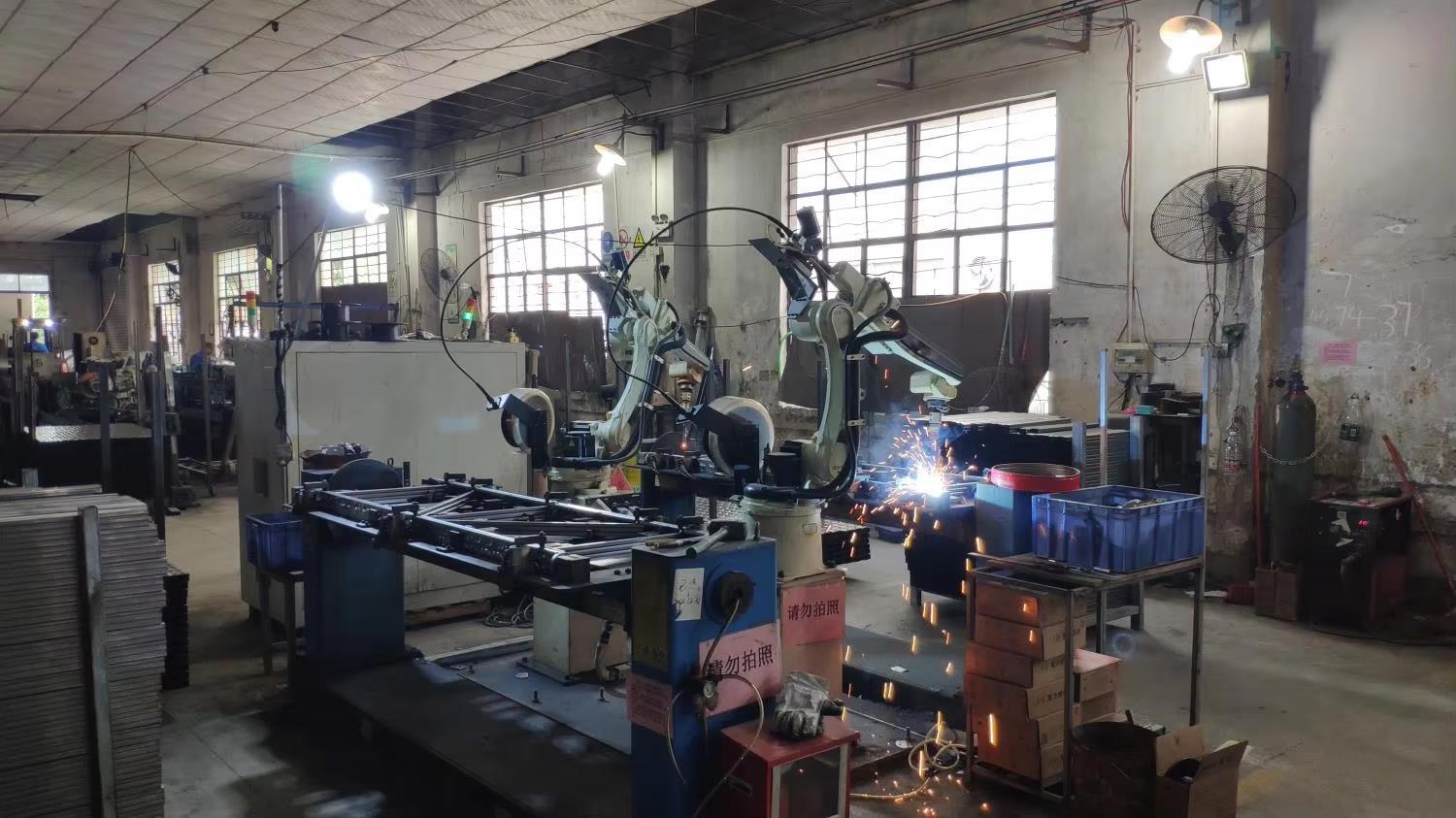
From raw coil slitting, cold roll-forming, structural punching, and robotic gas metal arc welding (GMAW) to fully automated electrostatic powder-coating lines, everything is managed under one roof to maintain tight geometric tolerances.

3. Corporate Spotlight: Dongguan Kimsuk Shelves Co., Ltd.

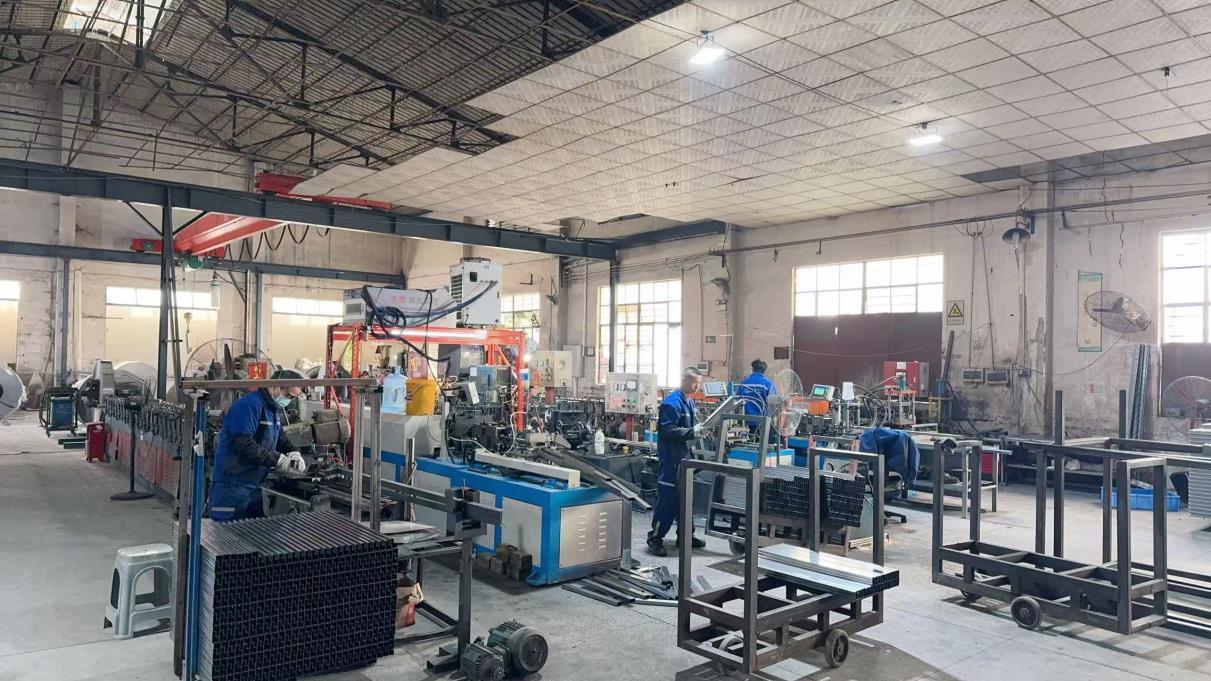
Founded in 2015, Dongguan Kimsuk Shelves Co., Ltd. is a premier manufacturer specializing in heavy-duty industrial warehouse racking systems, automated storage solutions, and customizable steel shelving. Spanning a state-of-the-art production facility of 38,000 square meters, Kimsuk combines advanced manufacturing infrastructure with high-precision engineering to deliver robust logistics and warehousing infrastructure globally.

Key Corporate Parameters & Verification Indicators

Established Year
2015 (Over 8+ Years Export Experience & 15+ Years Industry Experience)
Facility Footprint
38,000 m² of modern production lines
$28M
Annual Export Revenue (USD)
Target Client Profiles
Logistics Hubs, E-Commerce Centers, Cold Chain facilities, 3PL Operators

Quality Inspection & Testing Protocol

To maintain structural integrity for high-bay ASRS platforms, Kimsuk implements a multi-layered quality control workflow managed by 35 Certified QC Inspectors and Material Testing Engineers. Testing routines include:

  • Non-destructive Ultrasonic Testing (NDT): Verifies critical weld joints for internal flaws and dynamic structural load-bearing capacity.
  • Automated Ultrasonic Weld Flaw Detection: Integrated inline scanning of structural tubes and beams.
  • Coating Durability Inspections: Powder-coating thickness checks and Surface Salt Spray Corrosion Testing to ensure performance in cold storage and high-humidity sites.
  • Structural Load Profiling: Static and dynamic physical load testing to verify deflection limits against FEA (Finite Element Analysis) models.

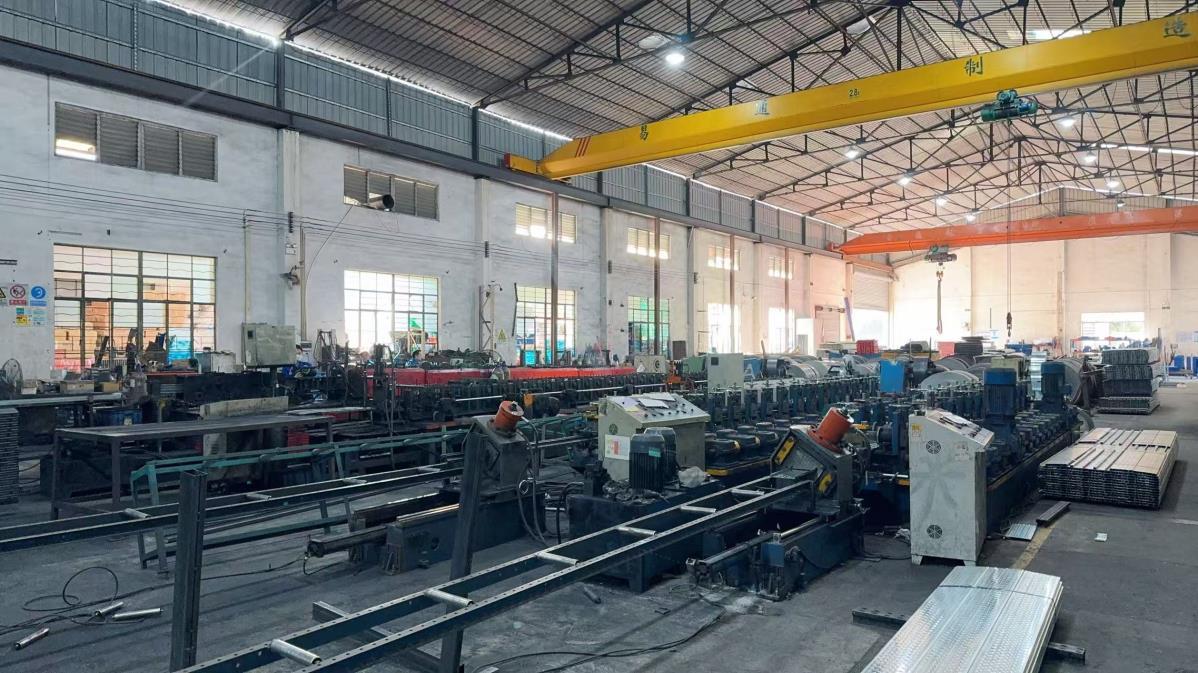
4. Technical Overview: Manufacturing Process & Machinery Capabilities

High physical accuracy is critical for automated logistics systems. A small misalignment of even 2mm in a 30-meter high-bay racking array can cause shuttle derailment or structural damage. Here is how Kimsuk manages precision from raw material to finished product packaging:
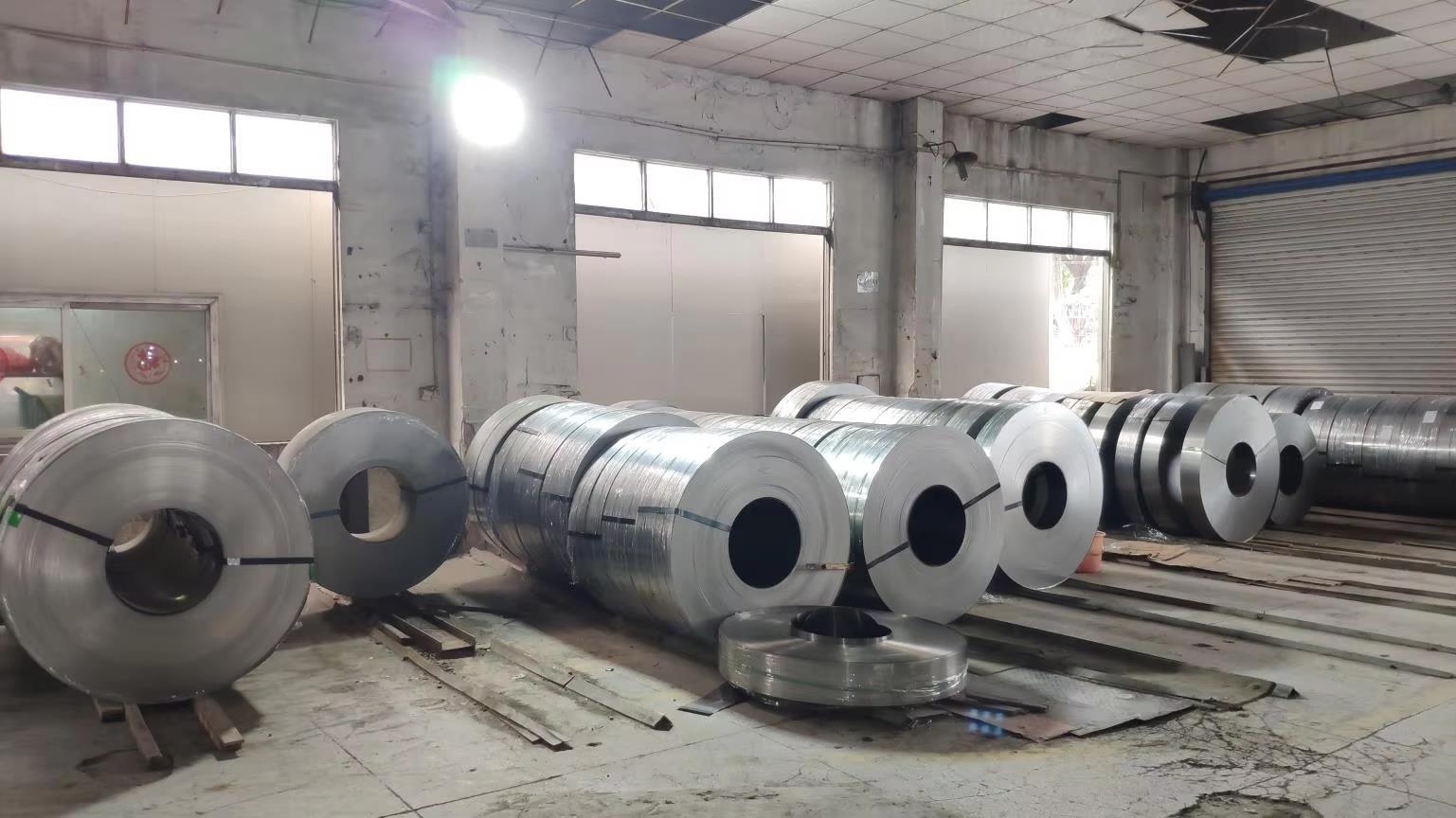
Raw Material Inspection
Raw Material
Metal Sheet Cutting
Metal Sheet Cutting
Pipe Cutting
Pipe Cutting
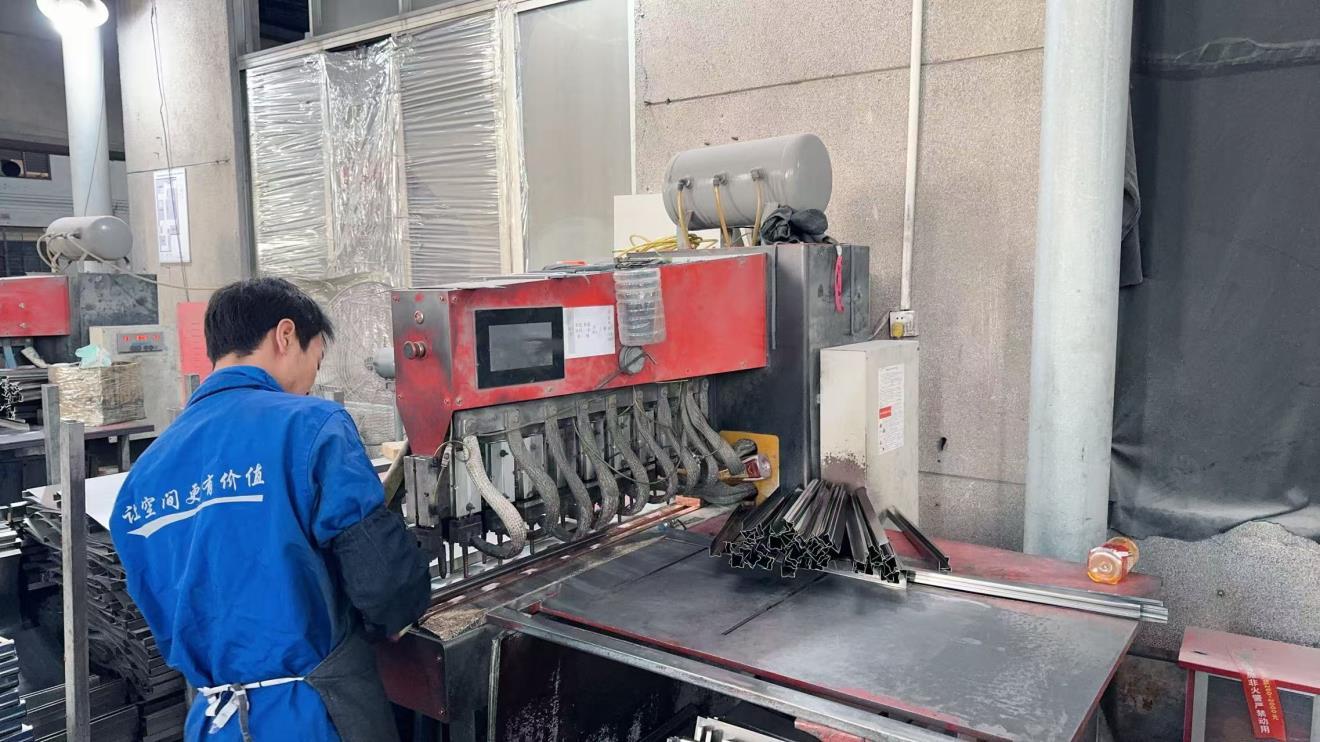
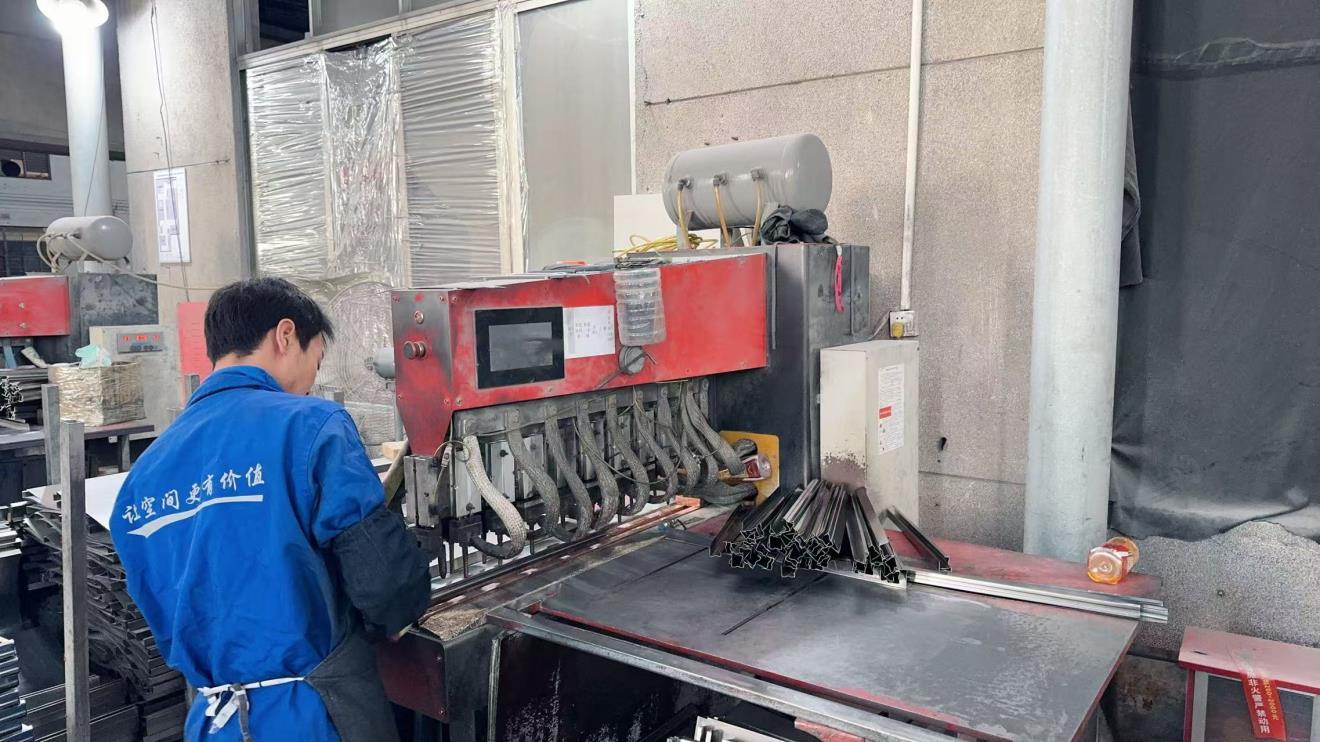
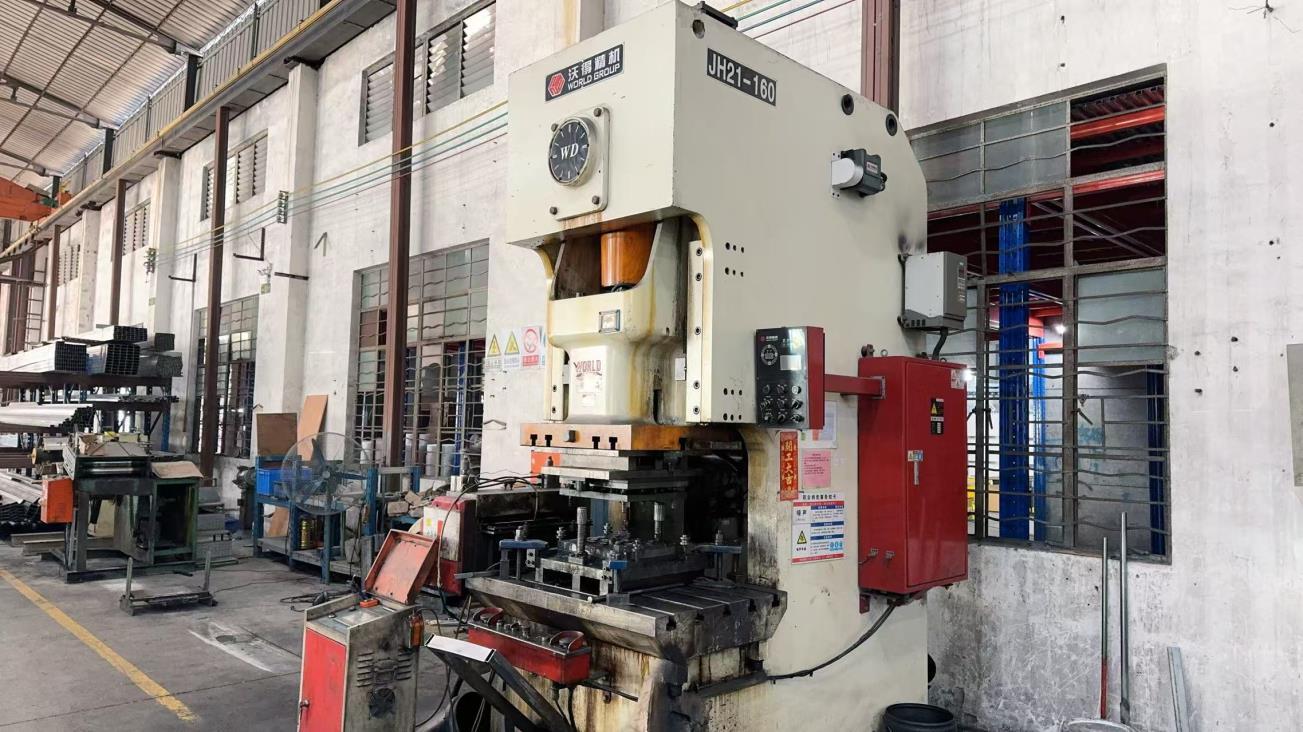
Stamping
Stamping
Forming
Forming
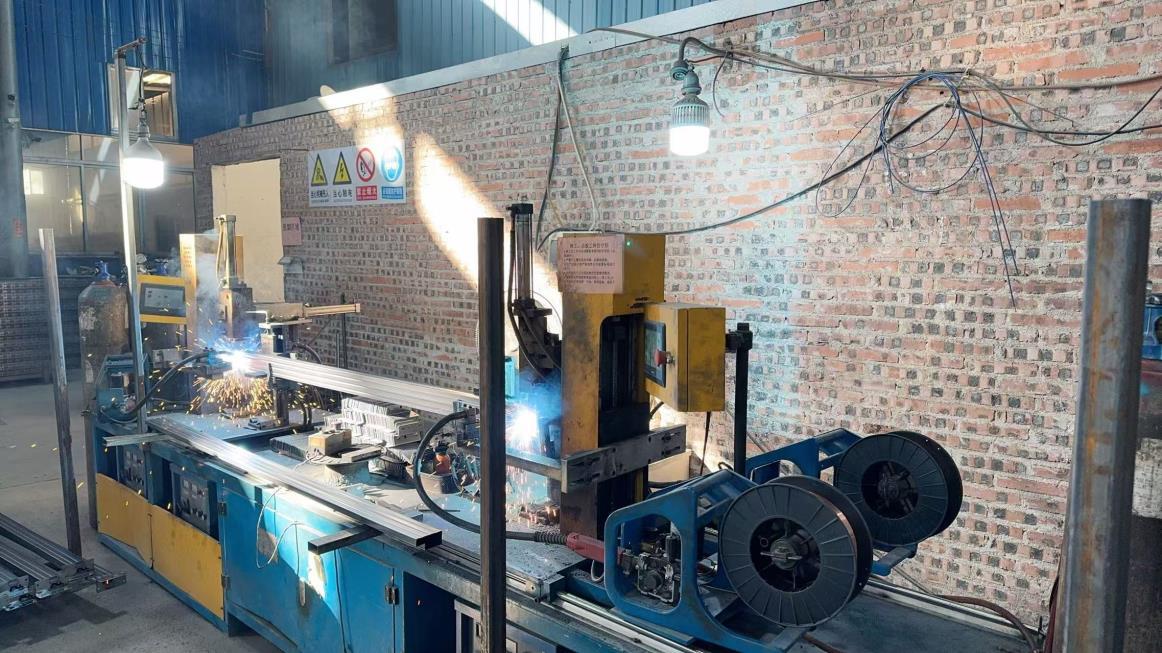
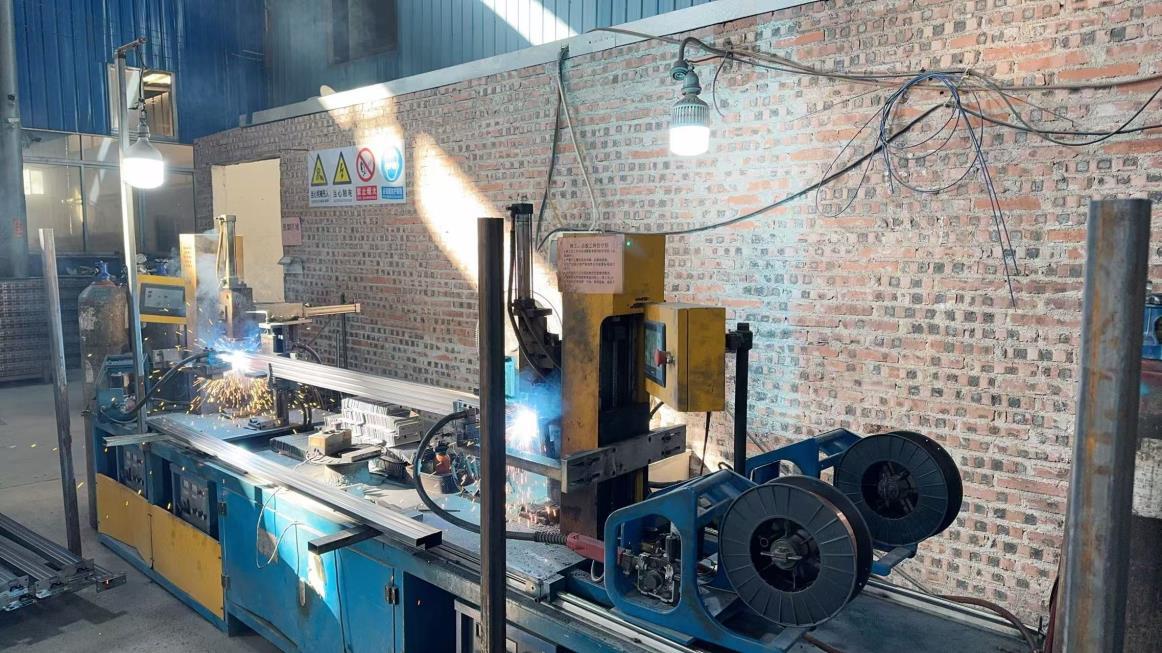
Robot Welding
Robot Welding
Welding 1
Welding Stage 1
Welding 2
Welding Stage 2
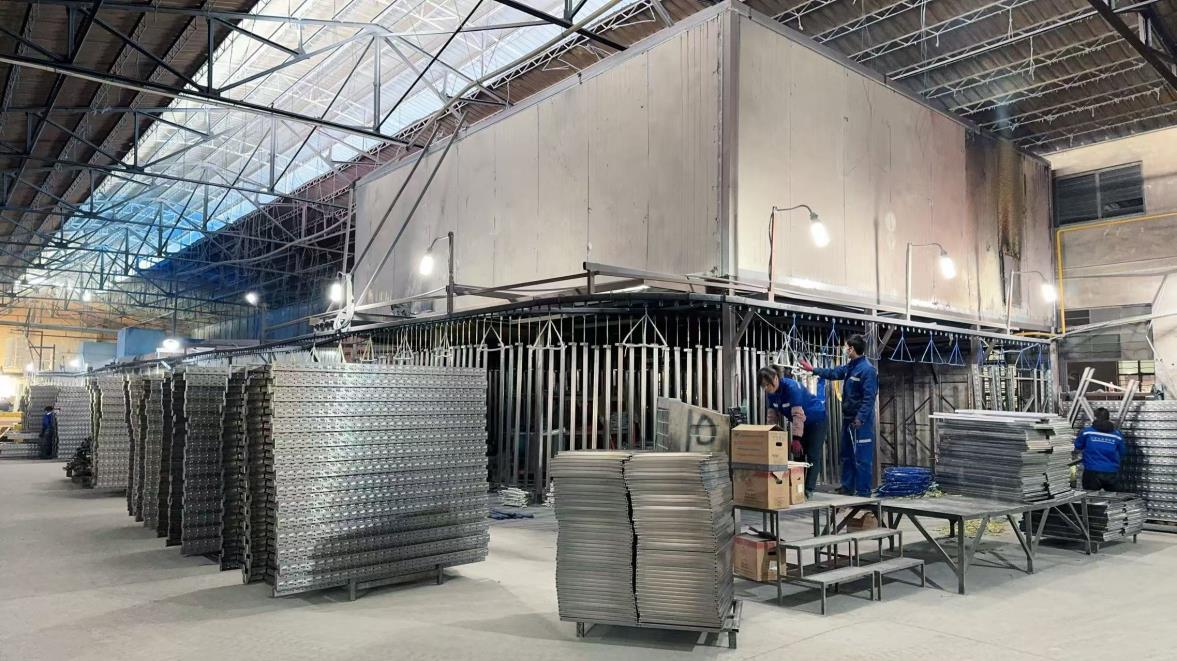
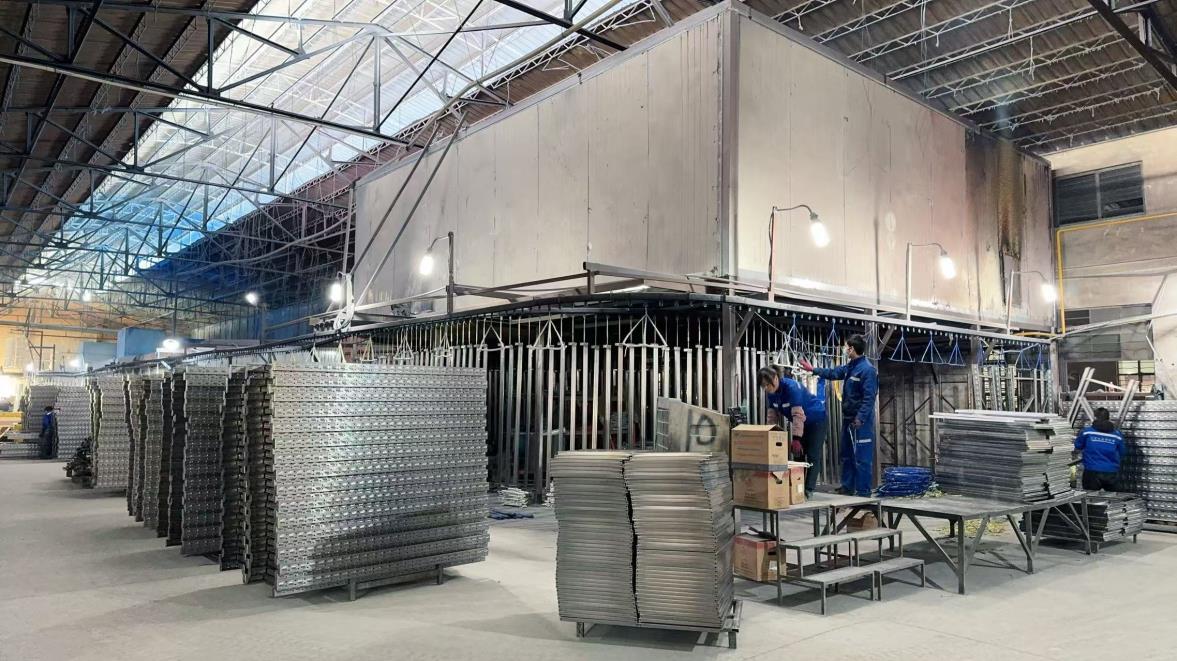
Spray
Powder-Coating Spray
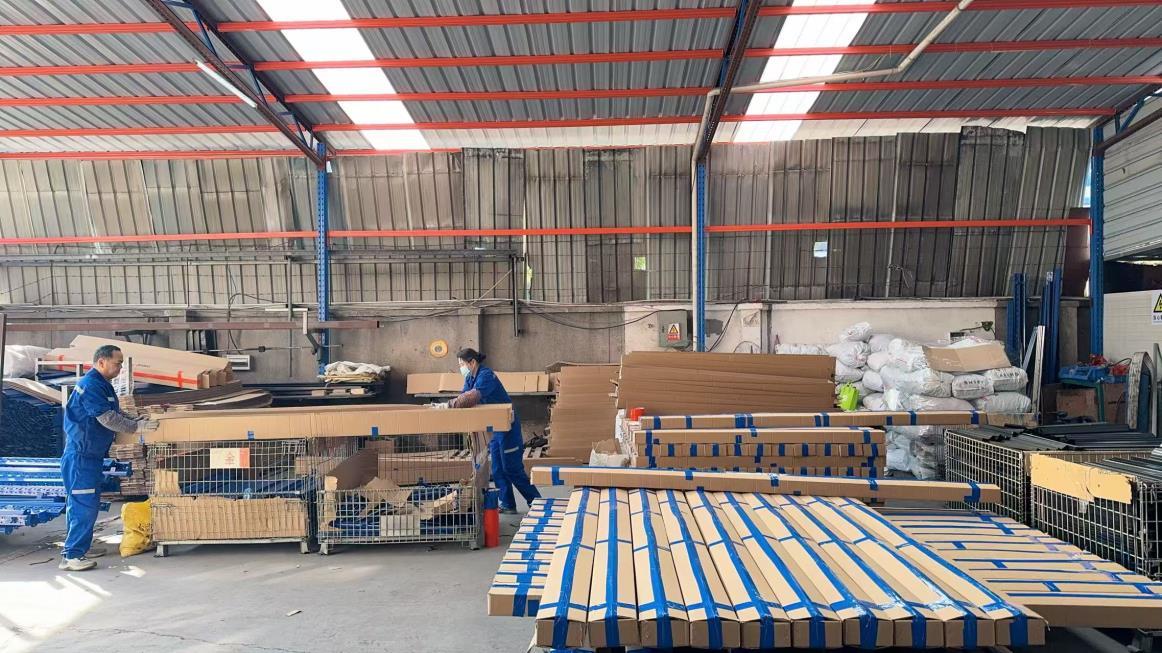
Packaging
Export Packaging

Advanced Precision Equipment & Tooling Inventory

Our fabrication facility features automated machinery lines to minimize human error and support high-volume manufacturing timelines:
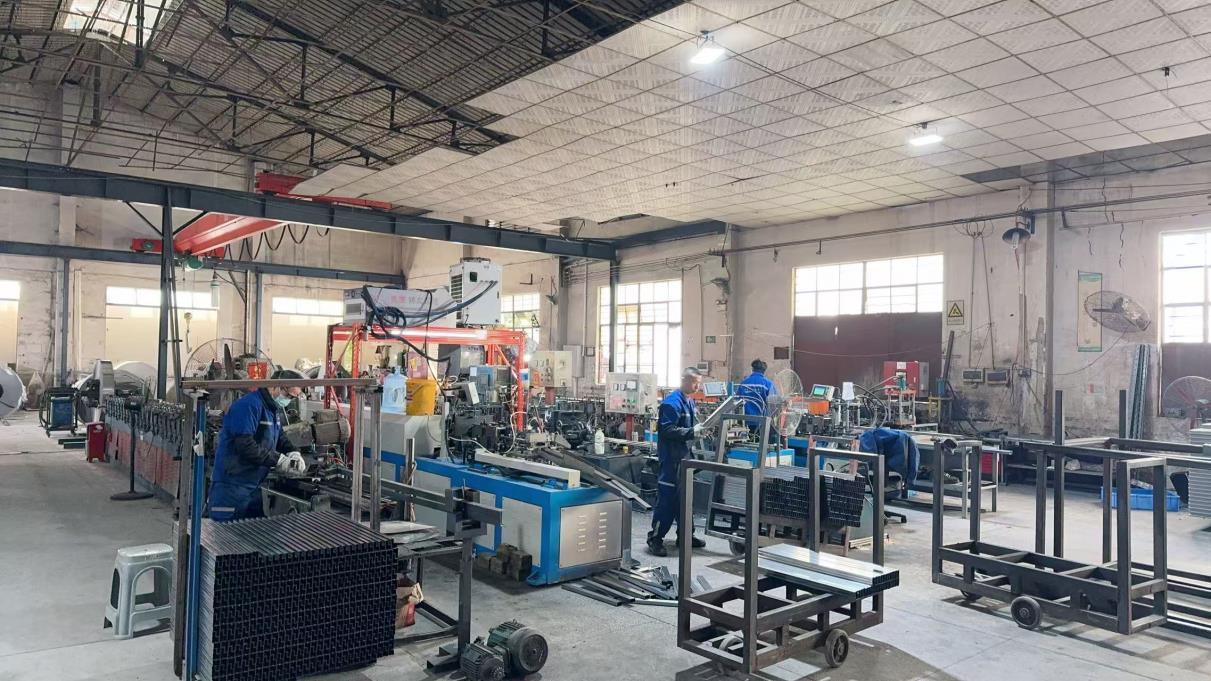
Raw Material Cutting Machine
Raw Material Cutting
Pipe Cutting Machine
Cutting Machine
CNC Cutting Center
Forming Machine
Profile Forming Line
Robot Welding Arm
Robotic Welding Arm
Spot Welding Machine
Precision Spot Welder
Automatic Welding Machine
Spray Line
Electrostatic Powder-Coating Line
Punch Press
Automatic Punch Press

5. Macro Industry Solutions & Localized Case Implementations

ASRS systems are highly specialized, project-specific installations. The mechanical design of the structural racks must be tailored to the inventory type, thermal conditions, and pick velocity profiles of different industries:

Cold Chain & Fresh Food Logistics

Operating at -25°C requires specialized steel profiles to prevent low-temperature embrittlement. Kimsuk uses low-temperature formulation powder-coatings and high-toughness steel grades to ensure structural reliability. This maximizes high-density layout configurations to reduce thermal cooling loss in refrigerated environments.

E-Commerce & High-Frequency Micro-Fulfillment

Shuttle and mini-load installations require extreme dimensional alignment to support high-acceleration operations. Dynamic deflection calculations are critical for matching the acceleration profiles of automated shuttles, preventing picking delays or system faults.

Industrial & Heavy Manufacturing Buffer Systems

For heavy automotive, machinery, or aerospace parts storage, structures must support concentrated dynamic loads from crane mechanisms. Finite Element Analysis (FEA) simulations are used to design heavy-duty racking systems that provide high stability under load.

6. Global Enterprise Sourcing & Seismic Compliance Framework

Global logistics procurement managers must evaluate several structural and compliance requirements when sourcing ASRS racking components from offshore manufacturing partners:

Seismic Certification & Site Calculations
Racking installations in seismic areas must feature heavy-duty baseplates, reinforced bracings, and specialized anchorage patterns. Technical designs should be validated via FEA simulations to align with site-specific seismic standards like ASCE 7 or EN 1998.
Optimal Container Stowing & Packaging
Large-scale metal systems require specialized packing protocols to protect powder-coated surfaces and prevent bending during transit. Kimsuk uses heavy-duty steel framing crates and structural banding to facilitate damage-free container unloading at the job site.
Installation Alignment & Setup Support
To support precise assembly alignment on-site, suppliers must provide comprehensive CAD, BIM, and 3D modeling files along with detailed localized installation guides, helping field crews meet strict structural alignment tolerances.

7. Future Trends in Warehouse Automation & ASRS Design

As automated material handling evolves, several key design trends are shaping the future of ASRS racking infrastructure:

1. Integration of IoT & Structural Health Monitoring (SHM): Modern high-bay ASRS installations increasingly incorporate strain gauge sensors and accelerometers directly into the structural columns. This provides real-time tracking of structural stress and detects impact damage from pallets or machinery before a safety failure occurs.

2. Hybrid Shuttle & AMR Integration: The boundary between fixed crane-based ASRS and mobile Autonomous Mobile Robots (AMRs) is blending. Next-generation racking structures must support dynamic shuttle paths, multi-level travel runways, and variable deck load requirements to accommodate flexible, collaborative bot fleets.

3. Sustainable Powder Coating & Recycled Steel Options: Environmental goals are driving demand for green building practices. Sourcing operations now prioritize suppliers using low-VOC electrostatic dry powder coatings and steel products with high recycled content, supporting LEED certifications for new distribution facilities.

8. Expert Sourcing Q&A: Core Technical and Procurement Queries

Q1: What structural steel grade does Kimsuk use for high-load racking projects?
We primarily use certified Q235B and high-tensile Q355B hot-rolled steel coil stocks sourced from premier mills. Q355B provides higher yield strength, which is essential for columns and primary load-bearing horizontal members in high-density automated vertical storage systems.
Q2: How does Kimsuk guarantee high alignment tolerances for ASRS rail configurations?
Our production line features computer-controlled automated roll-forming and punch lines to maintain dimensional tolerances. Finished components undergo ultrasonic flaw detection and laser caliper verification, ensuring deviations remain within standard engineering limits (e.g., FEM 10.2.02 tolerances).
Q3: Do your products comply with European (FEM) and North American (RMI) standards?
Yes, our structural designs are engineered to align with RMI (ANSI MH16.1) standards for North America, FEM 10.2.02 and EN structural codes for Europe, and AS 4084 guidelines for Australia. We provide project-specific engineering documentation and structural calculations to support local building approvals.
Q4: How does Kimsuk handle corrosion protection for sub-zero cold chain storage?
We use specialized low-temperature powder coatings and high-durability epoxy primers to prevent cracking and adhesion failure in cold storage rooms. All coated profiles undergo salt-spray and impact testing to confirm performance at temperatures down to -25°C.
Q5: What is the typical lead time from manufacturing confirmation to port delivery?
Standard structural racking designs require a manufacturing window of 30 to 45 days, depending on project scale and custom configurations. Transport from our Dongguan facility to Shenzhen or Guangzhou port typically takes 1 to 2 days, ensuring rapid international shipping dispatch.
Q6: Do you supply structural installation assistance or on-site engineering crews?
We provide detailed installation manuals, assembly drawings, CAD layouts, and 3D step-by-step documentation. For major installations, we can dispatch field engineers or arrange video link consultations to assist your local mechanical installation contractor.
Q7: How are heavy steel racking components protected from shipping damage?
All structural members are packed in custom steel crates with protective corner guards and bubble wrapping, then tightly banded. This prevents shifting or metal-on-metal friction during container transport, facilitating quick and safe forklift unloading.
Q8: Can your structural profiles handle seismic zones in active areas?
Yes. Our engineering team conducts localized seismic calculations using Finite Element Analysis (FEA). We customize baseplate size, structural column profiles, and diagonal bracing designs to meet localized seismic codes and structural performance requirements.

Industrial Racking, Stacking & High-Density Storage Products