Engineered for high load limits, material handling longevity, and extreme impact mitigation.
Analysing structural dynamics and safety tolerances in high-velocity distribution centers.
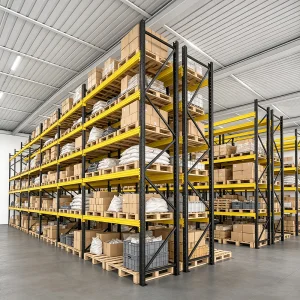
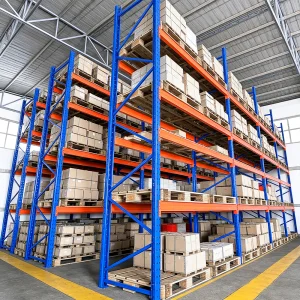
Modern supply chain networks demand unprecedented warehouse efficiency, vertical optimization, and accelerated throughput. In this high-velocity environment, structural integrity is not merely a utility—it is a critical parameter of operational safety. Industrial Impact Racks, specifically engineered with structural steel upgrades and reinforced deflecting columns, serve as the primary defensive barrier against mechanical handling equipment (MHE) damage, structural failure, and seismic shocks.
Globally, logistics terminals and e-commerce fulfillment hubs operate within a narrow margin of error. High-frequency forklift operations represent an ongoing hazard to structural uprights. Standard light-gauge roll-formed racking profiles without robust base reinforcement are highly vulnerable to localized mechanical bucklings, which can cascade into catastrophic rack collapse. Research by global safety authorities demonstrates that over 74% of racking system failures are directly attributable to continuous, unmitigated forklift impacts at low levels. Consequently, procurement strategies are shifting from basic commodity shelving to high-tolerance, impact-deflecting industrial racking systems designed to absorb, redirect, and survive continuous kinetic stresses.
Designed and analyzed using advanced Finite Element Analysis (FEA) to ensure complete stability in high-seismic active zones globally (conforming to RMI and EN 15512 frameworks).
Features integrated heavy-gauge base protectors and thick structural steel upright boots, which redirect impact energy away from the critical load-bearing core column.
Meets rigorous global workplace safety mandates, preventing costly structural shutdowns, insurance rate increases, and inventory damage due to rack failure.
Enterprise Profile & Key Engineering Capacity Metrics
Established Year
State-of-the-Art Facility Area
Annual Export Revenue
Structural Racking Expertise
Founded in 2015, Dongguan Kimsuk Shelves Co., Ltd. is a premier manufacturer specializing in heavy-duty industrial warehouse racking systems, automated storage solutions, and customizable steel shelving. Spanning a state-of-the-art production facility of 38,000 square meters, Kimsuk combines advanced manufacturing infrastructure with high-precision engineering to deliver robust logistics and warehousing infrastructure globally. We operate as a direct OEM/ODM designer and fabricator, partnering with multinational third-party logistics (3PL) firms, enterprise e-commerce hubs, cold-chain distribution networks, and heavy industrial wholesalers.
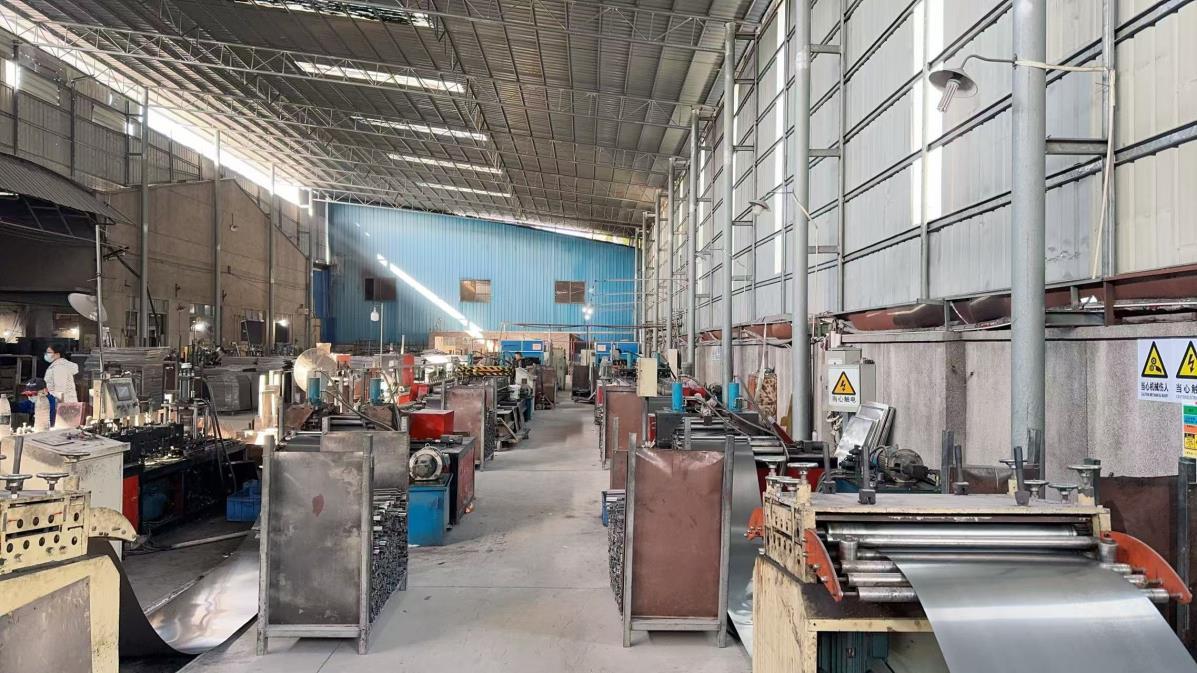
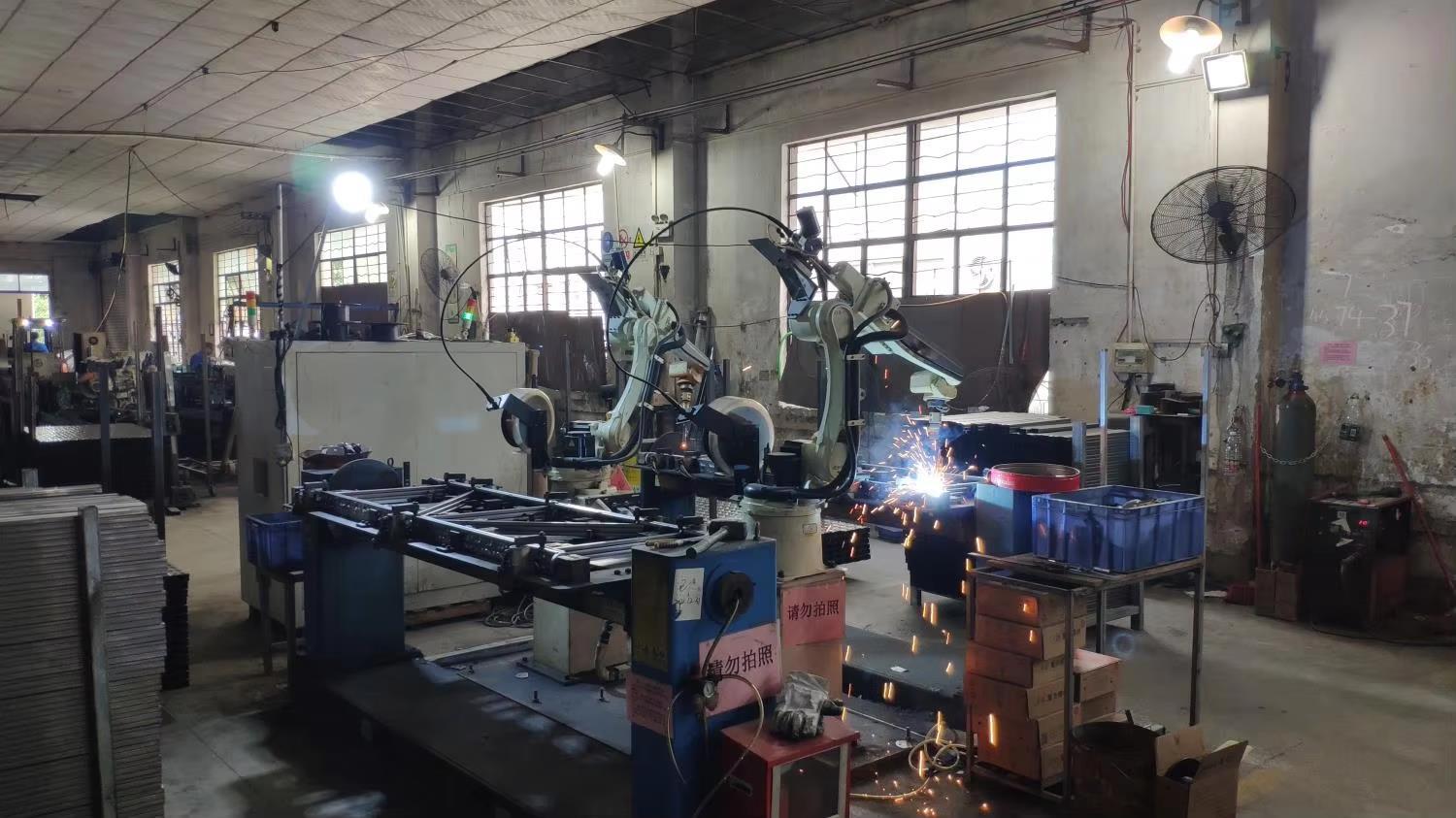
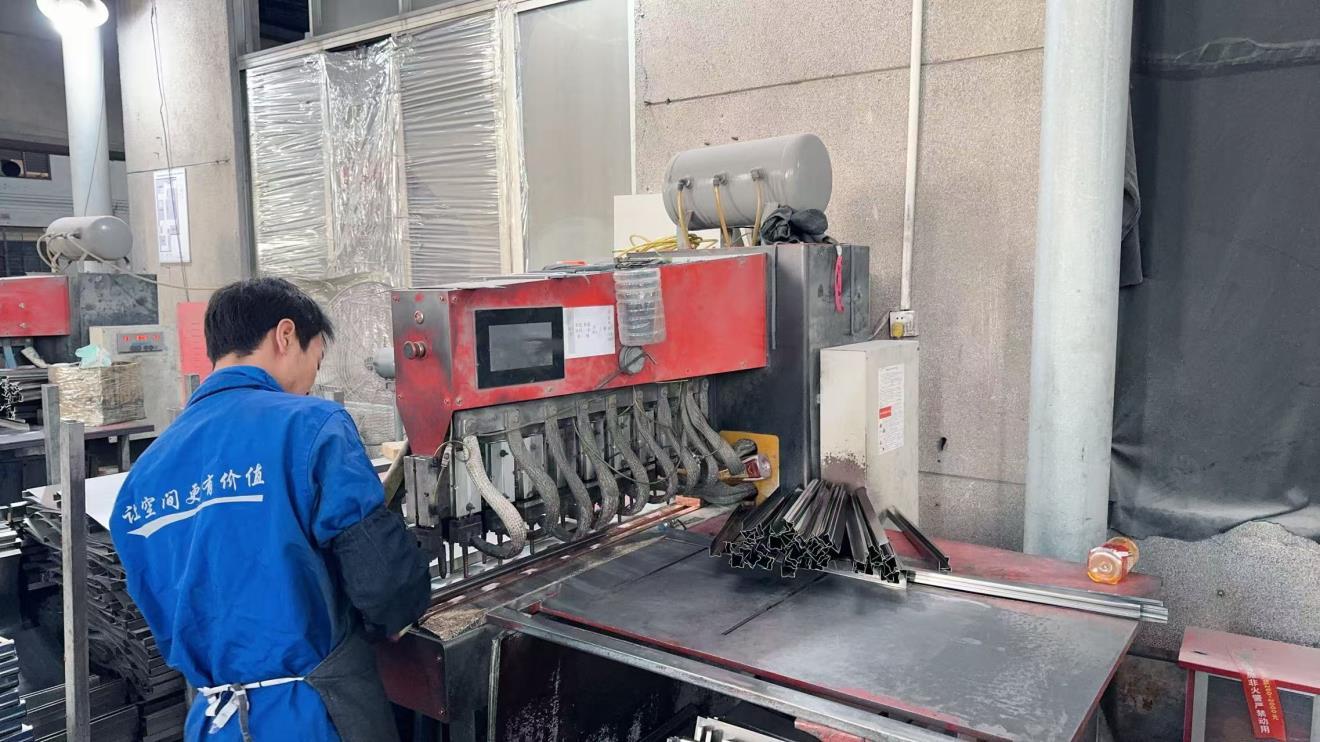
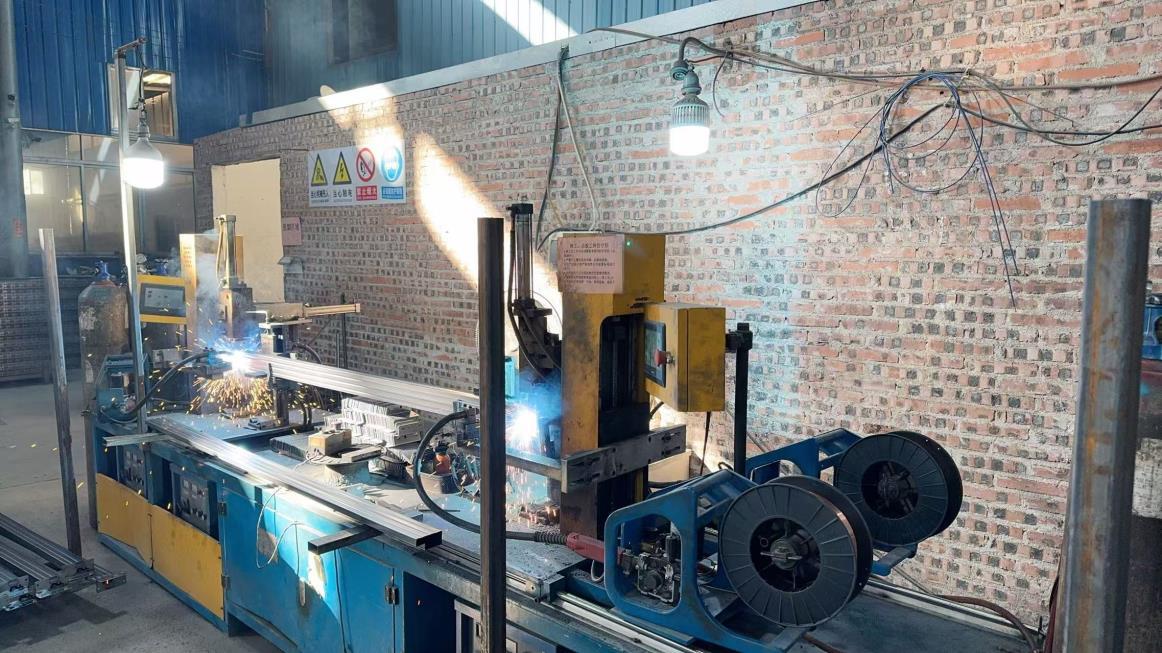
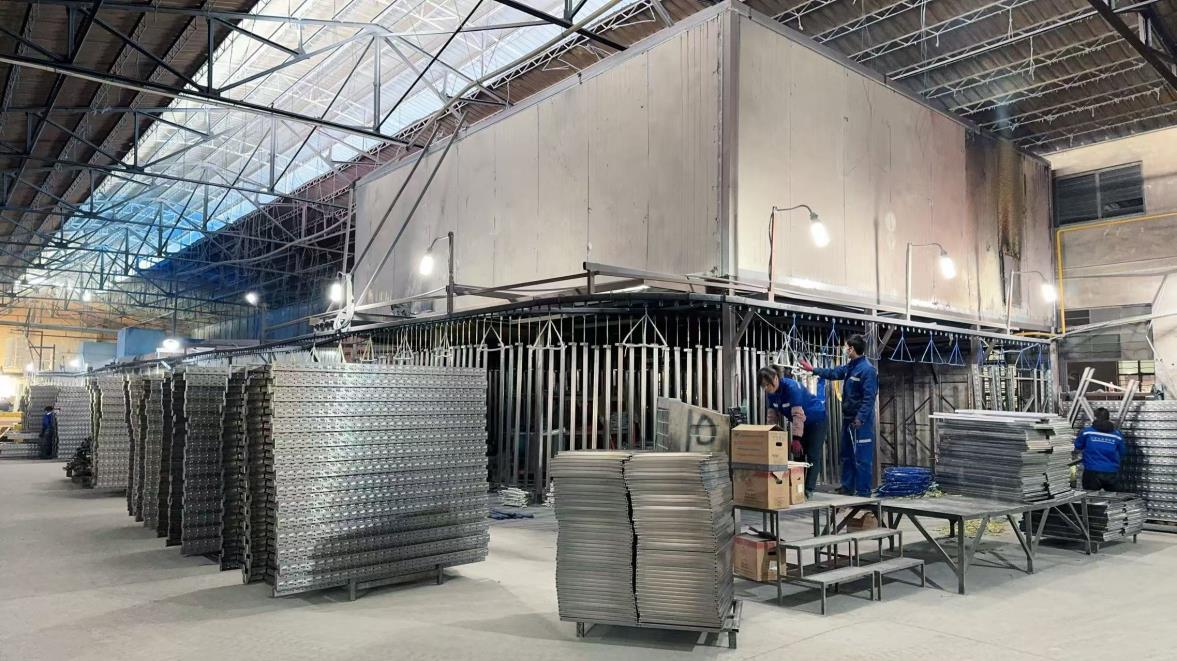
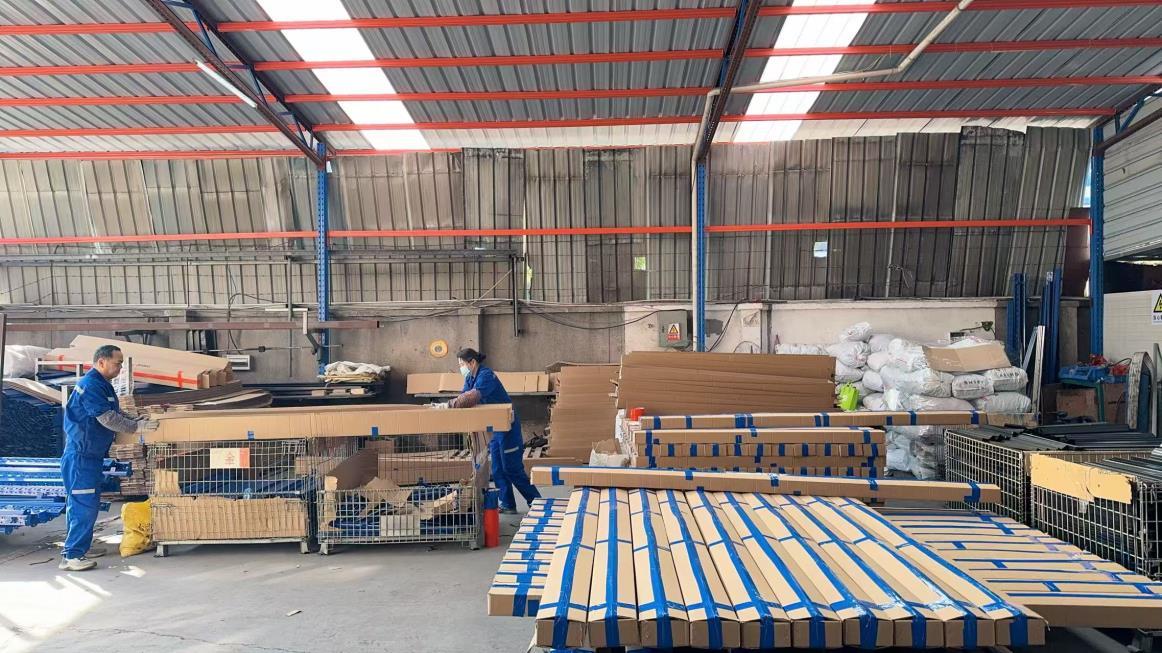
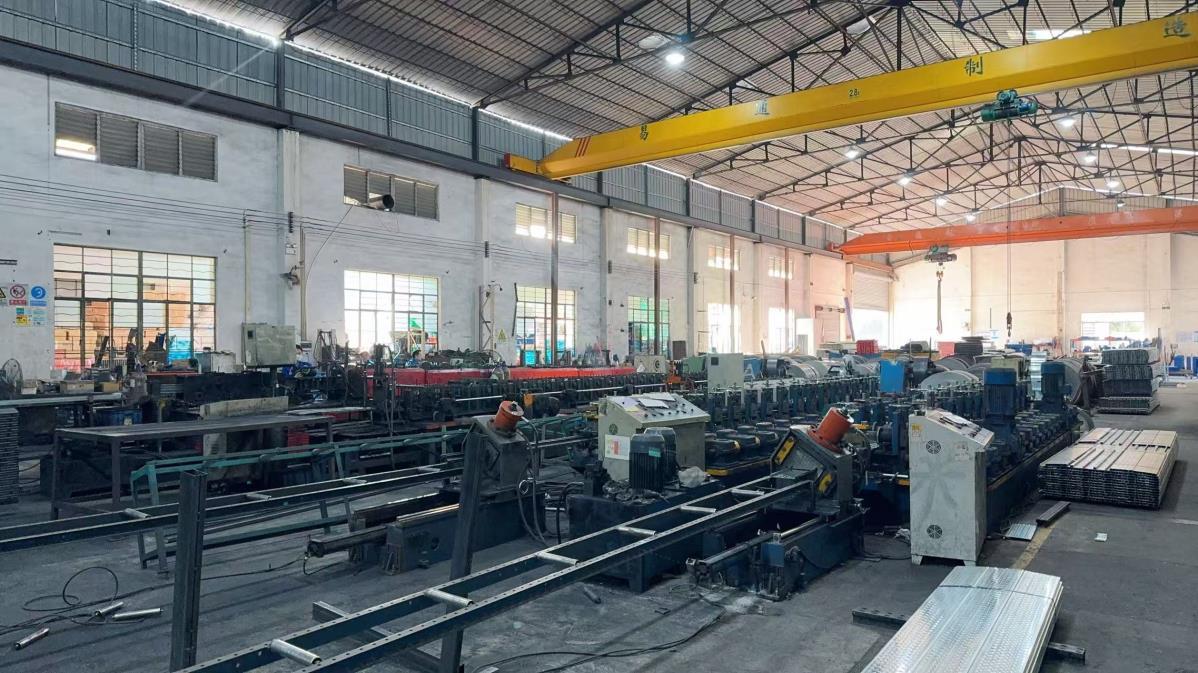
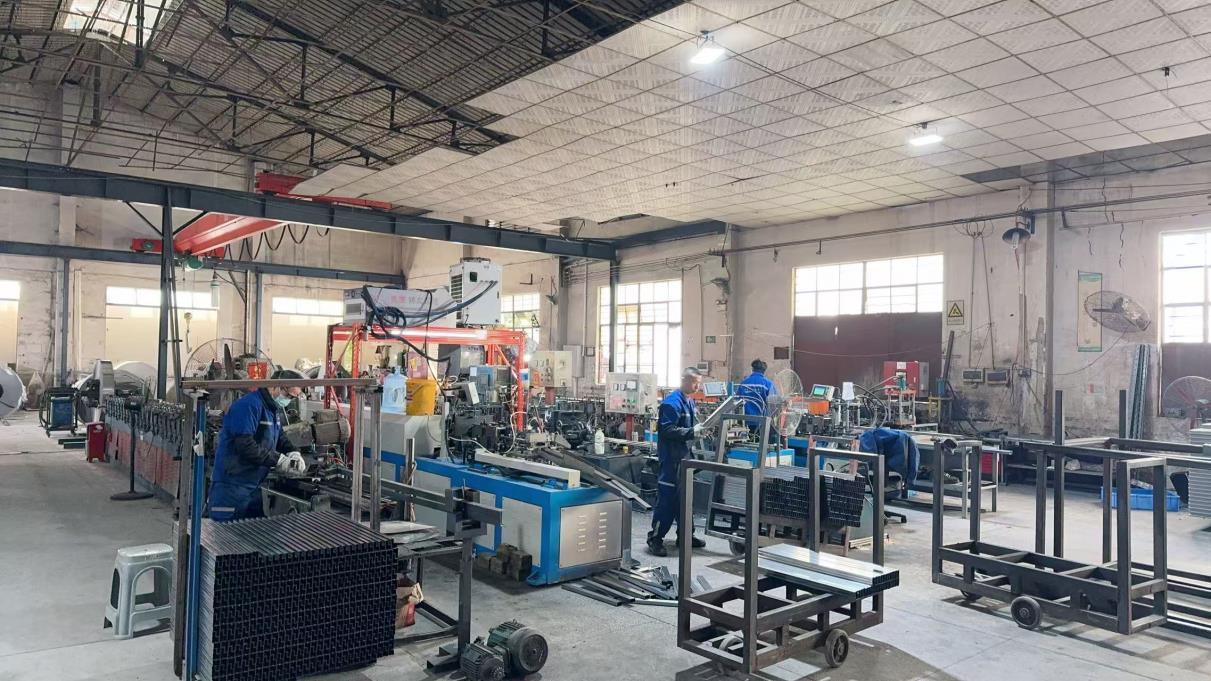
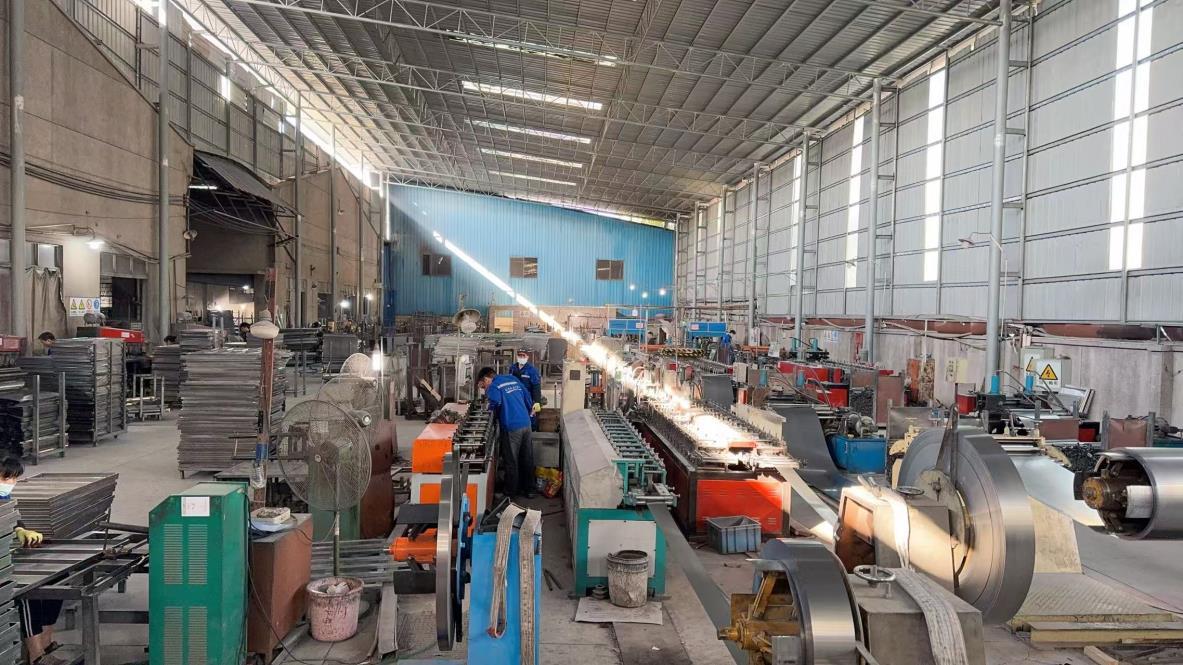
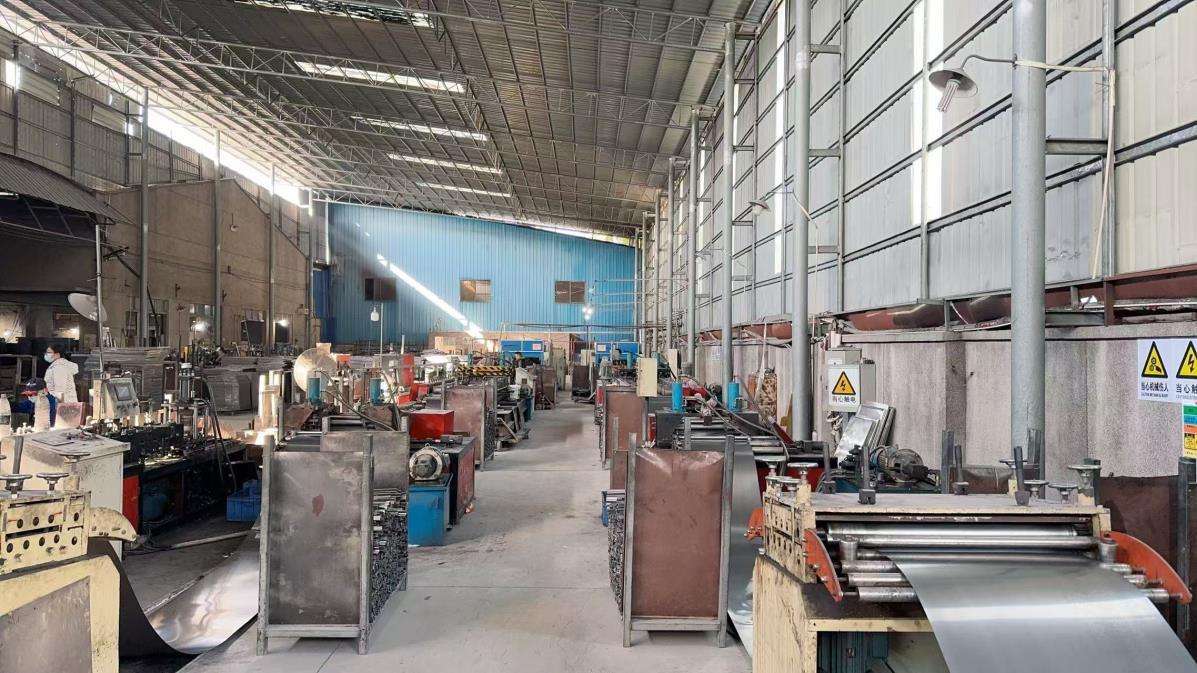
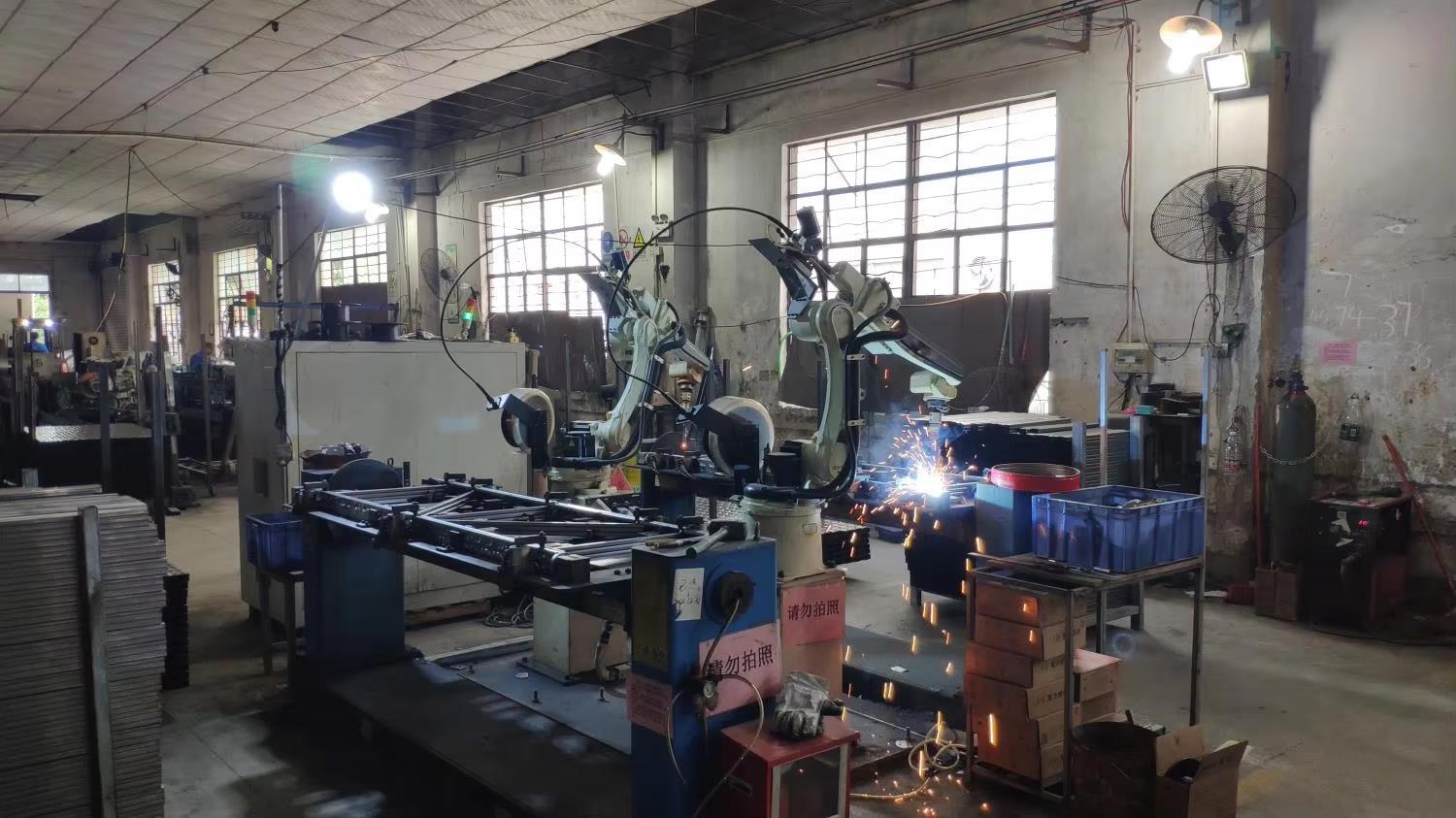
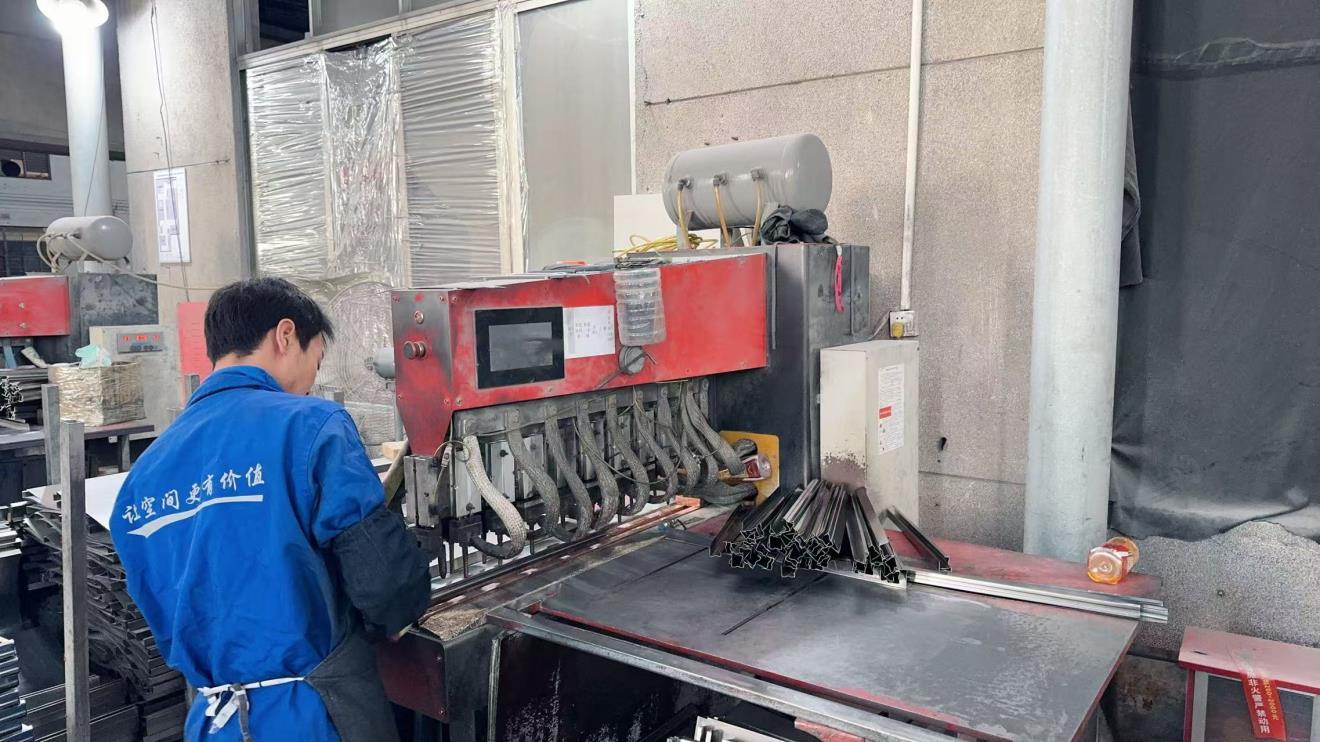
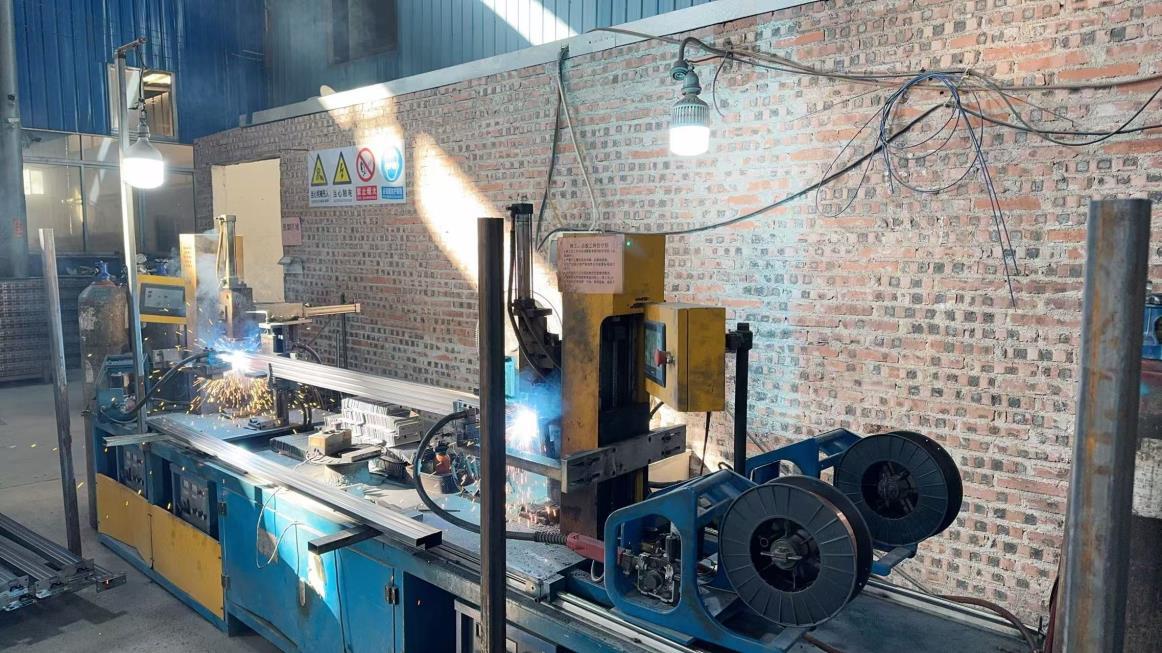
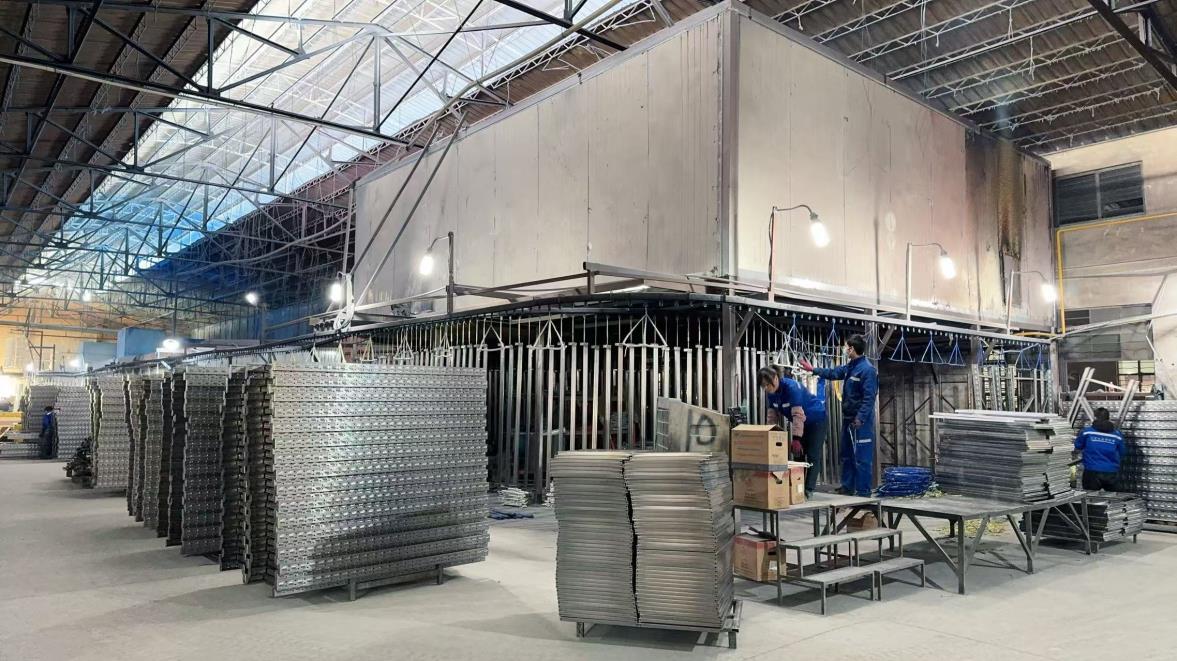
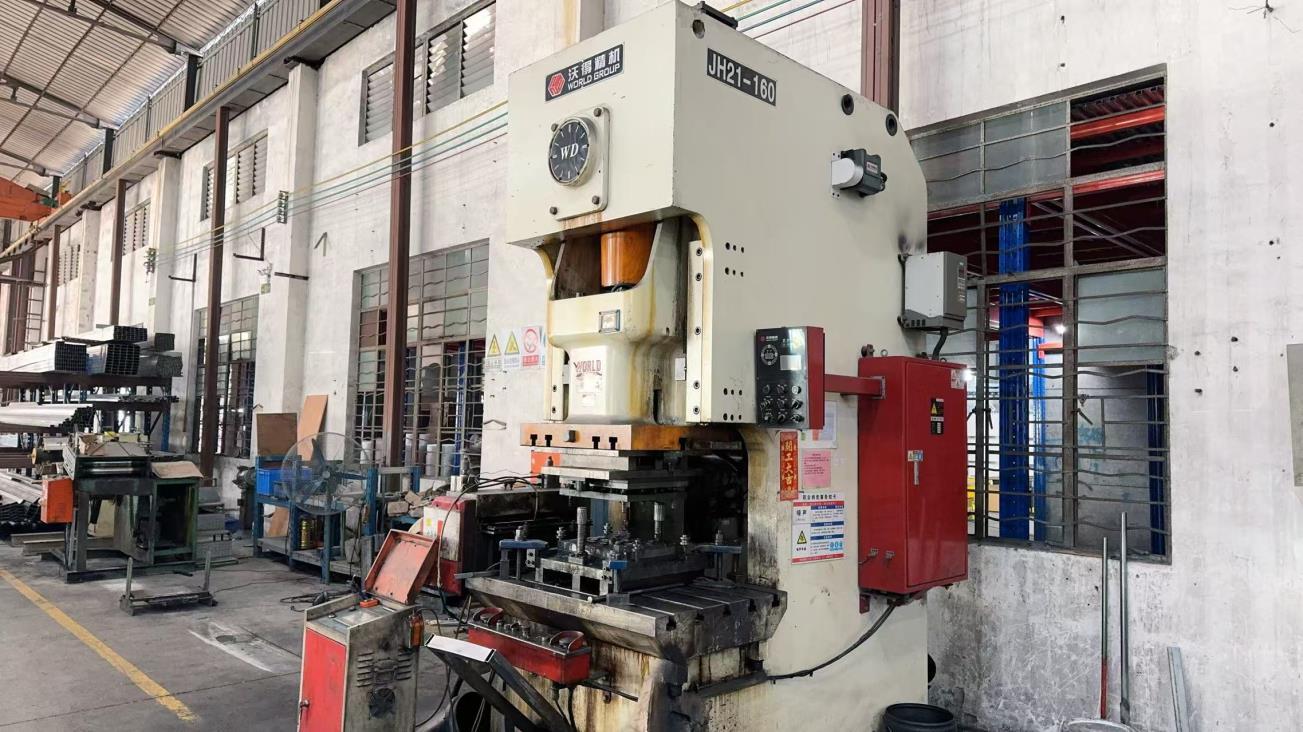
A transparent review of Kimsuk's precision fabrication process flow, machinery, and quality control checkpoints.
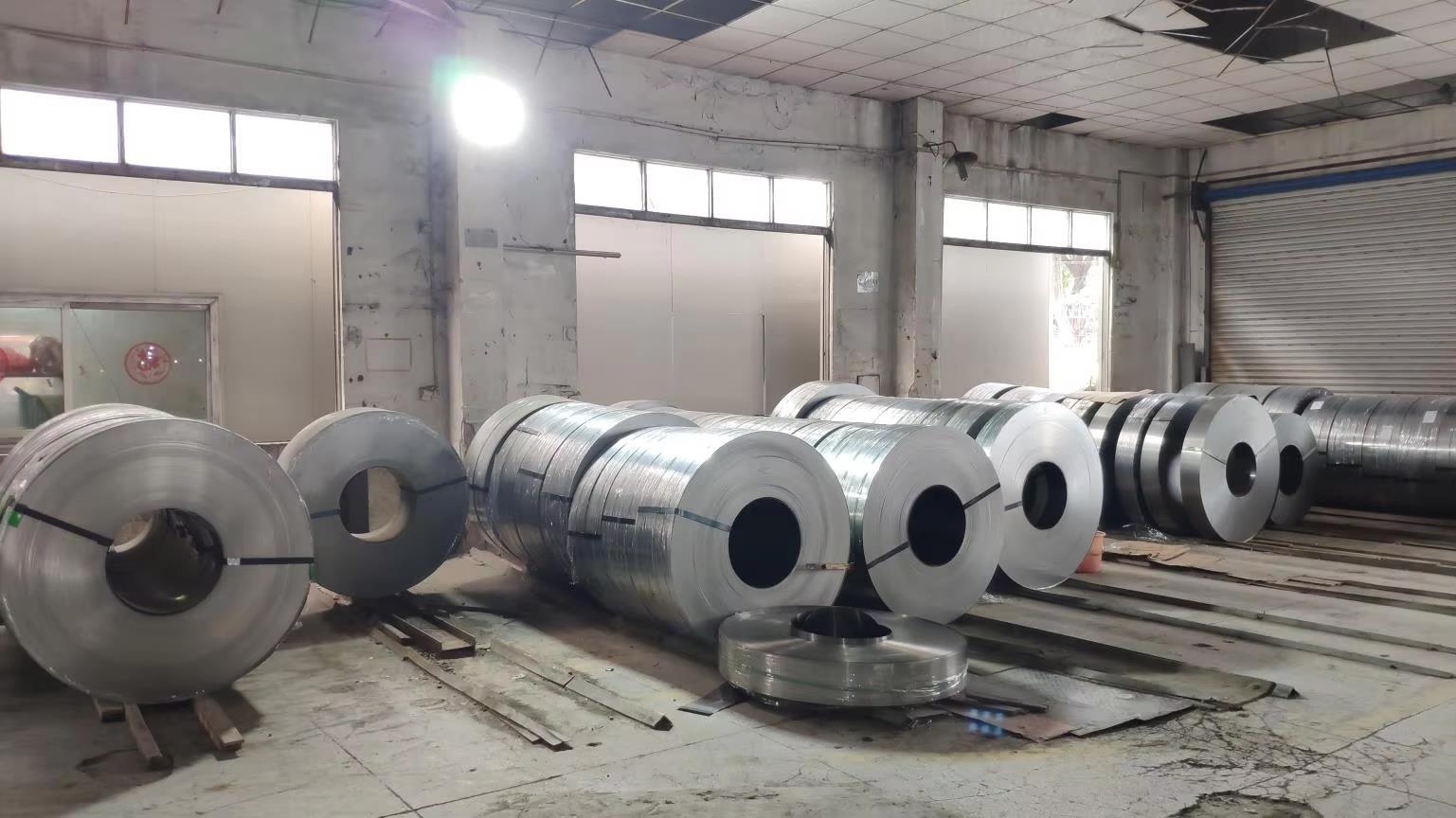
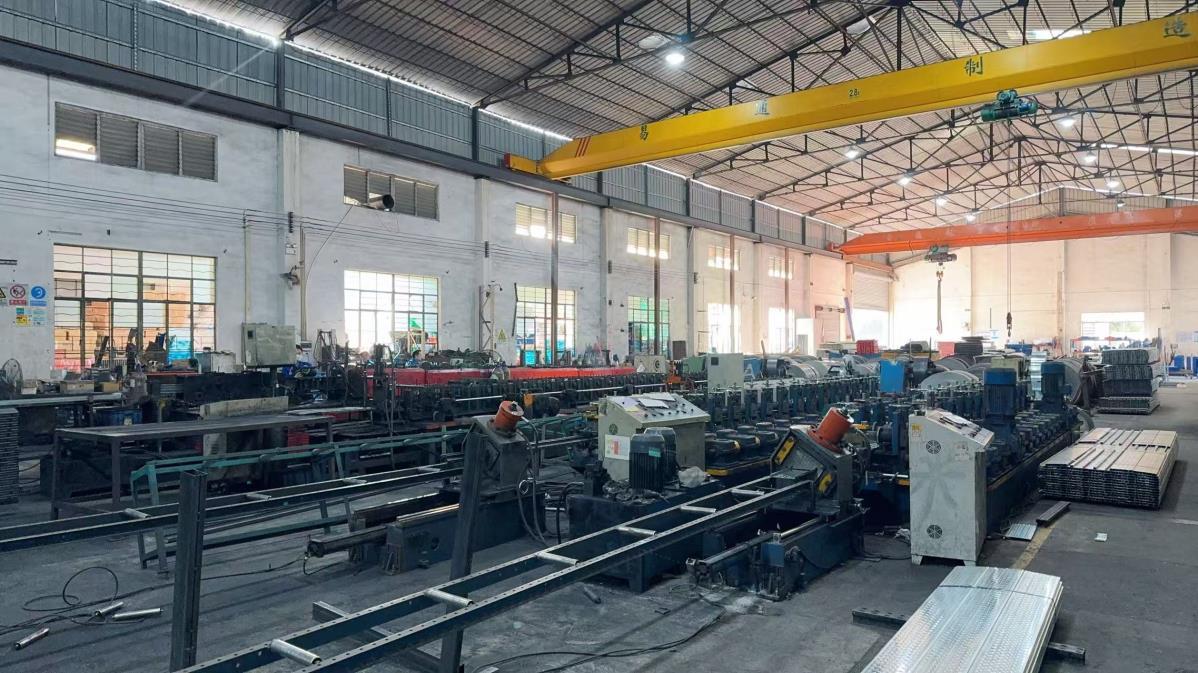
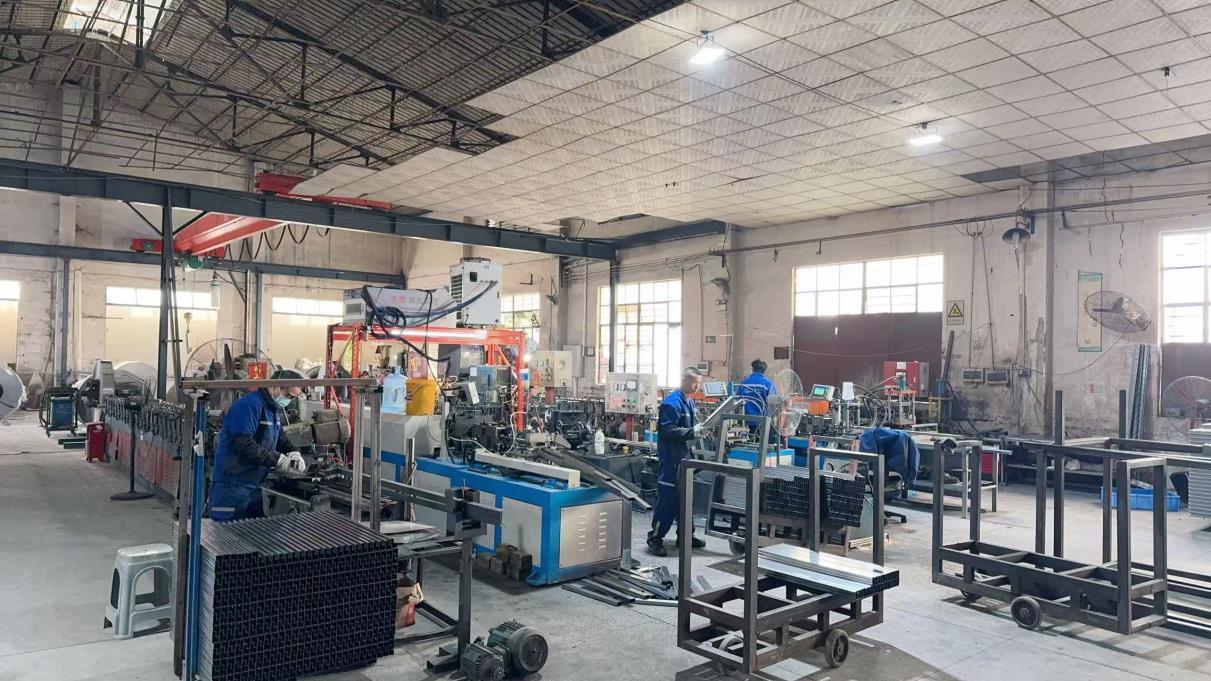
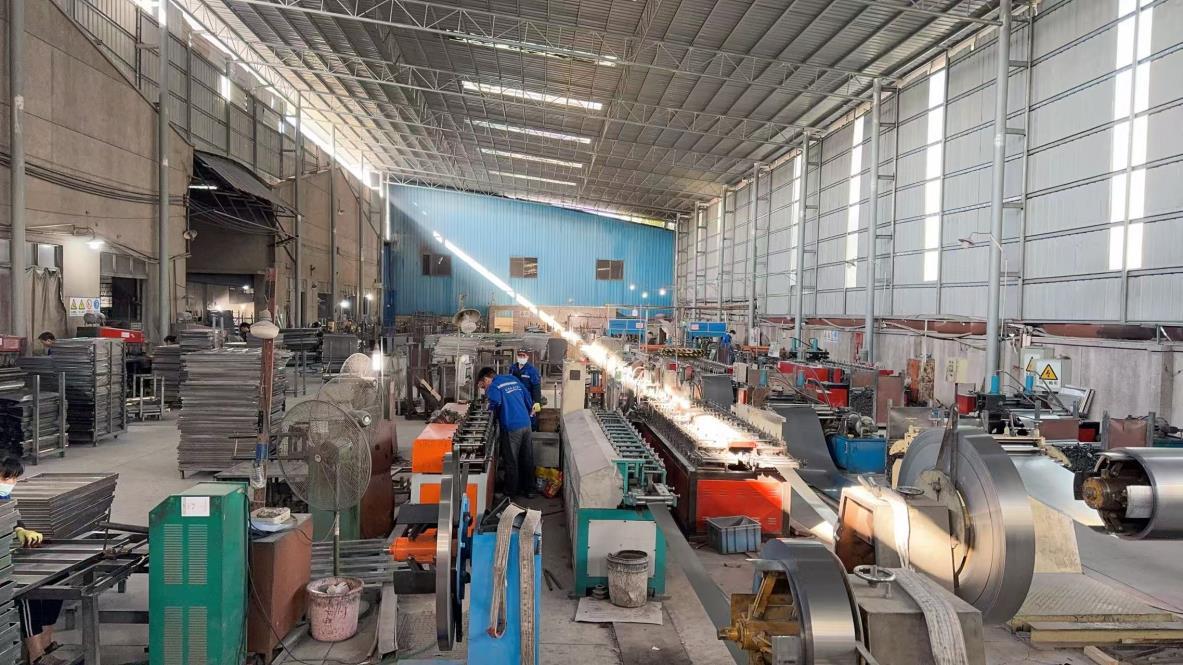
Why Western global enterprises leverage Dongguan industrial ecosystems for structural racking imports.
The manufacturing efficiency of Chinese heavy-duty racking factories is founded on complete supply-chain integration, technological scaling, and local raw-material availability. Located in Dongguan, the manufacturing heart of Guangdong, Kimsuk benefits from direct partnerships with domestic top-tier steel rolling mills. This allows us to source premium structural carbon steel grades, including Q235B and Q355B, at lower raw material price points, insulating global procurement buyers from volatile steel cost shifts.
Furthermore, Kimsuk operates automated production lines featuring multi-axis robot welding arms, heavy-tonnage hydraulic stamping punch presses, and computer-controlled continuous roll-forming profiles. This automated tooling setup dramatically minimizes manual welding defects and ensures that tolerances comply with strict Western standard specifications. Automated electro-powder coating lines provide uniform epoxy-polyester coatings, providing anti-corrosion protection that is highly critical for cold-chain, humid warehouse environments, and outdoor storage.
By bypassing middle-tier distributors, enterprise procurers gain direct engineering feedback cycles. A design modification on a load-bearing upright or beam hook can be modified using CAD/3D BIM software, subjected to FEA validation, and translated into physical tooling prototypes within a fraction of the time required by standard Western fabricators.
How industry-specific operating parameters dictate structural design.
Cold storage facilities operate under sub-zero temperatures, which accelerates metal brittleness and challenges standard steel structural welds. Kimsuk's custom hot-dipped galvanized structural racking systems are formulated to maintain high ductility and load structural profiles under persistent freezing conditions. Enhanced structural bracing prevents steel distortion under dynamic loading stress in confined freezer footprints.
In high-throughput hubs utilizing Autonomous Mobile Robots (AMRs) and Automated Storage and Retrieval Systems (ASRS), deviation limits are constrained to millimeters. Standard racking systems cannot sustain the vertical precision required over years of heavy use. Kimsuk designs micro-tolerance rack frames to integrate seamlessly with automated crane guide rails, ensuring high efficiency and zero robotic downtime.
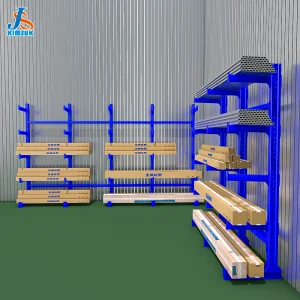
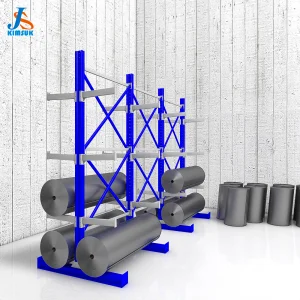
Automotive components, industrial pipes, and tooling dies pose irregular footprints and high static localized weight concentrations. Standard selective pallet racking is insufficient for these loads. Kimsuk's heavy-duty roll-out cantilever systems and telescopic pipe racks offer robust, uninhibited layouts, ensuring forklifts can manipulate heavy stock without structural collision risks.
The technological trajectory of warehouse storage systems.
The warehouse racking sector is undergoing a technology-driven evolution. The integration of IoT monitoring is a primary emerging trend. Strain sensors embedded in structural racking columns detect overload stress and mechanical damage in real time, alerting operations teams to forklift collisions before structural fatigue causes failure. Furthermore, the industry is moving away from high-carbon footprinted steels toward sustainable, lightweight alloys and optimized geometries. These advanced profiles maintain equivalent structural load capacities while reducing shipping weight, resulting in lower shipping costs and reduced emissions. Modular design is also critical; modern enterprises require systems that can be rapidly disassembled, relocated, and reconfigured to align with changing storage priorities.
Direct engineering answers to technical and procurement questions.
Engineered for versatile, high-density warehousing and specialized components storage.
 Kimsuk Racking