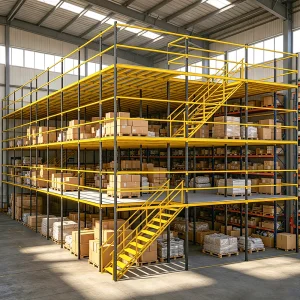
Explore our engineering-grade warehouse racking and storage systems built for maximum load capacity and structural safety compliance.
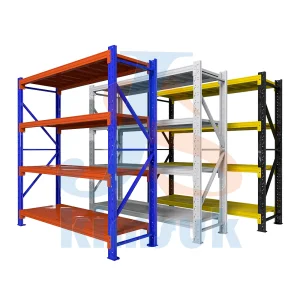
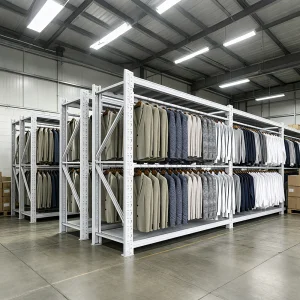
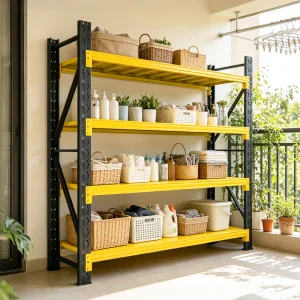
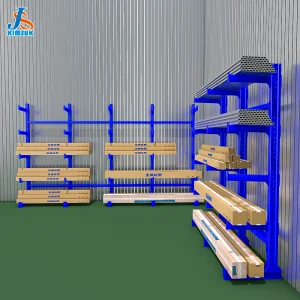
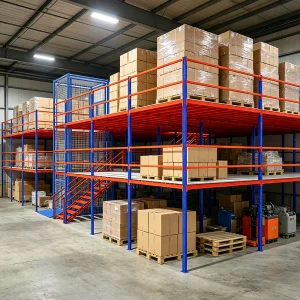
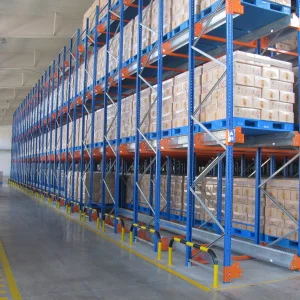
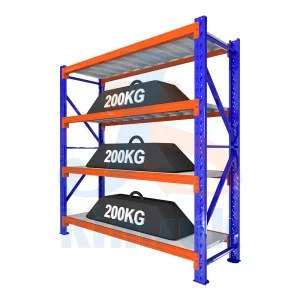
Founded in 2015, Dongguan Kimsuk Shelves Co., Ltd. is a premier manufacturer specializing in heavy-duty industrial warehouse racking systems, automated storage solutions, and customizable steel shelving. Spanning a state-of-the-art production facility of 38,000 square meters, Kimsuk combines advanced manufacturing infrastructure with high-precision engineering to deliver robust logistics and warehousing infrastructure globally.
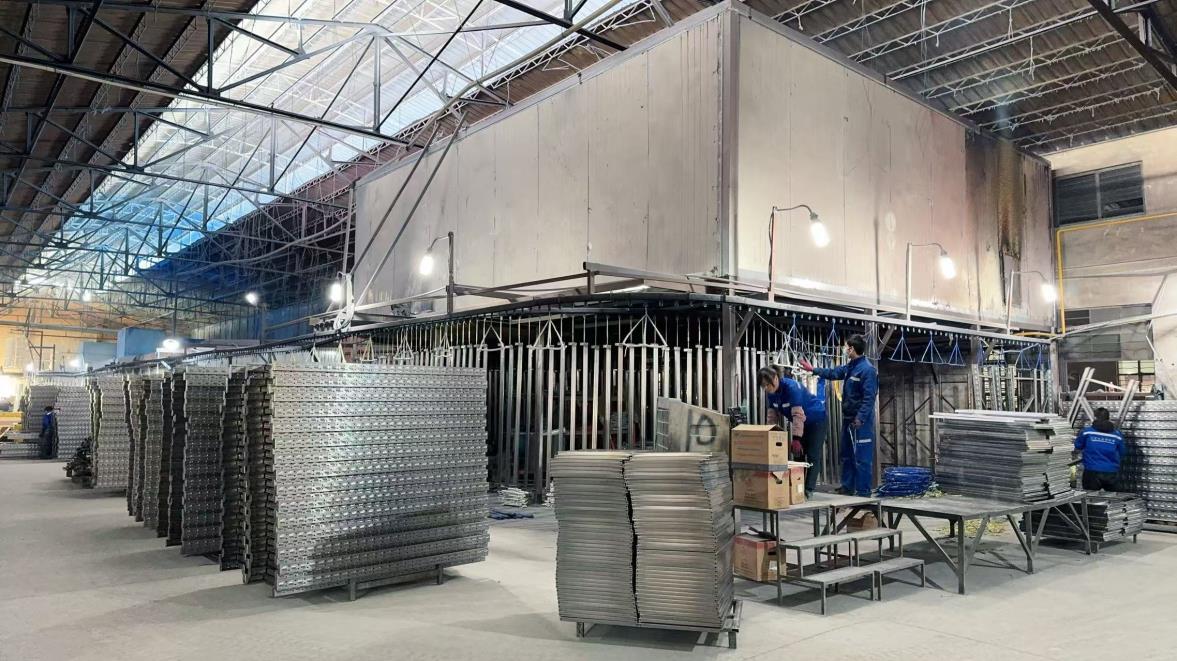
Under rigorous quality control systems, Kimsuk ensures structural reliability through systematic structural design analysis, strict material grades, and high-performance powder coating lines. Our solutions are deployed across multi-tiered fulfillment operations, heavy automotive components distribution, cold chain warehouses, and high-throughput dynamic storage lanes.
"We engineering safety into every rack. With 15+ years of industry experience and a robust R&D team consisting of 18 senior structural engineers, we guarantee zero failure tolerance under maximum structural loading."
| Parameter / Protocol | Certified Implementation Details |
|---|---|
| Quality Inspection Protocols | ISO 9001:2015 Quality Management System, CE Standard Compliance, and Load-Bearing Safety Certifications. |
| Product Inspection Methodology | Non-destructive Ultrasonic Testing, Automated Ultrasonic Weld Flaw Detection, Coating Thickness Measurement, Surface Salt Spray Corrosion Testing, and Structural Static/Dynamic Load Testing. |
| Quality Control Team | 35 Certified QC Inspectors and Material Testing Engineers ensuring zero-defect dispatches. |
| Trade Background | Direct OEM/ODM Export, Strategic Global Distribution Partnerships, and Turnkey Logistics EPC Solutions. |
| Primary Export Markets | North America, Western Europe, Southeast Asia, Australia, and the Middle East. |
| Target Client Profile | Global Logistics Hubs, Enterprise E-commerce Distribution Centers, Cold Chain Facilities, Industrial Equipment Wholesalers, and Third-Party Logistics (3PL) Operators. |
| R&D Capabilities | Full-Cycle Structural Engineering, CAD/3D BIM Warehouse Modeling, Finite Element Analysis (FEA) Structural Simulation, and Automated Roll-Forming System Customization. |
| Customization Options | Custom Dimensions, Load Capacities, Powder-Coated Colors, Seismic Structural Upgrades, and Modular Automated Racking Interfaces. |
| New Products Released Last Year | 48 Innovative Racking Systems and Accessory Designs. |
An in-depth analysis of dynamic gravity flow technology, mechanical slope calculations, and structural safety parameters for high-throughput warehousing.
Gravity racking systems, commonly known as Pallet Flow or Carton Flow systems, leverage the force of gravity combined with dynamic incline lanes to transport pallets or cartons from the loading (charge) face to the retrieval (discharge) face. Operating on the FIFO (First-In, First-Out) principle, these systems are highly optimized for perishable goods, high-rotation FMCG products, and high-density material consolidation.
The core design parameters require strict adherence to physics-driven calculations:
Gravity racks support massive dynamic moving loads, introducing structural stresses distinct from standard static racking. In our manufacturing facility, all OEM designs undergo rigorous Finite Element Analysis (FEA) using advanced structural simulation software.
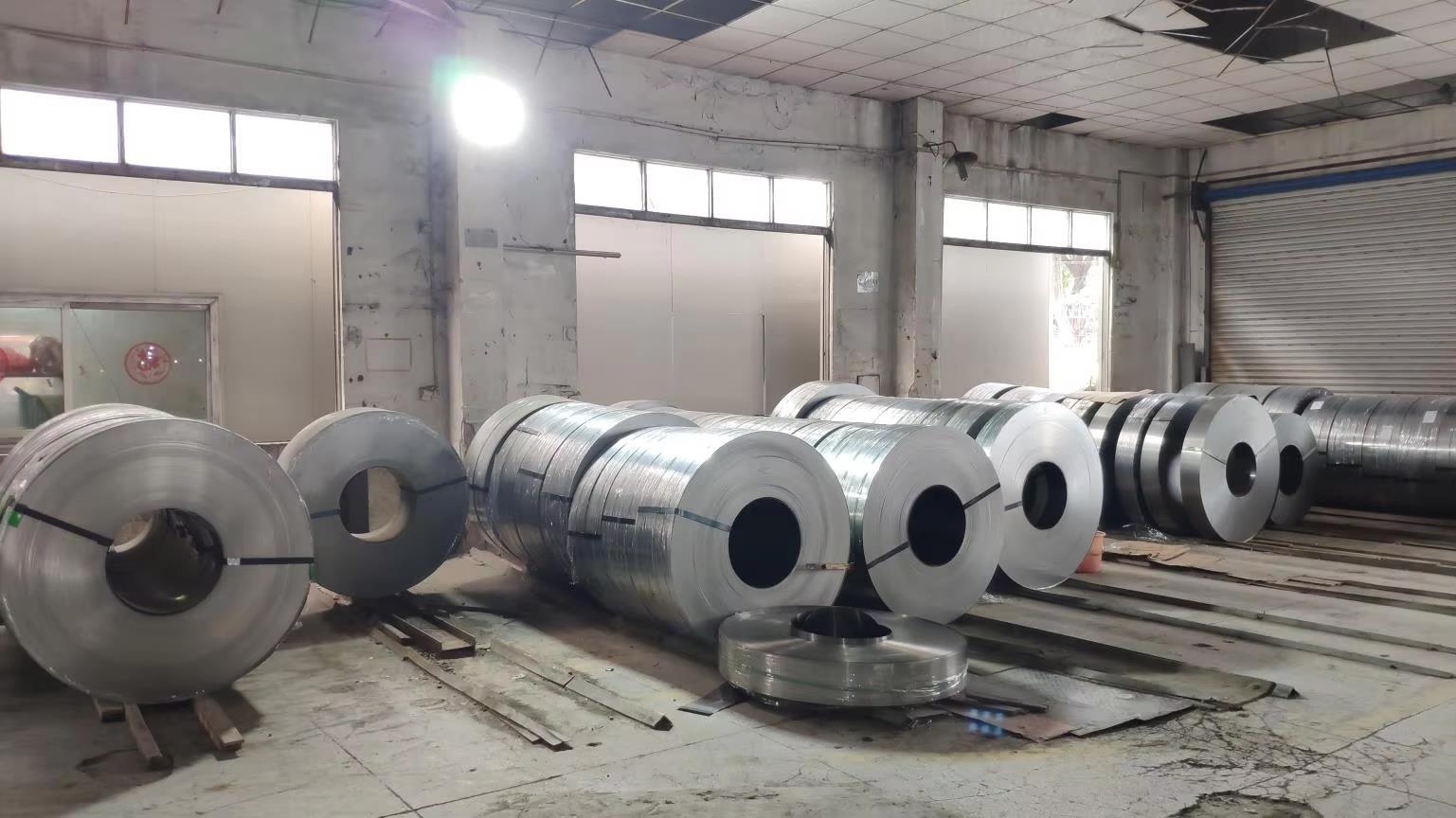
This allows us to evaluate beam deflections, upright buckling points, and connector fatigue over cyclic loads. We utilize cold-rolled high-strength structural steel coils (Q235B and Q355B), ensuring yield strengths up to 355 MPa. The upright frames are reinforced with bracing systems engineered specifically to counteract seismic activities and dynamic shear stress induced by forklift acceleration and pallet movement.
Depending on pallet specs (wooden, plastic, or metal skids), we design custom roller pitch intervals (ranging from 50mm to 150mm) and track widths. For plastic pallets with bottom runners, we implement dual-track split rollers; for standard GMA wooden pallets, full-width heavy-duty steel rollers ensure optimal bearing contact and smooth tracking.
How Dongguan Kimsuk leverages advanced manufacturing clusters, automated fabrication, and robust material chains to deliver globally competitive storage systems.
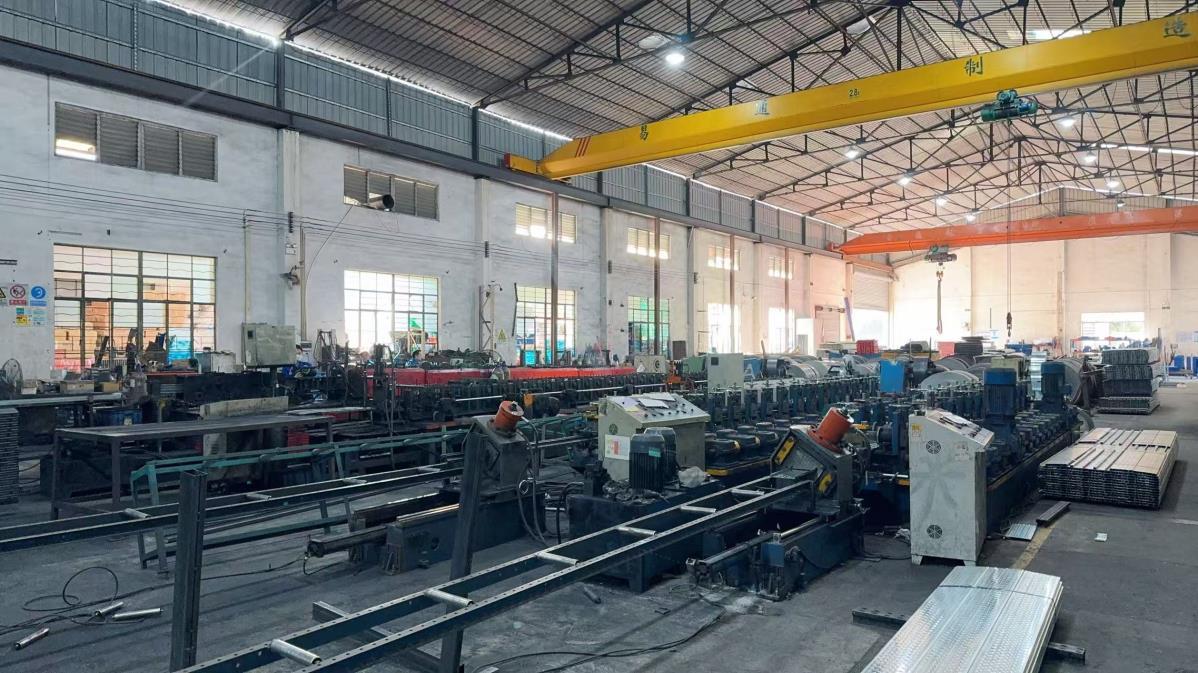
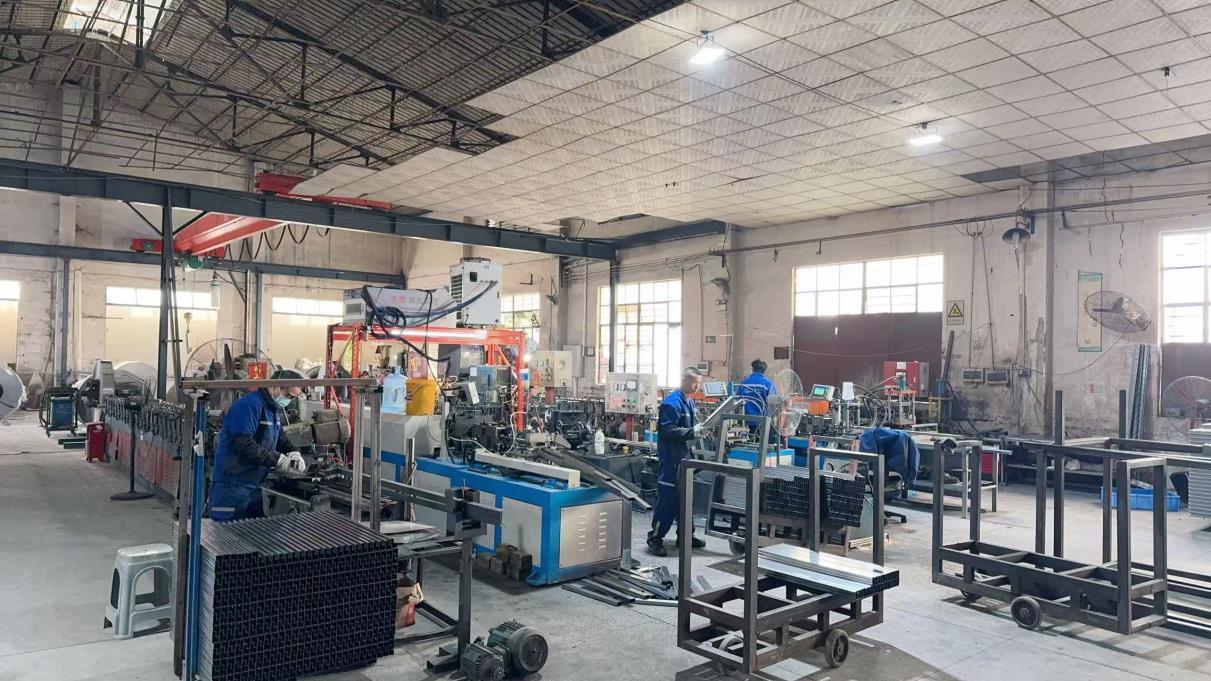
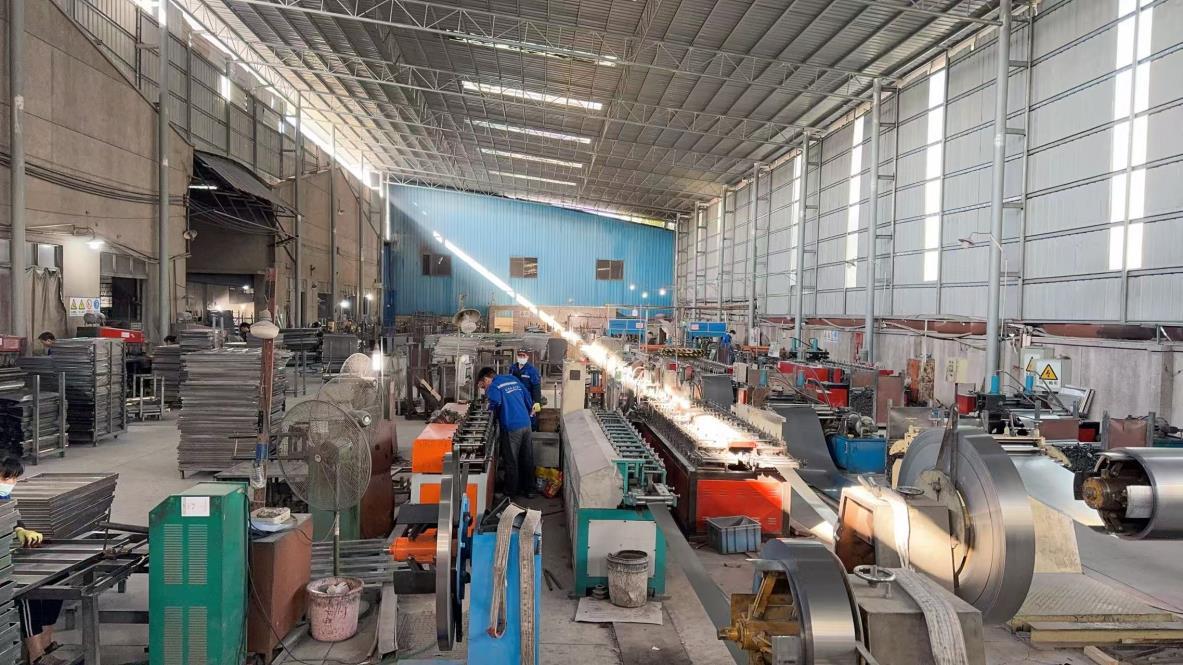
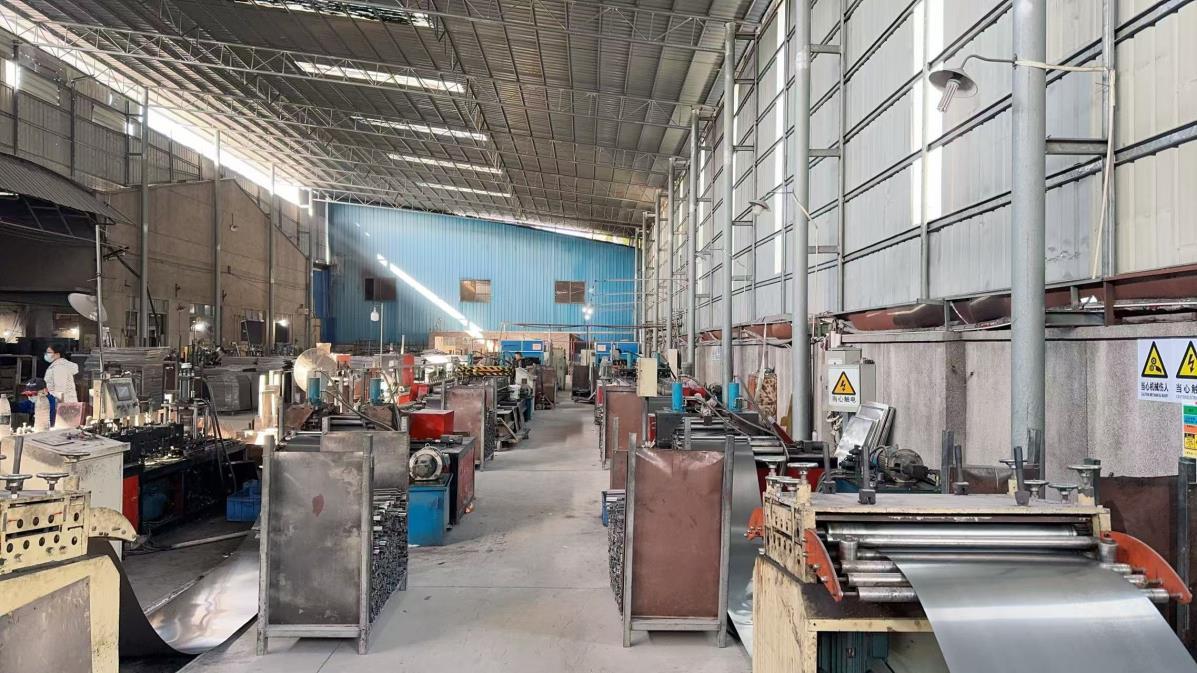
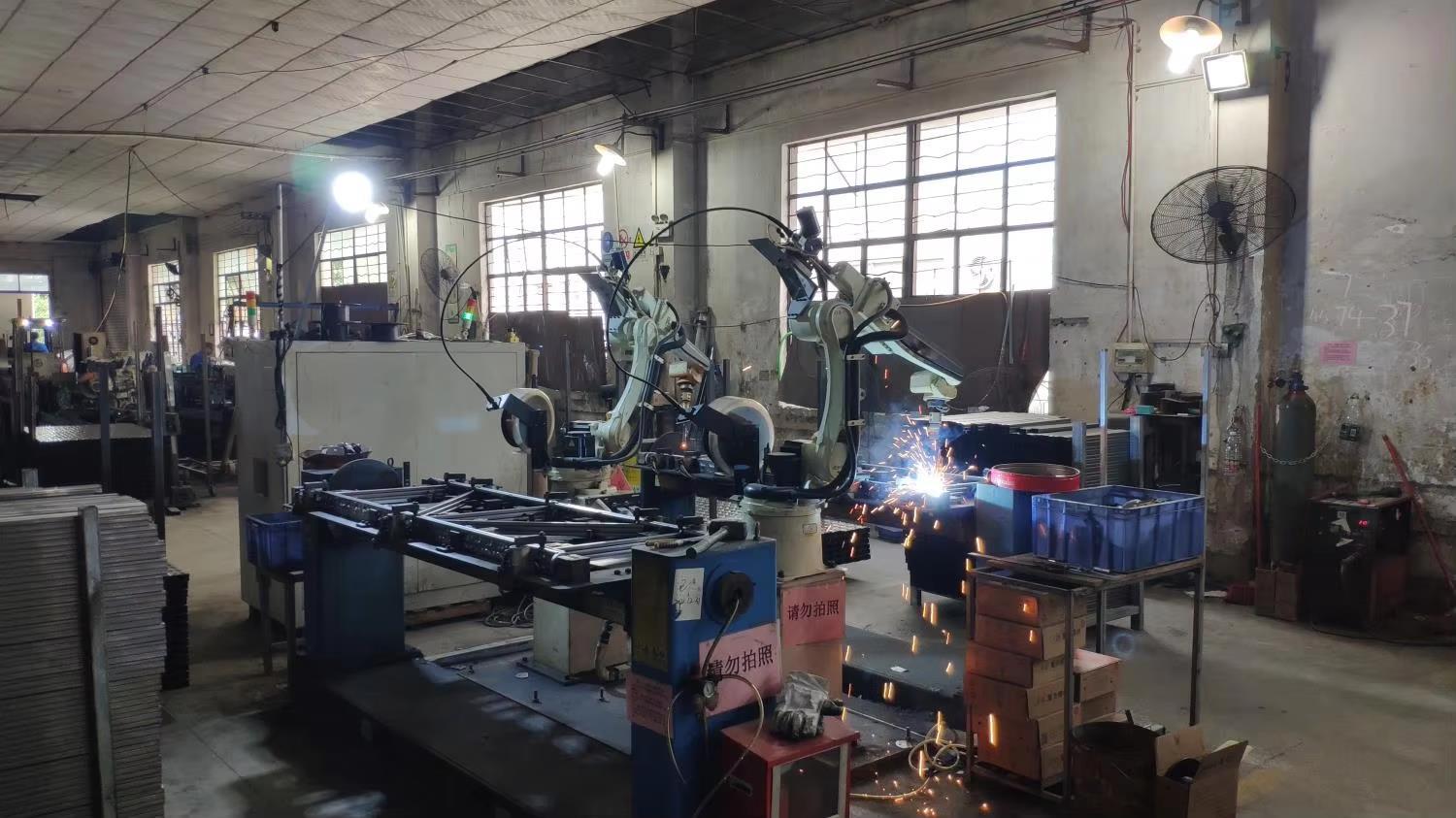
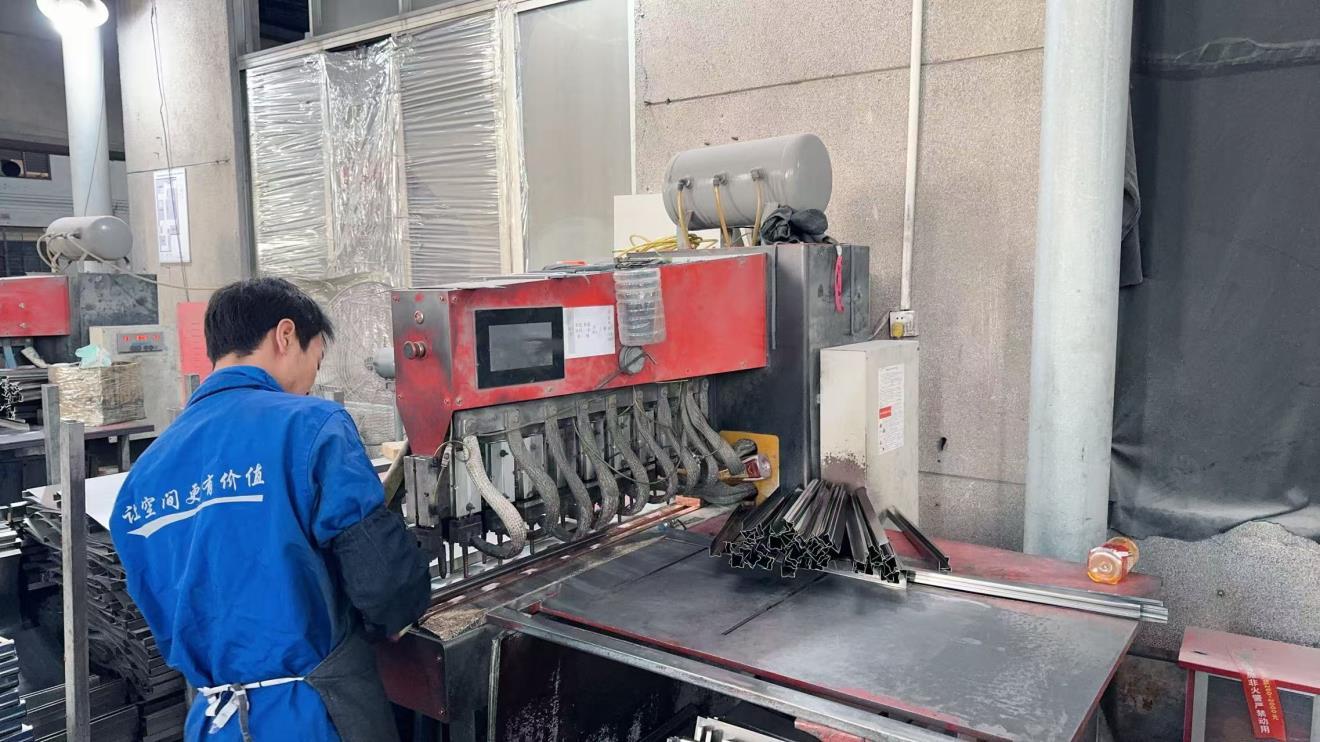
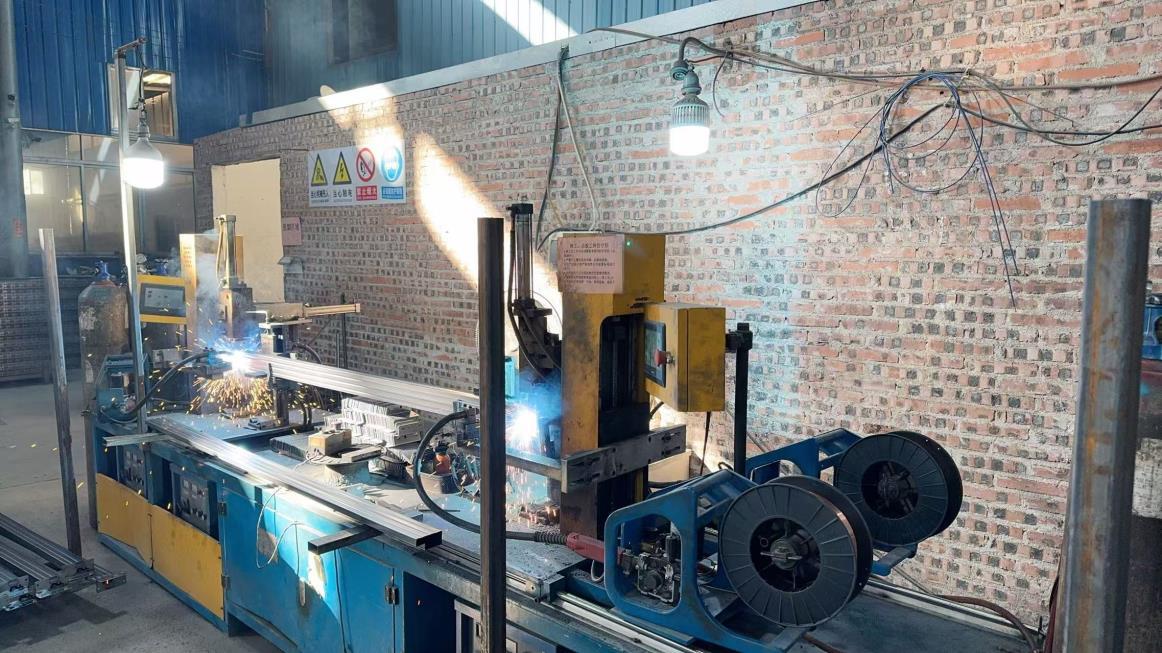
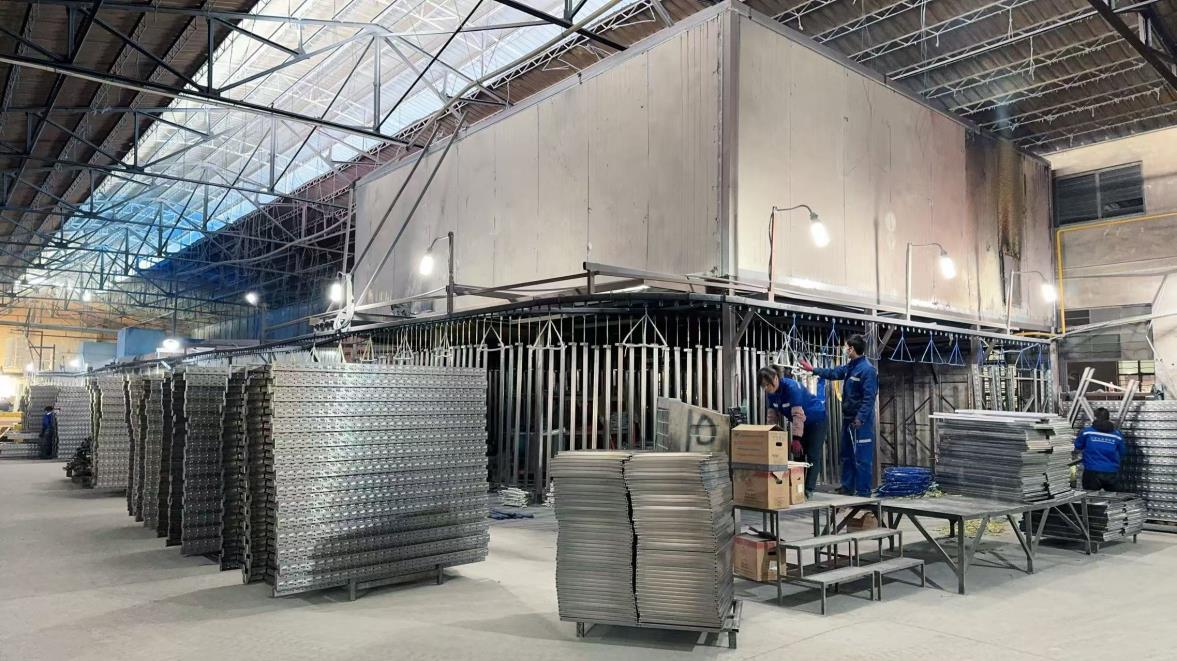
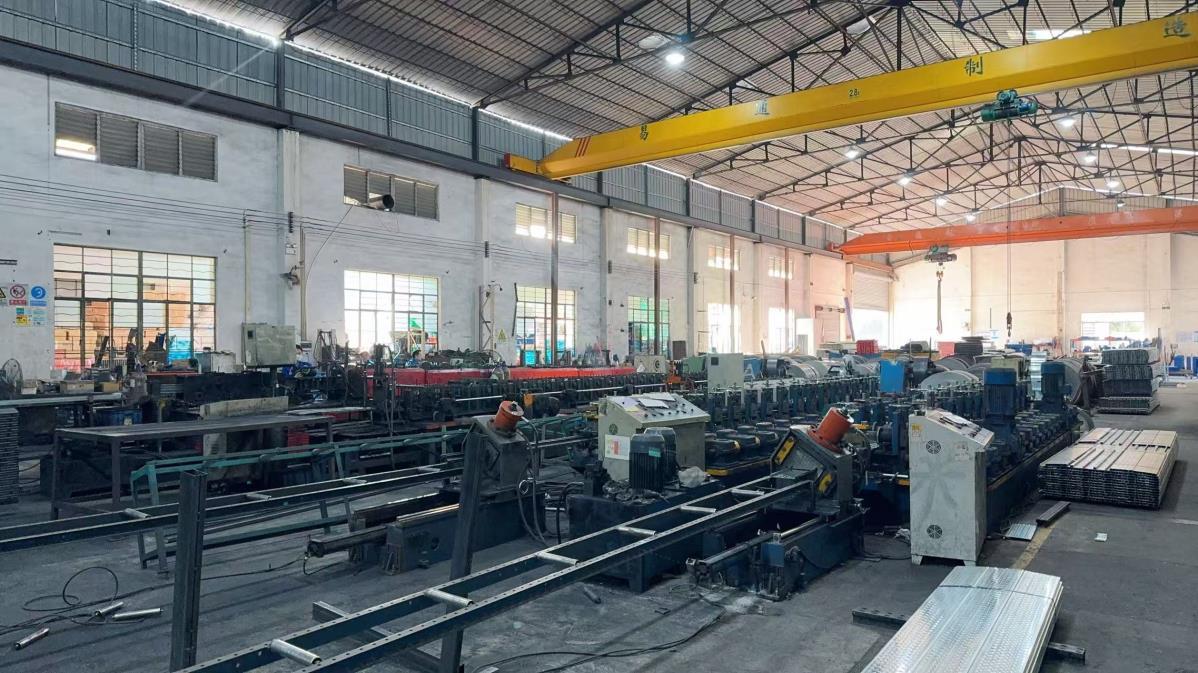
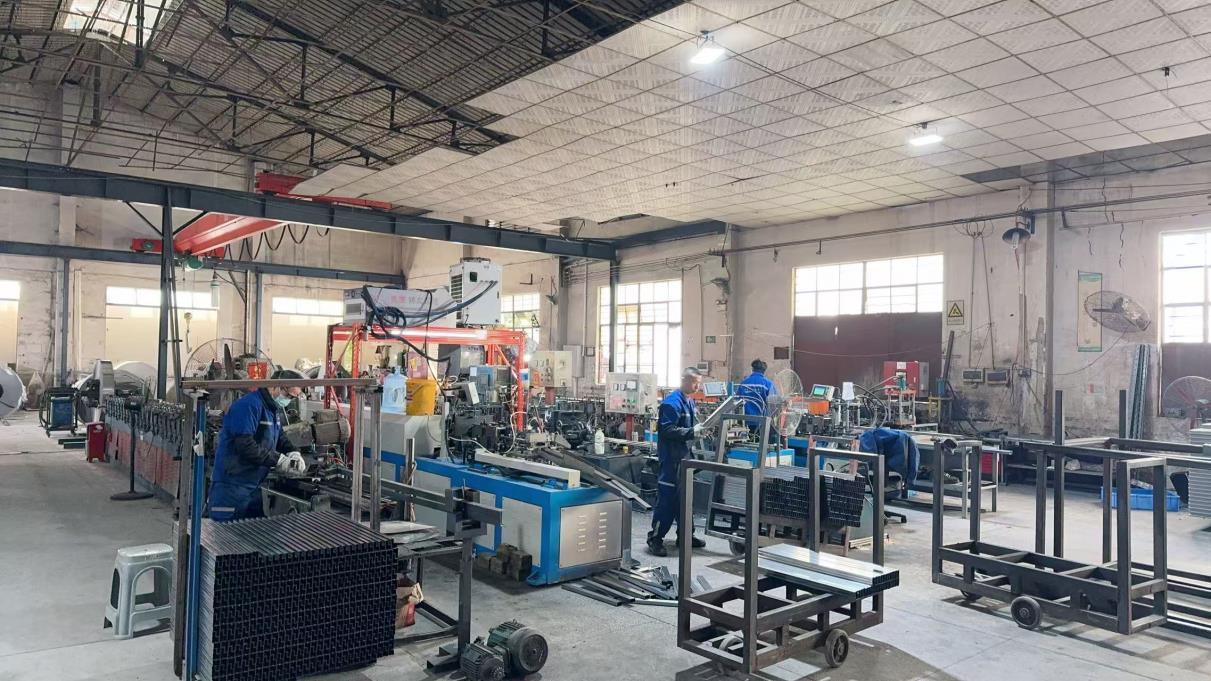
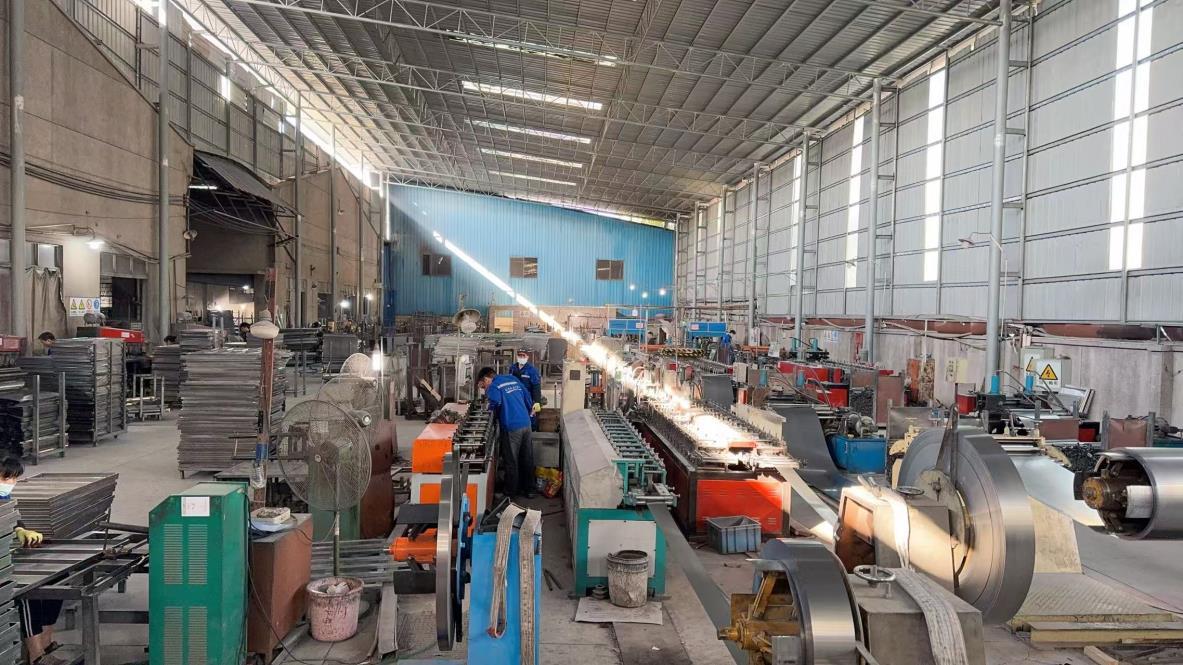
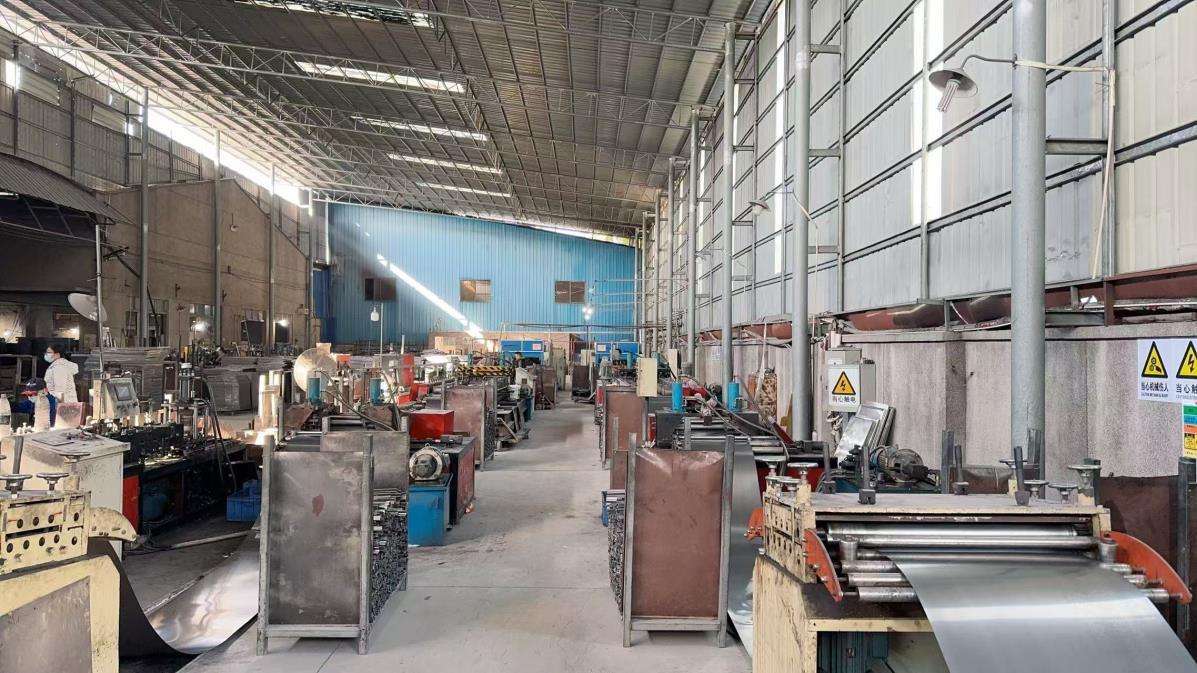
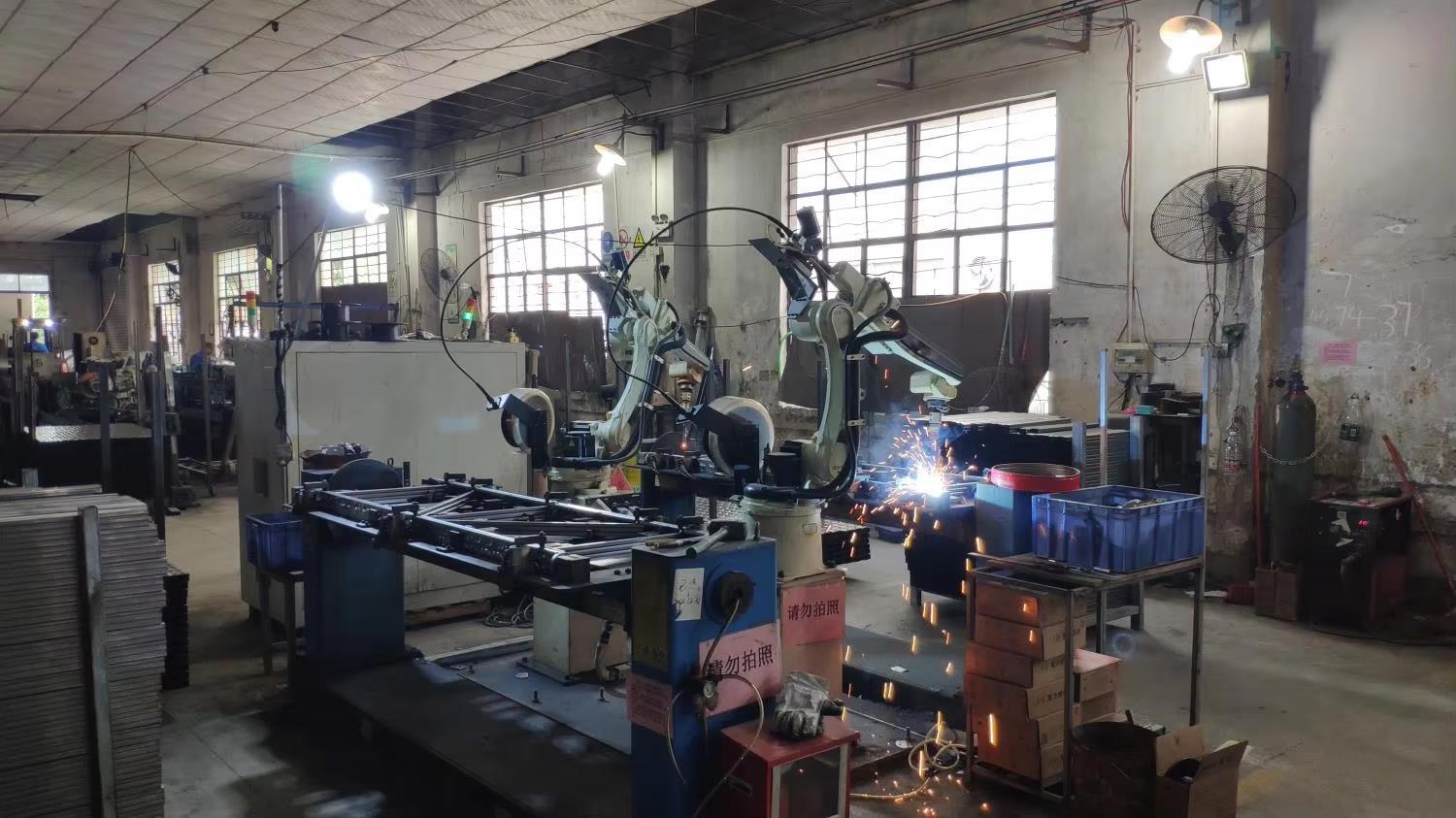
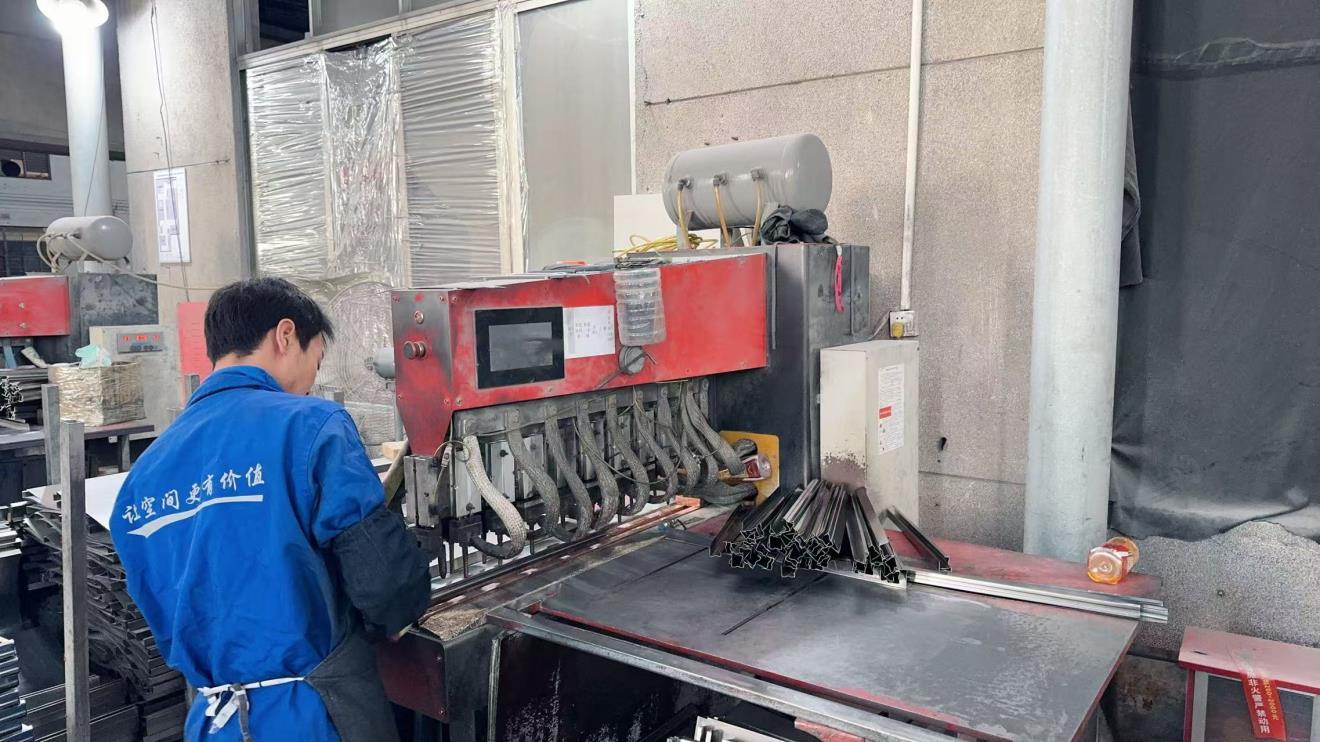
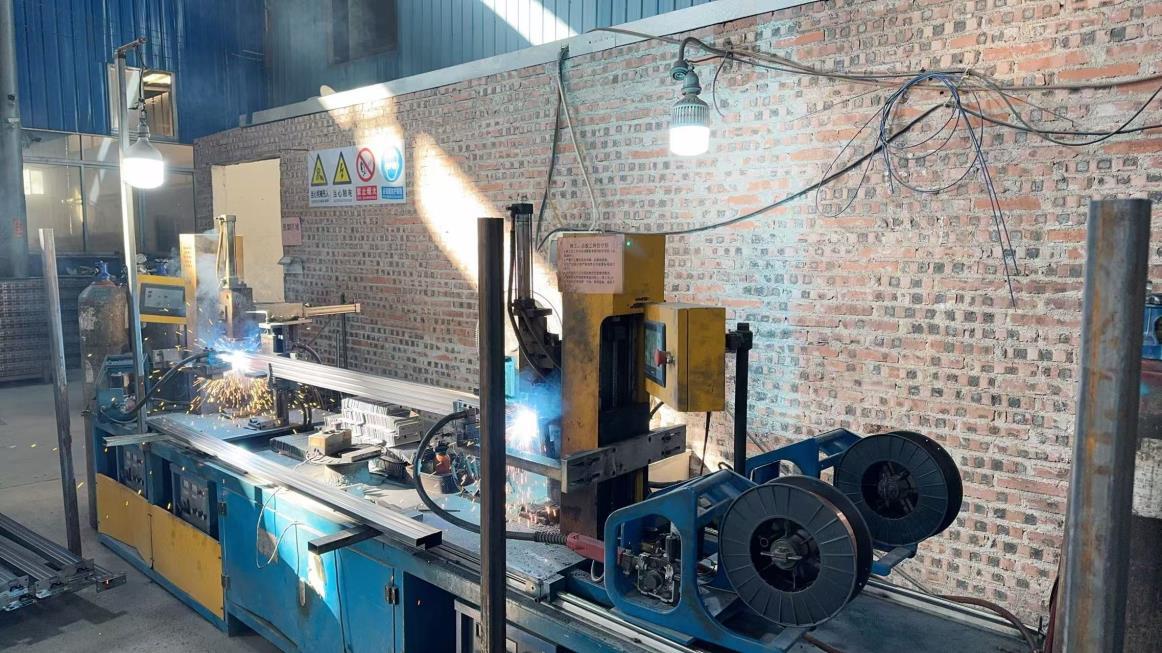
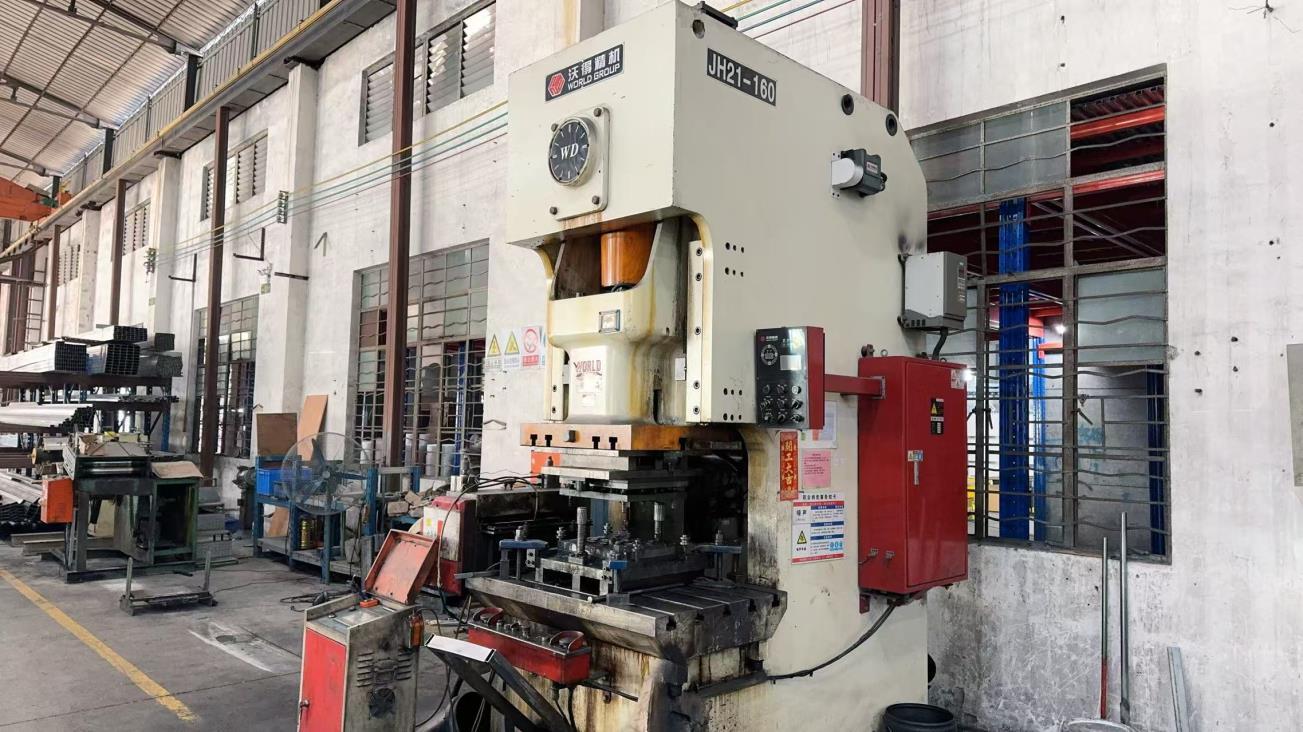
We deploy high-speed continuous roll-forming lines, automated punching machines, and robotic welding arms to eliminate human error and achieve millimeter-level precision across large batches.
Situated in Dongguan, the manufacturing heart of South China, we access premium grade-A raw material suppliers, high-tensile hardware, and local surface-treatment eco-systems at unparalleled speed.
Every structural weld is verified using automated ultrasonic weld flaw detectors. Salt spray testing validates our powder-coated coatings, securing anti-corrosion resistance under humid environments.
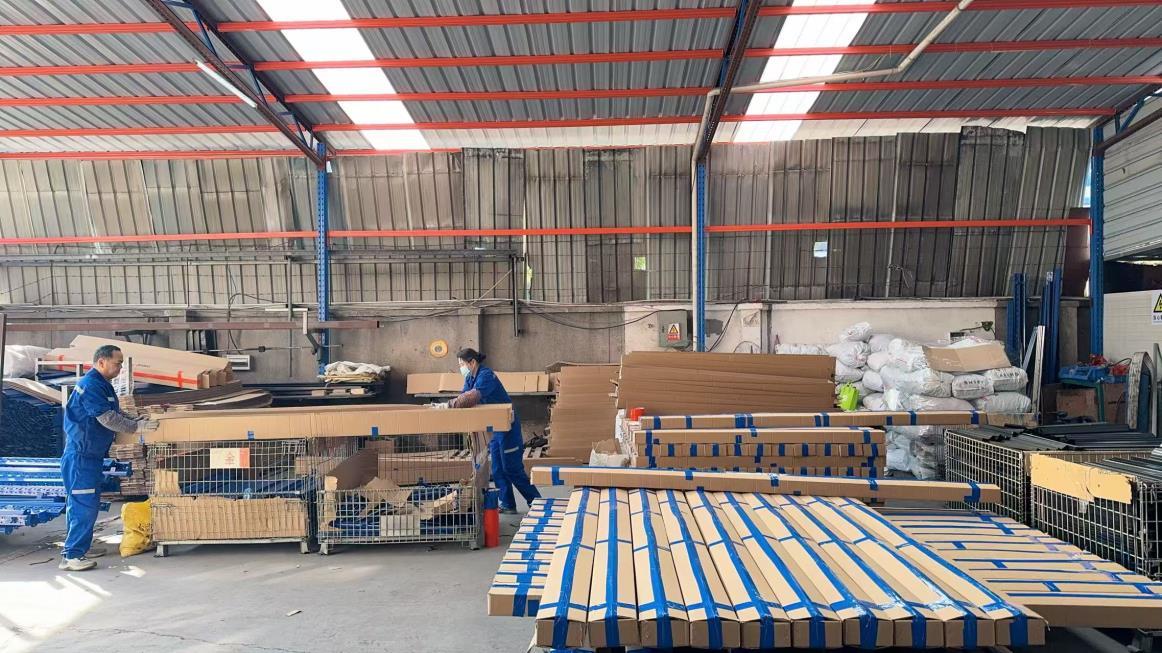
Witness our end-to-end manufacturing workflows—from raw material coils to high-precision forming, automated welding, and state-of-the-art coating lines.
Tailoring high-density gravity storage configurations to industry sectors and regulatory demands worldwide.
High-Throughput Carton Flow Solutions
Designed for fast-moving SKU picking operations, our Carton Flow systems interface seamlessly with Pick-to-Light electronics, increasing pick rates by up to 150% compared to traditional static storage shelving.
Sub-Zero Operating Performance
Engineered for food and pharmaceutical warehouses operating down to -30°C. Standard options include galvanized steel components and specialized low-viscosity dynamic roller bearings to prevent lubrication freezing.
Pallet Flow with High Load Capacities
Engineered to withstand heavy structural loads up to 1,500 kg per pallet position. Incorporates multi-roller paths with dynamic brake rollers, guaranteeing controlled decents of heavy engines and components.
Key parameters to specify when requesting custom OEM gravity rack estimates:
For engineering departments, structural safety and regulatory compliance represent the baseline of quality. At Dongguan Kimsuk, our gravity rack designs comply with global design codes:
Additionally, we offer various structural coatings, including hot-dip galvanizing for corrosive chemical settings and electrostatic epoxy powder coatings in standard RAL colors for dry environments.
Detailed technical advice on design, engineering specs, and installation of OEM gravity flow systems.
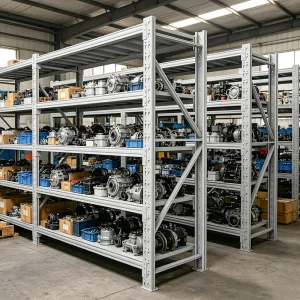
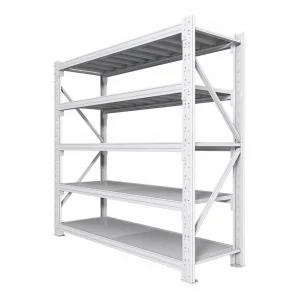
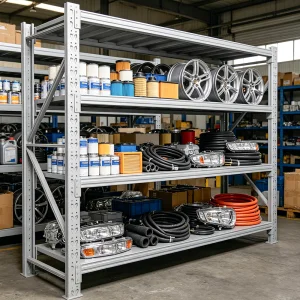
Browse our complete catalog of industrial shelving units, custom mezzanines, and multi-tier structural racks.
 Kimsuk Racking