Highly adaptable steel configurations built to support dynamic supply chains, manufactured to rigorous engineering standards.
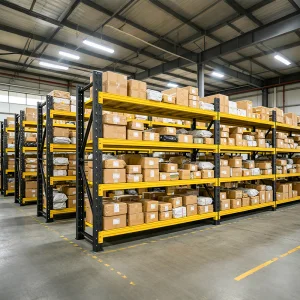
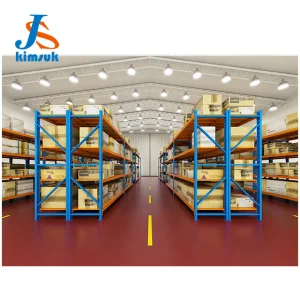
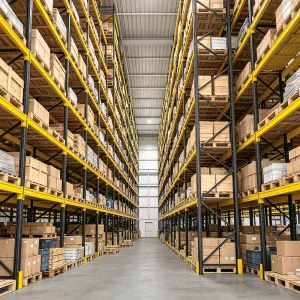
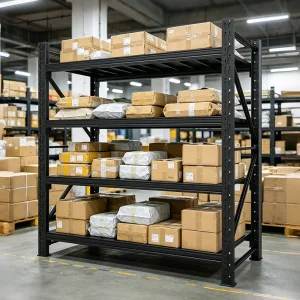
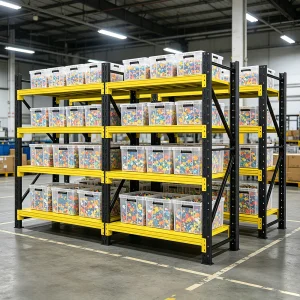
Unlocking dynamic high-density storage through gravity-fed FIFO logistics engineering.
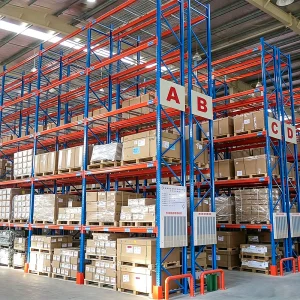
In modern industrial logistics, space utility optimization is no longer just about vertical growth; it centers on operational velocity and storage density. Live Storage Racks, universally recognized as gravity flow racking systems, represent the gold standard for high-throughput warehousing. Operating on a strict FIFO (First-In, First-Out) framework, these systems utilize slightly sloped roller lanes. When a pallet or carton is retrieved from the picking face, the next unit automatically glides forward under controlled gravity. This mechanical simplicity eliminates unnecessary forklift movements, vastly reduces power consumption, and maximizes floor footprint efficiency by up to 60% compared to selective racking systems.
Across global industrial sectors, from automated distribution hubs in North America to micro-fulfillment hubs in Western Europe and rapid agricultural cold-chain systems in Southeast Asia, industrial operations are transitioning away from static storage. The adoption of live storage layouts addresses the fundamental friction of supply chains: time spent traveling within warehouse aisles. By consolidating load replenishment and picking zones into two dedicated, non-overlapping channels, warehouse operators reduce transit distances, isolate heavy machinery traffic, and significantly improve workplace safety.
Eliminates standard operating aisles, allowing deep-lane storage designs that house up to 60% more inventory within the identical footprint of selective systems.
Ideal for perishables, food & beverage processing, and cold storage facilities where batch control and strict expiration date enforcement are critical.
Forklifts remain restricted to loading ends and picking ends. Decreased machinery travel leads to lower maintenance costs, reduced labor hours, and fewer collisions.
An objective comparison of racking systems, illustrating the optimization potential of gravity-fed live systems.
| Racking System Type | Space Utilization Index | FIFO / LIFO Logic | Picking Face Access | Throughput Velocity Rating | Initial ROI Capital Recovery |
|---|---|---|---|---|---|
| Live Storage / Pallet Flow Racks | Ultra High (85%+) | Strict FIFO | 1 Loading Face / 1 Discharge Face | Excellent (Continuous Flow) | 12 - 18 Months (High Savings) |
| Selective Pallet Racking | Low (30% - 40%) | Flexible FIFO/LIFO | 100% Direct Access to All SKUs | Moderate (High Travel Time) | Baseline (High Long-term Labor) |
| Drive-In / Drive-Through | High (60% - 75%) | Strict LIFO | Single Face (Entry into Rack) | Slow (Careful Forklift Operation) | 18 - 24 Months |
| Double Deep Systems | Moderate-High (50% - 60%) | LIFO | 50% Direct Access | Slow-Moderate | 15 - 20 Months |
How physics, high-grade metallurgy, and precise manufacturing converge to build safe, automated gravity lanes.
Designing an industrial live storage rack system is a challenge of dynamic mechanical load distribution. Unlike static structures, dynamic racking must account for moving momentum, deceleration mechanics, and pallet construction variables. A failure to calculate the slope gradient or roller friction leads to lane blockages or unsafe pallet impact speeds at the discharge face.
At Dongguan Kimsuk Shelves Co., Ltd., our engineering department applies advanced Finite Element Analysis (FEA) to simulate dynamic loads. The structural frames are manufactured exclusively from high-strength Q235B and Q355B hot-rolled structural steel, ensuring resistance to fatigue over decades of continuous operations. Below are the key engineering specifications that define our dynamic gravity flow solutions:
Lanes are calibrated at a precise 3% to 4% decline. This slope ensures steady, self-starting pallet movement without excessive speed, regardless of weight differences.
Centrifugal speed controllers (brake rollers) are strategically positioned along the lane. They restrict pallet speed to less than 0.3 meters per second, preventing load shifting.
Heavy-duty mechanical separators isolate the lead pallet from line pressure. This allows operators to remove pallets smoothly without interference from behind.
Adapting dynamic flow racking architectures to meet the physical challenges of major global industries.
Cold storage warehouses run on high utility costs per cubic meter. Maximizing storage density is essential. Live storage configurations are suitable for sub-zero conditions (-30°C). By optimizing space, they reduce energy waste, prevent heat loss, and allow rapid stock rotation of perishable goods.
Fast-Moving Consumer Goods require efficient FIFO management. Our carton and pallet flow systems minimize buffer inventory bottlenecks, speed up trailer loading processes, and prevent product obsolescence in high-volume replenishment settings.
Strict medical compliance mandates reliable batch tracking. Gravity flow racking ensures that stock stored first is picked first, preventing older batches from getting pushed back and forgotten in the racking lanes.
A premier manufacturer and strategic global exporter of heavy-duty industrial warehouse racking infrastructure.
Founded in 2015, Dongguan Kimsuk Shelves Co., Ltd. has established itself as an industry-leading manufacturer specializing in heavy-duty industrial warehouse racking systems, automated storage solutions, and customized steel shelving. Spanning a state-of-the-art production facility of 38,000 square meters, Kimsuk combines advanced manufacturing infrastructure with high-precision engineering to deliver robust logistics and warehousing infrastructure globally. We operate with over 15 years of industry experience, achieving an annual export revenue of $28,000,000 USD across major target markets, including North America, Western Europe, Southeast Asia, Australia, and the Middle East.
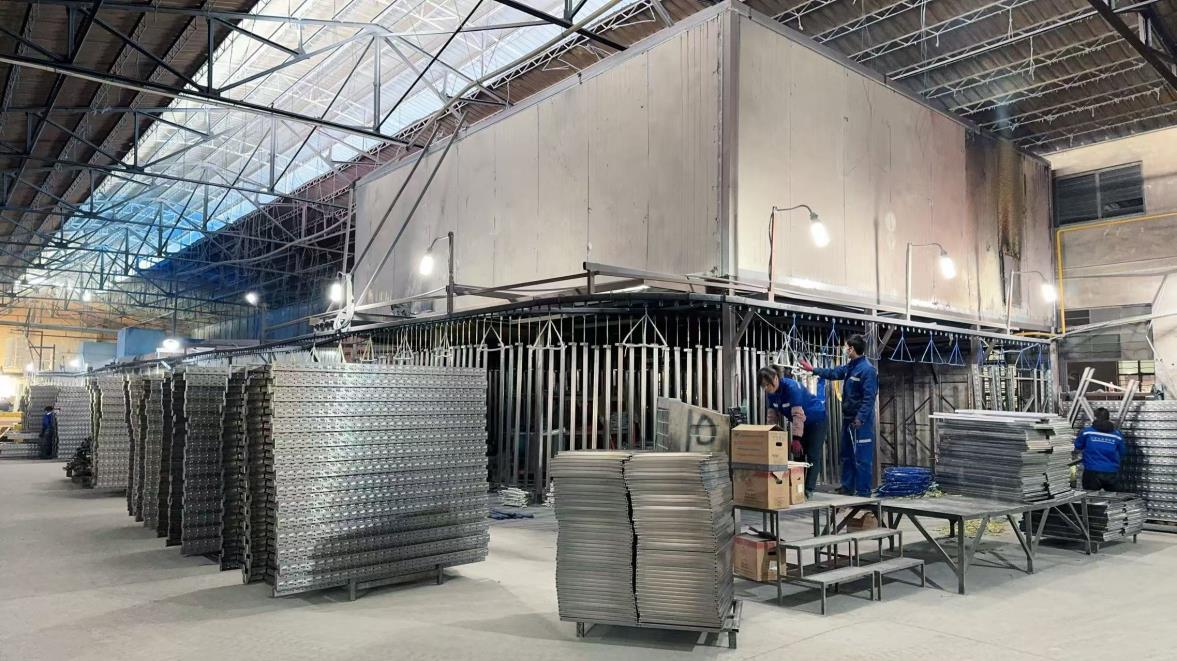
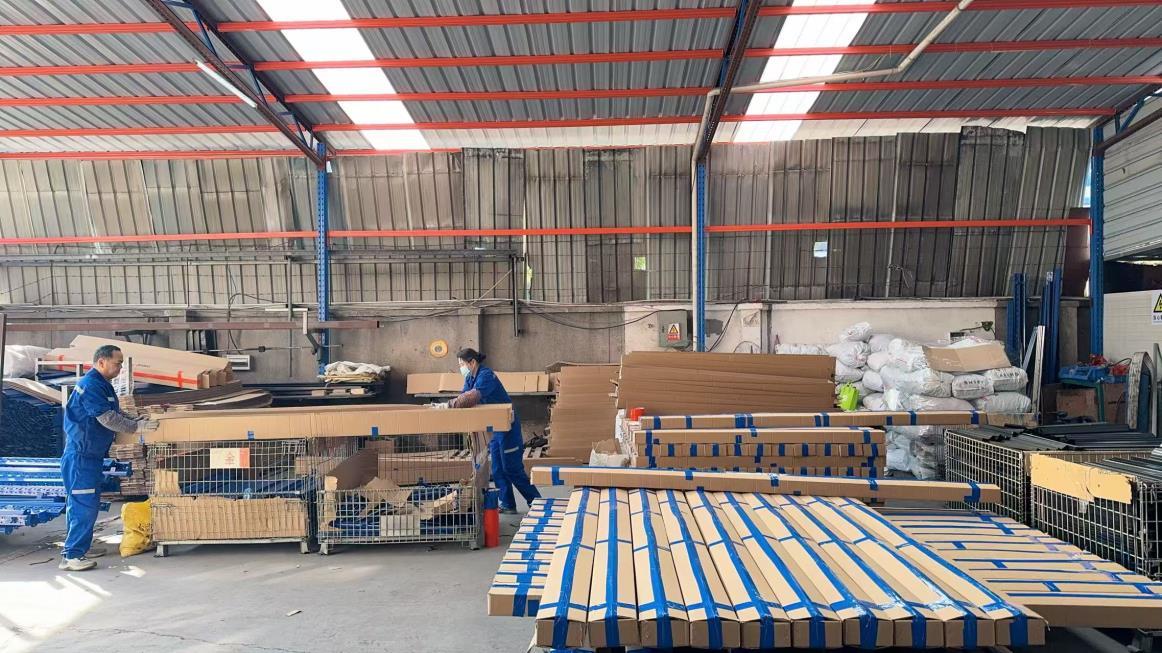
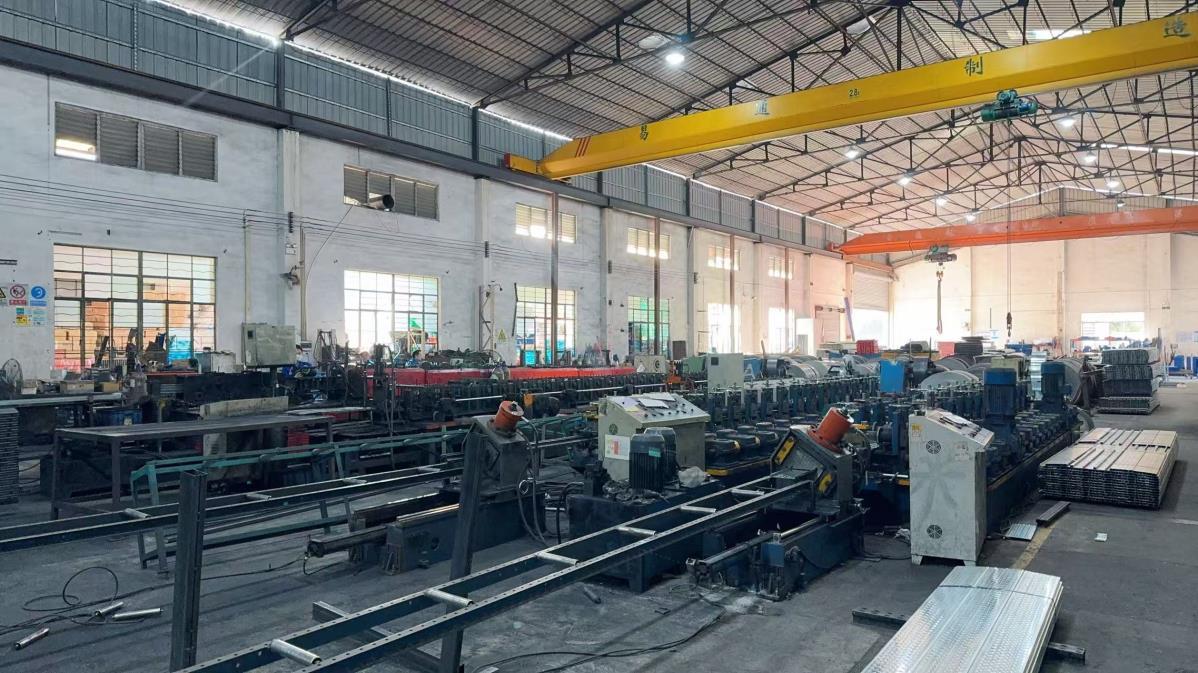
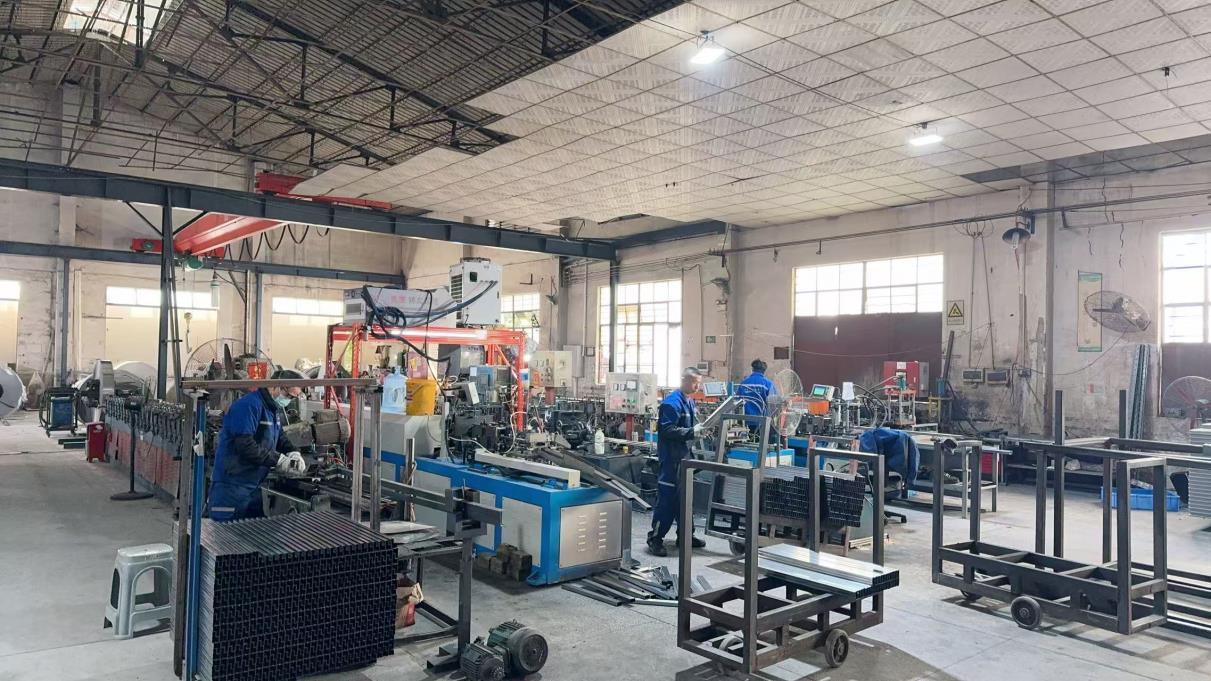
Our supply chain resilience is rooted in our integrated manufacturing model. With over 850 upstream material suppliers and downstream logistics partners, we control structural quality from raw coil steel right through to container loading. Equipped with automated roll-forming lines, dynamic robot welding systems, and fully integrated powder coating ovens, our facilities maintain consistent dimensional accuracy. This ensures that every racking upright, beam, and gravity flow frame aligns correctly, minimizing onsite installation delays and structural failures.
Our technical team consists of 18 senior structural engineers and automation specialists. Kimsuk's research and development department provides end-to-end support for custom projects: from initial CAD drawings and 3D BIM warehouse modeling to Finite Element Analysis (FEA) structural simulations. Last year alone, Kimsuk introduced 48 new racking systems and components, keeping our product catalog aligned with the latest trends in global warehouse automation.
A visual walkthrough of our step-by-step manufacturing process, demonstrating the high-precision machinery used at Dongguan Kimsuk Shelves Co., Ltd.
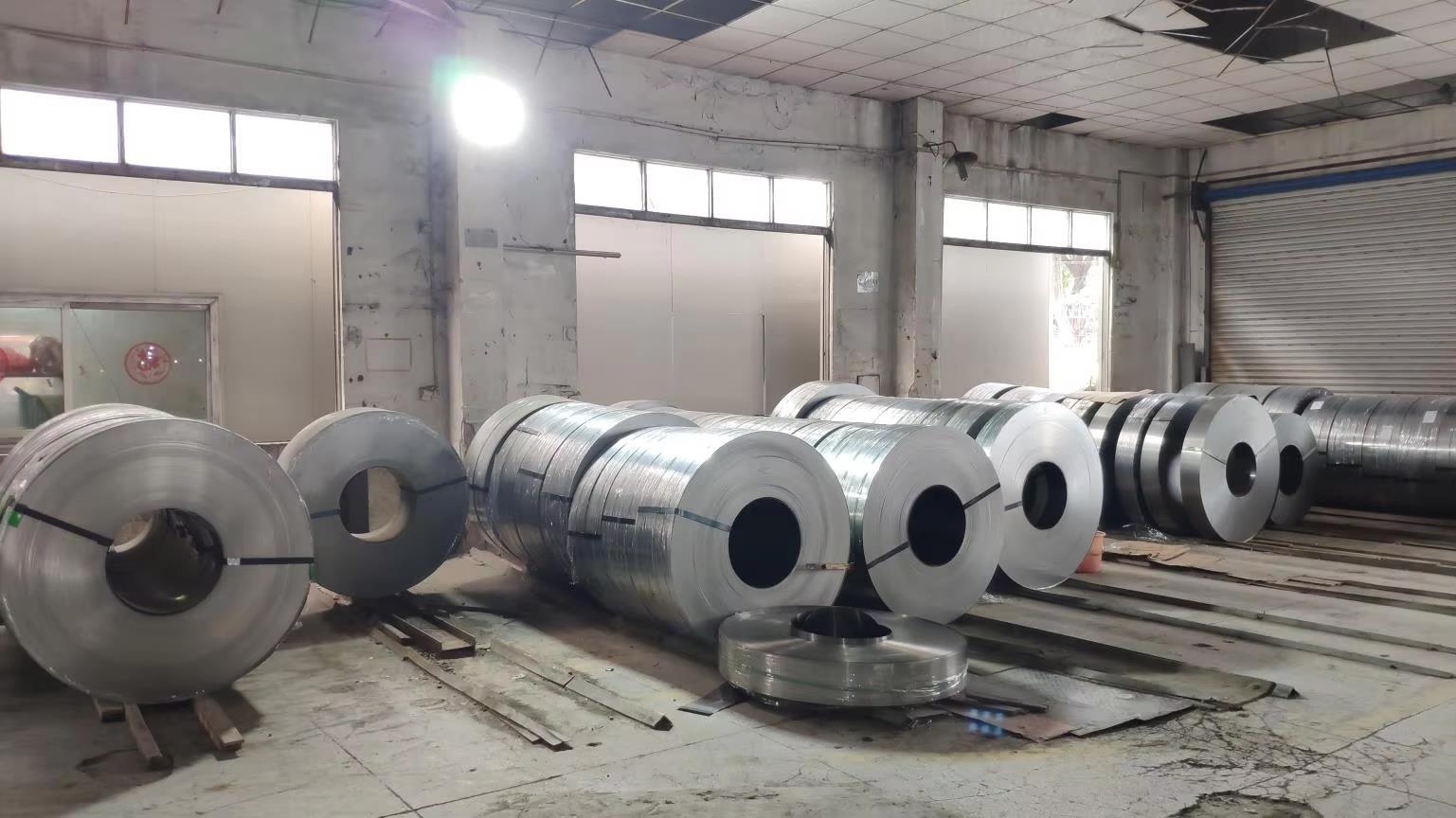
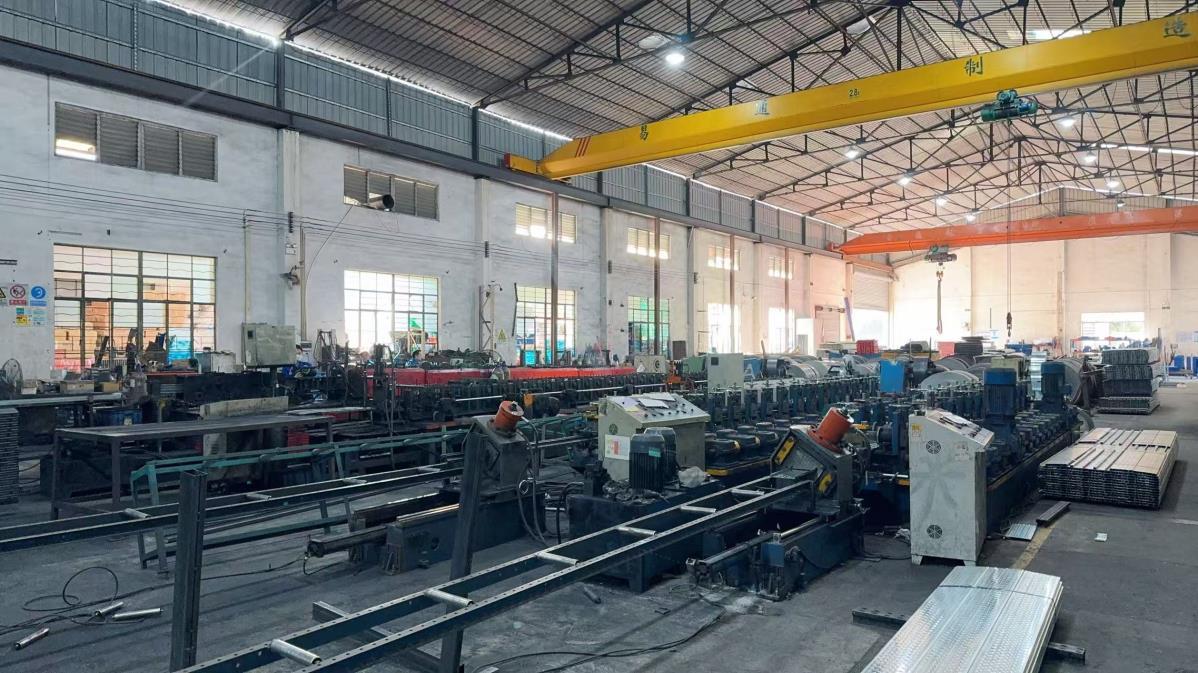
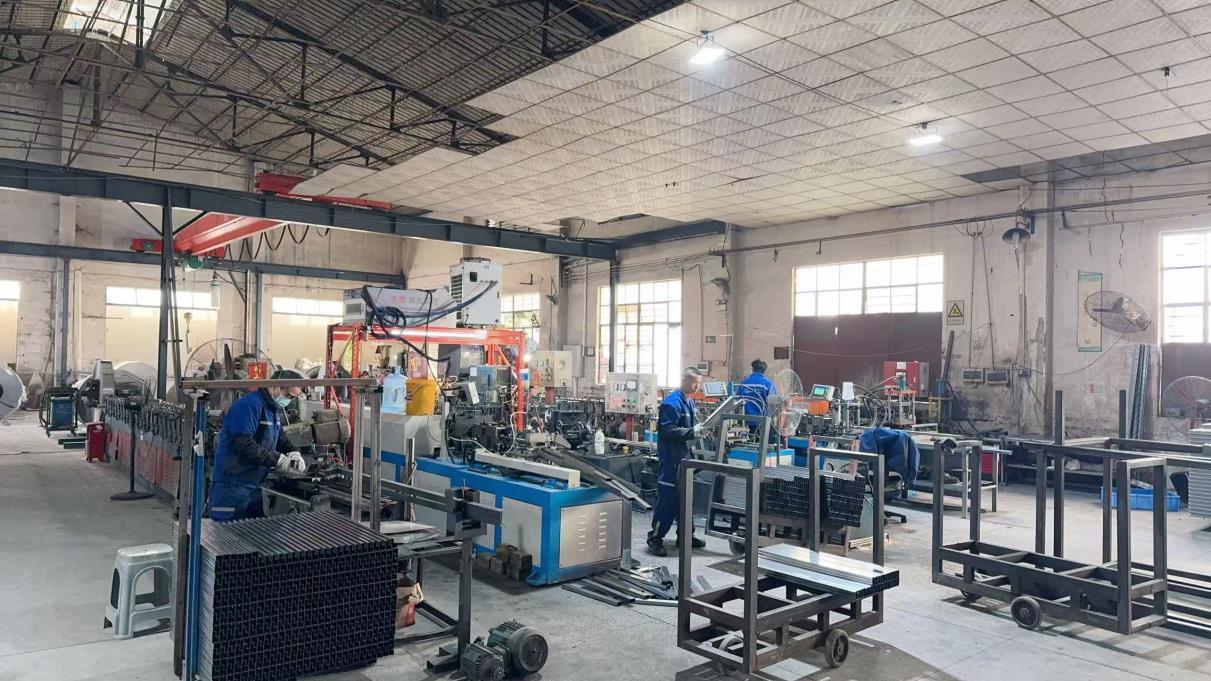
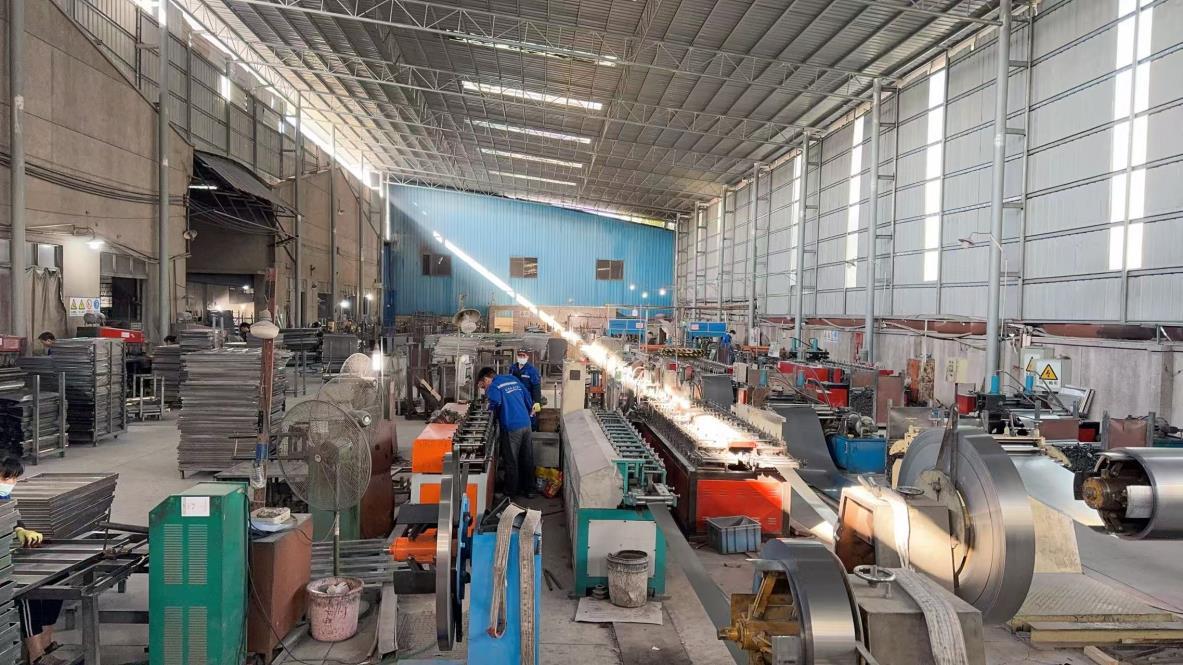
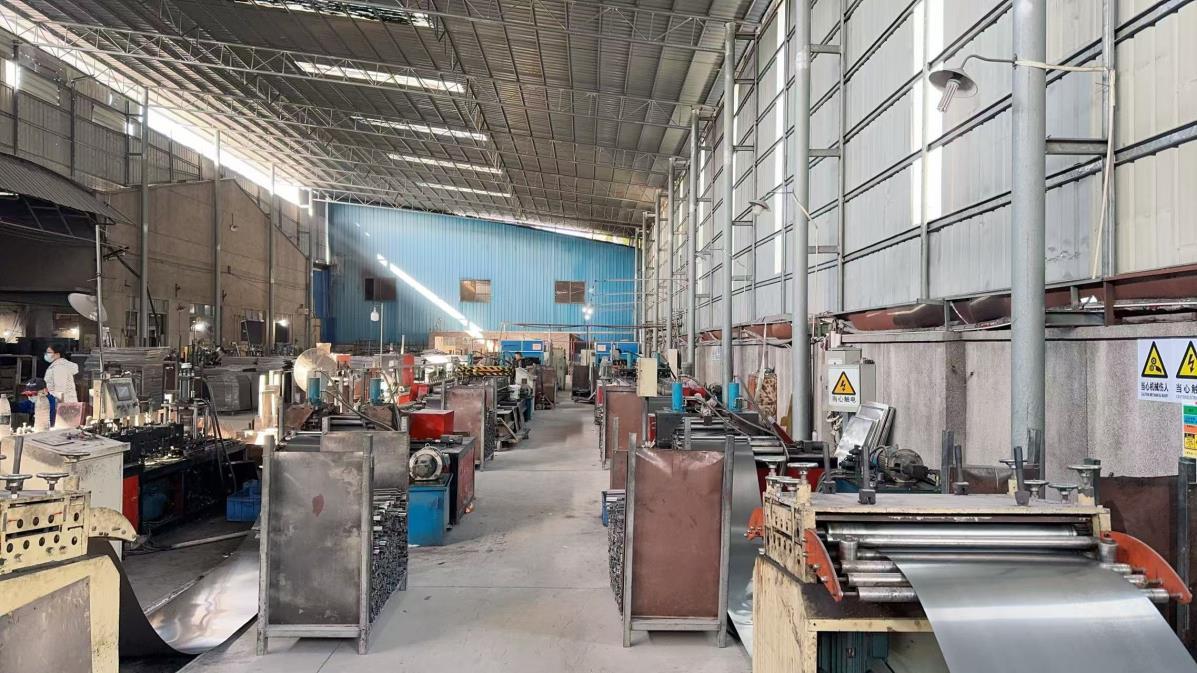
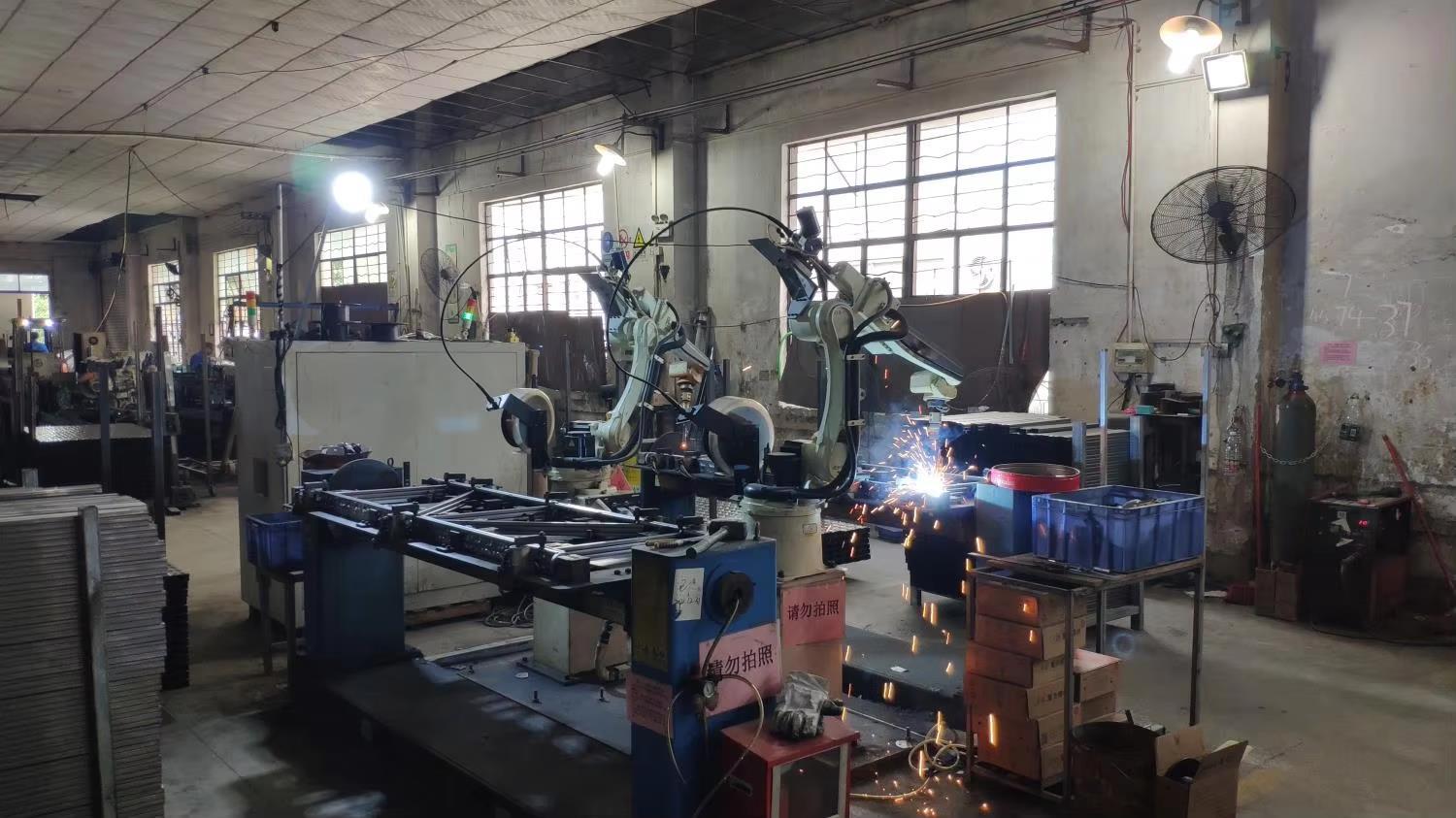
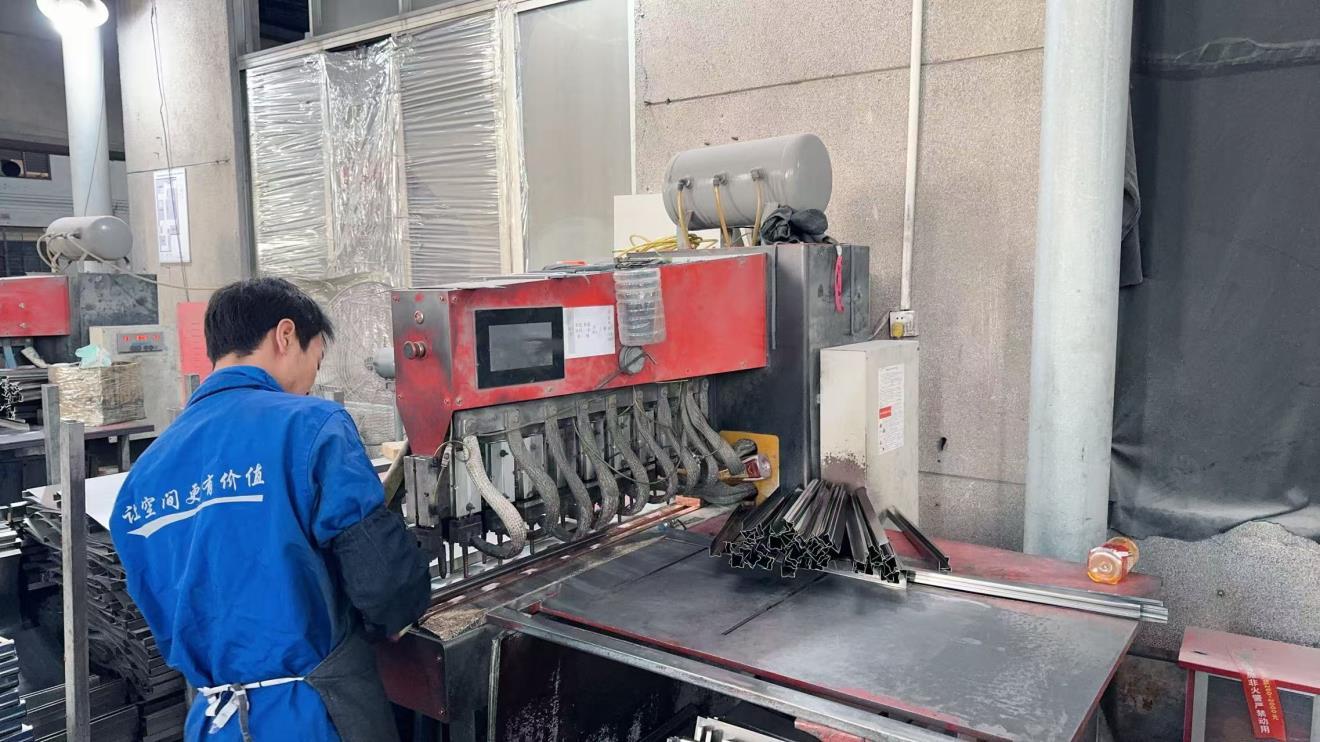
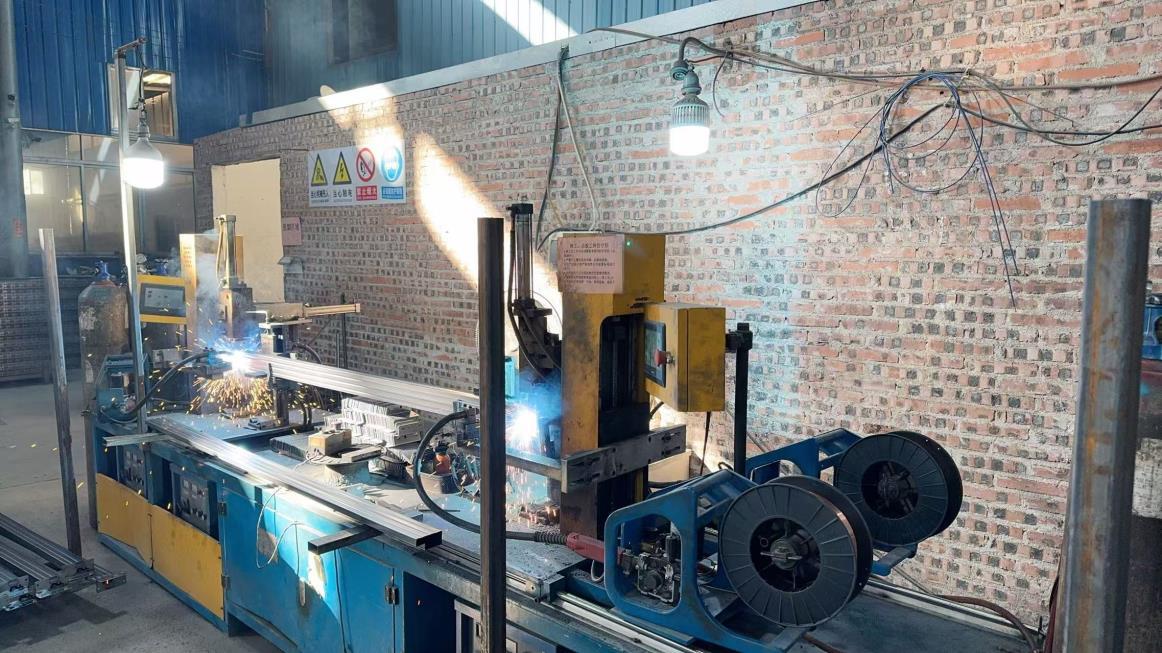
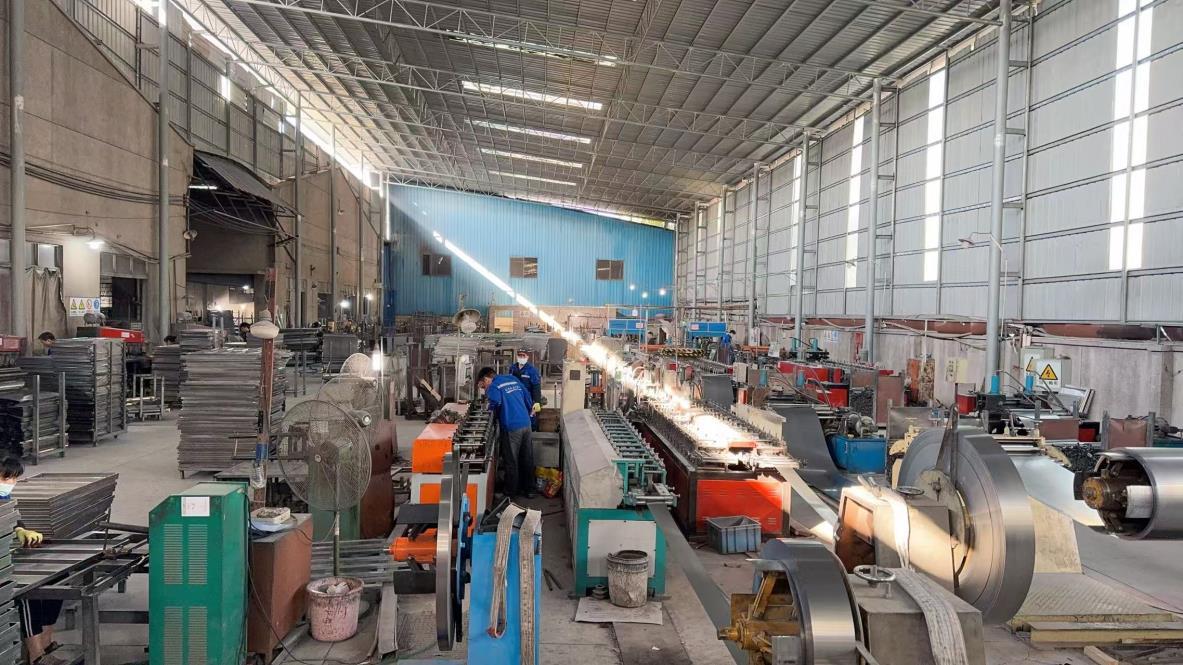
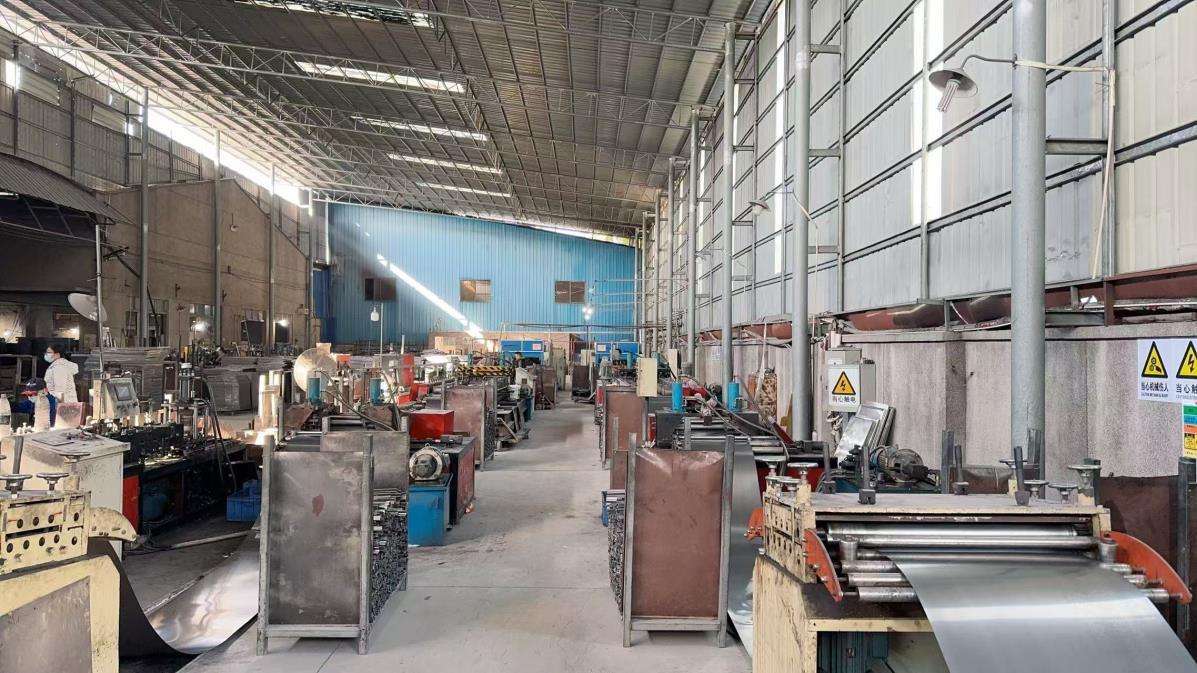
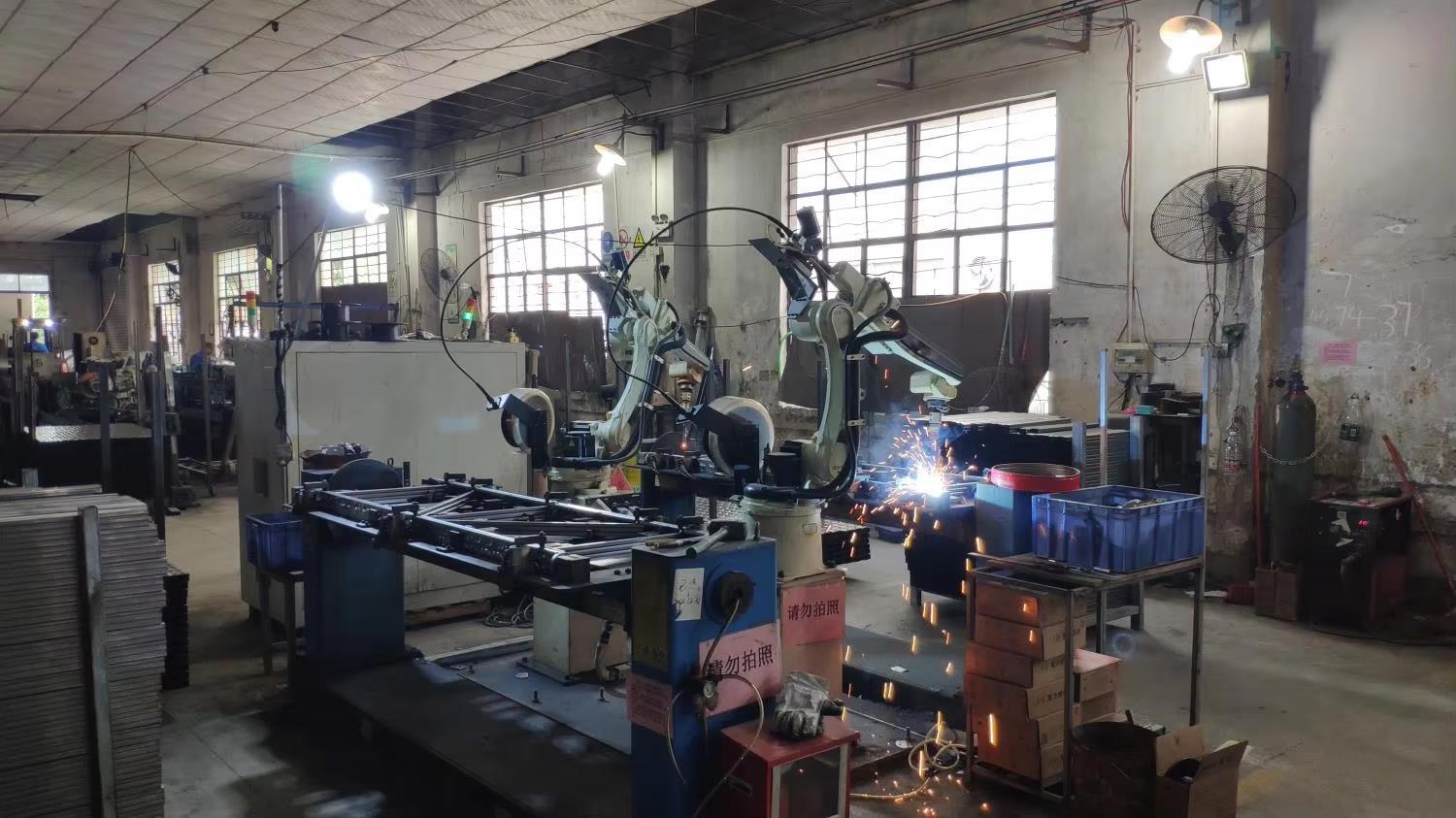
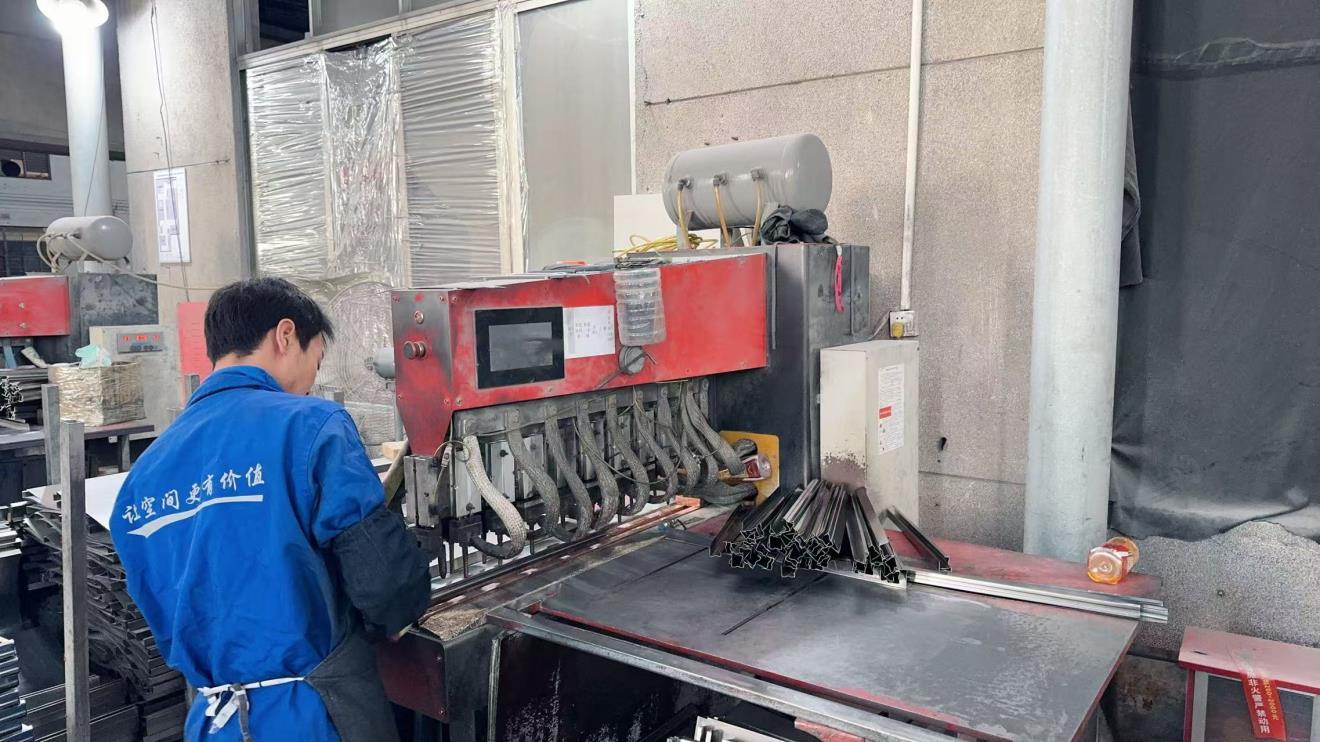
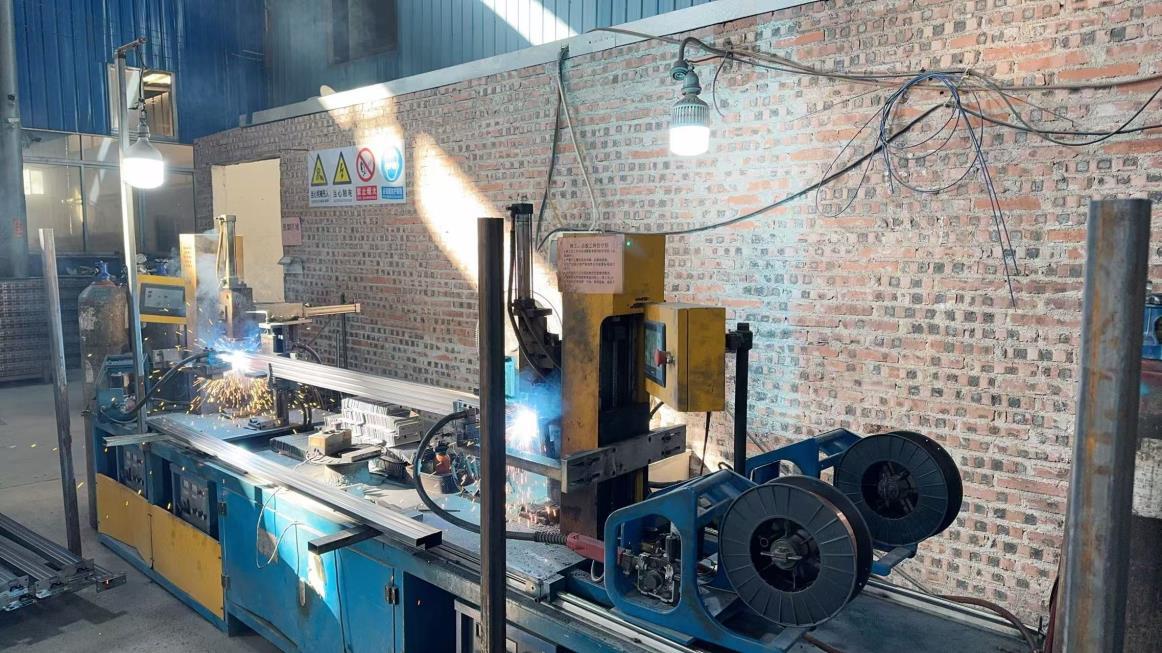
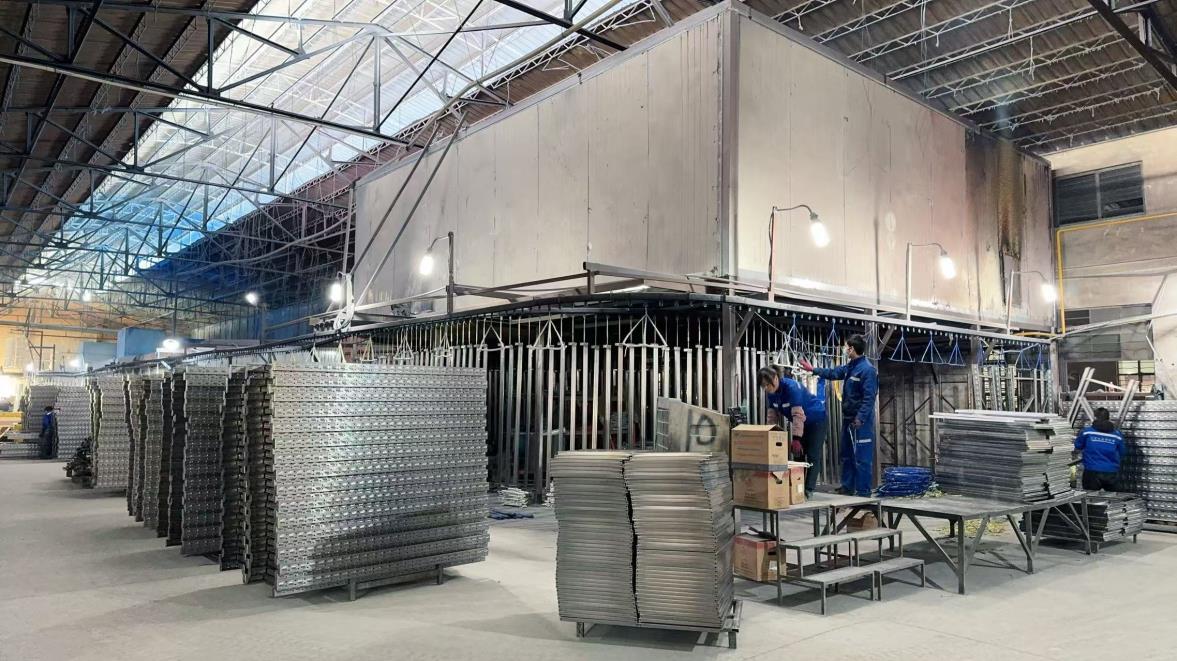
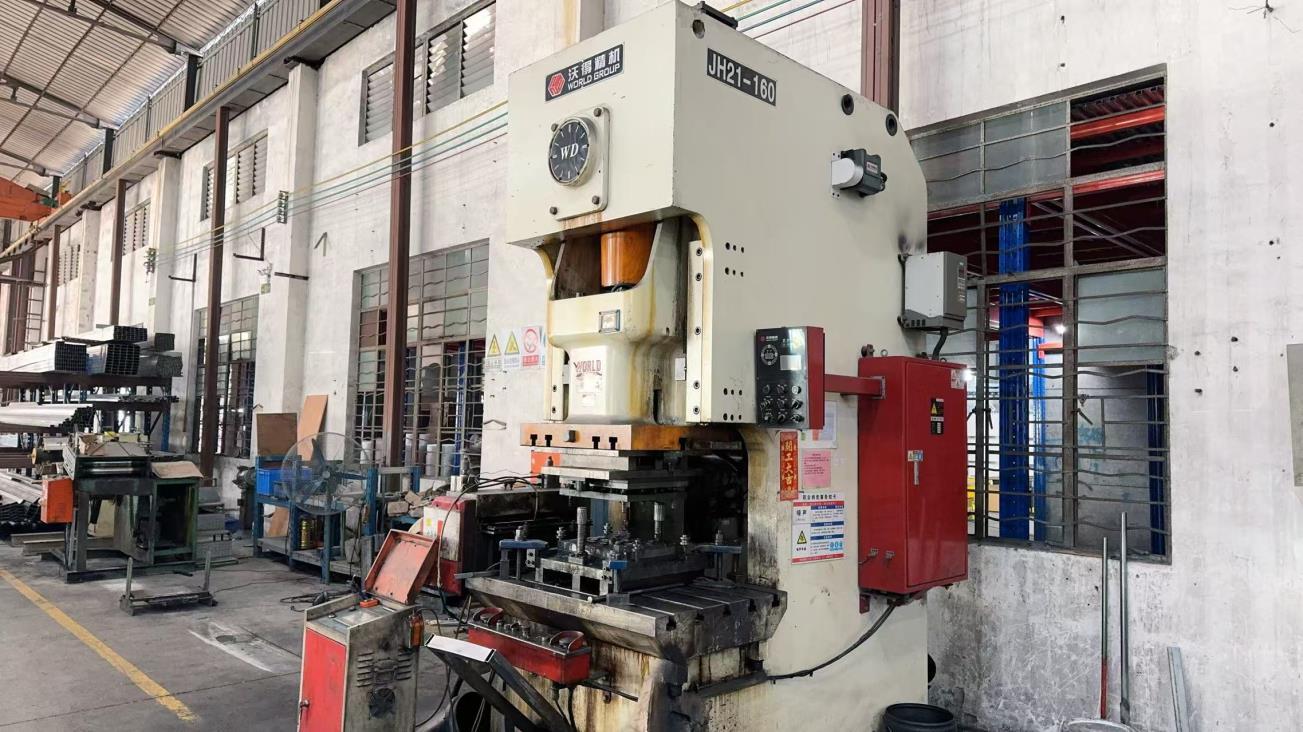
Every racking component undergoes stress testing and safety validation before global shipment.
Dongguan Kimsuk Shelves Co., Ltd. operates under the ISO 9001:2015 Quality Management System and maintains full CE compliance. We believe that structural reliability in high-capacity warehousing is critical. Our quality control team includes 35 certified inspectors who check every phase of manufacturing, from steel coil arrival to final packaging.
Non-destructive ultrasonic testing is used to verify the integrity of welded structural joints, preventing weld fatigue under dynamic loads.
We measure the thickness of our powder coatings to ensure long-term resistance to scratches, chemicals, and humidity.
Our surfaces undergo salt spray corrosion testing to verify durability in harsh environments, such as coastal logistics hubs and cold storage facilities.
Static and dynamic load-bearing tests verify deflection limits under extreme weight, keeping projects compliant with EN standards.
The integration of gravity flow mechanics with smart digital warehousing technologies.
The future of dynamic warehousing lies in combining passive gravity flow systems with digital oversight. Gravity flow racking systems are increasingly integrated into larger ASRS (Automated Storage and Retrieval Systems). In these modern layouts, automated cranes deposit pallets at the loading end, while AGVs (Automated Guided Vehicles) retrieve them at the picking face. This combination reduces energy costs by using gravity to move products within the rack, while utilizing automated vehicles for transit.
Additionally, the development of smart roller sensors will soon allow operators to track pallet positions in real time. These sensors monitor flow velocity and lane occupancy, feeding data back to a centralized Warehouse Management System (WMS). Our R&D engineers are actively designing next-generation speed controllers and modular pallet separators to ensure seamless integration with these automated systems.
Expert technical insights regarding gravity flow live storage design, safety parameters, and installation.
Typically, the standard slope angle is set between 3% and 4%. A 3.5% incline is common for standard wood pallets weighing between 500kg and 1000kg. For lighter or uneven pallets, the slope may be adjusted slightly. Our engineering team conducts dynamic testing with your specific pallet types to determine the ideal gradient before manufacturing.
We use two primary safety mechanisms: centrifugal brake rollers and mechanical lane separators. The brake rollers control the travel speed of the pallet as it glides down the lane. The end-of-lane separator removes the physical pressure of the queue, isolating the lead pallet so it can be retrieved safely and easily.
Pallet quality is critical for reliable gravity flow. Damaged, warped, or split wood pallets can get stuck or travel unevenly. For inconsistent pallet quality, we recommend using full-width rollers rather than split-roller lanes. Metal, plastic, or high-quality wood pallets yield the most consistent flow performance.
Yes, our structures are designed in compliance with major global standards, including RMI (North America) and FEM (Europe). When designing systems for seismic zones, we increase the steel gauge, utilize larger footplates, and add specialized structural bracing to ensure safety and code compliance.
Our heavy-duty live storage systems are engineered to support capacities ranging from 200kg up to 1,500kg per pallet position. A single lane can be configured to store up to 20 pallets deep, depending on building limits and forklift access.
Structural solutions engineered for dynamic logistics, automated distribution, and heavy-duty industrial storage.
 Kimsuk Racking