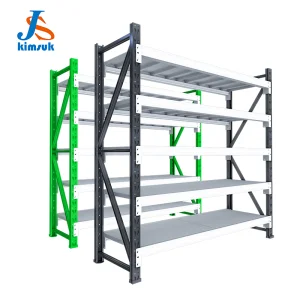
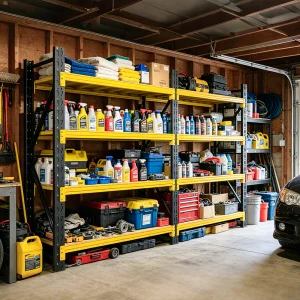
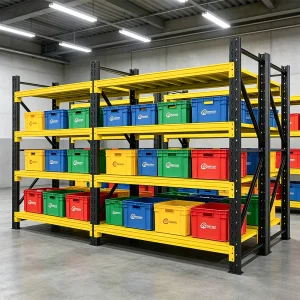
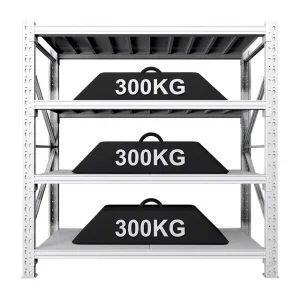
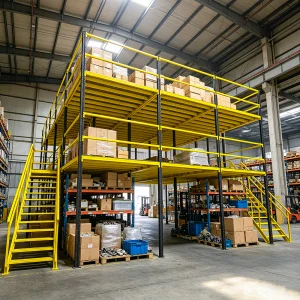
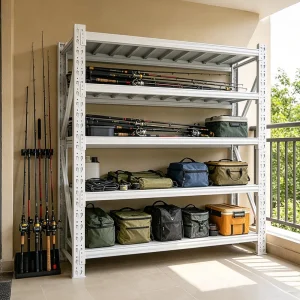
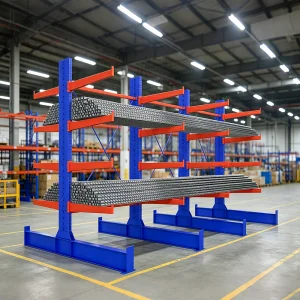
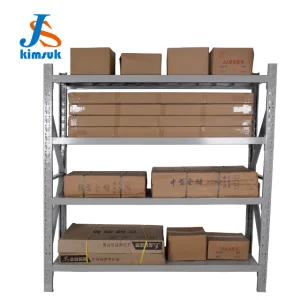
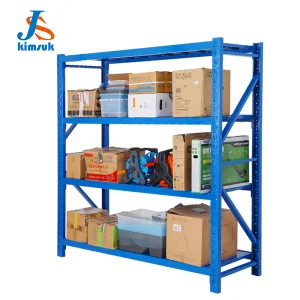
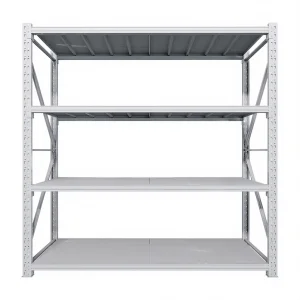
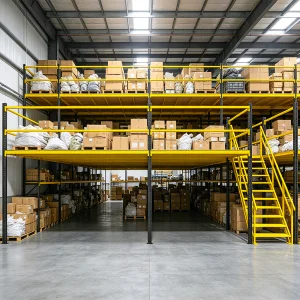
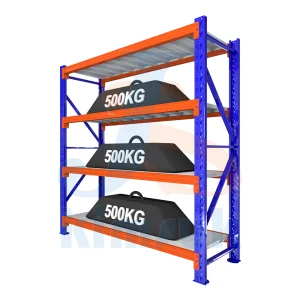
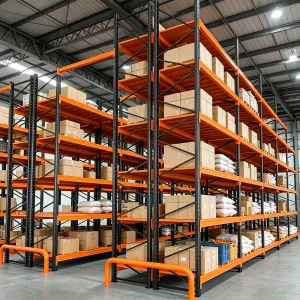
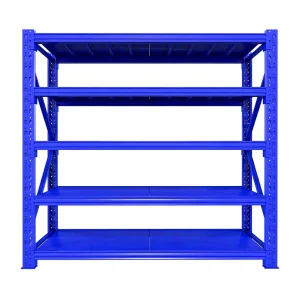
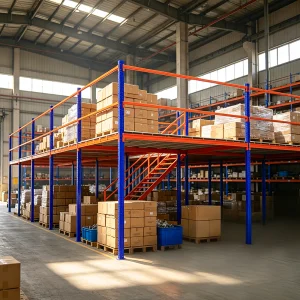
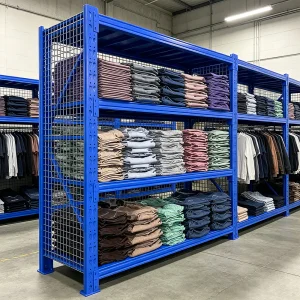
Explore our leading heavy-duty storage configurations, custom engineered for global logistics hubs, production facilities, and retail distributions.
Cantilever storage systems represent the pinnacle of structural spatial efficiency for stockpiling long, bulky, or uniquely shaped loads. Unlike standard pallet racks, cantilever configurations feature an open-front design without vertical structural obstructions. This makes them the engineered system of choice for items such as steel bars, PVC piping, timber packs, sheet metals, and heavy industrial machinery components.
By leveraging high-grade roll-formed or structural steel columns coupled with adjustable load-bearing arms, modern industrial facilities maximize vertical workspace while ensuring rapid product accessibility. However, selecting the appropriate cantilever infrastructure requires an in-depth understanding of the physics governing horizontal load deflection, seismic structural anchoring, and material tolerances. Enterprise operations must assess the load-bearing requirements per arm and per upright column to prevent buckling under uneven dynamic loading conditions.
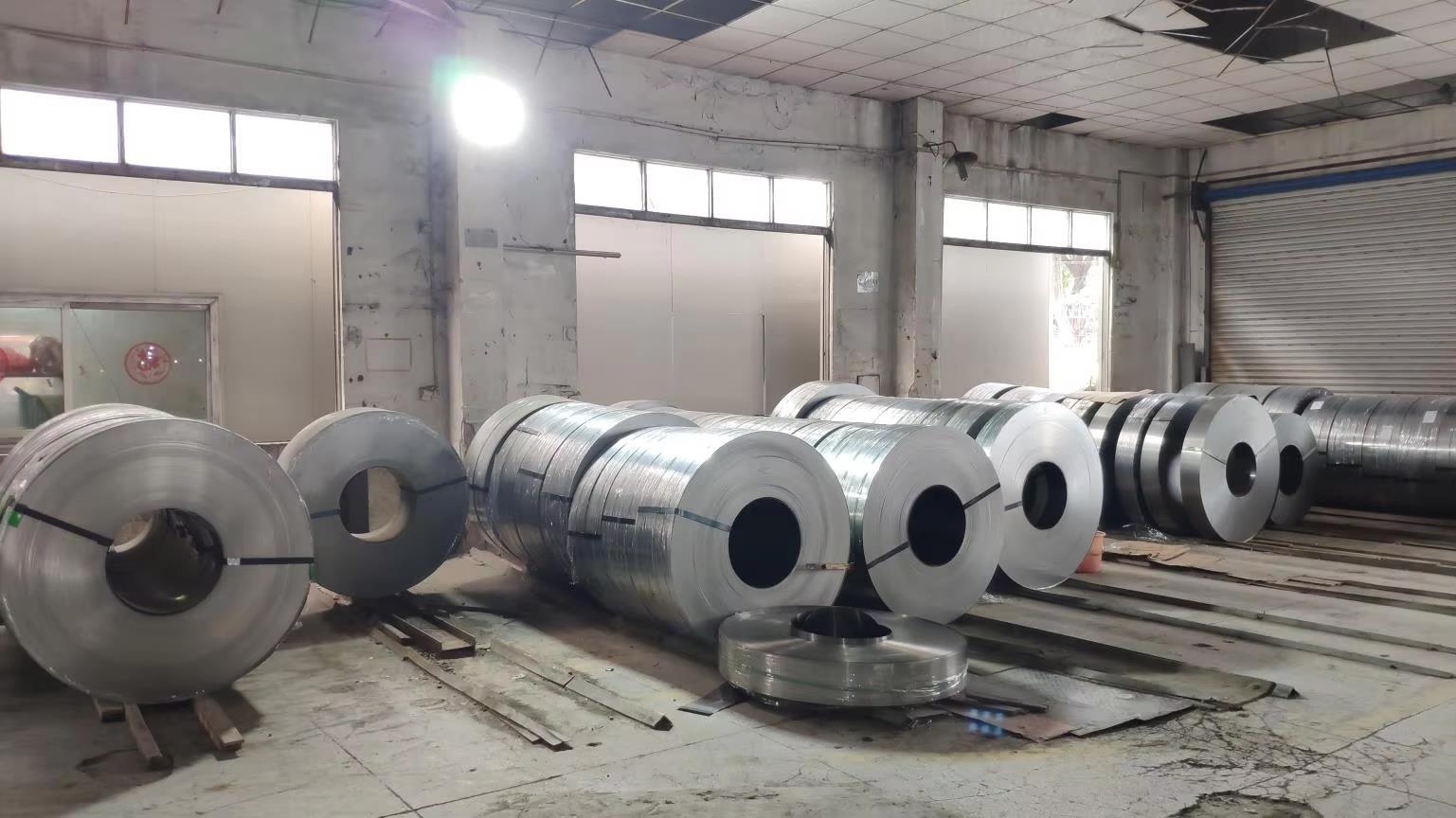
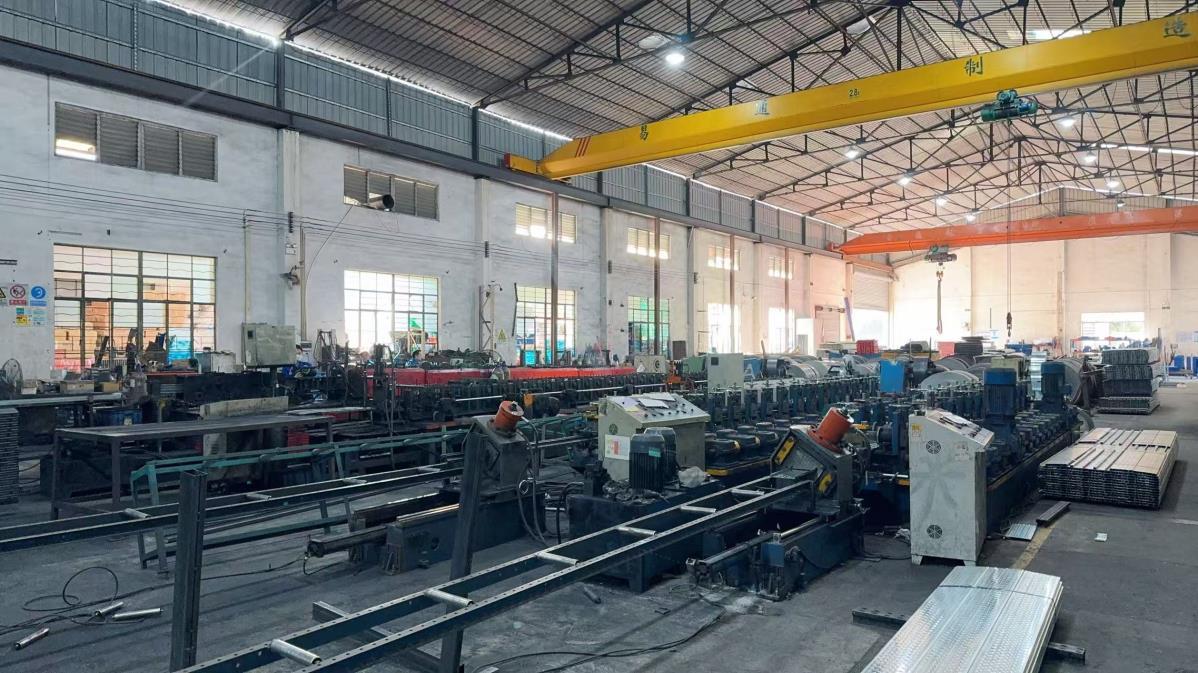
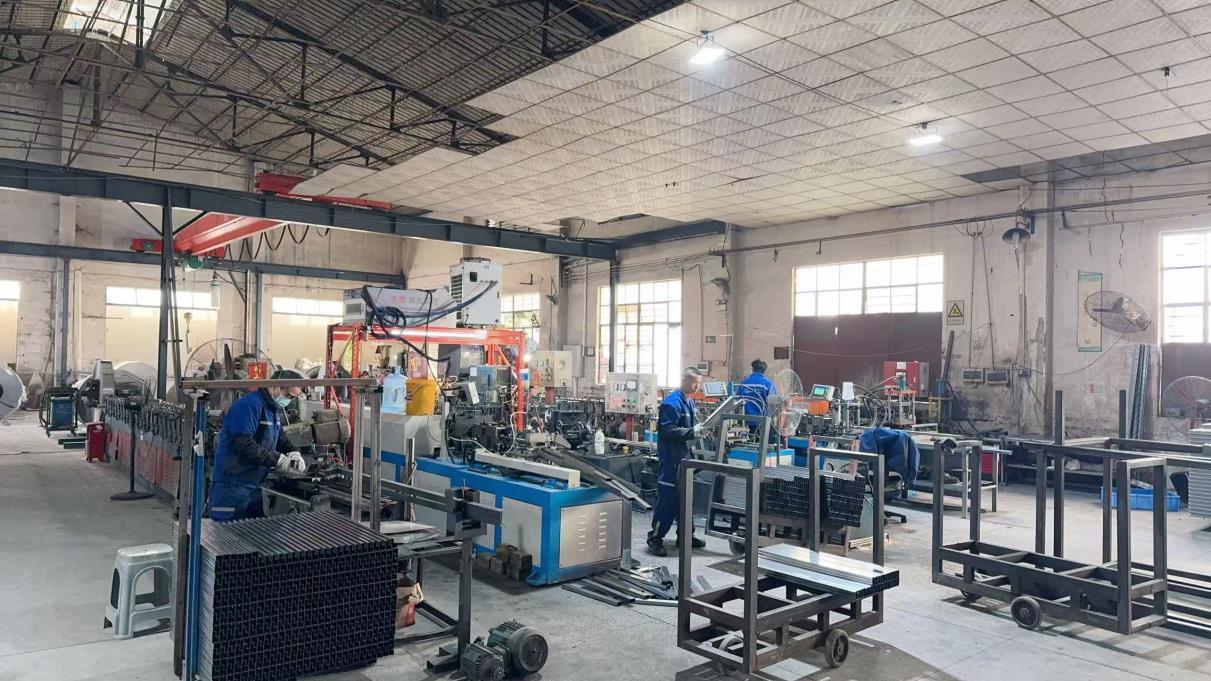
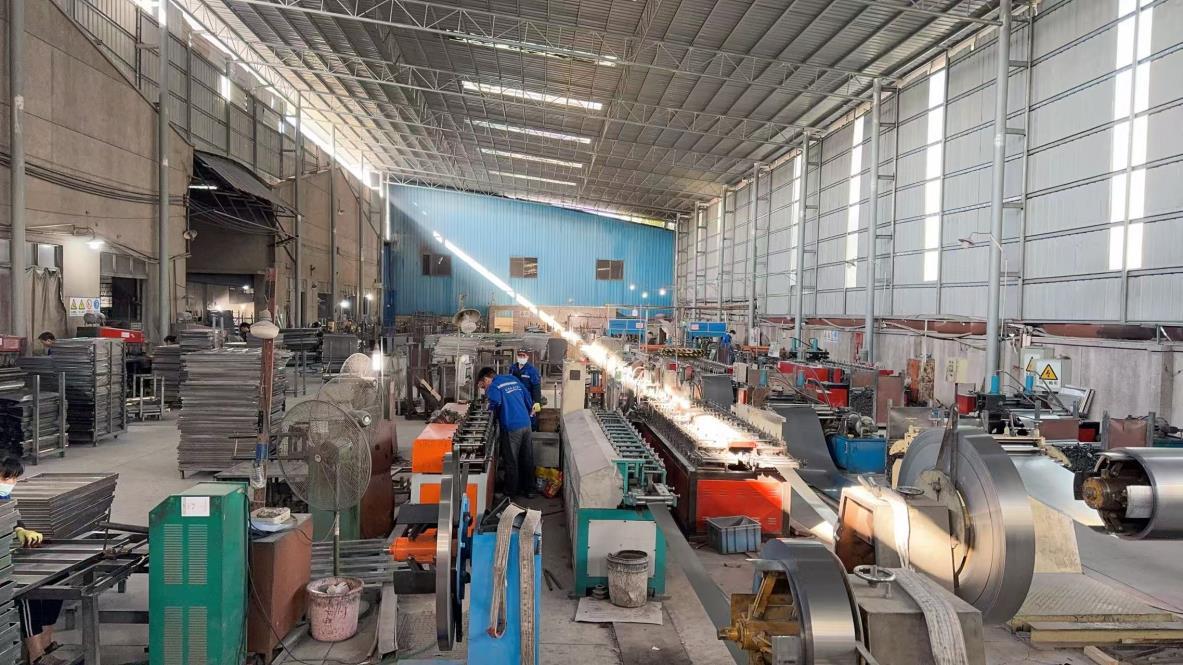
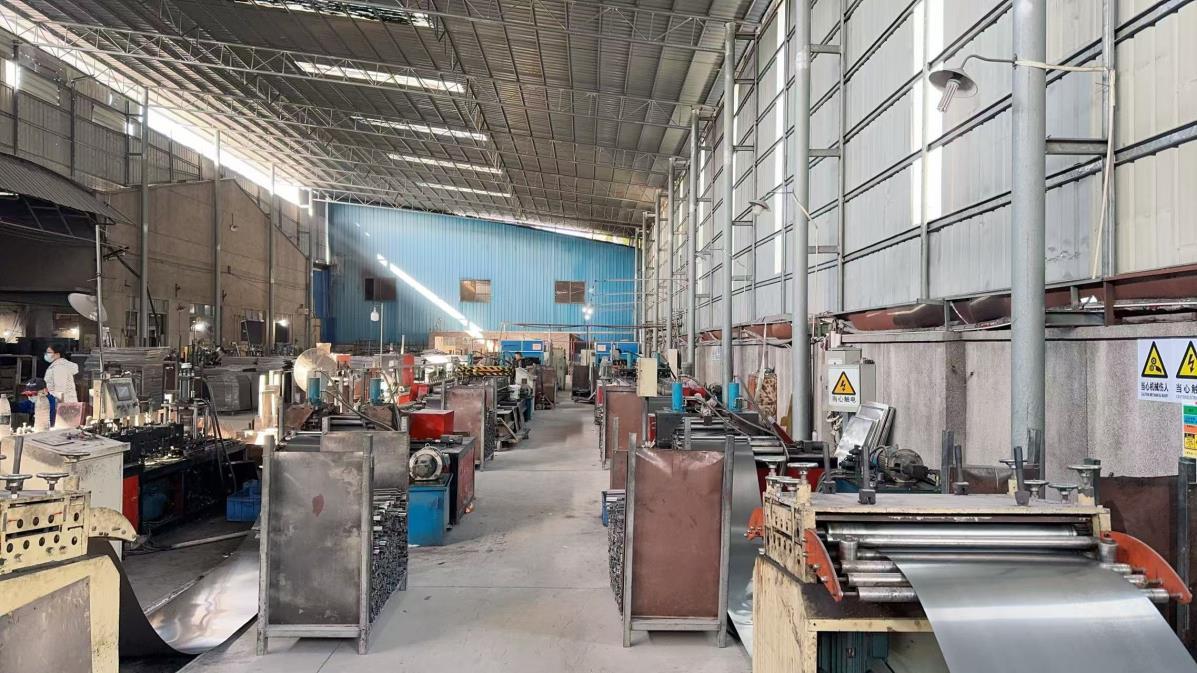
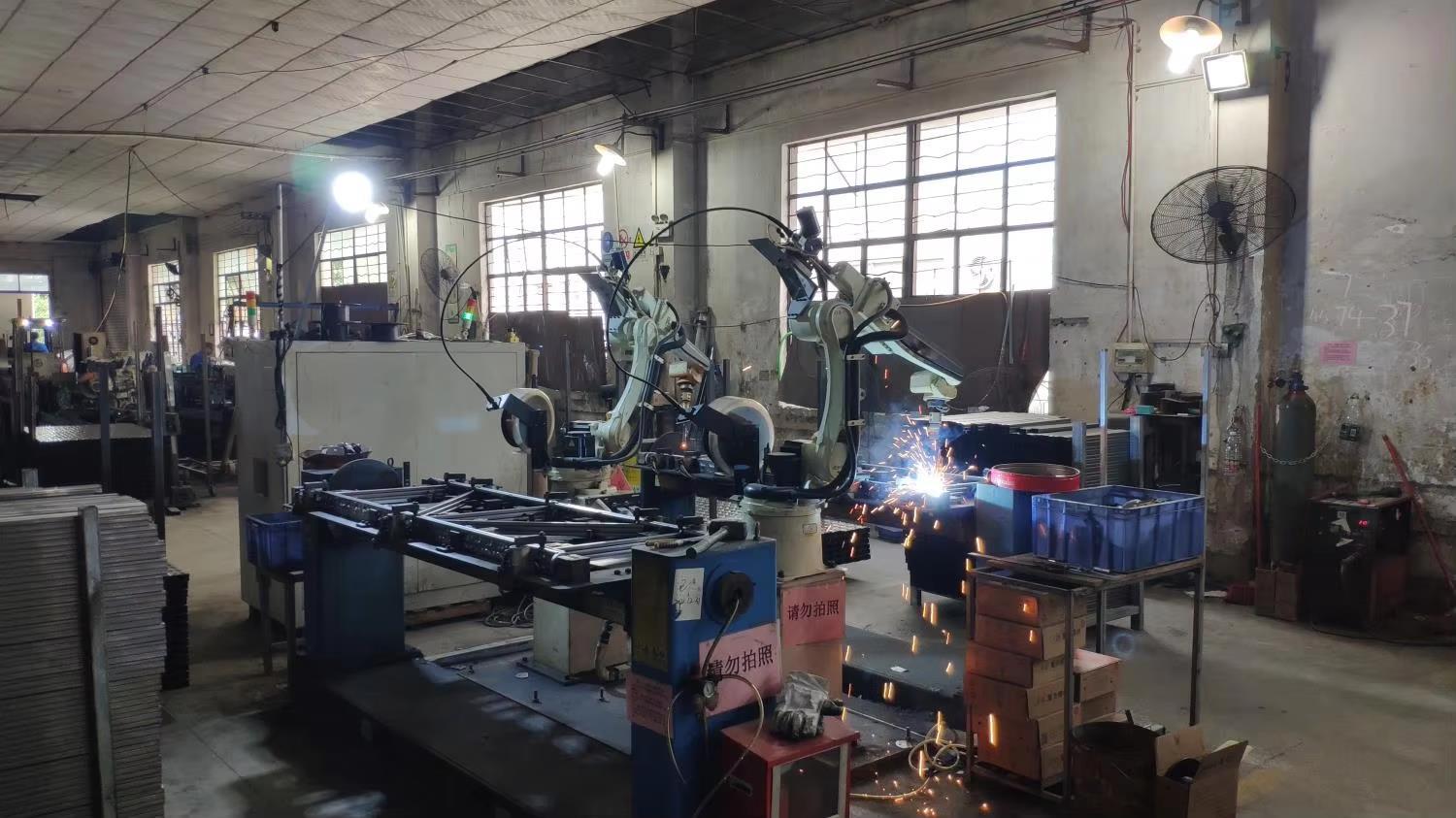
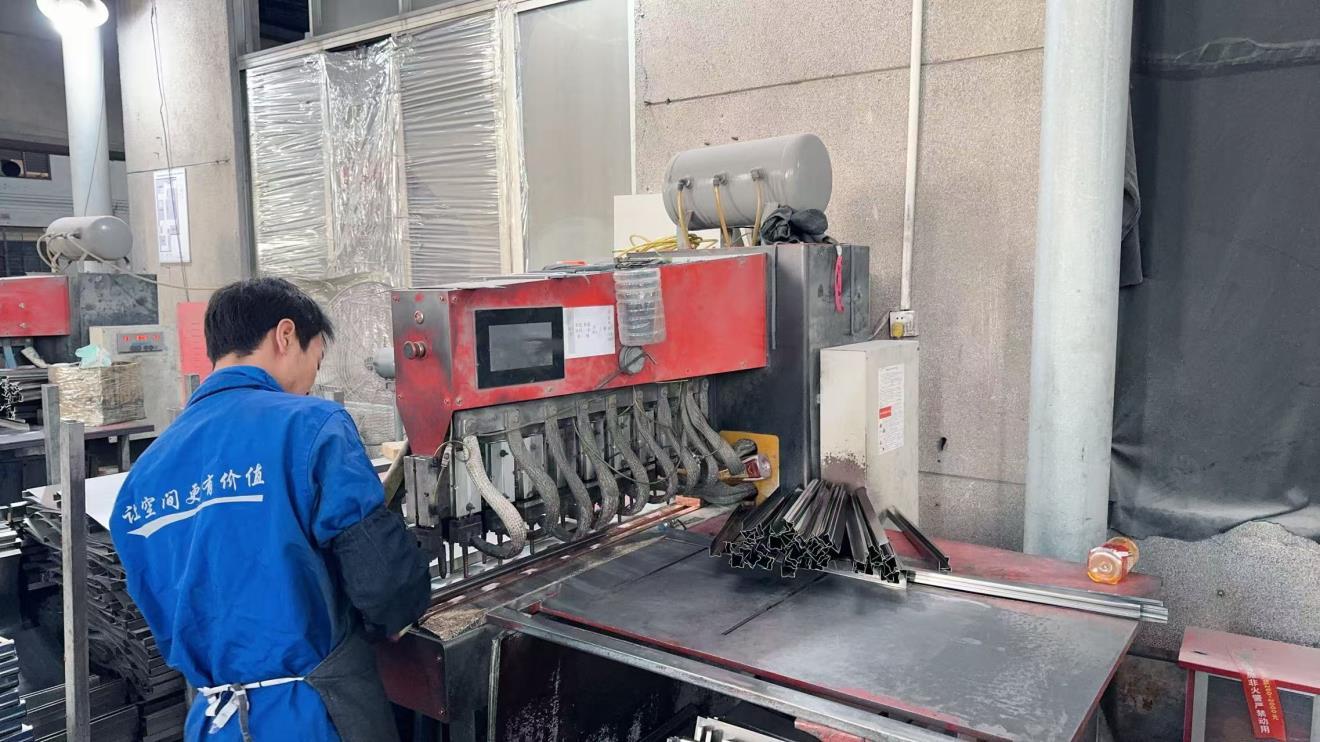
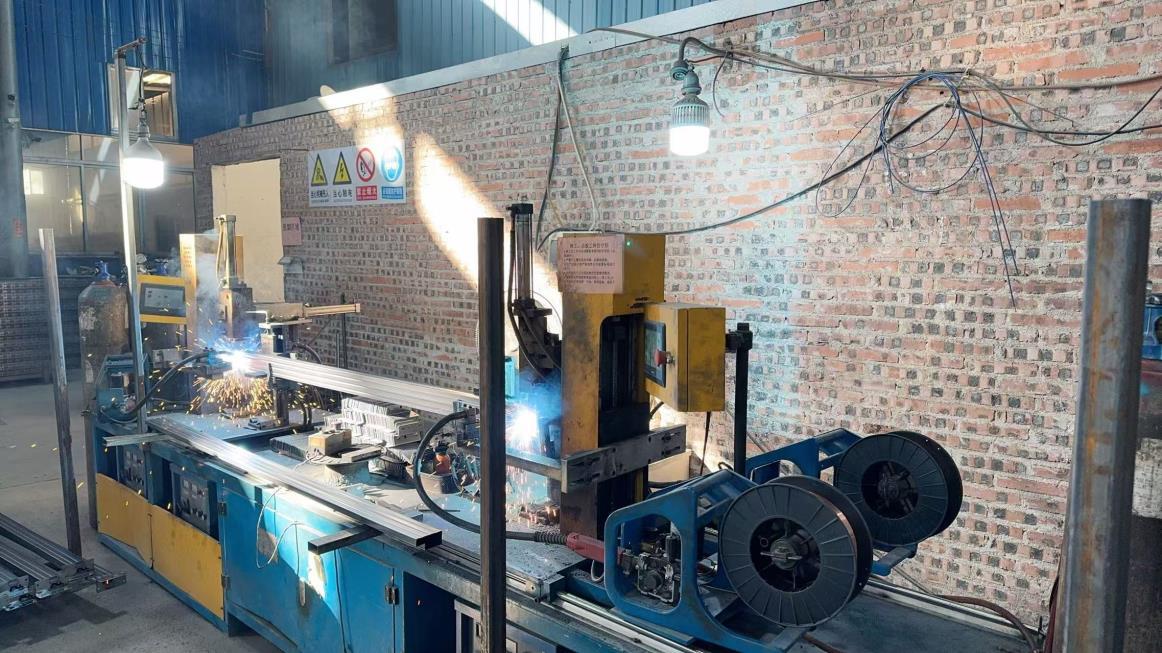
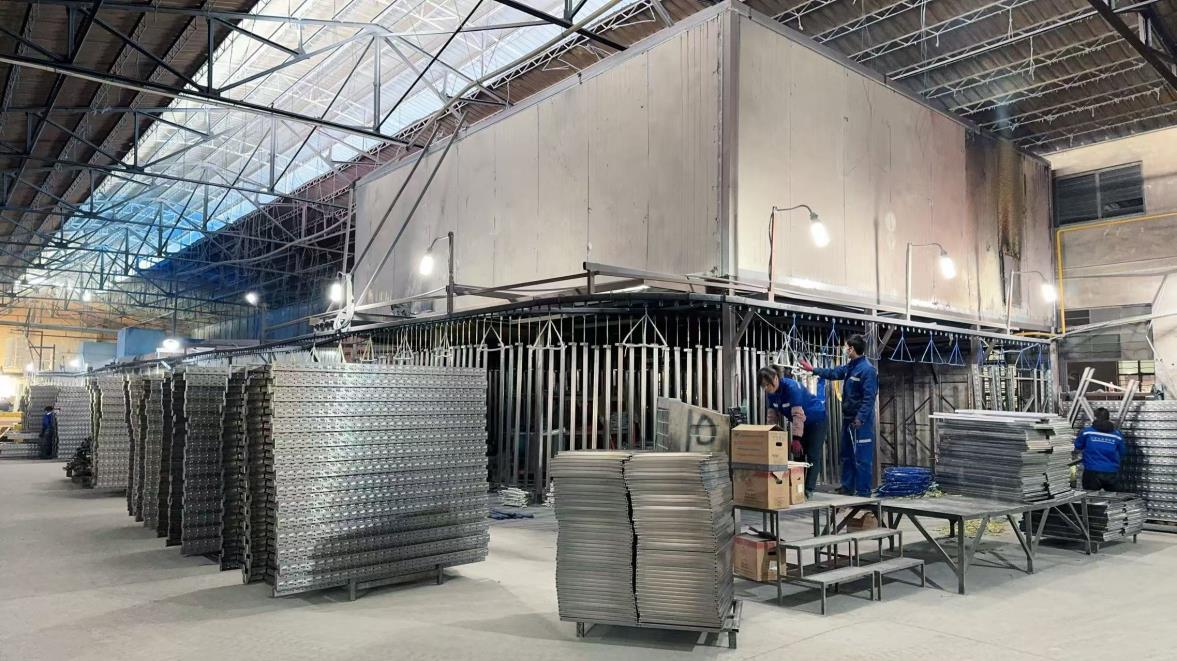
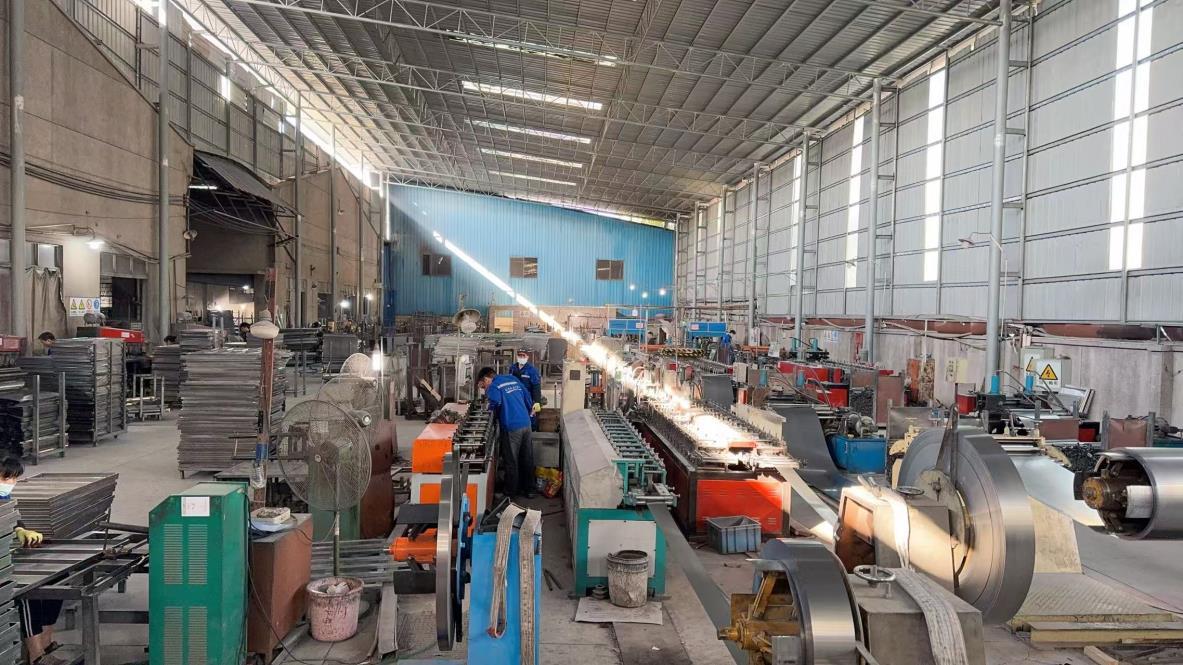
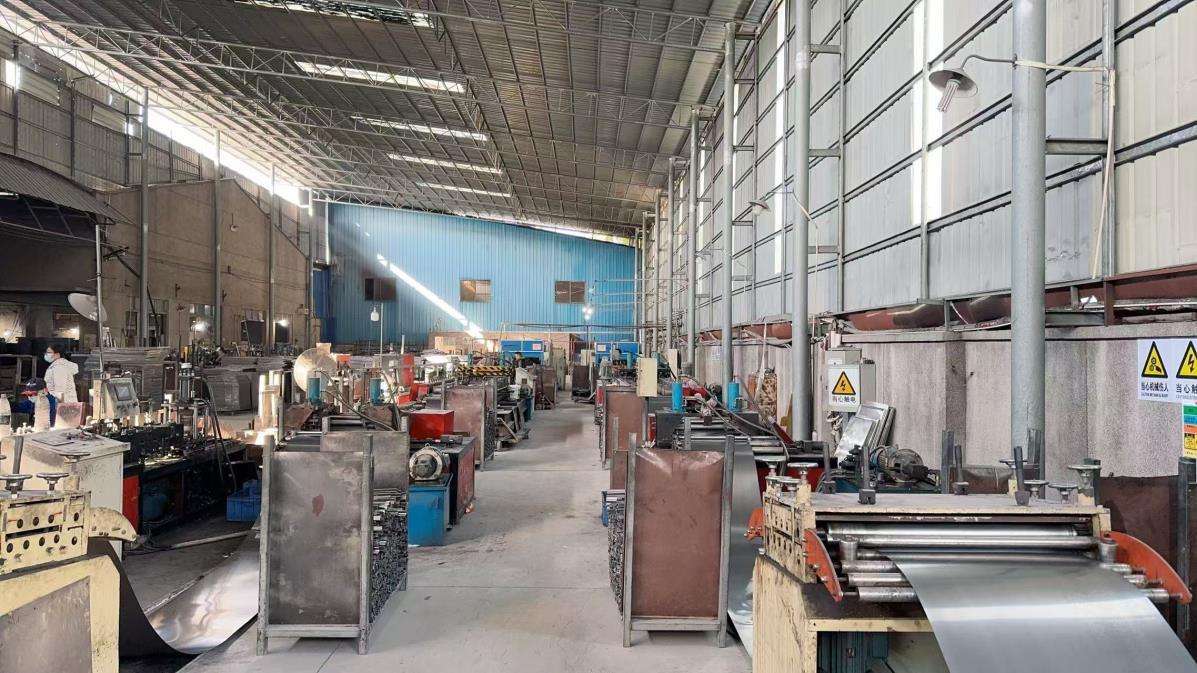
Founded in 2015, Dongguan Kimsuk Shelves Co., Ltd. is a premier manufacturer specializing in heavy-duty industrial warehouse racking systems, automated storage solutions, and customizable steel shelving. Spanning a state-of-the-art production facility of 38,000 square meters, Kimsuk combines advanced manufacturing infrastructure with high-precision engineering to deliver robust logistics and warehousing infrastructure globally.
Our operation is rooted in strict manufacturing compliance, employing advanced Finite Element Analysis (FEA) to simulate real-world static and dynamic forces on complex storage assemblies. Through structural customization options including custom heights, heavy load configurations, and targeted seismic upgrades, we serve the specific structural safety mandates demanded by enterprise-level procurement teams worldwide.
| Operational Parameter | Technical Capability & Standards |
|---|---|
| Quality Inspection Protocols | ISO 9001:2015 Quality Management System, CE Standard Compliance, and Load-Bearing Safety Certifications. |
| Product Inspection Methodology | Non-destructive Ultrasonic Testing, Automated Ultrasonic Weld Flaw Detection, Coating Thickness Measurement, Surface Salt Spray Corrosion Testing, and Structural Static/Dynamic Load Testing. |
| Quality Control Team | 35 Certified QC Inspectors and Material Testing Engineers. |
| Trade & Logistics Background | Direct OEM/ODM Export, Strategic Global Distribution Partnerships, and Turnkey Logistics EPC Solutions. |
| Primary Export Markets | North America, Western Europe, Southeast Asia, Australia, and the Middle East. |
| Supply Chain Partnerships | Over 850 Upstream Material Suppliers and Downstream Logistics Partners. |
| Target Client Profile | Global Logistics Hubs, Enterprise E-commerce Distribution Centers, Cold Chain Facilities, Industrial Equipment Wholesalers, and Third-Party Logistics (3PL) Operators. |
| R&D Capabilities | Full-Cycle Structural Engineering, CAD/3D BIM Warehouse Modeling, Finite Element Analysis (FEA) Structural Simulation, and Automated Roll-Forming System Customization. |
| Customization Options | Custom Dimensions, Load Capacities, Powder-Coated Colors, Seismic Structural Upgrades, and Modular Automated Racking Interfaces. |
| R&D Scale & Velocity | 18 Senior Structural Engineers & Industrial Automation Specialists; 48 Innovative Racking Systems and Accessory Designs released last year. |
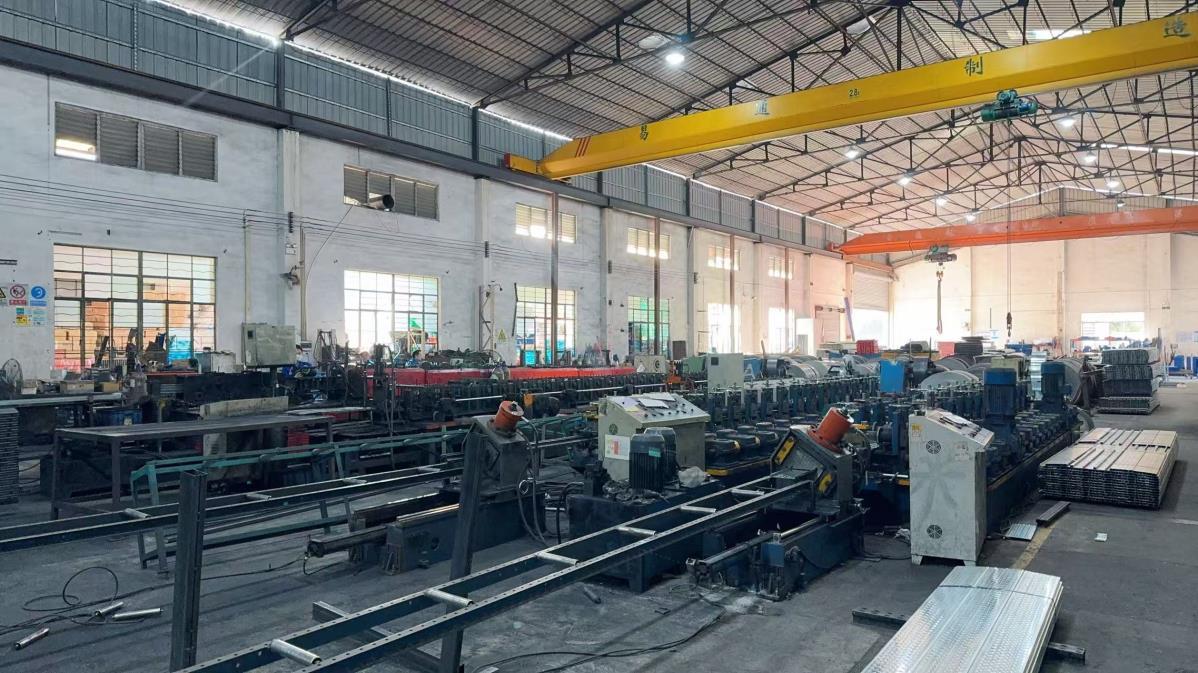
Purchasing heavy-duty cantilever systems directly from Chinese manufacturing ecosystems offers unprecedented efficiency and cost scaling. By leveraging direct proximity to first-tier domestic steel mills (such as Baosteel and Ansteel Group), Chinese manufacturers acquire raw Q235B and Q355B carbon steel at highly competitive rates. This close supply loop minimizes internal logistical surcharges, allowing factories to reinvest in precision tooling, heavy-gauge automated machinery, and advanced surface finish applications.
Furthermore, China's established industrial clustering ensures rapid integration of supporting hardware, including high-tensile structural bolts, heavy anchor plates, and customized safety accessories like column protectors and guide rails. The resulting vertical integration allows manufacturers to easily customize load geometries while maintaining a shorter production timeline than regional fabricators in Europe or North America.
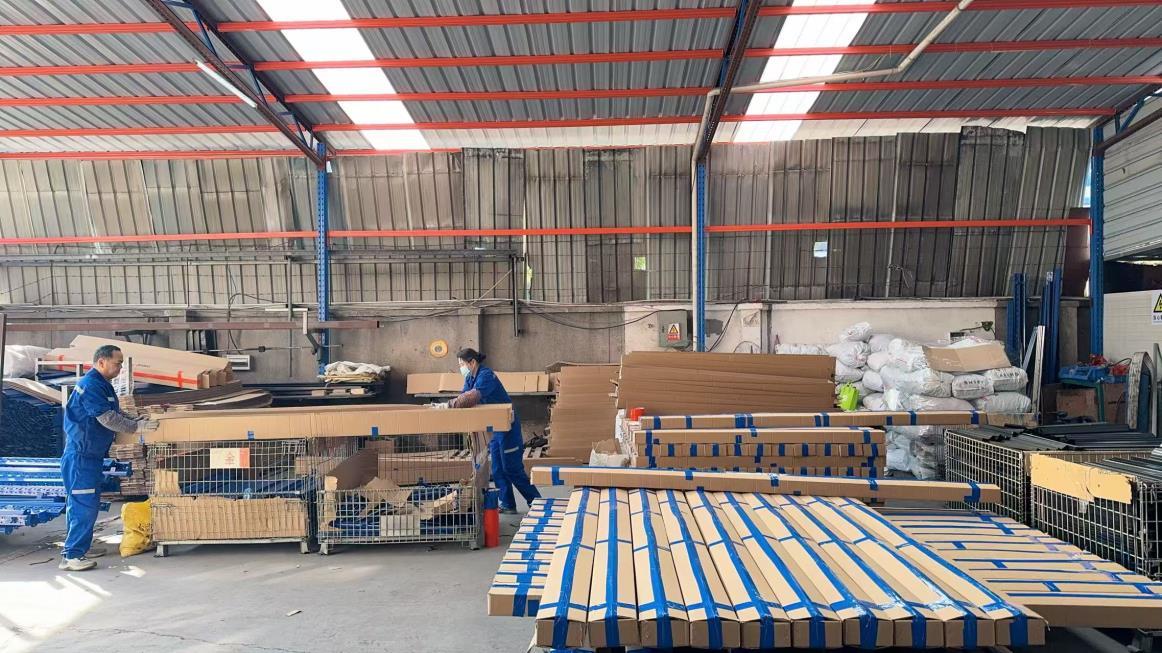
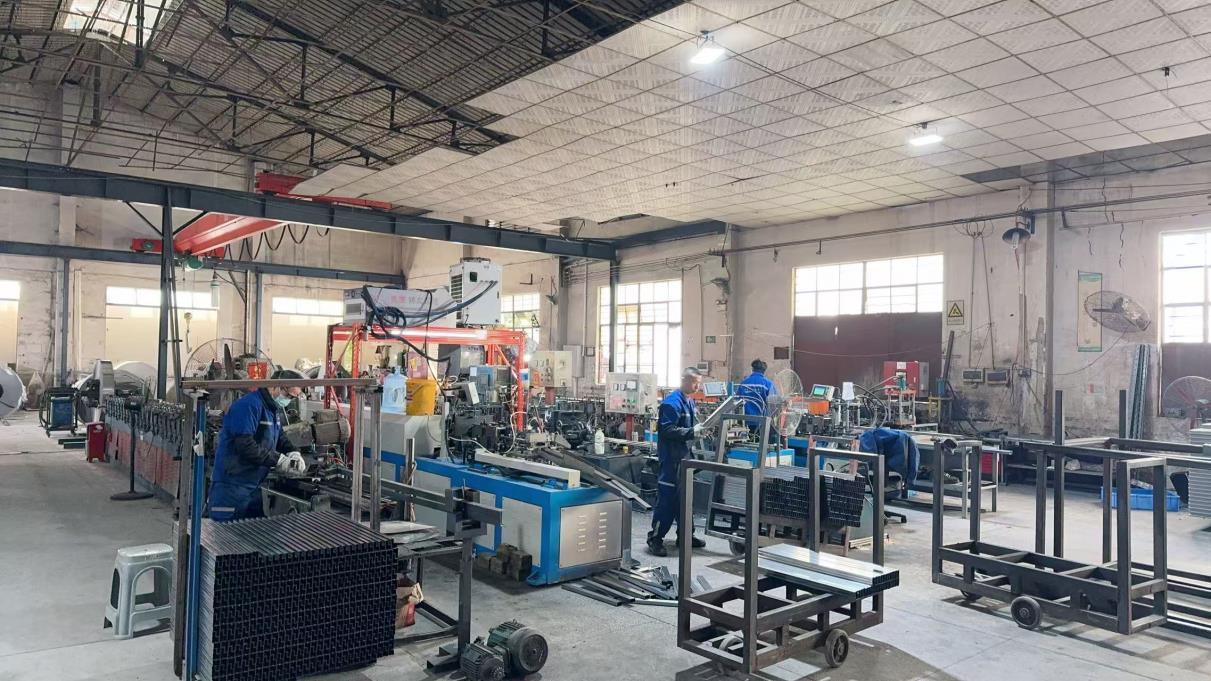
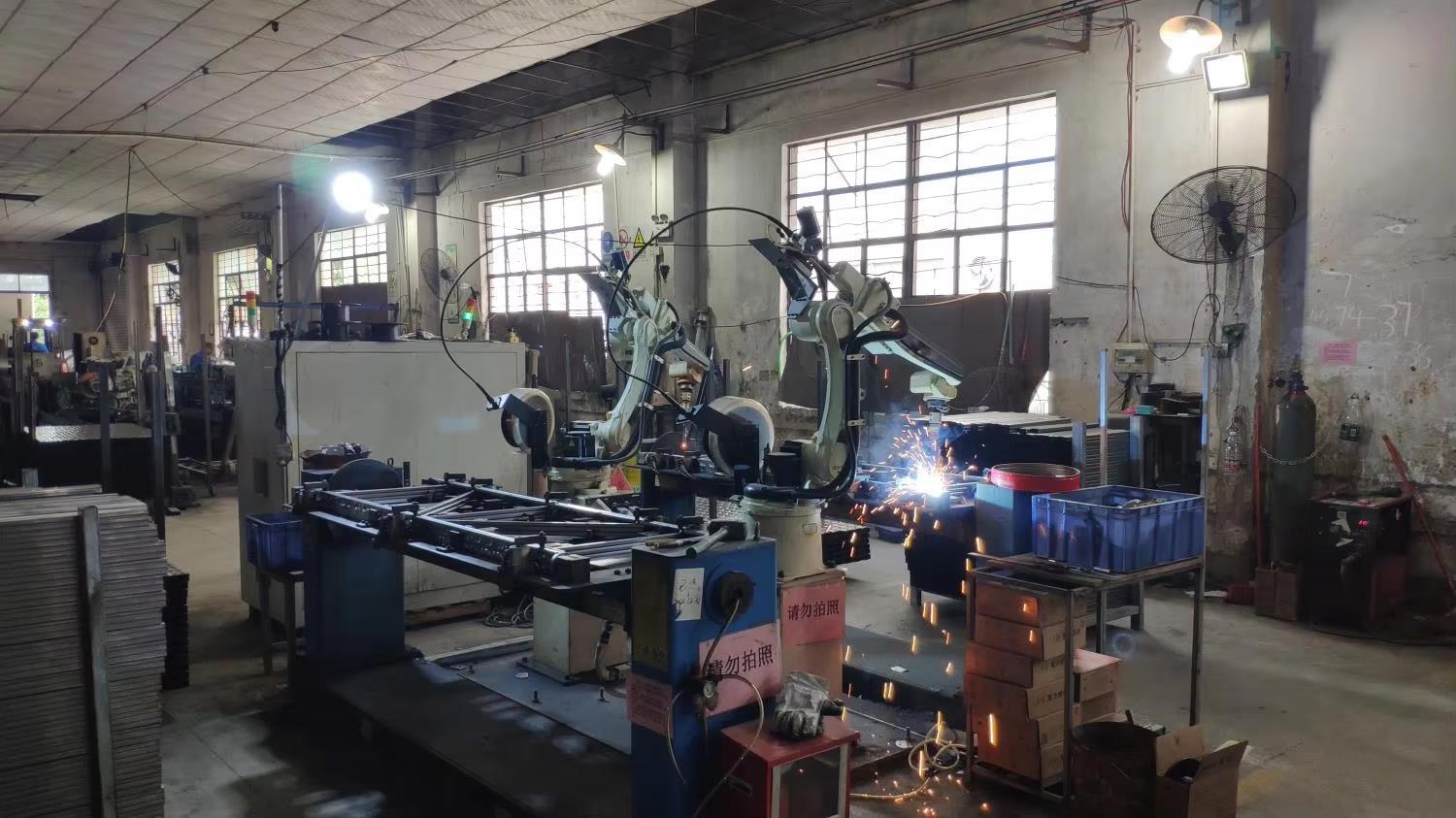
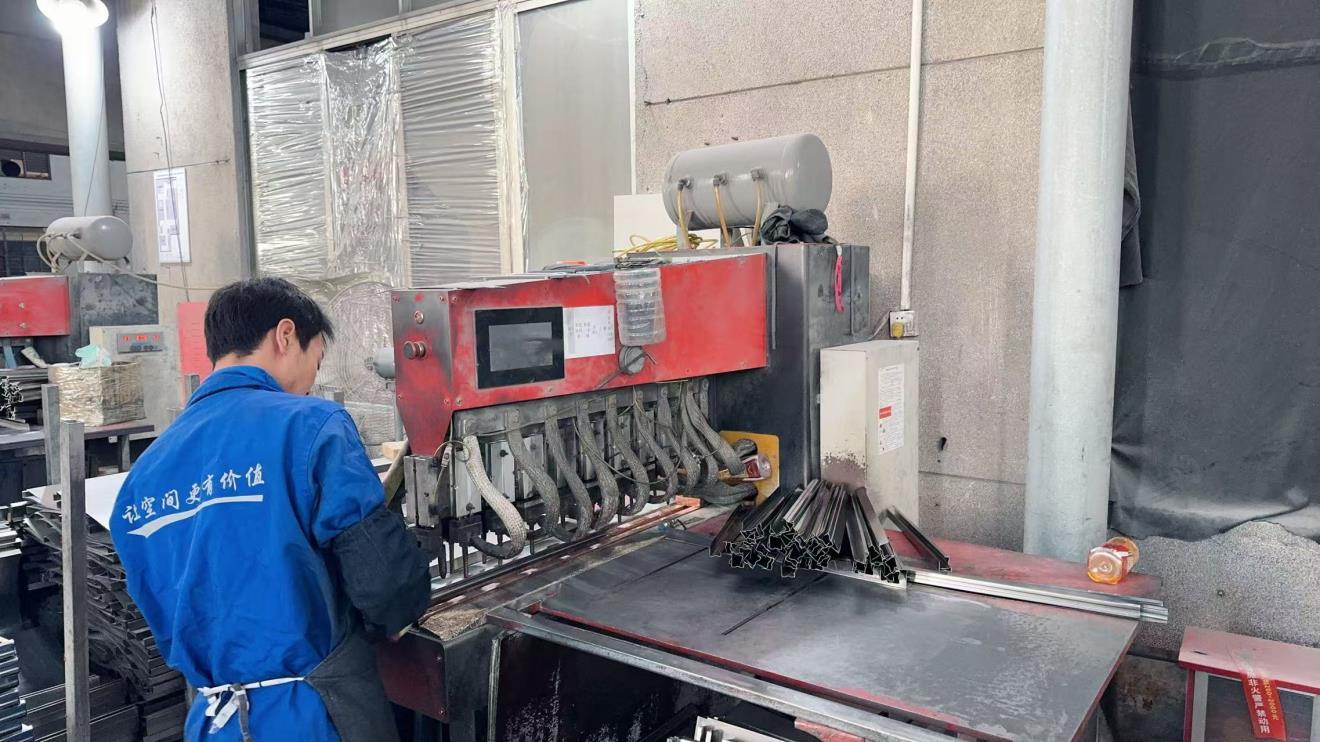
Step-by-step technical visualization of Kimsuk's industrial fabrication, welding precision, and automated surface treatment pipelines.
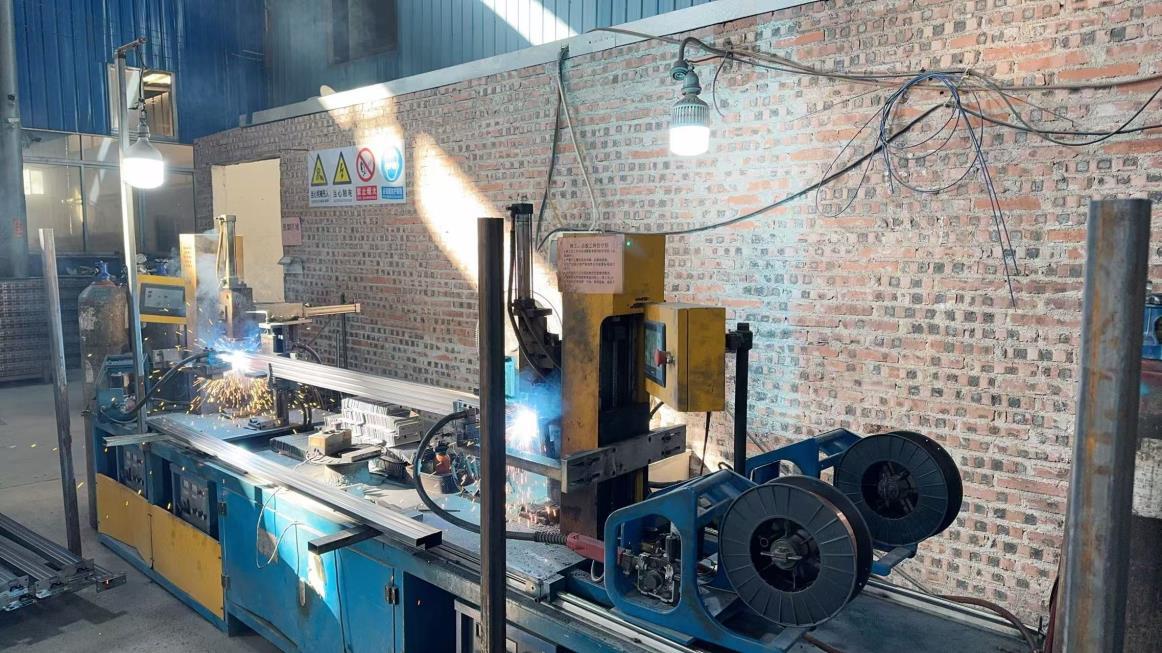
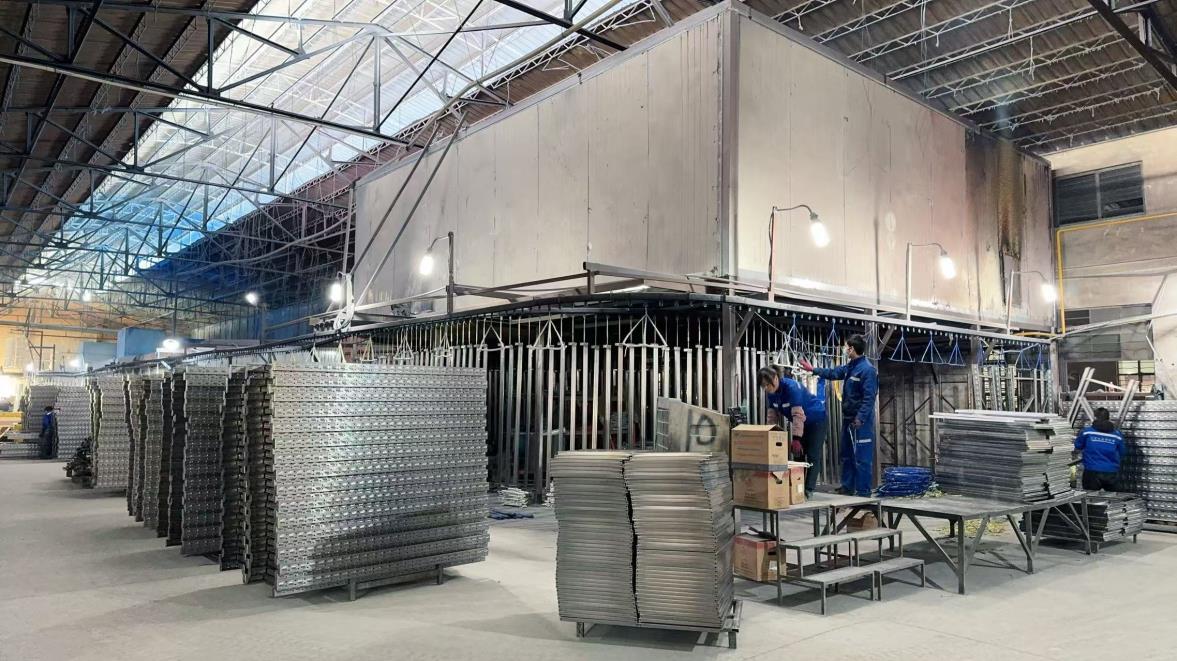
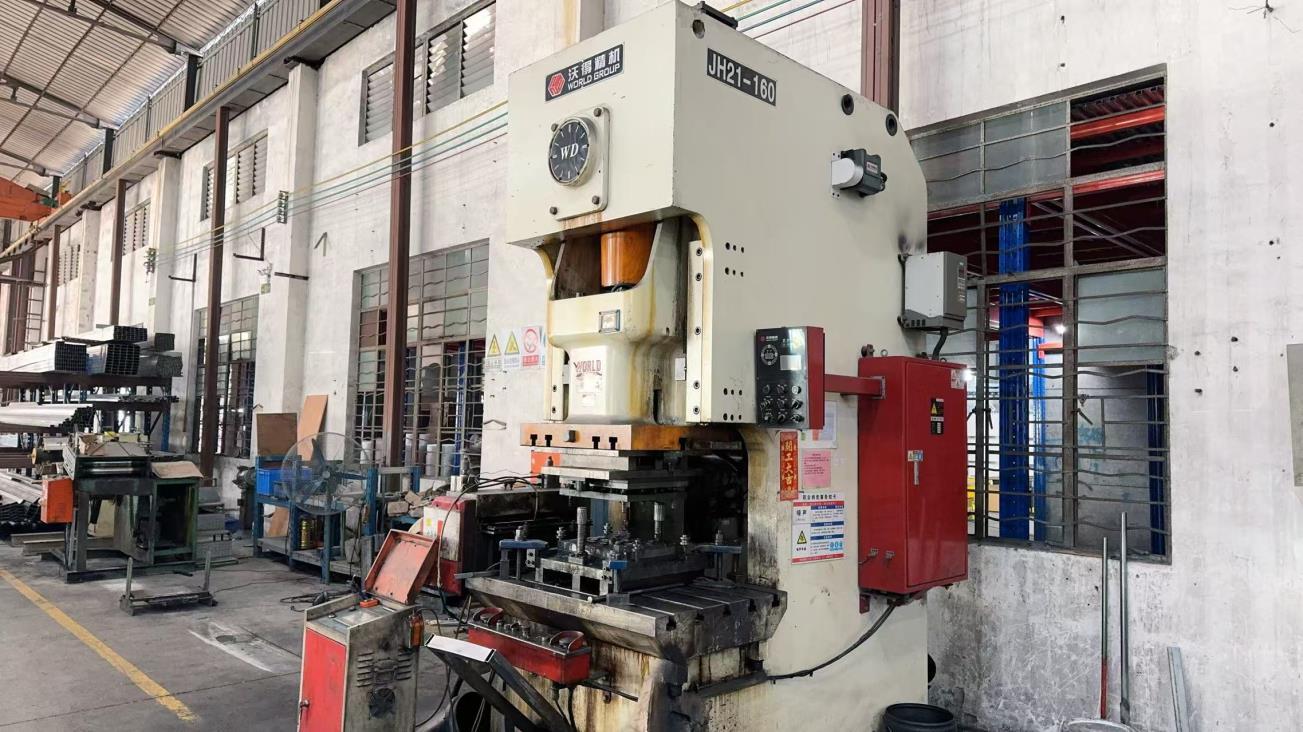
Procuring warehouse racking internationally is not merely a transaction of metal fabrication; it is an engineering installation subject to municipal safety codes, fire safety guidelines, and seismic structural requirements. Industrial storage platforms must adhere strictly to regional mandates, such as the Rack Manufacturers Institute (RMI) standards in North America (specifically MH16.1), the European EN 15635 code for industrial steel storage systems, and the Australian AS 4084-2012 guidelines.
Kimsuk ensures seamless compliance through comprehensive structural validation before cargo dispatch:
Industrial purchasing agents face a key structural decision: standard roll-formed racking or custom hot-rolled structural steel cantilever systems. While roll-formed components (fabricated from coiled steel sheet metal) are economical for light-to-medium loads, structural steel I-beams are necessary for heavy industrial loads. The choice depends on the specific demands of the warehouse environment:
Engineered using cold-rolled high-strength steel sheet, these systems are modular, easy to adjust, and ideal for dynamic storage needs up to 1,500kg per arm.
Fabricated using heavy hot-rolled I-beams to resist forklift impacts and carry high-capacity loads. Ideal for heavy machinery, pipes, and casting dies.
Equipped with customized column profiles, dynamic bracing networks, and specialized paint finishes (e.g., high-durability hot-dip galvanizing for cold storage and outdoor yards).
The industrial storage industry is shifting from static, manual shelving to automated warehousing systems. In modern logistics, cantilever structures are increasingly integrated with Automated Storage and Retrieval Systems (AS/RS). High-capacity stacker cranes and automated side-loaders require exceptionally tight physical tolerances, as even minor structural deflection can trigger sensor errors and halt automated operations.
Consequently, factories must maintain tight dimensional tolerances, often limiting deflection to less than 1/300th of the cantilever span under full load. Automated systems are also increasingly equipped with real-world IoT sensor arrays. These weight and stress sensors monitor structural deflection in real-time, providing predictive maintenance alerts and preventing structural failure due to uneven loading.
Answers to key questions from industrial procurement officers and structural engineers regarding cantilever logistics solutions.
Explore our range of heavy-duty pallet racks, customizable mezzanines, and space-saving boltless shelving units.
 Kimsuk Racking