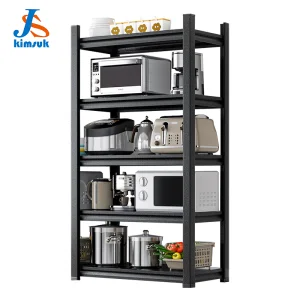
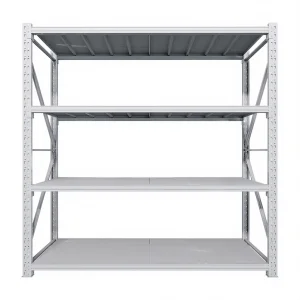
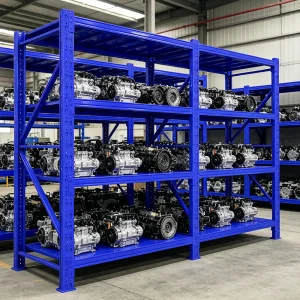
Stacking Rack Factories & Supplier in Pakistan

Premium Heavy-Duty Storage Engineering & Stacking Systems Tailored for Modern Logistics, Cold Chain, and Industrial Warehouses Across Pakistan

Send Inquiry Now
Global Standards

Dongguan Kimsuk Shelves Co., Ltd.

A trusted global manufacturer of heavy-duty industrial warehouse racking systems and automated storage structures.

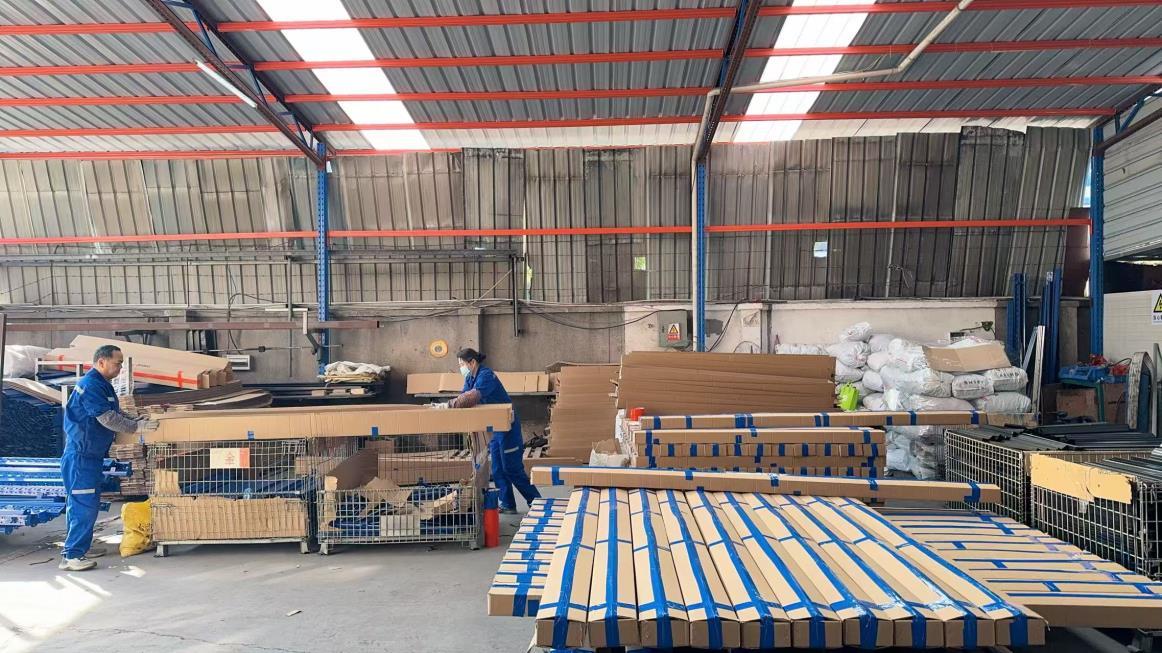
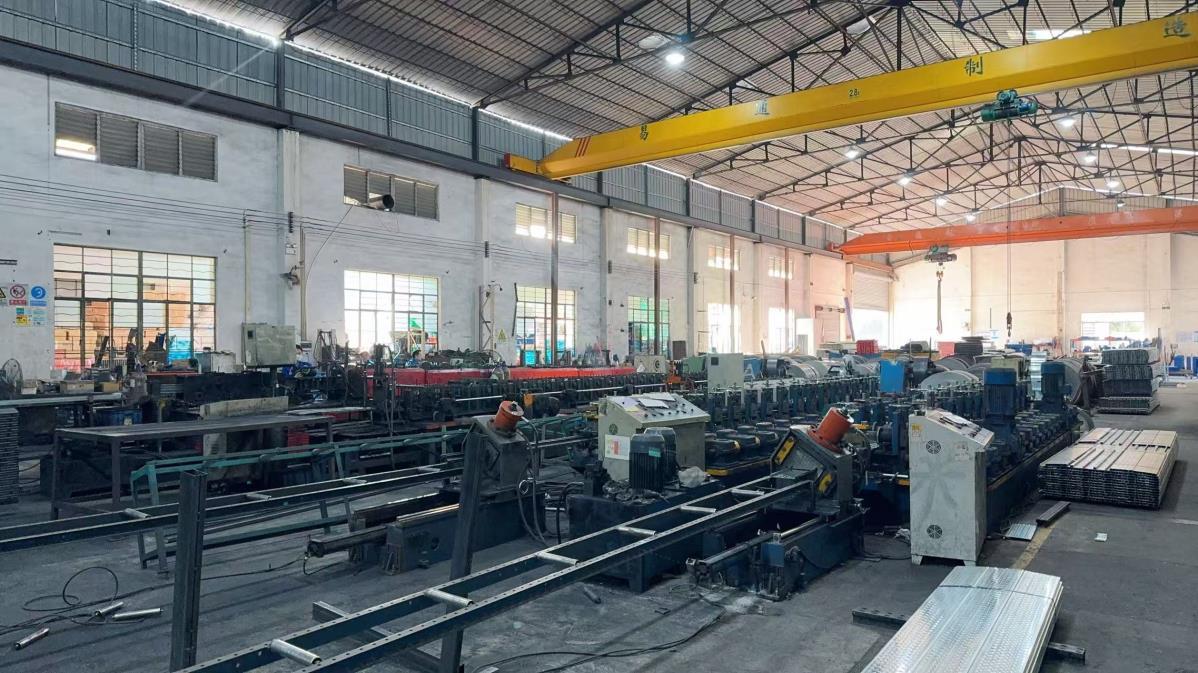
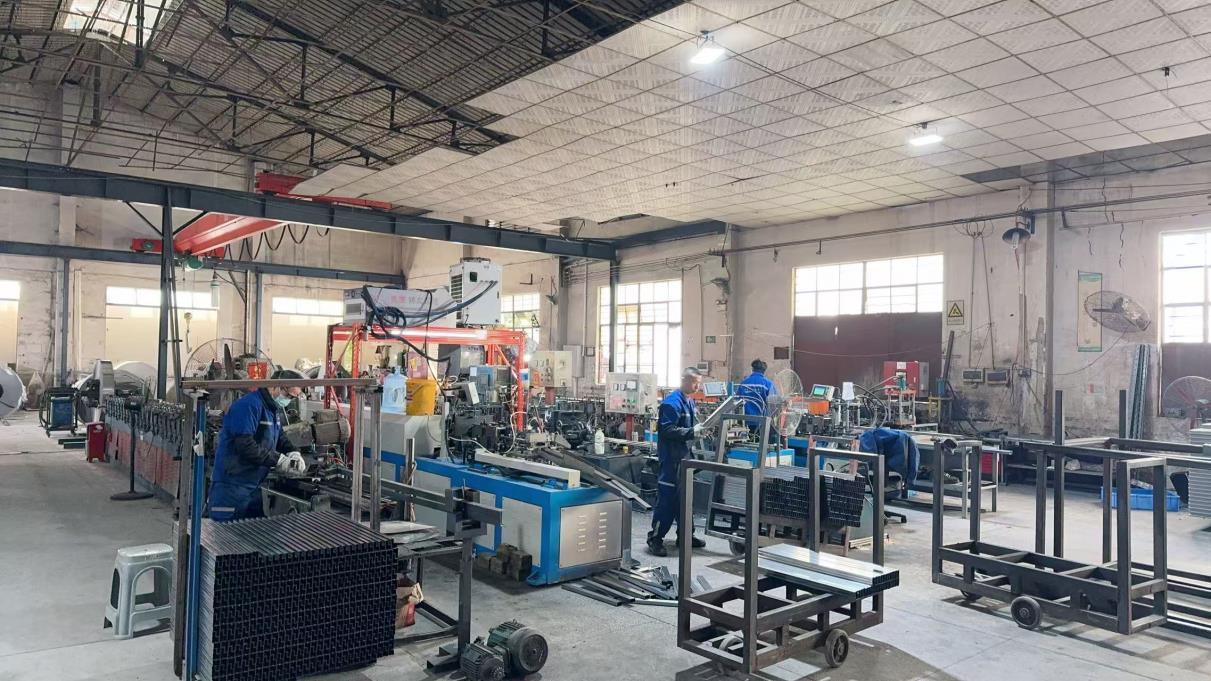
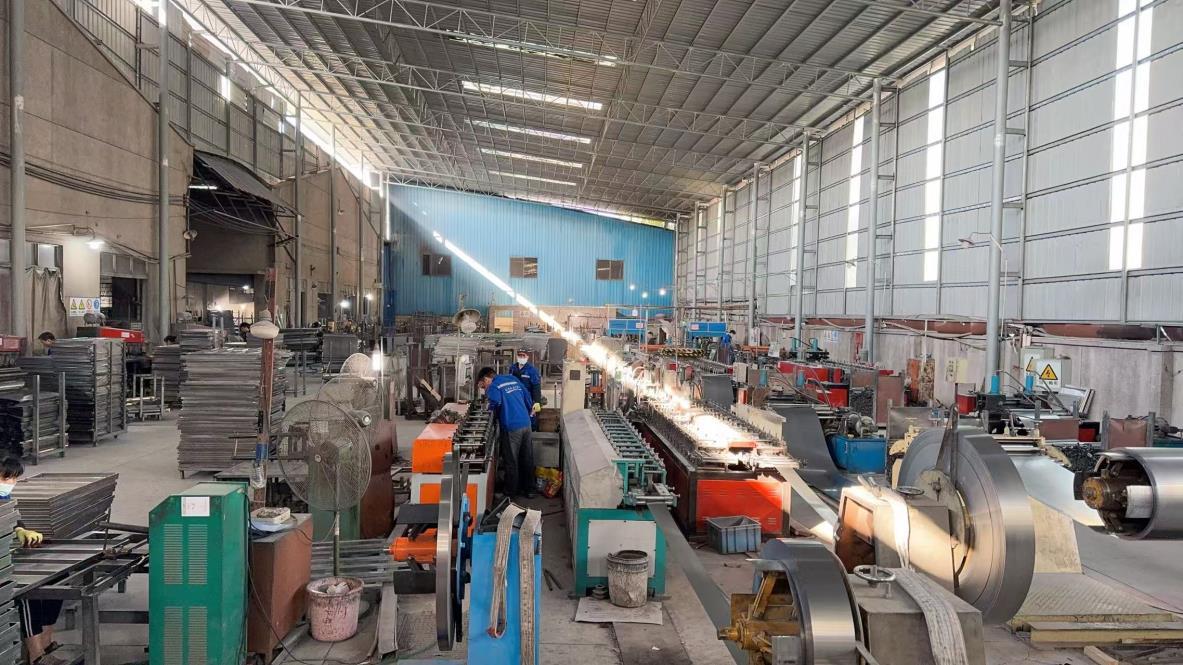
38,000 m²
State-of-the-Art Facility
15+ Yrs
Industrial Racking Experience
$28M
Annual Export Revenue
35+
Certified QC Inspectors

Advanced Engineering Capabilities

Founded in 2015, Dongguan Kimsuk Shelves Co., Ltd. has established itself as an industry leader in manufacturing highly durable stacking racks, industrial shelving systems, and custom automation storage. Utilizing finite element analysis (FEA) and top-grade raw steel, Kimsuk ensures all racking meets international safety thresholds, specifically complying with ISO 9001:2015 and CE certifications.

For Pakistani industrial operators in Karachi, Lahore, and Faisalabad, Kimsuk bridges the gap between affordable local installations and high-end international structural safety designs, accommodating various payload profiles from lightweight retail components to multi-ton industrial hardware.

Rigorous Inspection & Material Controls

Every batch of stacking racks and shelving components undergo precise quality checking:

  • Non-destructive Ultrasonic Weld Flaw Detection
  • Salt Spray Corrosion Testing (critical for humid coastal zones in Karachi)
  • Automatic Coating Thickness Diagnostics
  • Dynamic and Static Structural Deflection Load Testing

Request Load Test Reports

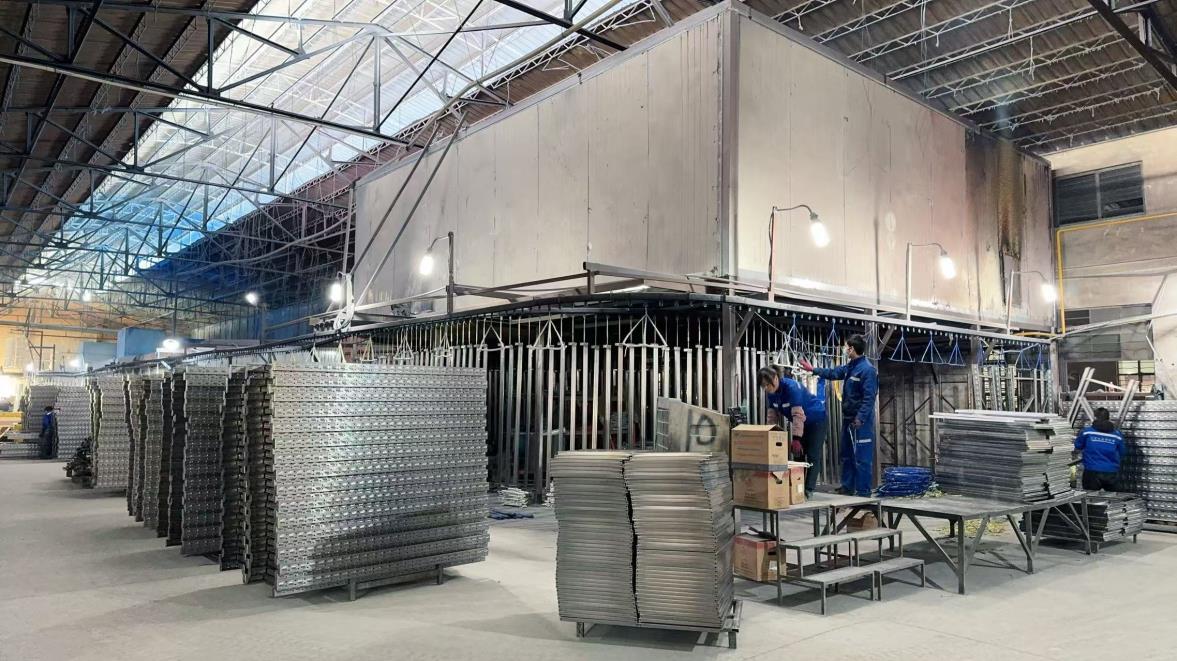
Smart Production Flow

End-to-End Modern Fabrication Workflow

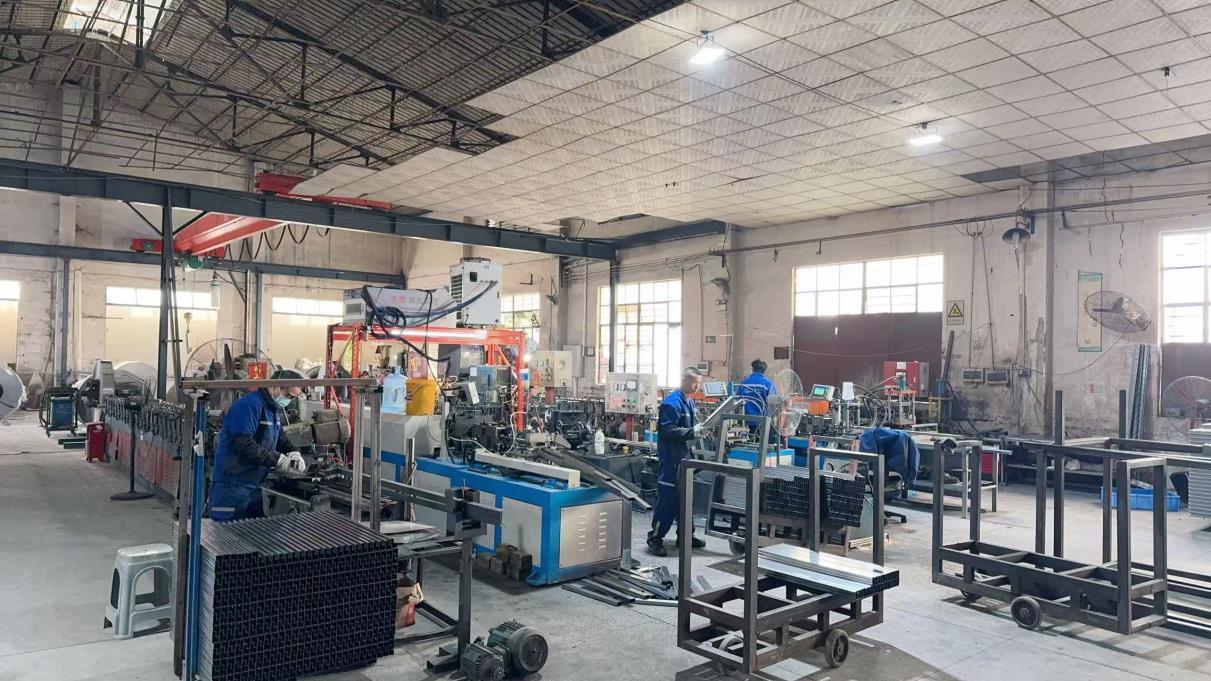
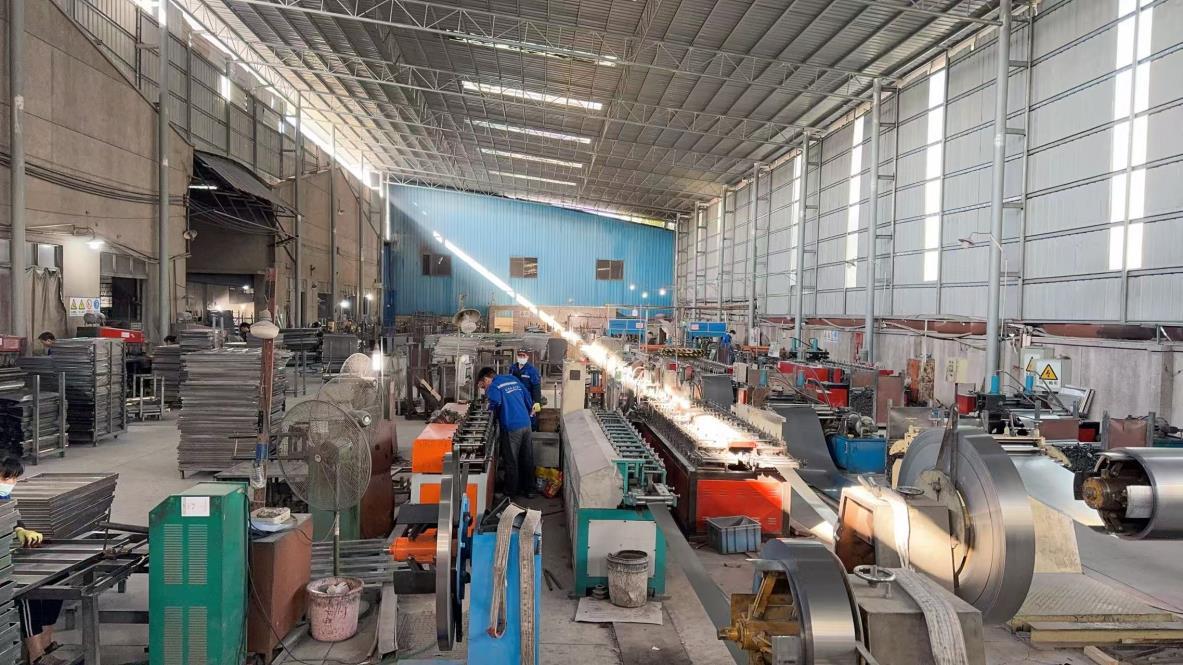
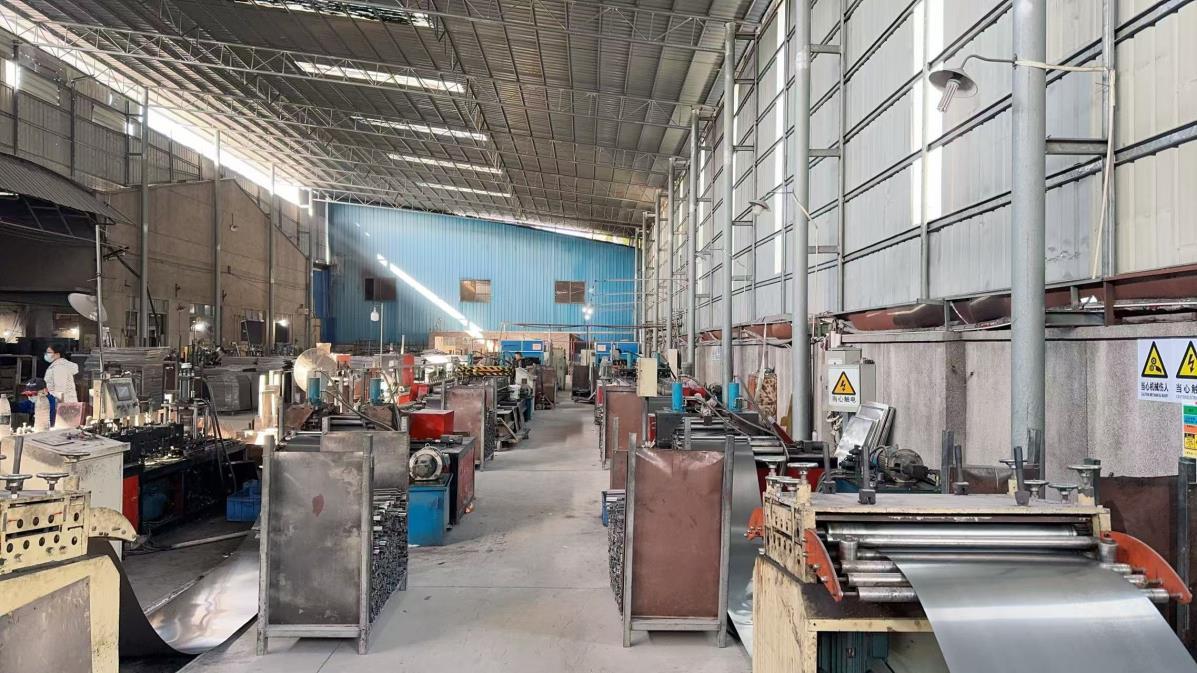
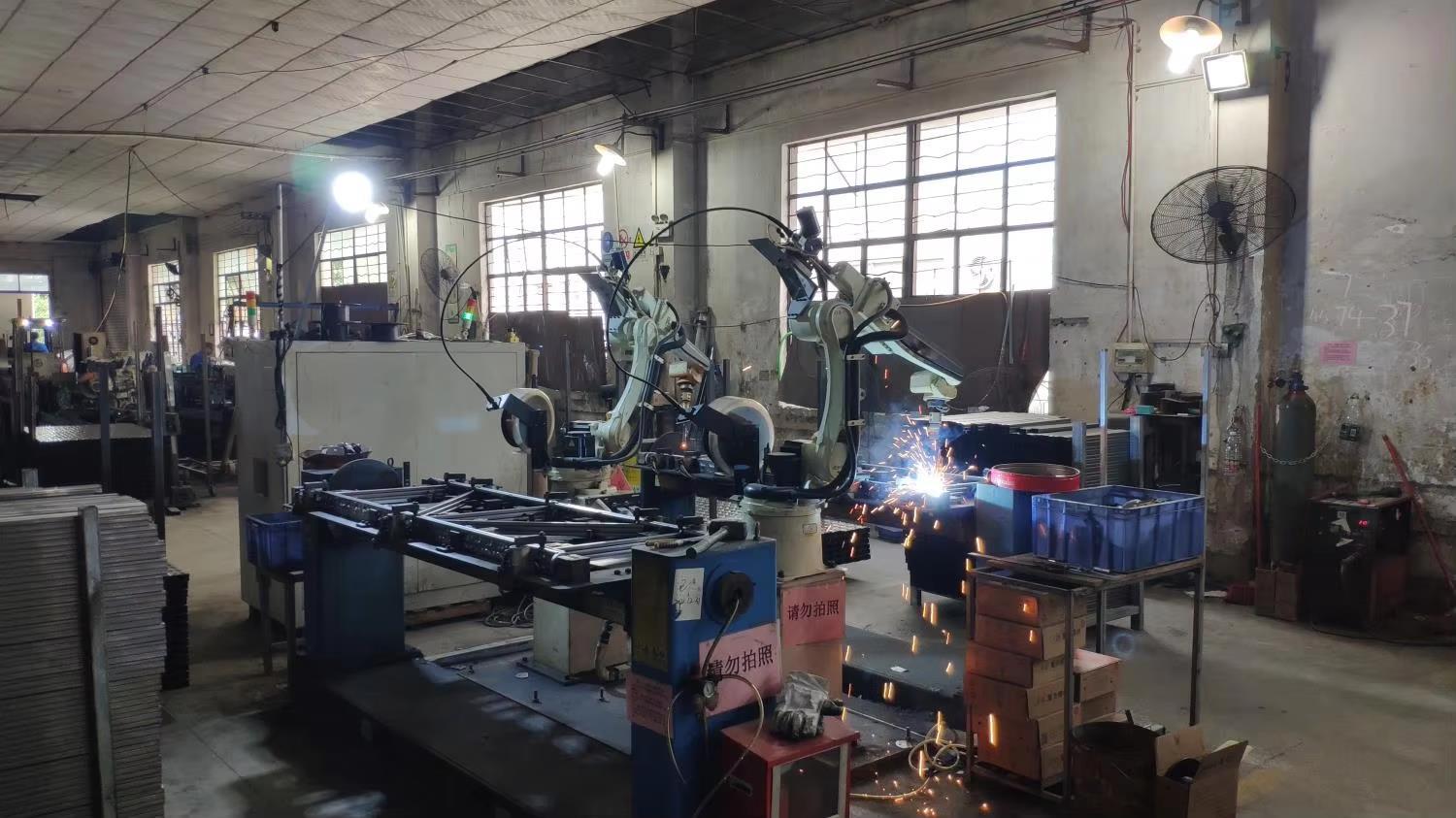
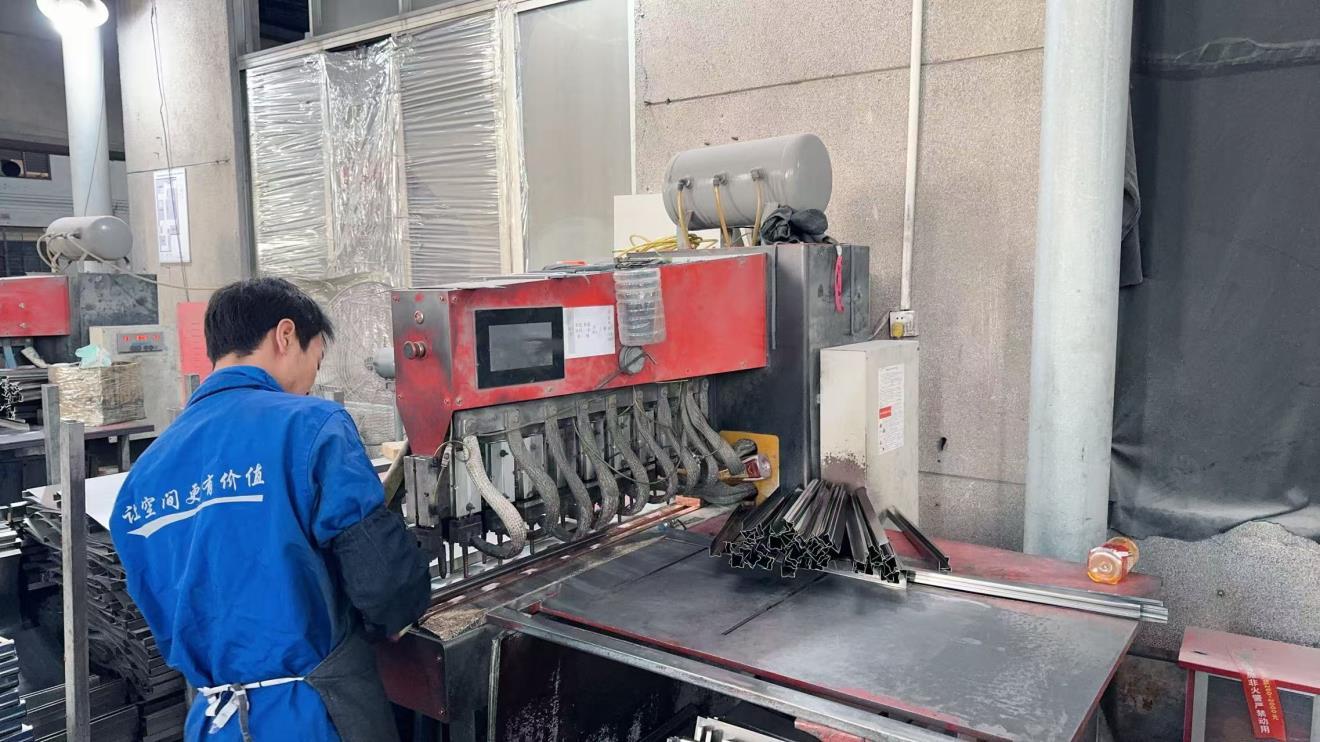
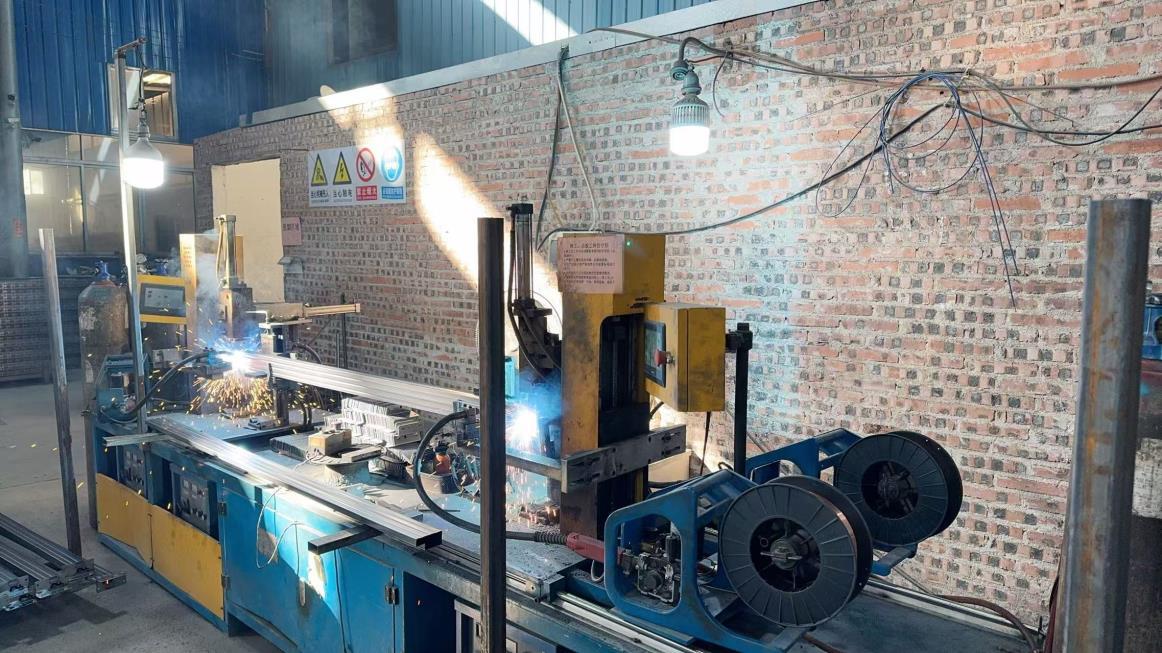
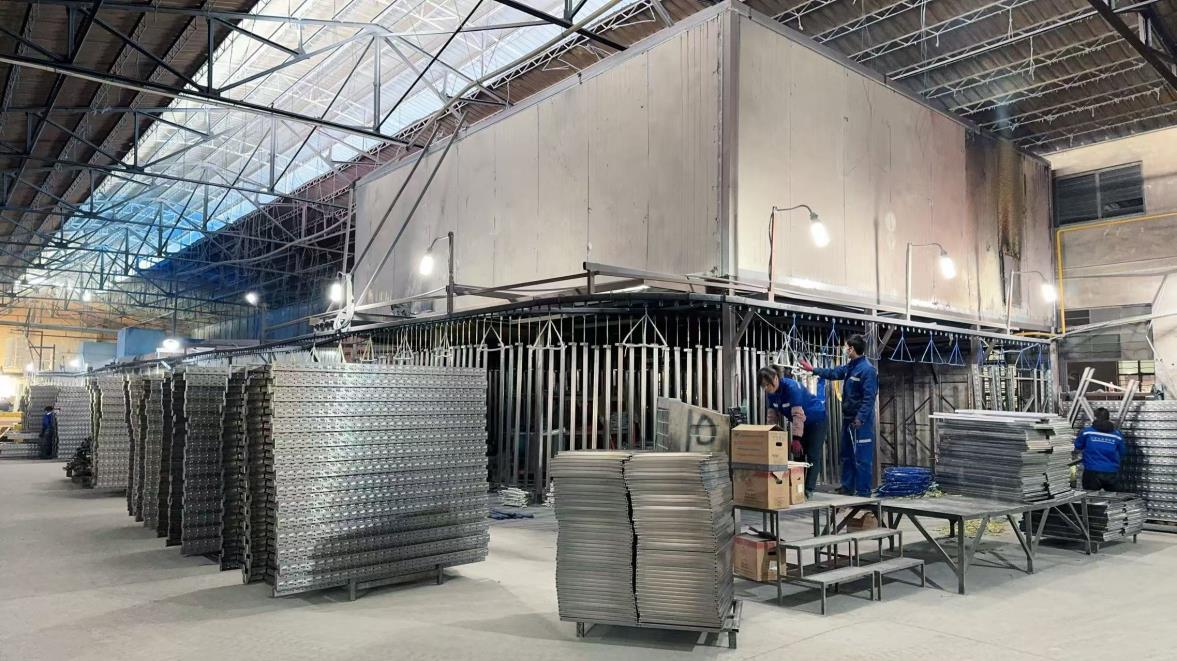
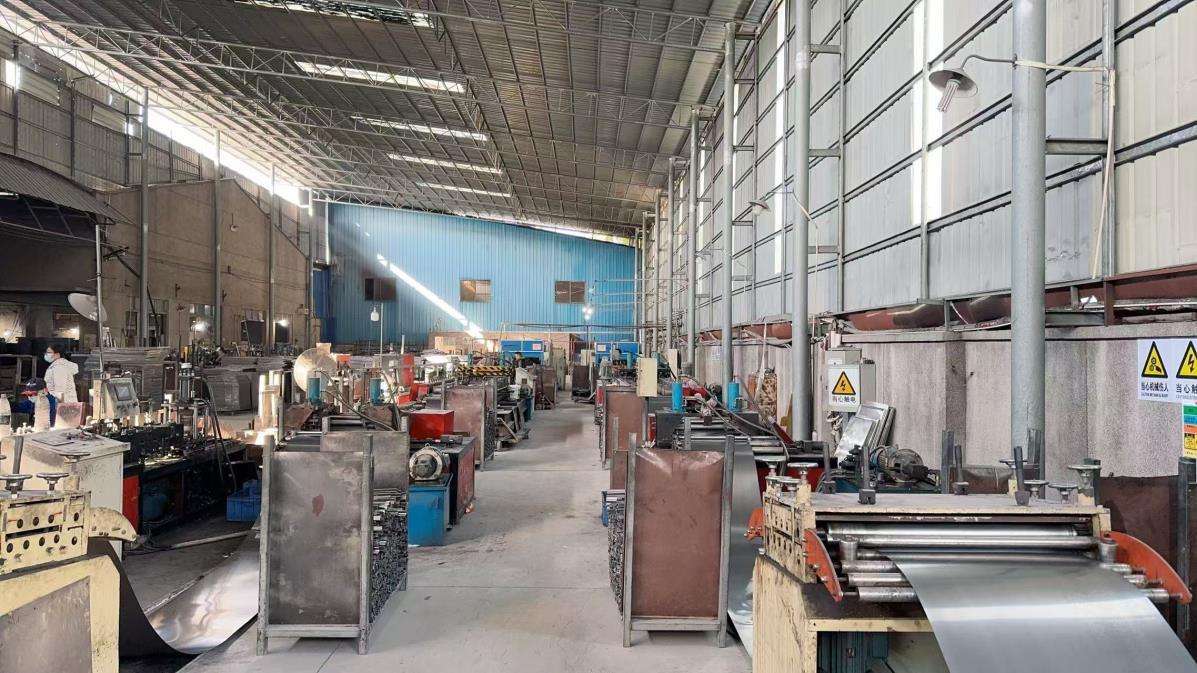
Our production floor leverages advanced automation, robotics, and precise steel processing to ensure consistent load rating capacities.
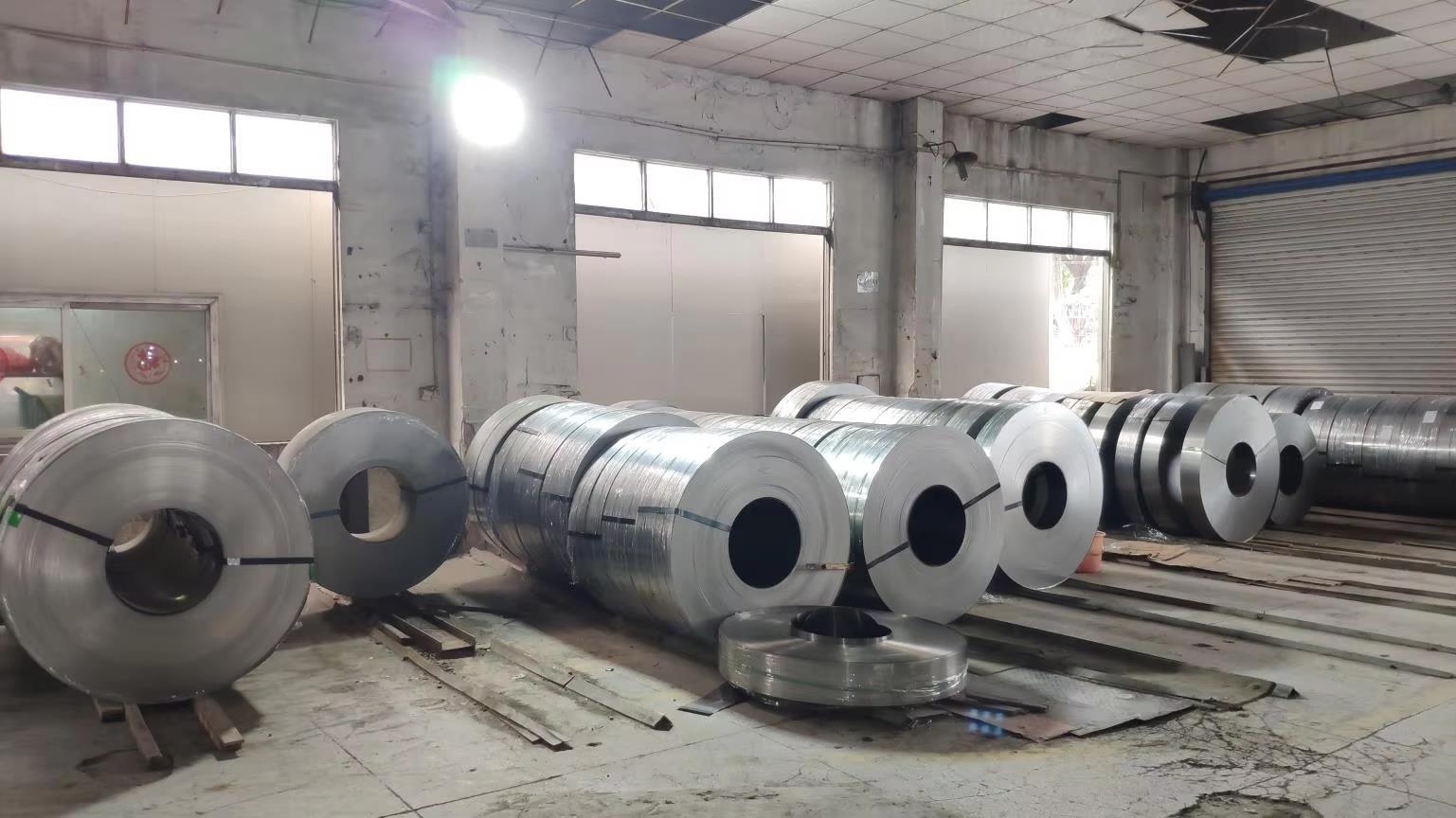
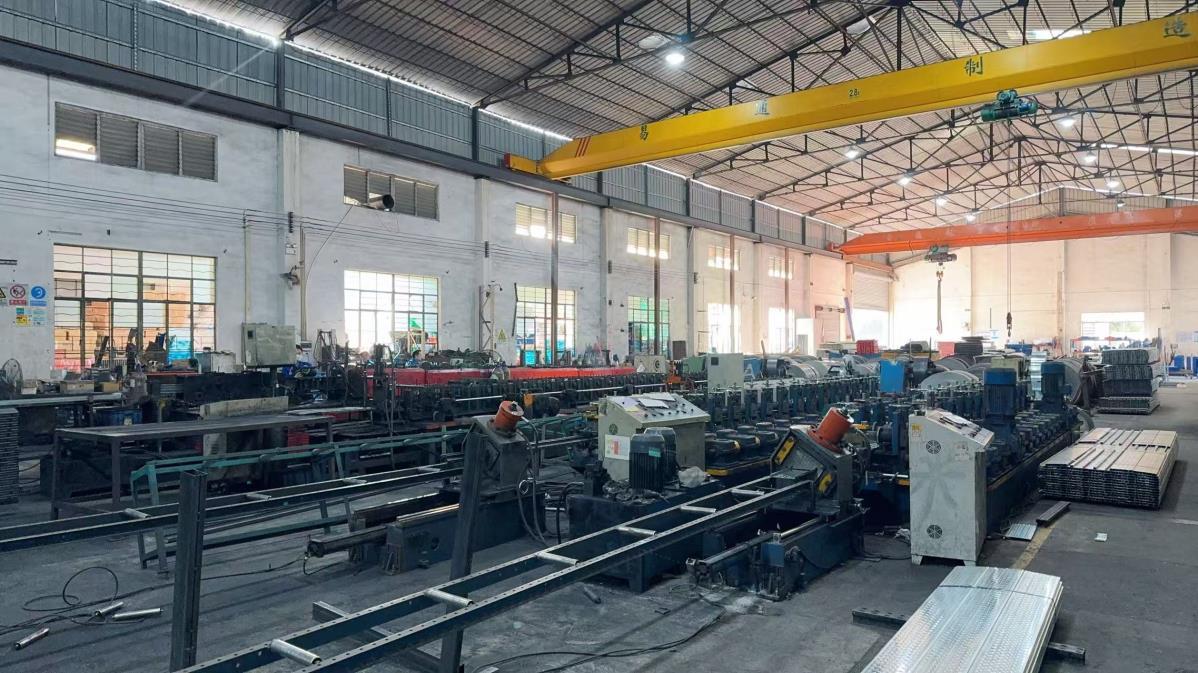
Raw Material Inspection
Raw Material
Metal Sheet Cutting Process
Metal Sheet Cutting
Pipe Precision Cutting
Pipe Cutting
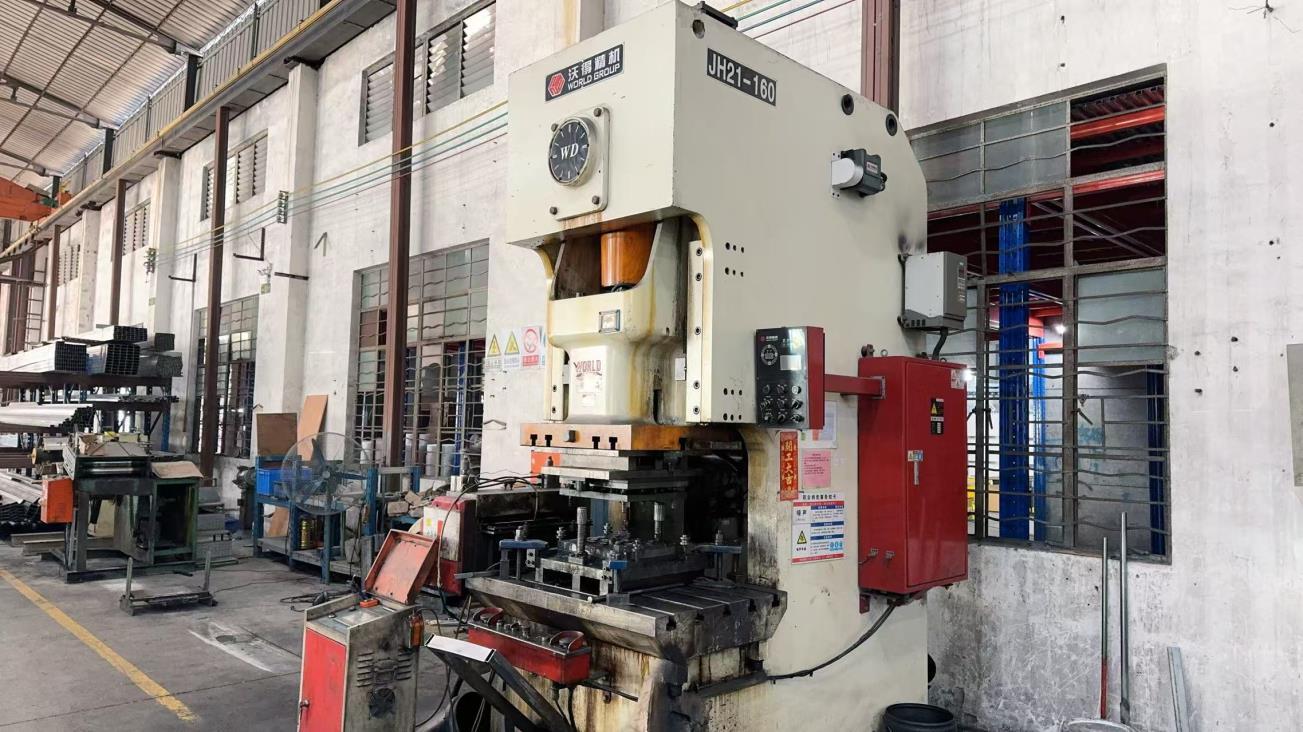
Heavy Metal Stamping Process
Stamping
Steel Cold Forming
Forming
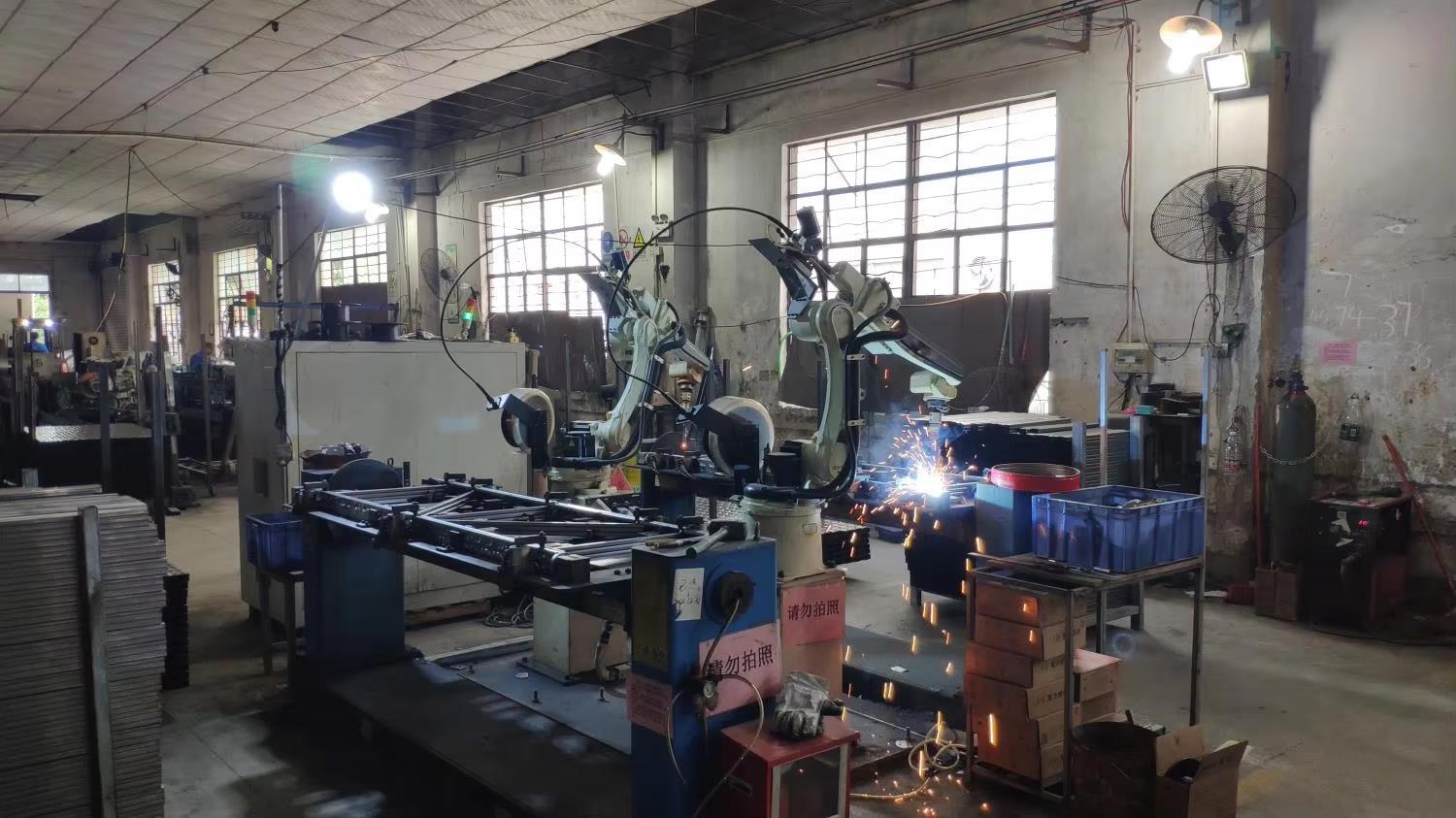
Automated Robot Welding Line
Robot Welding
Welding Process Stage 1
Welding 1
Welding Process Stage 2
Welding 2
Electrostatic Powder Coating Spray
Spray
Standard Heavy Duty Packaging
Packaging
Raw Material Cutting Equipment
Raw Material Cutting Machine
Pipe Cutting Machine Setup
Pipe Cutting Machine
High Precision Cutting Station
Cutting Machine
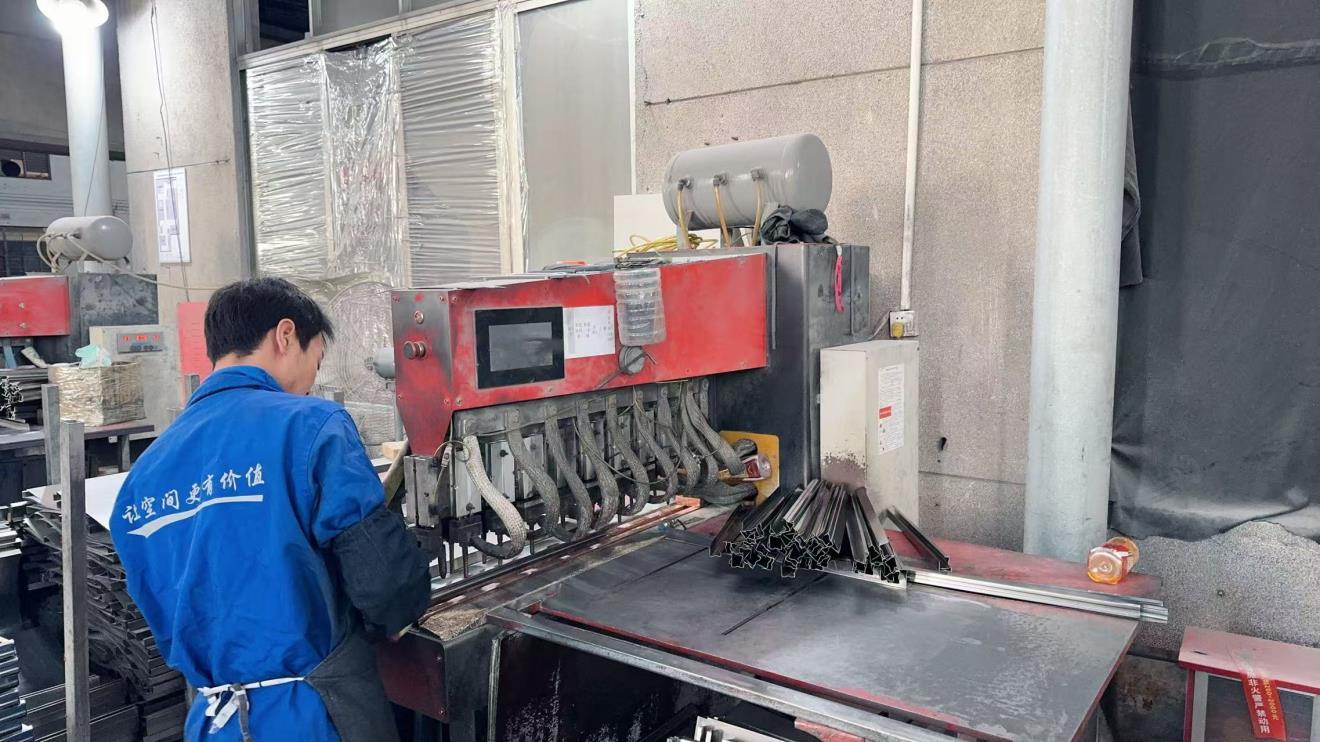
Cold Profile Forming Machine
Forming Machine
Robot Welding Arm Technology
Robot Welding Arm
Spot Welding Hardware
Spot Welding Machine
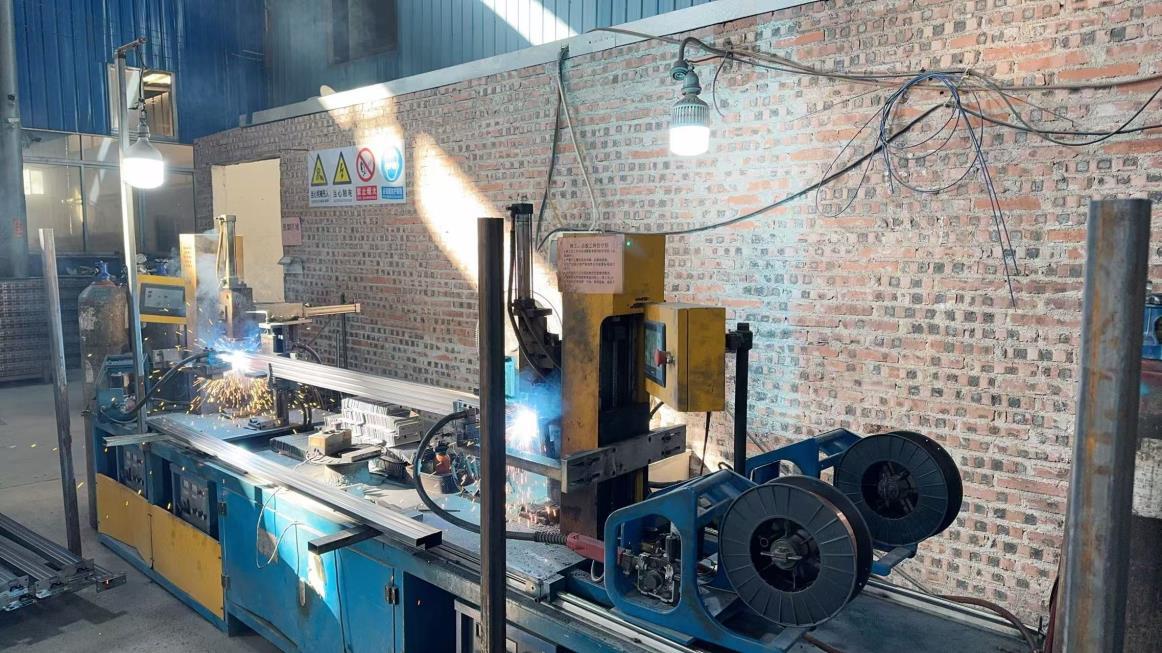
Automated Submerged Welding Equipment
Automatic Welding Machine
Polyester Powder Paint Spray Line
Spray Line
Punch Press Machine
Punch Press
Deep Industry Analysis

Stacking Racks in Pakistan: Industrial Ecosystem

An in-depth white-paper analyzing current infrastructure demands, localization challenges, and high-performance logistics across South Asia.

1. Pakistan's Industrial Transformation & Logistics Surge

As Pakistan integrates further into global logistics networks, driven by the expansion of the China-Pakistan Economic Corridor (CPEC) and the growth of modern distribution hubs at Karachi Port Trust, Port Qasim, and Faisalabad, local warehousing has shifted from traditional bulk floor stacking to high-density vertical systems. This paradigm shift requires dynamic and durable stacking solutions. Stacking racks, which offer modular configurations without permanent floor anchors, have become crucial for rapidly setting up temporary and semi-permanent storage depots.

The industrial landscape in areas like Lahore's Sundar Industrial Estate and the Multan Road industrial corridor demands flexible layouts to accommodate shifting seasonal outputs—especially in textiles, pharmaceuticals, and agricultural storage. Steel stacking racks offer a unique capability: they can be nested away when empty, maximizing floor space for assembly or movement.

2. The Global Stacking Rack Market & Engineering Standards

Globally, warehouse racking systems must comply with strict engineering guidelines like the Rack Manufacturers Institute (RMI) MH16.1 standards and Europe's FEM 10.2.02. Key considerations include seismic resilience, safety factors under heavy dynamic loads, and material yield strength. For developing markets such as Pakistan, utilizing imported structures that comply with international safety certifications guarantees long-term liability protection and prevents catastrophic collapse accidents.

Seismic Structural Resilience (Zone-Specific Designs)

Northern Pakistan (including parts of Islamabad, KPK) is highly prone to seismic activity. Racks must be engineered to withstand horizontal forces by incorporating:

  • Heavy-duty baseplates with dual anchoring anchors
  • Engineered X-bracing panels for stabilizing dynamic sway
  • Custom structural calculations to match Pakistan's localized building codes

Corrosion Protection for Port Cities (Karachi & Coastal Hubs)

Due to high coastal humidity and saline air near Karachi’s port zones, traditional mild steel corrodes rapidly. The solution requires:

  • Hot-Dip Galvanized (HDG) coating options
  • High-adhesion thermo-setting electrostatic powder coat (>= 80 microns thick)
  • Rust-resistant, marine-grade stainless steel hardware

3. Localized Applications in Key Pakistani Industries

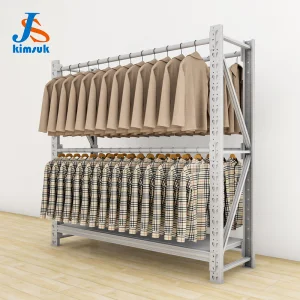
Textiles and Finished Apparel: In Faisalabad and Karachi, massive fabric rolls and ready-to-ship garments require breathable, open-wire or post-based stacking racks. These racks prevent nesting condensation, allow forklift operators easy access, and prevent fabric compression damages.

Cold Chain & Agriculture: Pakistan is one of the world's leading exporters of citrus, mangoes, and potatoes. Racking systems deployed in cold warehouses in Sargodha and Punjab must handle temperatures as low as -30°C. Standard steel embrittles at these levels, requiring specialized cold-rolled steel alloys that maintain elasticity and strength under freezing conditions.

FMCG and E-Commerce: With the rise of digital commerce platforms in major cities, urban distribution centers rely on heavy-duty boltless racking to facilitate fast-turnover hand-picking and pallet storage.

Complete Catalog

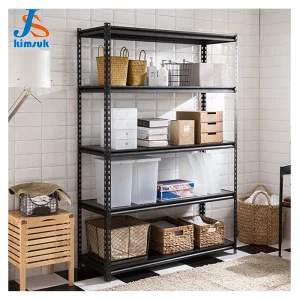
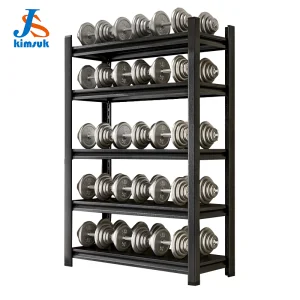
High-Capacity Industrial Stacking & Shelving Systems

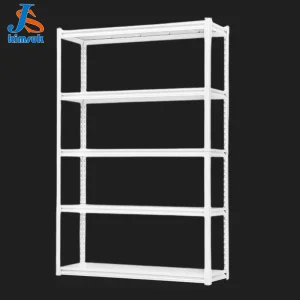
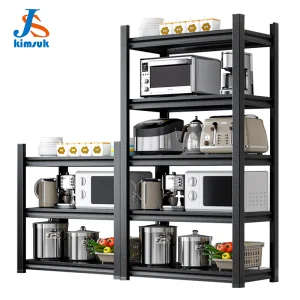
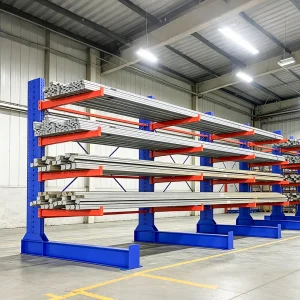
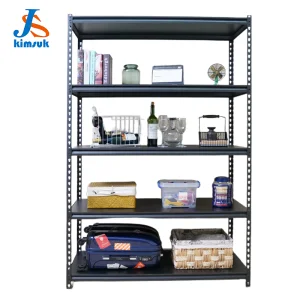
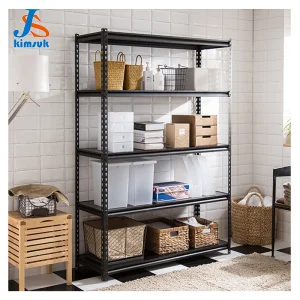
Browse our complete catalog of industrial shelving, heavy-duty racking, and slotted angle components configured for international shipping to Pakistan.
Future Outlook

Racking Industry Technology Roadmap

How Smart Warehousing, IoT, and modular materials are changing the landscape of storage density.

01

High-Strength Alloy Formulations

Transitioning from traditional Q235 steel to advanced micro-alloy elements allows for reduced racking structural weight while matching or exceeding safe load-bearing capacities.

02

Automated Shuttle Integration

Designing stacking racks and long span layouts compatible with Radio Shuttle cars. This turns static storage systems into semi-automated, high-throughput fulfillment assets.

03

IoT Smart Loading Indicators

Developing strain-gauge sensor collars that send structural integrity, deflection metrics, and overload alerts directly to control rooms, preventing human errors.

Ready to optimize your warehouse spatial layout?

Consult Our Structural Engineers
FAQ Center

Technical Questions & Insights

Comprehensive answers regarding industrial racking installation, load ratings, shipping logistics, and material standards.

What are the key benefits of using dynamic steel stacking racks compared to fixed selective pallet racking?
Stacking racks (often called nestable or portable racks) provide temporary storage flexibility. Unlike fixed anchor-down pallet racks, stacking racks can be moved with forklifts while loaded, allowing dynamic layout adjustments. When empty, they can be folded or nested to save up to 80% of warehouse floor space. This is highly useful for seasonal production spikes in industries like cotton processing and textile manufacturing.
How does coastal salinity in cities like Karachi affect the lifetime of powder-coated steel racking?
High humidity and salt spray accelerate standard mild steel oxidation. To ensure a long lifecycle (10+ years), we recommend our high-density electrostatic powder coating line with a pre-treatment phosphate wash, or Hot-Dip Galvanization (HDG). Our coastal paint process applies a minimum thickness of 80 microns to prevent micro-fissure corrosion.
What calculations are done to ensure safety under seismic conditions in northern Pakistan?
We perform rigorous Finite Element Analysis (FEA) based on the structural engineering codes of the region. Our design team adjusts the baseplate thickness, column upright thickness (using high-yield strength steel), and structural diagonal bracing configurations to absorb kinetic vibrations and prevent horizontal buckling.
What are the standard load capacities for Kimsuk's boltless and medium-duty long span racking?
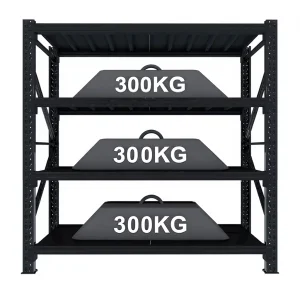
Our light-to-medium duty boltless shelving units hold between 100kg to 500kg per tier (uniformly distributed load). For industrial heavy-duty pallet configurations and custom stacking frames, load capacities range from 1,000kg up to 3,000kg per level. We provide certified load deflection calculations for all customer setups.
Do these stacking racks require expert onsite installation, or can local warehouse teams assemble them?
Our boltless and rivet-style shelving units are engineered for quick tool-free setup. For major structural installations or automated racking systems, we supply detailed structural drawings, 3D CAD step-by-step videos, and can provide remote engineering support to ensure alignment and safety compliance.
Can Kimsuk engineer cold-chain compliant storage racking for fruit and produce depots in Punjab?
Yes. We design and build specialized cold storage racking using impact-resistant, low-temperature steel grades. The materials are treated with custom powder formulations that prevent cracking, flaking, or metal embrittlement at sub-zero cold room environments down to -30°C.
What is the standard shipping lead time and customs clearance pathway from Dongguan to Pakistan?
Production schedules typically span 15 to 25 days depending on project size. Shipping transit from Shenzhen/Guangzhou ports to Karachi Port (KICT/PICT) or Port Qasim averages 18 to 22 days. We provide comprehensive export documentation including Bill of Lading, Certificate of Origin, and Packing Lists to facilitate smooth customs clearance.
Are customization options available for specific pallet footprints or roll-storage applications?
Absolutely. We specialize in custom OEM and ODM logistics structures. We can tailor the rack post heights, base dimensions, wire mesh options, and loading gates to match specific textile rolls, chemical drums, or irregular machinery geometries.

Upgrade Your Warehousing Capacity Today

Contact our engineering consultants to receive a customized CAD design layout and pricing quote tailored for your Pakistan-based industrial facility.

Send Inquiry Now Download Catalog & Technical Datasheets