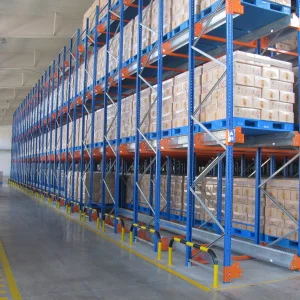
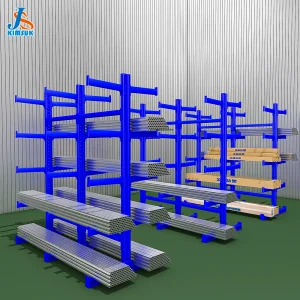
Engineered for maximizing warehouse efficiency, our high-density drive-in pallet racking and specialized storage cantilever racks are tailored for Algeria's growing logistics sectors.
An in-depth analysis of warehousing demands in North Africa's largest economic corridor.
Algeria is currently undergoing a massive economic diversification strategy. As the gateway to North Africa and a critical trading hub along the Mediterranean, the Algerian government is aggressively developing its local industrial production, agricultural self-sufficiency, and logistics infrastructure. Key hubs such as the Port of Algiers, Oran, Bejaia, and the newly developed Djen Djen port require state-of-the-art cold chains and distribution networks to optimize the storage and distribution of dry foods, agricultural outputs (like dates from Biskra), FMCG goods, and heavy industrial raw materials.
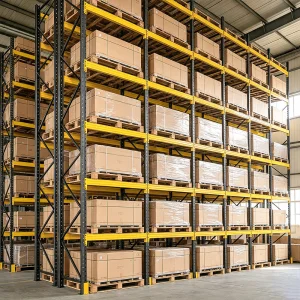
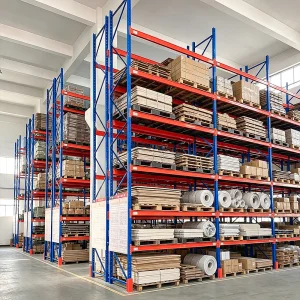
Historically, warehouses in industrial zones like Rouïba, El Harrach, and Sétif relied on standard selective pallet racking. However, with the skyrocketing costs of land acquisition and warehouse construction, logistics managers are looking for space-saving architectures. High-density Drive-in Pallet Racking has emerged as the premier choice, allowing up to 85% utilization of total cubic storage space by eliminating structural forklift aisles.
In cold storage applications (such as frozen meats, dairy products, and agricultural exports in Constantine or Blida), refrigeration accounts for over 60% of total warehouse energy consumption. Reducing the cubic volume of unused air is vital. Drive-in Racks pack pallets tightly side-by-side and top-to-bottom, significantly reducing the energy required to cool the warehouse and lowering operational costs (TCO).
Download Technical Case StudiesEnsuring structural integrity in Algeria's active seismic zones.
Algeria is situated on a complex tectonic boundary between the Eurasian and African plates, rendering the northern coastal region (including Algiers, Chlef, and Boumerdès) highly prone to seismic activity. Storage racks are classified as structural steel systems and must comply strictly with national regulations. At Kimsuk, we engineer our drive-in rack solutions according to the Algerian Seismic Code RPA 99 / Version 2003 and European Norms EN 15512 and EN 15635.
Our engineering division performs Finite Element Analysis (FEA) to verify structural performance under dynamic load conditions. This ensures that the upright frames, cantilever rails, and top ties are sized to withstand regional seismic accelerations without collapsing or causing load failures.
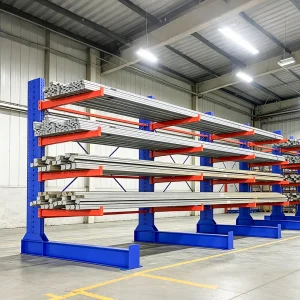
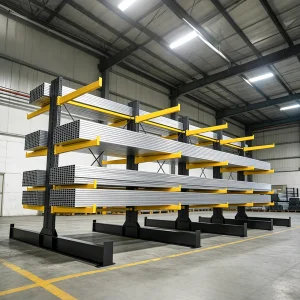
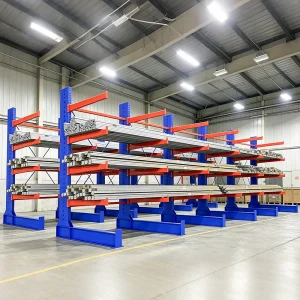
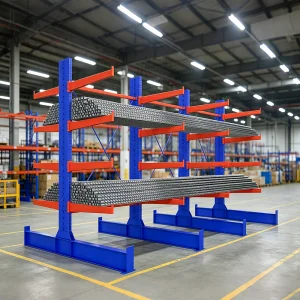
Engineered for long materials, pipes, profiles, and industrial workshops across Oran and Constantine.
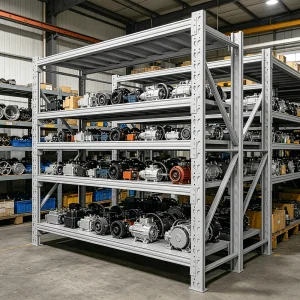
Delivering advanced warehousing solutions globally with robust quality testing and certified operations.
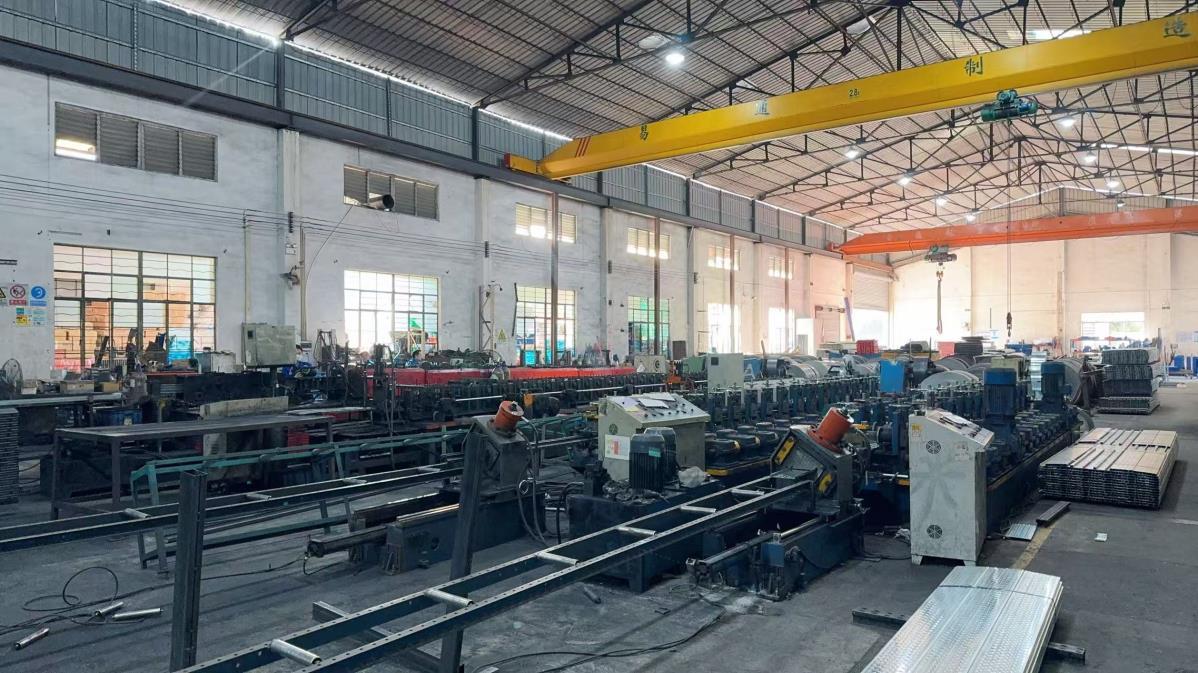
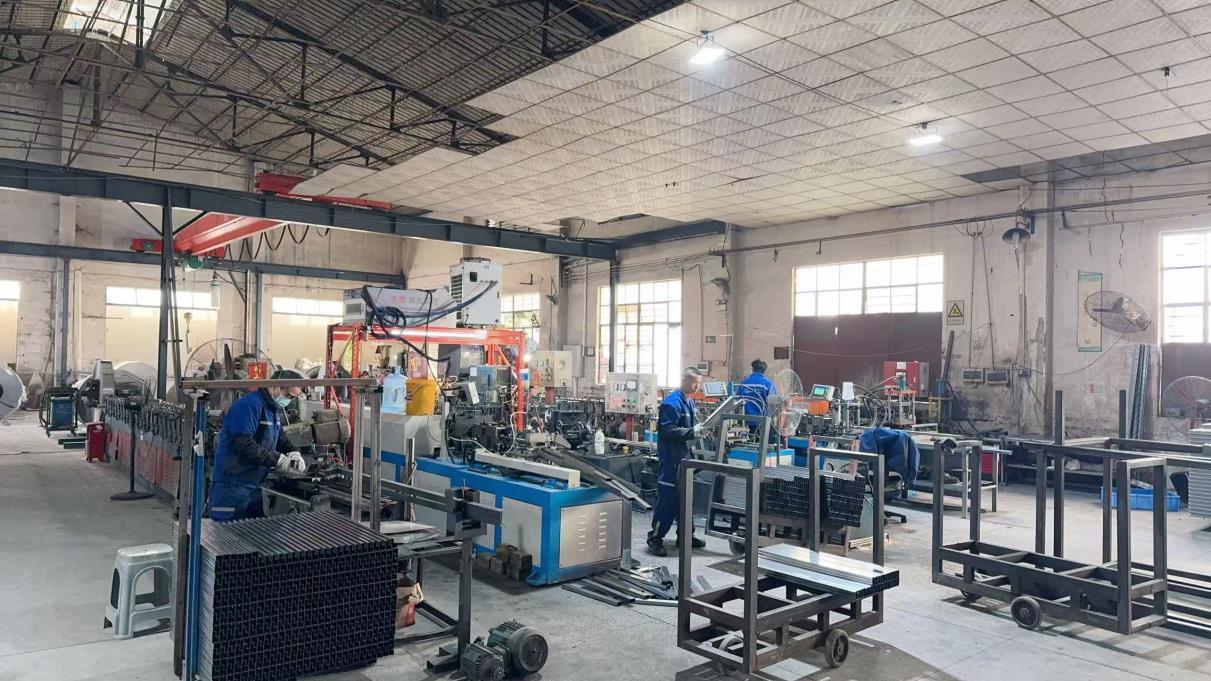
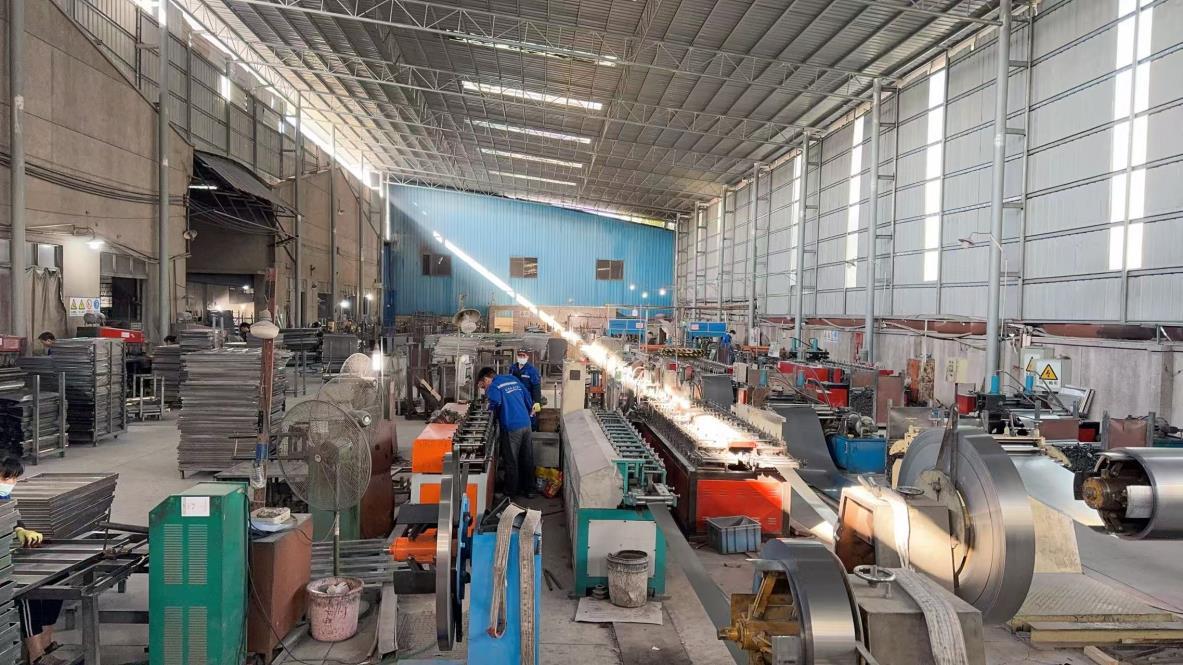
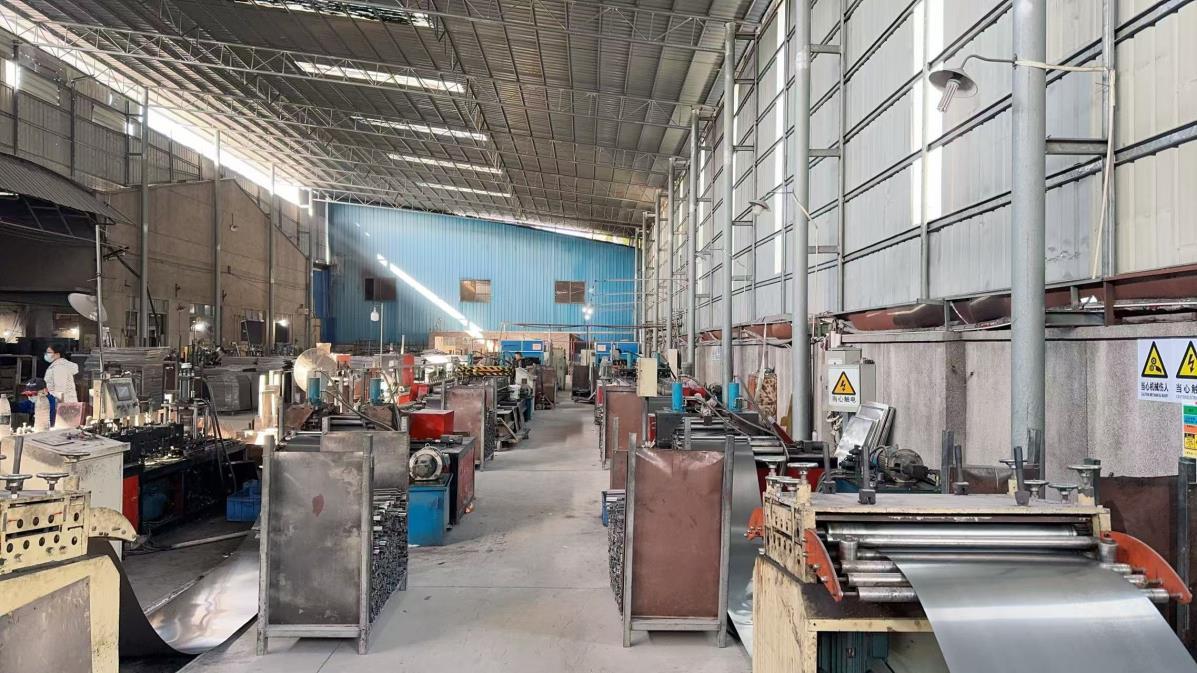
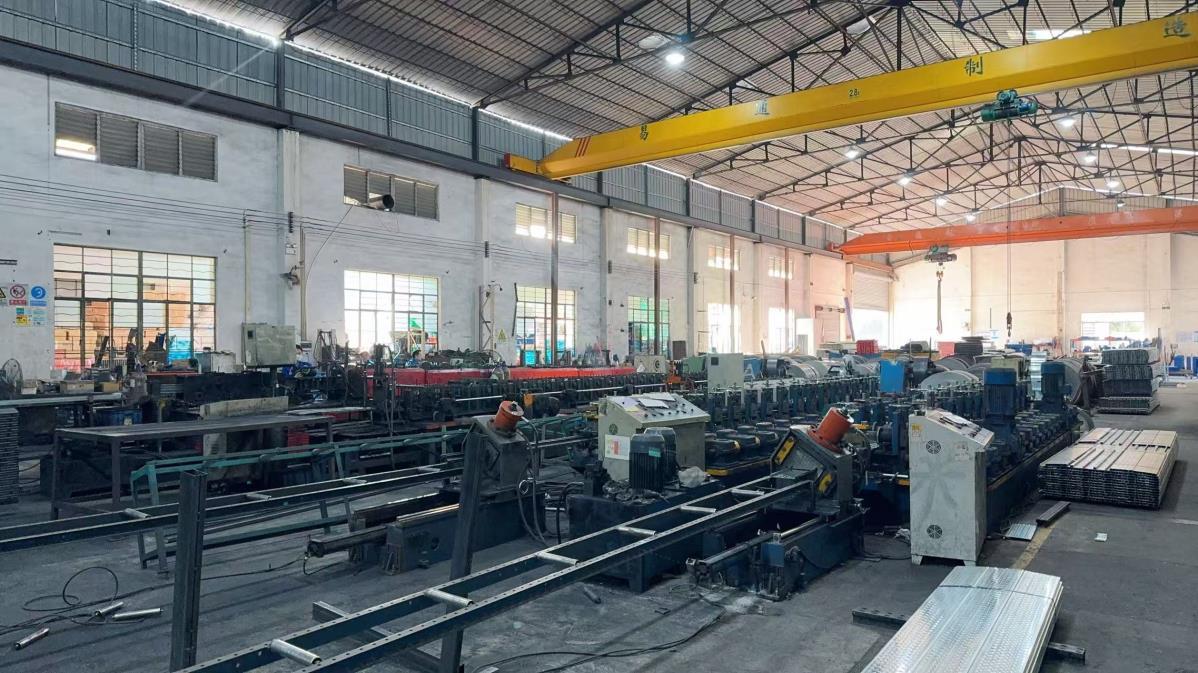
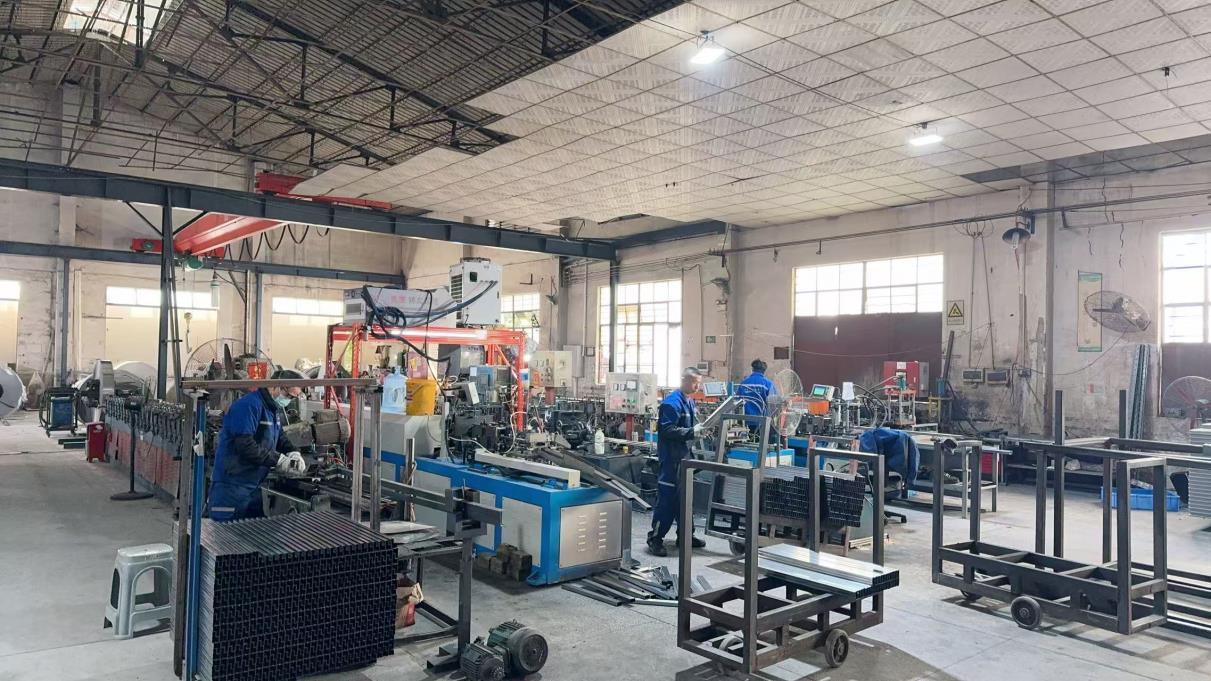
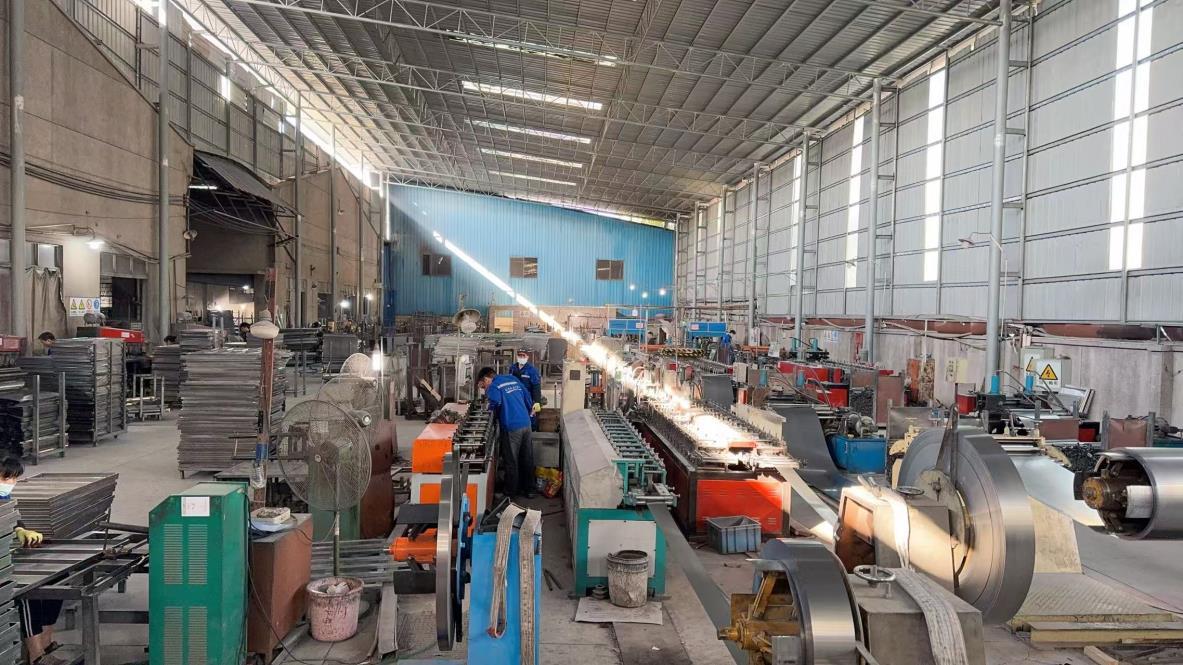
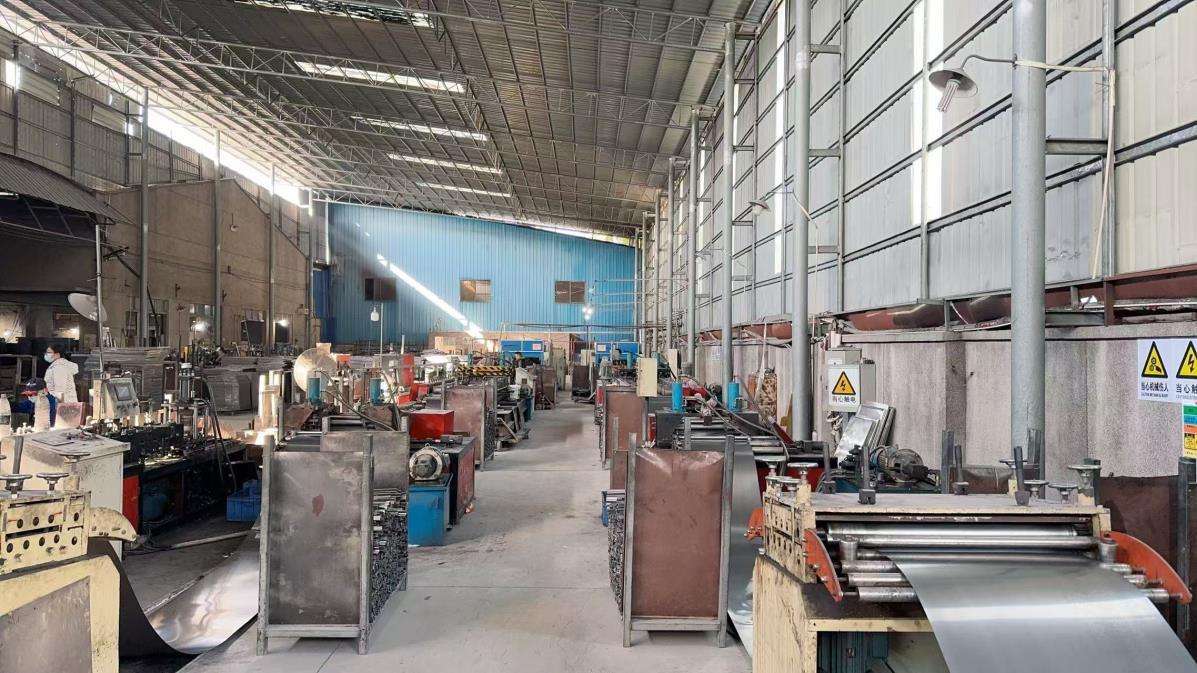
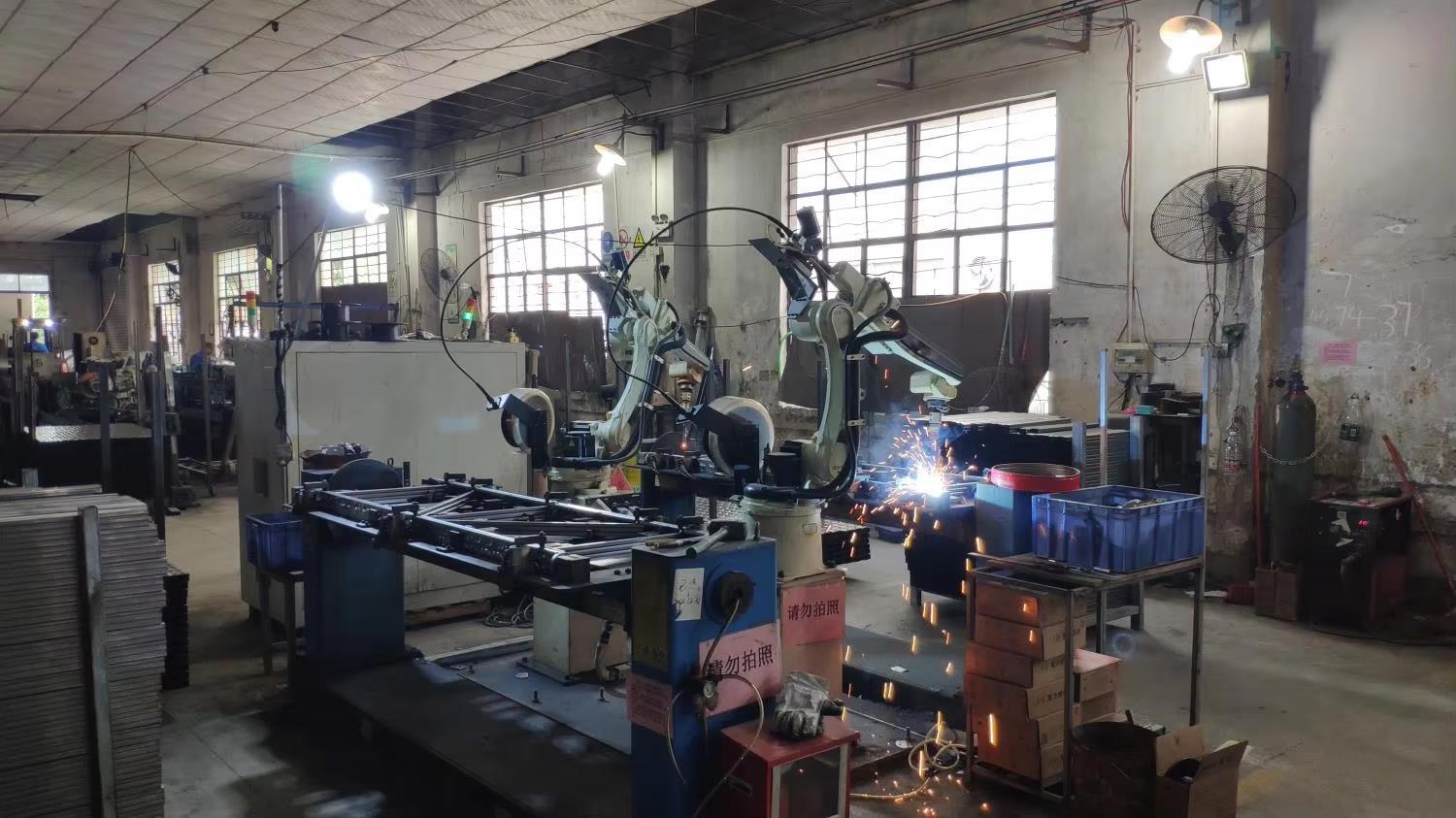
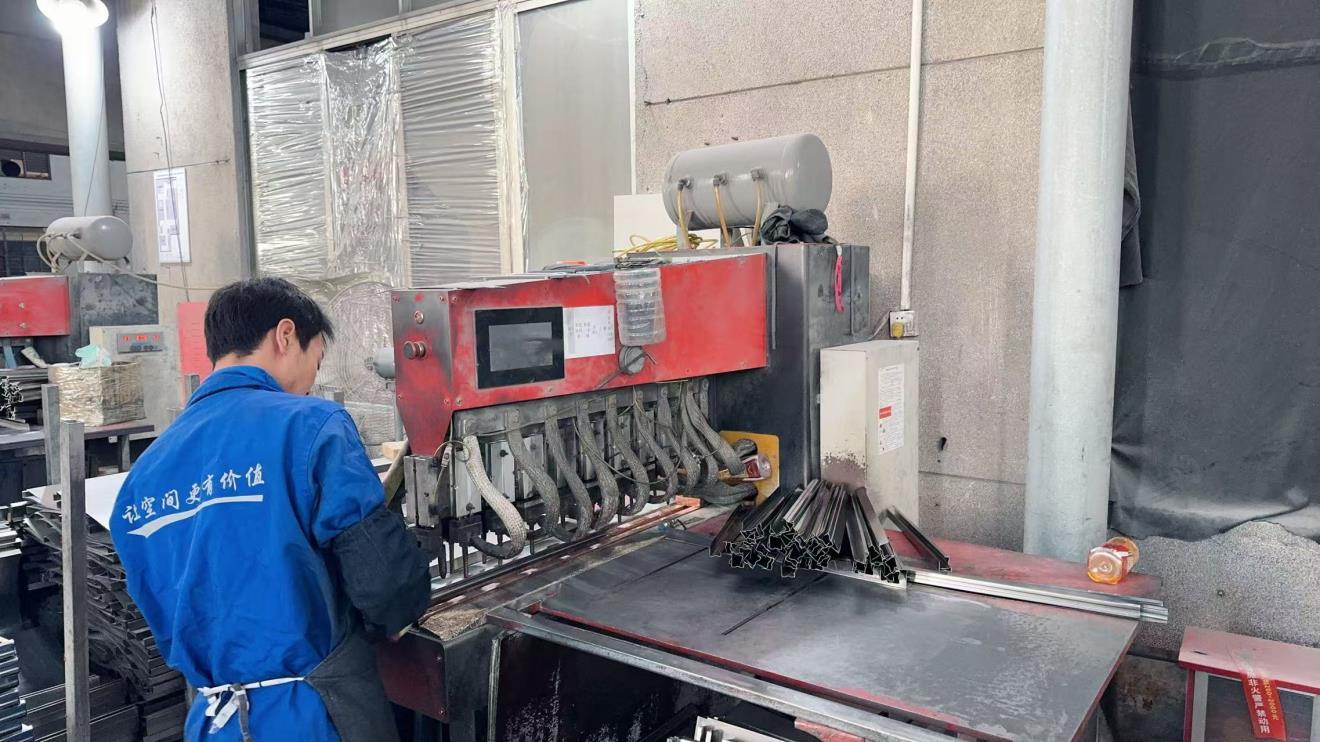
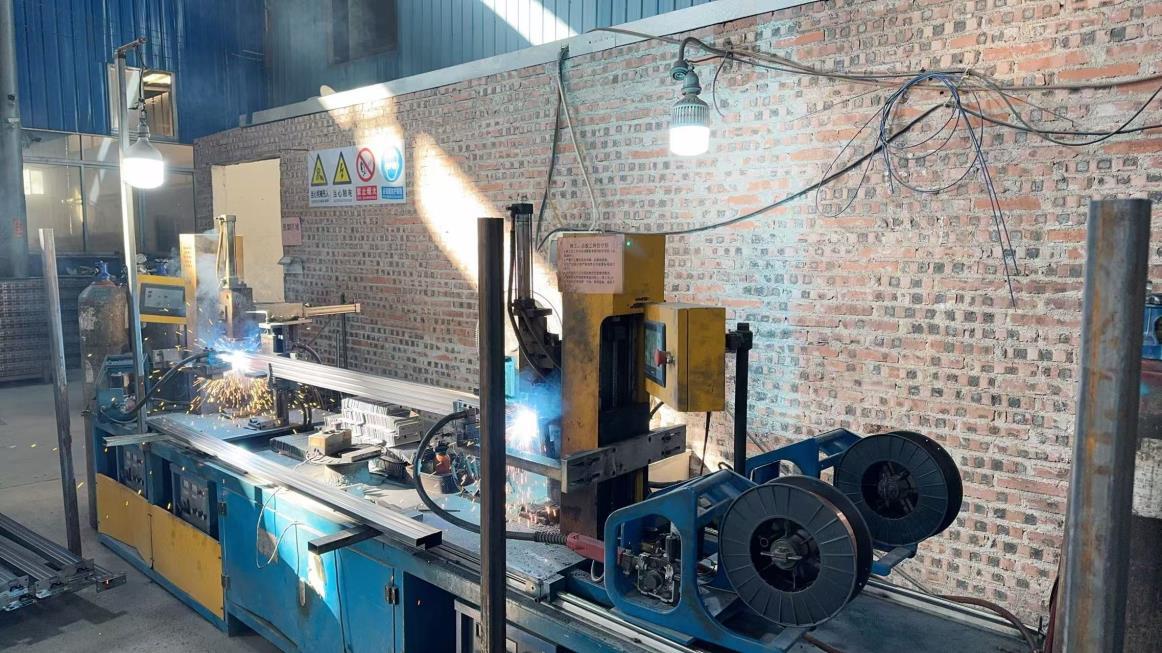
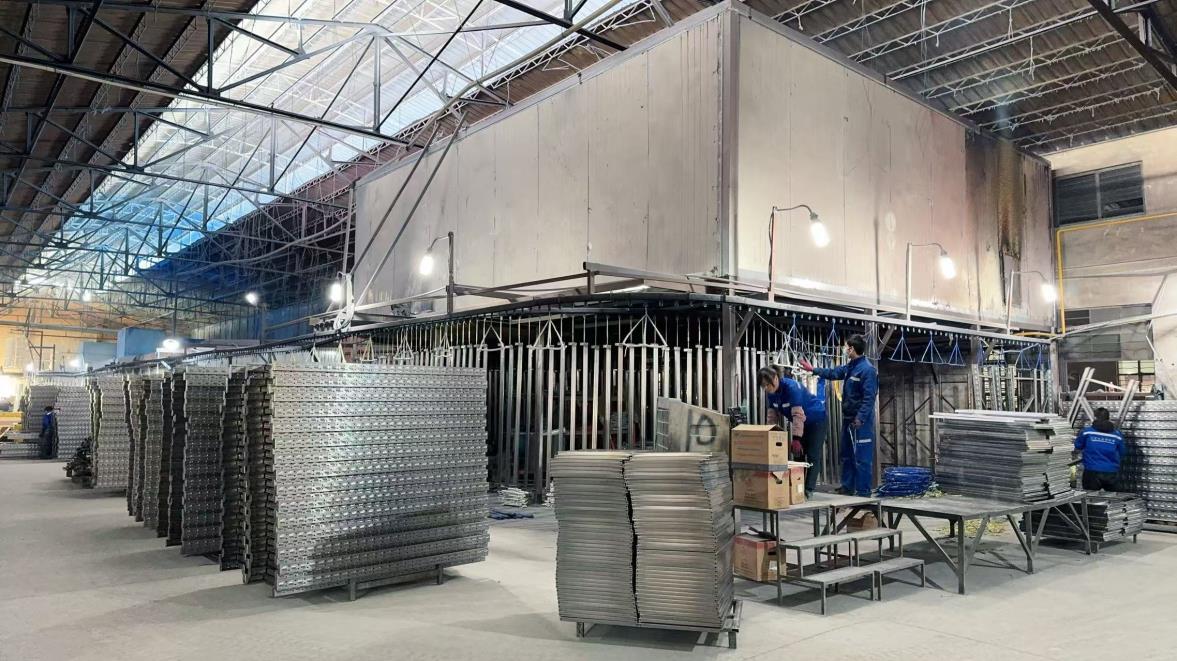
Founded in 2015, Dongguan Kimsuk Shelves Co., Ltd. is a premier manufacturer specializing in heavy-duty industrial warehouse racking systems, automated storage solutions, and customizable steel shelving. Spanning a state-of-the-art production facility of 38,000 square meters, Kimsuk combines advanced manufacturing infrastructure with high-precision engineering to deliver robust logistics and warehousing infrastructure globally. We operate 35 certified QC inspectors and material testing engineers to ensure every structural column meets the highest quality standards before shipping.
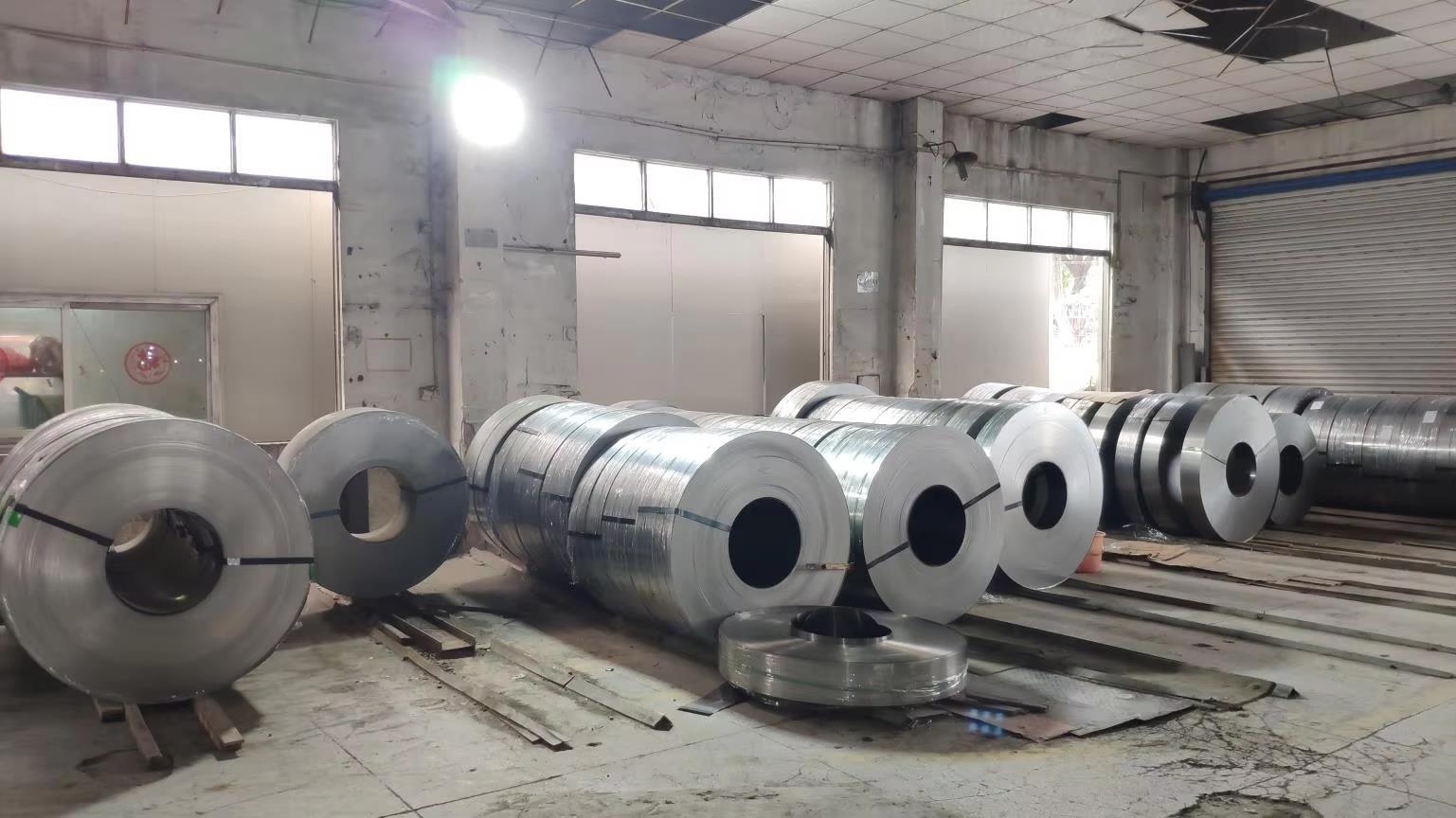
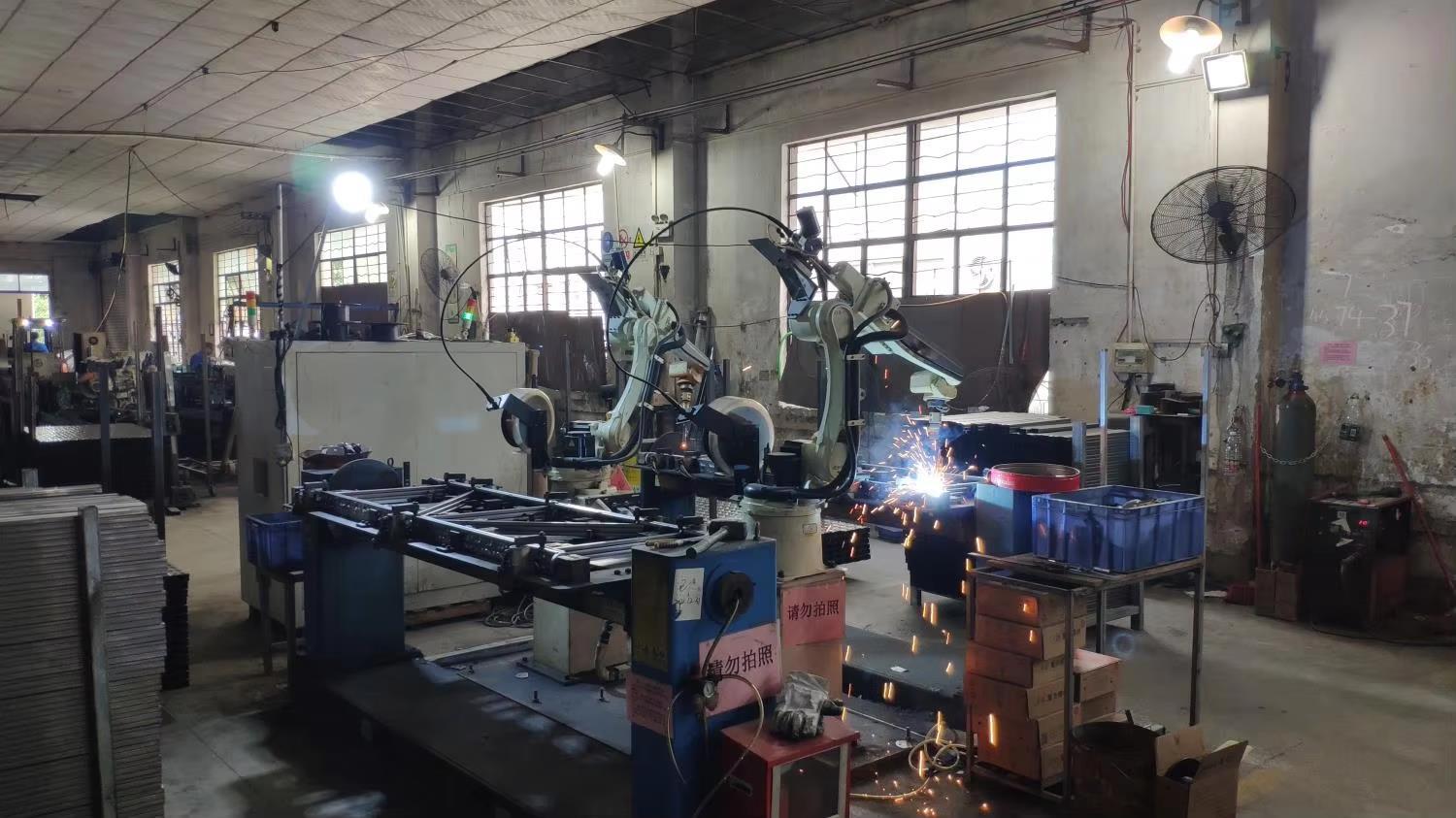
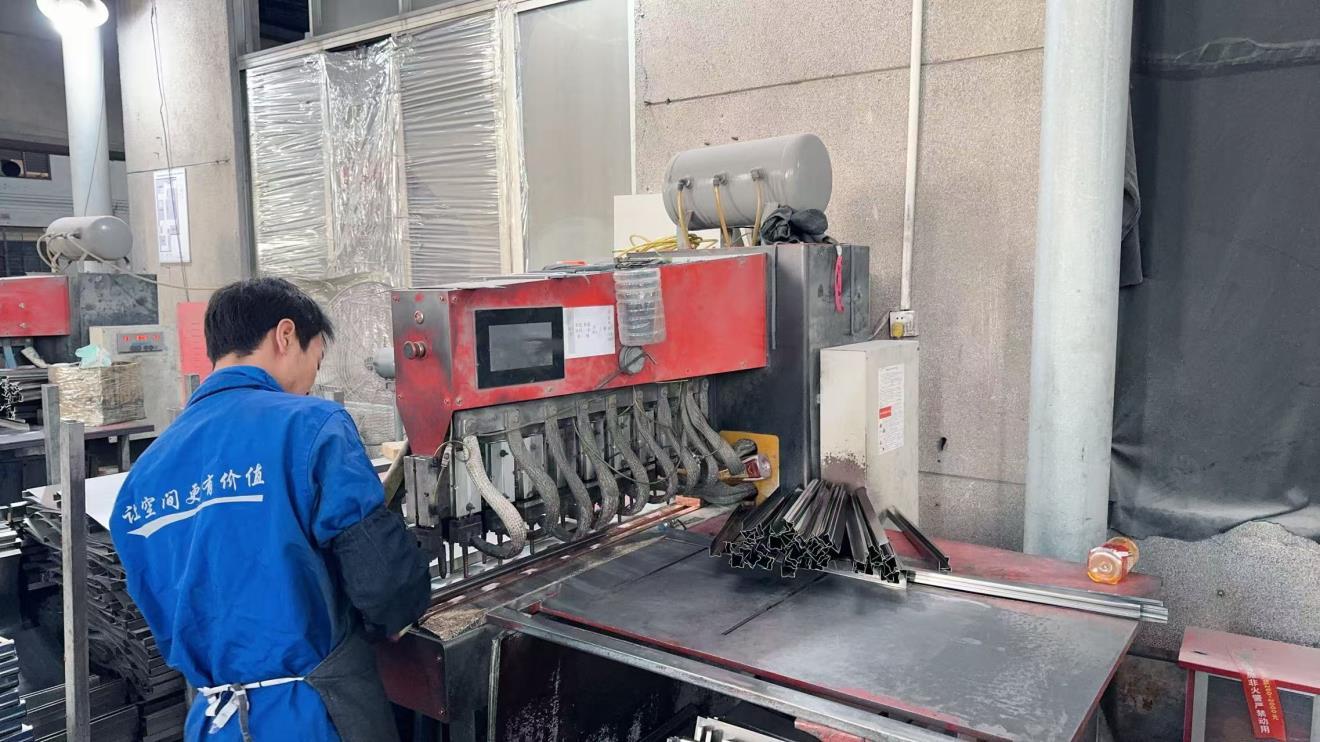
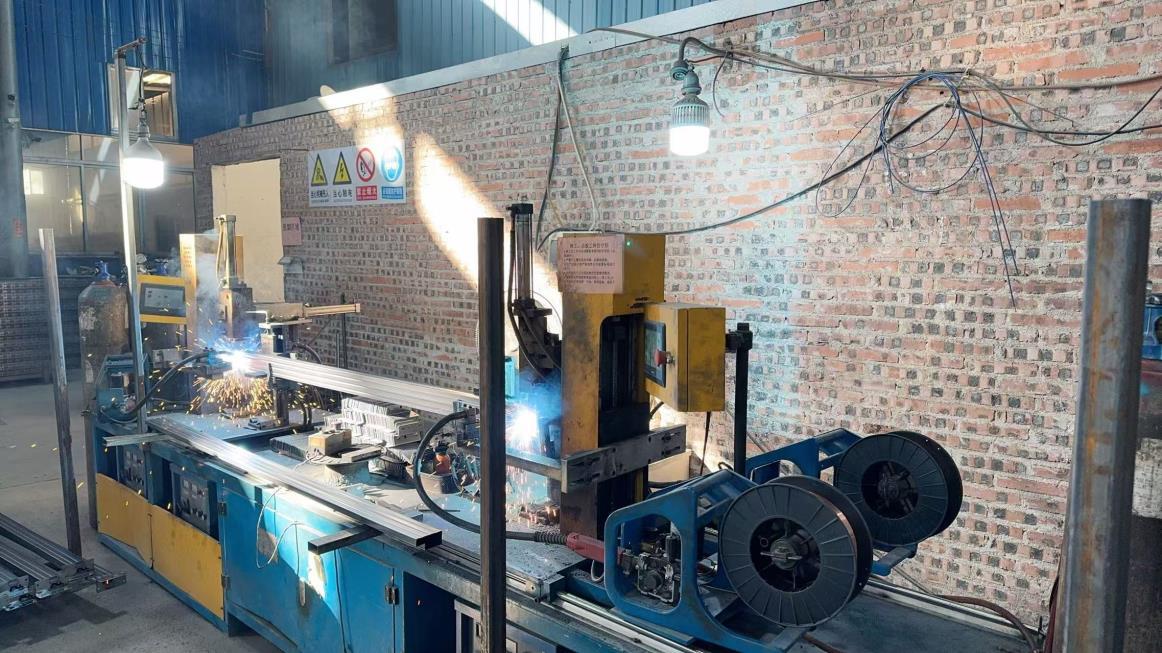
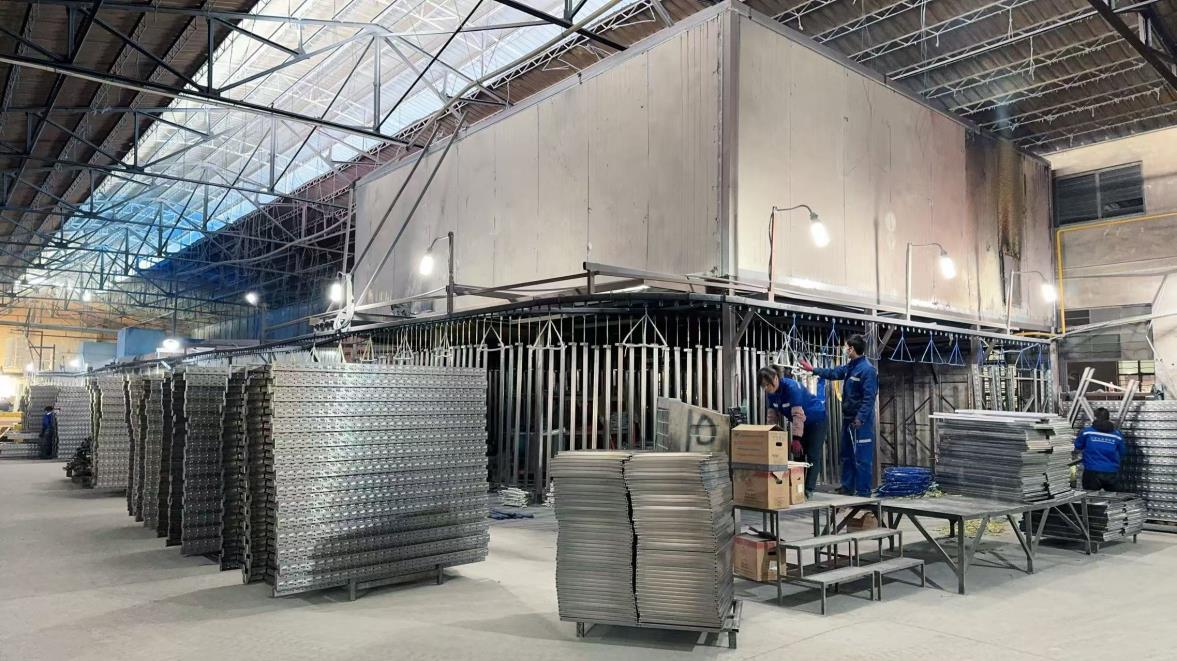
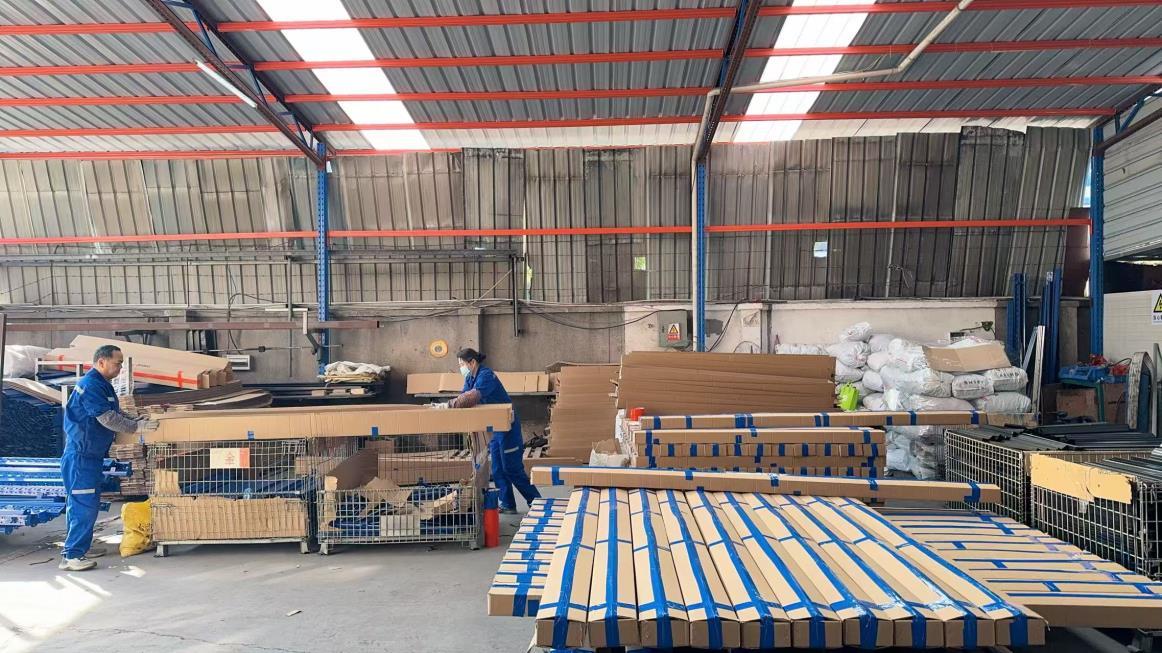
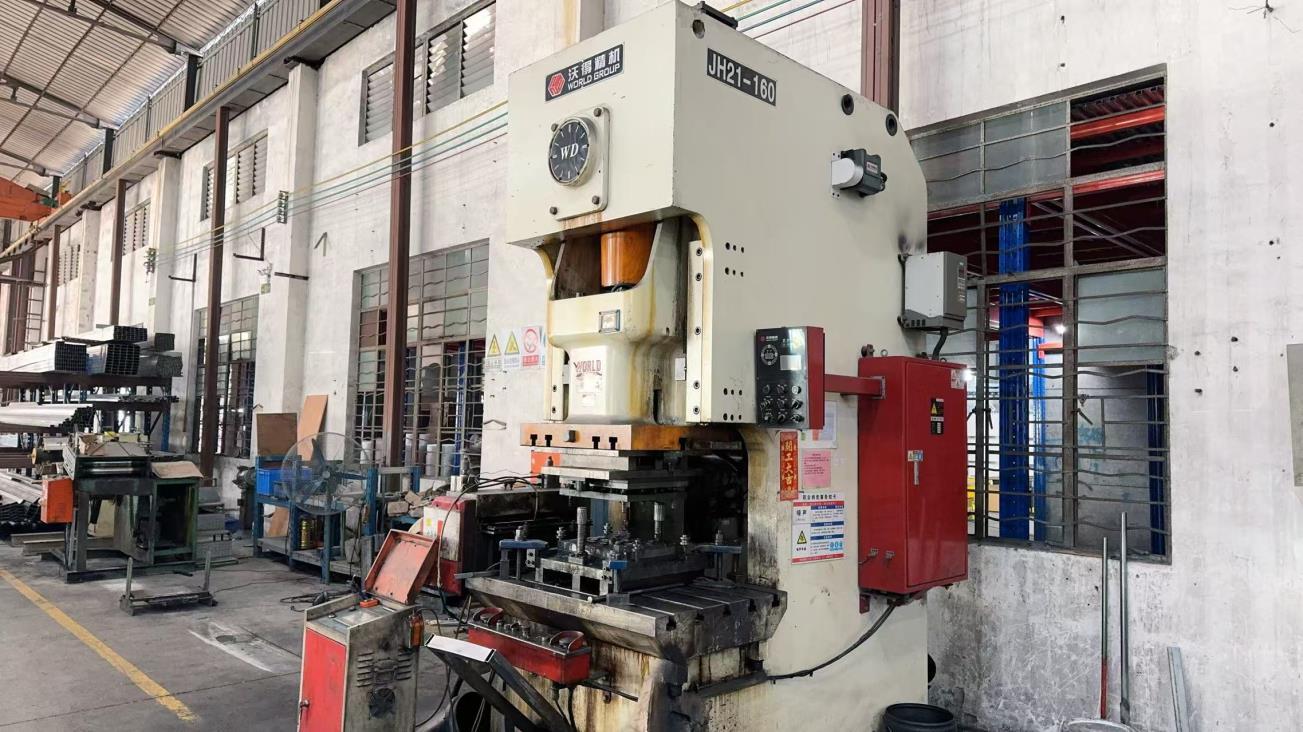
Take a look inside our state-of-the-art production facility, detailing our processing steps from raw material receipt to electrostatic spray coating and robotic welding lines.
A comprehensive guide to importing industrial racking equipment from China to Algiers / Oran.
Importing goods into Algeria requires specific documentation to satisfy the requirements of the *Direction Générale des Douanes Algériennes*. We provide complete support documentation, including detailed Commercial Invoices, Bills of Lading (B/L), Certificates of Origin, Packing Lists, and Certificate of Conformity (CoC) issued by third-party inspection agencies (SGS, Bureau Veritas) to guarantee compliance with Algerian import rules.
Shipping racks from Shenzhen/Guangzhou ports to Algerian ports (Algiers, Bejaia, Skikda, Oran) takes approximately 30 to 45 days. We optimize shipping container layouts (using 40' High Cube containers) to maximize space efficiency. Our team provides specialized nesting packaging to prevent structural components from scratches or paint chipping during maritime transit.
A drive-in racking system's structural integrity depends on correct installation. Dongguan Kimsuk Shelves Co., Ltd. provides detailed CAD layout drawings, 3D installation videos, and layout calculation reports. For major warehouse installations in industrial hubs like Sétif or Constantine, we can send bilingual engineers to supervise structural alignments and verify anchor bolt depths.
How Algerian logistics enterprises can future-proof their distribution centers.
While traditional drive-in racking provides exceptional density, it operates under the Last-In, First-Out (LIFO) protocol and requires forklift operators to drive directly into the racking bays. For Algerian organizations targeting higher throughput, we offer a strategic upgrade path toward Radio Shuttle Racking Systems.
By upgrading drive-in configurations with lane rails and automated shuttle carts, you transform your rack structure into a semi-automated warehouse. The shuttle cart retrieves and stores pallets within the lanes, saving forklift transit time and eliminating the risk of forklift-mast impacts on racking frames.
Our modernized racking channels are compatible with barcode tracking, RFID-based warehouse management systems (WMS), and automated guided vehicles (AGV). As the Algerian industrial sector undergoes digitalization, investing in racking infrastructures with high structural tolerances guarantees future compatibility with robotics.
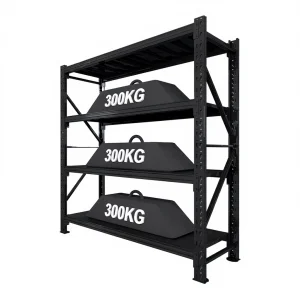
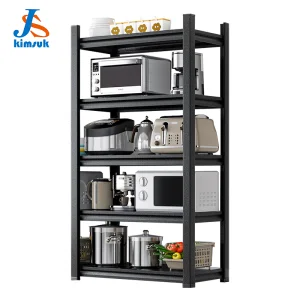
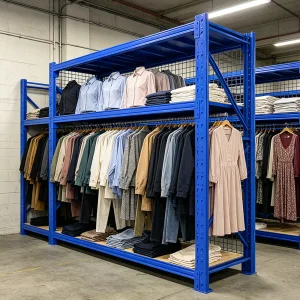
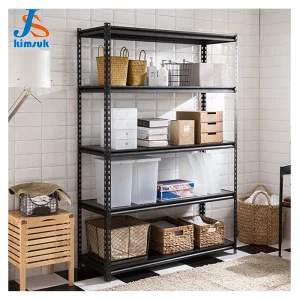
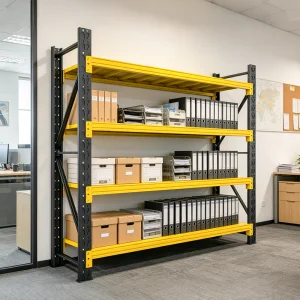
Comprehensive steel storage solutions designed for versatile warehouse applications, heavy duties, and workshops.
Get detailed technical and logistical answers regarding the deployment of drive-in racking systems in Algeria.
 Kimsuk Racking