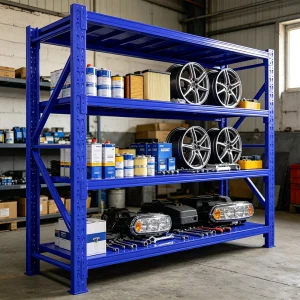
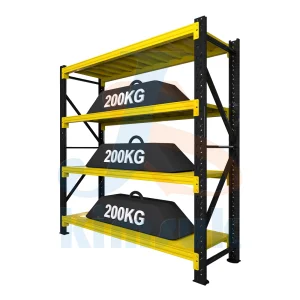
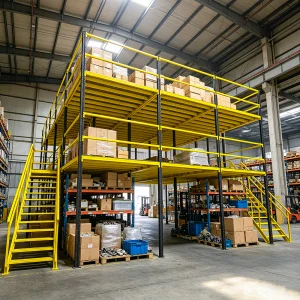
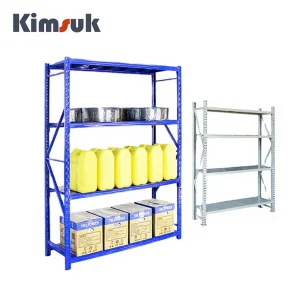
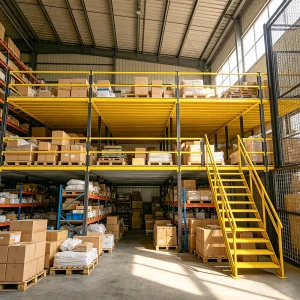
As the third-largest port in Europe, the Port of Hamburg (Hamburger Hafen) serves as the primary maritime gateway to Northern Germany and the broader Baltic region. Industrial hubs like Altenwerder, Billbrook, and Waltershof handle millions of TEUs annually. This high-velocity maritime-to-land transit model demands logistics infrastructure capable of bridging bulk sea cargo operations with precise land-based distribution. Within this context, the 500KG per shelf load capacity represents a vital engineering sweet spot—the structural threshold where medium-duty storage transitions to heavy-duty capability, supporting high-density payloads without necessitating the massive architectural footprint of ultra-heavy structural framing.
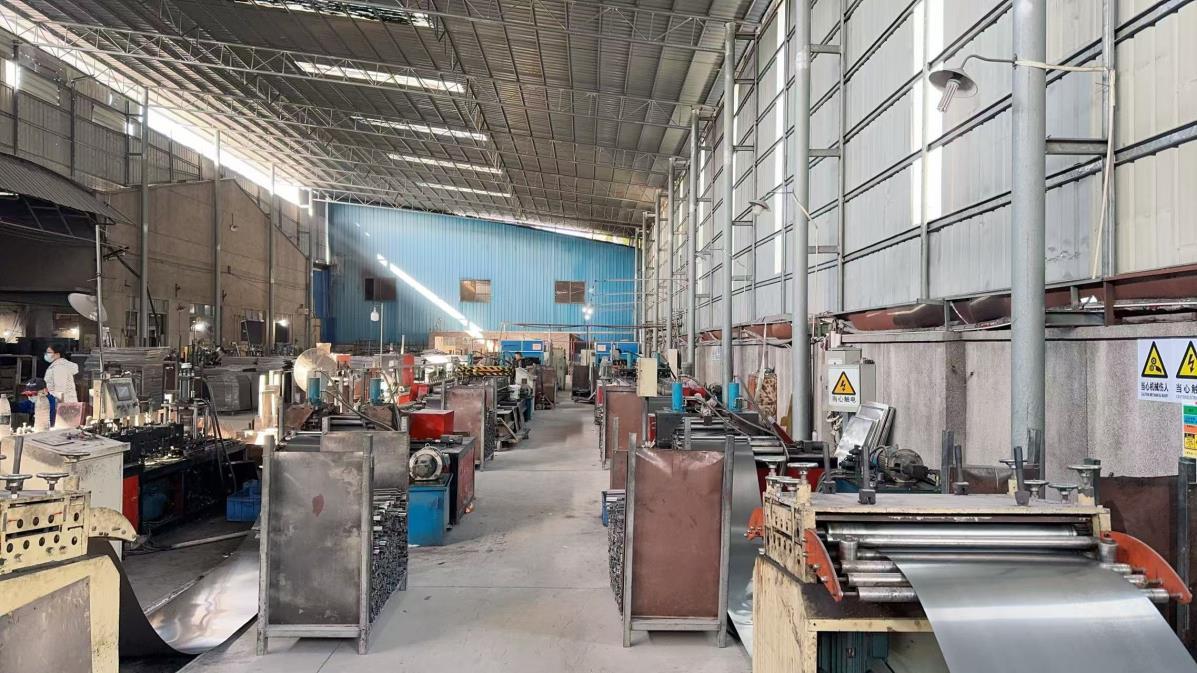
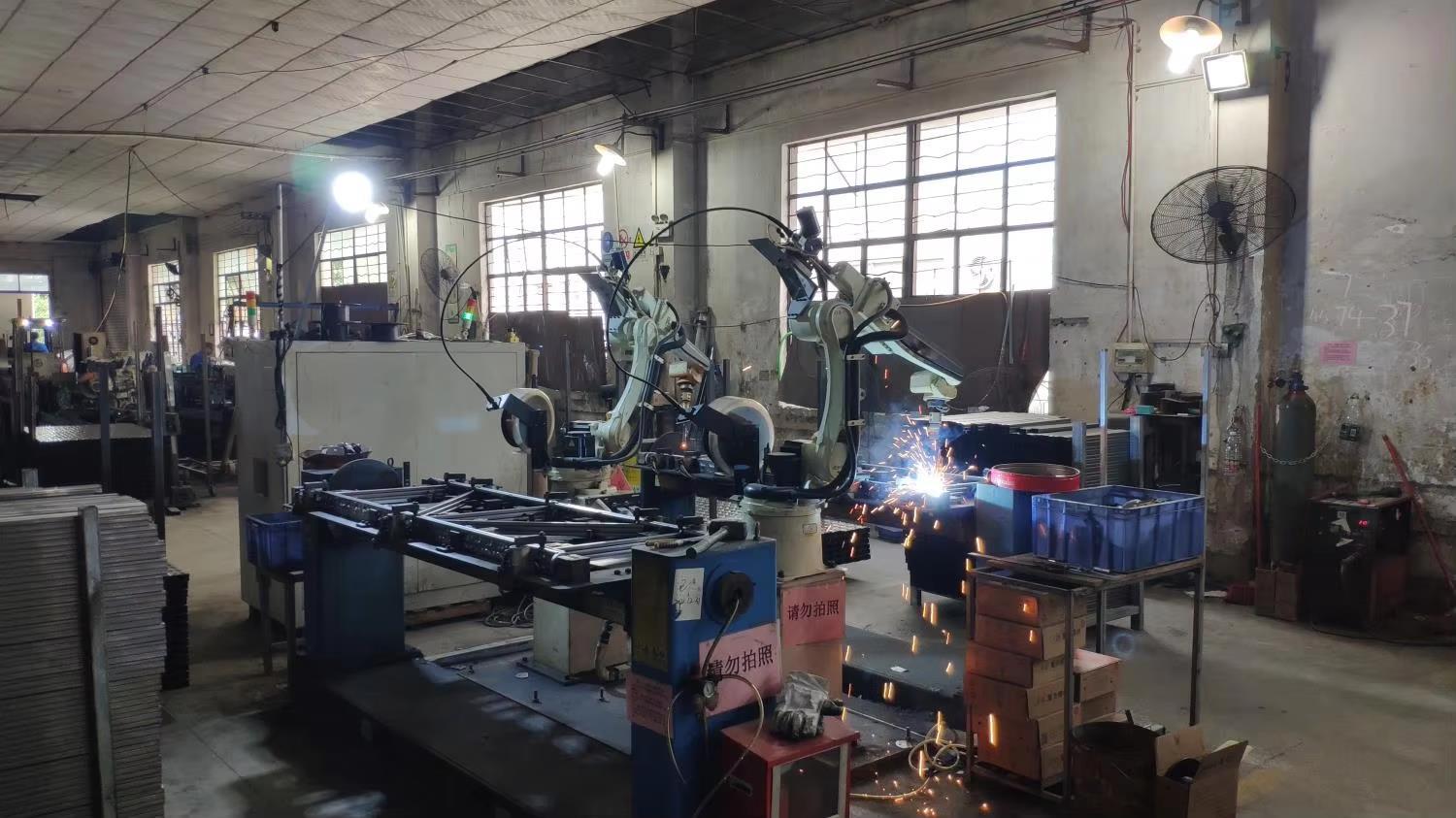
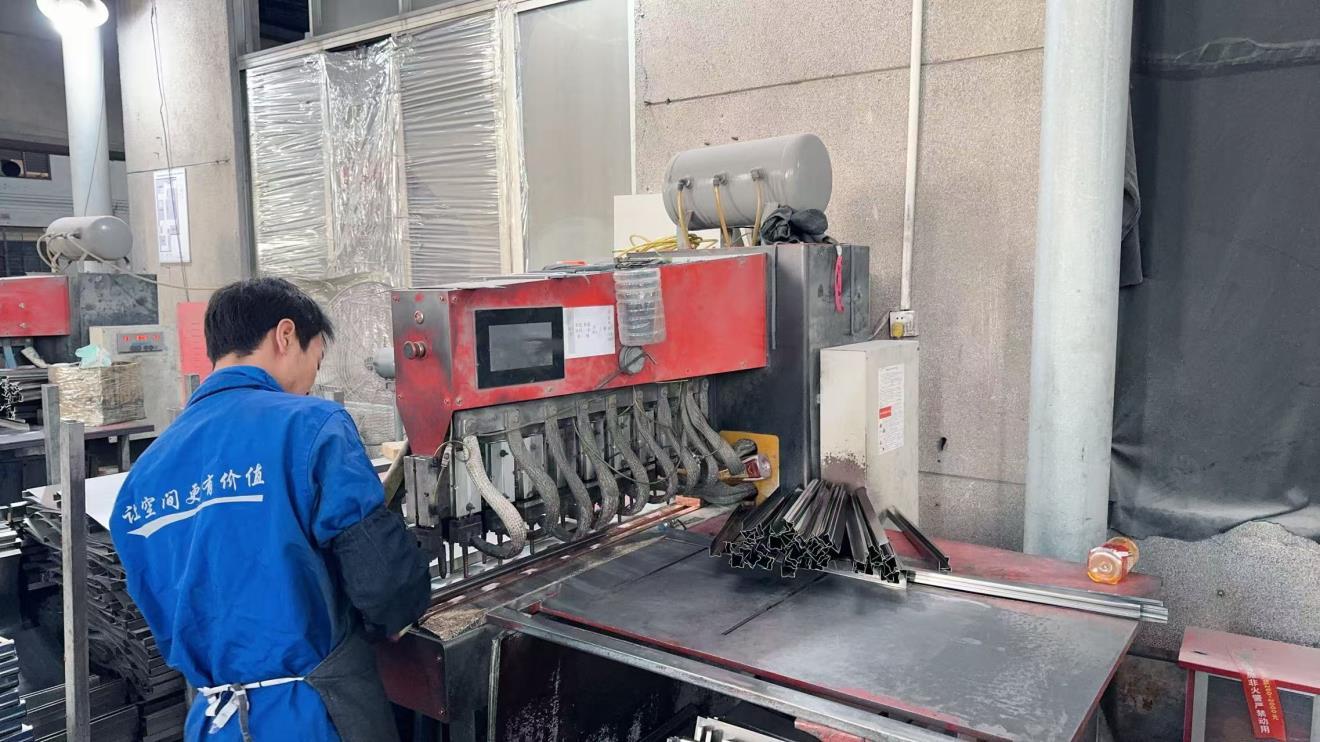
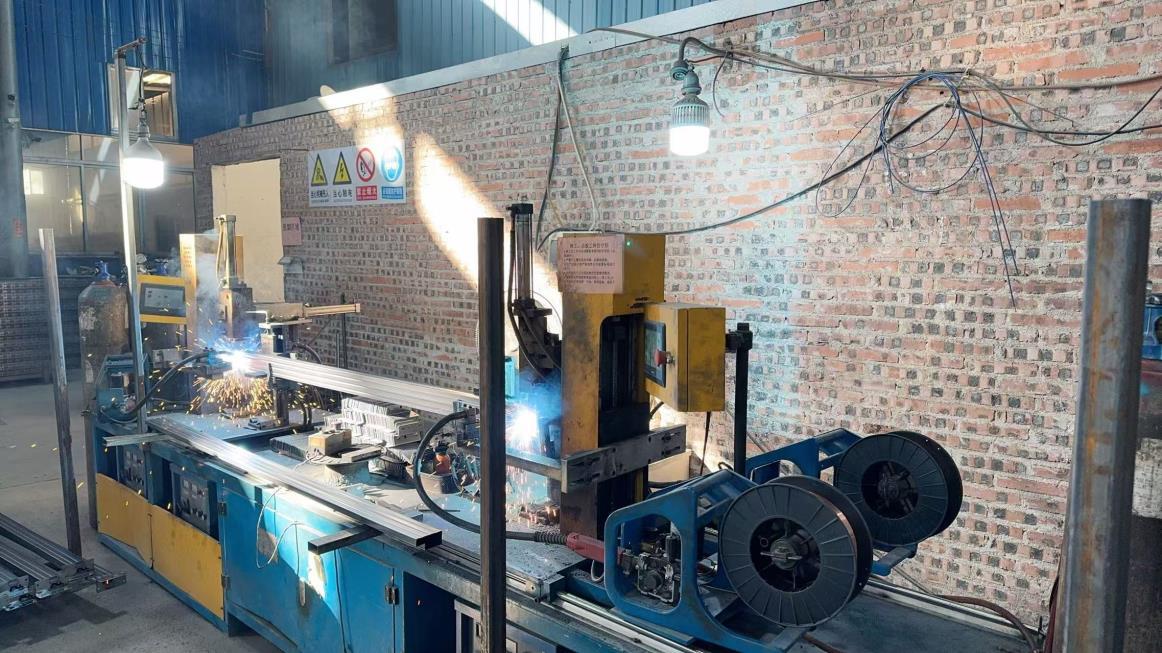
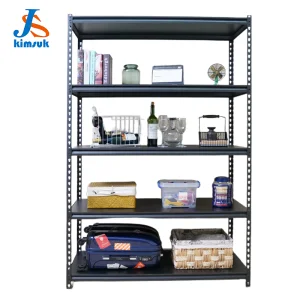
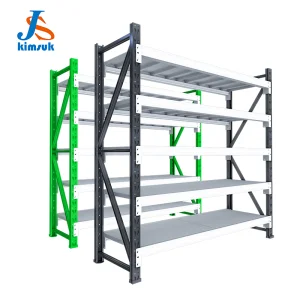
For import-export logistics operators, automotive component suppliers in Lower Saxony, and distribution firms in the Hamburg metropolitan area, selecting a reliable 500KG rack system is essential for operational safety and floor space optimization. In environments where salt fog, humidity, and constant mechanical vibration from heavy-duty forklifts are daily realities, racking systems must be engineered with premium steel alloys (specifically cold-rolled Q235B steel) and treated with specialized surface protection. As a global exporter supplying Hamburg, Dongguan Kimsuk Shelves Co., Ltd. designs its 500KG boltless and pallet racking systems to directly address these local environmental and operational pressures.
Modern German warehousing is undergoing a rapid transition toward automated, high-density, and modular layouts. Racks are no longer static metal beams; they are integral structural nodes that interface with Automated Guided Vehicles (AGVs) and Autonomous Mobile Robots (AMRs). Key trends driving the Hamburg market include:
Global procurement directors managing supply chains in Germany require partners who offer clear transparency, predictable lead times, and certified quality control. The Total Cost of Ownership (TCO) of warehouse equipment relies heavily on durability and compliance. A low-cost rack that fails a local safety audit (such as German DGUV regulations) or causes a collapse creates massive financial liabilities.
To support corporate buyers, Kimsuk provides detailed finite element analysis (FEA) reports, structural loading simulation documents, and direct OEM customization. Whether the requirement is customized dimensions for narrow-aisle configurations or specific corrosion-resistant galvanizing profiles, our engineering team ensures that every shipment aligns with Northern European logistics specifications.
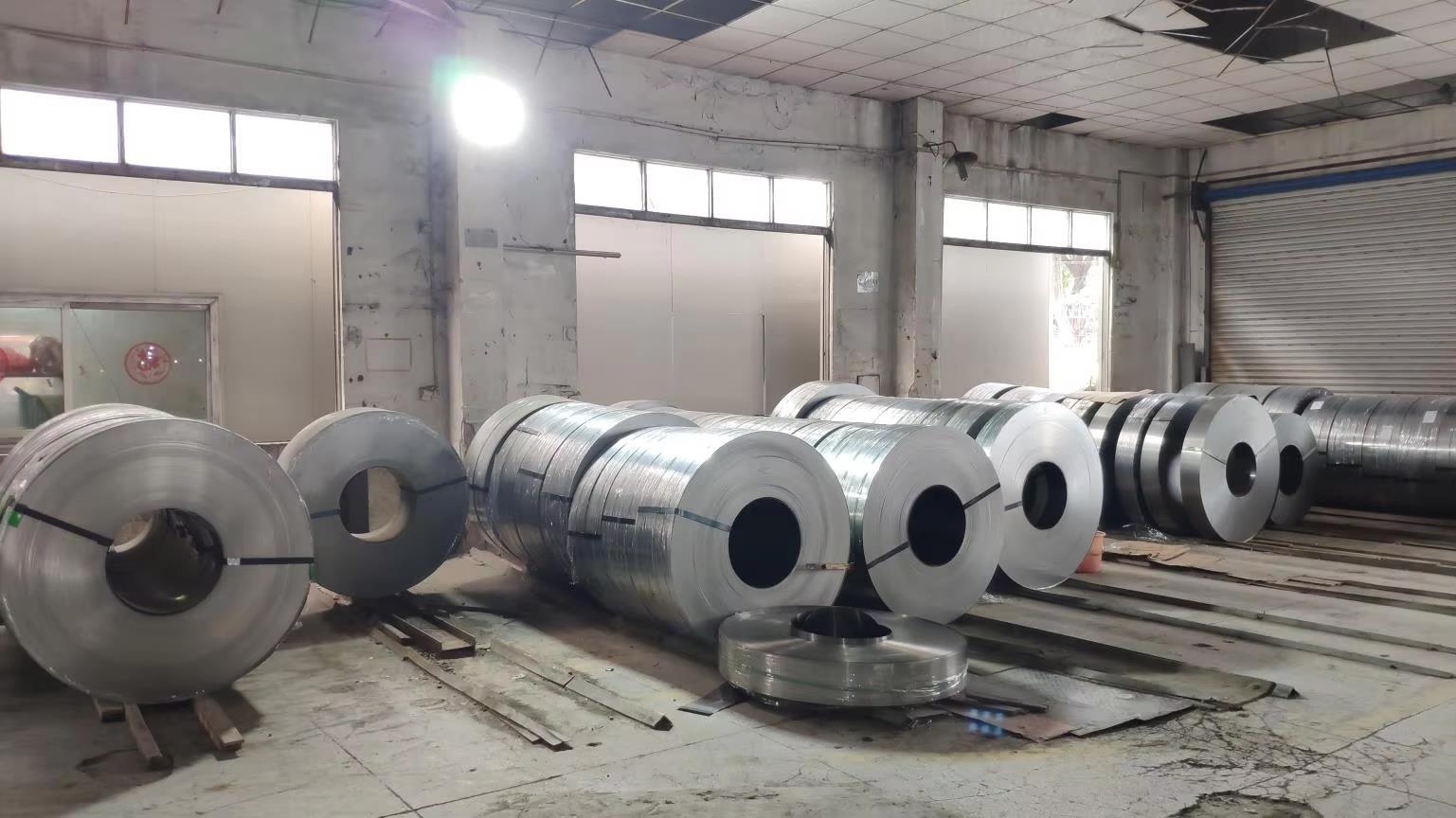
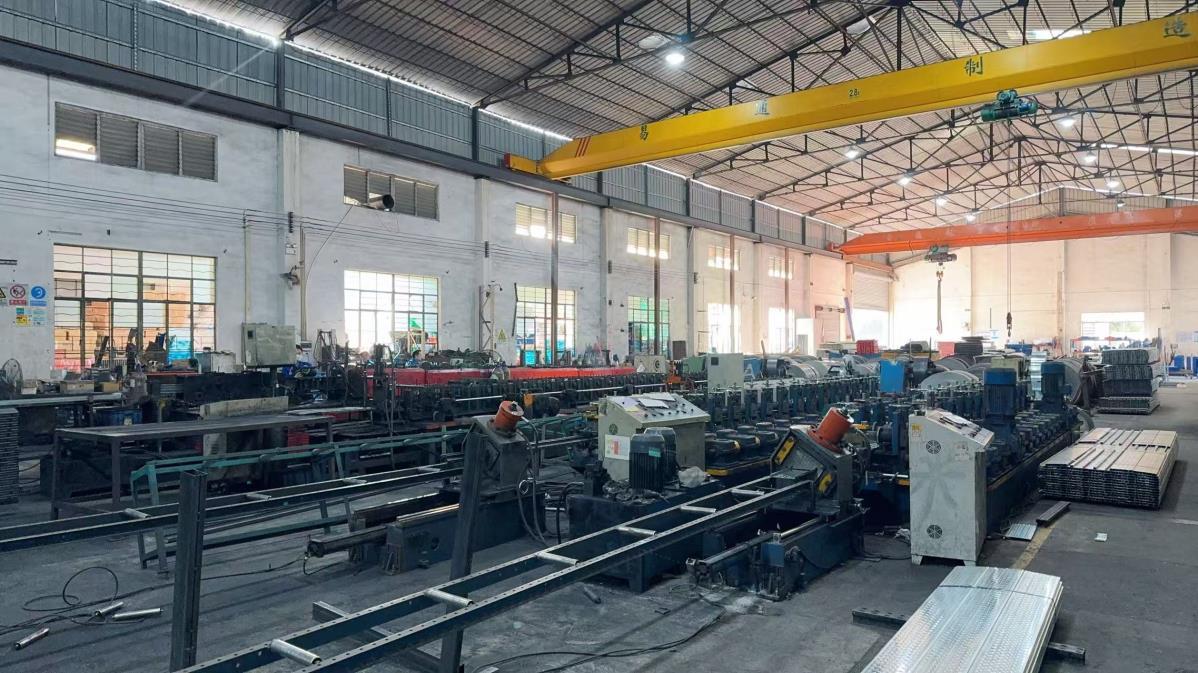
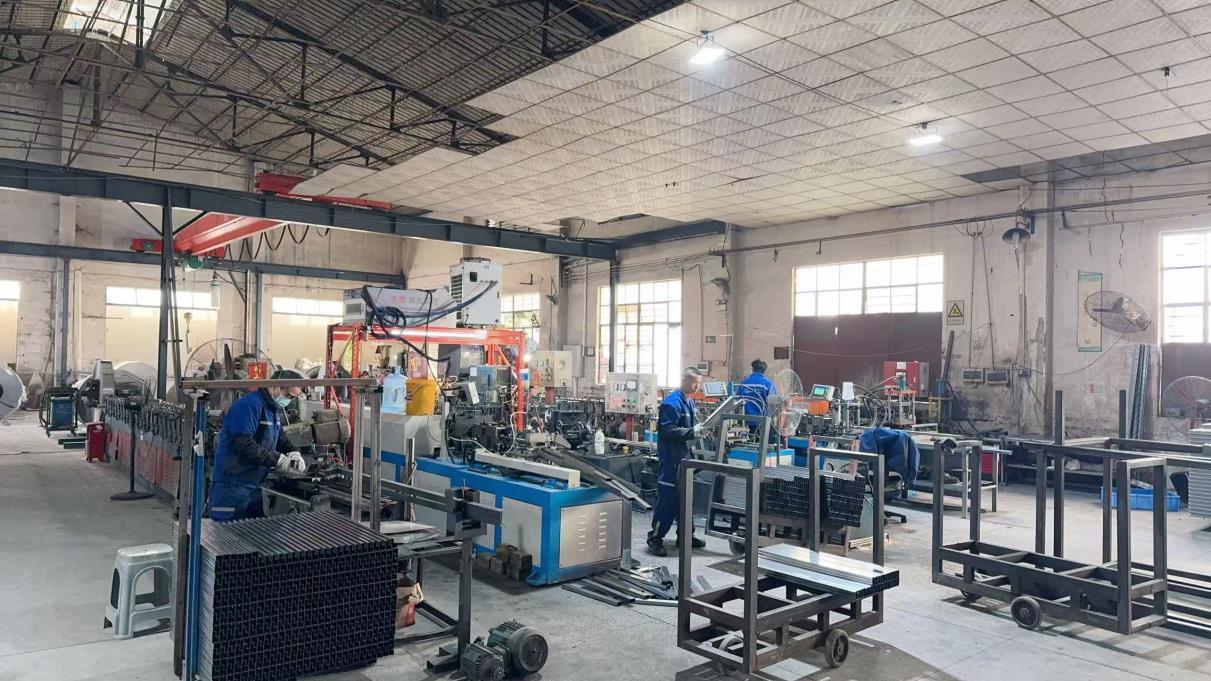
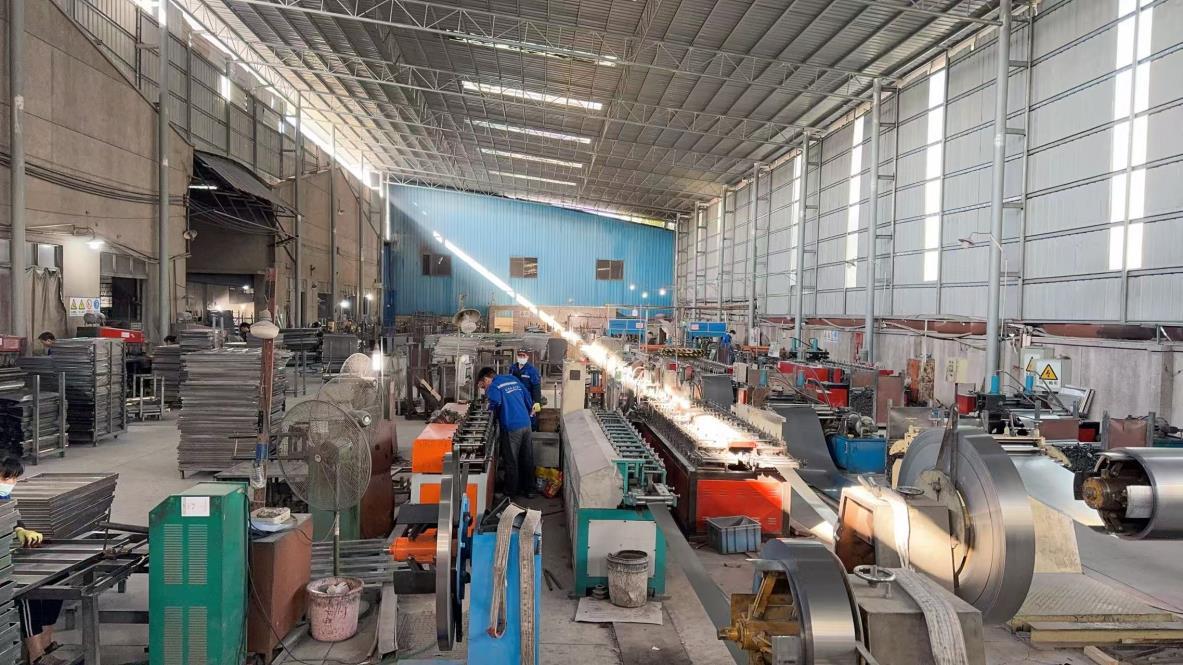
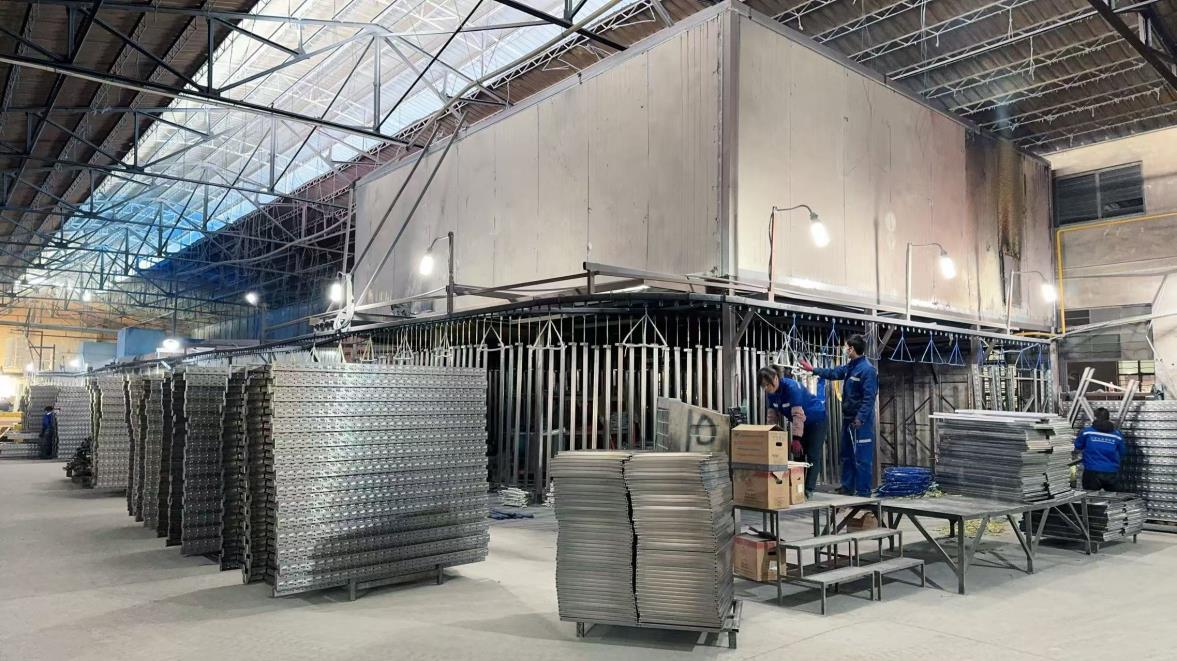
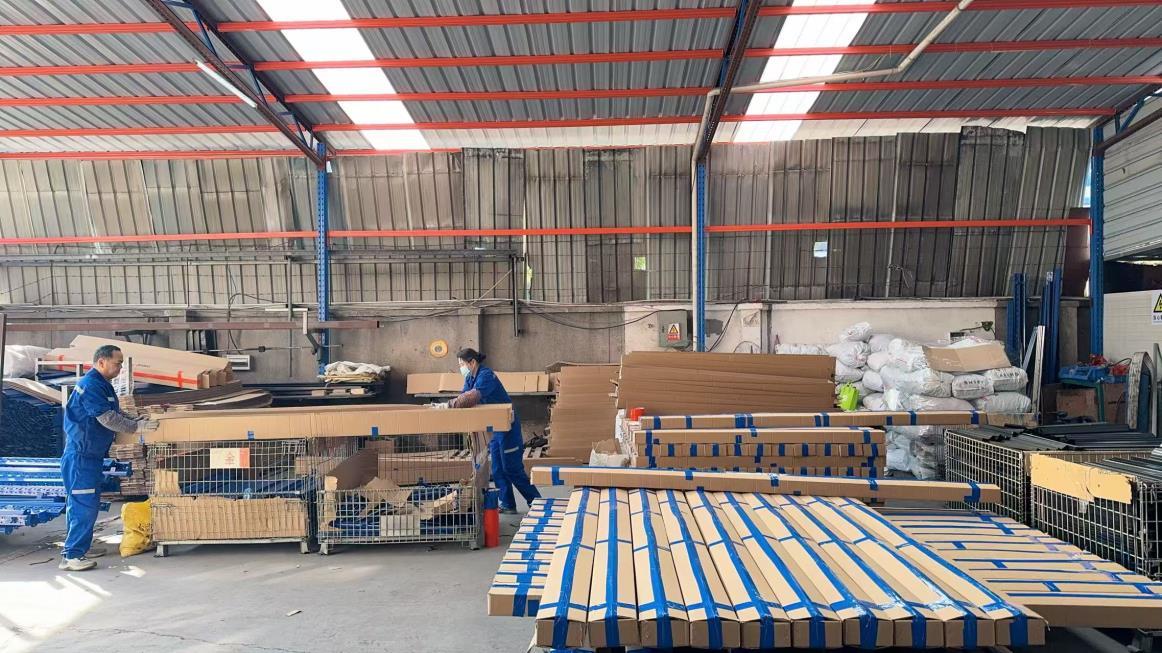
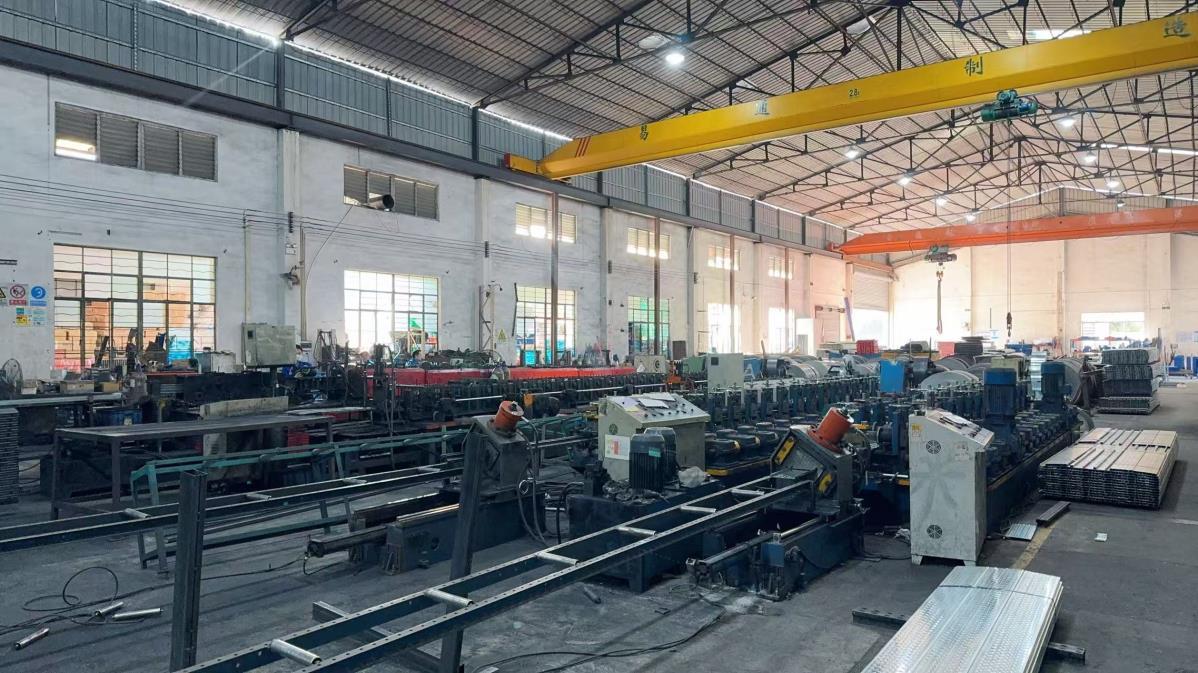
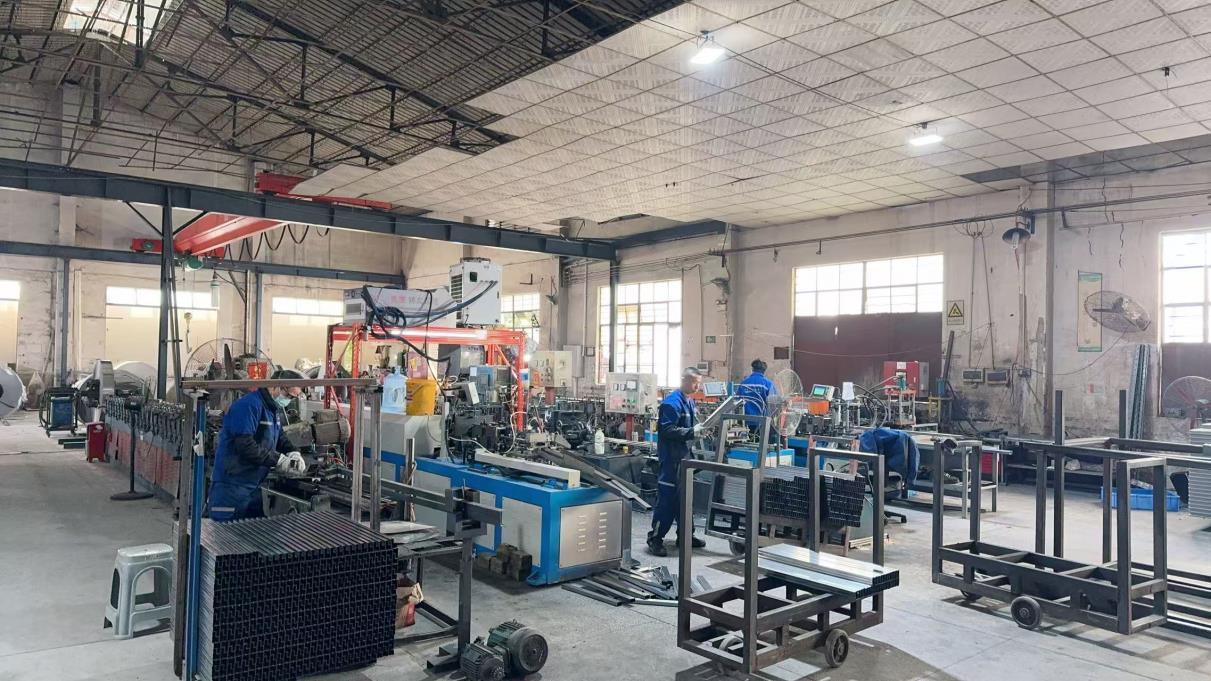
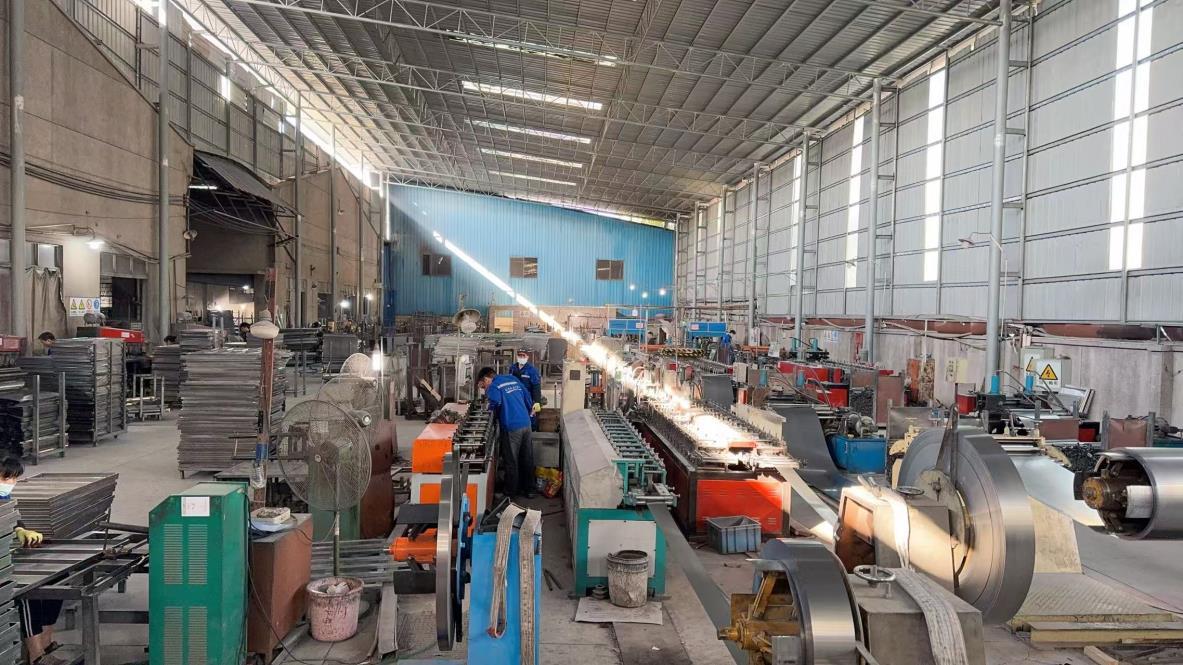
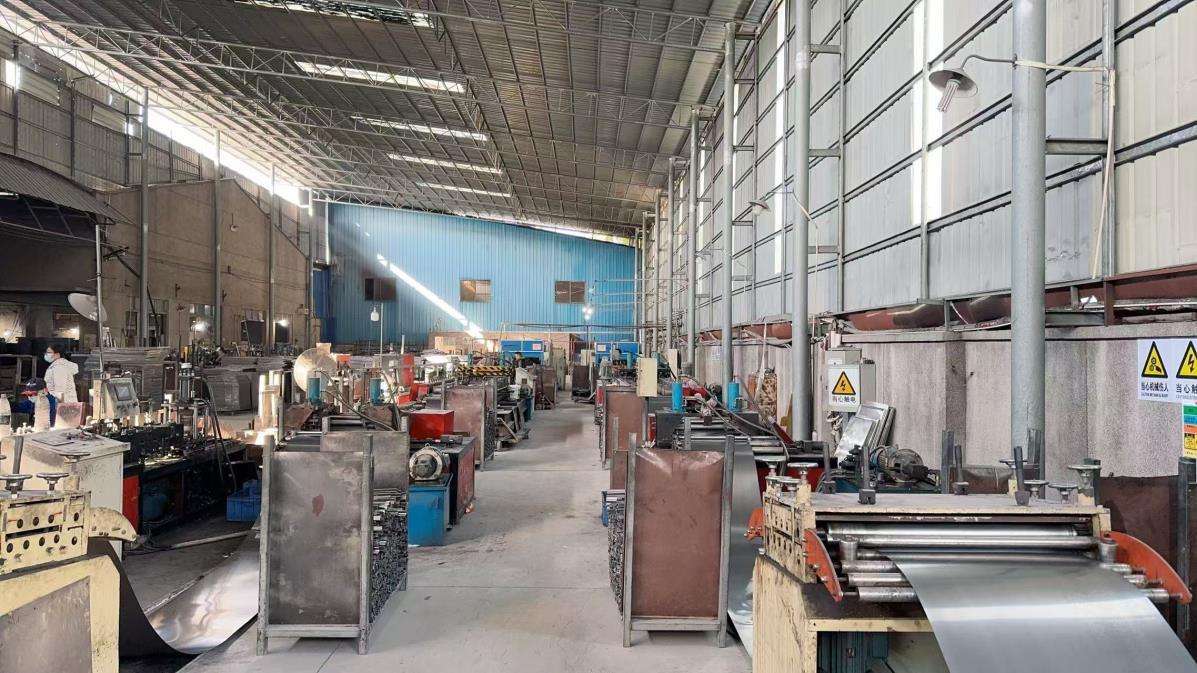
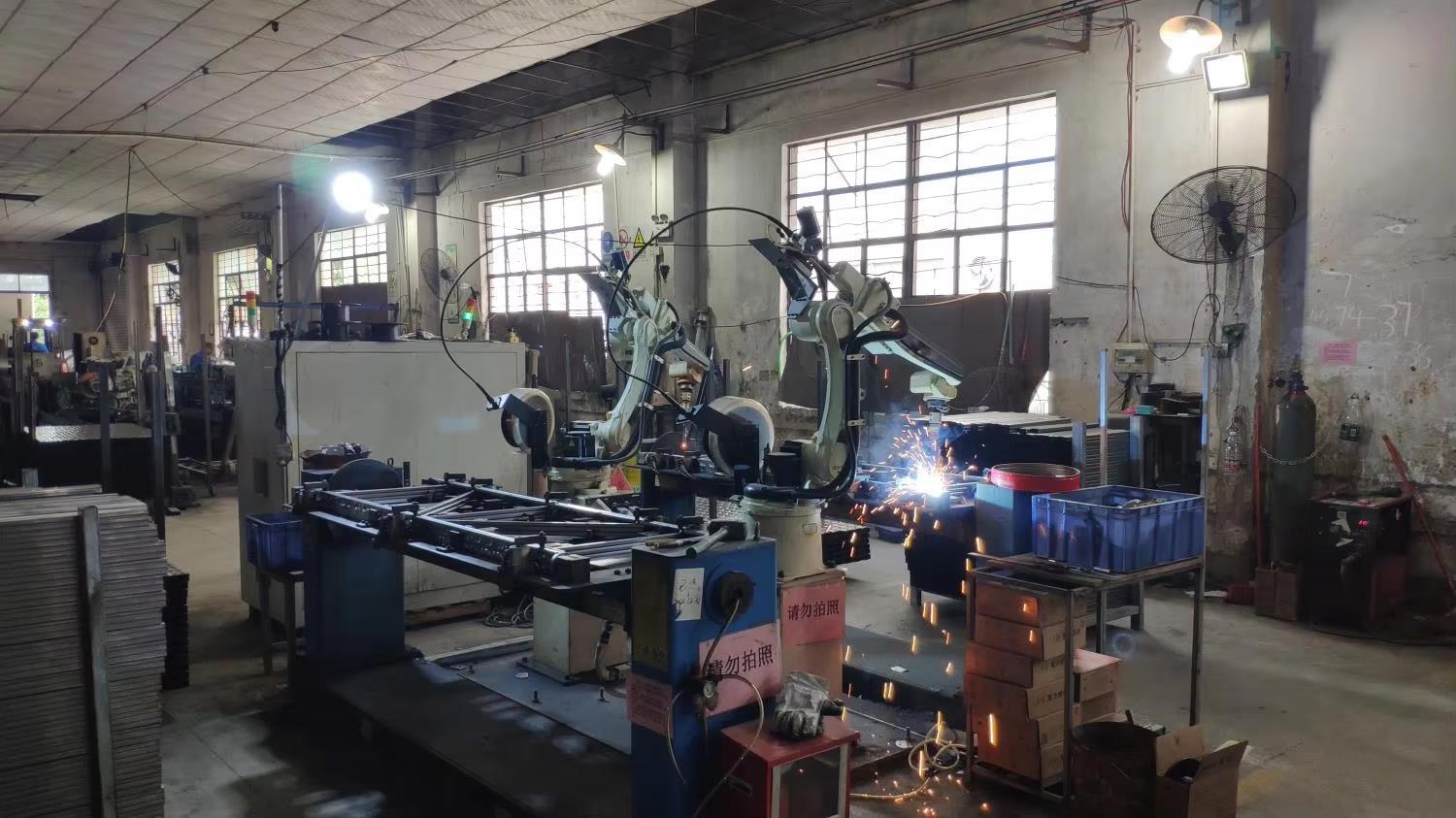
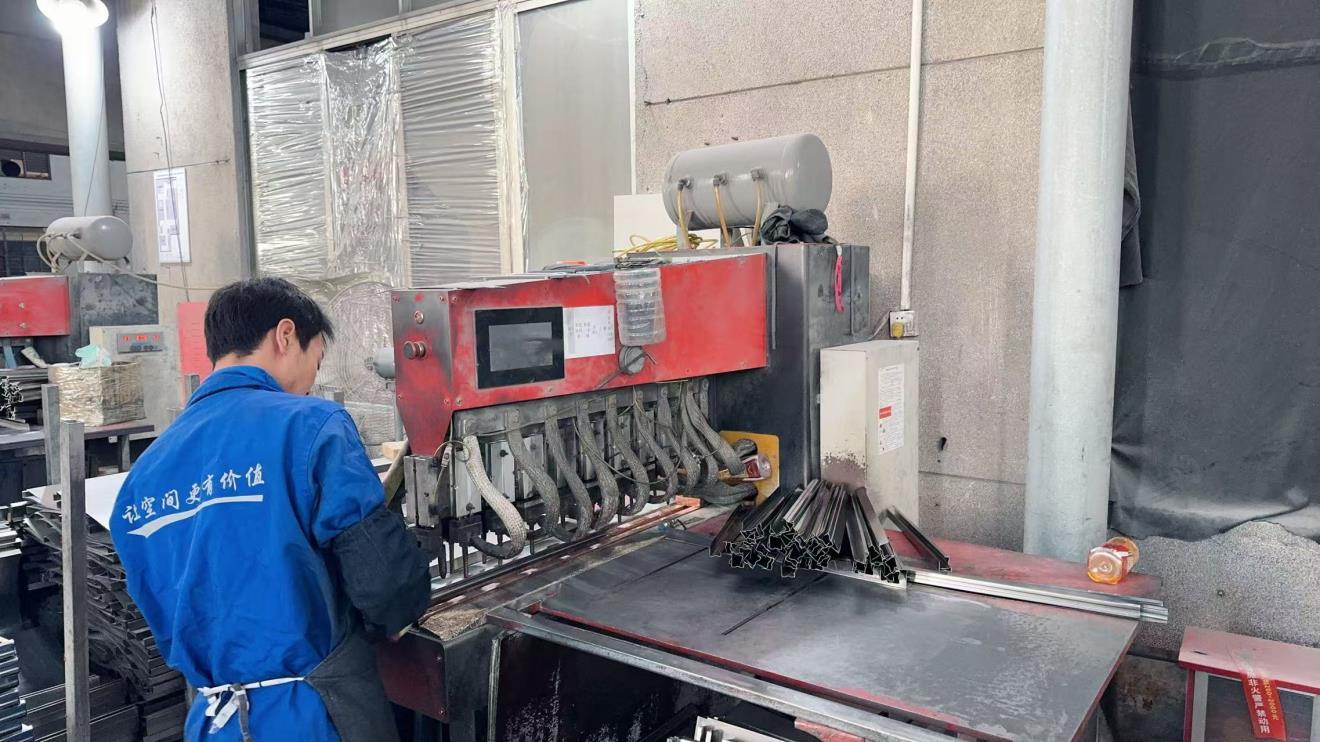
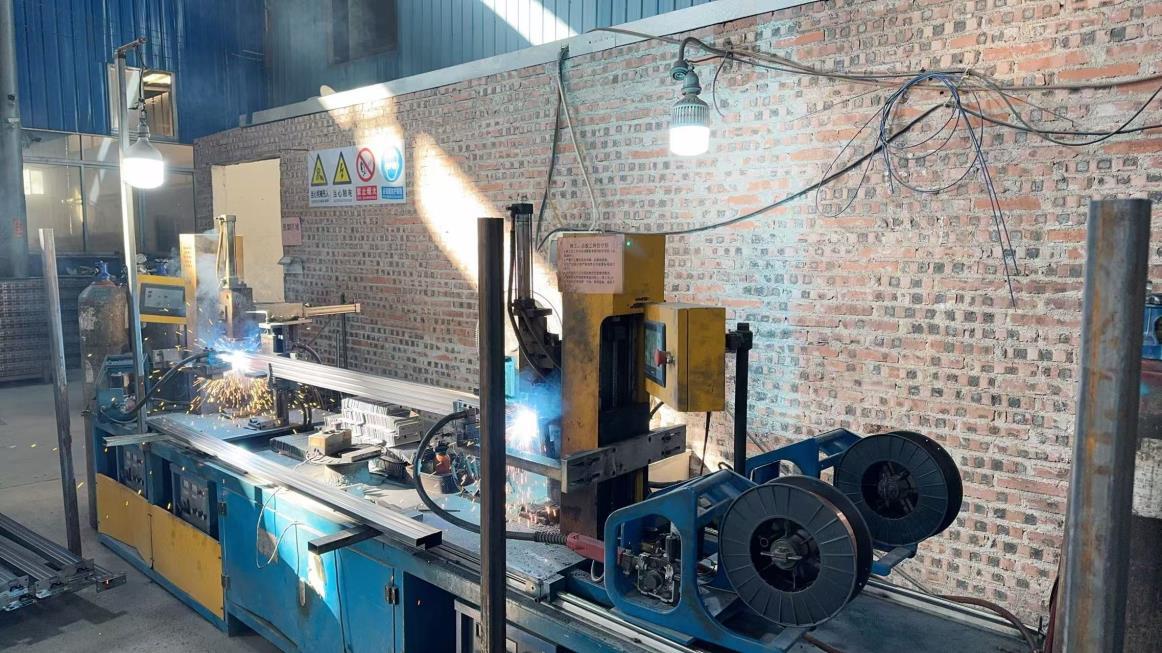
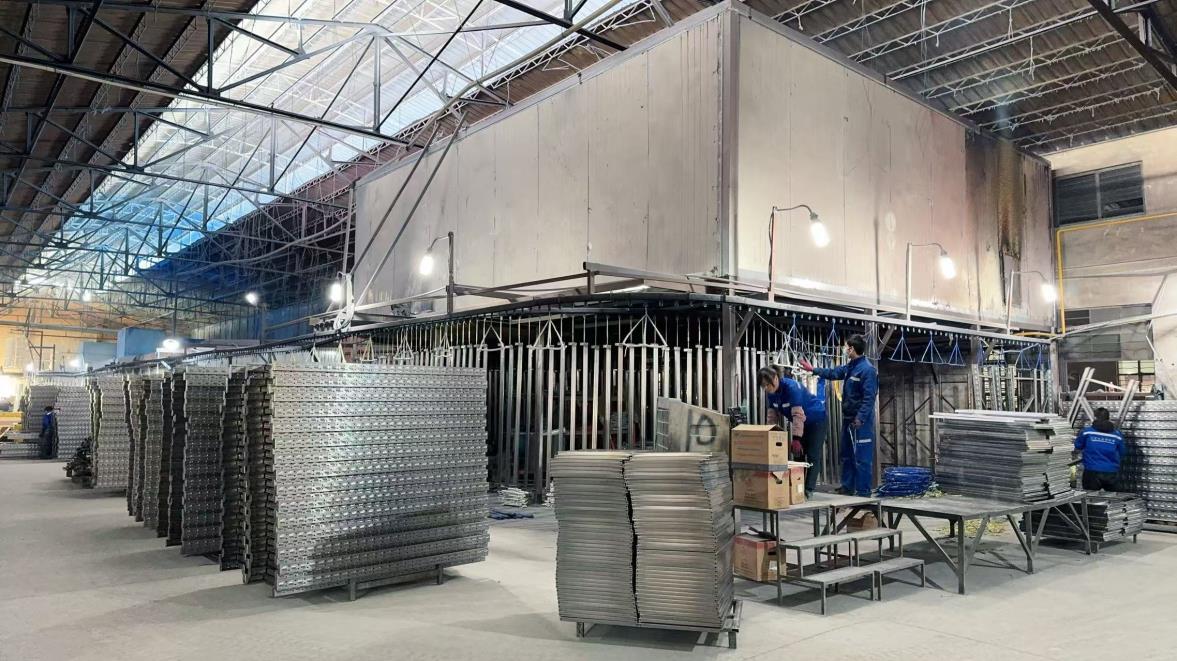
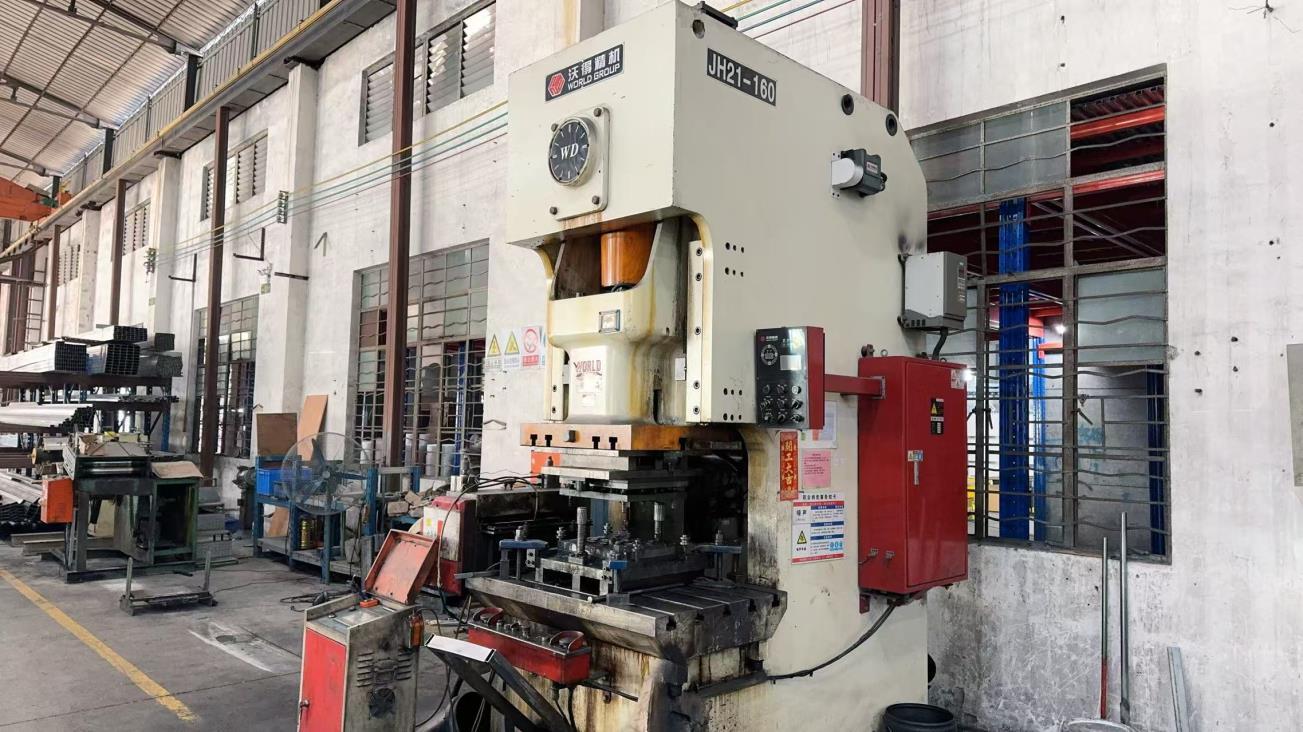
In Germany, the safety of warehouse operations is strictly monitored by the DGUV (Deutsche Gesetzliche Unfallversicherung). Every racking installation must comply with DIN EN 15635 standards ("Spezifikation von Lagereinrichtungen"). For importers serving Hamburg, this means systems must feature clear load labels, safety locks on beams, dynamic calculation documentation, and floor anchors capable of handling seismic shear forces.
Our company provides complete documentation sets including structural certificates for all 500KG systems. The upright columns are constructed using multi-bend cold-formed profiles that optimize torsional resistance. The beam-to-upright connectors incorporate dynamic safety pins that prevent accidental dislodgement from fork trucks, complying with European safety margins.
The transition of Hamburg's logistics hubs into fully digitized, semi-automated systems requires structural frameworks that easily integrate with electronic hardware. Kimsuk's developmental roadmap focuses on making standard racking systems compatible with IoT-based tracking. By designing beams that easily route power cables and accommodate localized smart sensors, we enable real-time weight tracking and load deflection alerts.
Furthermore, our pallet rack systems are built to support future retrofitting with Automated Pallet Shuttle systems, converting static setups into dynamic storage systems. This forward-looking modularity ensures that investments in warehouse infrastructure today remain productive and adaptable for decade-long operational life cycles.
Yes. All of our industrial racking systems are designed, manufactured, and tested in accordance with DIN EN 15635 and related European standards for structural steel storage. We supply full load calculation files and compliance documentation with every order.
We apply an advanced electrostatic epoxy powder-coating treatment cured at high temperatures. For highly humid areas such as the Port of Hamburg, we recommend our hot-dip galvanized finishes or C5-I grade coatings designed to protect against salt fog and industrial moisture.
Absolutely. We offer complete OEM/ODM options. Our structural engineering team uses CAD and 3D BIM modelling to customize beam widths, frame heights, load capacities, and shelf depths to optimize your warehouse footprint.
Typically, production takes 20 to 30 days depending on the customization level. Transit time to the Port of Hamburg by container shipping is around 28-35 days. We provide complete custom documentation, including clean bills of lading, CE declarations, and packing lists to ensure smooth customs clearance.
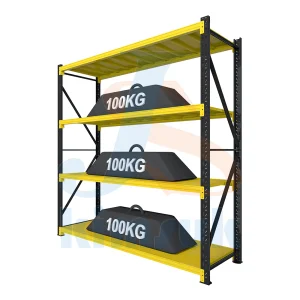
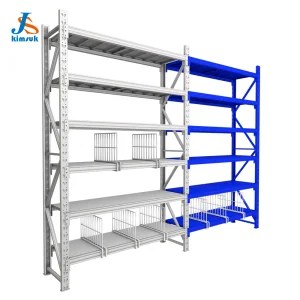
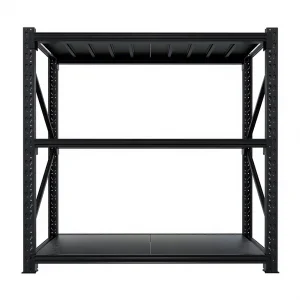
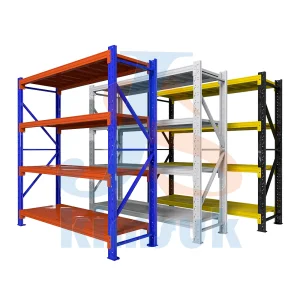
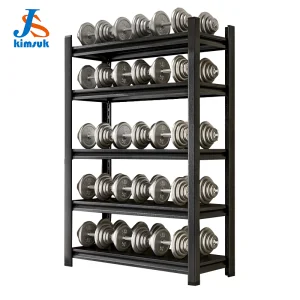
Get a direct manufacturing quote, structural calculations, and customizable sizing details for your warehouse requirements.
 Kimsuk Racking