Our premier manufacturing standards deliver heavy-duty performance across industrial, commercial, and retail environments.
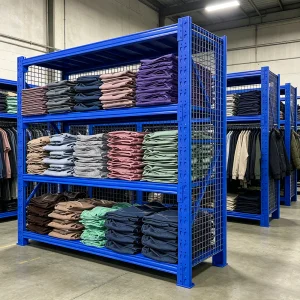
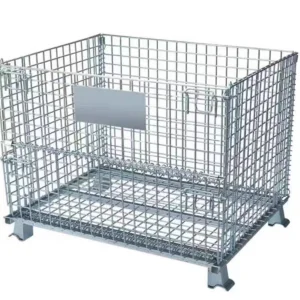
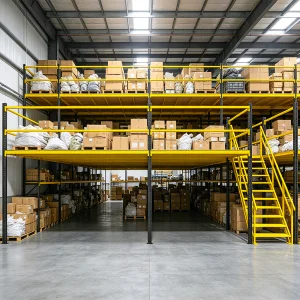
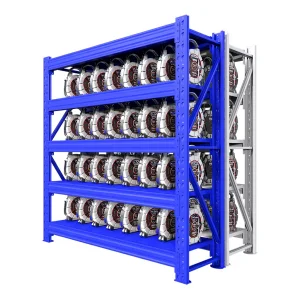
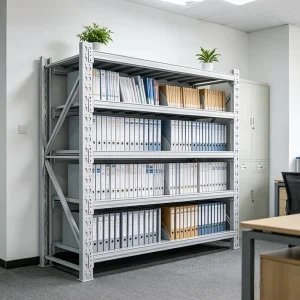
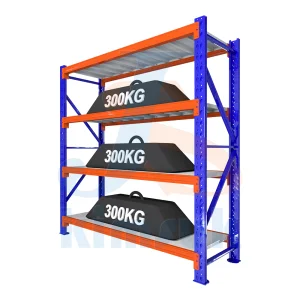
In the modern logistics landscape, industrial utility shelves and structural racking serve as the foundational skeleton of global distribution. Driven by the exponential growth of multi-channel e-commerce, third-party logistics (3PL) expansion, and cold chain optimization, the demand for customizable, high-load-capacity steel structures has surged globally. Enterprises no longer view shelving merely as static storage; it is recognized as a vital component of spatial efficiency and facility safety.
Globally, manufacturers are navigating shifting regulatory frameworks (such as EN 15512 standards in Europe and RMI guidelines in North America) and structural constraints caused by regional seismic activity. Selecting a utility shelves supplier requires examining physical raw material grades, structural engineering precision, surface treatment resistance, and systemic scalability. A failure in dynamic load calculations or seismic bracing can lead to catastrophic warehouse collapses, disrupting entire enterprise operations.
“Modern warehousing demands structural flexibility. Modular, boltless systems engineered using Finite Element Analysis (FEA) are replacing rigid, monolithic steel designs to optimize logistics workflows and safety margins.”
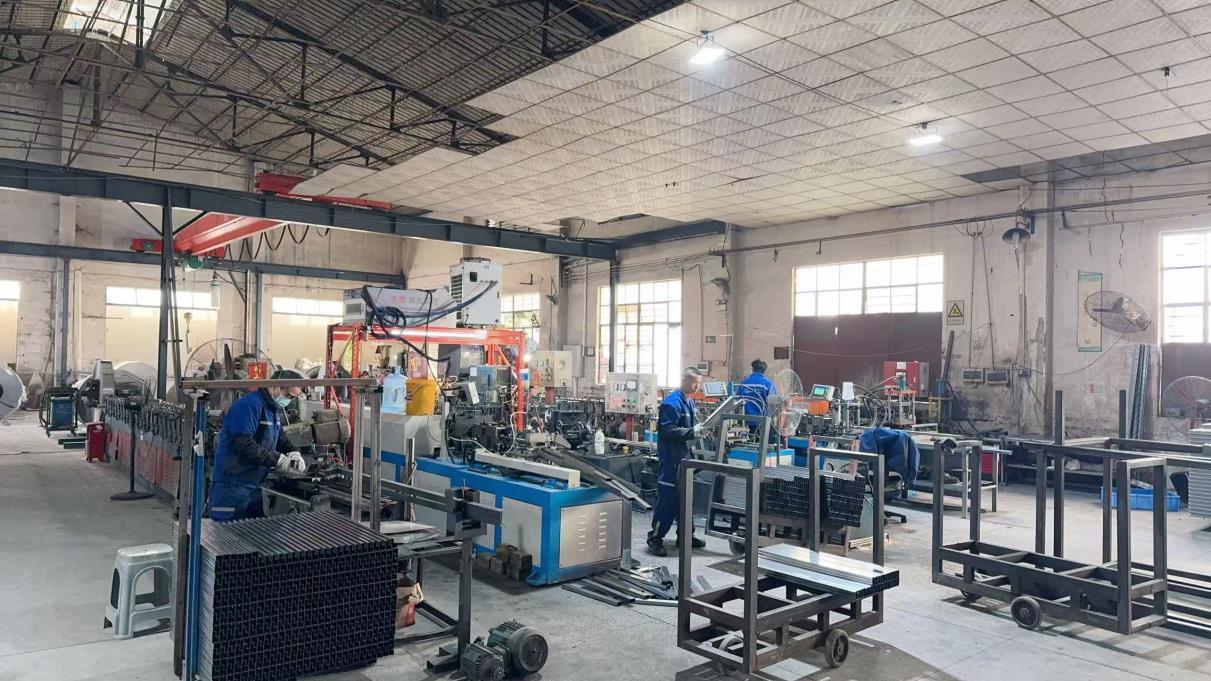
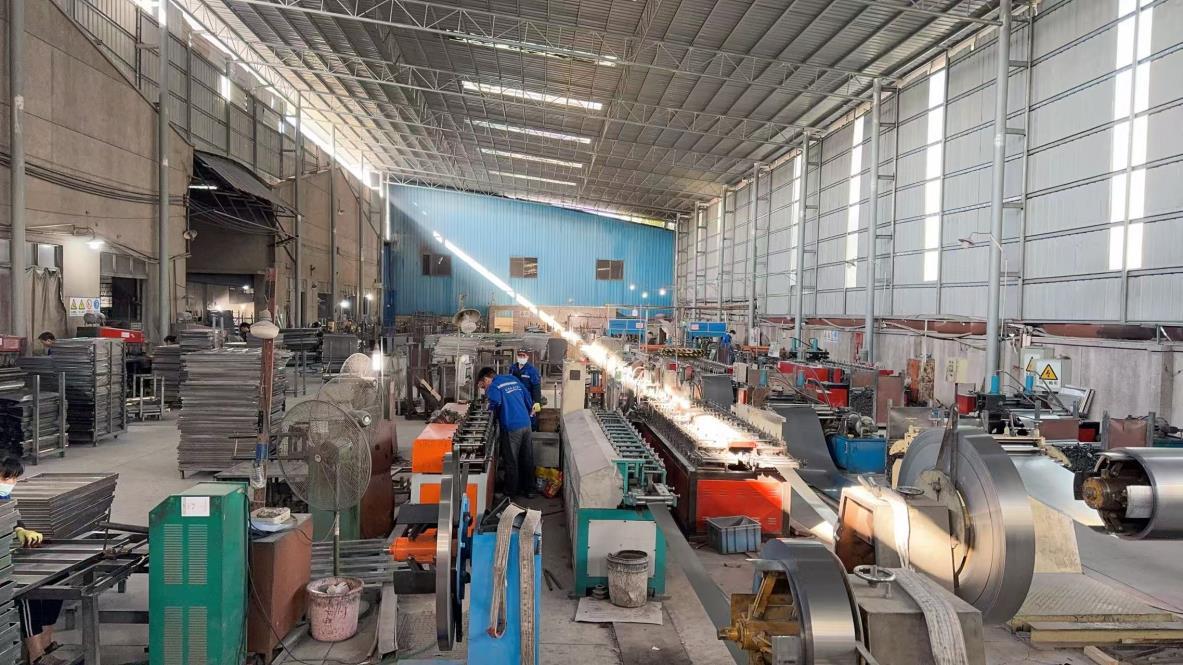
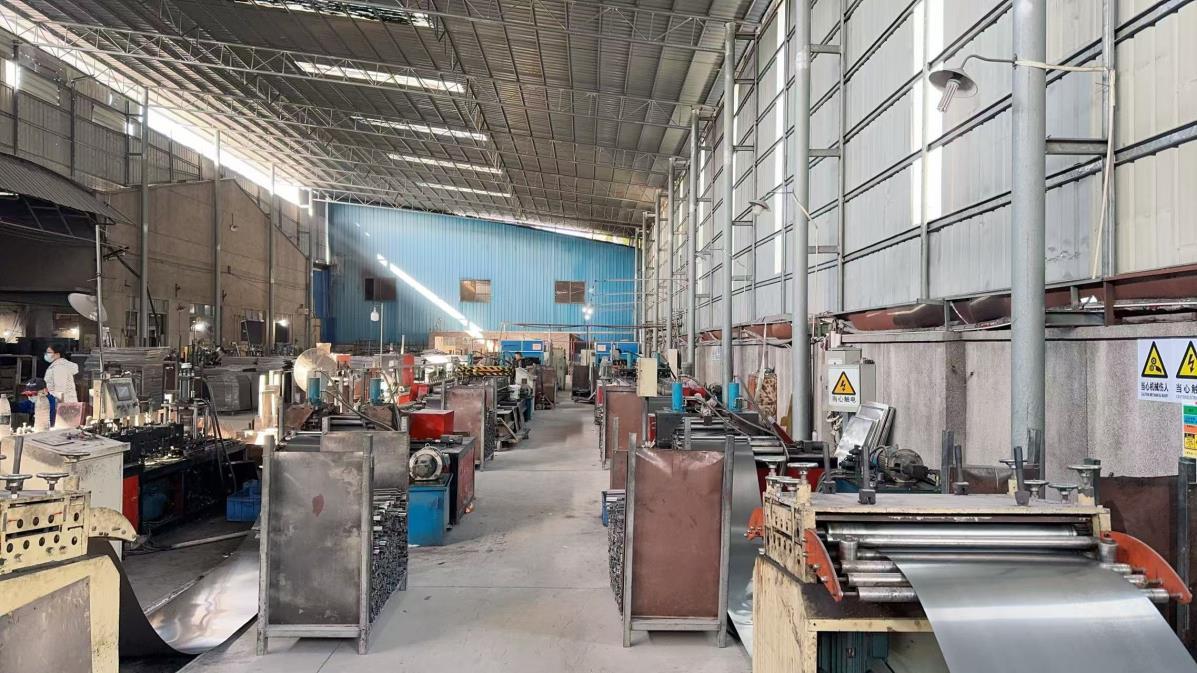
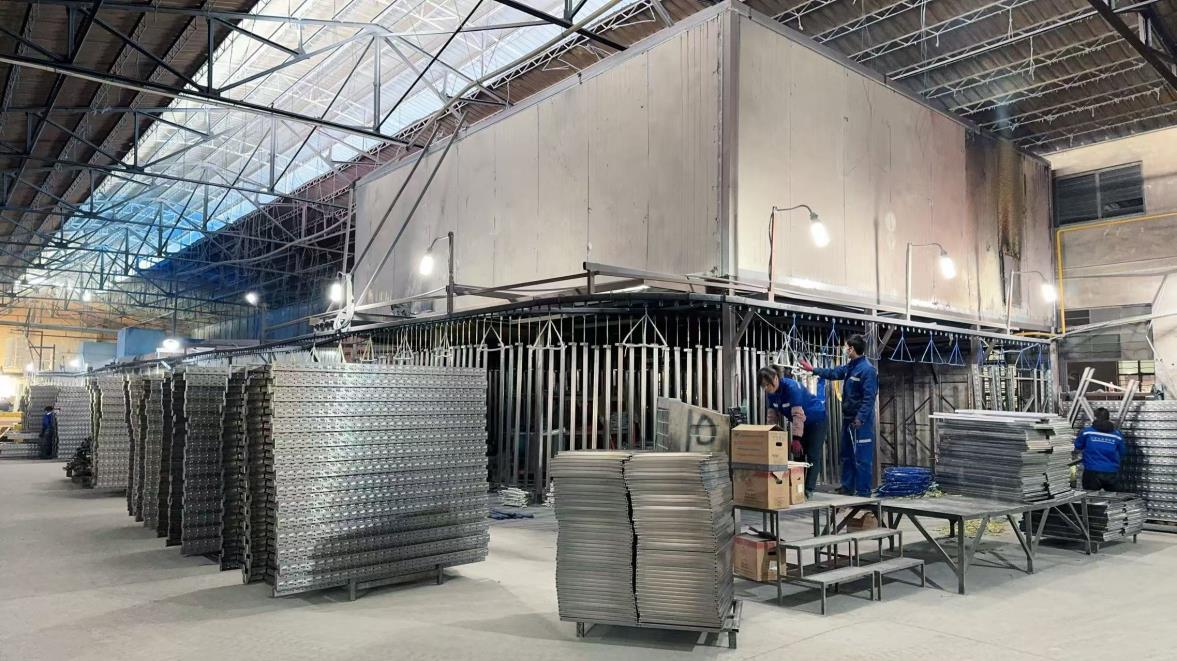
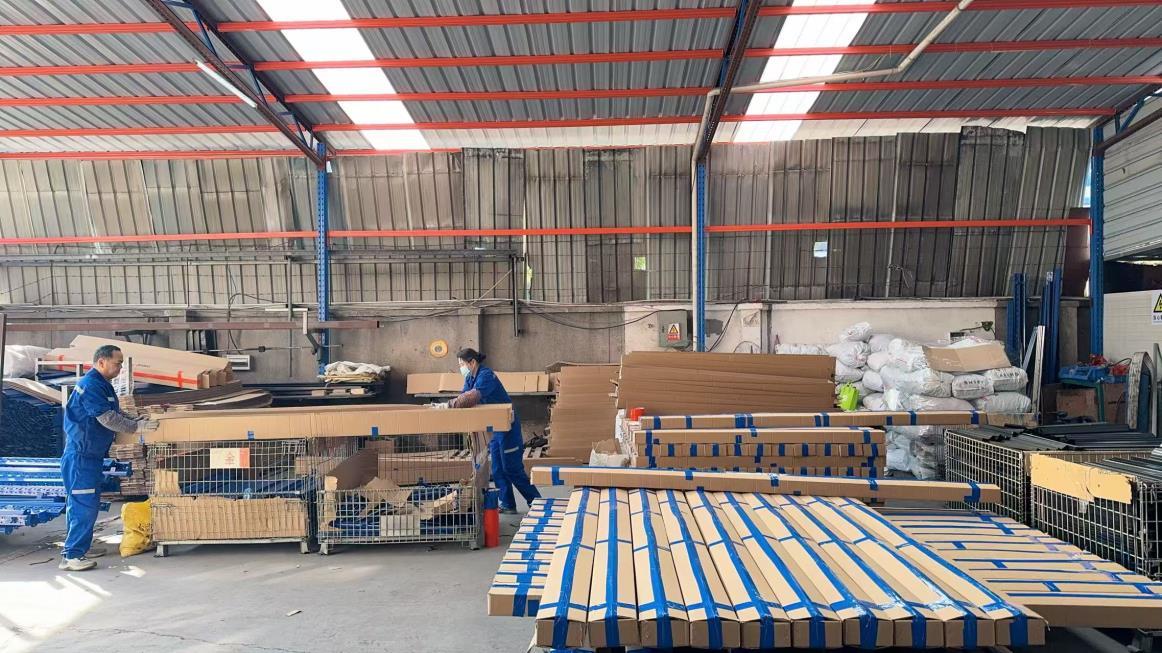
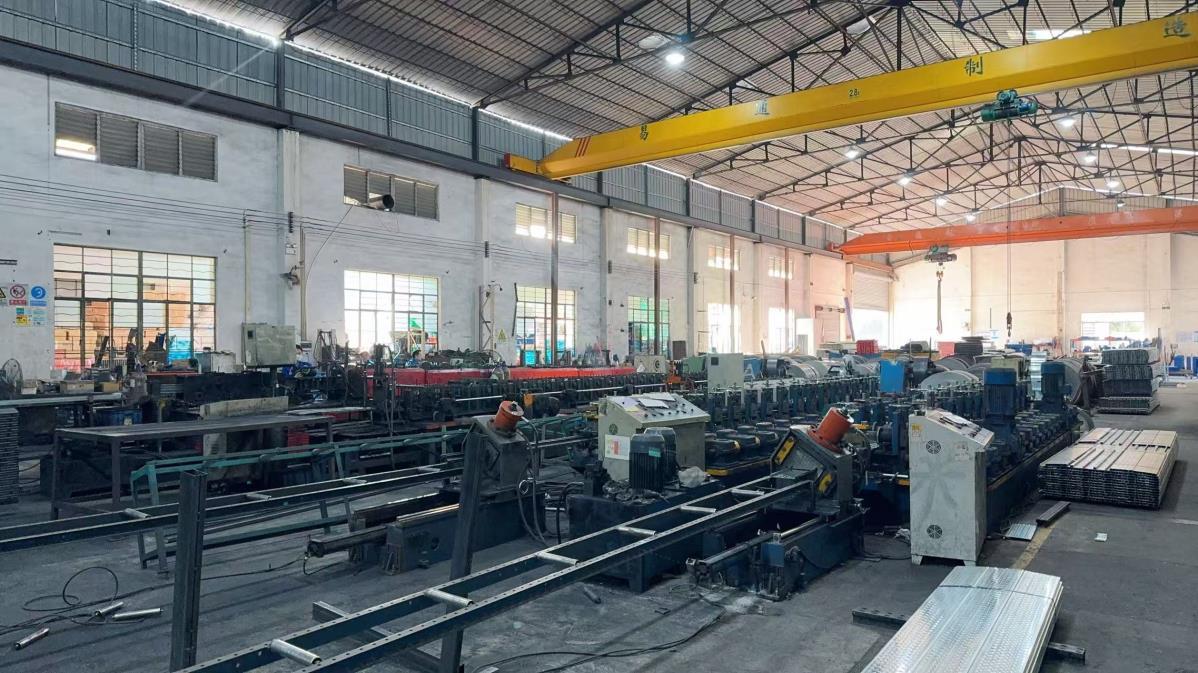
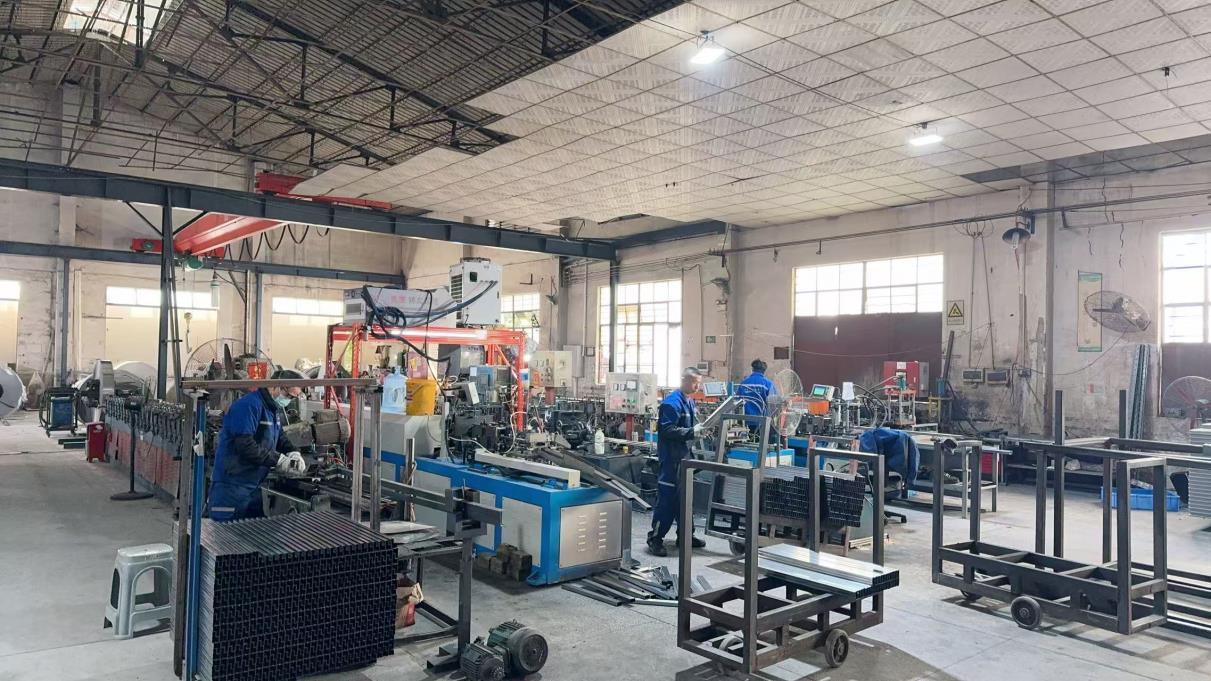
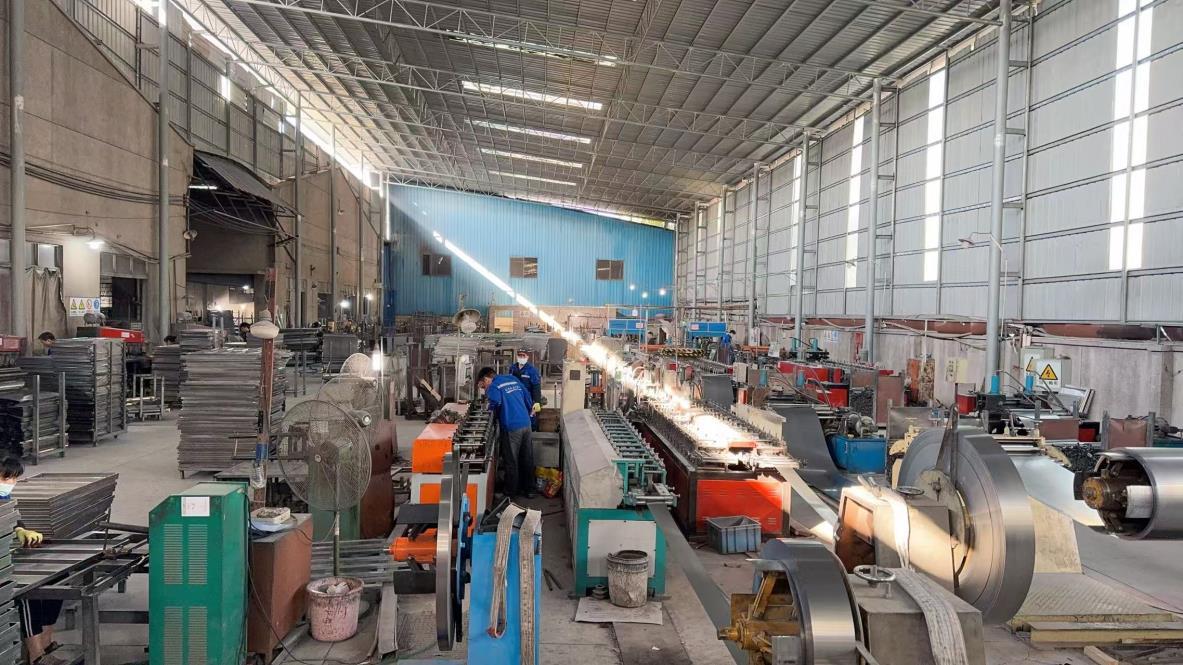
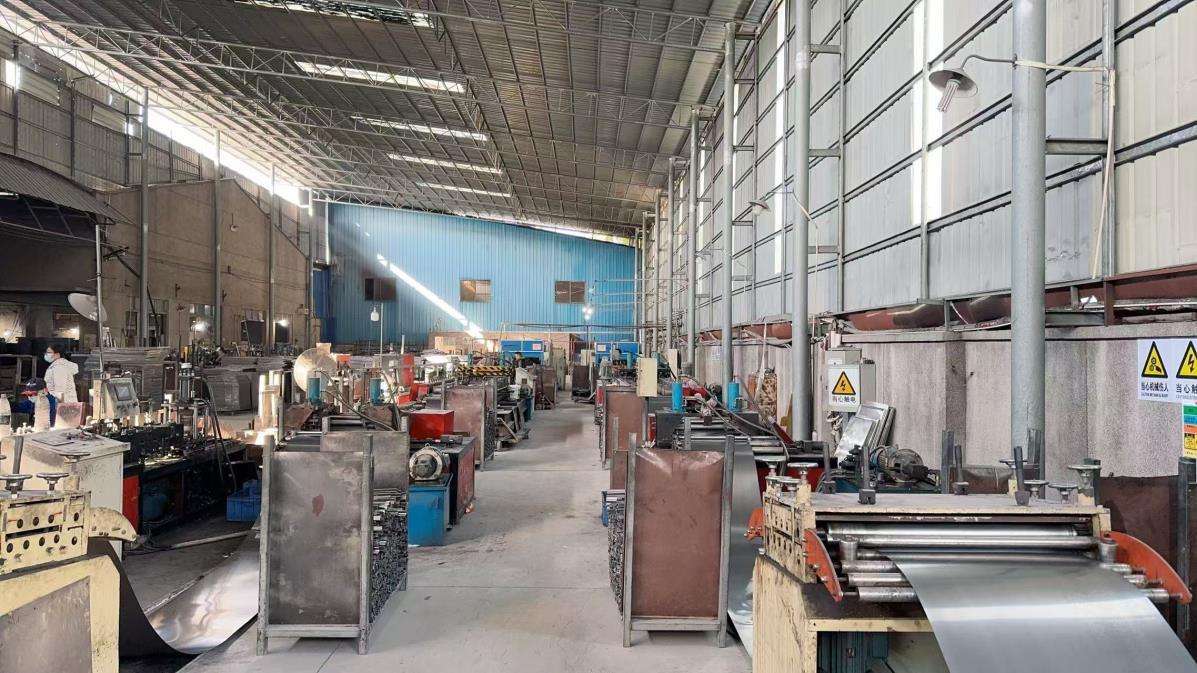
Founded in 2015, Dongguan Kimsuk Shelves Co., Ltd. is a leading manufacturer specializing in heavy-duty industrial warehouse racking systems, automated storage solutions, and customizable steel shelving. Spanning a state-of-the-art production facility of 38,000 square meters, Kimsuk combines advanced manufacturing infrastructure with high-precision engineering to deliver robust logistics and warehousing infrastructure globally.
At Kimsuk, reliable safety starts at the material stage. With 35 certified QC inspectors and material testing engineers, we maintain compliance with ISO 9001:2015 Quality Management Systems and CE Standards. Our product testing protocols include non-destructive ultrasonic testing, automated weld flaw detection, coating thickness measurement, surface salt spray corrosion testing, and static/dynamic load testing to ensure durability under stress.
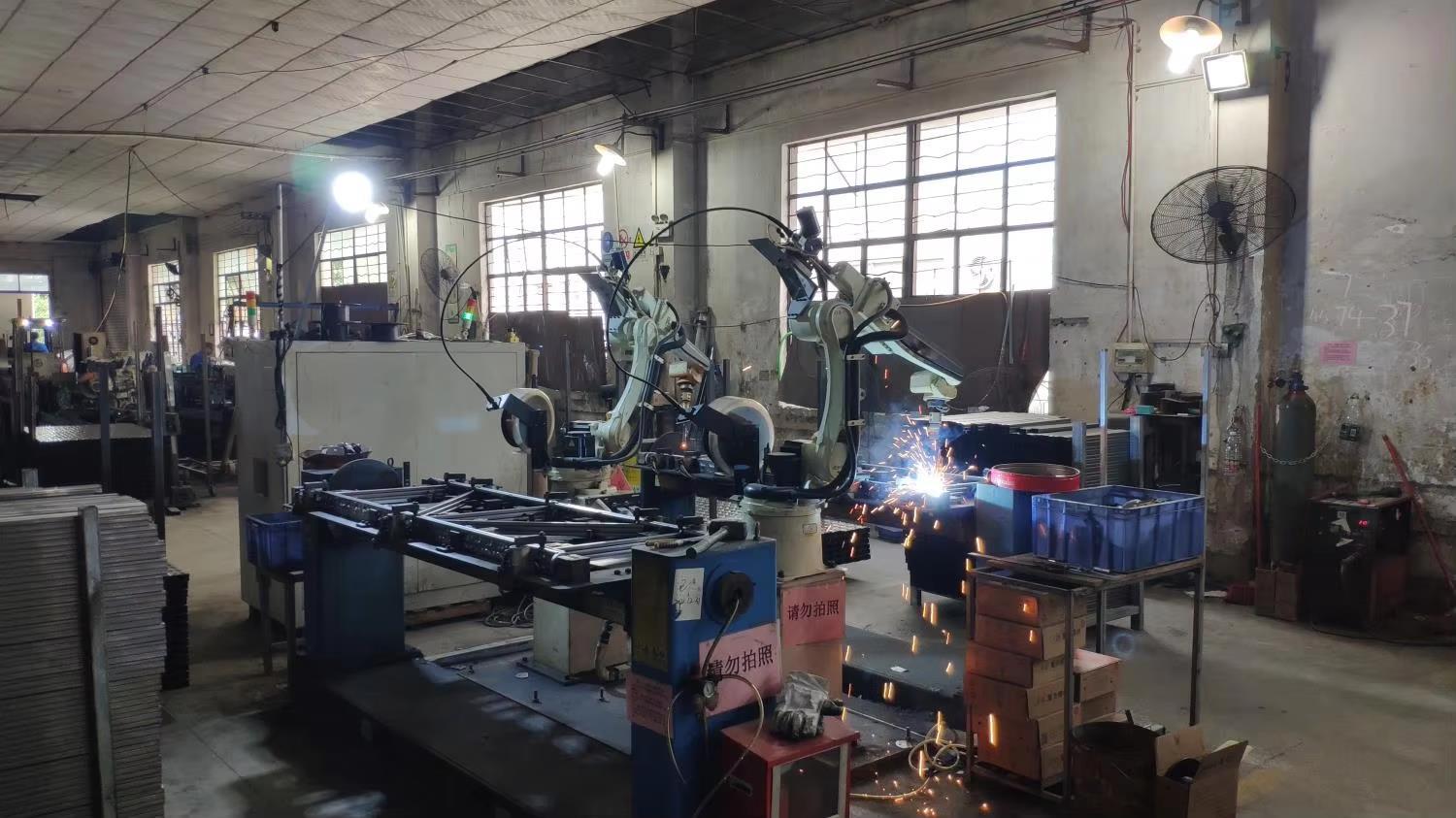
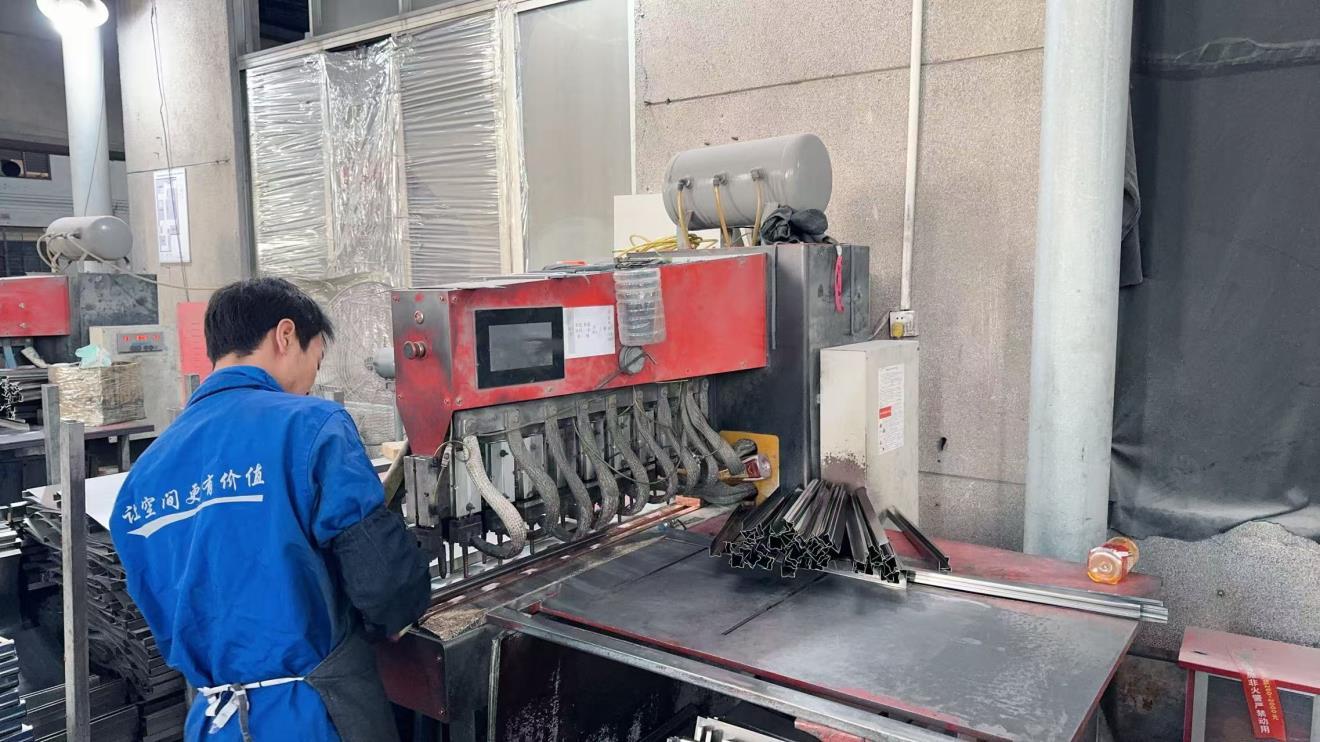
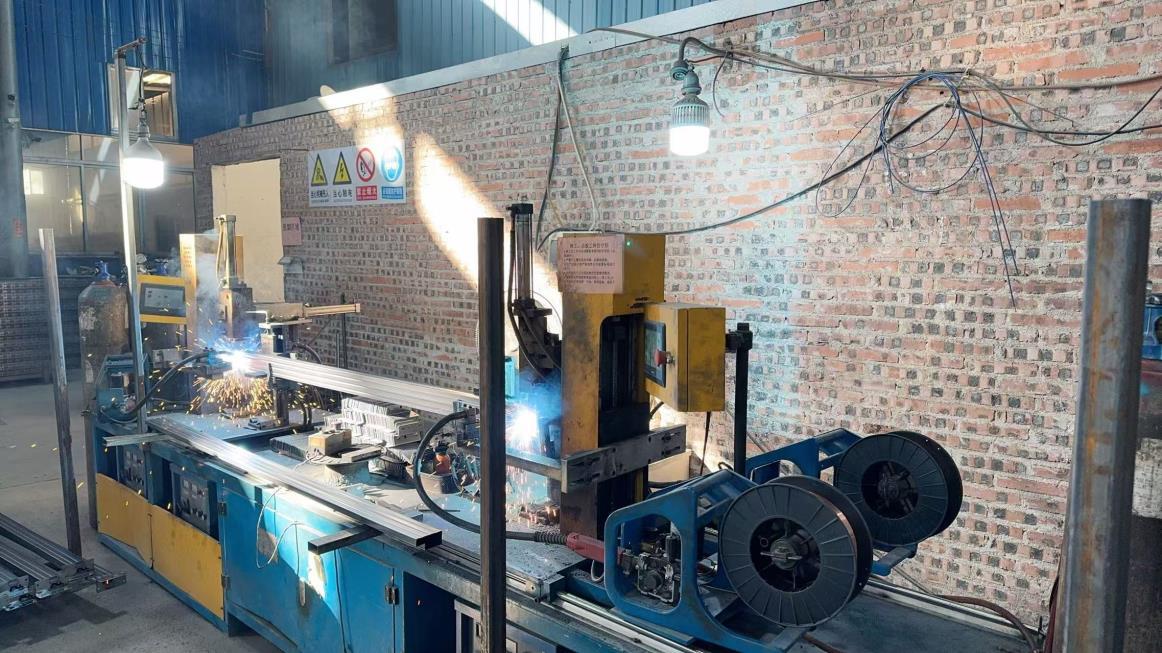
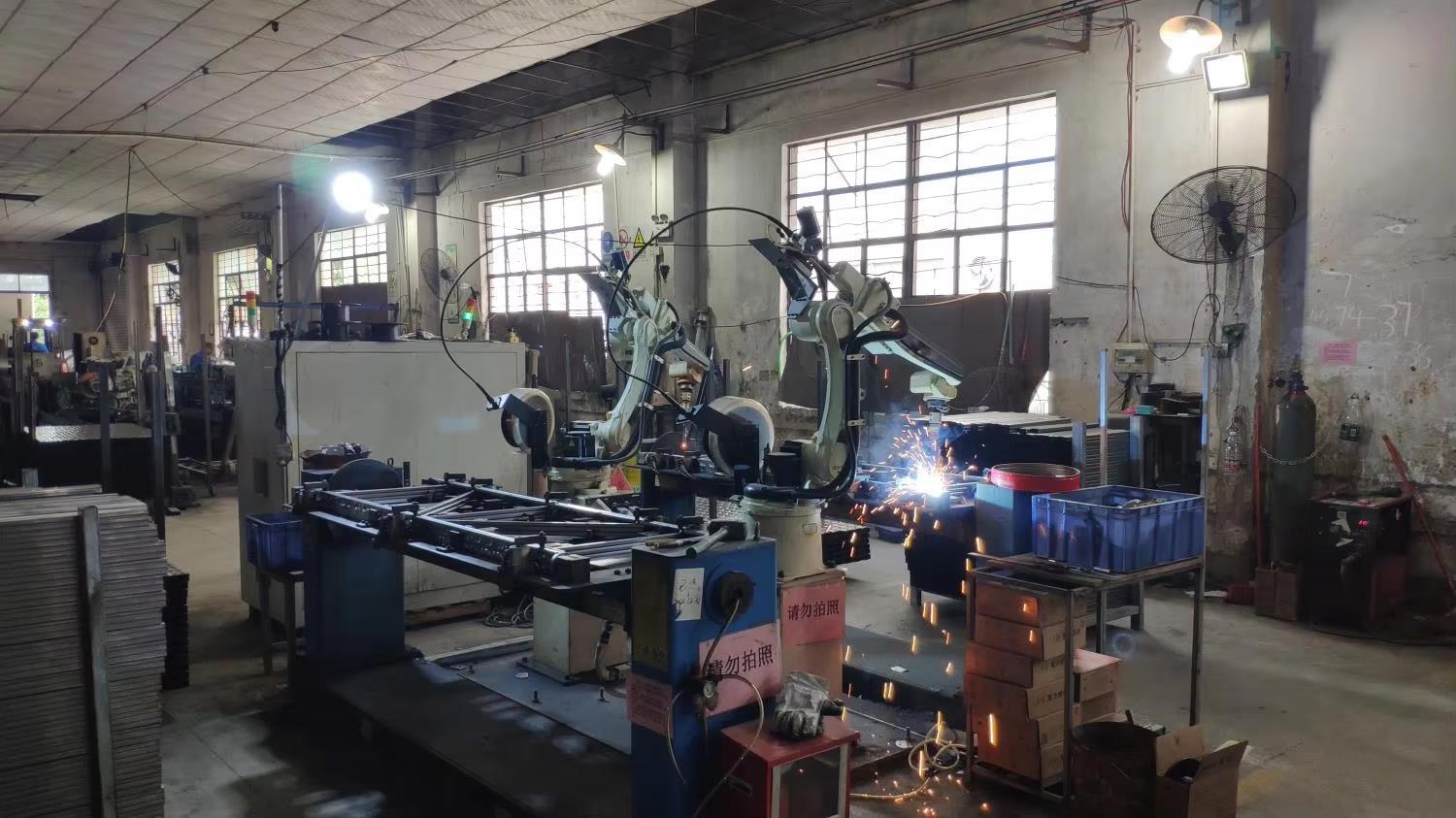
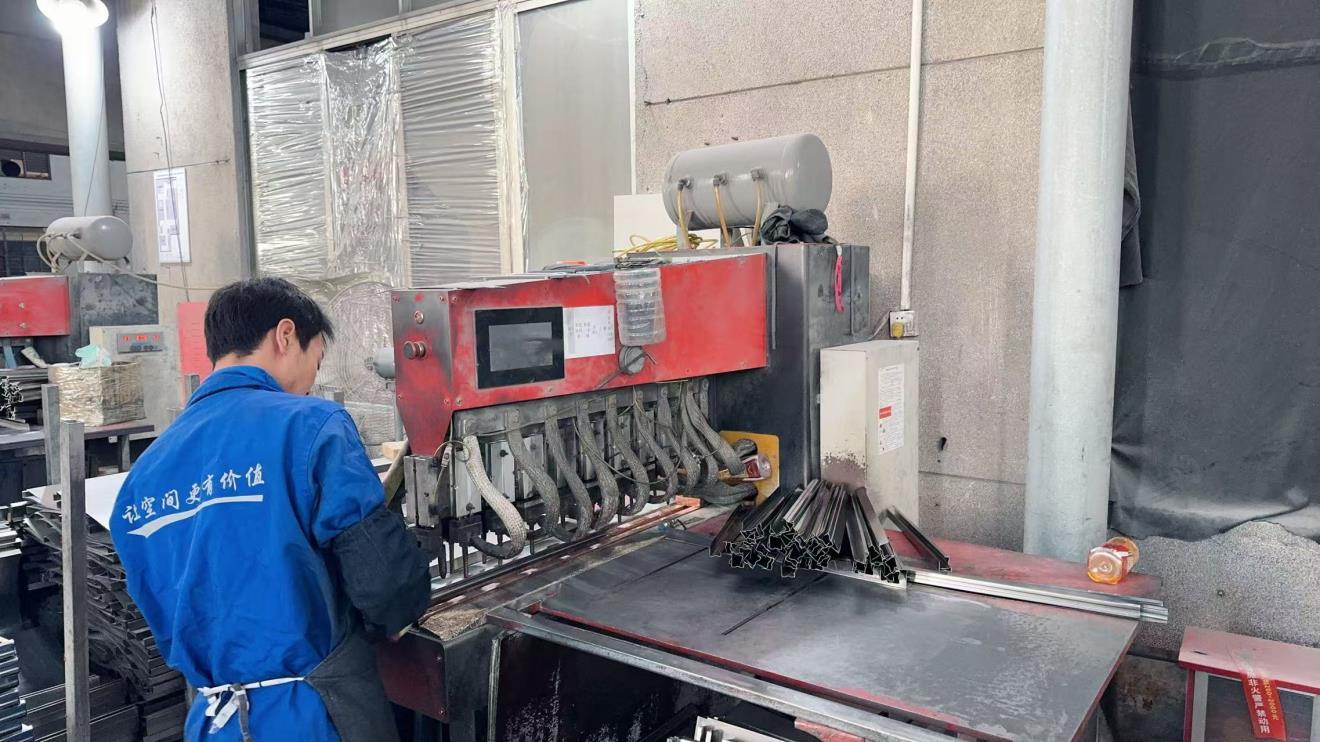
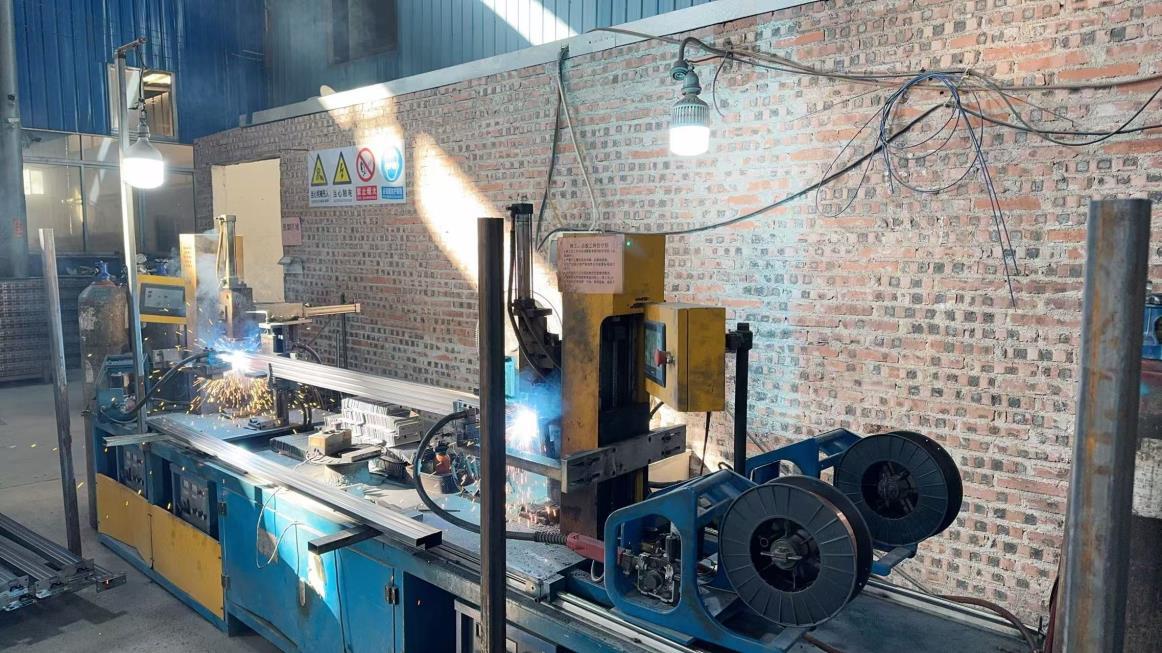
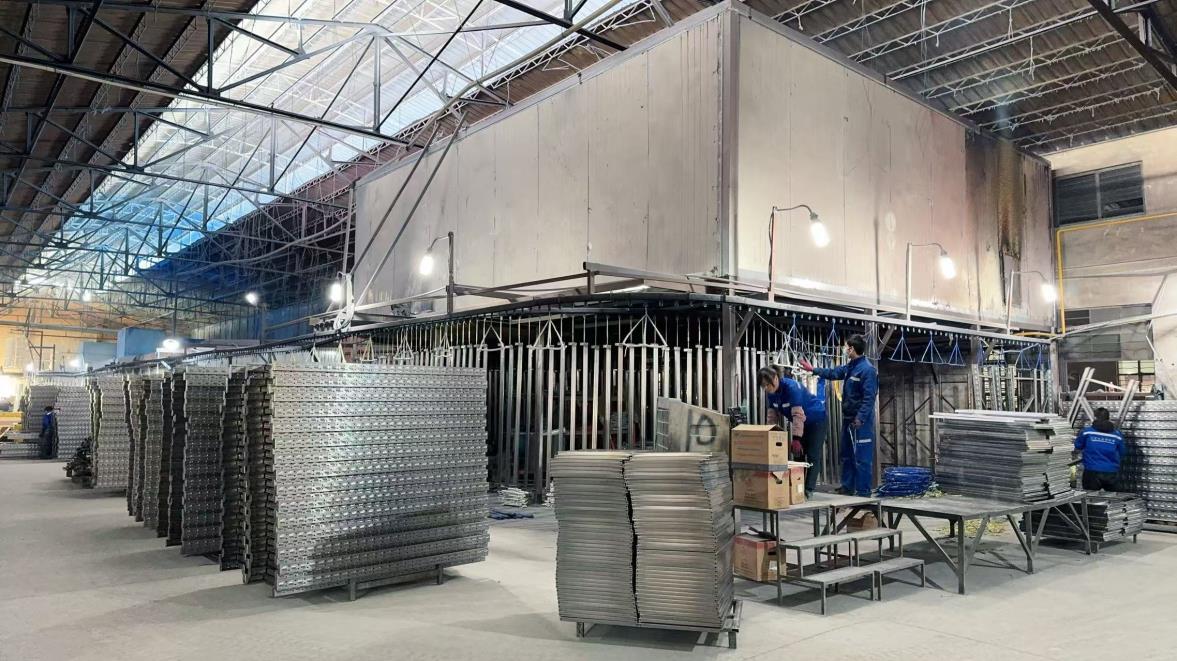
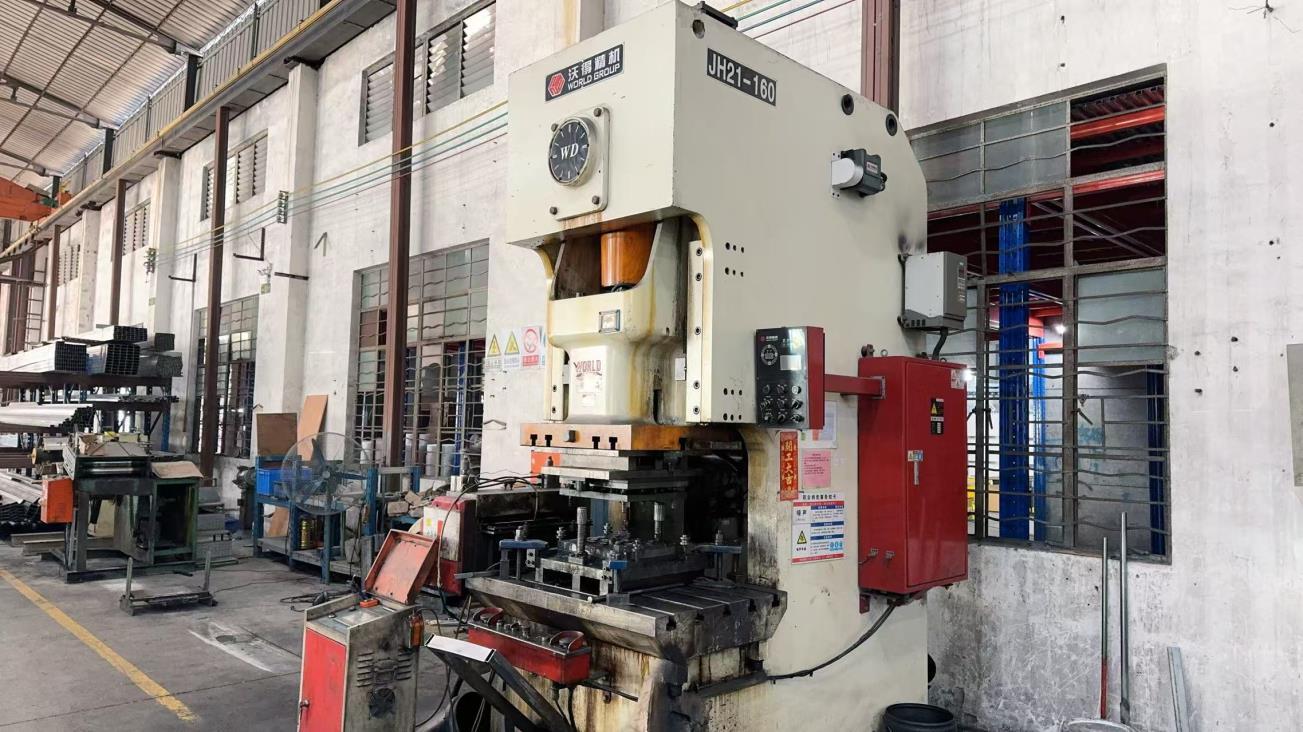
We deploy automation across our production line—from high-tonnage forming and robotic welding to automated electrostatic powder coating lines. This machinery ensures precise tolerances and structural reliability across every column and beam.
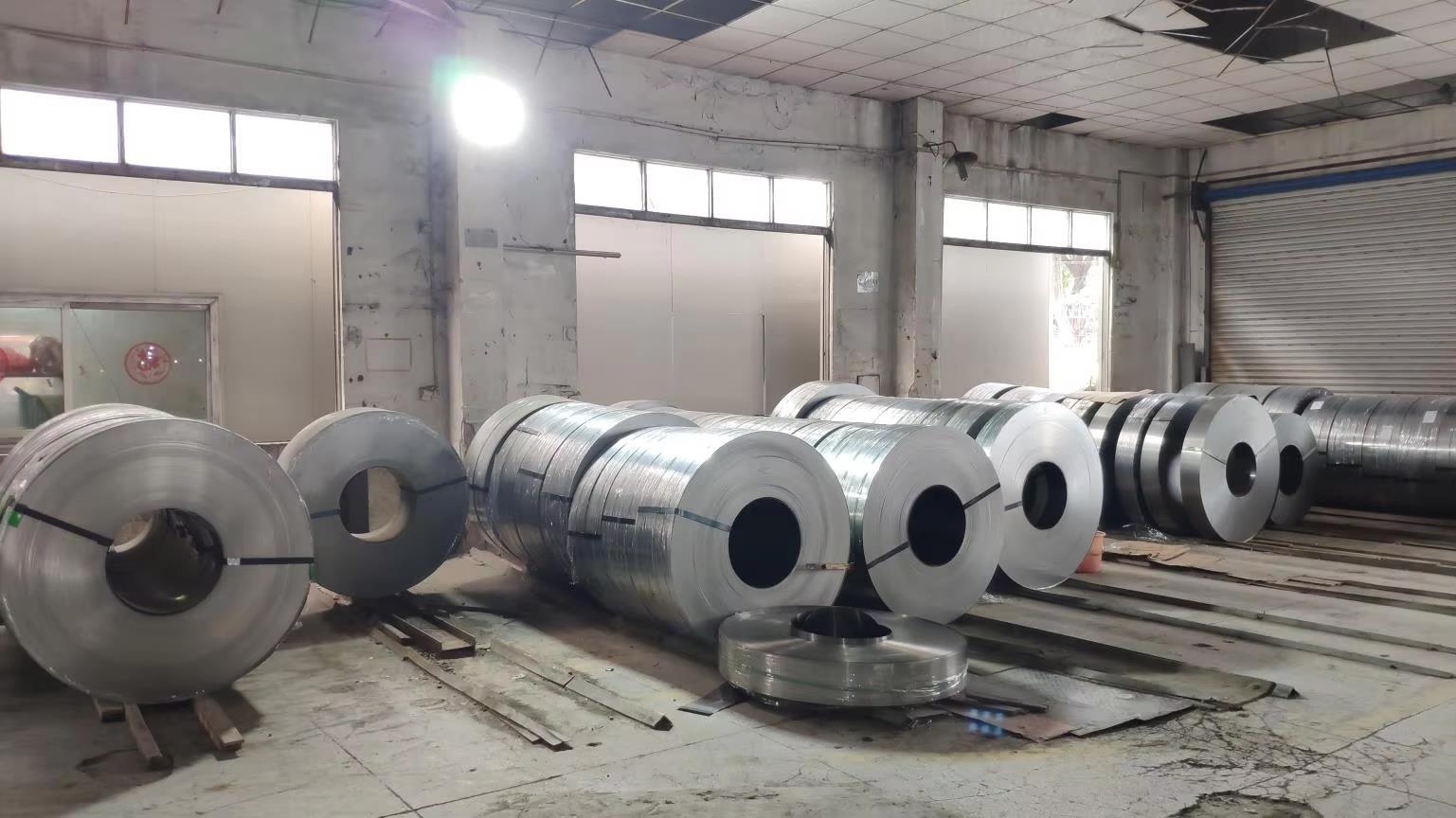
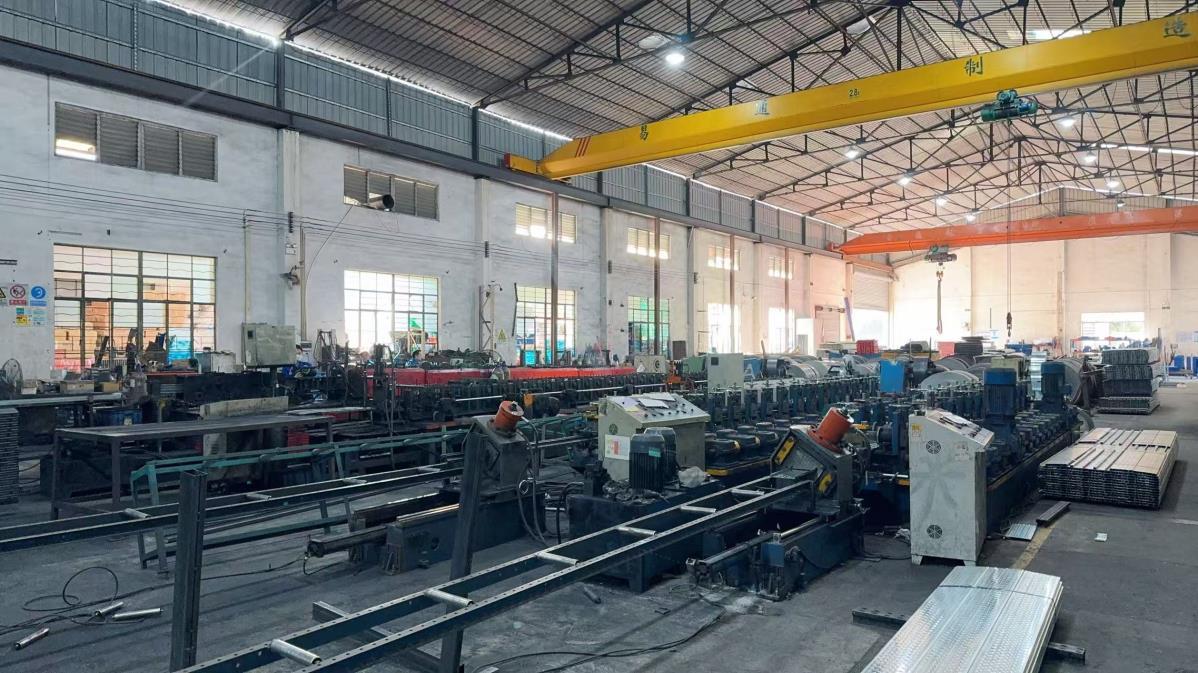
Static shelving continues to evolve towards smart, space-efficient systems. As enterprise distribution nodes integrate Internet-of-Things (IoT) tracking and automated material handling equipment, Kimsuk is aligning its R&D roadmap to support these developments.
Transitioning storage components to ultra-high-tensile steel alloys, reducing structural weight by 15% while increasing static load performance. Standardizing FEA structural load designs to lower project carbon footprints.
Configuring roll-formed rack sections with tight tolerances (+/-0.5mm) to support Automated Guided Vehicles (AGVs) and stacker cranes, preventing dynamic alignment errors.
Integrating fiber-optic sensors within vertical columns. Real-time stress and deformation data will trigger automated maintenance alerts before structural failures occur.
Regulatory frameworks dictate storage configurations. Navigating local standards requires engineering flexibility to ensure that installations comply with zoning laws and safety inspection codes.
North American projects demand compliance with the Rack Manufacturers Institute (RMI) MH16.1 specifications, prioritizing seismic designs, beam-to-column connections, and column protectors. European installations focus on EN 15512 structural limits and EN 15635 maintenance and safety regulations. In Australia and New Zealand, AS4084-2012 defines the requirements for steel storage racking systems.
To support overseas partners, Kimsuk supplies comprehensive structural engineering calculation certificates, weld penetration test papers, and CE declarations of conformity. This documentation streamlines local building permits and safety approvals.
Our engineering team addresses frequently asked questions regarding load safety, material grades, and installation standards.
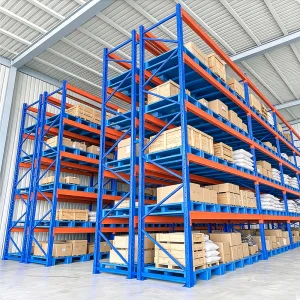
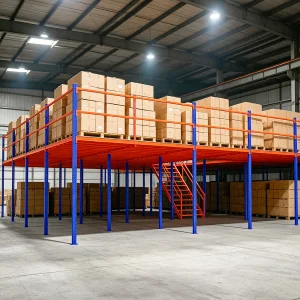
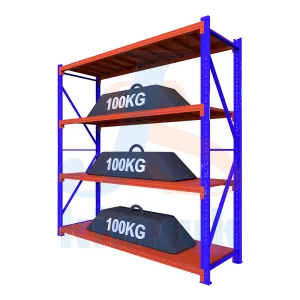
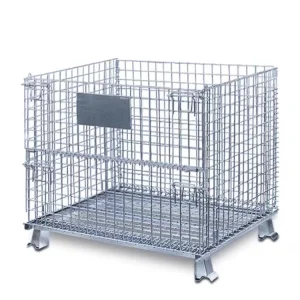
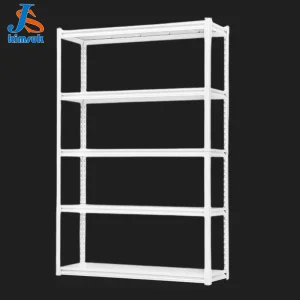
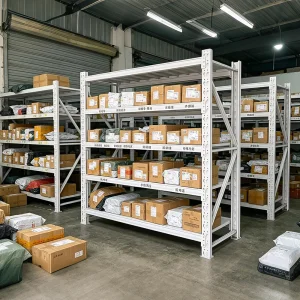
Our complete product catalog covers pallet racking, shelving systems, and customizable warehouse storage accessories.
 Kimsuk Racking