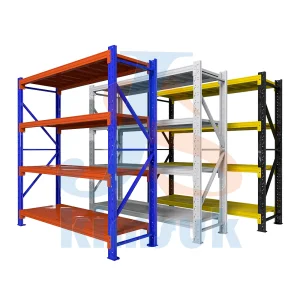
Engineered for high load capacity, spatial density optimization, and structural resilience.
An inside look into the critical vectors of evaluating tier-one structural warehousing & retail shelving suppliers.
Analyzing EN 15512 (RMI) standards, load rating capacity margins, dynamic stress distribution parameters, and finite element analysis (FEA) integrity testing configurations.
Ensuring certified high-yield structural carbon steel (like Q235B, Q355B) properties, precision cold-forming tolerances, and industrial electrostatic powder coating (60-80 microns thickness).
Addressing macro volatility, cross-border shipping tariffs, lead-time forecasting buffers, local assembly support mechanisms, and custom OEM layout modifications.
A flagship model of Chinese high-capacity industrial shelving manufacturing and customized logistics EPC solutions.
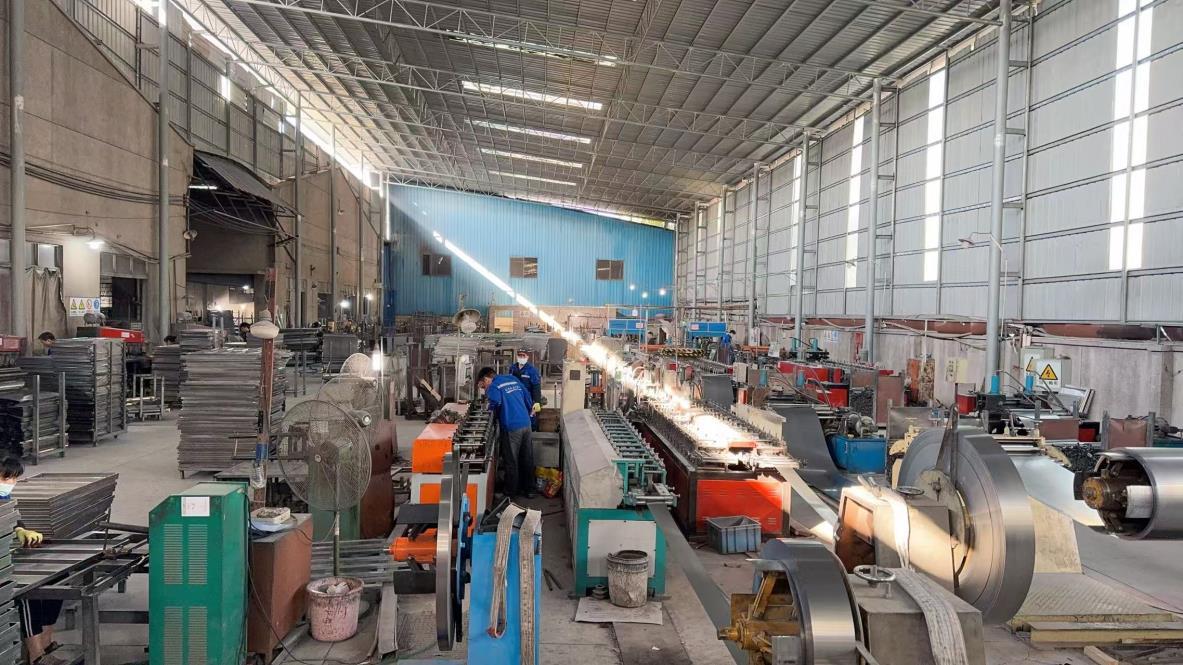
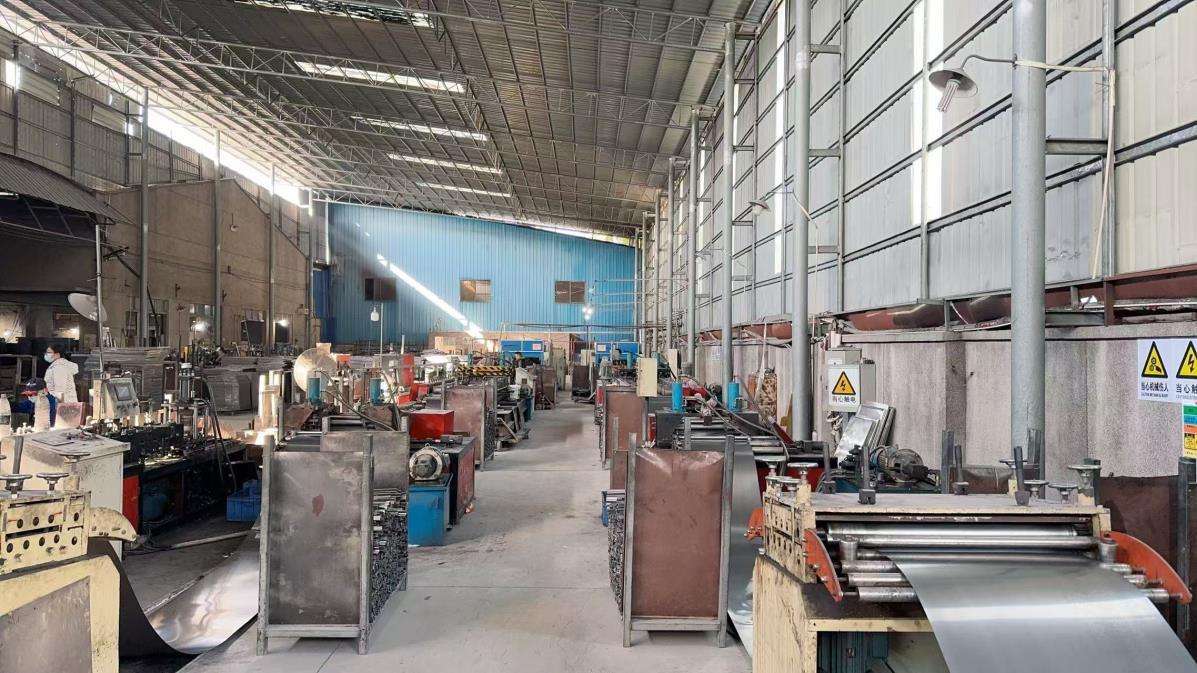
Founded in 2015, Dongguan Kimsuk Shelves Co., Ltd. is a premier manufacturer specializing in heavy-duty industrial warehouse racking systems, automated storage solutions, and customizable steel shelving. Spanning a state-of-the-art production facility of 38,000 square meters, Kimsuk combines advanced manufacturing infrastructure with high-precision engineering to deliver robust logistics and warehousing infrastructure globally. Under strict compliance frameworks, the enterprise has generated a reputation as an elite OEM/ODM exporter with deep industrial insights.
ISO 9001:2015 Quality Management System, CE Standard Compliance, and load-bearing safety certifications.
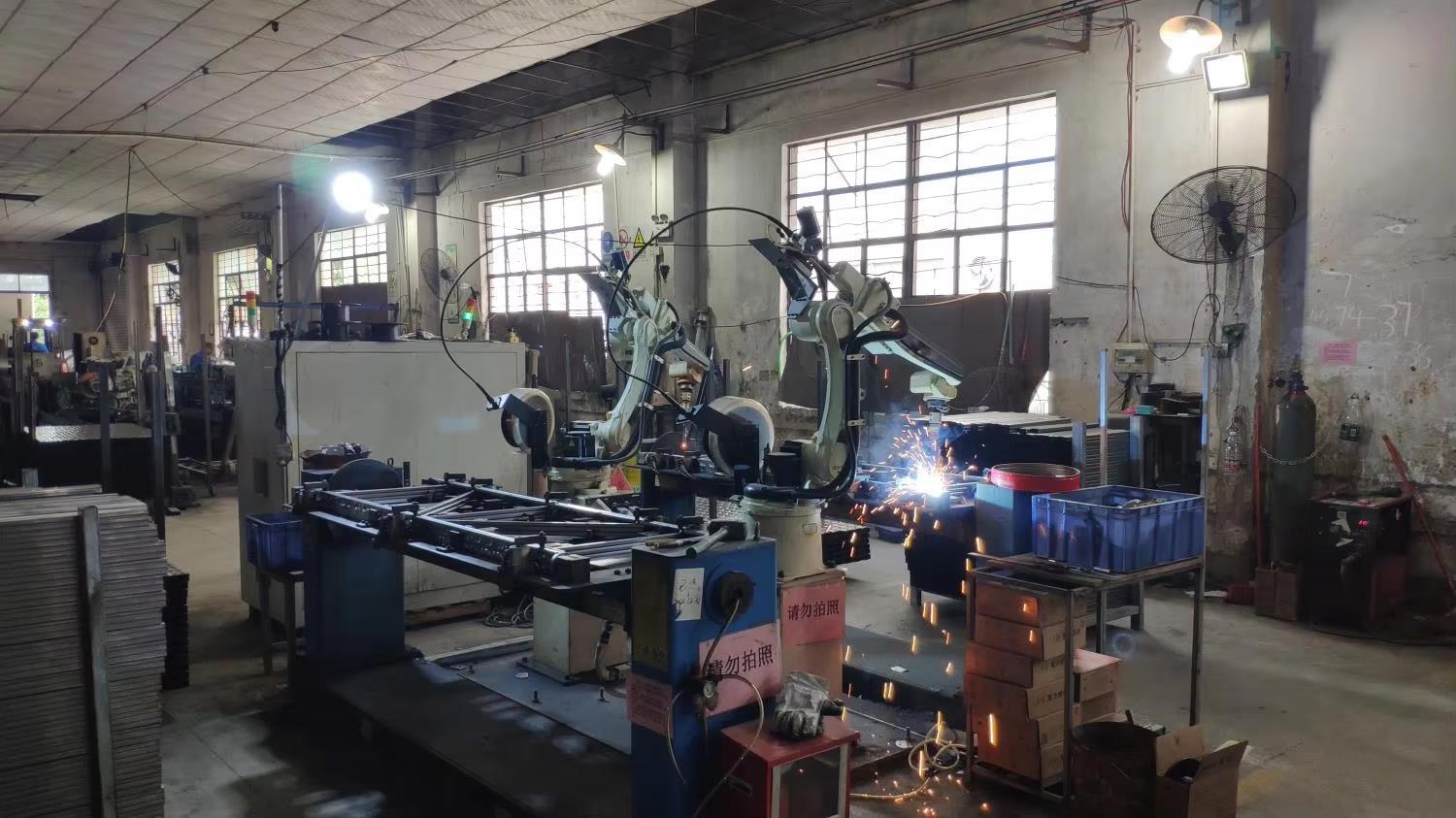
Non-destructive Ultrasonic Testing, Automated Weld Flaw Detection, Coating Thickness Measurement, Surface Salt Spray Corrosion Testing, and Structural Static/Dynamic Load Testing.
Direct OEM/ODM Export, Strategic Global Distribution Partnerships, and Turnkey Logistics EPC Solutions.
Global Logistics Hubs, Enterprise E-commerce Distribution Centers, Cold Chain Facilities, Industrial Equipment Wholesalers, and Third-Party Logistics (3PL) Operators.
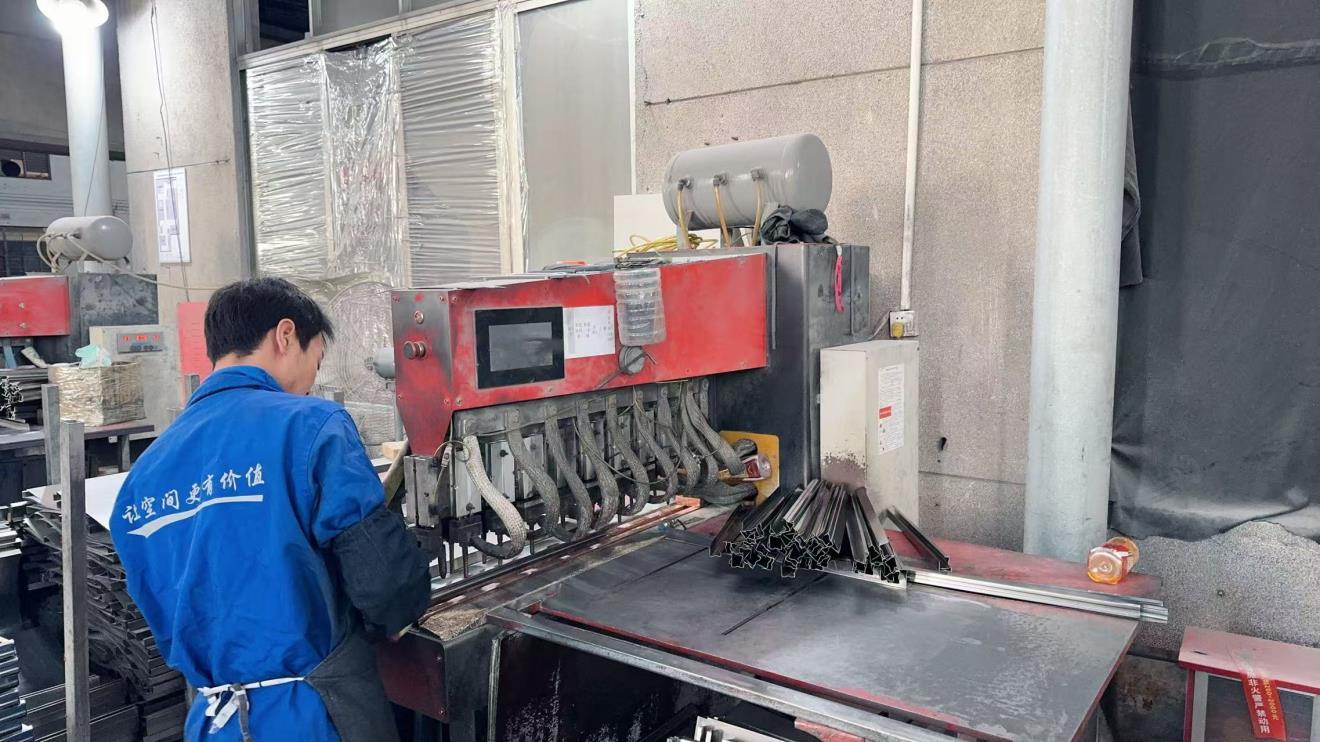
Full-Cycle Structural Engineering, CAD/3D BIM Warehouse Modeling, Finite Element Analysis (FEA) Structural Simulation, and Automated Roll-Forming System Customization.
Custom Dimensions, Load Capacities, Powder-Coated Colors, Seismic Structural Upgrades, and Modular Automated Racking Interfaces. (48 Innovative Racking Systems released last year, supported by 18 R&D Engineers).
A granular look at the end-to-end automated manufacturing processes ensuring load tolerance limits and flawless coating finishes.
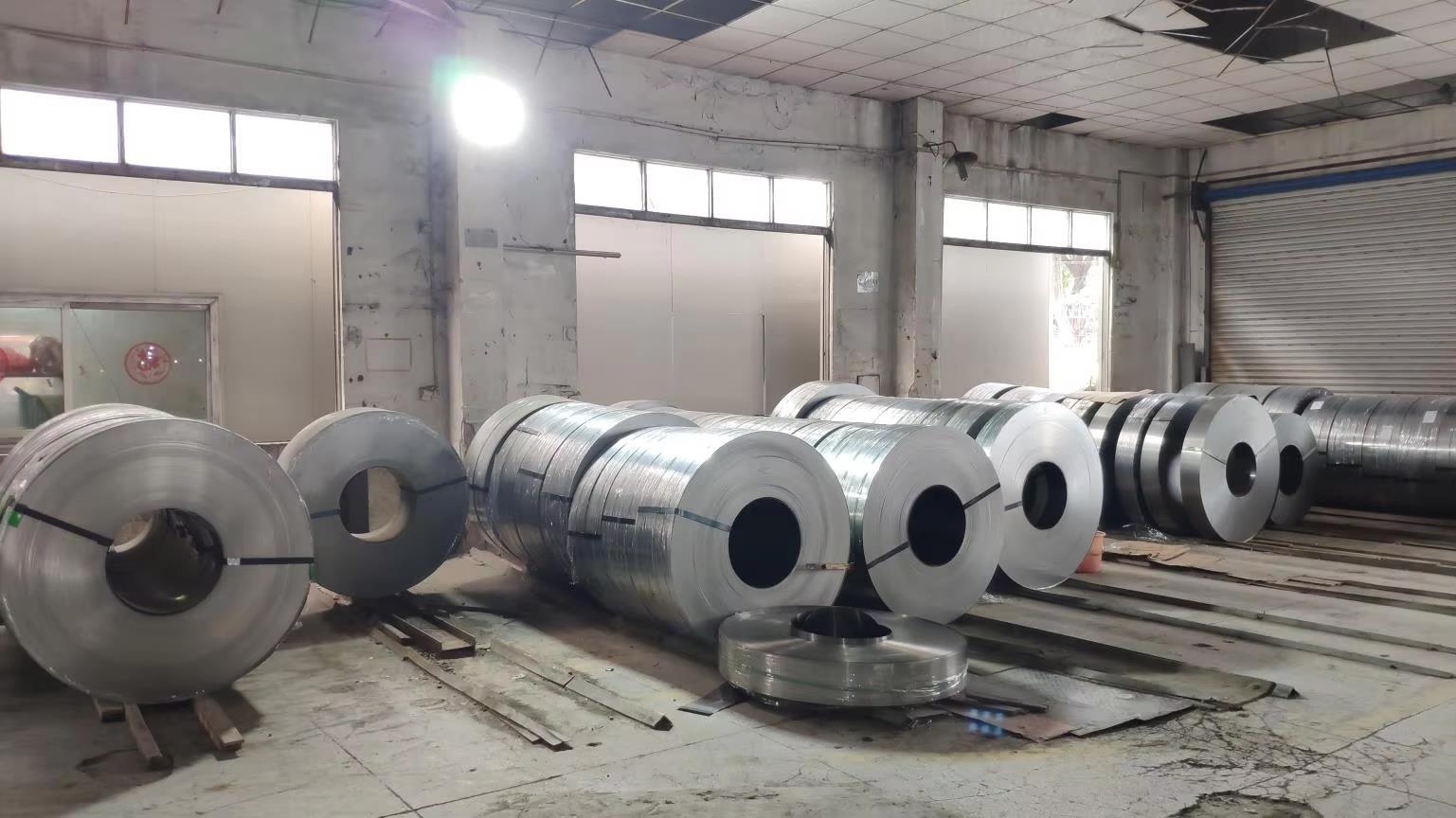
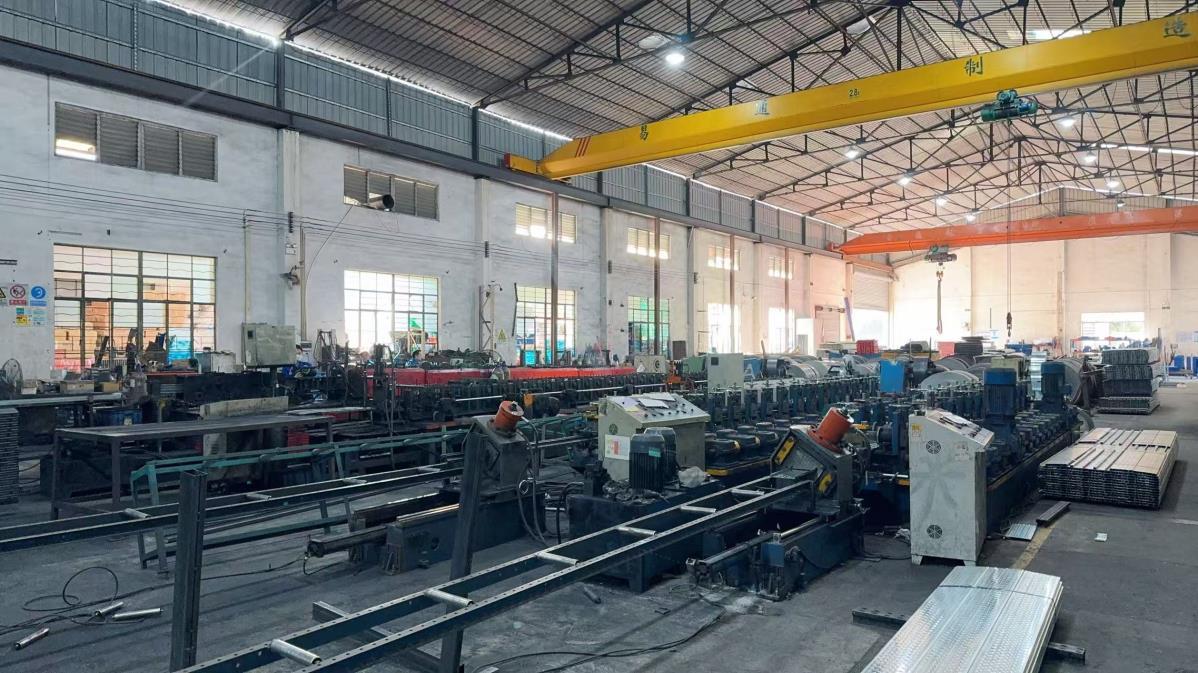
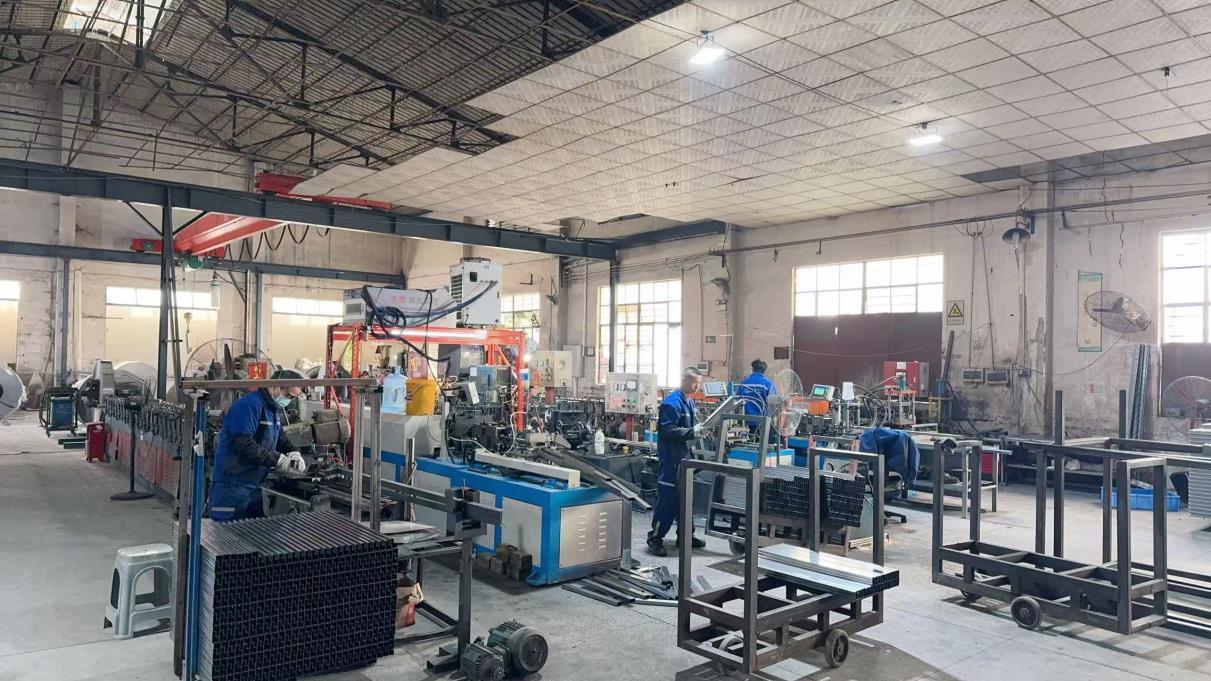
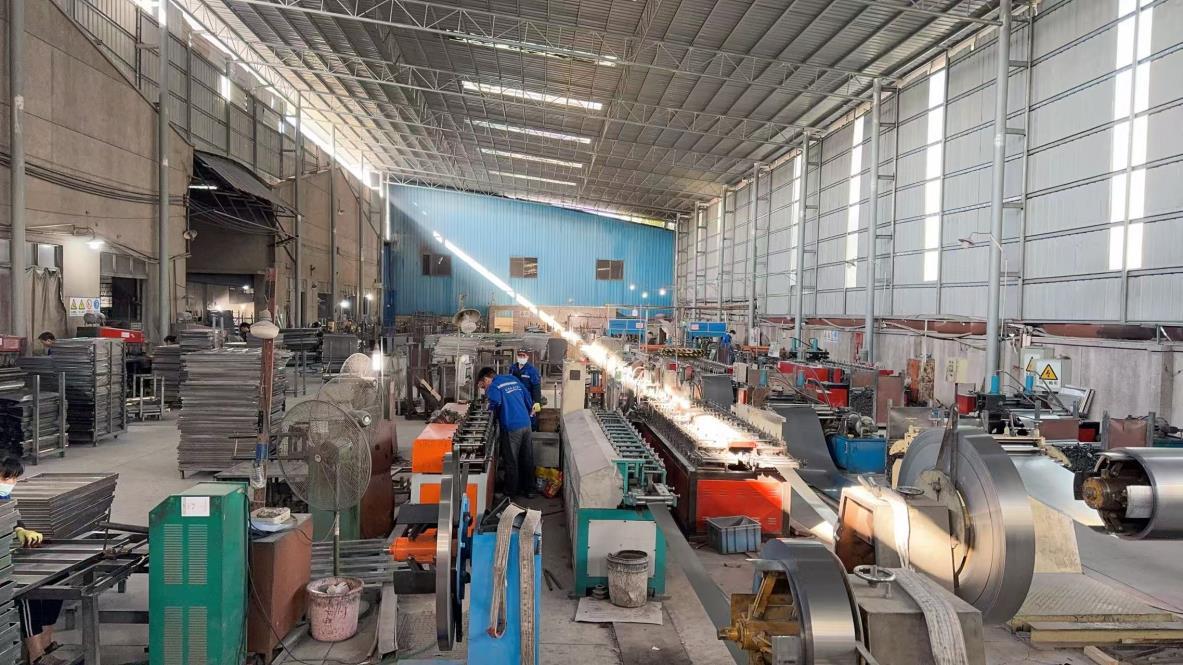
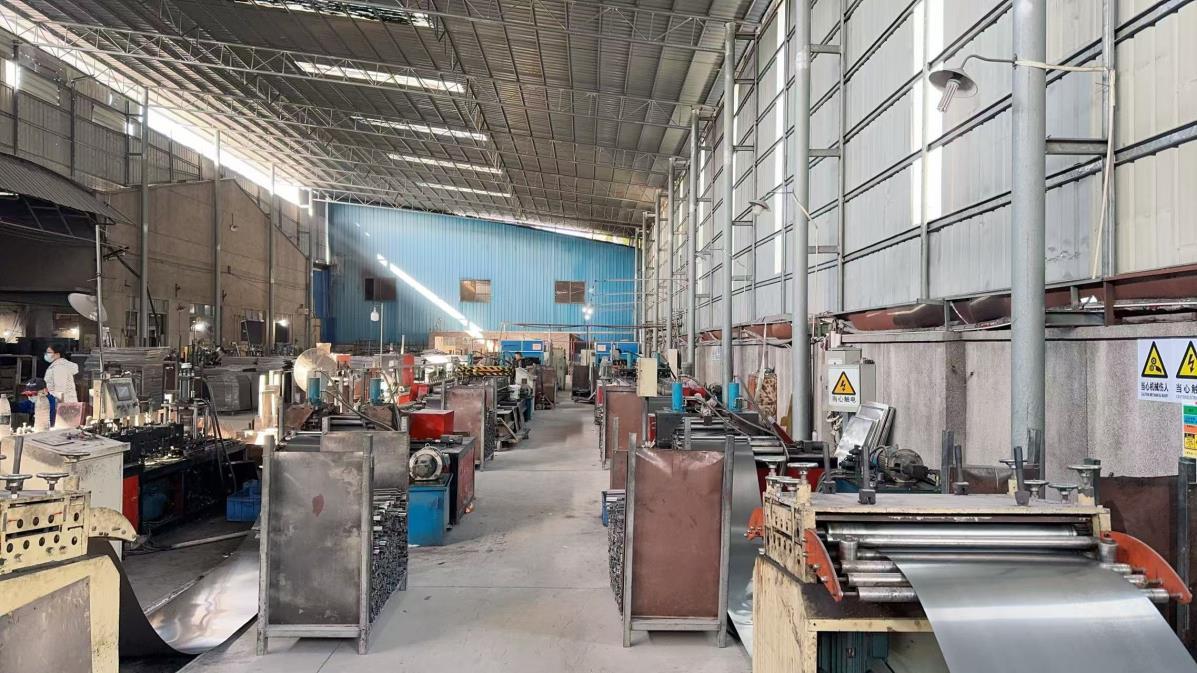
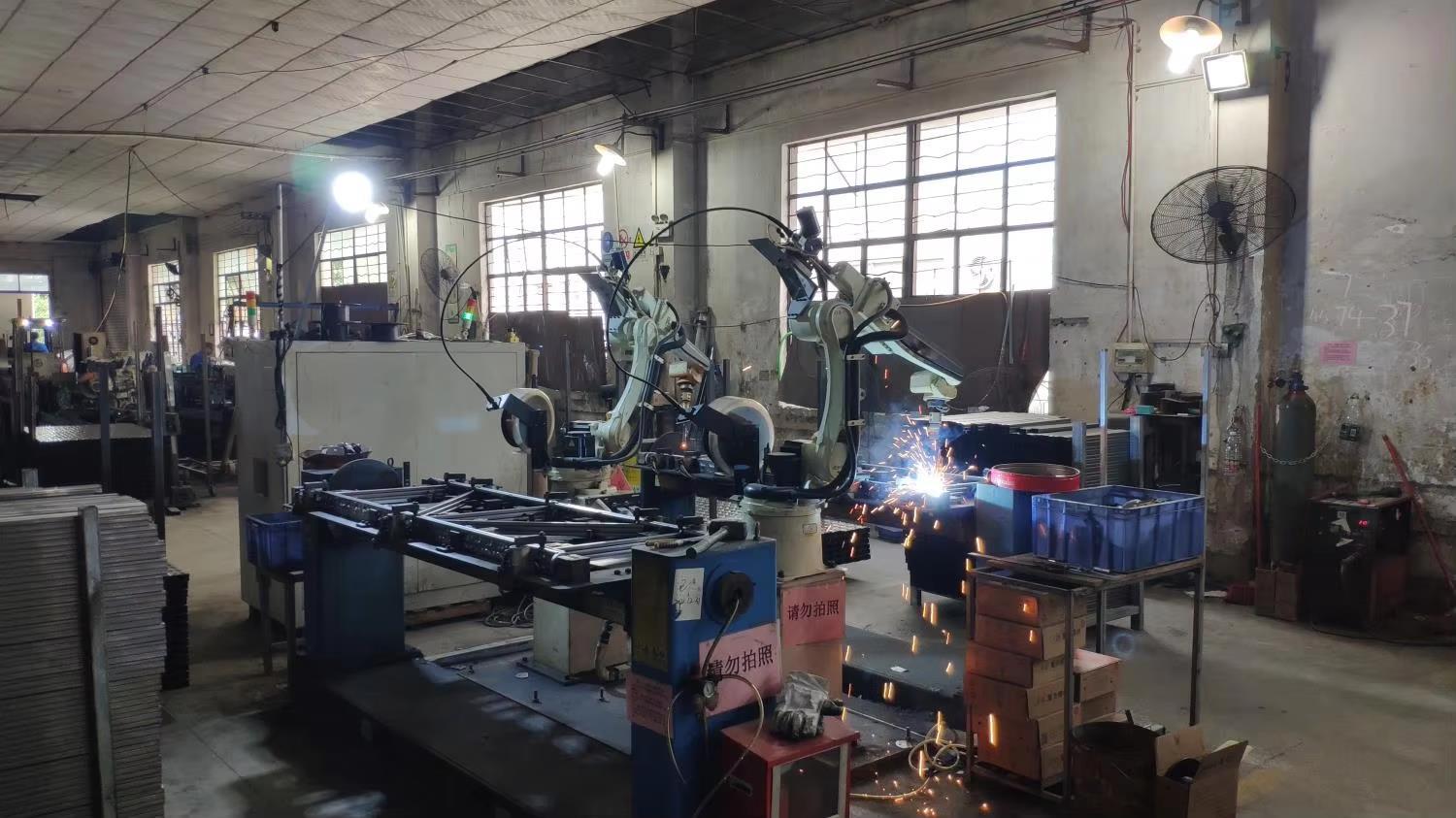
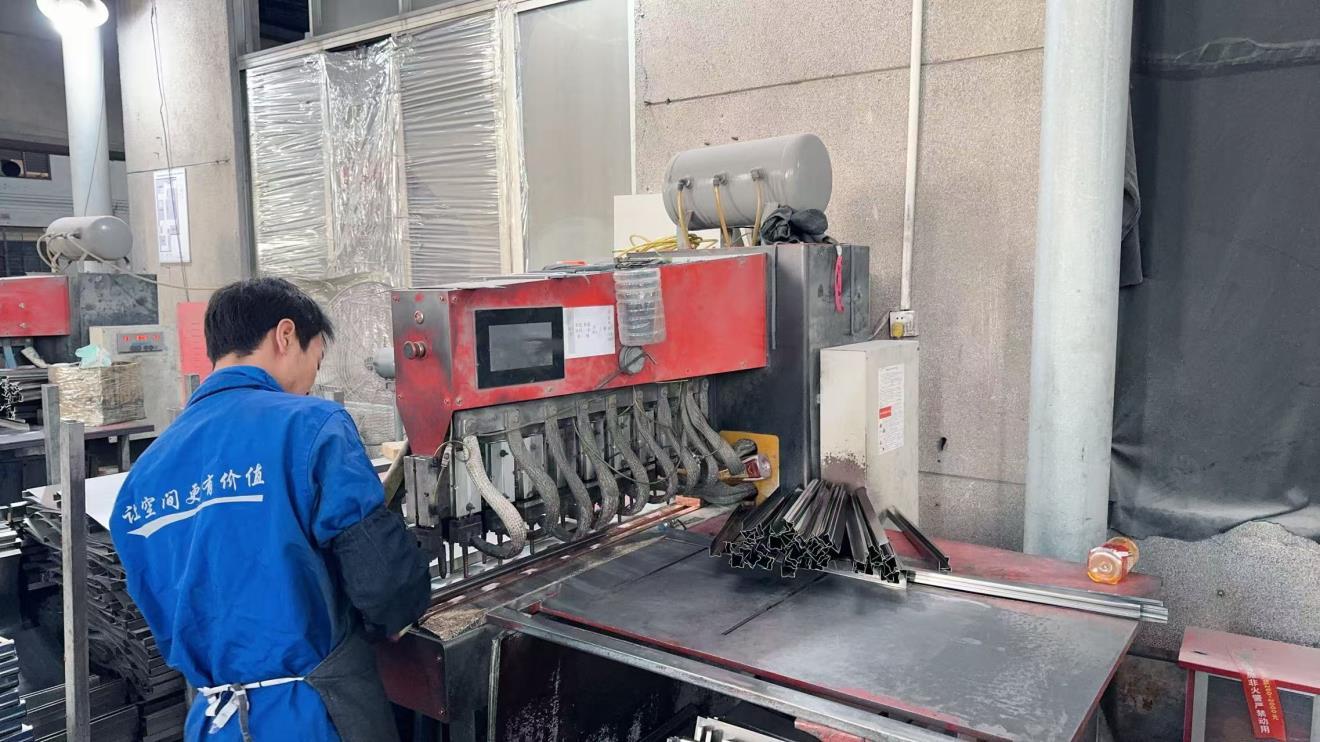
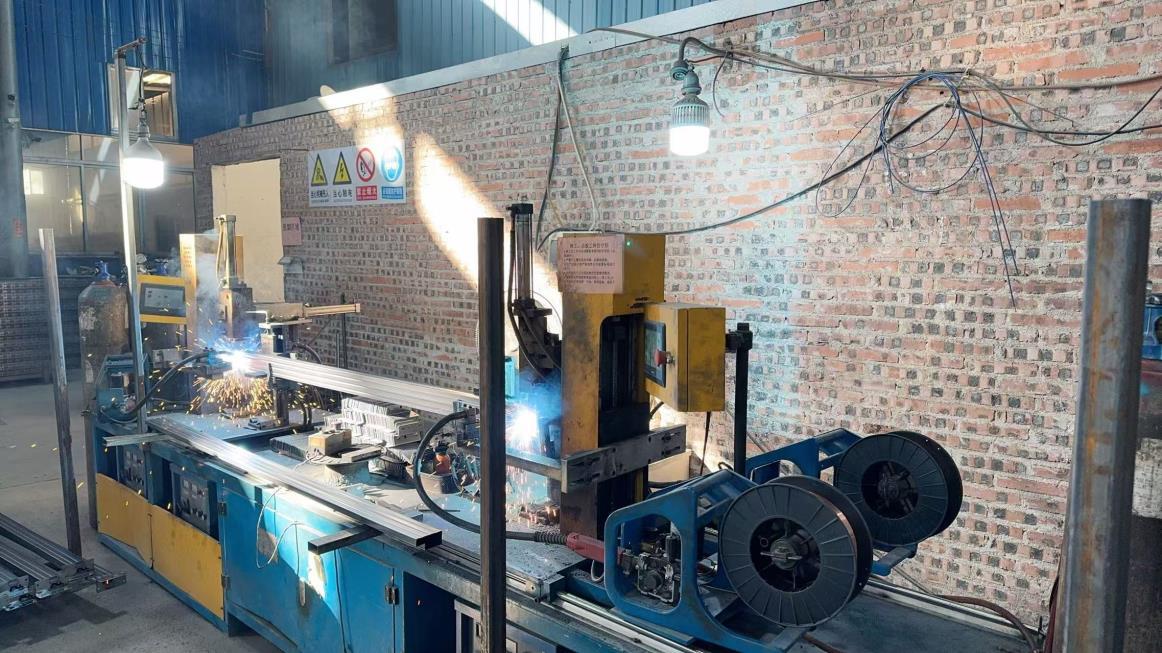
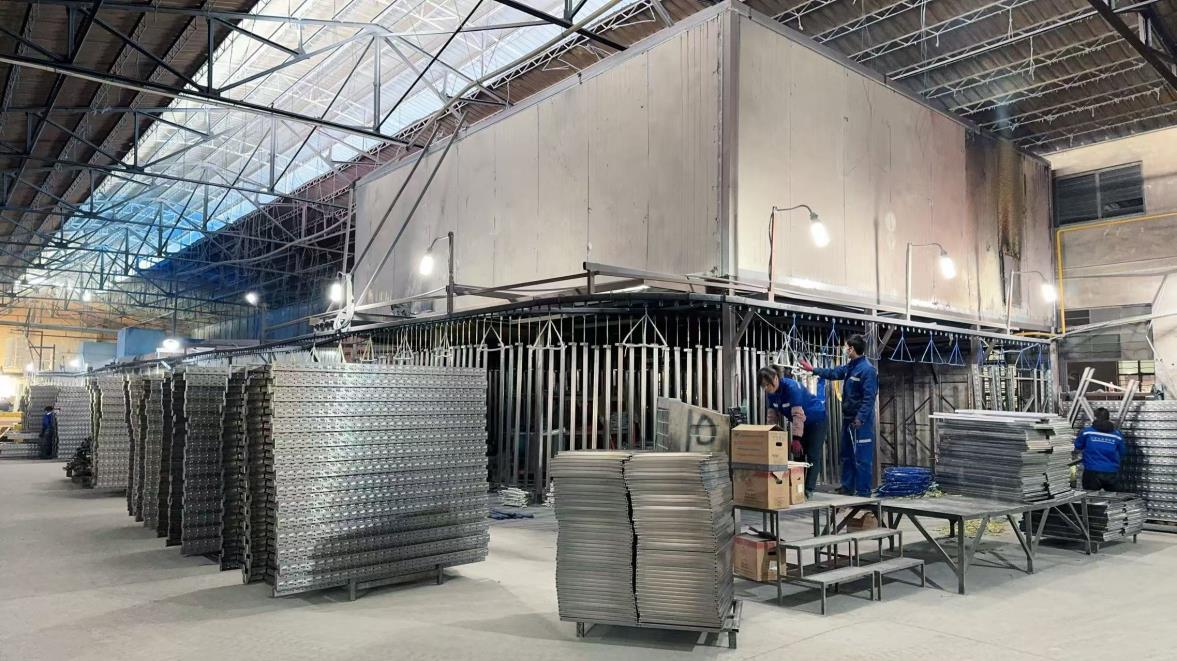
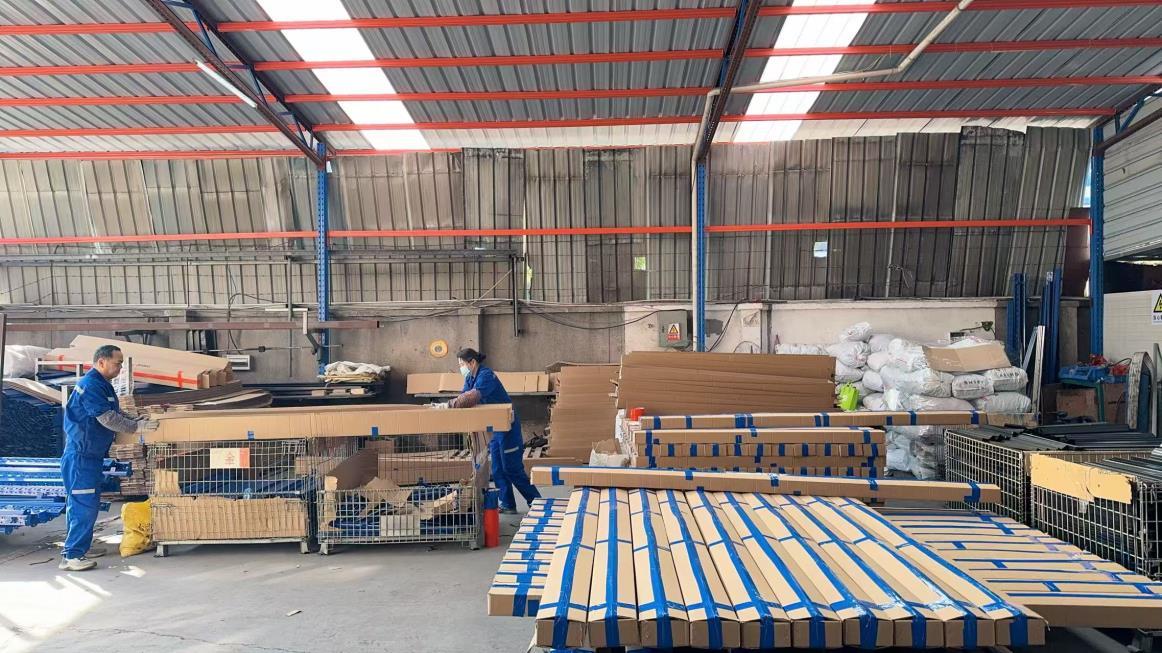
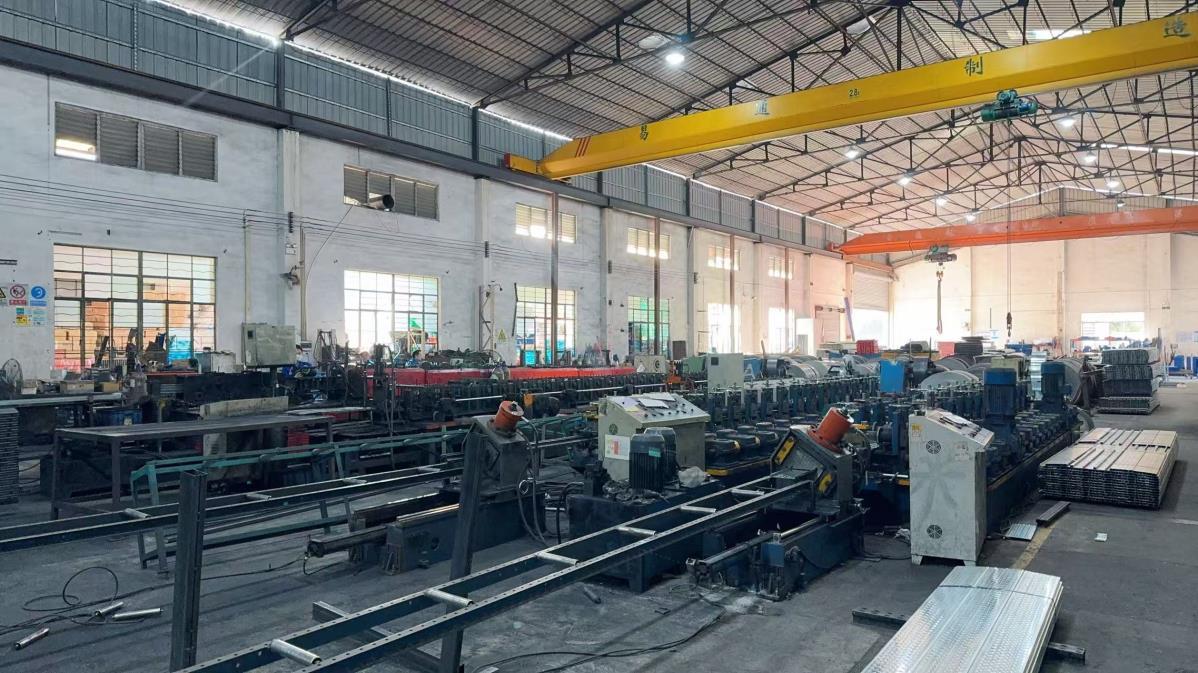
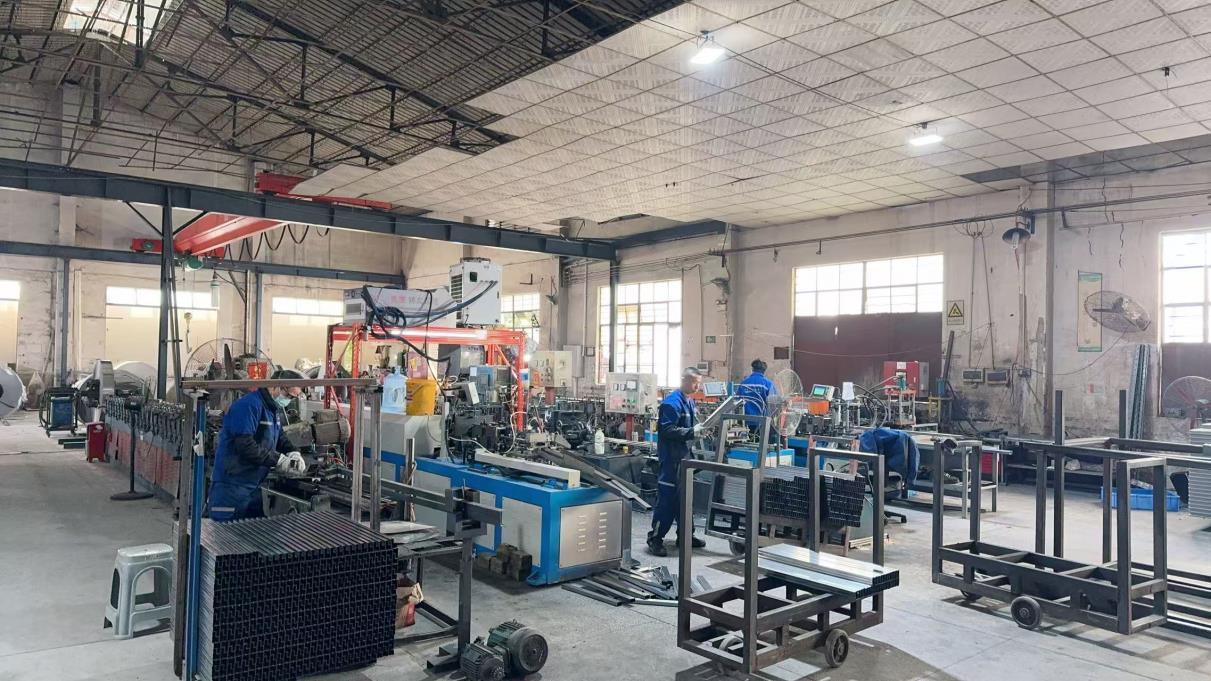
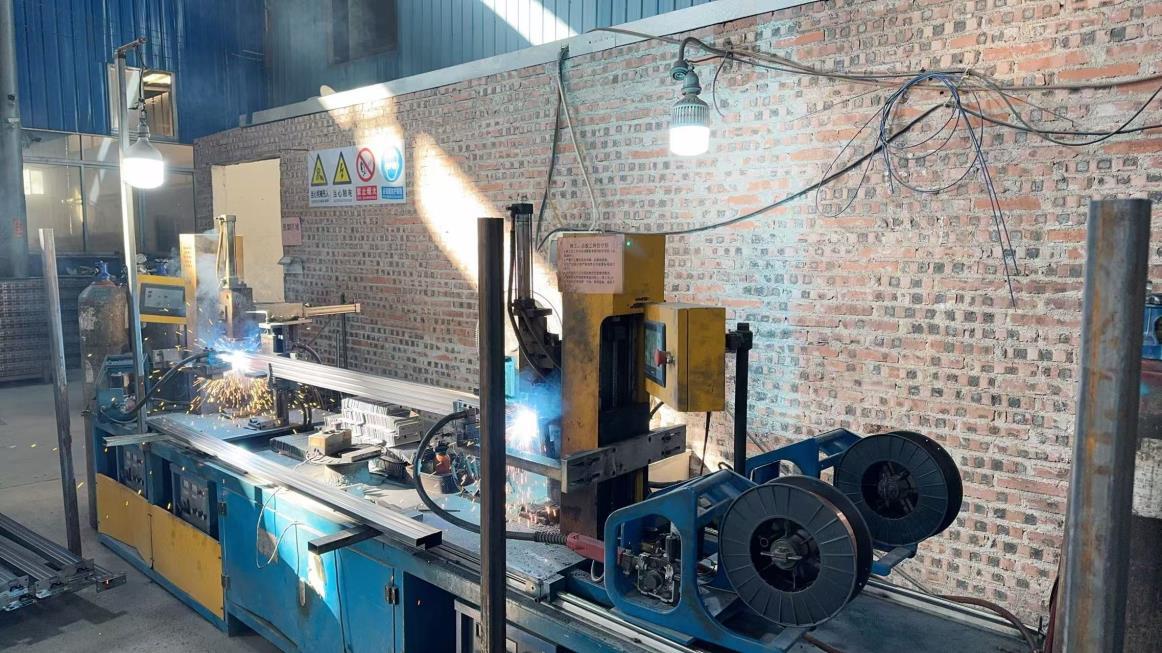
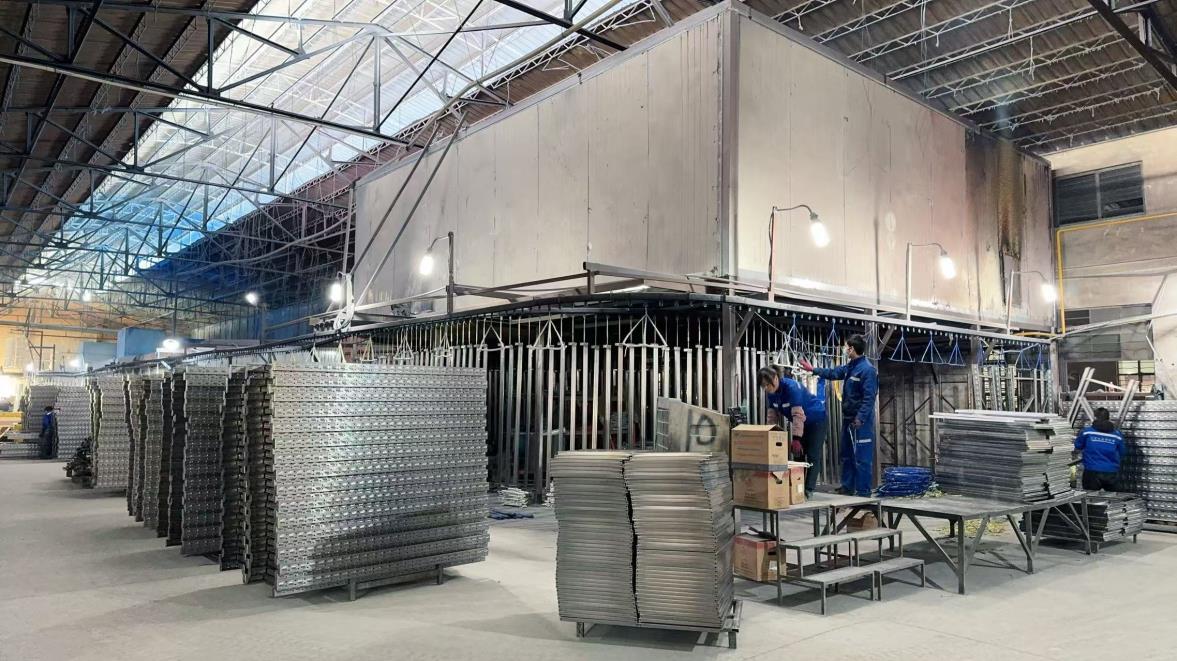
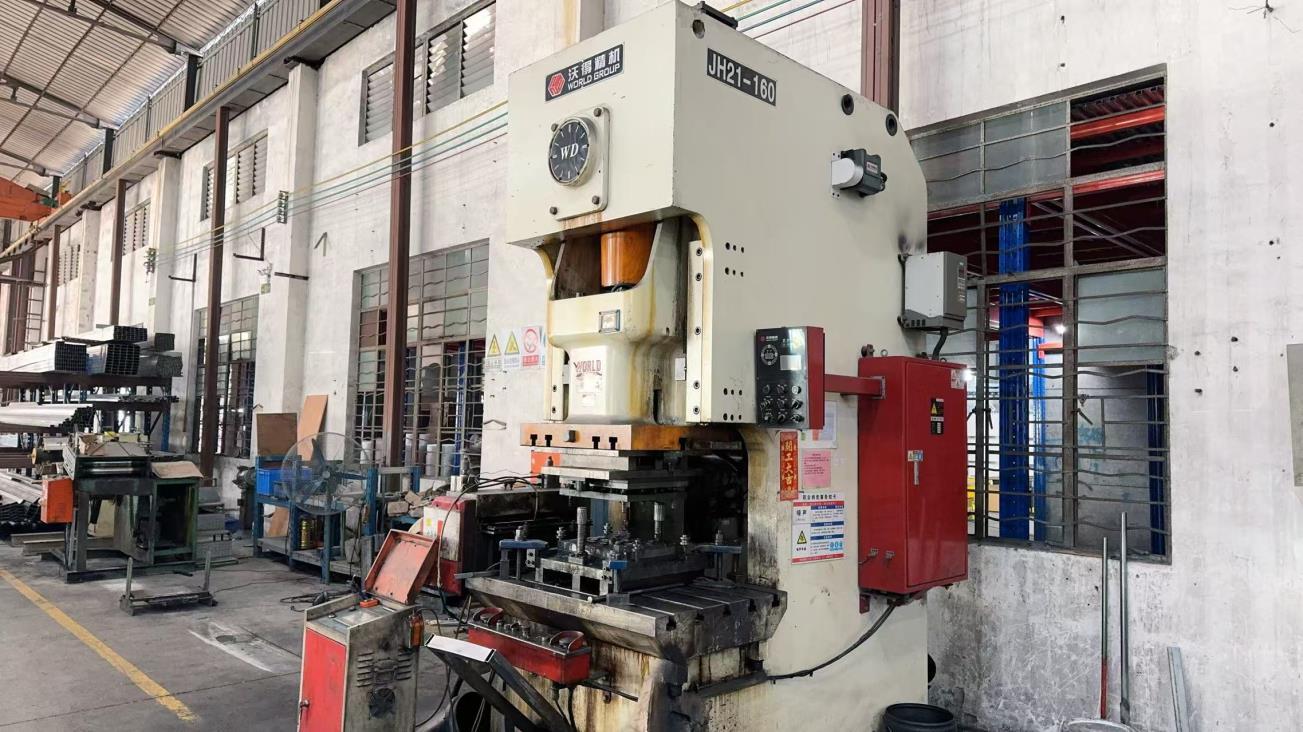
Aligning structural physics with dynamic commercial realities across multiple storage verticals.
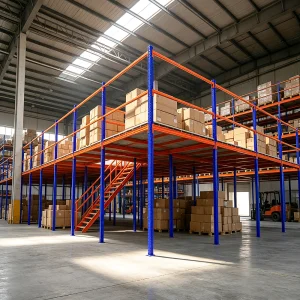
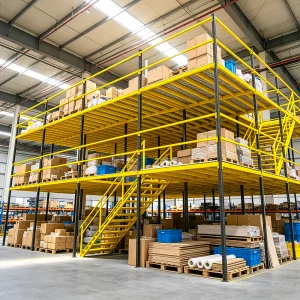
Industrial multi-tier mezzanine platforms scale vertical space utilization by up to 300%. Integrated with high-performance stairs, safety handrails, and heavy-duty steel deck configurations, these setups are optimized for rapid warehouse hand-picking routes and automated conveyor interface lines.
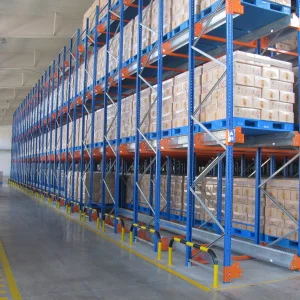
Standard carbon steel becomes brittle under extreme cold. High-density drive-in pallet racking systems engineered for cold rooms utilize modified steel compositions (such as low-temperature carbon steel) combined with zinc-galvanized surface layers to eliminate rust risks under persistent condensation cycles.
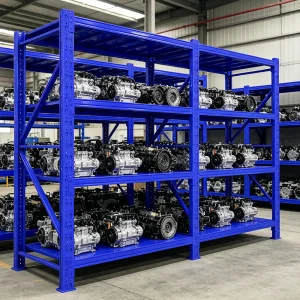
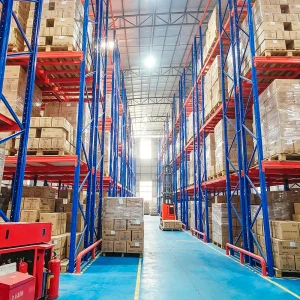
For warehousing centers routing variable heavy machinery or palletized inventory, selective pallet racking offers direct access to every pallet position. The application of finite element analysis (FEA) ensures safety compliance in seismic activity zones by utilizing thicker profiles and heavy-duty baseplates.
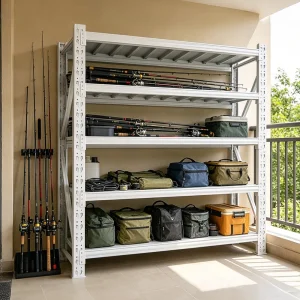
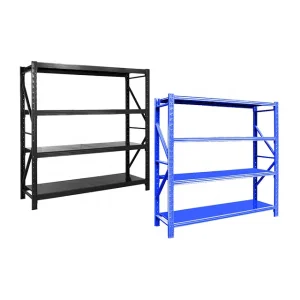
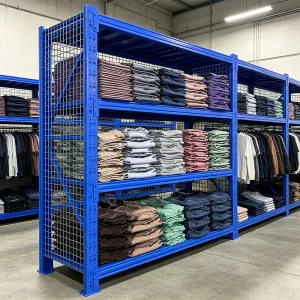
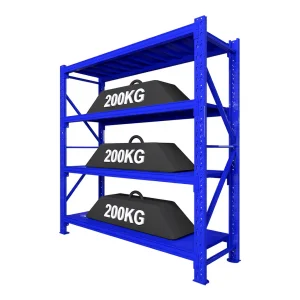
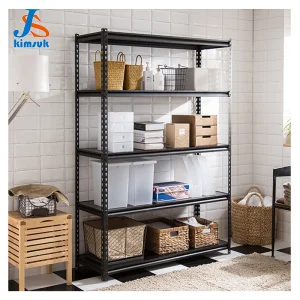
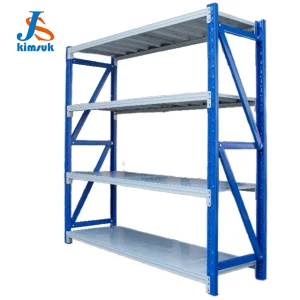
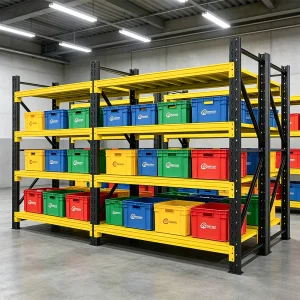
Optimized for retail front-of-house displays and light-duty backrooms, adjustable boltless shelving enables instant configuration adjustments. Utilizing powder-coated aesthetics and modular design, these systems match modern retail space layouts while guaranteeing 100-500kg layer capacity limits.
The convergence of material science, IoT sensor telemetry, and automation in industrial space design.
Research is actively integrating load-sensor telemetry into racking upright beams. Continuous real-time weight monitoring prevents accidental load overages and warns warehouse managers of structural fatigue or buckling anomalies before failure occurs.
Modern warehouses are phasing out manual forklift routing in favor of Automated Storage and Retrieval Systems (AS/RS). Future racking systems must adapt structural tolerance profiles to handle high-speed robotic shuttles, which require straightness tolerances within a fraction of a millimeter.
Decarbonizing manufacturing lines is driving green initiatives. Switching to low-emission powder coatings, optimizing heat retention in curing ovens, and selecting raw steel sourced from energy-efficient electric arc furnaces (EAF) are becoming industry standards.
Navigating different geographic parameters and certifying structural safety protocols.
For international buyers, structural compliance certifications are critical. In the United States, warehousing installations must meet the specifications of the Rack Manufacturers Institute (RMI). In Europe, structures must strictly adhere to EN 15512 codes, which require thorough physical testing of base plates, beam-to-column connections, and upright shear stress responses. These rules ensure that under severe seismic vibrations or accidental collisions, the racking system will deform predictably rather than collapsing suddenly.
To streamline compliance across North America, Europe, and Australia, top-tier factories utilize third-party inspection firms (like SGS or TÜV Rheinland) to run non-destructive weld testing, salt spray anti-corrosion tests (ASTM B117 standards), and vertical load deflection analysis. Partnering with localized engineering agencies also helps secure structural calculations stamped by local Professional Engineers (PE), which are necessary to obtain commercial building permits.
Evaluating standard performance parameters between Western manufacturers and Chinese Factory 4.0 partners.
| Evaluation Parameter | Western Europe / North America | China Tier-1 (Factory 4.0) | Other SE Asian Factories |
|---|---|---|---|
| Raw Material Sourcing | Certified Local Mill runs, higher premium costs. | Direct procurement from top domestic steel mills (Q235B/Q355B). | Variable quality mill supply, lower load guarantees. |
| Lead Time (Ex-works) | 4 to 8 Weeks average. | 3 to 5 Weeks due to automation integration. | 6 to 10 Weeks, limited high-efficiency lines. |
| Customization Agility | Rigid product catalogs; high pricing for bespoke designs. | High customization capacity, free CAD/3D BIM designs. | Low engineering support, slow response times. |
| Regulatory Standards | Pre-certified to RMI / EN 15512 codes. | Fully compliant with SGS/CE testing certificates. | Inconsistent compliance documentation. |
| Total Cost of Ownership | High initial cost, lower shipping complexity. | Optimized cost/quality ratio, offset by sea freight. | Low unit costs, higher warranty replacement risks. |
Clear answers to complex technical and logistical issues in industrial racking procurement.
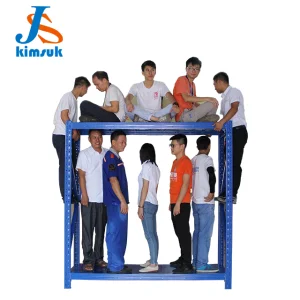
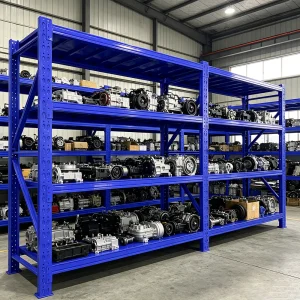
Heavy-duty, customized solutions designed for large-scale operations and heavy equipment storage.
 Kimsuk Racking