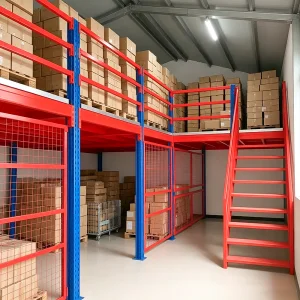
In the modern era of Logistics 4.0, the efficient utilization of vertical space has transitioned from a luxury to a critical operational necessity. Industrial mezzanine floors represent the pinnacle of structural engineering for warehouses, distribution centers, and manufacturing plants seeking to double their footprint without expanding their building’s physical boundaries. As a global leader, Dongguan Kimsuk Shelves Co., Ltd. (established 2015) has pioneered modular steel mezzanine systems that bridge the gap between traditional storage and automated logistics integration.
The global demand for mezzanine flooring is projected to grow at a CAGR of 6.5% through 2030, driven by the explosive growth of e-commerce and the rise of Third-Party Logistics (3PL). Manufacturers are no longer just "shelving suppliers"; they are structural consultants. The market is currently bifurcated between traditional heavy-duty steel structures and lightweight, modular systems designed for rapid deployment. Modern factories must now comply with stringent international codes, including ISO 9001:2015, CE standards, and seismic load-bearing certifications to serve markets like North America and Western Europe.
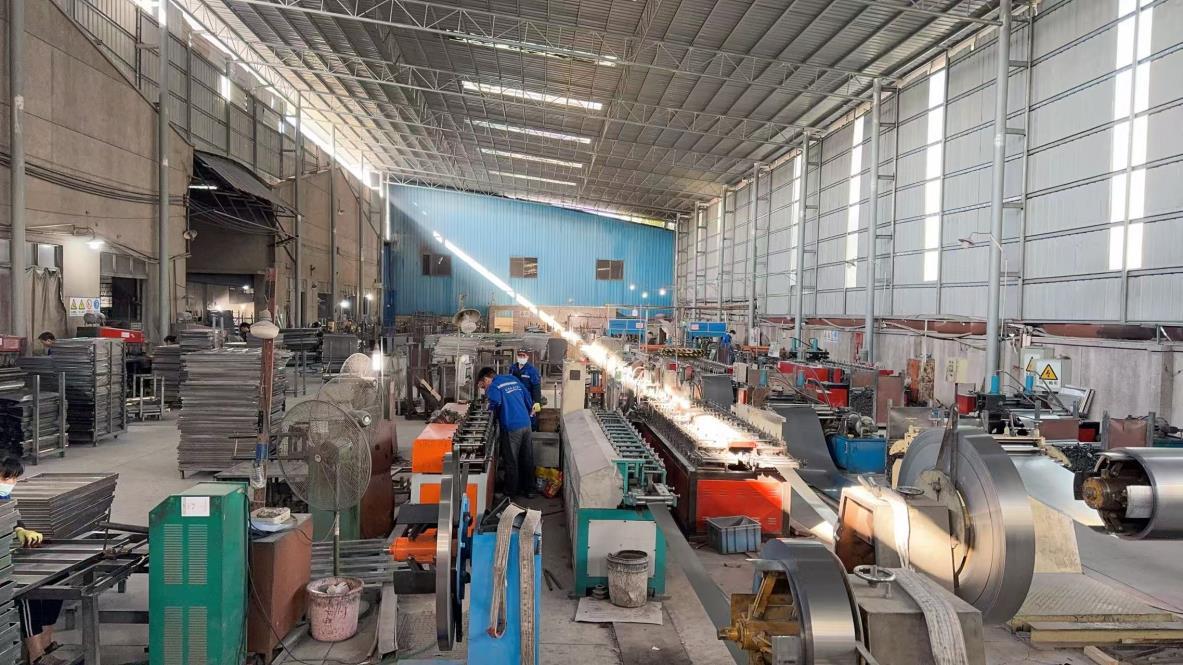
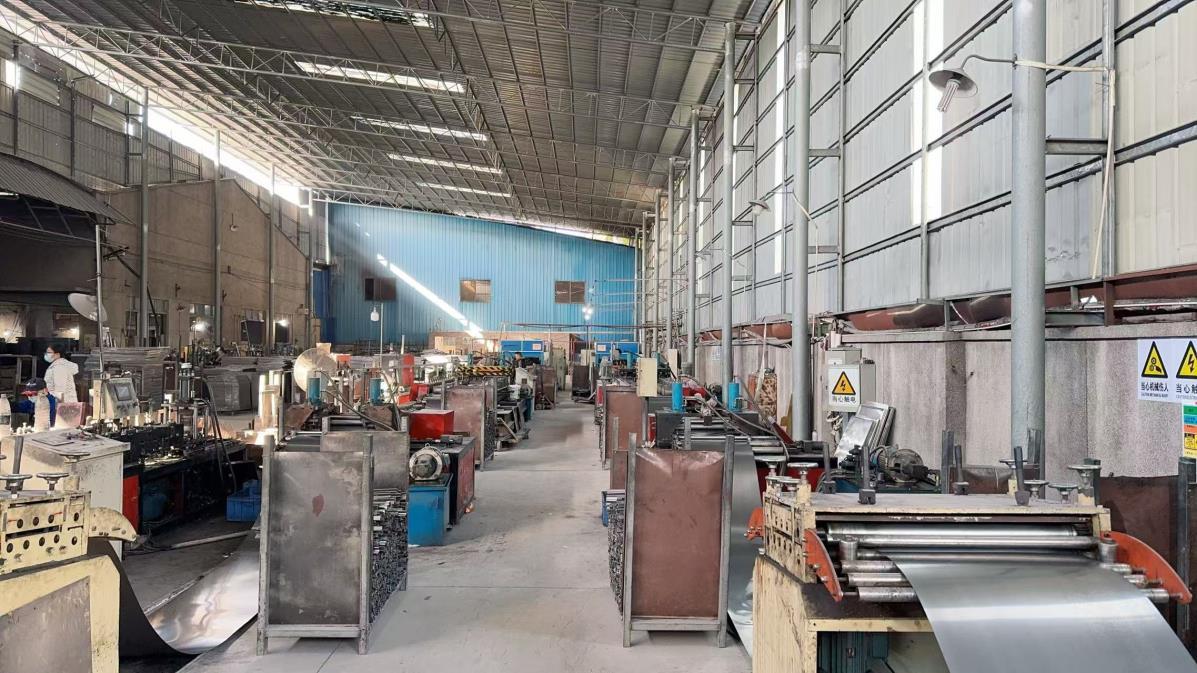
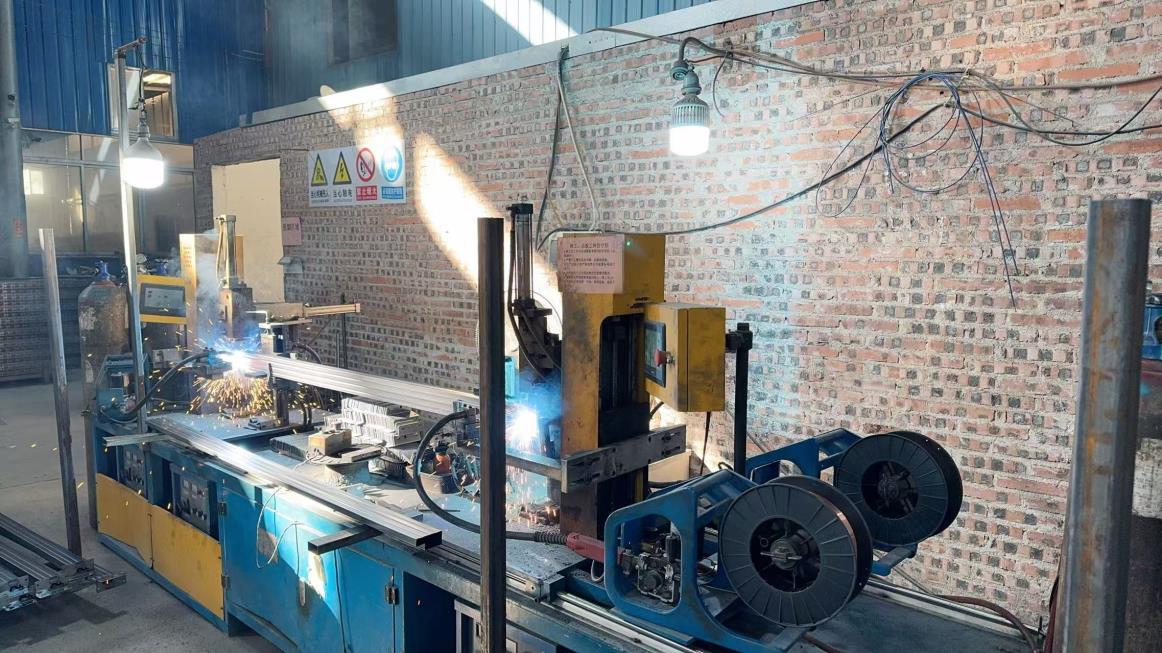
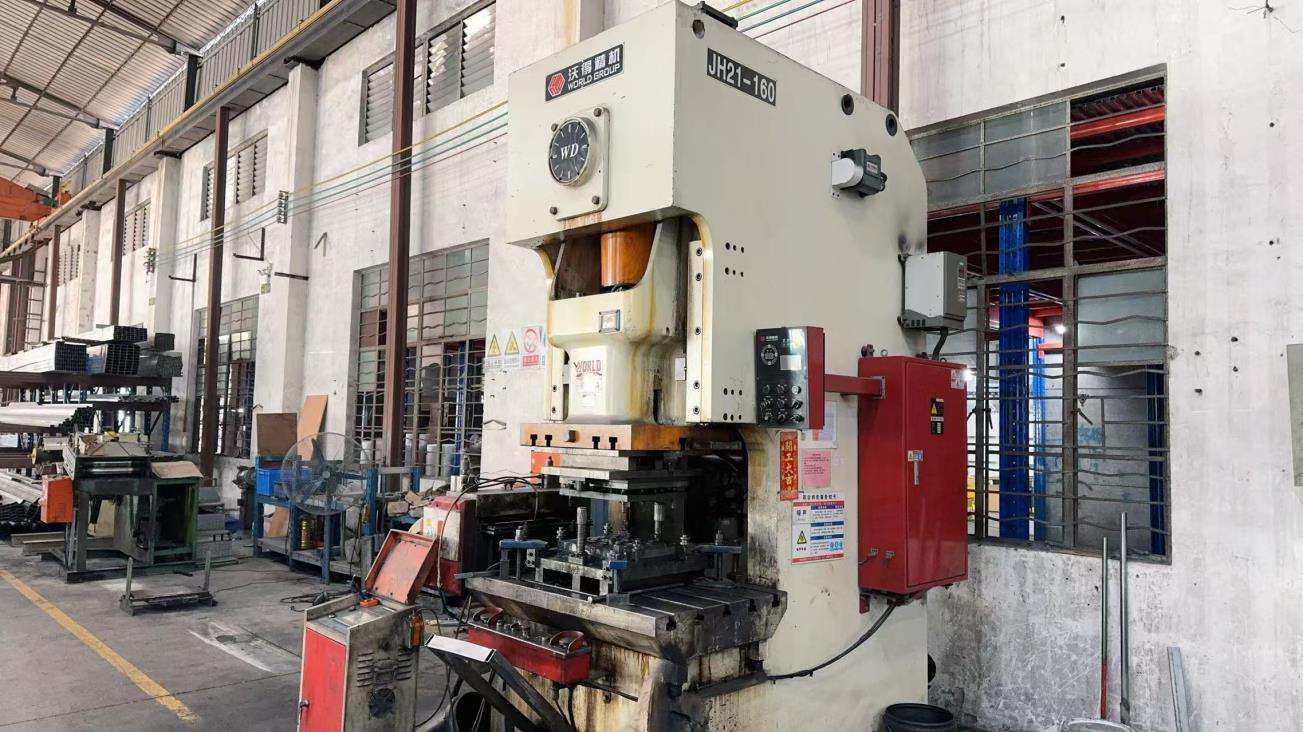
Why does the majority of the world's high-grade industrial mezzanine production originate in China? It comes down to Supply Chain Resilience and Efficiency. At Kimsuk, our ecosystem includes over 850 upstream material suppliers, ensuring that high-tensile steel is always available even during global market fluctuations.
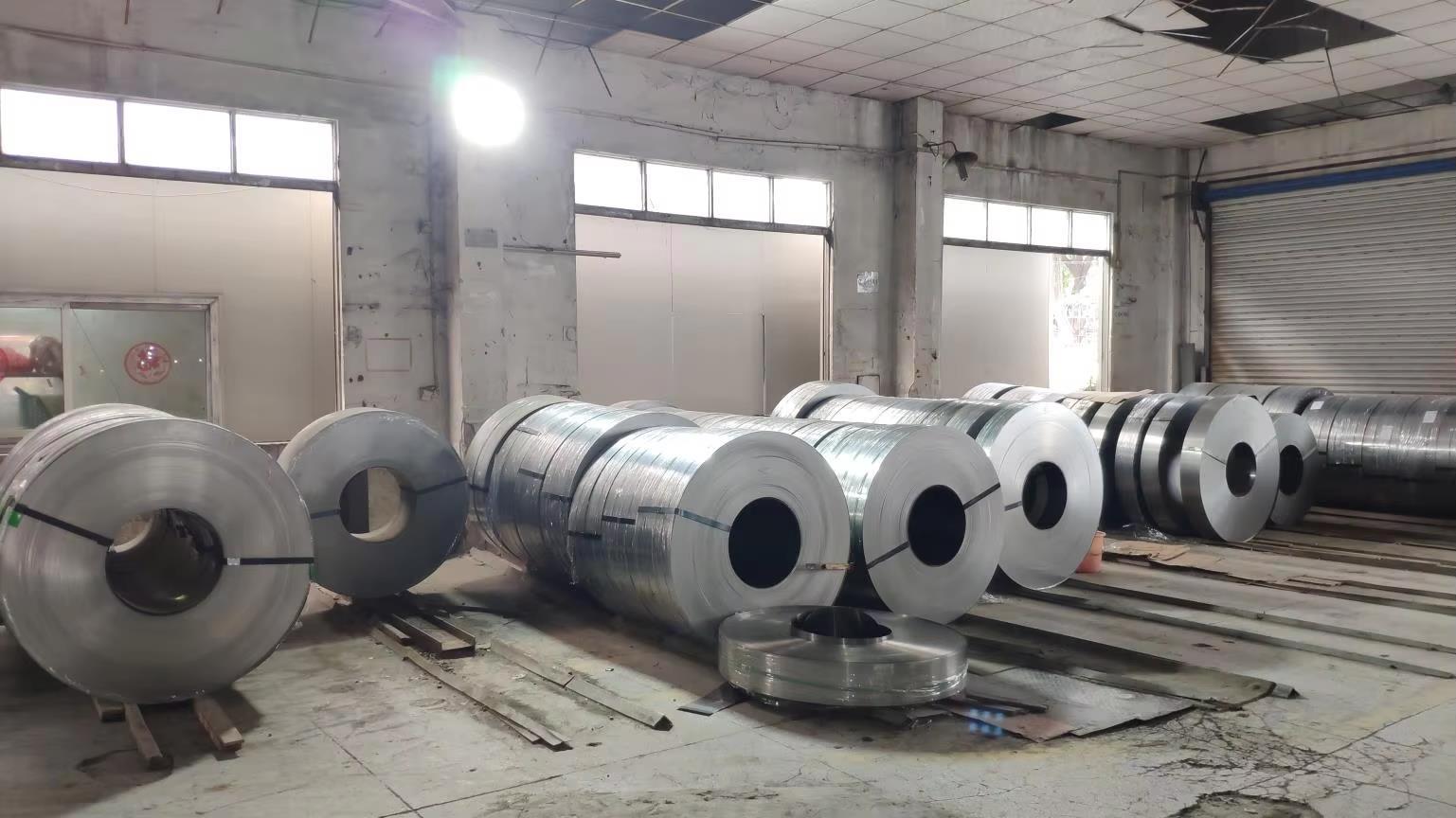
High-tensile Q235/Q355 Steel
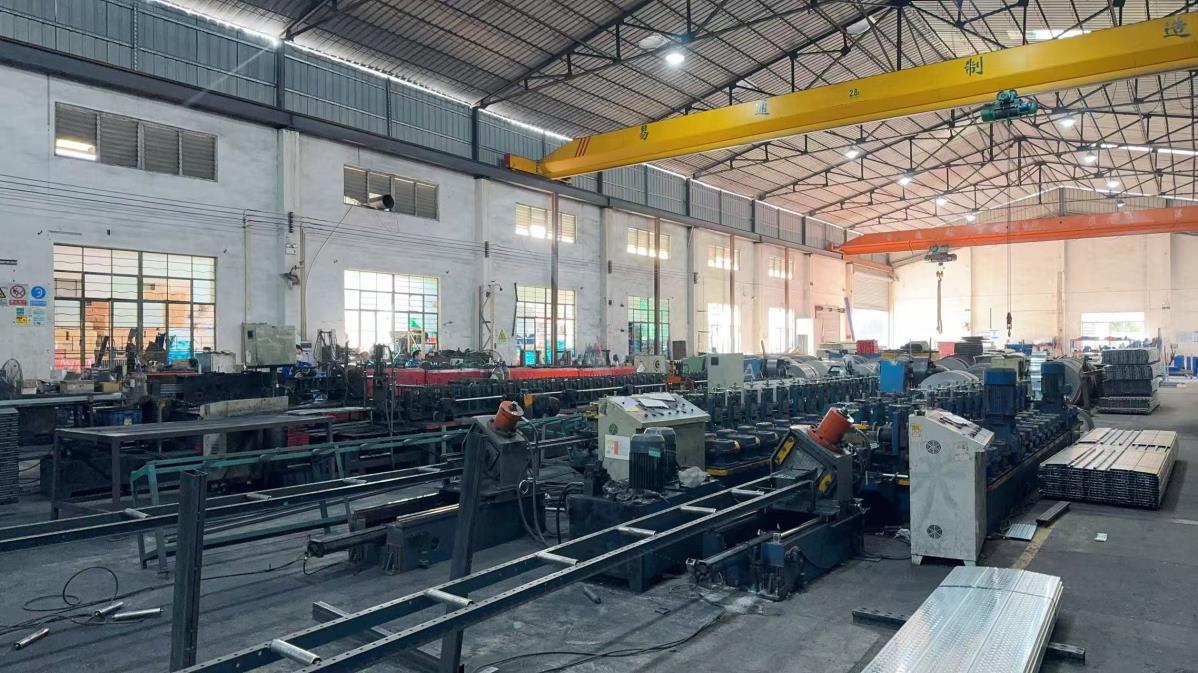
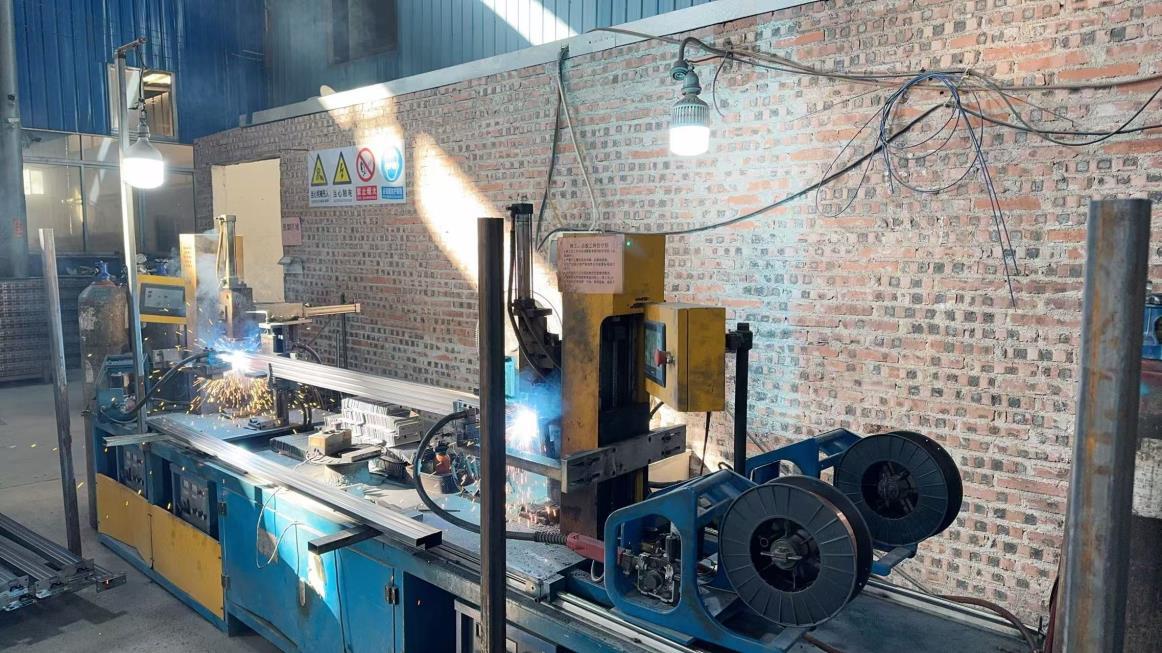
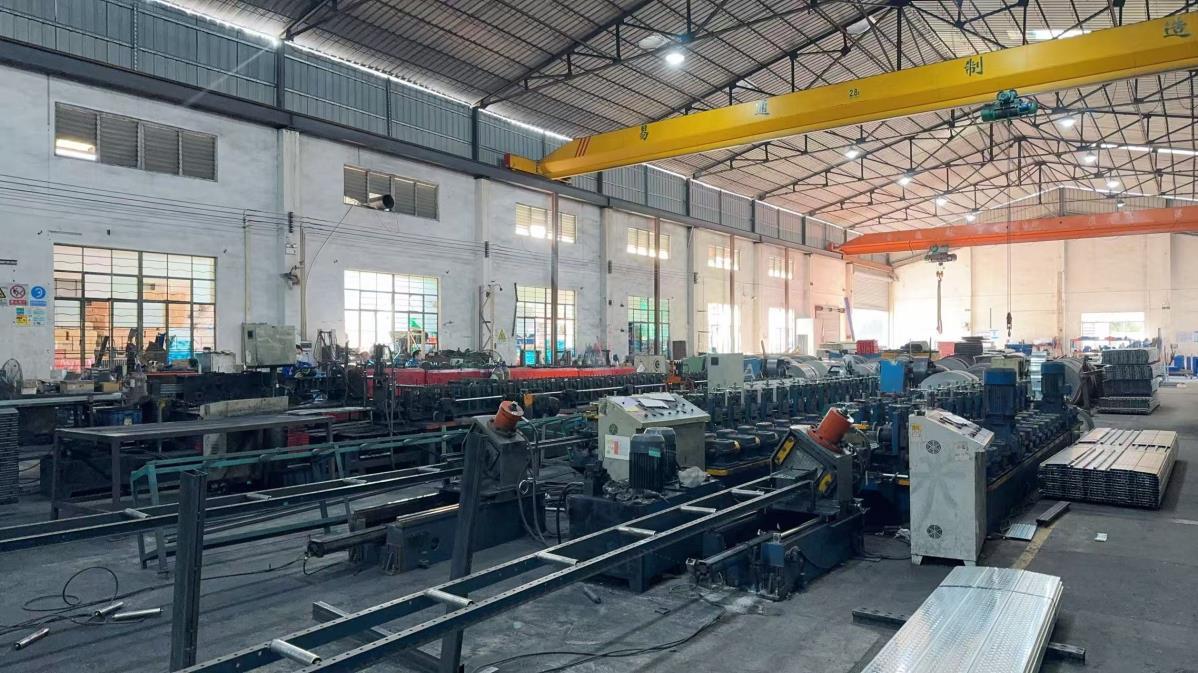
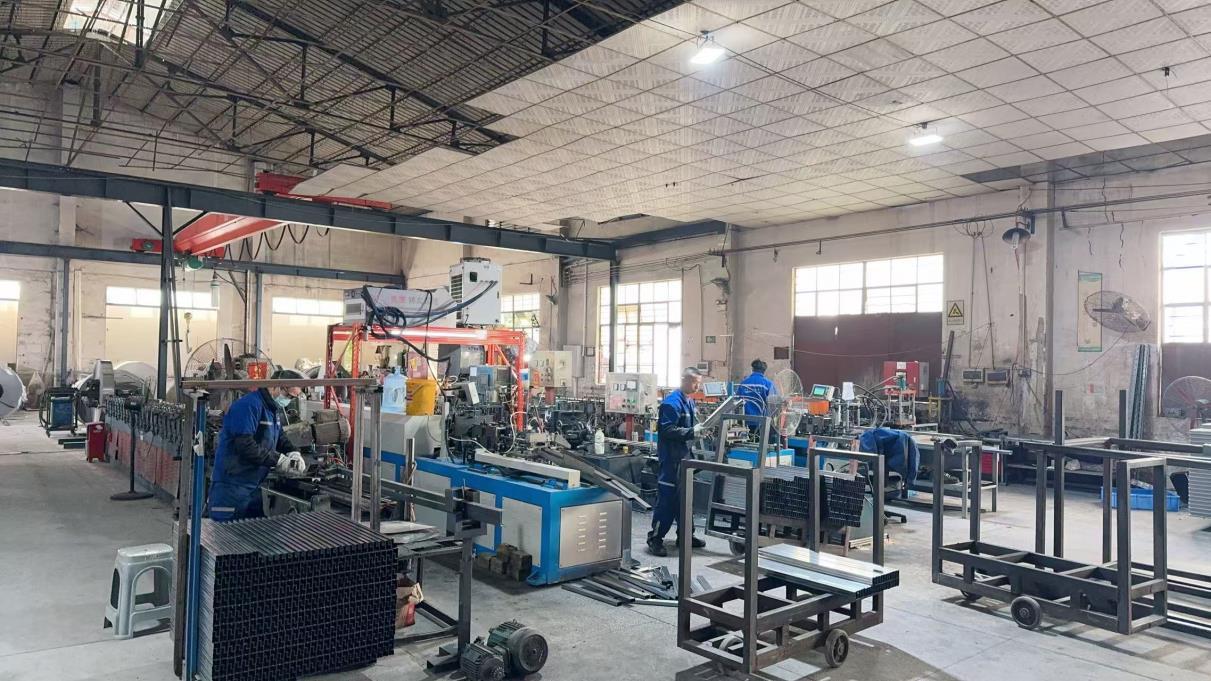
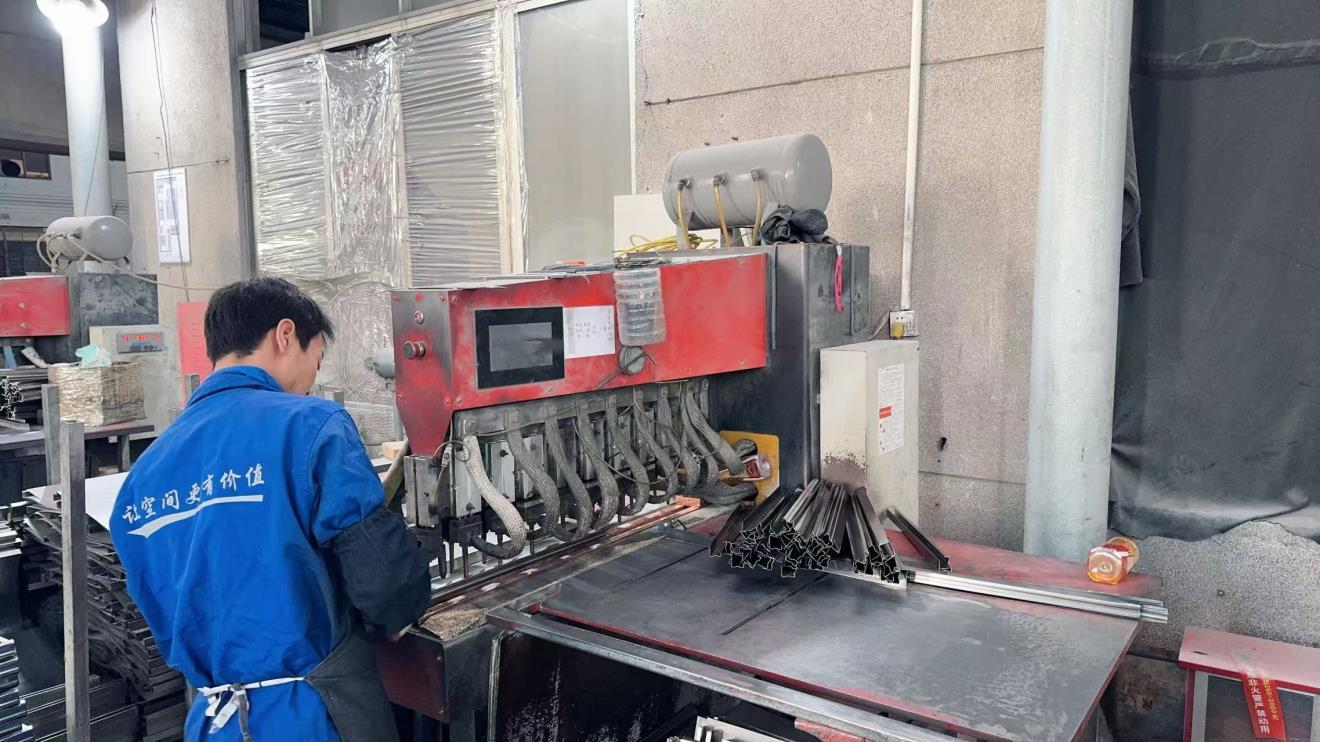
High-precision sheet processing
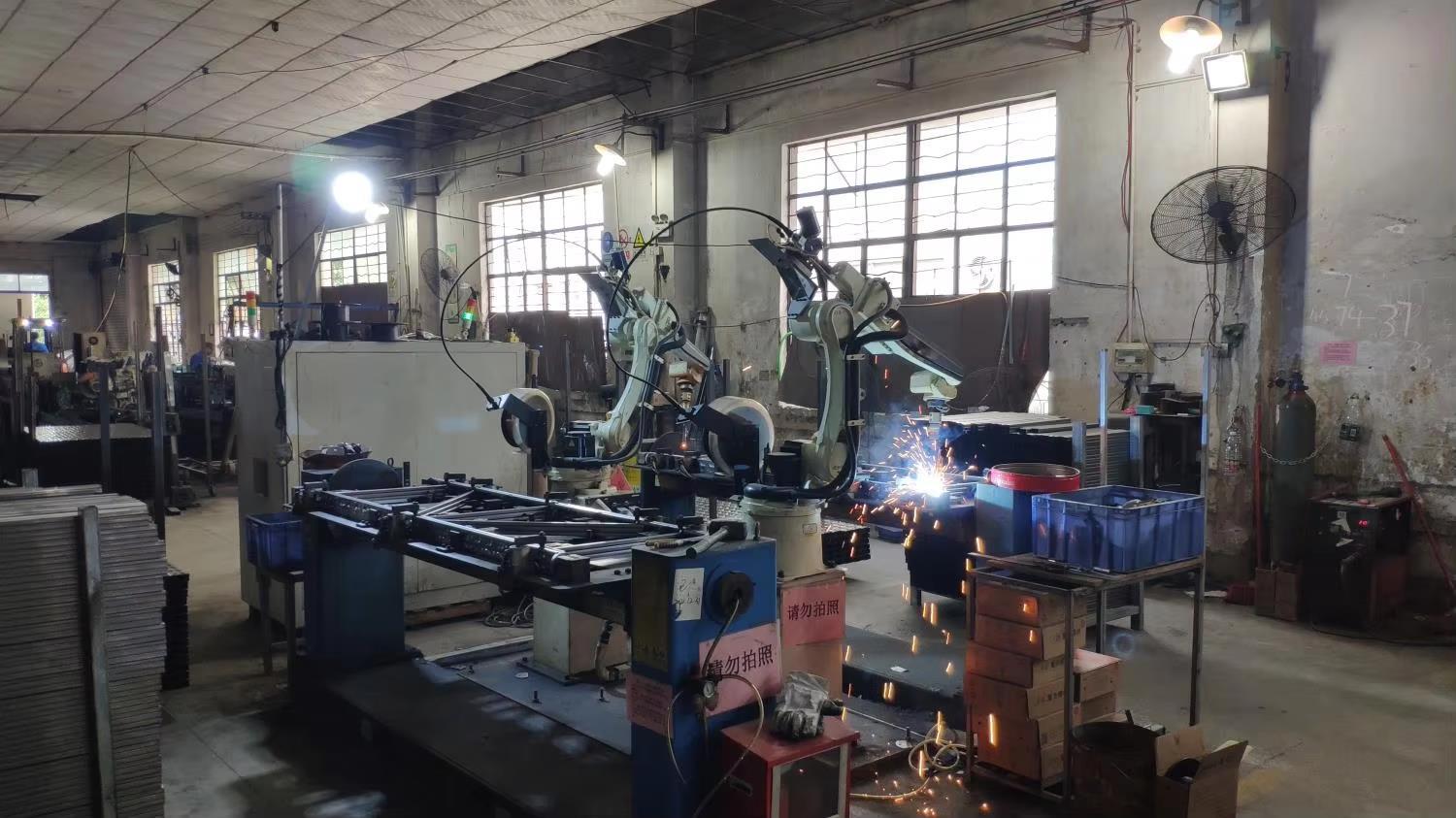
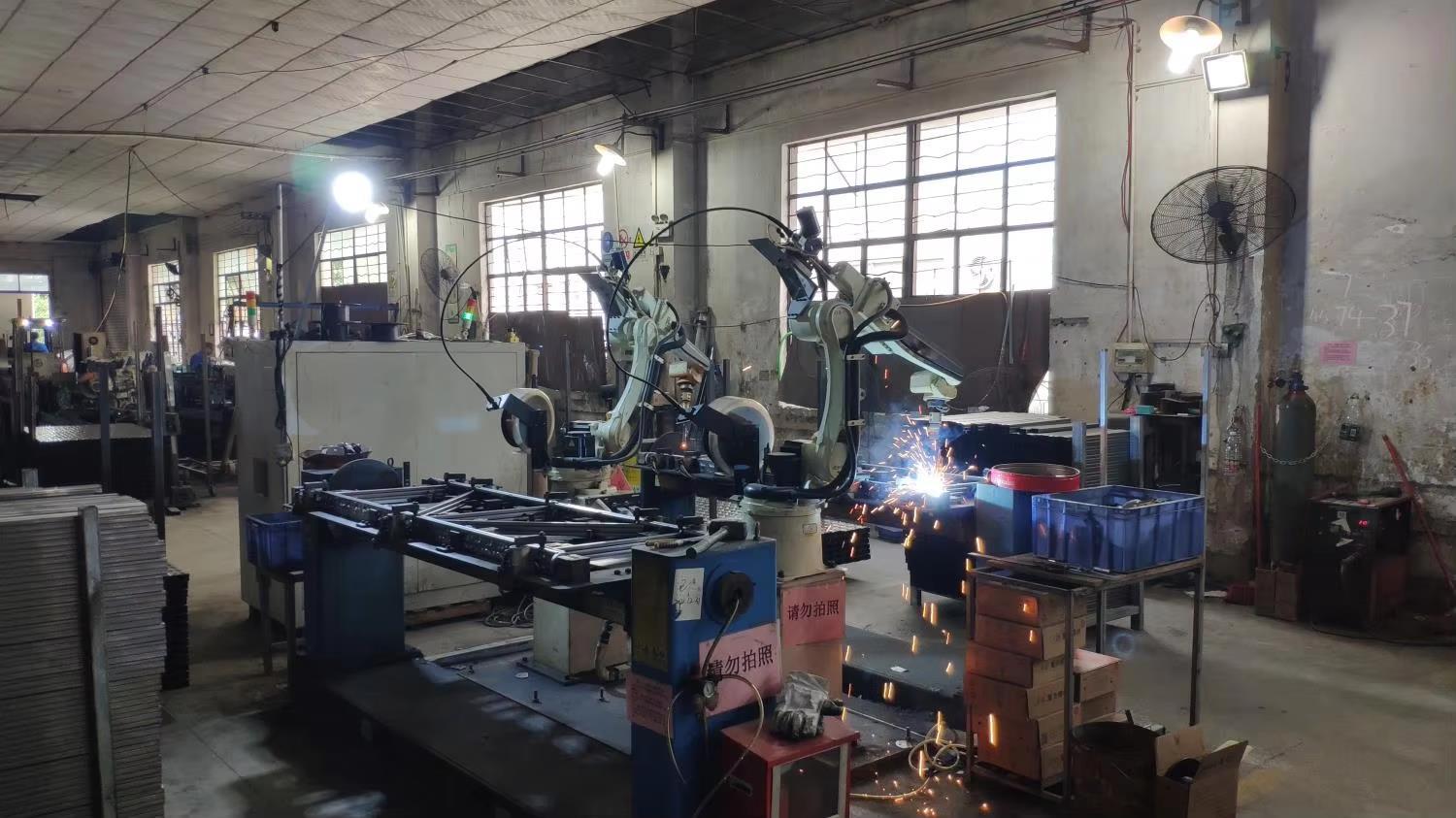
Uniform structural integrity
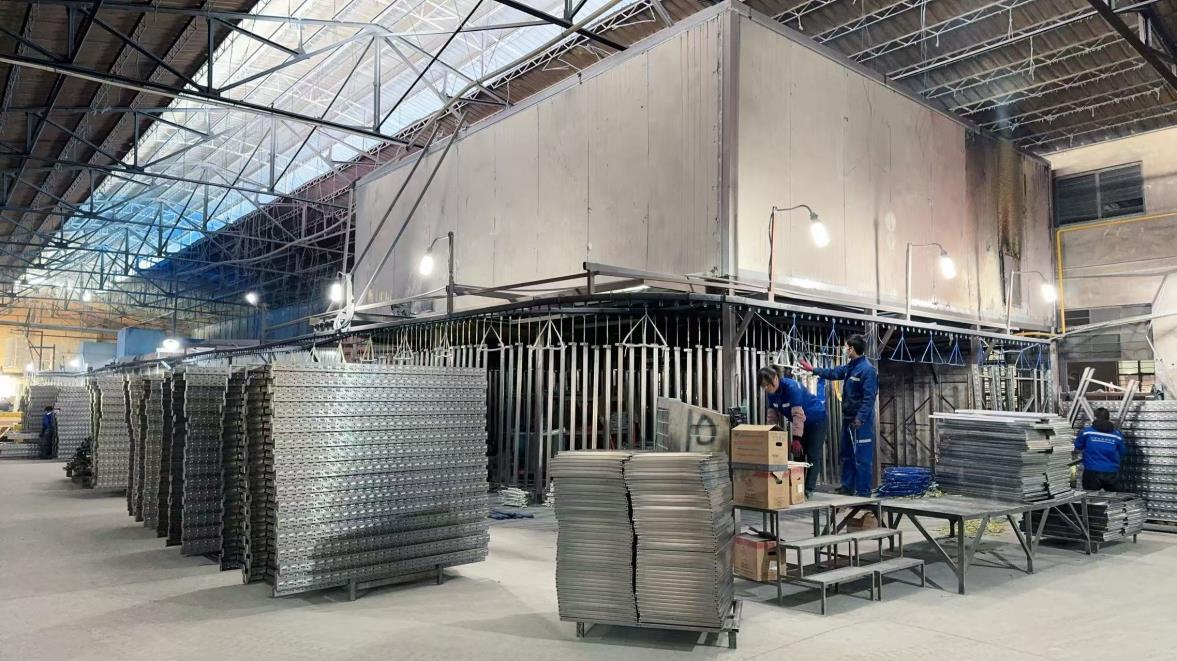
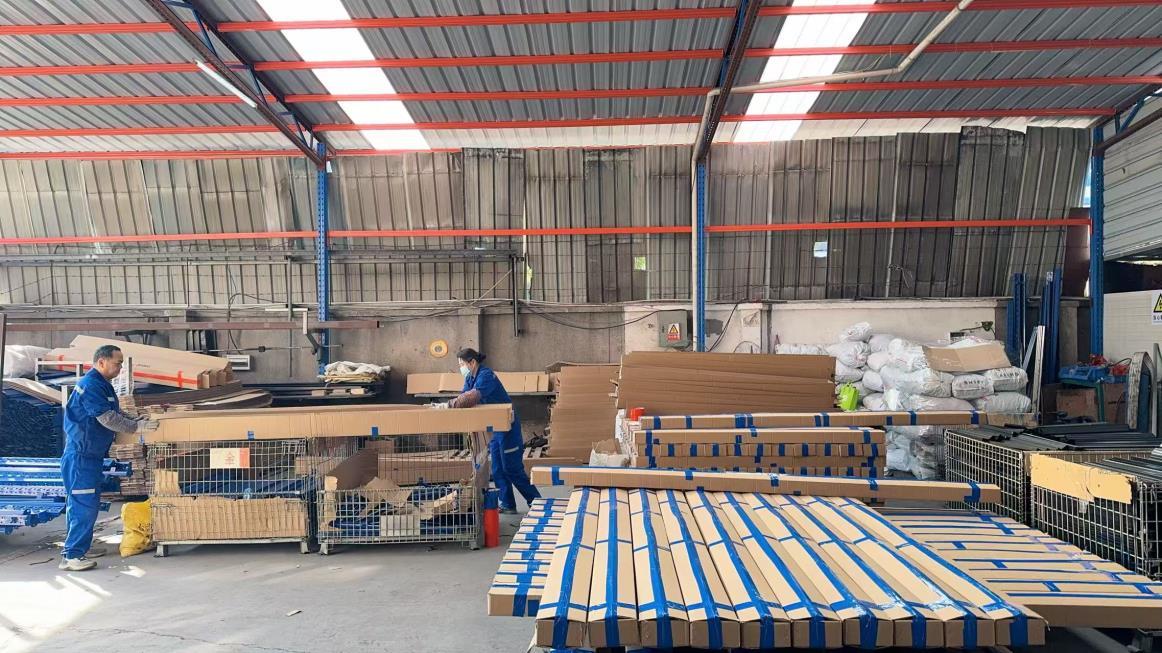
Anti-corrosion finish
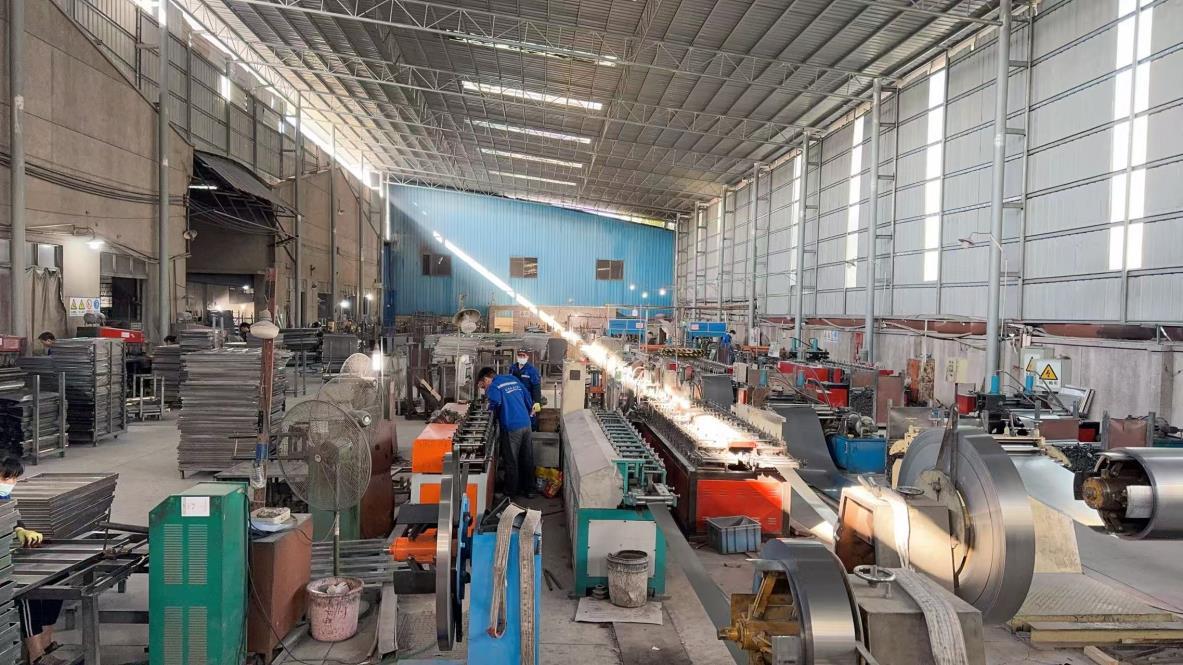
Automated part forming
A mezzanine floor is not a "one size fits all" product. Depending on the region and industry, the requirements change drastically:
The next decade of mezzanine manufacturing will be defined by Smart Structures. Kimsuk is currently researching the integration of load sensors within structural beams to provide real-time floor health monitoring via IoT dashboards. Furthermore, the shift toward sustainable manufacturing means using 100% recyclable steel and low-VOC powder coatings, aligning with global ESG goals.
To ensure 100% reliability, our quality control protocols include:
Detecting internal weld flaws invisible to the naked eye.
Verifying structural deflection under 1.5x max rated capacity.
Simulating 10+ years of environmental corrosion resistance.
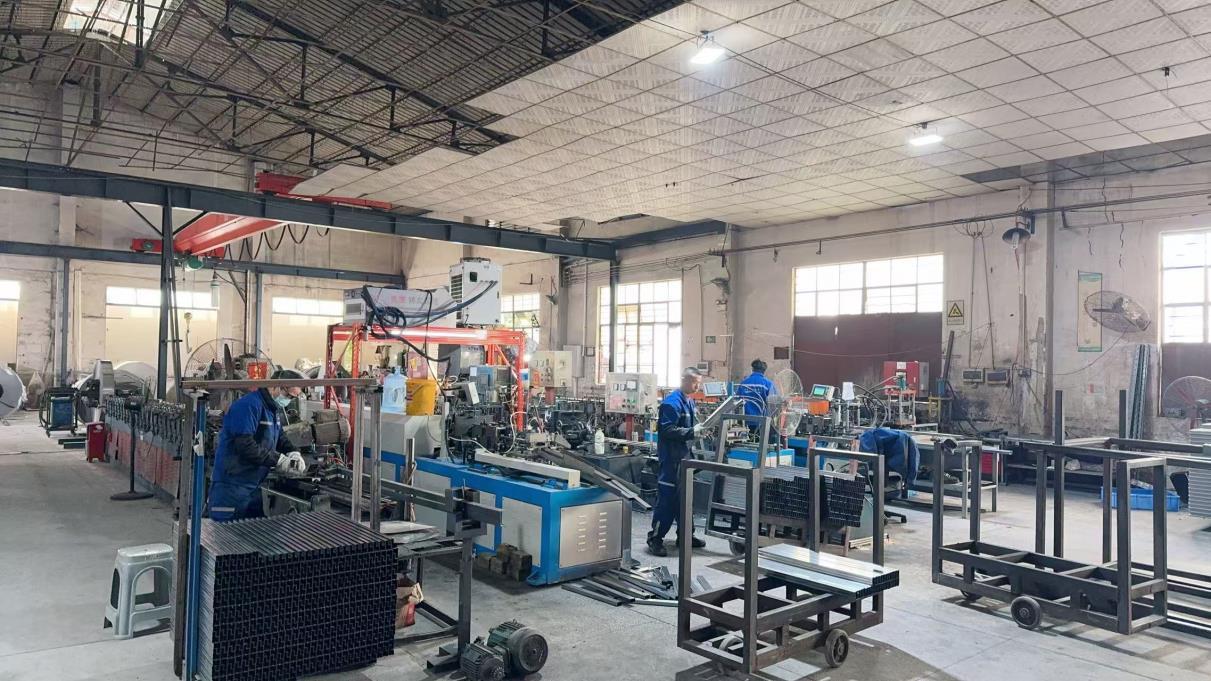
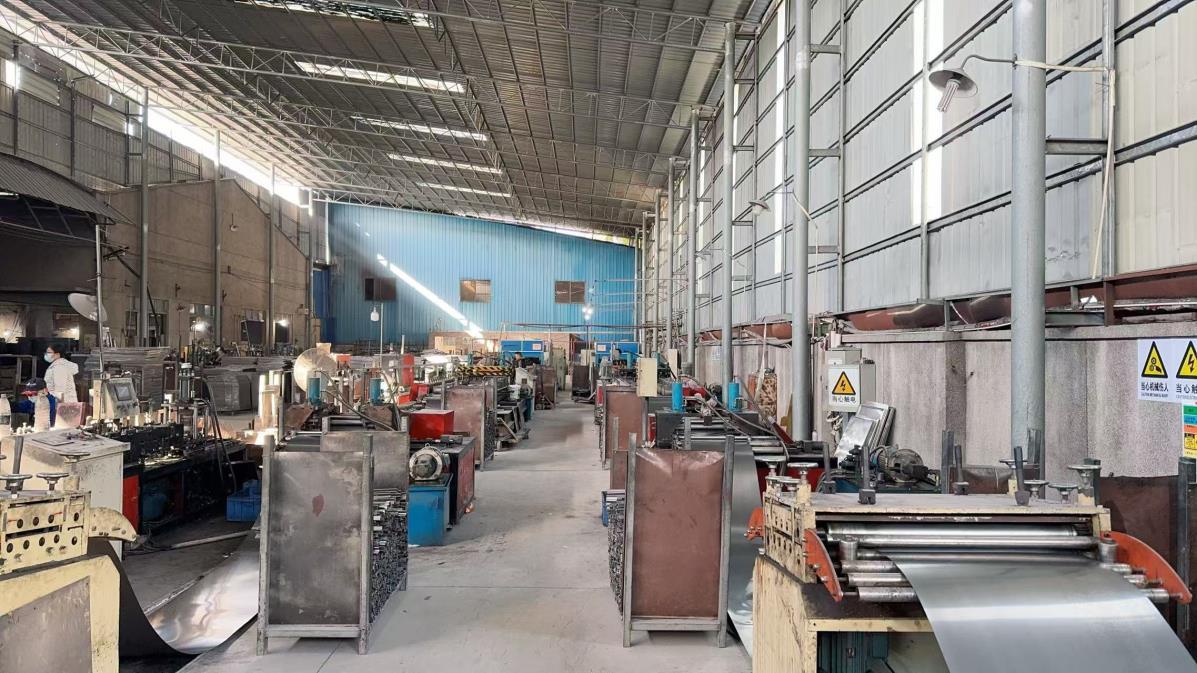
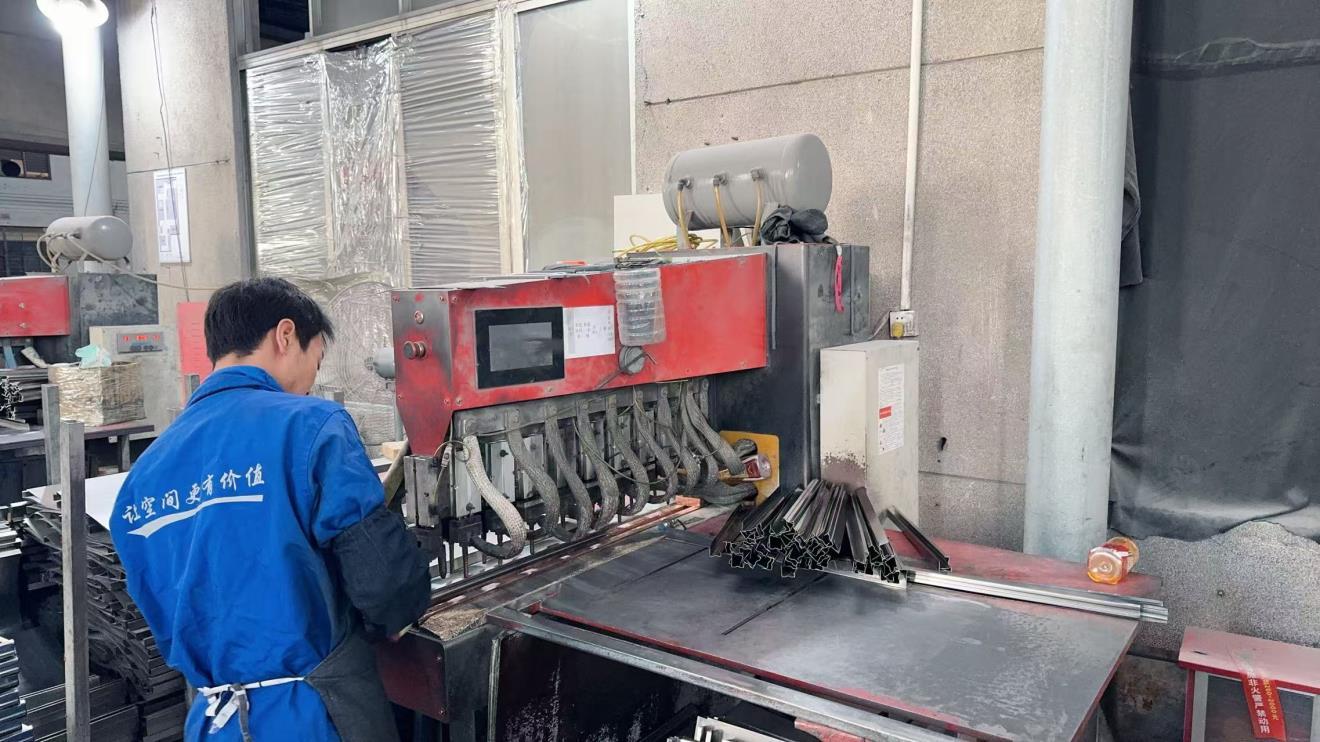
 Kimsuk Racking