Engineered for high-density storage, maximum load capacity, and seamless warehouse automation integration.
Navigating the complexity of storage densities, seismic load ratings, and modular configuration adjustments.
Global supply chains are operating at peak velocity, making space optimization and material handling efficiency critical bottlenecks for enterprise performance. Selecting an industrial-grade adjustable racking system is no longer a simple procurement decision. It requires a deep understanding of structural load dynamics, safety protocols, and mechanical adaptability. High-quality adjustable racks leverage cold-formed structural steel to allow rapid reorganization of bays and storage levels, adapting to changing pallet sizes, inventory velocities, and dynamic vertical constraints.
According to Google Search Intent and logistics procurement trends, enterprise operations managers prioritize suppliers who provide comprehensive structural engineering documentation (such as Finite Element Analysis - FEA), verified compliance certificates, and scalable automation compatibility (AS/RS). This whitepaper breaks down the technical parameters of the world's leading racking systems, highlighting the manufacturing practices, engineering standards, and supply chain resilience that define top-tier global exporters.
Established in 2015, Kimsuk is a premier manufacturer specializing in heavy-duty industrial warehouse racking systems and custom automated storage solutions.
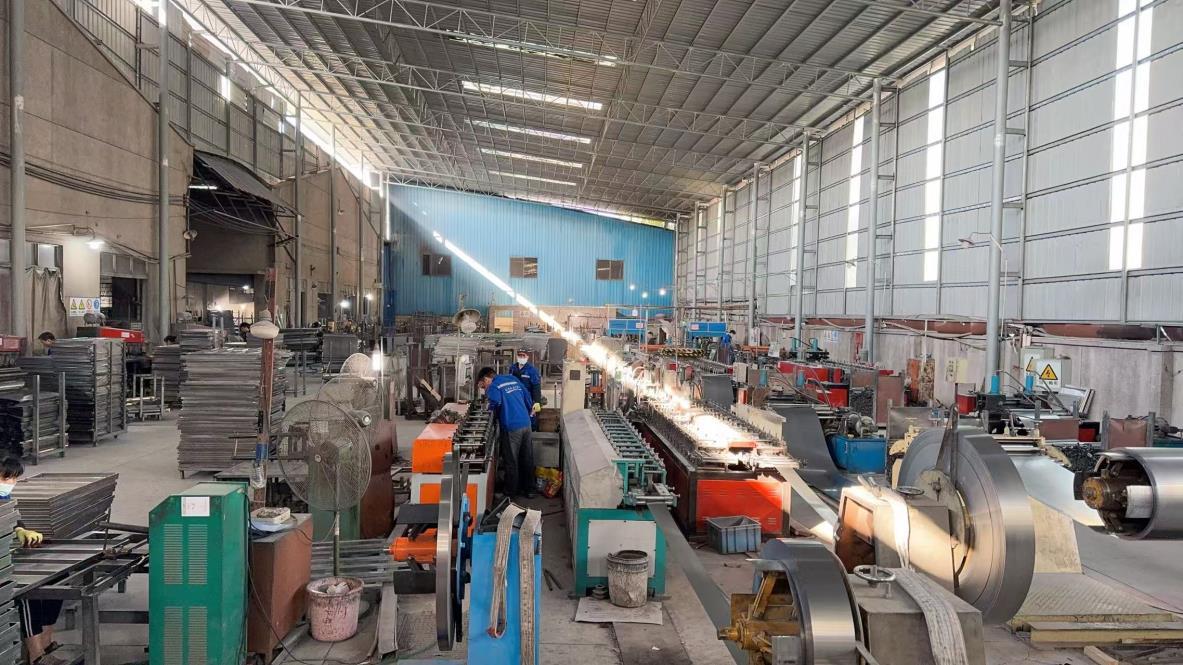
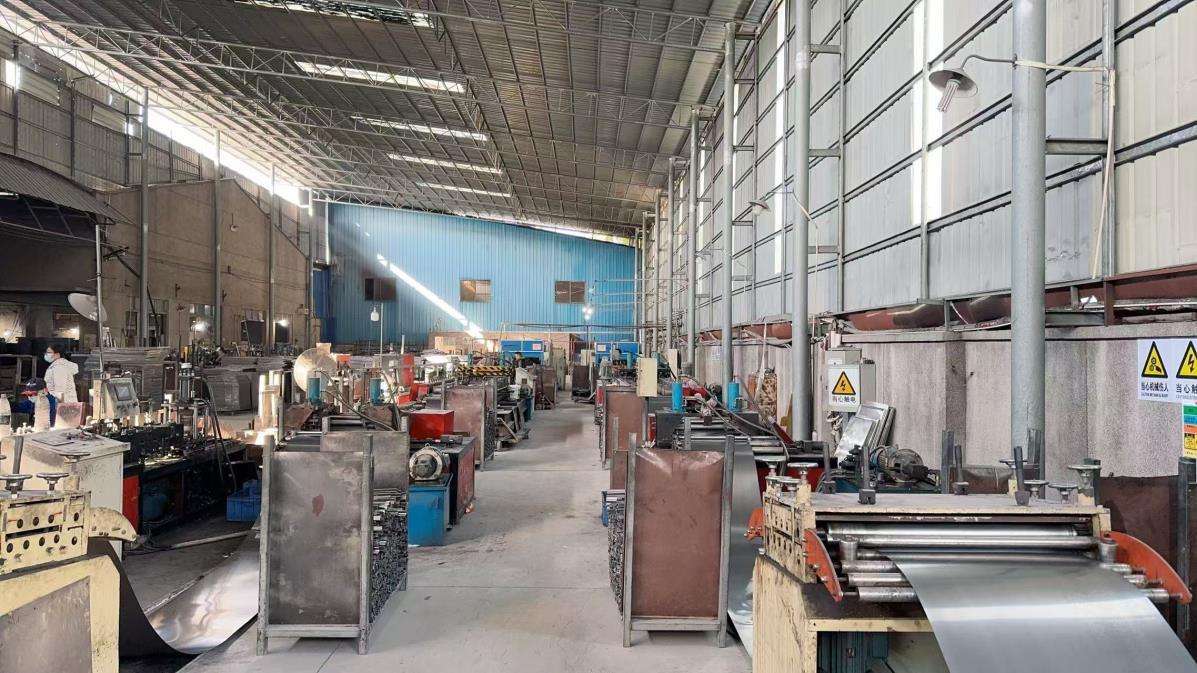
Operating a state-of-the-art production facility of 38,000 square meters, Kimsuk combines advanced manufacturing infrastructure with high-precision engineering to deliver robust logistics infrastructure globally. Driven by a commitment to safety and material performance, Kimsuk has achieved an annual export revenue of over $28,000,000 USD, servicing logistics hubs, e-commerce giants, and cold chain operators across North America, Western Europe, and Asia-Pacific.
The company's core differentiator lies in its end-to-end structural engineering capabilities. With 18 senior structural engineers and industrial automation specialists, Kimsuk develops full-cycle CAD/3D BIM models and applies FEA simulation to guarantee load ratings under seismic conditions, structural wind forces, and high-frequency dynamic forklift impacts.
| Corporate Metric | Data Specification |
|---|---|
| Facility Area | 38,000 m² (Advanced Automated Production) |
| Export Experience | 8+ Years (Serving over 45 Countries) |
| Quality Standards | ISO 9001:2015, CE Compliant, EN 15512 RMI Specs |
| Engineering Strength | 18 R&D Engineers & 35 Certified QC Inspectors |
| Annual Output Capacity | Over 50,000 Tons of Structural Steel Fabrication |
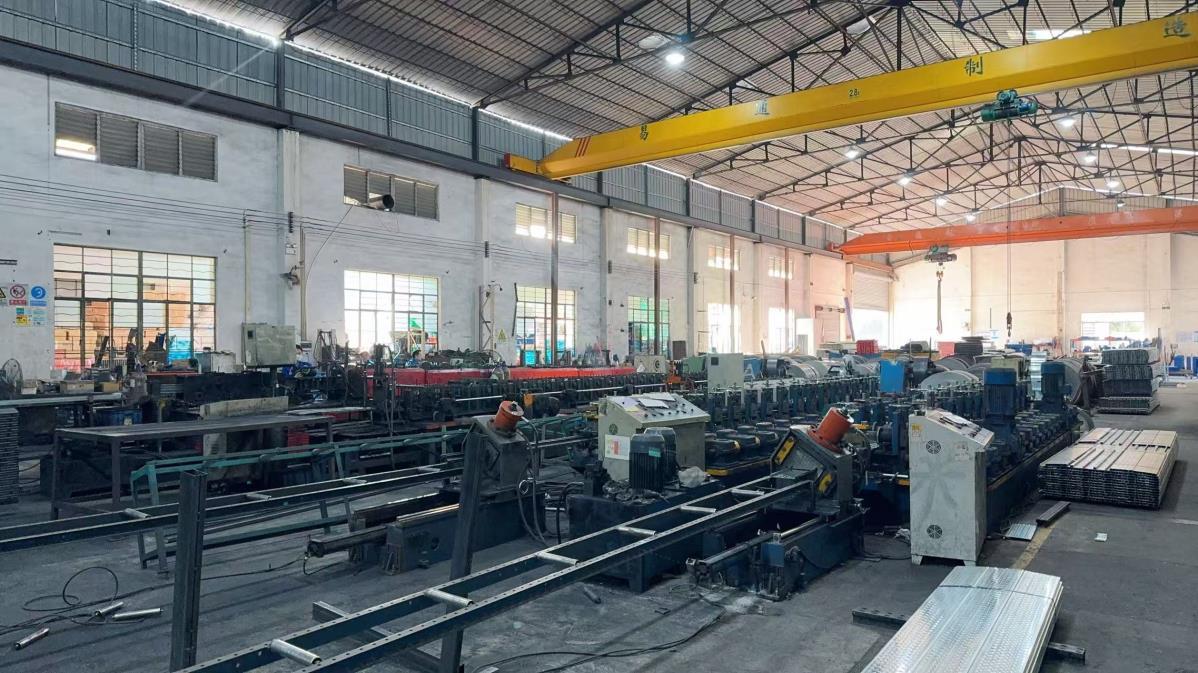
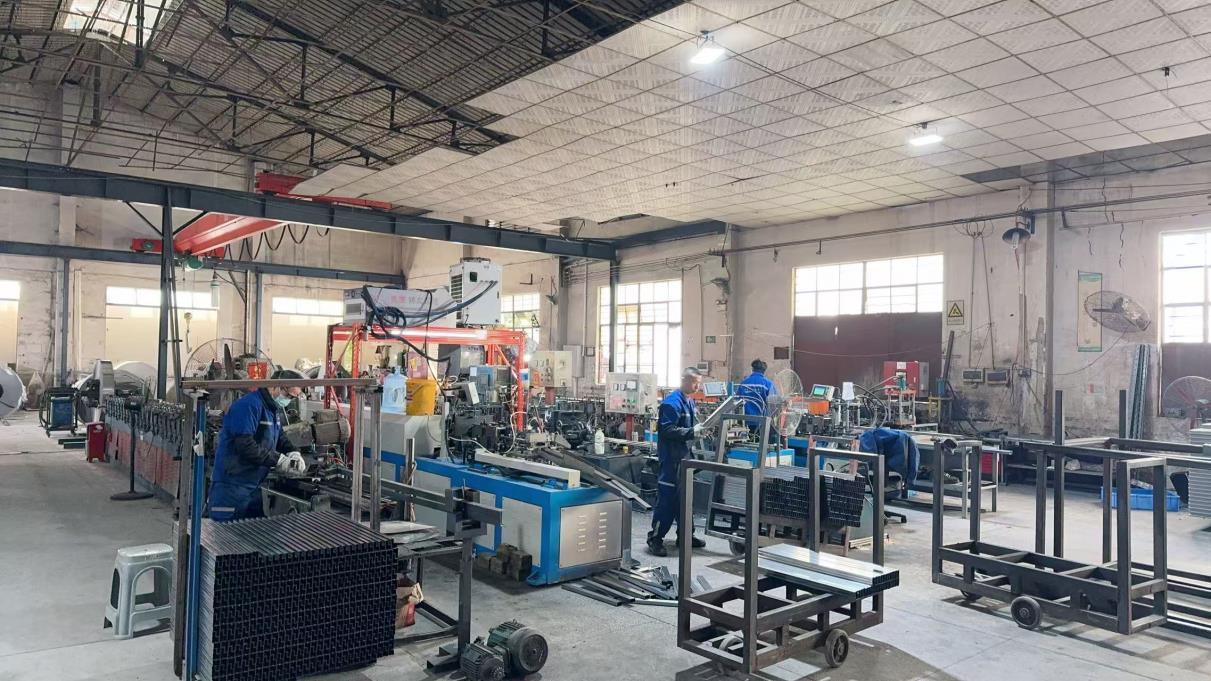
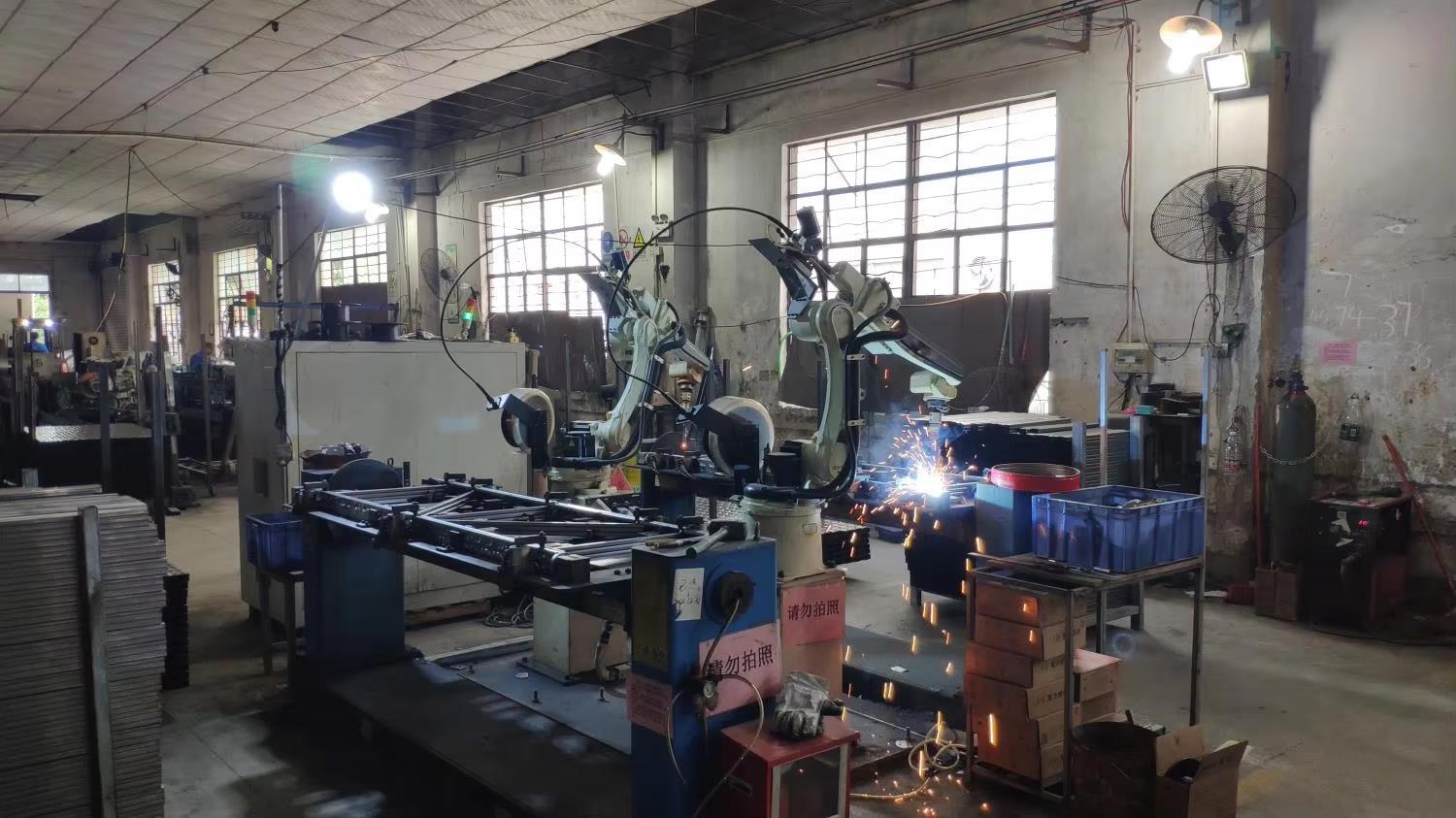
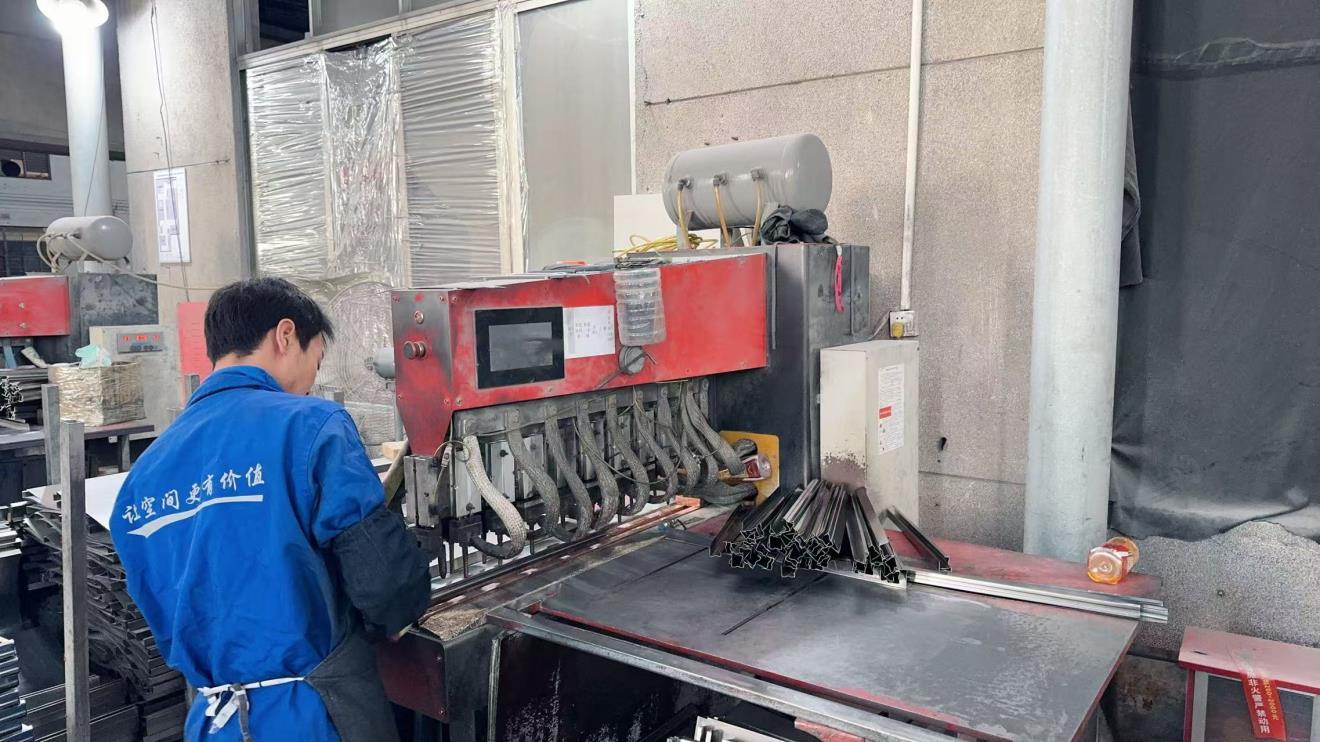
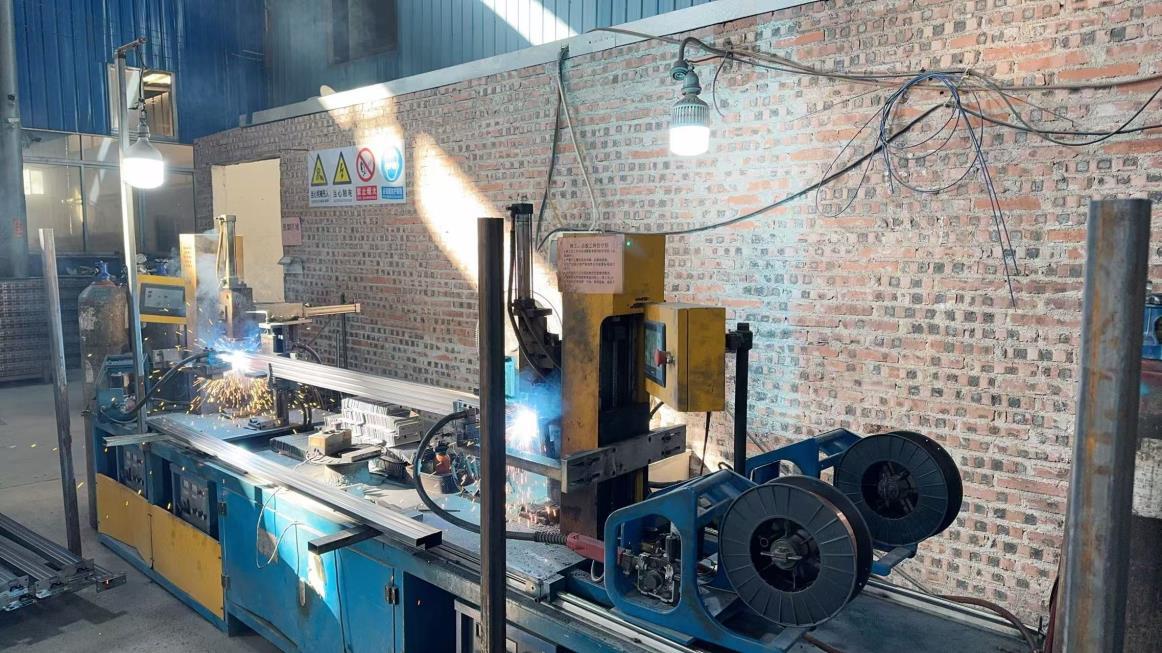
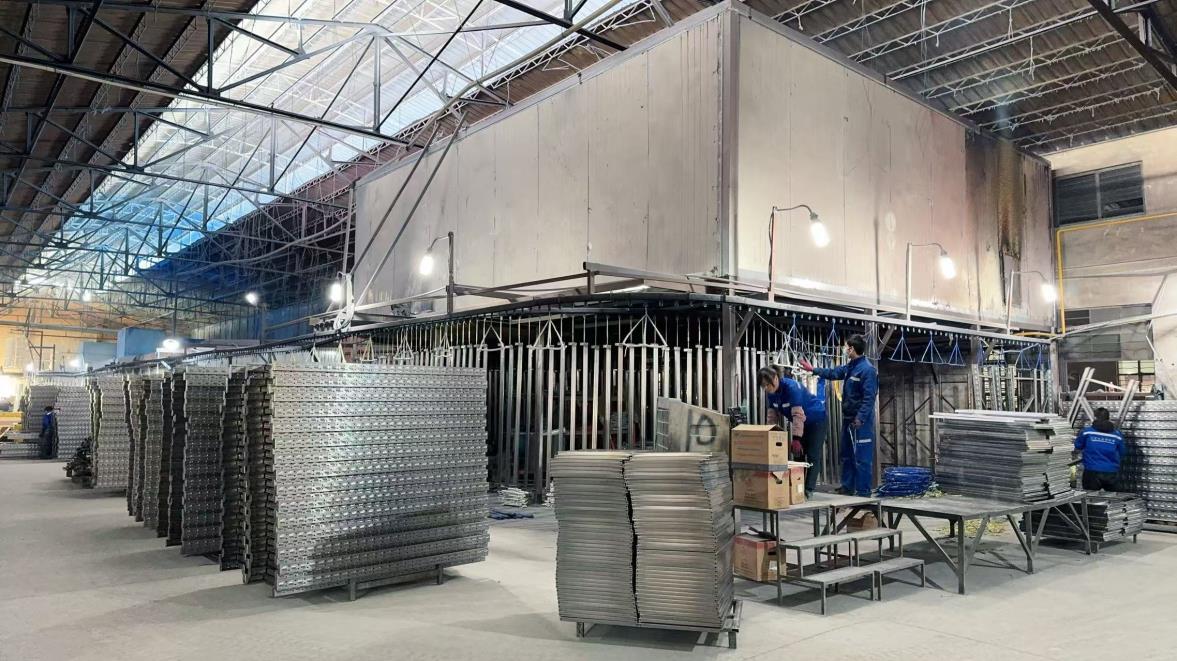
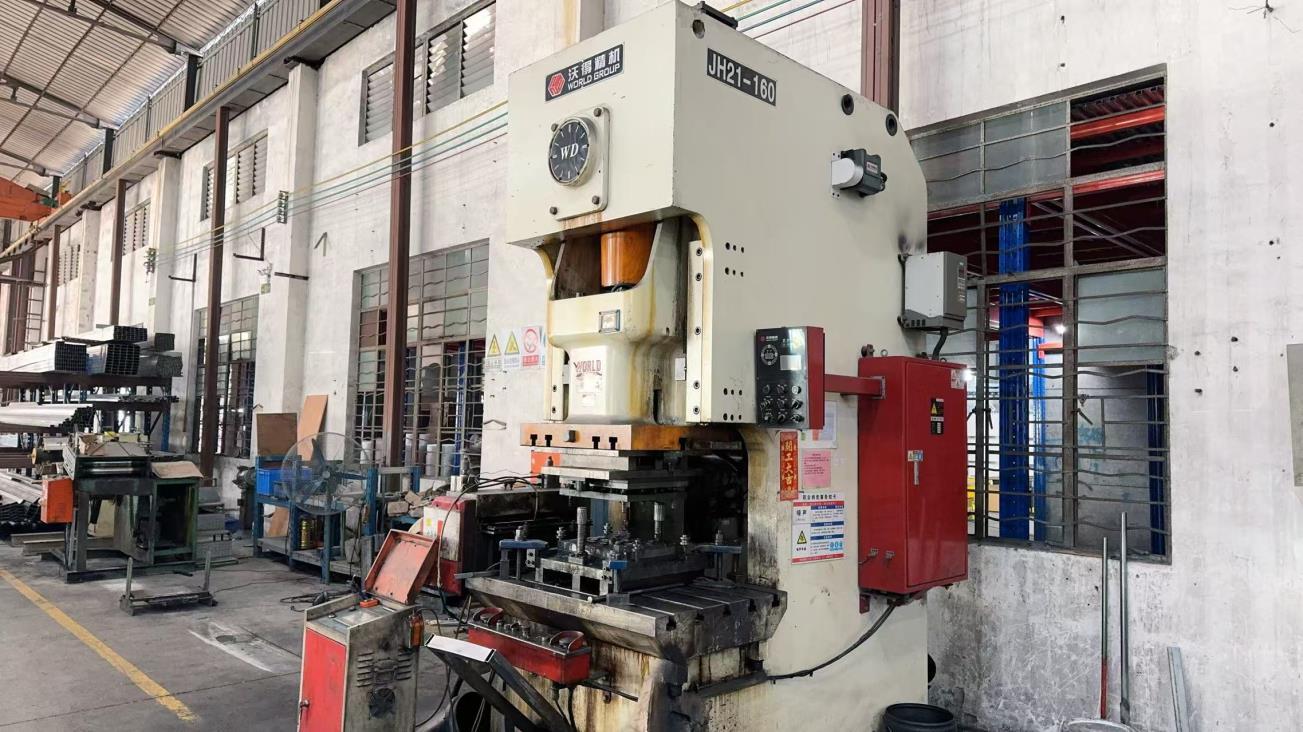
Every structural component is manufactured using high-precision CNC machinery, advanced robotic welding, and automated surface treatment lines to guarantee long-term corrosion resistance and integrity.
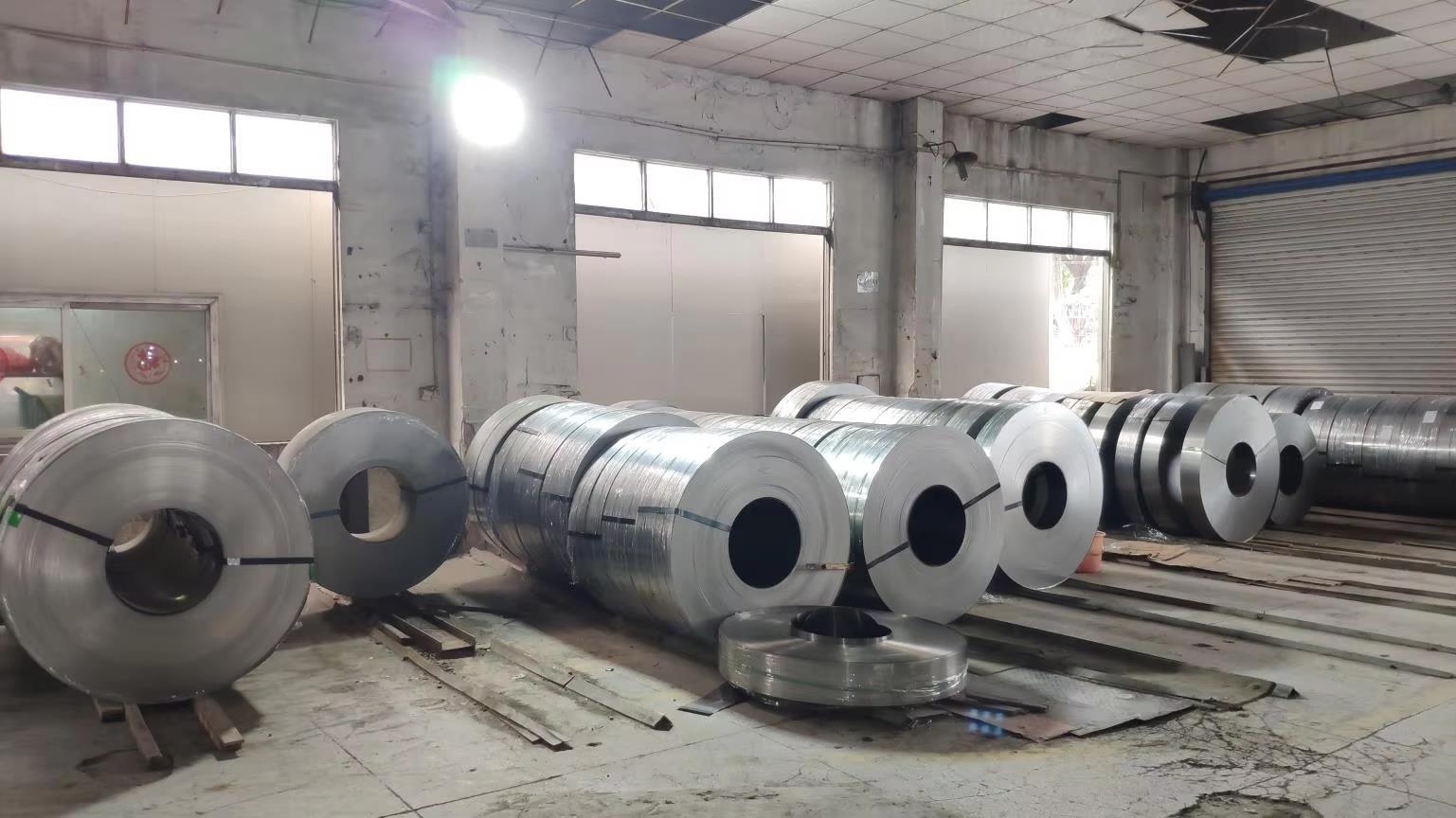
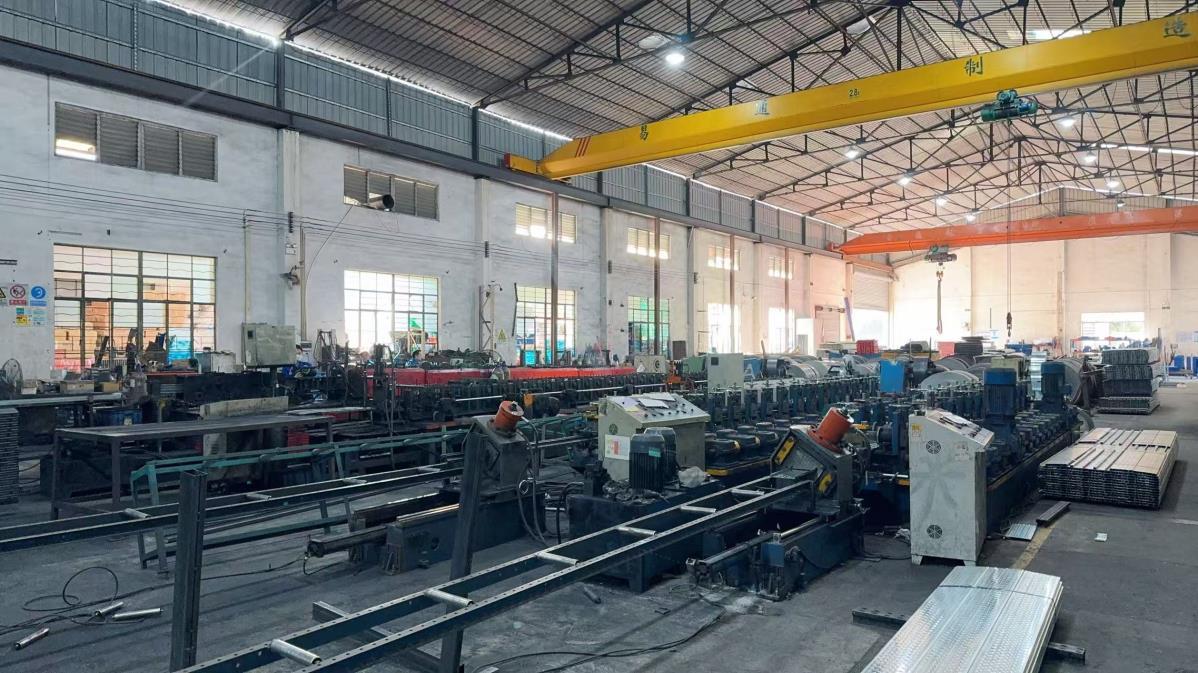
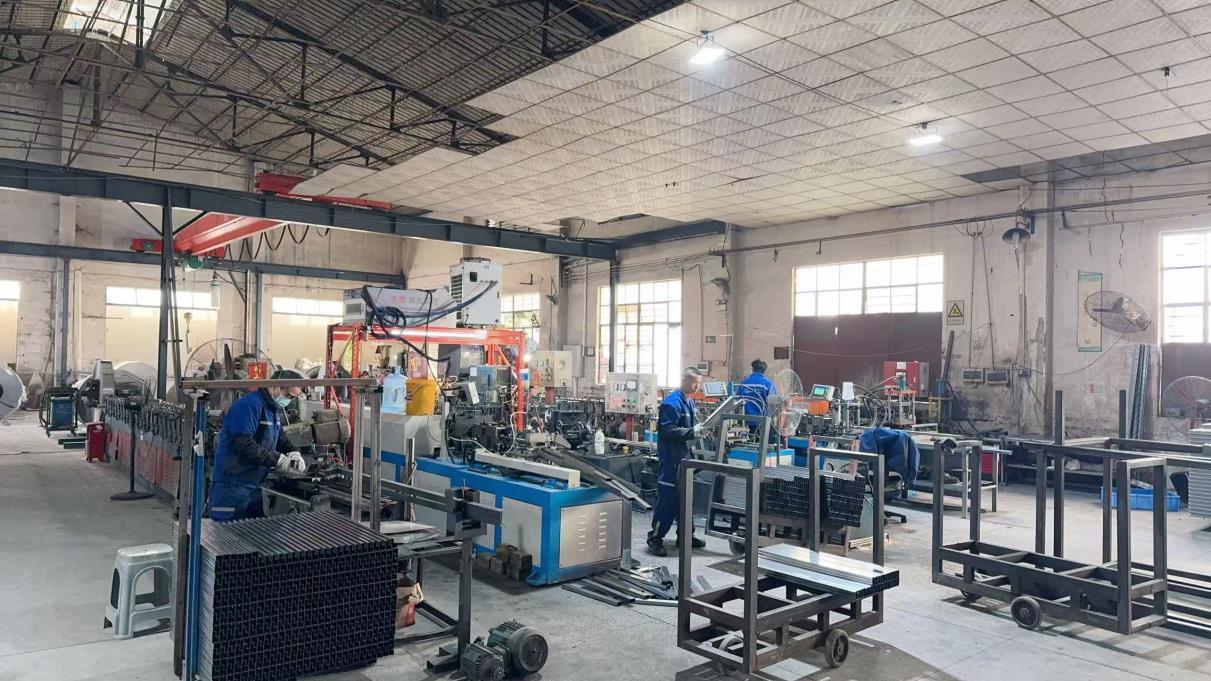
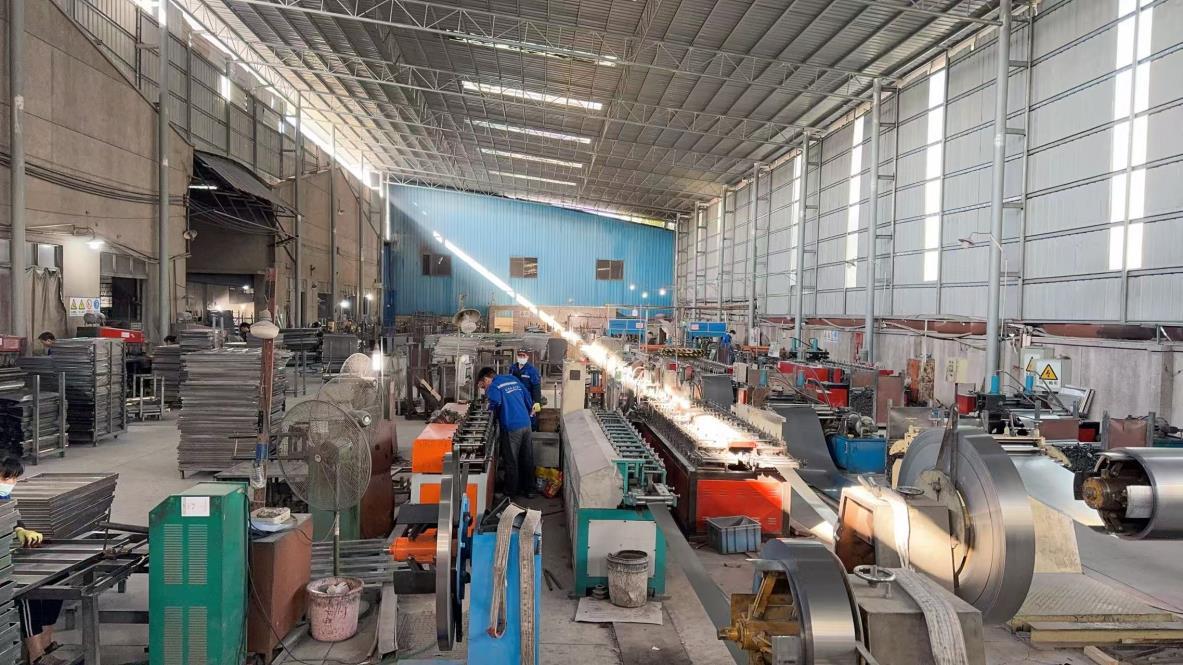
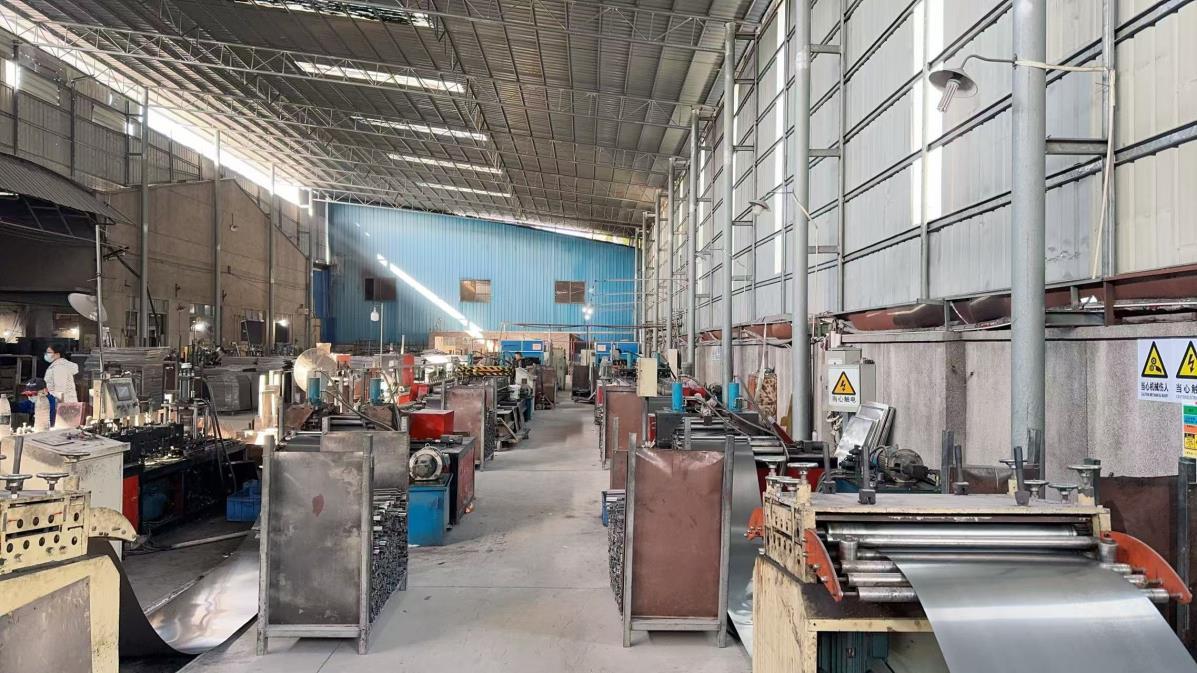
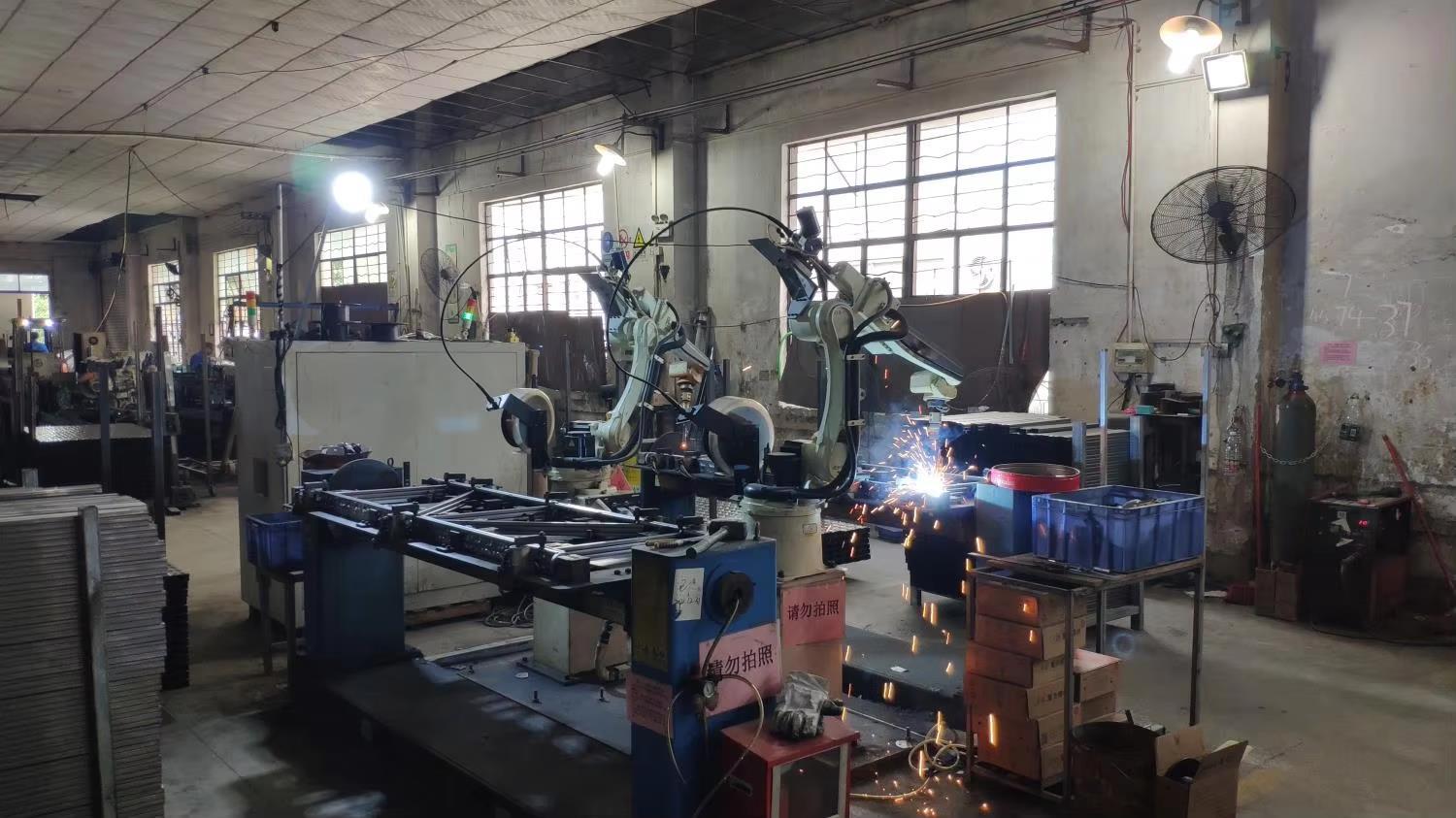
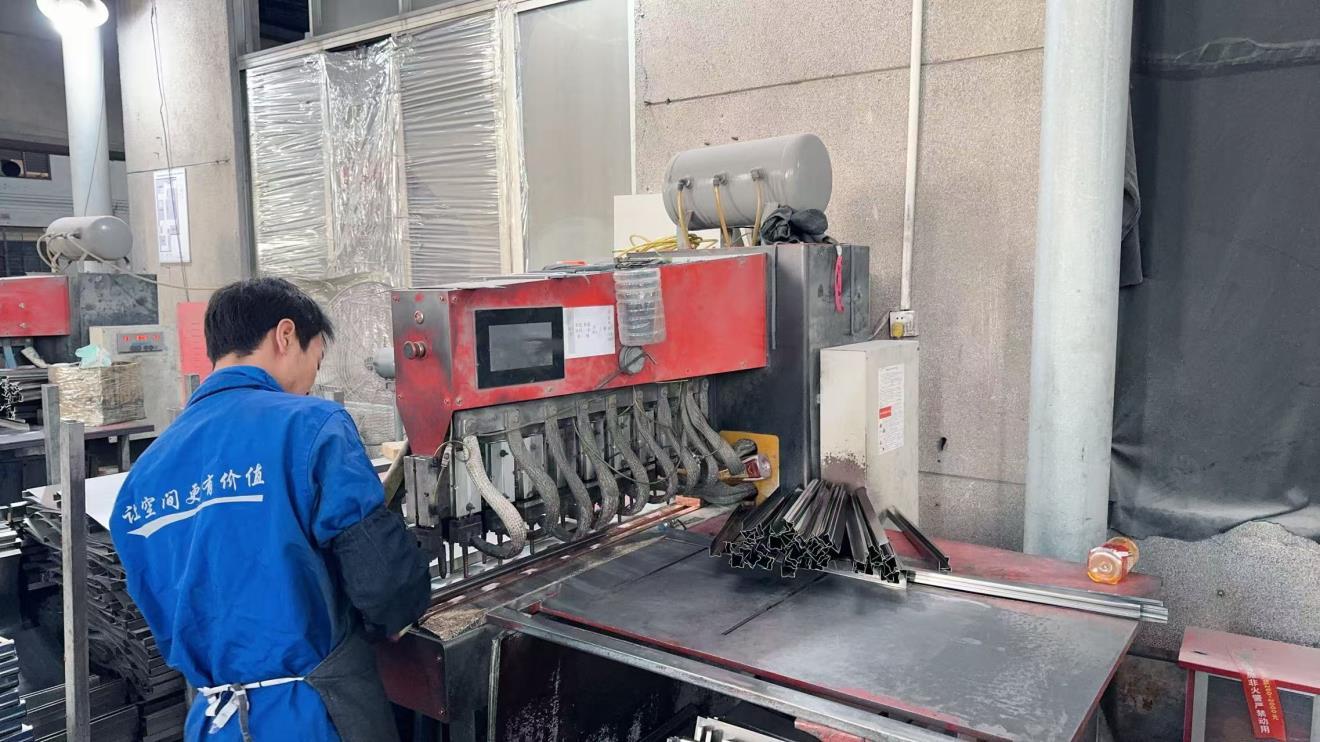
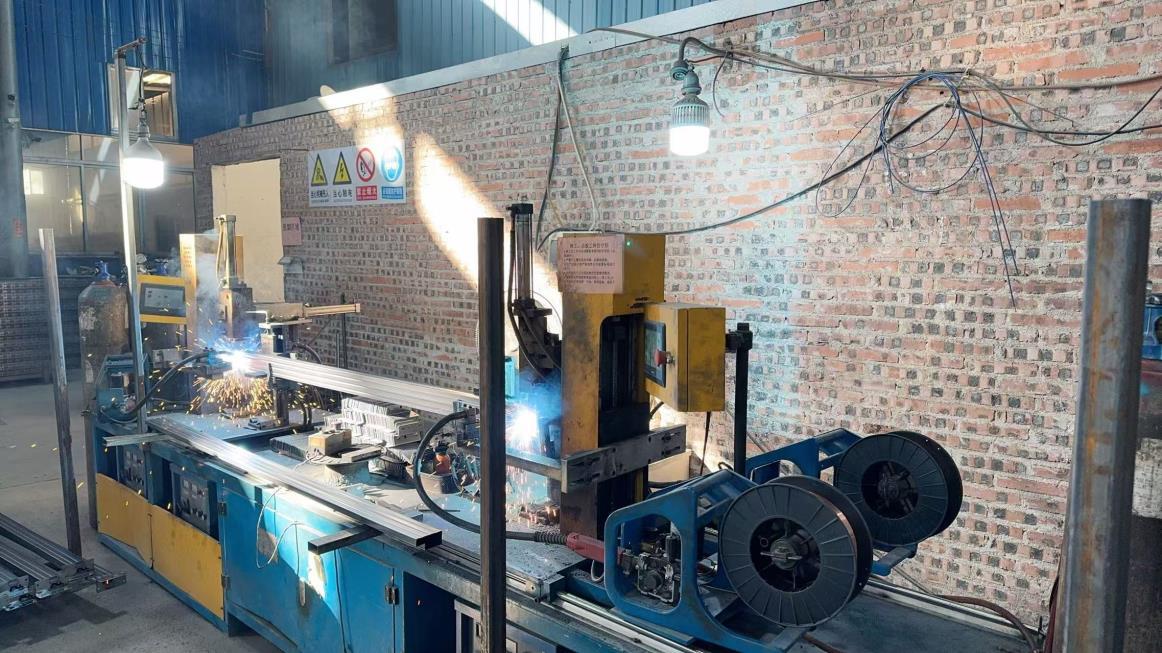
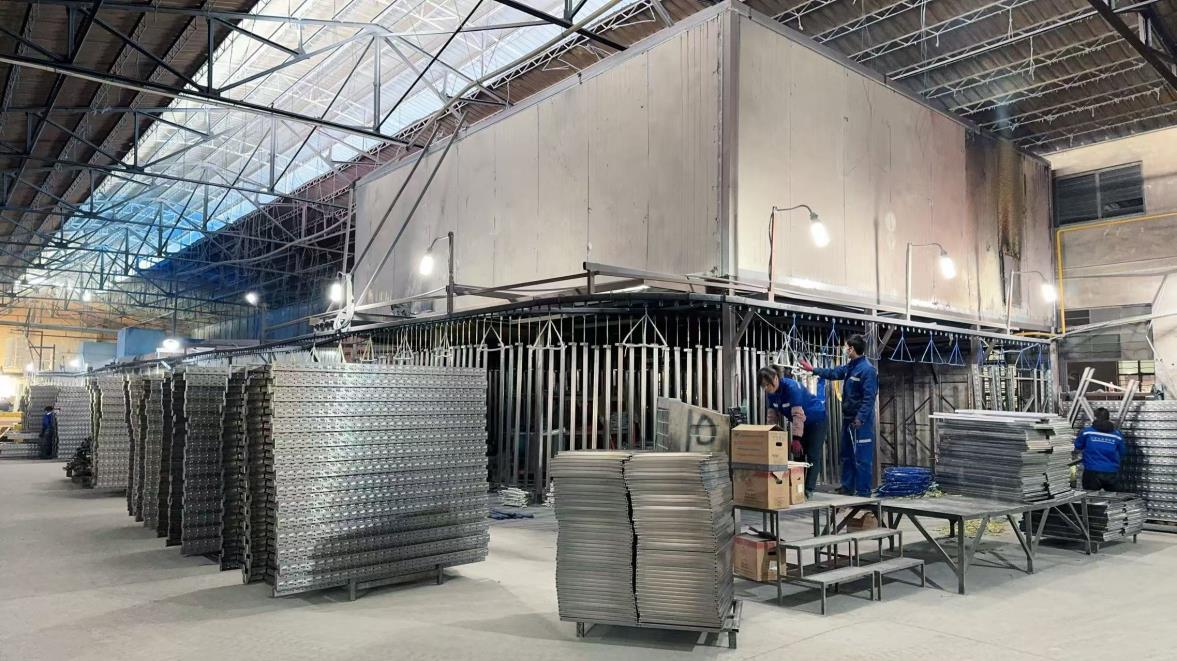
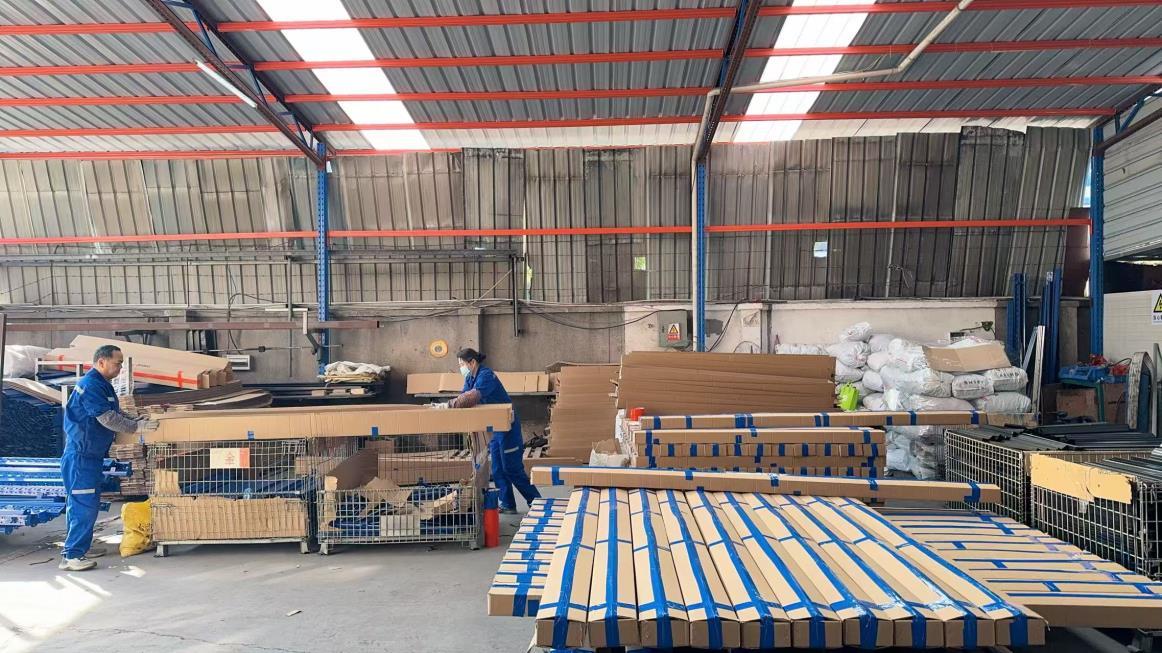
Kimsuk employs high-performance equipment to process complex components, reducing dimensional errors to less than 0.2mm.
Transitioning from traditional steel structures to smart, dynamic, and eco-friendly vertical space management.
Modern adjustable racking is integrating optical fiber and load-cell sensor networks directly into structural beams. This enables real-time monitoring of load distributions, micro-deflection alerts, and seismic strain analysis to prevent structural collapses before they manifest visually.
Top exporters are transitioning from standard hot-rolled coils to low-carbon, high-strength cold-formed steel alloys (such as Q355B and high-performance Q420 structural grades). This shift reduces the overall raw material mass by 15-20% without sacrificing yield strength, significantly lowering the logistics carbon footprint.
Adjustable racking designs are standardizing beam heights and structural upright pitches to fit automated guided vehicles (AGVs), dynamic radio shuttle systems, and stacker cranes (AS/RS). Maintaining alignment tolerances under 1mm per 10m height is now an industry benchmark.
Customized structural configurations engineered for specific operational environments and product demographics.
Operating environments below -30°C cause standard structural steel to become brittle. Our cold chain solutions utilize specialized low-temperature carbon steel (e.g., Q355D) combined with anti-condensation powder coatings to maintain ductility and prevent structural failure under thermal contraction.
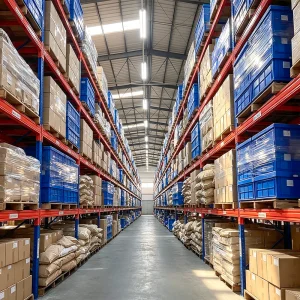
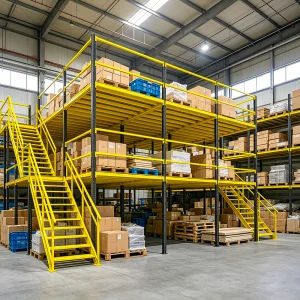
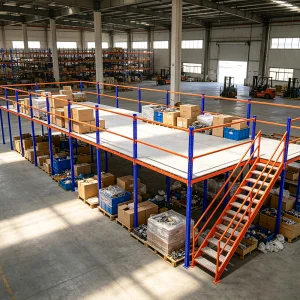
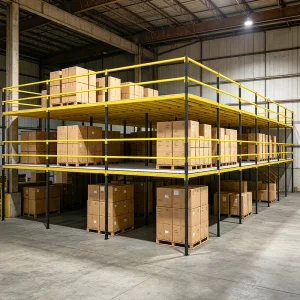
E-commerce demands high-density, multi-tier mezzanine configurations that support fast human pick rates and high conveyor integration. Our designs prioritize multi-tier mezzanine storage platforms and adjustable upright frames that permit modular restructuring in under 48 hours.
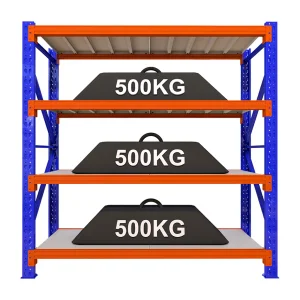
3PL providers deal with highly volatile SKU types weekly. Our selective heavy-duty steel pallet racks allow prompt vertical adjustments on a 50mm pitch, optimizing space utilization for everything from standard palletized loads to over-length piping and heavy automotive components.
Navigating cross-border compliance certificates and load structural certifications for localized safety enforcement.
Procuring industrial racking requires strict adherence to local building codes and occupational safety regulations (such as OSHA in the US, EN 15512 in Europe, and AS 4084 in Australia). Leading suppliers like Kimsuk provide verified calculation dossiers detailing shear strength, Euler buckling thresholds, and weld-throat dimensions. Ensuring compliant local installation protects the enterprise against liability and ensures structural safety under seismic loading.
Standard for the Design, Testing, and Utilization of Industrial Steel Storage Racks in North America.
European standard specifying structural design requirements for adjustable pallet racking systems.
Australian compliance guideline defining structural tolerances, loading testing, and maintenance.
Universal quality assurance framework governing factory manufacturing and steel traceability.
Expert insights regarding industrial racking selection, maintenance protocols, and structural calculations.
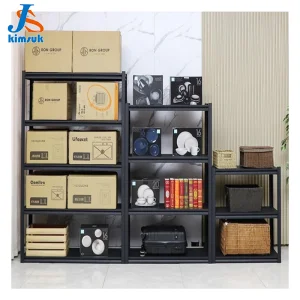
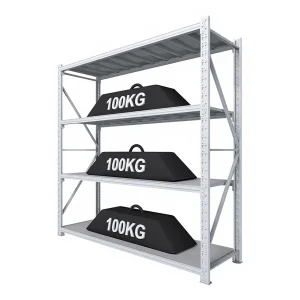
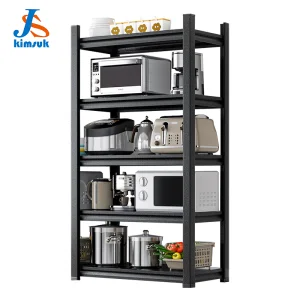
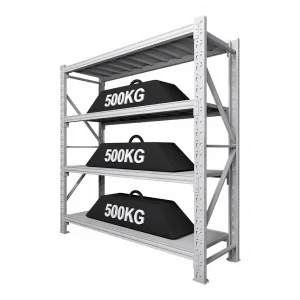
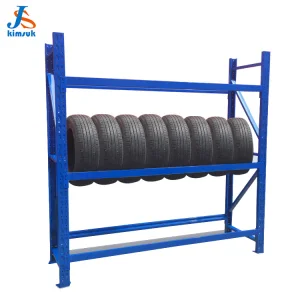
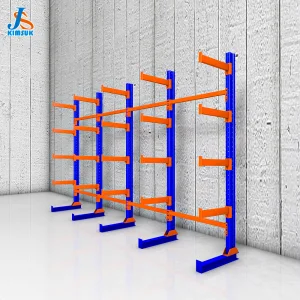
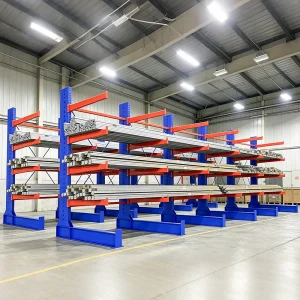
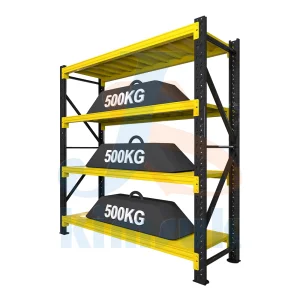
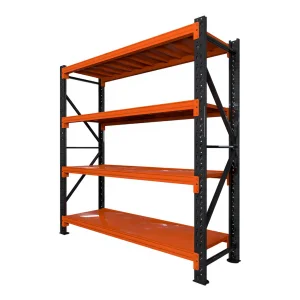
Heavy-duty, boltless, cantilever, and mezzanine structural configurations engineered to optimize warehouse storage density.
 Kimsuk Racking