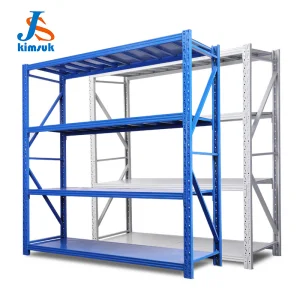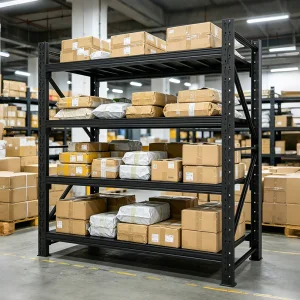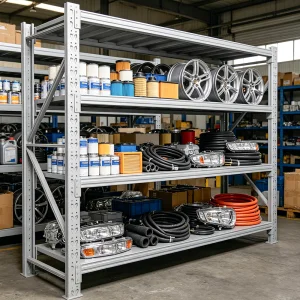
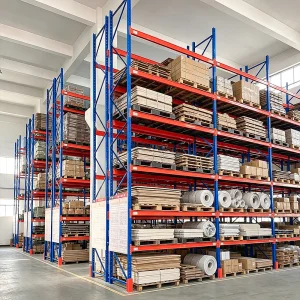
Industrial logistics infrastructure is undergoing a rapid, technology-driven paradigm shift. Global enterprises are encountering unprecedented challenges: volatile supply chains, shifting multi-channel fulfillment models, skyrocketing land acquisition costs, and intense labor shortages. Modern warehousing has evolved from a static storage node into a highly active core component of the distribution loop.
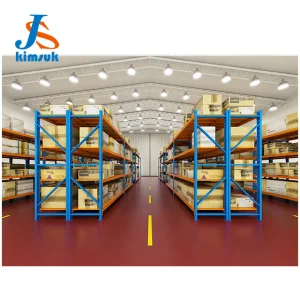
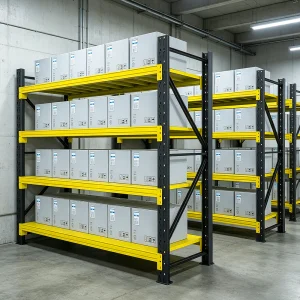
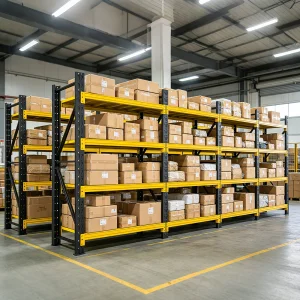
In this context, the demand for optimized vertical density and flexible racking configurations has never been higher. High-capacity pallet storage systems are no longer just metal uprights and beams; they represent the structural framework upon which modern materials handling systems, automatic guided vehicles (AGVs), and stacker cranes function. Choosing the appropriate pallet storage solution directly dictates dynamic load limits, seismic safety factors, and throughput rates.
Integration of semi-automated pallet shuttles and fully automated crane-based storage systems to mitigate operational labor dependency and elevate cubic area efficiency by up to 80%.
Adherence to strict global testing metrics including ANSI/RMI MH16.1, EN 15512, and Australian Standard AS4084 to secure personnel safety and structural structural longevity.
Advanced structural engineering configurations designed using finite element analysis (FEA) to endure dynamic force distribution and regional seismic activity.
China's prominence as the primary exporter of industrial racking systems is anchored in its comprehensive raw material supply chains, structural engineering capabilities, and deep automation adoption. Factories operating under the Industry 4.0 framework employ advanced fabrication systems that ensure repeatable precision down to the millimeter.
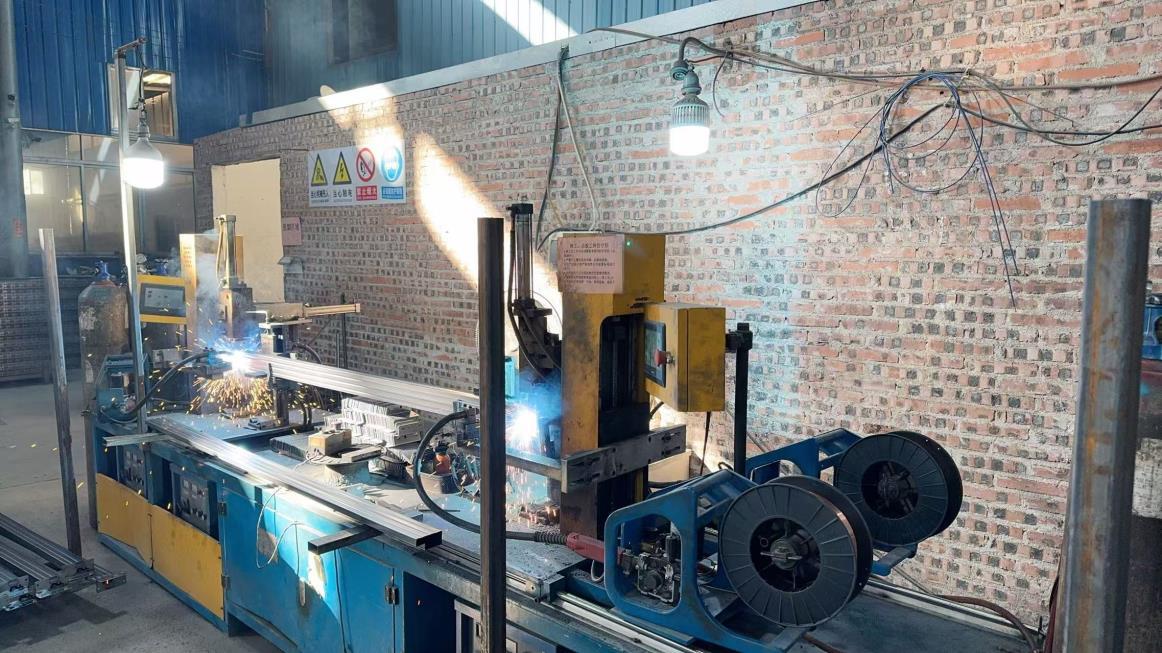
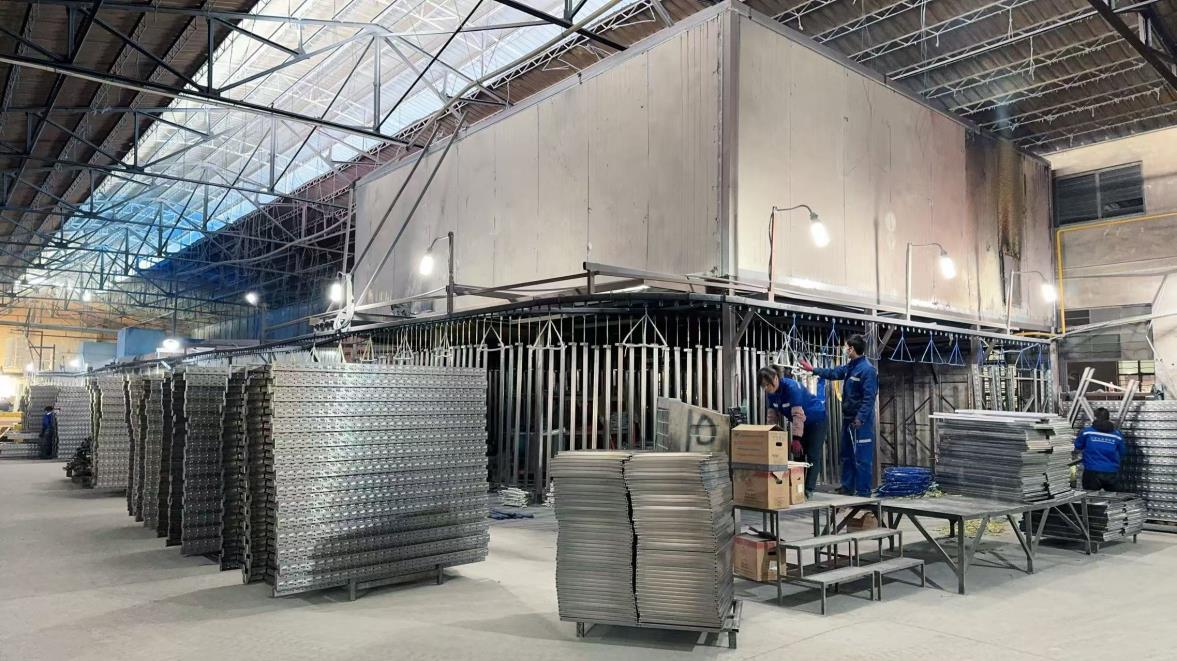
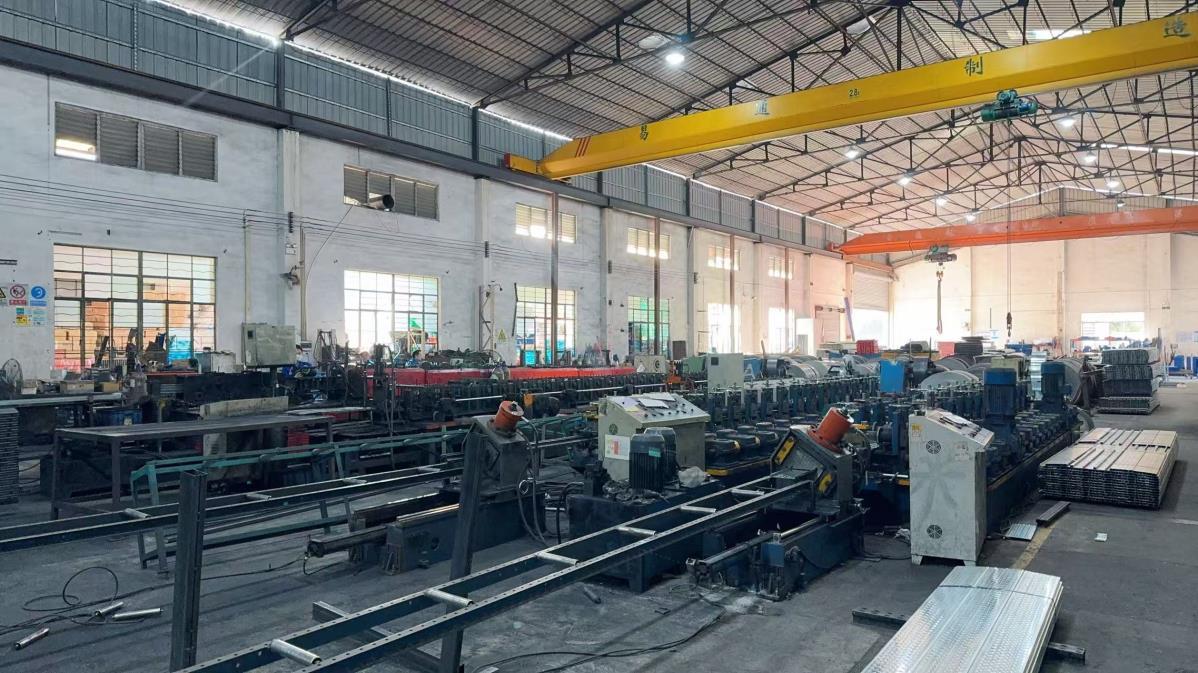
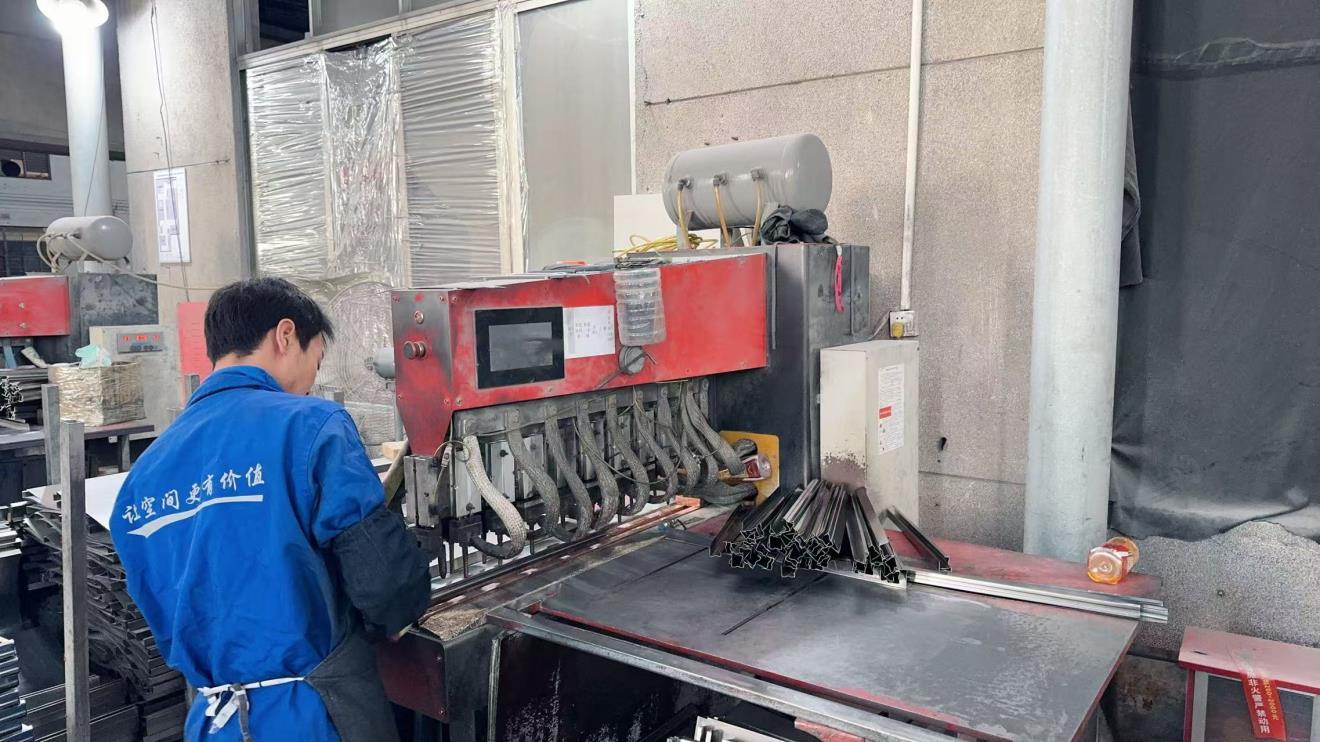
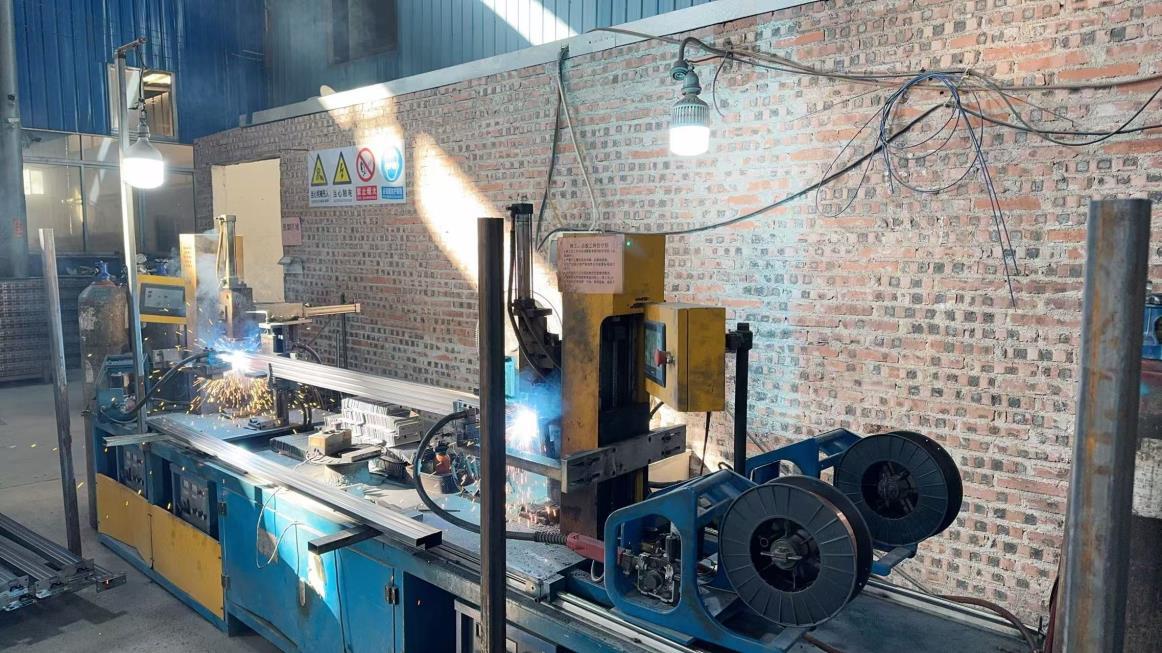
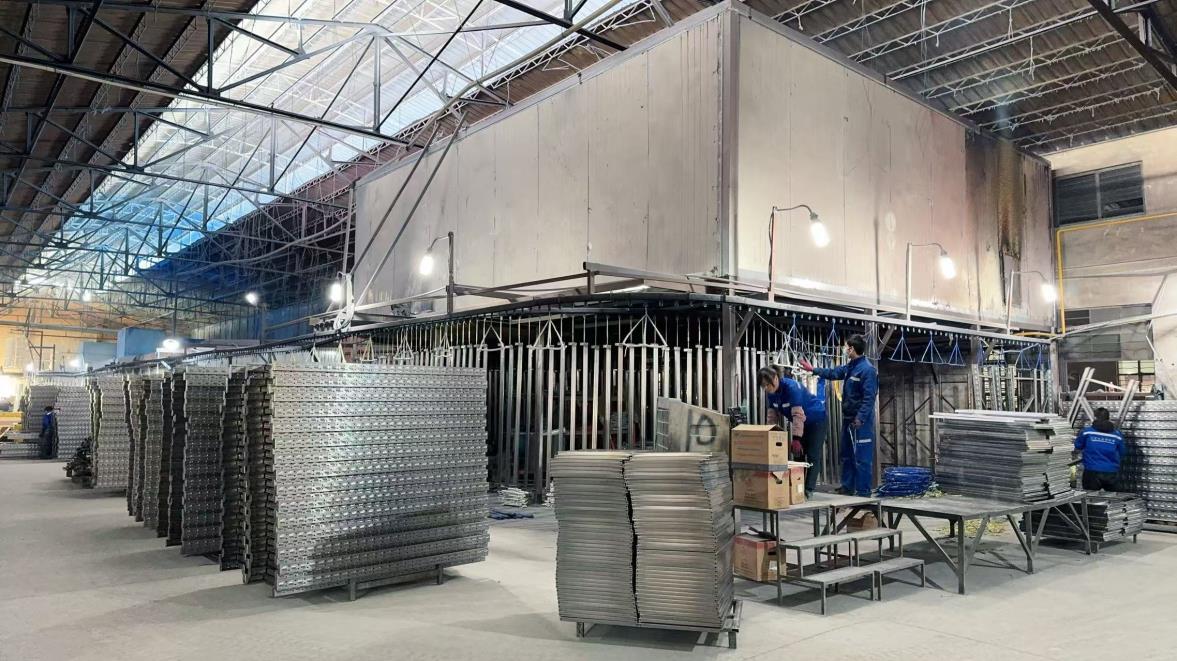
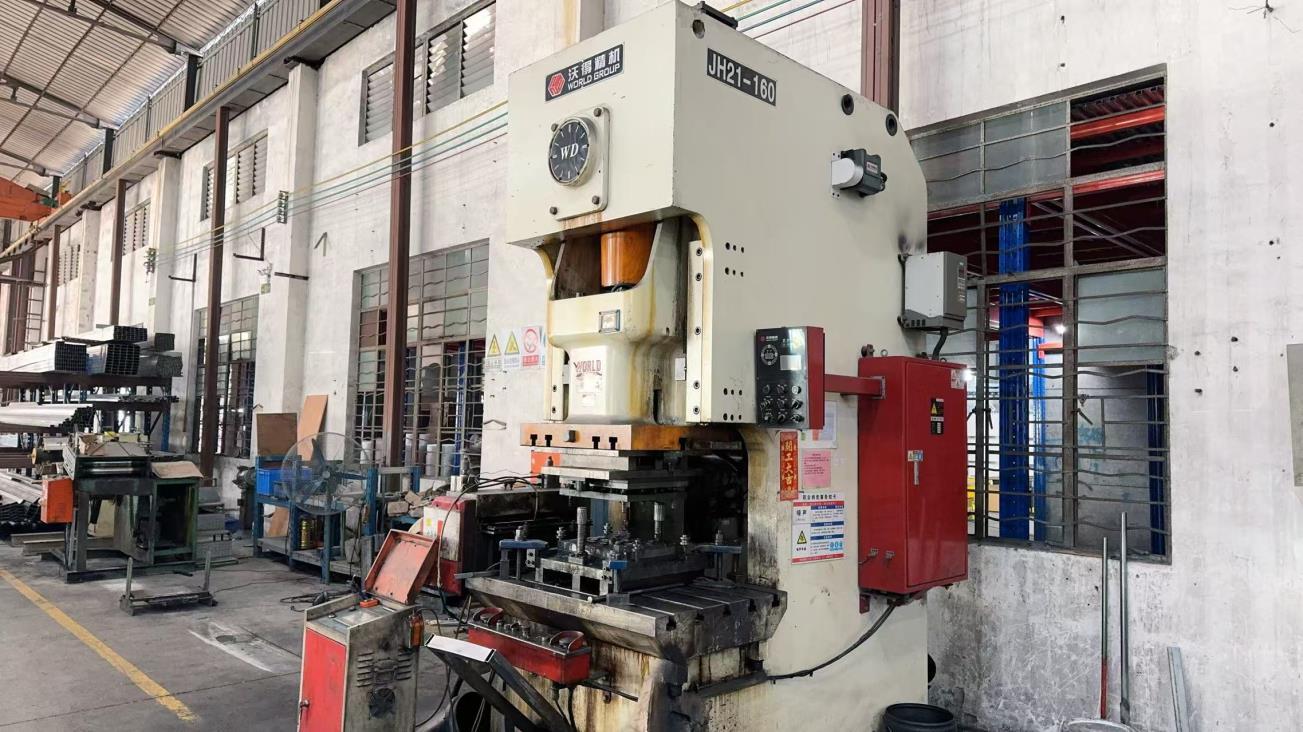
The manufacturing process begins with certified high-tensile structural steel (primarily Q235B and Q355B structural carbon steel grades). This steel undergoes high-precision automated cold-forming lines that form the complex profiles of columns and beams. Robotic welding arms execute dual-shielded, uniform arc welds, eliminating the structural micro-voids associated with manual welding. Surface treatment incorporates advanced multi-stage chemical pre-treatment and electrostatic dry-powder coating systems, baked at controlled temperatures to produce a durable, scratch-resistant, and corrosion-resistant surface finish.
Founded in 2015, Dongguan Kimsuk Shelves Co., Ltd. is a premier manufacturer specializing in heavy-duty industrial warehouse racking systems, automated storage solutions, and customizable steel shelving.
| Corporate Parameter | Technical Standards / Scope of Operations |
|---|---|
| Established Year | 2015 |
| Facility Footprint | 38,000 square meters state-of-the-art production complex |
| Export History | 8+ Years of global distribution and Turnkey EPC Solutions |
| Primary Export Markets | North America, Western Europe, Southeast Asia, Australia, and the Middle East |
| Quality Inspection Protocols | ISO 9001:2015 Quality Management System, CE Standard Compliance, and Load-Bearing Safety Certifications |
| Product Inspection Methodology | Non-destructive Ultrasonic Testing, Automated Ultrasonic Weld Flaw Detection, Coating Thickness Measurement, Surface Salt Spray Corrosion Testing, and Structural Static/Dynamic Load Testing |
| Target Client Profile | Global Logistics Hubs, Enterprise E-commerce Distribution Centers, Cold Chain Facilities, Industrial Equipment Wholesalers, and Third-Party Logistics (3PL) Operators |
| R&D and Engineering Capabilities | Full-Cycle Structural Engineering, CAD/3D BIM Warehouse Modeling, Finite Element Analysis (FEA) Structural Simulation, and Automated Roll-Forming System Customization |
| Customization Options | Custom Dimensions, Load Capacities, Powder-Coated Colors, Seismic Structural Upgrades, and Modular Automated Racking Interfaces |
| Annual Product Innovation Output | 48 Innovative Racking Systems and Accessory Designs released last year, driven by 18 Senior Structural Engineers |
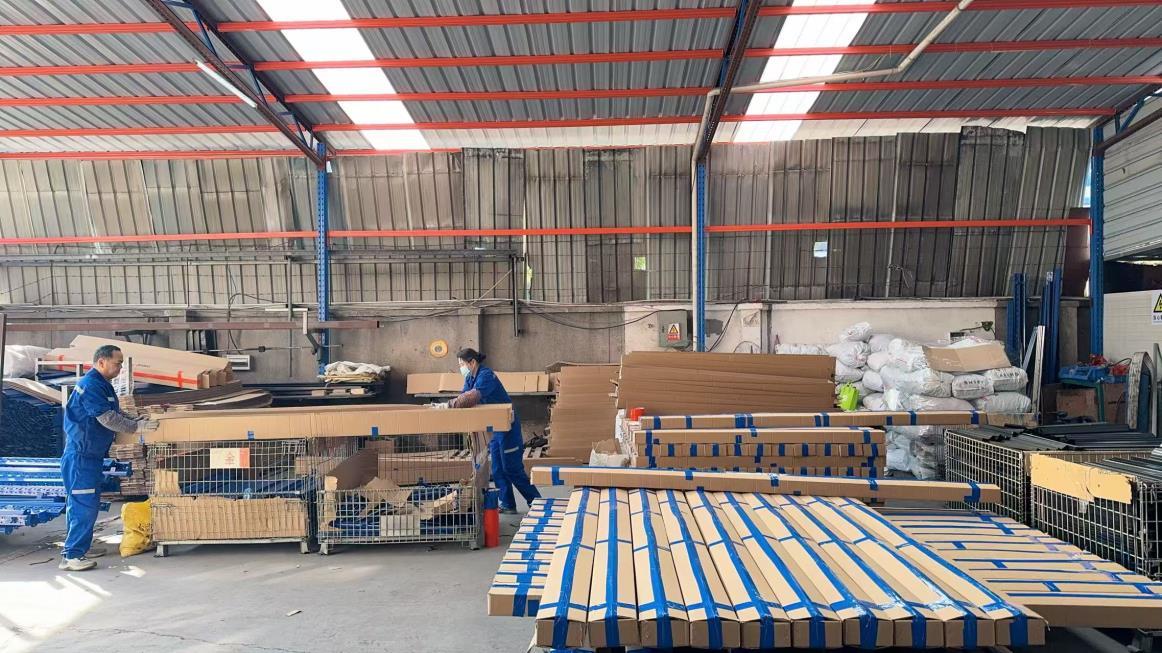
Explore our high-precision production cycle and modern manufacturing equipment assets.
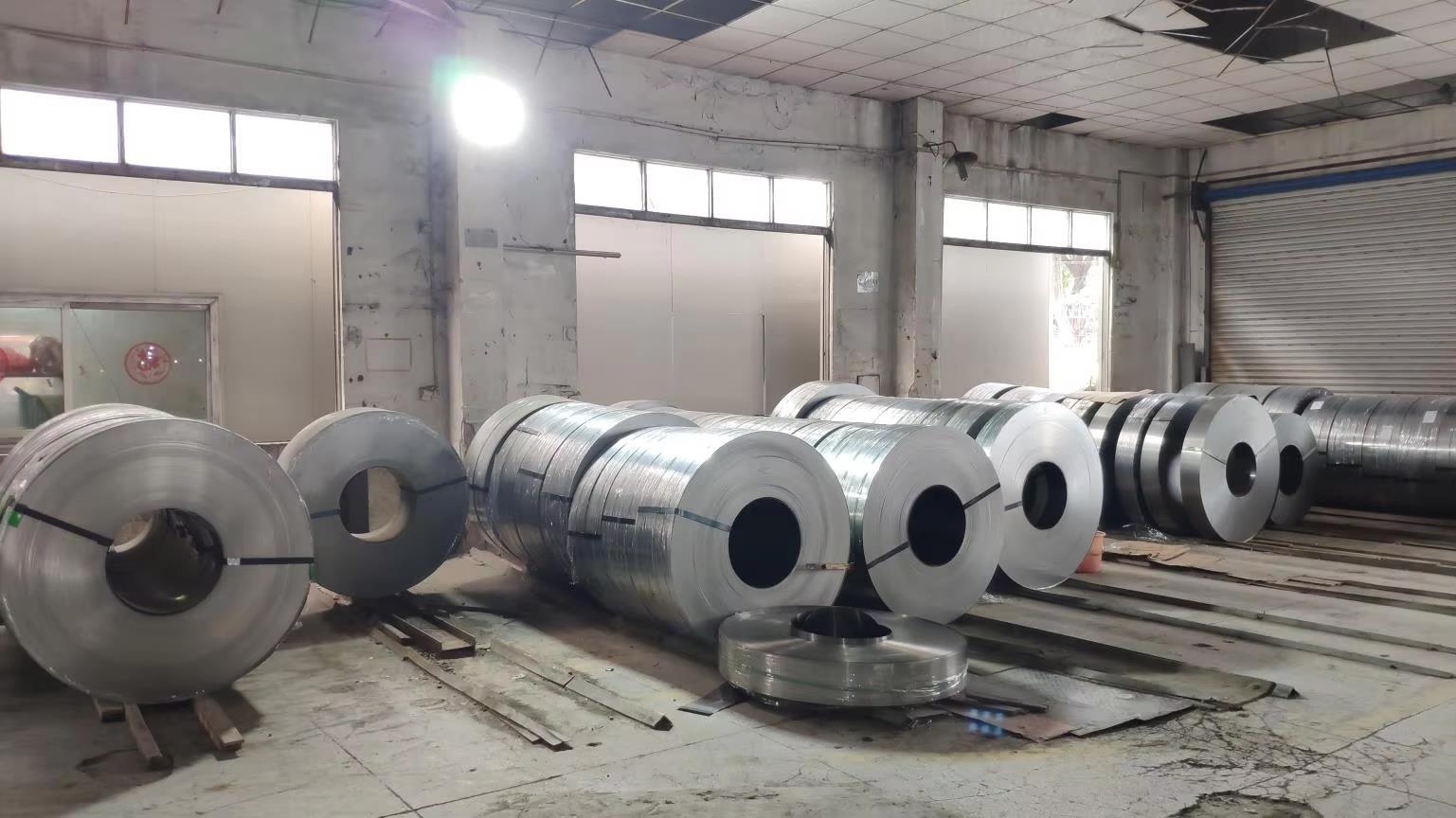
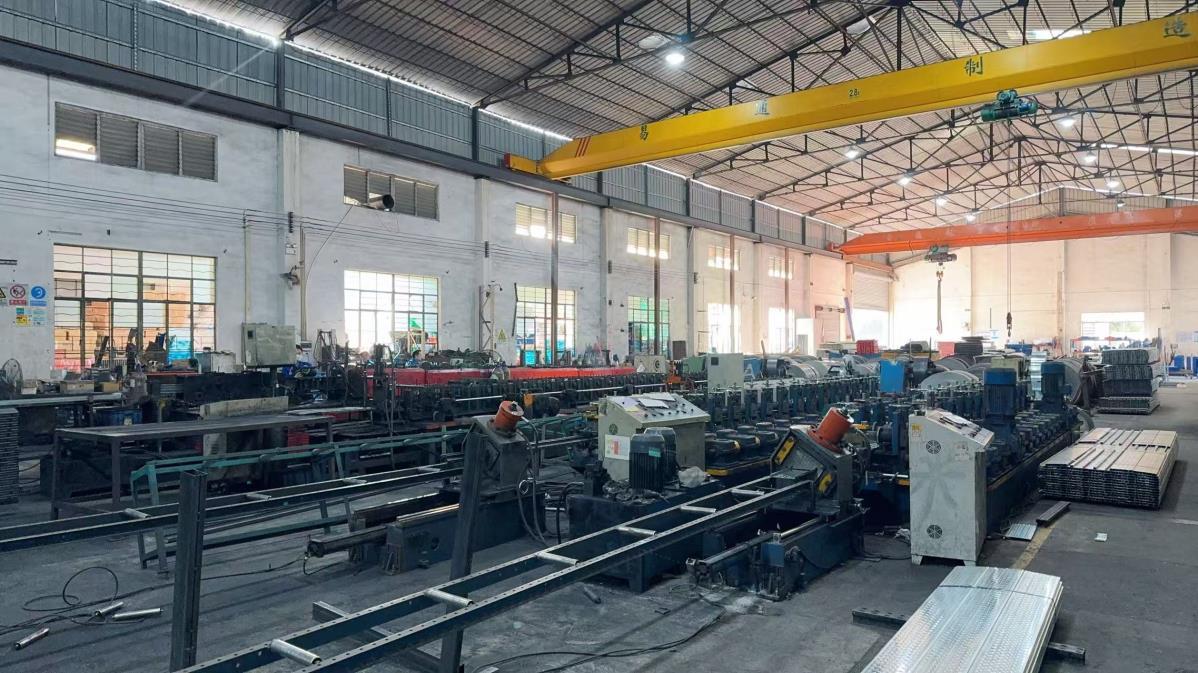
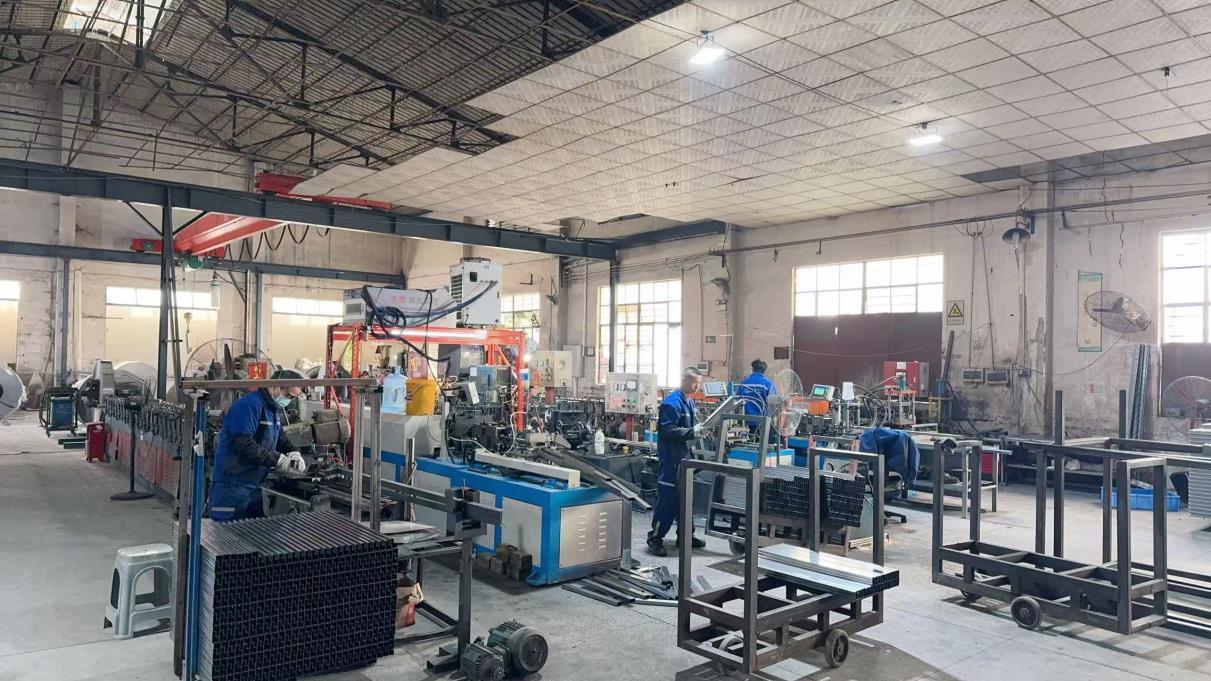
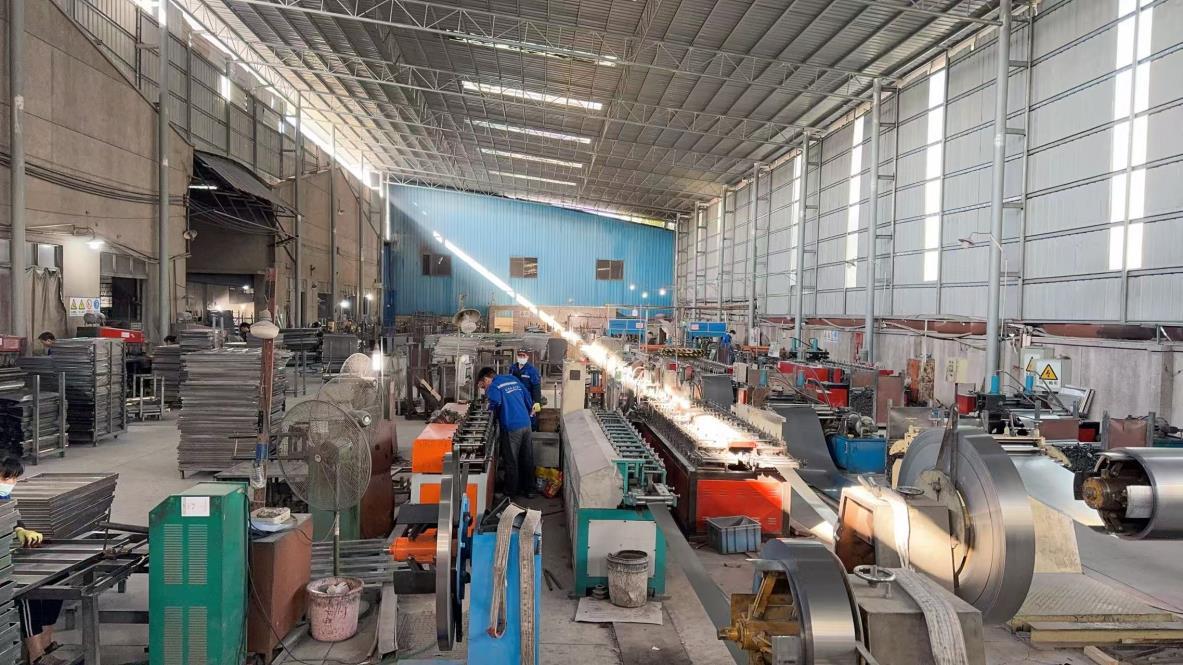
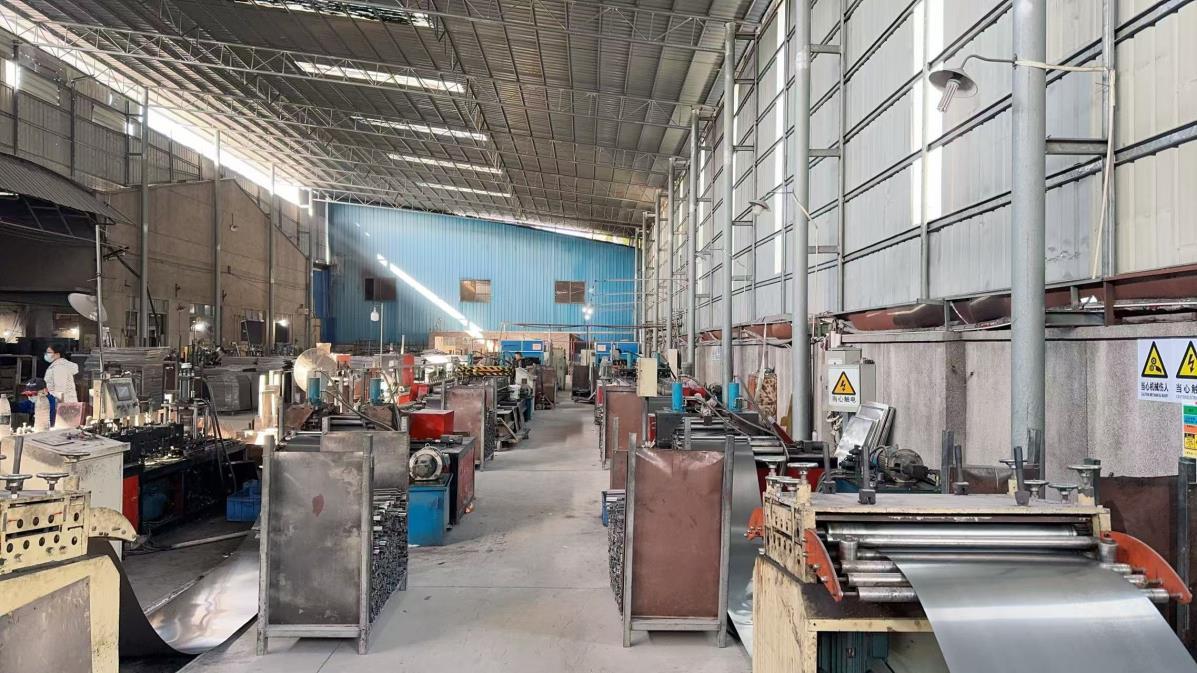
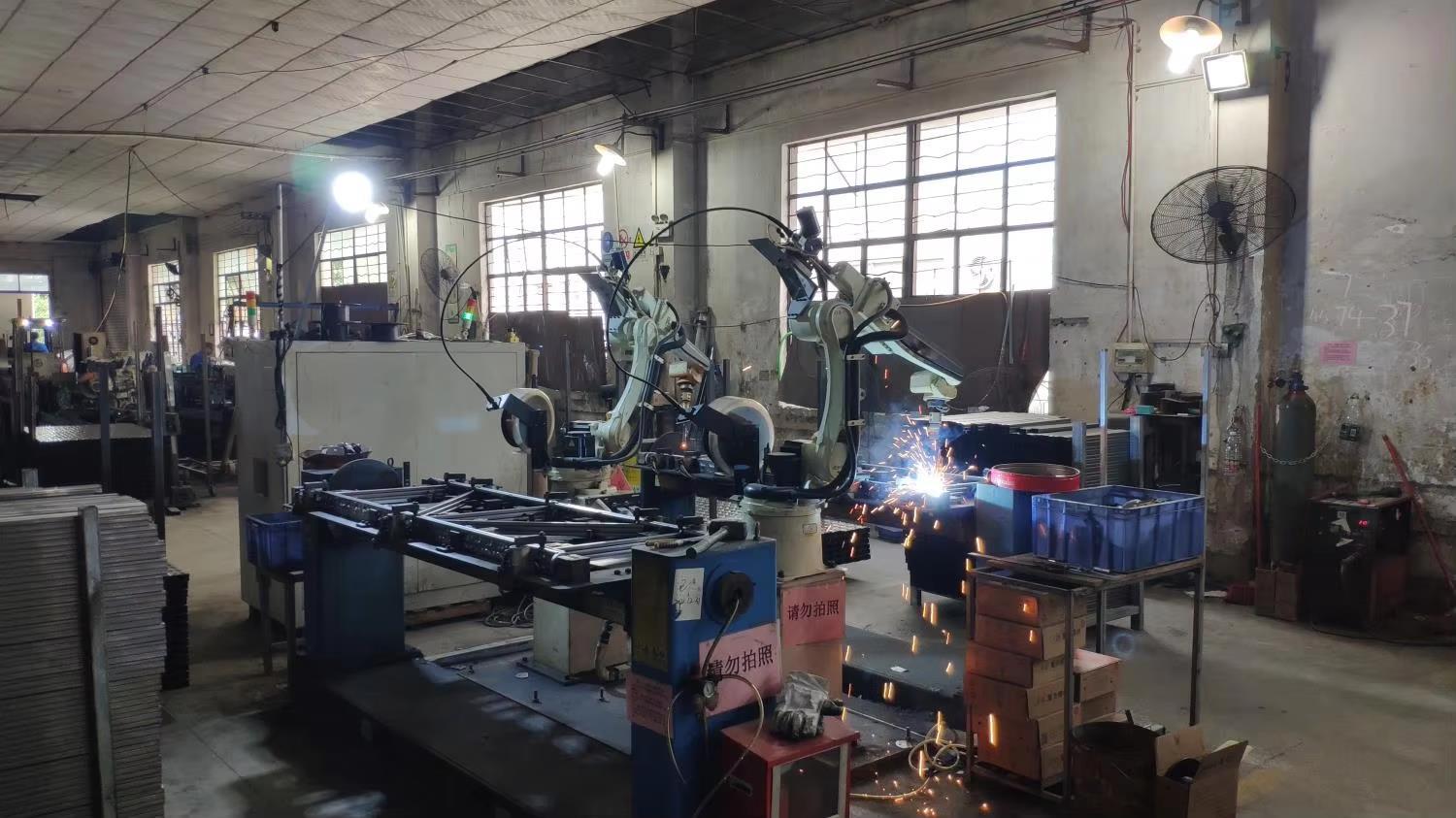
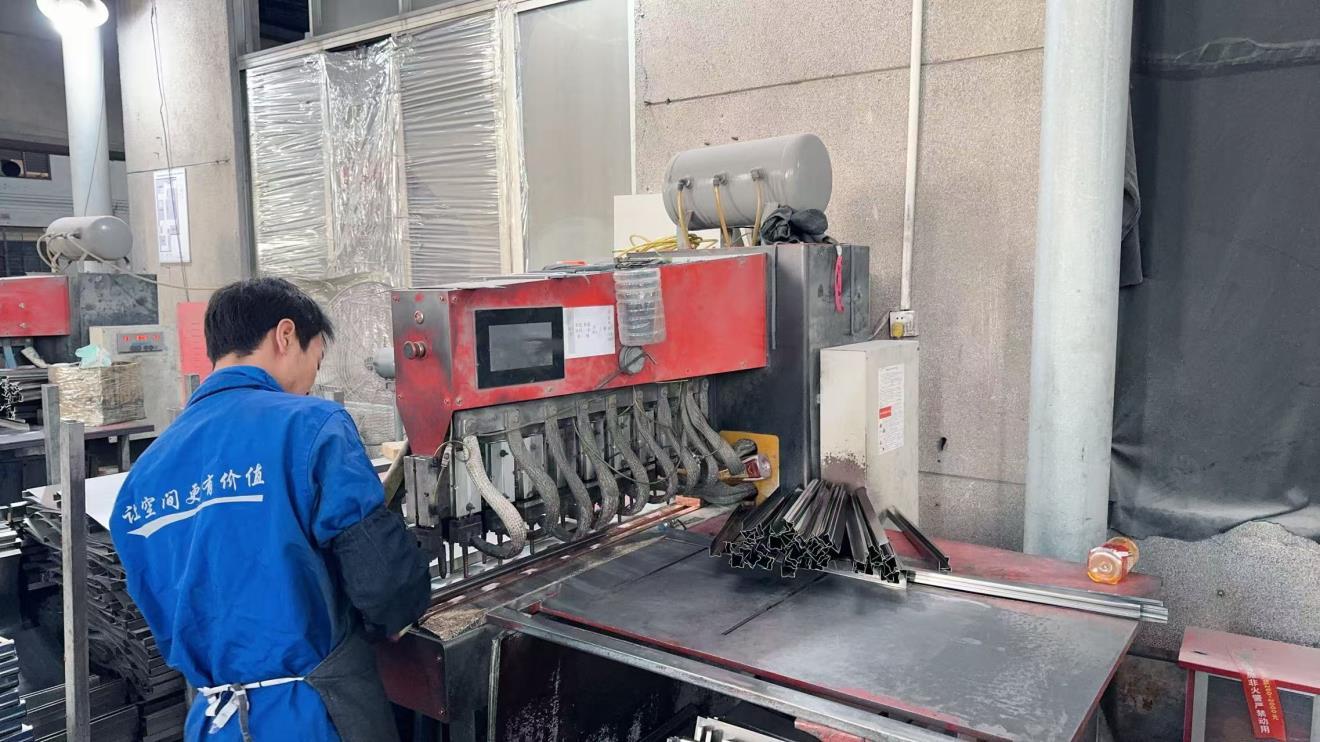
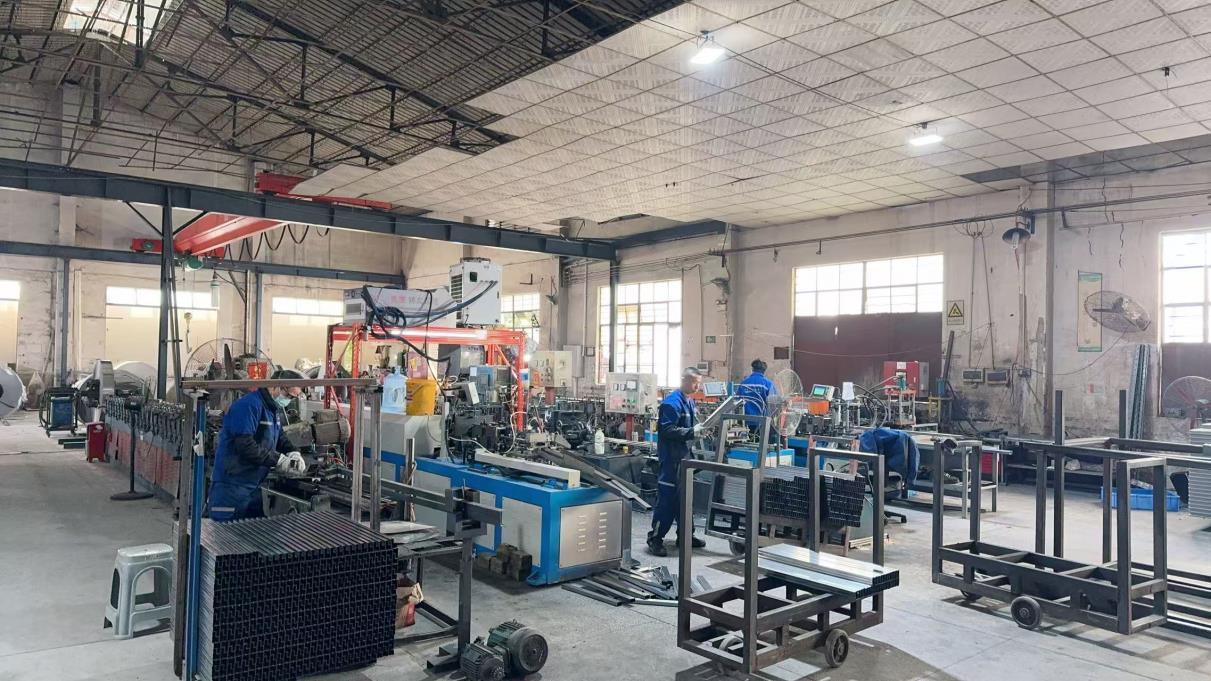
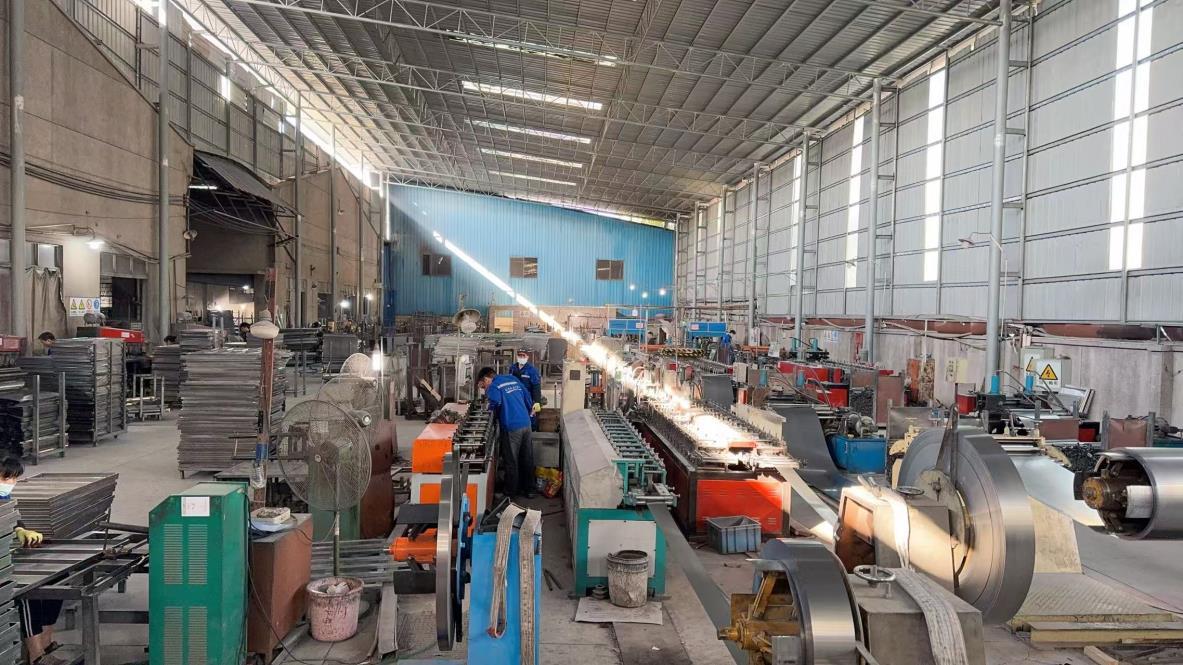
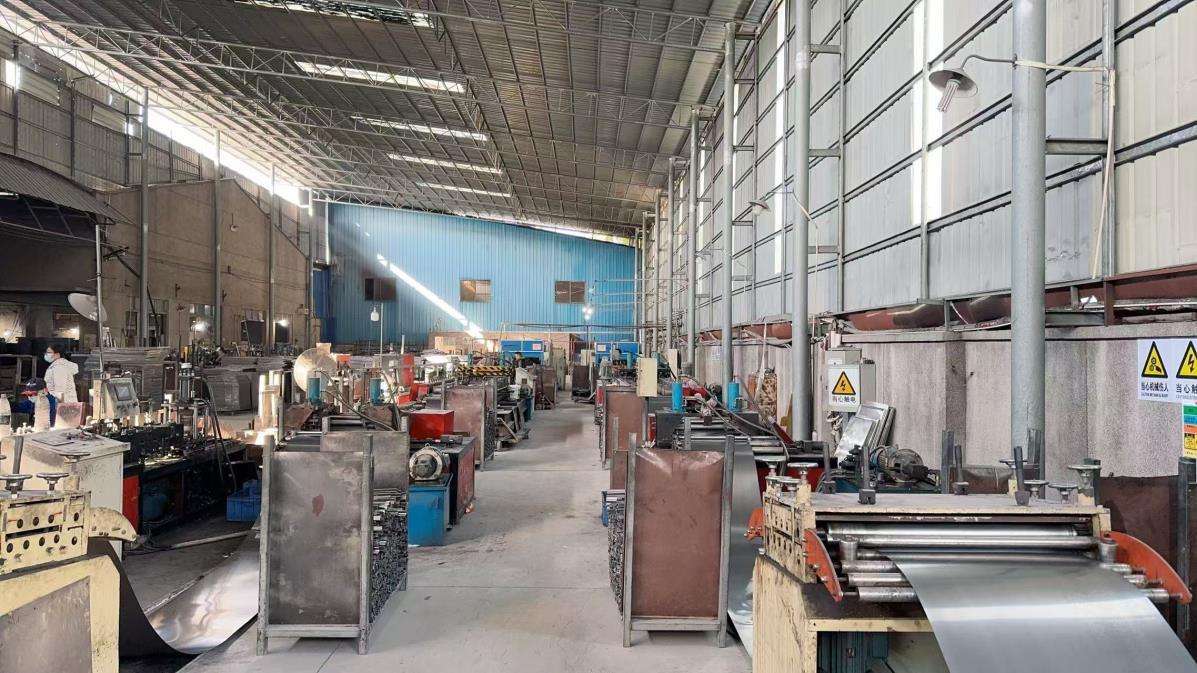
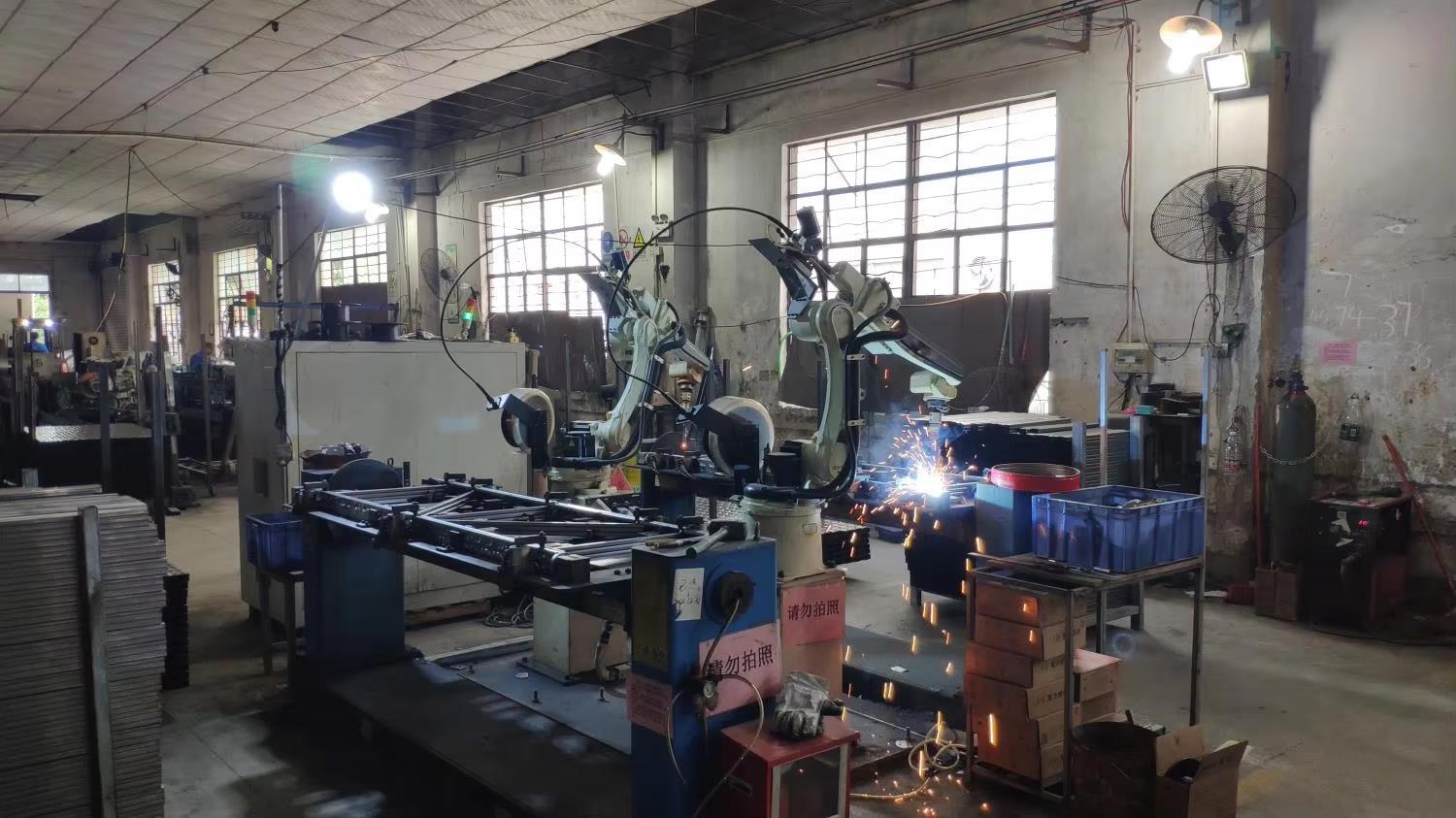
Every warehousing sector presents distinct spatial parameters and handling constraints. Standard storage solutions rarely suffice for diverse vertical challenges. Enterprise-level infrastructure design must adapt to sector-specific variables, including chemical storage regulations, rapid e-commerce throughput requirements, or the complex thermal dynamics of sub-zero refrigeration structures.
Designed using dense structural layout materials, cold-storage uprights must resist low-temperature embrittlement down to -30°C. Stiffened structural grades prevent physical stress fractures caused by continuous cooling-expansion cycles.
For high-frequency cross-docking hubs, selective pallet racks integrated with pick-modules permit dynamic SKU rotation, quick fork access paths, and high structural stability for perpetual load transfers.
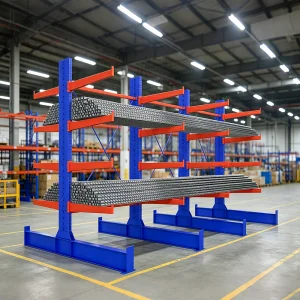
Incorporates specialized structural arm cantilever systems configured to bear substantial load weights without sagging or bending, satisfying heavy industrial needs for pipe and structural steel storing.
Technical advice and calculations for warehouse structural designers and corporate procurement managers.
Maximum loading capacity is determined based on the physical limits of the beams and vertical uprights. Calculations are performed according to RMI guidelines (Racking Manufacturers Institute) and the European EN 15512 standard. Load parameters are defined by three distinct criteria:
These grades define the yield strength of the steel used for forming warehouse racking components:
Corrosion resistance is achieved through a multi-stage automated finish line:
For installations in earthquake-prone regions, Kimsuk engineers design structural systems utilizing Finite Element Analysis (FEA). Upright dimensions are scaled up, thick heavy-duty baseplates are welded to columns, and seismic floor anchors are calculated to withstand lateral shear forces. Bracing patterns (both diagonal and horizontal horizontal bracing) are engineered to absorb seismic energy, conforming to national and regional building codes.
 Kimsuk Racking