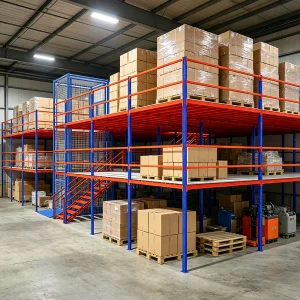
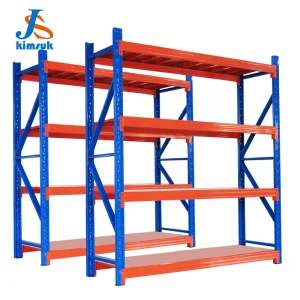
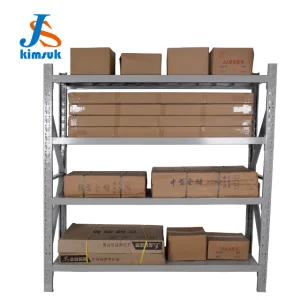
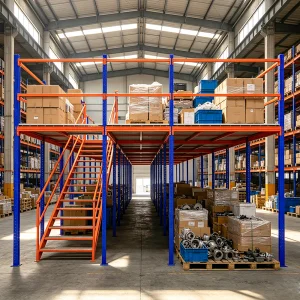
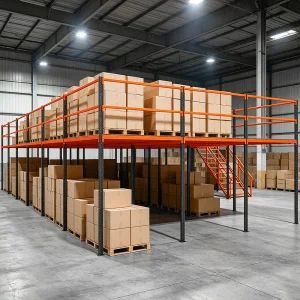
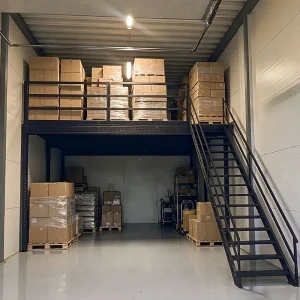
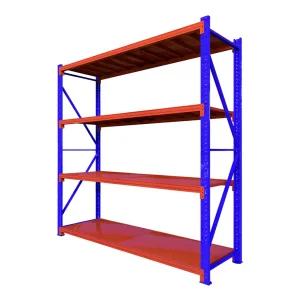
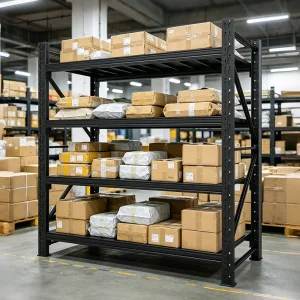
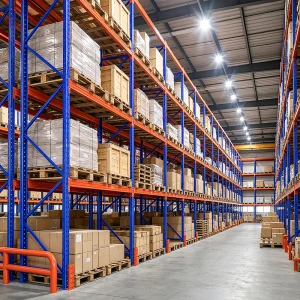
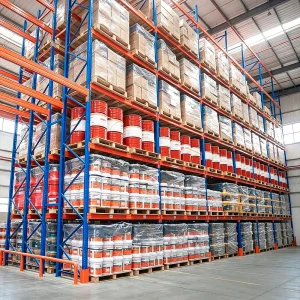
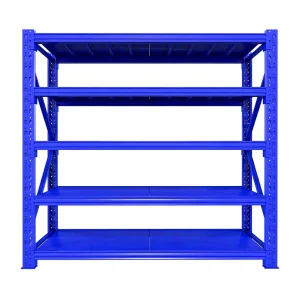
Explore our primary industrial warehouse systems, certified for extreme load capacities and structural longevity.
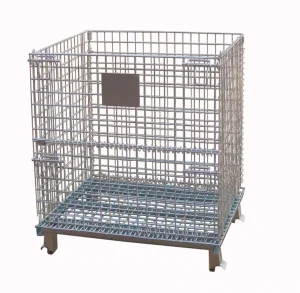
Analyzing spatial efficiency economics, land acquisition overheads, and the engineering necessity of high-density storage infrastructure in modern logistics.
In an era where industrial real estate valuation has expanded exponentially across global logistics corridors, traditional selective racking systems—which allocate up to 60% of floor space to aisle clearance—are increasingly financially unviable. As a leading China wholesale Drive-in rack supplier, we engineer structures that eliminate operation aisles, converting up to 75-85% of total cubic volume into active, load-bearing storage. This high-density Last-In, First-Out (LIFO) architectural dynamic drastically slashes the cost-per-pallet metric for enterprise operations.
Cold storage facilities operate under immense continuous thermodynamic and financial pressures. Refrigeration energy expenditure scales with total cubic building volume rather than stored tonnage. Drive-in racking systems optimize cold room geometry by packing uniform refrigerated goods tightly together. This extreme spatial density mitigates thermal convection losses, reduces internal air mass circulation demands, and yields energy savings of up to 35% compared to open-aisle configurations in temperature-controlled environments.
Deploying specialized automated storage and retrieval systems (ASRS) involves capital expenditures that can destabilize mid-market logistics operators. Drive-in structural racking presents an ideal balance between low initial capital investment and maximum high-density output. By utilizing standardized material handling equipment like reach trucks and counterbalanced forklifts directly inside structural bays, enterprises achieve automated-level storage density at a fraction of the hardware infrastructure cost.
Precision cold-rolled steel profiling, Finite Element Analysis (FEA), and dynamic load-bearing calculations for industrial resilience.
Unlike standard selective rack structures where horizontal beams span across upright frames to create discrete shelf levels, Drive-in racking operates without full horizontal beam cross-sections along the storage lanes. Forklifts enter the structural matrix directly. Storage pallets rest on continuous lateral load rails supported by robust cantilever arms anchored to vertical upright frames.
Because Drive-in systems lack traditional transverse beams, structural stability under full dynamic load conditions requires extreme mathematical validation. Engineering teams at Dongguan Kimsuk Shelves Co., Ltd. utilize high-level FEA computer modeling to simulate multi-axis stress tensors, seismic excitation events, and asymmetric loading scenarios.
From bulk raw materials to standardized cold-chain FMCG distributions, explore how localized configurations drive operational performance.
High-volume fast-moving consumer goods facilities handling seasonal batch production rely on Drive-in systems to store thousands of identical SKU pallets. By organizing whole channels into dedicated single-SKU lanes, fulfillment operations achieve frictionless LIFO rotations with minimal staging overhead.
Equipped with specialized low-temperature powder coatings and corrosion-resistant hot-dip galvanized structural steel components, our low-temp Drive-in racking arrays withstand continuous operational environments down to -30°C without hydrogen embrittlement or structural degradation.
For chemical refiners and manufacturing plants producing standardized drum pallets or tote containers, Drive-in racks isolate bulk chemicals into deep channels. Optional secondary containment trays and heavy-duty structural column guards ensure compliance with environmental and industrial safety rules.
A Global Benchmark in High-Precision Steel Racking Manufacturing & Engineered Storage Solutions.
Target Clients: Global Logistics Hubs, Enterprise E-commerce Distribution Centers, Cold Chain Facilities, Industrial Equipment Wholesalers, and Third-Party Logistics (3PL) Operators.
R&D Capabilities & Customization Options: Full-Cycle Structural Engineering, CAD/3D BIM Warehouse Modeling, Finite Element Analysis (FEA) Structural Simulation, Automated Roll-Forming System Customization. Custom Dimensions, Load Capacities, Powder-Coated Colors, Seismic Structural Upgrades, and Modular Automated Racking Interfaces.
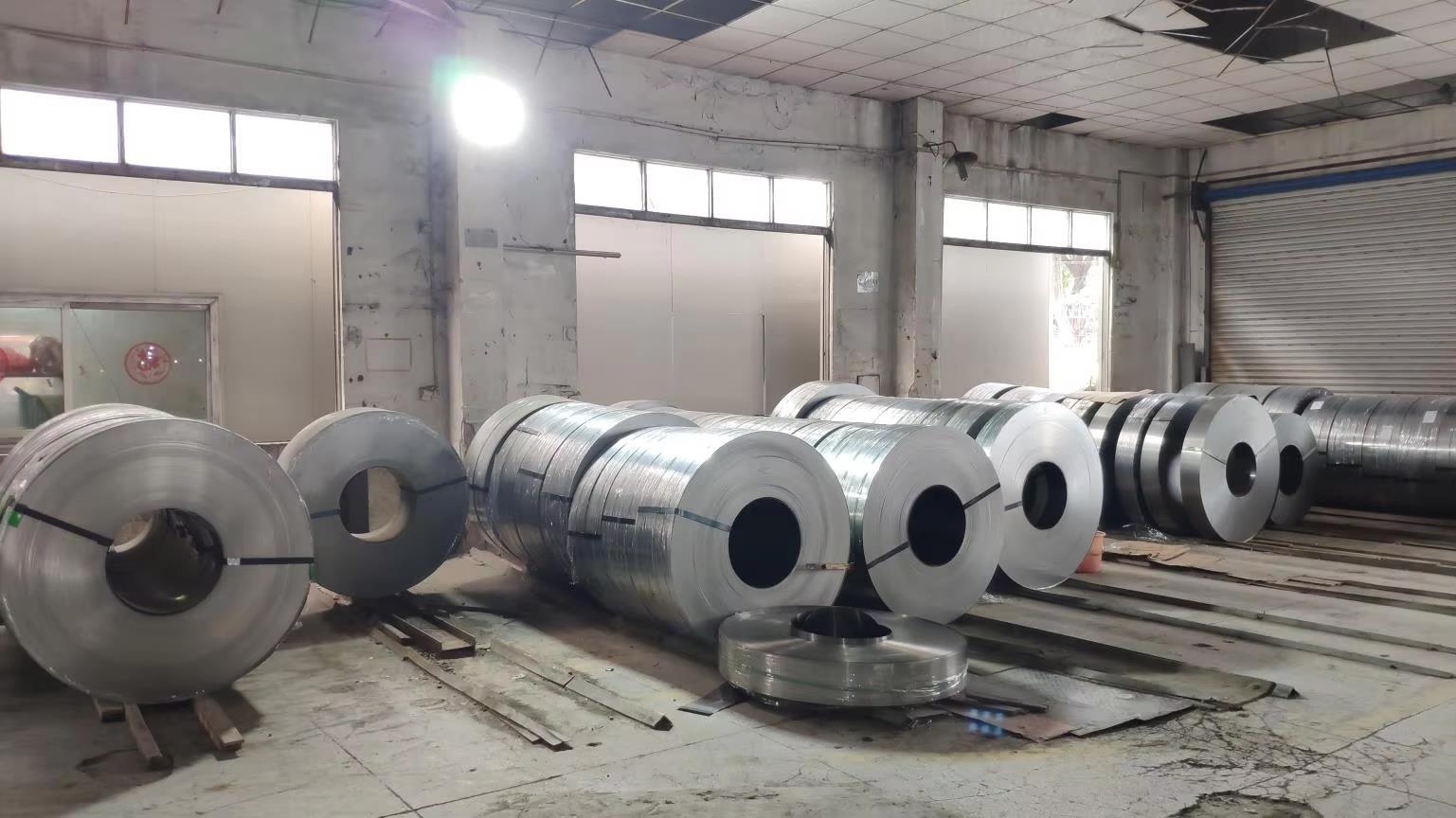
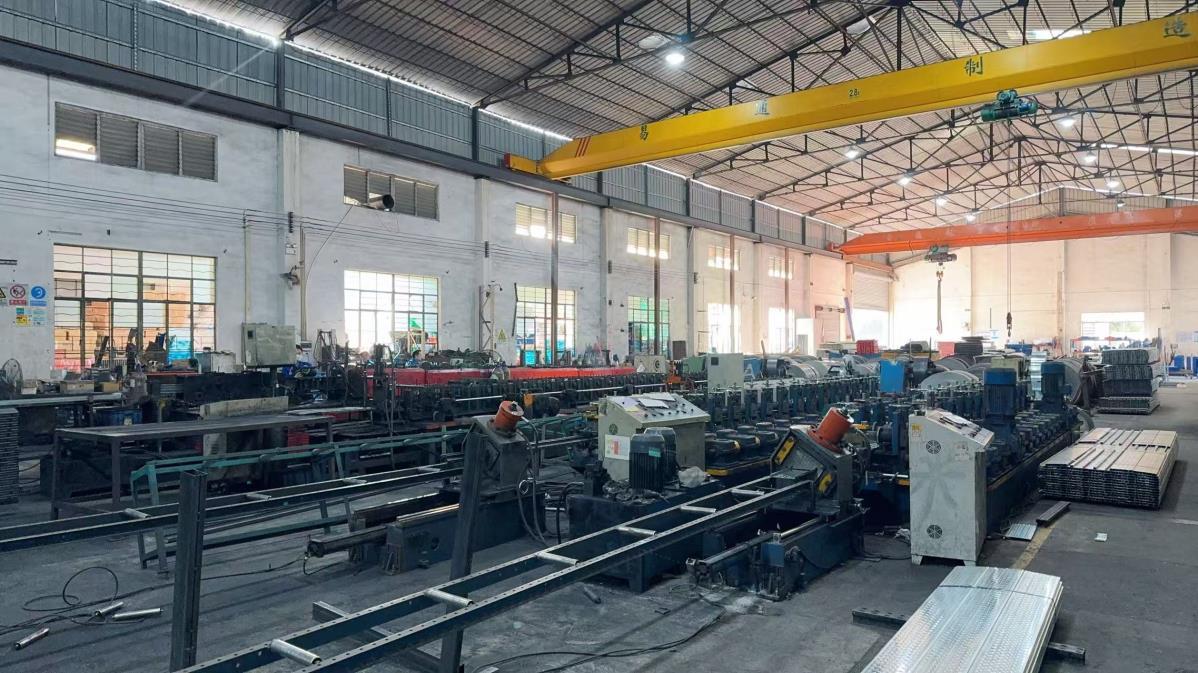
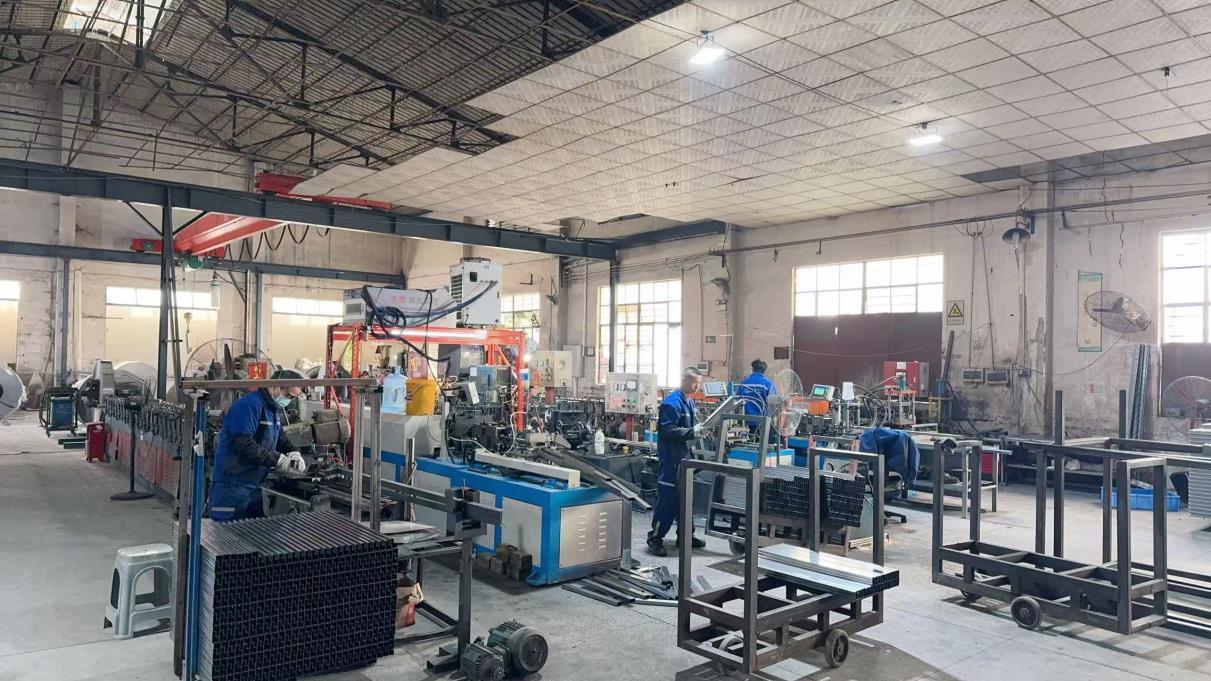
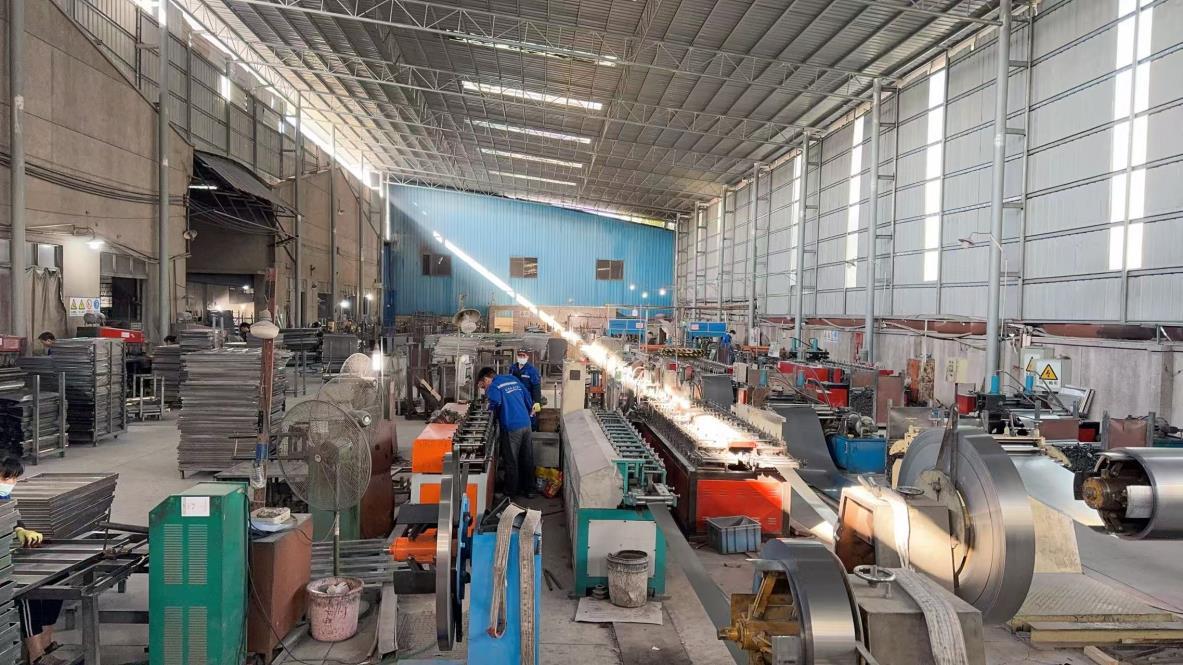
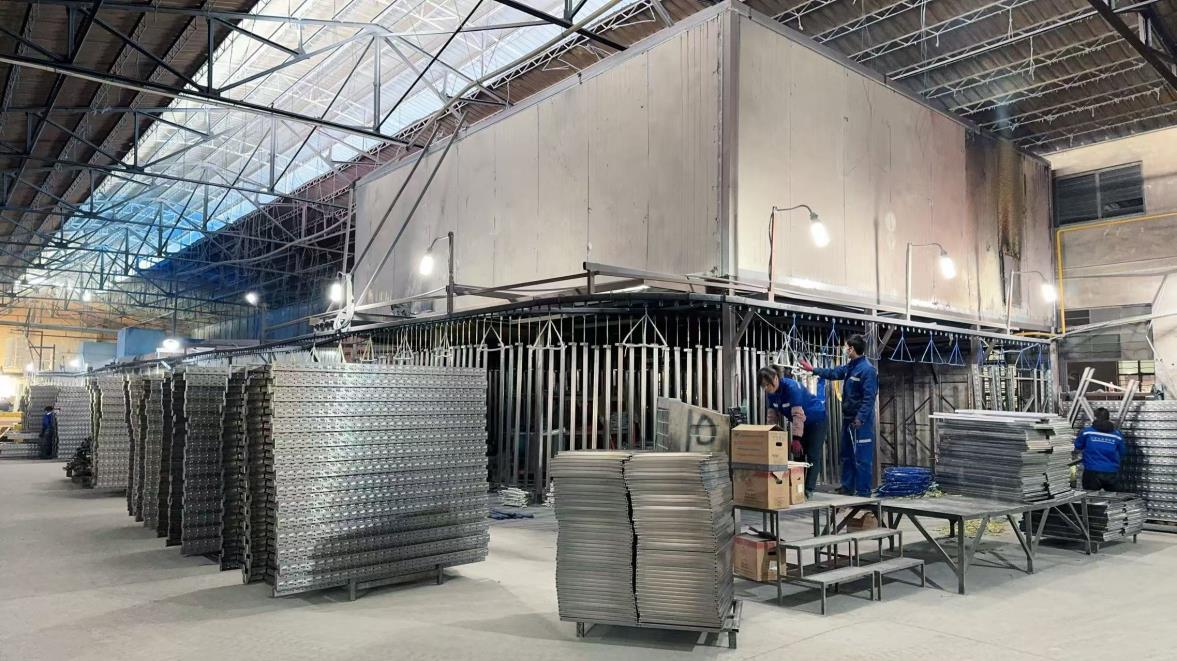
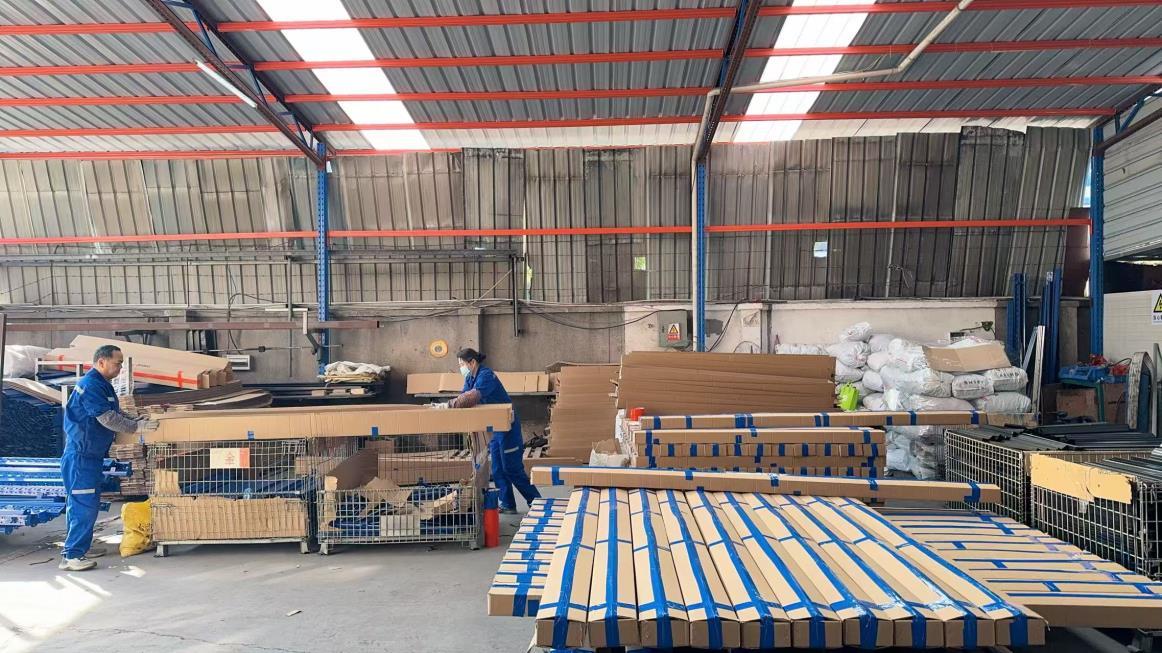
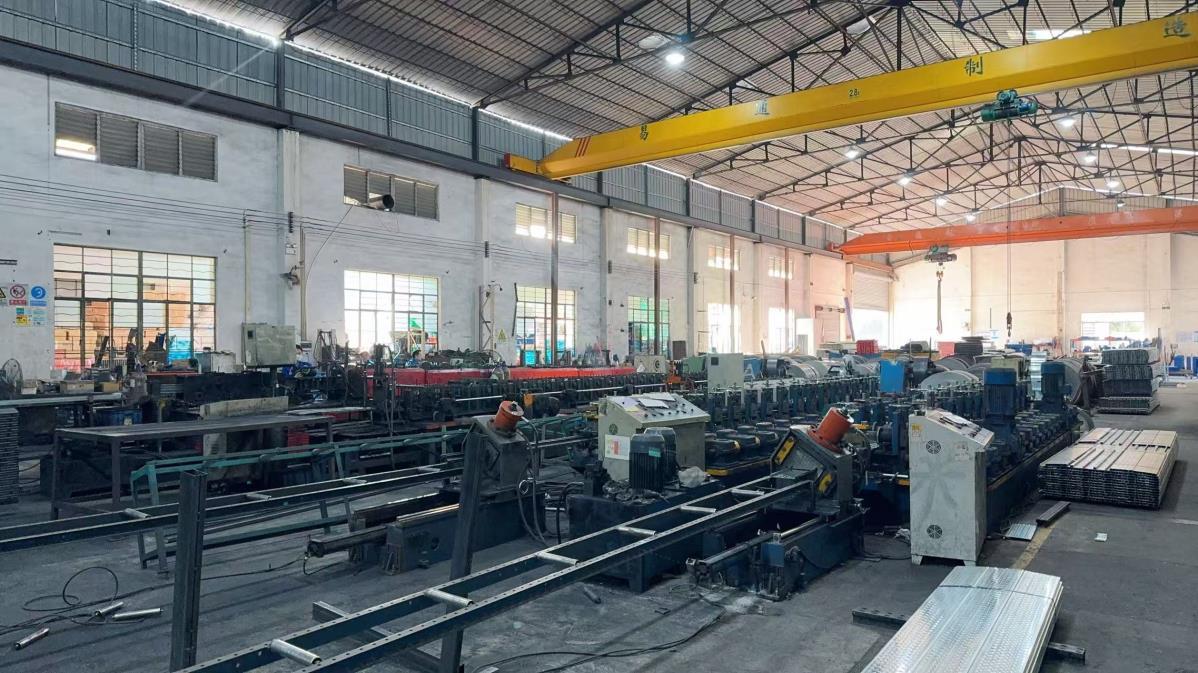
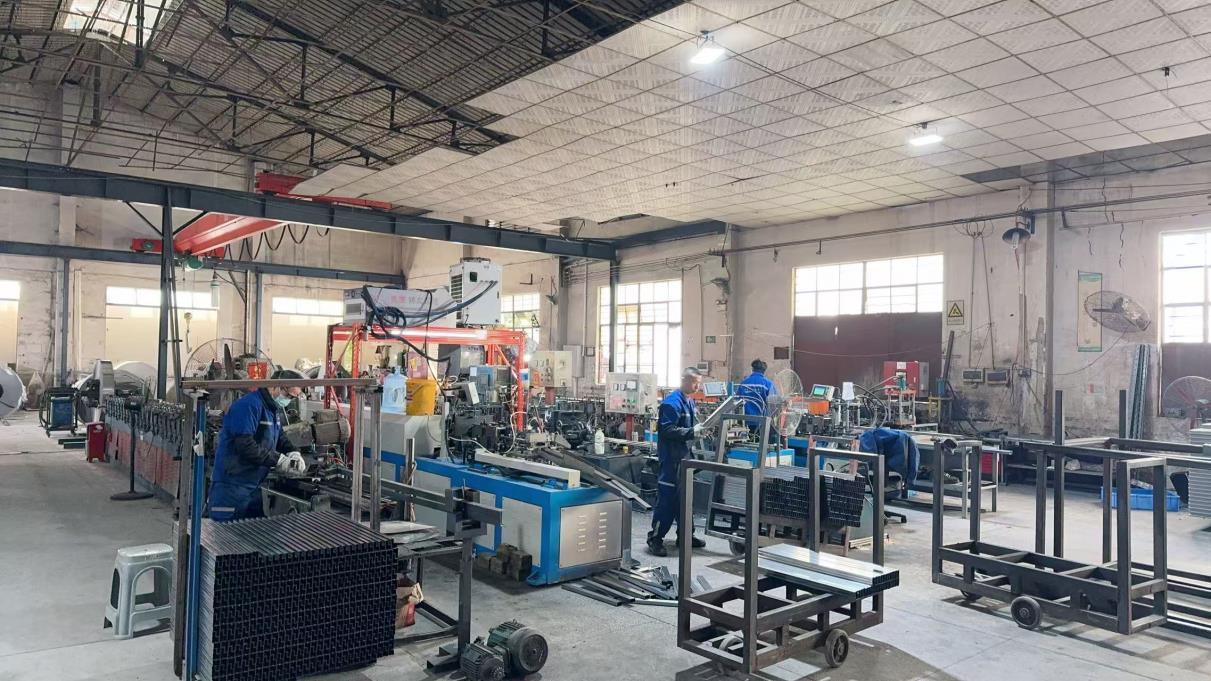
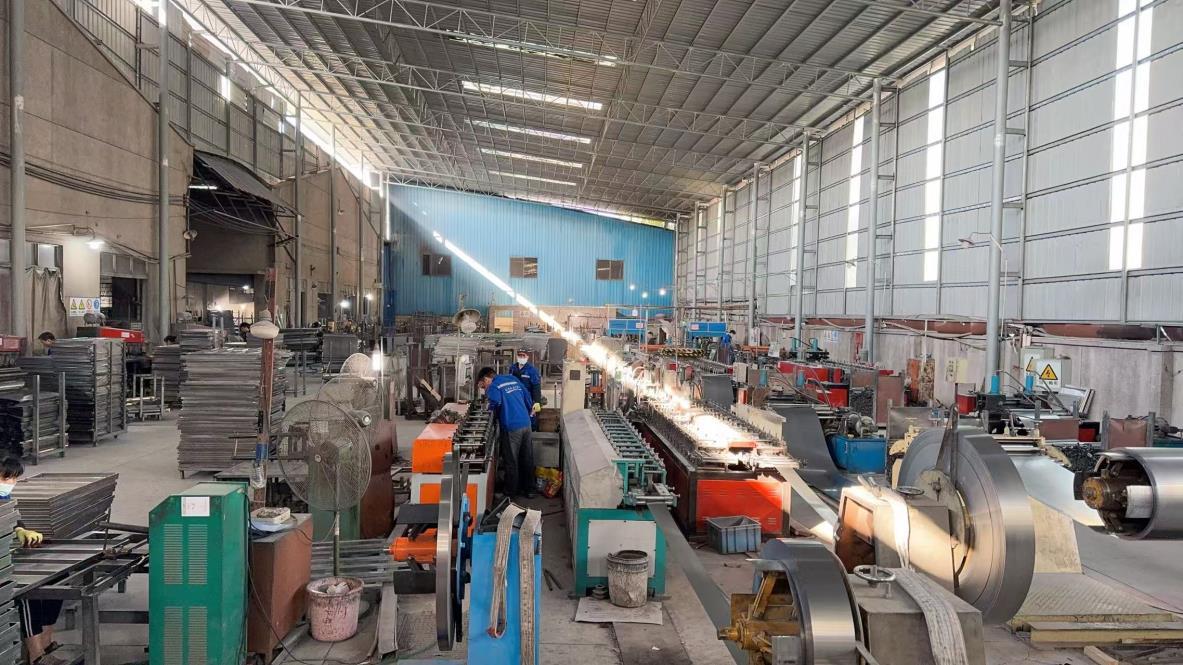
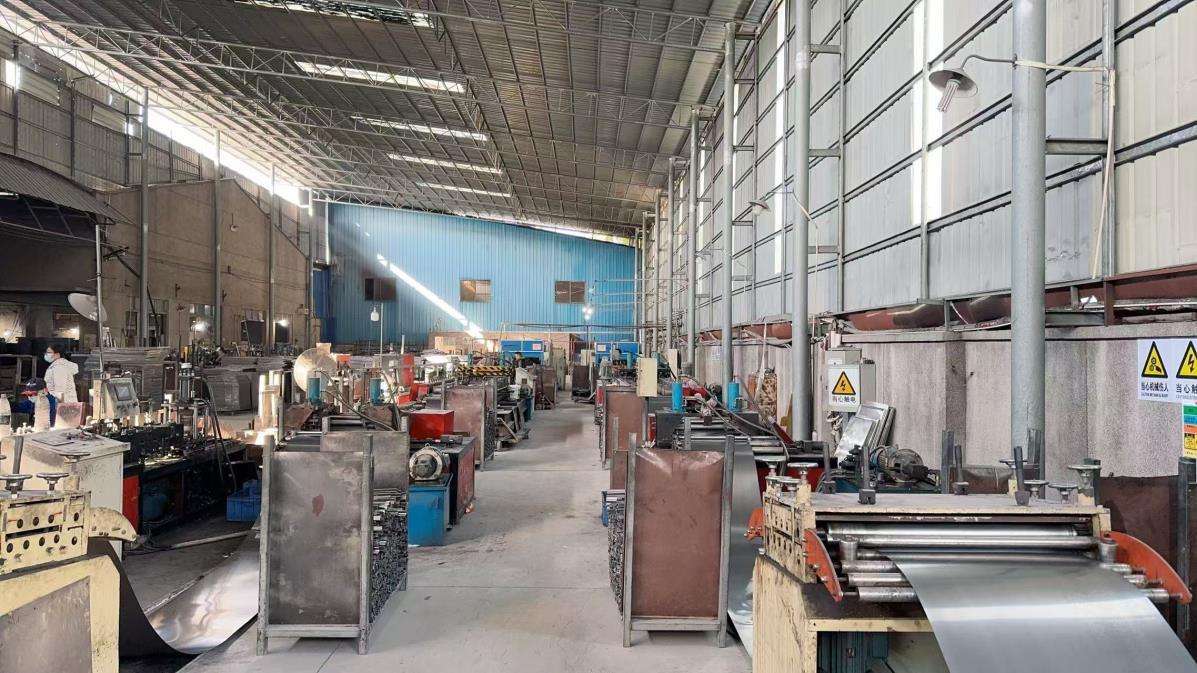
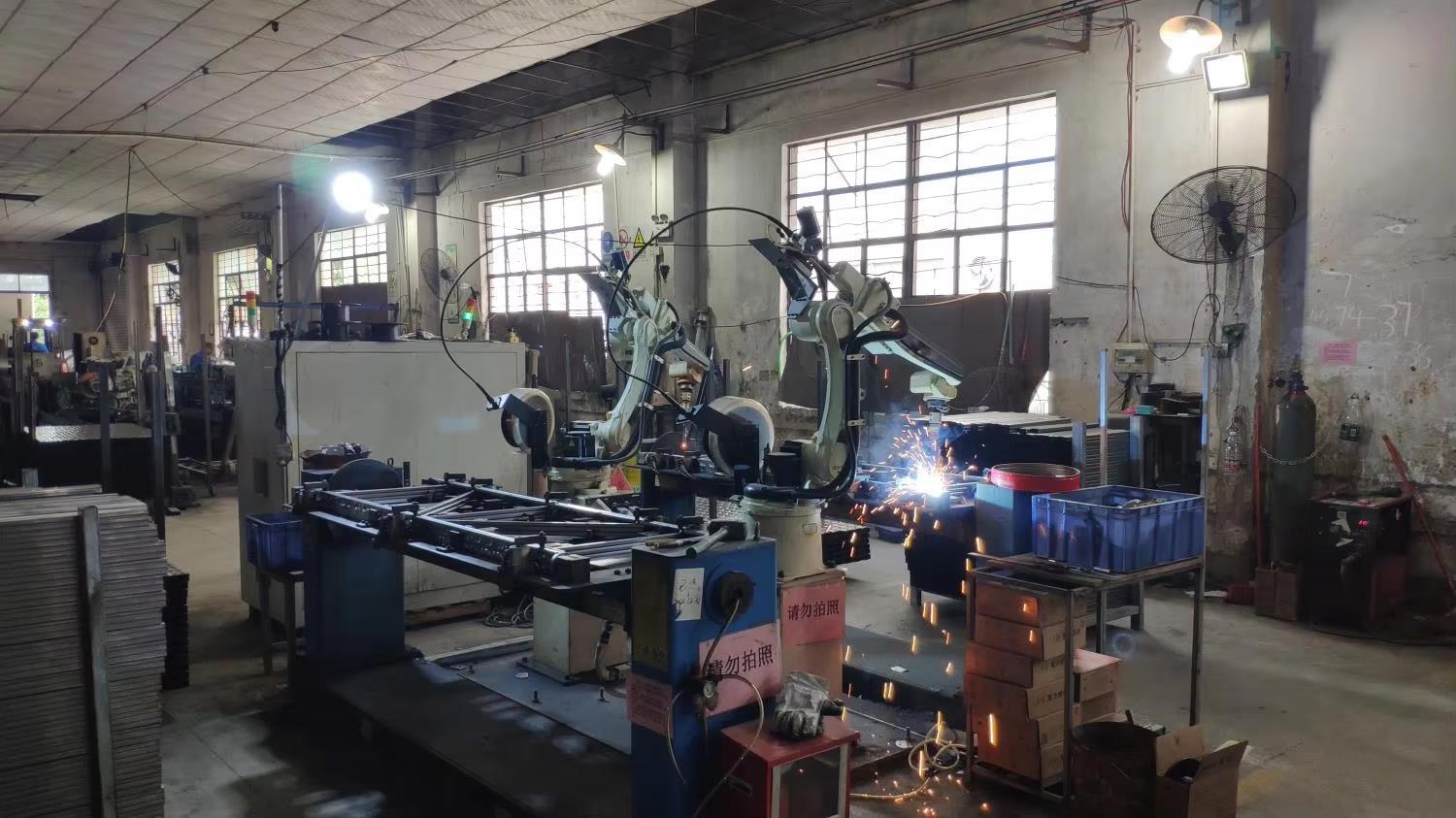
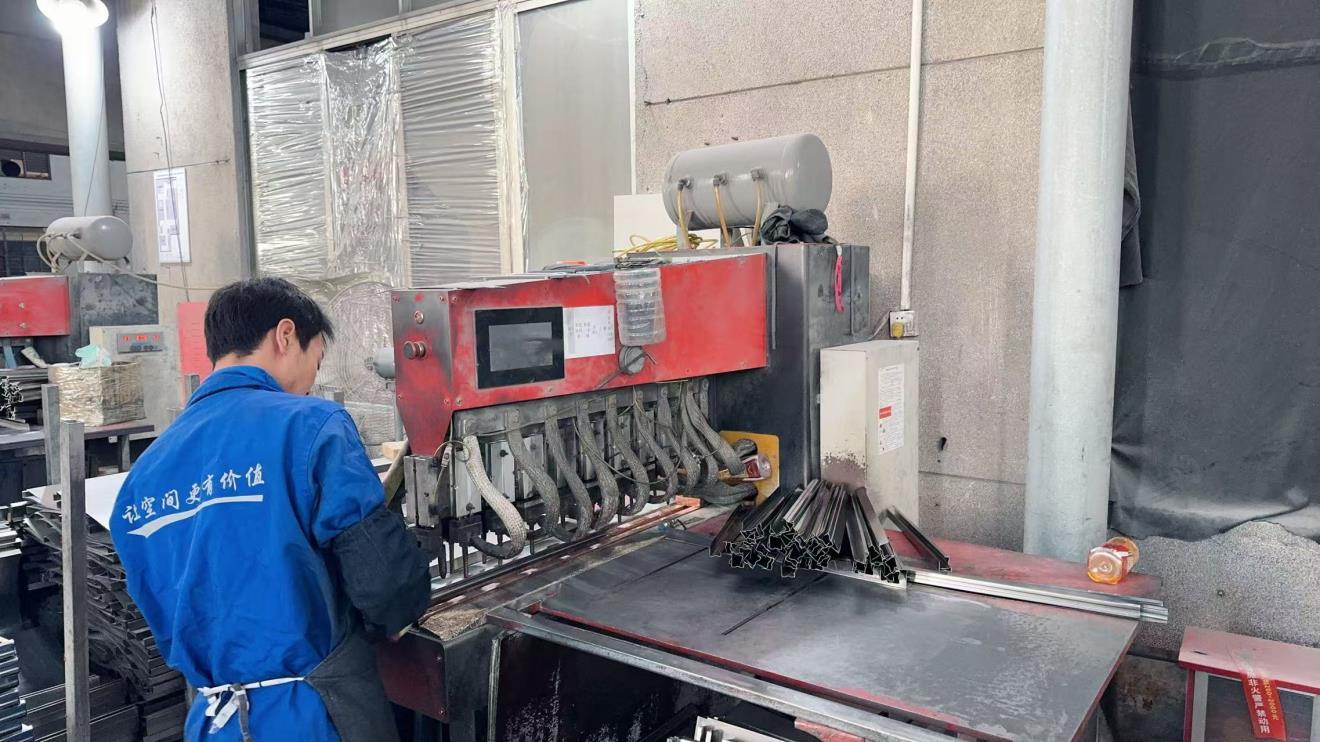
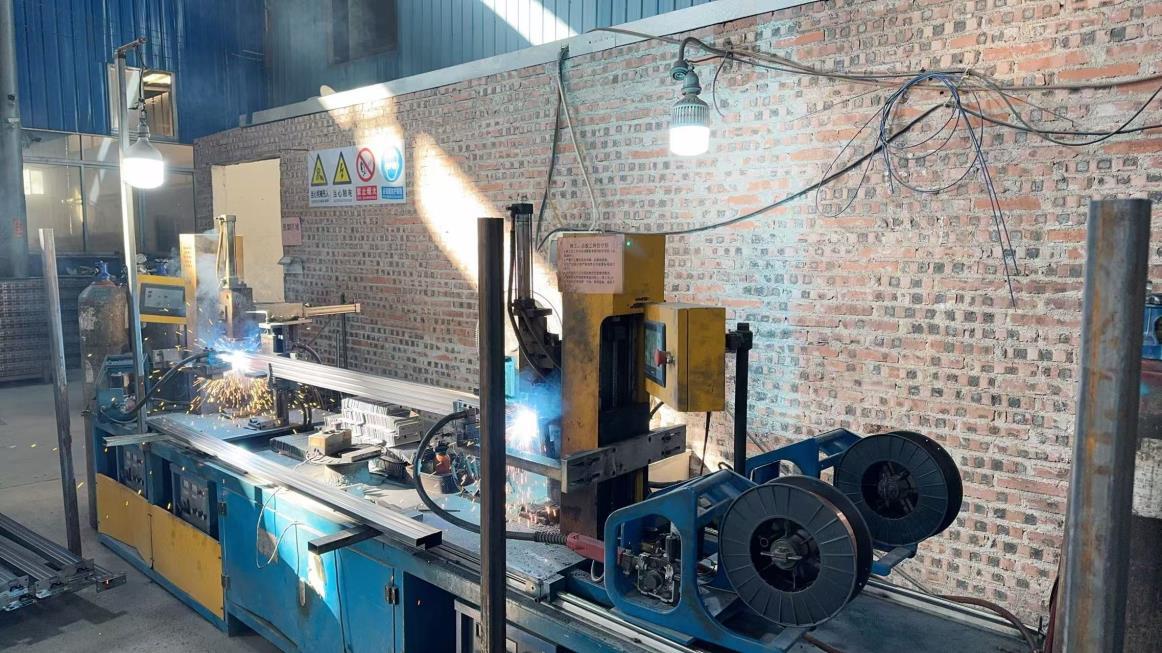
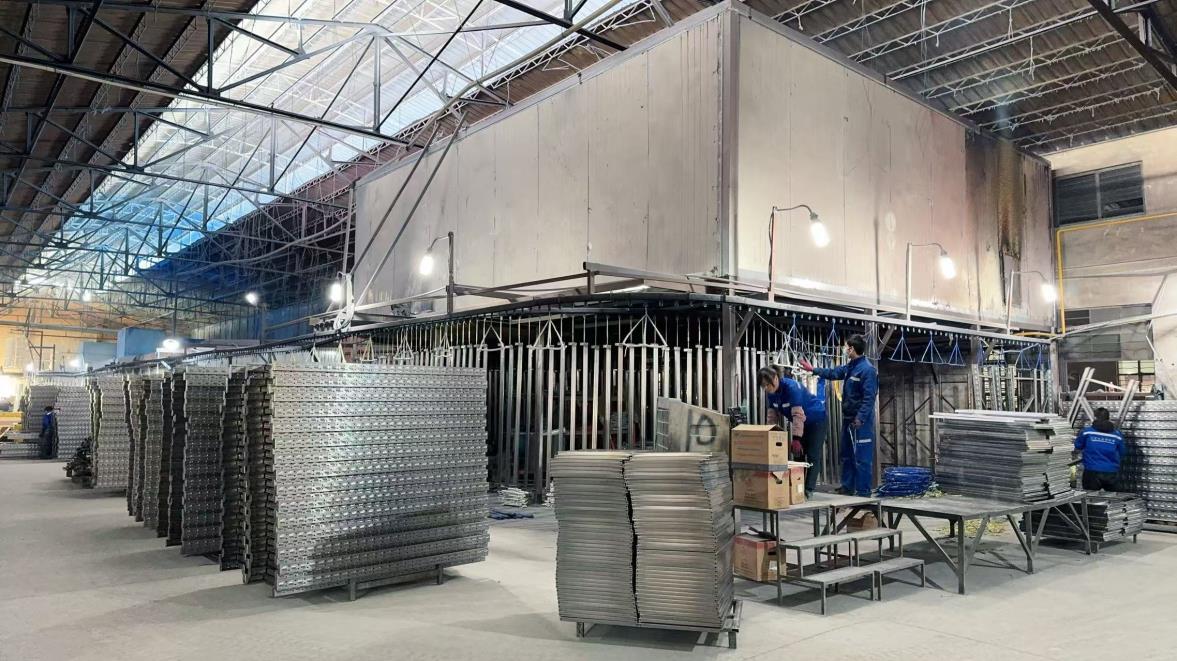
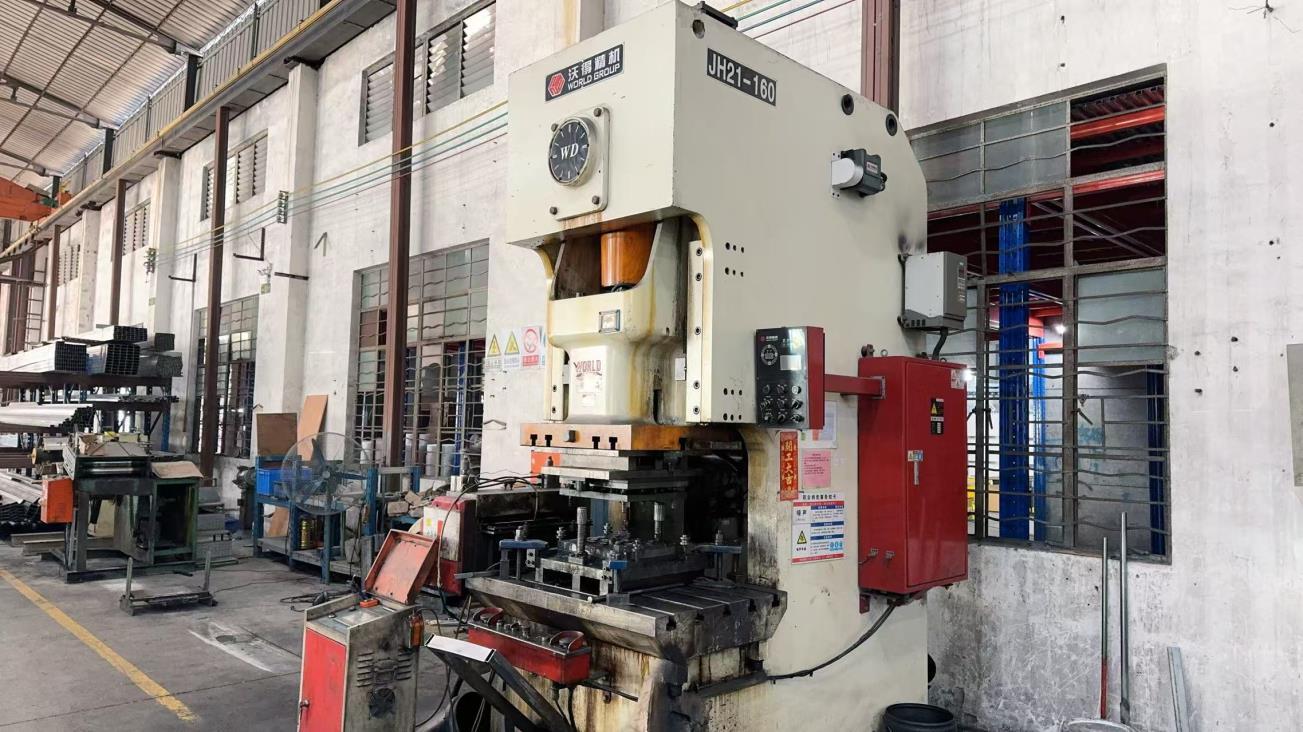
Direct visualization of our raw material processing, robotic welding stations, powder coating, and heavy machinery tooling.
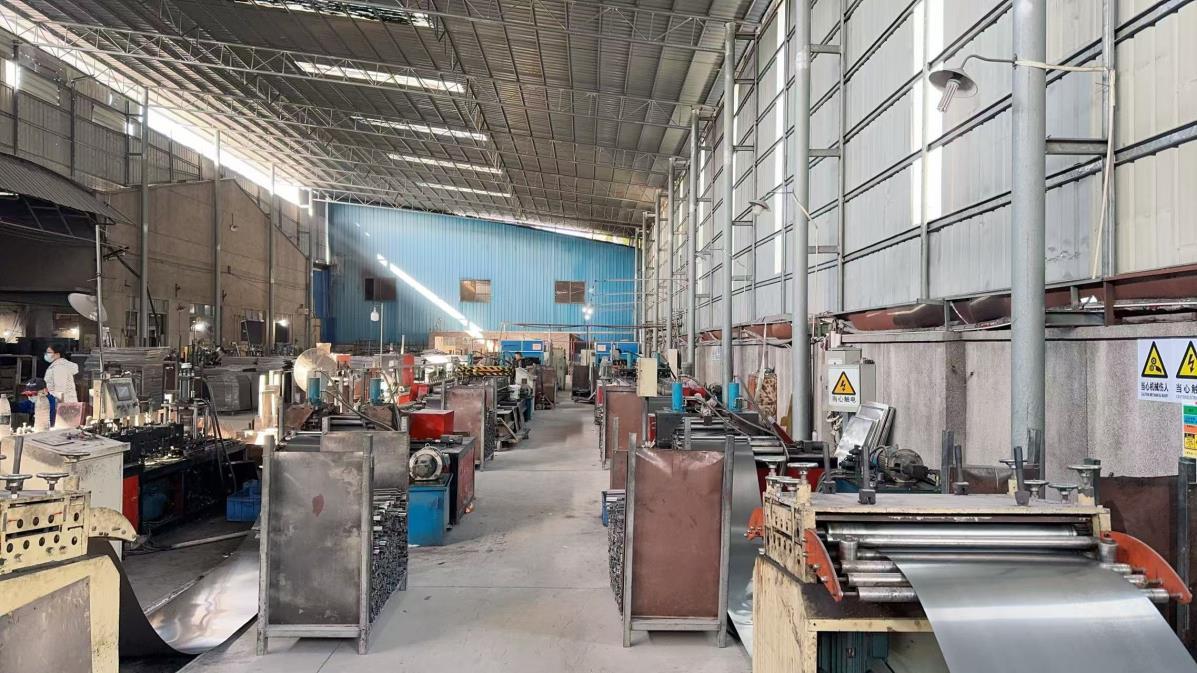
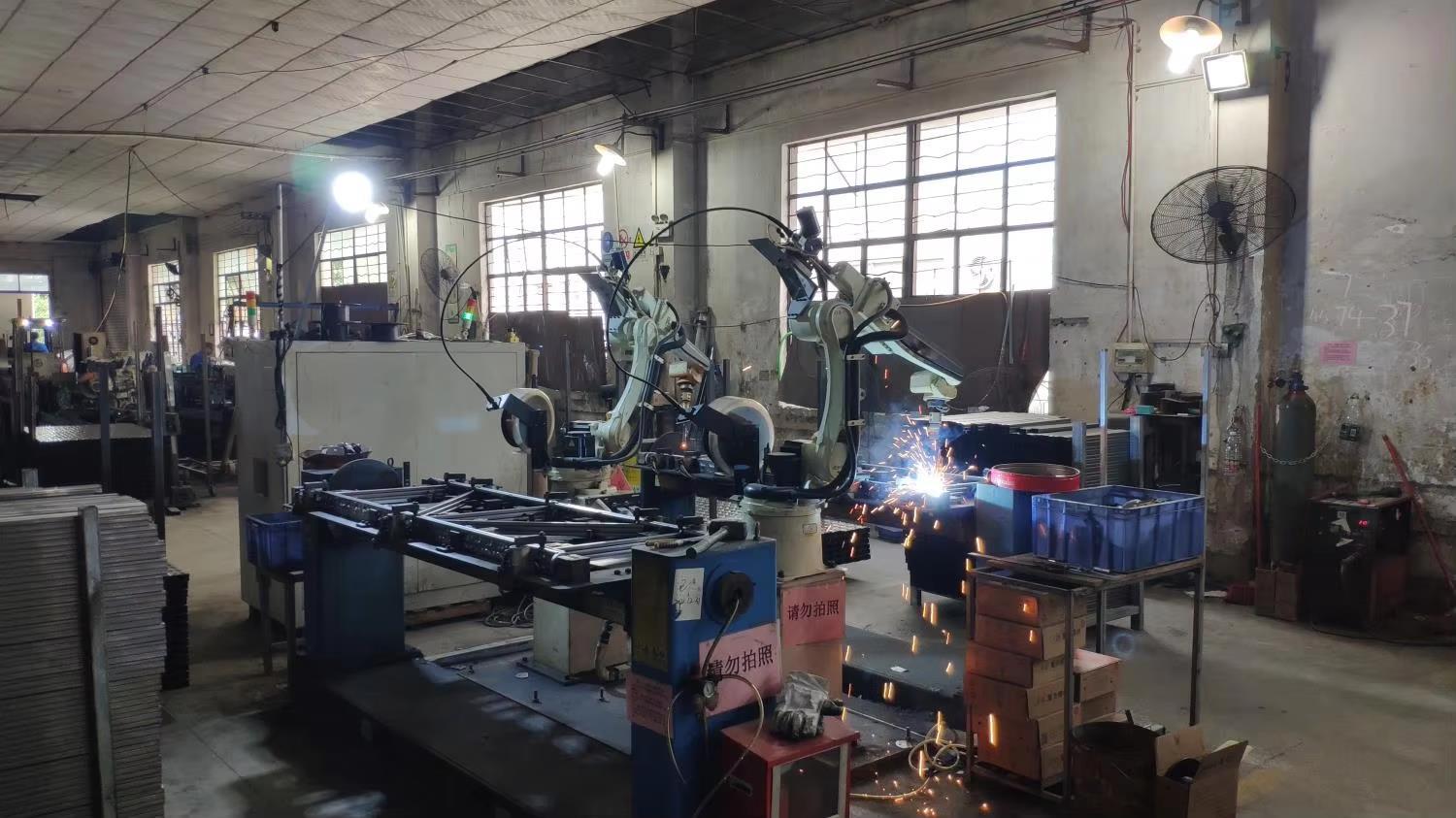
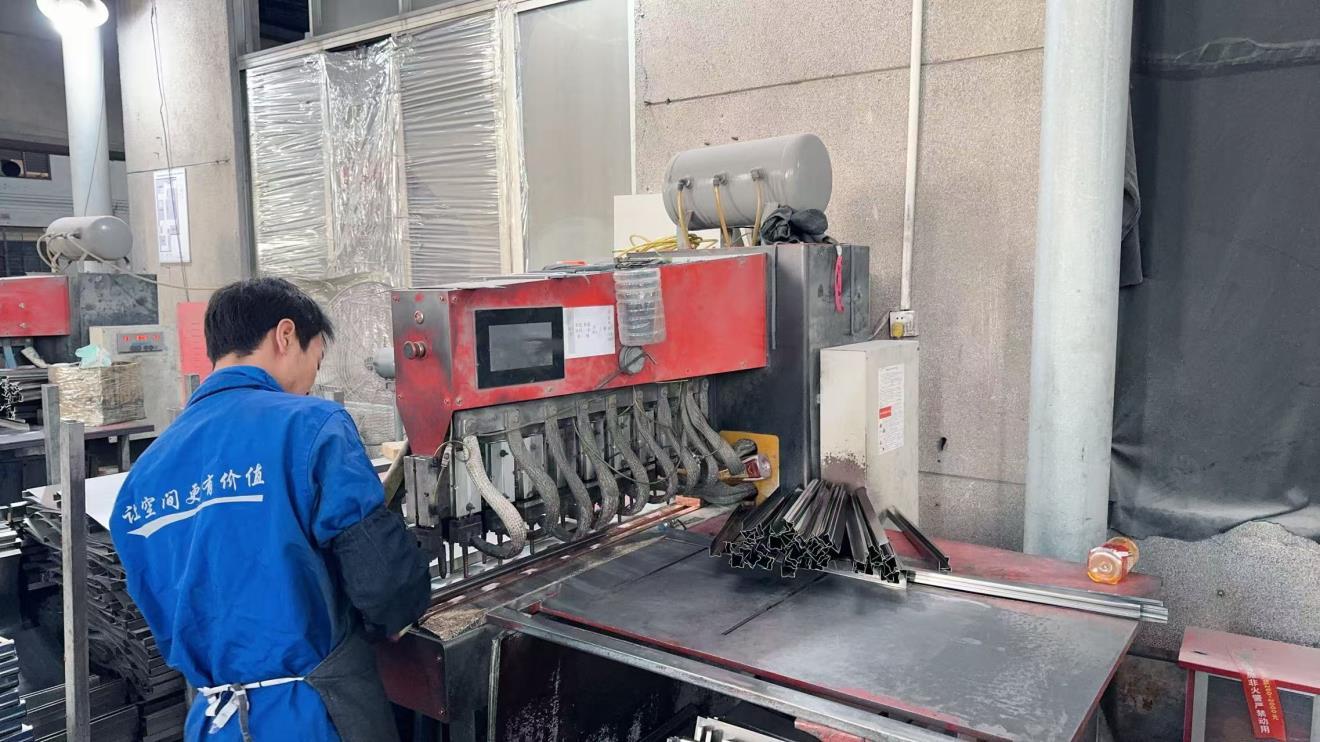
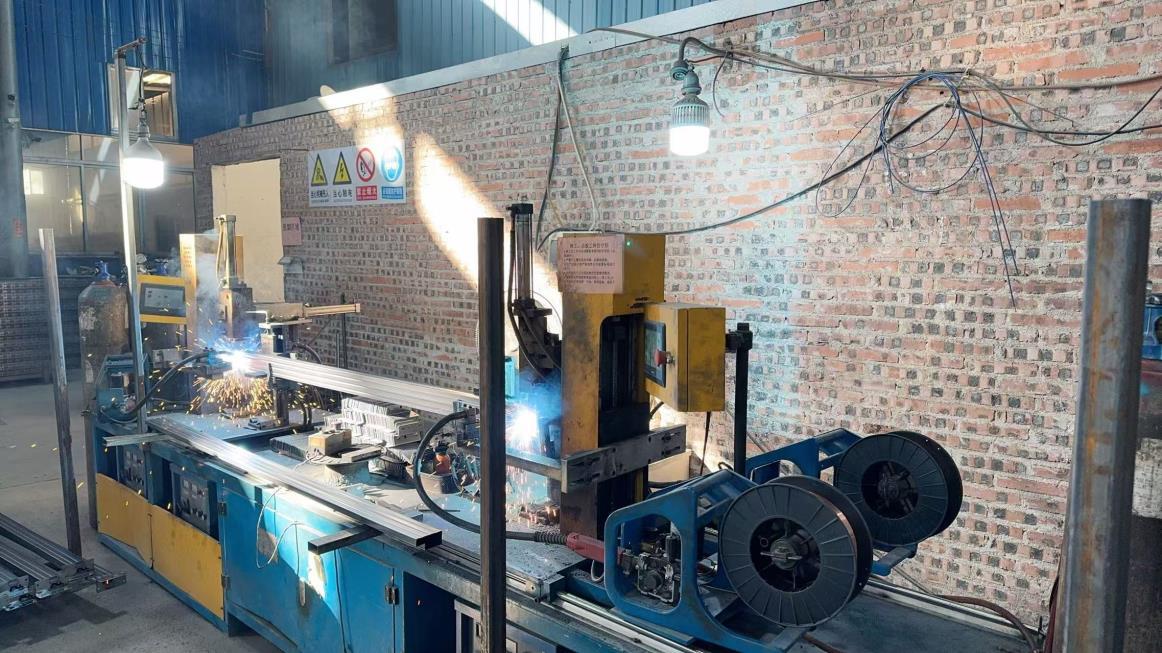
Bridging traditional static structural racking with IoT-enabled monitoring and semi-automated pallet shuttles.
Traditional Drive-in racking requires forklifts to drive directly into storage bays, creating potential impact risk. Kimsuk's modular engineering enables seamless retrofitting of internal load rails to support semi-automated Radio Pallet Shuttles. The shuttle travels inside the deep channels to retrieve pallets, allowing operators to run both FIFO and LIFO modes without entering the frame array.
Next-generation installations integrate real-time structural health monitoring systems. Micro-strain sensors fitted to critical upright columns and top-bracing frames detect unexpected dynamic deflection, fork truck impacts, or seismic strain. Alerts are transmitted instantly to warehouse management software (WMS) dashboards to ensure preventive maintenance.
As modern distribution hubs transition toward unmanned AGVs and autonomous forklifts, Kimsuk Drive-in structures are designed with laser-guided entry target plates and high-tolerance ground rail tracks. This structural precision allows automated forklifts to enter lanes with sub-millimeter positioning accuracy.
How enterprise supply chains evaluate storage density metrics against operational throughput velocity.
When evaluating structural racking investments, procurement managers must look beyond unit purchase cost and compute the Cubic Space Optimization Ratio:
Standard Selective Racking typically delivers a CUE of 35% to 45% due to extensive aisle requirements. Drive-in systems engineered by Dongguan Kimsuk Shelves Co., Ltd. elevate CUE to 75% - 85%. This dramatic increase in volume utilization allows enterprise warehouse operators to double their pallet capacity within existing building footprints, deferring major capital outlays for physical facility expansions.
Technical specifications, operational standards, safety considerations, and structural custom options.
Discover our comprehensive range of structural platforms, mezzanine systems, and high-density racking.
 Kimsuk Racking