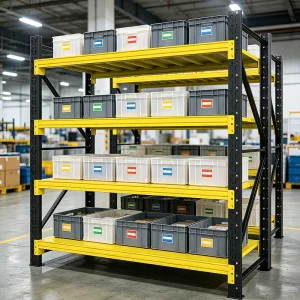
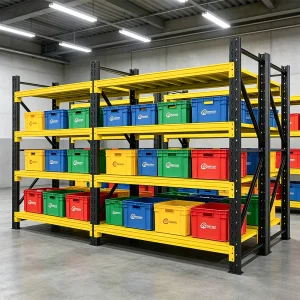
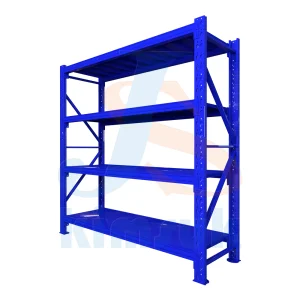
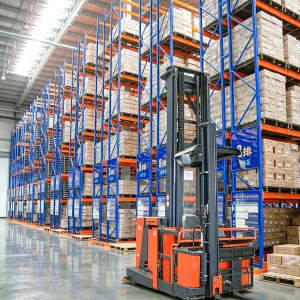
Direct from Kimsuk Racking: High-performance warehouse components designed to maximize volumetric efficiency and load stability.
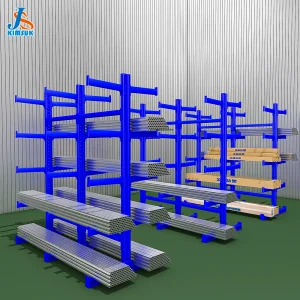
Unlike conventional pallet racks, cantilever racking structures utilize structural columns with projecting arms. The absence of front vertical column posts eliminates spatial obstruction, allowing forklift operators to easily place and pick loads of varying lengths along the entire rack run.
High-bay storage calls for advanced dynamic calculations. Global enterprise requirements demand compliance with severe structural standards (such as AISC and RMI code frameworks). Modern systems must integrate optimized base-plate anchors, safety pins, and customized bracing configurations to mitigate high seismic risks.
Procuring structural warehouse racking demands an optimal capital expenditure (CAPEX) to operational lifespan ratio. Selecting high-grade Q235B or Q355B steel structures ensures system structural capacity remains stable even under constant mechanical stress, lowering long-term maintenance overheads.
The global logistics infrastructure landscape requires more than raw steel. Achieving supply chain resilience requires manufacturing automation, precise metal forming, and robust quality control protocols. Dongguan Kimsuk Shelves Co., Ltd., established in 2015, stands at the intersection of structural engineering and production capacity.
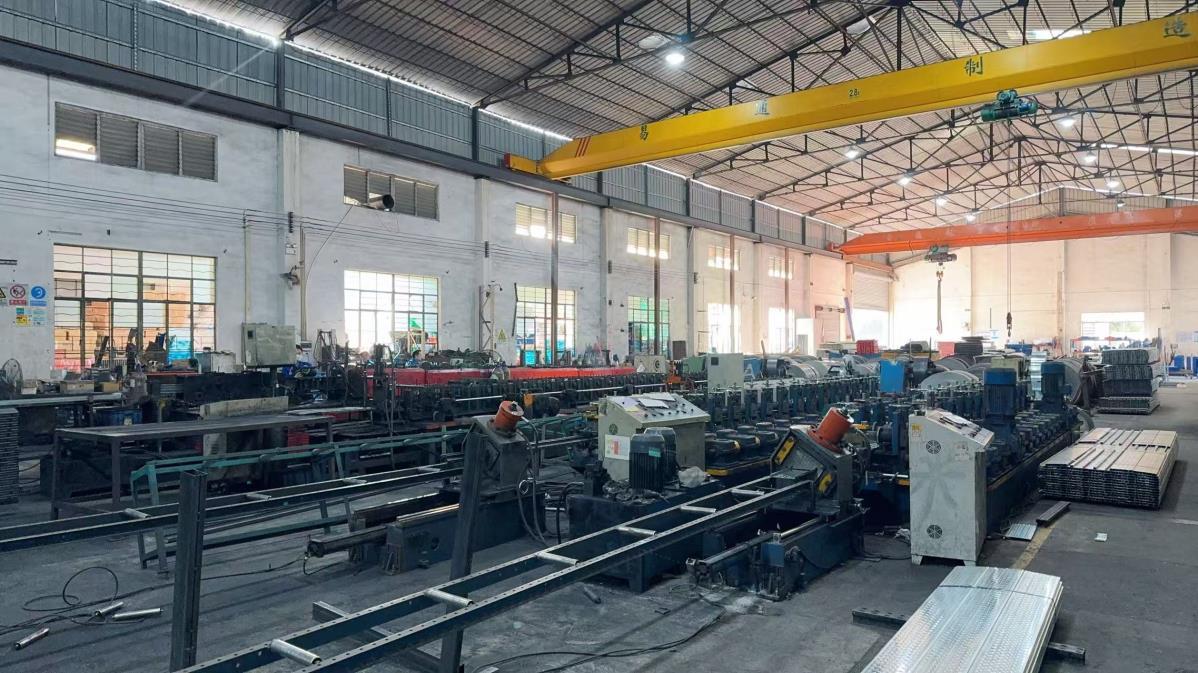
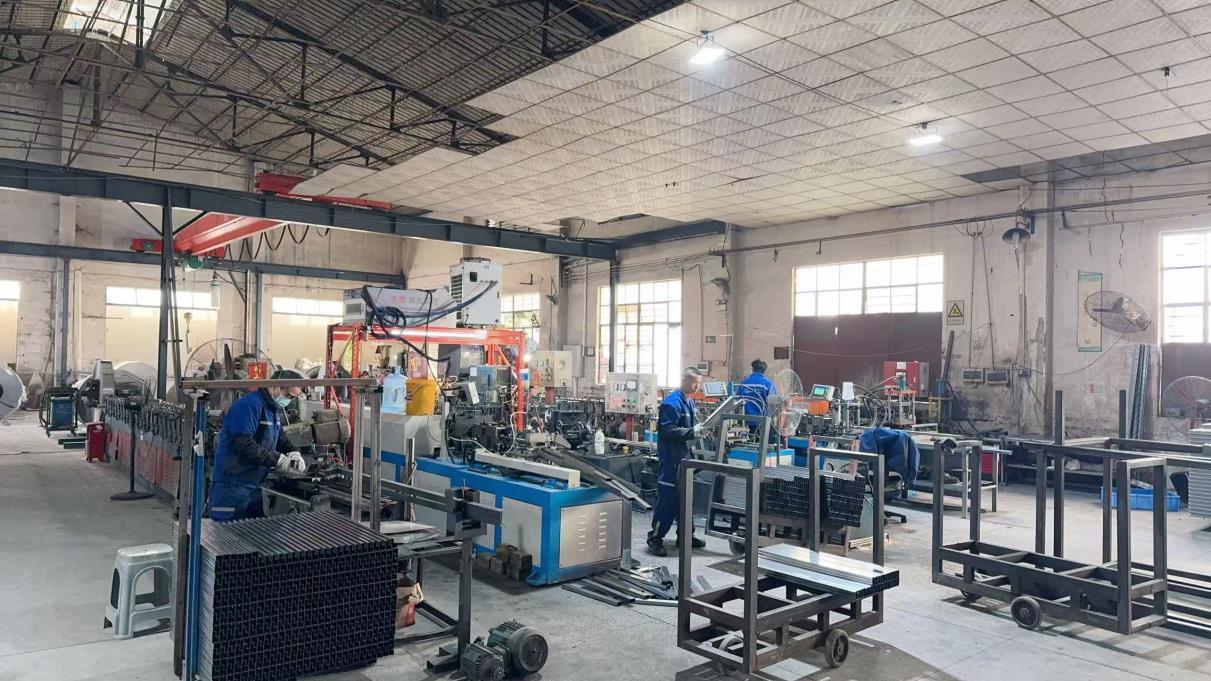
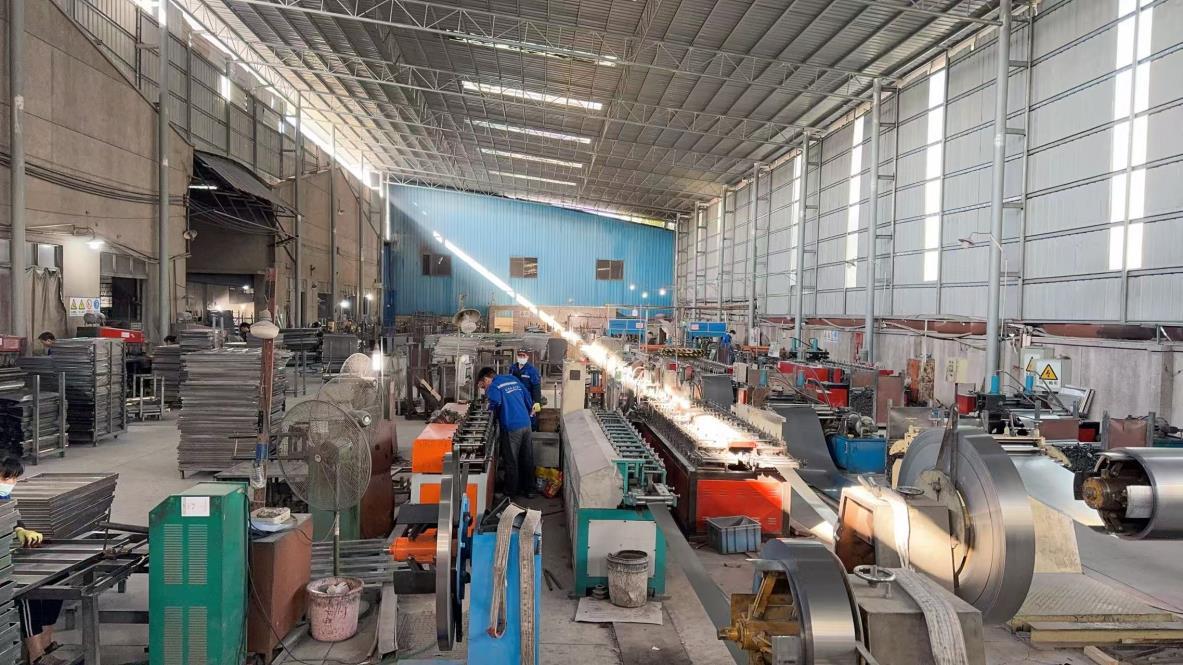
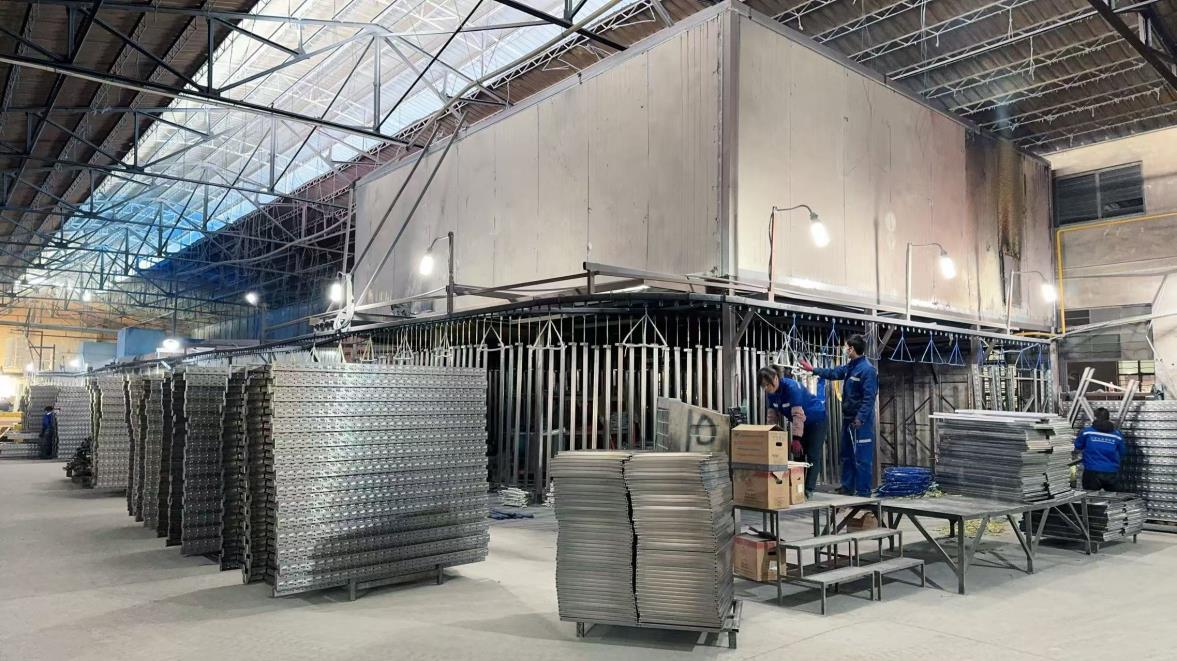
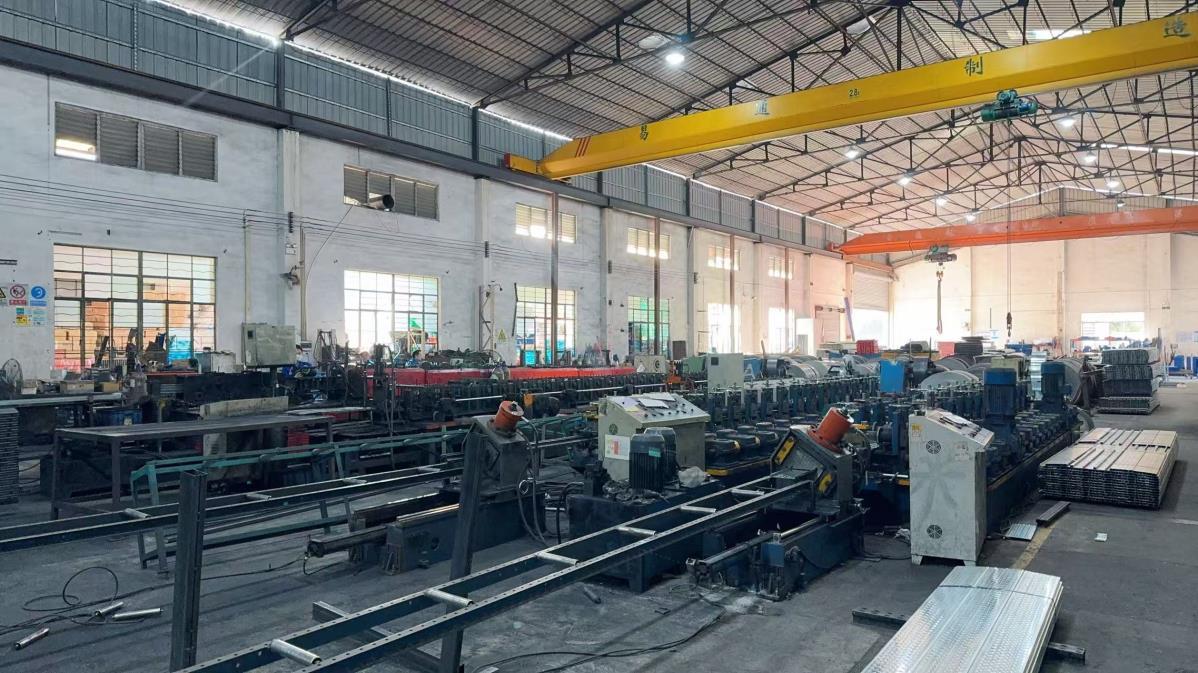
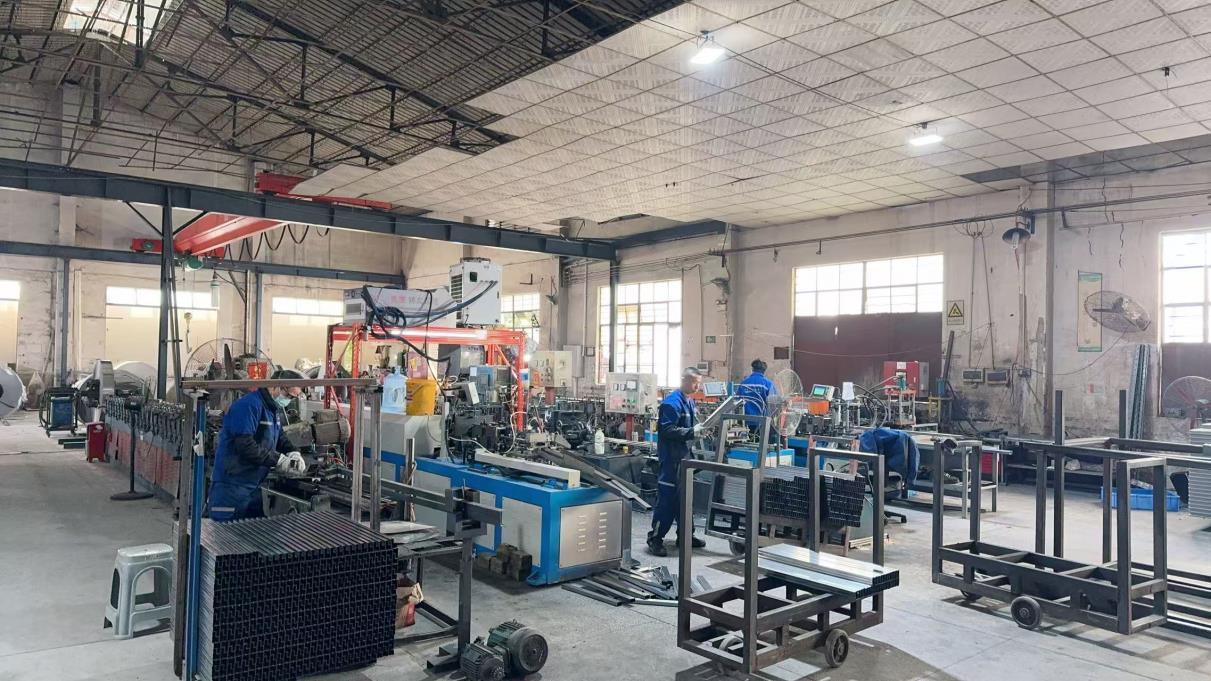
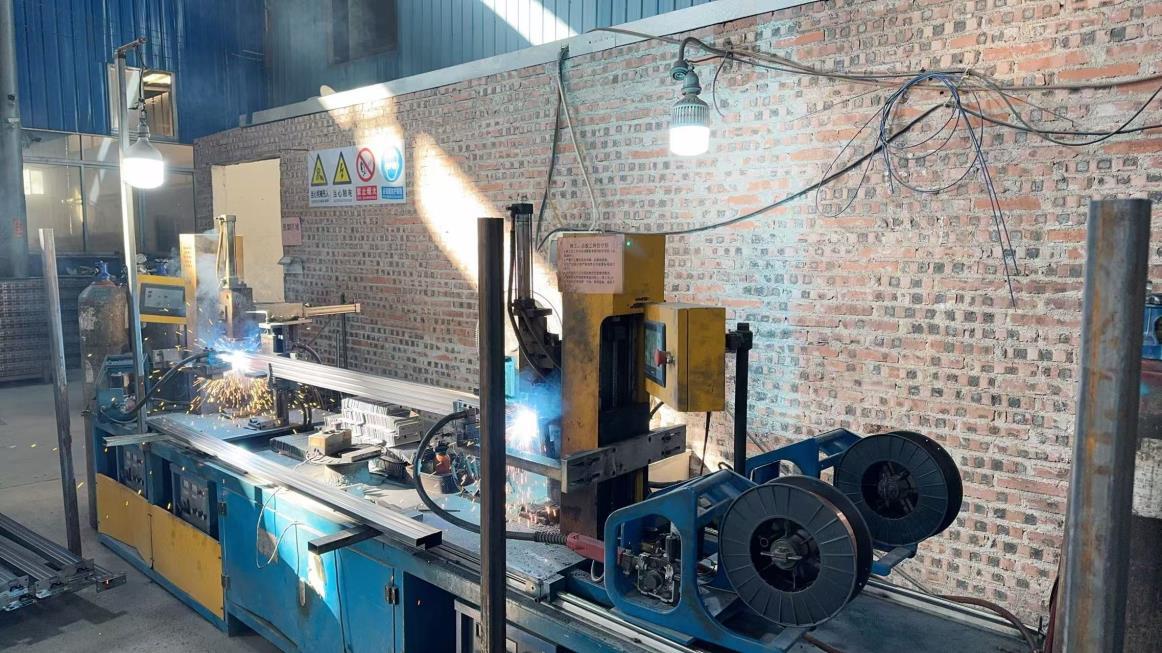
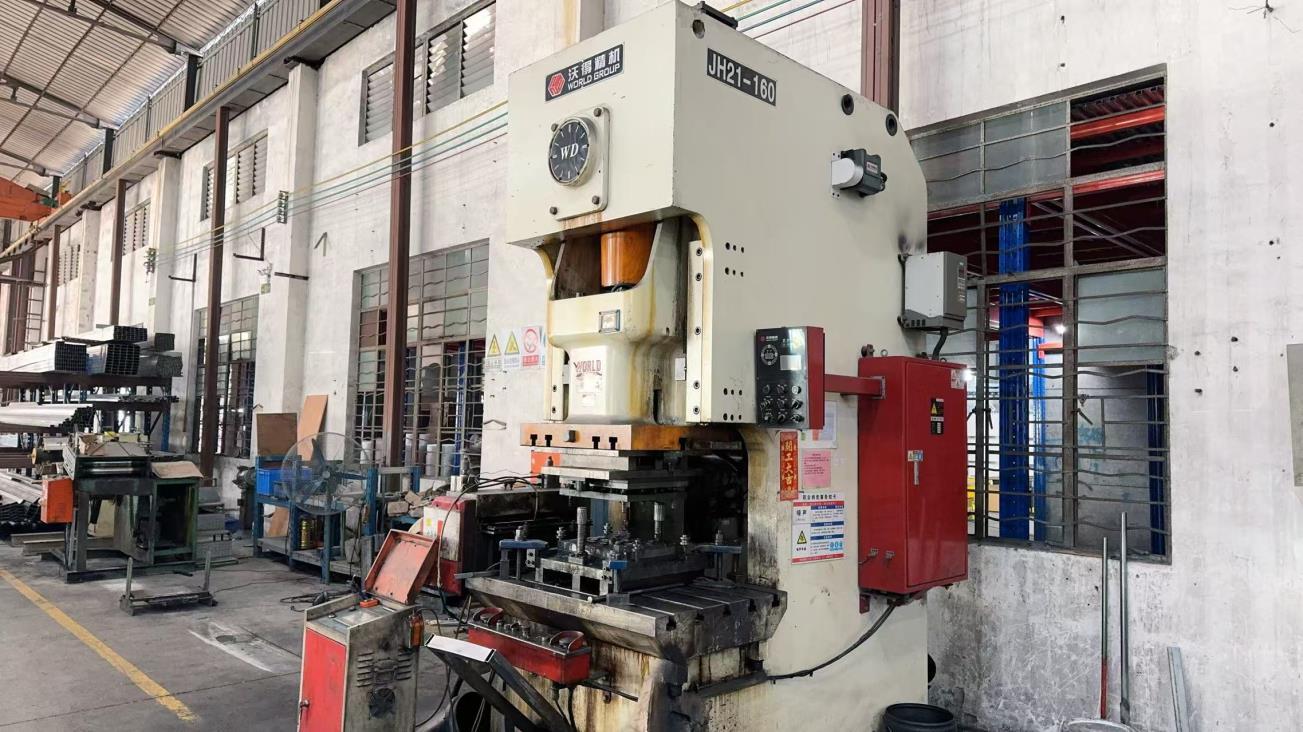
With a modern 38,000 m² manufacturing plant, Kimsuk translates standard designs into robust logistics assets. Through automated roll-forming machines and robot welding systems, Kimsuk ensures structural components maintain strict tolerances—a critical factor for direct installation and safety in high-density automated storage and retrieval systems (ASRS).
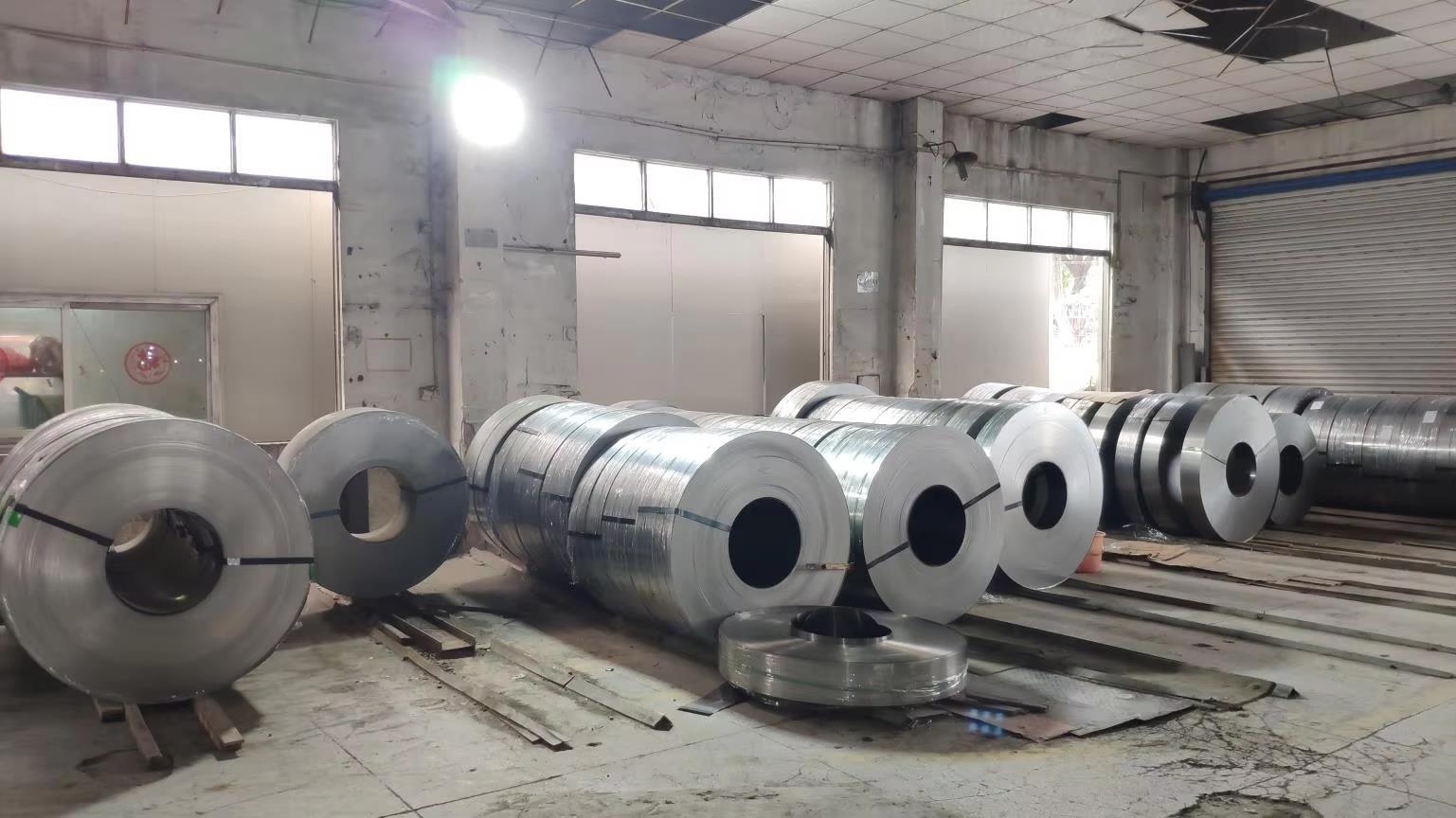
Material Traceability: Every batch of steel is tracked from mill certificate validation through chemical profiling to structural load testing.
Structural Simulation: Prior to production, designs undergo Finite Element Analysis (FEA) to confirm exact structural capacity and deflection criteria.
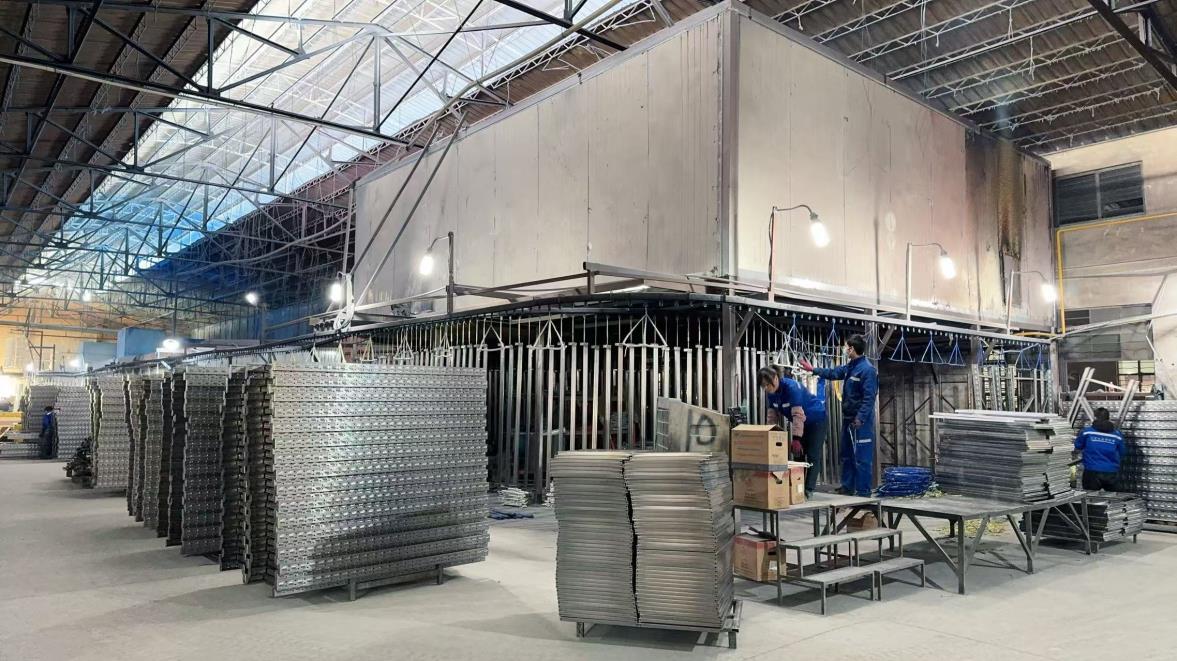
Surface Protection: Precision powder coating lines deliver strong adhesion and resistance to corrosion, wear, and thermal shocks.
Certified QC inspectors verify weld integrity, coating thickness, and load compliance using non-destructive ultrasonic and static load tests. This ensures structural safety on-site, protecting operational personnel and surrounding infrastructure.
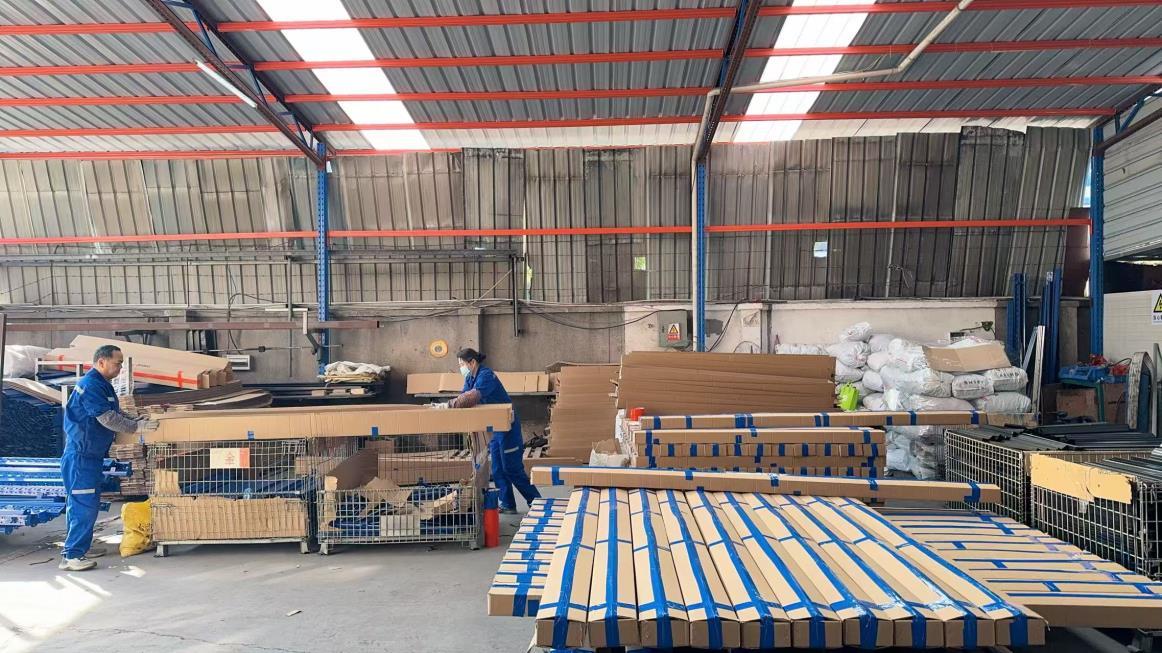
From raw material sourcing to packaging, our manufacturing processes are executed to deliver consistent quality and structural reliability.
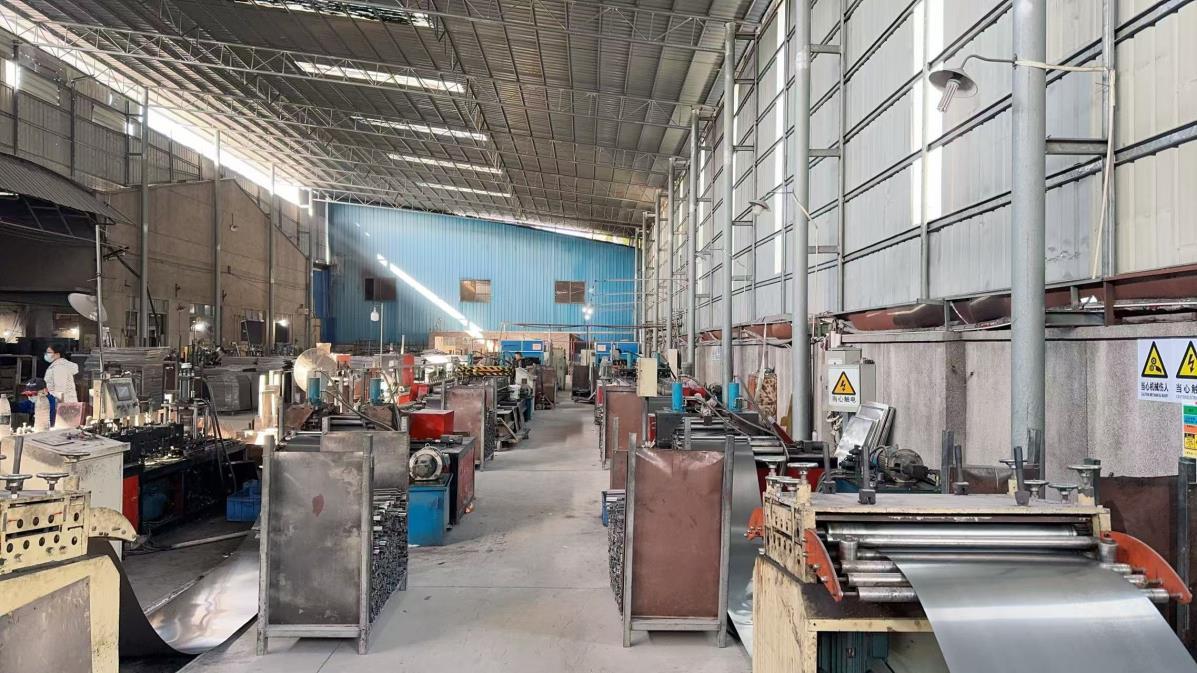
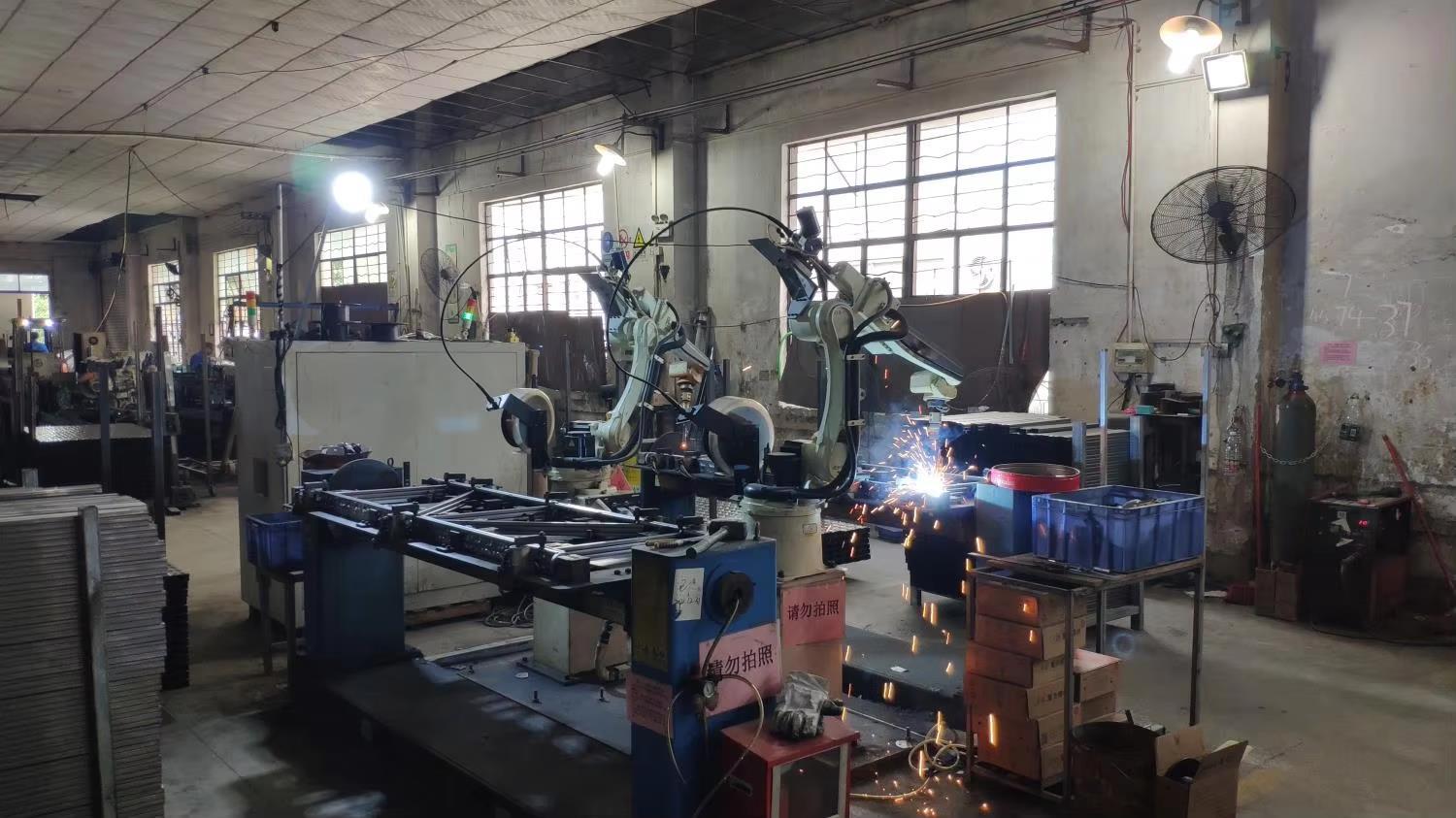
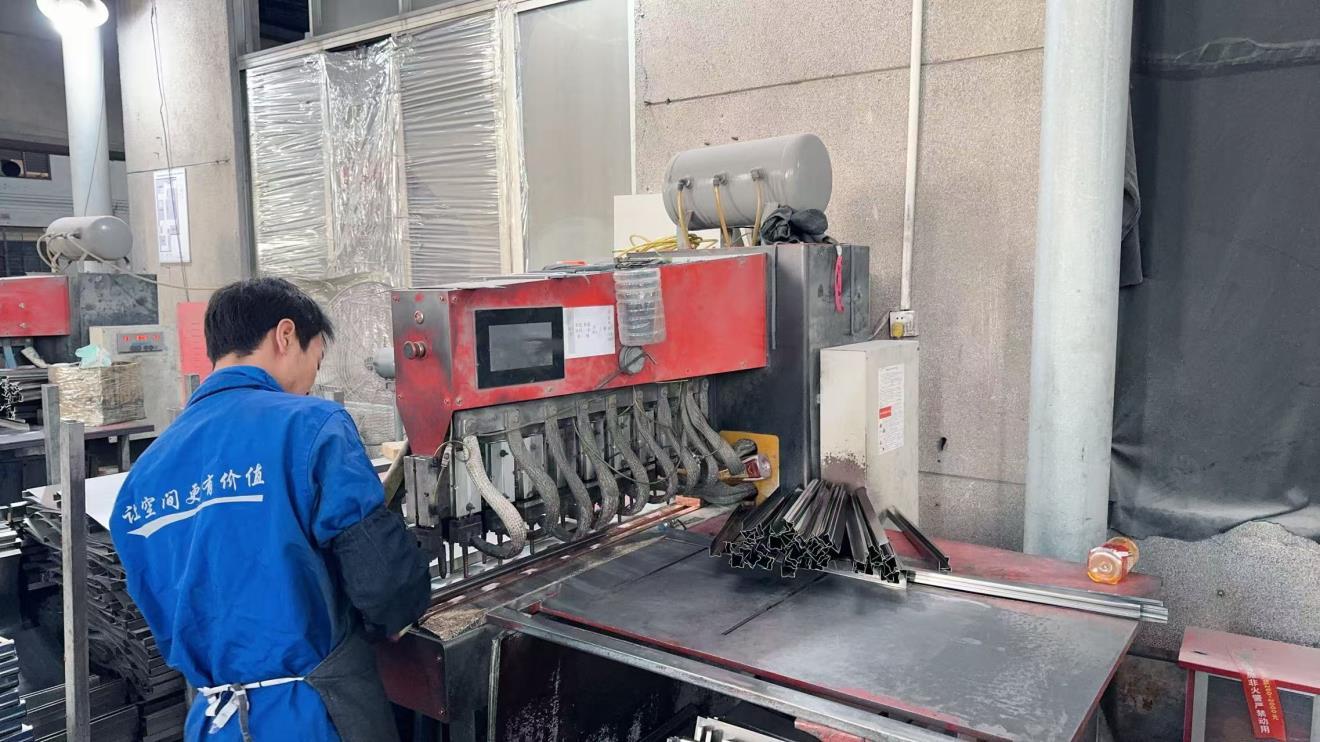
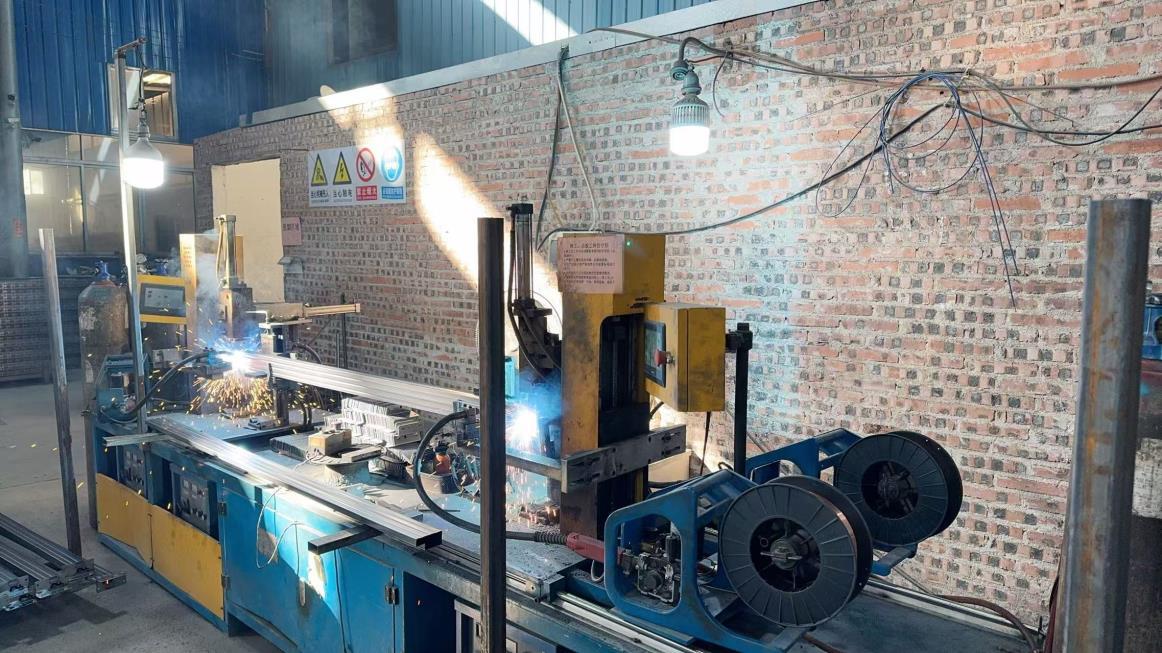
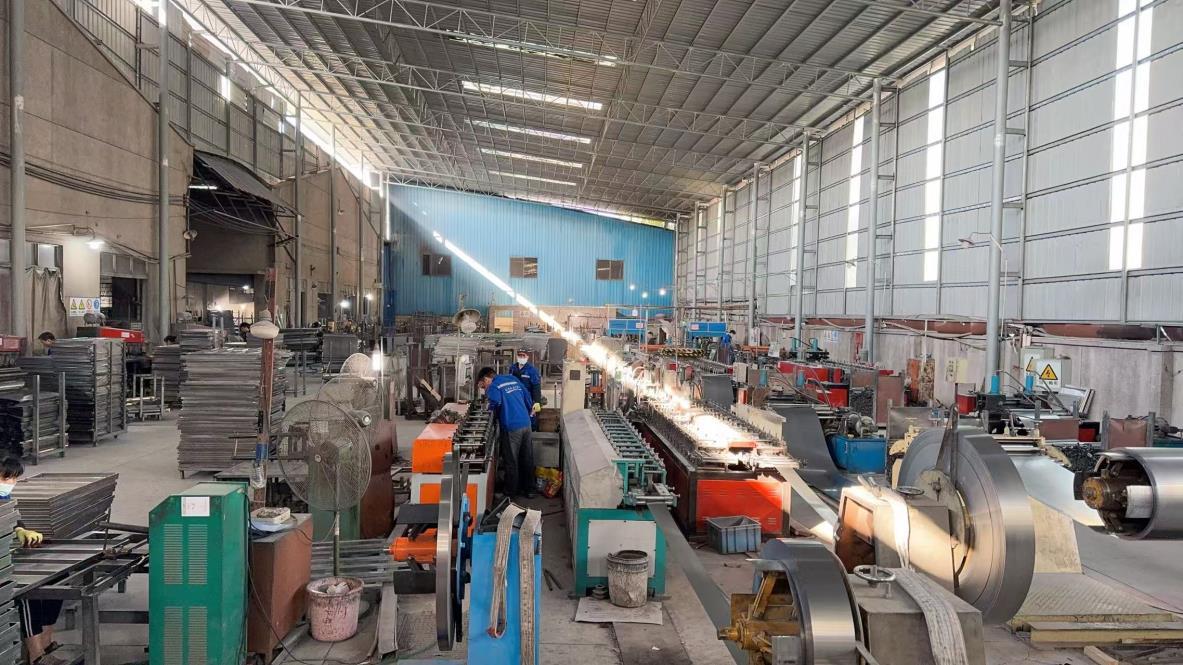
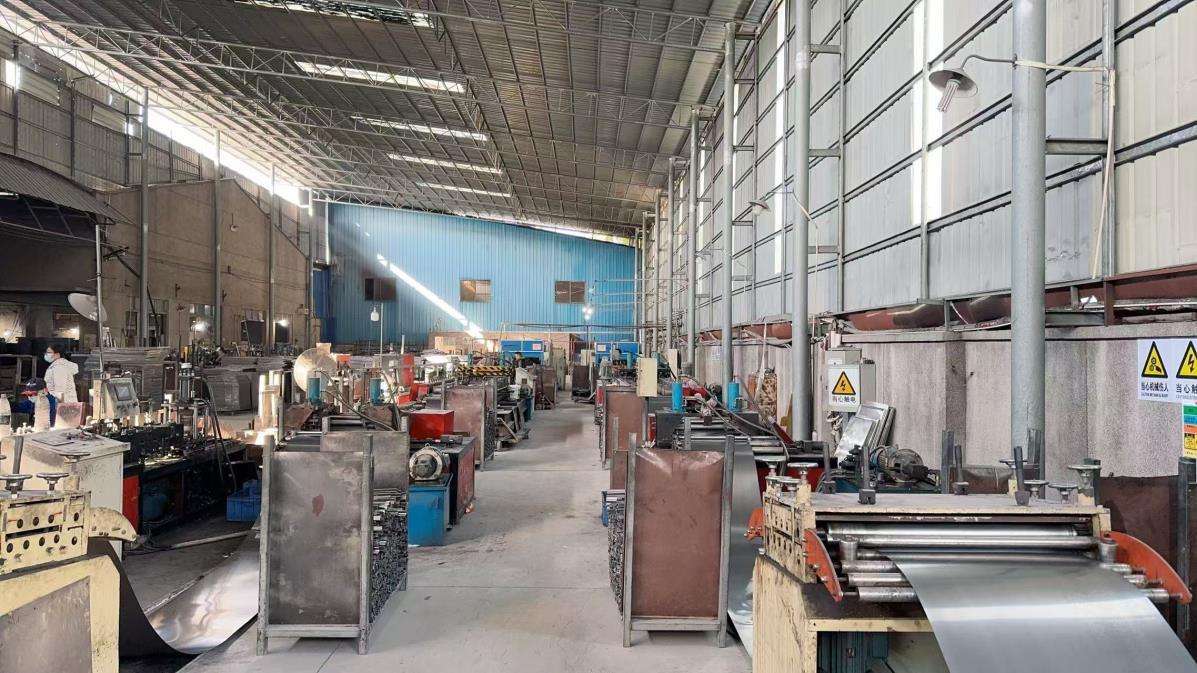
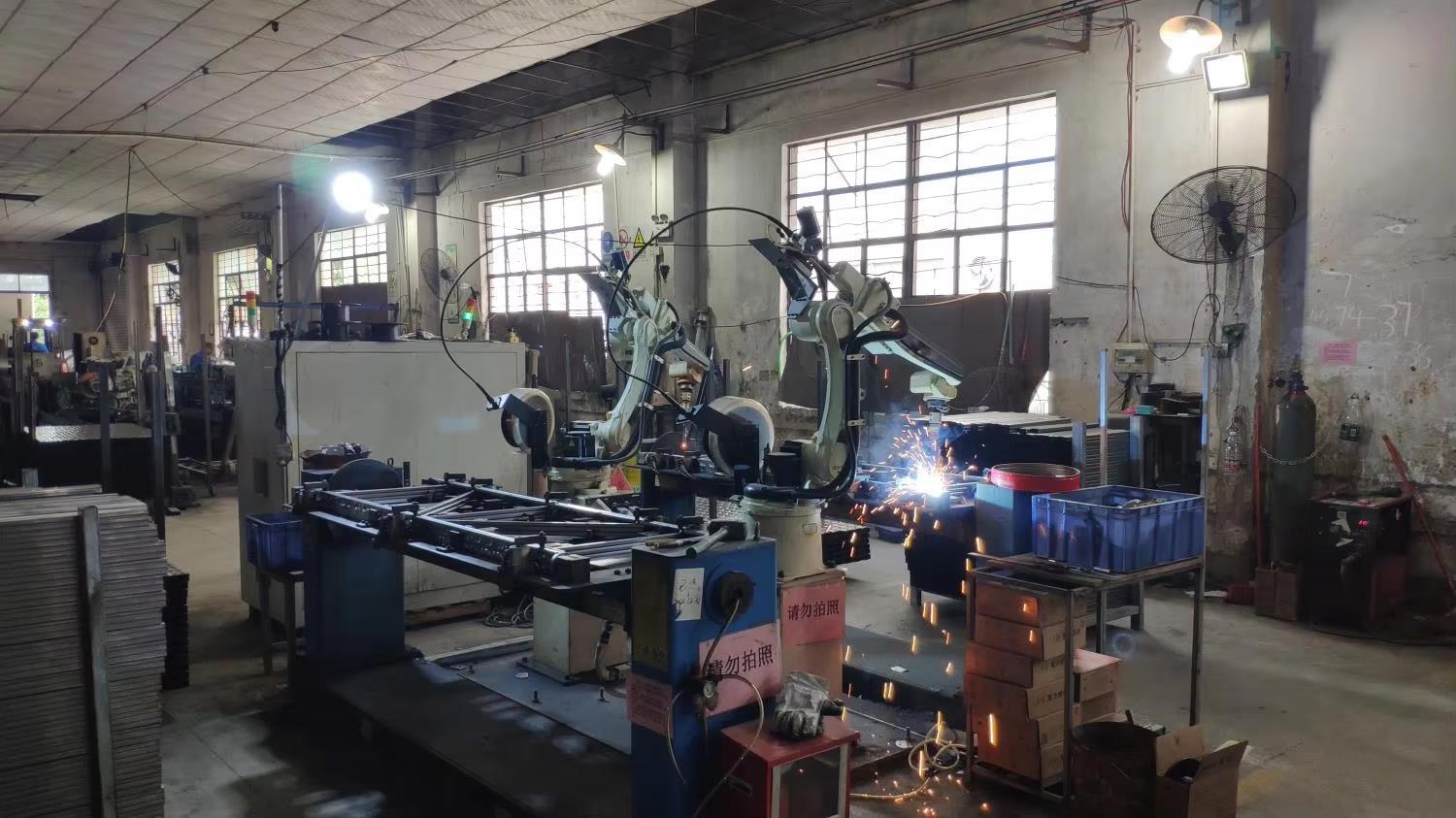
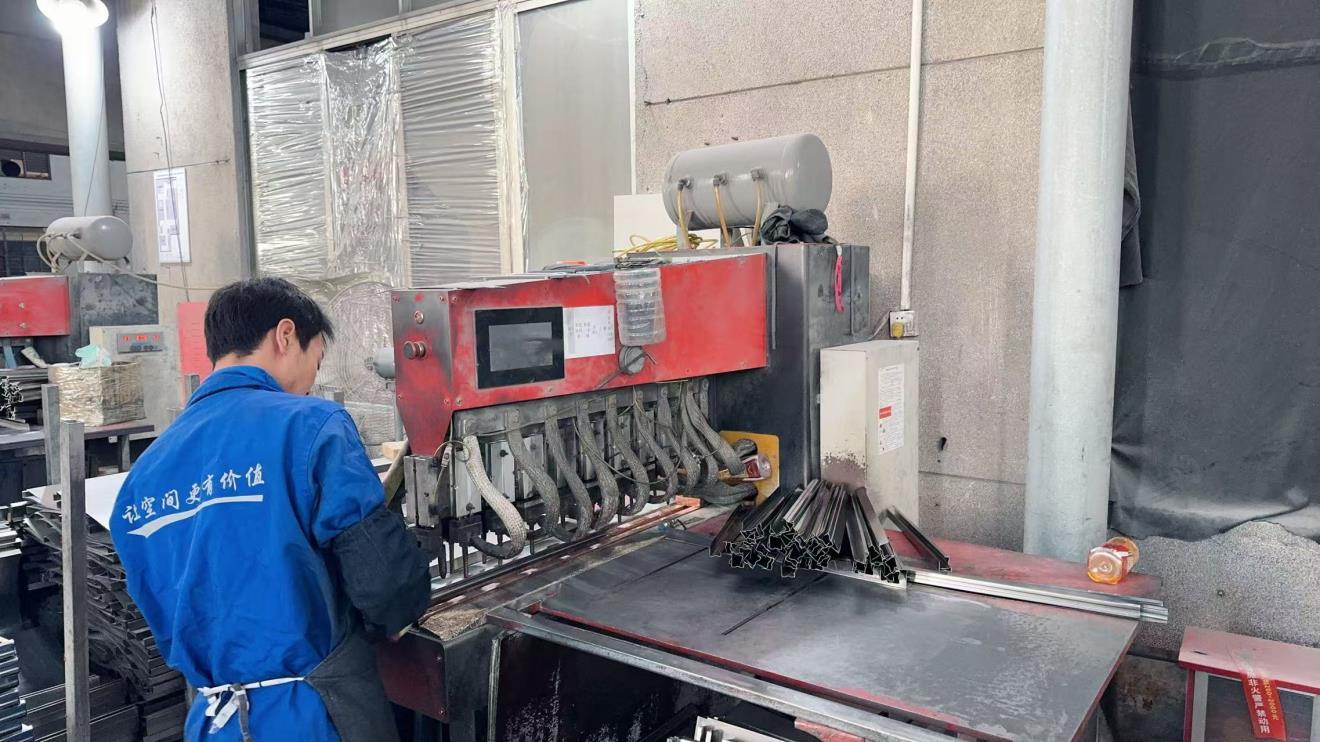
Cantilever configurations resolve specific long-load storage challenges. Here is how various sectors optimize their floor footprint:
Storing heavy bundles of steel tubes, copper pipes, or plastic PVC conduits requires uniform support to prevent deflection. Adjustable arm angles and end-stops secure rolling cylindrical inventories, allowing crane or side-loader access.
Lumber yards and drywall distributors manage long flat products prone to bending. Flat cantilever deck interfaces distribute loads across multiple arms, maintaining inventory flatness and avoiding surface damage.
Heavy sub-assemblies and vehicle frames require high load-carrying capacity. Heavy-duty structural steel profiles provide the static frame strength necessary to handle these dense, high-impact loads.
When procuring industrial racking systems, selecting the proper raw materials and engineering specifications is essential for long-term safety and performance.
To match storage needs, engineers assess: physical dimension clearances, seismic zones, environmental wind load calculations for outdoor installations, base connections, and forklift mast clearances. Utilizing correct safety ratios prevents structural issues.
High-grade raw materials: Standard Q235B or high-tensile Q355B structural steel.
Configurable structural columns: Multi-height options up to 6+ meters with dynamic spacing pitches.
Arm styles: Straight or tapered profiles (typically 2-4 degrees incline) with load capacities ranging from 300kg to over 1500kg per arm.
Our quality assurance protocols verify structural integrity before delivery:
Common technical and sourcing questions regarding warehouse storage installations:
Explore our collection of heavy-duty, selective, and specialty racking components built to international quality standards.
Founded in 2015, Dongguan Kimsuk Shelves Co., Ltd. is a premier manufacturer specializing in heavy-duty industrial warehouse racking systems, automated storage solutions, and customizable steel shelving. Spanning a state-of-the-art production facility of 38,000 square meters, Kimsuk combines advanced manufacturing infrastructure with high-precision engineering to deliver robust logistics and warehousing infrastructure globally.
Our engineering teams focus on designing stable structural configurations. We develop long-term OEM/ODM partnerships with system integrators, third-party logistics (3PL) operators, cold chain facilities, and industrial warehouses worldwide. Our target client profile spans global logistics hubs, enterprise e-commerce distribution centers, cold chain facilities, industrial equipment wholesalers, and 3PL operators.
 Kimsuk Racking