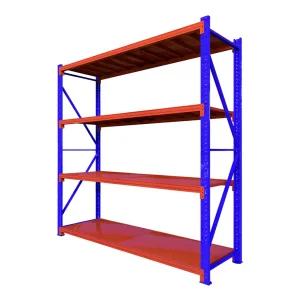
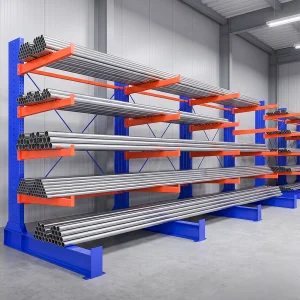
Premium steel racking and storage container systems designed to handle high loads, harsh industrial environments, and automated material handling configurations.
Nagoya, the capital of Japan's Aichi Prefecture, is recognized as a global capital of manufacturing, heavy industry, and automotive engineering. Anchoring the Chukyo Metropolitan Area, Nagoya's industrial corridor houses major automotive assembly lines, aerospace manufacturing hubs, and heavy machine shops. In this highly optimized environment, material handling efficiency is critical to maintain production schedules.
For decades, traditional wood pallets were the default shipping platform. However, the rise of modern logistics has shifted the paradigm. Heavy manufacturing sectors, automotive sub-assembly plants, and cleanroom aerospace facilities are rapidly converting to heavy-duty steel pallets. These metal systems offer a non-combustible, structural platform that supports high load capacities, interfaces seamlessly with Automated Storage and Retrieval Systems (AS/RS), and maintains high dimensional accuracy under tension.
Furthermore, Nagoya's coastal geography requires industrial equipment to withstand high humidity and corrosive salt-air conditions. Conventional wooden pallets decay, harbor mold, and compromise warehouse safety. In contrast, advanced hot-dip galvanized and powder-coated steel pallets resist moisture damage and corrosion, offering a service life exceeding 10 years in harsh seaside distribution hubs.
Nagoya’s automotive ecosystem uses steel pallets to store high-density metal parts, casting molds, and transmission cases. Designed to prevent deflection and withstand impact from heavy forklifts.
Automated crane and retrieval forks require sub-millimeter tolerances. Unlike wood or plastic, steel pallets do not bend, warp, or crack, eliminating sensor errors and conveyor jams.
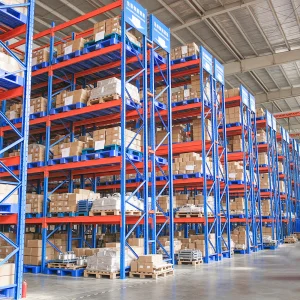
As logistics operations face labor shortages and rising land costs worldwide, facilities are expanding vertically rather than horizontally. This trend has accelerated the installation of high-bay racking systems and automated material handling networks. In this landscape, the structural integrity of the pallet is as important as the racking itself.
Modern safety codes in Japan, including strict municipal fire prevention regulations in industrial zones, favor metal pallets over combustible wood. When a facility adopts non-combustible steel pallets, it reduces the overall fire load of the warehouse. This safety profile can result in lower commercial insurance premiums and simplified sprinkler system requirements for high-density configurations.
From an environmental standpoint, steel pallets represent a highly sustainable packaging choice. Wood pallets require continuous repair, contribute to landfill waste, and require chemical treatments to comply with international phytosanitary standards (ISPM 15). Steel pallets are 100% recyclable, emit zero chemical off-gassing, and eliminate compliance paperwork for global ocean transit, streamlining customs clearance at major hubs like the Port of Nagoya.
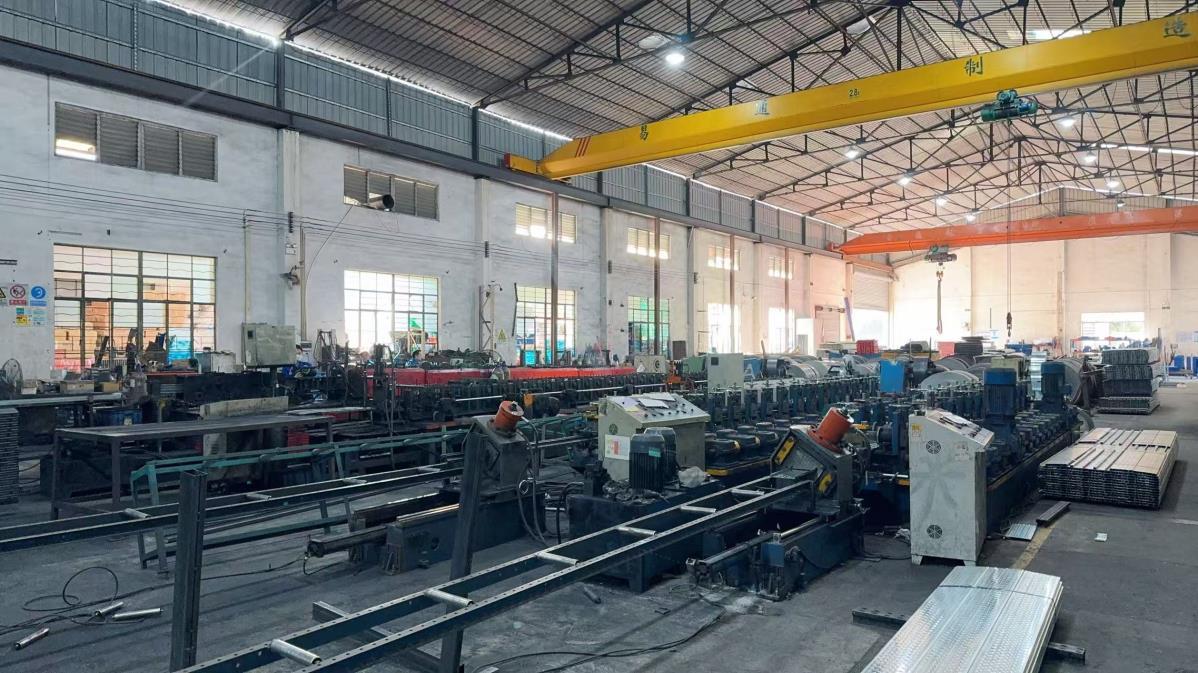
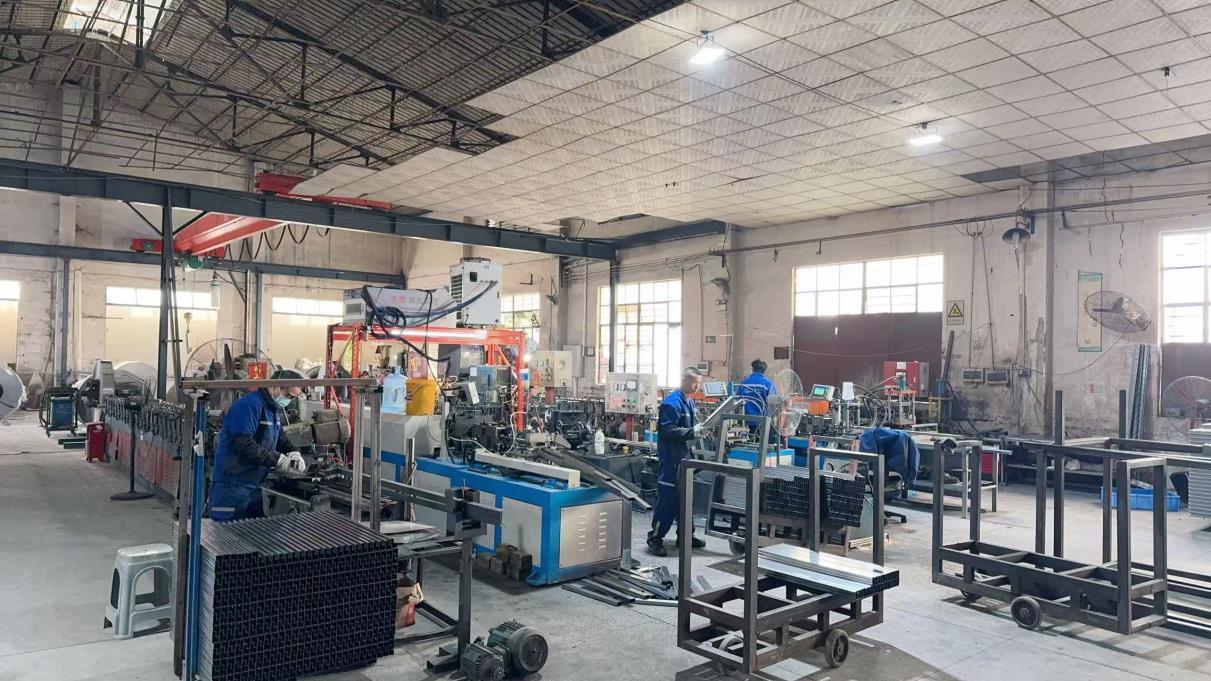
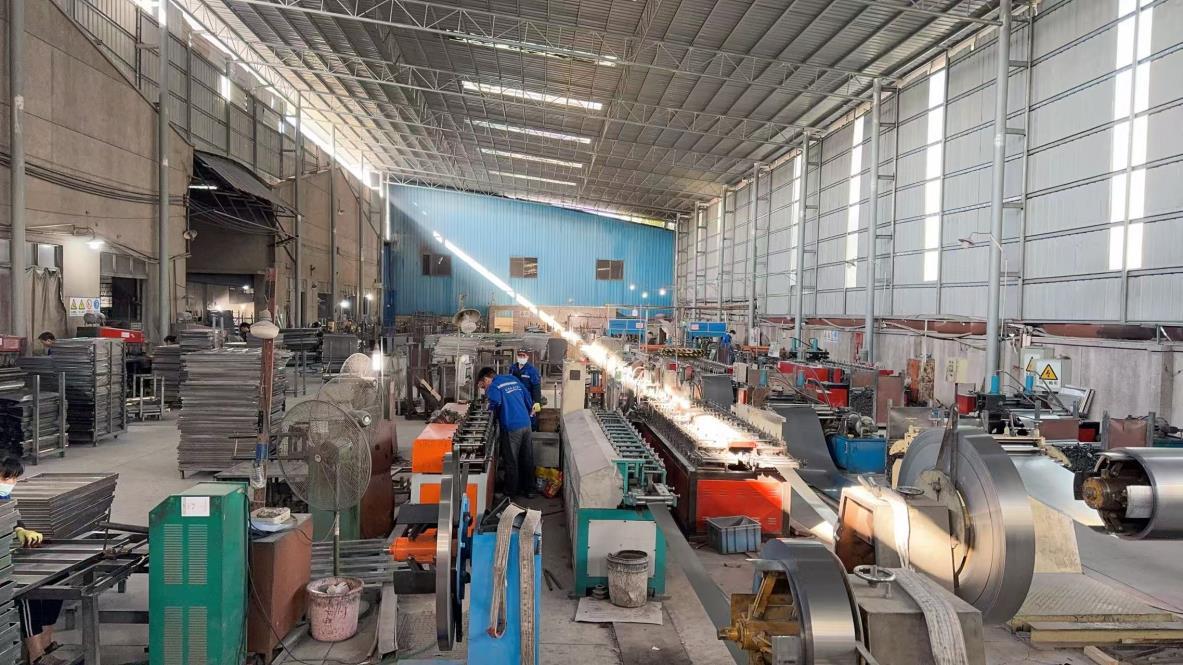
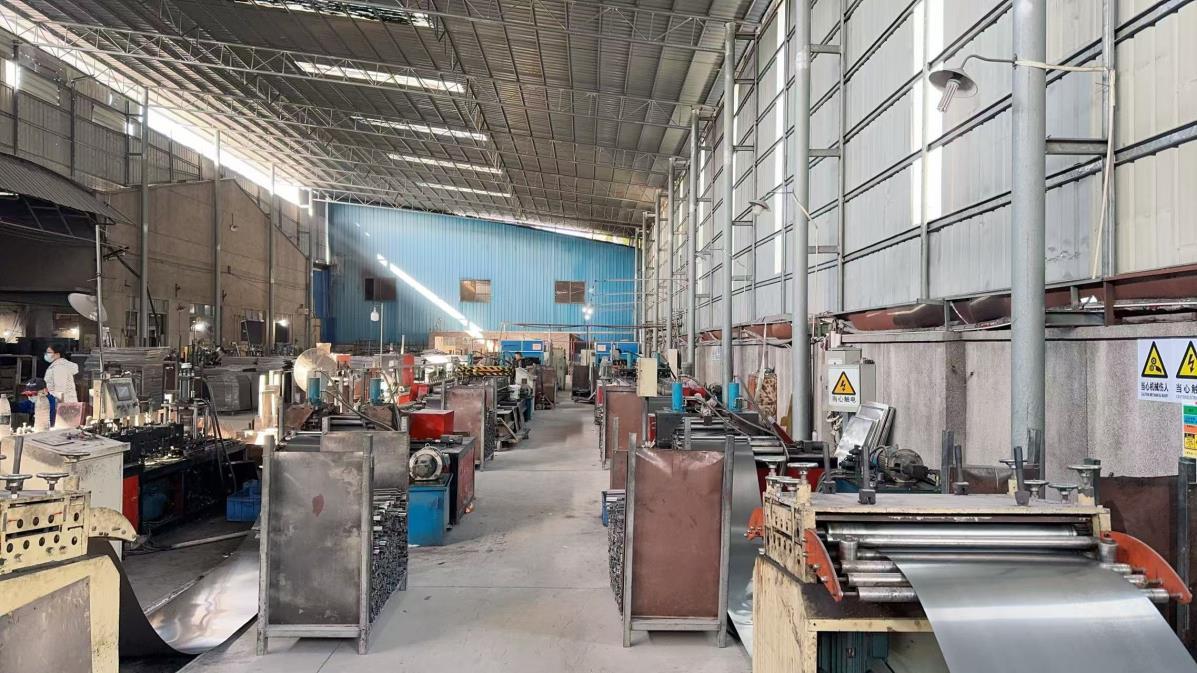
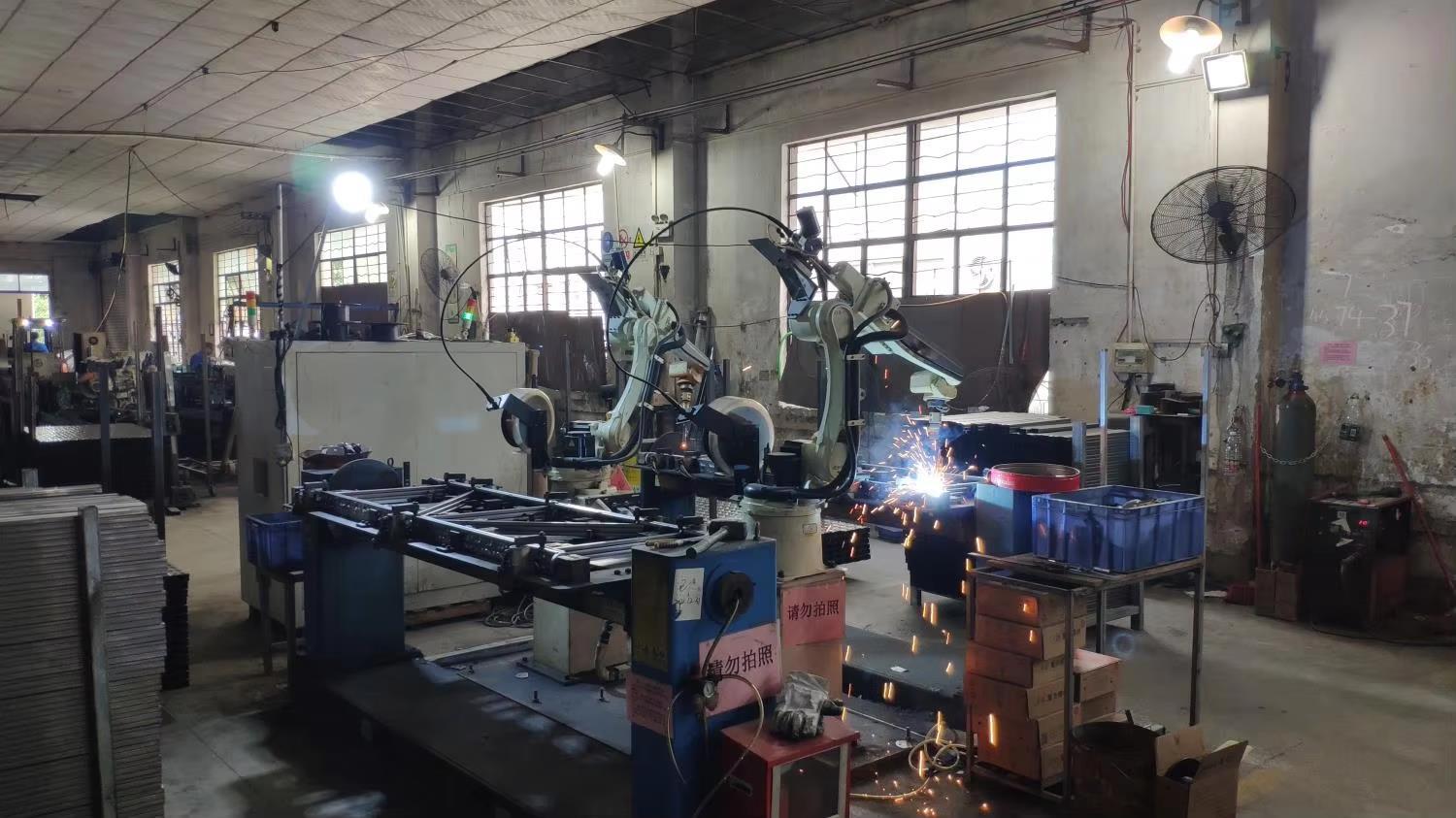
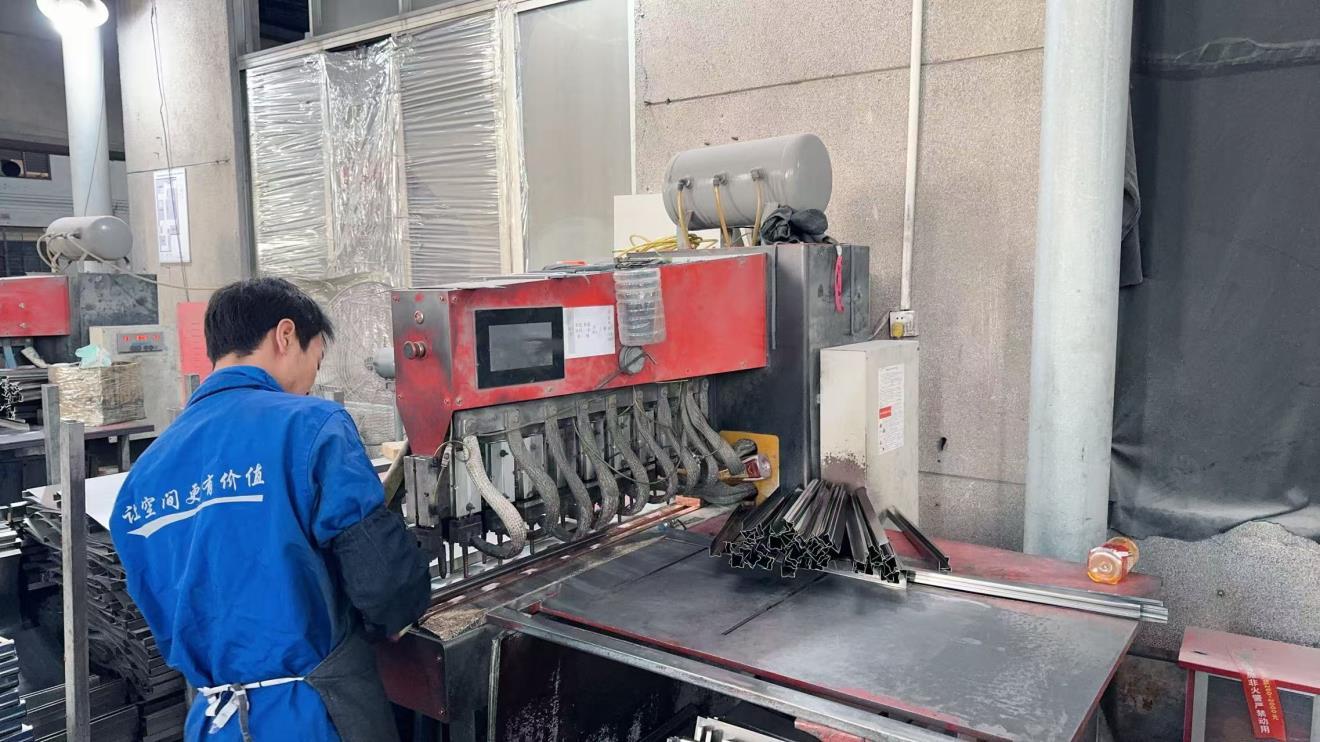
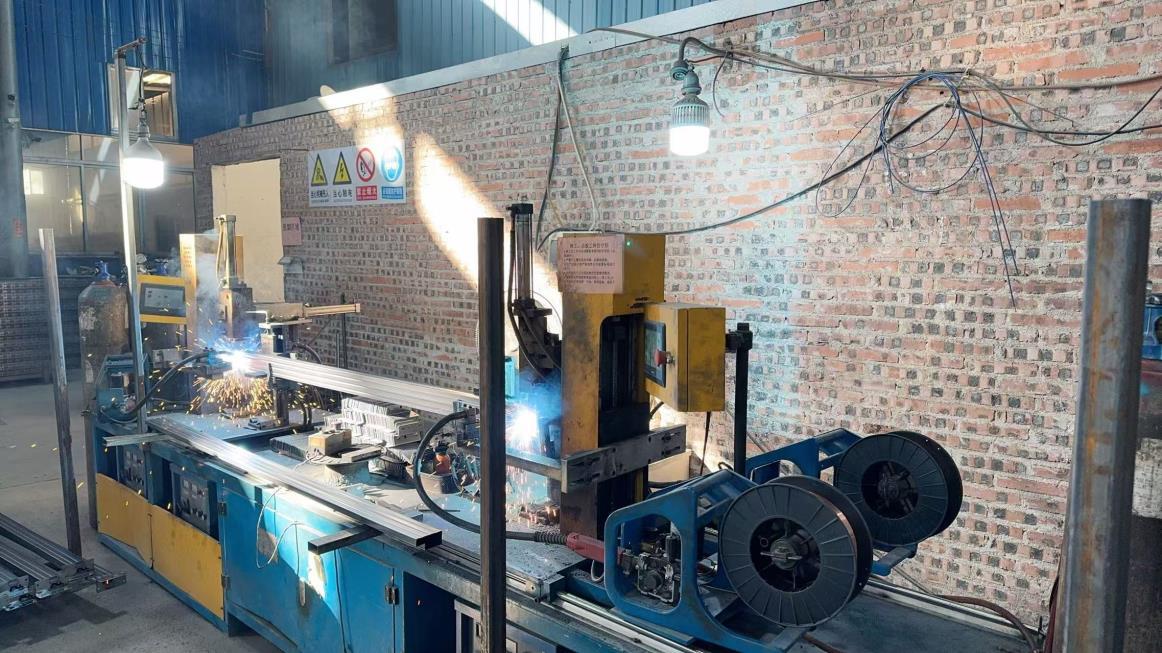
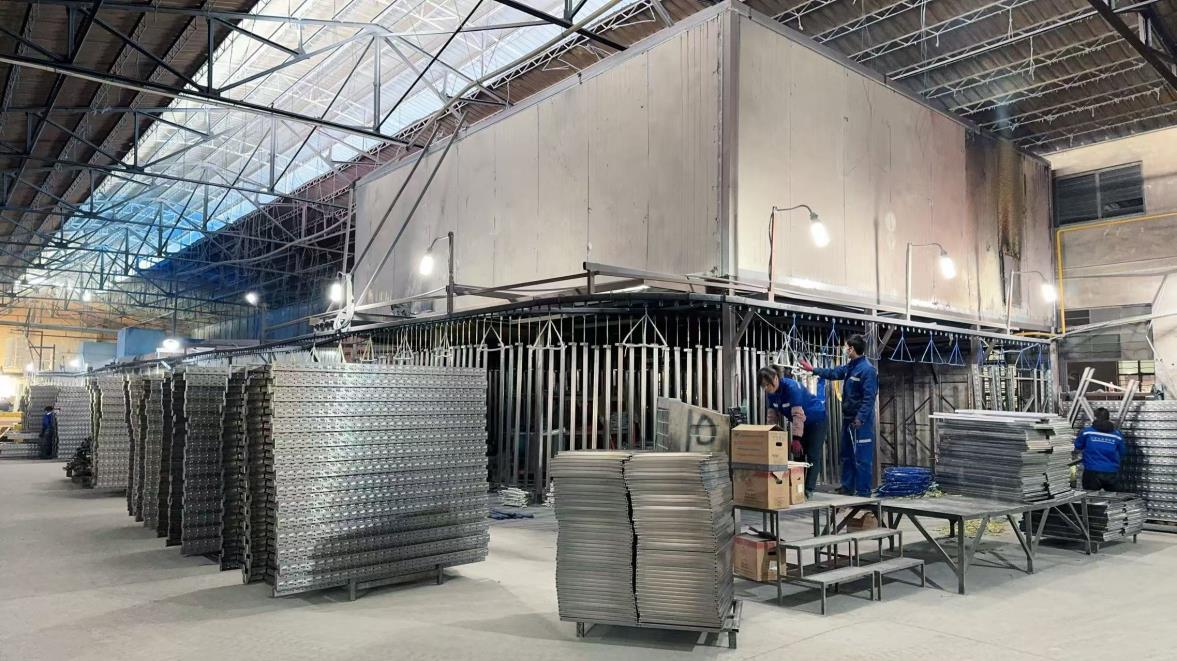
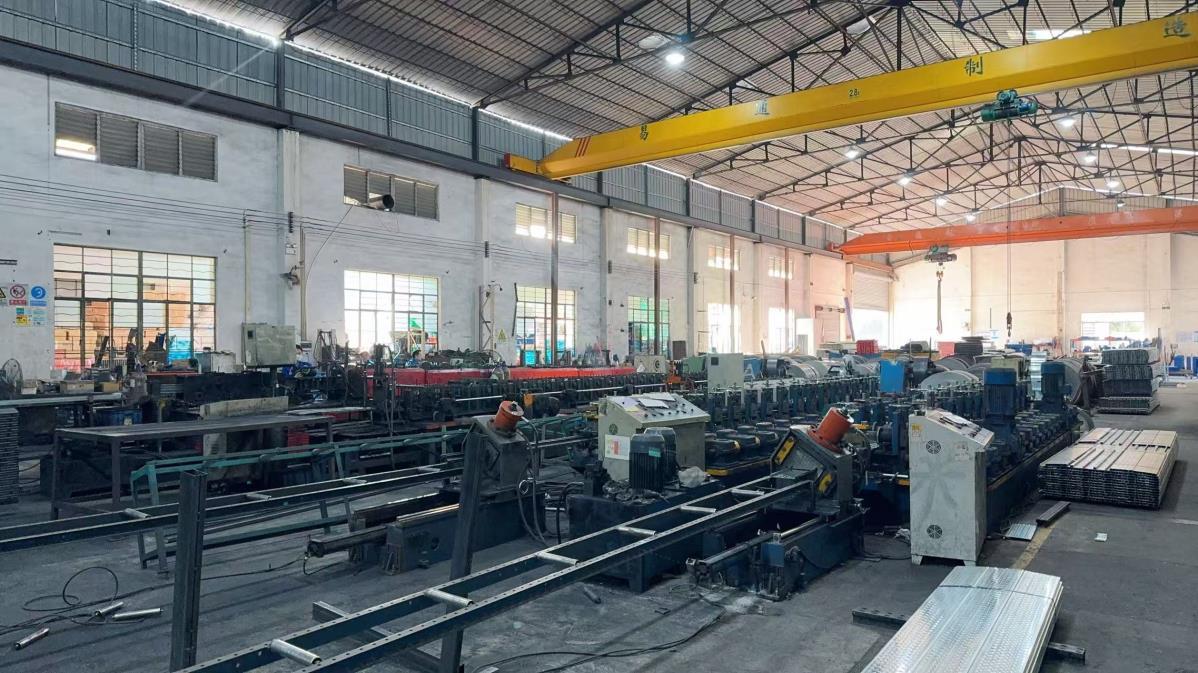
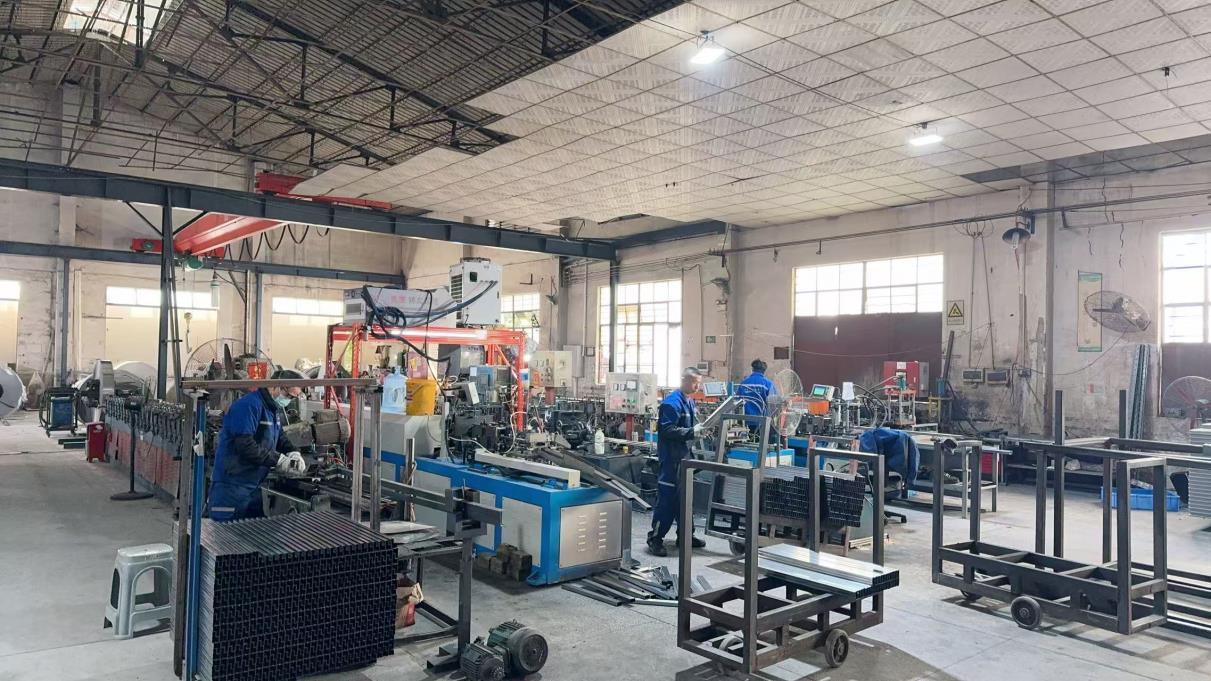
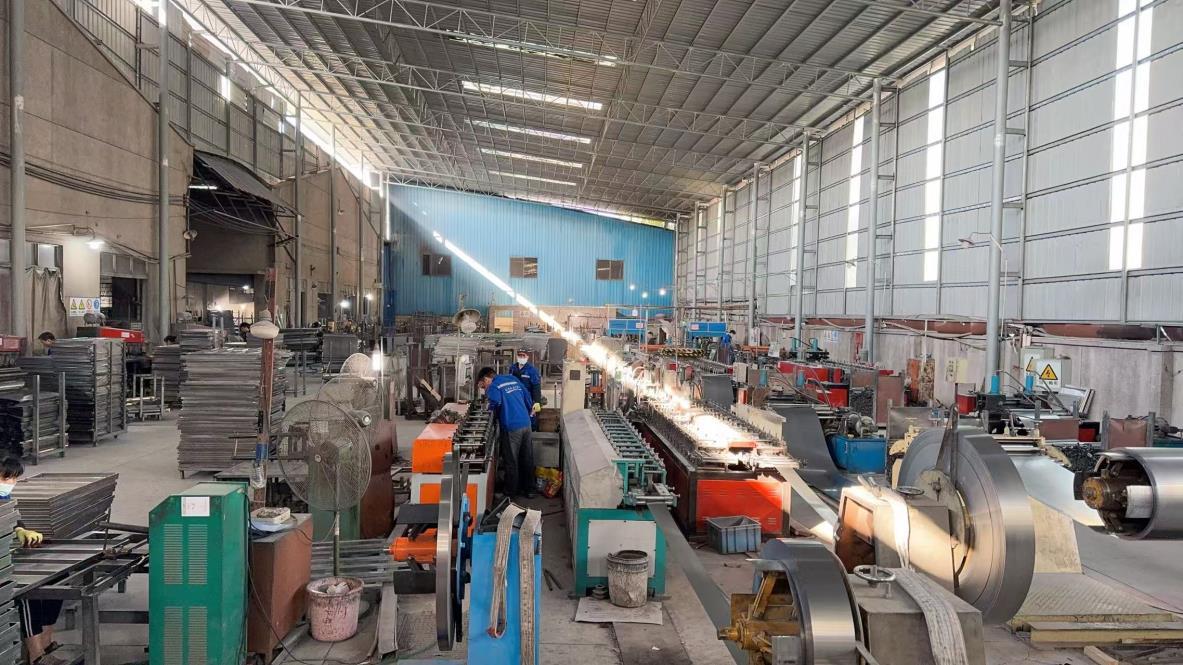
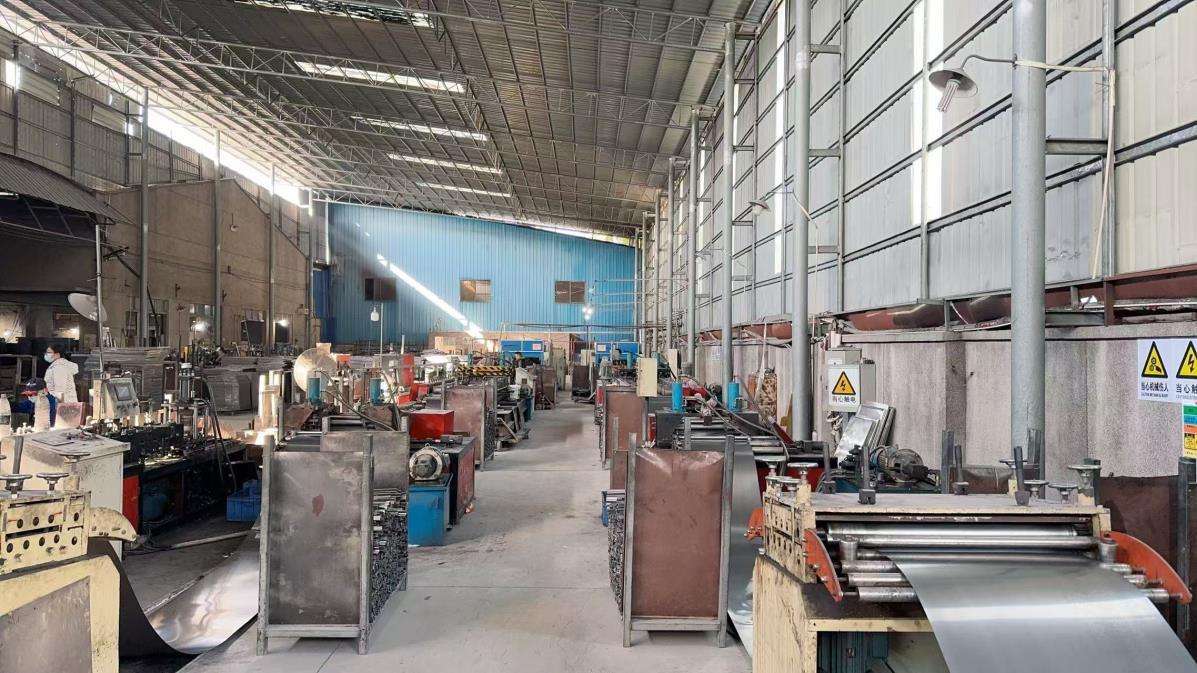
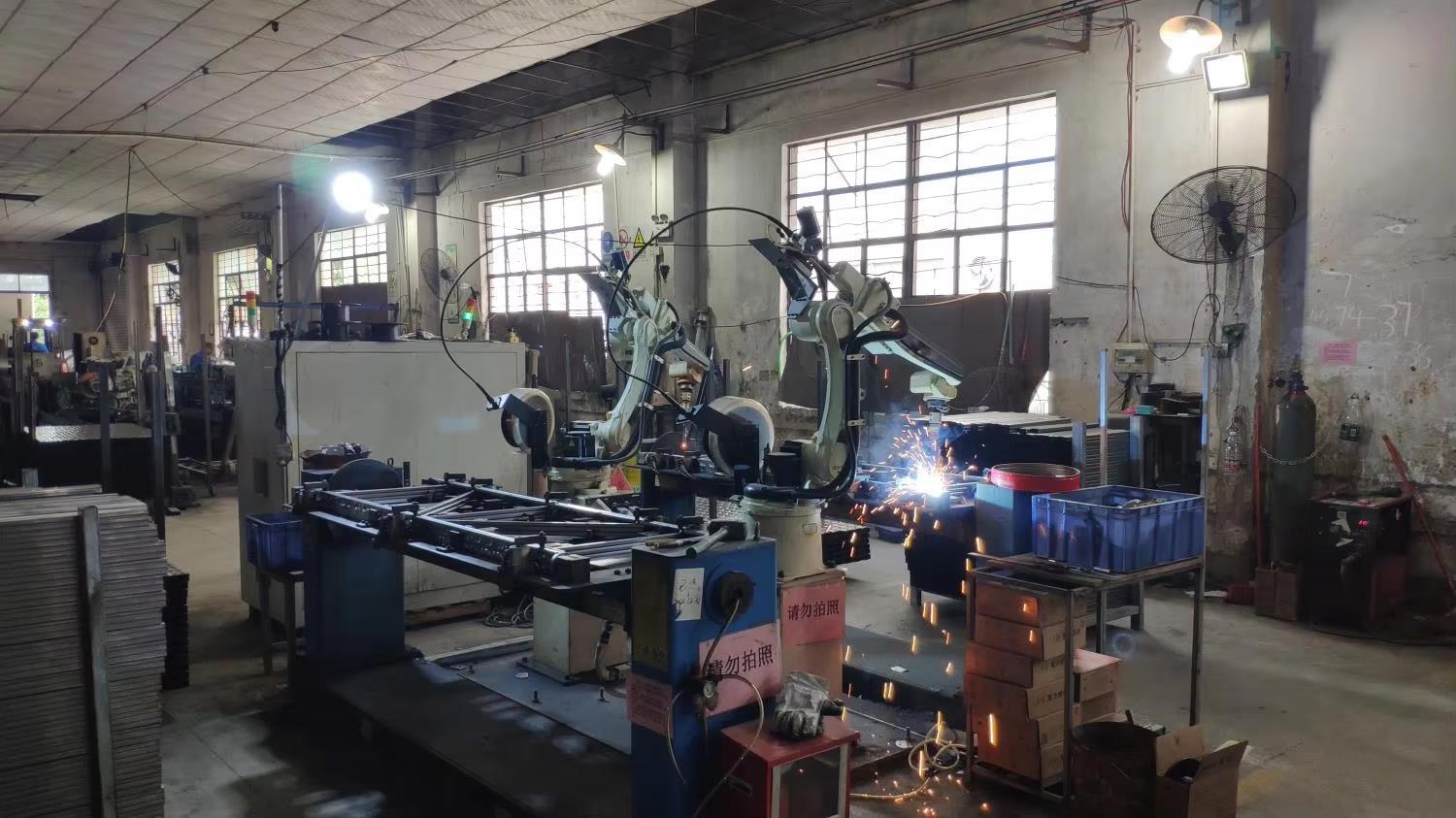
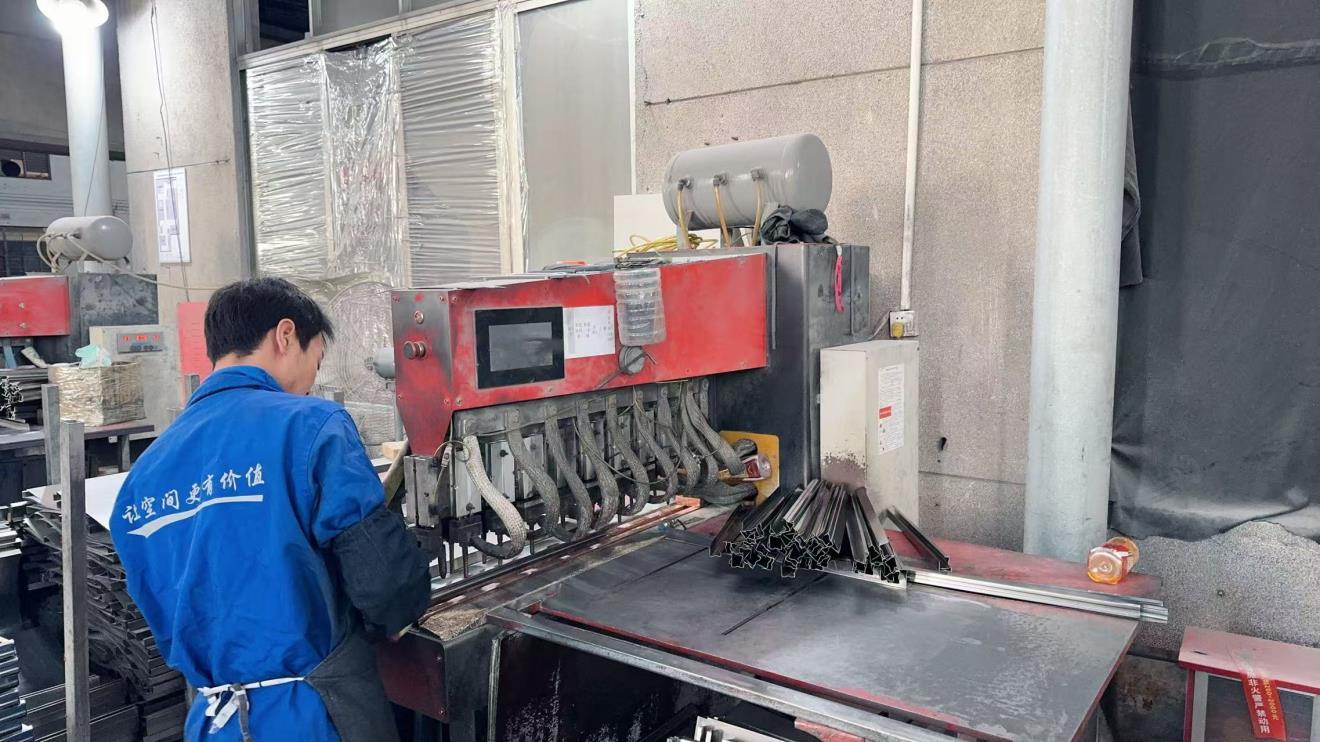
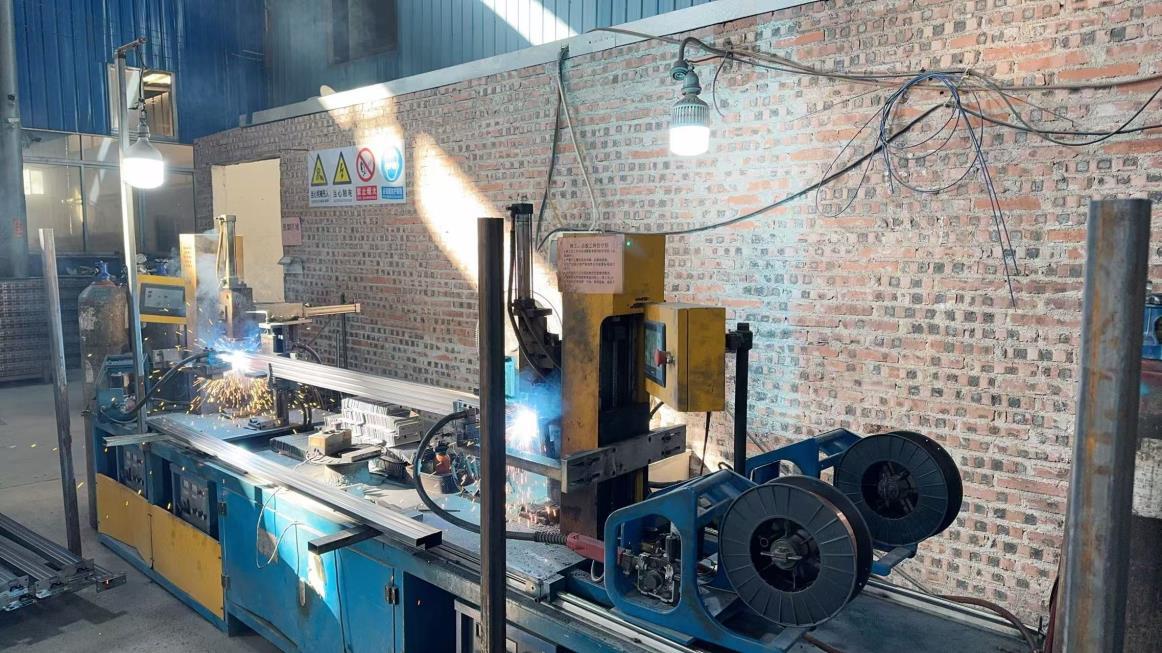
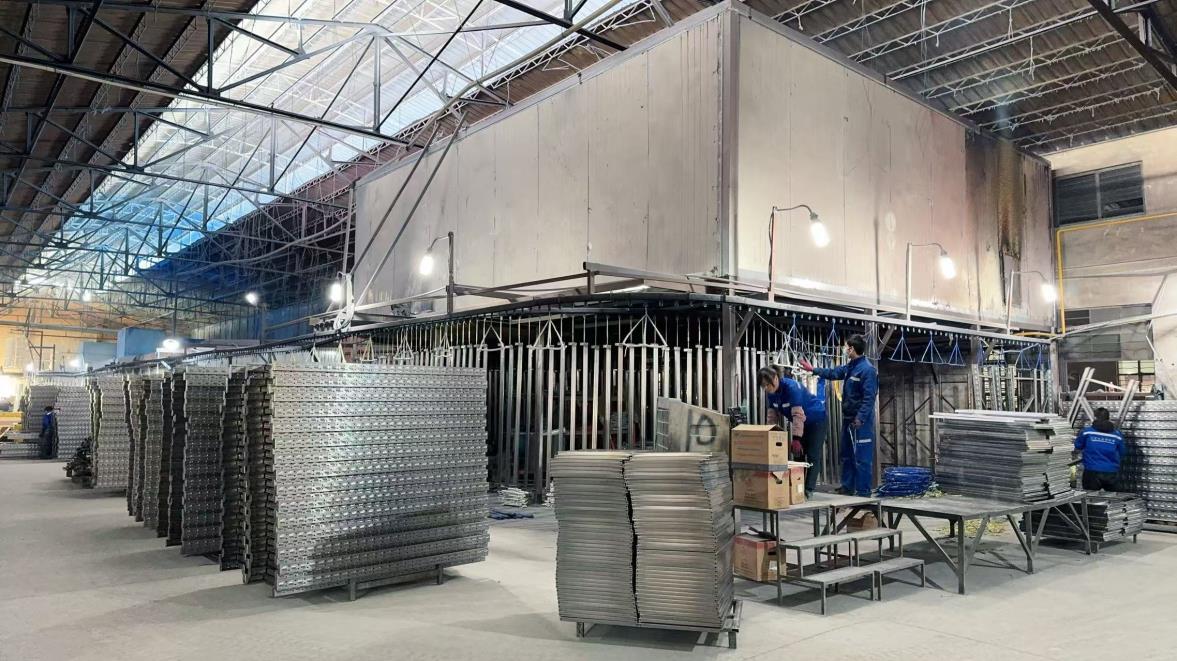
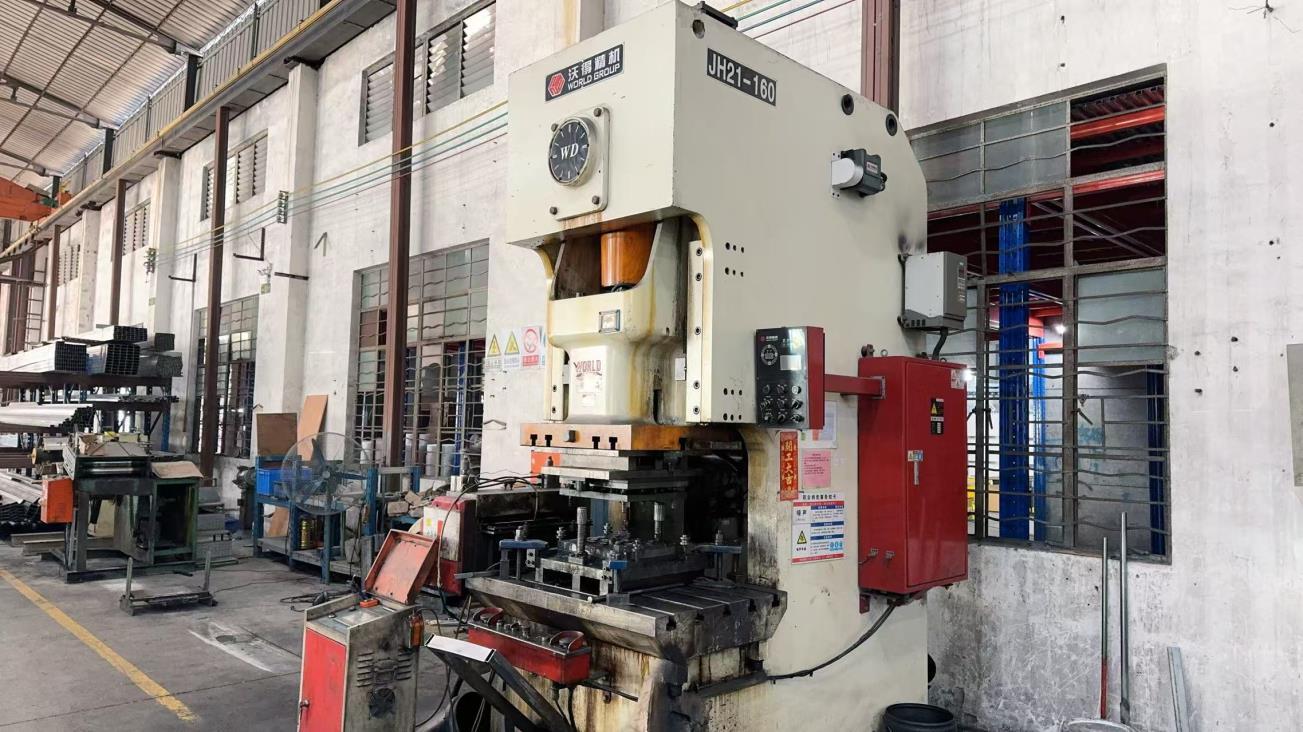
For industrial buyers in Japan, sourcing steel racking systems and heavy-duty steel pallets from specialized Chinese manufacturers offers a balance of cost-efficiency and technical quality. Our production facilities combine high-volume output with strict quality control. Operating under a Factory 4.0 framework, we integrate automated roll-forming machines, robotic welding systems, and specialized powder-coating lines to produce pallets and racking systems with high dimensional consistency.
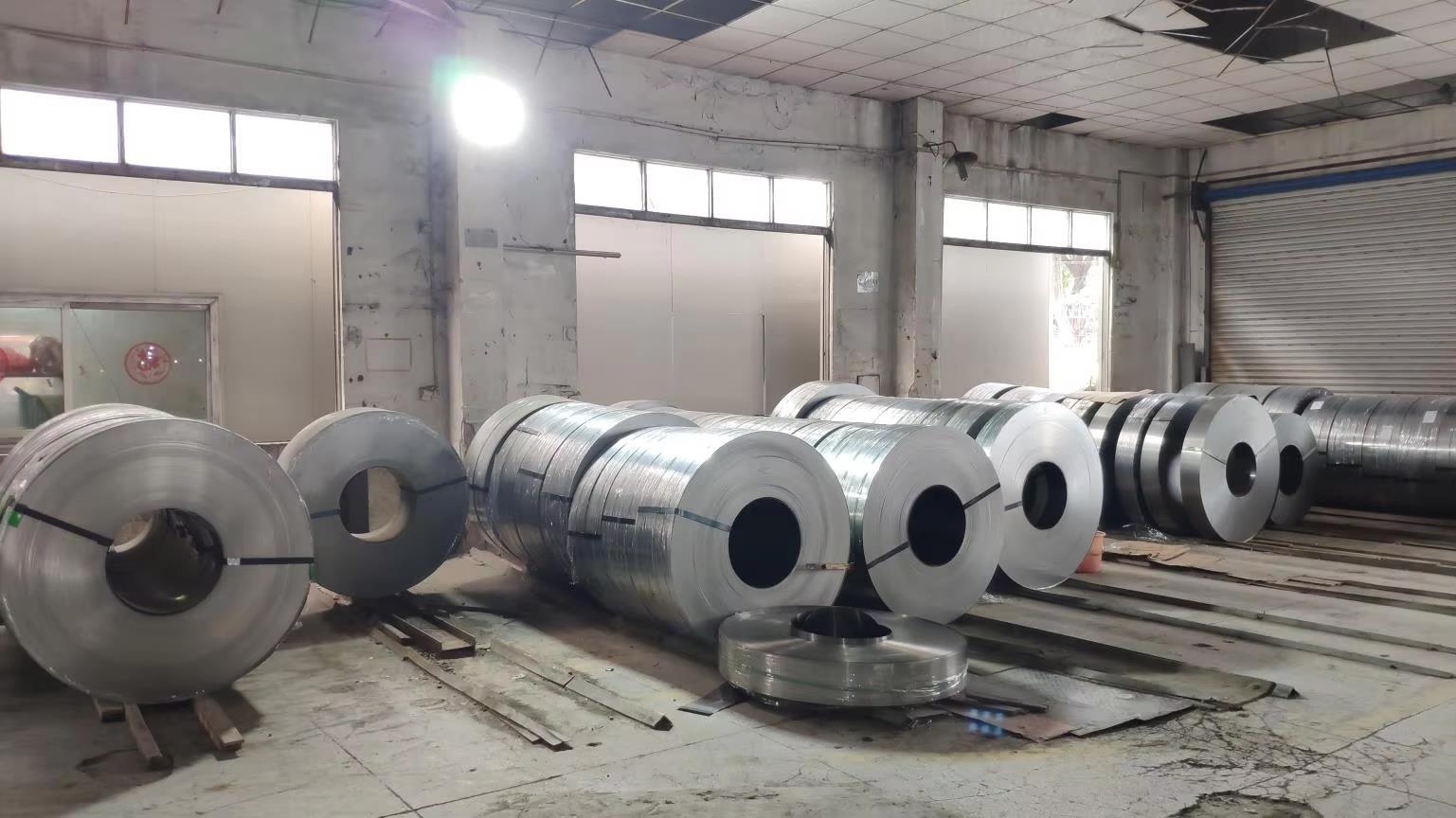
Through strategic supply chain management, we source premium Q235 and Q355 structural steel directly from leading mills, guaranteeing material traceability. For Nagoya-based logistics centers and distributors, this process ensures components arrive on time and are ready for high-load assembly.
A trusted global manufacturer of heavy-duty industrial storage systems, providing structural engineering and high-volume supply capability.
At Kimsuk, our production process operates under ISO 9001:2015 standards, CE compliance, and load-bearing safety certifications. We perform testing at every step of manufacturing: from raw steel chemical composition checks to static and dynamic load testing of finished pallets. Our QC team uses non-destructive ultrasonic testing to verify weld integrity, ensuring every pallet performs reliably in heavy-duty racking environments.
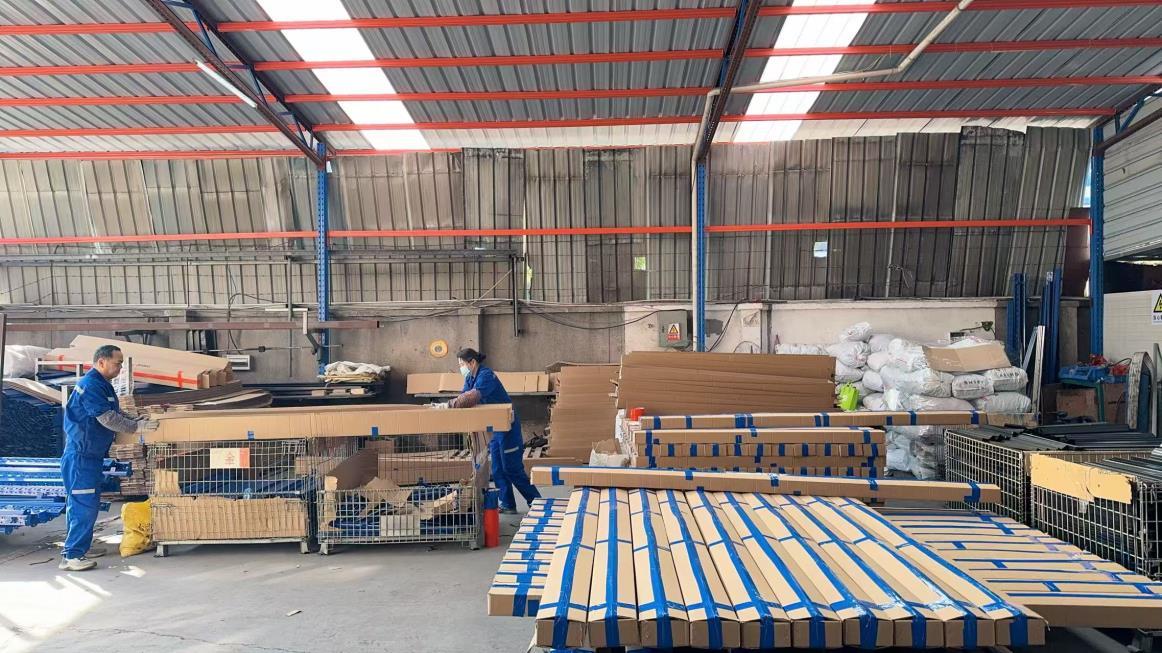
A transparent look at our advanced manufacturing workflow, transforming raw steel into structural-grade warehousing solutions.
Logistics requirements vary by sector. We design steel pallets and racking systems to meet the demands of Nagoya’s major industries.
Our heavy-duty steel pallets support raw metal casting blocks and stamped components. Standard configurations support 1,500 kg to 3,000 kg of static load without structural deformation.
Cleanliness is critical in aerospace manufacturing. Our electro-galvanized and powder-coated steel pallets do not shed fibers or dust, keeping aerospace sub-assemblies free of contamination.
For seafood, agricultural goods, and chemical logistics near the Port of Nagoya, our steel pallets operate reliably down to -40°C. They resist the cracking and embrittlement typical of plastic alternatives in cold environments.
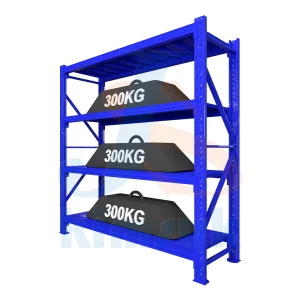
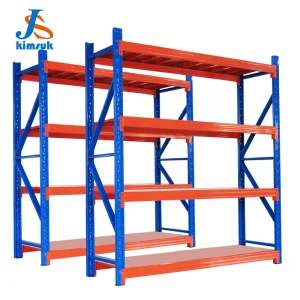
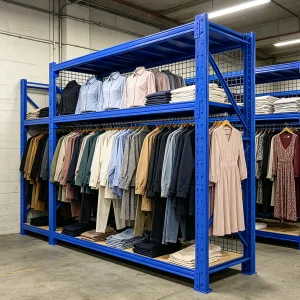
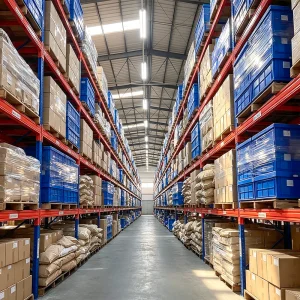
High-capacity storage systems engineered to maximize vertical warehouse space and improve warehouse operations.
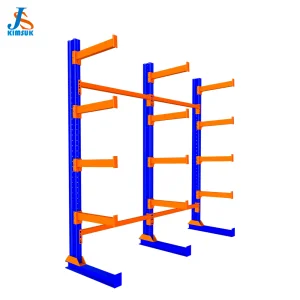
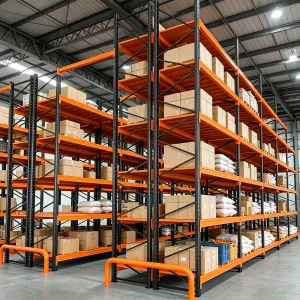
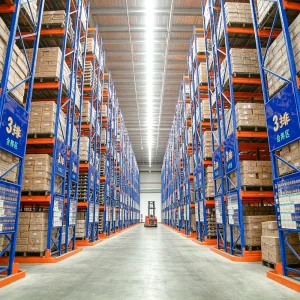
Technical details on load ratings, international standards, shipping timelines, and custom steel configurations.
Get in touch with our engineering team for customized steel pallet designs, structural racking layouts, and freight quotes for the Nagoya market.
Send Inquiry Now Kimsuk Racking