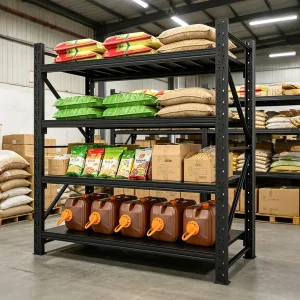
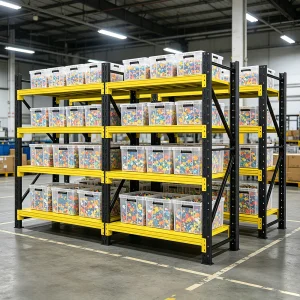
Discover our highly rated industrial structural racking solutions built for cold chains, fashion hubs, and retail distribution nodes across San Francisco, Oakland, and Silicon Valley.
The San Francisco Bay Area, encompassing major industrial corridors like San Jose, Oakland, Richmond, and South San Francisco, stands as a critical engine of global logistics, biotechnology, advanced manufacturing, and high-tech hardware assembly. However, warehousing in Northern California is constrained by some of the highest real estate costs globally, demanding unprecedented space optimization. For local warehouse managers, 3PL operators, and cold-chain facilities, maximizing vertical storage capacity while maintaining strict safety standards is no longer optional—it is a baseline operational necessity.
Furthermore, operating in Northern California introduces a critical structural variable: severe seismic activity. Under the California Building Code (CBC) and Rack Manufacturers Institute (RMI) standards, material storage infrastructure must be engineered to withstand lateral seismic forces. Standard wooden pallets and low-grade structural steel racks fail under these dynamic load requirements, giving rise to high-tensile steel pallets and heavy-duty, boltless racking systems that integrate flexibility with dynamic resilience.
Globally, the transition from traditional wooden pallets to industrial metal and steel pallets is accelerating. Driven by ESG (Environmental, Social, and Governance) corporate initiatives, pharmaceutical regulations, and the rapid expansion of Automated Storage and Retrieval Systems (ASRS), metal pallets are proving to be the optimal choice for high-volume logistics. In automated warehouses, even a minor structural deflection of 2 millimeters in a wooden pallet can trigger sensors, halting multimillion-dollar logistics networks. Steel pallets maintain absolute structural integrity under massive static loads (up to 5,000 kg) and dynamic loads (up to 2,500 kg).
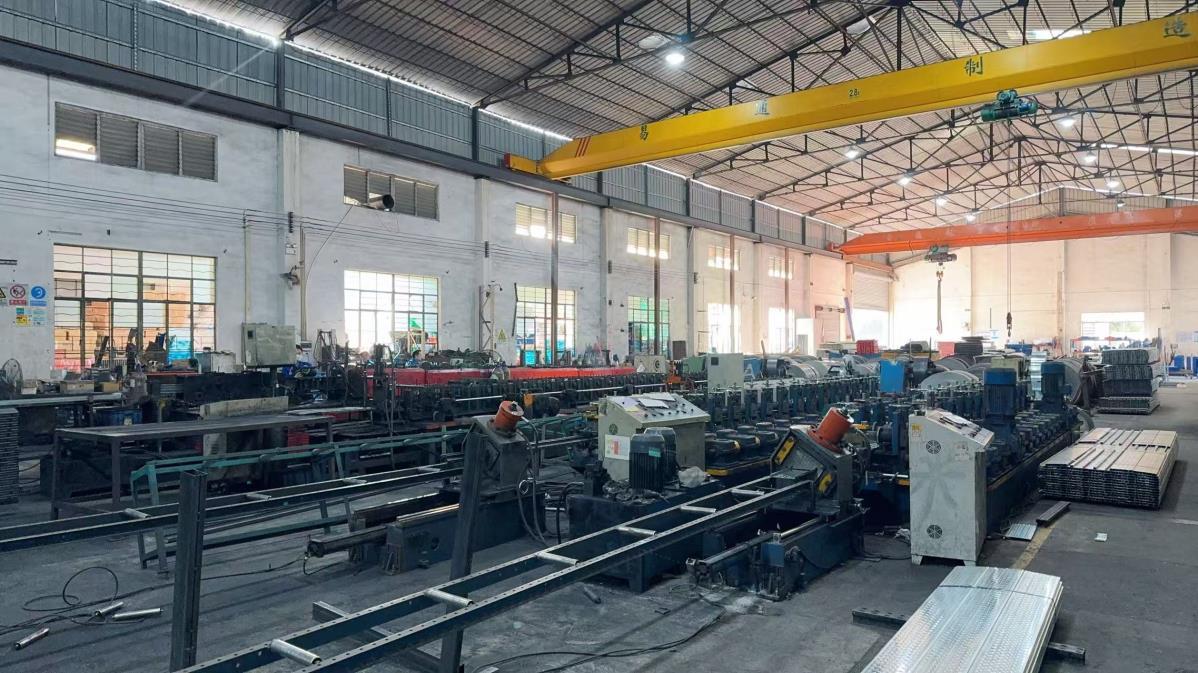
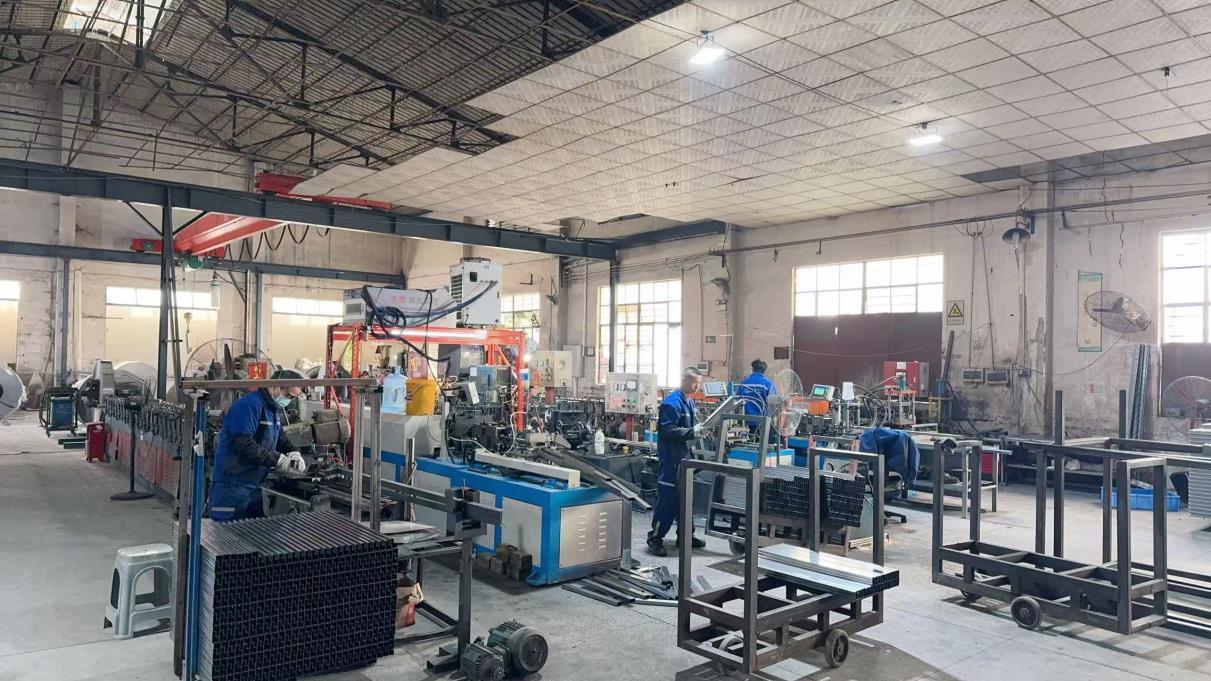
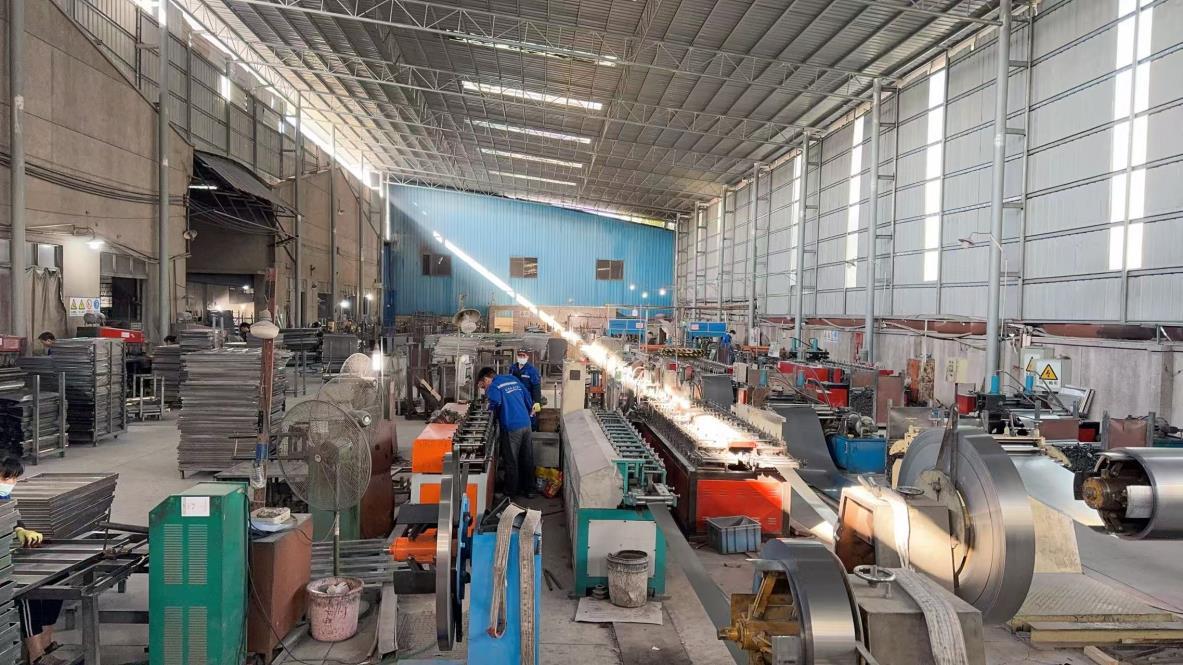
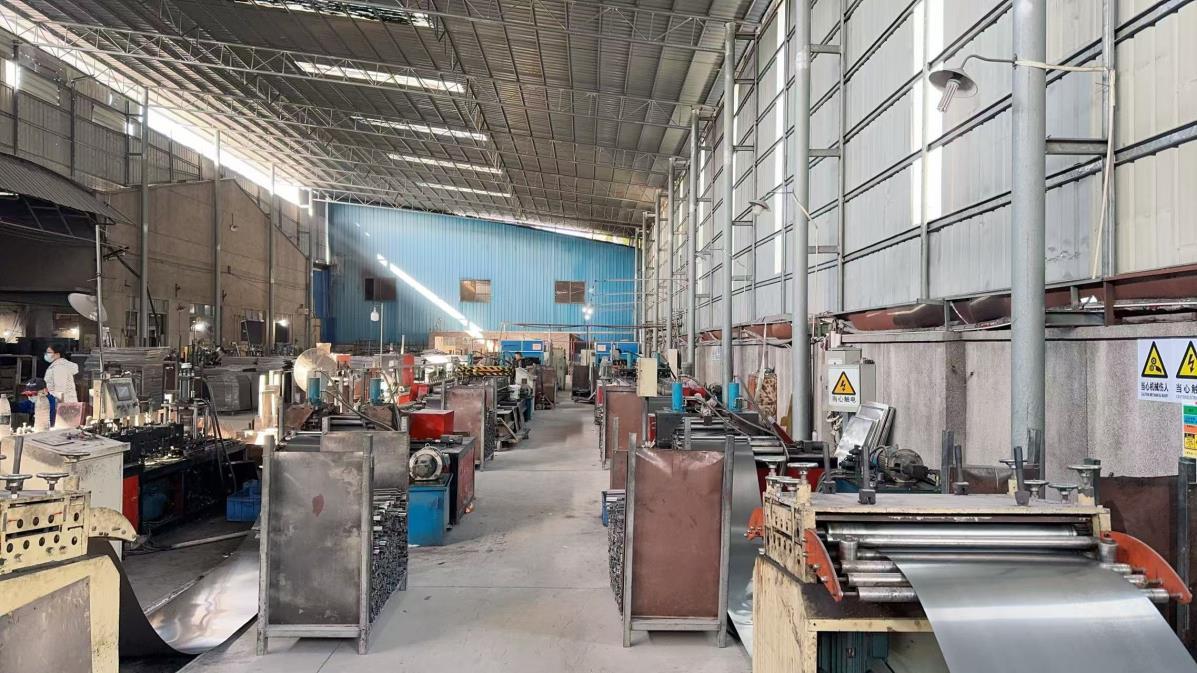
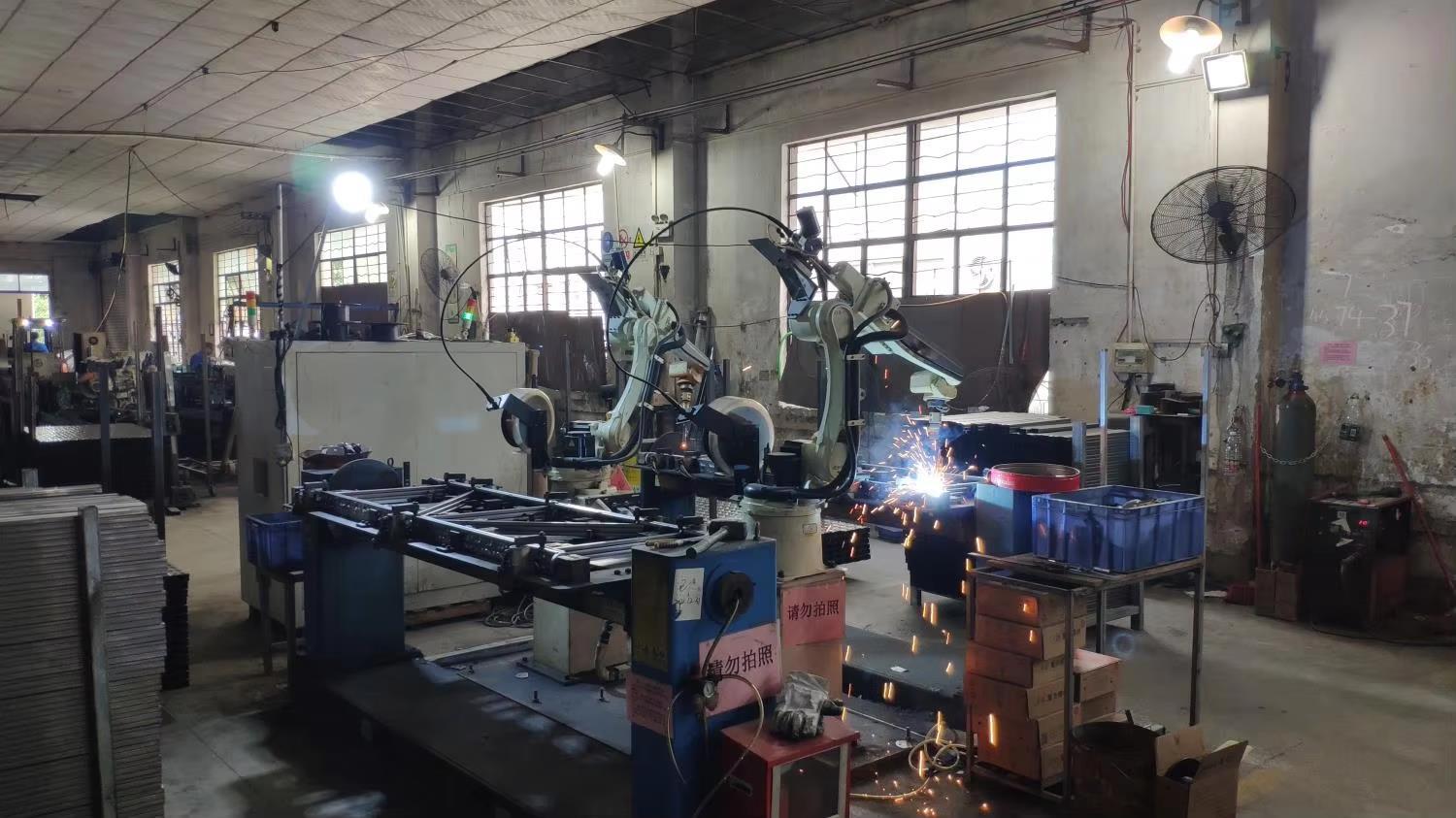
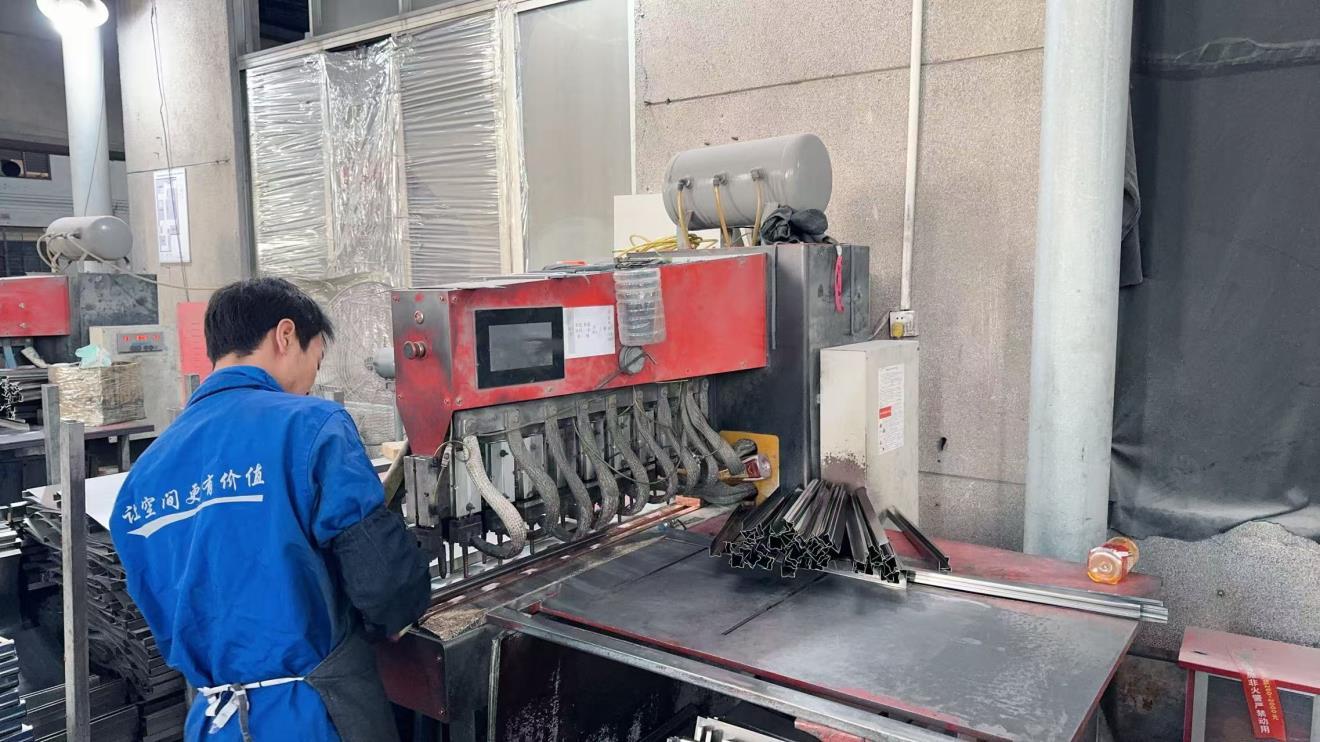
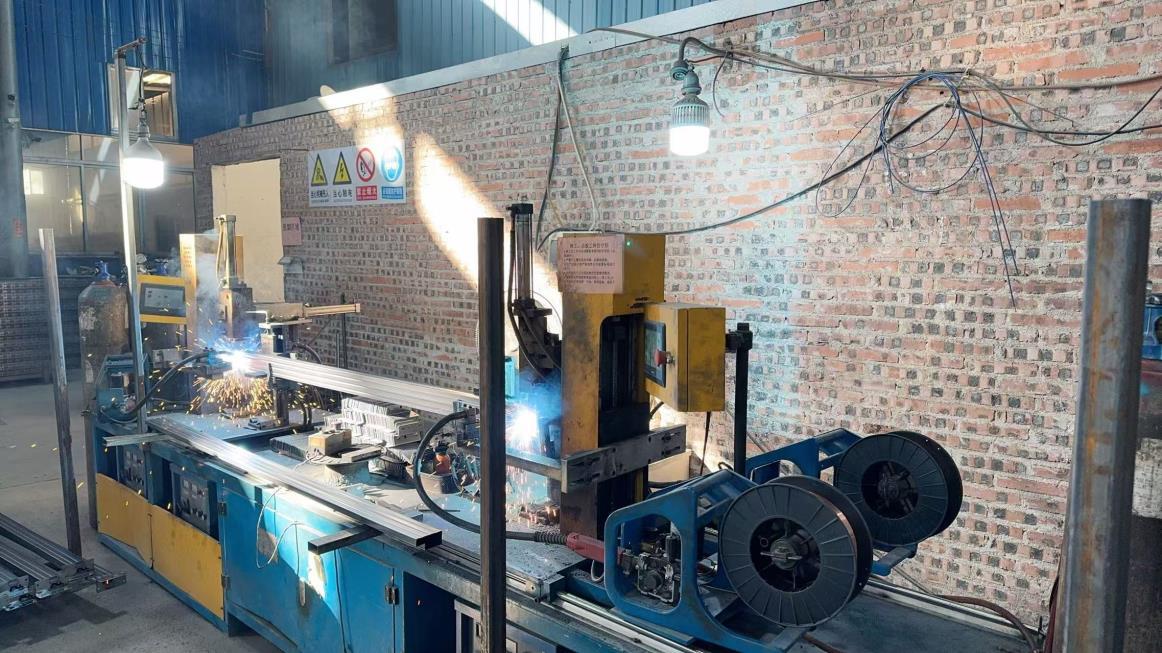
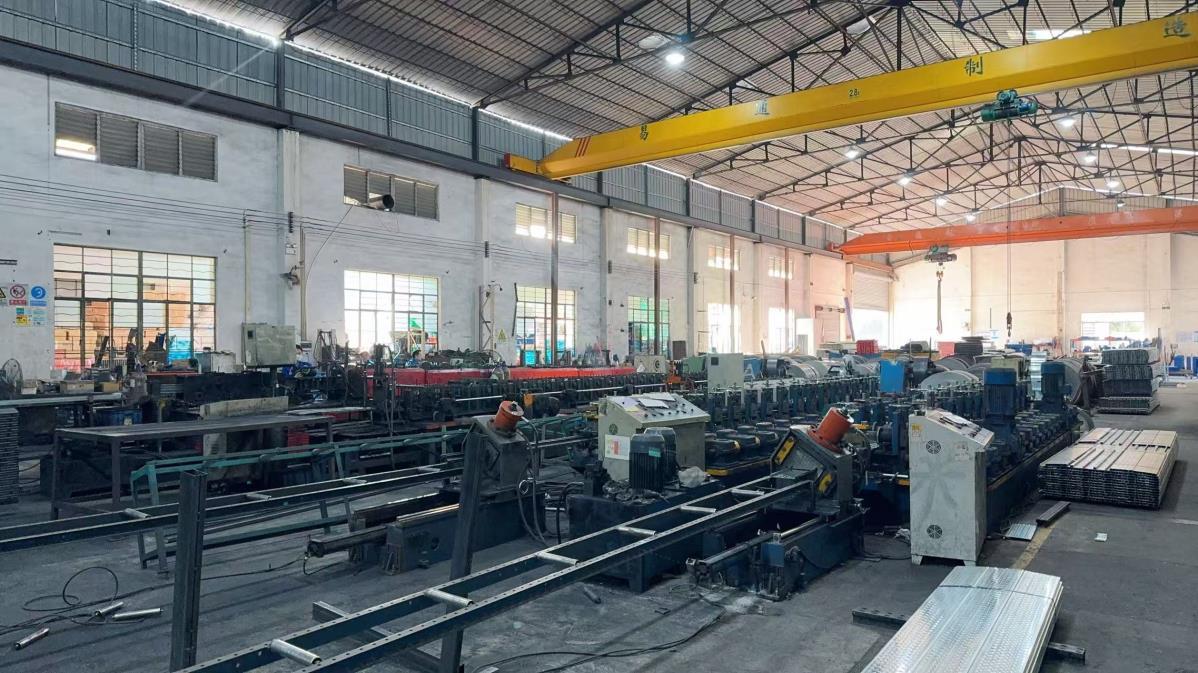
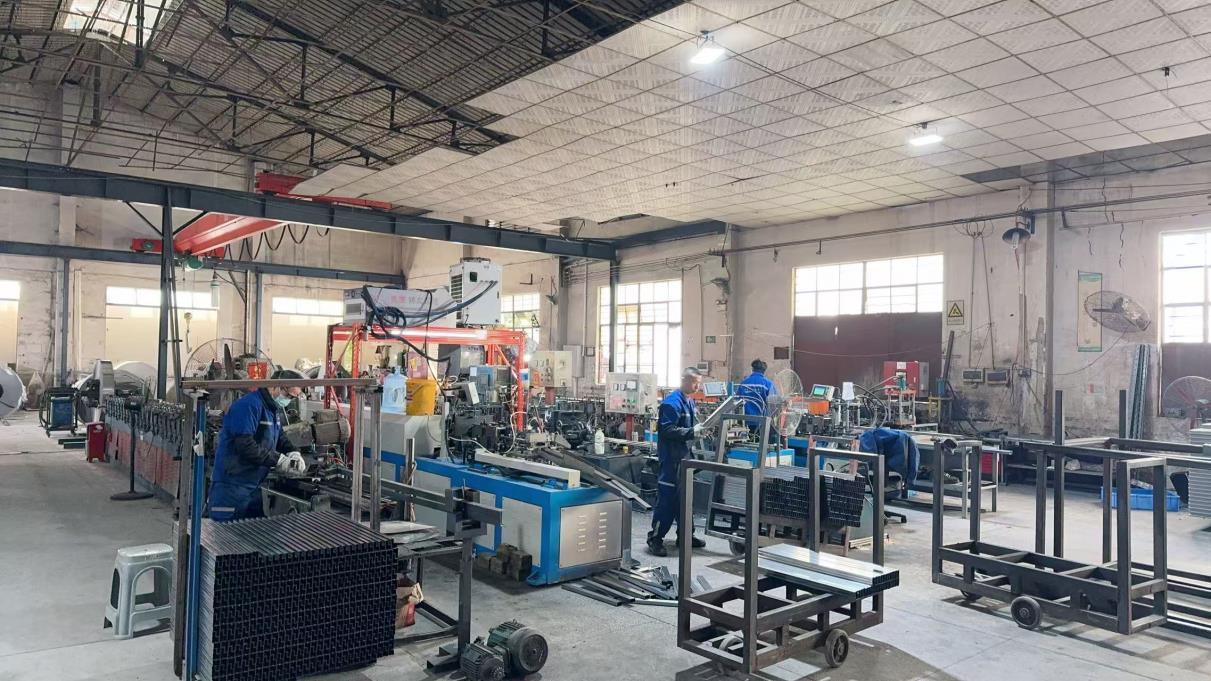
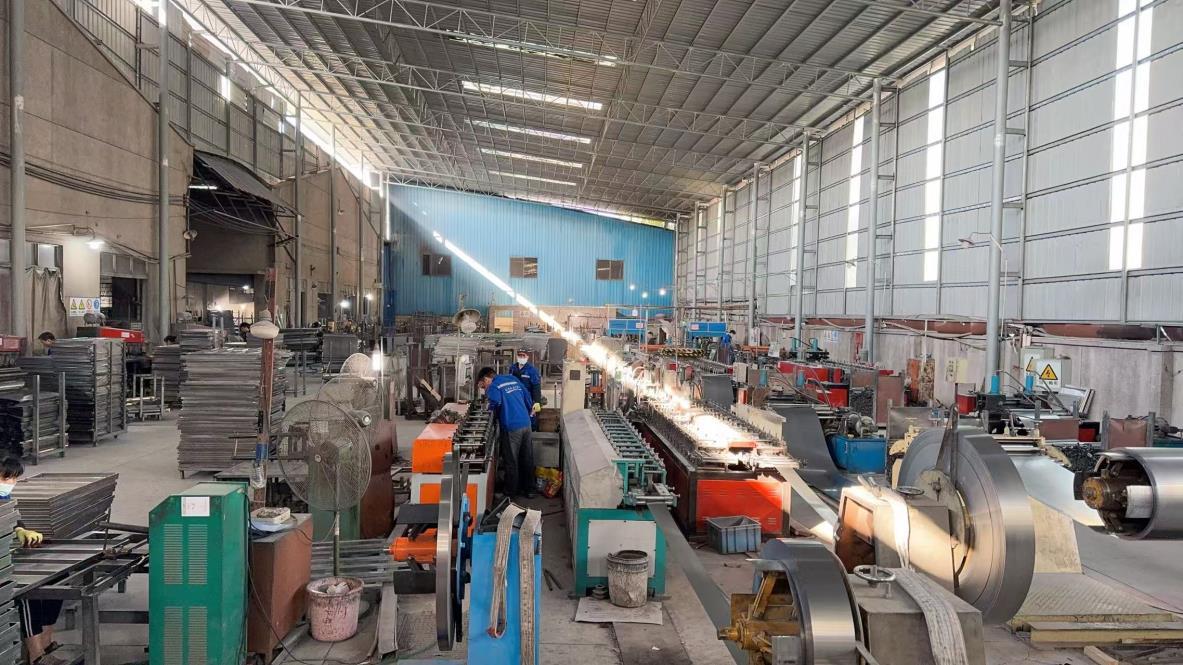
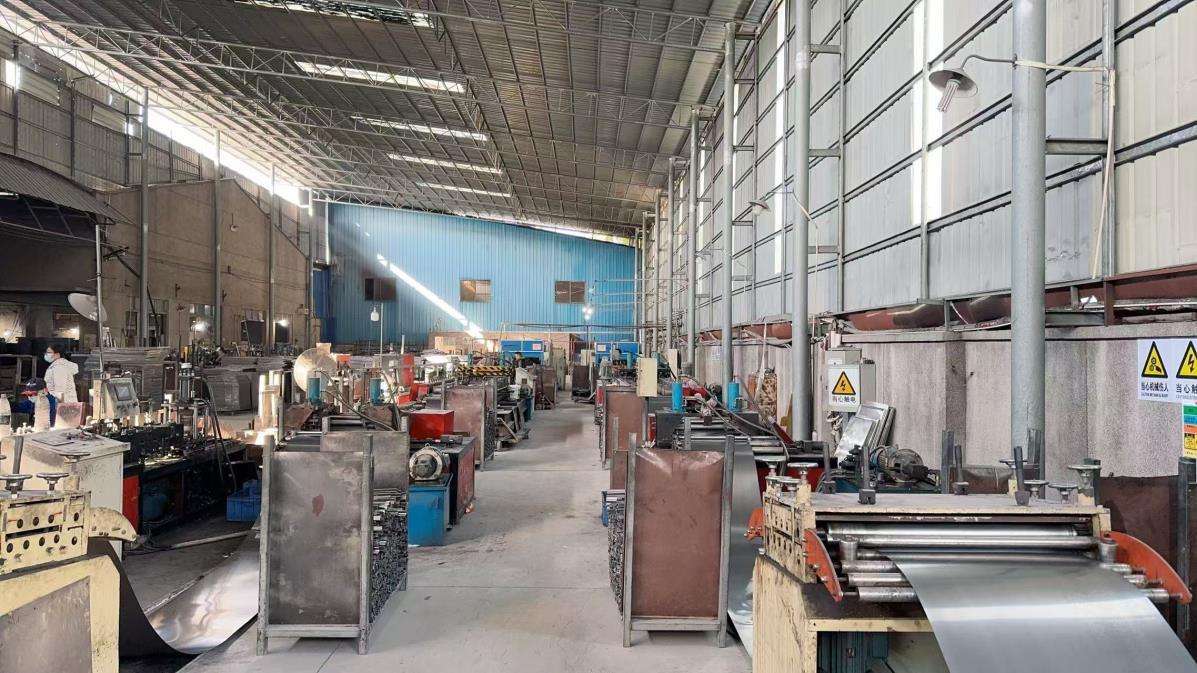
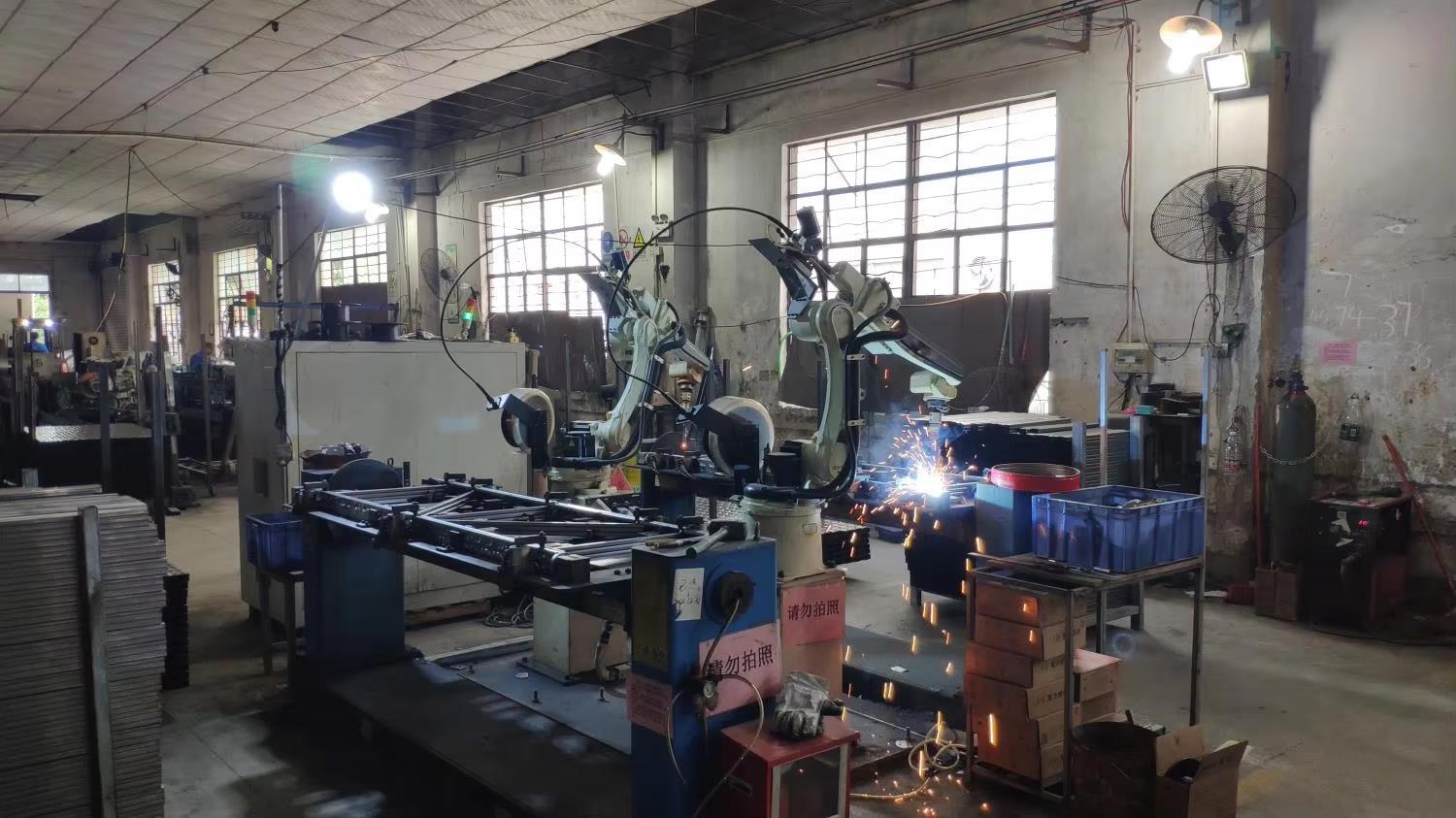
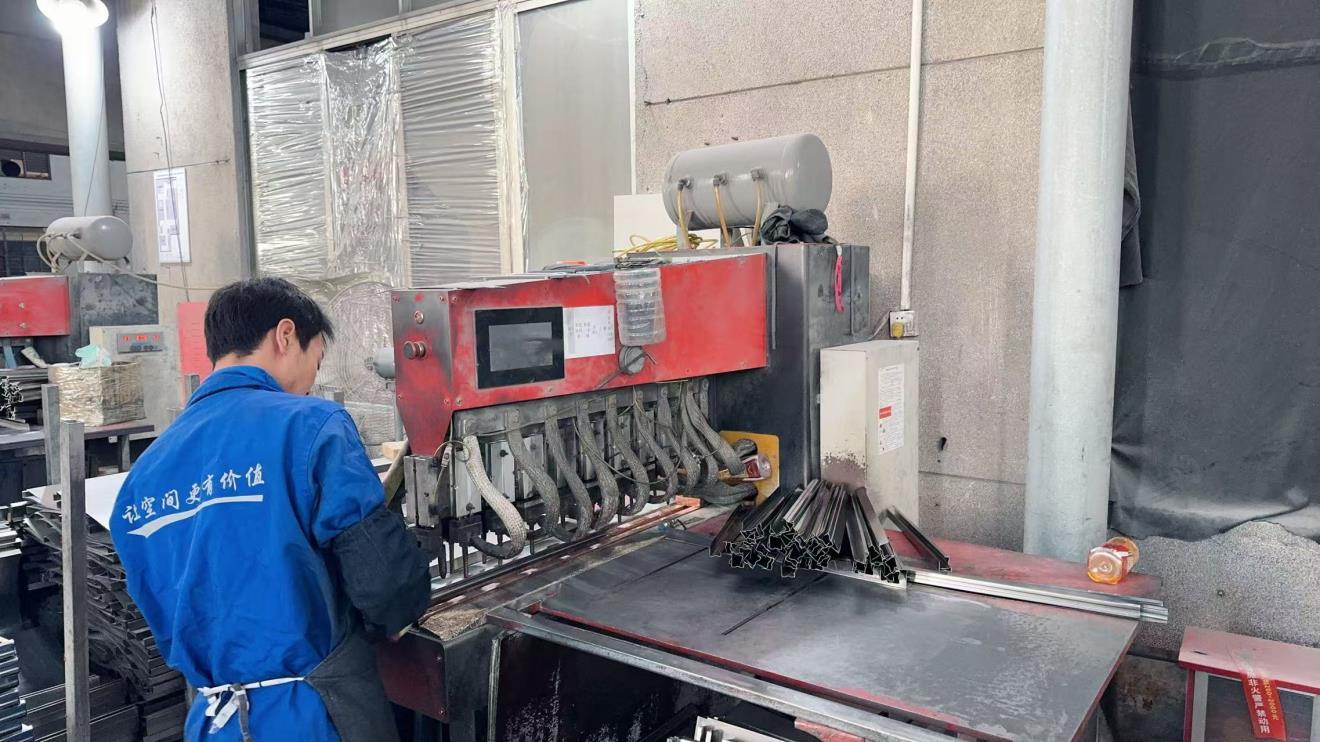
For exporters supplying the North American market, matching production capabilities to international certifications is crucial. Kimsuk Shelves Co., Ltd. addresses this gap by combining highly advanced robotic welding lines, computerized powder-coating techniques, and stringent raw-material testing to supply heavy-duty, long-lasting storage platforms tailored to complex export demands.
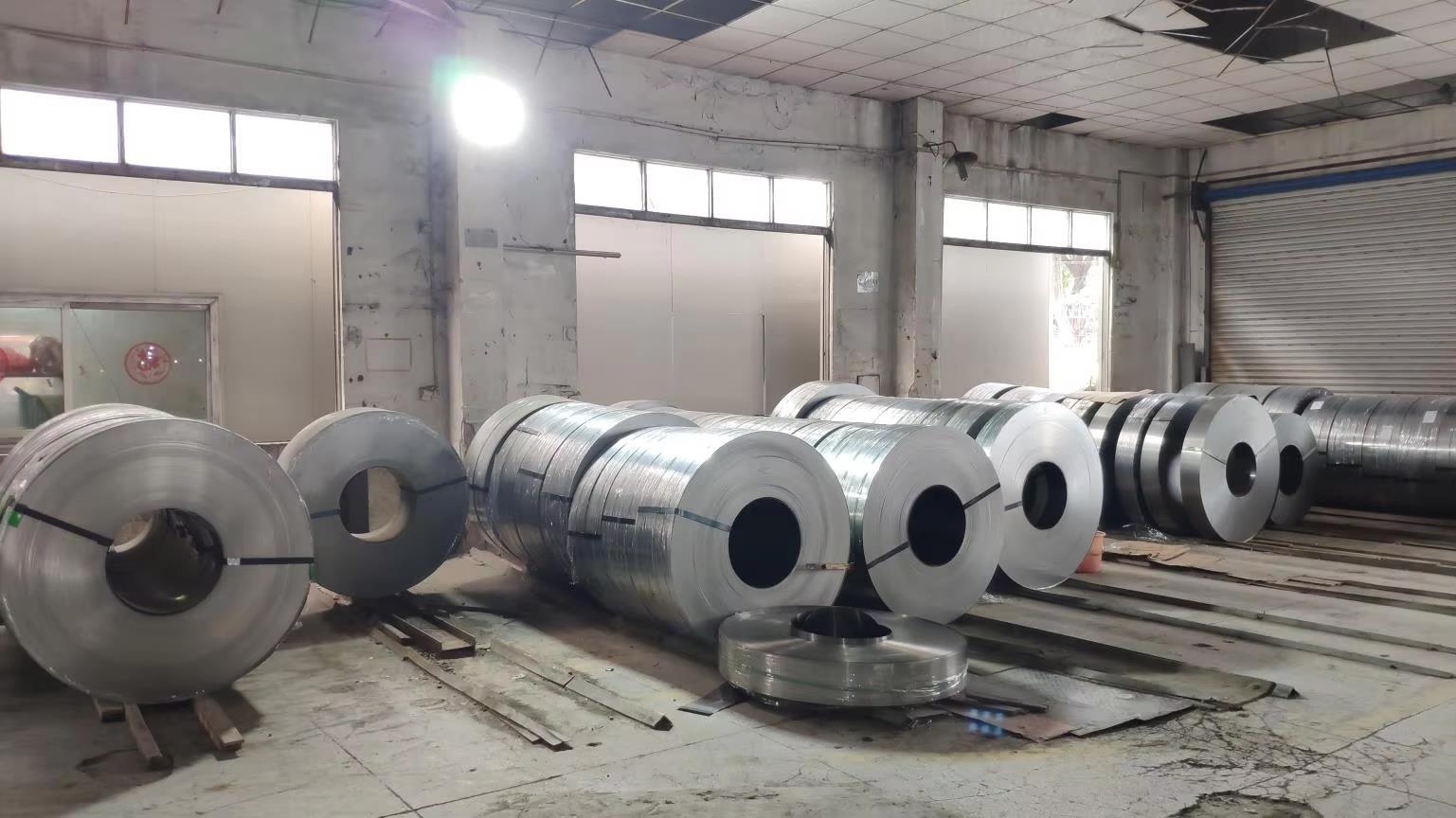
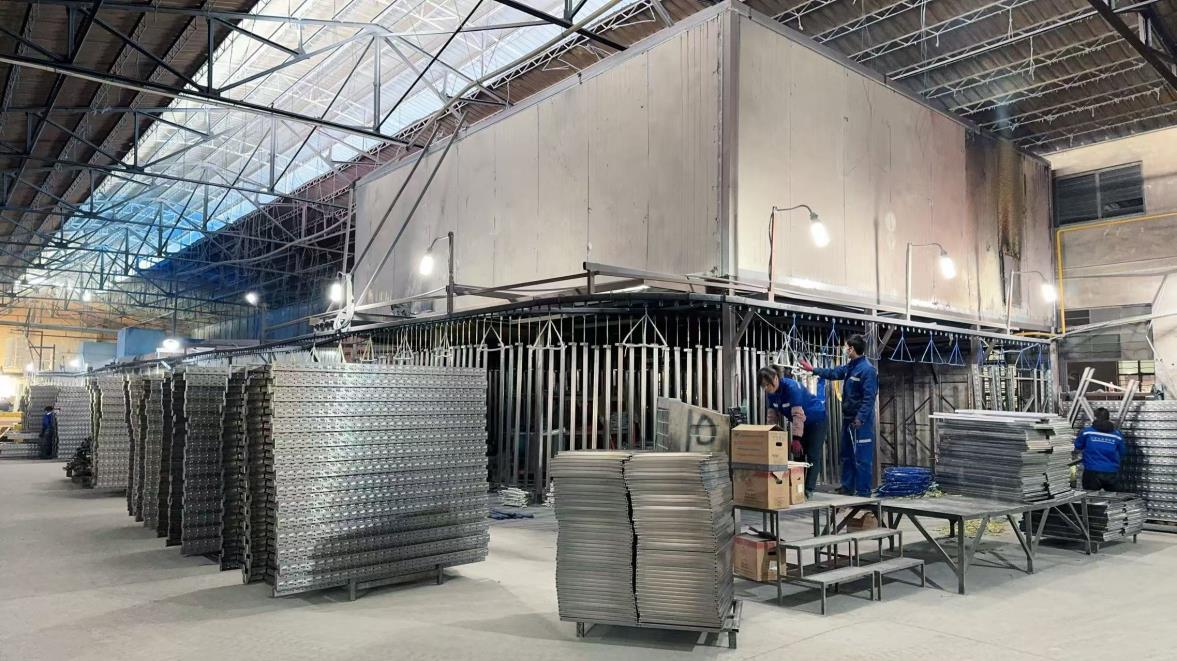
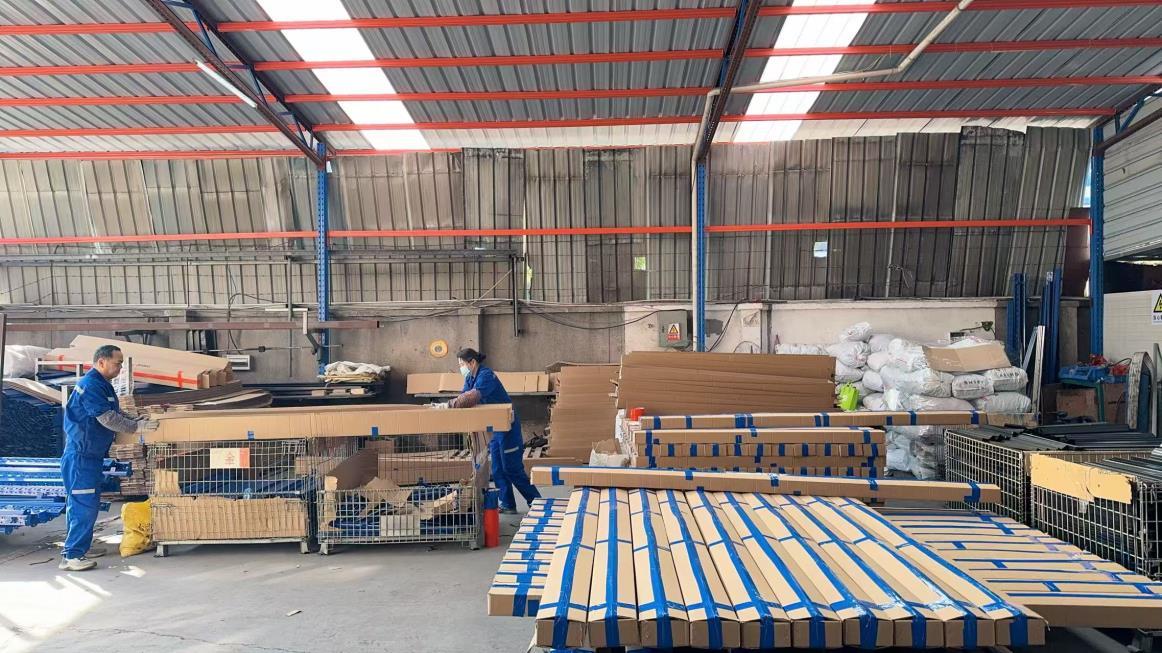
Founded in 2015, Dongguan Kimsuk Shelves Co., Ltd. is a premier manufacturer specializing in heavy-duty industrial warehouse racking systems, automated storage solutions, and customizable steel shelving. Spanning a state-of-the-art production facility of 38,000 square meters, Kimsuk combines advanced manufacturing infrastructure with high-precision engineering to deliver robust logistics and warehousing infrastructure globally. We operate under rigid ISO 9001:2015 standards, CE certifications, and strict compliance with global structural load-bearing parameters.
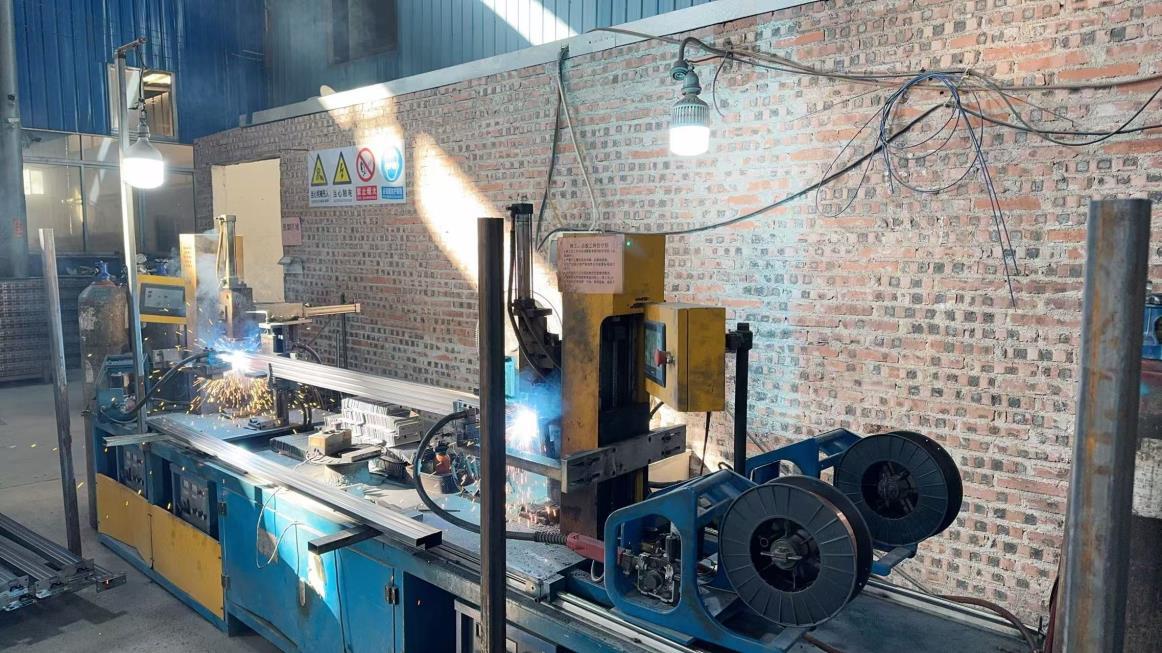
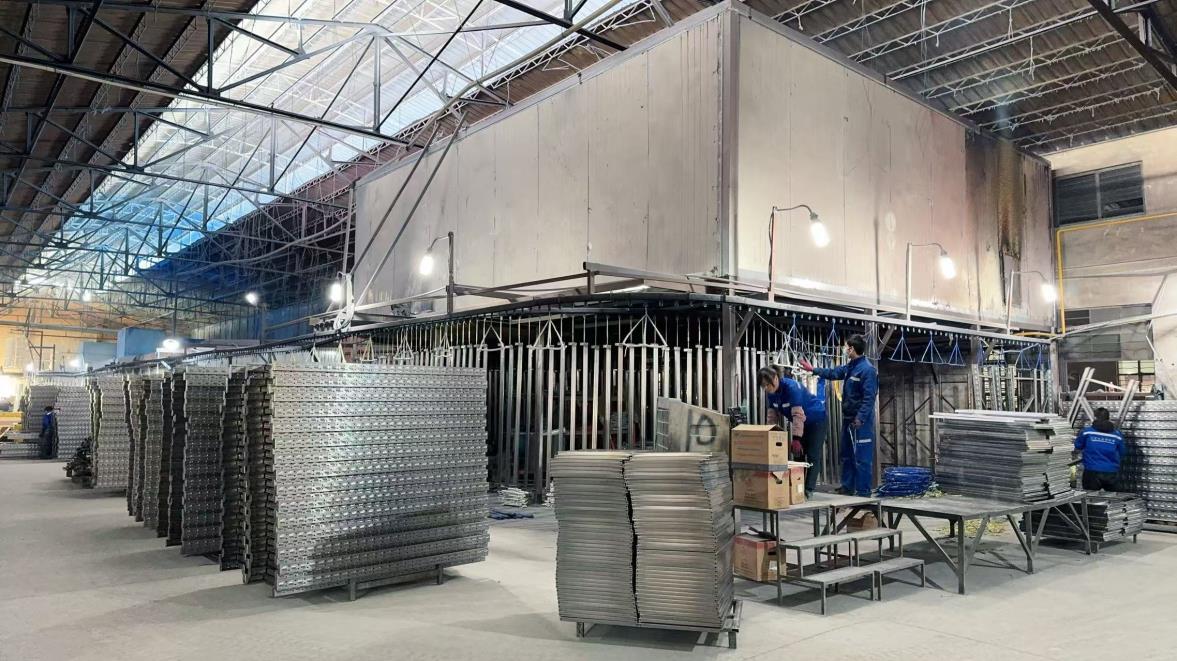
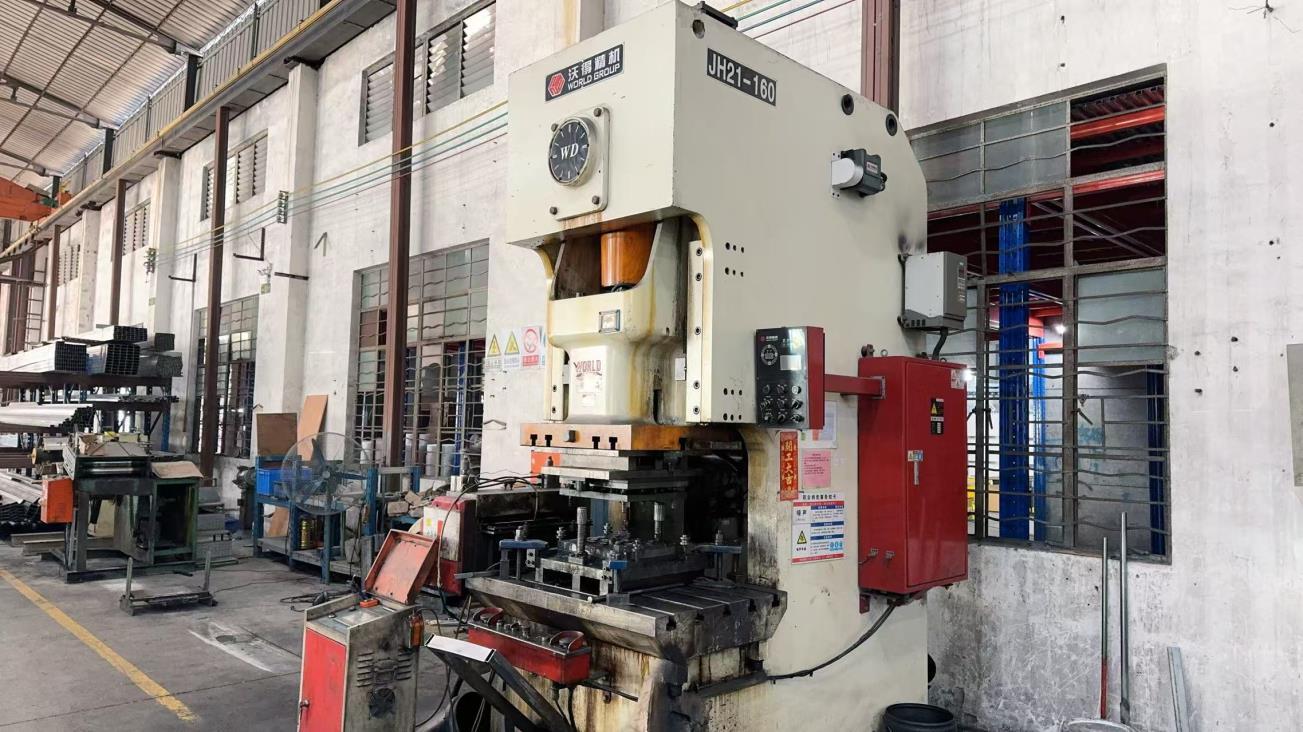
To ensure regulatory compliance for local warehouses, steel pallet systems must conform to standard zoning regulations. In the Greater San Francisco Area, municipal authorities require all storage frameworks to obtain structural building permits, which verify that the racks can handle seismic load coefficients determined for the specific location.
South San Francisco is known as the birthplaces of modern biotechnology. Cold-chain facilities hosting active pharmaceutical ingredients (APIs), medical supplies, and biological items require strict temperature controls (often down to -30°F). Traditional wooden pallets harbor mold and buckle under freezing conditions. Kimsuk's custom galvanized steel pallets offer absolute anti-corrosive performance, zero off-gassing, and long-term durability in temperature-regulated cold storage chambers.
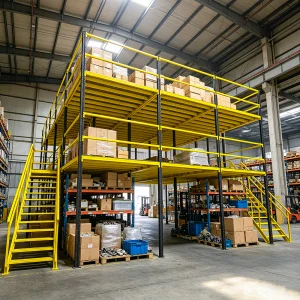
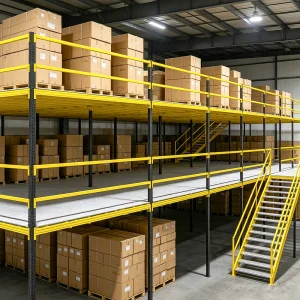
With tech companies driving same-day e-commerce expectations in Silicon Valley and Oakland, multi-tier platforms and mezzanine structures are vital. Maximizing cubic space through boltless steel mezzanine solutions enables facilities to scale inventory upwards without renting additional real estate. These platforms are equipped with dynamic, boltless lock connections that adjust to inventory shifts without complex tooling.
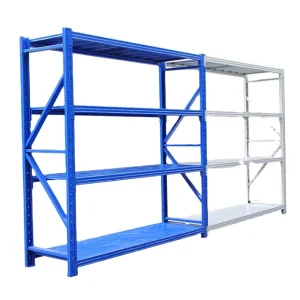
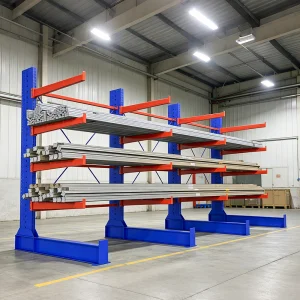
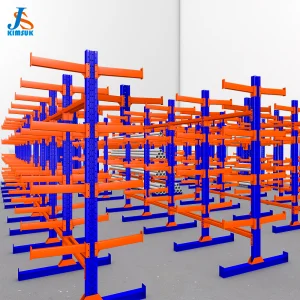
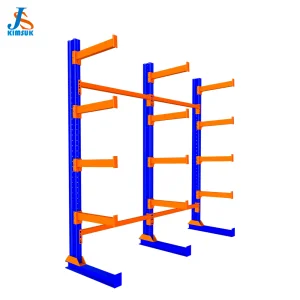
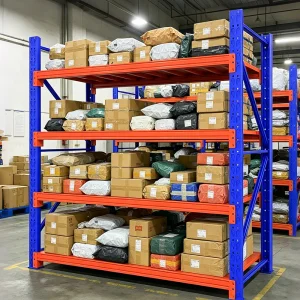
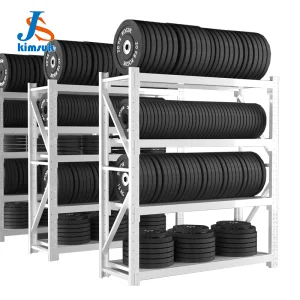
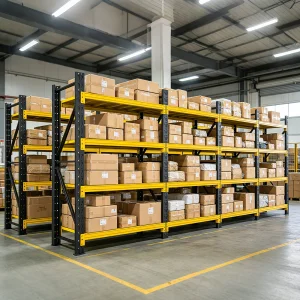
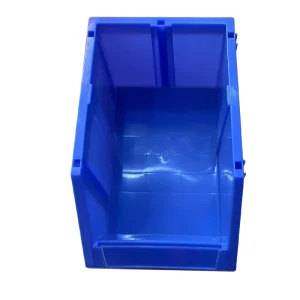
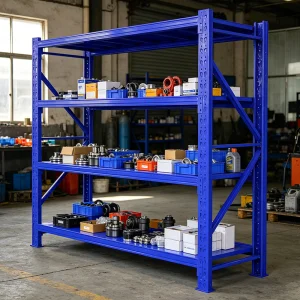
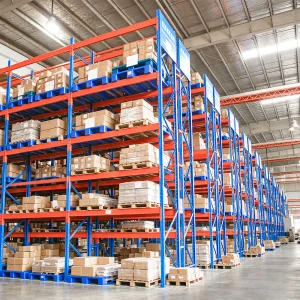
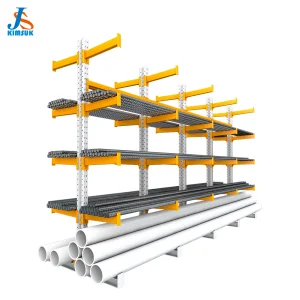
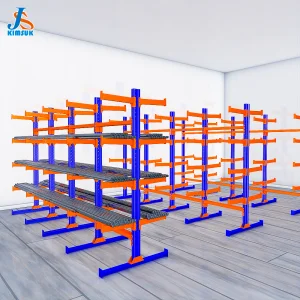
Examine our diverse array of heavy-duty industrial shelving, multi-tiered platforms, and raw material storage racks configured for logistics managers globally.
The industrial warehouse sector is transitioning toward carbon neutrality and smart operations. Wooden pallets are rapidly phasing out in key US logistics corridors due to high replacement costs, pest vulnerabilities, and fire hazards. The future of global manufacturing relies on heavy-duty, reusable, and intelligent systems. Kimsuk Shelves Co., Ltd.'s technical development roadmap focuses on these critical shifts:
Read clear, technical answers regarding specifications, import logistics, and seismic engineering for steel pallets and racks.
Consult with our structural engineering team today. Get full layout designs, load calculations, and custom quotes tailored to your facility parameters.
Send Inquiry Now Kimsuk Racking