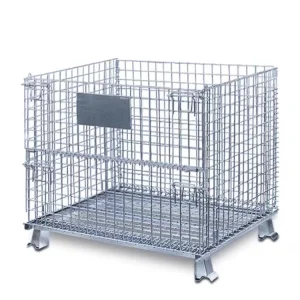
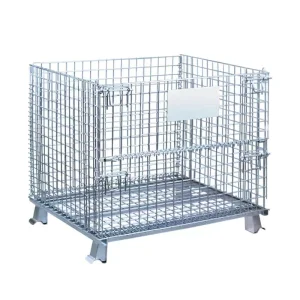
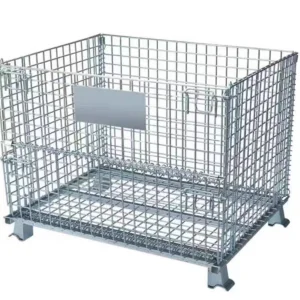
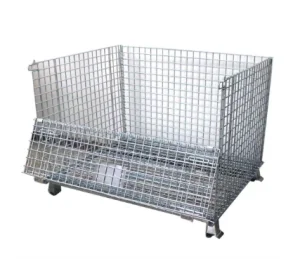
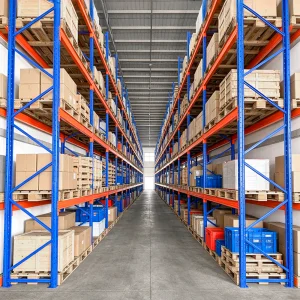
Israel’s industrial landscape is undergoing a significant transition, driven by massive expansions in key maritime gateways—specifically the Port of Haifa and the Port of Ashdod—as well as the rapid rise of local e-commerce, pharmaceutical manufacturing, and high-tech hardware fabrication. In this hyper-efficient, high-density environment, standard storage modalities are no longer sufficient. Industrial warehouse managers require dynamic, structural steel storage configurations designed to maximize volumetric efficiency while mitigating hazards.
Moreover, the geographic positioning of Israeli fulfillment hubs requires heavy compliance with safety regulations, including seismic mitigation systems matching localized building codes (e.g., standard IS 413 for seismic engineering). As prime logistics real estate in central regions like Gush Dan remains scarce and expensive, vertical scaling is paramount. Implementing high-strength, precision-engineered wire mesh containers and steel structural pallets ensures optimal space utilization, enabling warehouses to stack loads up to four units high safely.
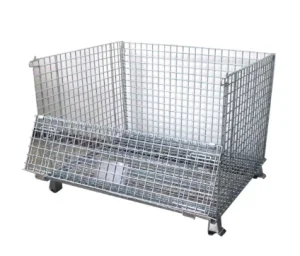
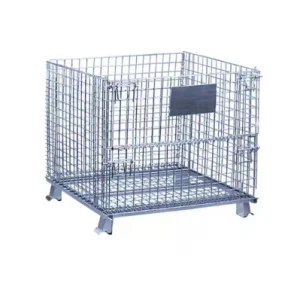
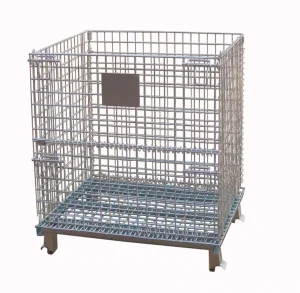
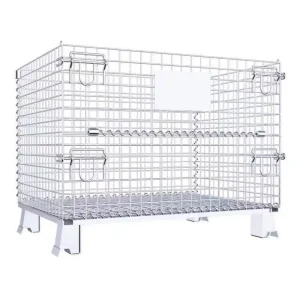
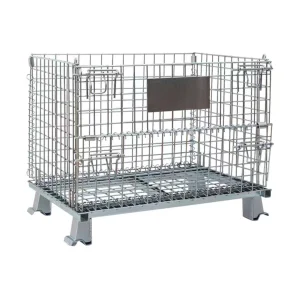
With major global logistics firms establishing micro-fulfillment hubs across Israel, the integration of durable material handling equipment has become crucial. Industry operators are moving away from traditional wooden pallets—which present fire risks and harbor organic contaminants—and shifting toward hygienic, high-durability wire mesh box pallets. These metal containers ensure maximum ventilation, long operational lifecycles, and compatibility with automated guided vehicles (AGVs) and standard reach trucks.
Modern engineering of wire mesh pallets is not merely about welding steel wire together; it is a discipline governed by structural dynamics, metallurgy, and automated manufacturing protocols. Below is our engineering roadmap for supplying high-performance units to heavy industrial environments in Israel.
Our raw material feedstock utilizes cold-drawn Q235 carbon steel wire, optimized for maximum tensile strength and load-bearing resilience. The structural components undergo mechanical testing to ensure they can withstand rapid temperature changes (essential for cold chain environments in the Negev region or coastal storage centers).
To prevent joint fatigue and failure under load, our factory deploys automated multi-point welding matrices. This ensures a consistent depth of fusion at each wire intersection, neutralizing weld spatter and structural weak points that are common with manual stick welding.
For Israeli industrial settings exposed to coastal humidity or chemical washdowns, we offer three key coating technologies: hot-dip galvanizing (HDG) for maximum longevity, electro-zinc plating for dry logistics, and high-adherence electrostatic powder coating for pharmaceutical and cleanroom applications.
We design and deliver turnkey storage systems configured to handle complex material processing flows across diverse Israeli markets.
For aerospace manufacturing and automotive components around Haifa, our heavy-duty steel cage pallets manage heavy, oily castings safely, maintaining parts visibility for rapid retrieval.
Wire mesh cages allow cold air to circulate freely. Unlike solid containers, open-wire configurations optimize thermal transfer rates, minimizing refrigeration compressor cycles and energy costs.
Compliant with global healthcare distribution practices, our electro-zinc pallets feature non-porous surfaces that prevent microbial growth, making them ideal for sterile pharmaceutical zones.
Importing warehousing equipment into Israel requires adherence to strict local and international regulatory frameworks. As a key supplier, we ensure all products comply with European (EN) standards and align with local SII (Standards Institution of Israel) safety guidelines.
Under Israeli Fire and Rescue Services protocols (drawing heavily on NFPA 13 standards), solid shelving systems are heavily restricted. Our open wire mesh design permits at least 70% water flow penetration, allowing overhead sprinkler systems to suppress fire across all rack levels. This significantly lowers facility insurance premiums and prevents water pooling damage.
Furthermore, our materials undergo strict load-bearing audits. All structural calculations are verified using Finite Element Analysis (FEA) to confirm safety margins under dynamic seismic conditions, which is crucial for facilities operating near the Jordan Rift Valley.
Operating a state-of-the-art 38,000 square meter facility, Dongguan Kimsuk Shelves Co., Ltd. leverages smart manufacturing technology to achieve superior production speed, consistency, and cost-efficiency. Our vertical integration strategy controls every stage of the process, from raw steel wire processing to final finishing, ensuring reliable quality control for our clients in Israel.
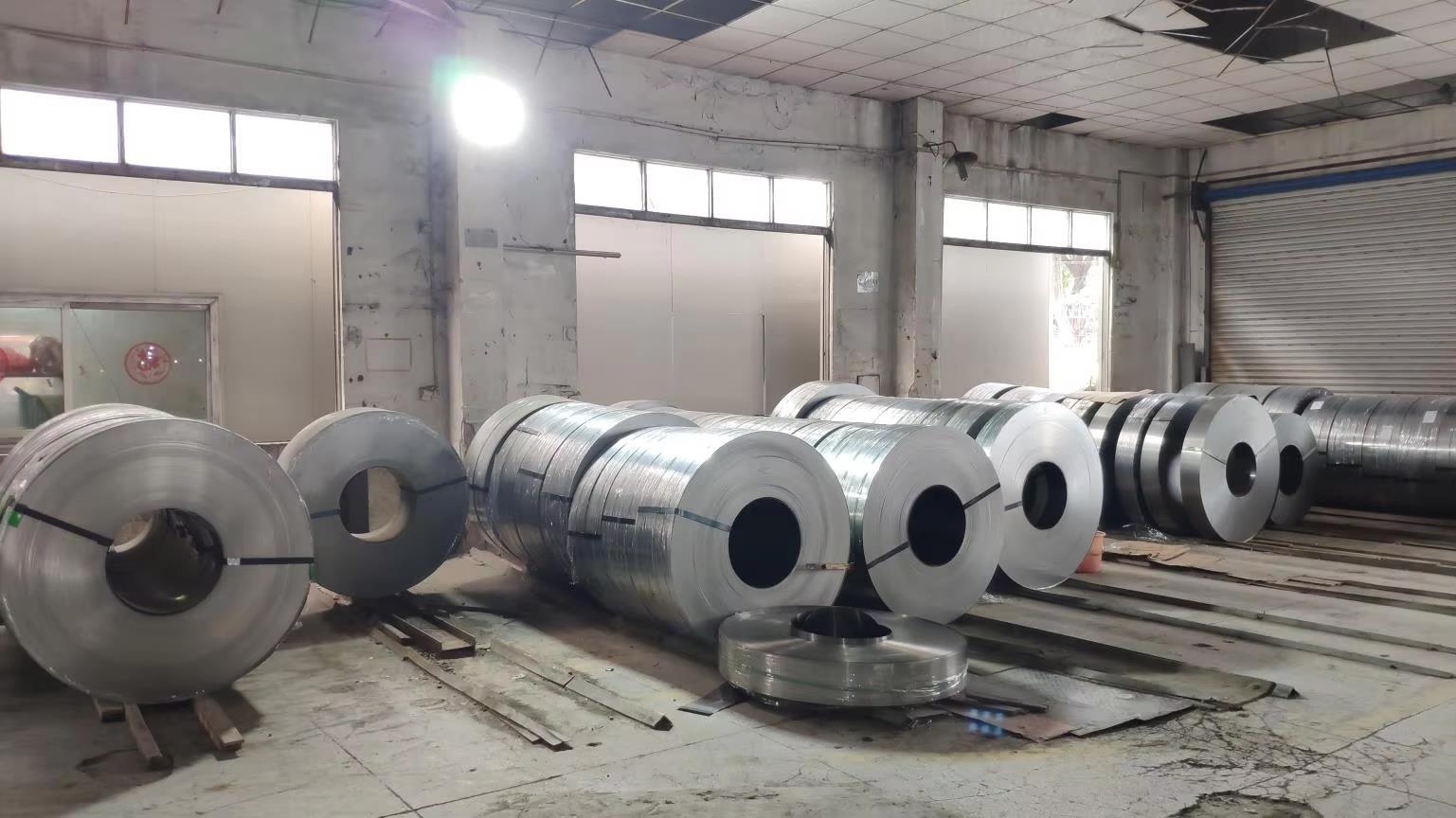
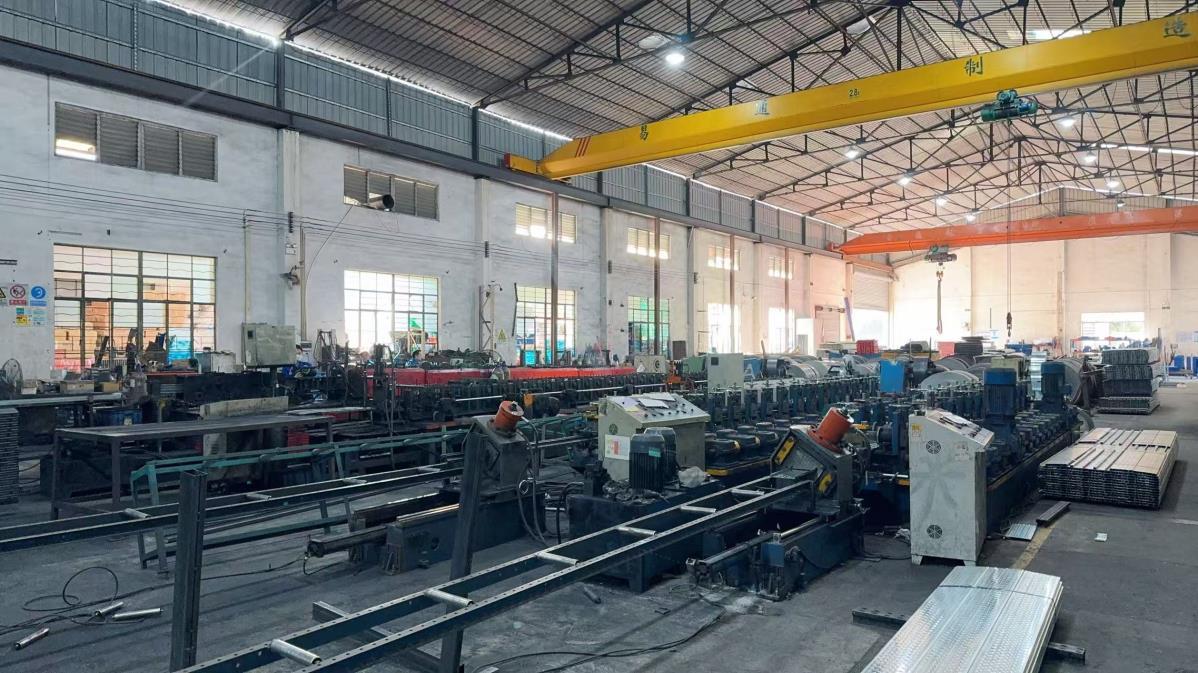
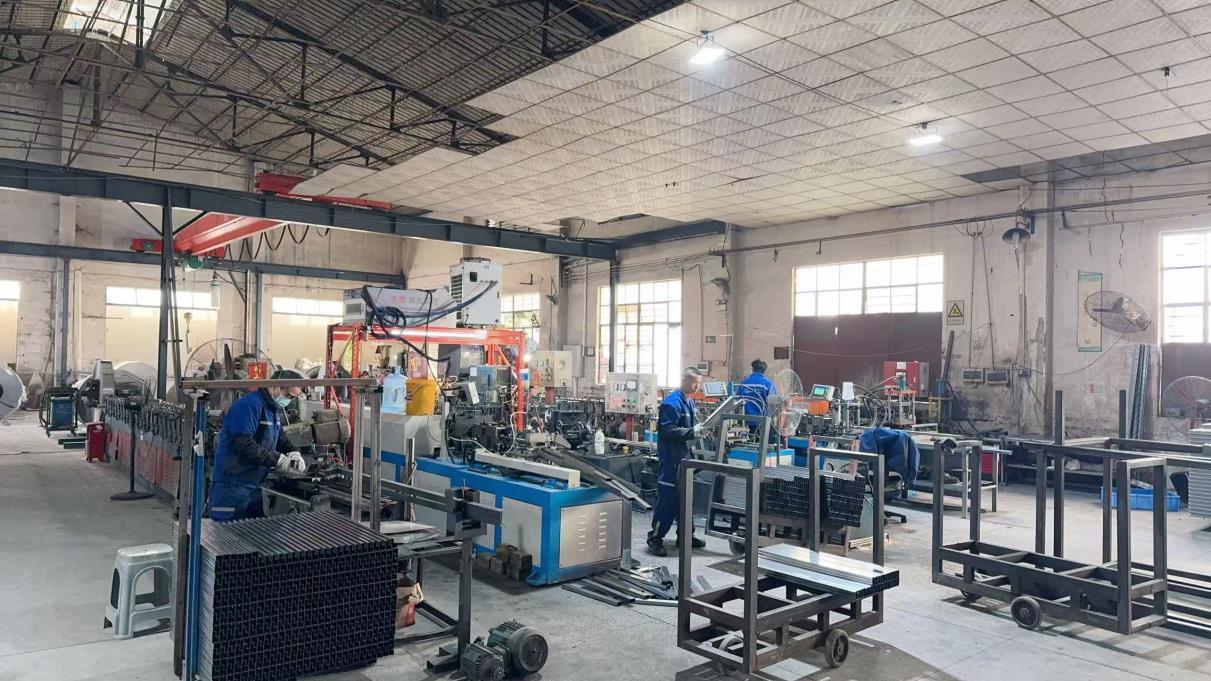
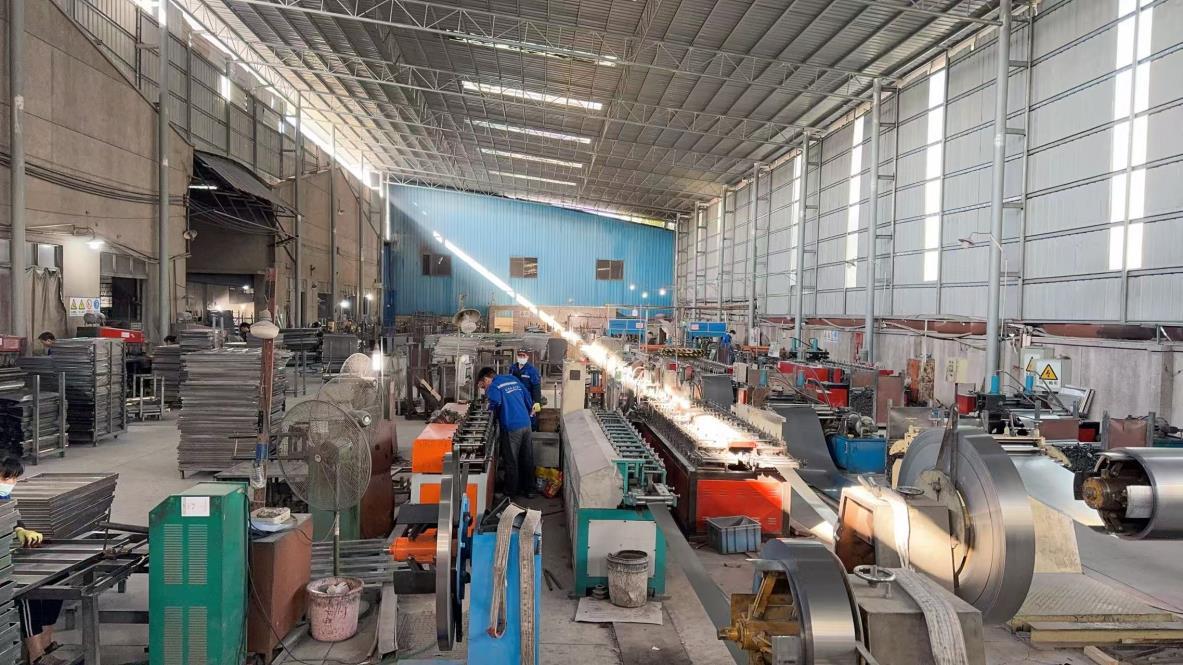
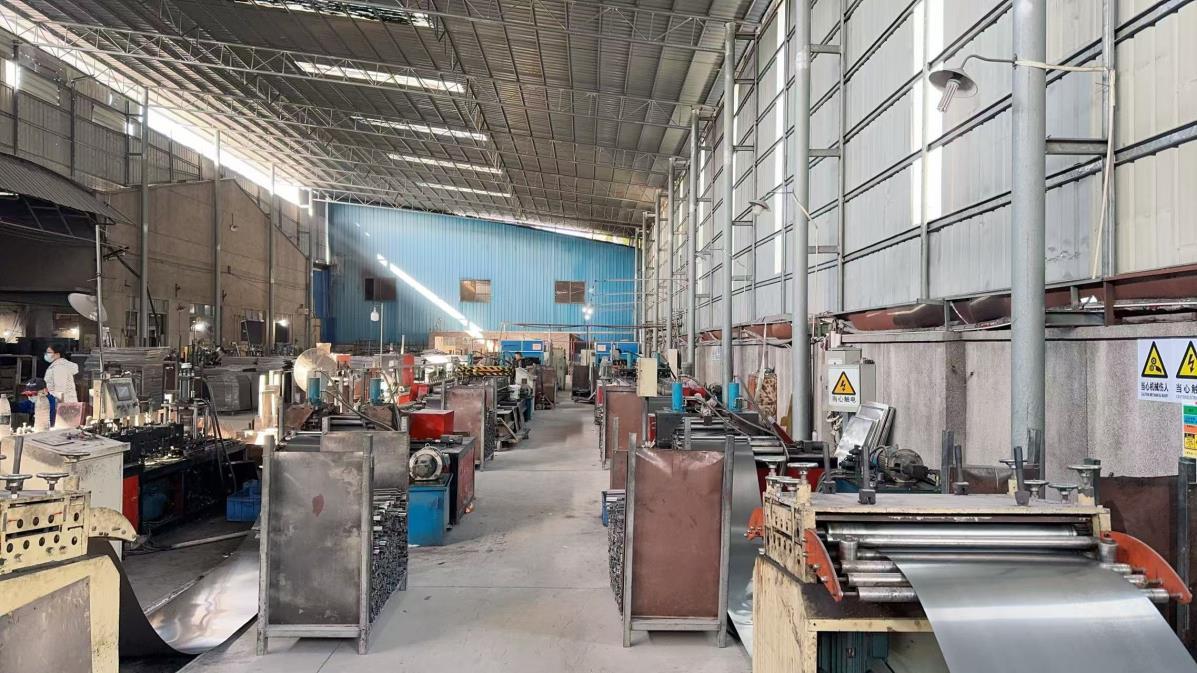
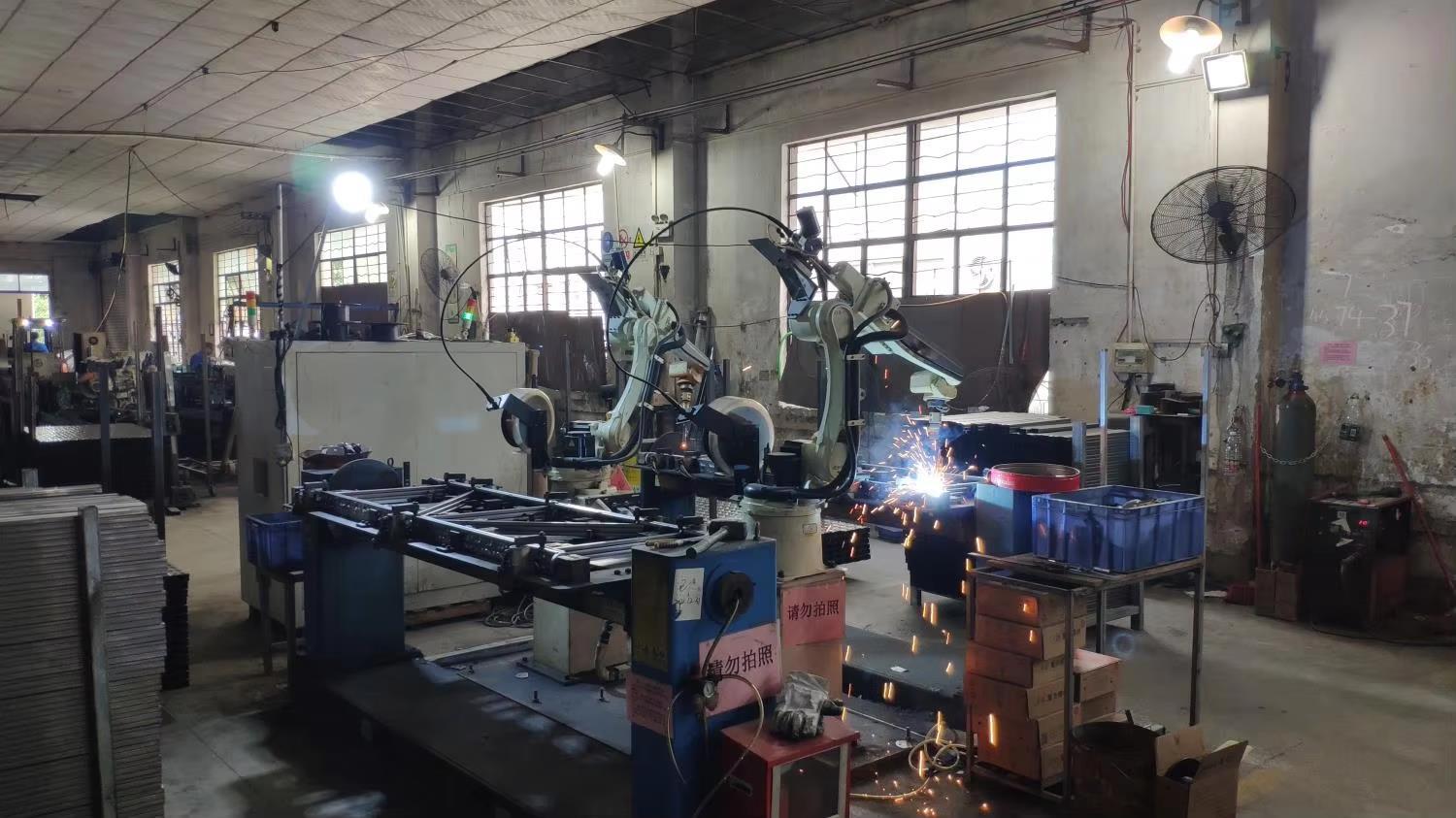
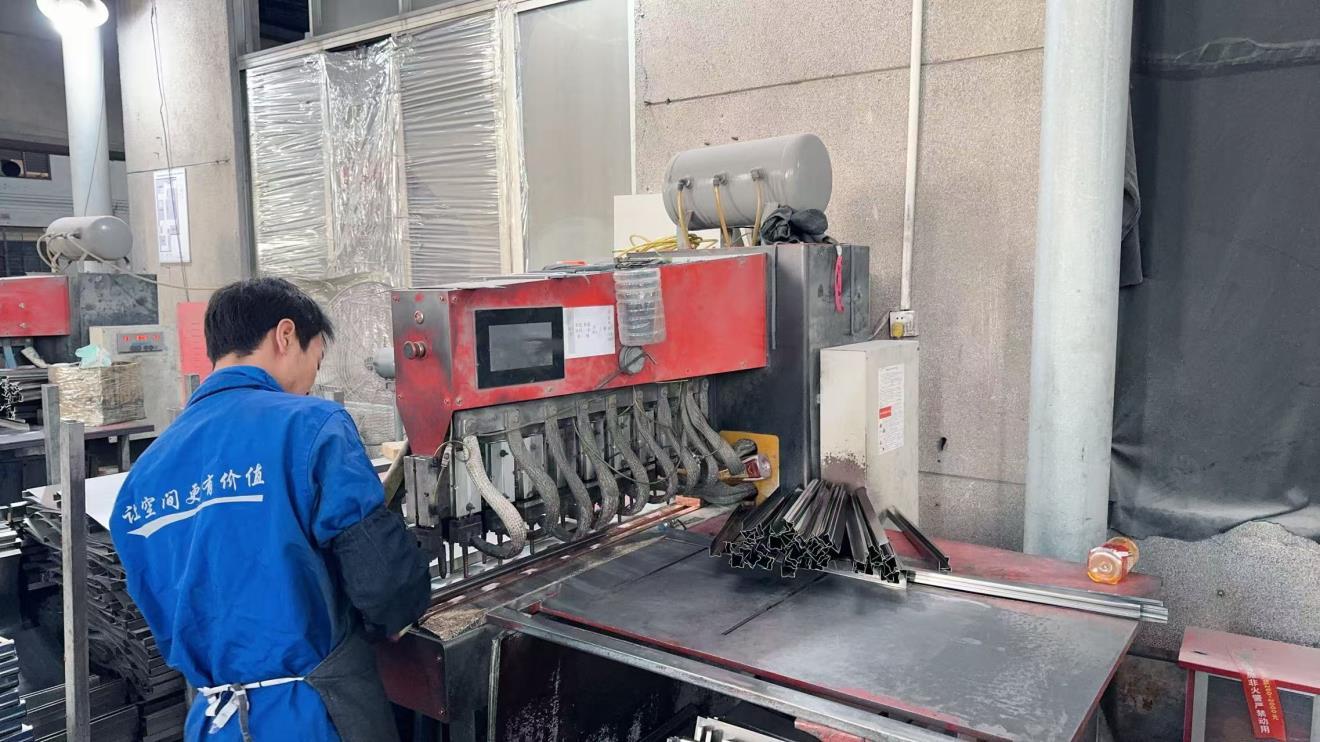
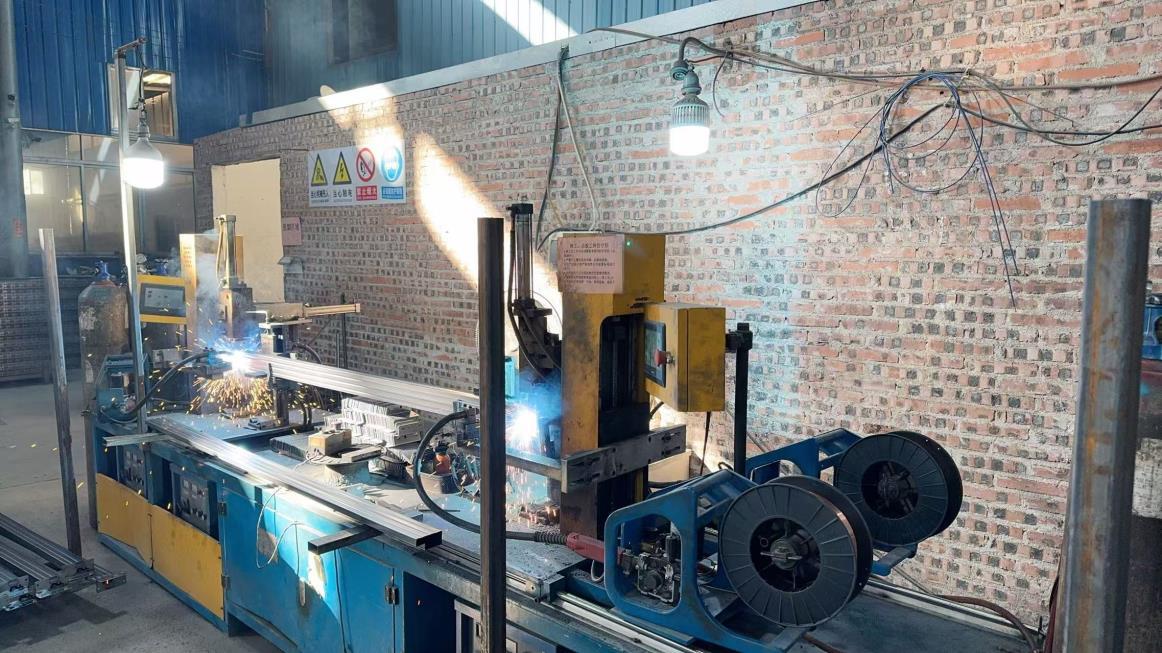
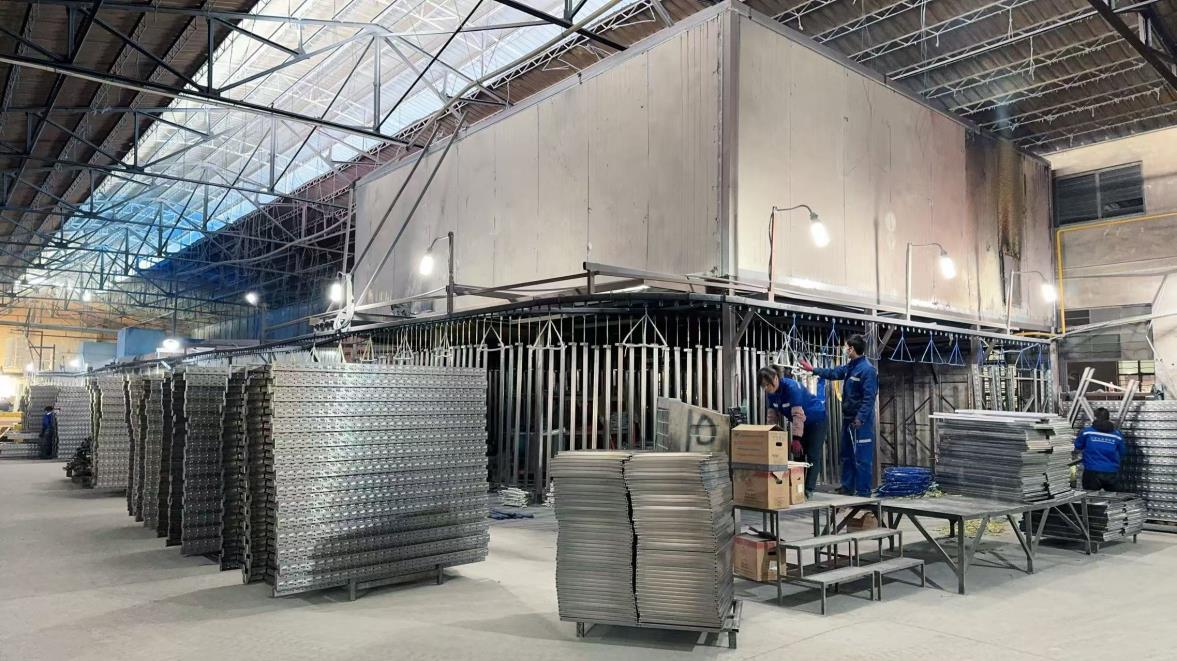
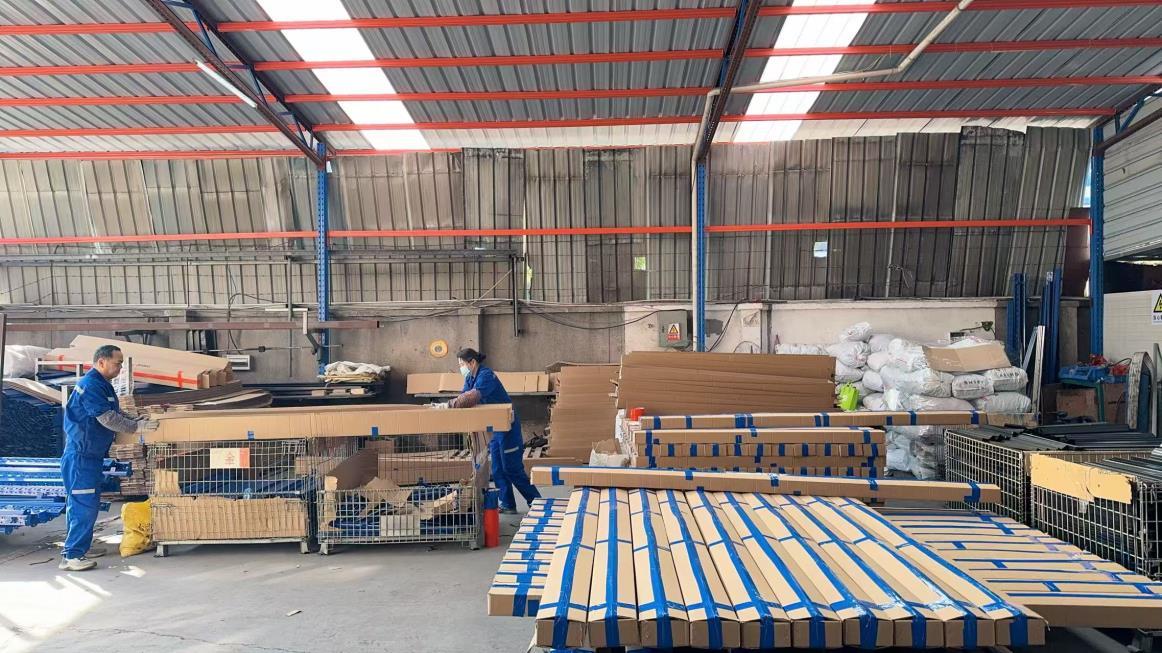
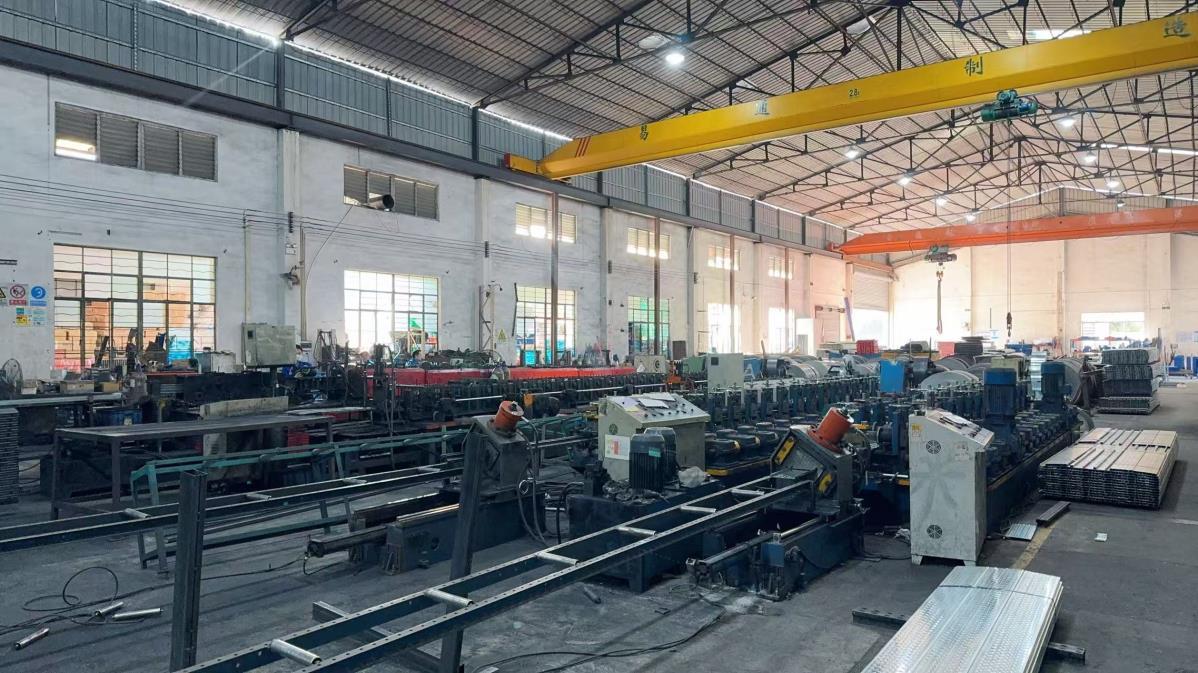
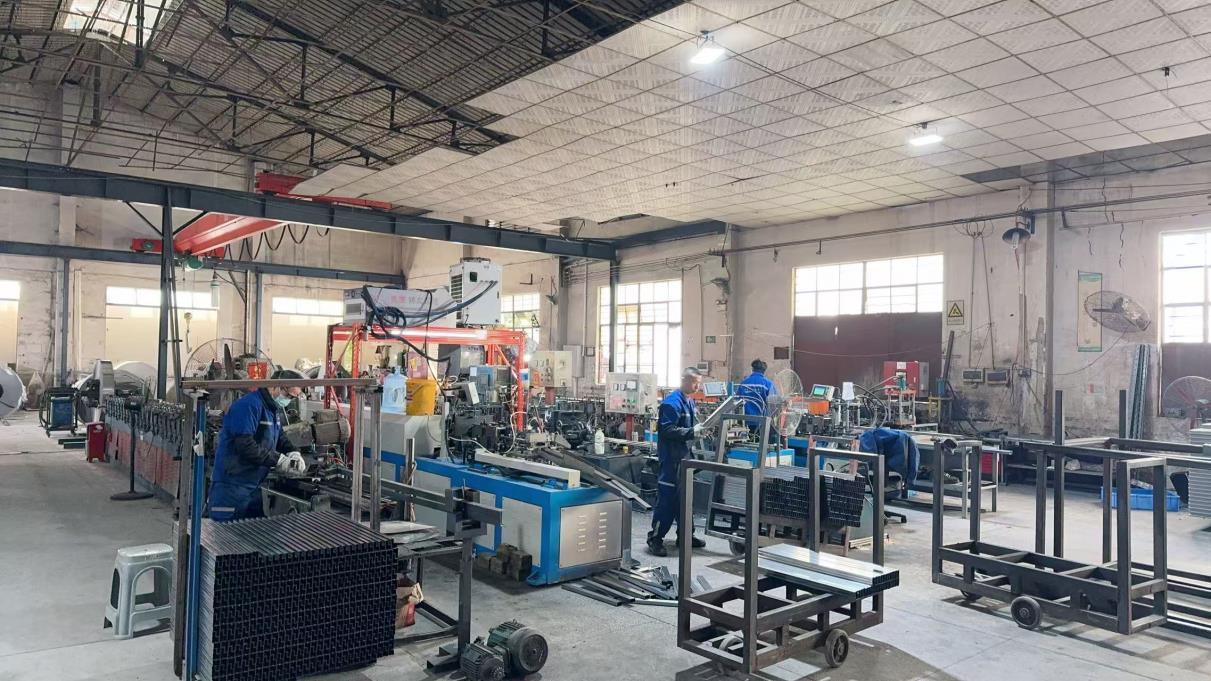
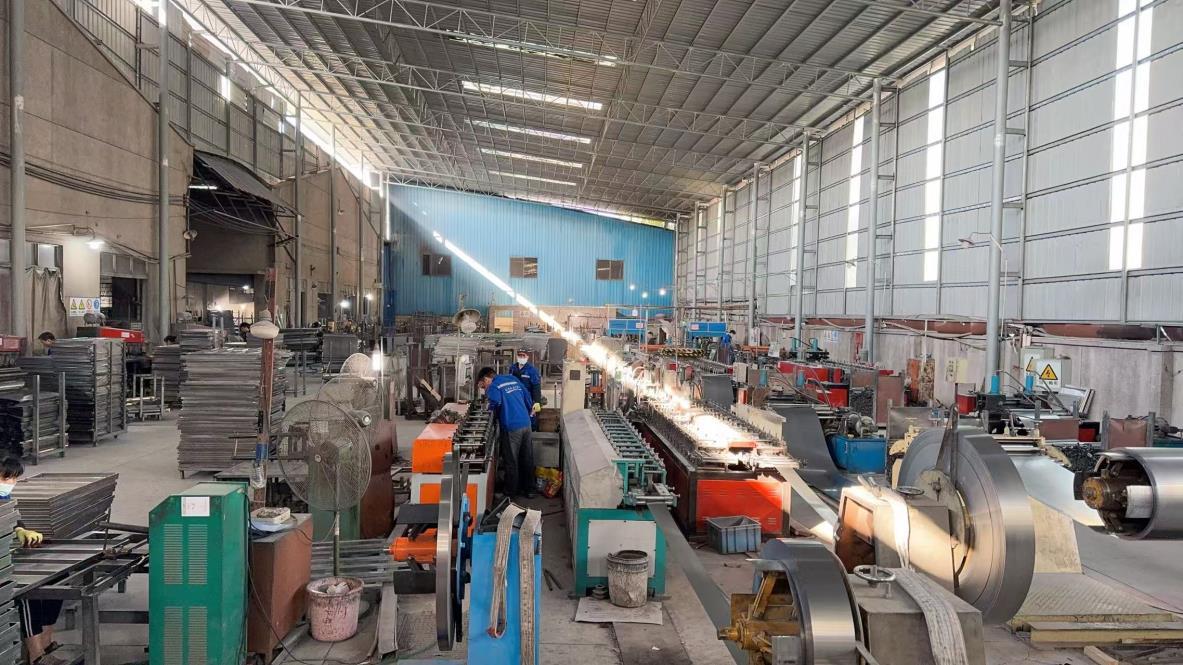
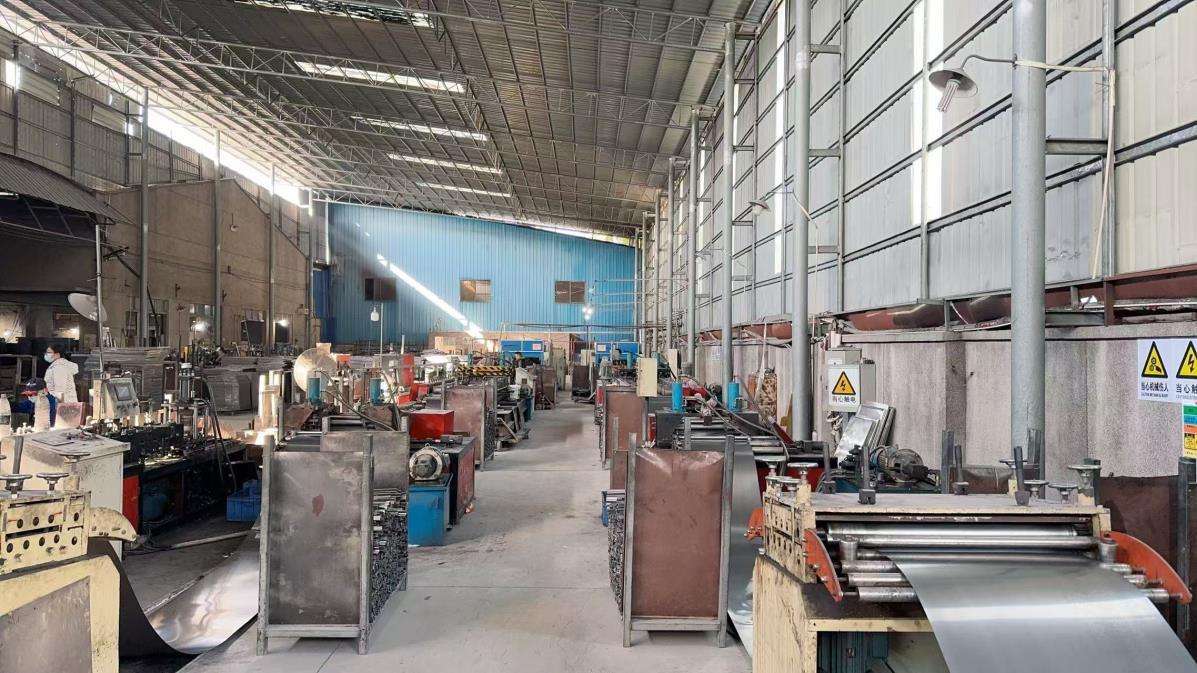
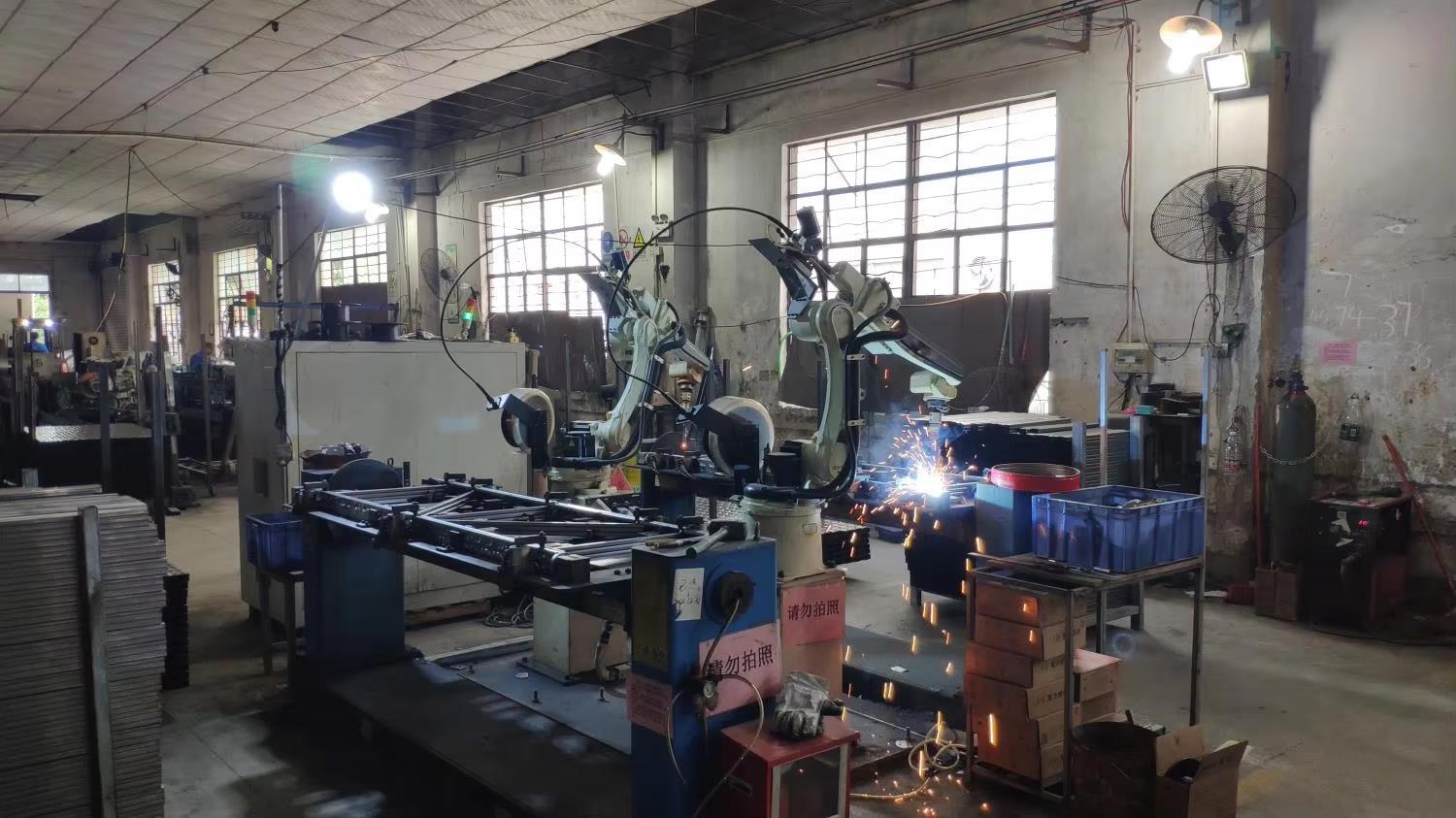
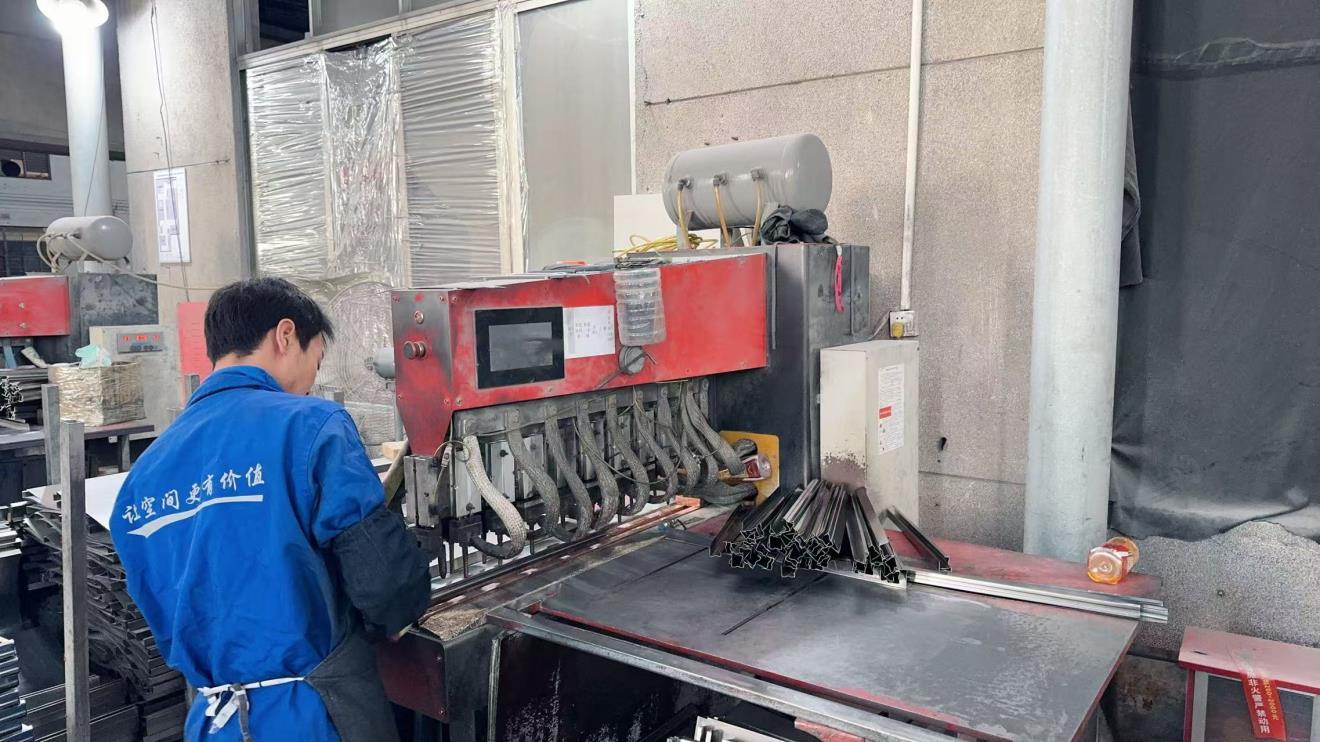
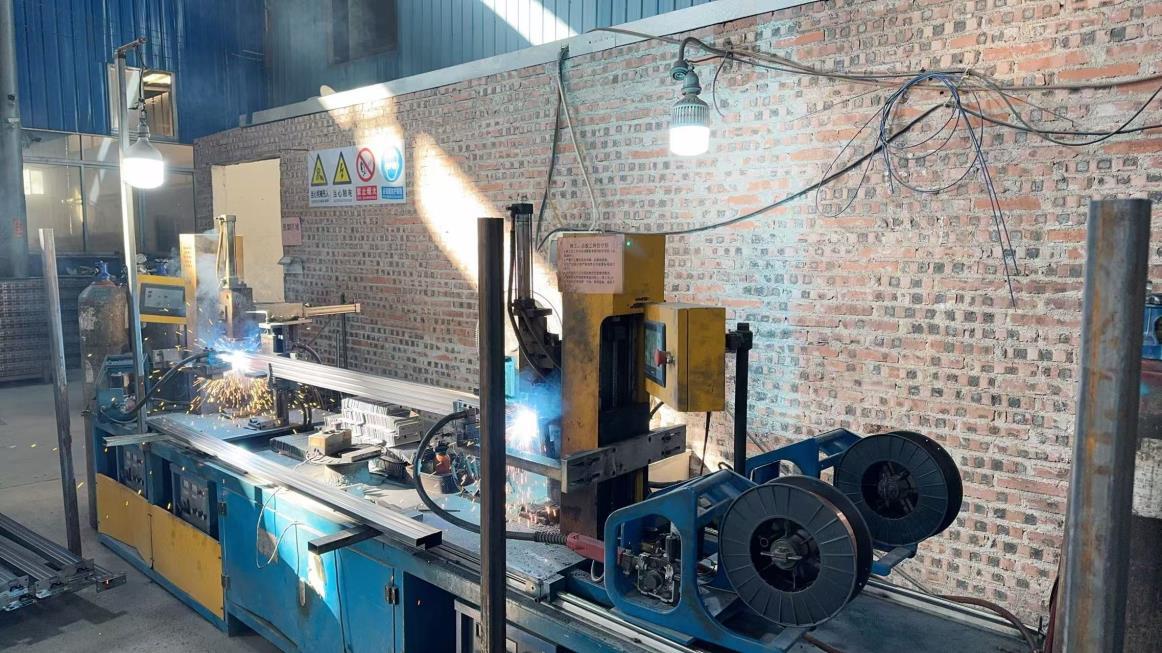
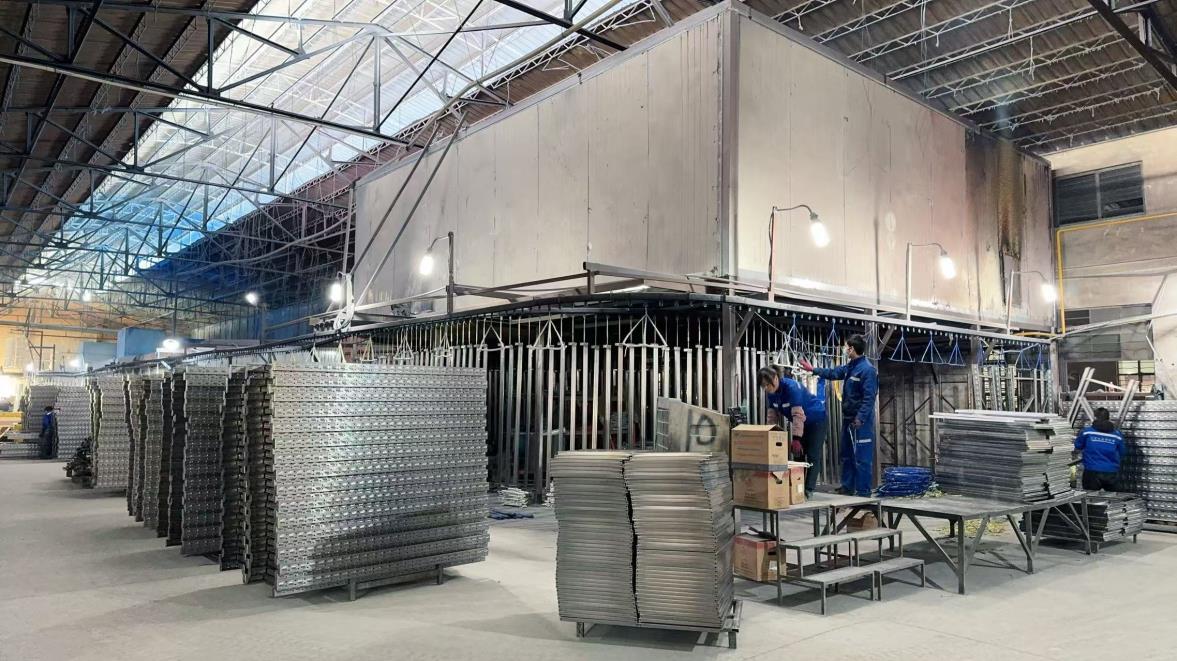
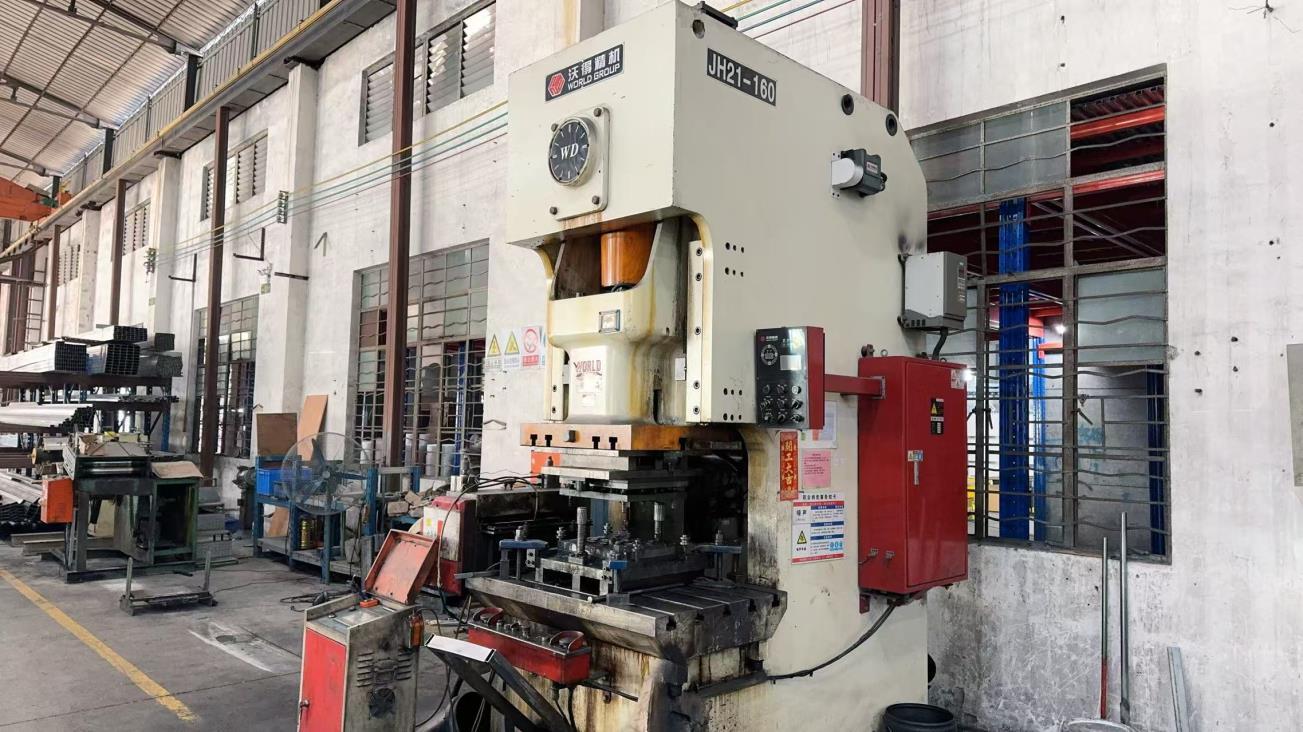
Kimsuk combines manufacturing scale with strict engineering standards, delivering heavy-duty storage infrastructure for global supply chains.
Founded in 2015, Dongguan Kimsuk Shelves Co., Ltd. is a premier manufacturer specializing in heavy-duty industrial warehouse racking systems, automated storage solutions, and customizable steel shelving. Spanning a state-of-the-art production facility of 38,000 square meters, Kimsuk combines advanced manufacturing infrastructure with high-precision engineering to deliver robust logistics and warehousing infrastructure globally.
Our export operations cover key international markets with end-to-end quality inspection protocols, including Non-destructive Ultrasonic Testing, Automated Ultrasonic Weld Flaw Detection, Coating Thickness Measurement, Surface Salt Spray Corrosion Testing, and Structural Static/Dynamic Load Testing.
Procuring custom heavy-duty warehousing containers across borders requires clear alignment on technical and shipping terms. We coordinate with supply chain managers to simplify shipping to the Port of Ashdod and Port of Haifa. Our logistics framework ensures smooth customs clearance and reduces delivery times.
We provide full OEM and ODM services, tailoring sizing, wire spacing, dynamic loading capacities, and racking guides to fit specialized automatic storage systems. Our structural engineers utilize Finite Element Analysis (FEA) to confirm safety margins before production begins.
Tailored dimensions, gate configurations, forklift guide rails, and specialized paint colors optimized for automated systems and barcode integration.
Comprehensive freight forwarding handling sea transport, terminal handling charges, customs clearance, and inland road delivery to logistics centers.
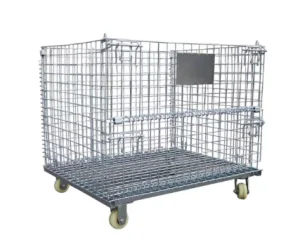
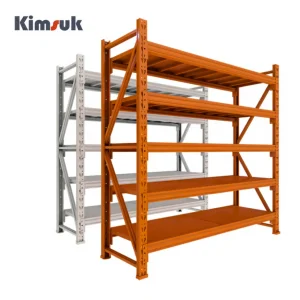
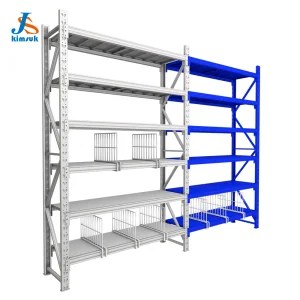
 Kimsuk Racking