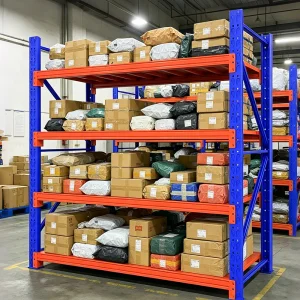
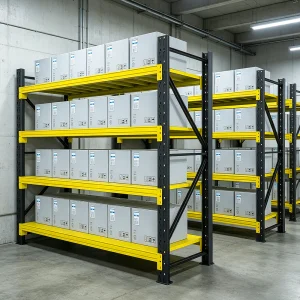
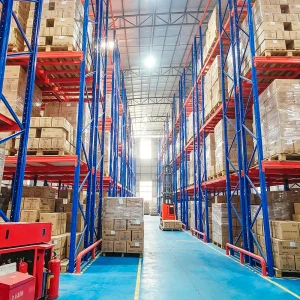
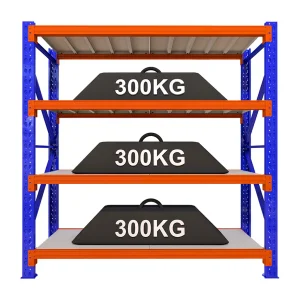
High-performance warehouse storage organizers, heavy-duty shelving configurations, and system-integrated logistics hardware designed to support high-density regional distribution frameworks.
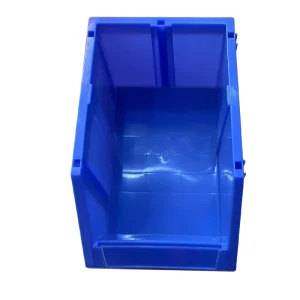
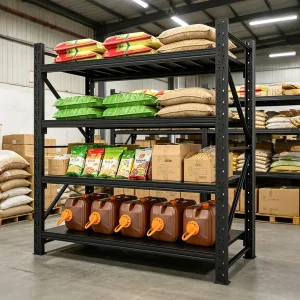
The Greater Toronto Area (GTA) functions as the logistics and supply chain engine of Canada. With major distribution hubs centered in Mississauga, Brampton, Vaughan, and Milton, the regional demand for high-performance industrial equipment accessories, automated racking networks, and heavy-duty steel shelving has reached unprecedented levels. The rapid rise of domestic e-commerce combined with rising commercial real estate lease rates has forced enterprise warehouses to optimize their vertical envelope. Industrial spaces can no longer afford structural inefficiencies; they require heavy-duty storage configurations engineered to maximize volumetric storage efficiency (cubic foot optimization).
However, Toronto's regulatory environment imposes demanding quality criteria. Storage racking systems must conform strictly to CSA Standard B335 (Safe Integration and Operation of Rider-Deck Powered Industrial Trucks) and receive provincial Pre-Start Health and Safety Reviews (PSR) before commissioning. Under these guidelines, equipment accessories such as upright frames, step beams, load supports, and column guards must display documented yield strength configurations and structural integrity records. Our engineering department ensures all configurations meet and exceed these local engineering criteria, safeguarding both operators and long-term facility assets.
With industrial vacancy rates in the GTA hovering near historic lows, operations managers are transitioning away from horizontal warehouse footprints toward complex vertical racking architectures. This transition demands high-precision manufacturing, structural seismic analysis compliance, and exceptionally resilient powder-coat finishes capable of withstanding cold-chain humidity and mechanical impact damage.
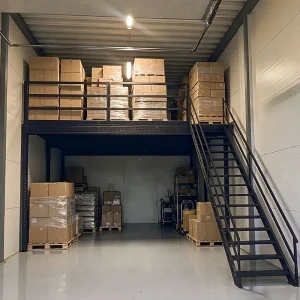
On a global scale, material handling is undergoing a transformation driven by Automation, Modular Scalability, and Sustainability. Modern supply chains are integrating Automated Storage and Retrieval Systems (AS/RS), autonomous mobile robots (AMRs), and multi-tier mezzanine floor setups. This technological evolution requires high-precision structural interfaces. Racking systems and associated accessories are no longer considered passive structures; they must function as high-precision mechanical frameworks with tight dimensional tolerances (down to ±0.5mm for automated stacker crane alignments).
Furthermore, steel pricing volatility and global freight shipping disruptions have reshaped procurement models. International buyers are prioritizing suppliers who offer a balance of manufacturing capacity, raw material price stability, and comprehensive structural testing documentation. Global standard conformity—including RMI (Rack Manufacturers Institute) standards in the USA, EN 15512 standards in Europe, and ISO 9001:2015 frameworks—is essential for seamless project approval processes across multi-national facility portfolios.
A globally trusted manufacturer of high-precision heavy-duty warehousing systems and customized equipment components.
Founded in 2015, Dongguan Kimsuk Shelves Co., Ltd. has established itself as a leading manufacturer specializing in heavy-duty industrial warehouse racking systems, automated storage solutions, and customizable steel shelving. Spanning a state-of-the-art production facility of 38,000 square meters, Kimsuk combines advanced manufacturing infrastructure with high-precision engineering to deliver robust logistics and warehousing infrastructure globally. With an annual export revenue reaching $28,000,000 USD, we bridge the gap between heavy industrial capacity and refined product detailing.
Over 8 years of direct export experience and 15+ years of specialized industry experience working with global retail distribution brands, logistics enterprises, and automated integration firms.
Full compliance with ISO 9001:2015 Quality Management Systems, CE Standard certifications, and load-bearing safety parameters. Non-destructive ultrasonic testing and automated weld inspections are applied across all structural components.
Our capabilities include CAD/3D BIM structural modeling, Finite Element Analysis (FEA) structural simulations under dynamic load profiles, and customizable options for dimensions, colors, and seismic retrofits.
Supported by more than 850 upstream steel mills and material suppliers, securing top-grade raw materials (Q235B / Q355B structural steel profiles) even during high-demand business cycles.
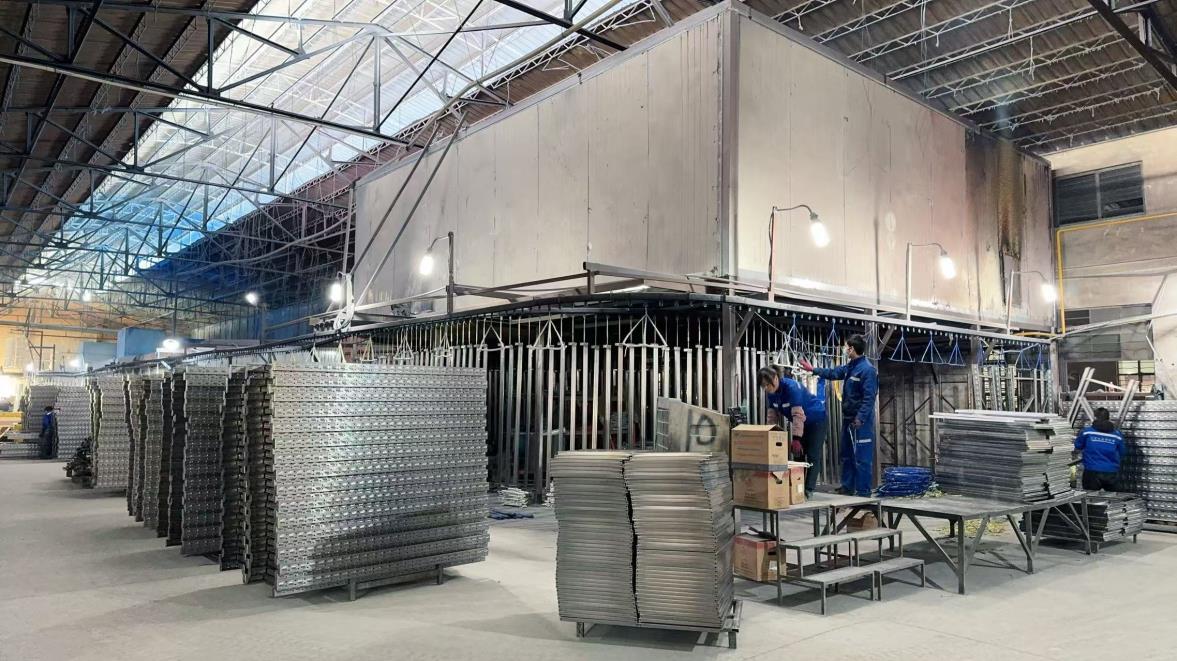
Every step of our process—from raw steel cutting to automated powder coating—is monitored under strict quality control standards.
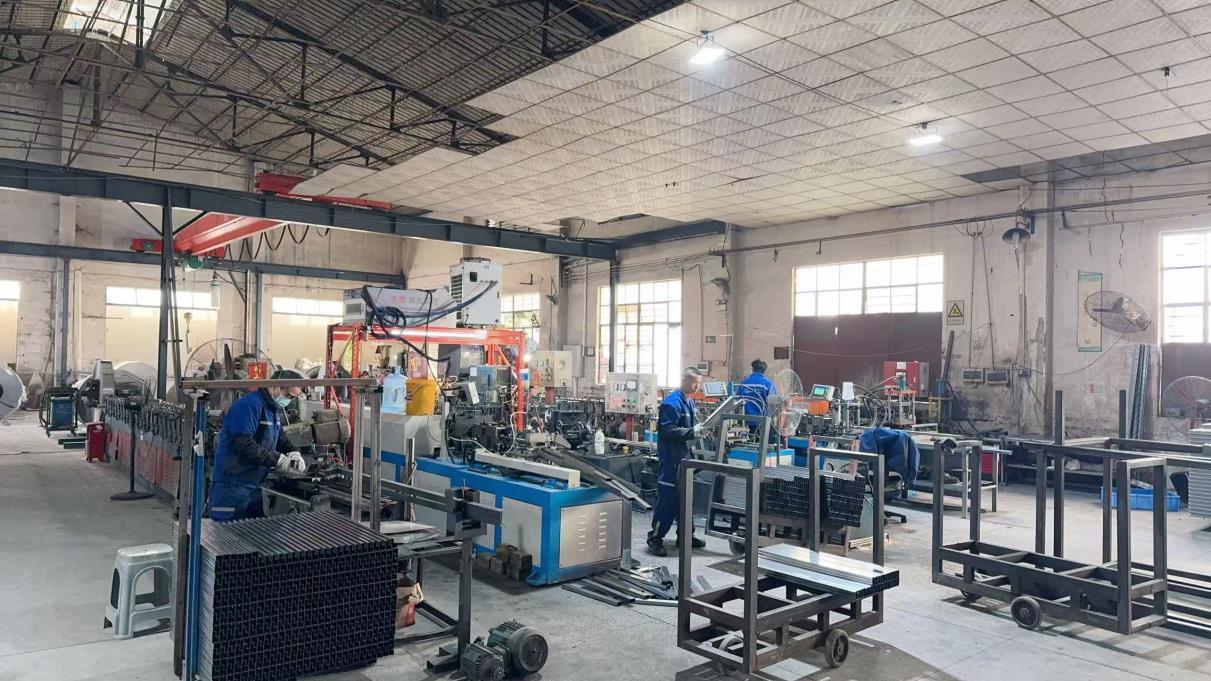
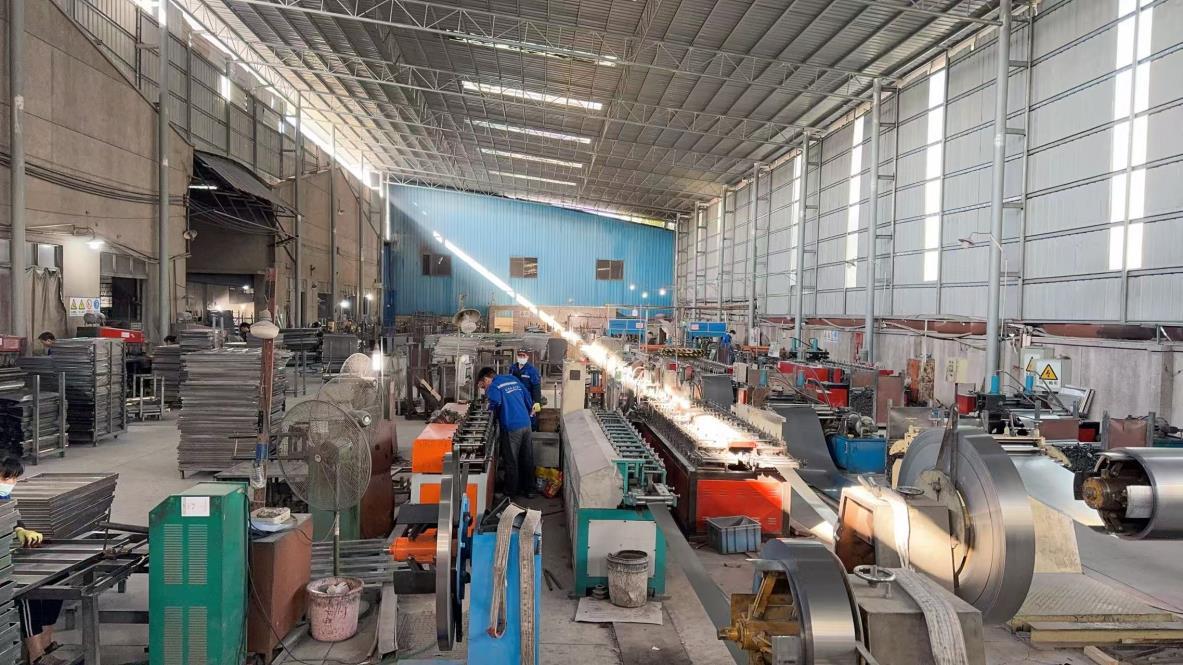
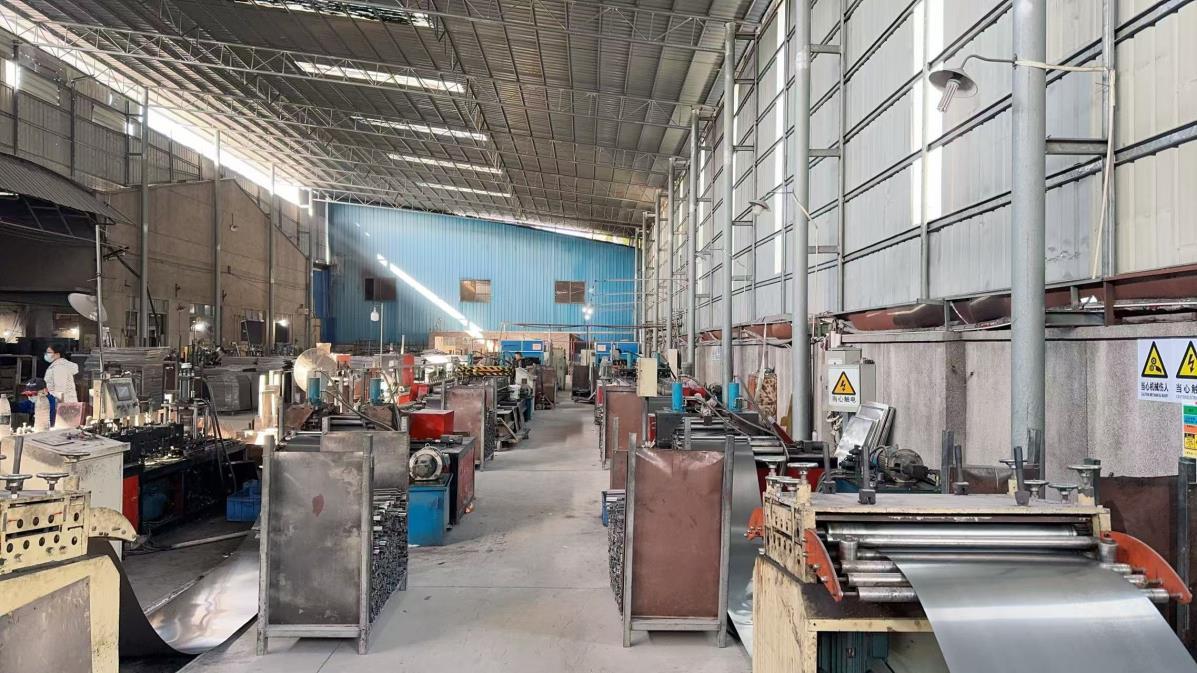
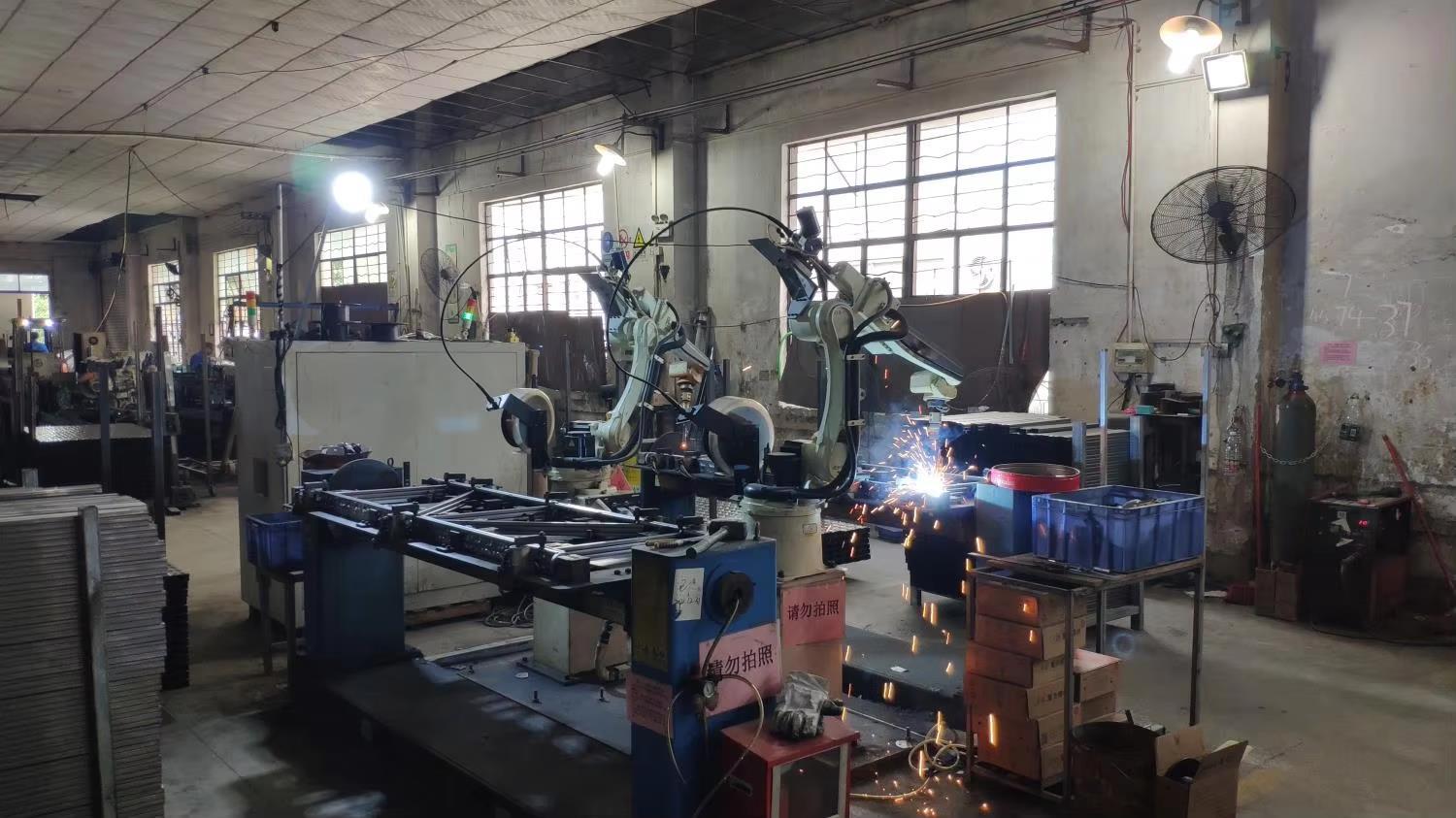
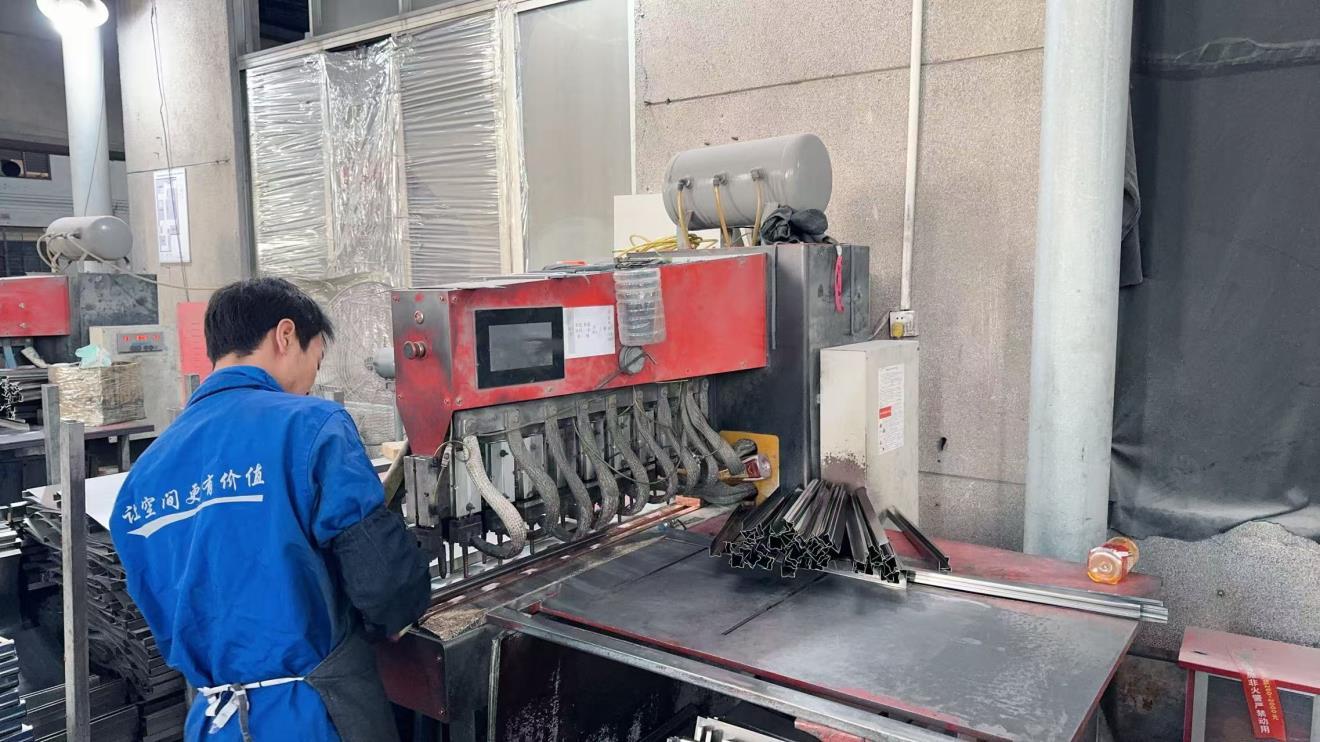
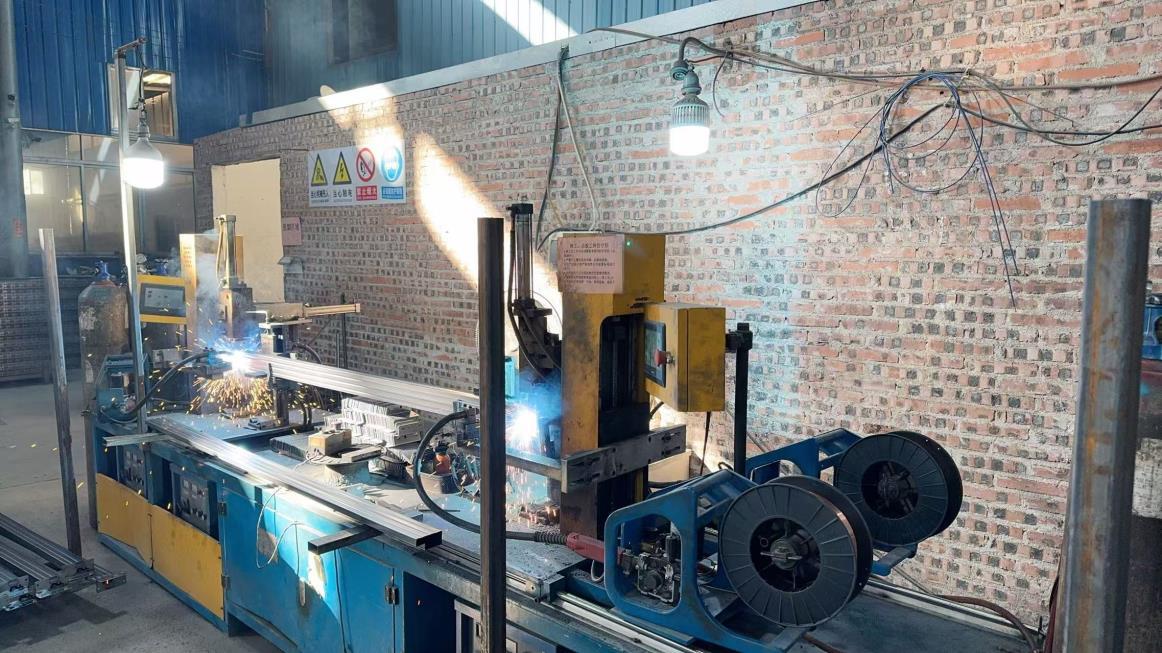
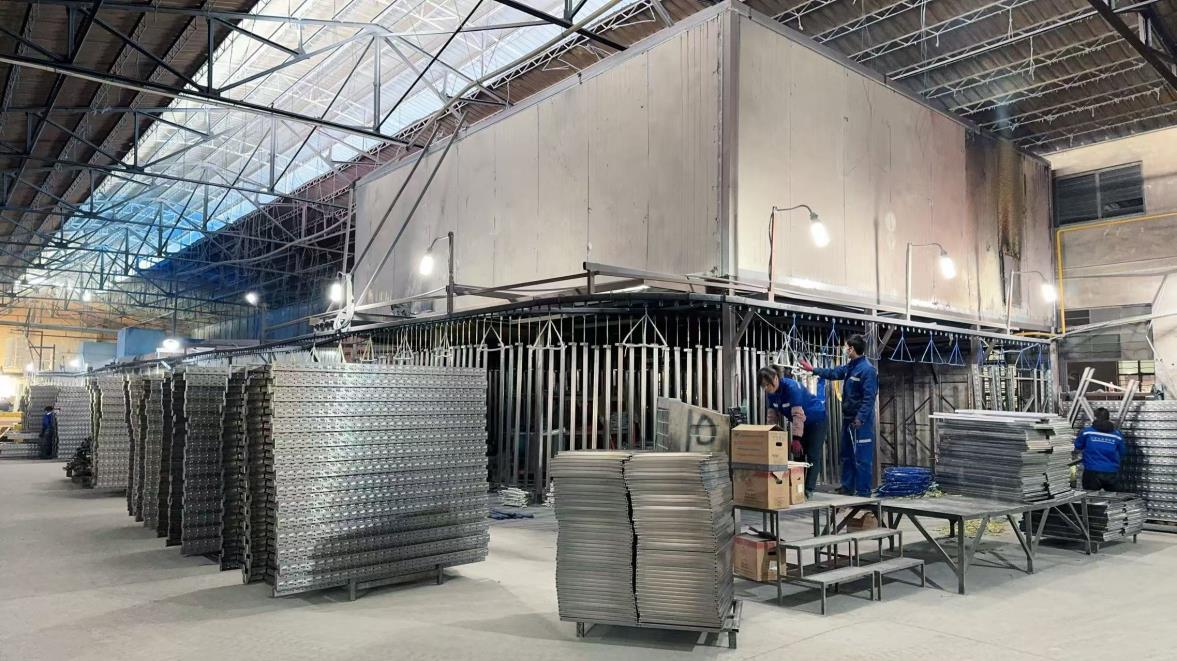
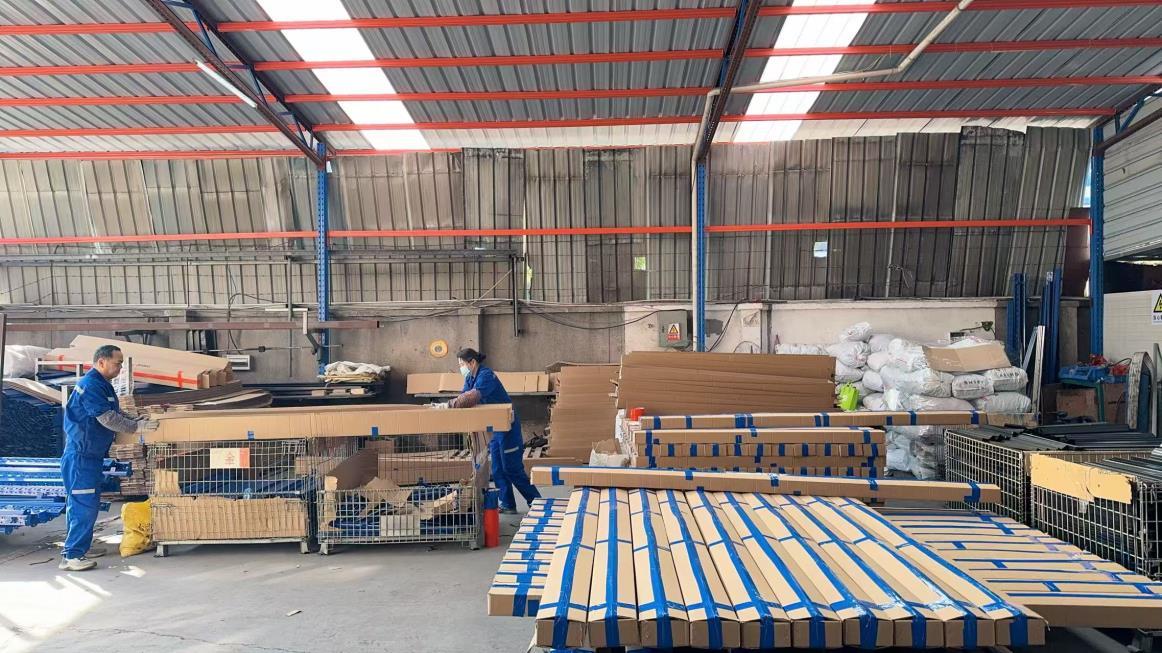
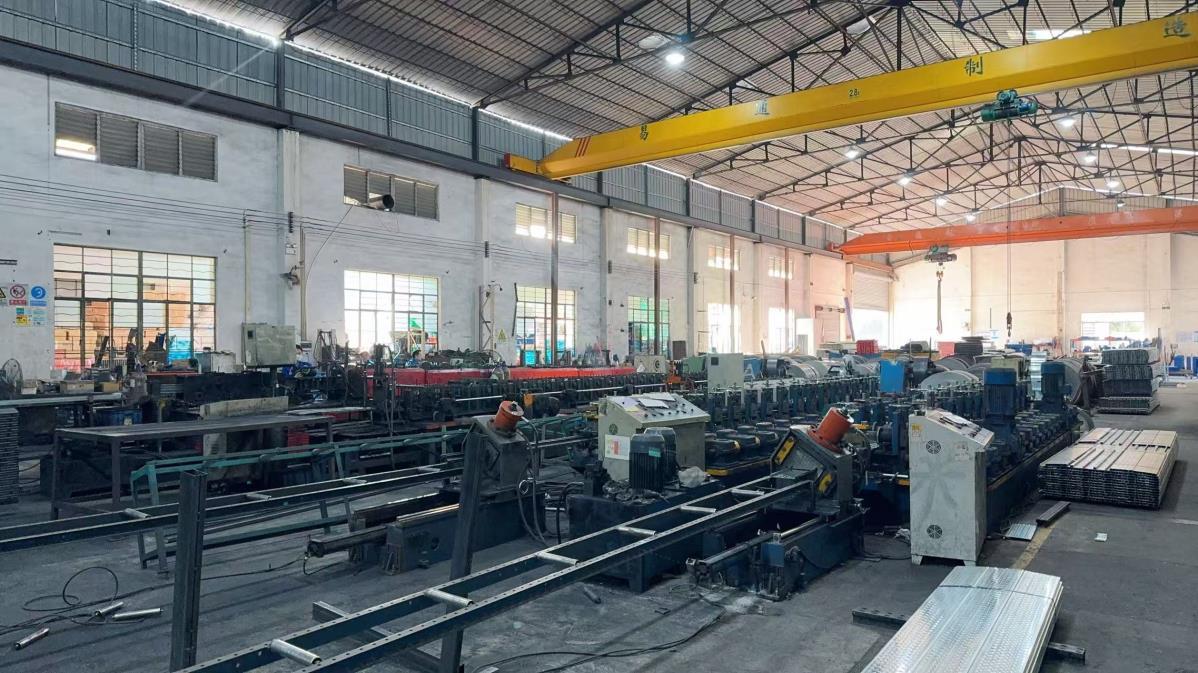
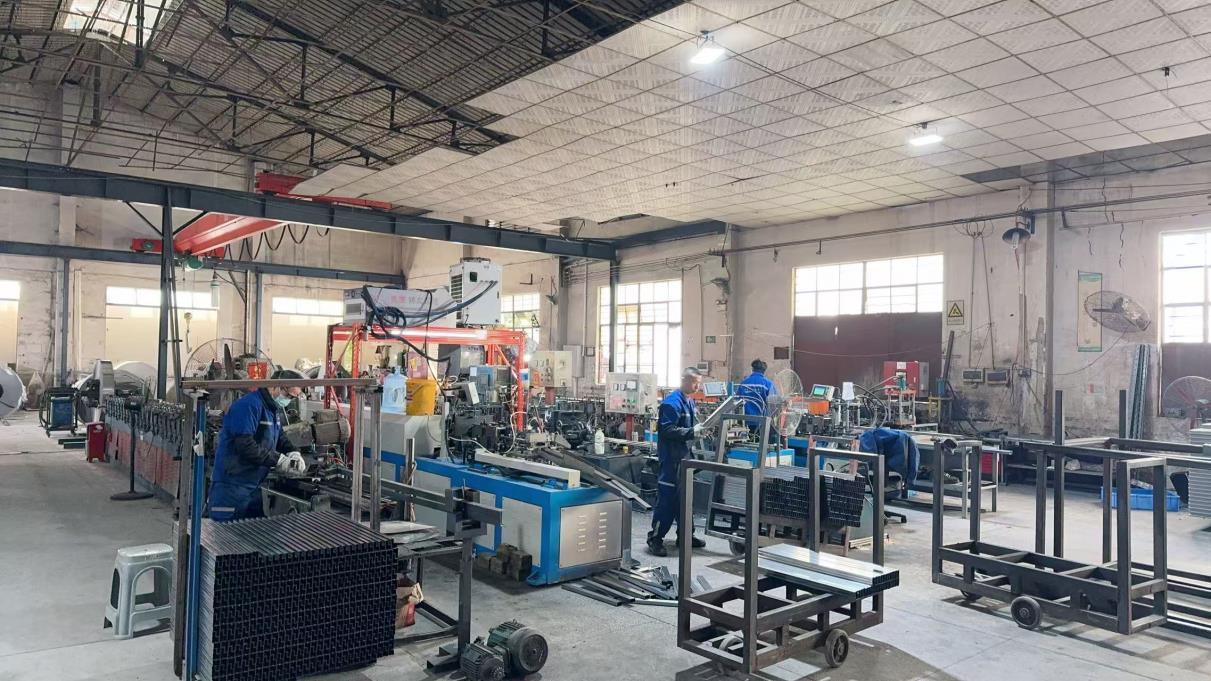
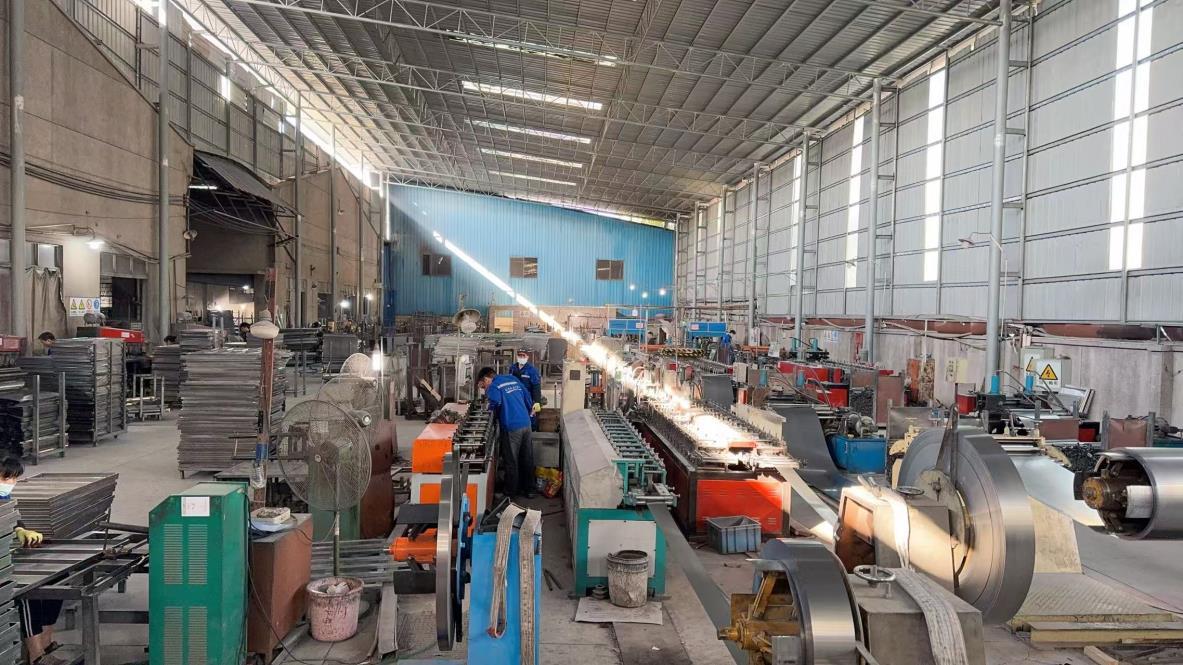
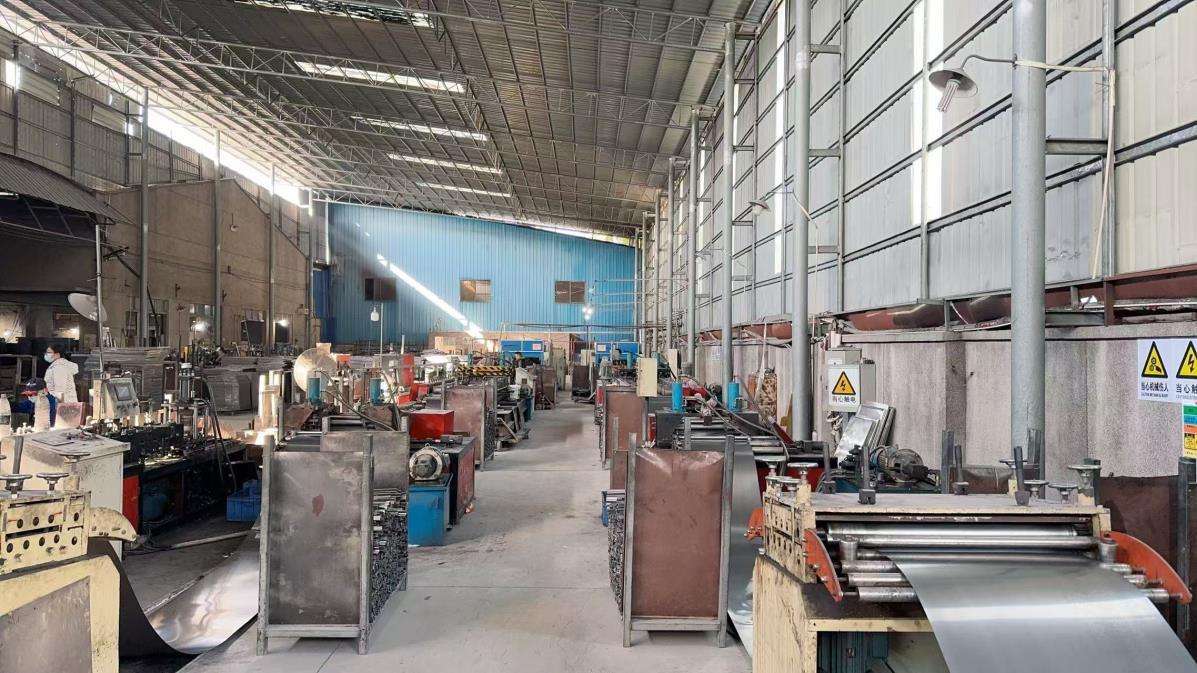
Industrial procurement is complex, requiring a careful balance between upfront capital expenditure (CAPEX) and long-term structural reliability. Procuring warehouse components directly from a specialized factory in China like Dongguan Kimsuk Shelves Co., Ltd. offers distinct advantages in cost efficiency, supply chain stability, and design engineering:
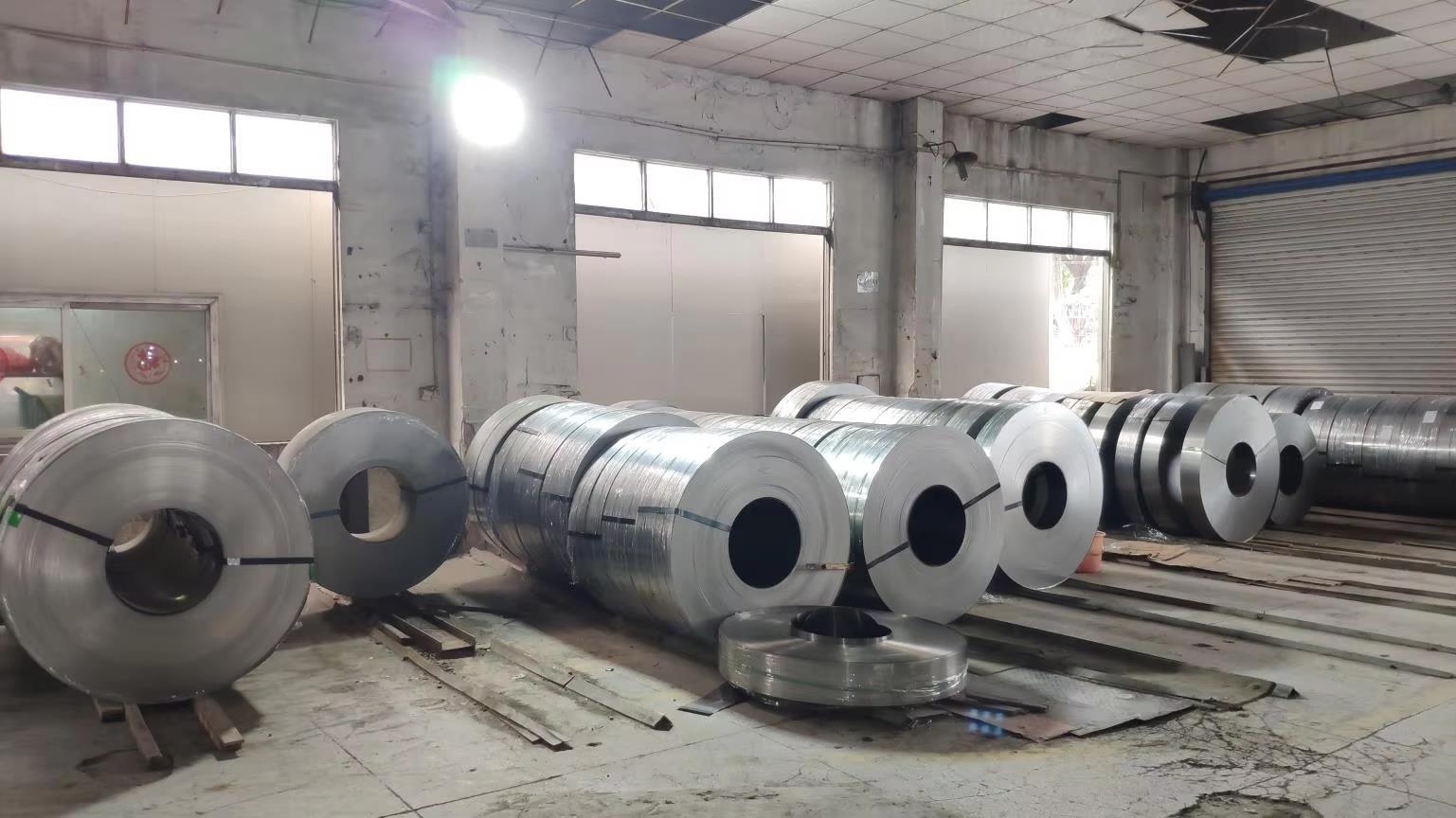
Our production facilities are situated near major domestic steel production clusters, allowing direct procurement of raw steel profiles (such as hot-rolled steel coils, Q235B, and Q355B grades). Sourcing directly from large-scale mills avoids middleman markups, ensuring we procure high-grade steel with certified carbon content and yield strength configurations at optimized costs.
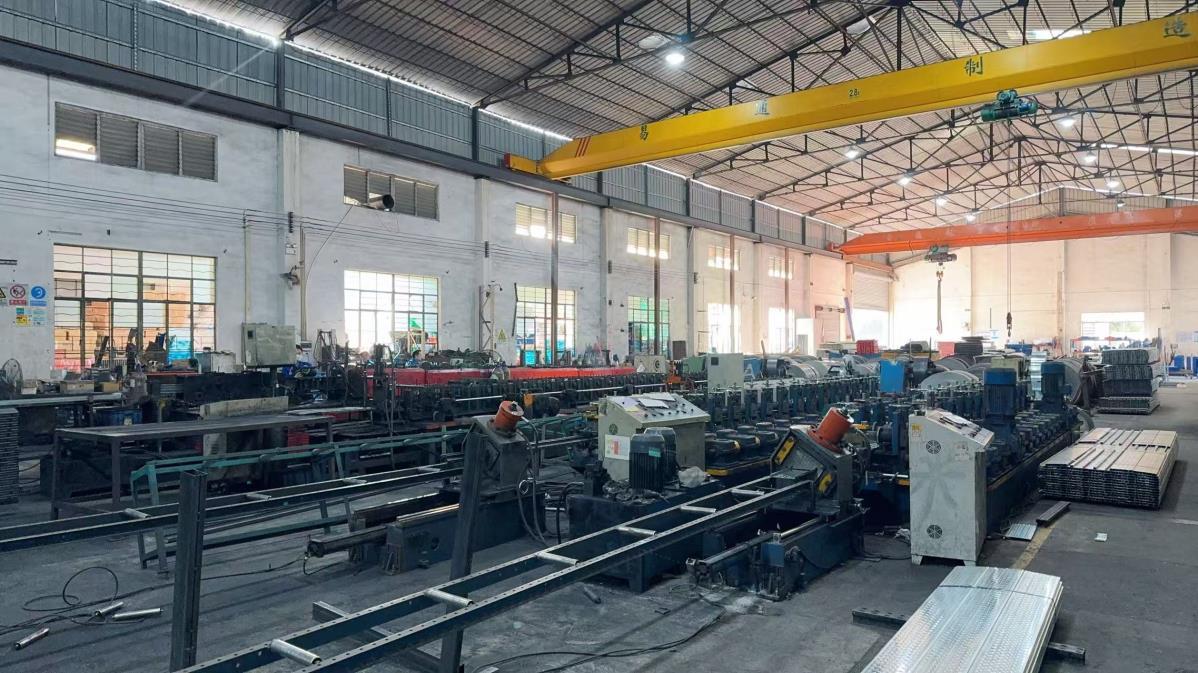
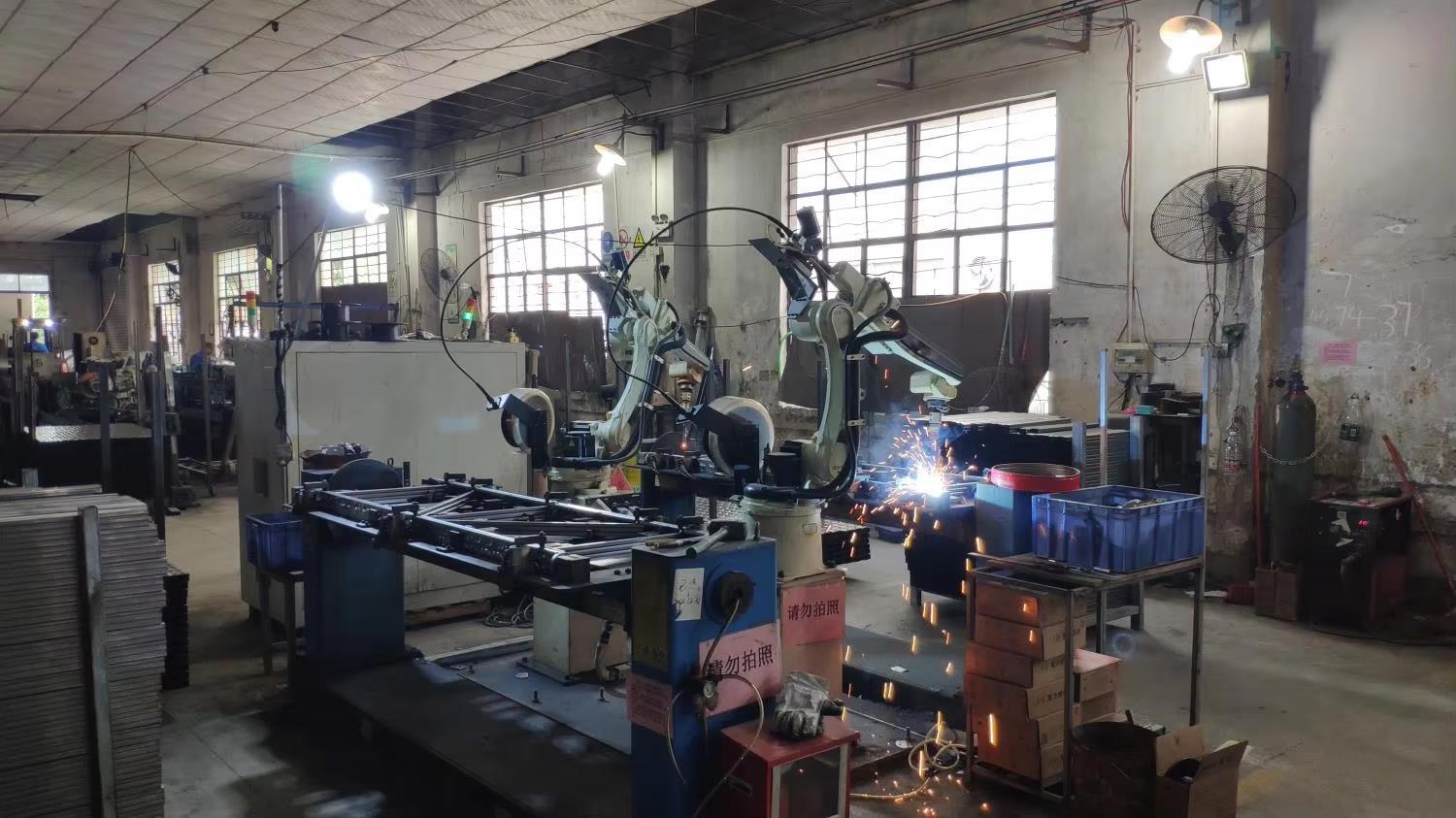
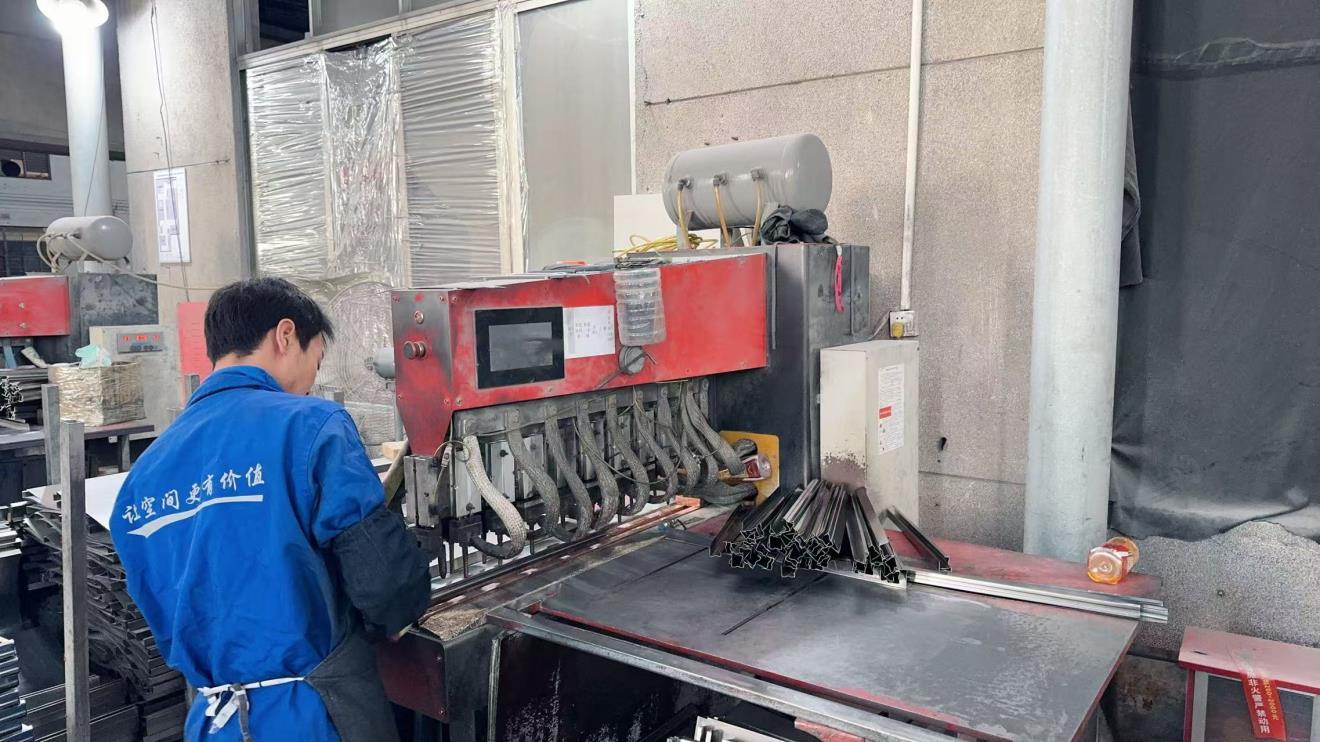
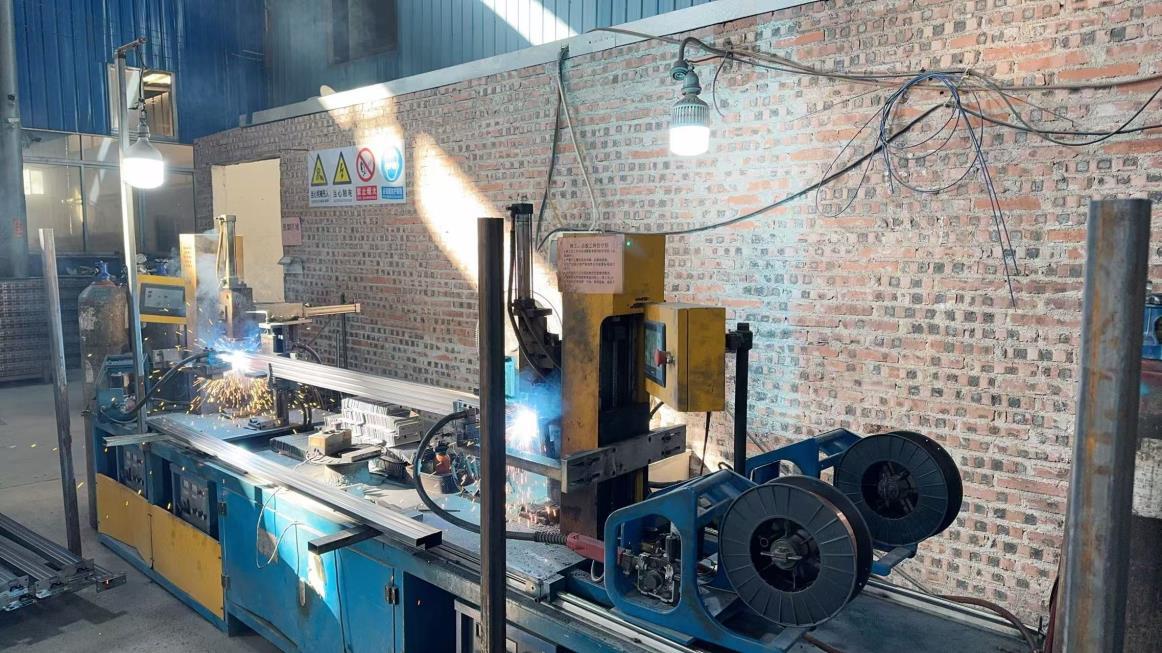
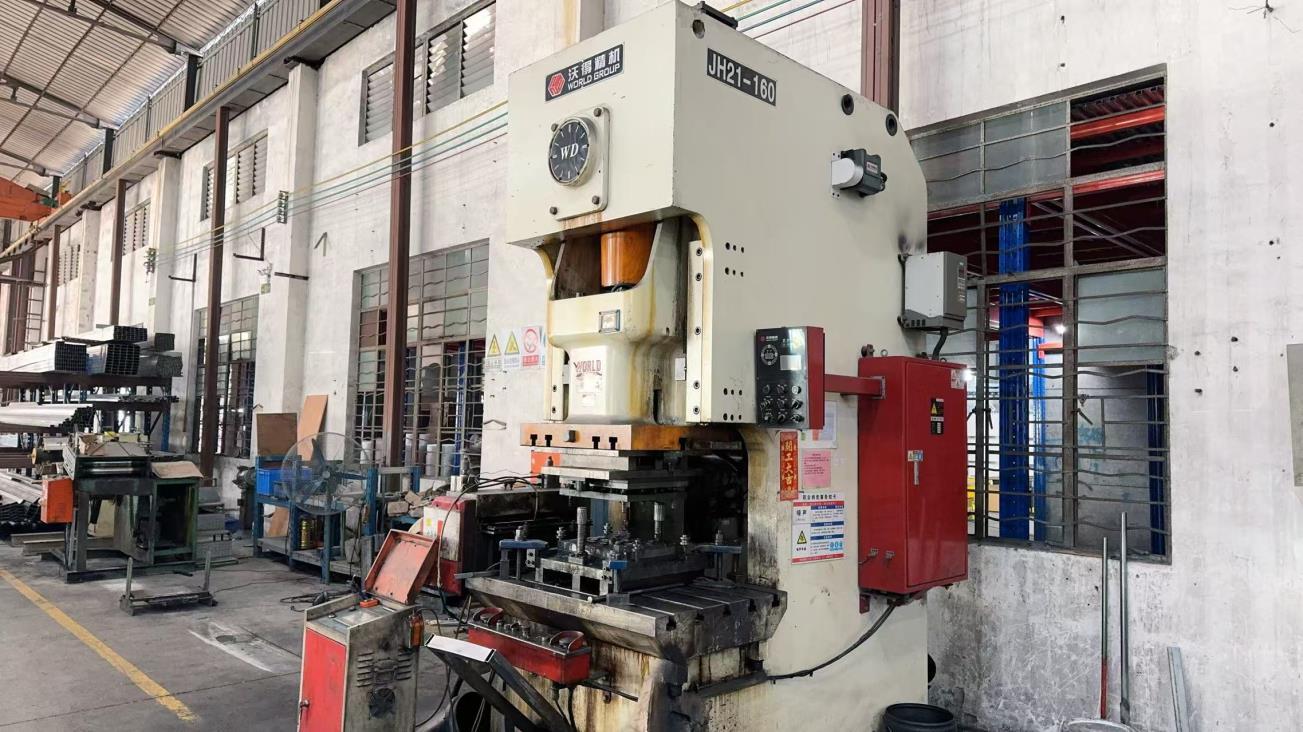
Our facility features continuous computerized roll-forming lines, automated punching equipment, and Japanese-engineered OTC robotic welding arms. Automation minimizes human error, maintains weld penetration tolerances, and ensures consistent physical alignment across large production runs. This precision is critical for multi-tier mezzanine and pallet rack configurations, where even a slight alignment variance can affect load-bearing capacity and compromise structural safety.
Every production batch undergoes comprehensive quality control testing, managed by a dedicated team of 35 certified QA/QC inspectors. Key inspection procedures include:
For warehouse sites in Toronto, Scarborough, Brampton, or Mississauga, our engineering division adapts product designs to align with regional safety codes. We construct racking systems utilizing heavier-gauge upright channels, robust footplates, and specialized safety locking pins. Our team performs Finite Element Analysis (FEA) simulations to verify structural stability and compliance under regional Canadian design parameters, including the National Building Code of Canada (NBCC) seismic load profiles.
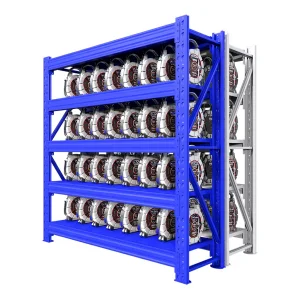
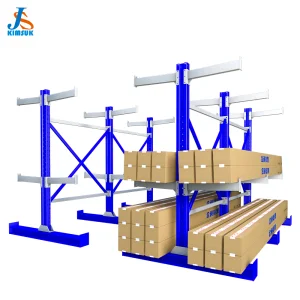
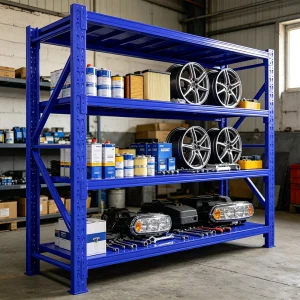
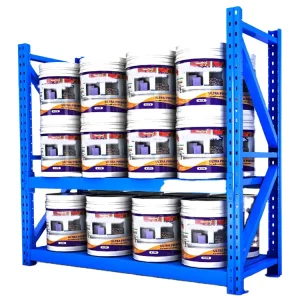
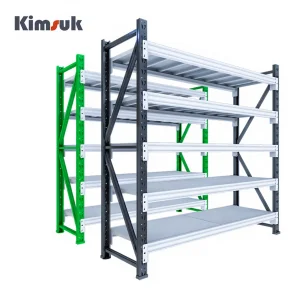
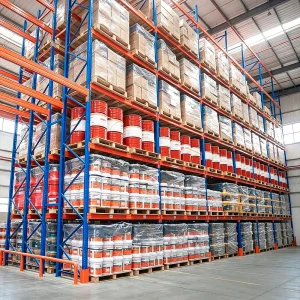
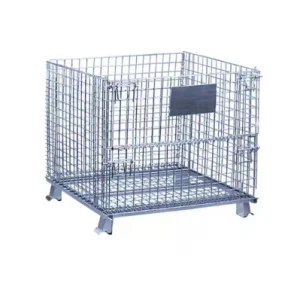
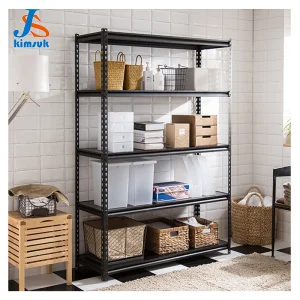
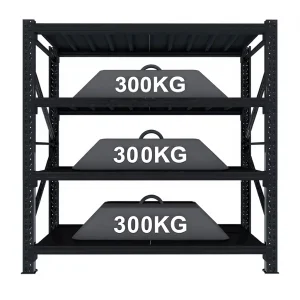
Select from our comprehensive list of structural storage systems, light-duty utility shelves, heavy-duty pallet racks, and space-optimizing mezzanines.
Enterprise procurement departments must look beyond standard FOB (Free on Board) calculations when importing structural steel components from China to North America. Optimizing procurement costs requires addressing several key variables:
Racking frames and steel storage decks are heavy, dense products that require specialized packing strategies to minimize dead freight space. Our factory specializes in custom structural designs that nesting flat-pack configurations. This increases the total metric tonnage per 40-foot HQ container, reducing per-unit shipping costs to the Port of Montreal or the Port of Vancouver, before rail transport transfers goods to Toronto terminals.
To avoid customs delays, all shipments include comprehensive product documentation: mill test certificates (MTC) proving steel chemistry and tensile properties, ISO quality conformity certificates, and detailed load capacity rating labels. Providing this documentation ensures smooth clearance with the Canada Border Services Agency (CBSA) and meets the requirements of municipal building inspectors in Ontario.
Every facility layout is unique. Our team collaborates with engineering consultants via 3D BIM modeling. This ensures that column spacings, dynamic seismic zones, concrete floor capacities, and forklift drive aisle requirements are evaluated during the initial design phase—preventing costly onsite modifications during installation.
Technical and logistical insights for industrial equipment accessories, racking installations, and international procurement processes.
 Kimsuk Racking