Select heavy-duty high-density warehouse storage systems engineered specifically for metropolitan storage loads and local regulations.
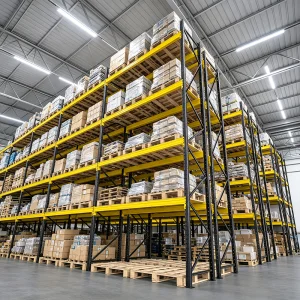
The logistics landscape of the New York metropolitan area—spanning Brooklyn, Queens, the Bronx, Staten Island, and the adjacent Northern New Jersey corridors—faces the highest real estate costs and most challenging structural requirements in the United States. With industrial land prices escalating and last-mile distribution requirements demanding ever-tighter fulfillment cycles, spatial optimization is no longer a luxury; it is a critical operational parameter.
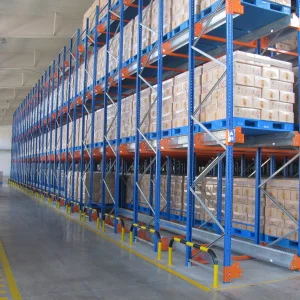
Drive-in pallet racking systems represent the ultimate high-density structural warehouse solution for these space-constrained environments. By eliminating conventional access aisles, drive-in systems increase volumetric storage efficiency by up to 75% compared to selective racking. This whitepaper analyzes the engineering standards, manufacturing processes, and import strategies required to successfully deploy drive-in systems in compliance with the stringent building codes, seismic regulations, and industrial requirements of the New York market.
In cold storage warehouses serving the NYC metropolitan area—where energy and real estate costs are compounding operational liabilities—reducing the volume of air that requires refrigeration is paramount. Our Warehouse Storage Rack Use Cold Room Steel Heavy Duty Drive in Pallet Racking System is specifically engineered to operate efficiently under temperatures down to -30°C.
By utilizing high-grade steel alloys that maintain ductile toughness under sub-zero conditions, and applying high-density Last-In, First-Out (LIFO) storage configurations, these cold room systems minimize thermal loss and maximize pallet capacity. Furthermore, the structural integration of robust lane guide rails, custom cantilever brackets, and structural column protectors ensures that operators using reach trucks can load and retrieve pallets quickly without compromising structural safety.
Note on Structural Mechanics: Drive-in racking requires critical calculations regarding structural deflection and local buckling since the frame relies on overhead bracing rather than traditional cross-beams to maintain structural integrity. Our engineering team utilizes finite element analysis (FEA) to confirm safety under maximum loading scenarios.
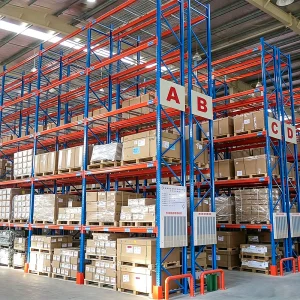
Deploying warehouse racking in New York requires careful adherence to the Rack Manufacturers Institute (RMI) MH16.1 Specification and the international building code (IBC) standards adopted by the New York State and NYC Departments of Buildings (DOB). Given the geological characteristics of the NY/NJ region, racking systems must be engineered to withstand seismic design categories (SDC) ranging from B to D.
Unlike simple boltless shelving, heavy-duty industrial racking must be anchored with heavy-duty footplates and concrete expansion anchors verified to hold dynamic shear loads. Factors such as concrete floor slab thickness (minimum 6 inches typically required), concrete compressive strength (minimum 3000 PSI to 4000 PSI), and structural floor load capabilities must be carefully surveyed and verified before installation.
Founded in 2015, Dongguan Kimsuk Shelves Co., Ltd. has established itself as a premier global manufacturer of heavy-duty industrial warehouse racking systems, automated storage solutions, and customizable steel shelving. Out of our state-of-the-art facility spanning 38,000 square meters, we integrate advanced mechanical engineering, automated manufacturing systems, and rigorous quality inspection protocols to supply high-end racking systems to markets worldwide.
Quality and safety begin at the material sourcing stage. We utilize high-strength structural carbon steel (primarily Q235B and Q355B grades) from leading state-owned steel plants. Our fabrication facility uses computerized numerical control (CNC) automated roll-forming and robotic welding systems to ensure dimensional accuracy down to fractions of a millimeter. This extreme precision is vital for the integrity of high-rise drive-in rack systems, where small vertical alignment errors compound into safety hazards.
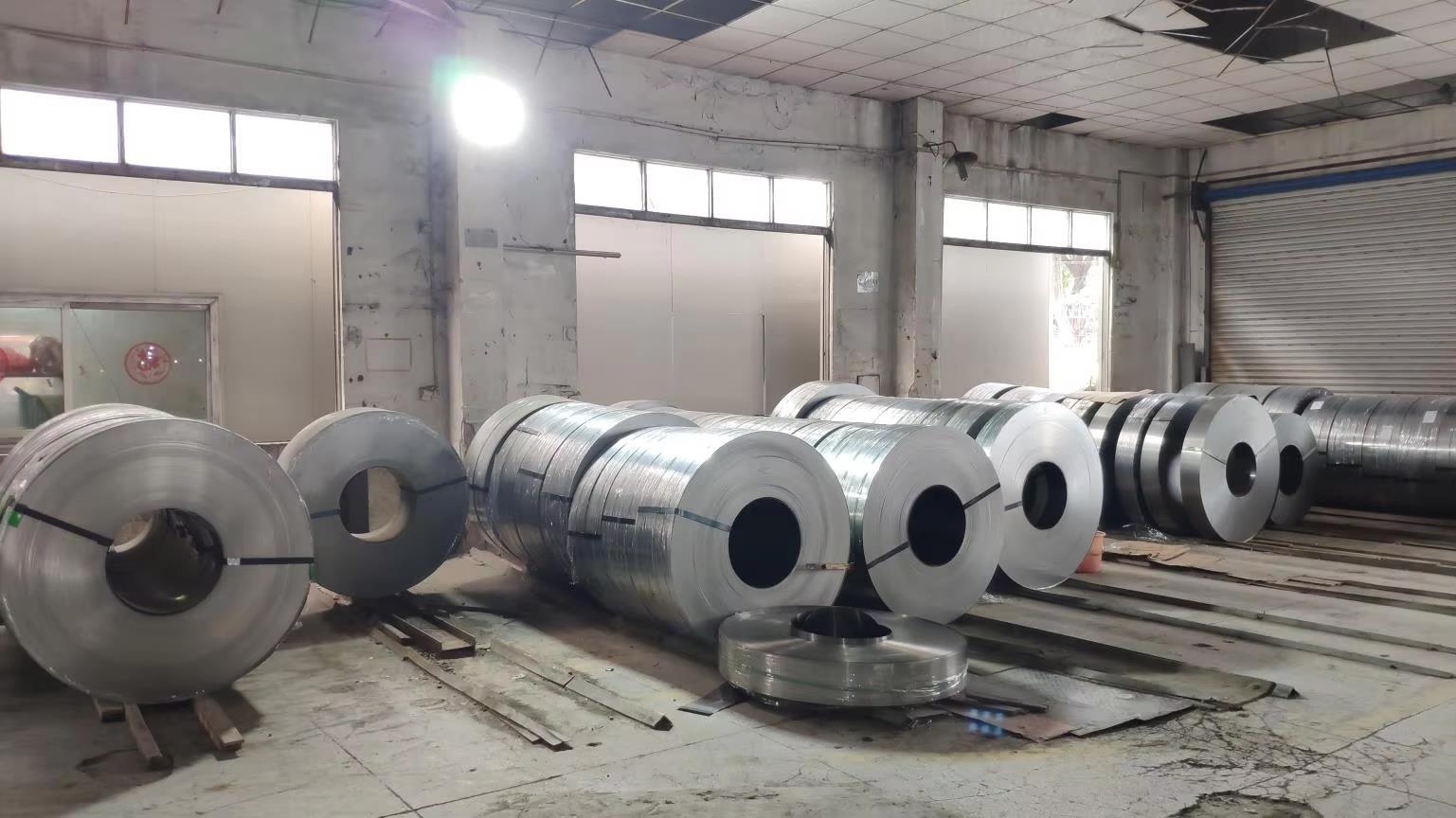
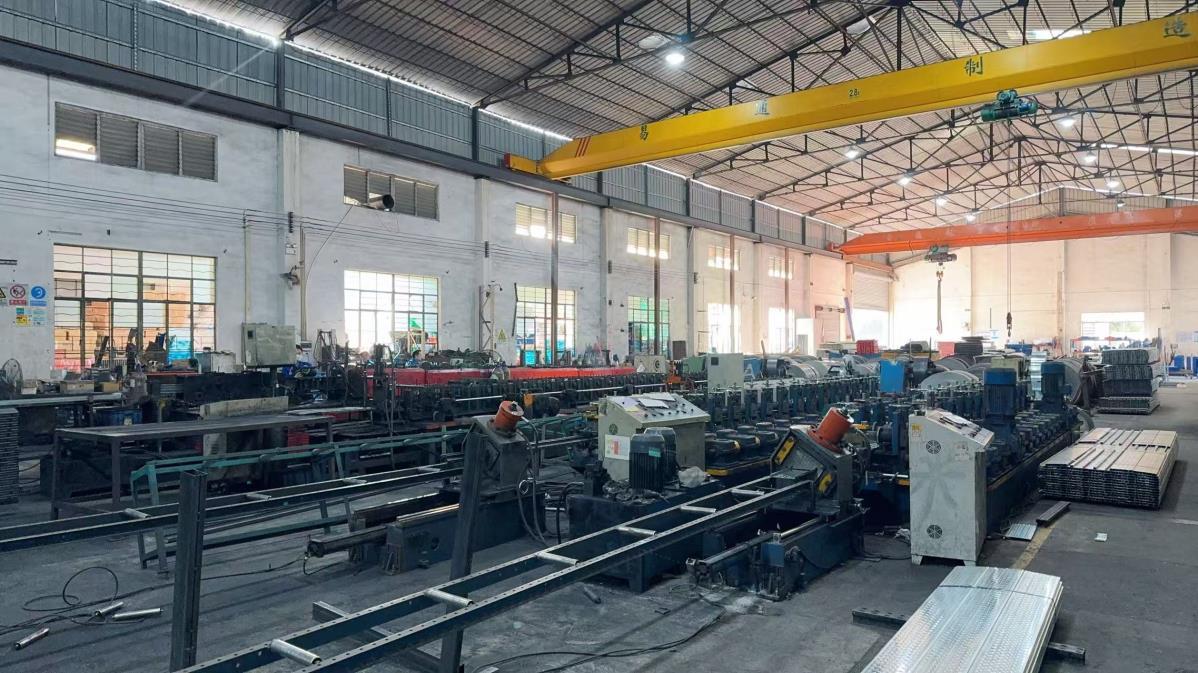
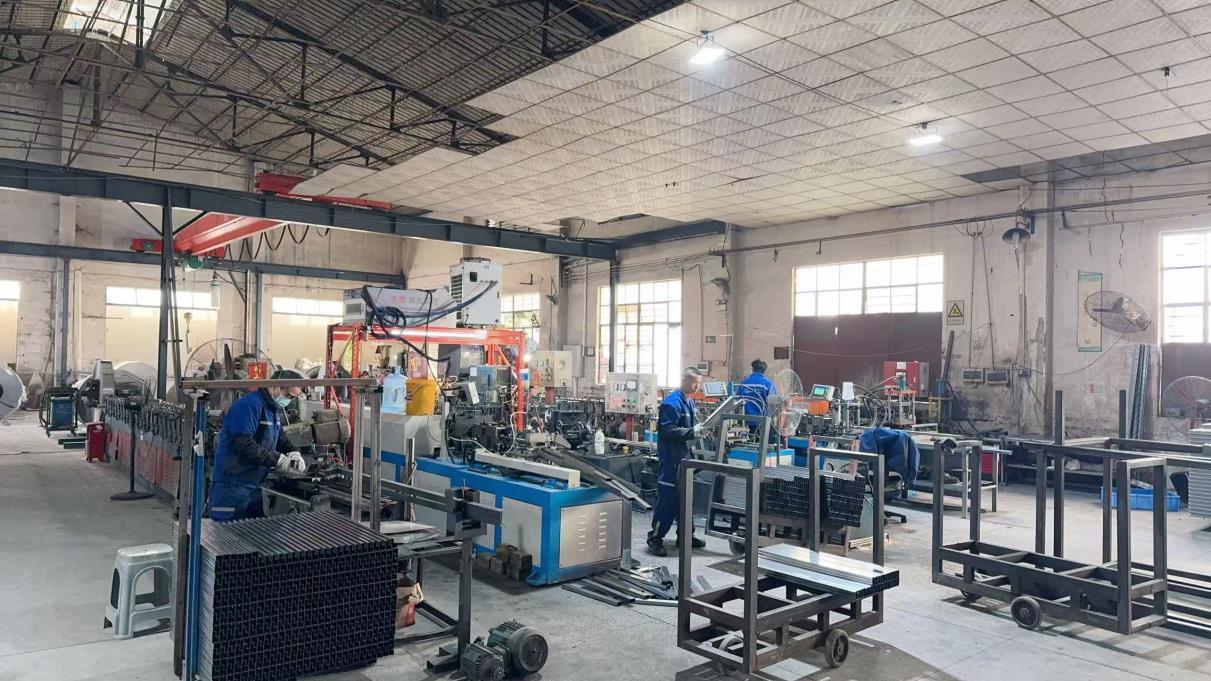
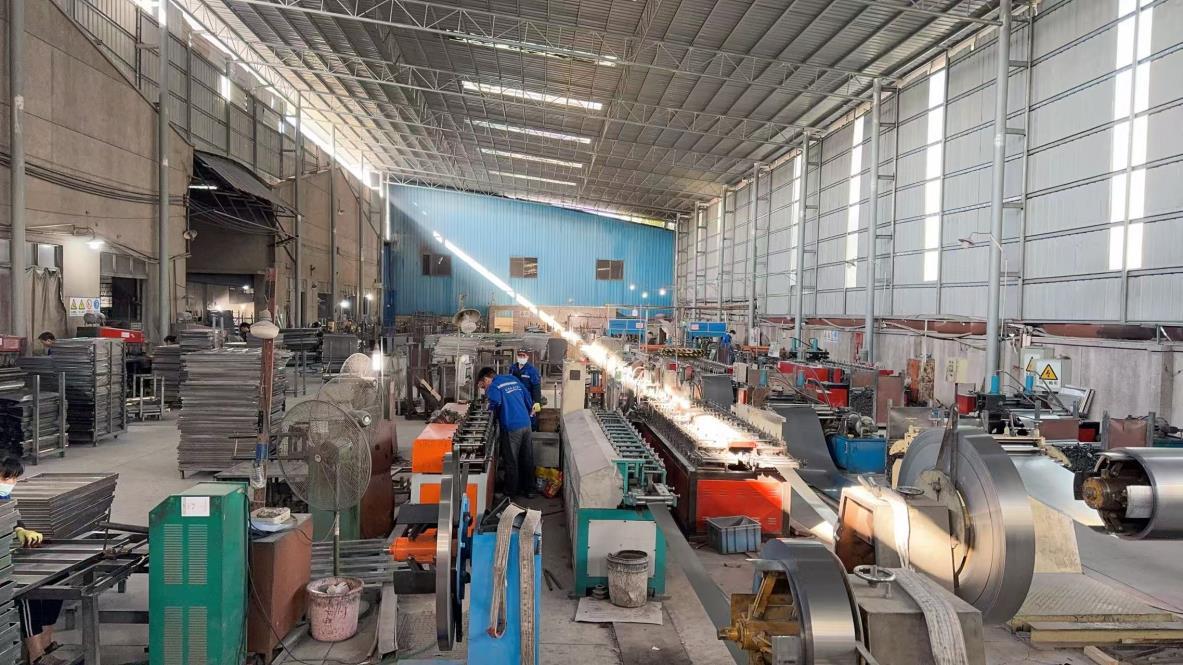
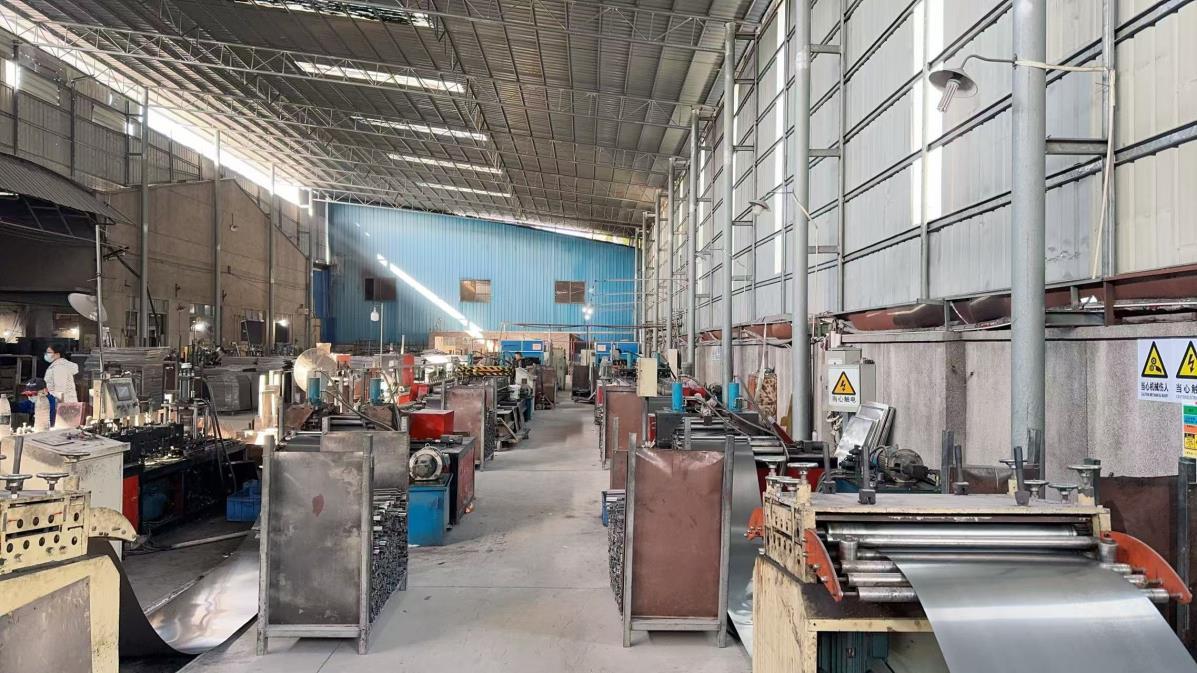
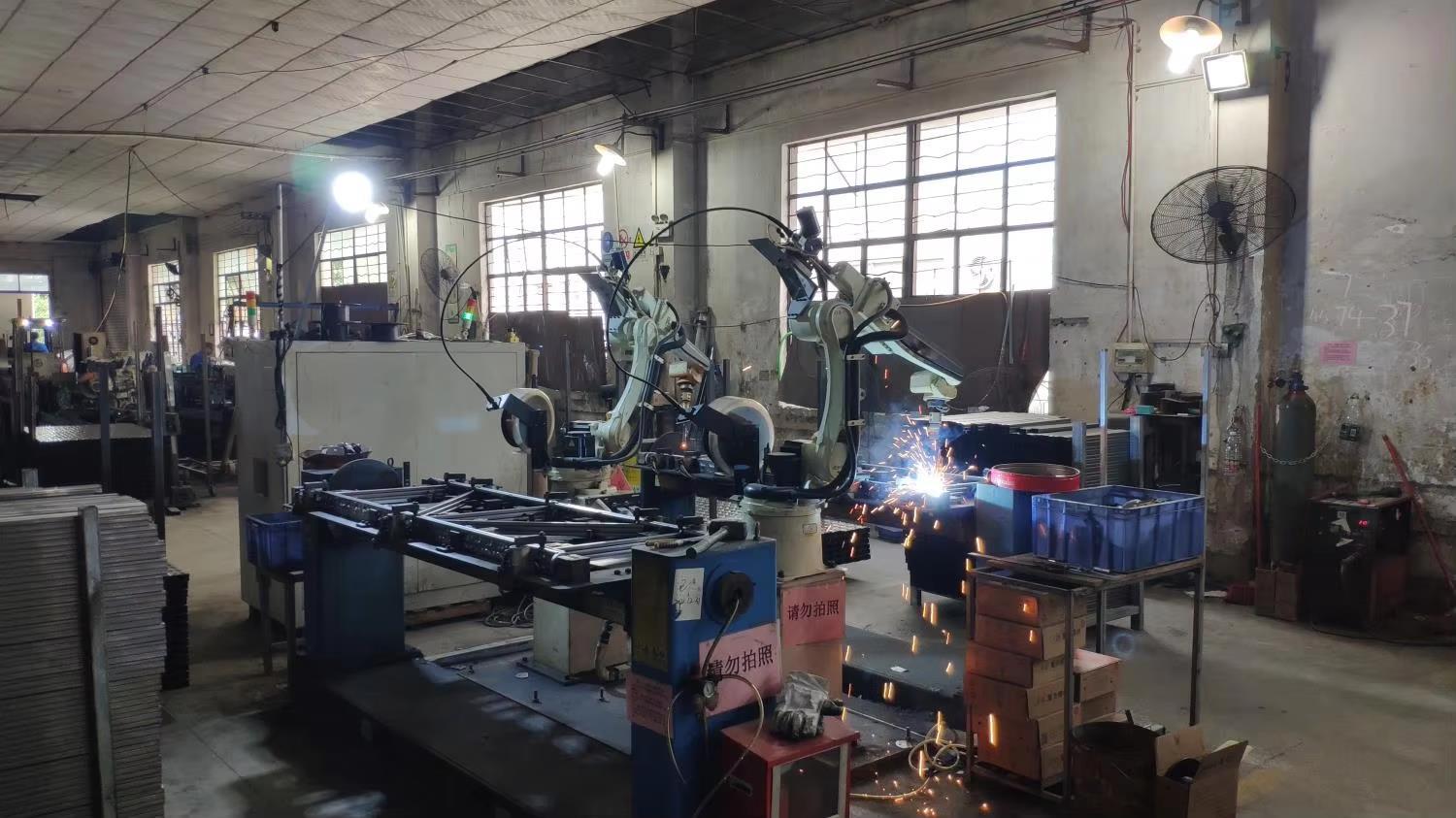
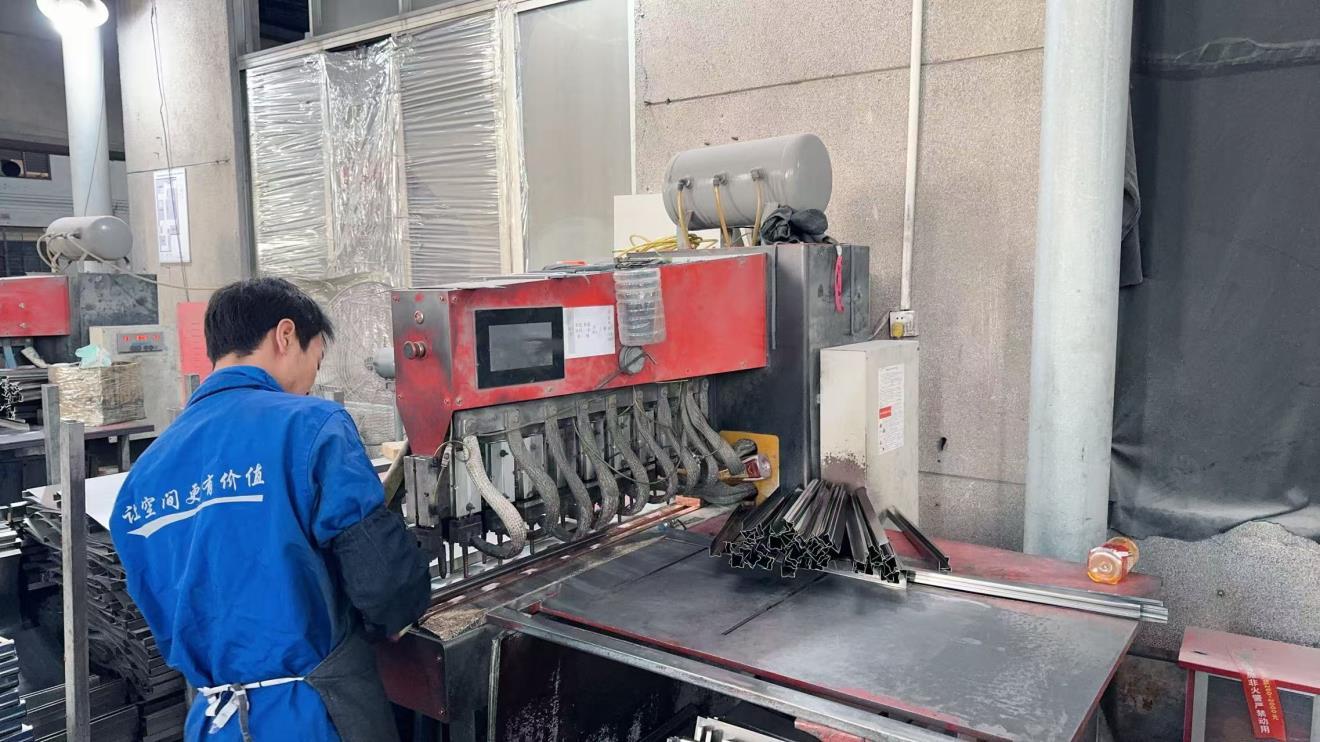
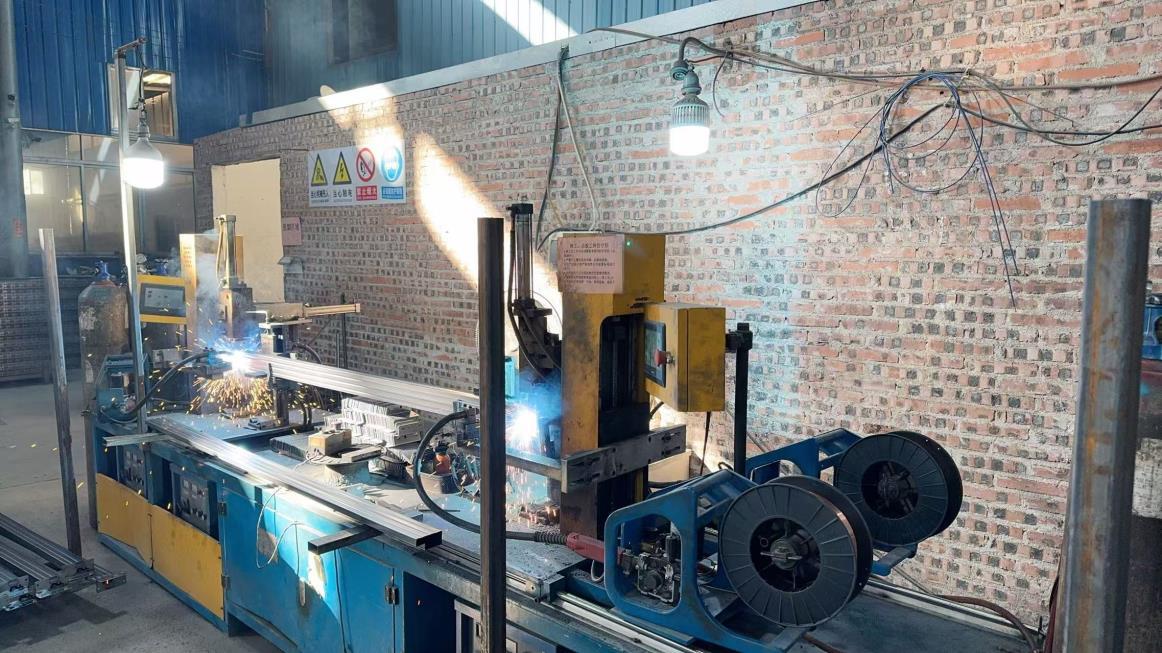
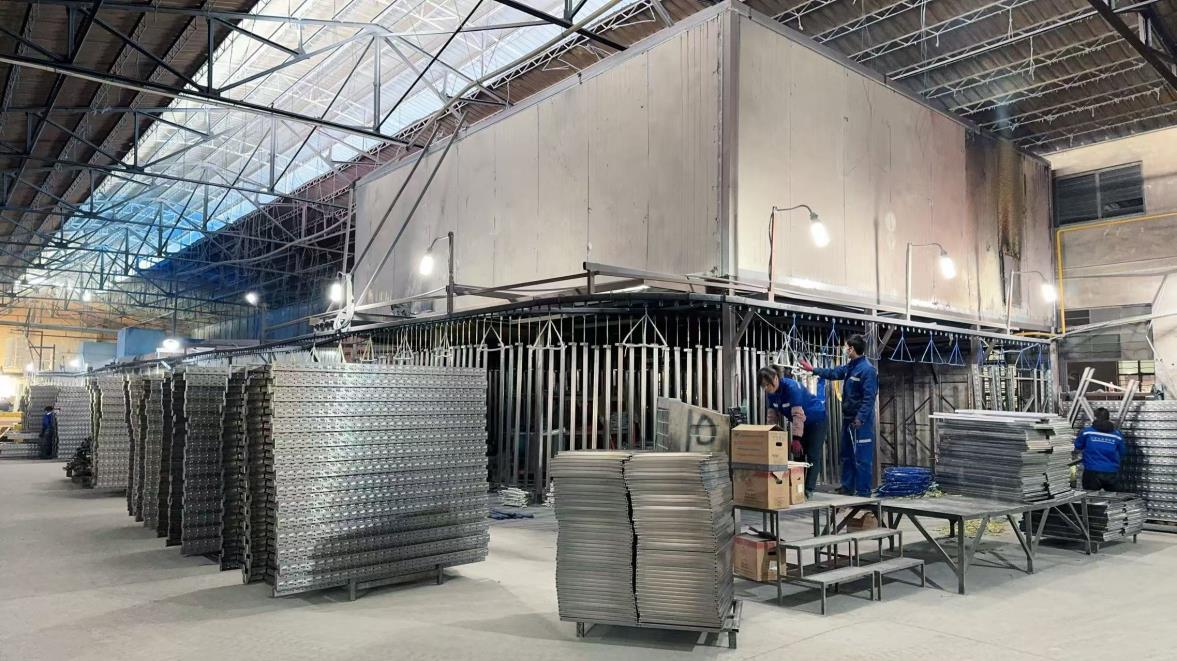
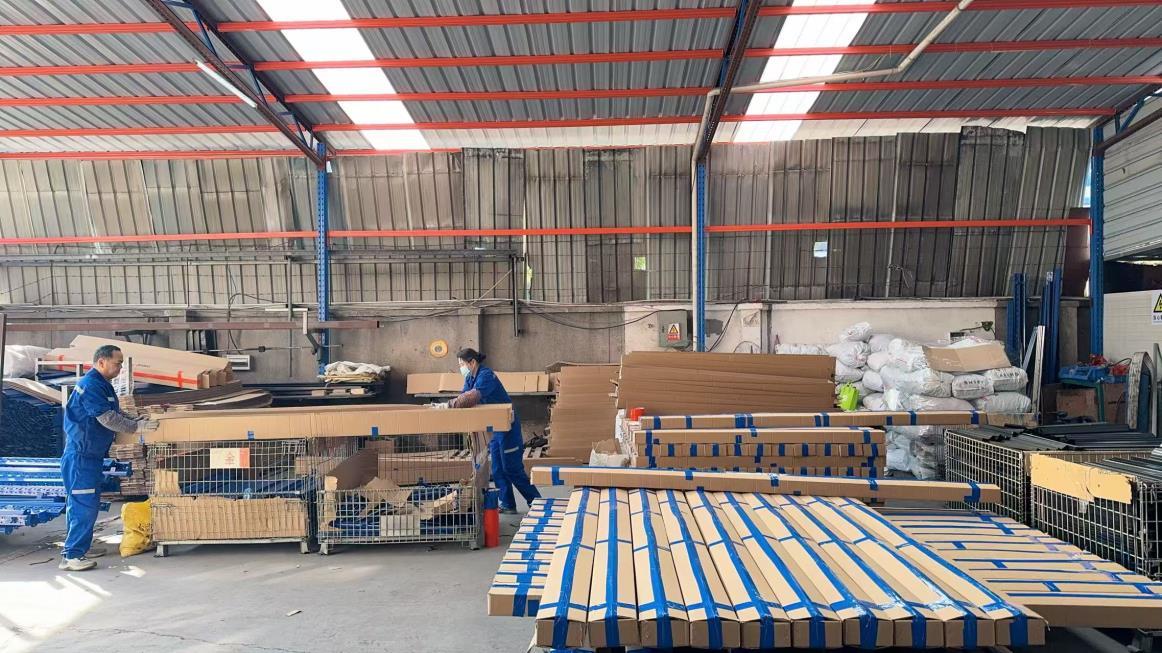
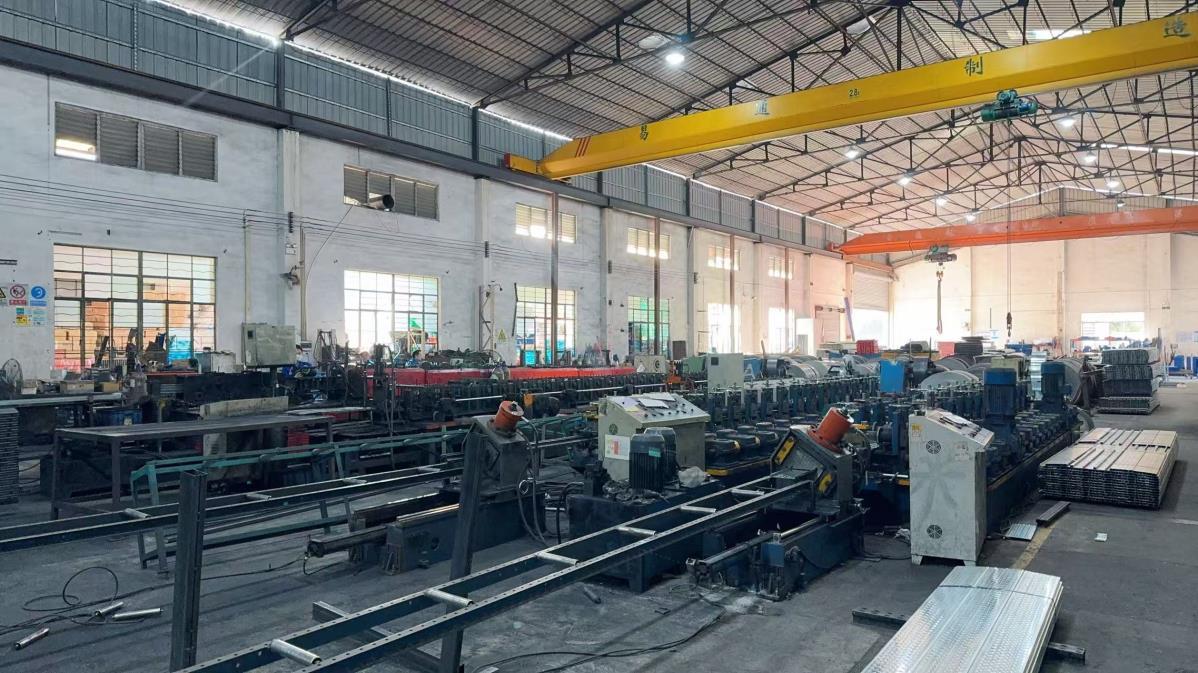
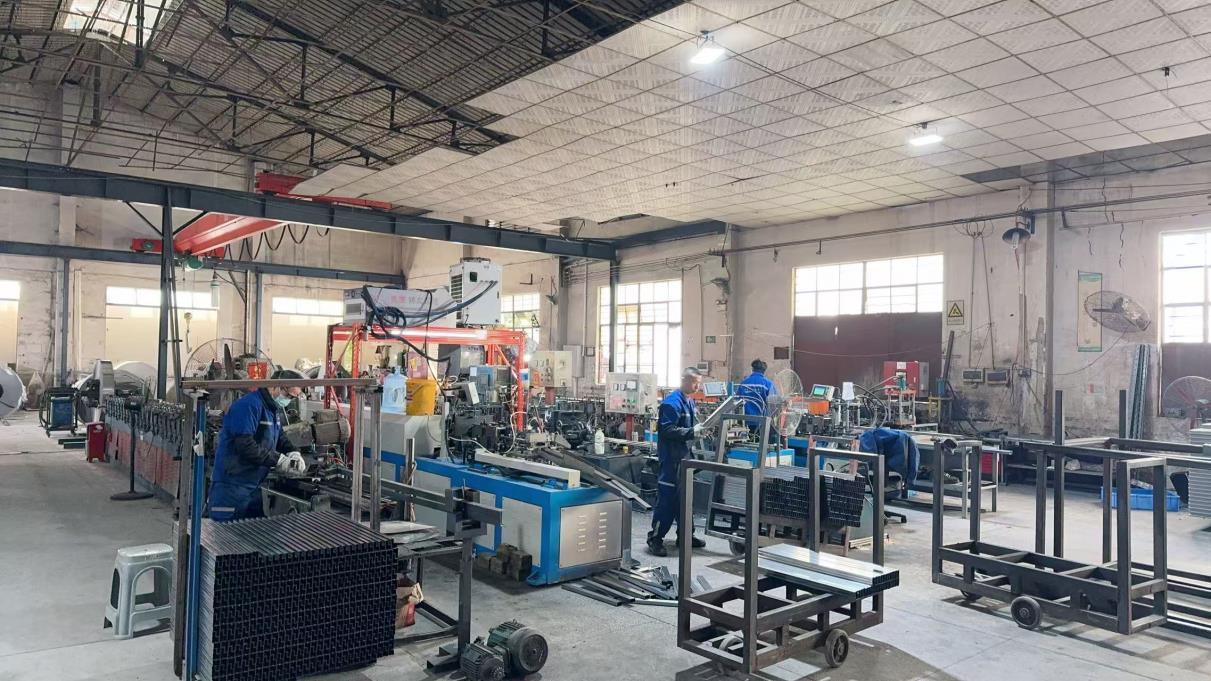
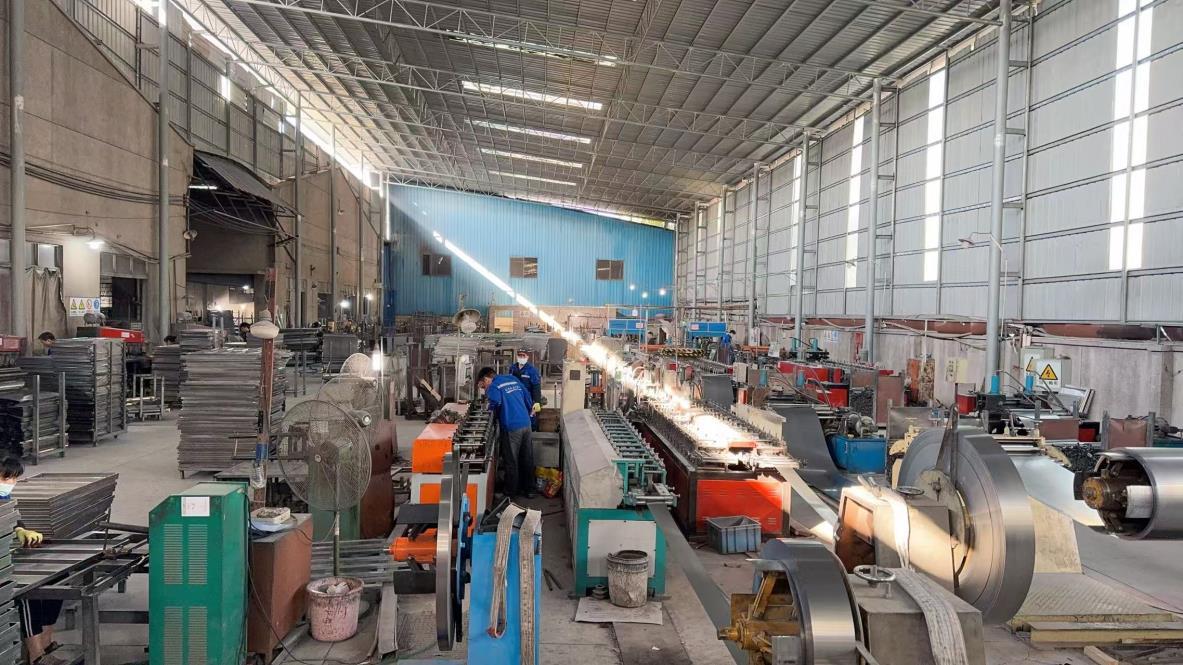
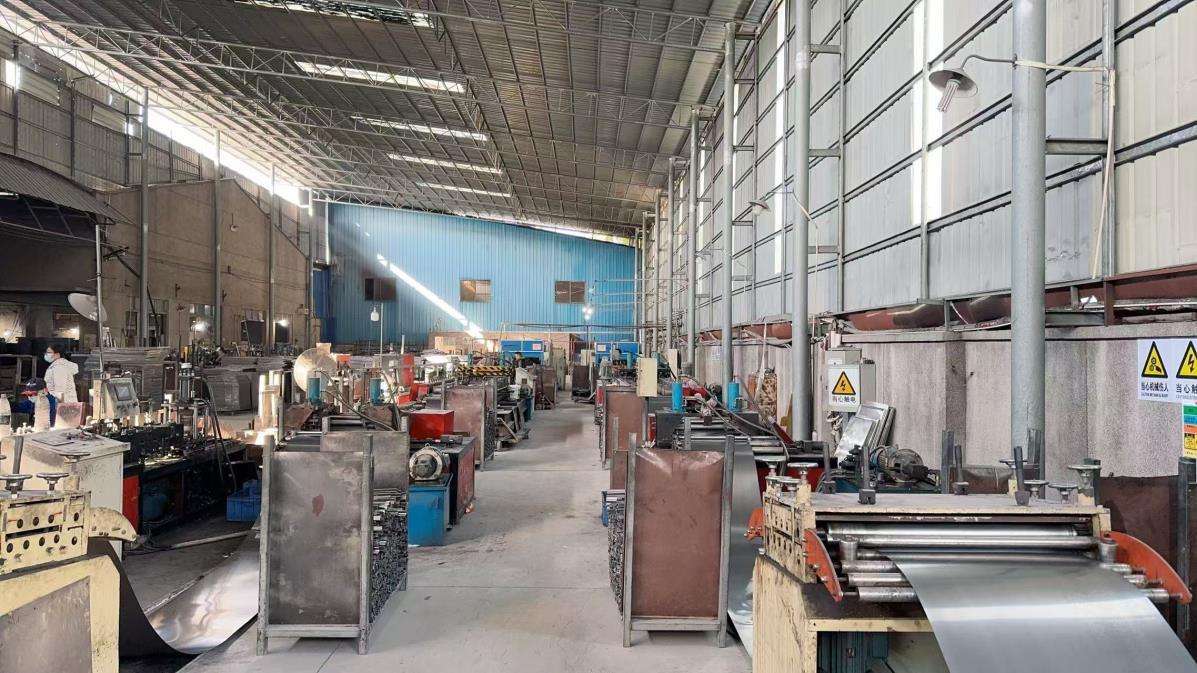
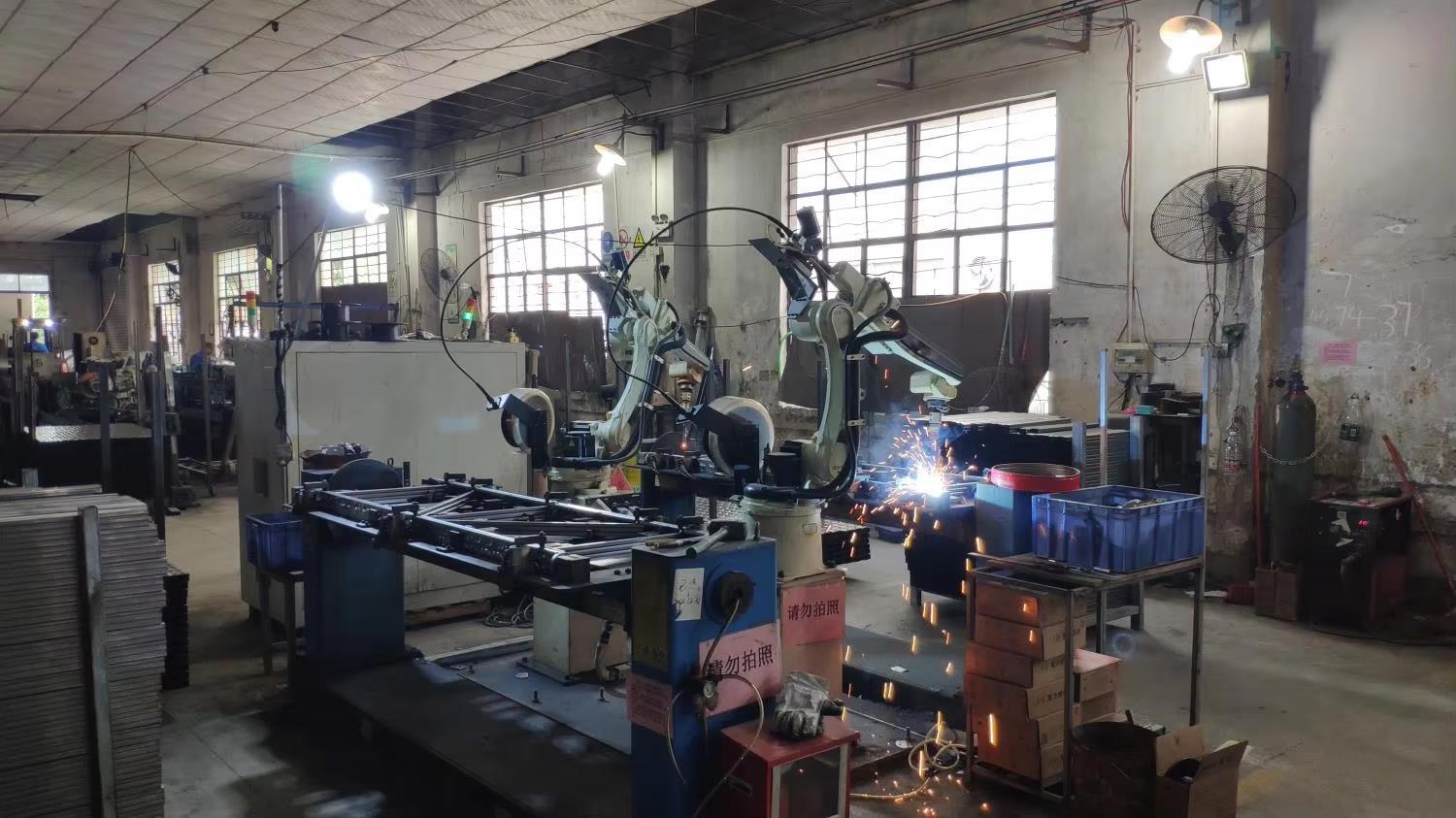
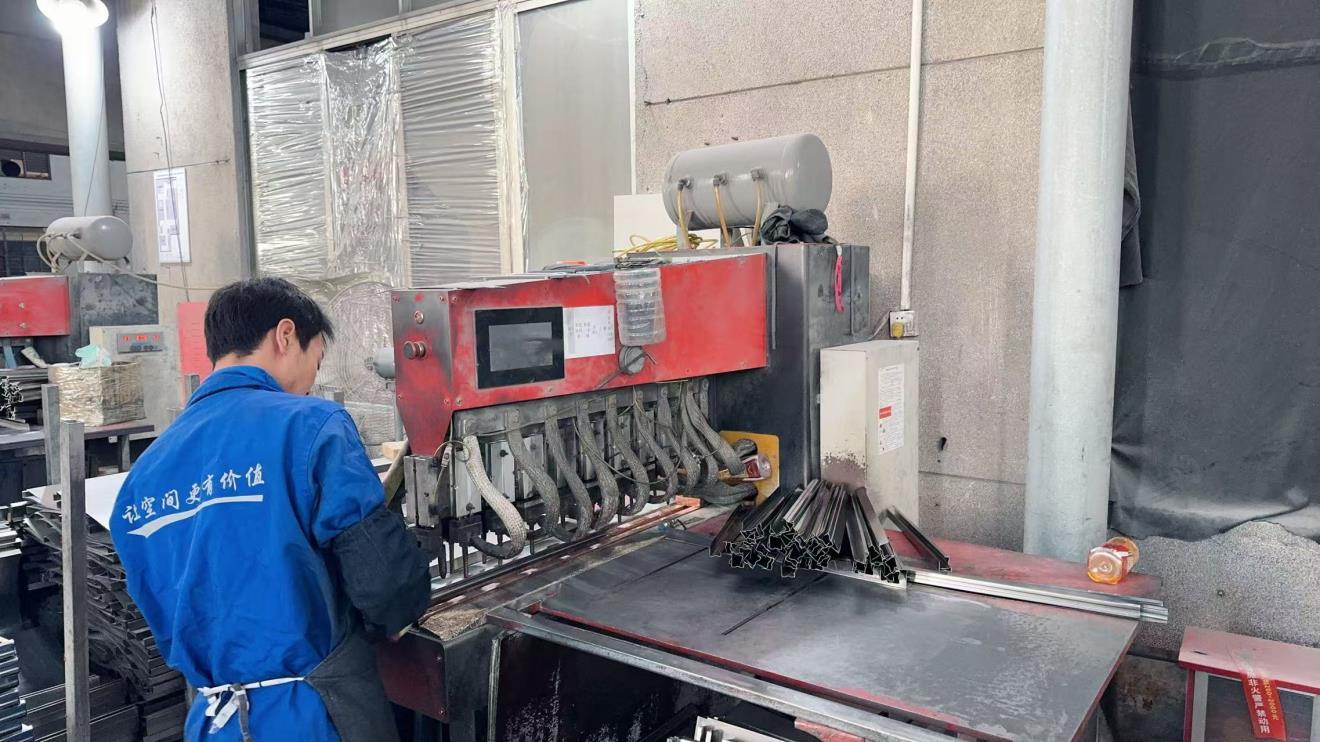
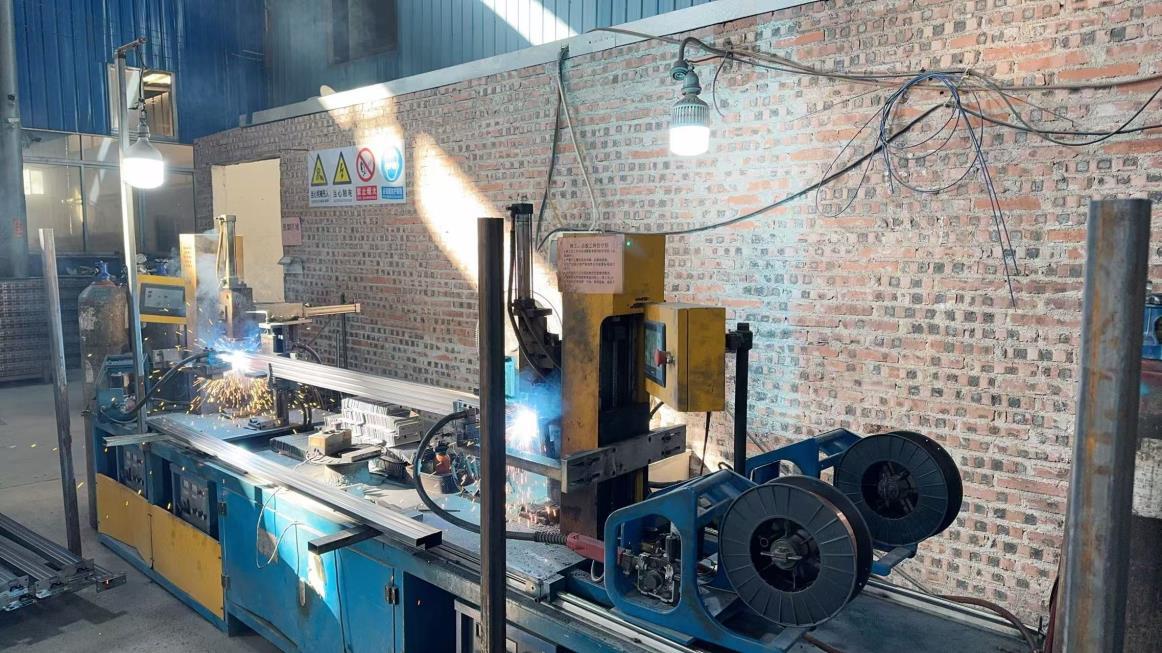
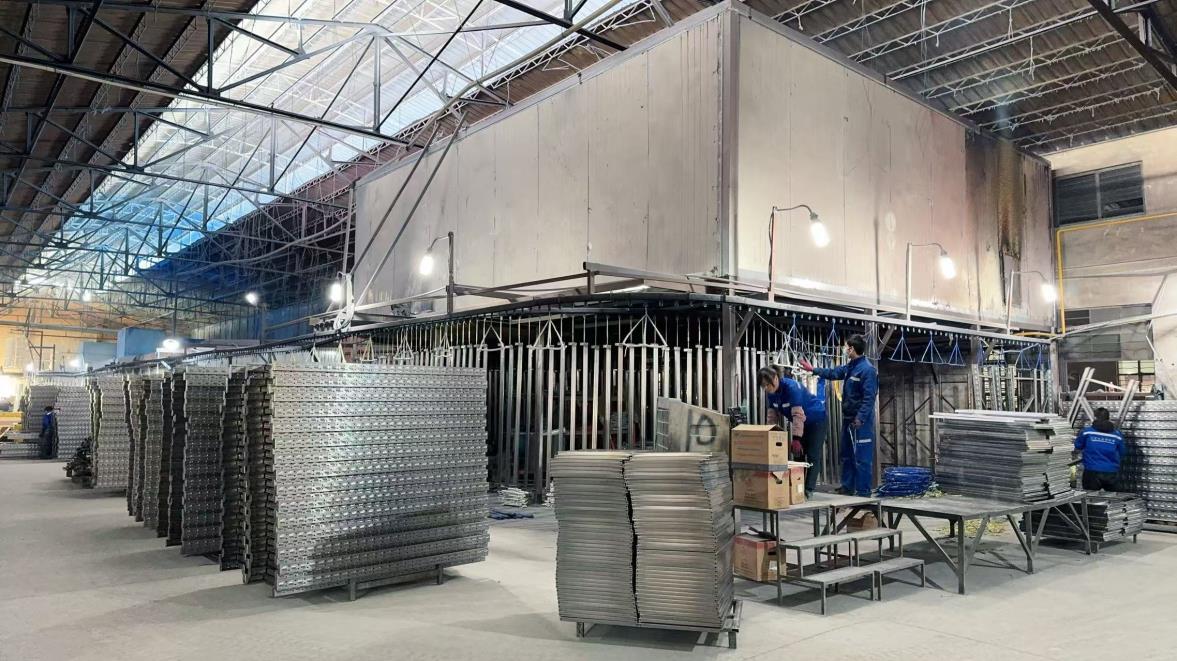
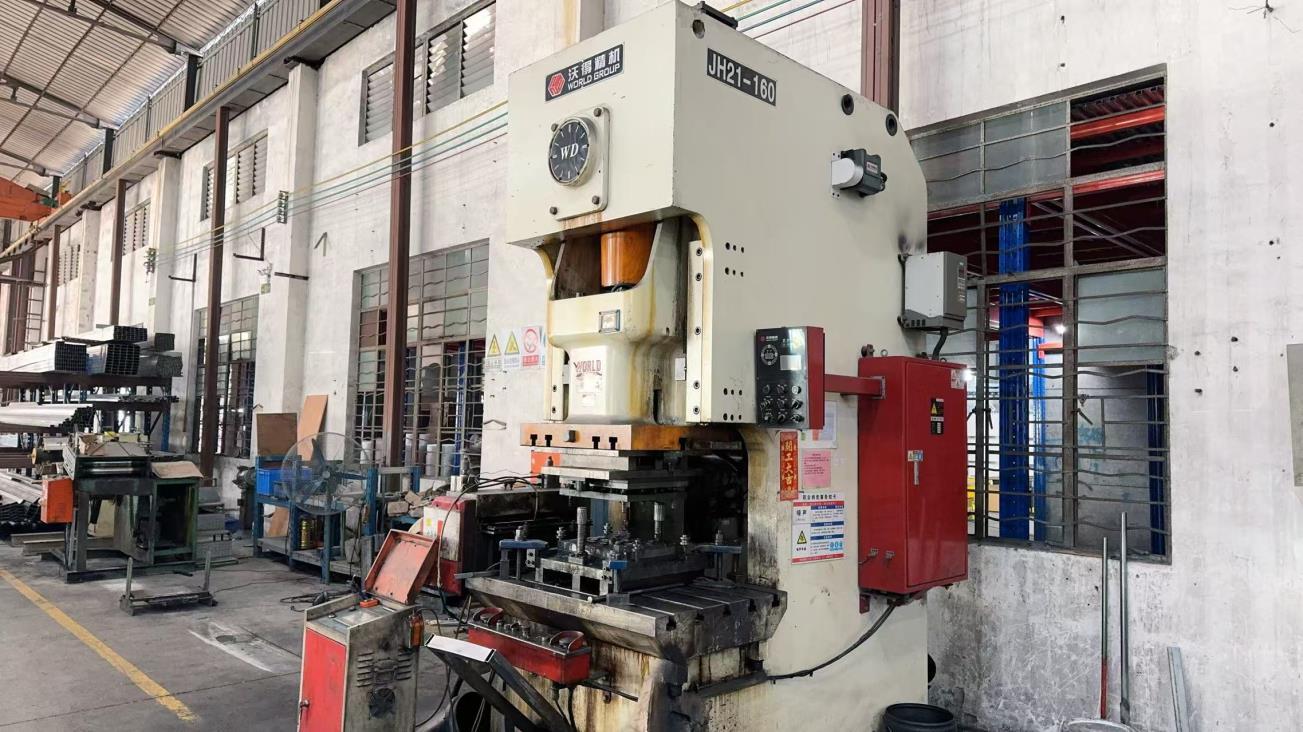
Each phase of the production process—from raw material cutting to final packaging—is monitored by our team of 35 quality control inspectors. We perform non-destructive ultrasonic welding tests to identify any structural vulnerabilities. The raw coils of steel are cold-formed into custom profiles designed to handle vertical structural load limits of up to 40,000 lbs per upright frame, providing the safety margins required by industrial operations in NY.
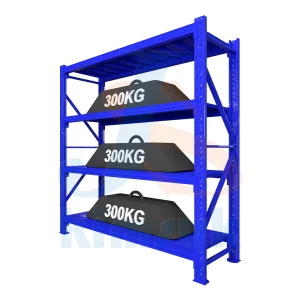
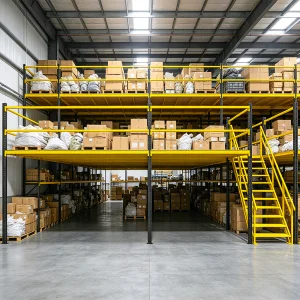
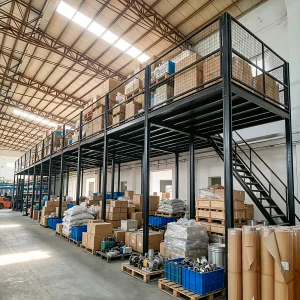
High-capacity modular storage units, garment racking, and steel mezzanines engineered for retail fulfillment, e-commerce, and industrial plants.
Implementing a drive-in racking system requires strict operational procedures due to the nature of forklift operations within the racking channels. Forklift operators actually drive inside the racking bays to place pallets on continuous support rails. Therefore, structural protection and clear operator visualization are paramount.
Racking columns located at the entry points of the drive-in bays are highly vulnerable to forklift impact. We reinforce our upright structures with heavy-duty structural channel steel wrappers or modular plastic impact guards. We recommend setting up guide rails on the floor of the drive-in channels. These heavy-duty steel angle rails guide the forklift wheels safely down the center of the lane, preventing lateral collision with the uprights.
For drive-in systems, consistent pallet quality is a critical safety factor. Since pallets sit on side rails rather than span across horizontal beams, split or weak pallets can fail under load. We recommend using standard, high-quality GMA (Grocery Manufacturers Association) pallets or heavy-duty plastic pallets. The load dimensions must be standardized to prevent overhangs that could strike upright frames within the narrow loading lanes.
Importing heavy industrial racking systems from Dongguan to New York requires meticulous logistics planning. Shipping steel structures incurs high ocean freight container charges if not properly packed. Our logistics department is specialized in high-efficiency container packing, pre-bundling structural uprights, and utilizing heavy-duty steel banding to prevent shipping shifting and structural surface damage during maritime transit.
We coordinate with leading shipping lines to provide direct ocean shipping services from Shenzhen or Guangzhou ports directly to the Port of New York and New Jersey (PNYNJ). We support standard trade terms including FOB, CIF, DDU, and DDP. For enterprise purchasers in New York, we can coordinate customs clearance, tariff classification (HS Code 7308.90), and final flatbed logistics delivery to warehouses across Long Island, New Jersey, and upstate NY.
Get in touch with our senior structural engineers today. We provide full-cycle CAD warehouse planning, load capacity calculations, and factory-direct DDP quote sheets tailored to your warehouse footprint and city compliance requirements.
 Kimsuk Racking