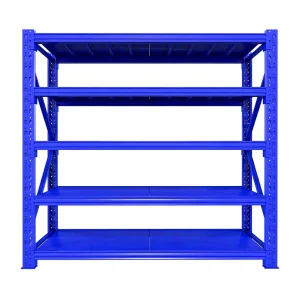
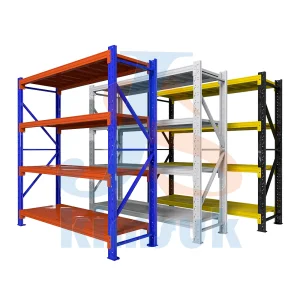
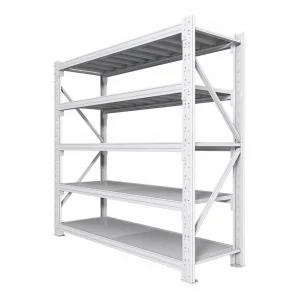
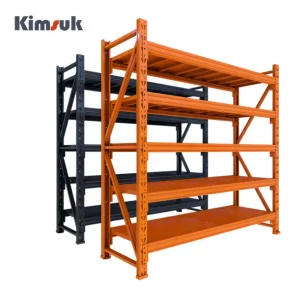
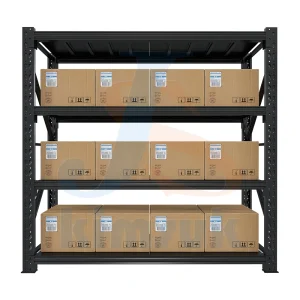
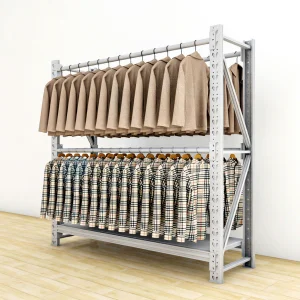
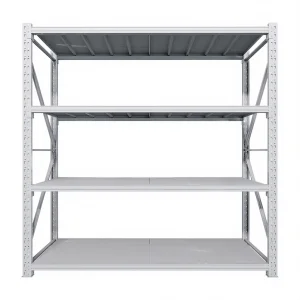
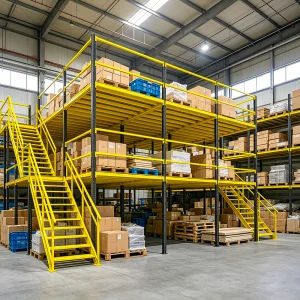
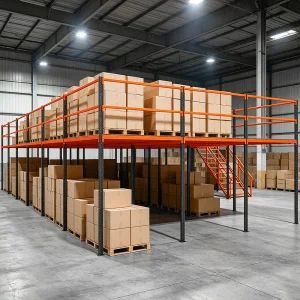
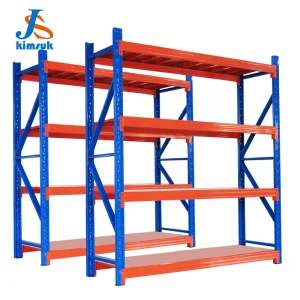
Providing industrial steel racking, seismic-resistant heavy duty storage configurations, and logistics warehousing platforms compliant with JIS guidelines.
Engineered structural steel storage configurations designed to maximize height utilization under seismic compliance regulations in Tokyo, Yokohama, and Osaka logistics areas.
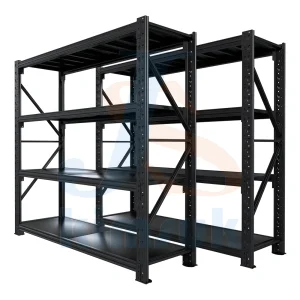
Global warehousing supply chains are shifting from lean, Just-in-Time (JIT) methodologies to resilient, high-density, multi-echelon architectures. In Japan's industrial centers, this shift is complicated by geographical realities: extreme seismic activity (earthquake hazard zoning) and scarce, high-cost flat land. Consequently, warehousing platforms must present an optimal blend of high load-bearing security, precise configuration flexibilities, and rigorous adherence to local regulations like the Building Standards Act of Japan.
Warehousing in Japan operates under unique constraints. The region's major commercial hubs—namely the Kanto plain (comprising Tokyo, Saitama, Kanagawa, and Chiba) and the Kansai metropolitan core (encompassing Osaka, Kyoto, and Kobe)—experience some of the highest real estate costs globally. To achieve target return-on-investment (ROI) figures, industrial developers utilize vertical space, employing structures up to 10–12 meters in high-bay configurations.
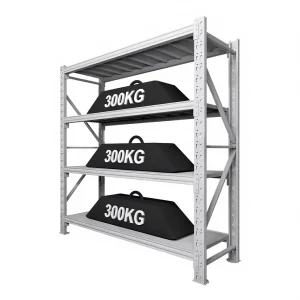
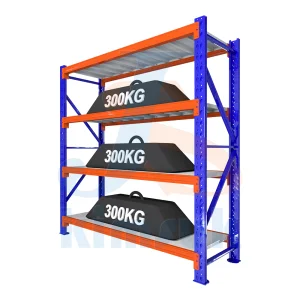
Furthermore, Japan lies within the Circum-Pacific seismic belt. As a result, structural design is governed by strict local codes. Multi-level racking platforms must comply with structural calculations validated by registered architectural engineers (Kenzikushi). These calculations factor in horizontal dynamic seismic coefficients ($C_0$), dynamic acceleration ranges, and the soil-structure interaction. The 300KG load-bearing designation is a standard load rating that requires specific material thickness and structural geometry to survive mechanical strain under cyclical load shifts without catastrophic yield failure.
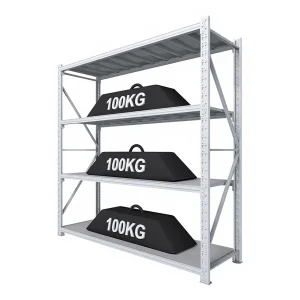
The 300KG load classification represents the safe working load (SWL) per level, uniform distributed load (UDL). To ensure structural integrity, our engineering department designs all vertical columns and horizontal beams using Finite Element Analysis (FEA) to simulate load profiles under static and dynamic stress.
Key structural aspects include:
Bracing assemblies engineered to absorb shock and distribute lateral energy to the reinforced baseplates during ground acceleration.
Fabricated exclusively with certified Q235B / SS400 standard high-tensile structural steel to prevent micro-structural failure.
Applied using electrostatic epoxy-polyester powder baking lines, ensuring high scratch resistance and low VOC emissions.
Different industrial parks across Japan place distinct demands on our 300KG load-rated structural storage racking systems:
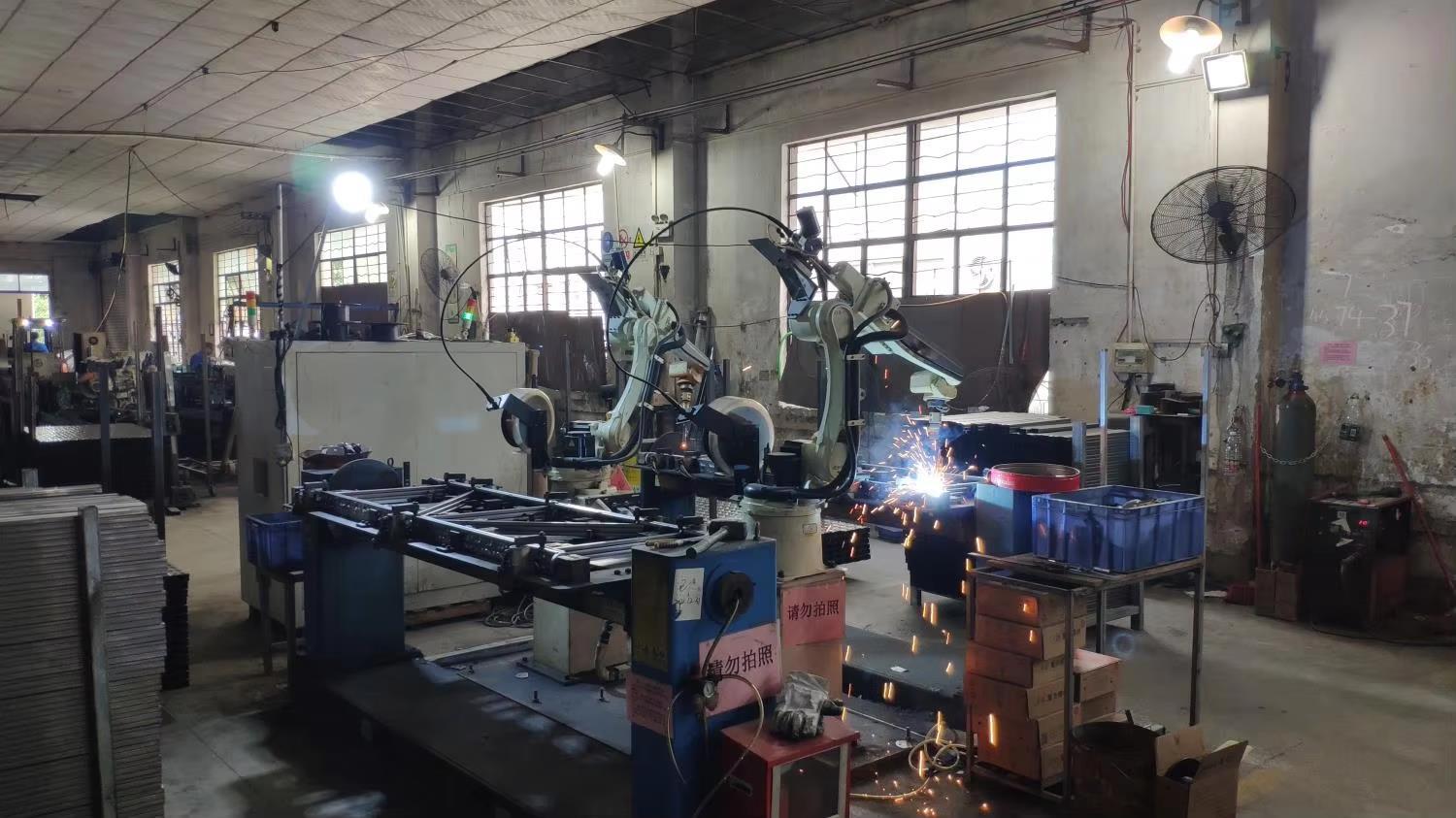
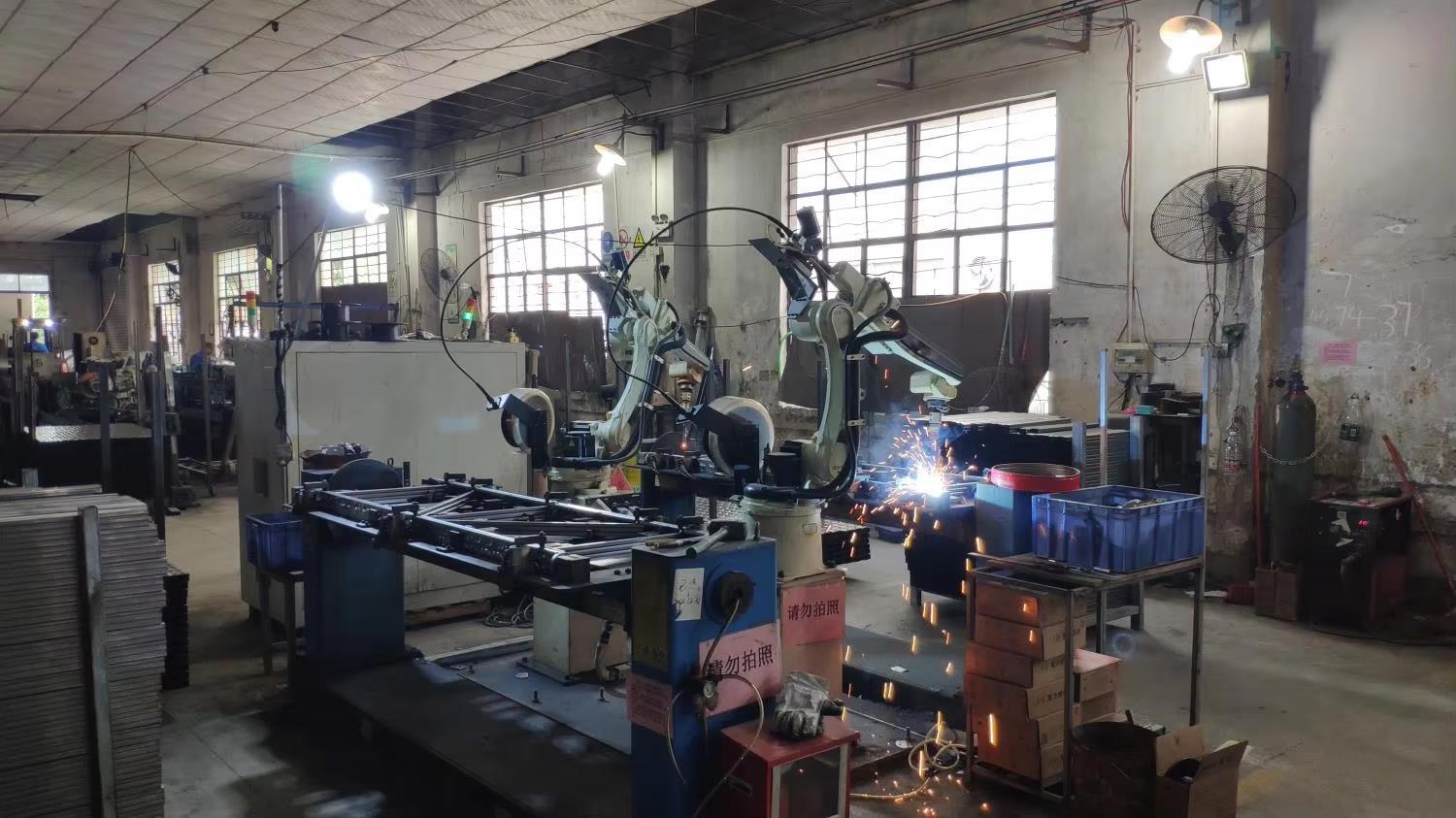
Dongguan Kimsuk Shelves Co., Ltd. supplies high-performance material handling systems globally. We maintain strict control over structural engineering, welding procedures, and quality testing.
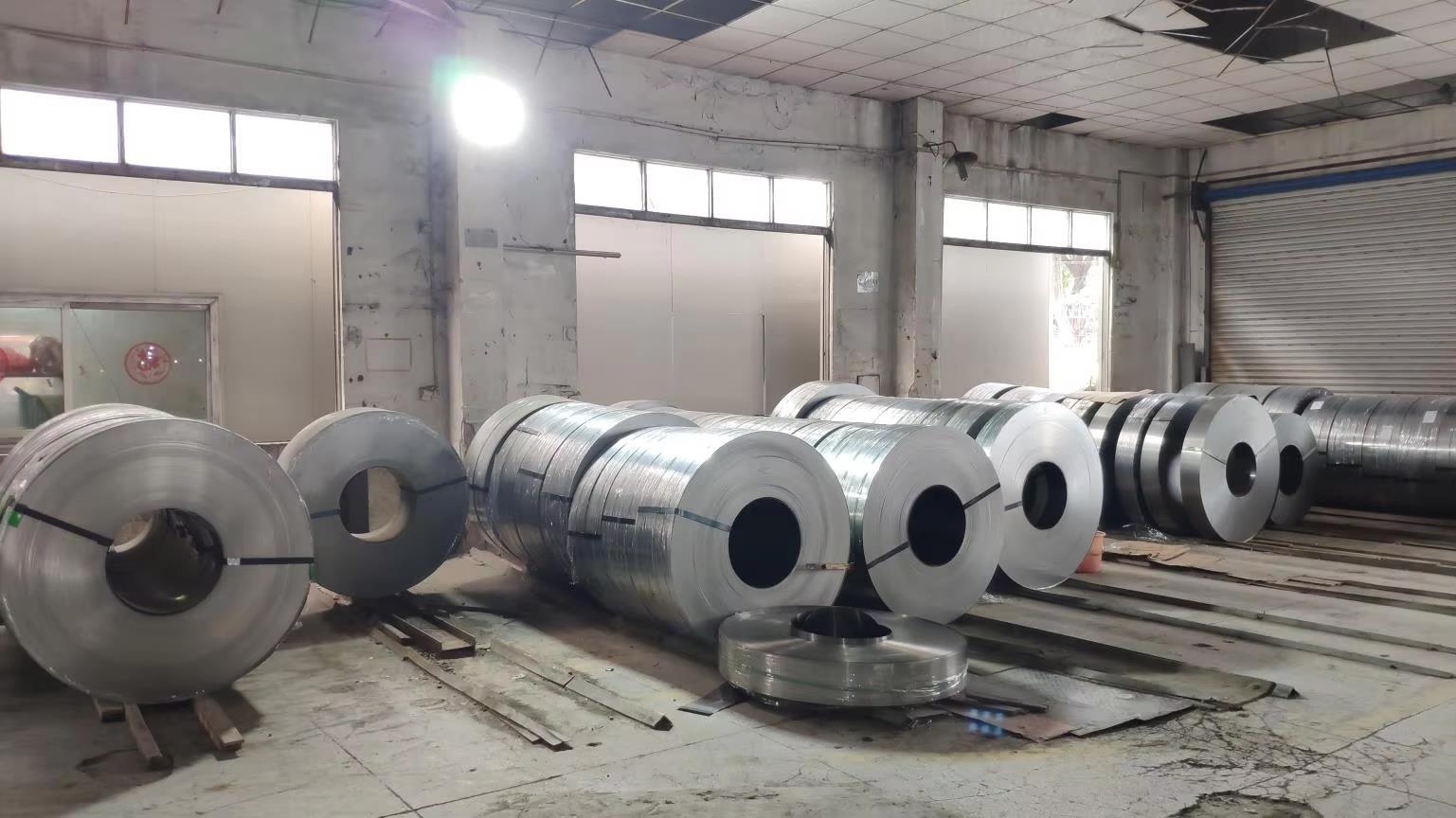
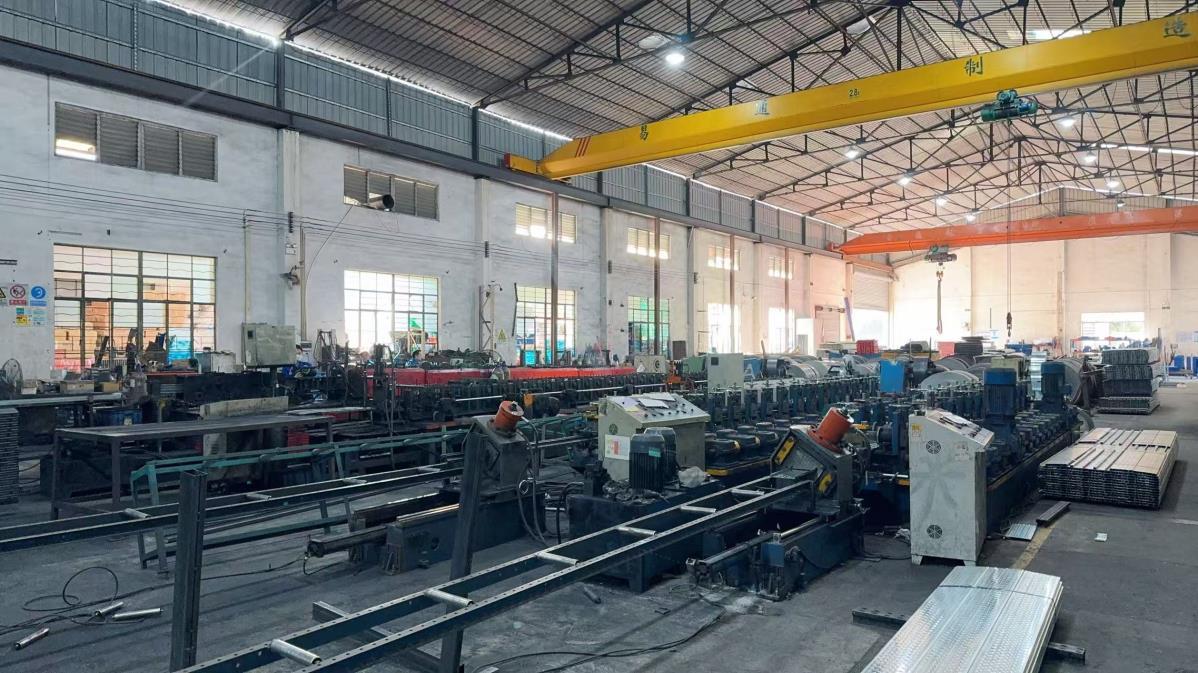
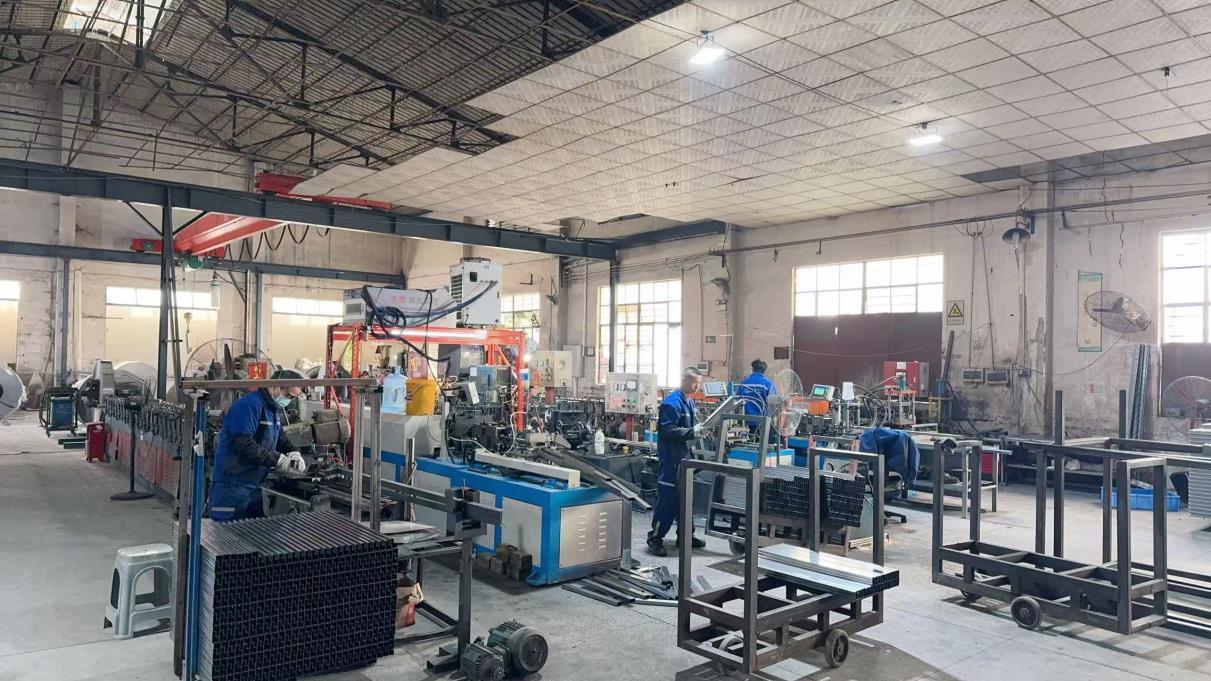
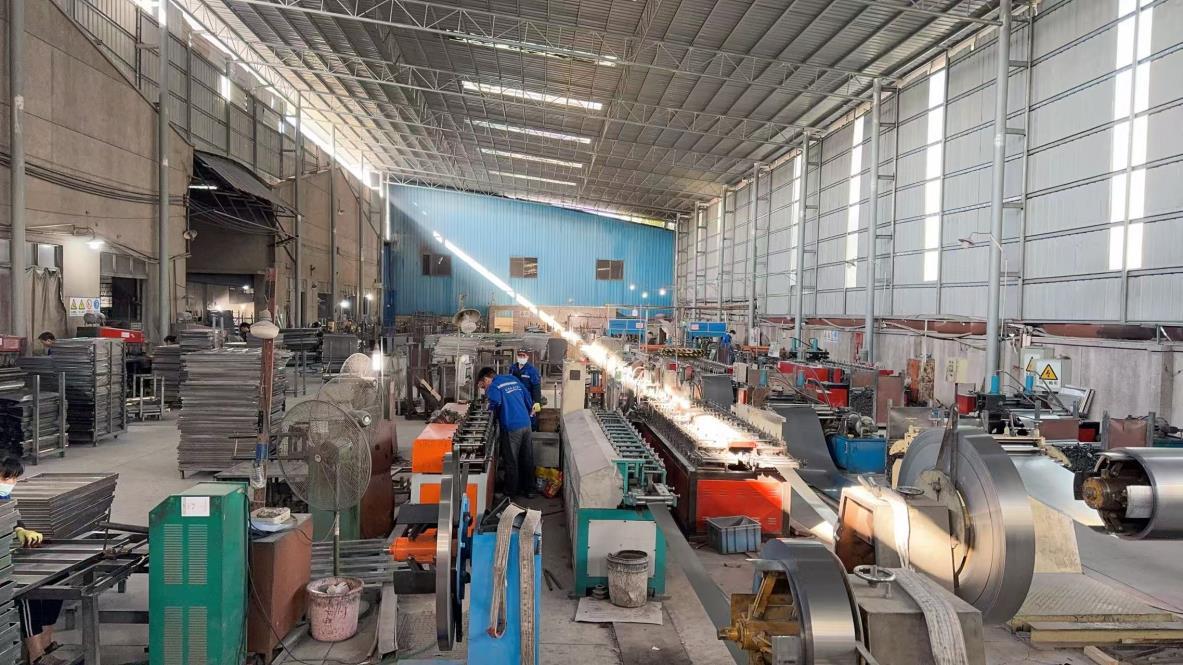
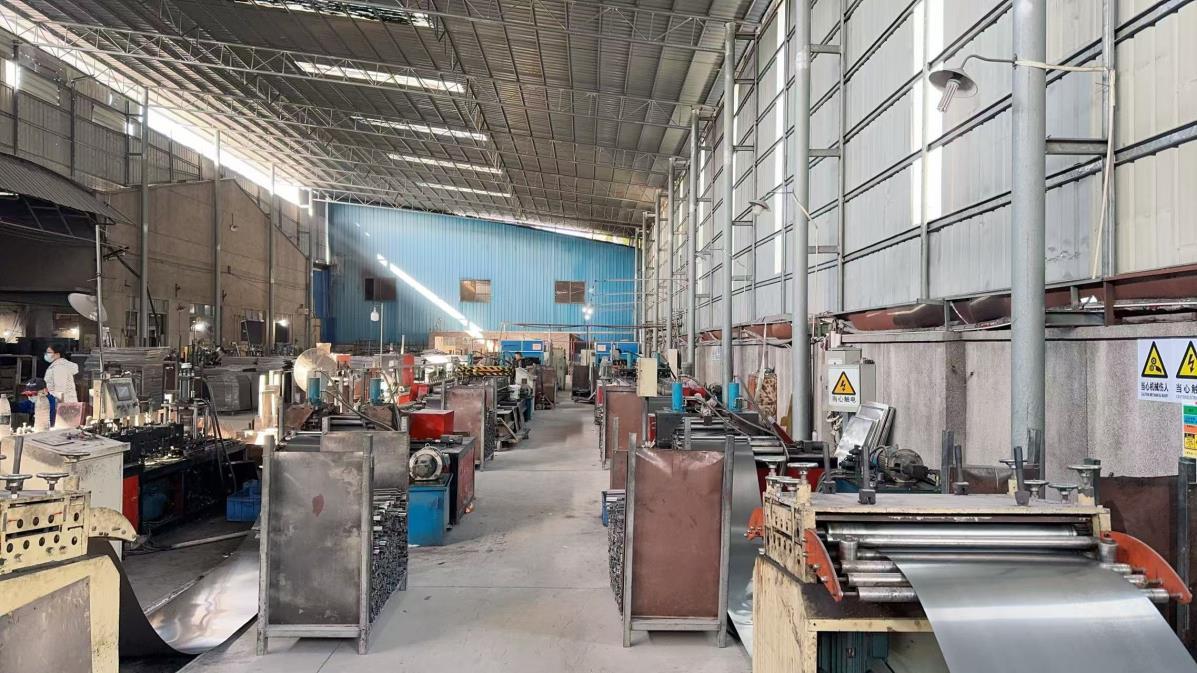
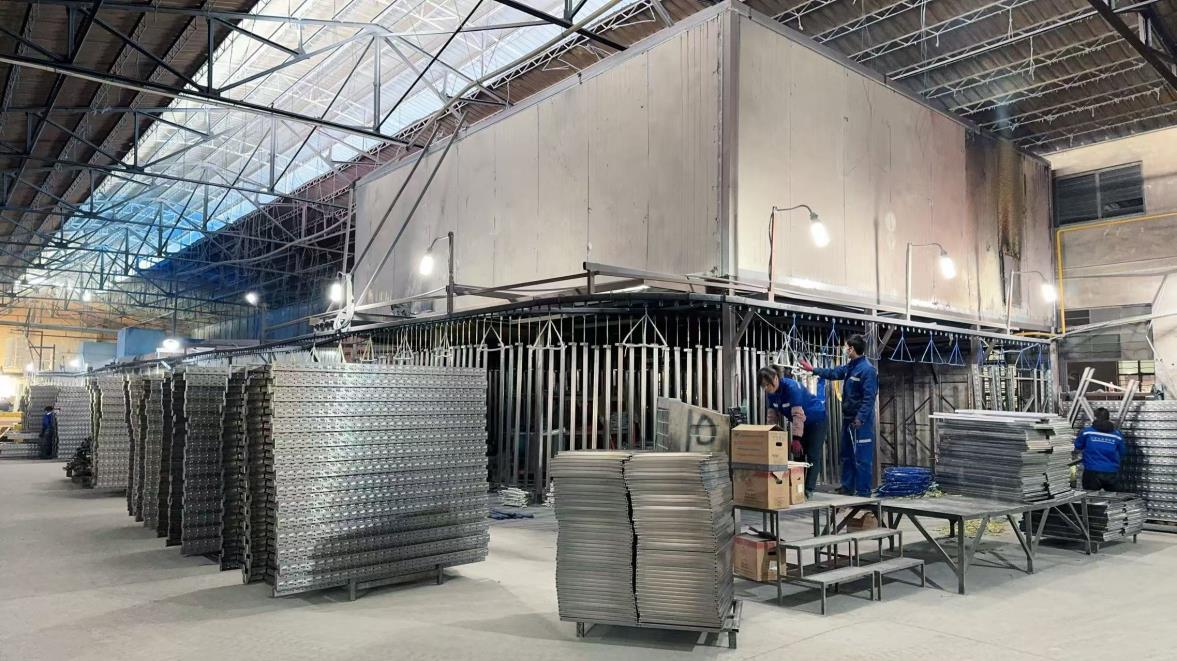
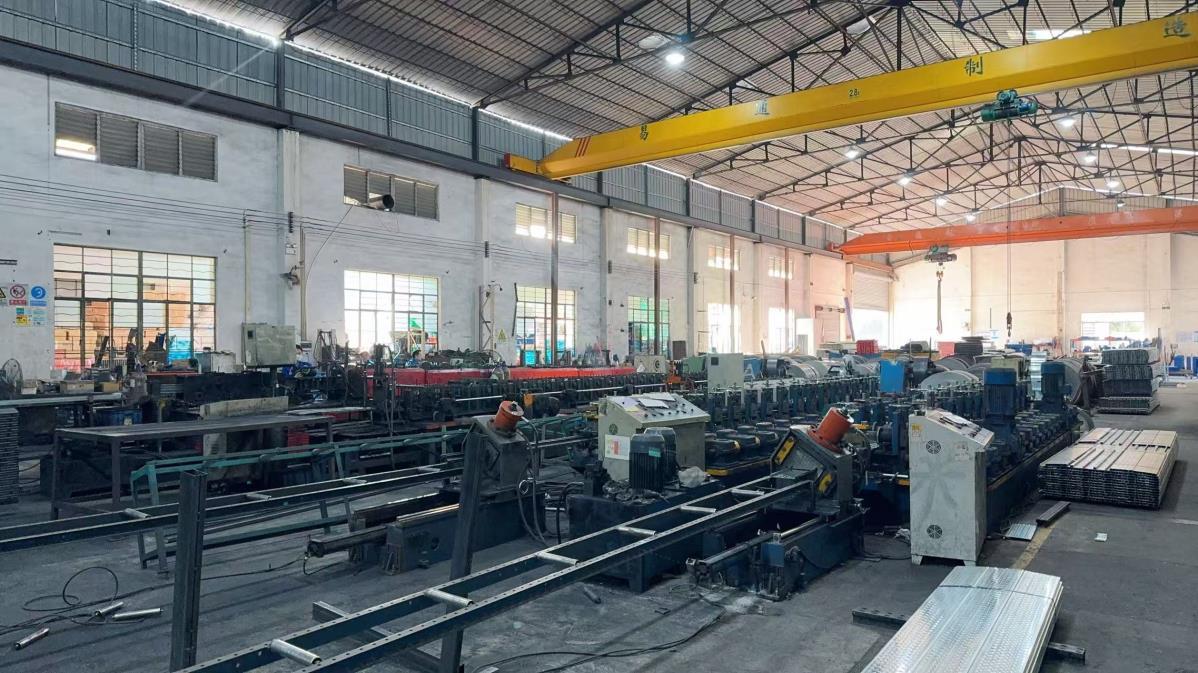
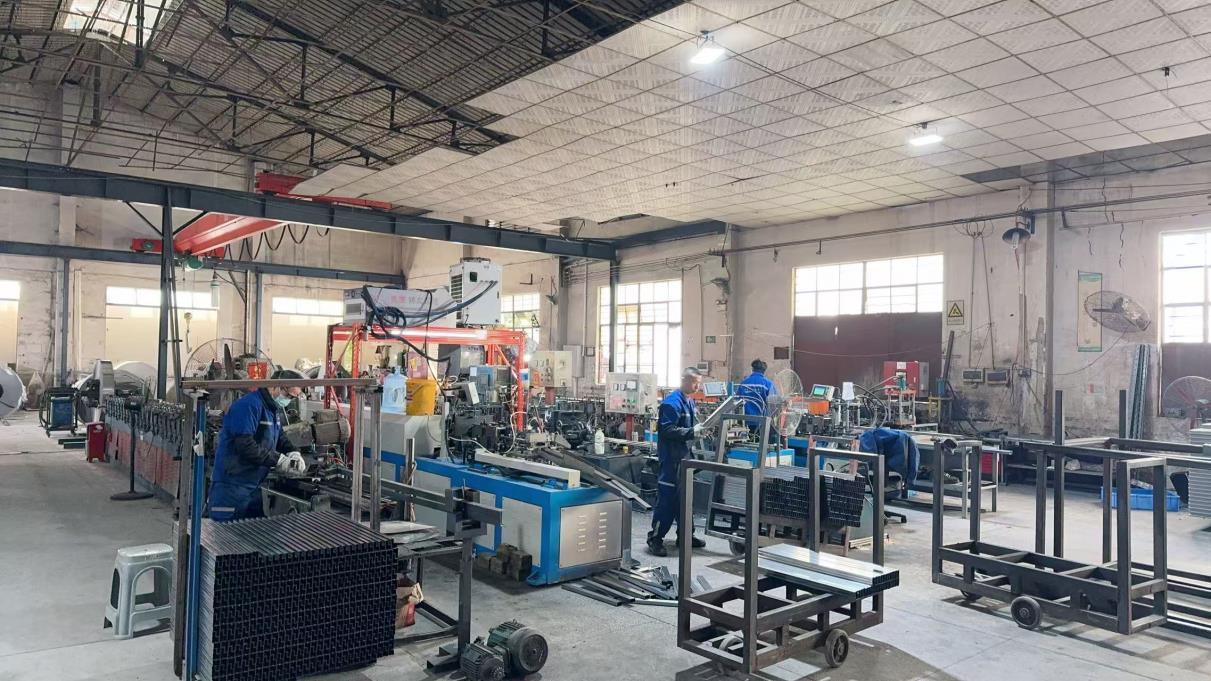
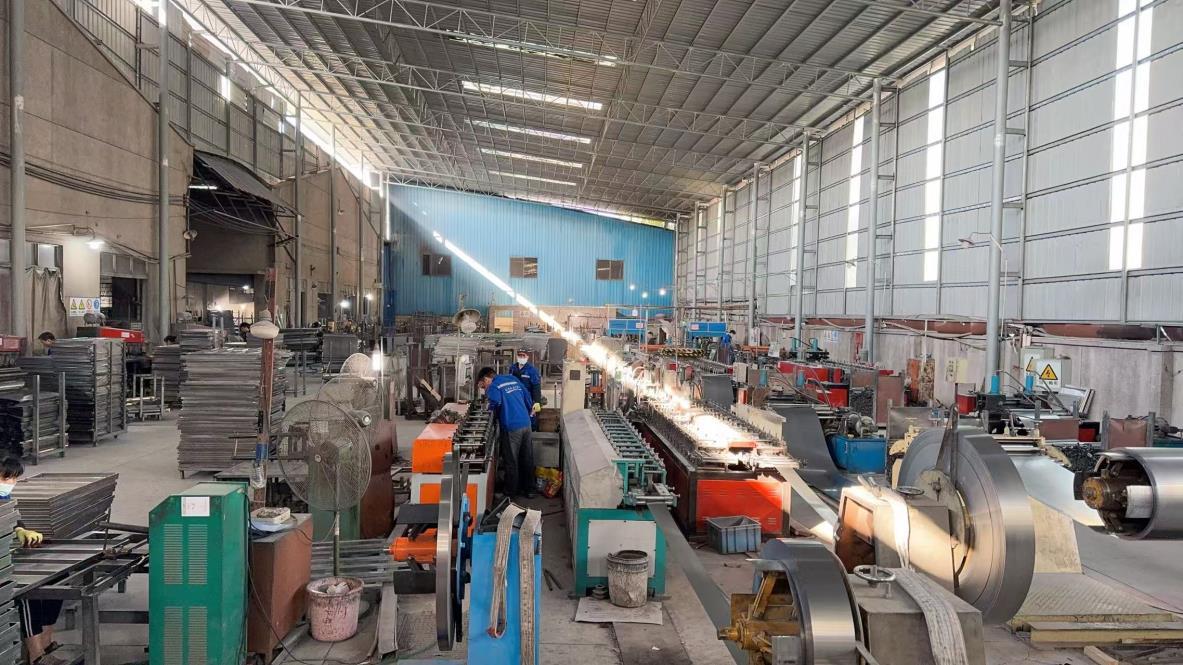
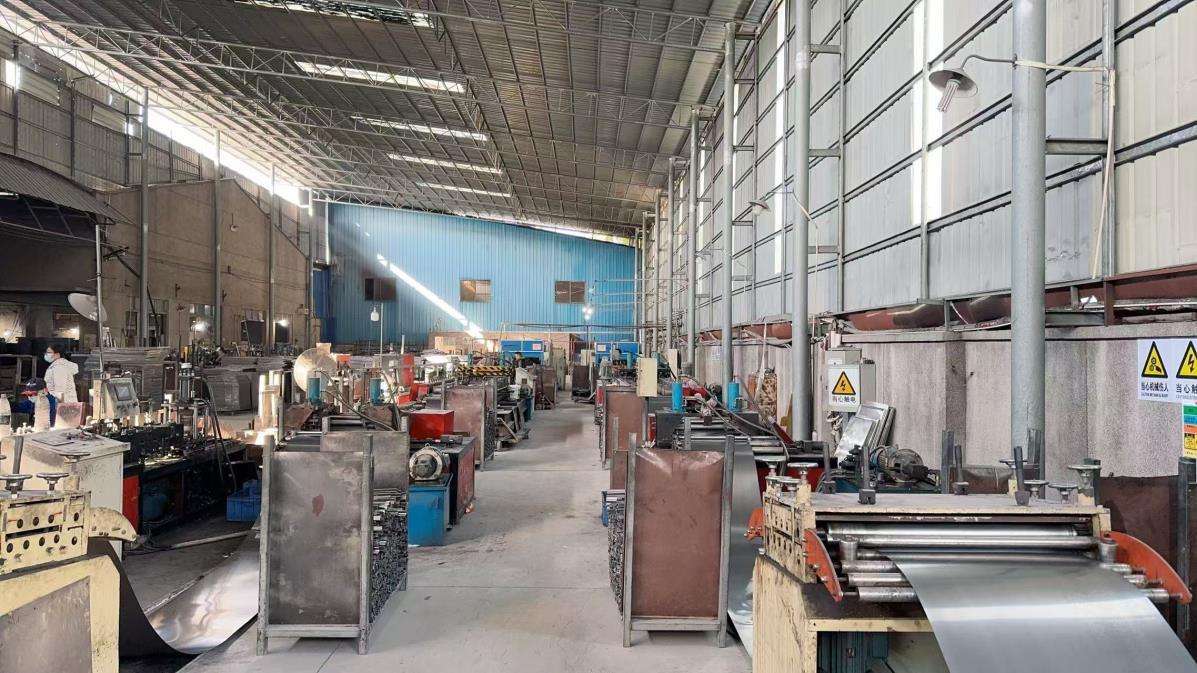
Founded in 2015, Dongguan Kimsuk Shelves Co., Ltd. is a premier manufacturer specializing in heavy-duty industrial warehouse racking systems, automated storage solutions, and customizable steel shelving. Spanning a state-of-the-art production facility of 38,000 square meters, Kimsuk combines advanced manufacturing infrastructure with high-precision engineering to deliver robust logistics and warehousing infrastructure globally.
Our structural design practices leverage advanced Finite Element Method (FEM) software, enabling our engineering group to provide Japanese distribution projects with full structural verification reports, static loading analyses, and dynamic structural clearances.
Our quality assurance process is managed by 35 certified Quality Control Inspectors and Material Testing Engineers. This team runs strict quality gates from raw material arrival to final product packaging, utilizing the following test protocols:
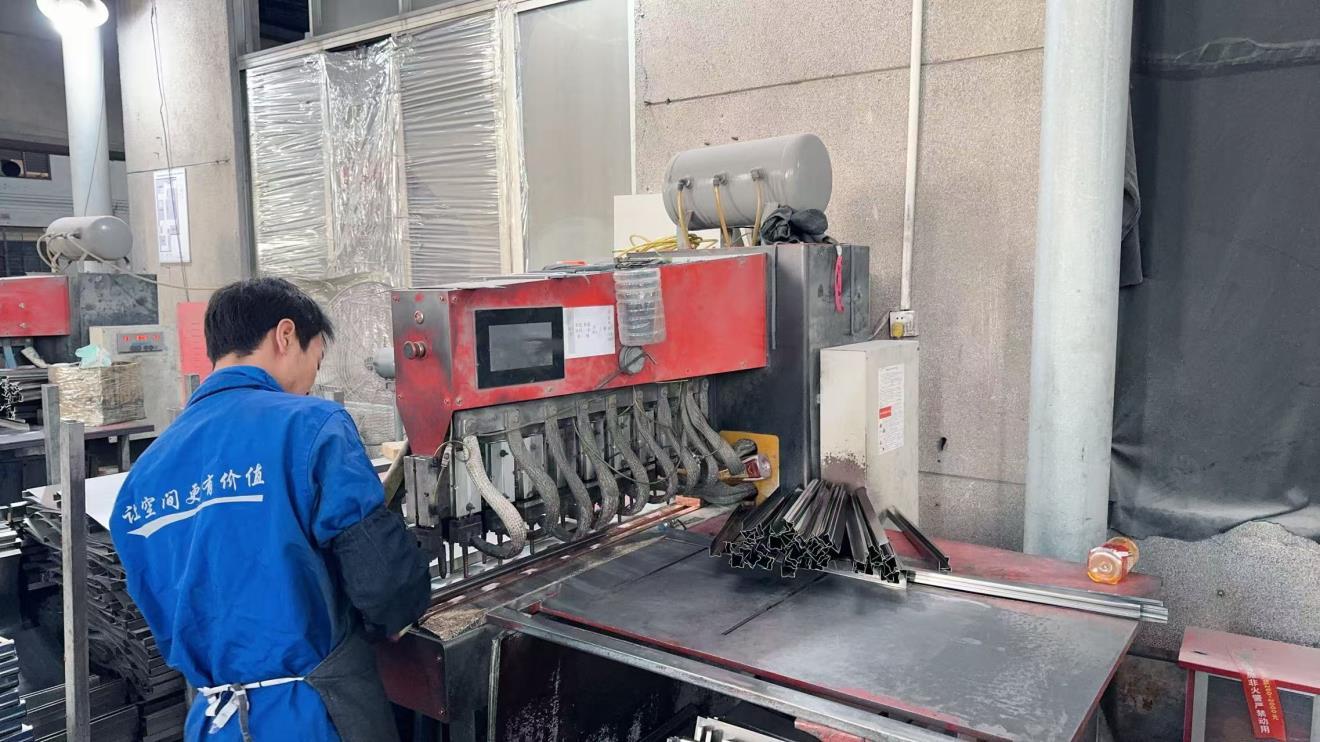
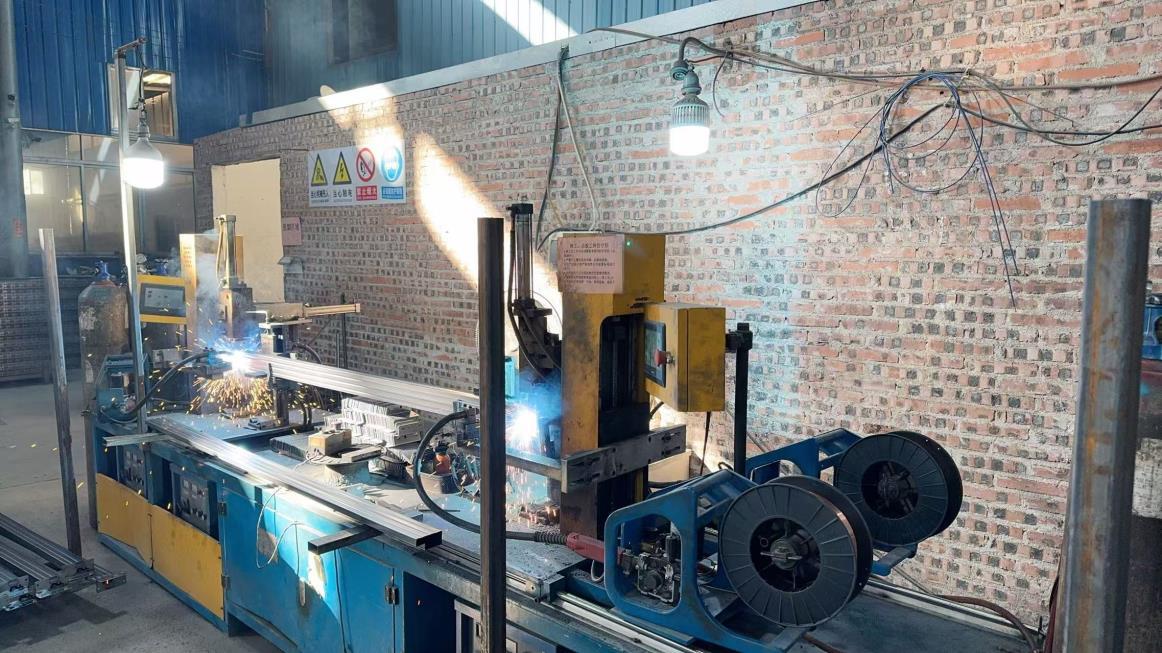
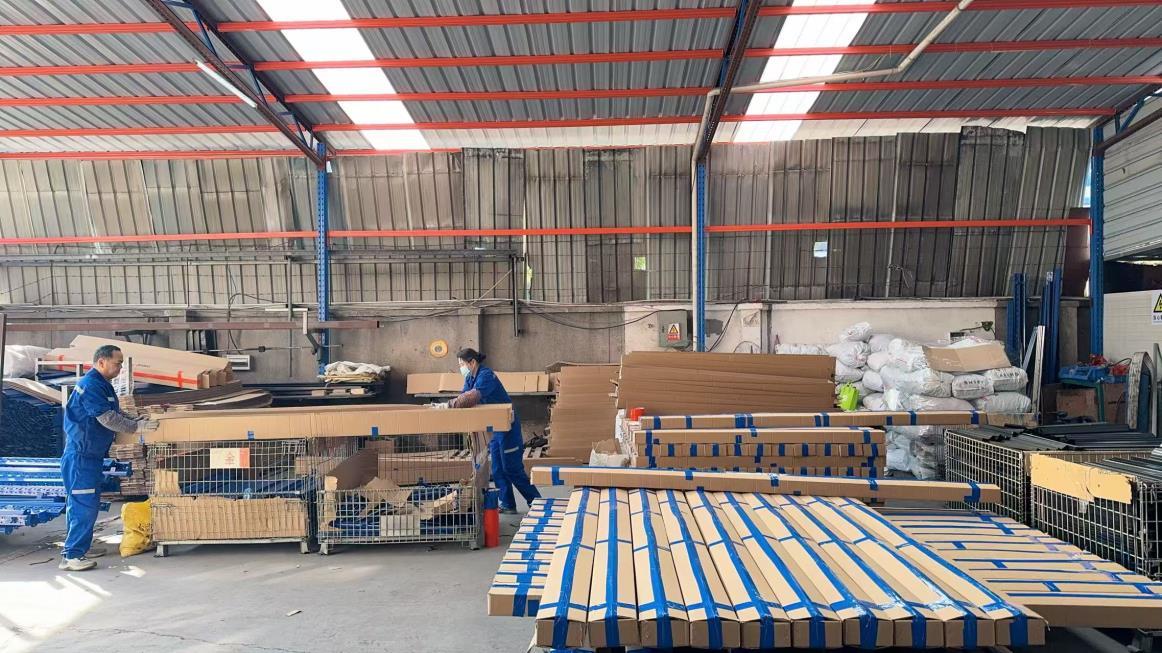
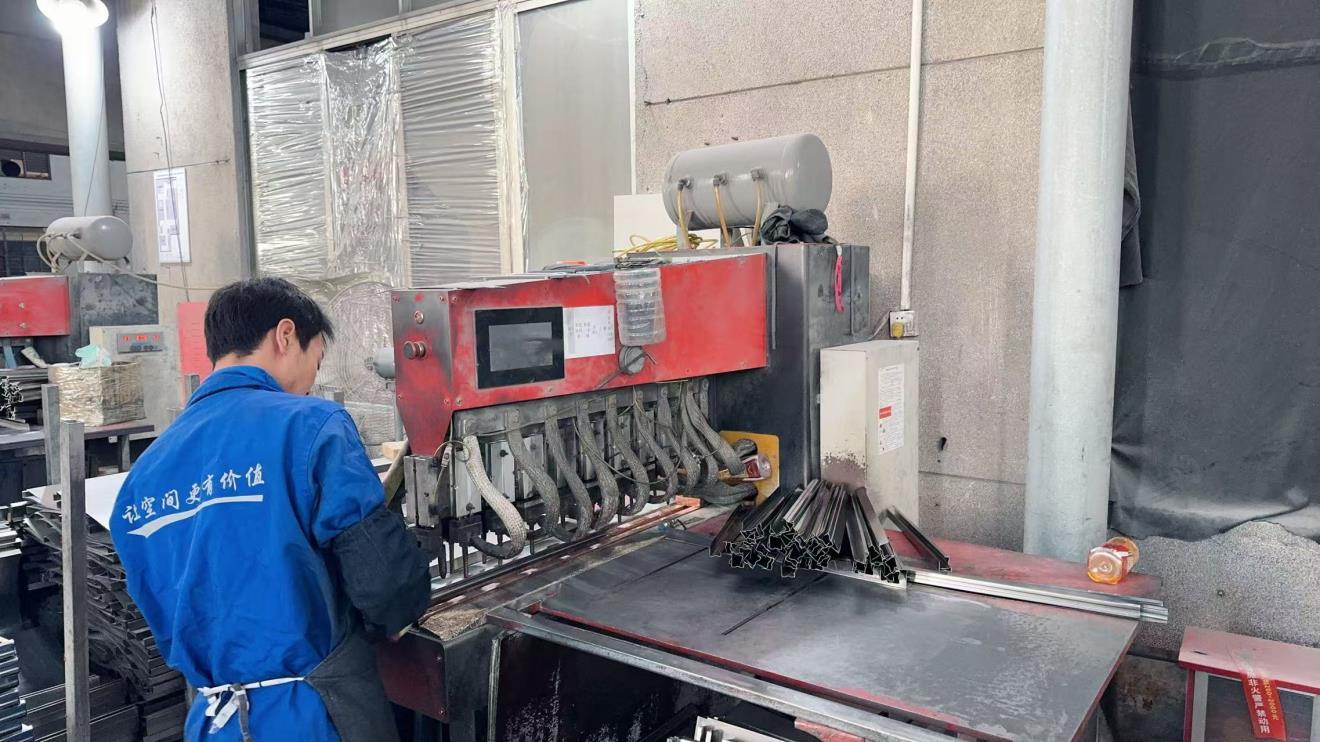
Each step in our manufacturing facility is designed to meet strict mechanical tolerances, from structural steel preparation to final product packaging.
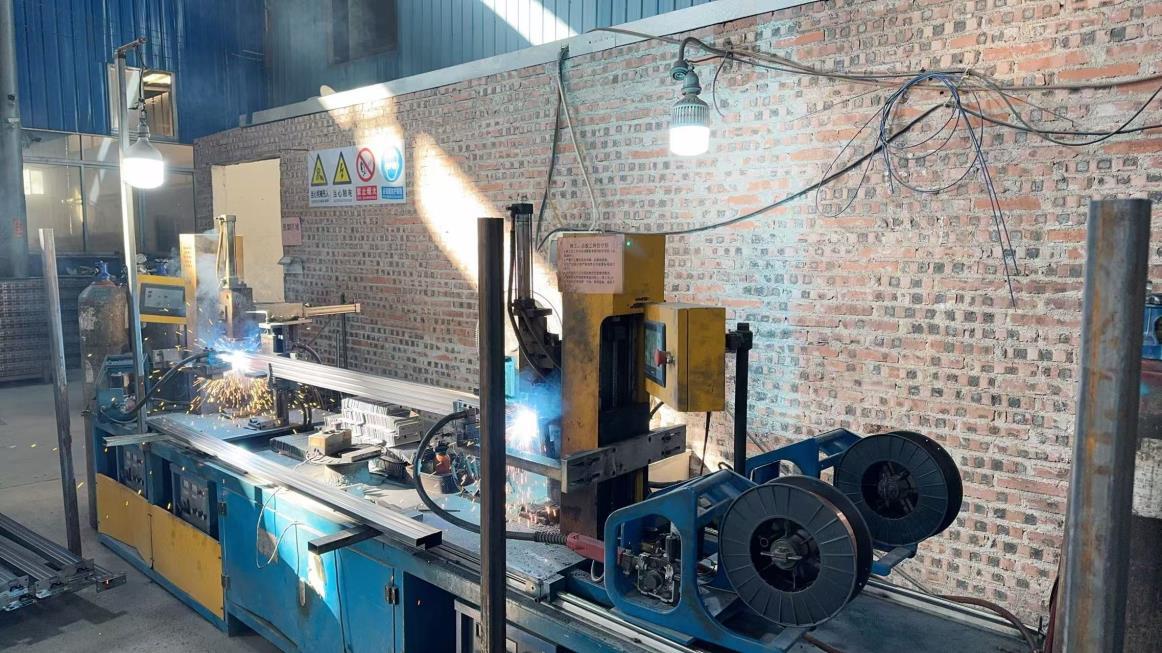
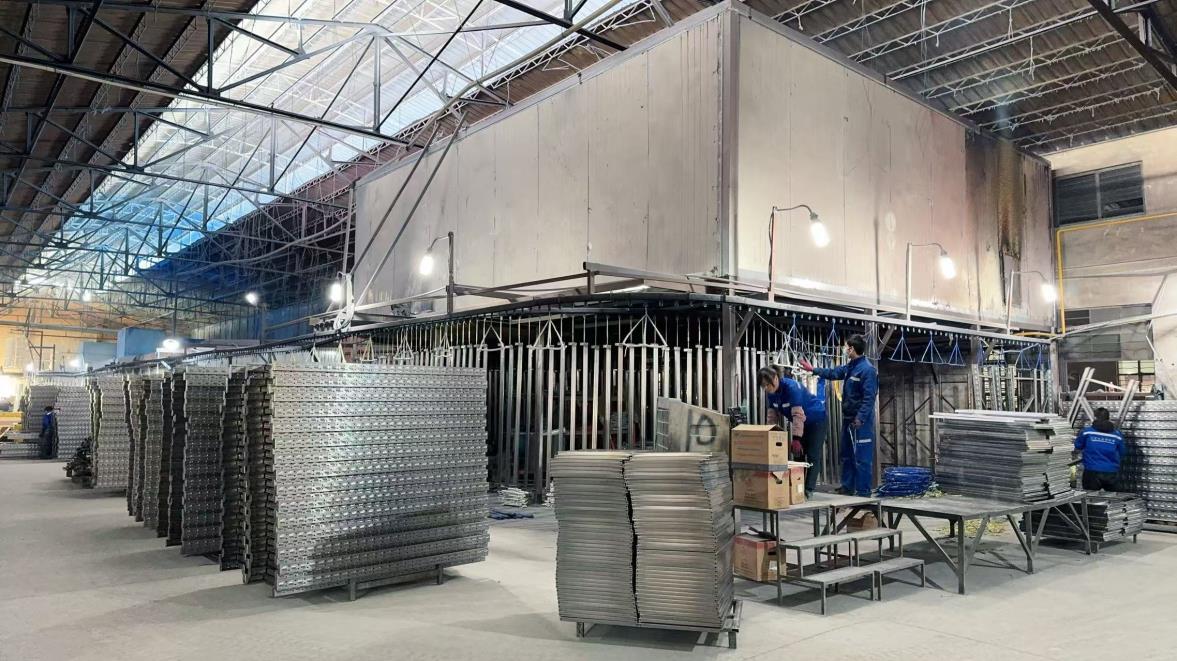
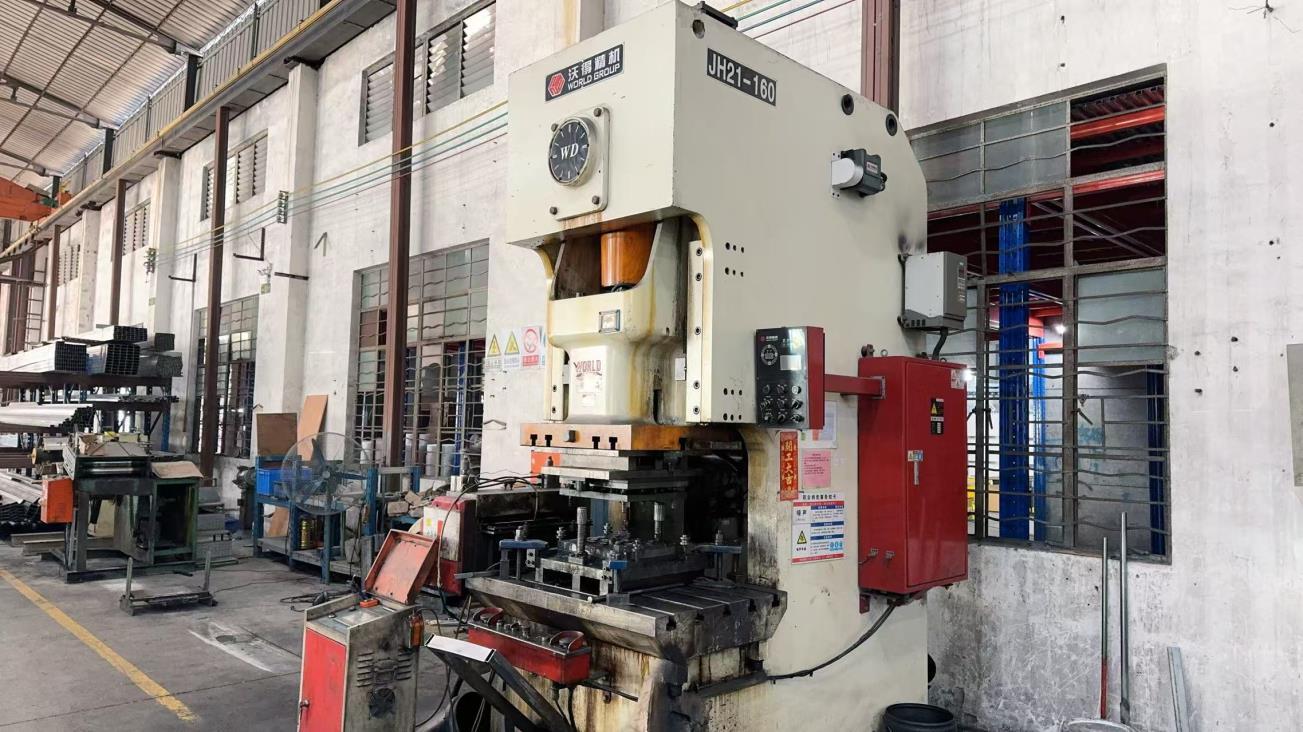
For installations in high-acceleration seismic zones across Japan, standard anchor bolts are insufficient to prevent overturning hazards under maximum load distribution. Our engineering protocols incorporate several critical design parameters:
We supply concrete anchor bolt systems featuring heavy-duty expansion or adhesive chemical anchors, compliant with Japanese Building Standards. To prevent concrete edge failures, we run calculations to establish spacing distances from concrete expansion seams.
Enlarged Footplates for Load DispersionStandard upright plates are upgraded to oversized, thick baseplates. This enlargement distributes the vertical load over a larger footprint, protecting the building floor slab and reducing compressive stresses on the structural concrete.
Our designs are tested against horizontal forces ($F_h$) using standard engineering formulas:
*Note: Custom calculations are adapted to specific installation sites based on regional seismic hazard maps and warehouse building category classifications.
Our product roadmap addresses the changing needs of logistics centers, with a focus on two main areas:
Explore our complete catalog of industrial shelving. Every system is built to rigorous mechanical standards to ensure stable load capacity, safety, and long operational life.
Detailed technical information for structural engineers, procurement managers, and logistics planners sourcing industrial racking for the Japanese market.
Discuss your project parameters with our engineering team. We supply tailored layout designs, structural calculations, and quotation sheets suited for your facilities in Japan.
Send Inquiry Now Kimsuk Racking