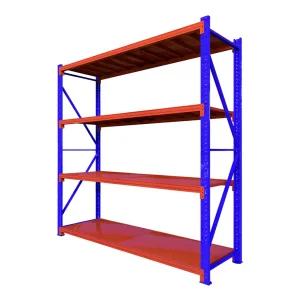
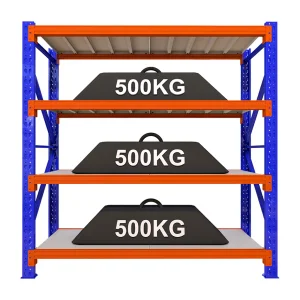
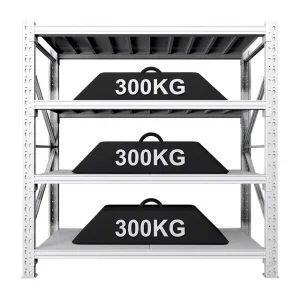
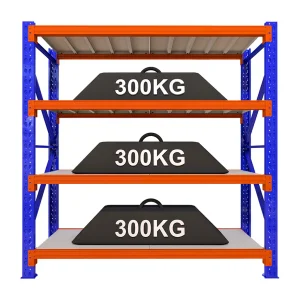
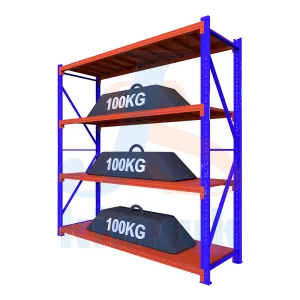
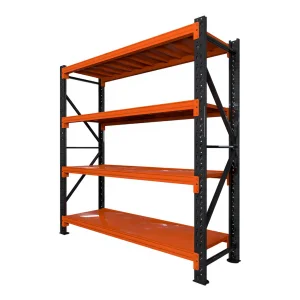
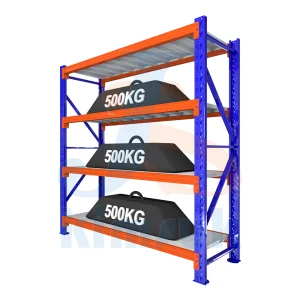
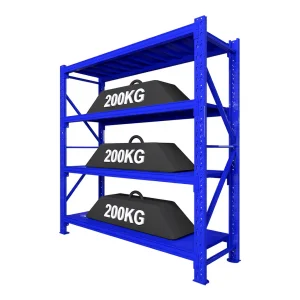
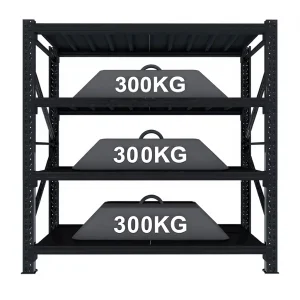
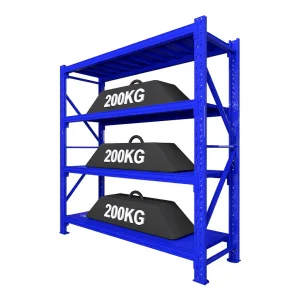
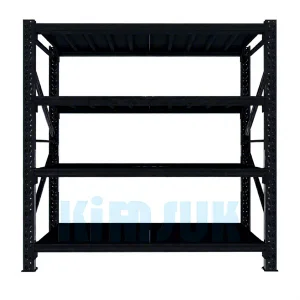
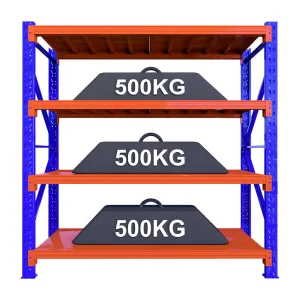
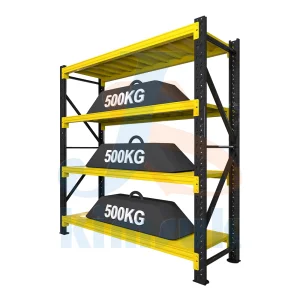
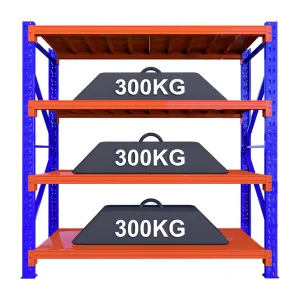
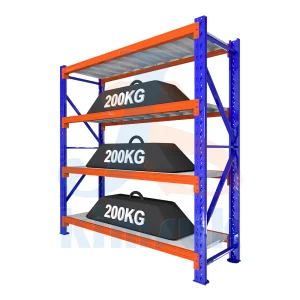
Select premium rack designs tailored to match modern warehousing workflows across Melbourne, Sydney, and Brisbane logistics hubs.
Within the Australian supply chain infrastructure, warehouse density optimization requires a calculated split between heavy-duty pallet racking and modular hand-loaded shelving. The 100KG Uniformly Distributed Load (UDL) limit represents the precise engineering sweet spot for industrial shelving. It bridges the gap between massive pallet racking layouts and light commercial utility shelving. From fulfillment centers in Western Sydney to regional depots in Melbourne, our Australian client base relies on these configurations to satisfy strict occupational health and safety standards while maximizing floor-to-area load values.
By engineering our structures with high-tensile Q235B cold-rolled steel, we ensure safety factors that meet AS 4084-2012 specifications. This minimizes structural deflection, preventing shelf collapse under dynamic conditions. Under Australian WHS guidelines, manual handling must be supported by sturdy, clean-profile systems that reduce the risk of structural shear or buckling when hand-picking operations occur at height.
Our solutions feature precision roll-formed upright profiles and box beam connections that maintain structural rigidity under continuous mechanical and manual operations. As Australian logistics continues to transition toward micro-fulfillment and e-commerce distribution, having structural modules calibrated precisely for 100KG shelf-loads ensures maximum cost efficiency without paying premium prices for oversized heavy-duty systems.
A premier manufacturer and global exporter of high-precision warehousing structural assets.
Founded in 2015, Dongguan Kimsuk Shelves Co., Ltd. is an industry-leading manufacturer specializing in heavy-duty industrial warehouse racking systems, automated storage solutions, and customizable steel shelving. Spanning a state-of-the-art production facility of 38,000 square meters, Kimsuk combines advanced manufacturing infrastructure with high-precision engineering to deliver robust logistics and warehousing structures globally.
Our focus on technical compliance and quality assurance has established us as a key supply chain partner for enterprises across North America, Western Europe, Southeast Asia, Australia, and the Middle East. With 35 certified QC inspectors and material testing engineers, we manage strict quality gates from raw material reception to packaging, ensuring structural reliability across diverse industrial environments.
Explore our continuous fabrication pipeline, combining robotic precision with automated processing lines.
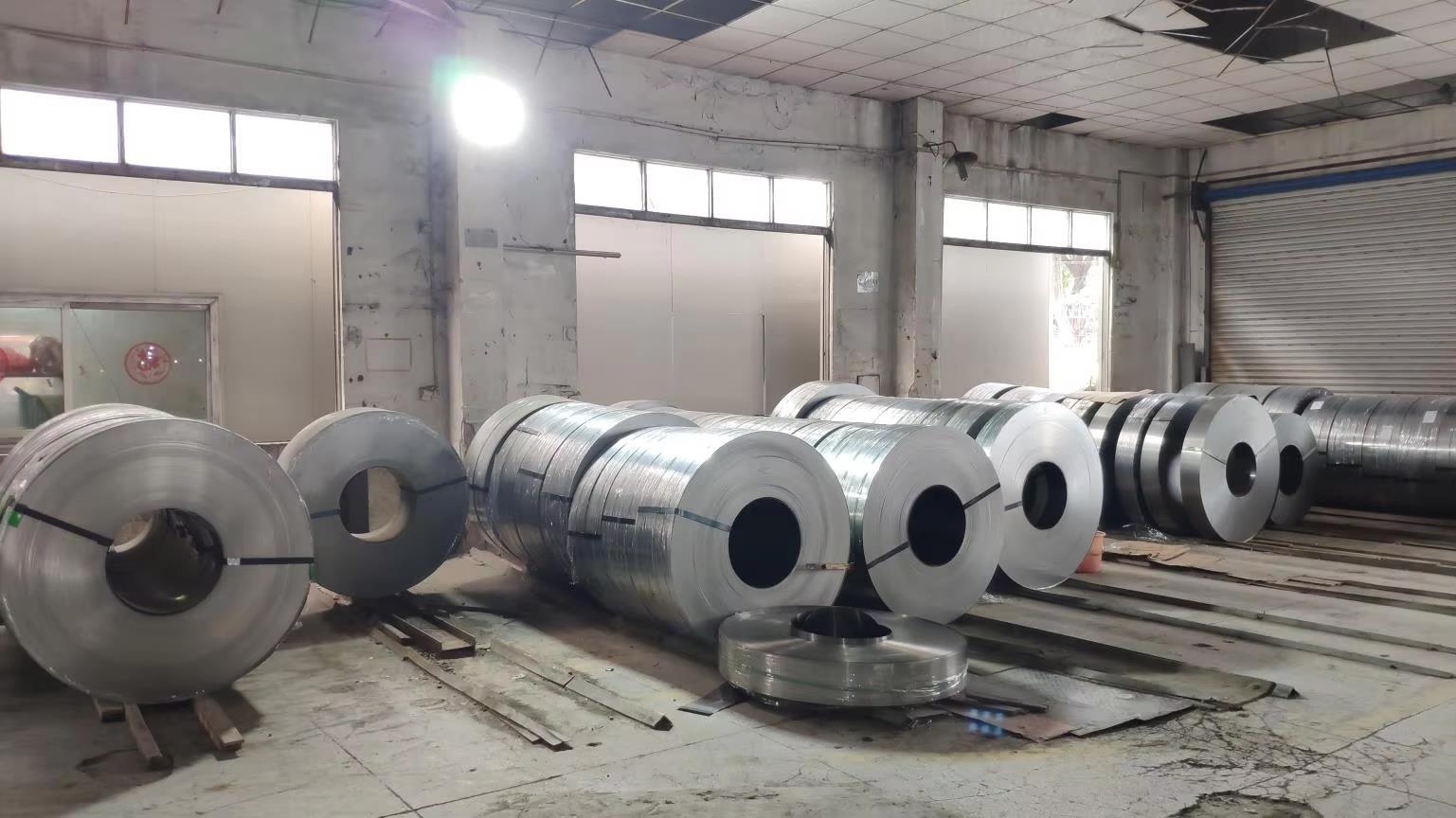 Raw Material
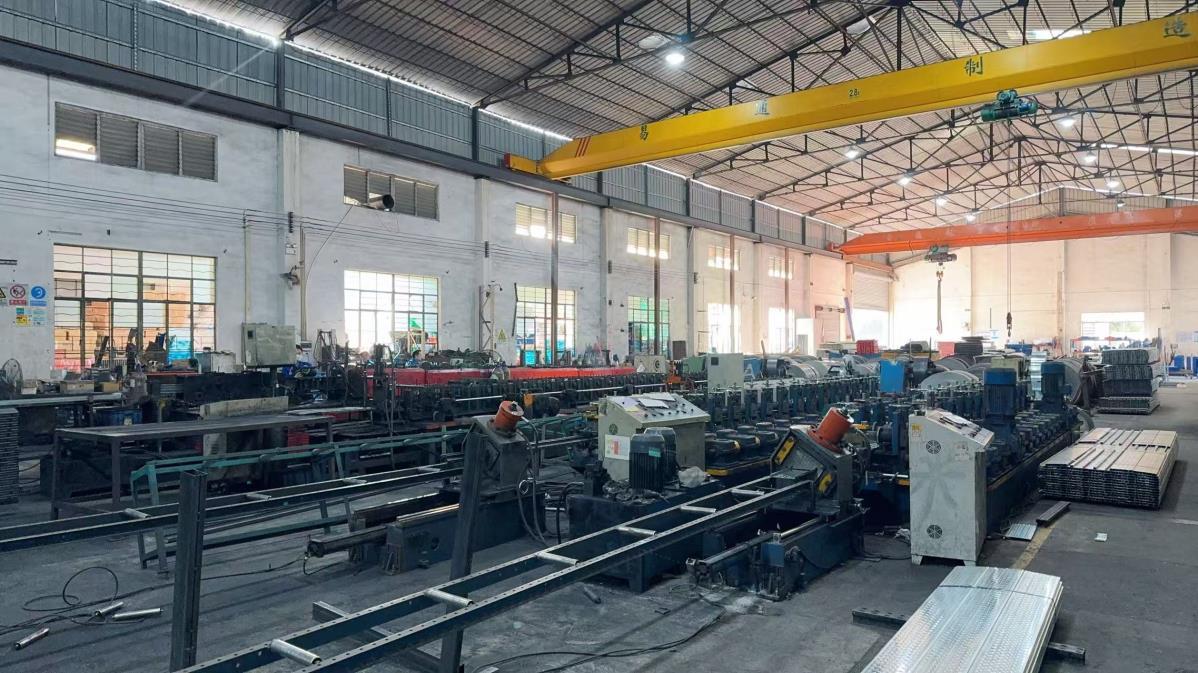 Metal Sheet Cutting
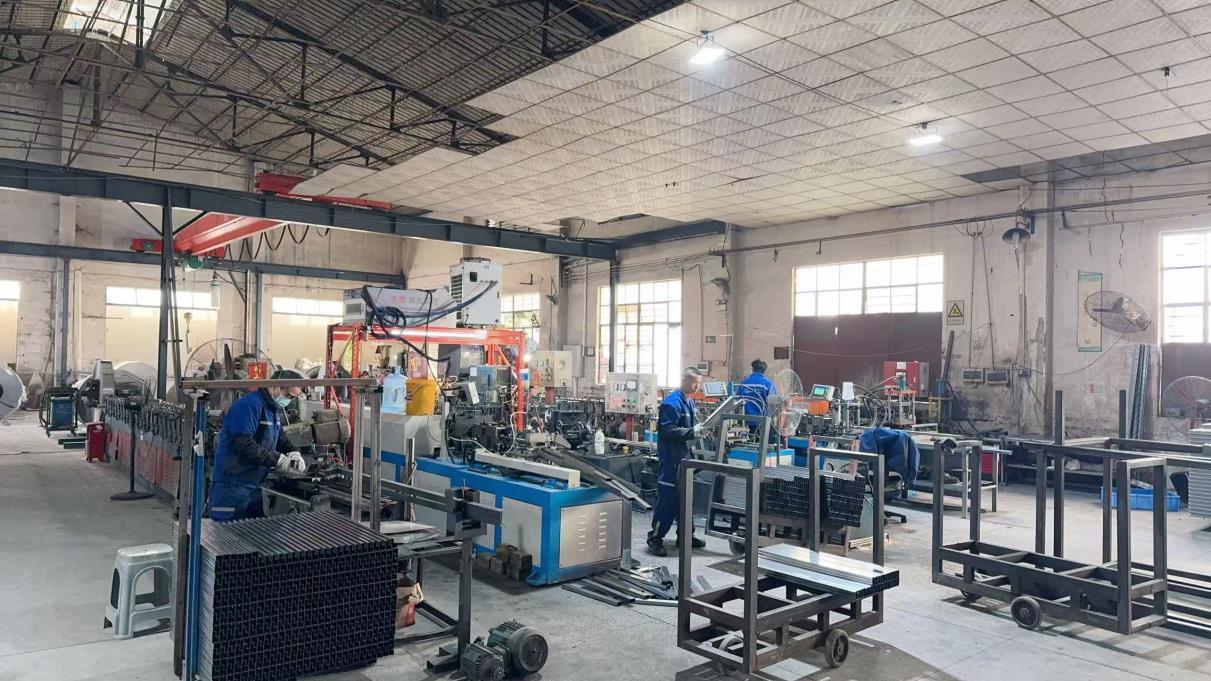 Pipe Cutting
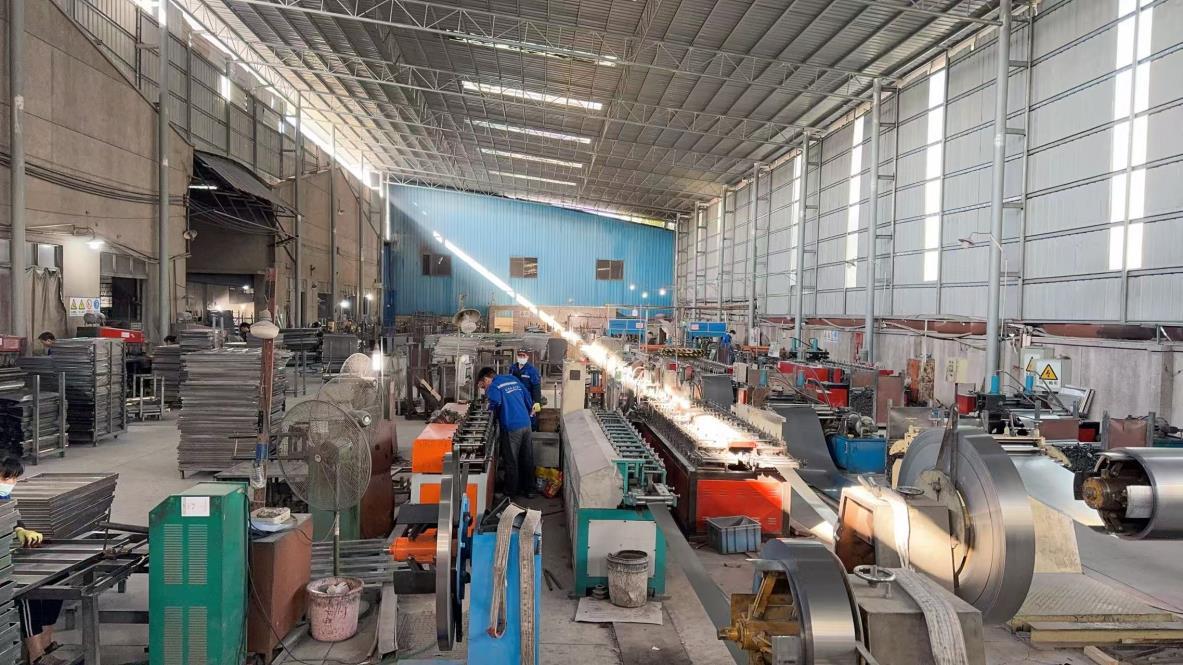 Stamping
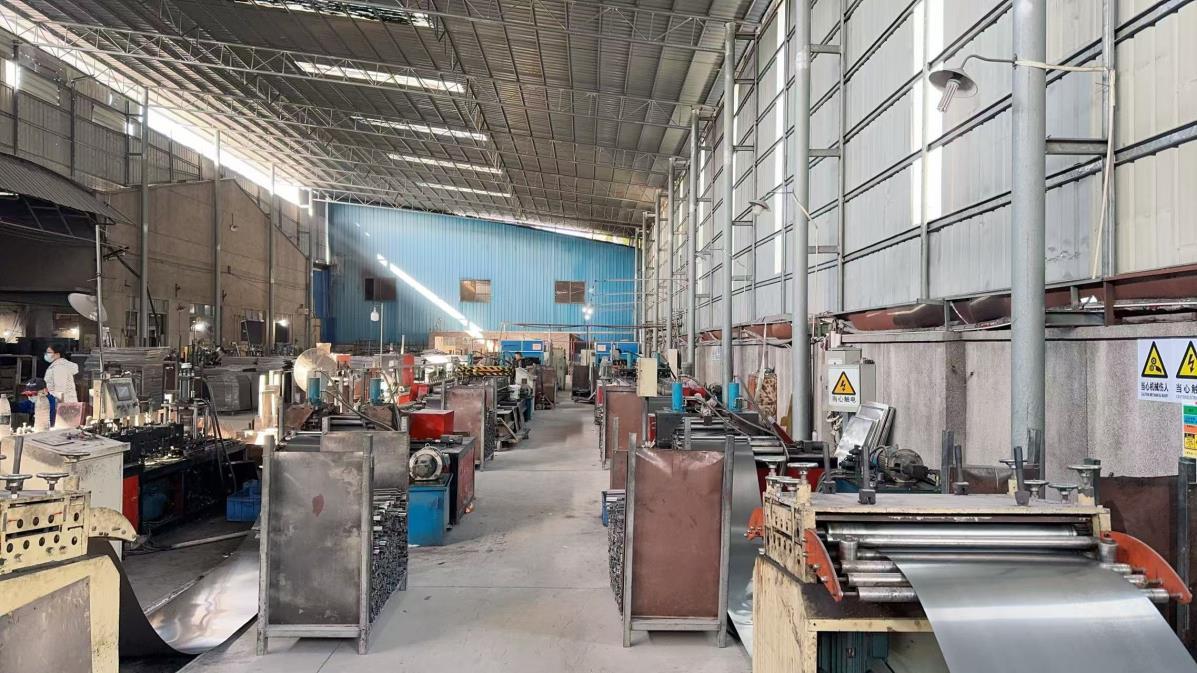 Forming
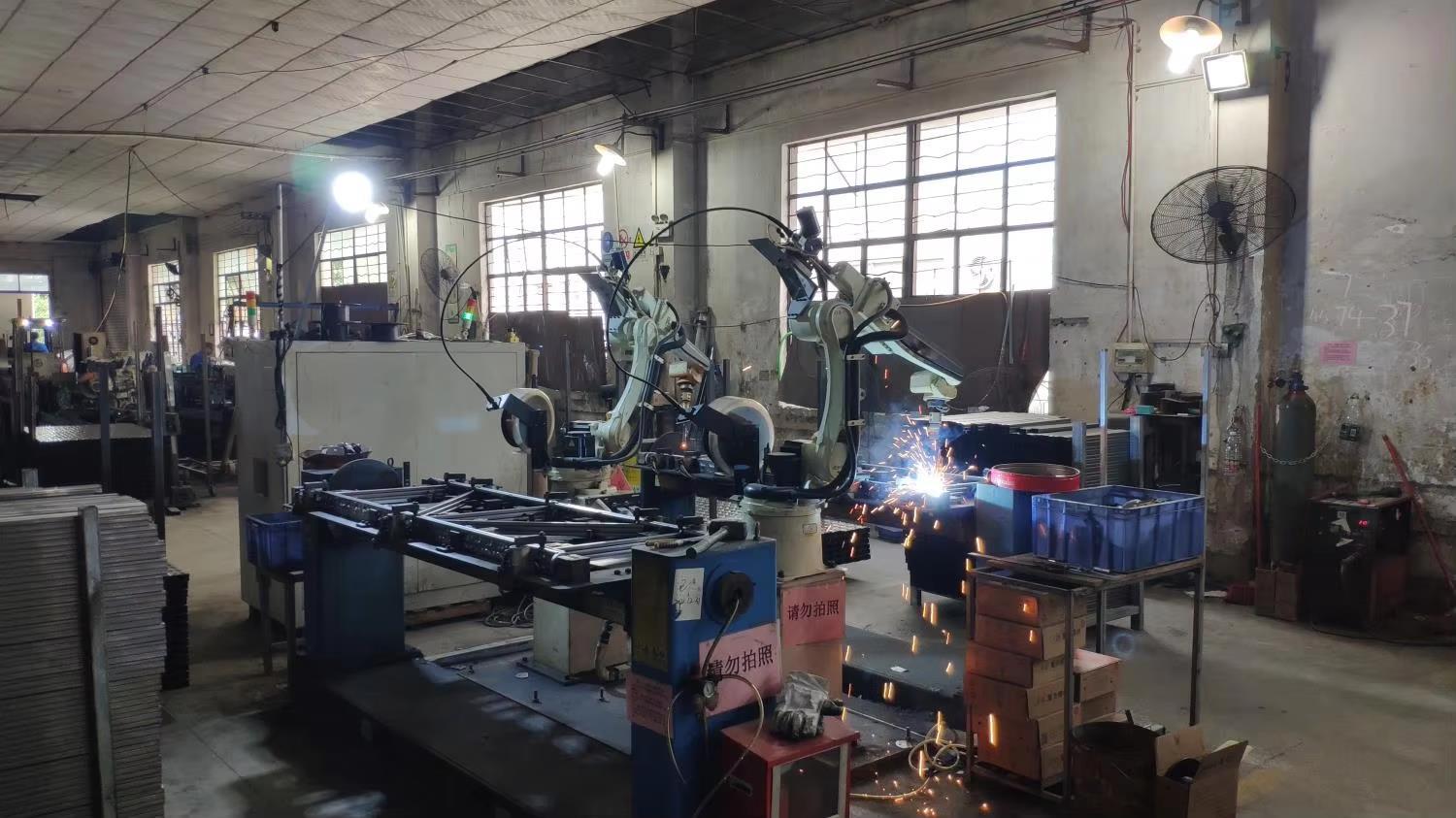 Robot Welding
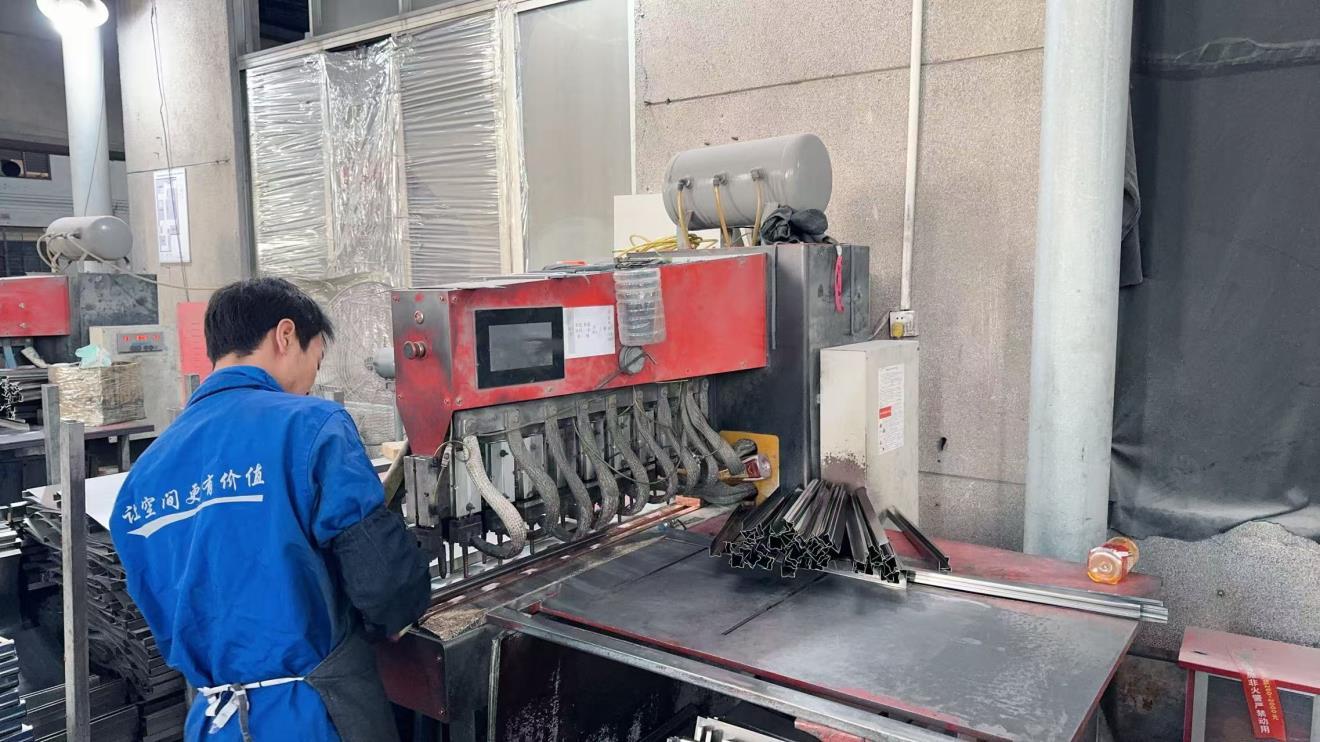 Welding 1
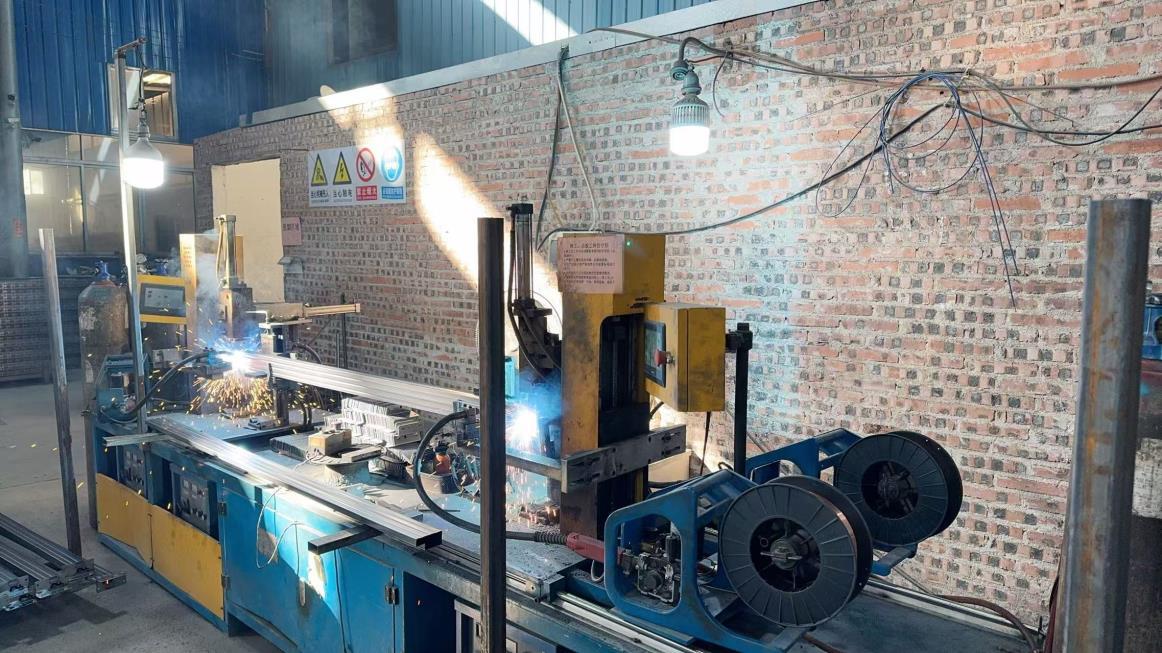 Welding 2
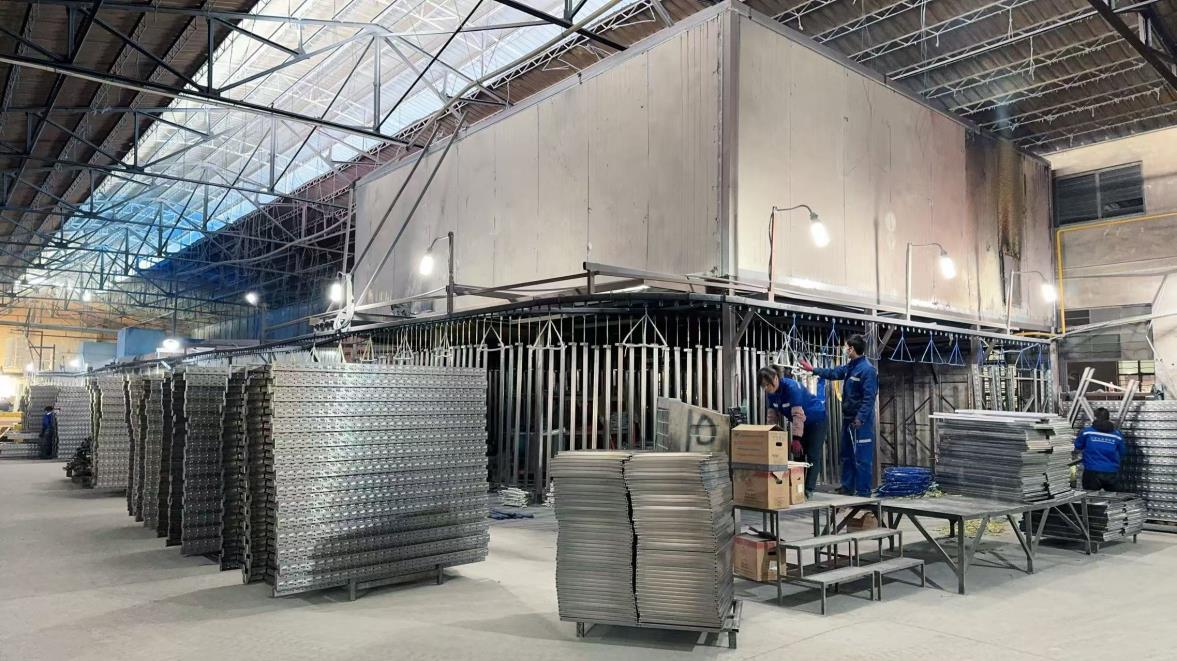 Spray Line
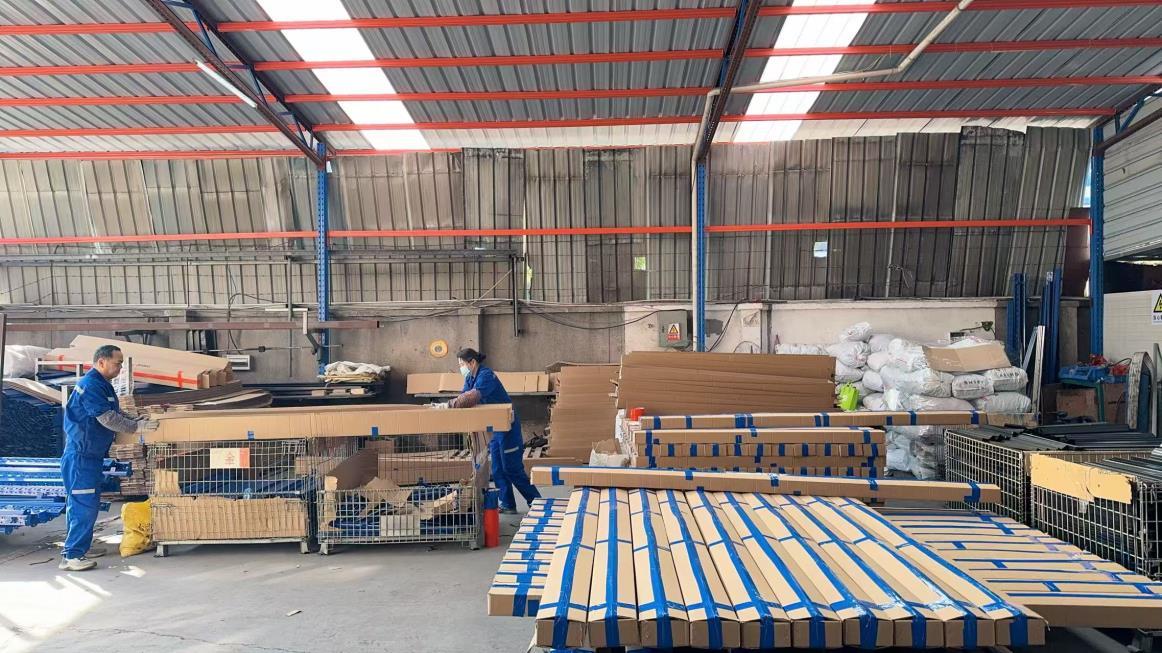 Packaging
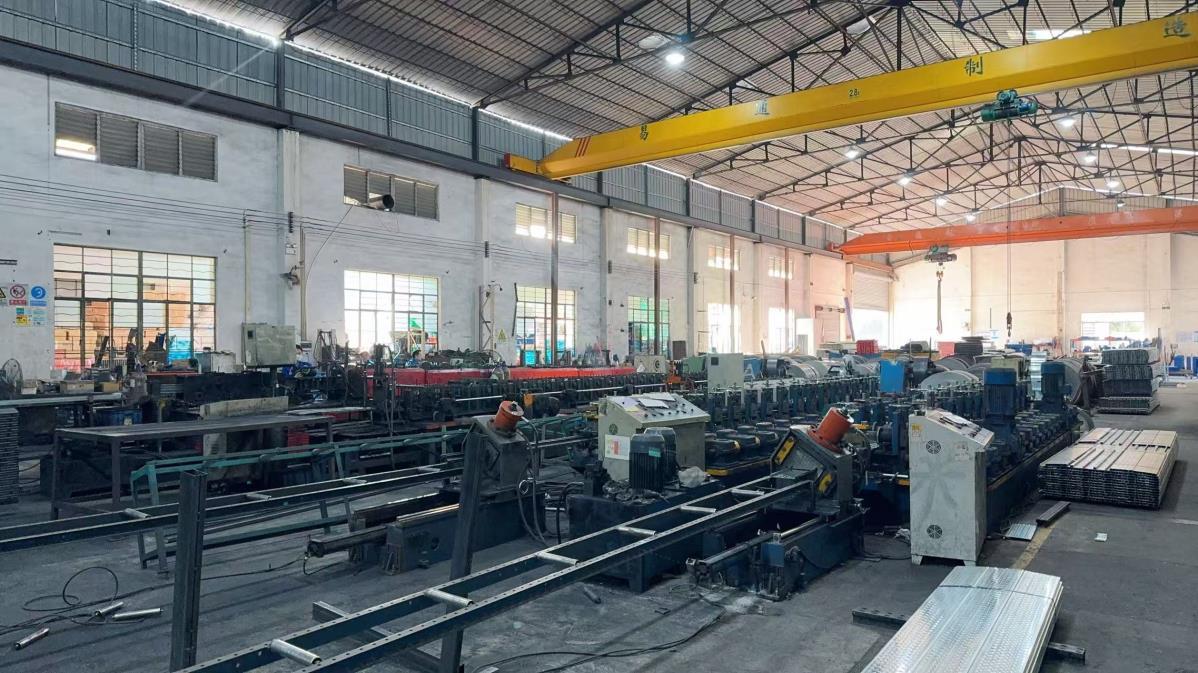 Raw Material Cutting
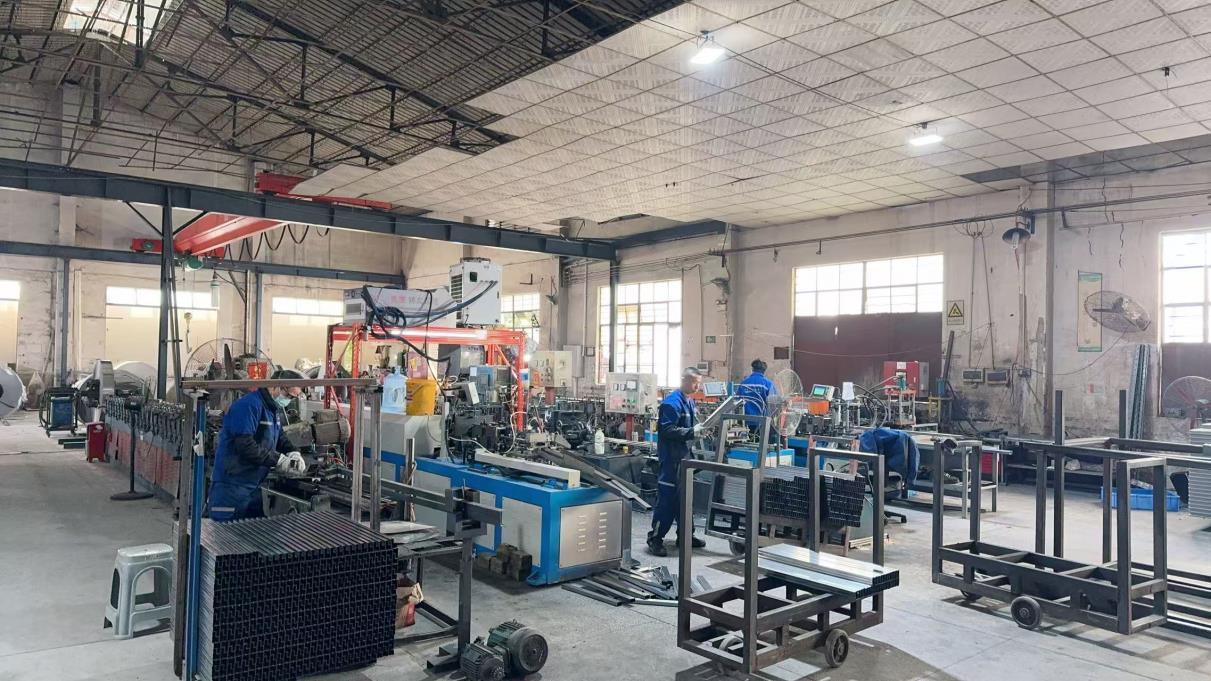 Pipe Cutting Machine
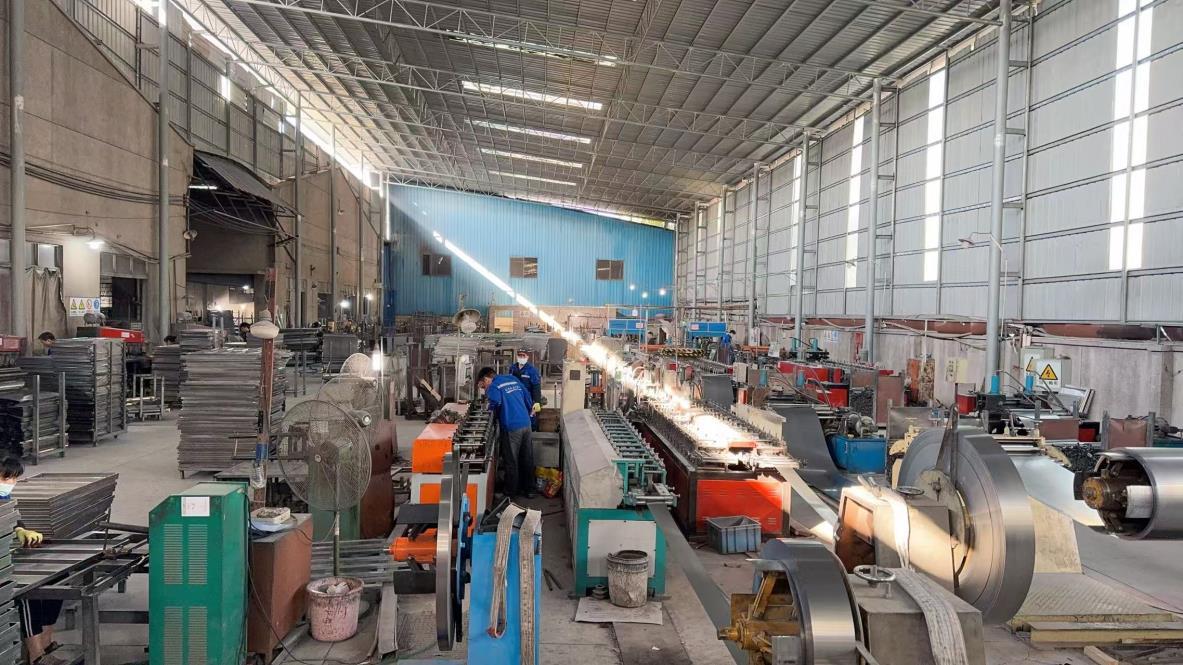 Cutting Machine
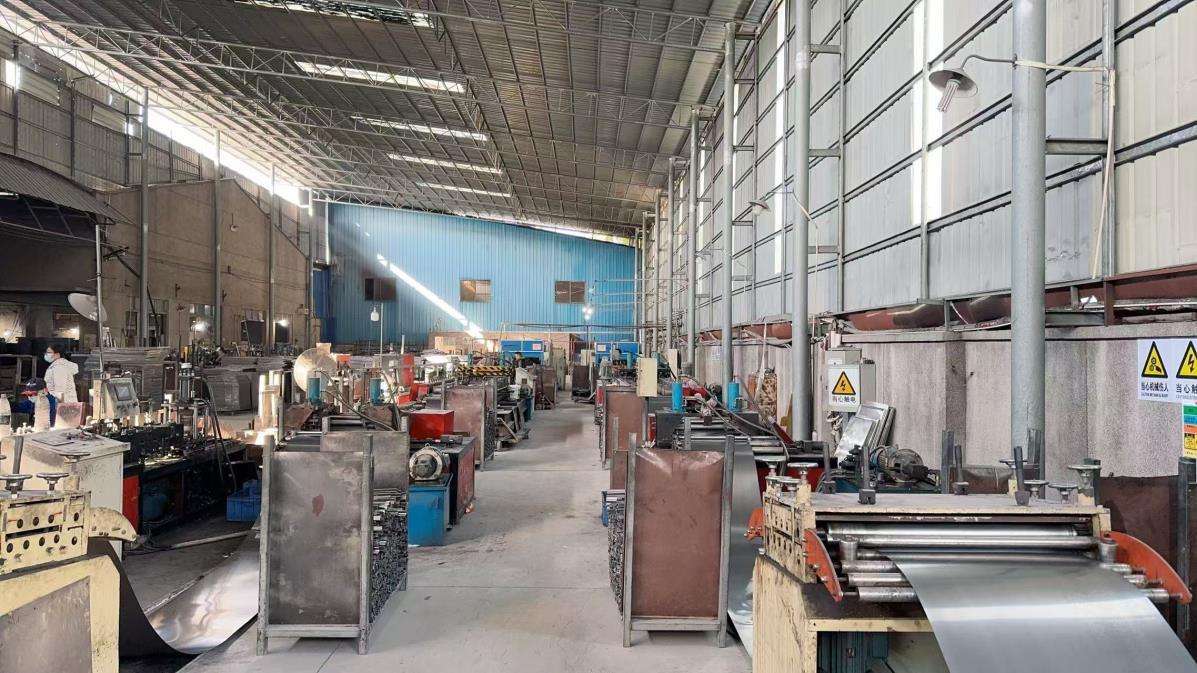 Forming Machine
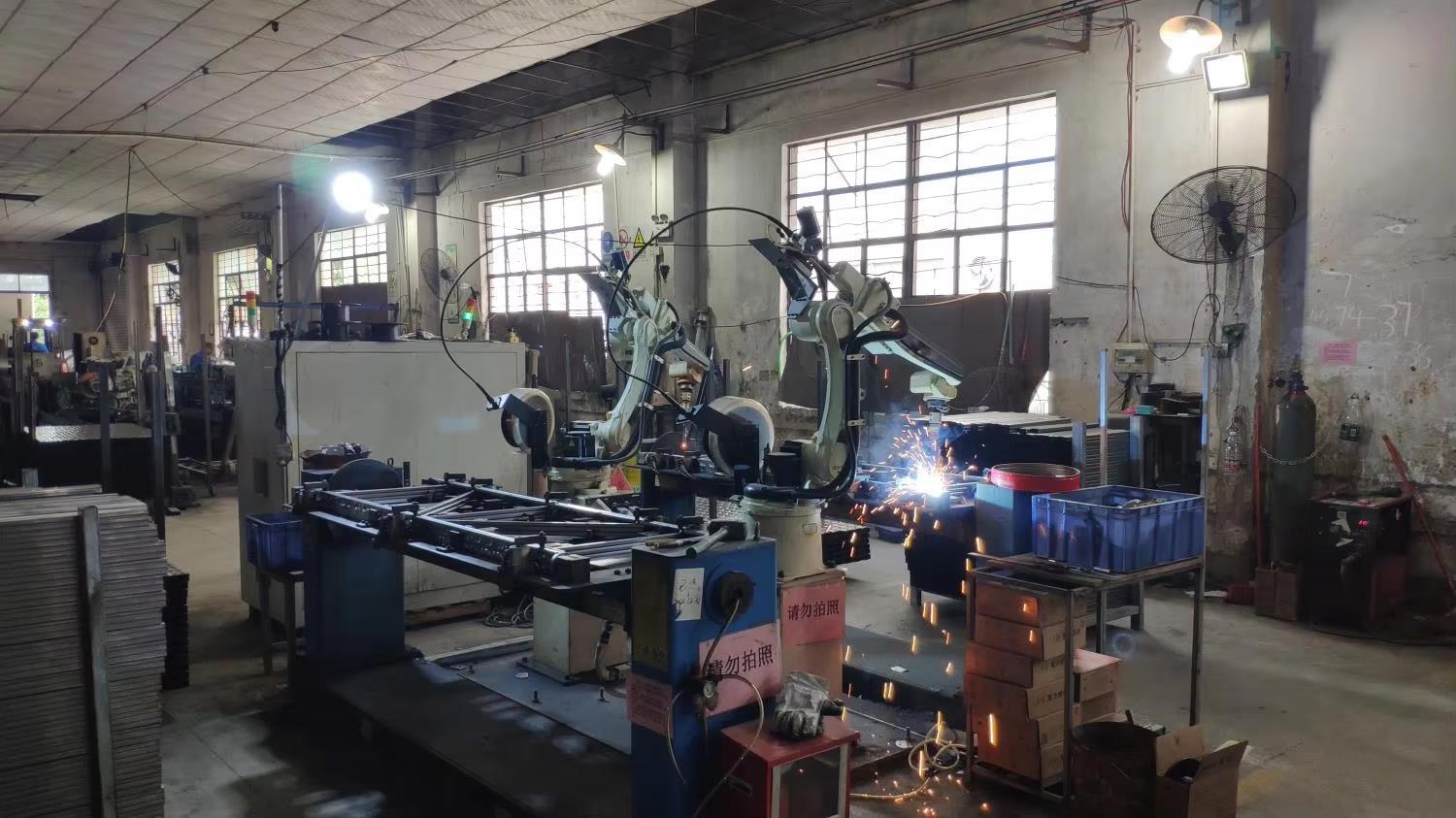 Robot Welding Arm
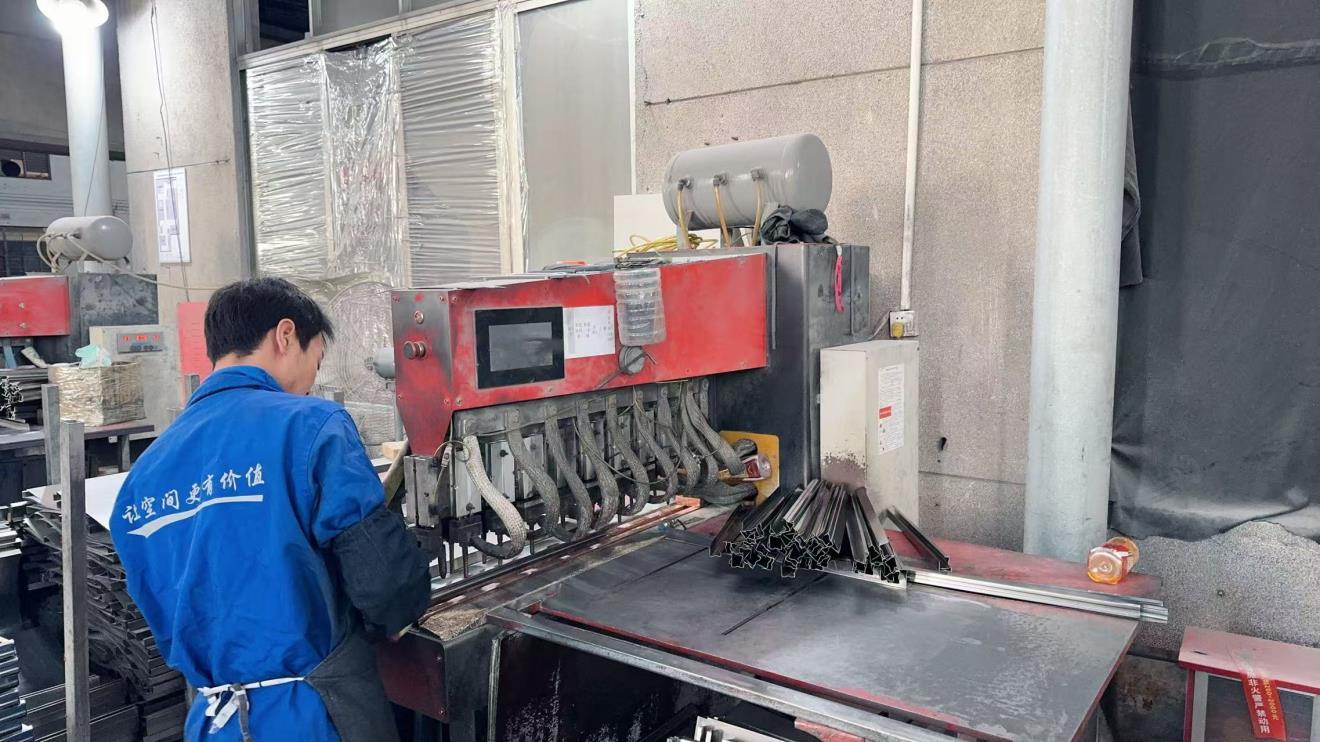 Spot Welding Machine
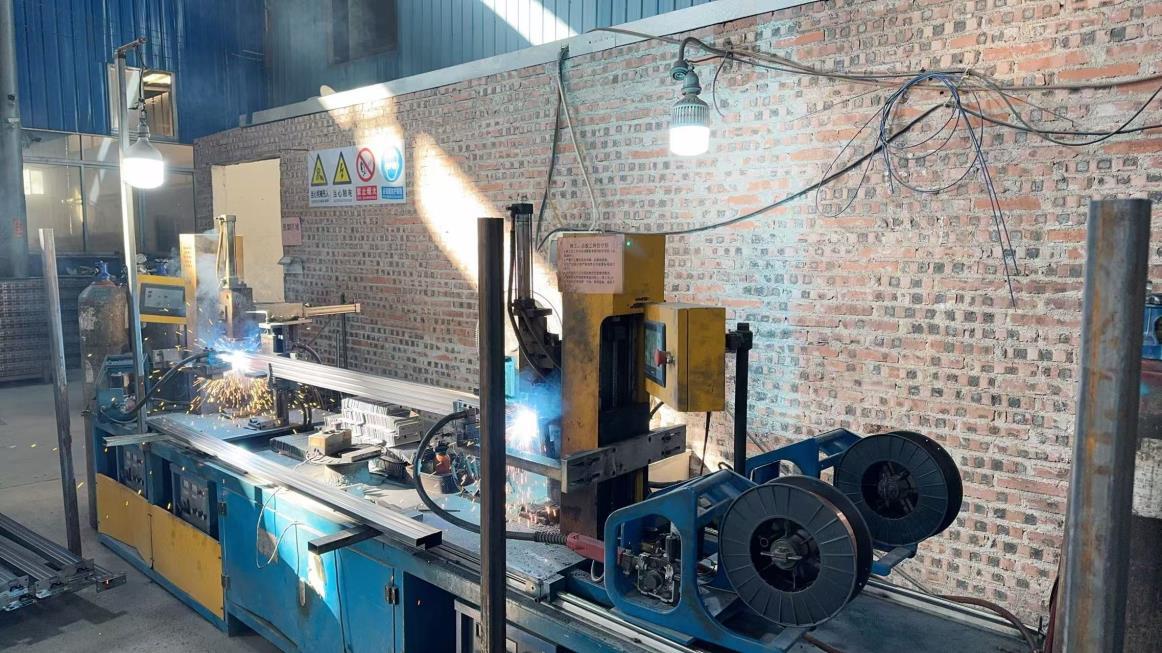 Automatic Welding
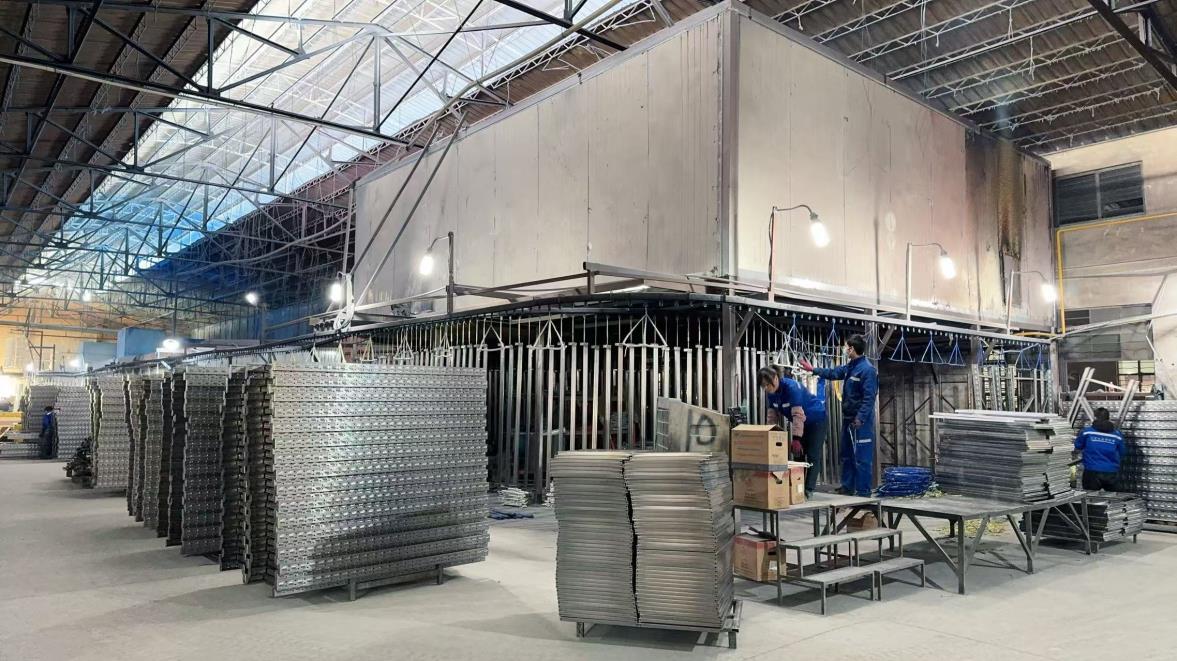 Spray Line
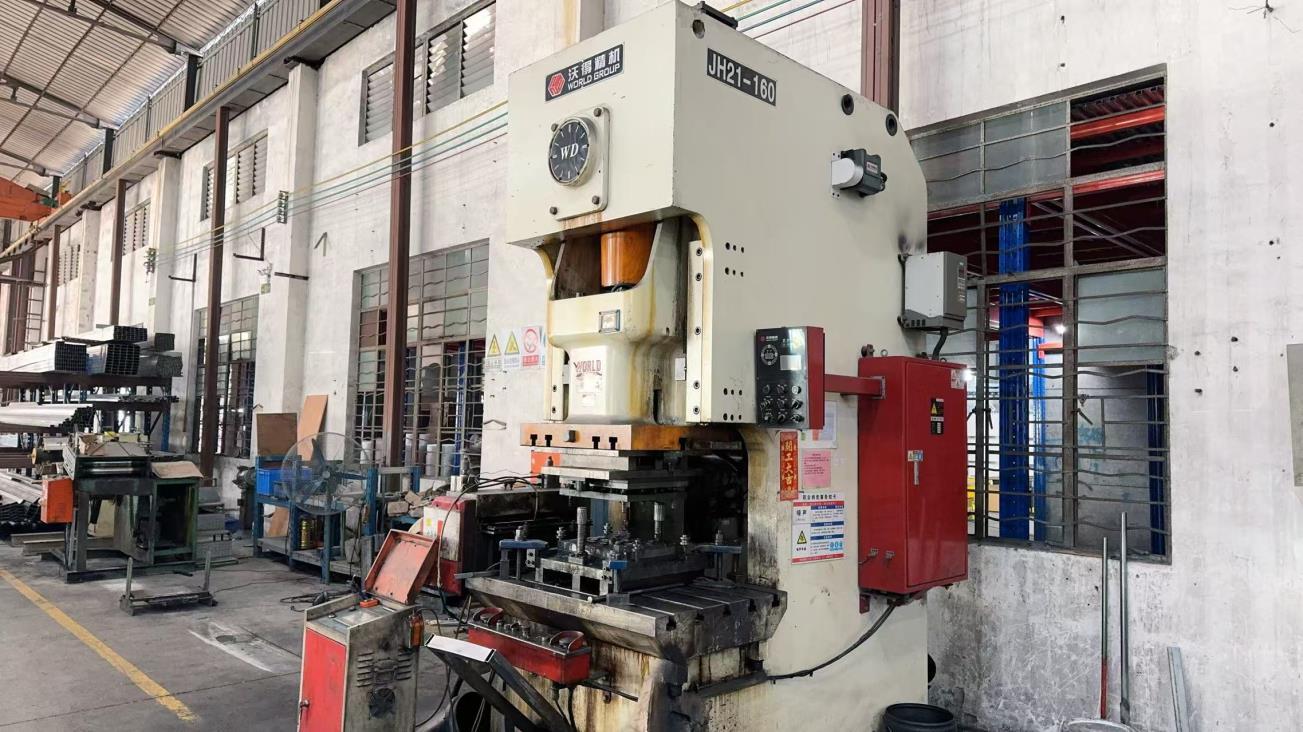 Punch Press
Understanding supply chain regulations, freight handling, and structural installation needs from Brisbane to Perth.
Importing storage structures into Australia requires close attention to structural safety, load ratings, and design standards. AS 4084-2012 governs steel storage racking in Australia, requiring clear load signage, regular safety audits, and strict tolerances for deflection under load. Our products are engineered using high-strength steel configurations, with structural analysis verified via Finite Element Analysis (FEA) to confirm stability under seismic loads in various Australian regions.
Additionally, import logistics require robust packaging to protect components during maritime transport. All components are packed on custom steel-bound cradles and wrapped in weather-resistant films to protect against ocean dampness. We manage documentation and custom clearing pathways for shipping to major Australian ports, including Port Botany (Sydney), Port of Melbourne, Port of Brisbane, and Fremantle Port (Perth), ensuring seamless logistics integration.
Explore our diverse selection of warehouse storage shelves, longspan racking, and light industrial configurations.
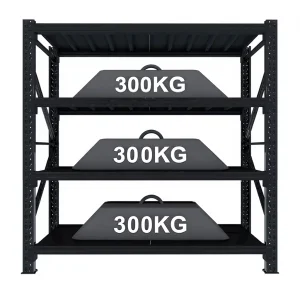
An engineering deep-dive into materials, structural integrity, and custom sizing options.
Our systems are engineered using hot-rolled structural steel profiles conforming to national standards. Grade Q235B steel offers the optimal balance of yield strength (235 MPa) and ductility, preventing sudden brittleness under load. For heavier load configurations, we use Q355 steel, providing a yield strength of 355 MPa to maintain structural integrity.
To protect against humidity in coastal Australian warehouses, all components undergo a multi-stage pretreatment process. This includes chemical degreasing, acid pickling, zinc phosphate conversion, and a dry powder coat finish (60–80 microns thick) baked at 180°C to ensure a durable, chip-resistant barrier.
Every shelving upright and beam profile is modeled using CAD/3D BIM systems. We run structural load configurations through FEA software to simulate load stress, buckling, and deflection levels. This ensures our 100KG rating maintains a 1.5x safety multiplier, preventing collapse under uneven loading conditions.
Answers to common structural, import, and engineering questions for Australian buyers.
Our 100KG rating refers to Uniformly Distributed Load (UDL) per shelf level. This value is engineered in accordance with AS 4084-2012 guidelines. It indicates the shelf can safely support 100KG when the weight is spread evenly across the steel panel or wire deck, rather than concentrated on a single point.
We provide full documentation for import customs processing, including commercial invoices, bills of lading, detailed packing lists, and mill analysis reports. For wood packaging materials, we provide ISPM 15 heat treatment or fumigation certificates to comply with Australian biosecurity regulations.
Yes. Our industrial upright frames feature baseplates pre-punched for floor anchors. We recommend securing the racks to concrete slabs with heavy-duty mechanical anchor bolts to maintain stability under manual picking operations, in line with local occupational safety standards.
Production cycles generally require 20 to 25 days depending on project size. Sea freight transit times from Shenzhen to Australian ports (Sydney, Melbourne, or Brisbane) range from 15 to 20 days. The total delivery time is usually between 35 and 45 days.
Contact our structural engineering team to request custom layout options, material specifications, and volume pricing estimates tailored for Australian distribution centers.
Send Inquiry Now Kimsuk Racking