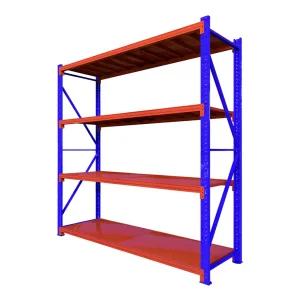
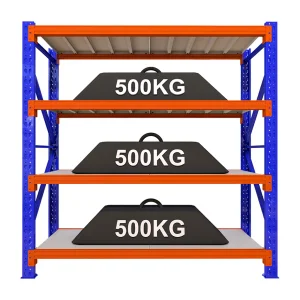
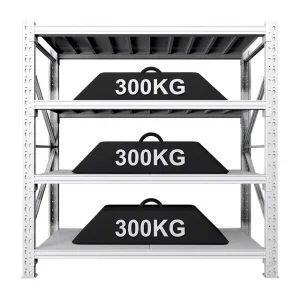
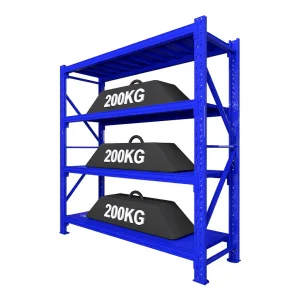
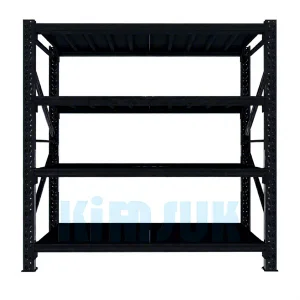
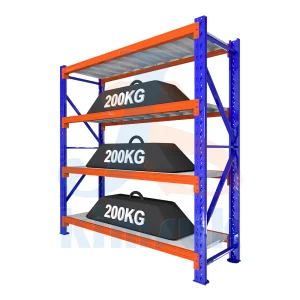
100KG Factories & Suppliers Serving Tokyo

High-Precision Steel Racking, Heavy-Duty Pallet Shelving, and Seismic-Optimized Warehouse Solutions

Part 1: The Strategic Dynamics of Tokyo's Warehousing Landscape

Tokyo is the heart of global commerce, representing one of the densest and most technologically advanced industrial real estate markets in the world. The Tokyo Metropolitan Area, comprising Chiba, Kanagawa, Saitama, and the Tokyo Bay hub, operates under strict geographic and geological constraints. Industrial properties in this region face land costs that rank among the highest globally, forcing warehouse operators to transition from sprawling horizontal configurations to high-density vertical layouts.

The Seismic Safety Mandate (Japan Building Standard Act)

Operating a warehouse in Tokyo means adhering strictly to Japan’s rigorous seismic building codes. Any shelving system, whether rated for 100KG light-duty goods or multi-ton industrial pallets, must pass stringent static and dynamic load simulations. Structural rack engineering must accommodate horizontal seismic force coefficient (Kh) values up to 1.0G, depending on the facility location. This requires specialized anchoring, dual-connection columns, and certified high-yield steel profiles.

Moreover, the rise of rapid e-commerce, combined with a severe shortage of logistics labor in Japan, has catalyzed the growth of Micro-Fulfillment Centers (MFCs) and high-rise automated storage systems. Racks can no longer just hold dead weight; they serve as structural chassis for robotics, autonomous automated guided vehicles (AGVs), and high-frequency pickers. Sourcing partners must be capable of delivering precision tolerances to prevent mechanical jams in these automated environments.

Part 2: Manufacturer Profile & Global Engineering Footprint

Dongguan Kimsuk Shelves Co., Ltd. delivers high-performance racking solutions engineered for demanding global safety standards.

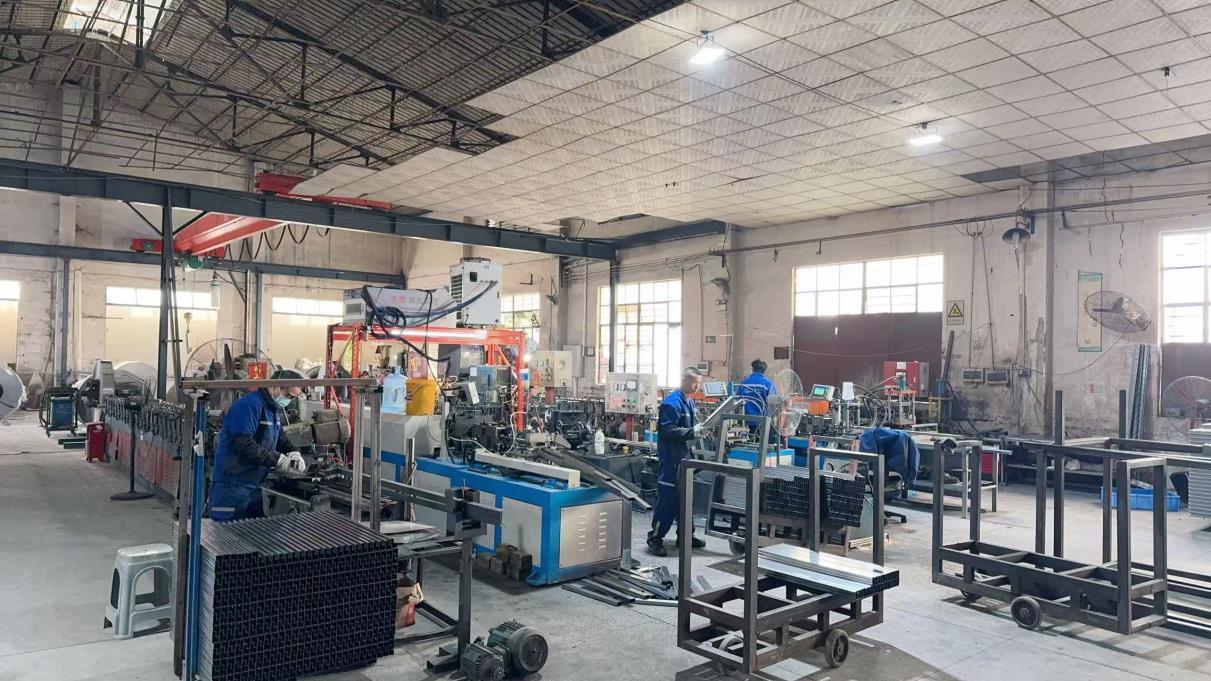
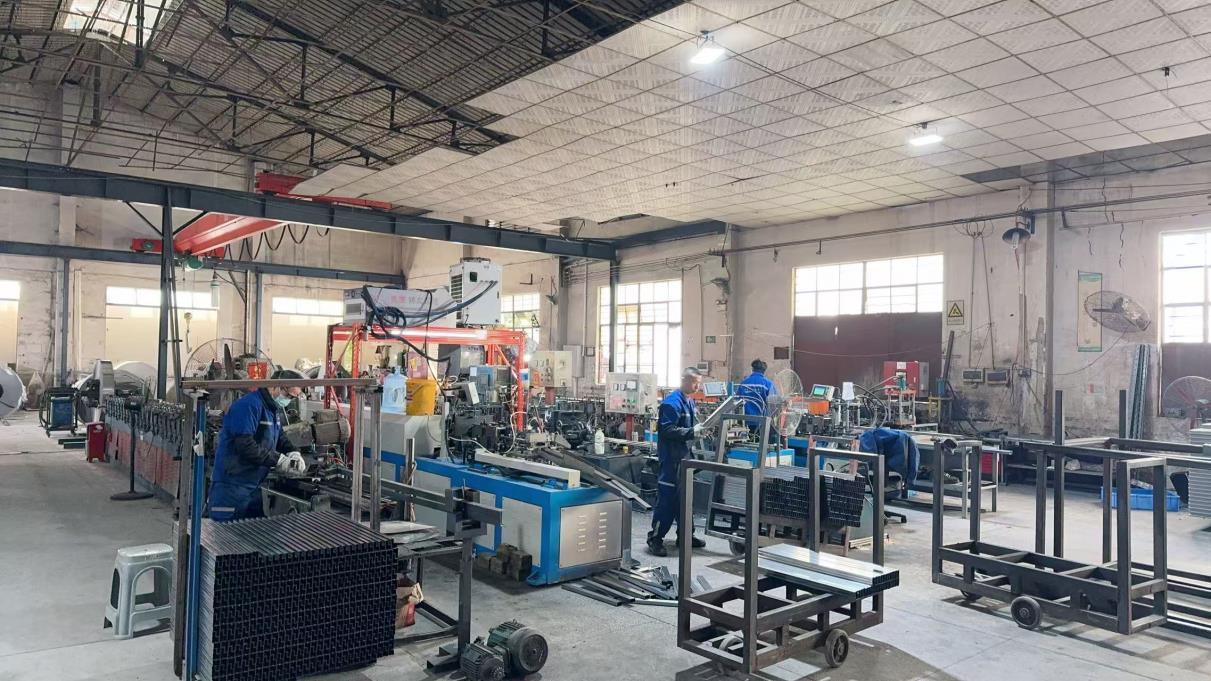
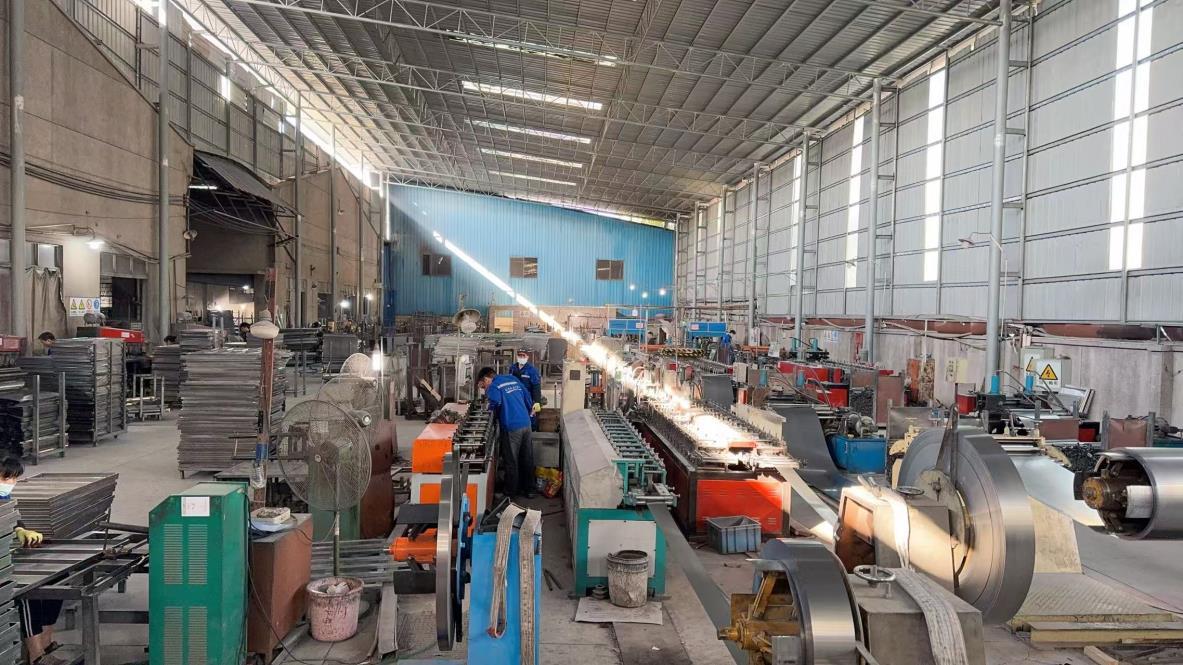
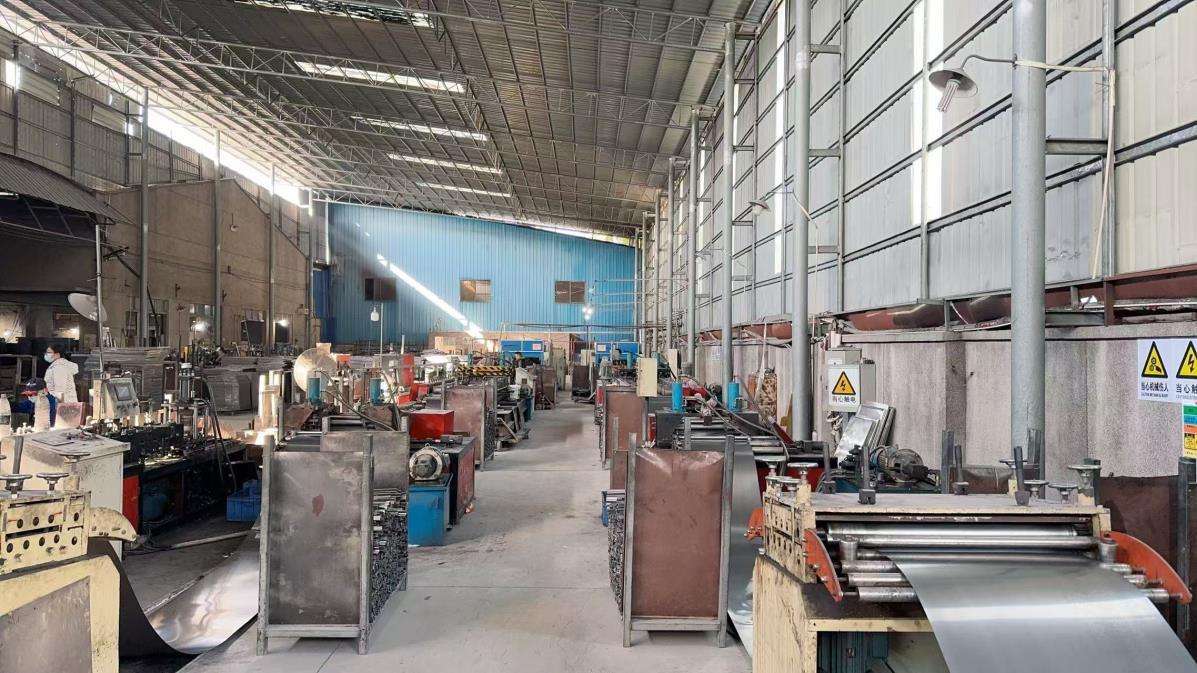
Founded in 2015, Dongguan Kimsuk Shelves Co., Ltd. is a premier manufacturer specializing in heavy-duty industrial warehouse racking systems, automated storage solutions, and customizable steel shelving. Spanning a state-of-the-art production facility of 38,000 square meters, Kimsuk combines advanced manufacturing infrastructure with high-precision engineering to deliver robust logistics and warehousing infrastructure globally. We design structural hardware that meets seismic requirements for the Japanese market while maintaining high modular flexibility.

38,000 m²
Manufacturing Facility
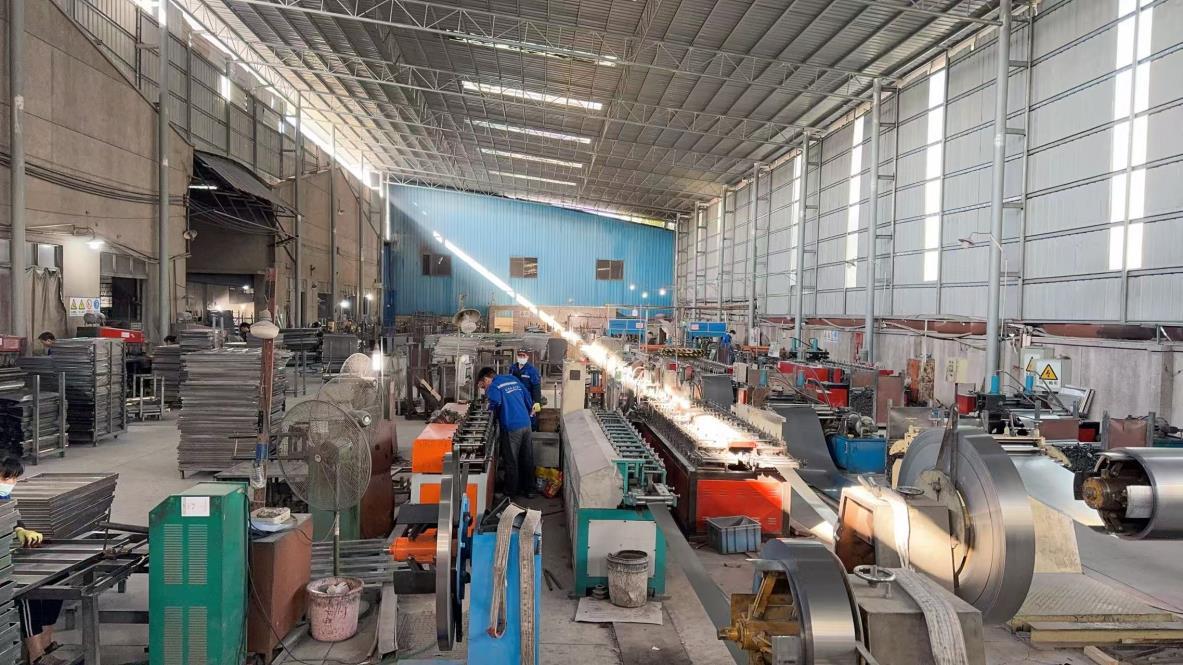
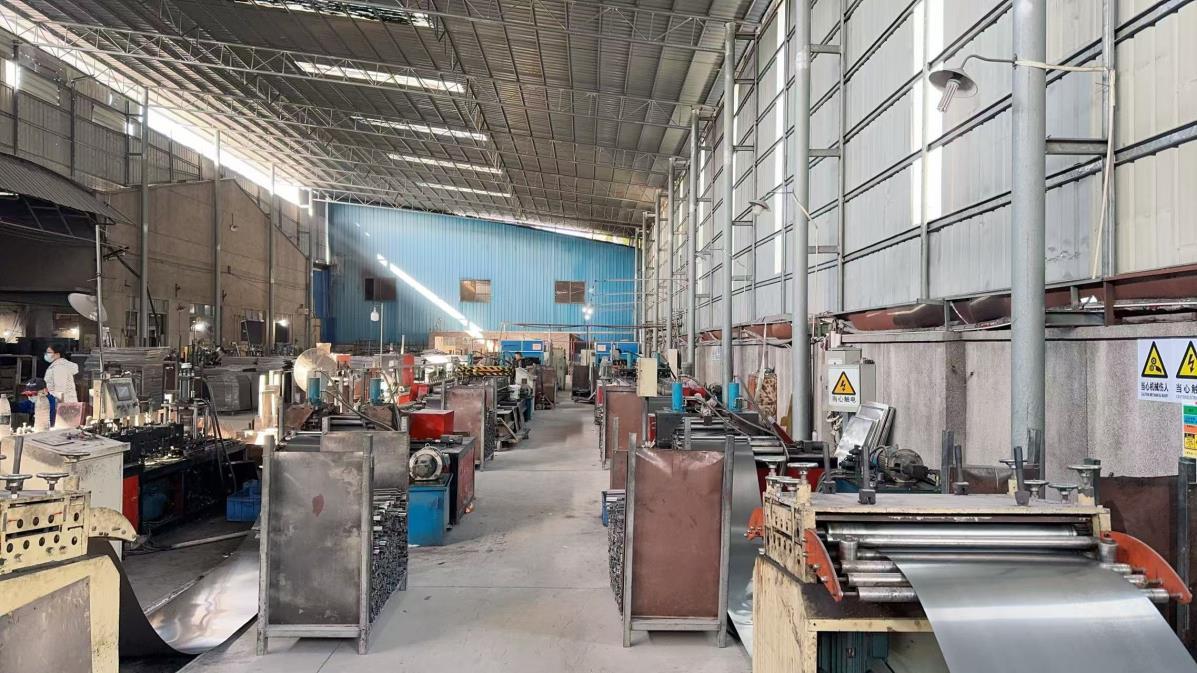
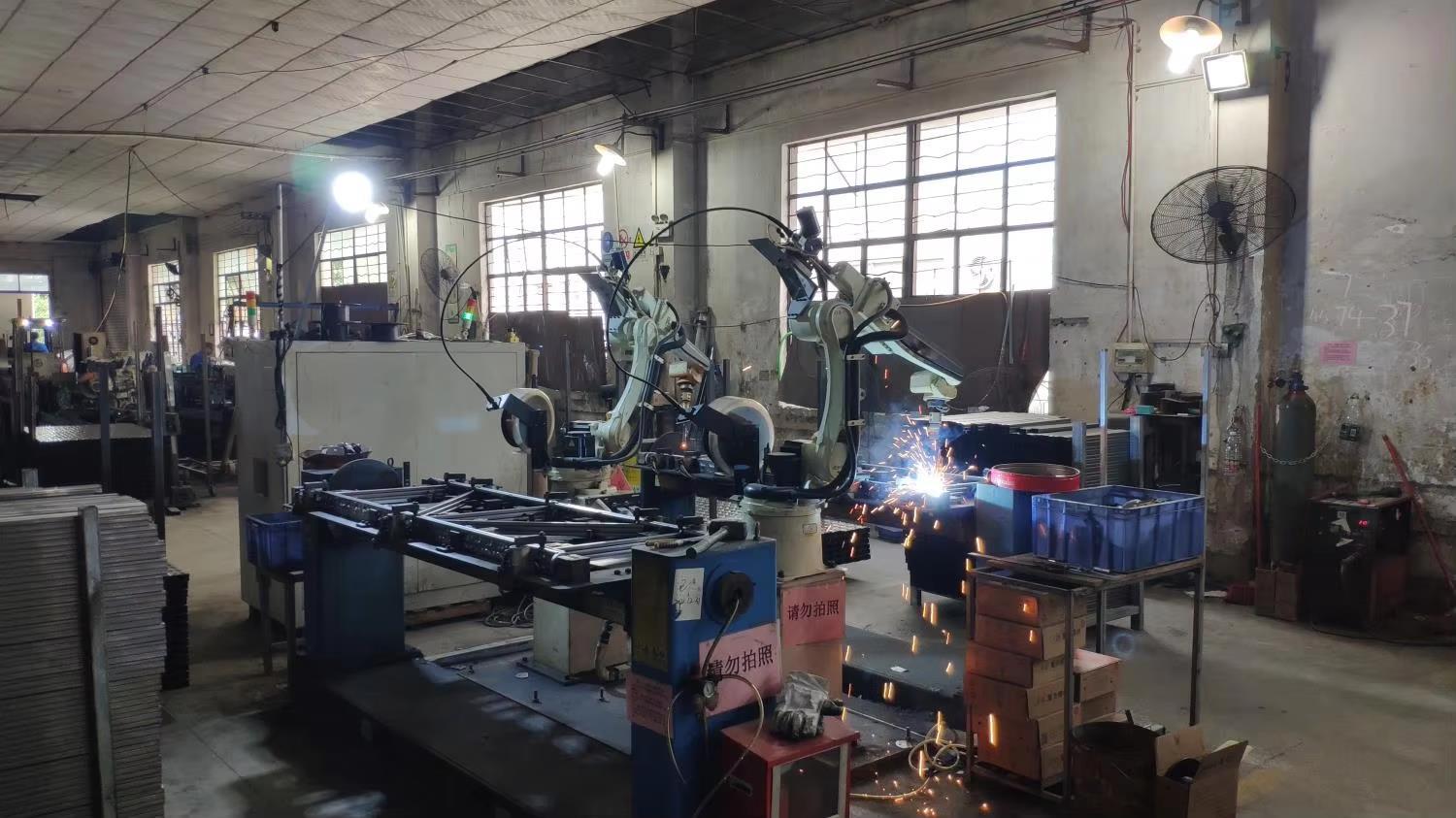
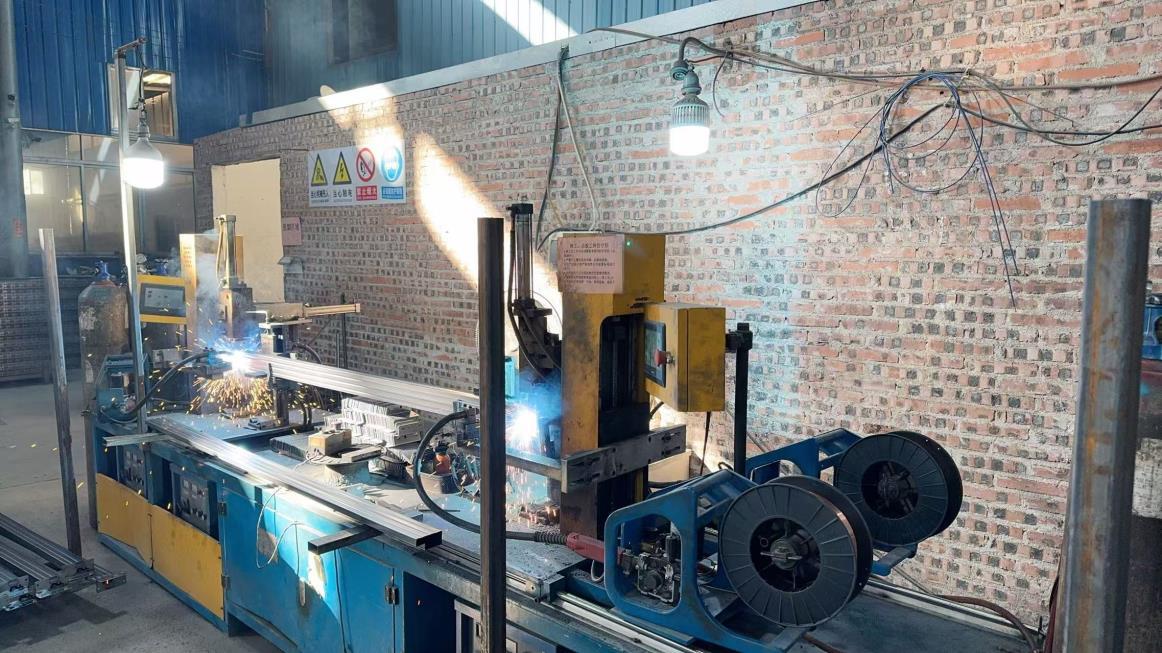
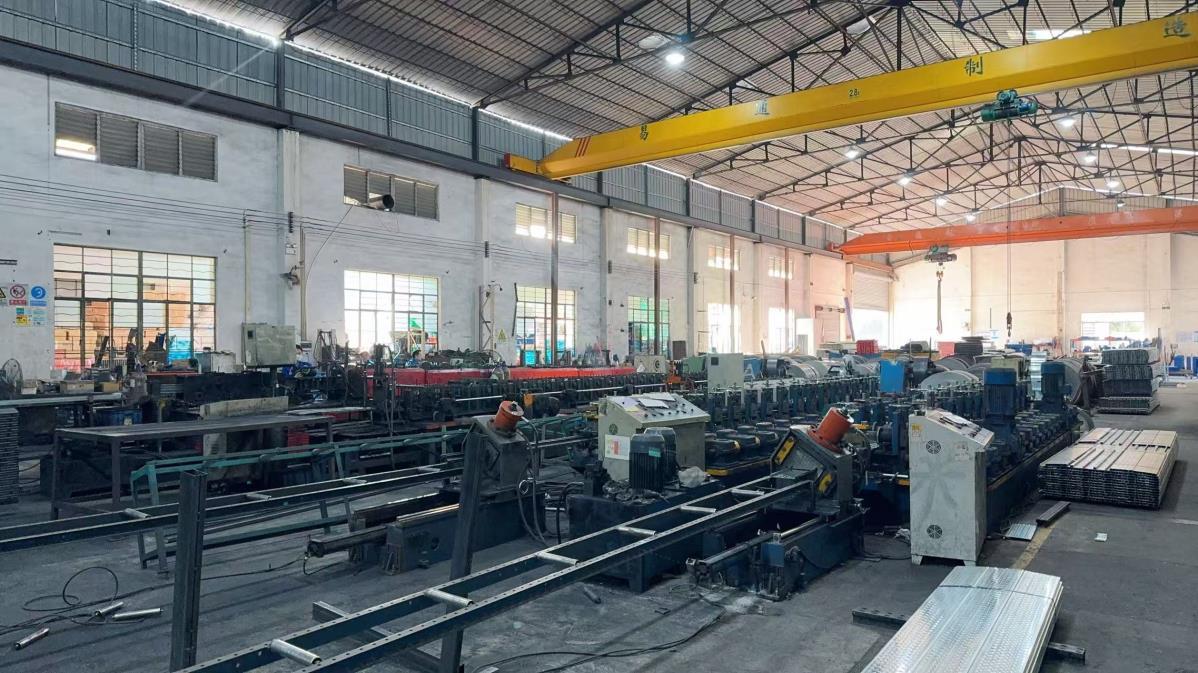
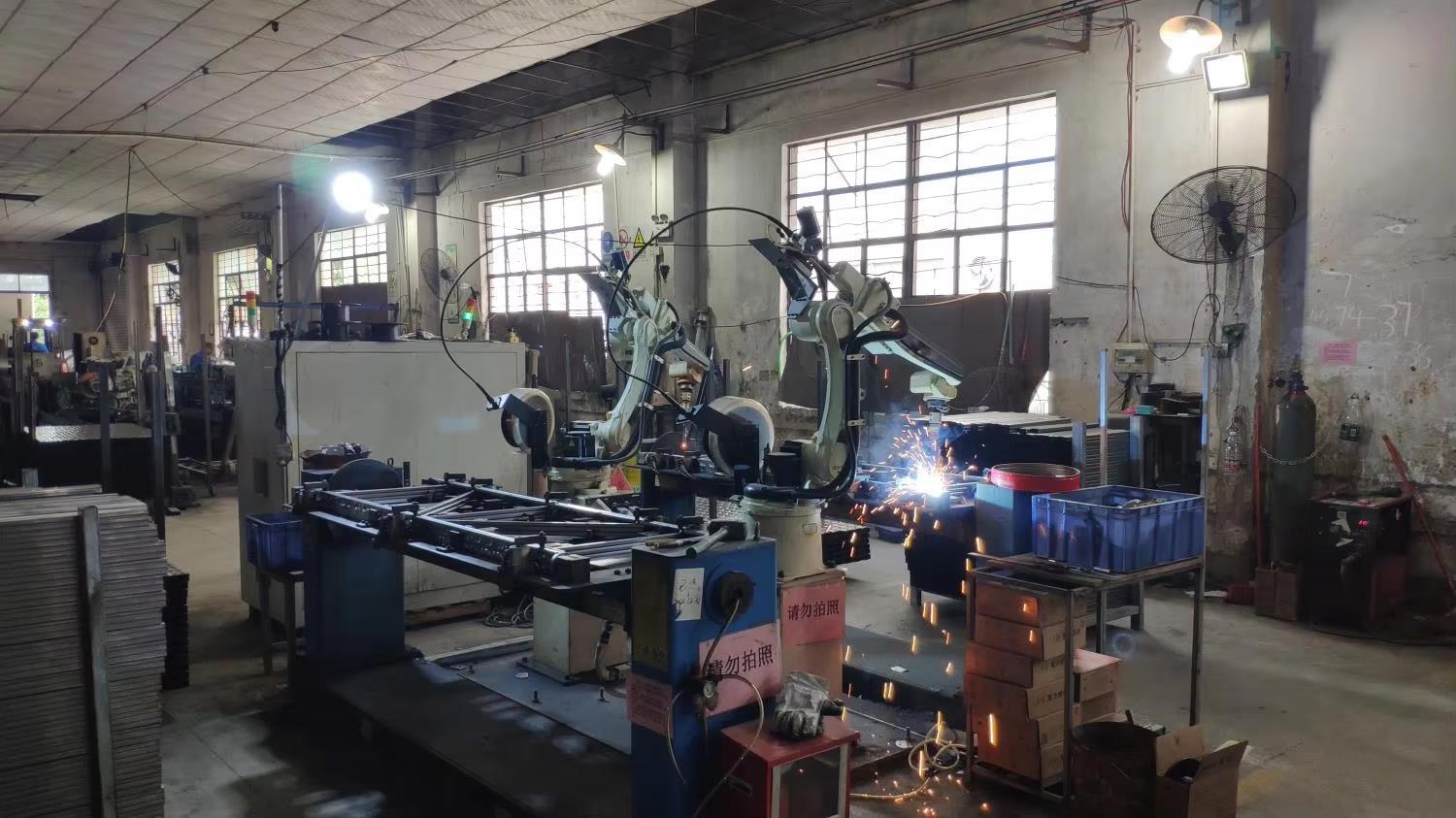
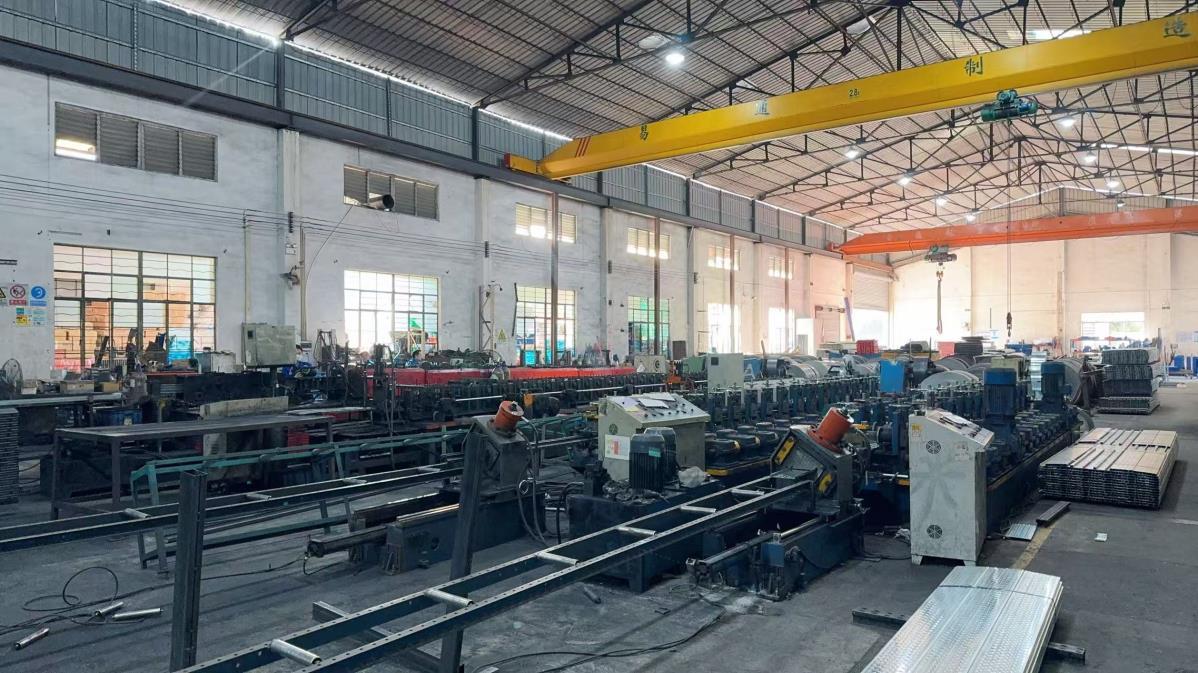
State-of-the-art facility utilizing robotic welding and automated roll-forming lines.
$28,000,000
Annual Export Revenue
Delivering tested and certified storage structures to major international hubs.
ISO 9001:2015
Quality Management
Full compliance with CE standards, safety certifications, and JIS code adaptations.
35 Certified
QC Team Members
Ultrasonic weld checking, coating thickness gauging, and static load test engineers.
18 Senior
R&D Engineers
Dedicated to finite element analysis (FEA) and customized OEM/ODM seismic designs.
8+ Years
Export Experience
Serving logistics corridors in North America, Western Europe, and East Asia.

Part 3: Strategic Advantages of Sourcing from Kimsuk (China)

Sourcing racking equipment directly from our production base in China offers Tokyo-based supply chain managers an optimized balance of cost and engineering precision. High-quality structural steel (Grades Q235B and Q355B) forms the backbone of our systems. When processed through computerized cold-roll forming mills, these steels reach mechanical strength ratings that meet and exceed Japanese Industrial Standards (JIS) requirements.

Cost Efficiency & Scale

By consolidating material sourcing and utilizing automated fabrication lines, we lower core manufacturing costs. These savings transfer directly to Tokyo buyers, allowing businesses to maximize their storage infrastructure investments without sacrificing material grade or thickness.

Engineering and 3D Modeling

We provide 3D BIM modeling and Finite Element Analysis (FEA) reports prior to metal stamping. Tokyo procurement teams receive digital verifications detailing exactly how the racks will behave under specified load capacities and seismic stresses.

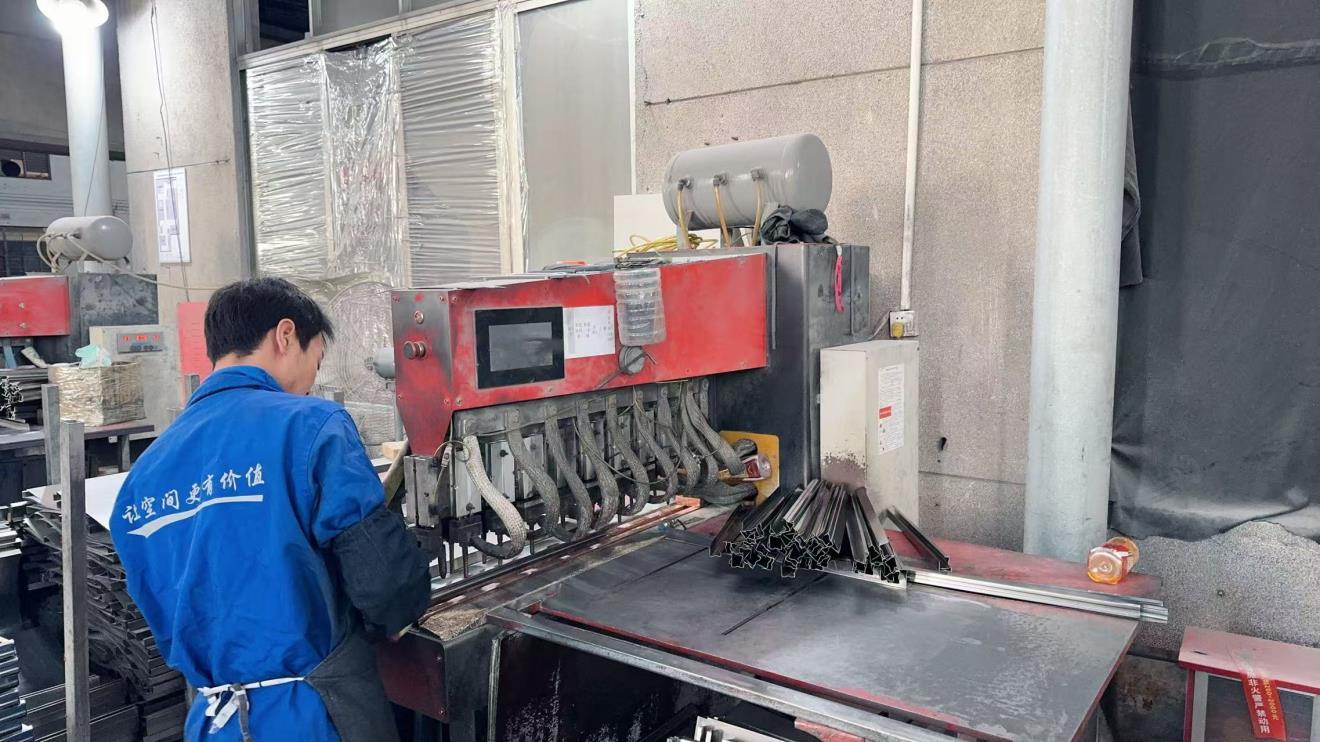
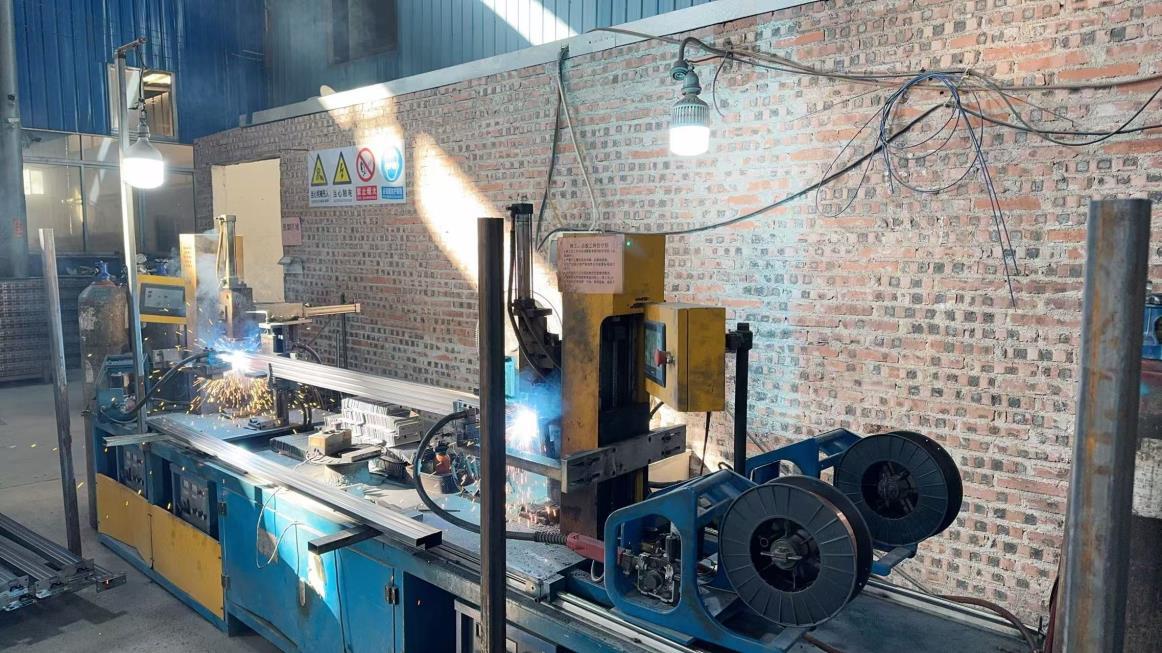
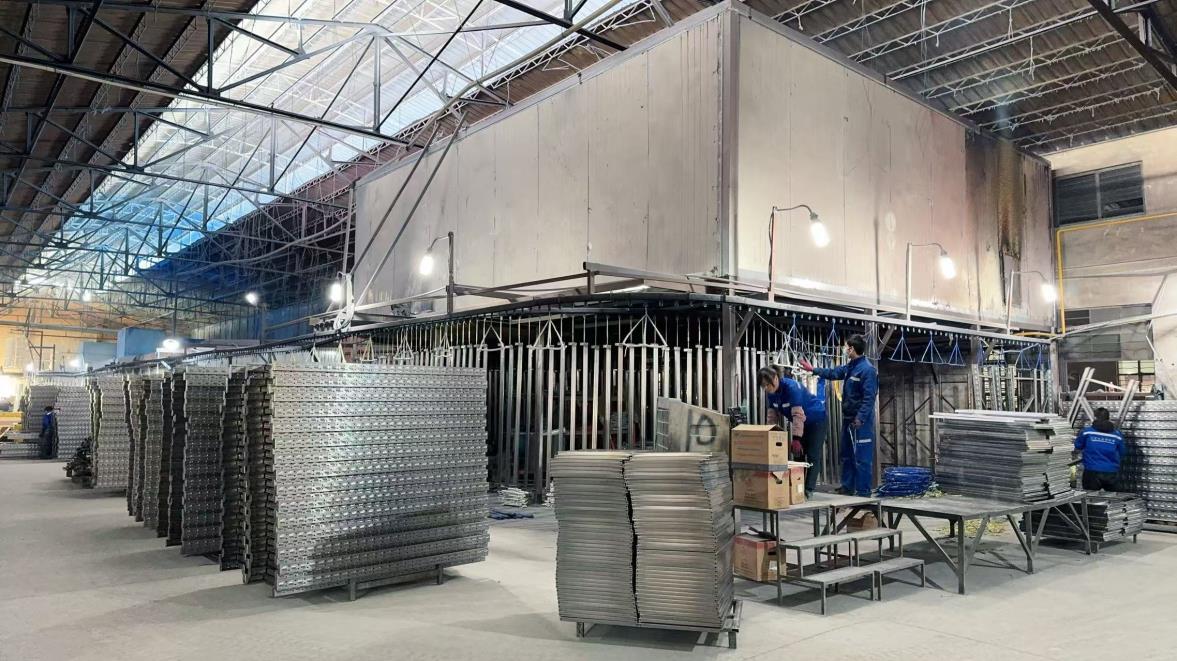
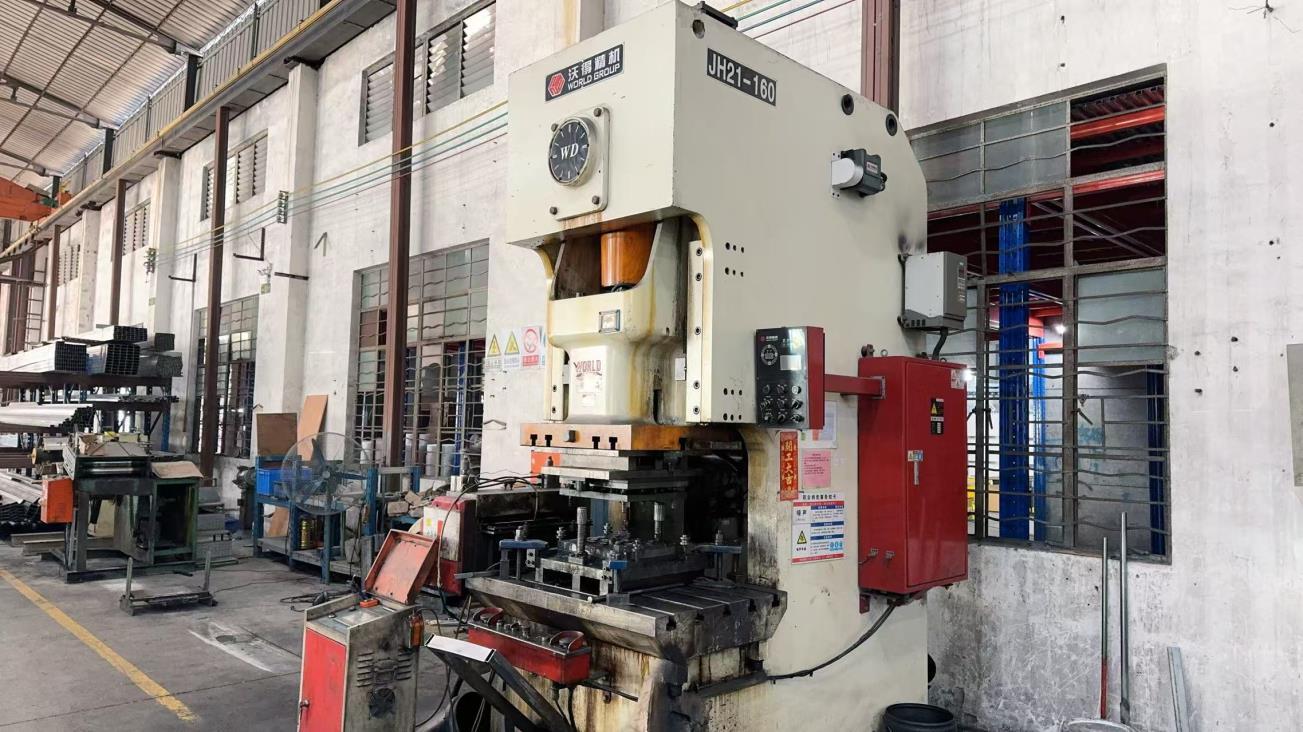
Part 4: State-of-the-Art Production & Quality Control Process

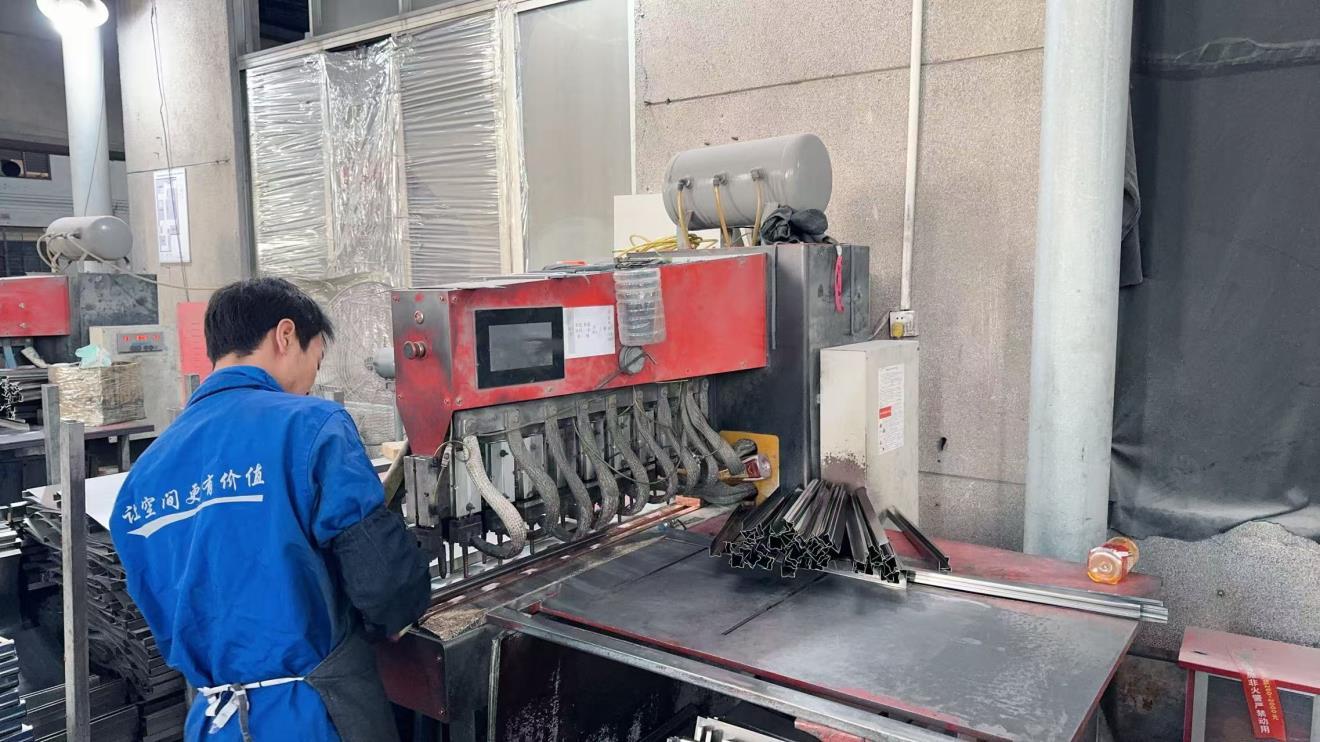
Take an inside look at the automated fabrication systems and rigorous testing protocols powering the Kimsuk factory.
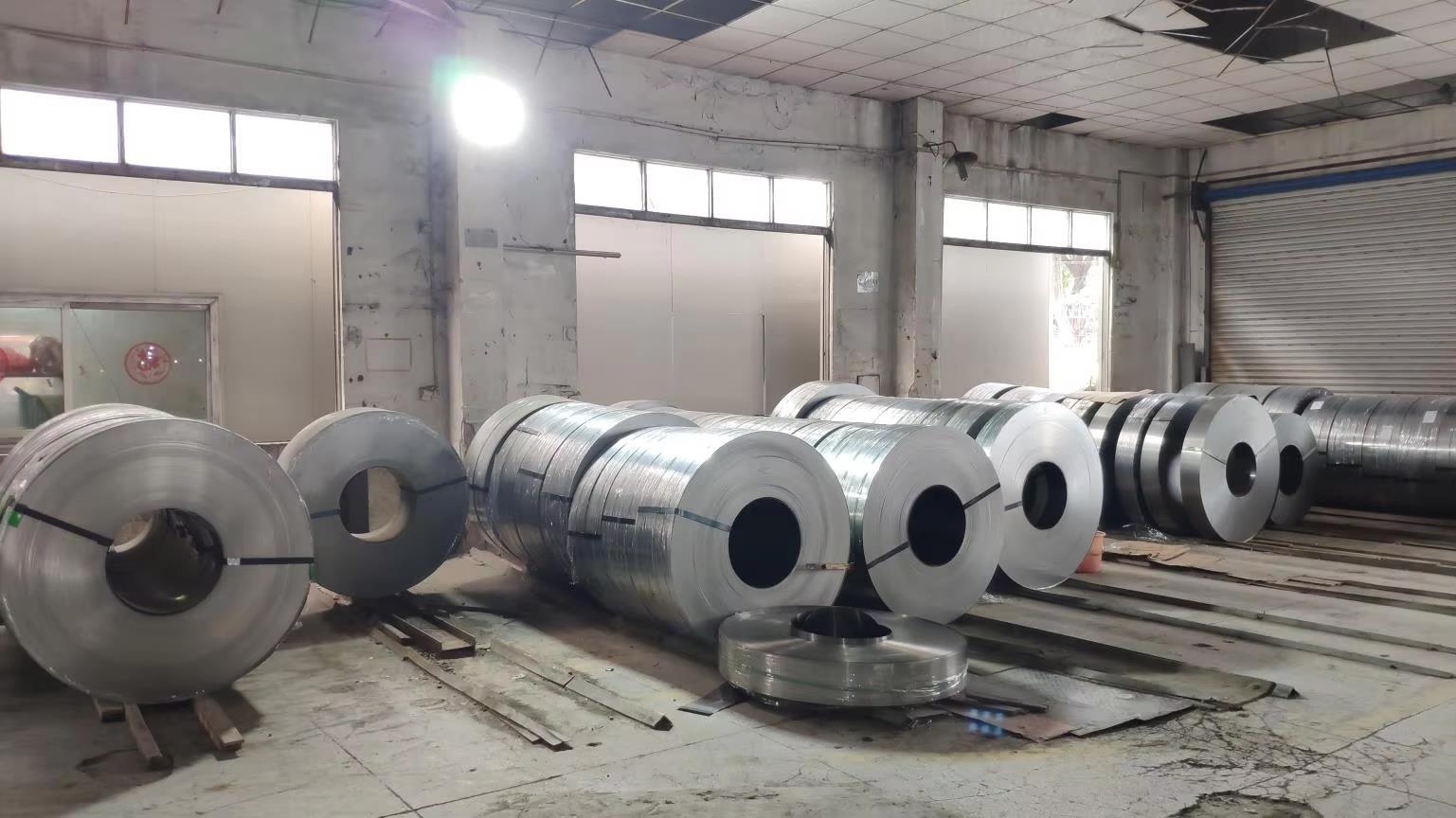
Raw Material
Raw Material Inspection
Metal Sheet Cutting
Metal Sheet Cutting
Pipe Cutting
Pipe Cutting
Stamping
Precision Stamping
Forming
Forming Mill
Robot Welding
Robot Welding Station
Welding 1
Welding Bay 1
Welding 2
Welding Bay 2
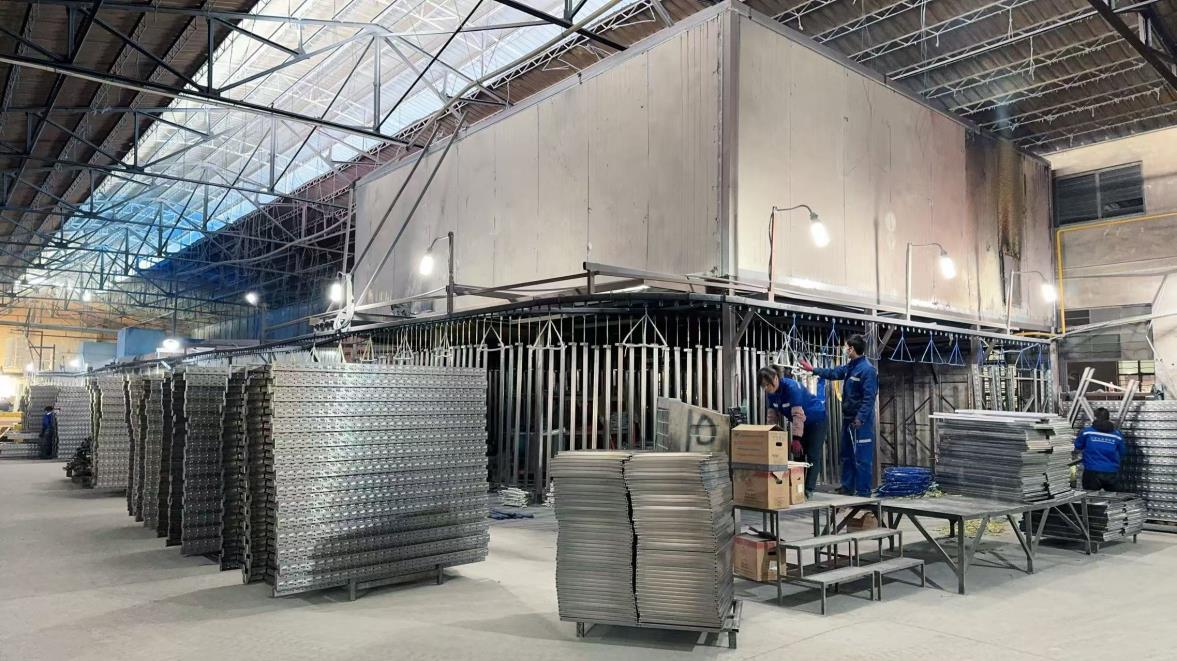
Spray
Electrostatic Powder Spray
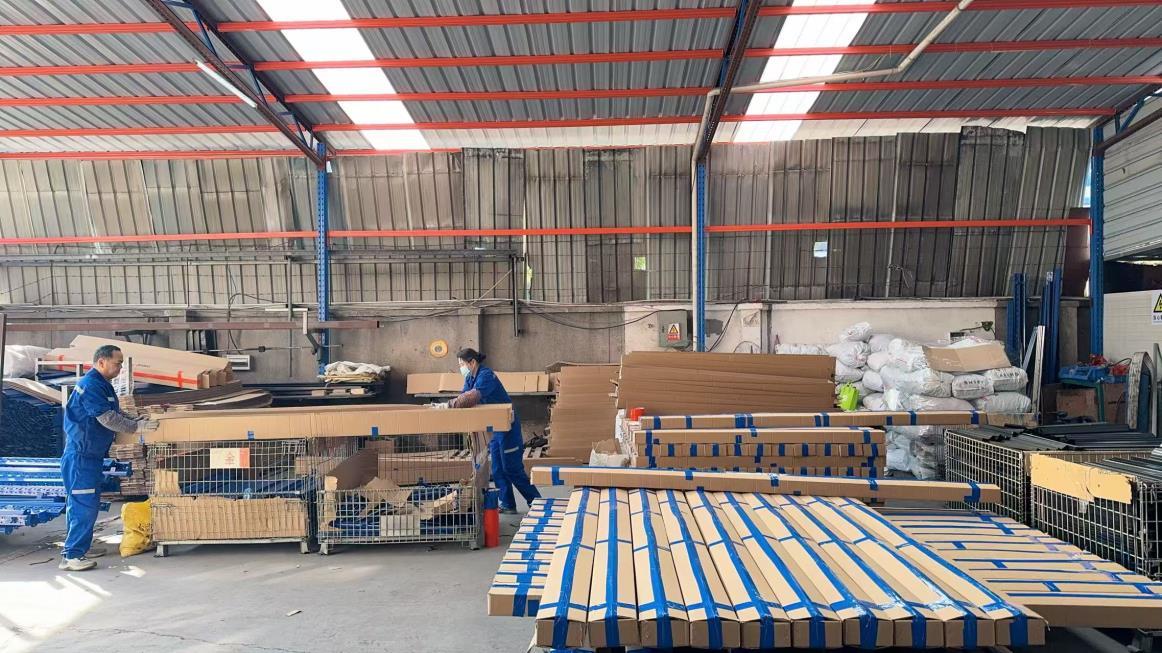
Packaging
Seaworthy Export Packaging
Raw Material Cutting Machine
Raw Material Saws
Pipe Cutting Machine
Cutting Machine
Heavy Laser Cutting
Forming Machine
Cold Forming Machine
Robot Welding Arm
Robot Welding Arm
Spot Welding Machine
Automatic Welding Machine
Spray Line
Automated Spray Line
Punch Press
Hydraulic Punch Press Station

Part 5: Localized Tokyo Application Profiles

Our racking systems are specifically designed and configured for several high-growth logistics models across the Tokyo region:

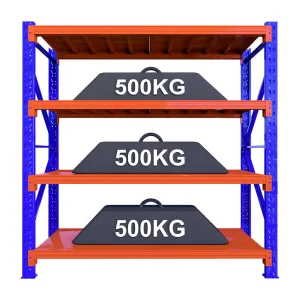
  • Tokyo Port Cold-Chain Storage: High-density pallet systems treated with moisture-resistant and thermal-stable coatings to prevent structural deterioration in sub-zero food logistics.
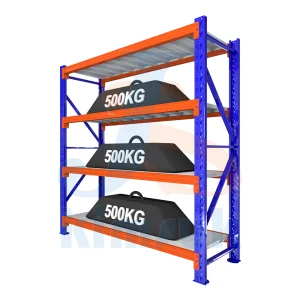
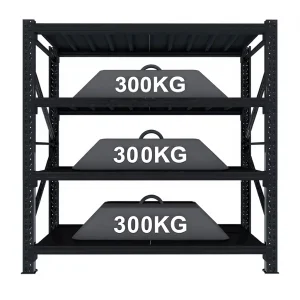
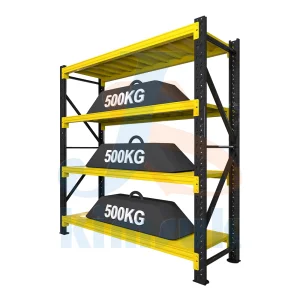
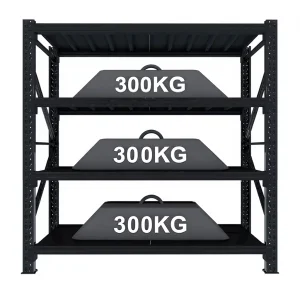
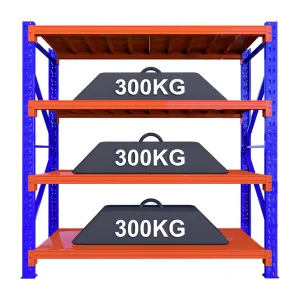
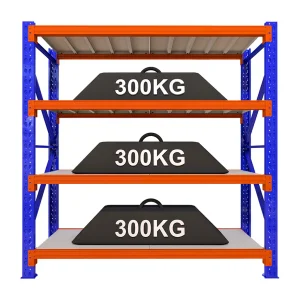
  • E-commerce Multi-Tier Mezzanines: Lightweight 100KG - 300KG shelf setups integrated into mezzanine floors, enabling seamless cart-picking and vertical conveyor integration.
  • Automotive Parts Distribution: Dynamic flow racks and heavy-duty steel shelving systems engineered to support high-turnover parts processing, maintaining structural integrity under intense continuous loading.

Technical FAQs: Sourcing Industrial Racks for Tokyo

Clear answers regarding logistics, seismic code compliance, shipping times, and material customization.

How do Kimsuk racking systems meet Japan’s seismic building regulations? +
Our engineering team conducts Finite Element Analysis (FEA) simulations based on Tokyo's seismic zone parameters. We use thicker baseplates, high-tensile anchor bolts, and reinforced bracing configurations to ensure structural stability under horizontal loads, adhering to structural calculations compatible with the Japan Building Standard Act.
What are the lead times and shipping routes for deliveries to the Port of Tokyo? +
Production typically takes 20 to 30 days depending on customization requirements. Transit from our facility via Shenzhen or Guangzhou ports to the Port of Tokyo or Port of Yokohama takes approximately 5 to 7 days, providing a fast and reliable supply chain loop.
Can the shelf loading capacity be customized to exactly 100KG or 200KG per tier? +
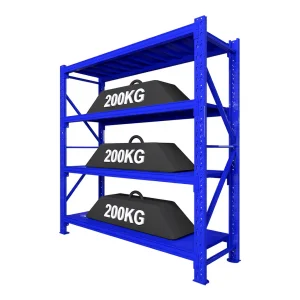
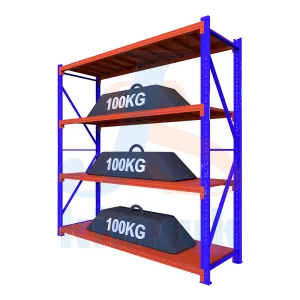
Yes. We design and roll steel profiles optimized for specific load profiles. If your pick-and-pack workflow requires a true 100KG capacity per level, we engineer the thickness of the steel deck and uprights to meet this target with a built-in safety factor (usually 1.5x to 2.0x), preventing material wastage.
What certifications and quality inspection reports do you provide? +
Every shipment includes material mill certificates, coating thickness verification, non-destructive weld testing reports, and load-test certificates under ISO 9001:2015 and CE protocols, ensuring full compliance for safety audits in Japan.

Comprehensive Catalog & Secondary Systems

Explore our full line of industrial and retail-integrated storage options serving global markets.
Request a Customized Layout Design

Our engineering team is ready to analyze your floor plans and provide CAD drawings and quotes tailored for Tokyo logistics safety codes.

Send Inquiry Now