Precision-engineered high-density storage solutions designed to optimize floor space, enhance accessibility, and guarantee structural safety.
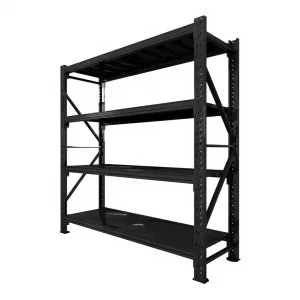
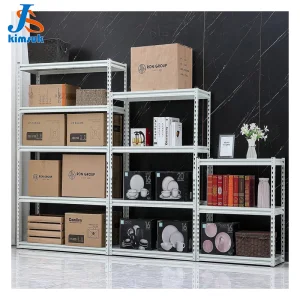
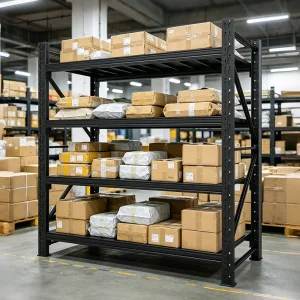
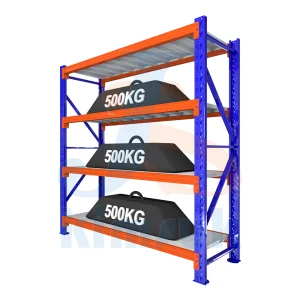
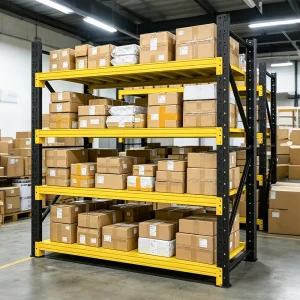
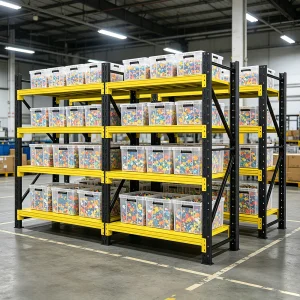
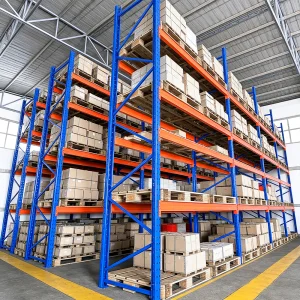
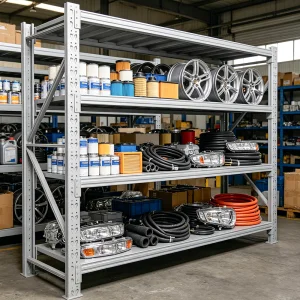
A comprehensive analysis of structural dynamics, Global supply chains, automation and seismic safety in modern warehouse environments.
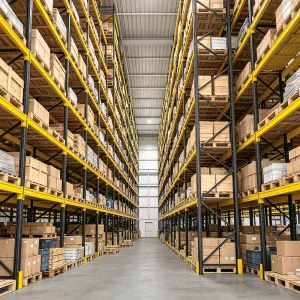
The global logistics and storage landscape is undergoing a massive structural transformation. Driven by the rapid growth of global e-commerce, third-party logistics (3PL) expansion, and just-in-time manufacturing, industrial storage density has transitioned from a simple space utility metric to a key operational variable. As warehouse real estate costs skyrocket globally, enterprises can no longer rely on horizontal expansion. The imperative is clear: optimize vertical volume.
Historically, standard hot-rolled structural steel has dominated the industrial shelving segment. However, heavy-duty applications demand materials that combine lightweight modularity with exceptional load-carrying capacity. Enter composite racking systems. In the context of industrial engineering, "composite racks" refers to structural systems that seamlessly combine high-tensile cold-rolled steel, specialized alloys, and composite decking elements (such as wire mesh panels, anti-corrosive structural fiber inserts, and galvanized safety beams). This structural symbiosis delivers optimal strength-to-weight ratios, minimizing structural dead load on building slabs while maximizing vertical dynamic carrying capacity.
By integrating high-tensile cold-rolled steel (grades Q235B and Q355B) with custom structural geometry, modern composite racks reduce total steel usage by up to 18% while maintaining identical or superior dynamic safety factors compared to obsolete thick-gauge hot-rolled configurations.
Enterprise procurement for large-scale logistics operations is a rigorous process where risk mitigation is paramount. Purchasing directors, structural consultants, and supply chain VPs look far beyond the initial quote. They operate under strict capital expenditure (CAPEX) evaluations and long-term operational expenditure (OPEX) projections. According to deep industry studies, the primary criteria for enterprise-grade racking acquisitions include:
Racks must withstand seismic events. Standard structures must comply with RMI (Rack Manufacturers Institute) and EN 15512 codes, backed by localized finite element simulation data (FEA).
Interchangeable beams, adjustable uprights, and quick-connect brackets allow warehouse layout reconfiguration to accommodate changing unit load profiles.
Anti-corrosive powder finishes (ASTM B117 salt spray certified) extend structural life, cutting replacement overheads in cold chain or high-humidity facilities.
Procurement professionals value high engineering standards. Dongguan Kimsuk Shelves Co., Ltd. addresses these requirements directly by verifying load limits under structural conditions. Each racking dynamic is modeled using advanced finite element software. This ensures that dynamic loads, wind shear (for clad-rack buildings), and seismic ground accelerations are calculated before fabrication starts.
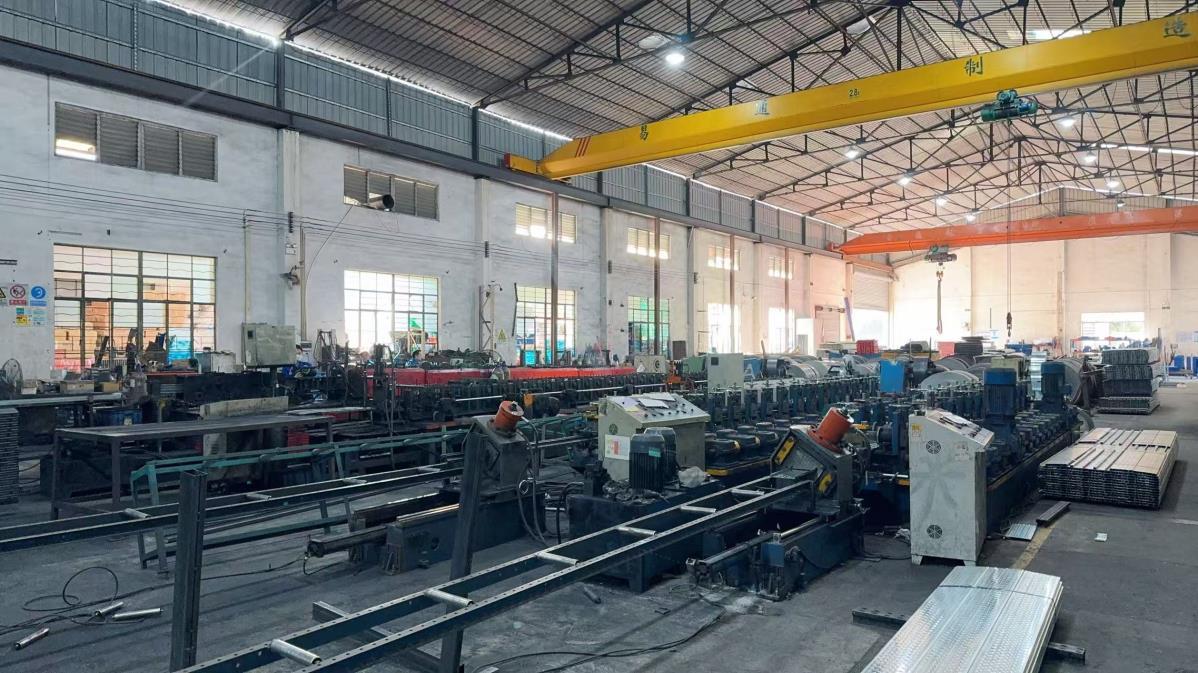
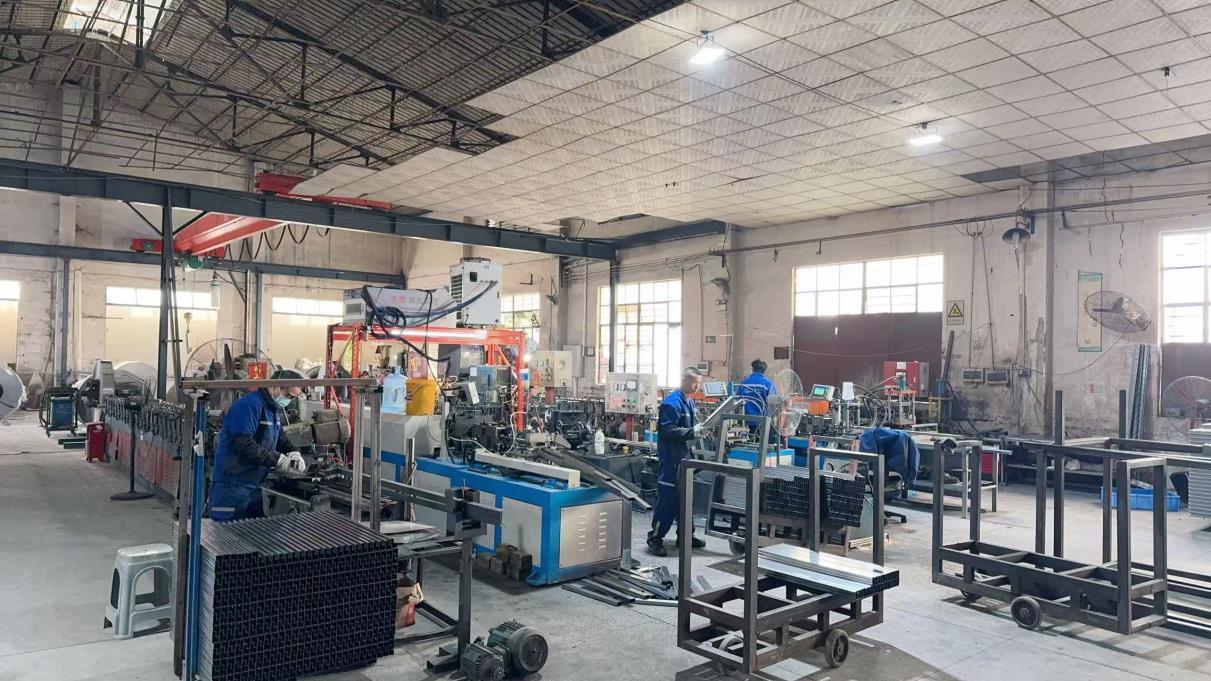
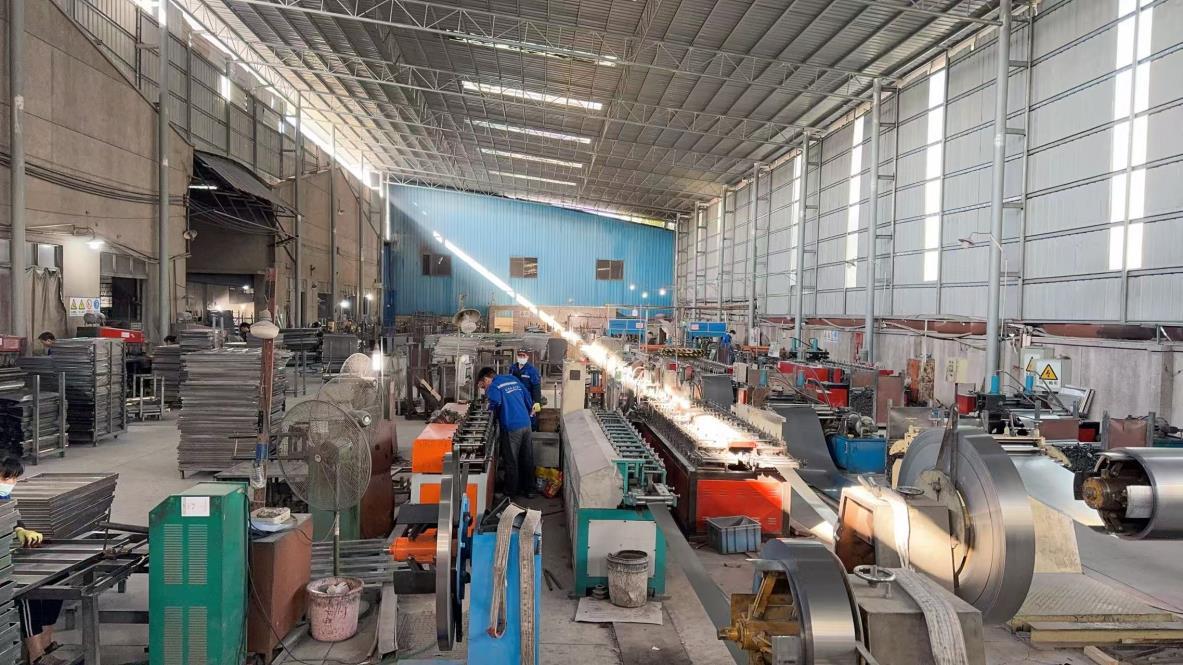
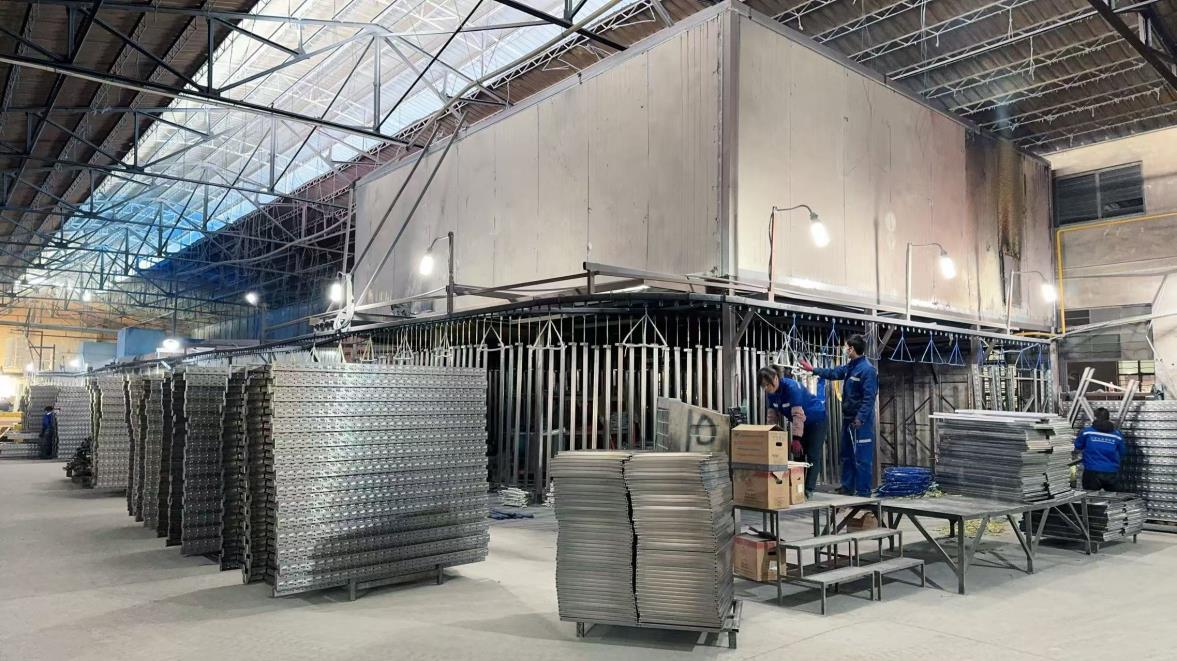
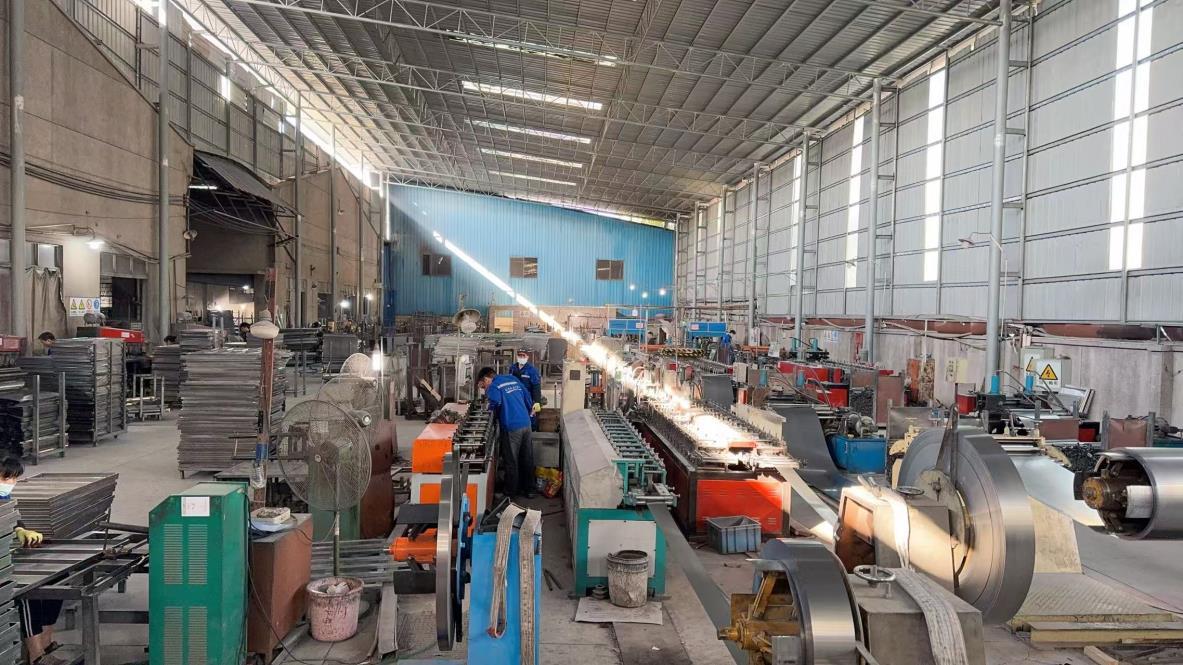
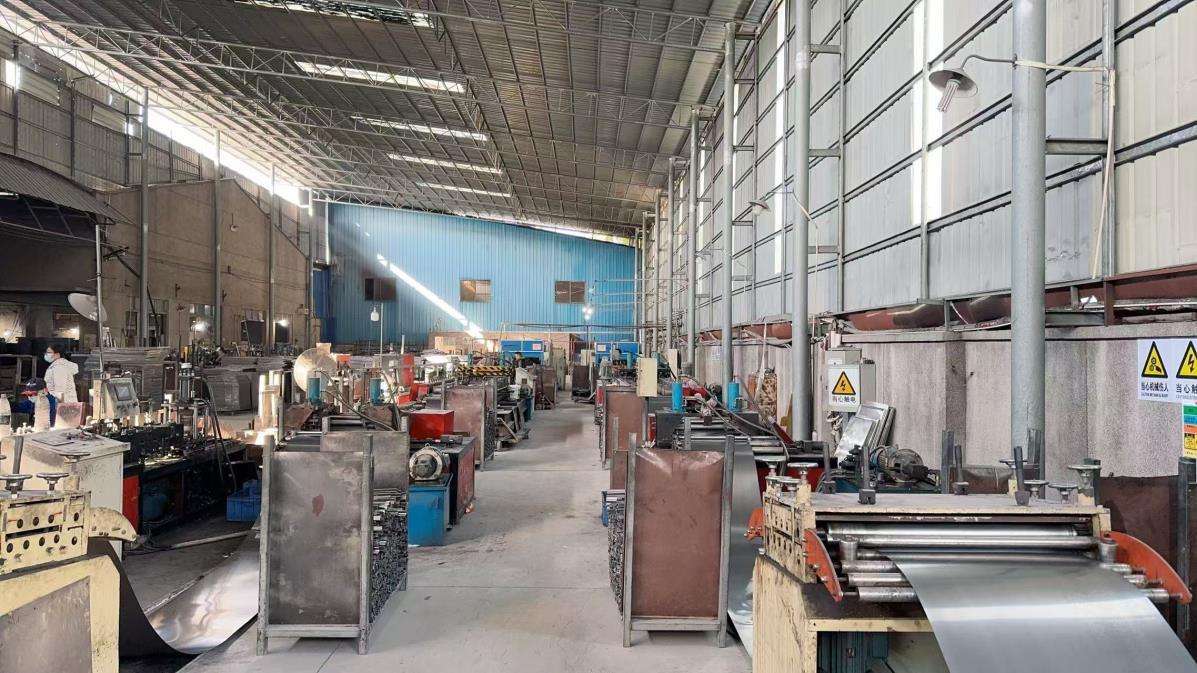
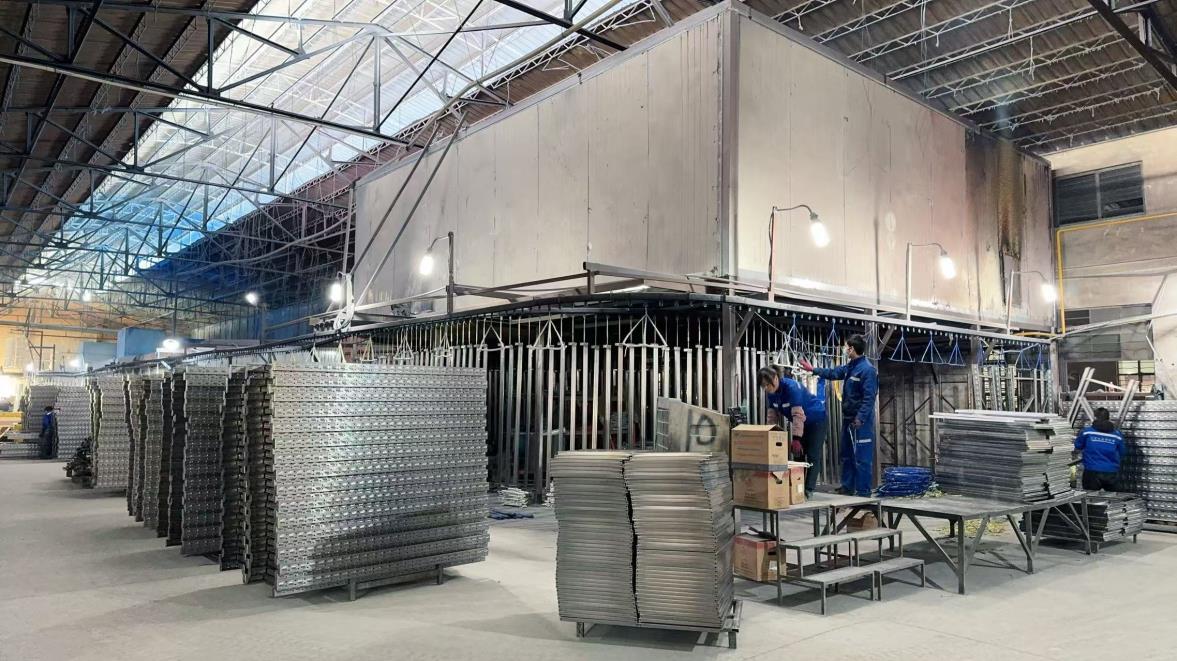
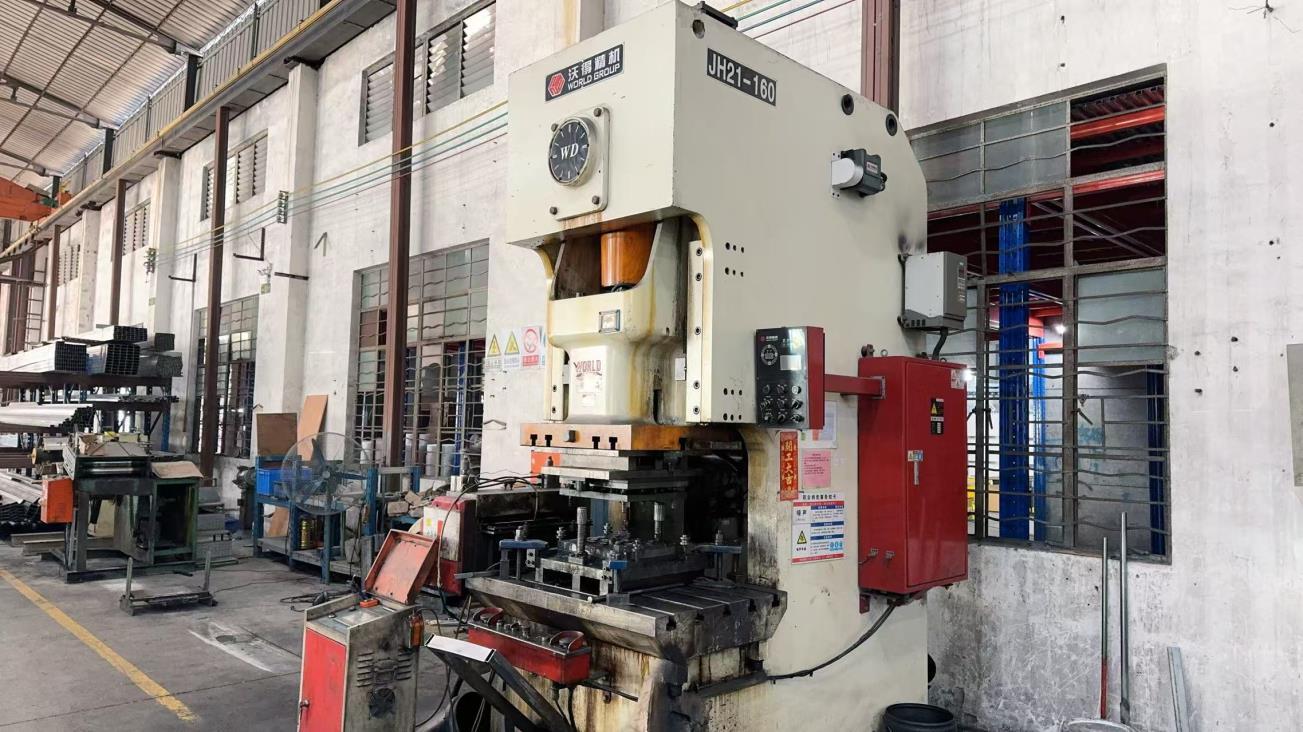
Racking supply chains must be resilient. Delays in racking delivery stall warehouse completions, resulting in idle space and delayed product launches. Operating from a 38,000 m² state-of-the-art facility, Dongguan Kimsuk Shelves Co., Ltd. uses Factory 4.0 automation systems to combine speed with manufacturing precision.
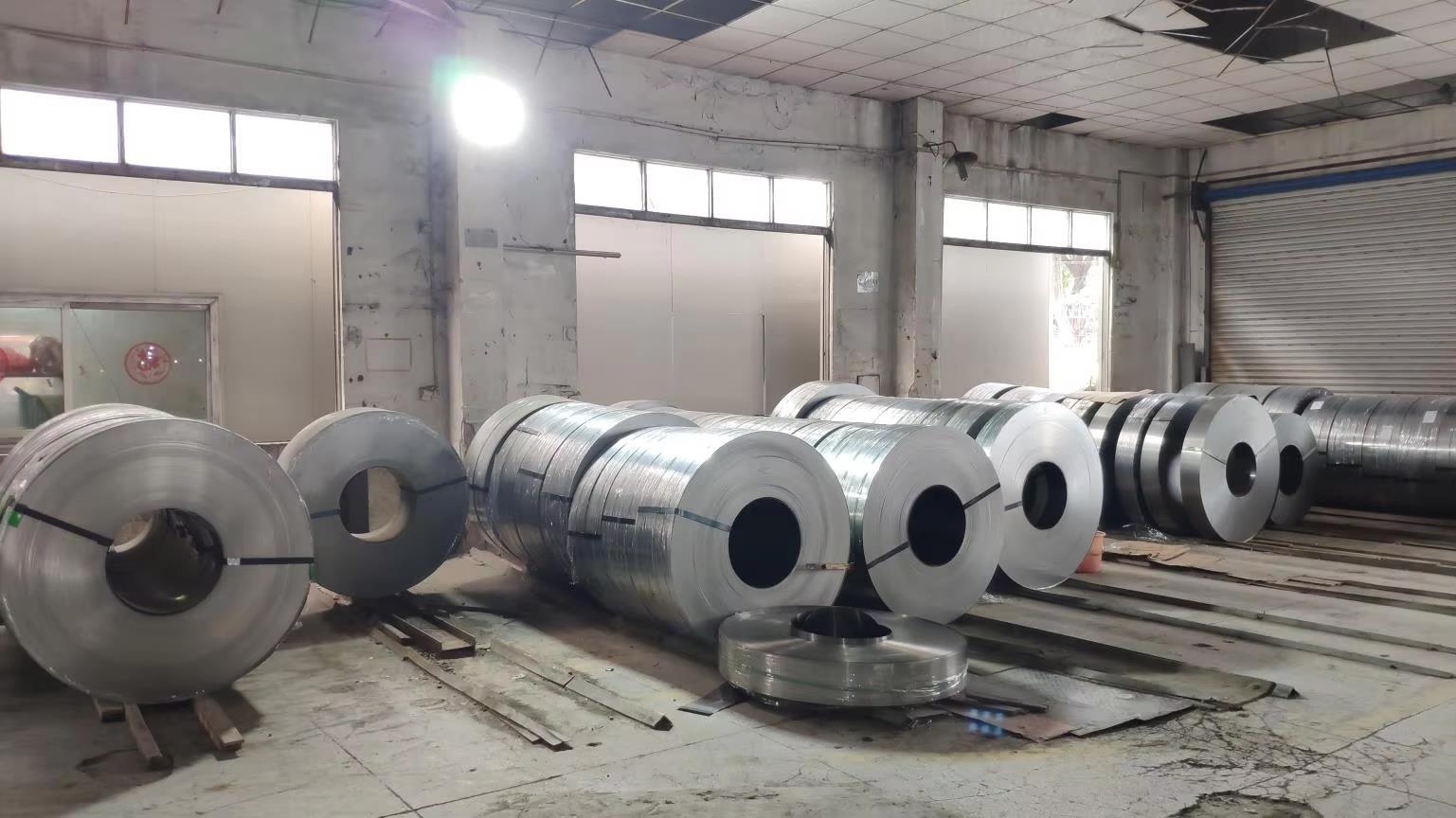
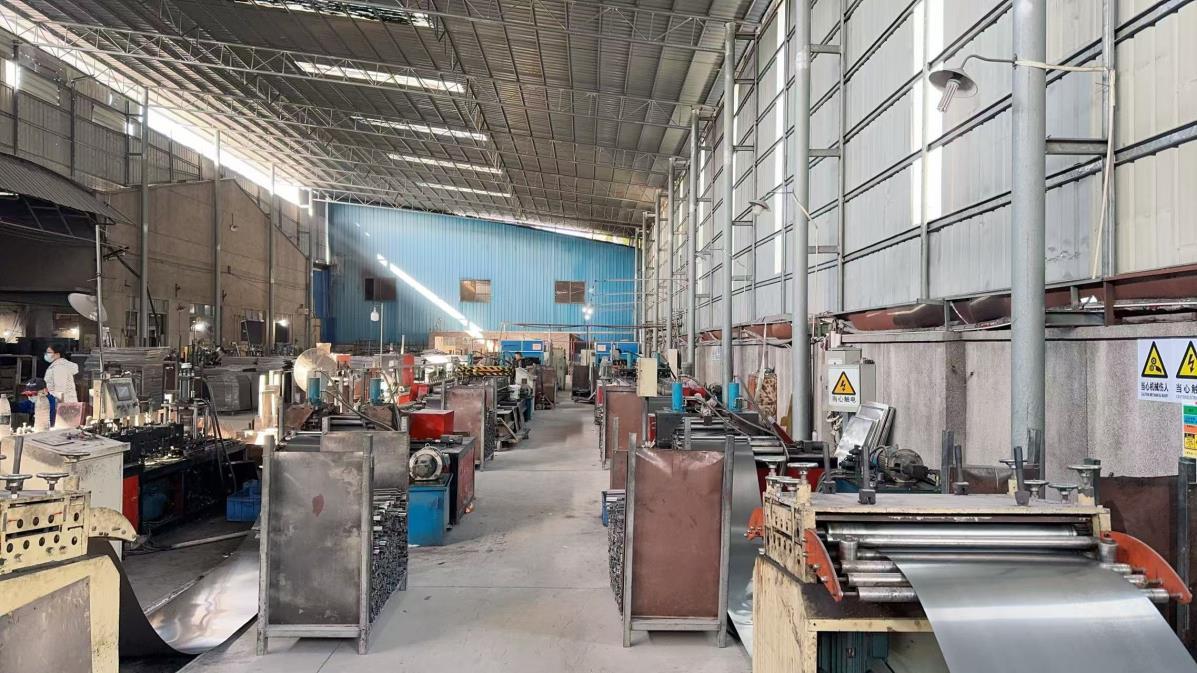
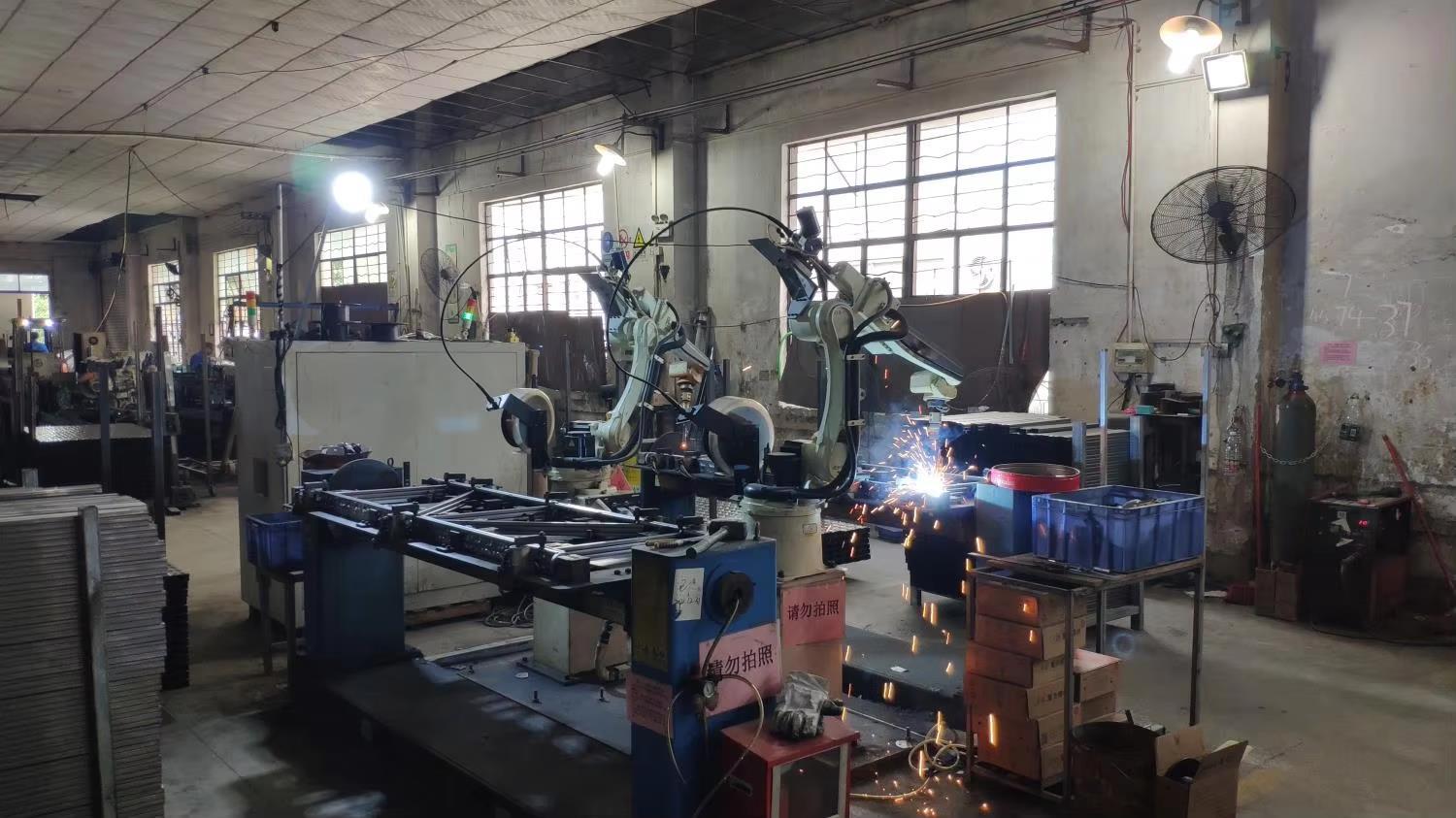
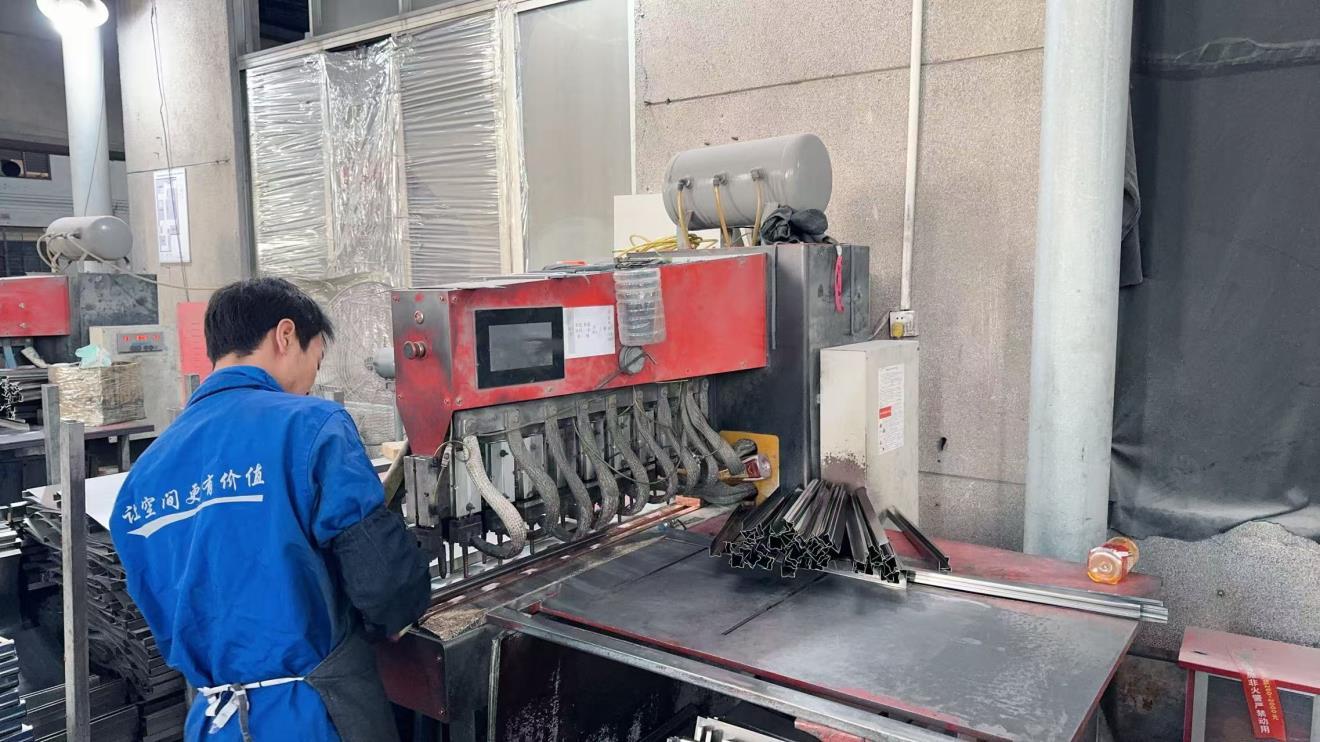
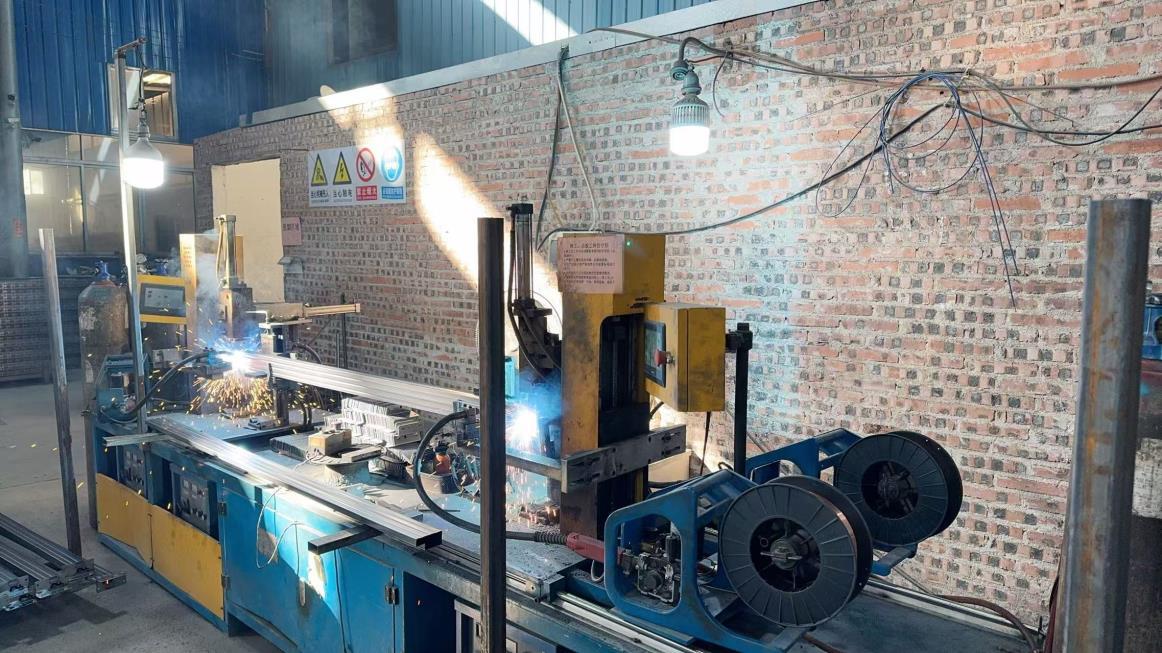
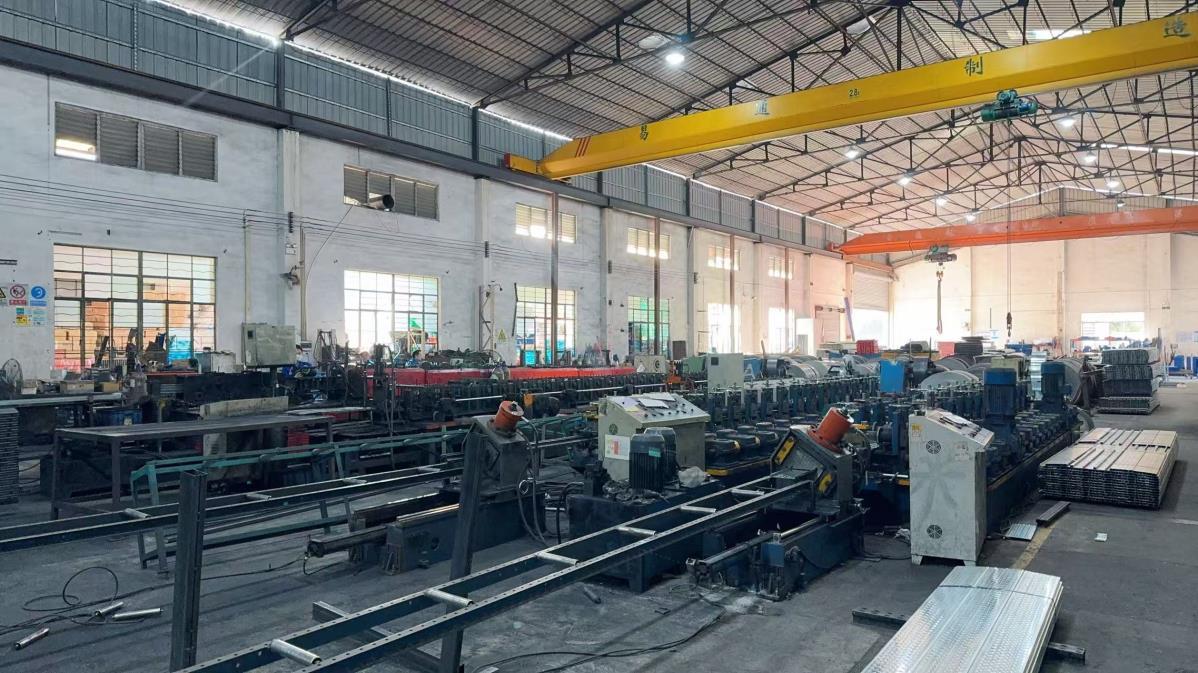
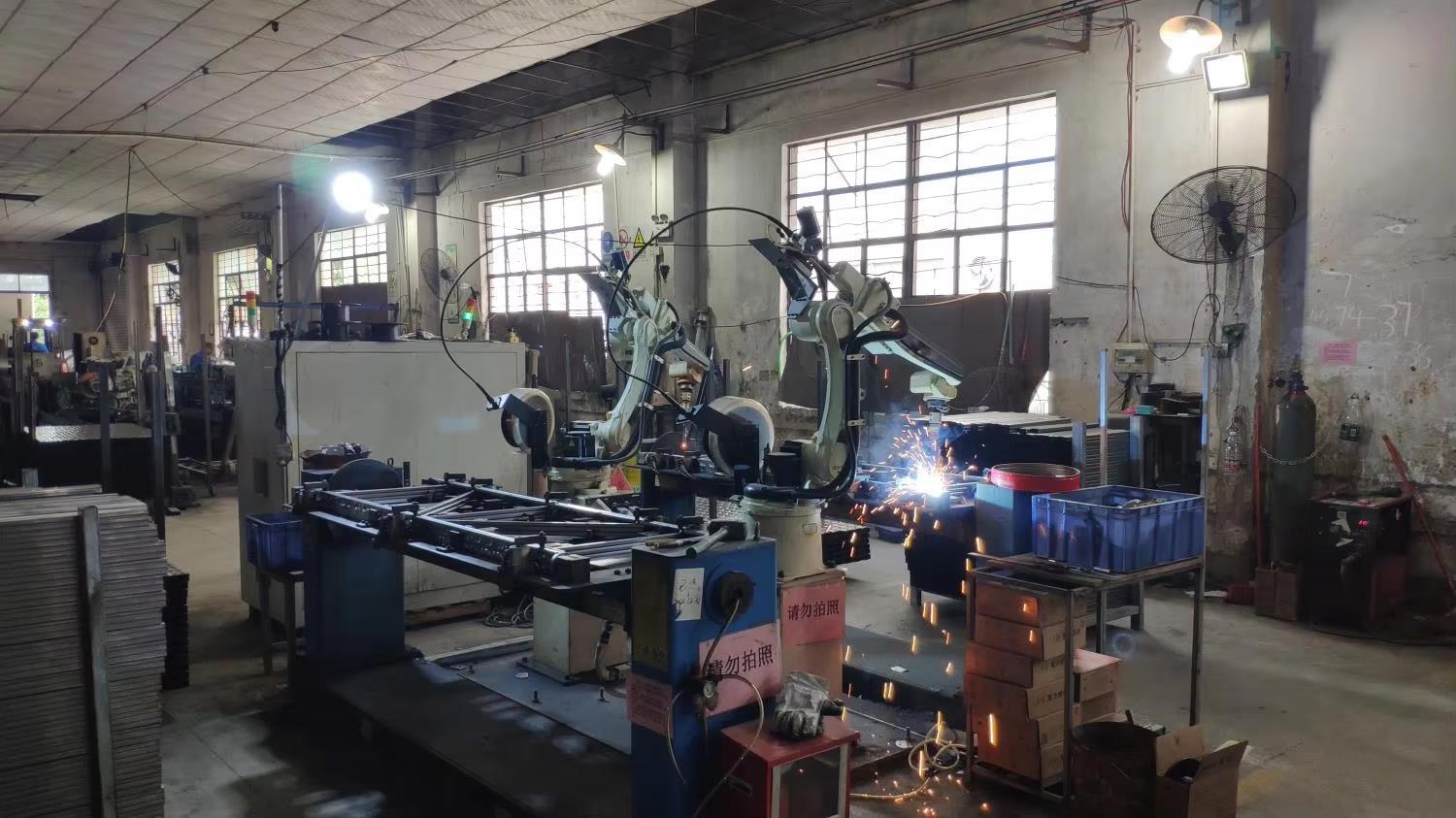
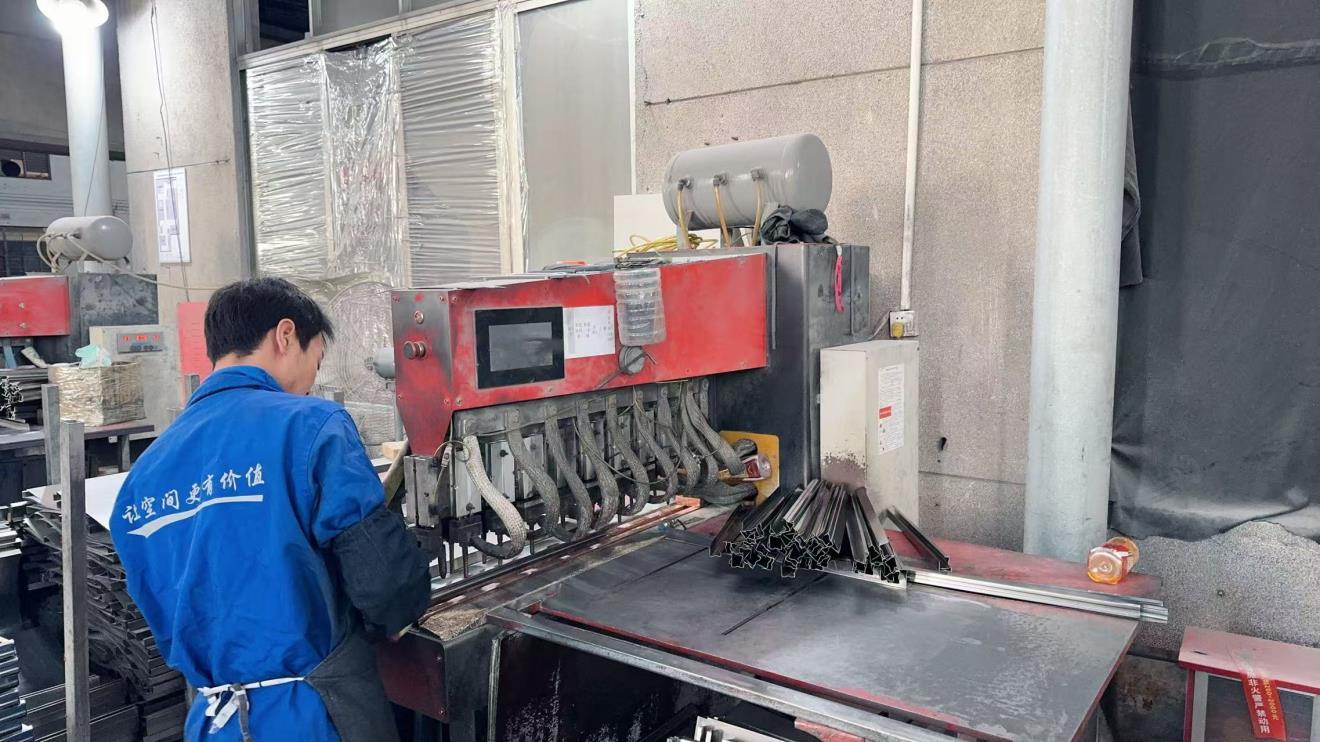
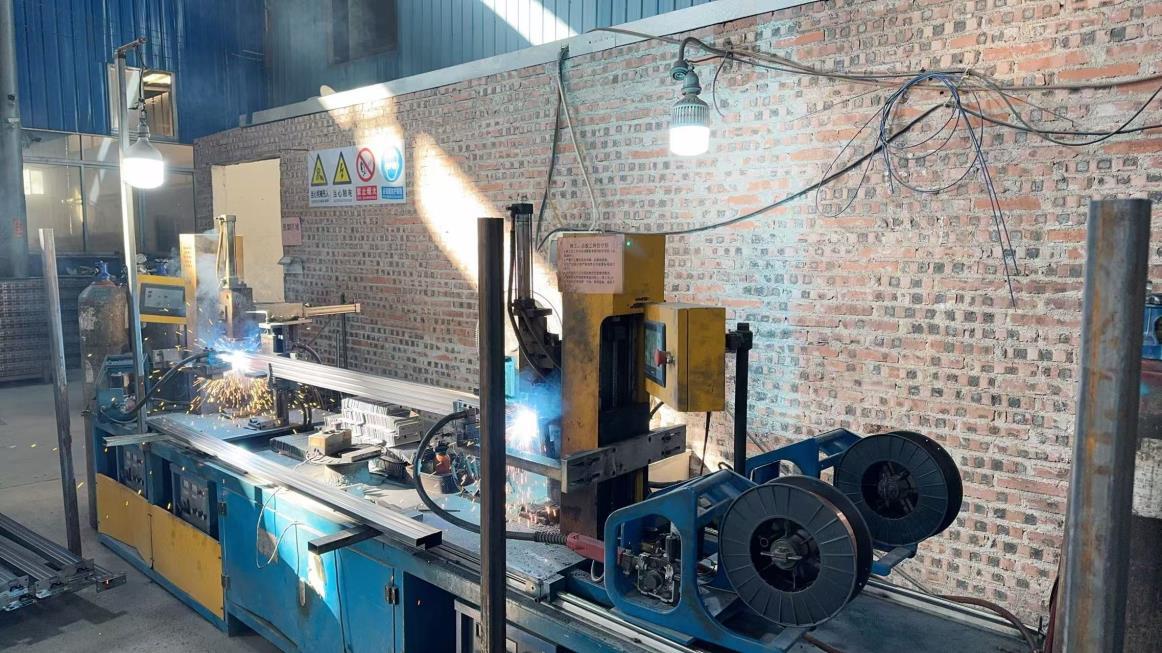
Automation at Kimsuk begins with high-grade steel coil processing. CNC-controlled, high-precision roll-forming lines shape steel upright profiles with millimeter accuracy. This ensures load bearing consistency across every column. Structural connections are manufactured via multi-axis automated robotic welding arms, guaranteeing complete weld penetration and avoiding the human variance common in manual welding.
This automation is backed by robust supply chain integration. Drawing on partnerships with over 850 raw material suppliers and global logistics networks, Kimsuk controls downstream material costs and schedules. Even during global shipping challenges, this supply network ensures reliable production timelines and stable pricing structures.
Storage challenges depend heavily on regional factors, local safety regulations, and environmental constraints. Universal designs often fail to meet local requirements. A high-yield storage layout in Western Europe must follow EN 15512 safety protocols. In contrast, installations in active seismic zones, such as Chile or California, require substantial bracing, custom base plates, and larger anchoring systems.
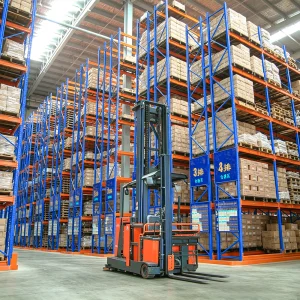
For cold storage facilities in North America, temperature fluctuations introduce unique challenges. Steel must resist cold-temperature embrittlement, and dynamic expansion joints are required to handle temperature differentials. Kimsuk designs specialized racking configurations tailored to these environments. These range from high-density drive-in systems to automated shuttle-integrated solutions, maximizing volume usage while keeping energy expenses low.
In global retail and e-commerce distribution centers, workflow speed is a primary focus. Multi-tier mezzanine systems with carton flow beds accelerate order picking. By utilizing modular designs, these facilities can scale vertically as their product lines grow, avoiding expensive building renovations.
Corporate statistics and manufacturing capabilities driving global logistics infrastructure since 2015.
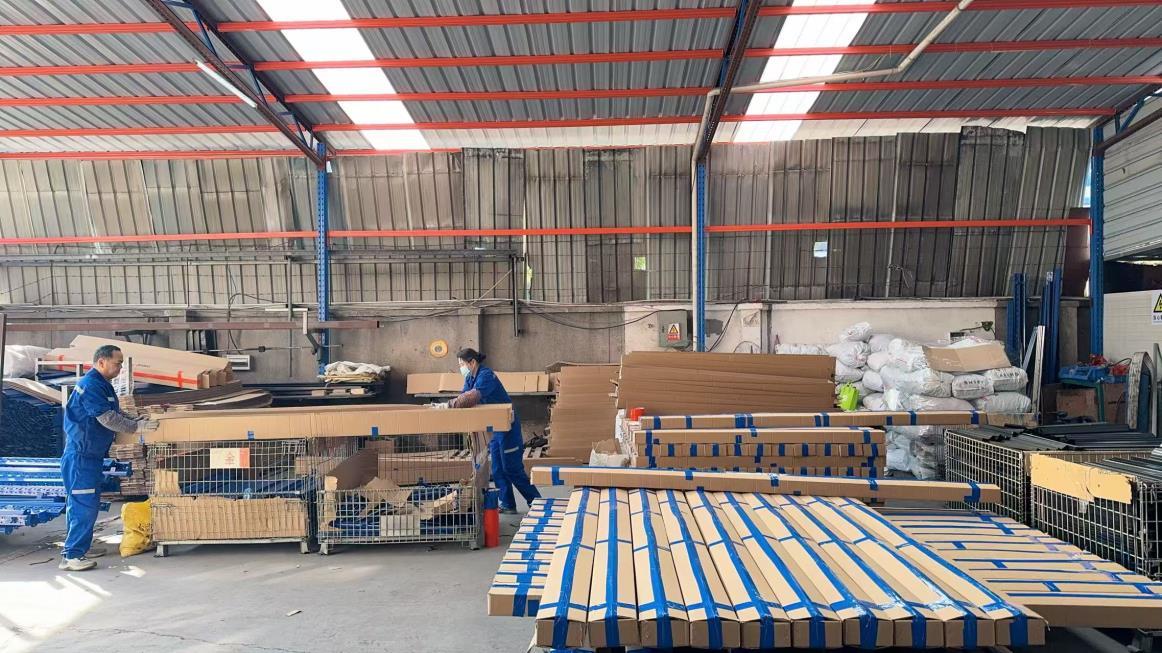
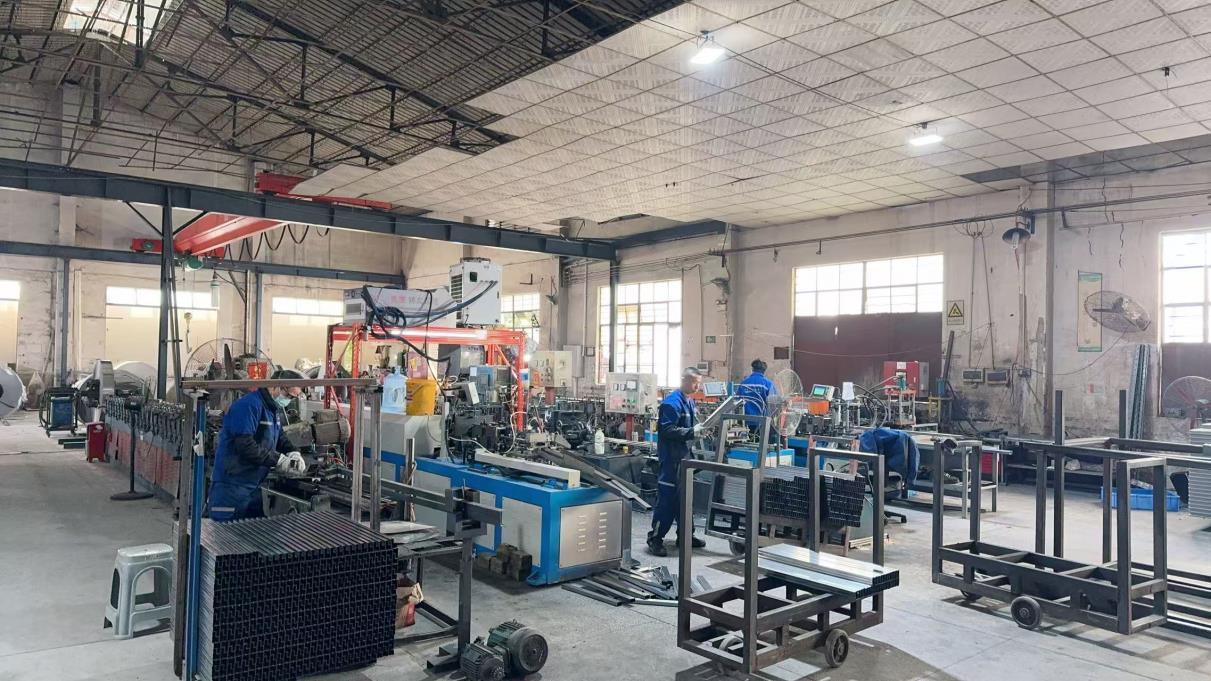
Take a look inside our state-of-the-art facility, from raw steel coils to the finished, packaged product.
Clear, engineering-focused answers to common industrial storage, safety, and supply chain questions.
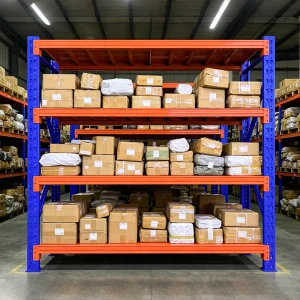
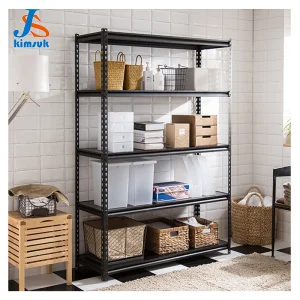
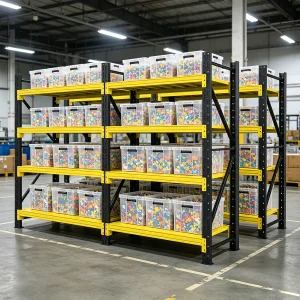
Discover our full range of structural shelving, selective pallet racks, and flexible storage systems built for modern logistics.
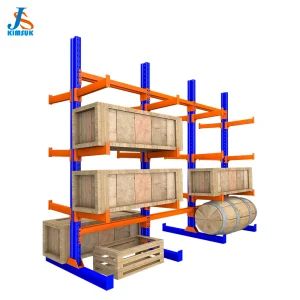
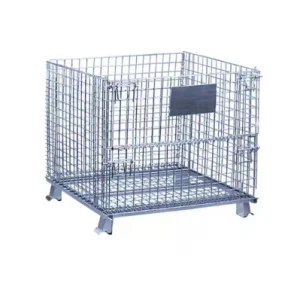
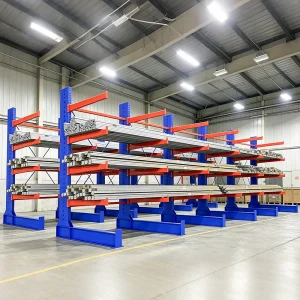
 Kimsuk Racking