Engineered structural platforms designed to endure harsh climatic environments and maximize storage efficiency.
Decoding the critical intersection of metallurgy, structural engineering, and corrosion dynamics.
In modern industrial storage, the boundary lines of warehouse logistics have expanded far beyond four walls. Enterprise distribution facilities, maritime ports, cold chain hubs, and remote infrastructure depots frequently deploy heavy-duty shelving systems in open-air environments. These systems are constantly subject to environmental forces such as UV radiation, extreme temperature fluctuations, high humidity, and aggressive chemical atmospheres.
Unlike indoor racking systems, outdoor shelving must be engineered from the ground up to prevent structural fatigue. Standard carbon steel lacks inherent corrosion protection and will fail rapidly if exposed to rainwater and atmospheric pollutants. As a result, premier suppliers prioritize high-grade structural alloys, specifically Q235B and Q355B structural steel, optimized through precise surface preparation processes.
The gold standard for industrial outdoor shelving relies on two primary methodologies: Hot-Dip Galvanizing (HDG) and Thermosetting Powder Coatings. HDG bonds zinc layers directly with the substrate to prevent cathodic erosion. For environments requiring chemical and physical durability, electrostatic powder coatings provide an impenetrable barrier against moisture, solvents, and salt spray.
"The survival of outdoor structural steel depends not just on paint thickness, but on the chemical bond of the zinc-iron alloy layers formed at temperatures above 450°C. For industrial environments, this is the baseline for safety and longevity."
An overview of the current logistics landscape and the driving demand behind durable exterior shelving.
Global supply chain systems are shifting toward modular, cross-docking, and open-air yard operations to optimize spatial utilization and reduce high real estate costs. Outdoor racking systems are essential for industries dealing with bulky raw materials, lumber, petrochemical barrels, construction components, and automotive tooling.
Furthermore, the rapid expansion of cold chain logistics and the transition of agricultural distribution hubs require heavy-duty shelving capable of handling transition zones—where temperature differentials between air-conditioned areas and humid exterior yards cause condensation. This is where high-quality outdoor shelving is crucial.
A global leader in structural steel warehousing systems, automated storage integrations, and heavy-duty configurations.
Founded in 2015, Dongguan Kimsuk Shelves Co., Ltd. has established itself as a premier manufacturer specializing in heavy-duty industrial warehouse racking systems, automated storage solutions, and customizable steel shelving. Over the years, Kimsuk has delivered robust logistics and warehousing infrastructure globally by combining advanced manufacturing technologies with high-precision structural engineering.
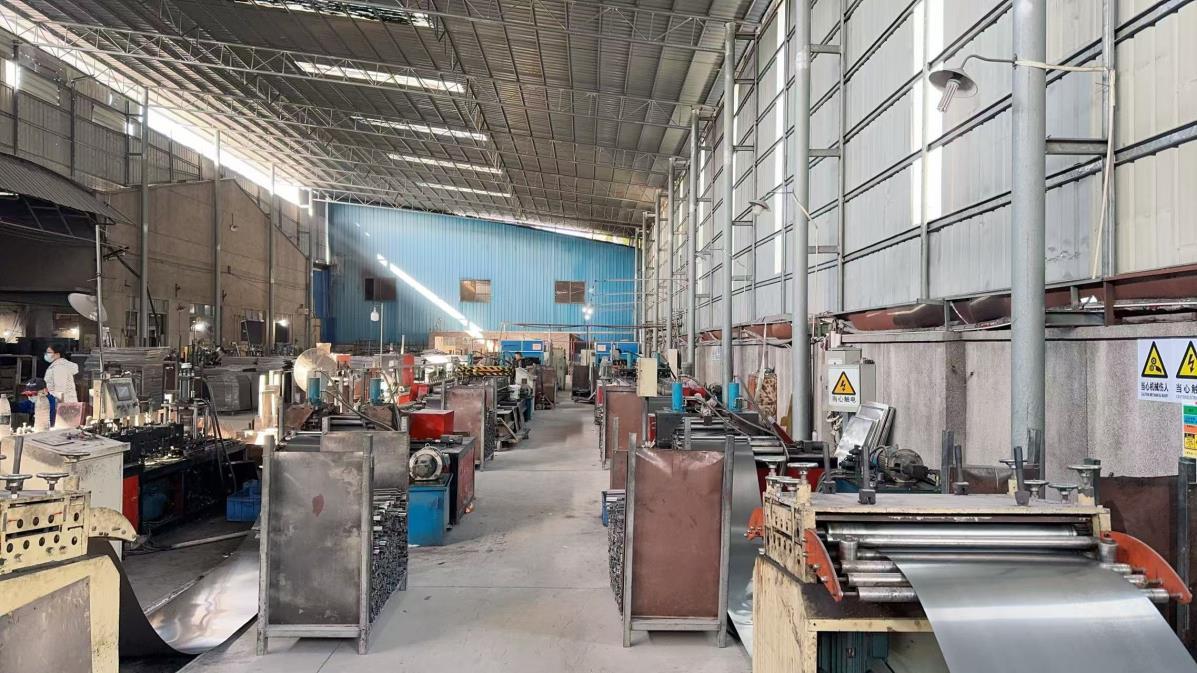
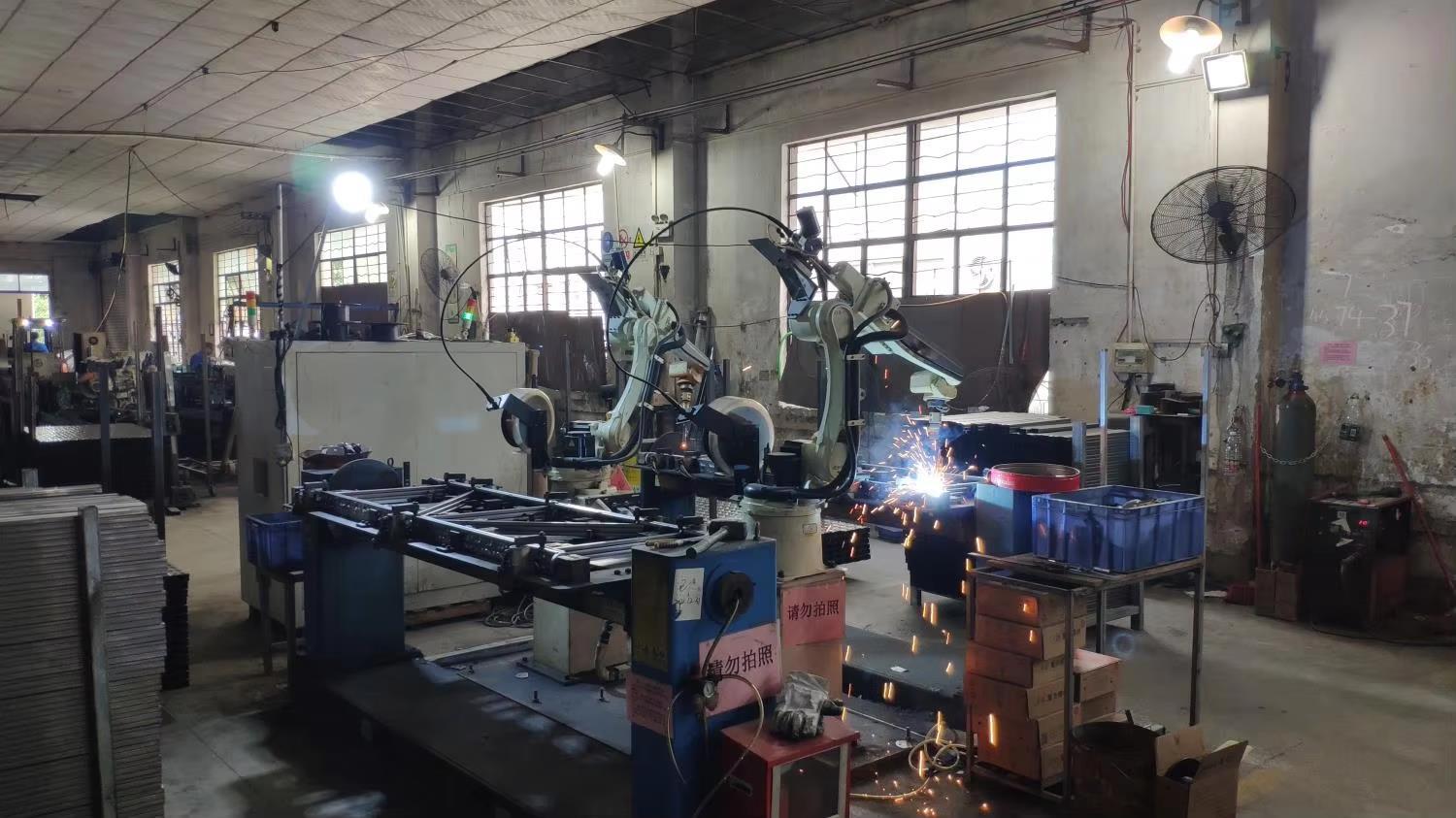
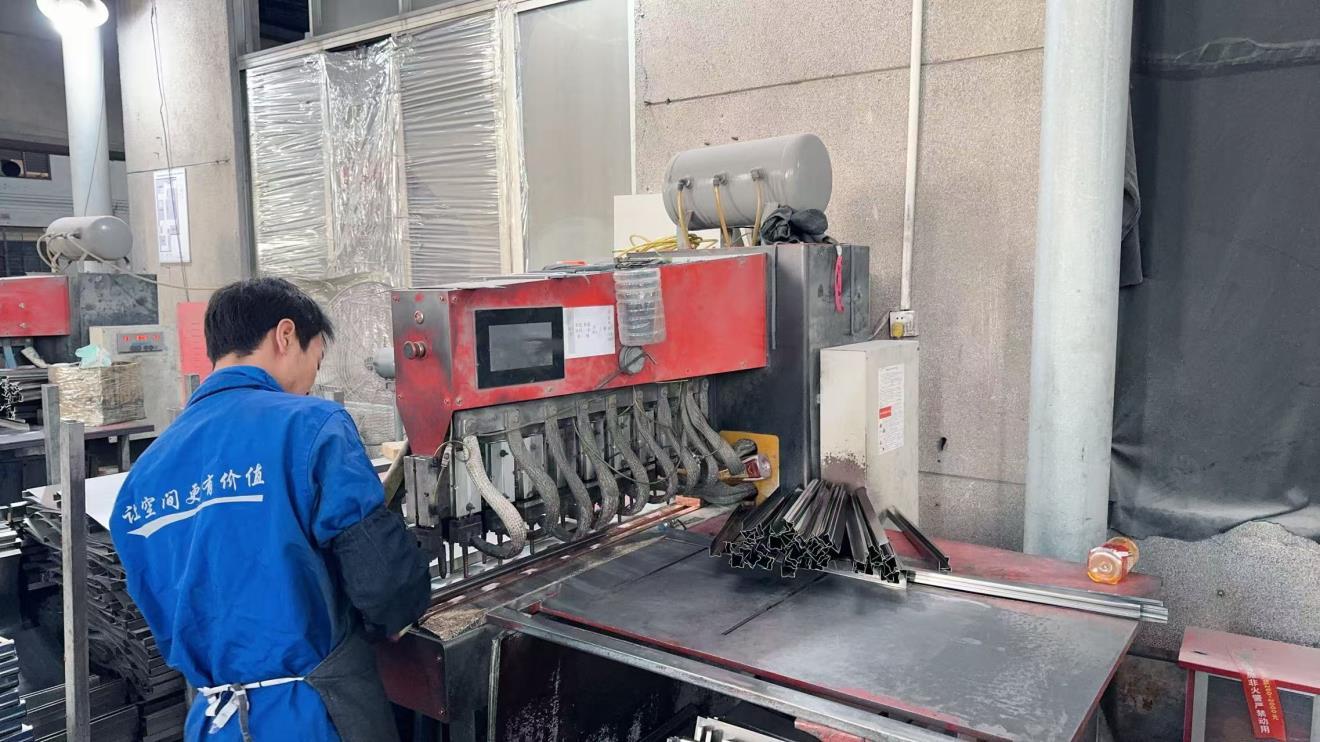
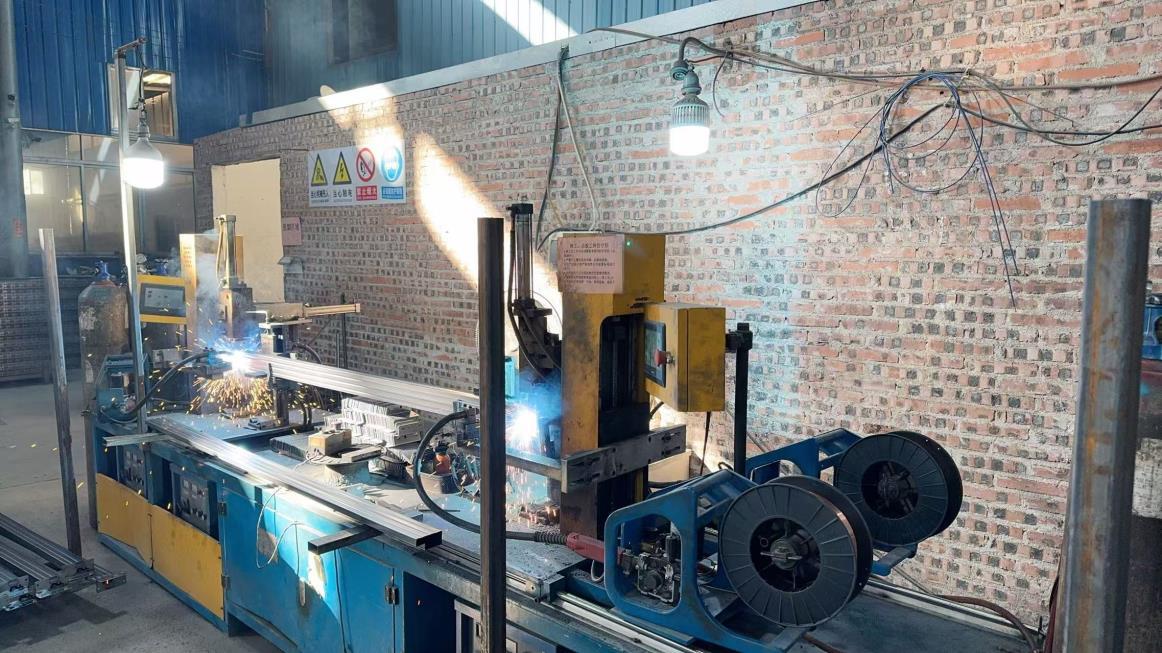
With an production facility of 38,000 square meters, our capabilities encompass the entire product life cycle—from initial 3D BIM modeling and finite element structural simulations to automated roll-forming and robotic welding. Our manufacturing plant is optimized for large-scale production, allowing us to supply global logistics hubs, enterprise e-commerce centers, and industrial wholesalers with high efficiency.
A look at the processes and equipment that define our manufacturing standards.
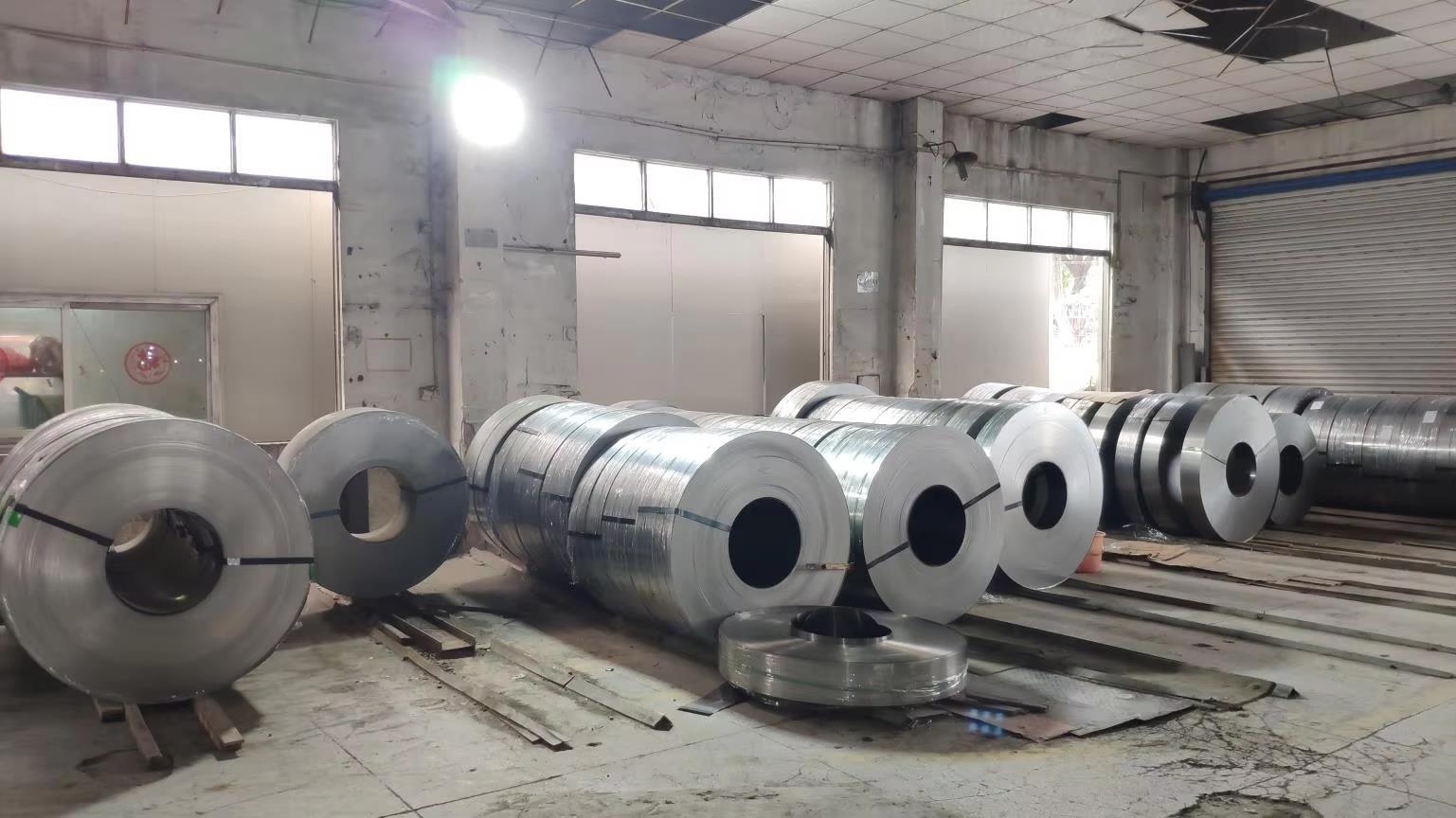
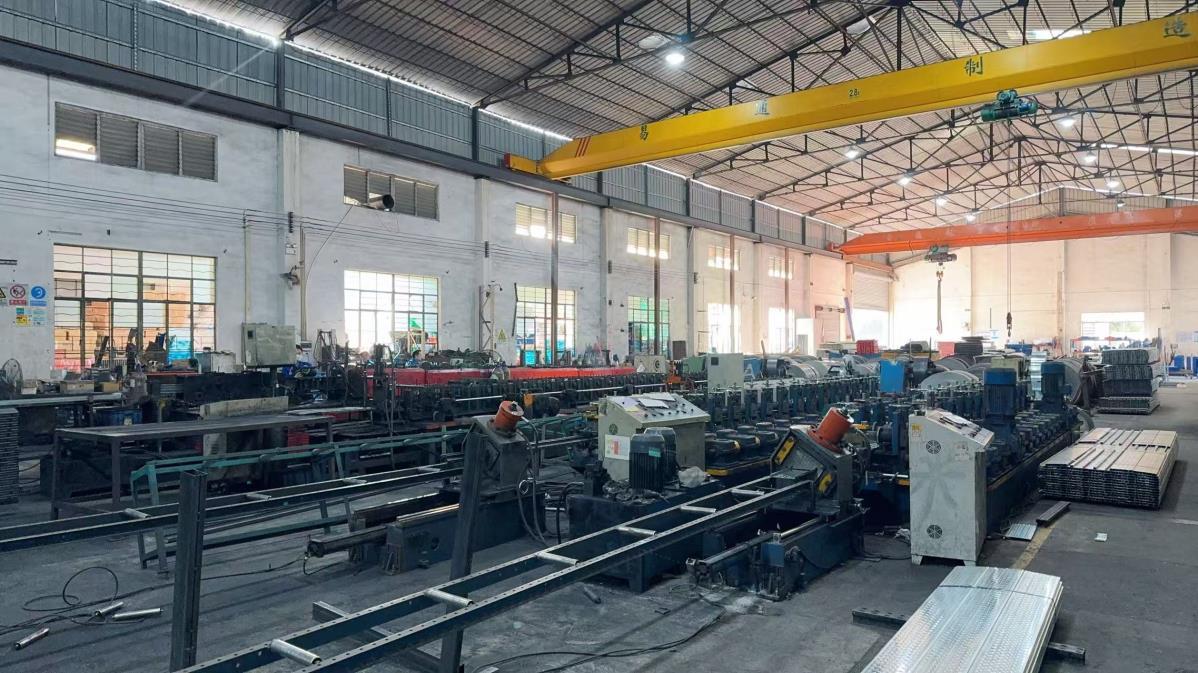
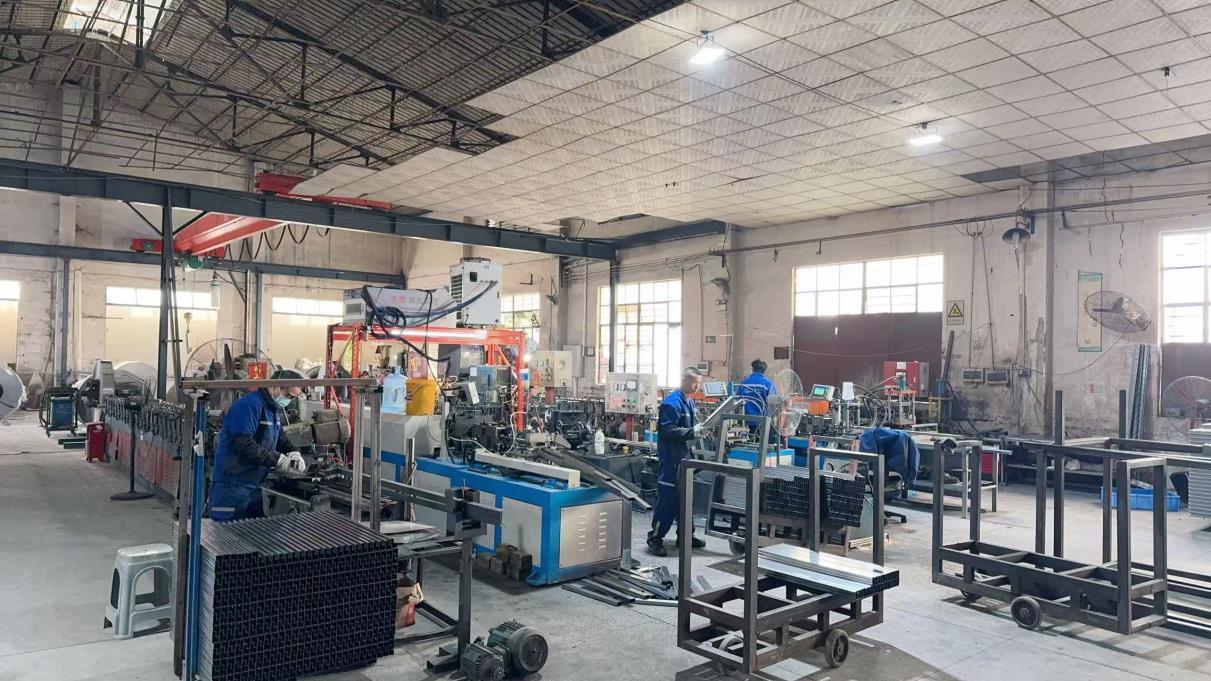
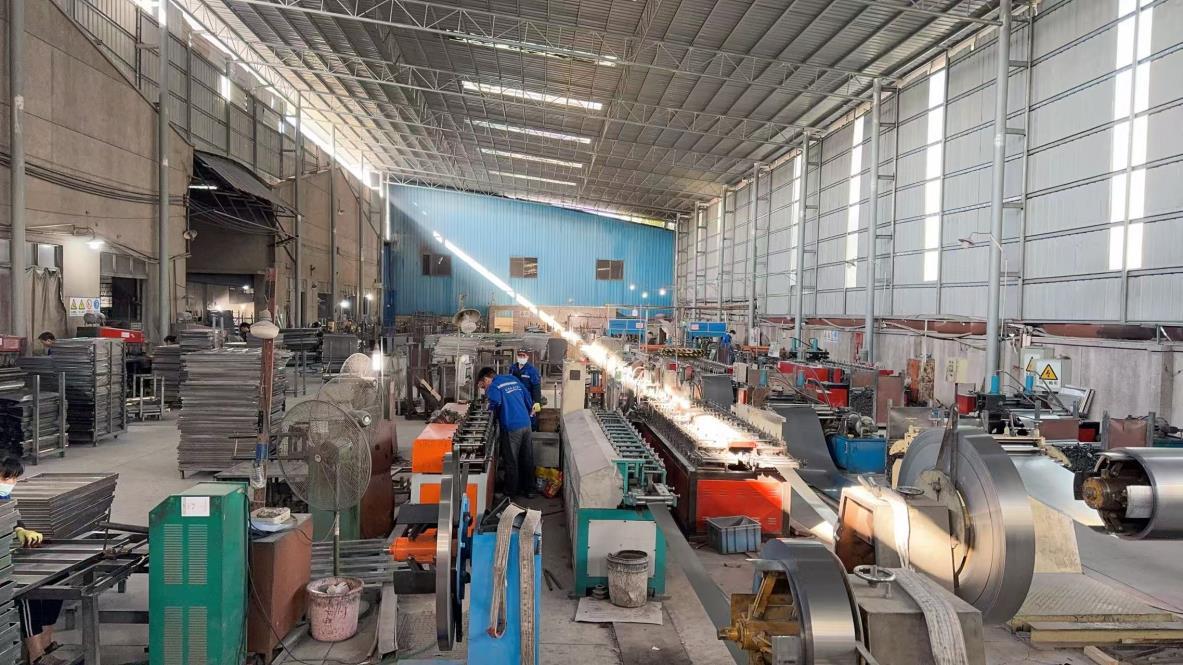
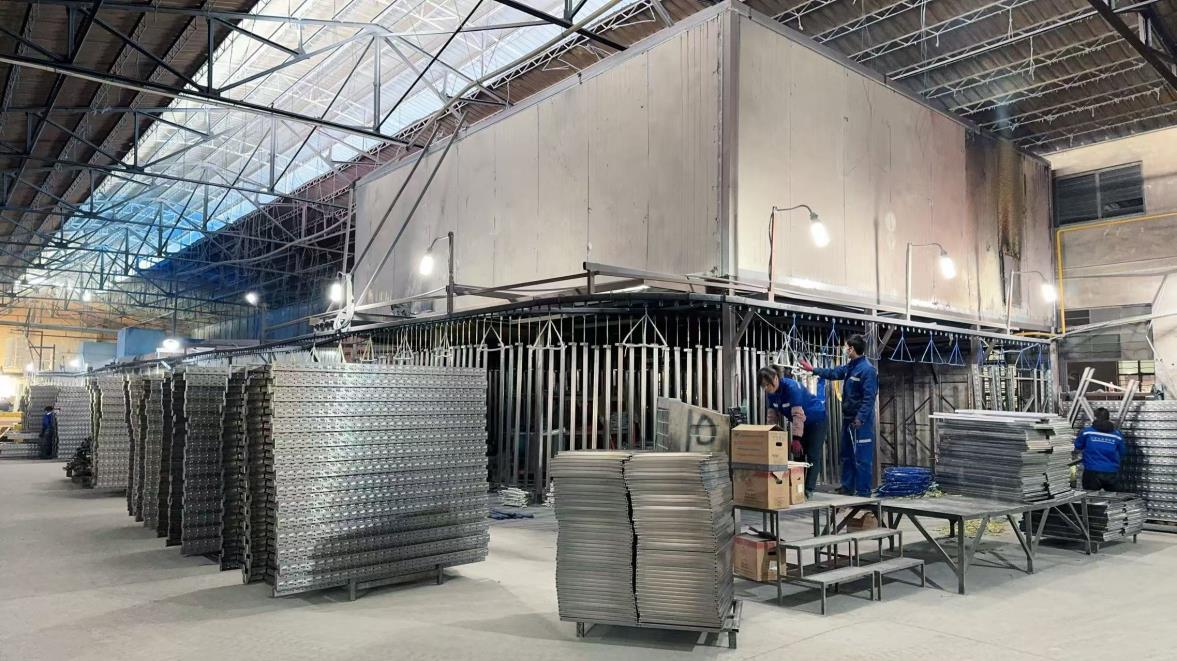
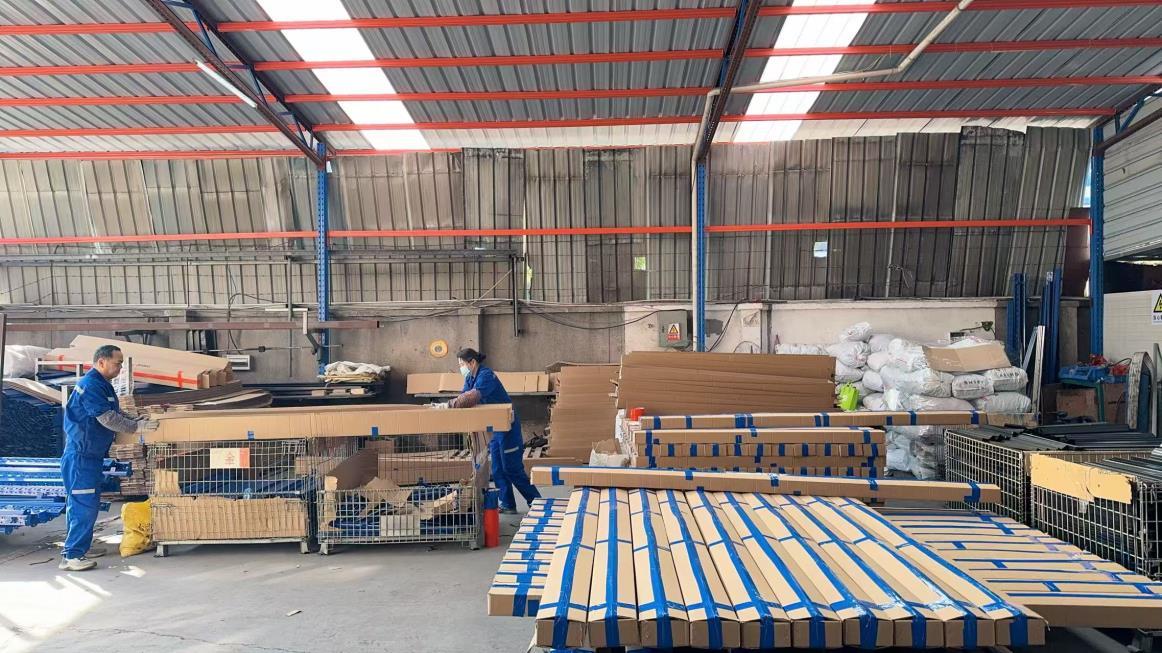
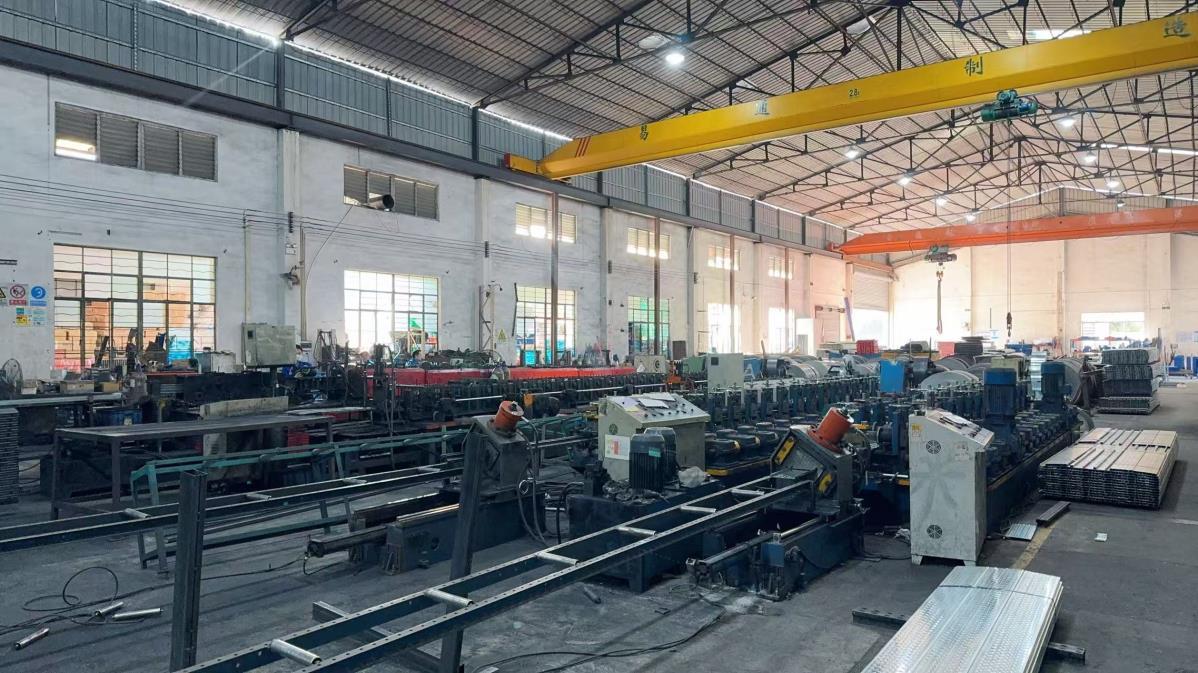
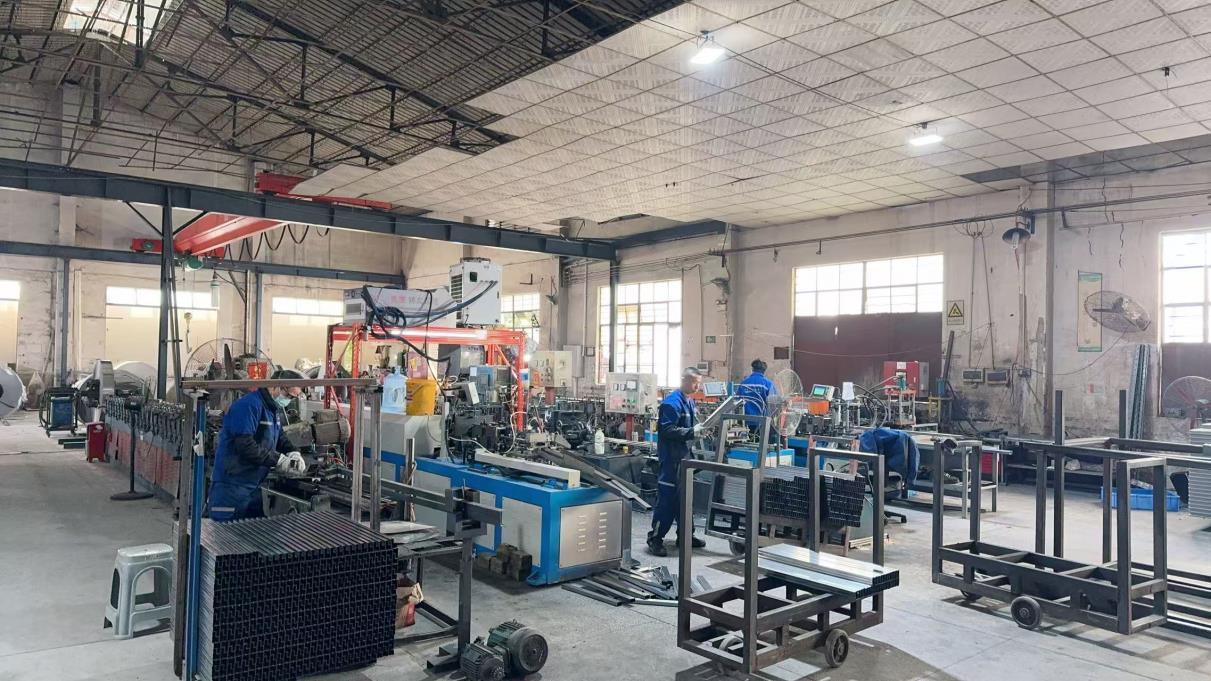
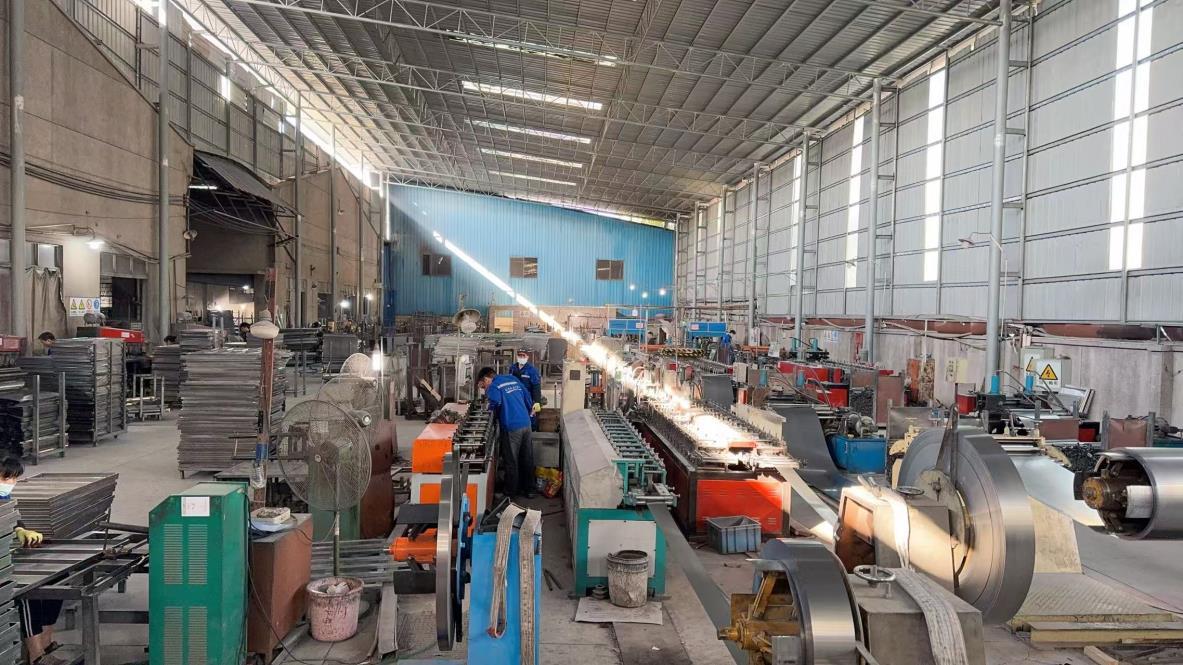
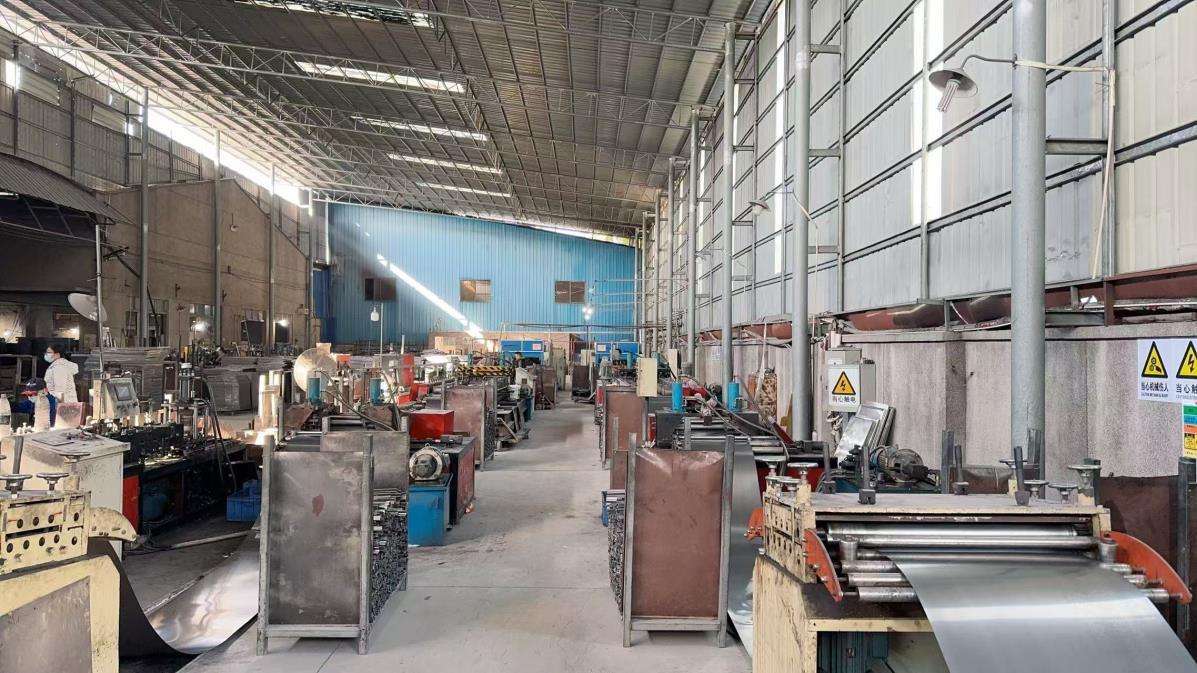
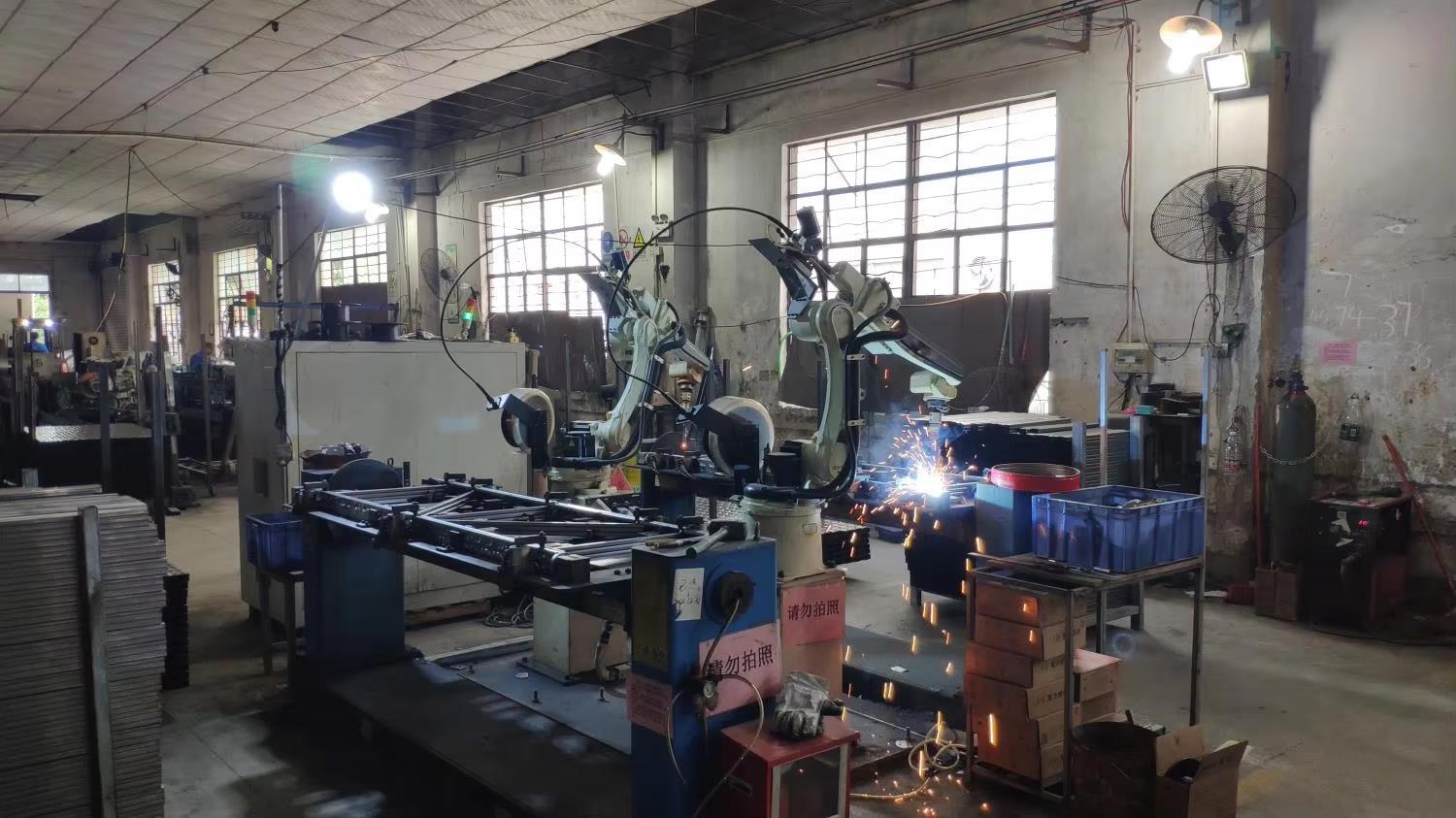
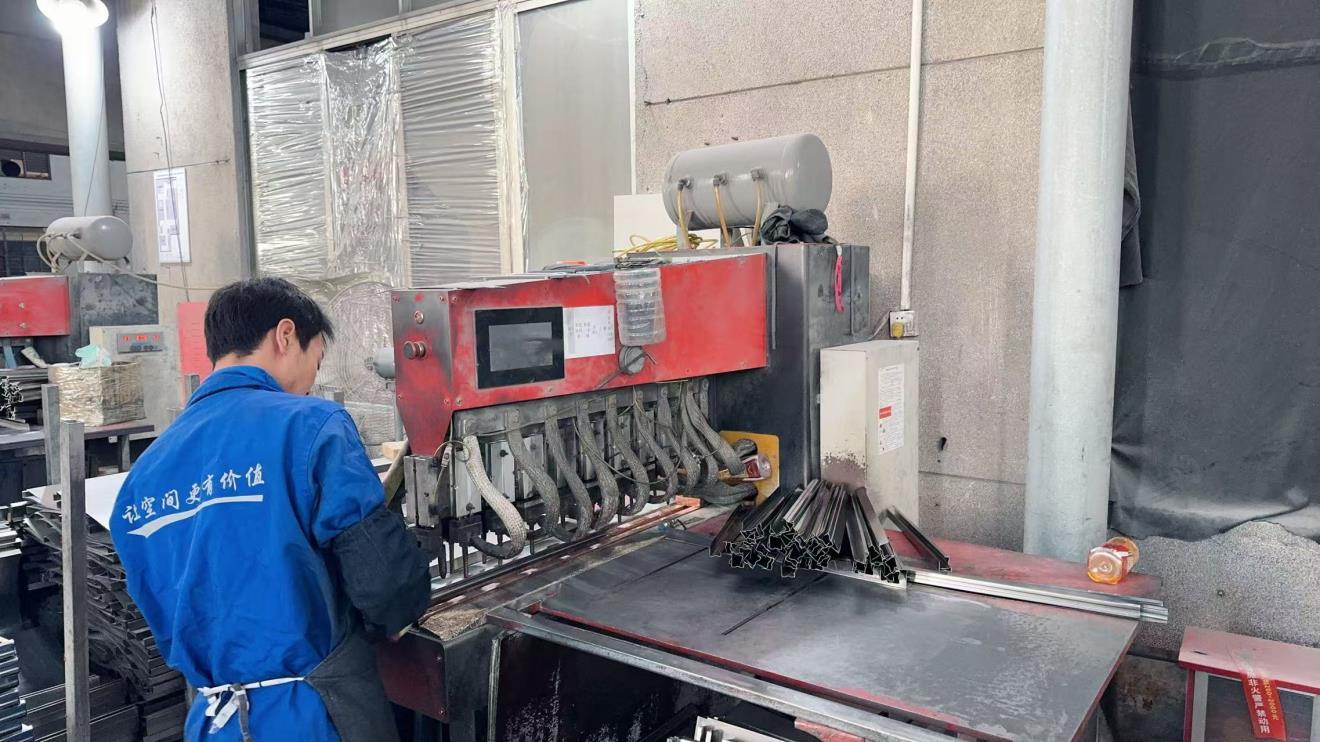
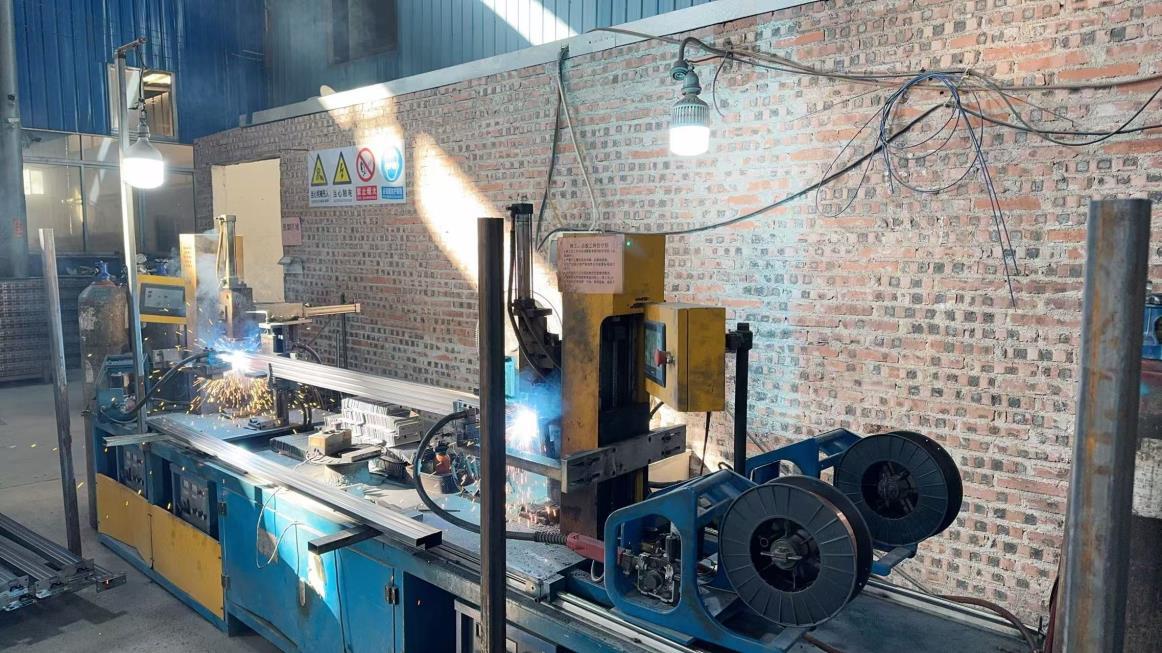
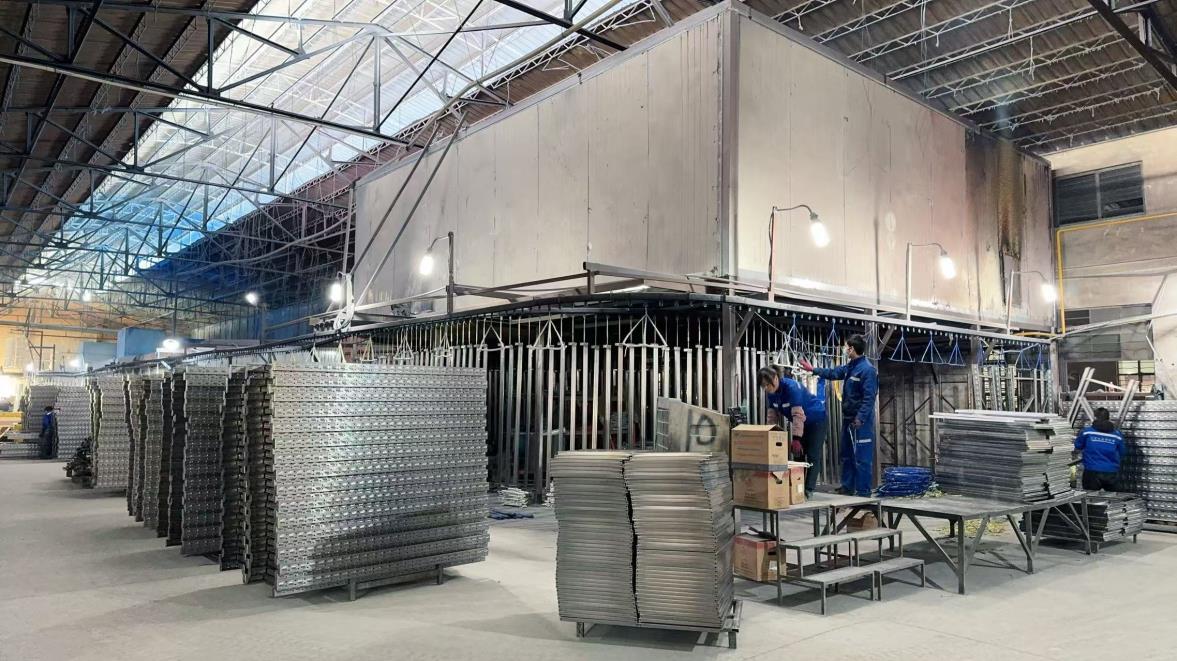
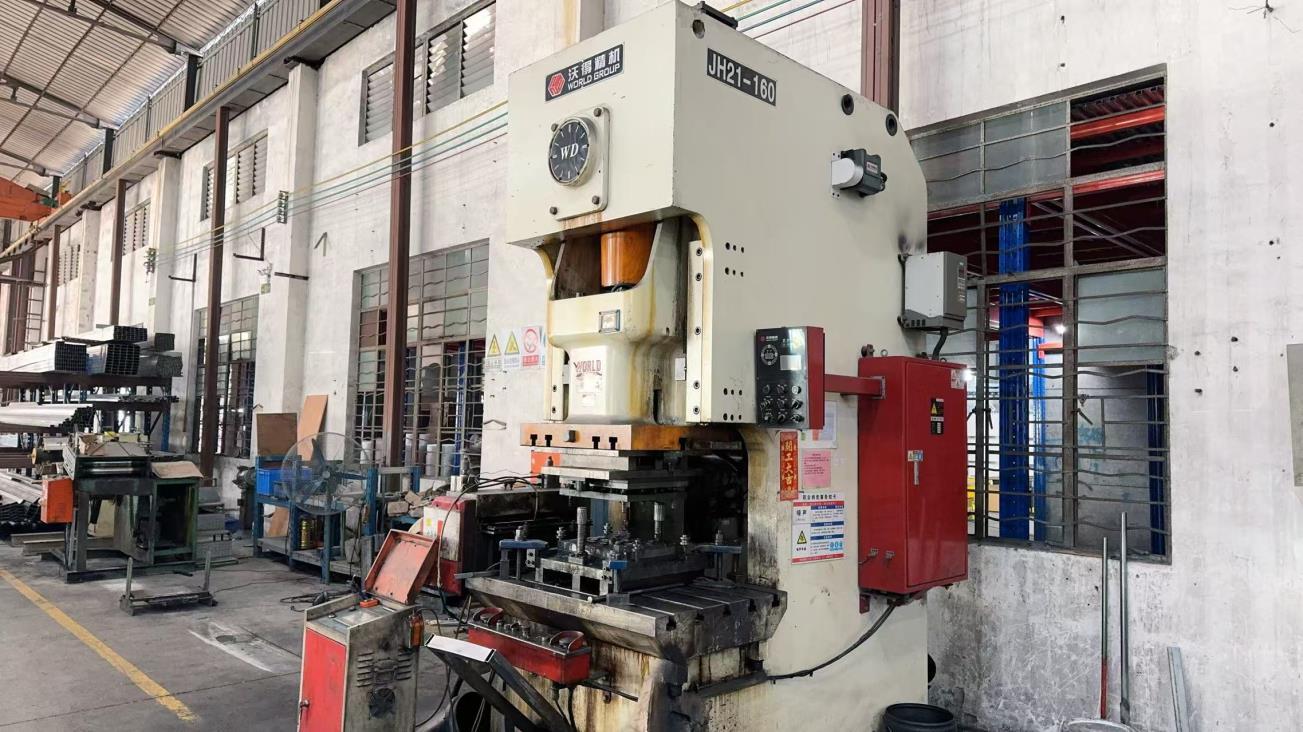
Our commitment to structural reliability through material choices and protective coatings.
We source structural carbon steel with verified yield strength. Q355B steel is used for heavy-duty columns to provide static safety margins under high weight limits.
Processed according to ISO 1461, achieving coating thicknesses of over 85 microns. This provides cathodic protection that prevents rust, even if the surface is scratched.
Our automated electrostatic lines apply thermosetting epoxy polyester coatings. Pre-treatment chemical rinsing ensures coating adhesion that withstands salt spray environments.
Simulating structural load configurations, seismic conditions, and local wind loads before steel processing.
Employing multi-axis roll-forming and robotic welding arms to maintain dimensional consistency within tolerances of < 0.5mm.
Testing weld integrity with ultrasonic systems, assessing dynamic loads, and running salt spray chambers to confirm anti-corrosion properties.
Bundling steel profiles with multi-layer protective wraps and steel strapping to prevent damage during sea transport.
Tailored structural configurations designed for distinct geographical and climatic challenges.
In coastal zones, high concentrations of atmospheric salts accelerate rusting on standard metals. For these locations, Kimsuk offers AISI 316 Stainless Steel and duplex hot-dip galvanized finishes. These choices prevent chloride-induced pitting and extend the operational lifespan of the shelving.
Sub-zero temperatures can cause carbon steel to become brittle. Our engineering team designs structures using materials rated for low-temperature impact toughness, ensuring load safety in cold storage and freezer applications.
Intense heat and UV radiation degrade standard paint coatings, leading to chalking and peeling. We address this by using UV-stabilized polyurethane formulations that protect the underlying steel and maintain its structural integrity over time.
Outdoor vertical installations must handle dynamic forces from wind and seismic activity. Our systems are engineered with heavy-duty baseplates, cross-bracing, and high-strength anchor bolts designed to meet international structural codes.
How Dongguan Kimsuk delivers quality, volume flexibility, and cost efficiency to global markets.
Located in Dongguan, the heart of China’s advanced manufacturing corridor, Dongguan Kimsuk Shelves Co., Ltd. benefits from a robust regional industrial ecosystem. This location provides access to raw materials, hardware components, surface treatment facilities, and major deep-water ports (Shenzhen and Guangzhou). This logistics network ensures that we can secure quality materials and ship finished products efficiently.
Our integrated manufacturing facility handles steel slitting, tube drawing, forming, robotic welding, and automated powder coating in-house. By keeping these operations under one roof, we eliminate third-party delays, maintain strict quality control, and remain competitive on pricing for large industrial projects.
Ensuring our outdoor steel shelving meets international building and safety codes.
Industrial structural steel storage solutions must comply with localized building standards. At Kimsuk, our product lines are engineered to meet key international specifications, including the European EN 15512 and EN 15620 standards for steel static storage systems, the Australian AS 4084 code, and American ANSI/RMI MH16.1 specifications.
We work closely with local engineering consultants to provide structural calculations, wind load analyses, and anchor specifications needed for regional building permits. This collaboration ensures smooth project approvals and safe warehouse operations.
Addressing common technical and logistical queries from industrial procurement managers.
Hot-Dip Galvanizing (HDG) involves immersing the steel parts in molten zinc, forming a metallurgically bonded zinc-iron alloy layer that provides galvanic protection. If the surface is scratched, the surrounding zinc protects the exposed steel. Powder coating creates an organic polymer barrier layer. For extreme marine or highly humid environments, we recommend a duplex system: powder coating over galvanized steel for maximum service life.
Yes. Our engineering team uses finite element analysis (FEA) to calculate wind and seismic forces based on your location. We design customized structural configurations with heavy-duty columns, extra baseplate anchoring, and diagonal bracing to meet local safety standards.
We primarily use Q235B and Q355B structural steel. Q235B is the standard for light to medium components, while Q355B offers higher yield strength for heavy-duty columns and load-bearing beams. This approach ensures structural safety while managing material costs.
Our quality control program includes material chemical certification, ultrasonic weld testing, non-destructive coating thickness measurements, and static load testing. These steps are overseen by our team of 35 certified QC inspectors to ensure consistency with our engineering specifications.
Standard fabrication takes 20 to 35 days from blueprint sign-off, depending on order size and complexity. Transport times range from 15 to 40 days depending on the destination port. We provide complete tracking updates throughout the process.
Heavy-duty, space-optimized systems for commercial, industrial, and garage logistics.
 Kimsuk Racking