Engineered to support critical weight loads and optimize high-density logistics footprints globally.
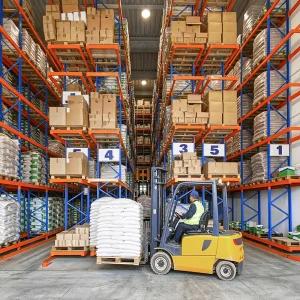
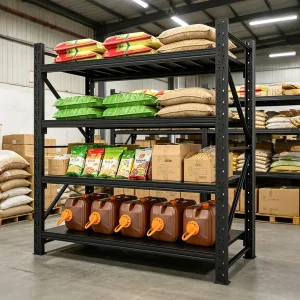
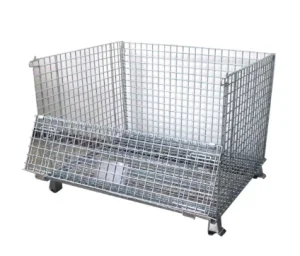
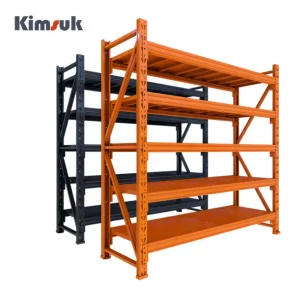
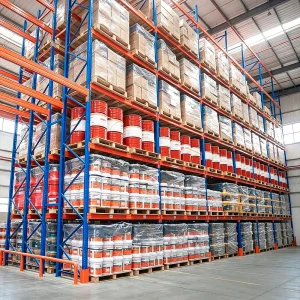
In an era defined by compressed supply chains and soaring urban industrial real estate costs, heavy-duty storage has evolved from simple structural steel frames to the very backbone of global warehousing performance. Enterprises today cannot afford under-engineered structural designs or catastrophic racking failures. When selecting global suppliers, logistics executives evaluate high-tensile material chemistry (primarily Q235B and Q355B structural steel), seismic optimization configurations, and automated storage interface compatibility.
This whitepaper details the criteria that define the industry’s top manufacturers and exporters. We dissect raw engineering processes, local building code compliance systems, automated coating processes, and global distribution logistics. Our analysis demonstrates why a robust storage infrastructure directly translates to operational resilience, supply chain scalability, and maximized material density ratios.
Utilizing advanced Finite Element Analysis (FEA) to design systems that withstand seismic activities. Customized steel gauges and engineered connection nodes prevent structural buckling under severe horizontal loads.
As global warehouse operations shift toward automation, heavy-duty racking systems are engineered with structural tolerances down to the millimeter. This ensures seamless integration with AGVs, AMRs, and high-speed stacker cranes.
Developing green production models using heavy-metal-free, low-VOC electrostatic powder coatings that resist scratching and rust, while minimizing environmental impact during manufacturing.
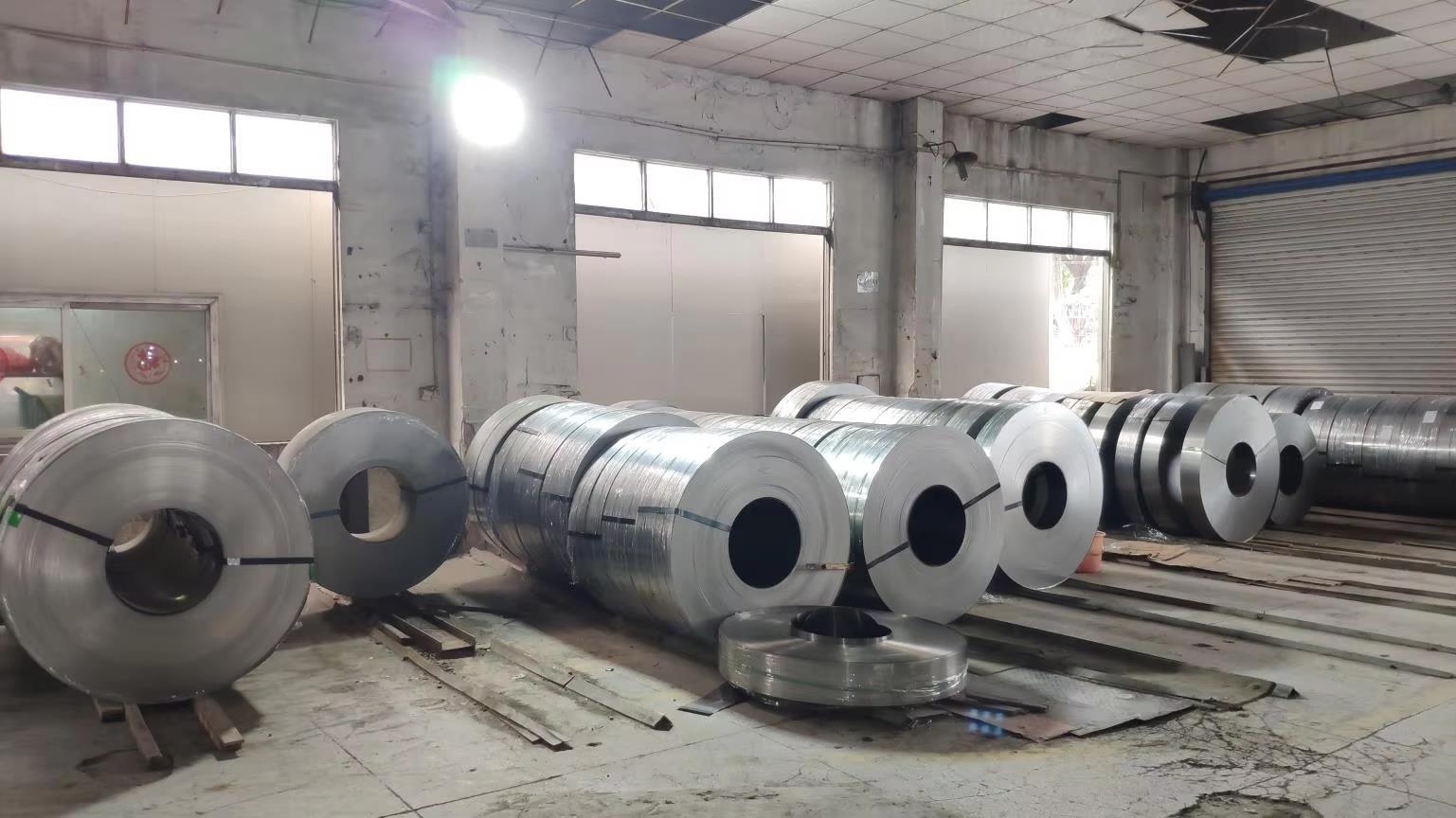
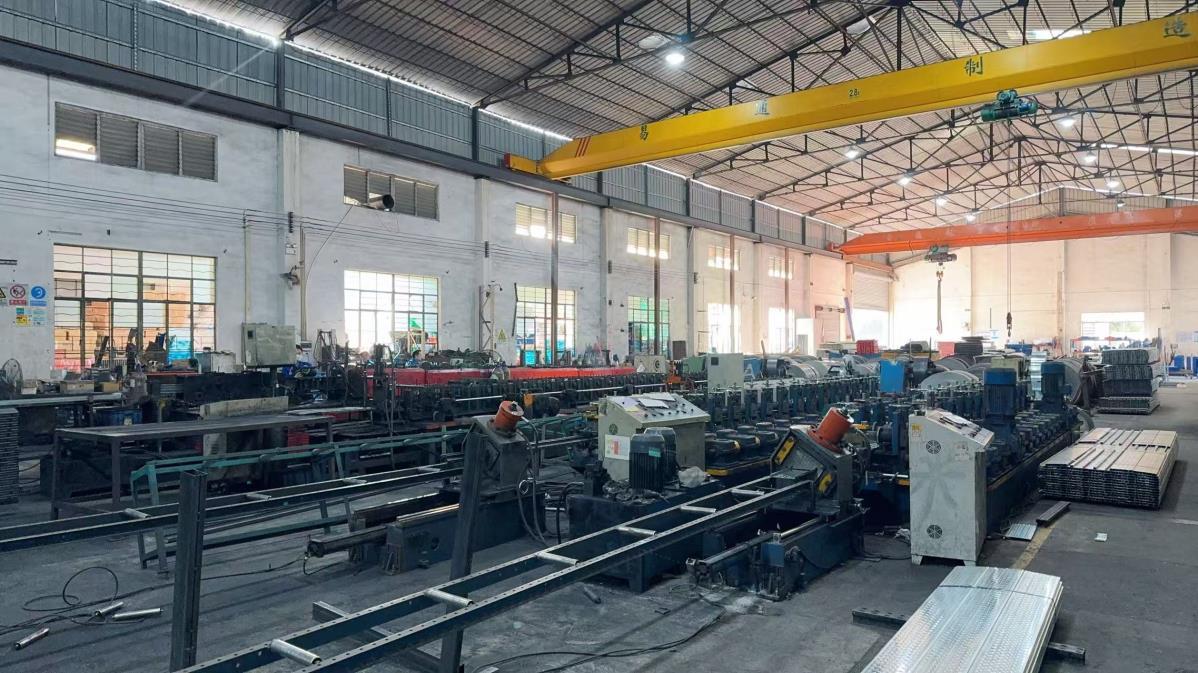
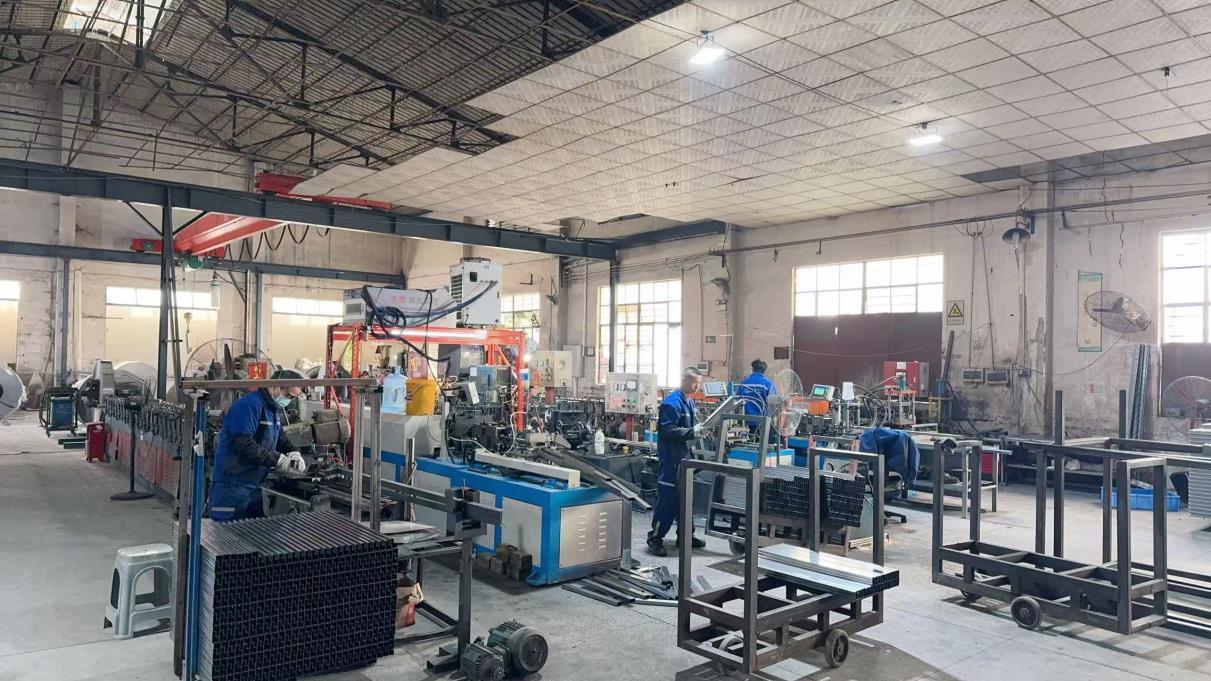
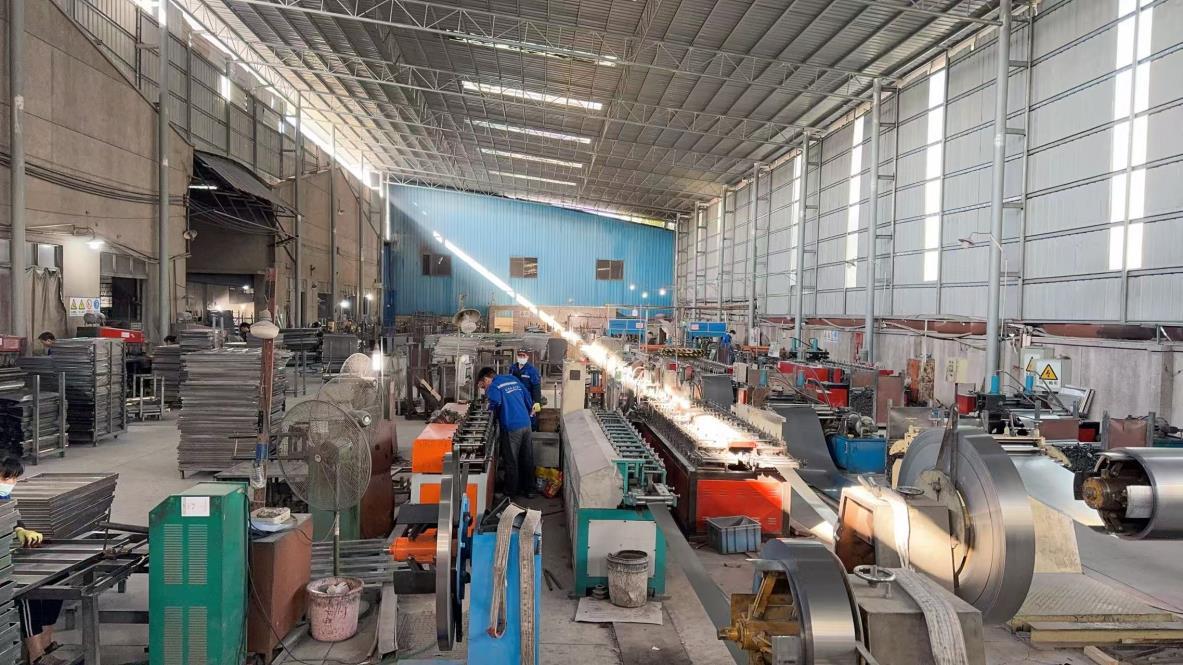
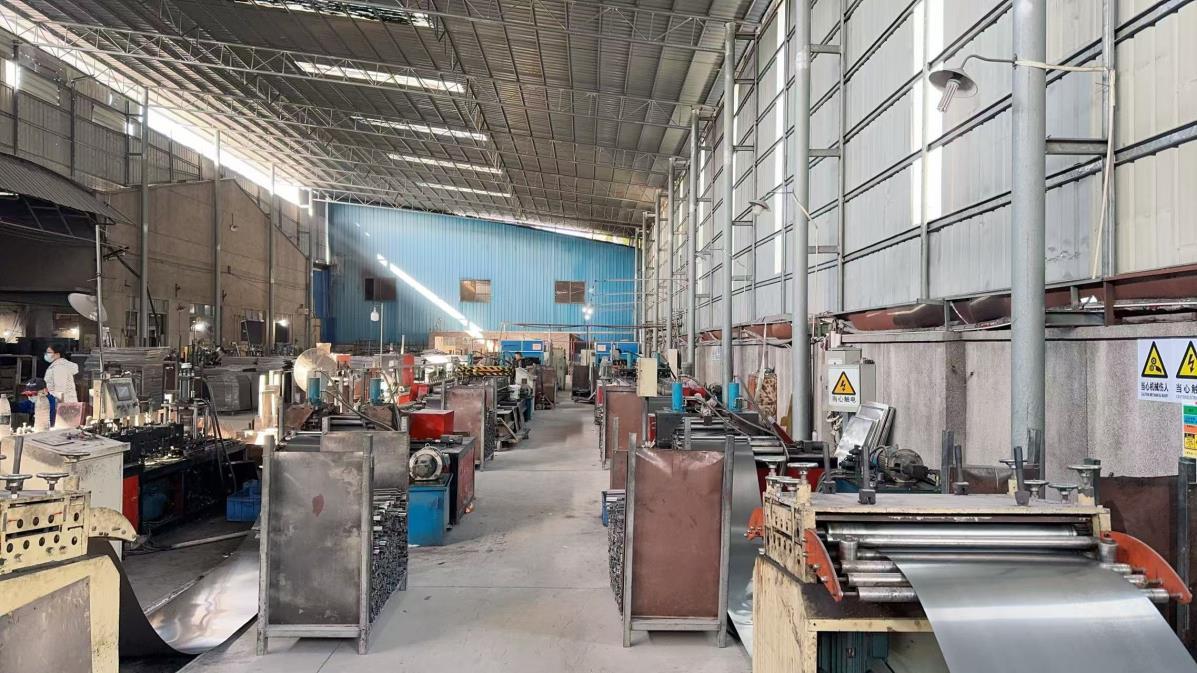
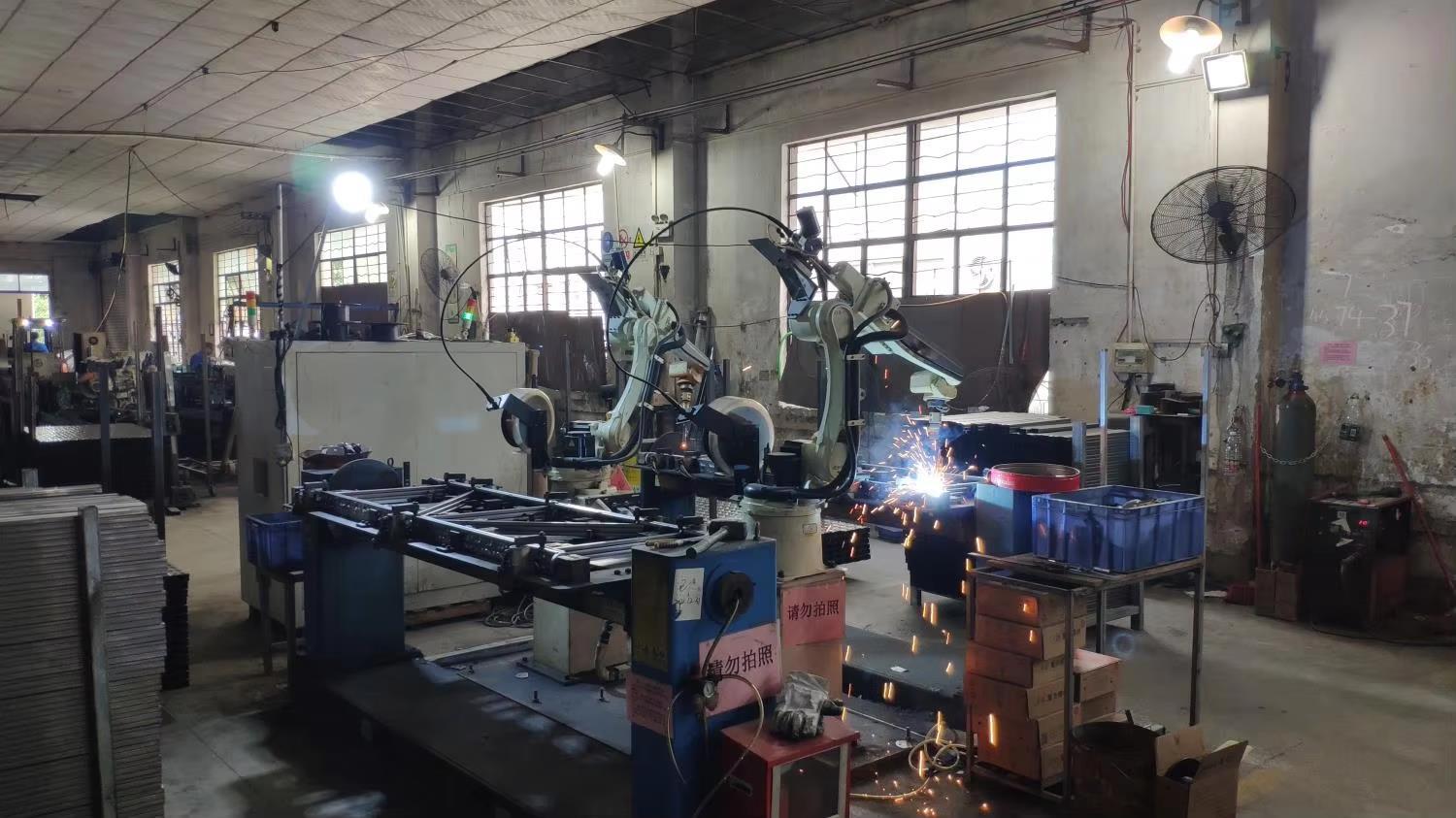
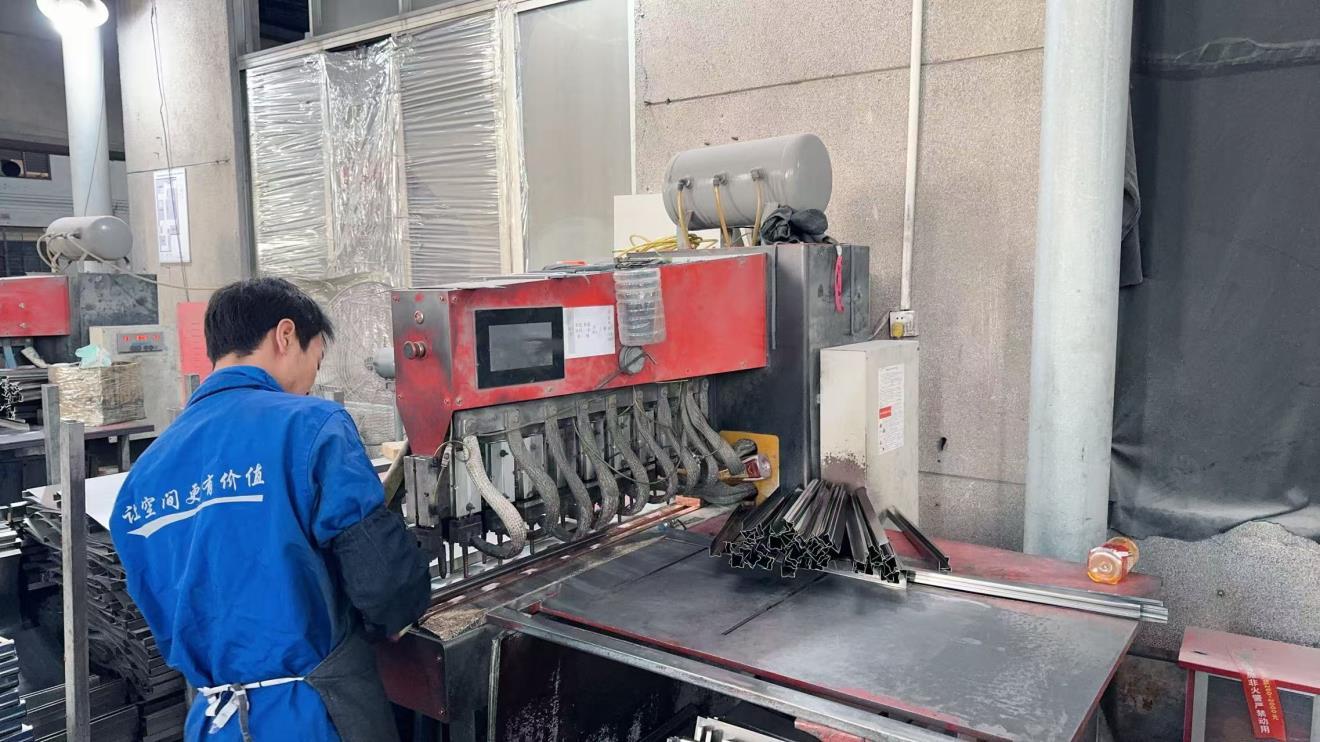
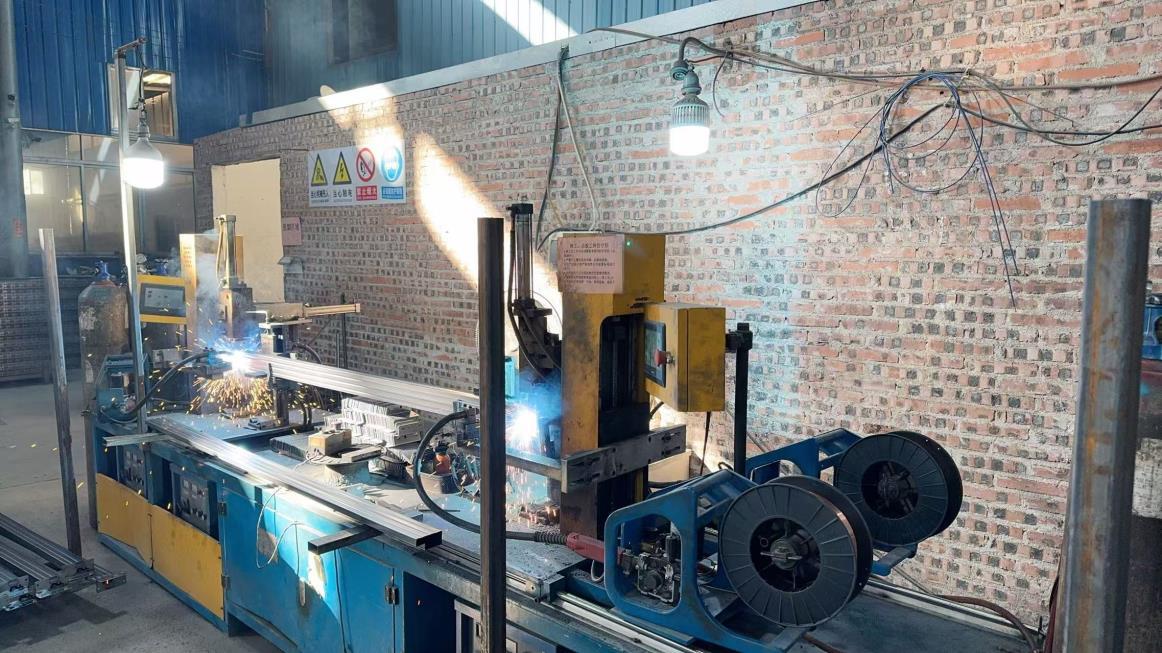
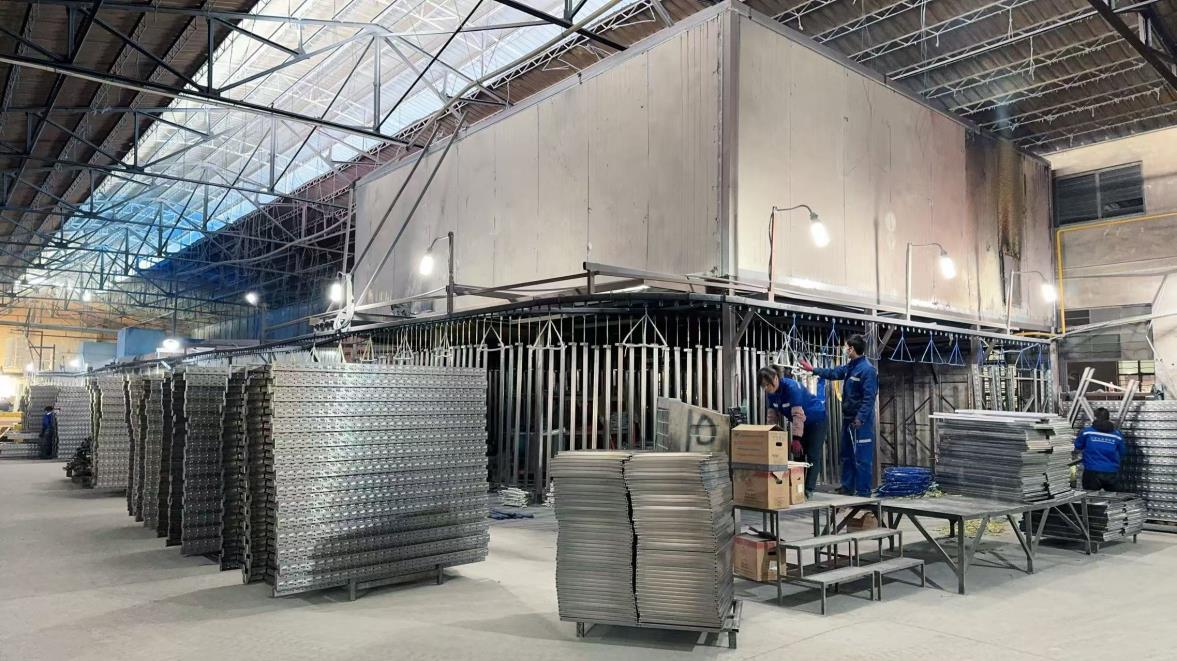
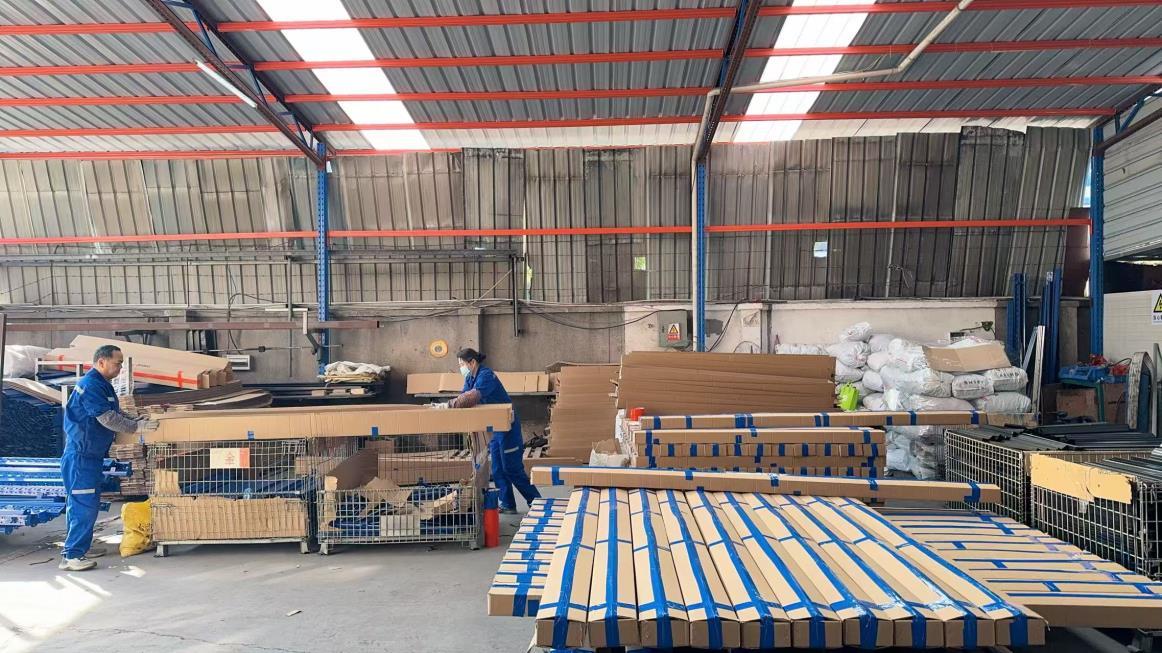
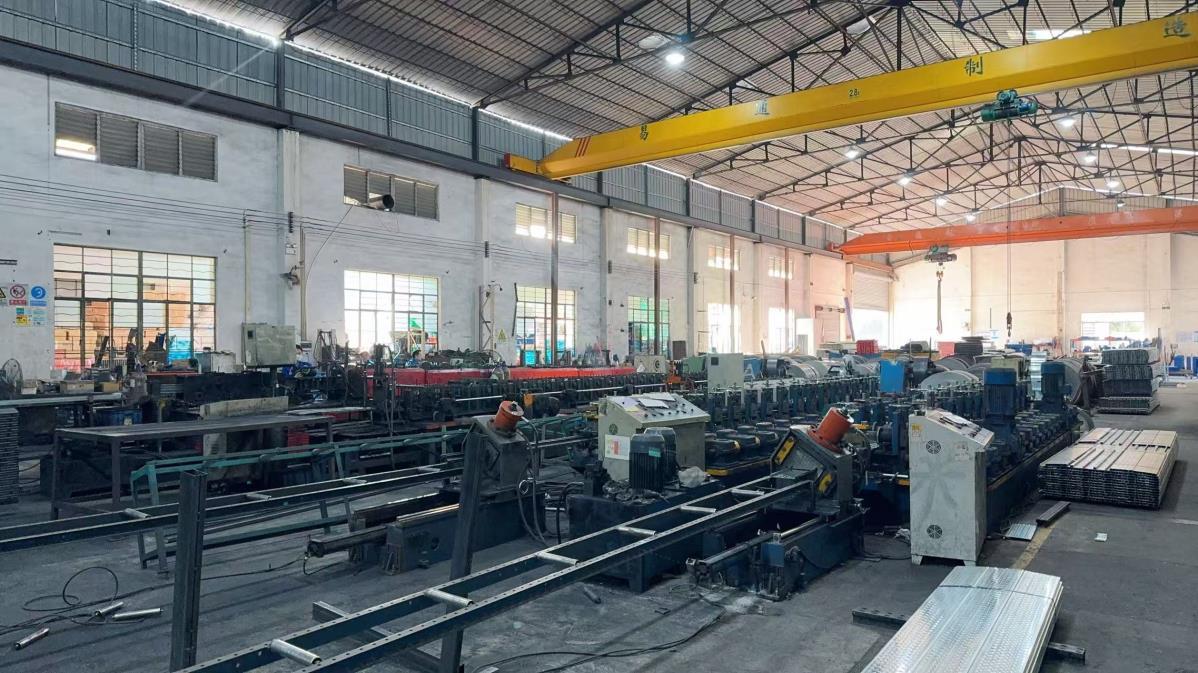
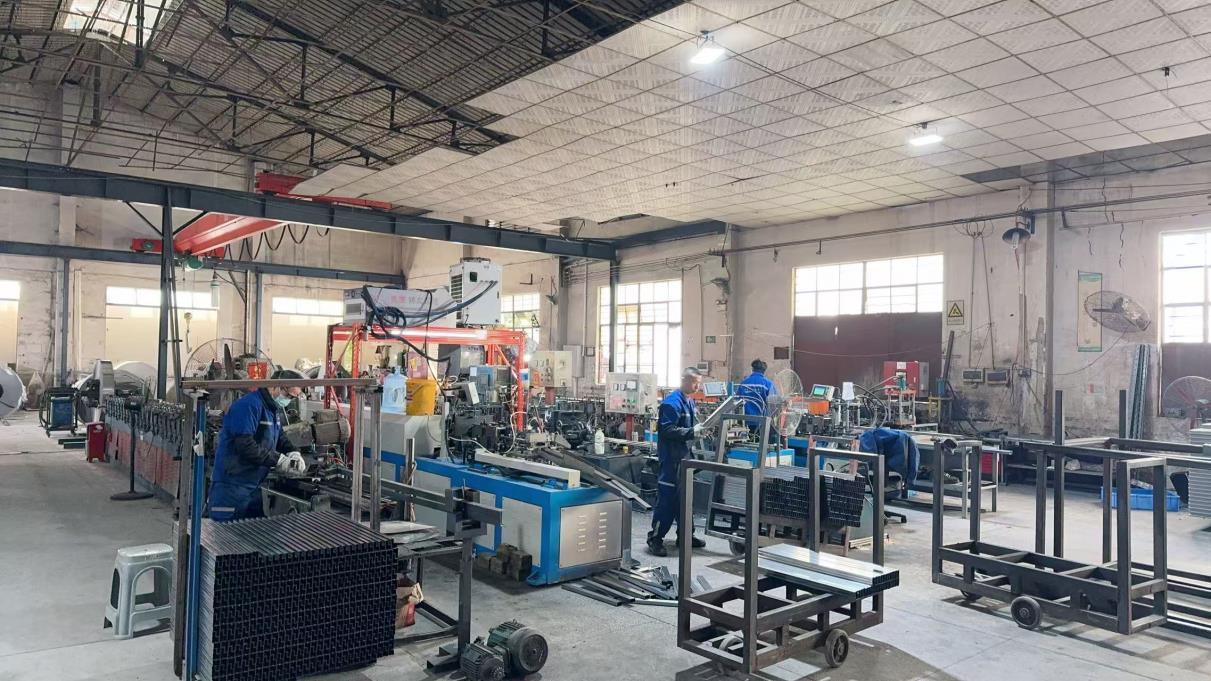
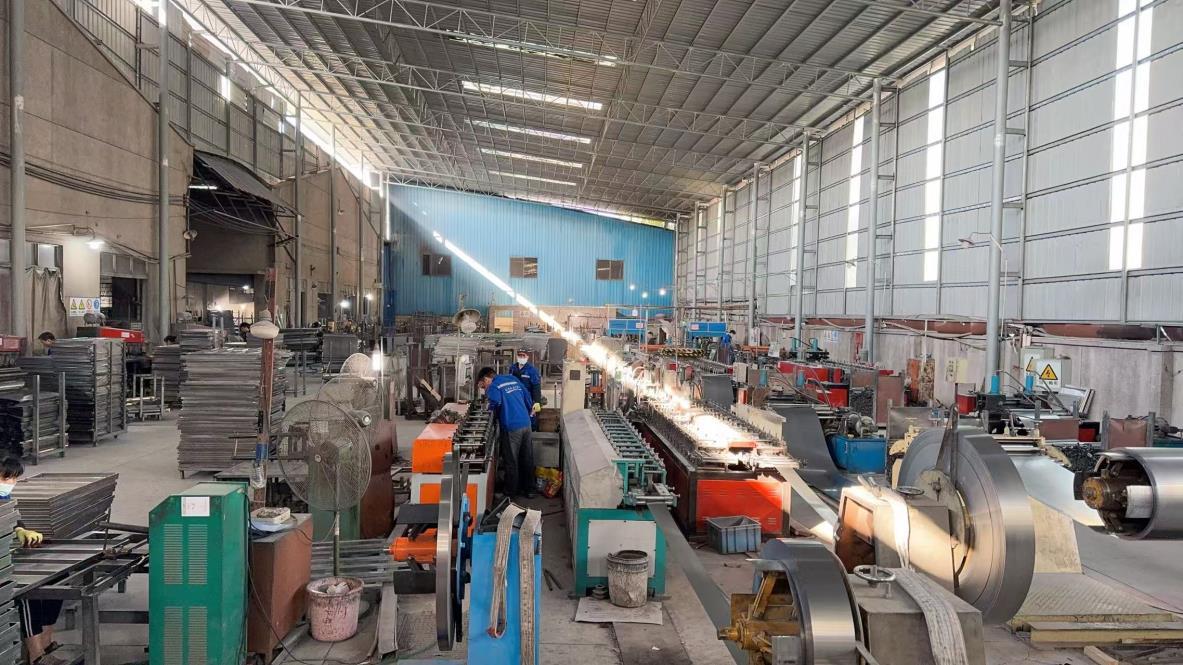
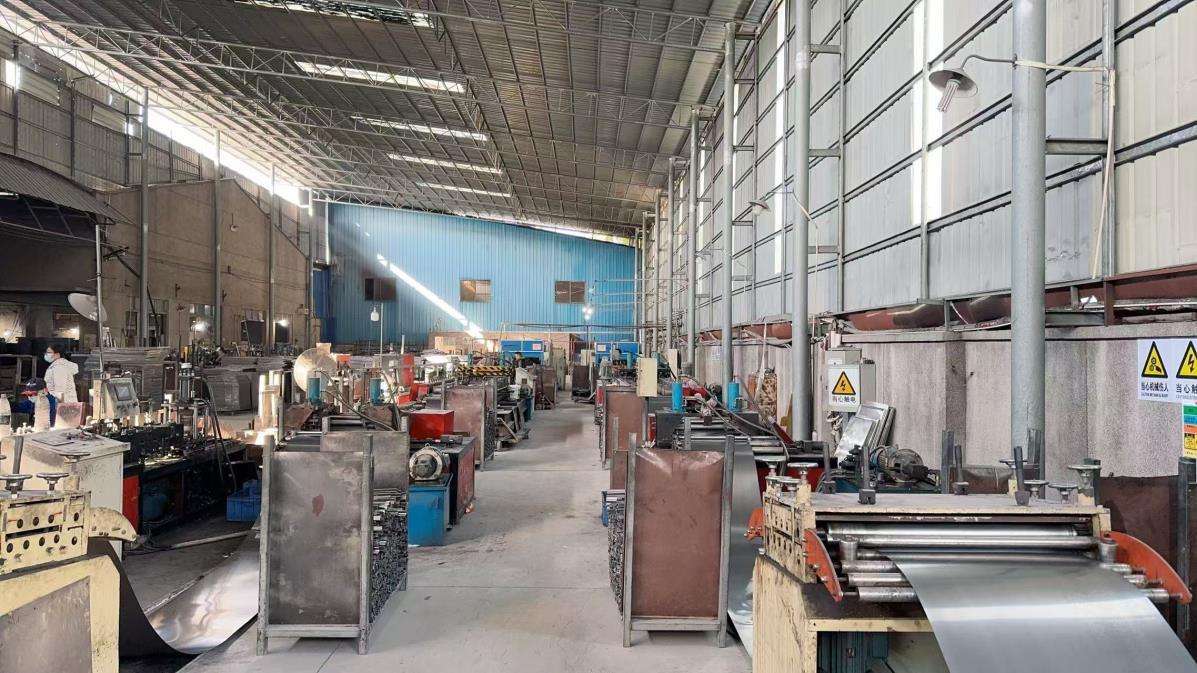
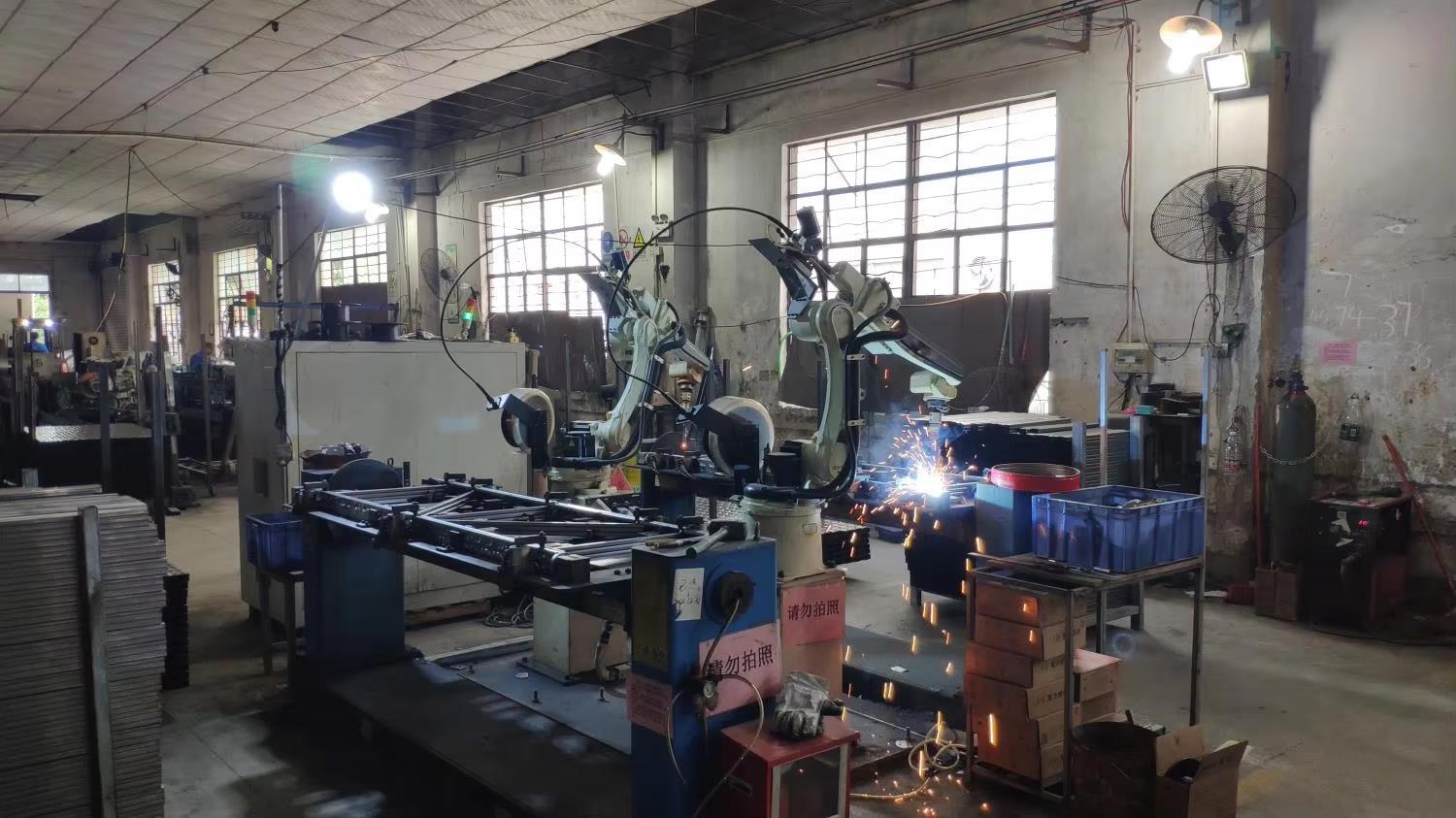
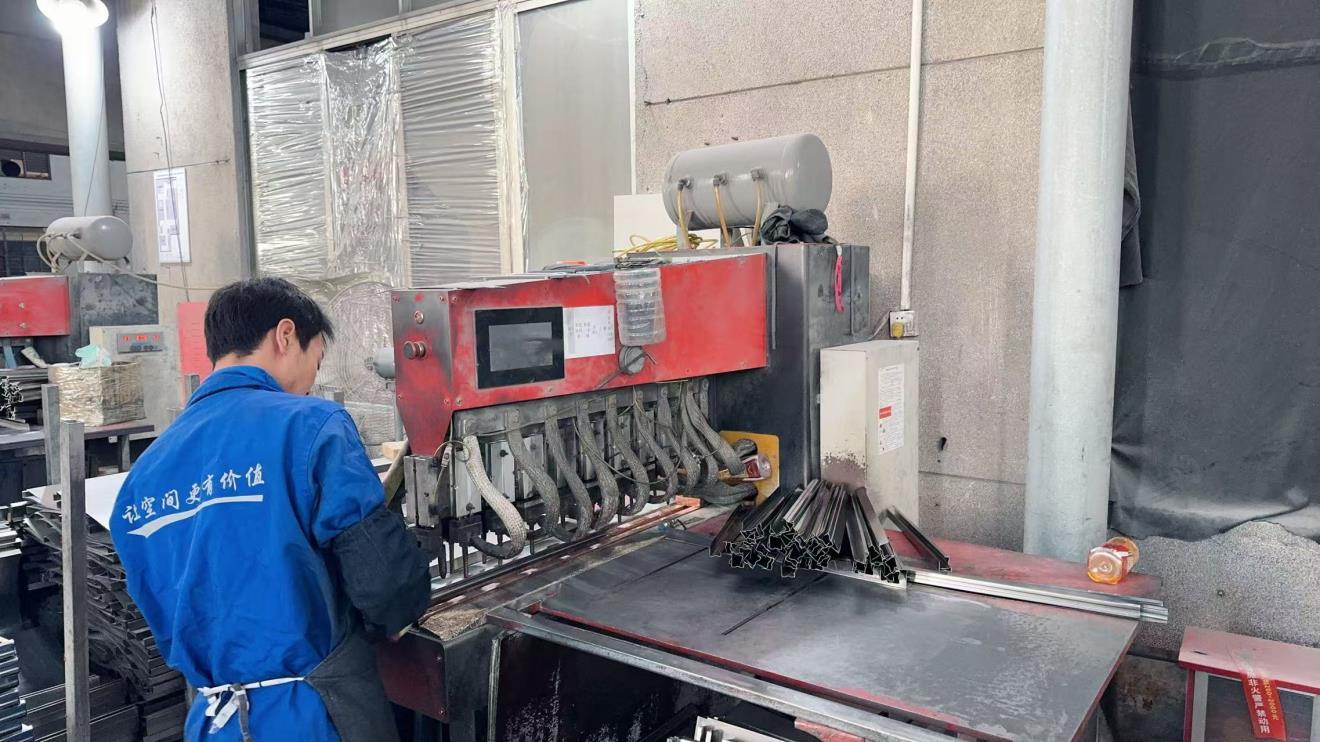
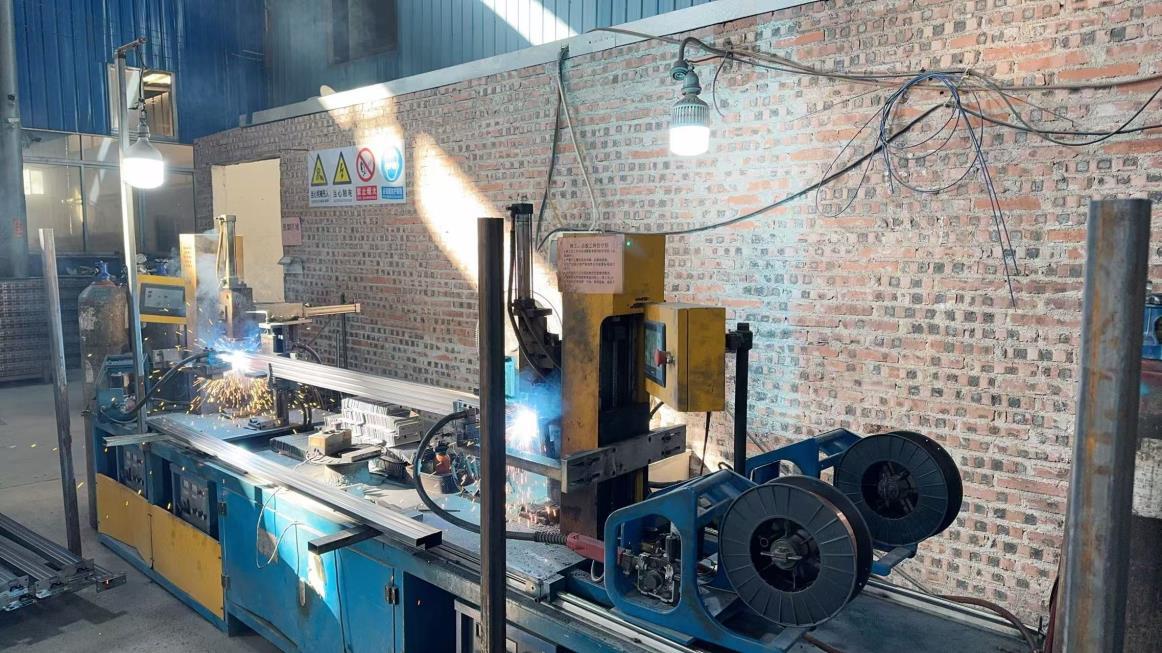
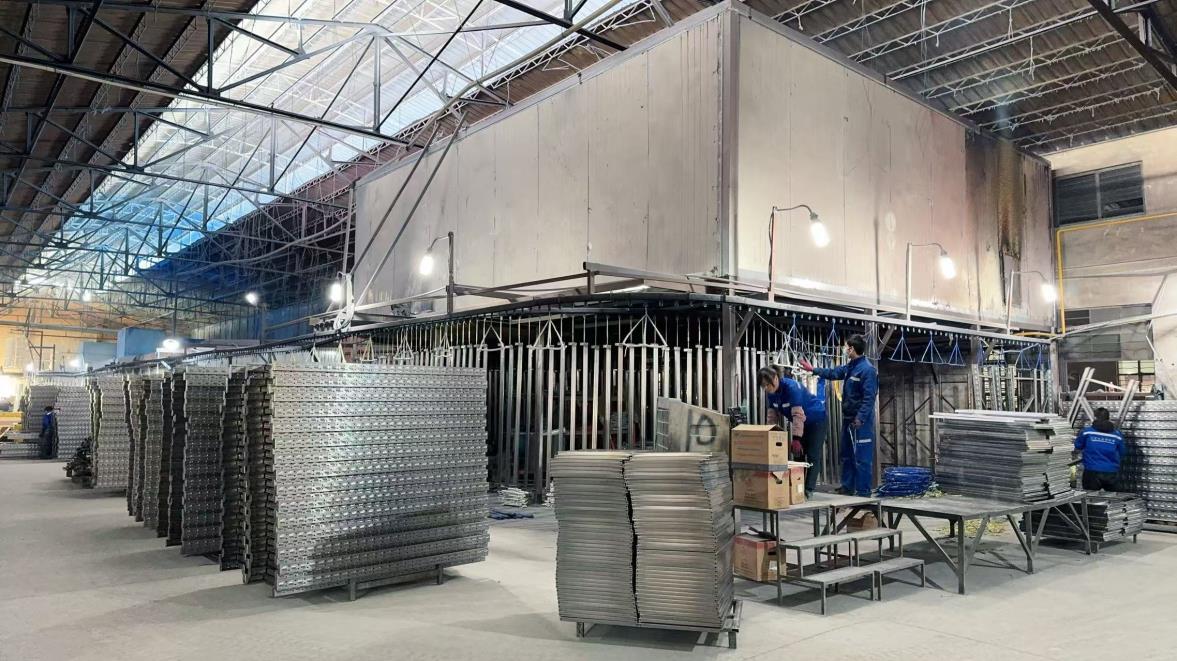
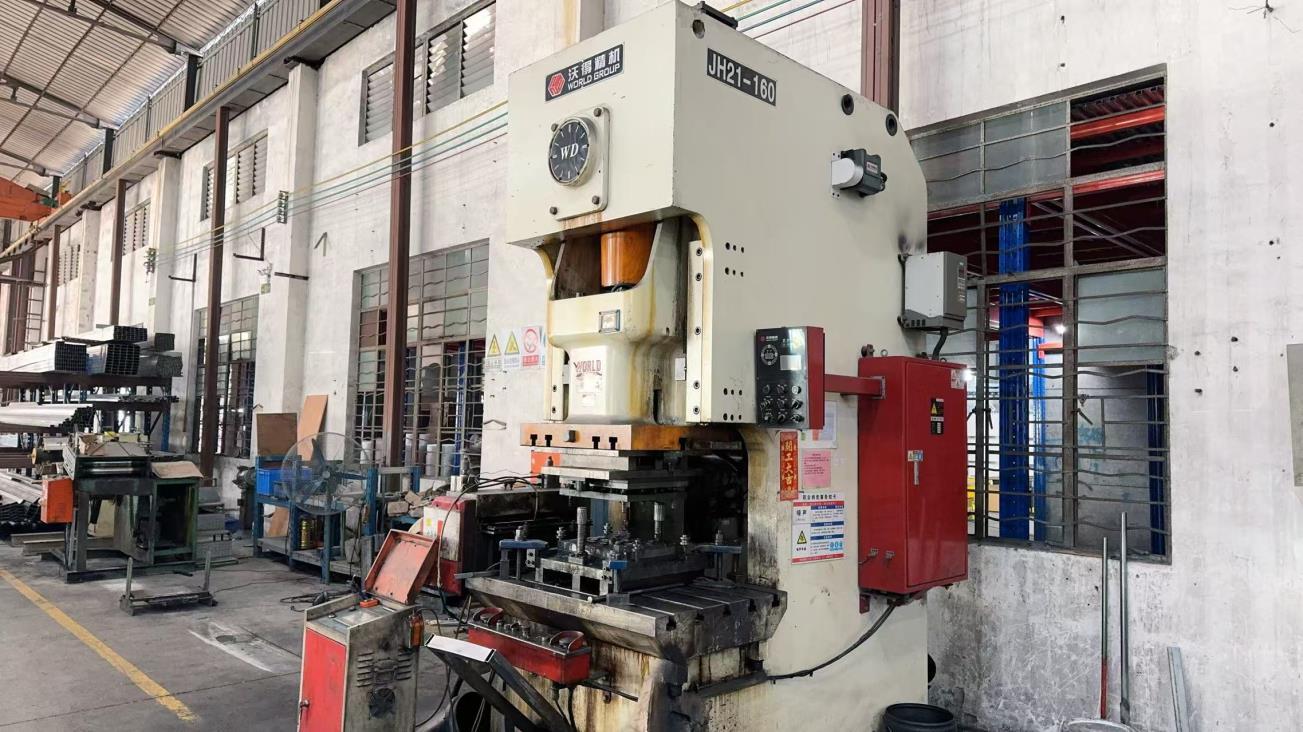
A detailed case study of Dongguan Kimsuk Shelves Co., Ltd. showcasing industrial-scale production capabilities.
Founded in 2015, Dongguan Kimsuk Shelves Co., Ltd. is a premier manufacturer specializing in heavy-duty industrial warehouse racking systems, automated storage solutions, and customizable steel shelving. Spanning a state-of-the-art production facility of 38,000 square meters, Kimsuk combines advanced manufacturing infrastructure with high-precision engineering to deliver robust logistics and warehousing infrastructure globally.
Kimsuk's deep commitment to quality management systems is demonstrated by its strict compliance with ISO 9001:2015 standards, CE certification, and load-bearing safety parameters. The company maintains an in-house engineering team capable of conducting full finite element structural modeling to custom-fit industrial requirements.
Heavy duty storage is not a one-size-fits-all product. Different industrial verticals require custom metallurgical configurations, physical load clearances, and retrieval access capabilities. A leading manufacturer must act as a solutions provider, architecting systems for specialized operations:
Operating down to -30°C requires specialized high-toughness steel that resists low-temperature brittleness. Integrated drive-in systems increase density to keep refrigeration losses minimal.
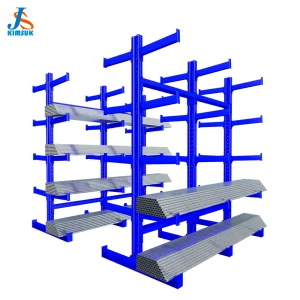
Customized racking units engineered for auto parts, industrial tires, and heavy metal components. High static capacities and protective materials prevent paint scratching and dynamic shifting.
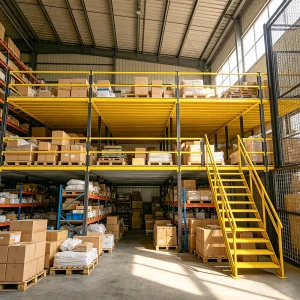
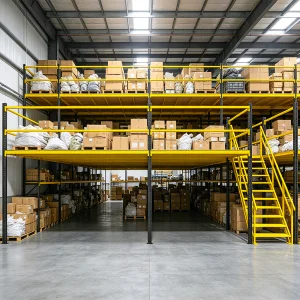
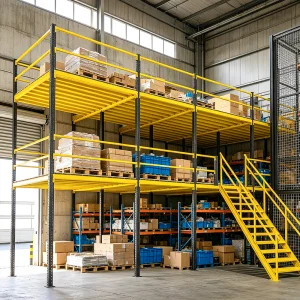
High-turnover multi-level mezzanines integrated with conveyors and sorting areas. Modular assembly designs allow rapid facility expansion as inventory patterns shift.
Enterprise procurement professionals focus on total cost of ownership (TCO) and compliance risk management. To assist engineering managers and global procurement executives, we outline the mandatory criteria for evaluating heavy-duty storage suppliers:
The shipping and installation of structural heavy-duty storage require precision and strict regulatory compliance. Top-tier exporters do not stop at the factory gate; they provide comprehensive localization frameworks including:
Ensuring all engineering prints conform to regional mandates such as AS4084 in Australia, FEM regulations in Europe, and IBC standards in North America.
Streamlined customs clearance and ocean freight handling, with heavy-duty structural components packaged to prevent damage during transit.
Providing local installation supervision, alignment audits, and load capacity safety tagging to ensure standard compliance prior to warehouse launch.
Technical answers to help buyers evaluate engineering capabilities and logistics requirements.
Ensuring total warehouse structural safety and maximum space optimization.
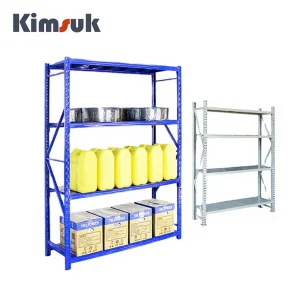
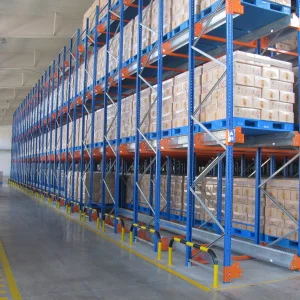
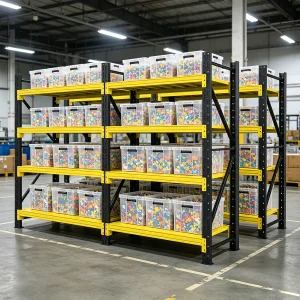
 Kimsuk Racking