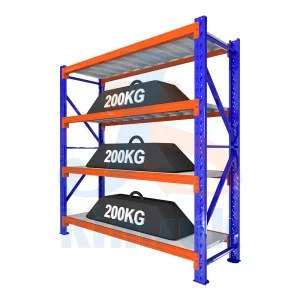
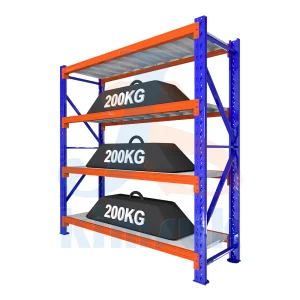
Premium multi-level warehouse storage systems engineered to maximize space utilization, optimize inventory cycle times, and ensure structural load-bearing reliability.
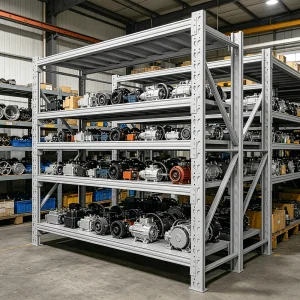
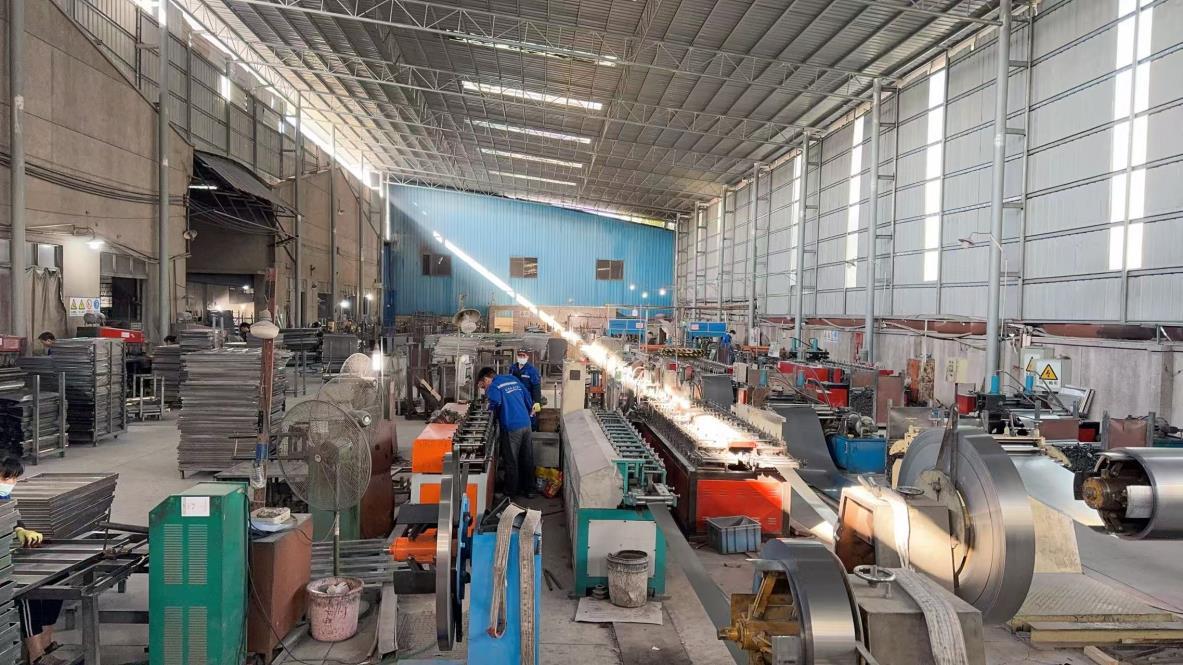
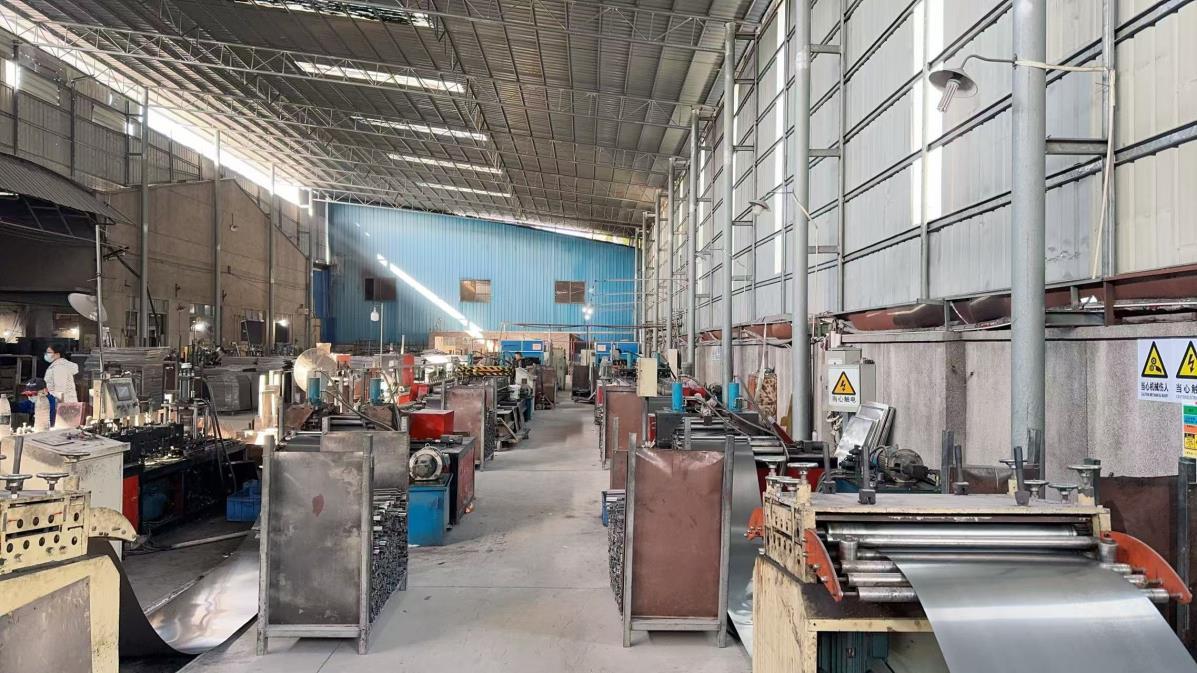
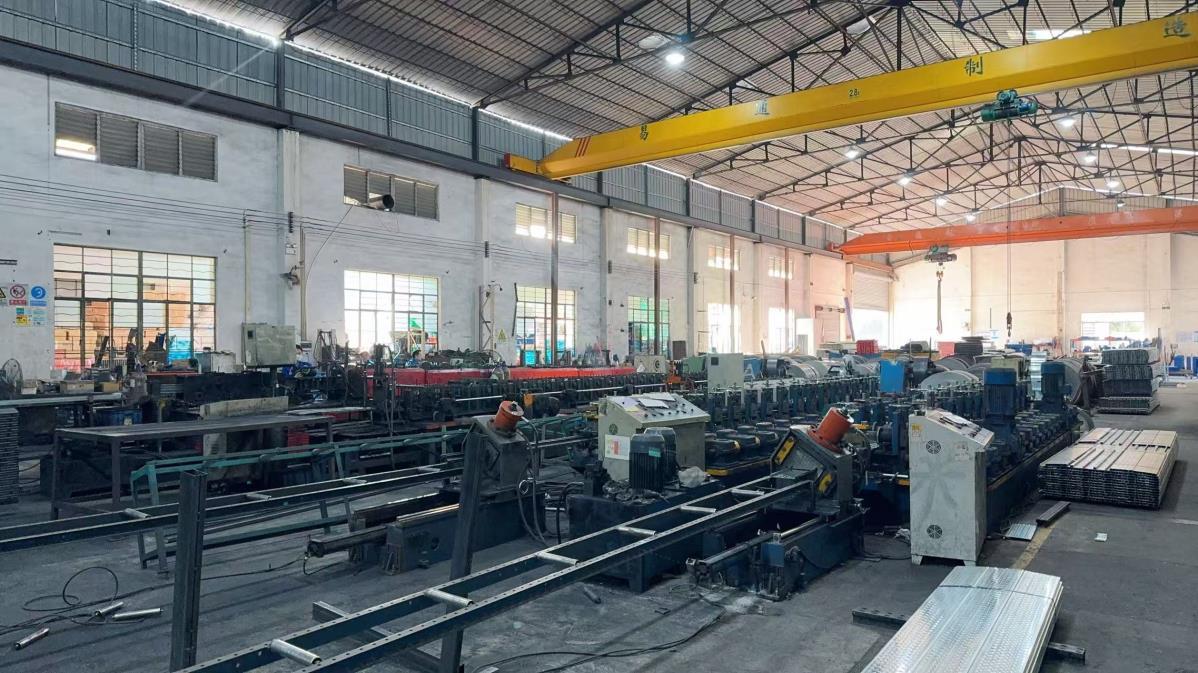
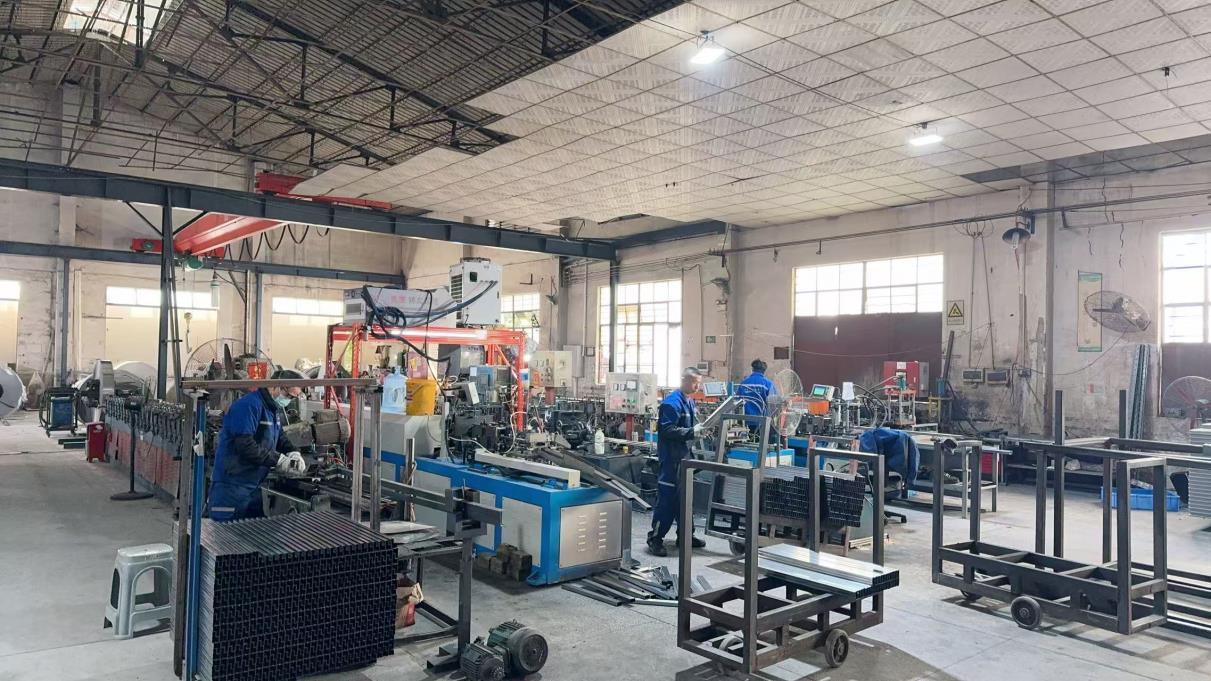
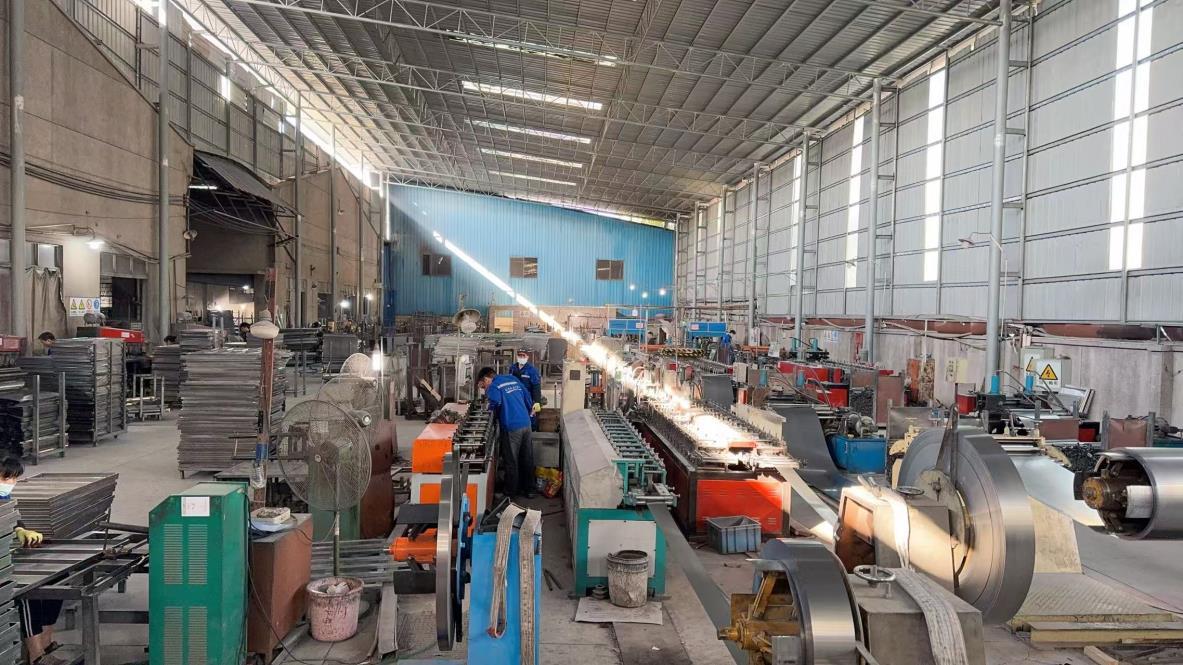
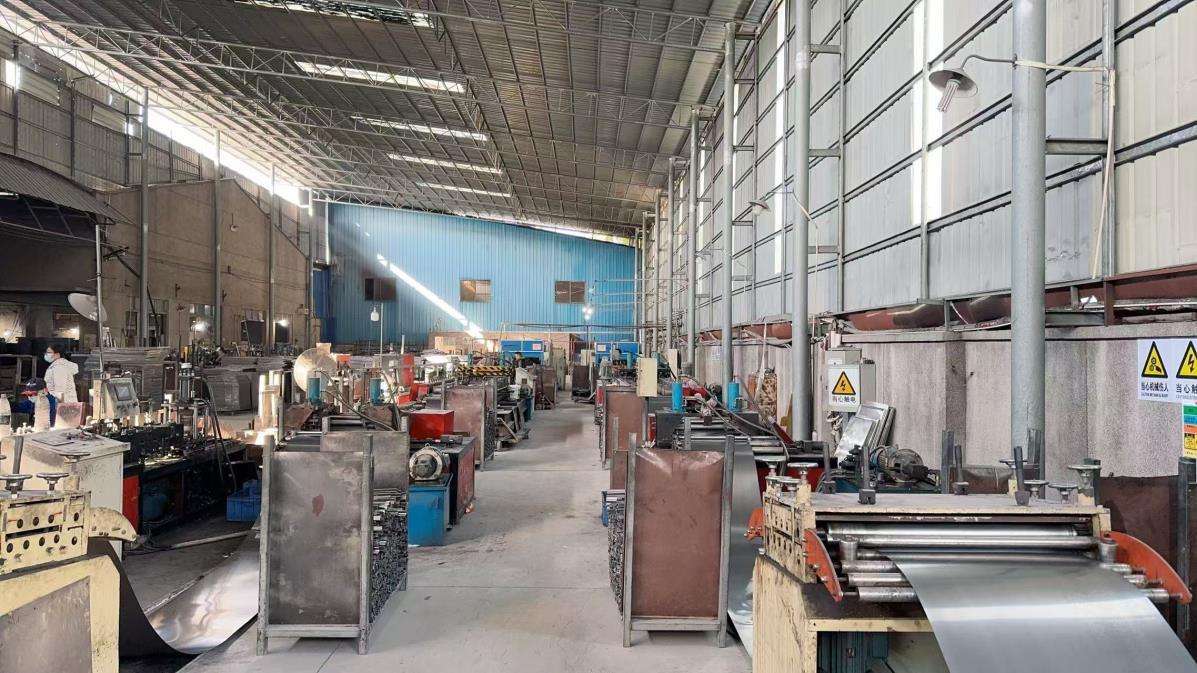
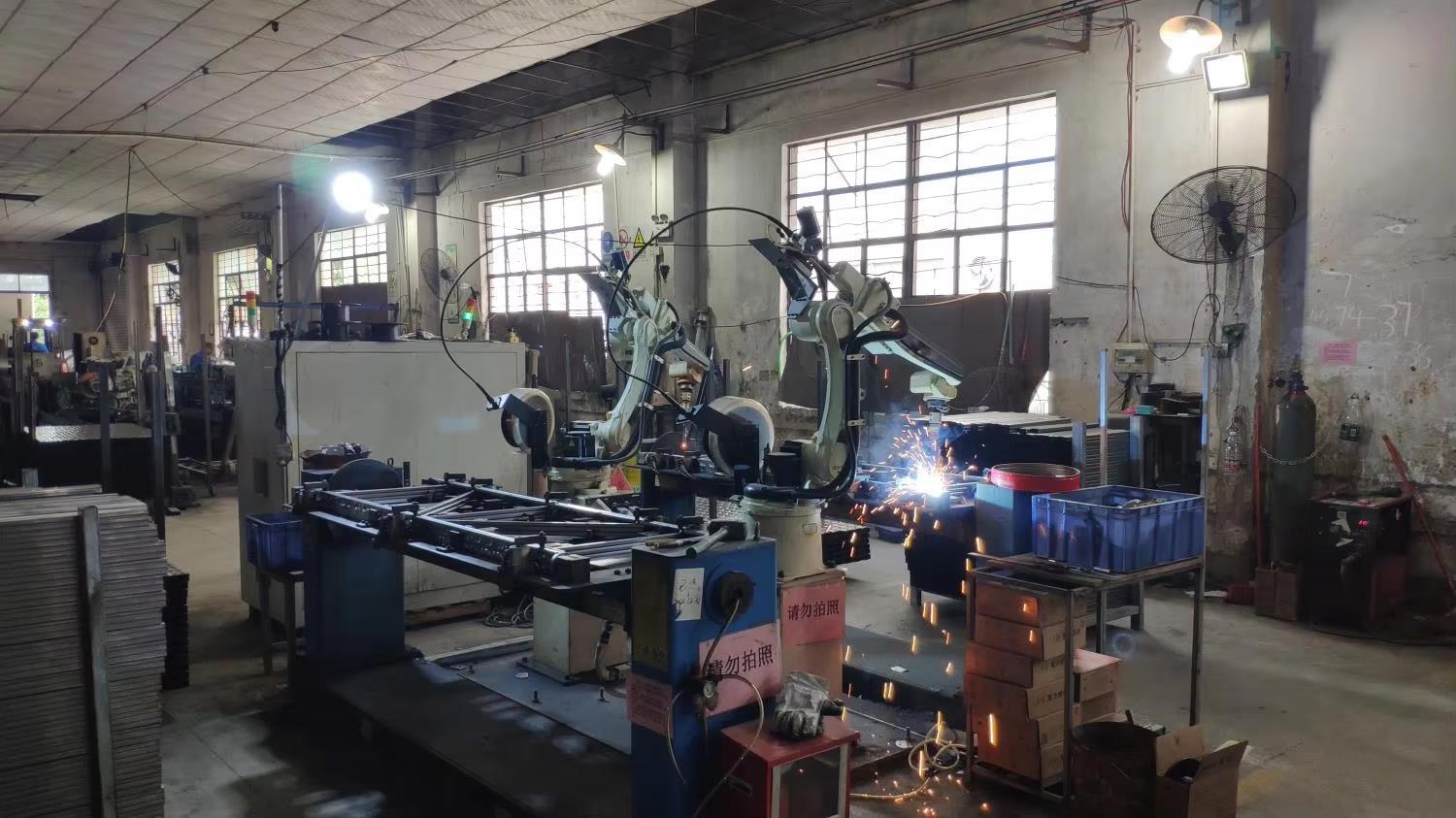
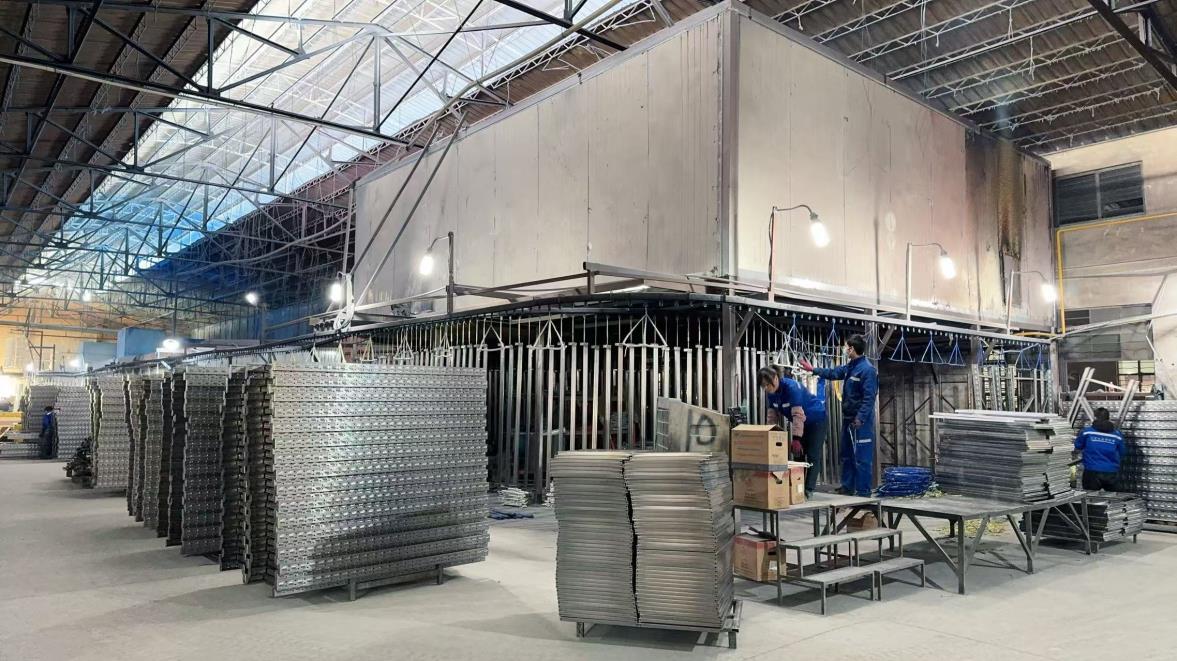
Founded in 2015, Dongguan Kimsuk Shelves Co., Ltd. is a premier manufacturer specializing in heavy-duty industrial warehouse racking systems, automated storage solutions, and customizable steel shelving. Spanning a state-of-the-art production facility of 38,000 square meters, Kimsuk combines advanced manufacturing infrastructure with high-precision engineering to deliver robust logistics and warehousing infrastructure globally.
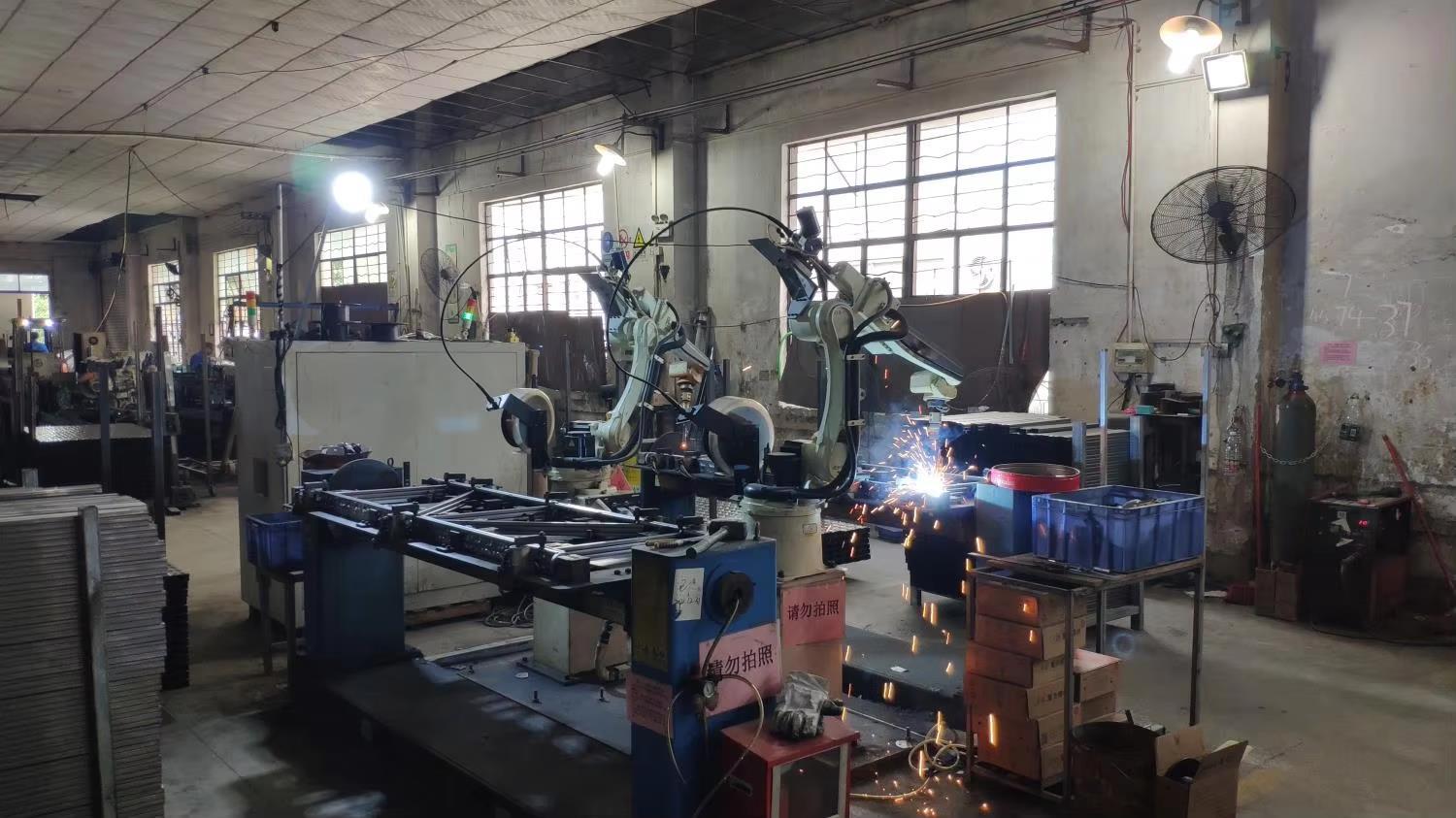
We deploy advanced diagnostic instruments including Non-destructive Ultrasonic Testing, Automated Ultrasonic Weld Flaw Detection, Coating Thickness Measurement, Surface Salt Spray Corrosion Testing, and Structural Static/Dynamic Load Testing to guarantee safety compliance across all material components.
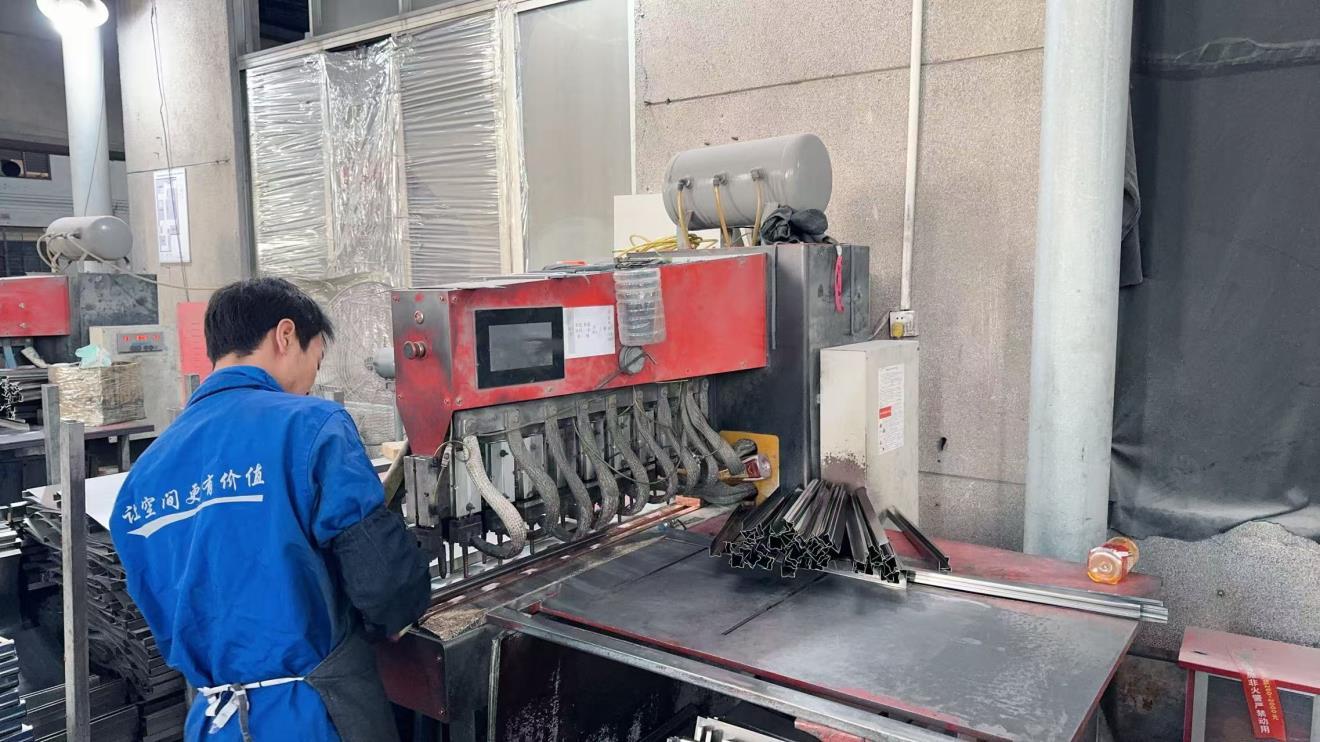
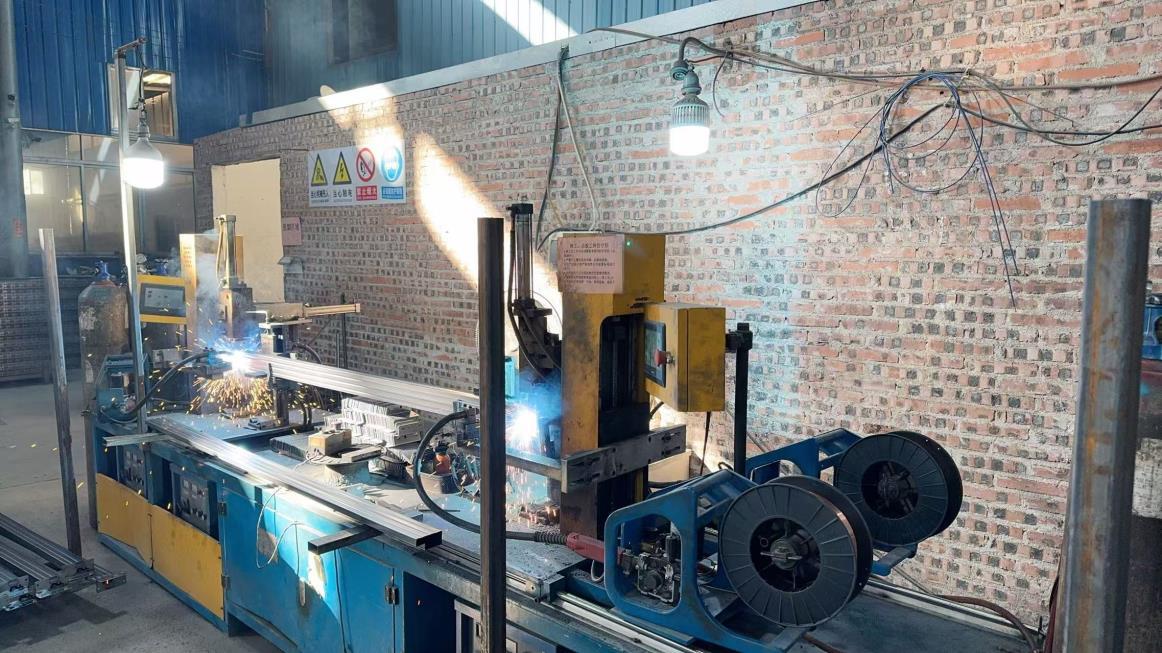
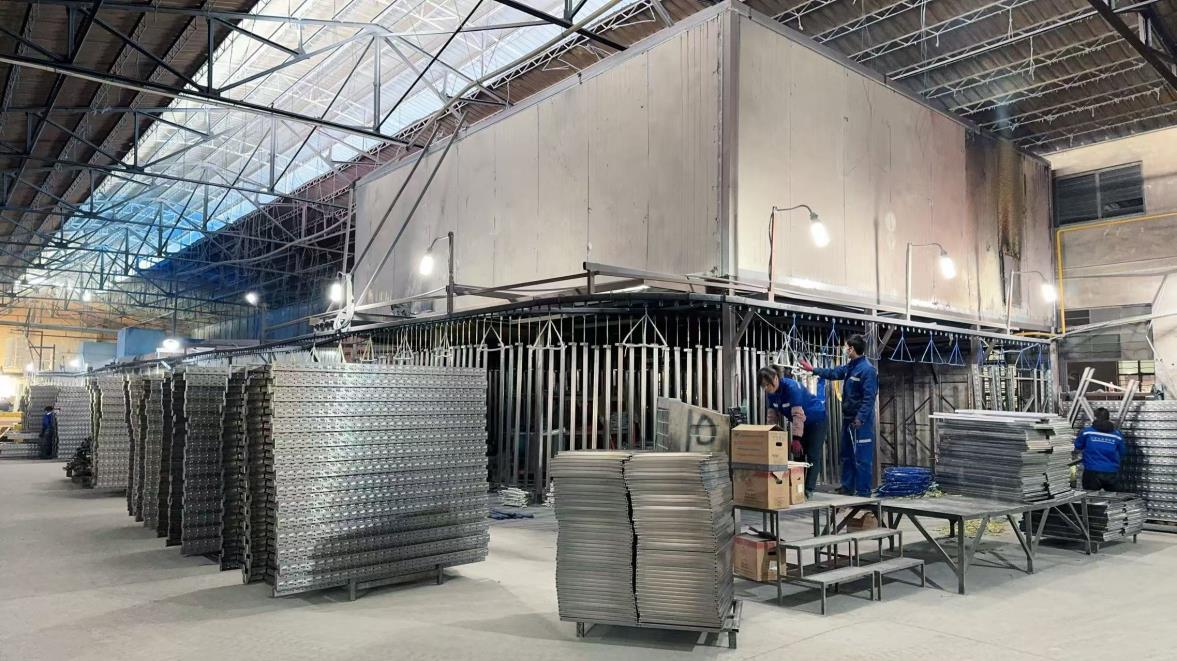
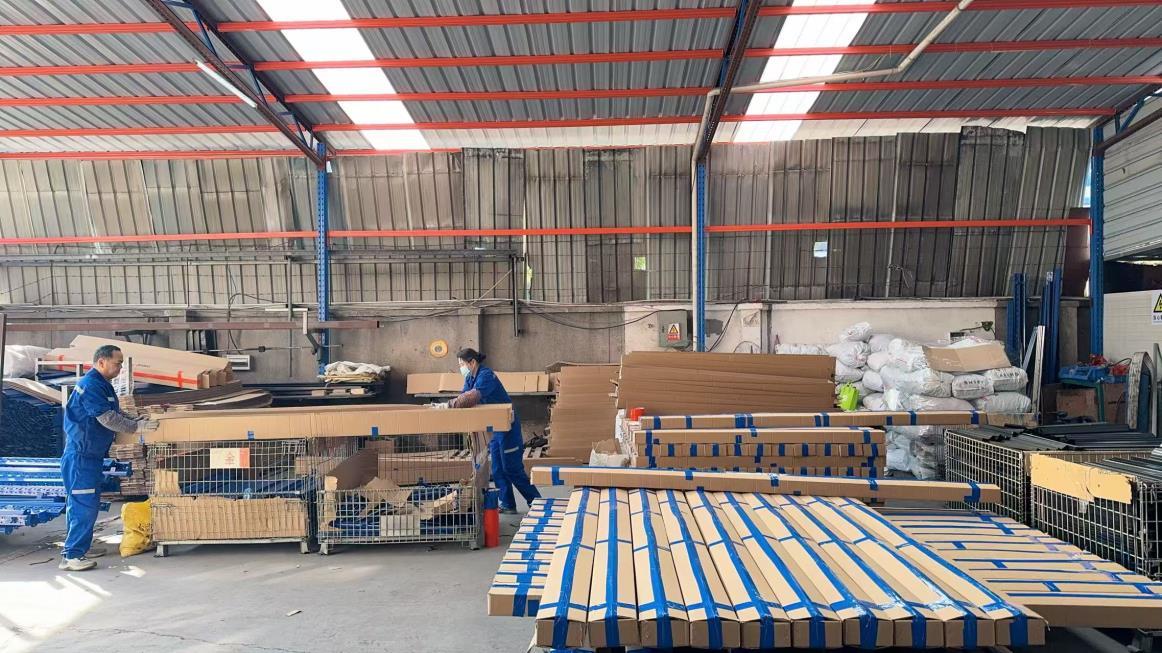
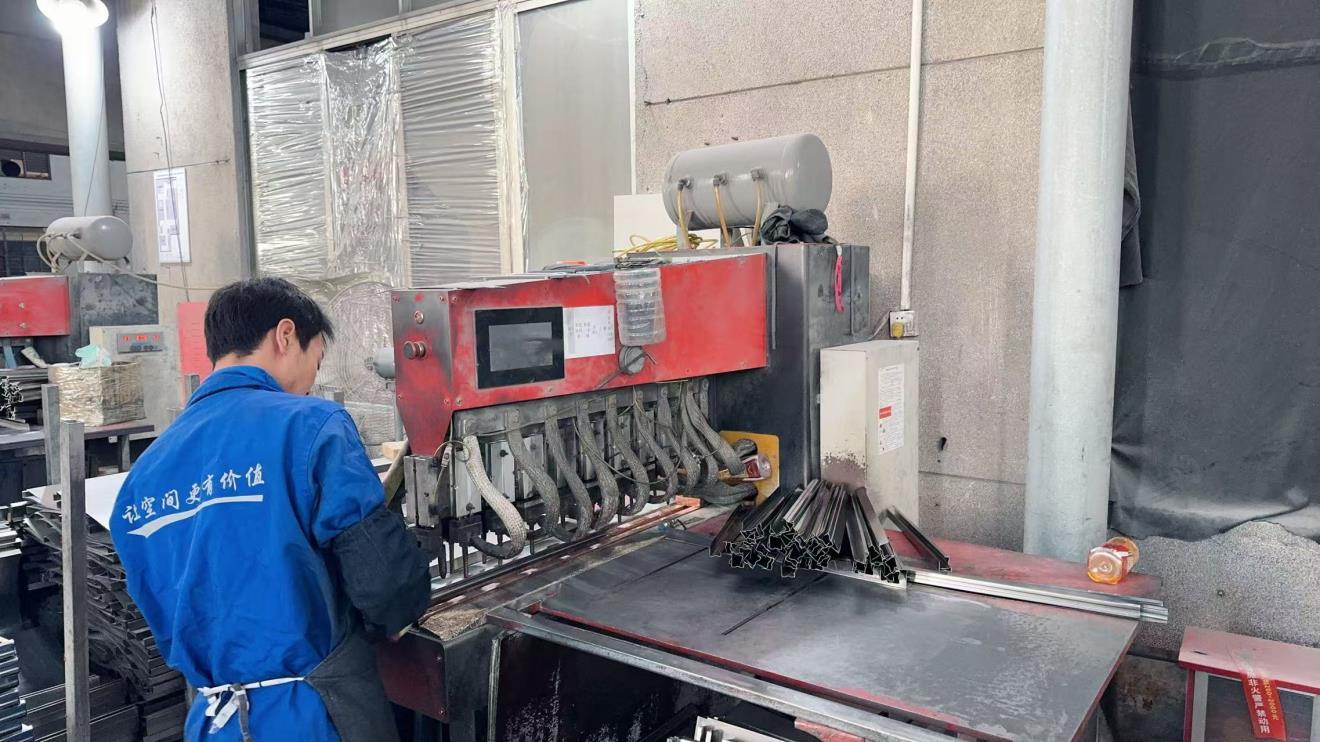
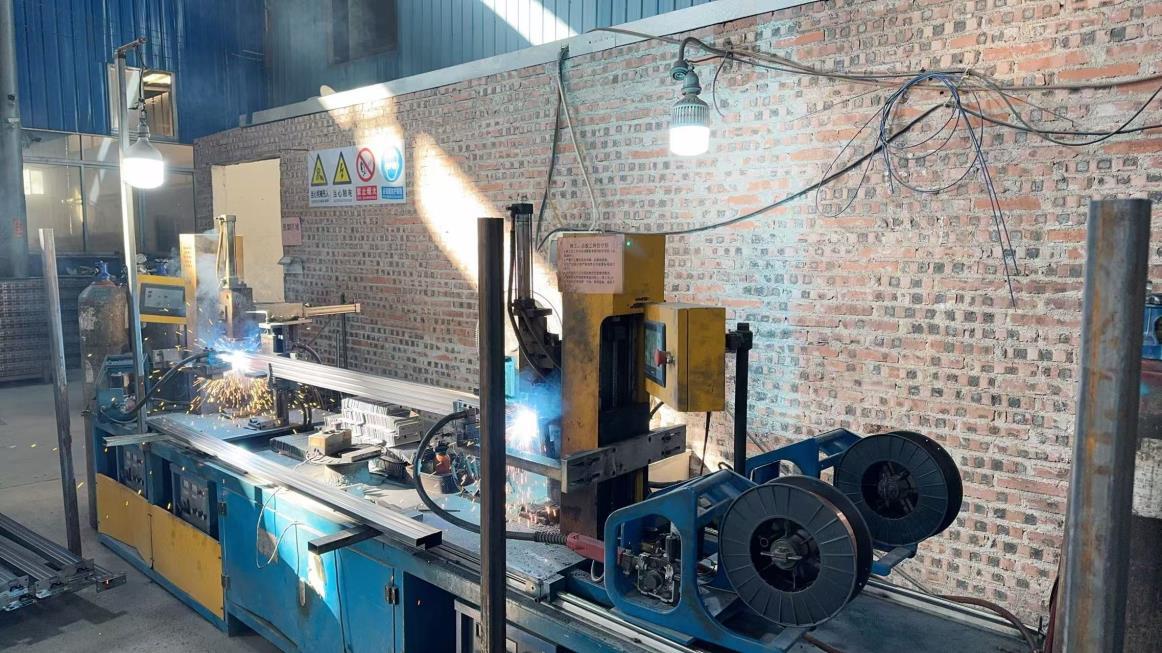
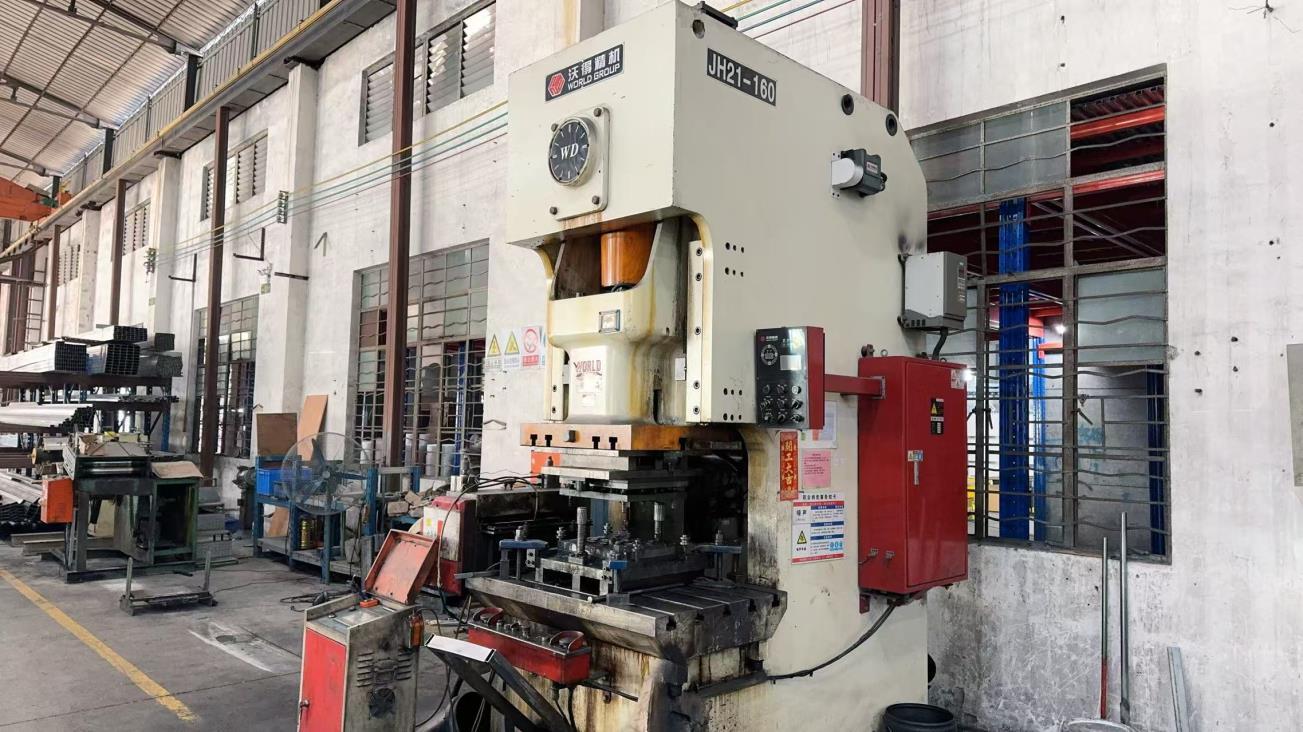
Our complete raw-material-to-finished-product workflow guarantees uniform manufacturing tolerances and high structural load-bearing performance.
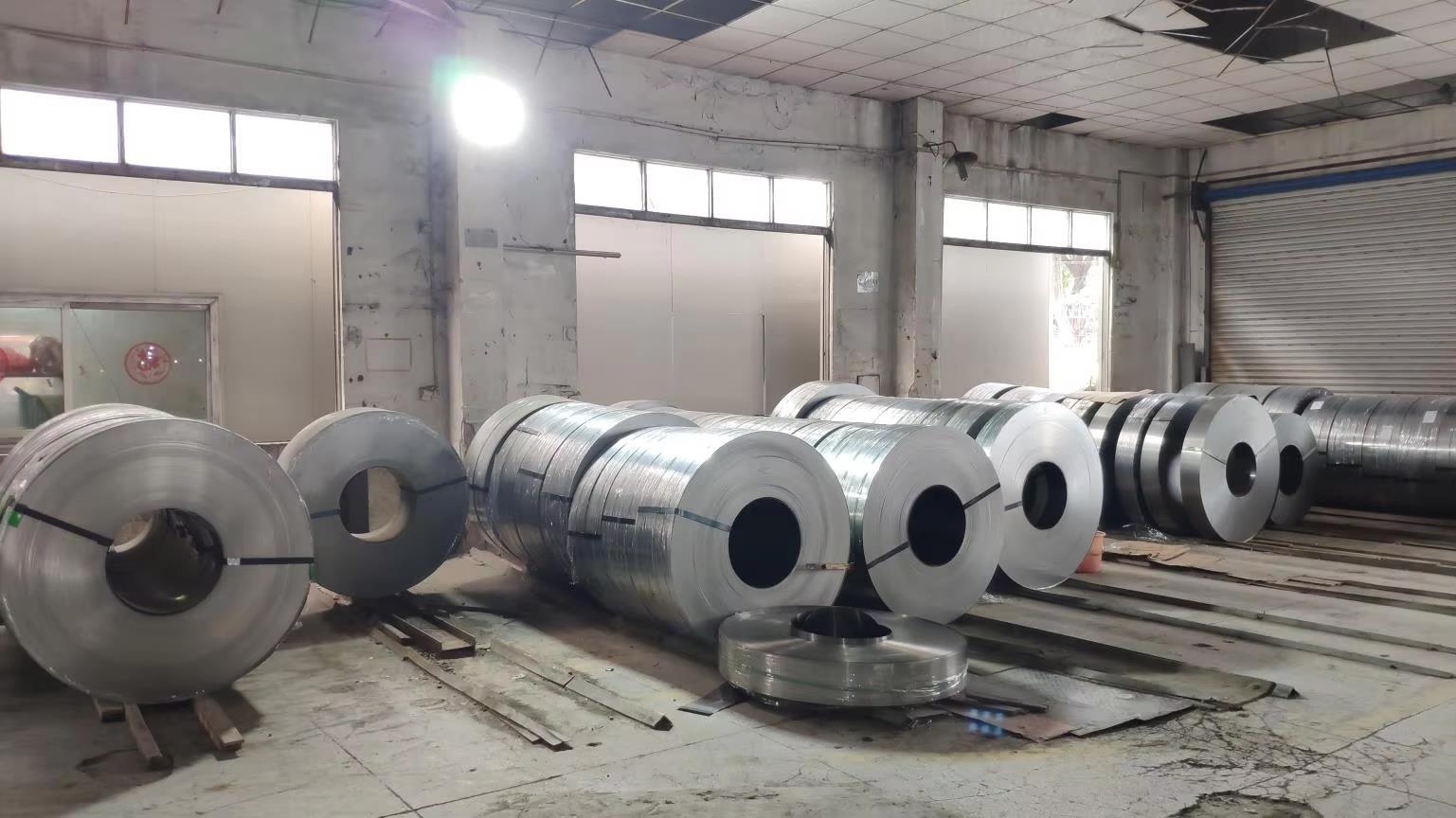
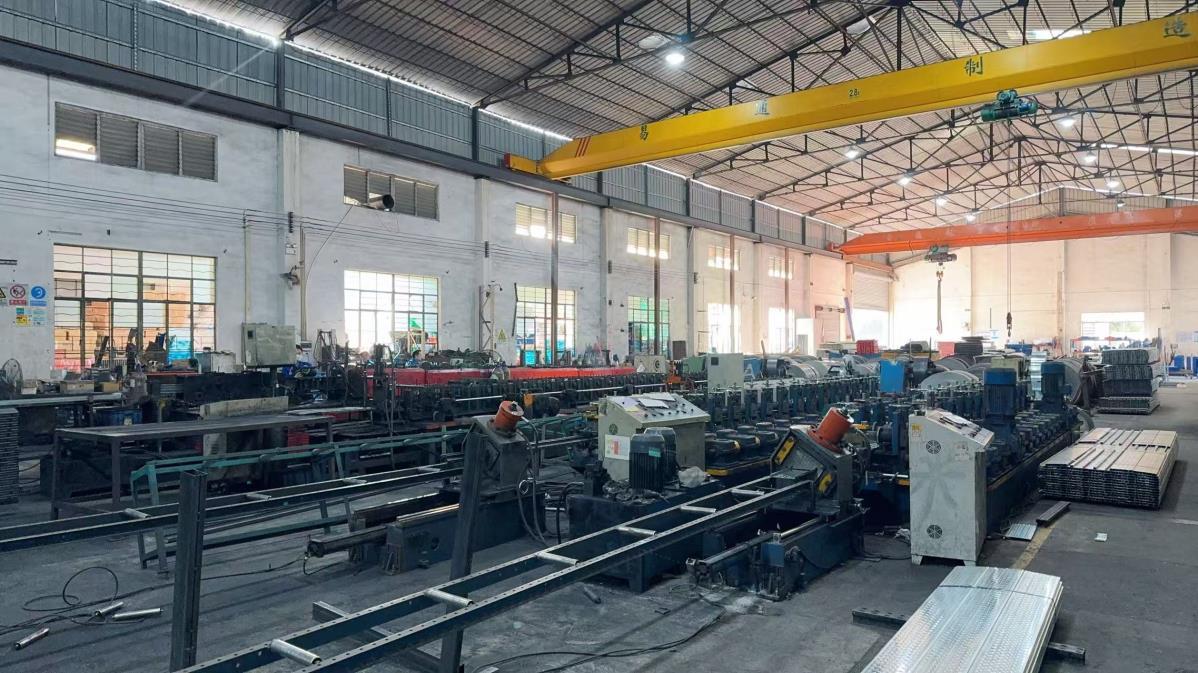
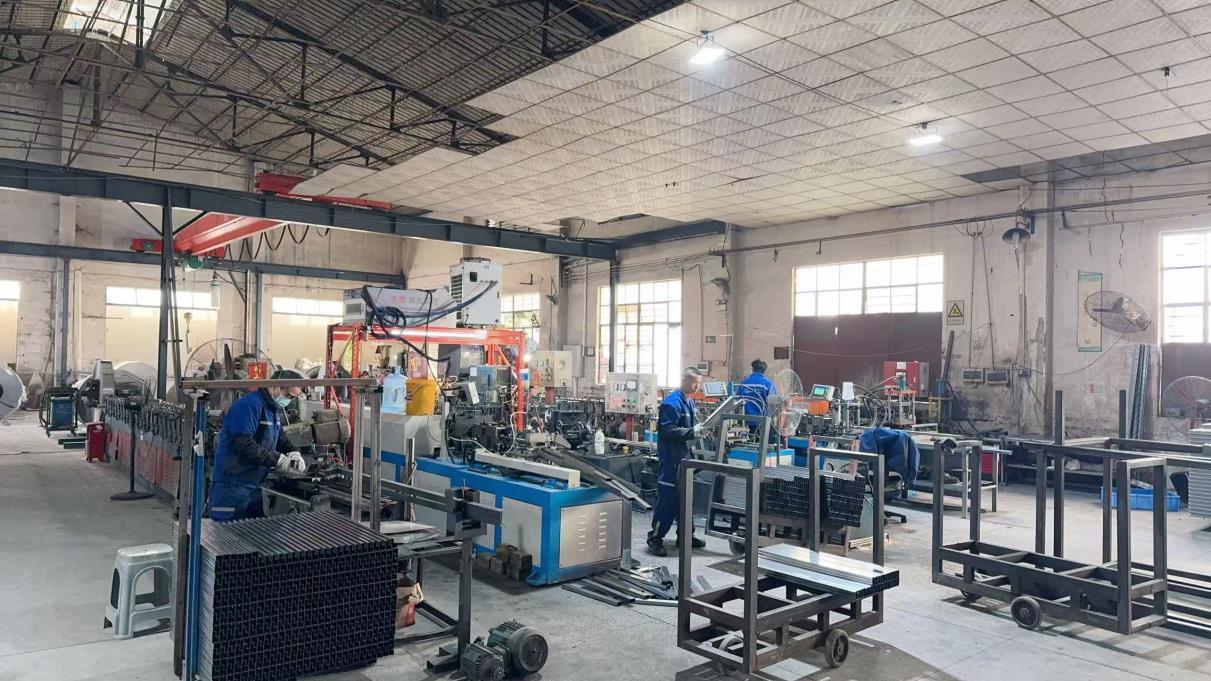
An engineering analysis of First-In, First-Out (FIFO) dynamic storage architectures, throughput kinematics, and bottom-line economic viability.
First-In, First-Out (FIFO) dynamic racking systems represent the pinnacle of high-density storage innovation. Unlike static systems, FIFO racking integrates a slight incline (typically 3% to 4% slope) equipped with heavy-duty rollers, skate wheels, or flow tracks. Pallets or cartons are loaded from the high charging end (entry gate) and travel via controlled gravitational pull down to the discharging end (exit gate). When the front-most pallet is retrieved, the subsequent load rolls smoothly forward to fill the vacant picking face. This physical separation of loading and picking aisles reduces fork-truck travel times by up to 40%, completely eliminates cross-traffic bottlenecks, and minimizes the risk of collisions between personnel and machinery.
In selective pallet racking systems, aisles take up to 60% of the warehouse footprint. Implementing Kimsuk's deep-lane FIFO gravity flow or automated radio shuttle configurations eliminates intermediate access corridors. This allows warehouses to reclaim lost horizontal aisle space and convert it directly into high-density payload lanes. Standard installations achieve up to 85% improved storage utilization compared to traditional structures, allowing logistics directors to store twice the capacity in the same square-meter footprint. This is exceptionally critical in ambient and temperature-controlled environments where thermal space preservation correlates directly to operational cost reduction.
For operations dealing with perishable foodstuffs, pharmaceuticals, chemically active compounds, and lithium-ion batteries, stock rotation is non-negotiable. FIFO guarantees strict shelf-life control by ensuring that products deposited first are processed first. This eliminates the risk of hidden, obsolete stock getting trapped in deep storage shelves—a common drawback of LIFO (Last-In, First-Out) drive-in systems. Implementing Kimsuk FIFO solutions helps distributors reduce product shrinkage and write-offs to near zero, satisfying stringent regulatory auditing standards (such as FDA and GMP) with structural certainty rather than relying solely on warehouse management software (WMS) routing rules.
Kimsuk executes finite element analysis (FEA) to verify the integrity of high-density structural frames in active seismic zones (conforming to RMI, ANSI MH16.1, and FEM 10.2.02 standards). Every upright column is engineered with cold-formed structural steel grades (such as Q235 and Q355). This guarantees high yield strengths, allowing Kimsuk racking to handle extreme operational loads without buckling. Dual-anchor baseplates and specialized back-to-back bracing increase horizontal rigidity and safeguard both workers and automated logistics systems during high-frequency movements.
Modern warehouses are moving rapidly toward autonomous material handling. Kimsuk's FIFO racking solutions are engineered with dedicated entry alignment rails and precise tolerance controls, ensuring compatibility with Automated Guided Vehicles (AGVs) and Autonomous Mobile Robots (AMRs). The racking lanes can be outfitted with retrofitted proximity sensors, RFID positioning tracks, and automated speed controllers to allow seamless data exchanges with Warehouse Control Systems (WCS).
How Kimsuk's custom FIFO configurations address complex operational challenges across diverse high-throughput industry sectors.
Refrigeration energy represents a significant overhead cost. Kimsuk's high-density FIFO systems maximize temperature-controlled volume, allowing developers to pack the maximum quantity of frozen pallets into minimal refrigeration areas. Powder-coated structural members are fortified with specialized cold-room structural additives, preventing embrittlement and stress cracking down to -30°C.
With strict expiration tracking requirements, clinical warehouses rely on guaranteed inventory rotation. The mechanical flow of FIFO lanes ensures that no clinical batch gets left in deep storage lanes beyond its expiration window. This supports GMP compliance and seamless clean-room material control.
Just-in-Time (JIT) manufacturing lines require highly synchronized raw material feeds. Carton flow and gravity flow configurations provide constant feed flows at staging areas, allowing assembly line teams to instantly pull standard plastic crates. This minimizes picking errors and prevents downtime on the factory floor.
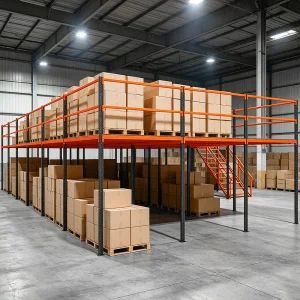
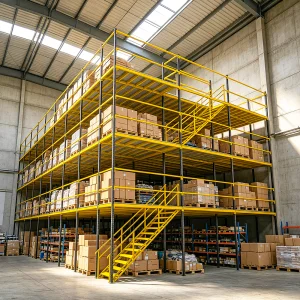
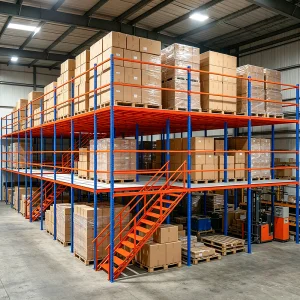
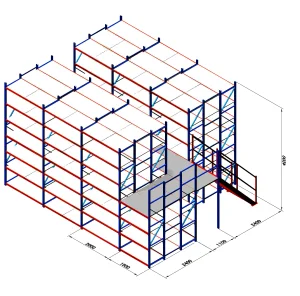
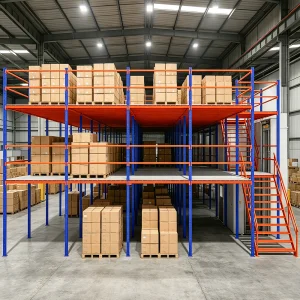
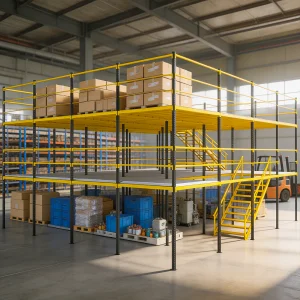
With thousands of SKUs constantly shifting, high-frequency picking lines demand optimal separation of replenishment and order-prep actions. Kimsuk multi-tier mezzanine platforms integrated with carton flow lanes speed up manual picking workflows, helping fulfillment centers hit ambitious next-day delivery targets.
Choosing an industrial warehouse supplier requires balancing price point with strict local regulatory compliance. Dongguan Kimsuk Shelves Co., Ltd. addresses this challenge by aligning all design and manufacturing processes with the structural standards of key destination markets:
We engineer our racking to meet RMI (Rack Manufacturers Institute) specification ANSI MH16.1. This includes calculating safe dynamic impacts from forklift loading and specifying appropriate column protectors and aisle deflectors to shield upright frames from forklift damage.
For clients in Western Europe, our racking systems comply with FEM 10.2.02 and EN 15512 safety protocols. This guarantees strict safety factor ratios, deflections, and structural stability margins, simplifying local construction and safety approvals.
"We do not build to a minimum price point; we engineer to a maximum safety standard. With over 15 years of industry experience, Kimsuk helps global enterprises deploy scaleable warehousing solutions that stand up to daily operational wear and tear."
Expert answers addressing the design parameters, installation nuances, and load characteristics of FIFO racking systems.
Generally, flow lane slopes are configured at 3% to 4%. Roller pitch depends on pallet length and construction, with the rule of thumb being that a minimum of three rollers must support the pallet's bottom deck at all times. Pitch options range from 50mm to 150mm depending on specific load configurations.
For deep-lane configurations exceeding four pallets, we integrate dynamic centrifugal speed controllers (flow brakes). These speed controllers engage automatically to keep pallet travel speeds below 0.25 meters per second, preventing hard impacts at the picking face.
We primarily construct upright profiles and high-stress beams with Q235B and Q355B structural carbon steel. These materials are certified for high structural yield strength and excellent weldability under static and dynamic loading cycles.
Yes. As an OEM/ODM manufacturer, Kimsuk offers bespoke length, width, and height configurations tailored to your warehouse blueprints. We offer electrostatic powder coating in any standard RAL color code, allowing you to align safety zones with your corporate color schemes.
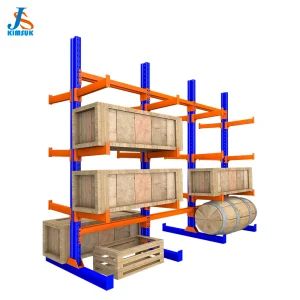
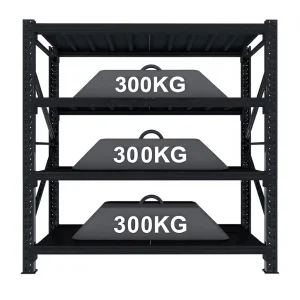
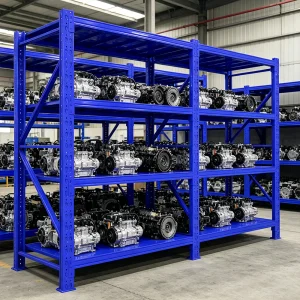
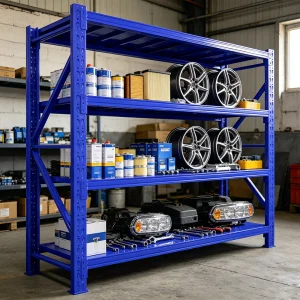
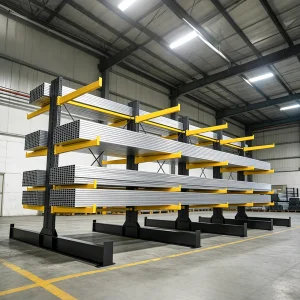
Engineered storage designs, dynamic cantilever configurations, and space-saving mezzanine platforms designed to handle complex load distributions.
 Kimsuk Racking