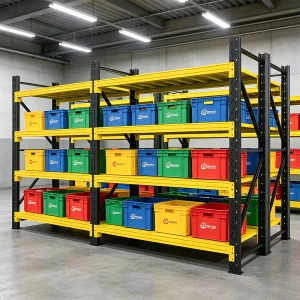
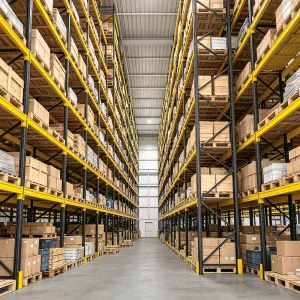
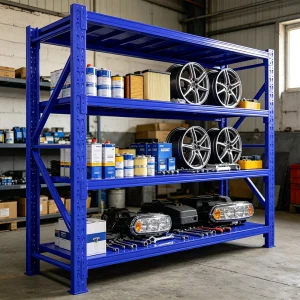
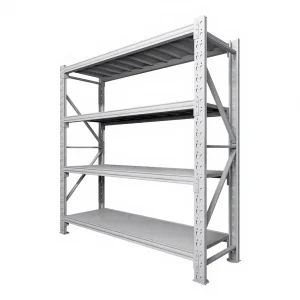
Explore our engineering portfolio, showcasing customized, load-certified storage racks and automated-ready platform designs.
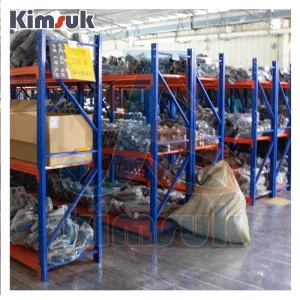
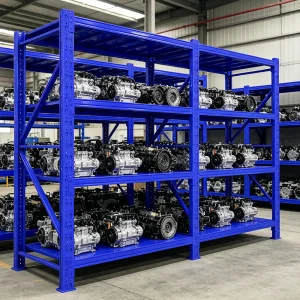
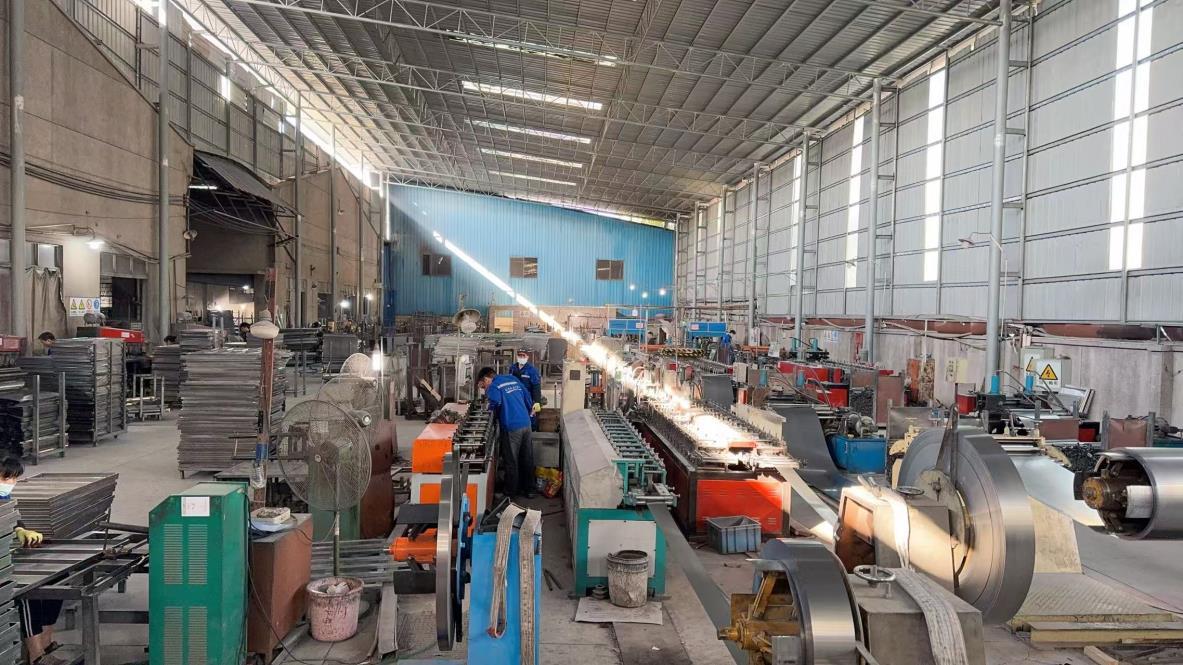
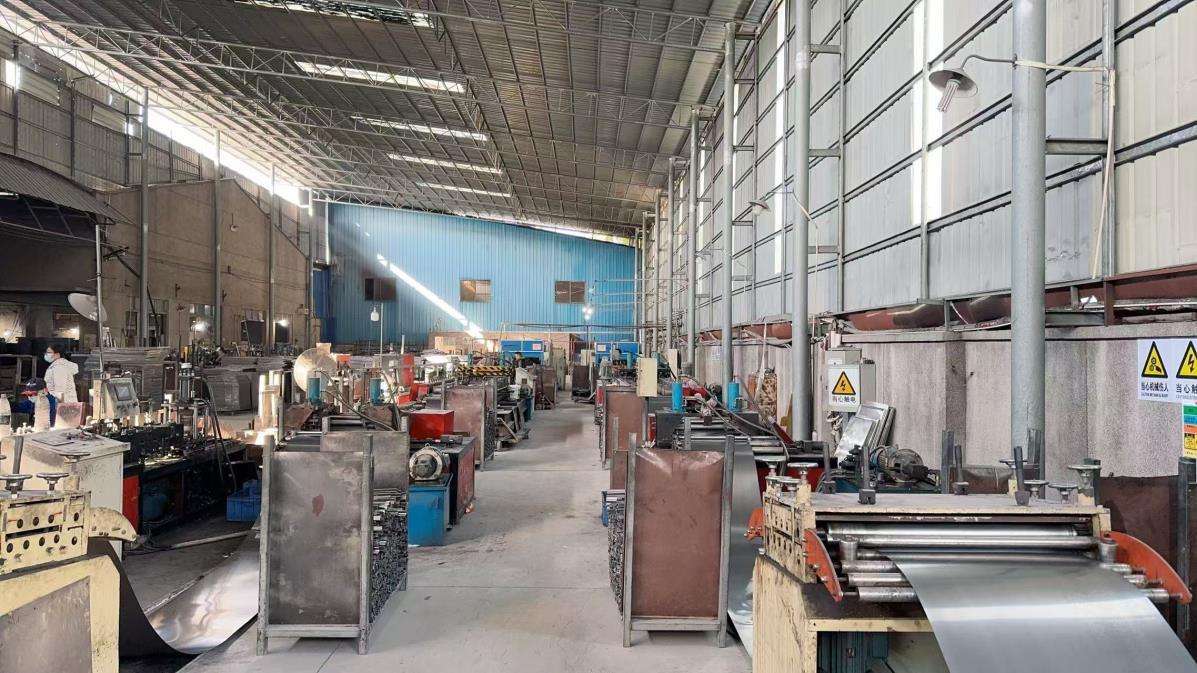
Founded in 2015, Dongguan Kimsuk Shelves Co., Ltd. is a premier manufacturer specializing in heavy-duty industrial warehouse racking systems, automated storage solutions, and customizable steel shelving. Spanning a state-of-the-art production facility of 38,000 square meters, Kimsuk combines advanced manufacturing infrastructure with high-precision engineering to deliver robust logistics and warehousing infrastructure globally.
Directing global engineering projects across North America, Western Europe, Southeast Asia, Australia, and the Middle East.
Engineered for high-volume 3PL logistics, complex cold chain operations, and dynamic E-commerce distribution hubs.
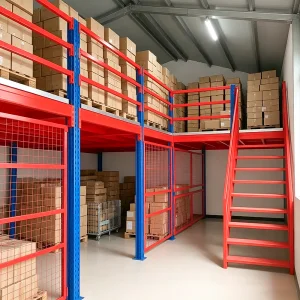
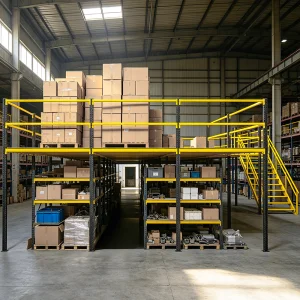
Double or triple vertical floor spaces without structural building expansions. Designed using high-grade structural Q235B and Q355B steel, utilizing finite element analysis (FEA) to assure dynamic load ratings between 300kg/m² and 1500kg/m².
Engineered to interface seamlessly with modern AGV, AMR, and AS/RS material handling hardware. Precision tolerance controls of ±1mm ensure automated guided systems move smoothly across modular racking and platform tracks.
Custom environmental finishes utilizing thermosetting epoxy coatings designed to withstand deep freeze (-40°C) condensation cycles. Fully compliant with regional seismic codes (RMI, Eurocode 3, AS4084-2012) to resist lateral shear loads.
As supply chains globally undergo digitalization, enterprise-level procurement of warehouse racking systems has transitioned from buying simple raw commodities to looking for comprehensive, pre-engineered structural solutions. To secure real Information Gain, supply chain executives evaluate prospective manufacturing partners using three core frameworks:
Urban logistics land rates continue to appreciate globally. Advanced multi-tier platforms leverage unused vertical clearances. Our structural attic platforms allow high-volume warehouses to triple inventory locations within the identical physical footprint, optimizing capital expenditure.
Dynamic supply demands necessitate modular rack platforms. Boltless assembly methods, heavy-duty adjustable beams, and interchangeable structural frames enable quick configuration alterations. Facility managers can seamlessly reconfigure pallet layouts to suit new SKU form factors.
Supply chain hubs require platforms that satisfy EN 15512, FEM 10.2.02, and OSHA standards. Structural systems must include load plaque ratings, column post protectors, end-of-aisle safety netting, and heavy-duty wire deck barrier protection.
From premium steel billets to high-durability epoxy finishes: witness our ISO-standardized fabrication process.
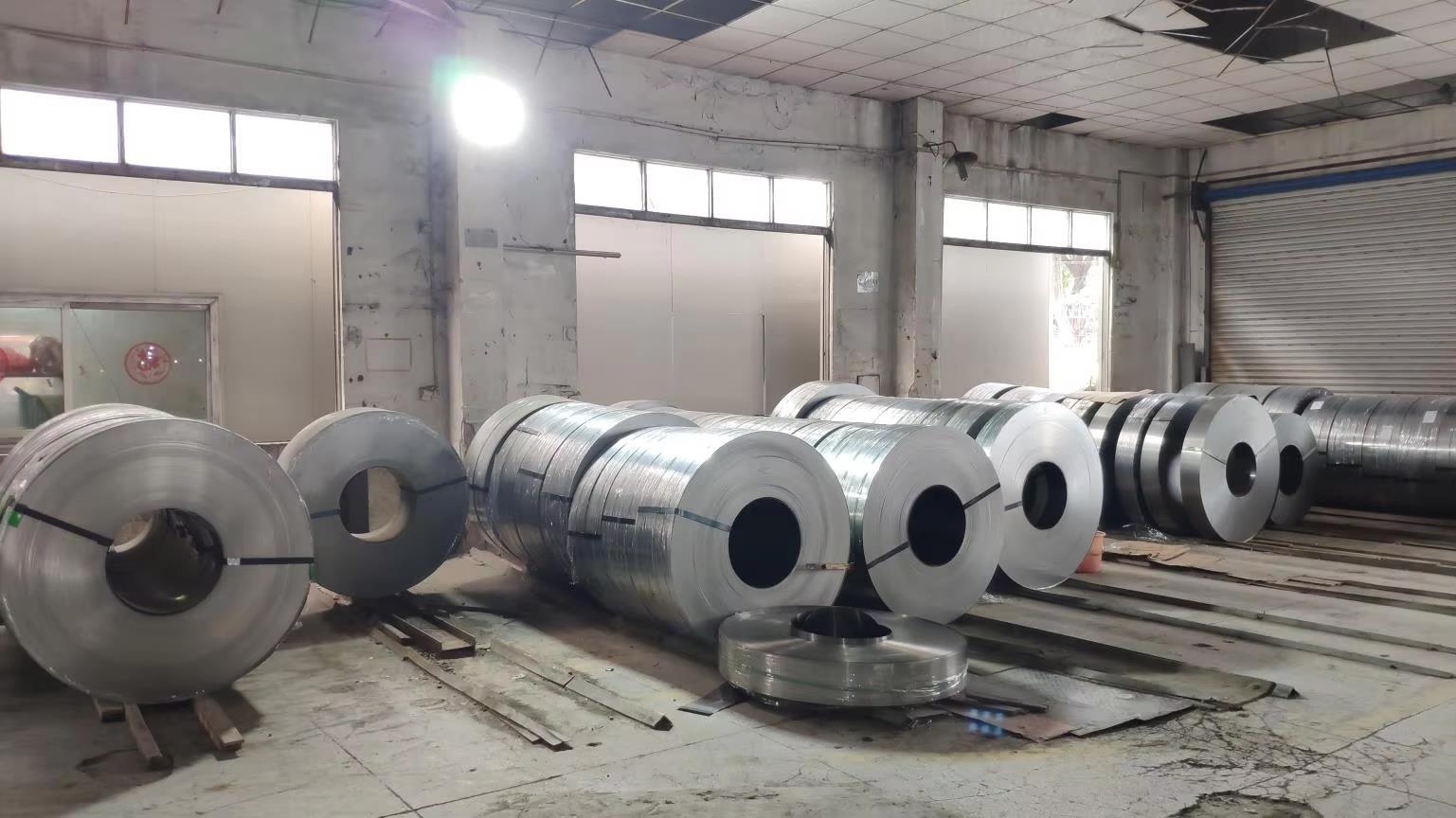
Certified structural carbon steel coils, verified for chemical purity and mechanical tensile properties before fabrication.
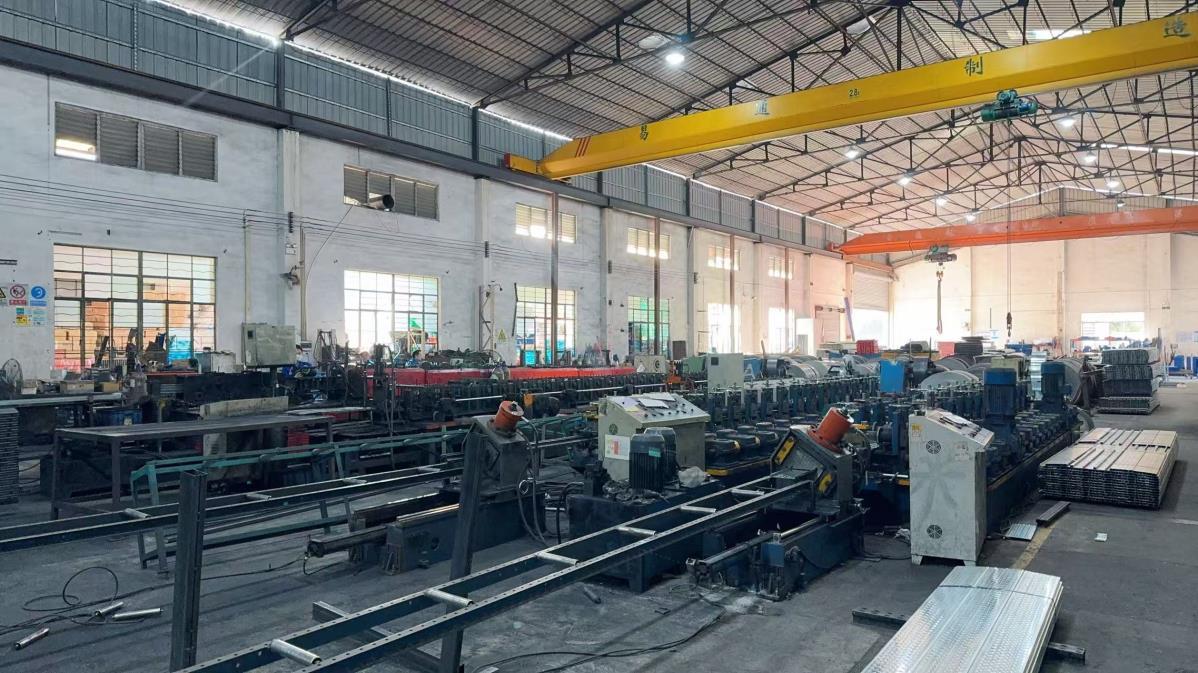
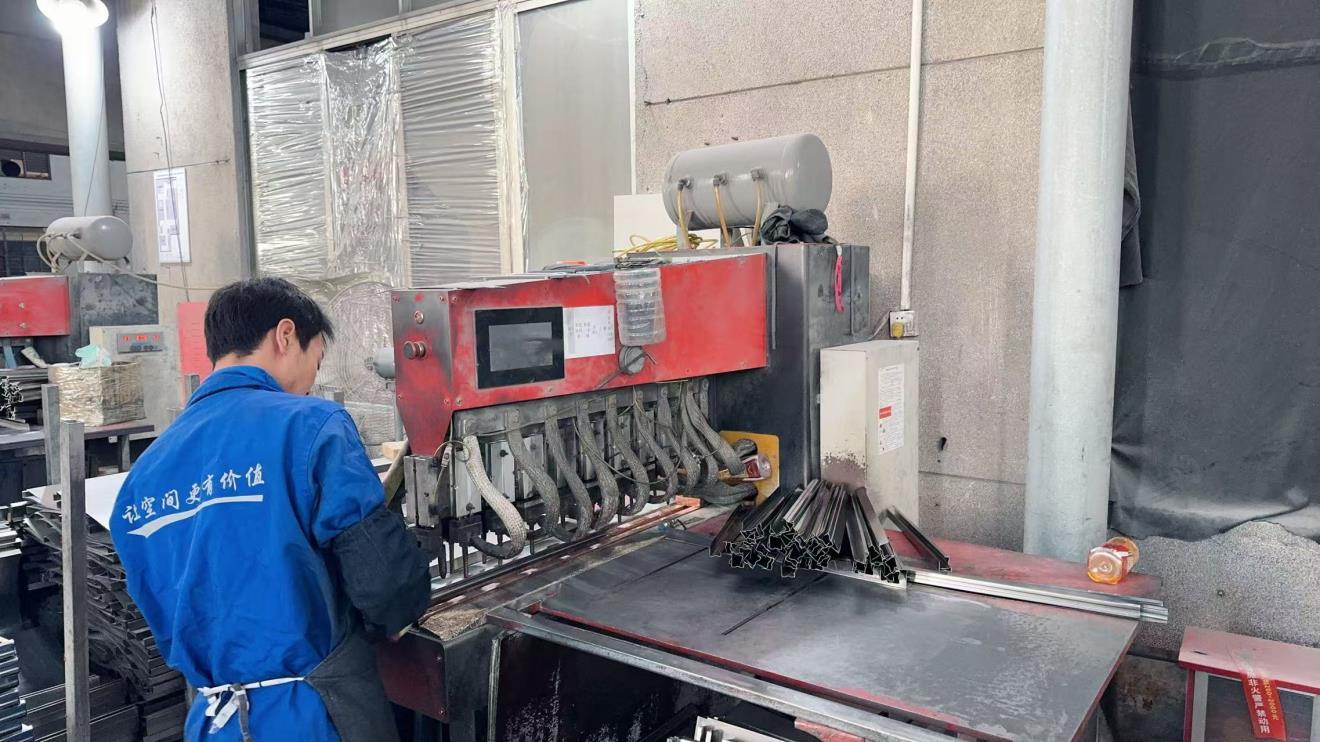
High-capacity industrial cutting machines prepare profiles with sub-millimeter tolerances for uniform consistency.
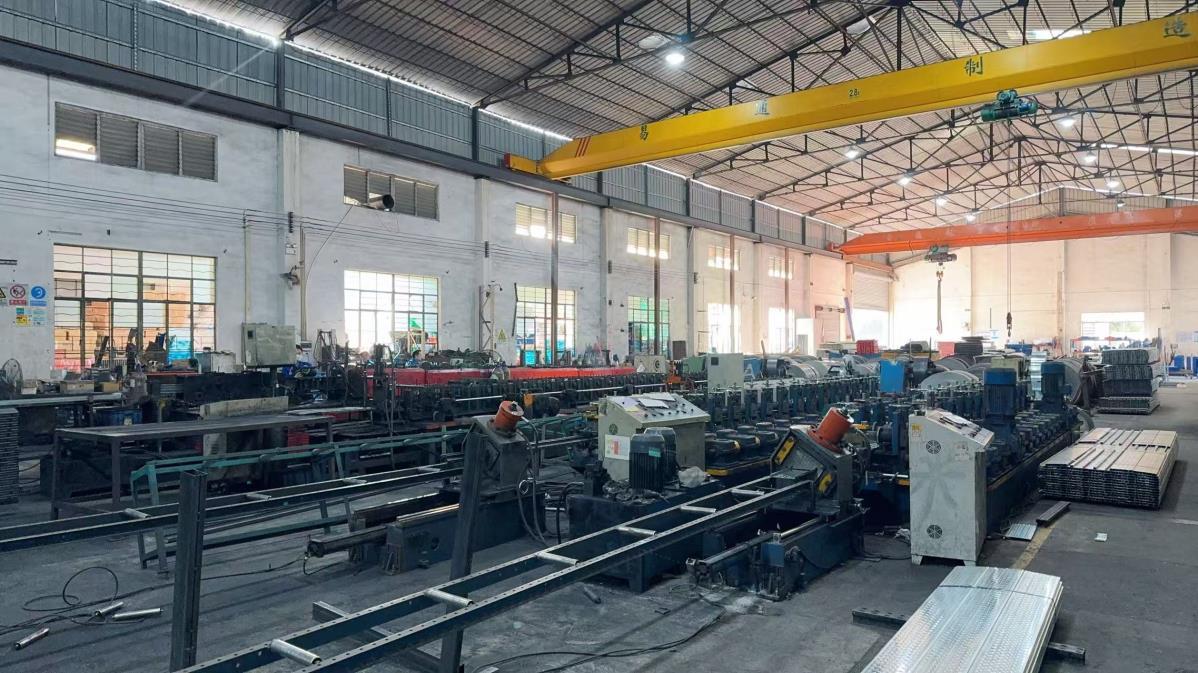
Complex connector components and baseplates are cut dynamically using automated laser machining.
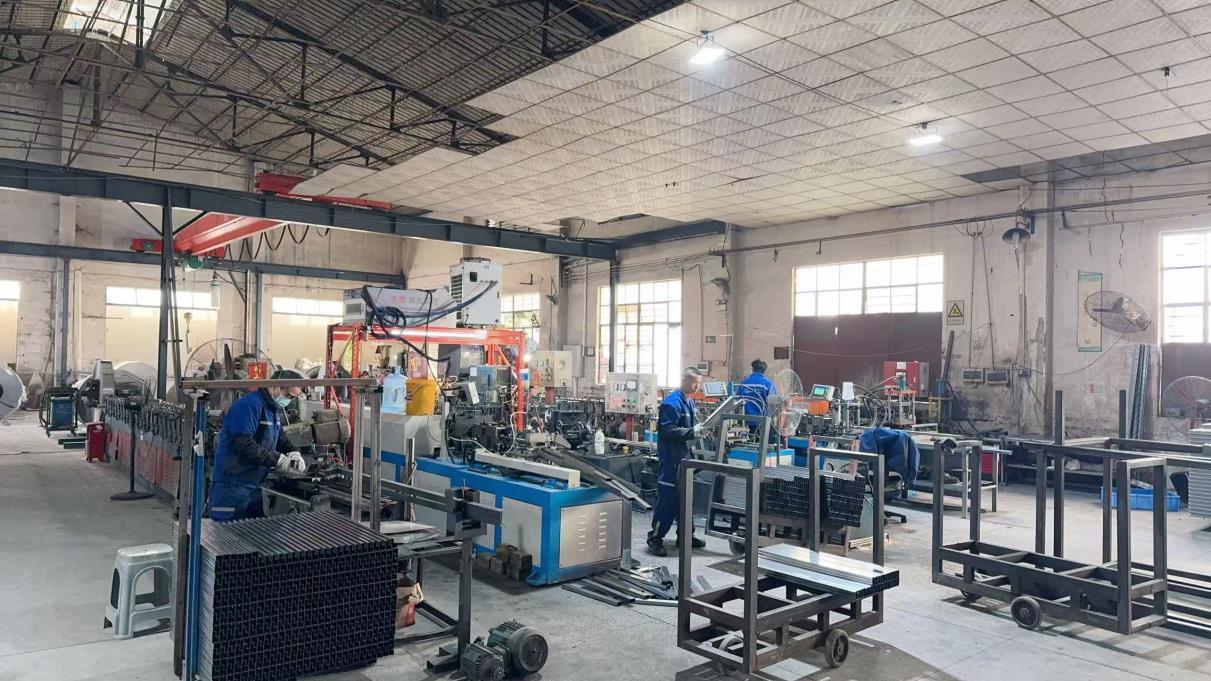
Heavy-wall structural hollow sections (SHS/RHS) are dimensioned using dedicated automated cutting stations.
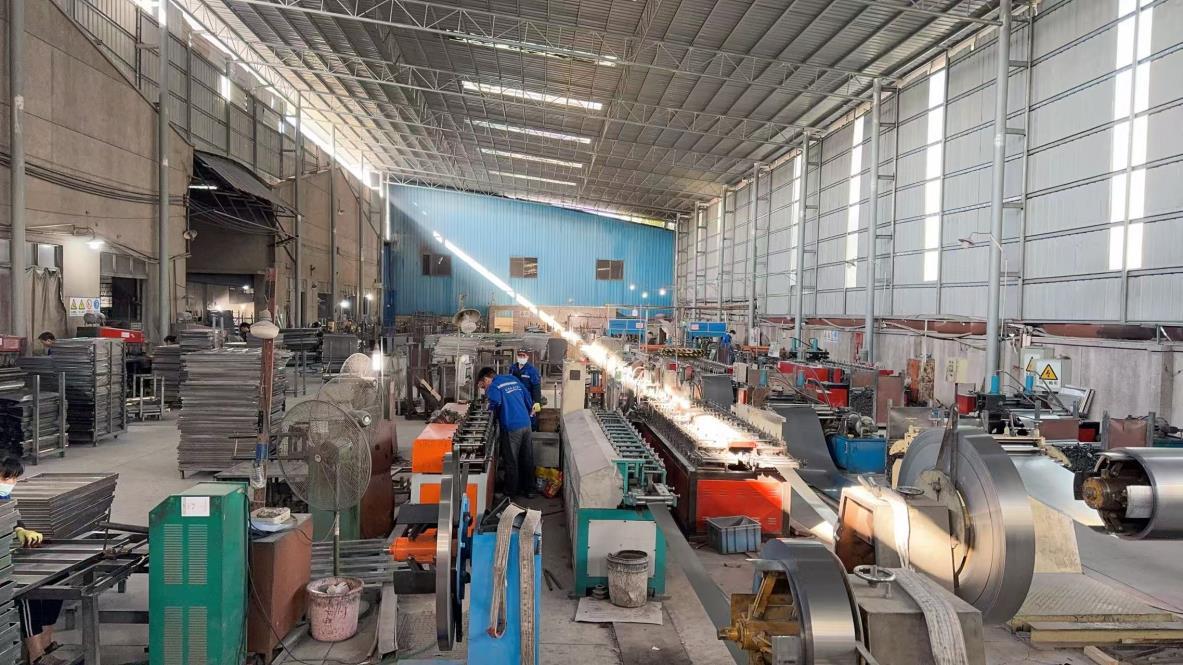
High-tonnage stamping presses forming connectors, safety pins, and locking components from solid sheet steel.
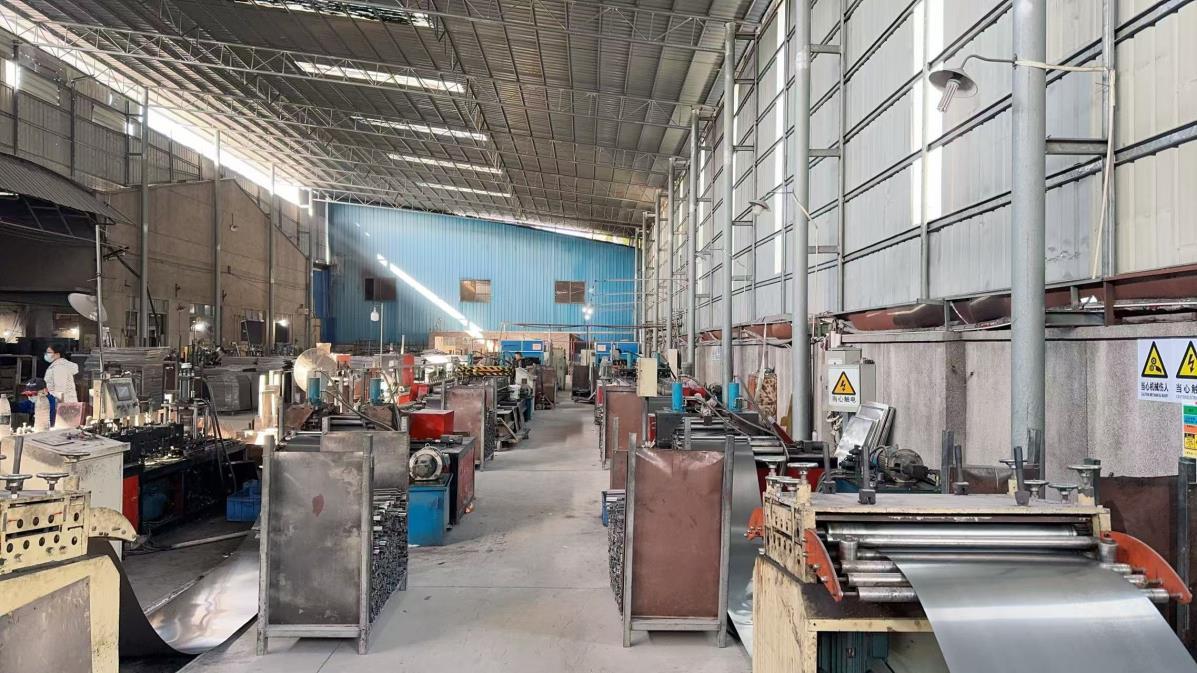
Cold roll forming mills craft complex multi-bend column profiles with optimized structural stability.
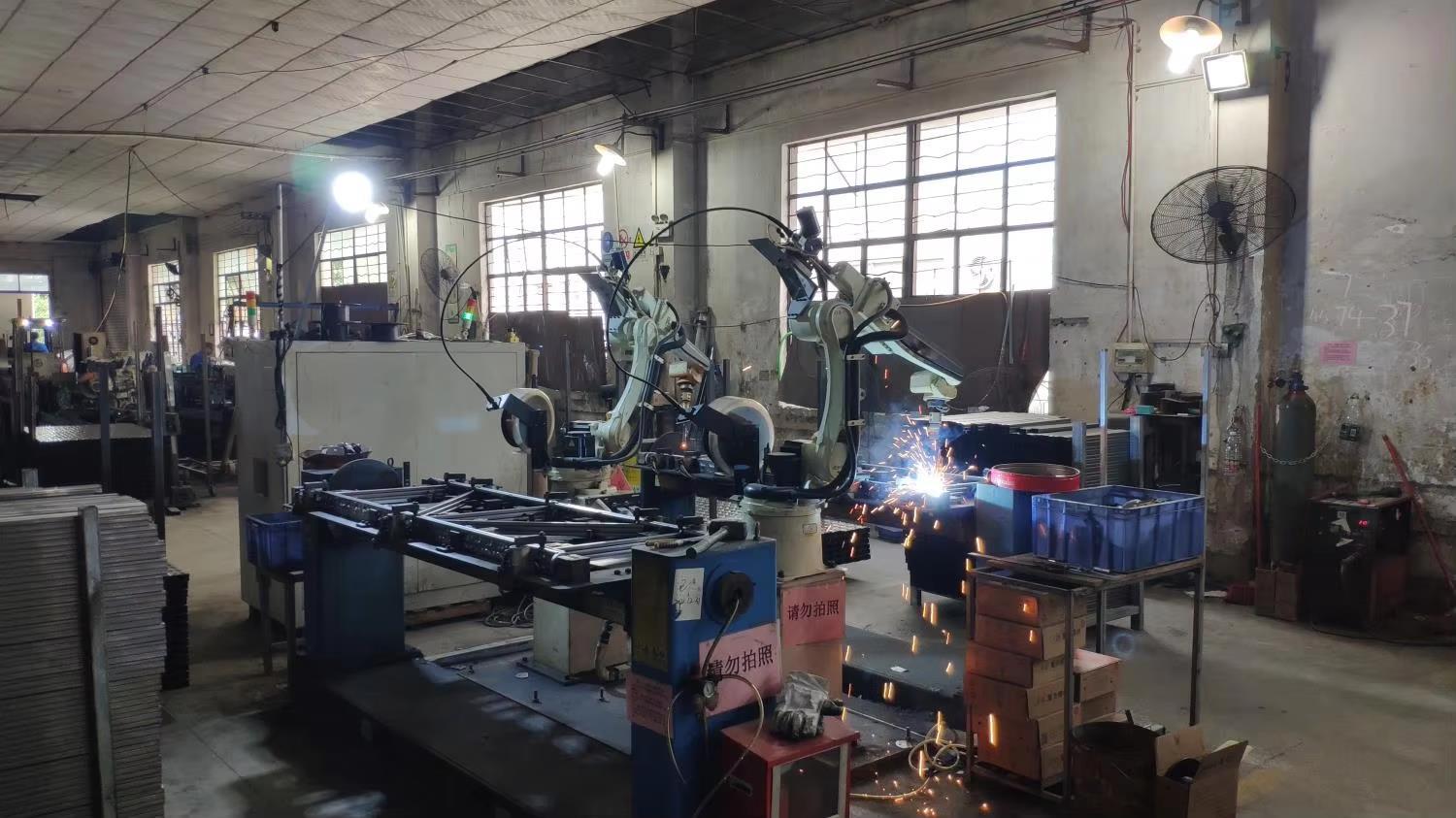
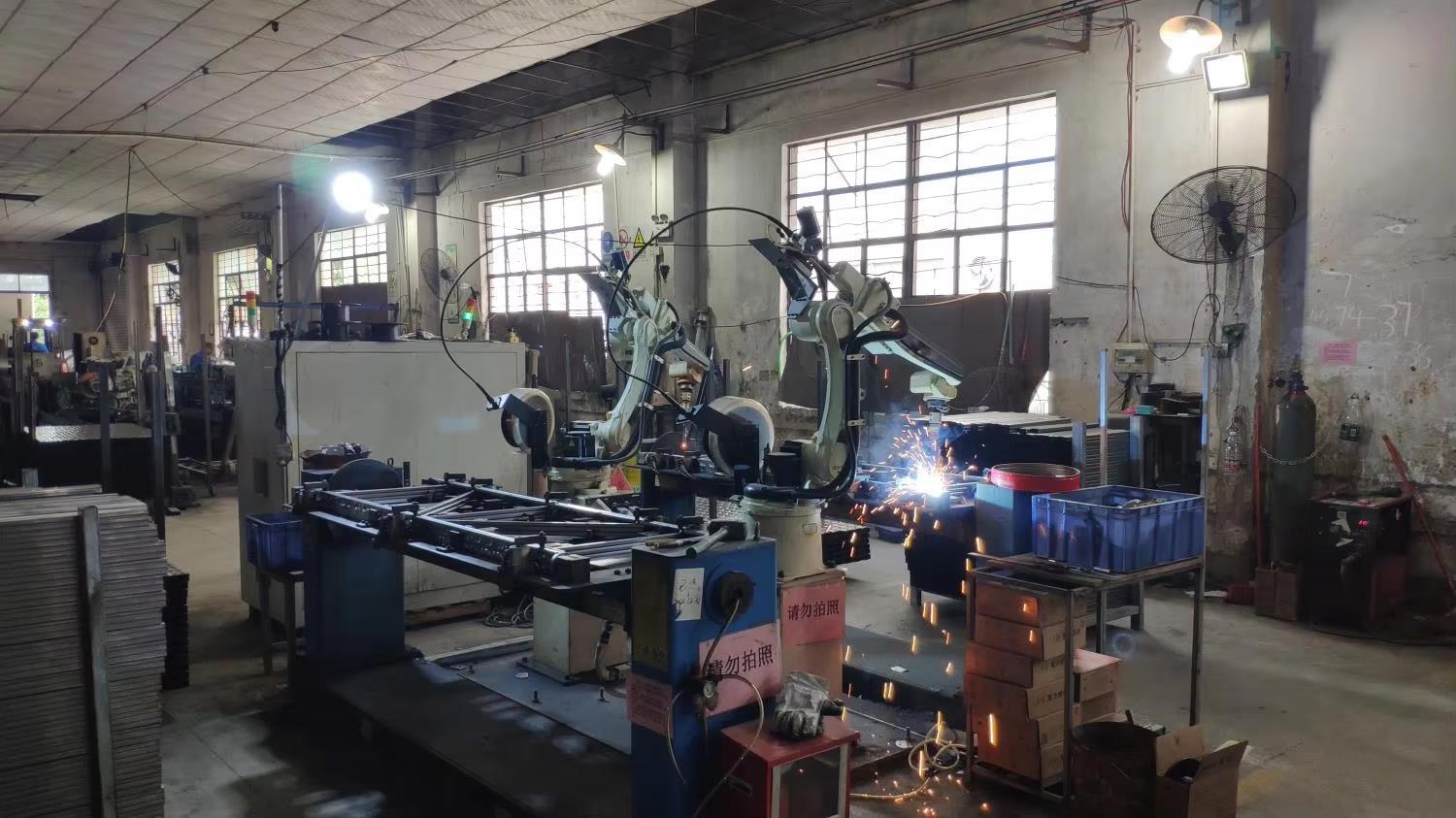
Precision multi-axis robotic welding arms deposit consistent, defect-free structural fillets and joints.
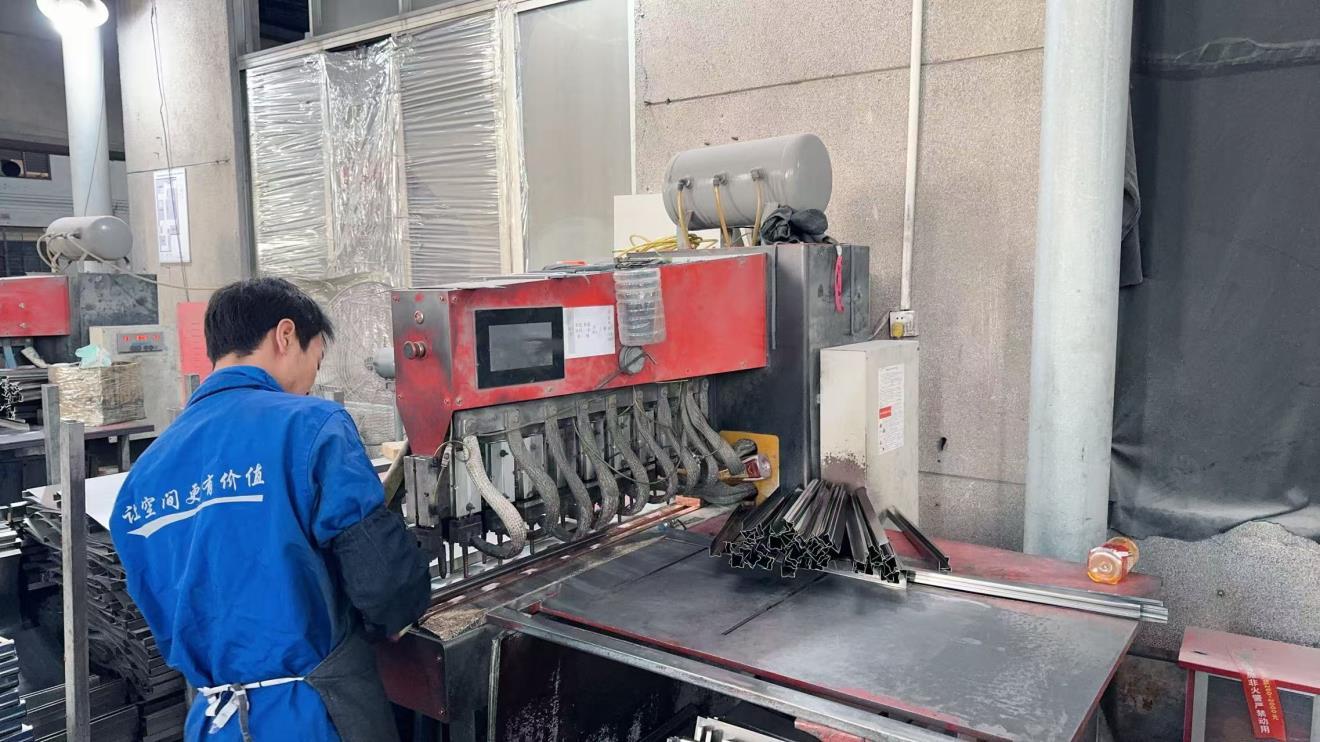
Critical load points receive reinforced multi-pass welds executed by certified structural welders.
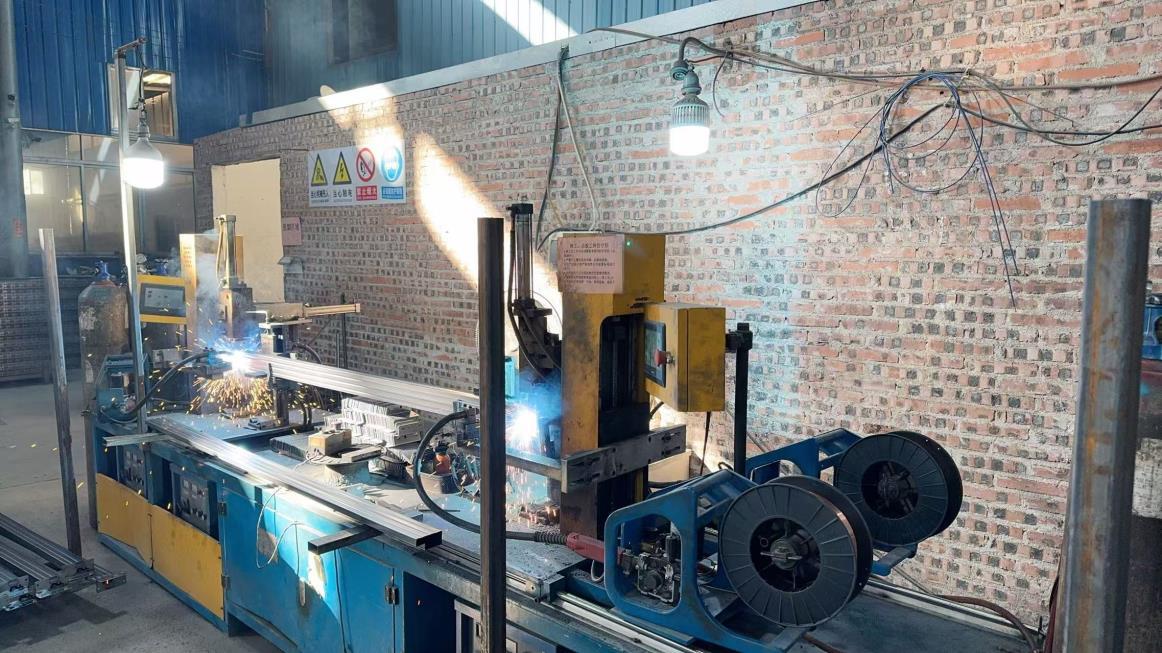
Jig welding frameworks maintain absolute dimensional accuracy across structural upright trusses.
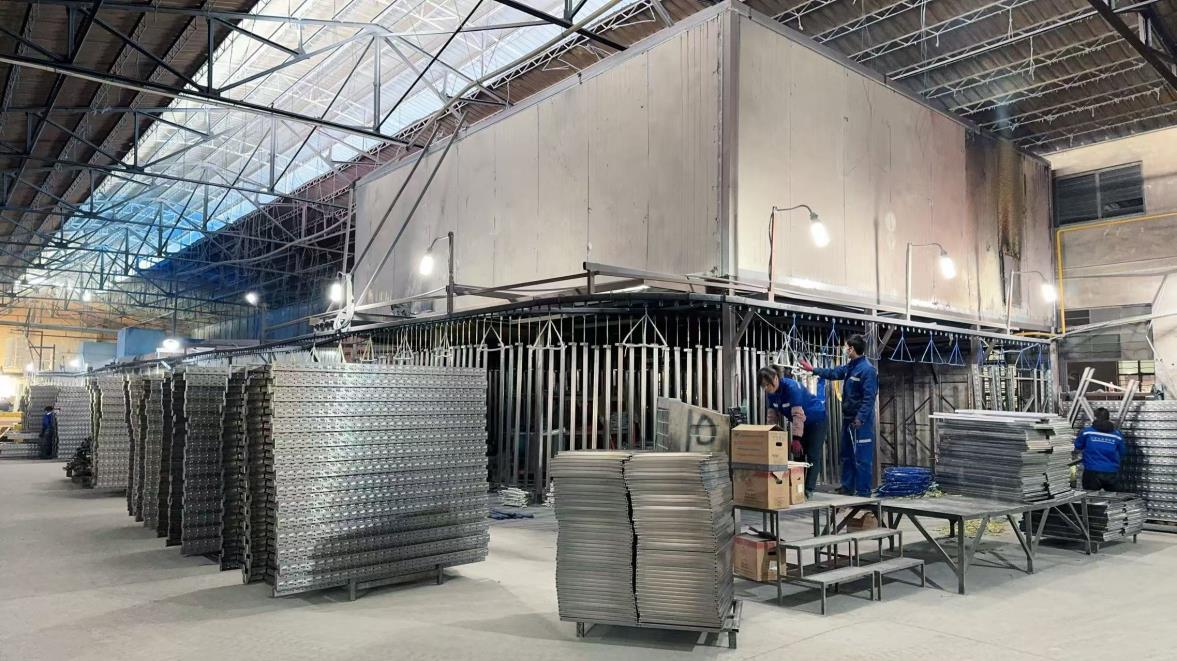
Multi-stage pre-treatment followed by electrostatic powder deposition and high-temperature oven curing.
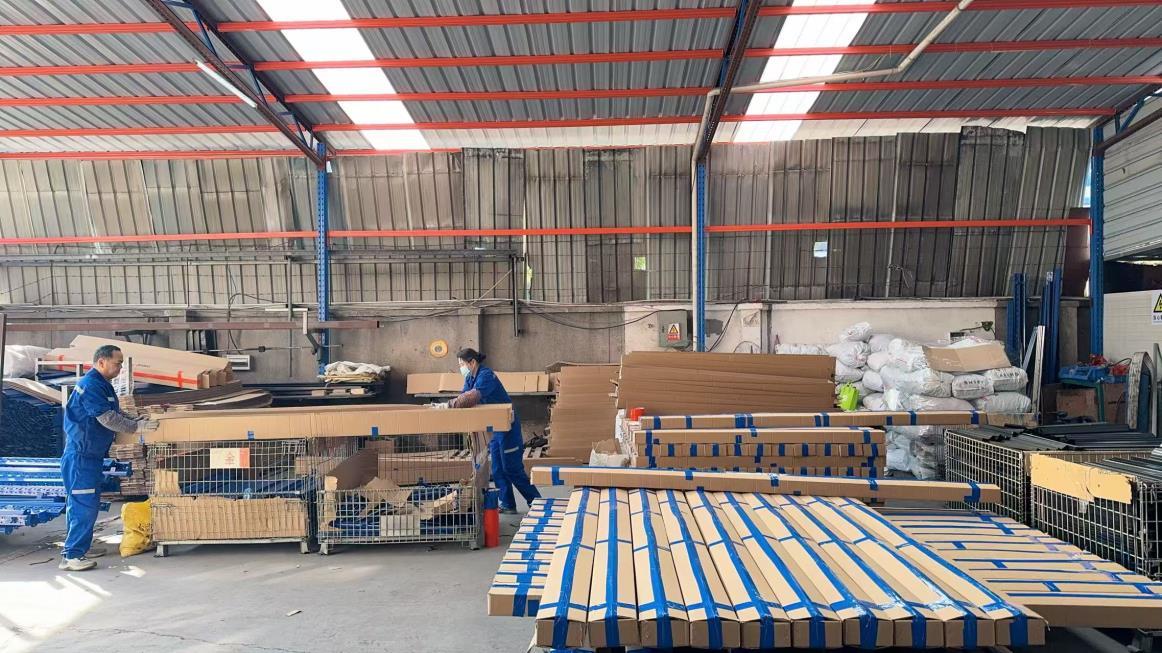
Components are bundled using protective foam padding, strapping, and heavy shrink wrap for ocean transport.
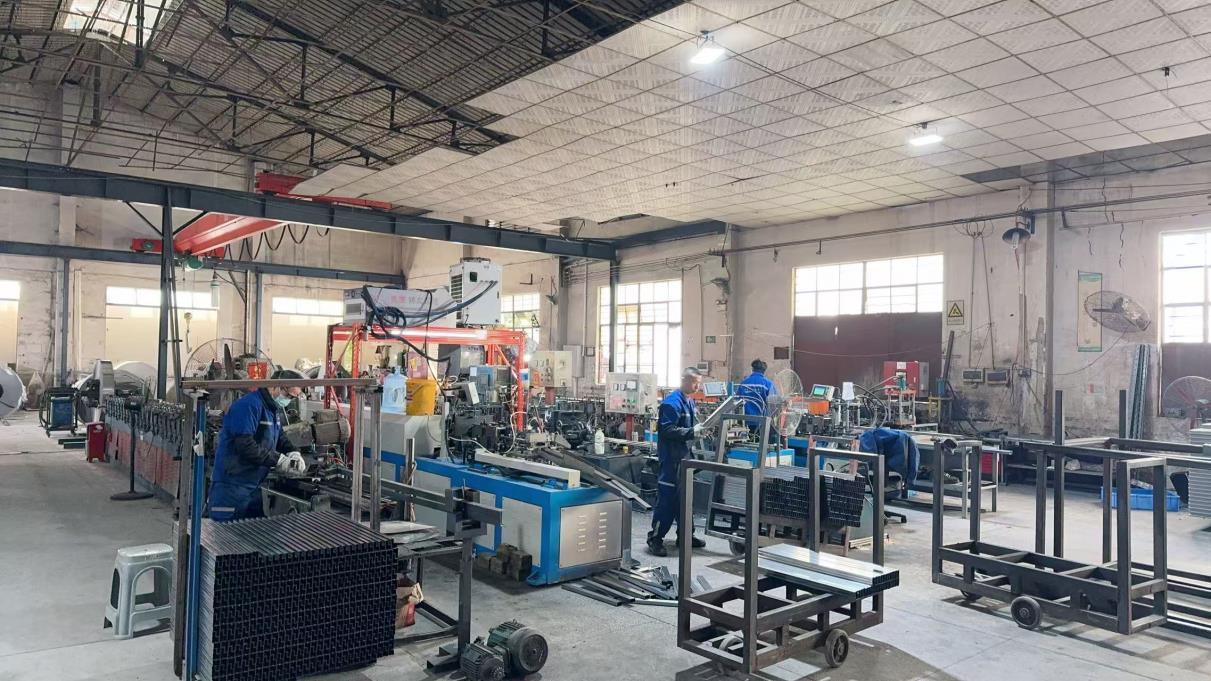
Finished products undergo strict batch load testing and dimensions audits before transport authorization.
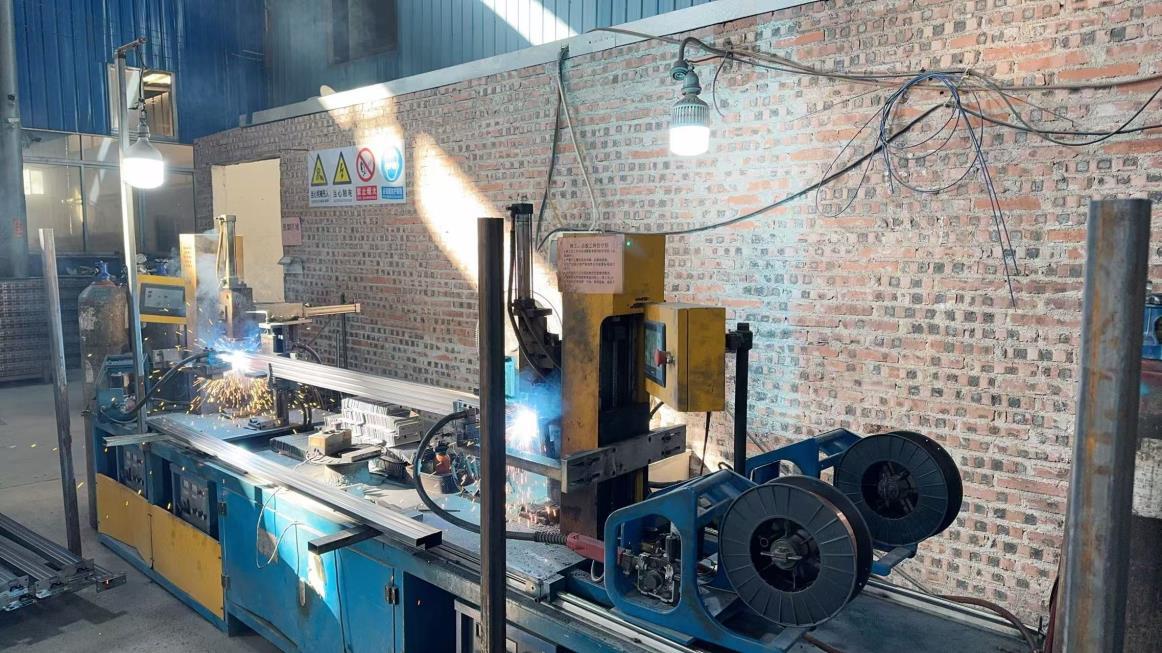
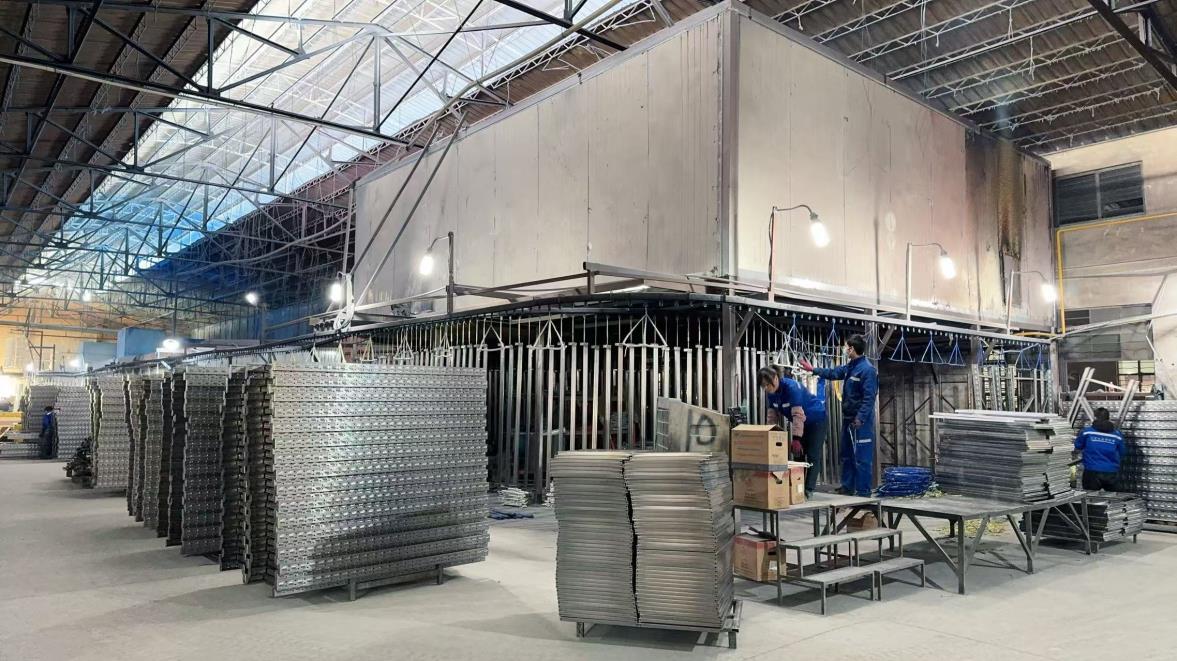
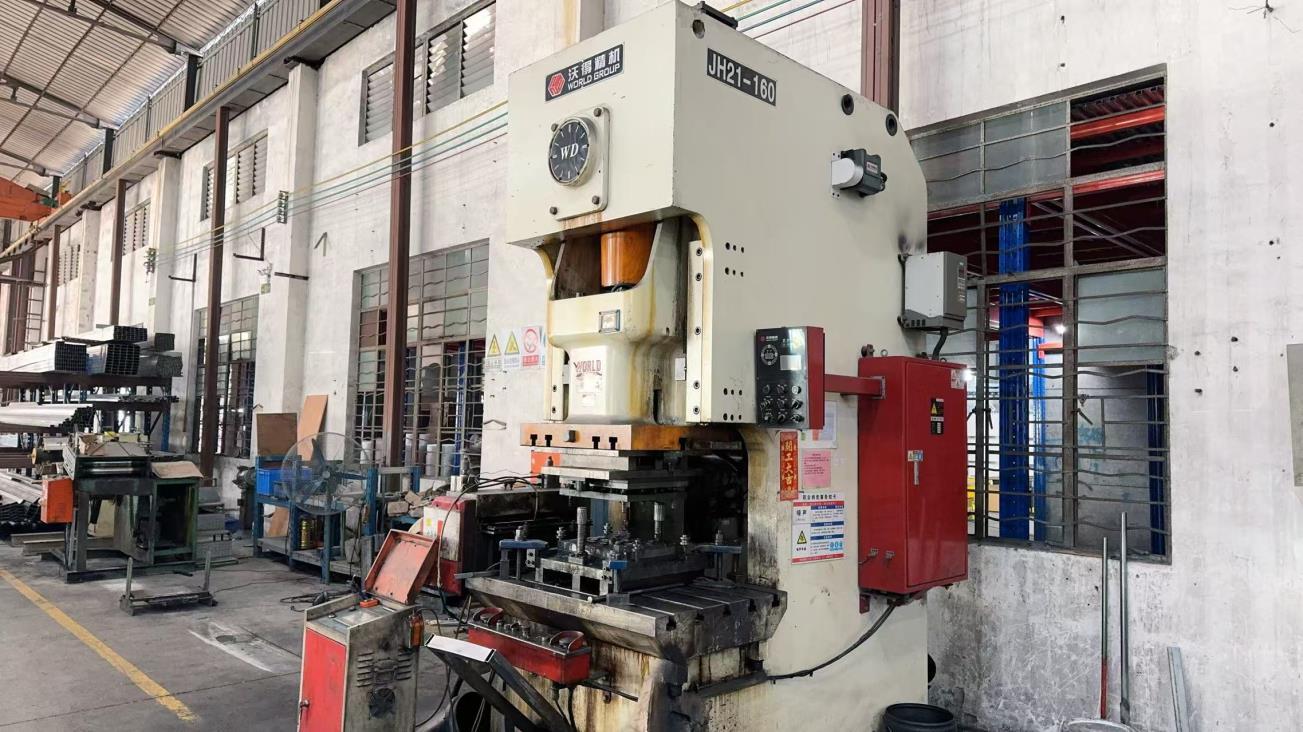
To ensure structural longevity, Dongguan Kimsuk Shelves Co., Ltd. implements a robust, multi-stage testing methodology overseen by 35 certified QC inspectors.
Ultrasonic Weld Inspection is executed across load-bearing joints to verify complete weld penetration and ensure zero internal micro-cracks or voids.
Coating thickness measurements and Surface Salt Spray Corrosion Testing (minimum 500-hour testing threshold) ensure platforms resist rust in humid climates.
Physical load testing setups simulate operating load conditions up to a 1.5x safety coefficient limit, validating nominal deflection parameters.
| Platform System Type | Load Capacity Limit | Structural Steel Class | Primary Safety Codes |
|---|---|---|---|
| Heavy-Duty Selective Pallet Racking | Up to 4,500 kg per level | Q235B / Q355B Hot-Rolled | ANSI/MH16.1, EN 15512 |
| Multi-Tier Structural Mezzanines | 300 - 1,500 kg/m² | ASTM A36 / Q355B H-Beams | Eurocode 3, AISC Specs |
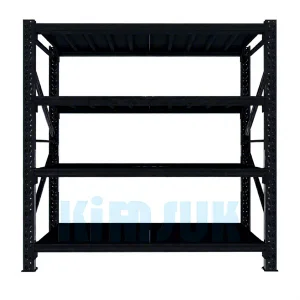
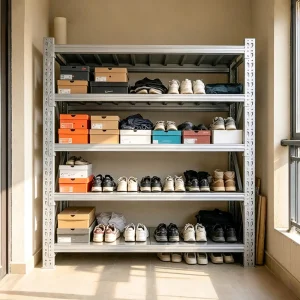
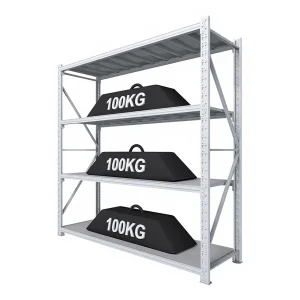
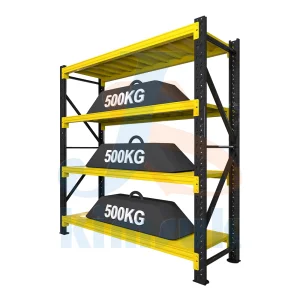
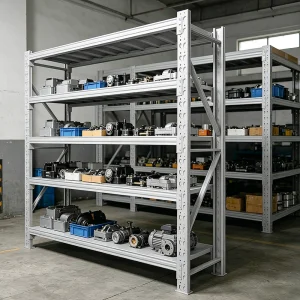
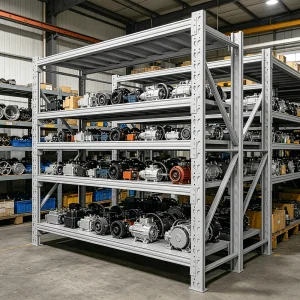
| Medium-Duty Longspan Shelving | 100 - 800 kg per shelf | Cold-Rolled SPCC Steel | CE Standard Compliance |
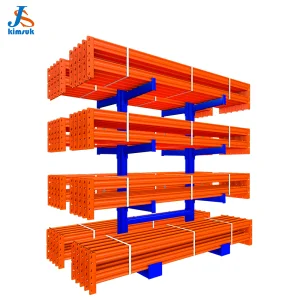
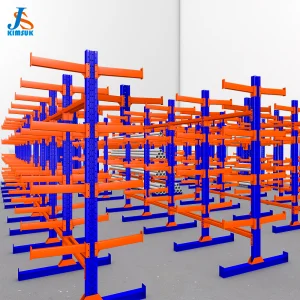
| Cantilever Rack Systems | 500 - 2,000 kg per arm | Structural I-Beams (Q355B) | FEM 10.2.09, AS4084 |
Installing industrial structures requires alignment with localized civil building codes and occupational safety framework legislation. Under our turnkey Logistics EPC framework, we verify compliance with the following international structural frameworks:
Anticipating the technological requirements of industrial automation platforms for the years 2026 through 2030, our engineering division focuses development efforts on three core initiatives:
Embedding strain gauge sensor systems within structural columns to report load metrics in real-time, preventing structural overloads and tracking structural health dynamically.
Formulating zero-VOC coating processes that utilize bio-based polymer resin binders, drastically lowering environmental impact during manufacture and recyclability cycles.
Generating high-fidelity 3D parametric BIM models directly on-demand to enable structural architects to drag-and-drop structural rack arrays directly into facility layout projects.
Comprehensive answers to critical design, quality, and logistics specifications for storage system procurers.
Explore our heavy-duty long-span racking, structural mezzanines, and adjustable cantilever options for industrial environments.
 Kimsuk Racking