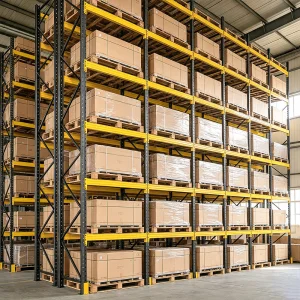
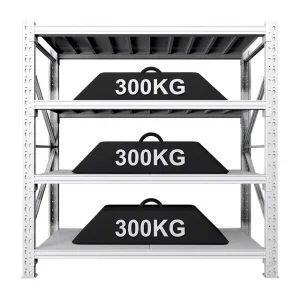
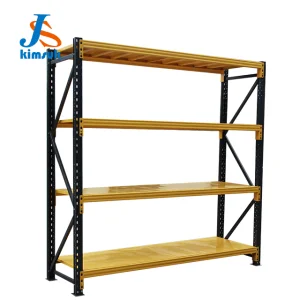
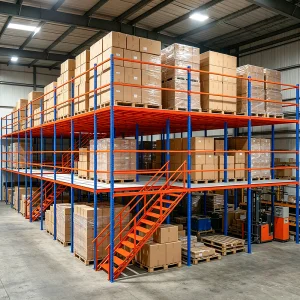
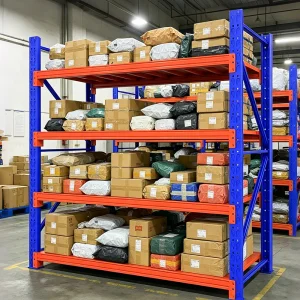
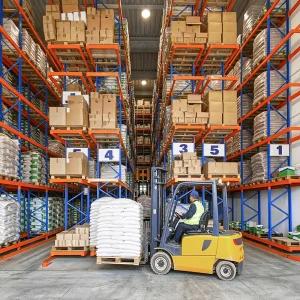
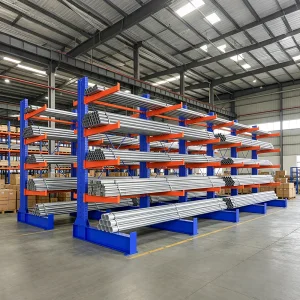
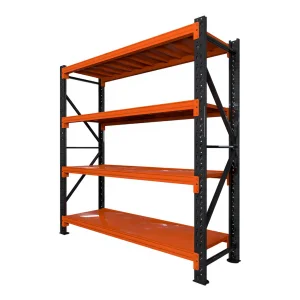
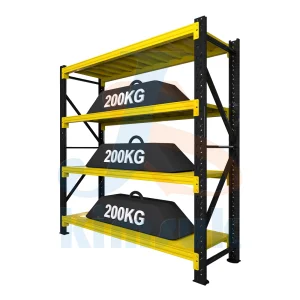
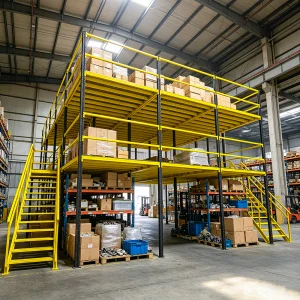
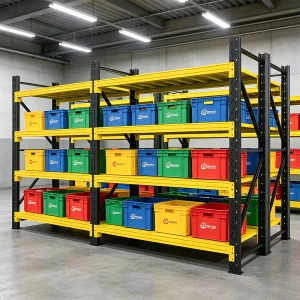
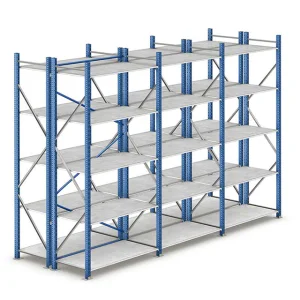
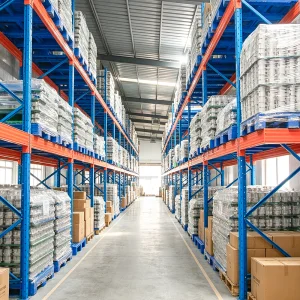
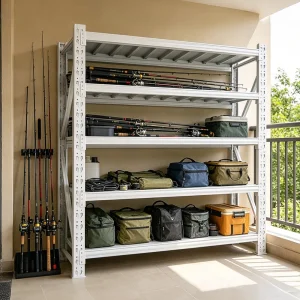
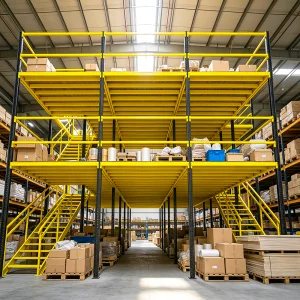
Discover our structural range of heavy-duty pallet racking systems, custom loft configurations, and specialized storage platforms precision-manufactured to global warehouse safety criteria.
Push-back pallet racking systems represent a pinnacle of space optimization, combining high-density configuration with Last-In, First-Out (LIFO) inventory control strategies. Unlike traditional selective racks that require extensive forklift aisles, push-back storage nests multiple deep carts across inclined rails. Pallets are placed on nested carts that ride on structural channels inclined at a scientifically calculated grade (typically 2.5% to 3.5%).
The system utilizes gravity to automatically move front pallets to the aisle edge. When a forklift picks the frontmost pallet, the subsequent nested carts glide forward smoothly, guided by heavy-duty steel wheels mounted on low-friction bearing assemblies.
Each OEM track is engineered with visual safety backstops and structural bumper plates that control maximum speed deceleration, preventing pallet runaways and ensuring stable, repeatable nesting dynamics.
Our raw structural profiles undergo Finite Element Analysis (FEA) to verify yield points under dynamic impact forces. Standard applications handle loads exceeding 1,500kg per pallet position with a safety factor of 1.5.
For enterprise purchasers, deploying high-density push-back storage reduces forklift operational steps by up to 40% compared to selective racking, while elevating volumetric capacity by 60% to 80% over standard warehousing configurations. Crucially, because forklifts never enter the racking system (unlike Drive-in racks), structural column impacts are reduced by over 90%, reducing long-term structural maintenance costs.
Dongguan, China, has evolved into the absolute epicentre for heavy-duty metal fabrication and automated industrial structural engineering. Sourcing custom OEM push-back systems directly from our factory offers clear technological and economic advantages:
| Strategic Parameters | Western Direct Sourcing | Dongguan Kimsuk Factory Direct (China) | Structural Strategic Value |
|---|---|---|---|
| Raw Material Supply | Localized mill pricing with volatile surcharges. | Direct sourcing agreements with tier-1 mills (Q235B/Q345B steel). | Stable, predictable project budgets and high structural tensile strength. |
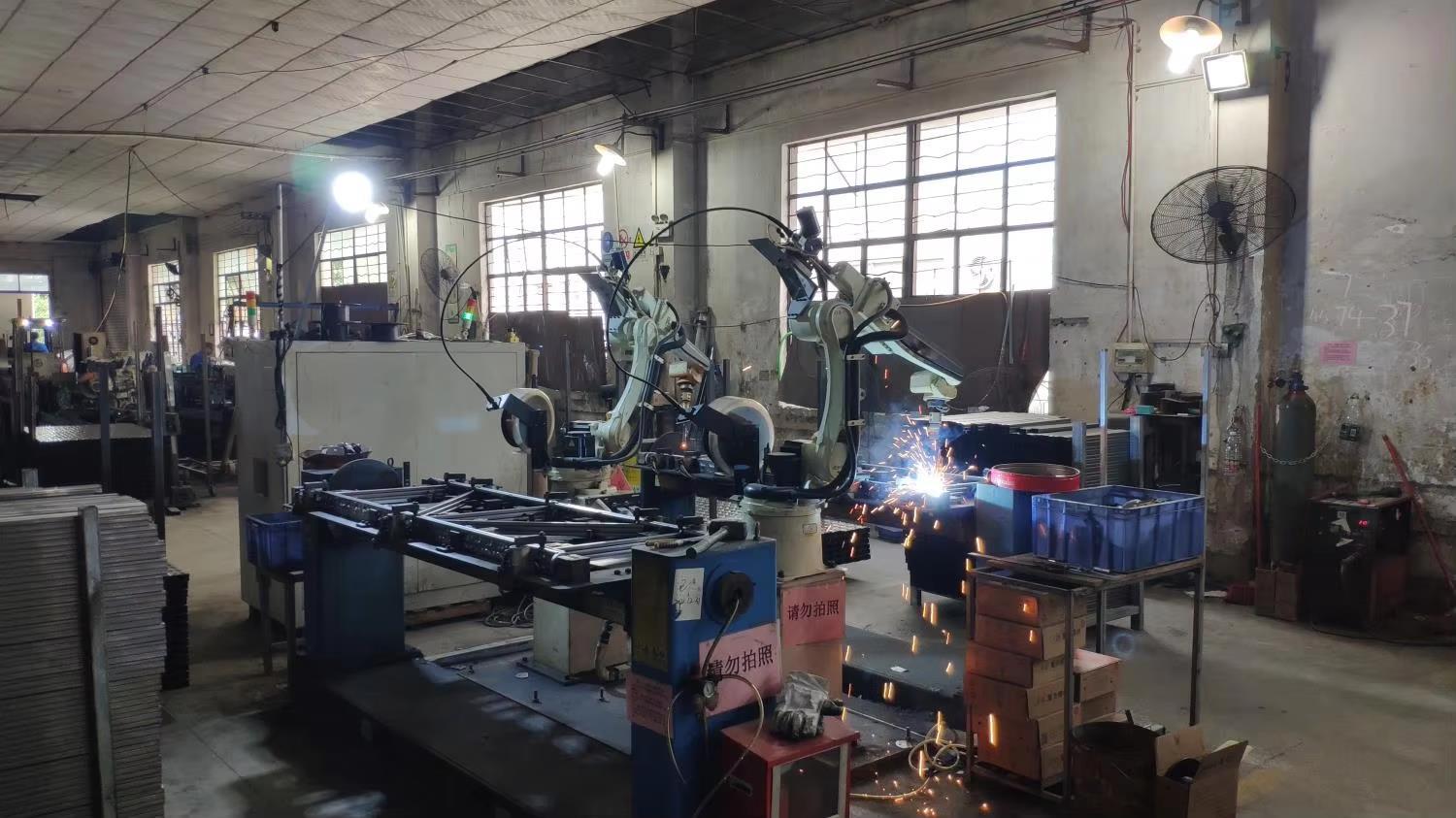
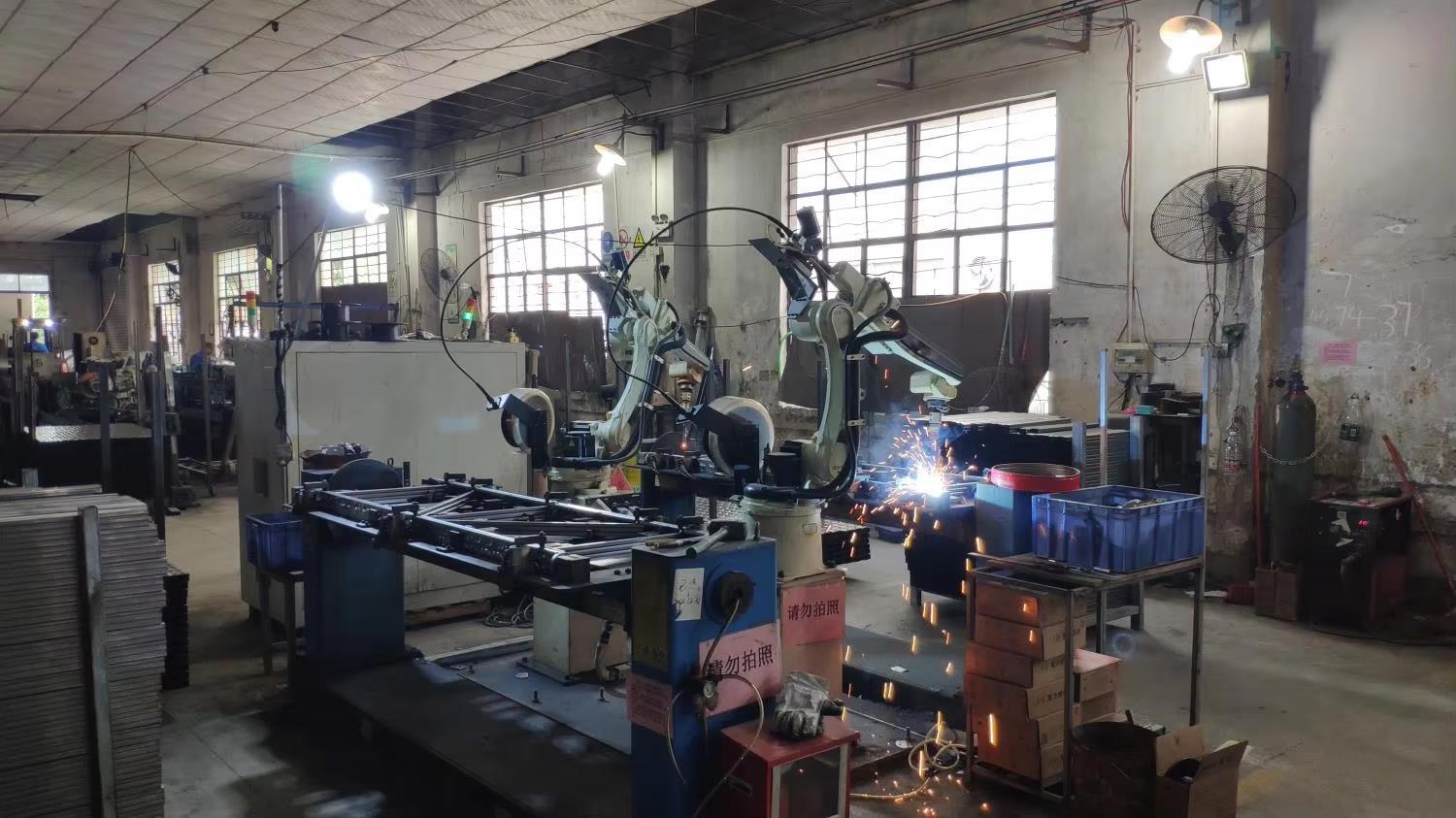
| Fabrication Precision | Semi-automated localized workshops. | Robotic Panasonic welding clusters and CNC forming lines. | Tolerance deviation < 0.5mm, ensuring smooth cart glide. |
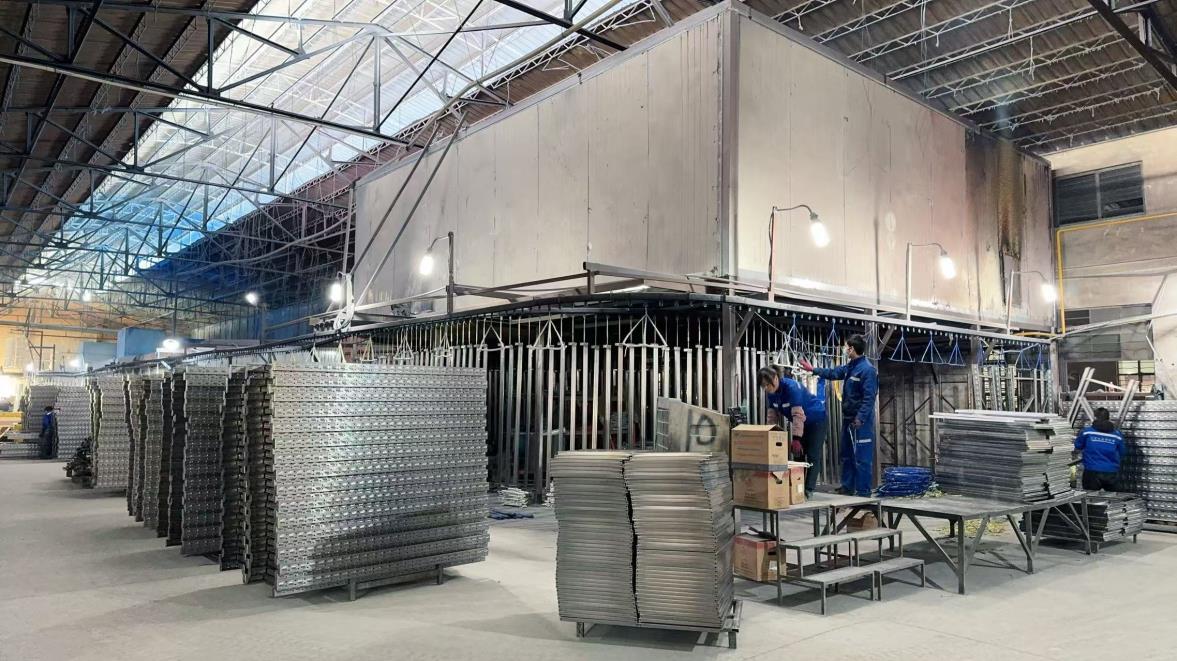
| Surface Protection | Basic wet painting or standard dry coatings. | Automated electrostatic powder-coating lines (60–80μm thickness). | Exceptional resistance to humidity, chemicals, and mechanical abrasion. |
| Compliance & Structural Testing | High-cost third-party verification. | Internal ultrasonic testing + CE/ISO 9001 certifications. | Zero-defect delivery and compliance with international safety laws. |
By bypassing intermediary distributors, enterprise buyers gain direct engineering access to customize upright profiles, rail gradients, cart depths, and structural steel thicknesses. This reduces purchasing cycles and offers bespoke logistics options designed specifically for your facilities.
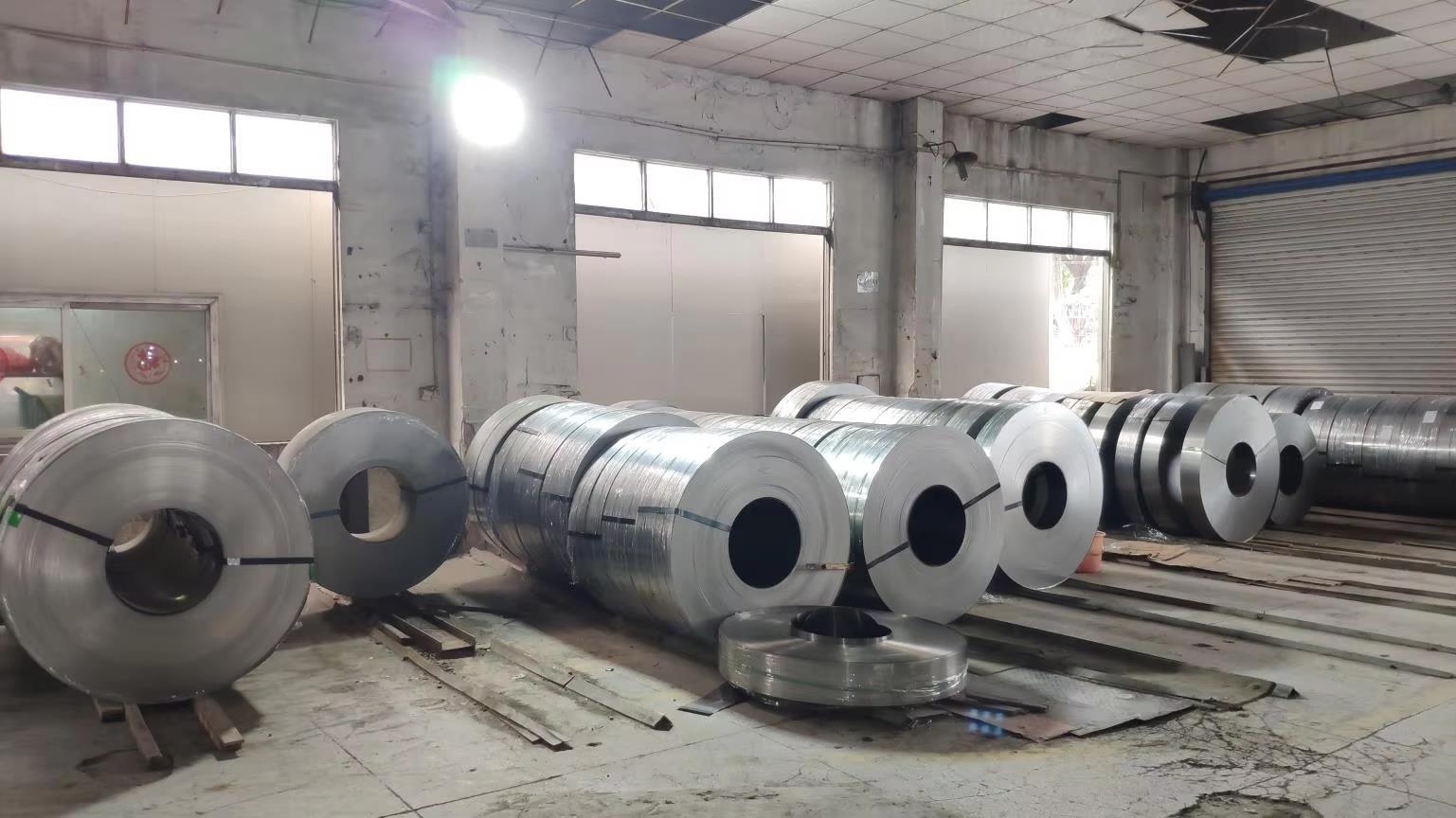
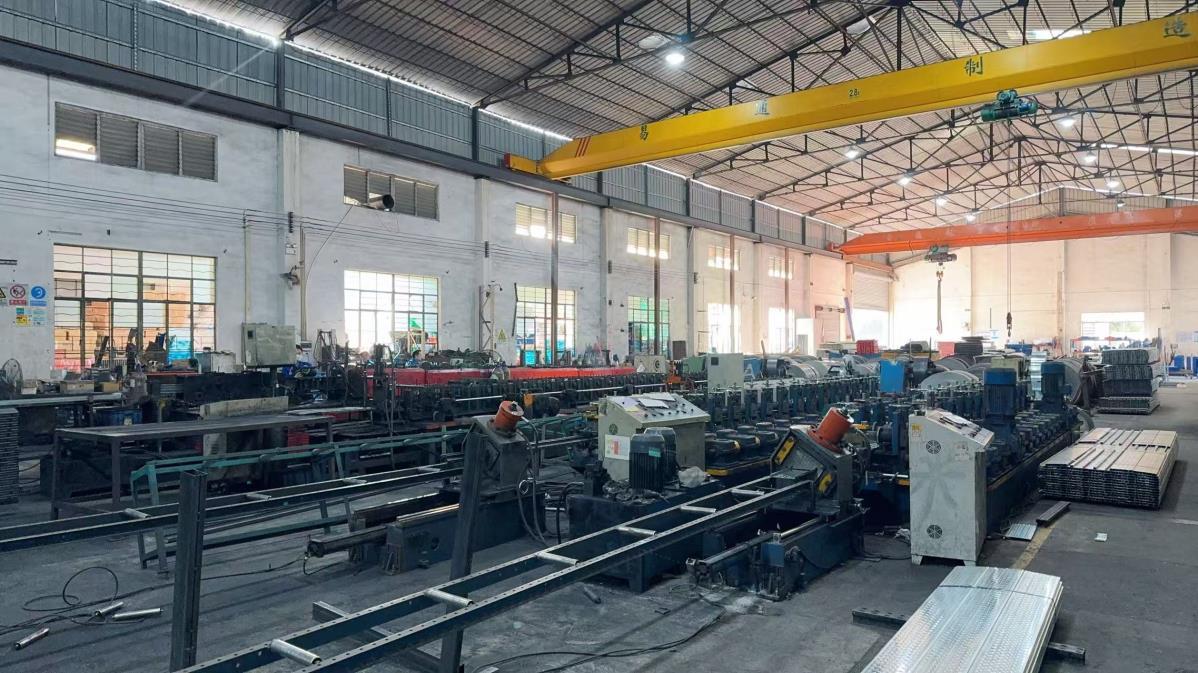
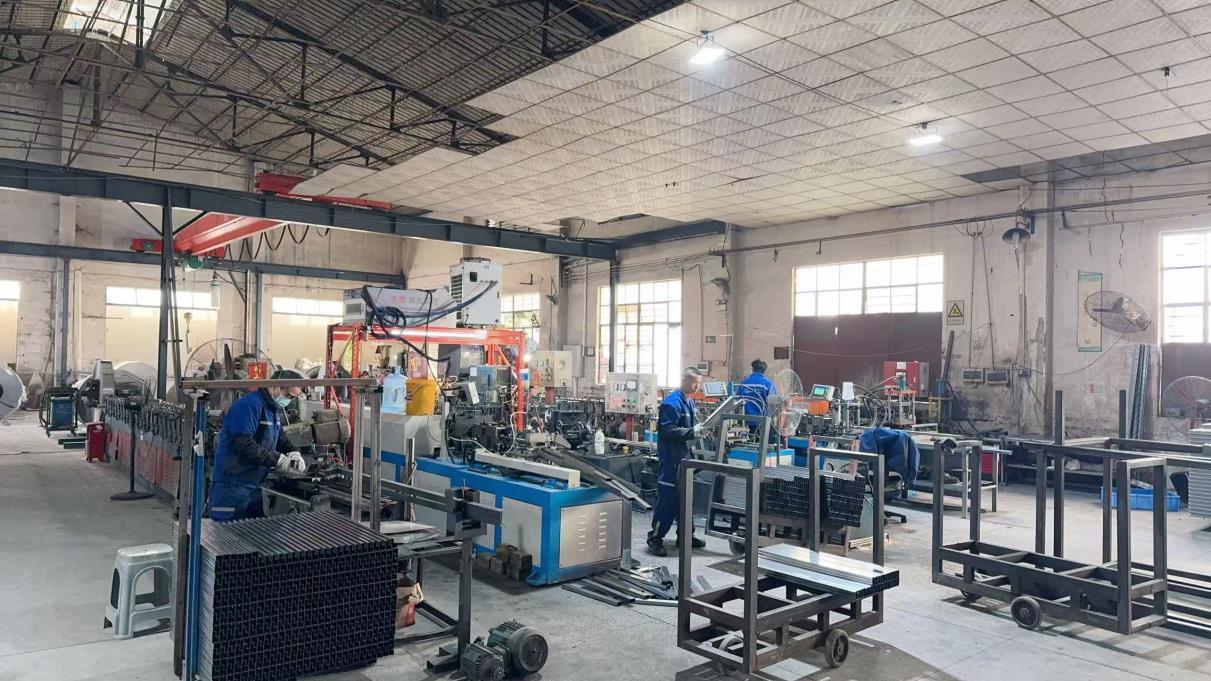
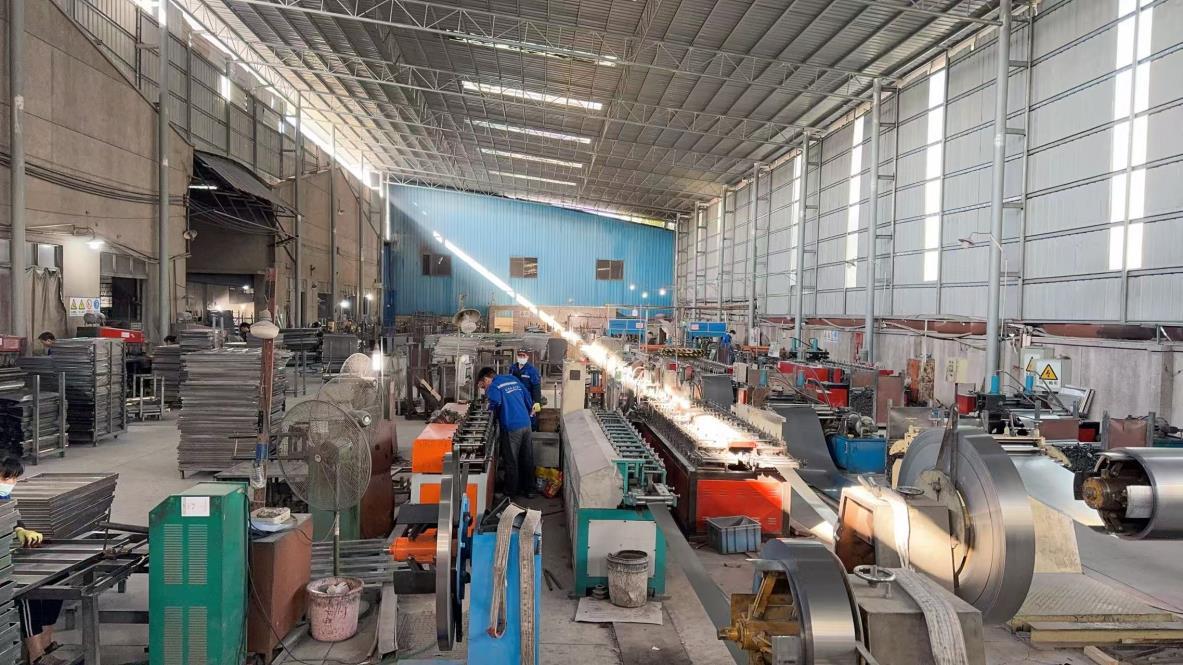
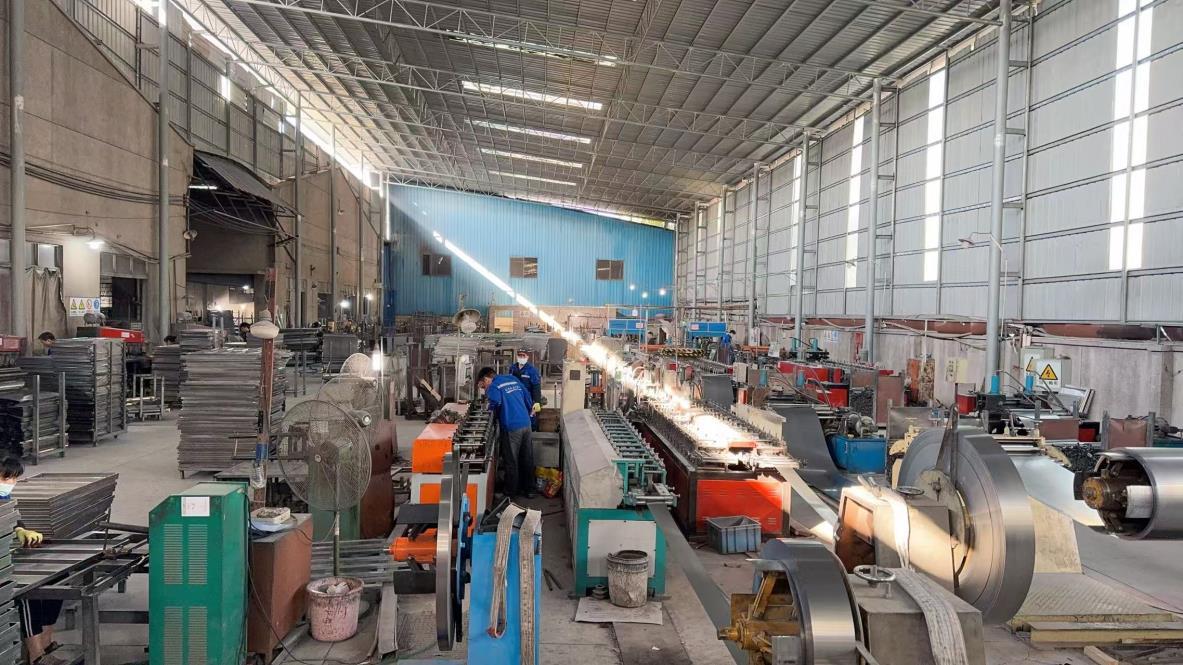
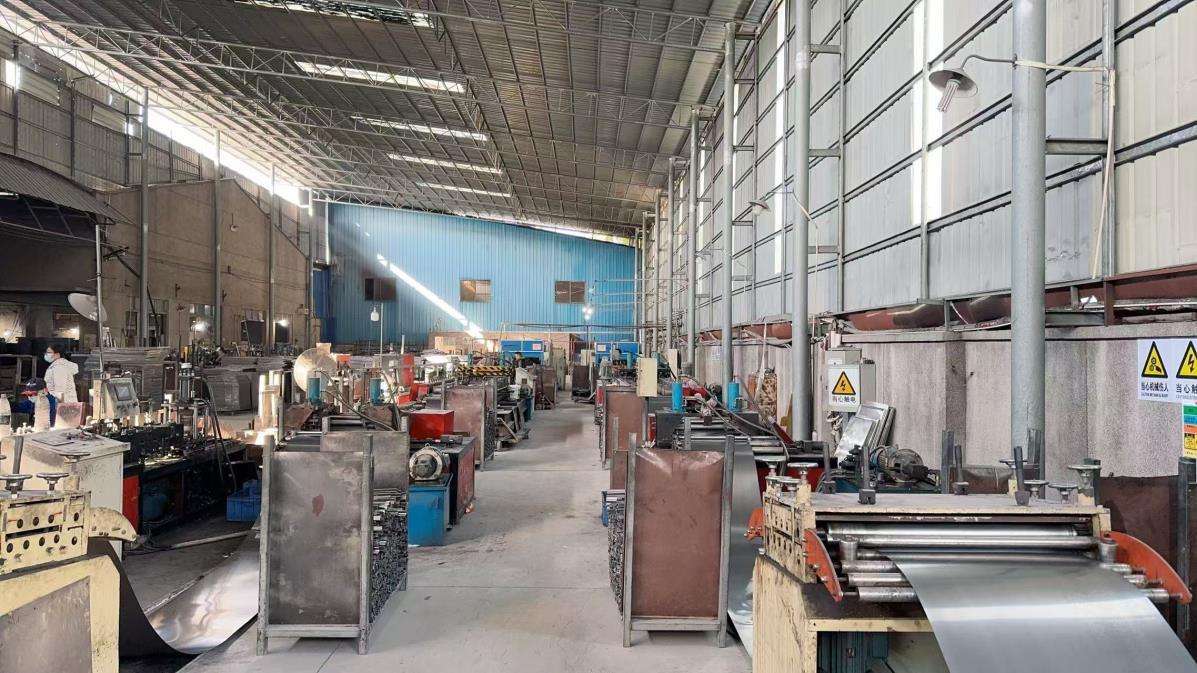
Founded in 2015, Dongguan Kimsuk Shelves Co., Ltd. is a premier manufacturer specializing in heavy-duty industrial warehouse racking systems, automated storage solutions, and customizable steel shelving. Spanning a state-of-the-art production facility of 38,000 square meters, Kimsuk combines advanced manufacturing infrastructure with high-precision engineering to deliver robust logistics and warehousing infrastructure globally. We operate under stringent quality controls, servicing cold chains, global distribution networks, and massive e-commerce fulfillment centers.
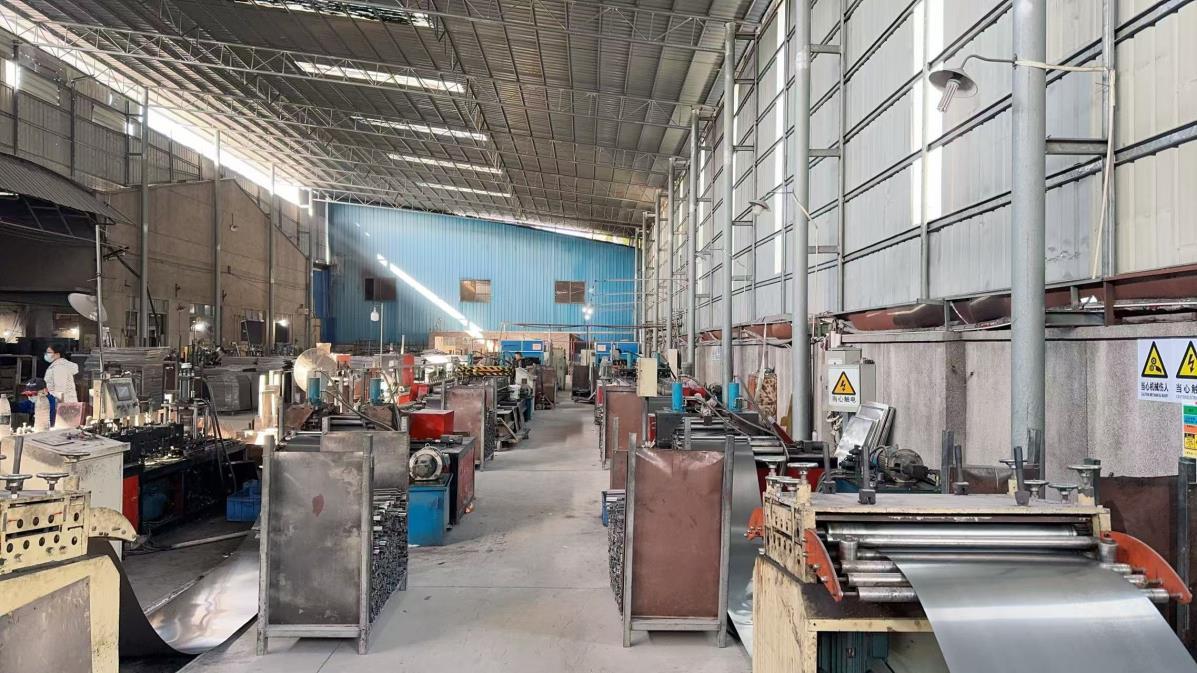
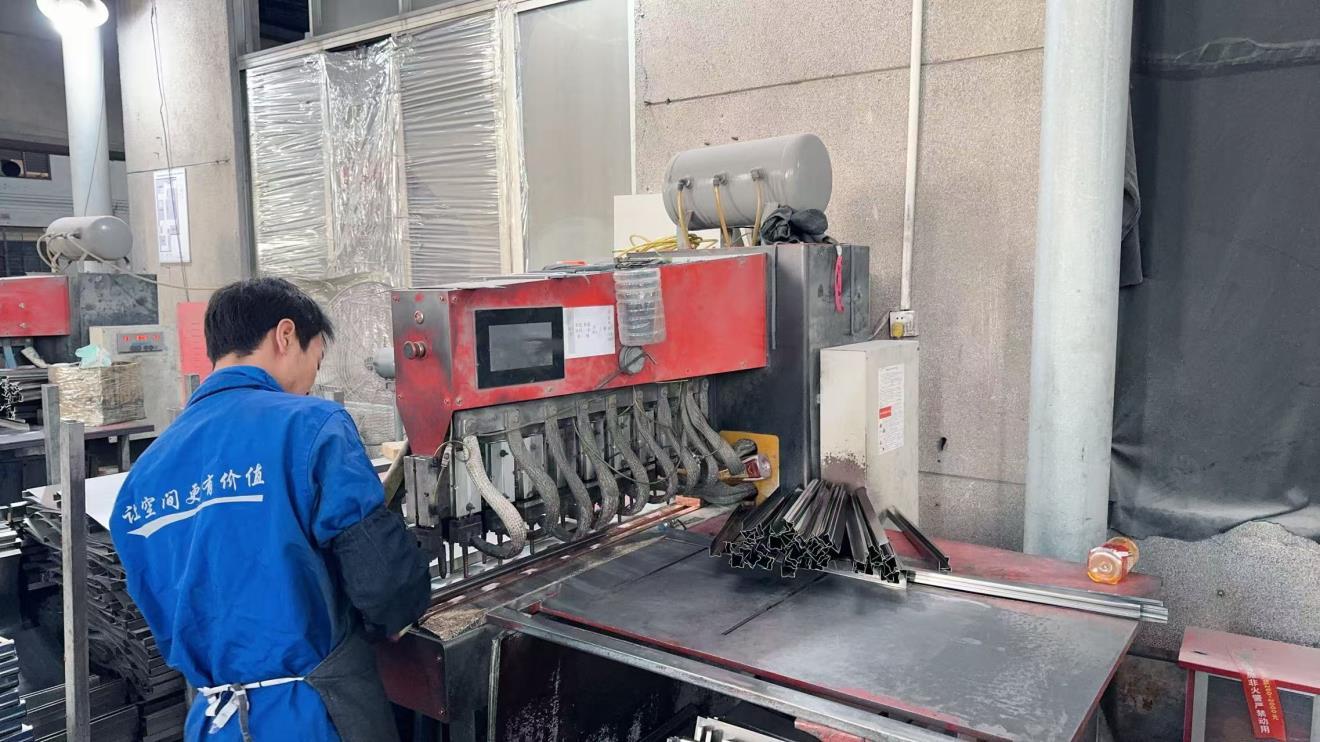
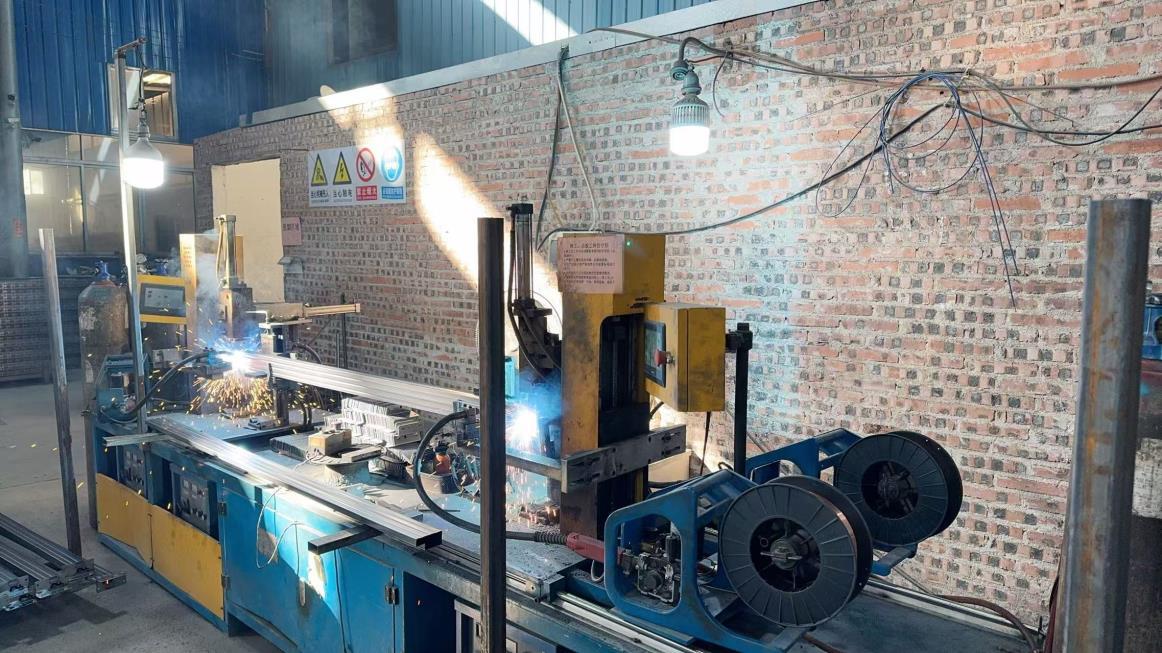
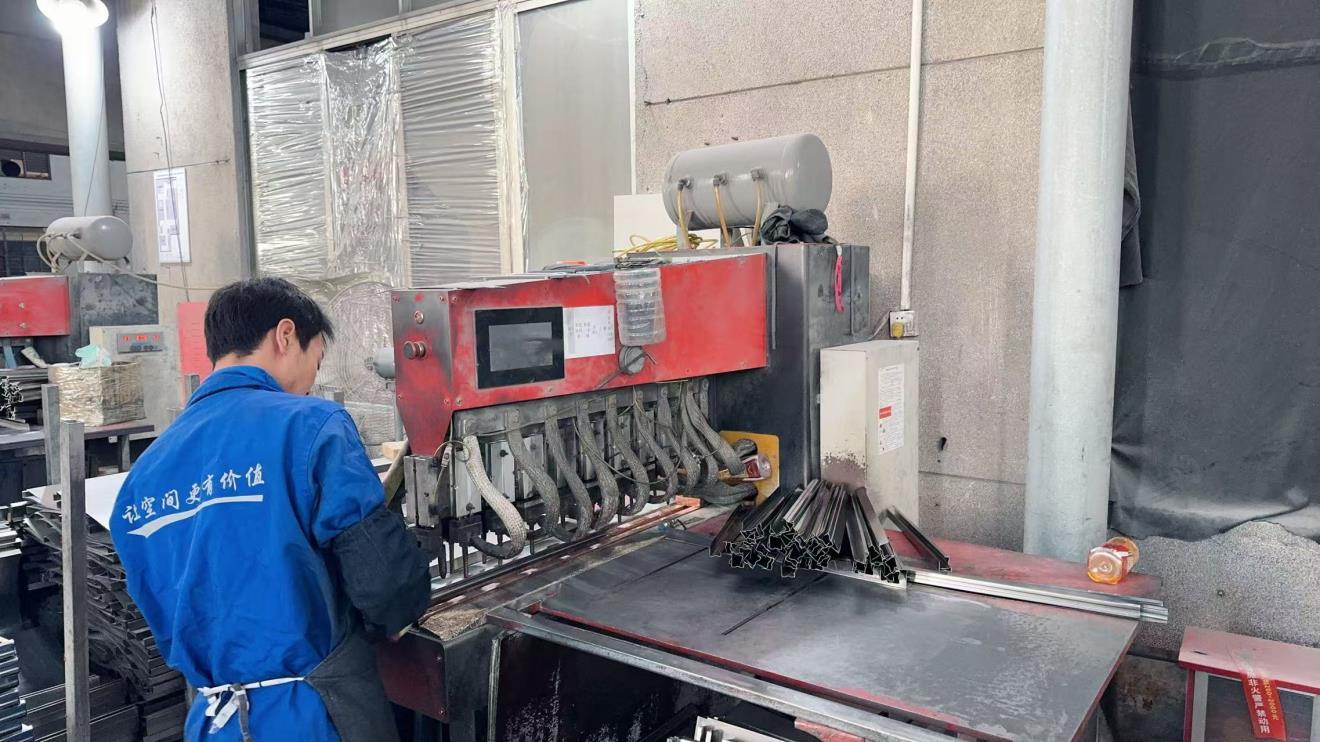
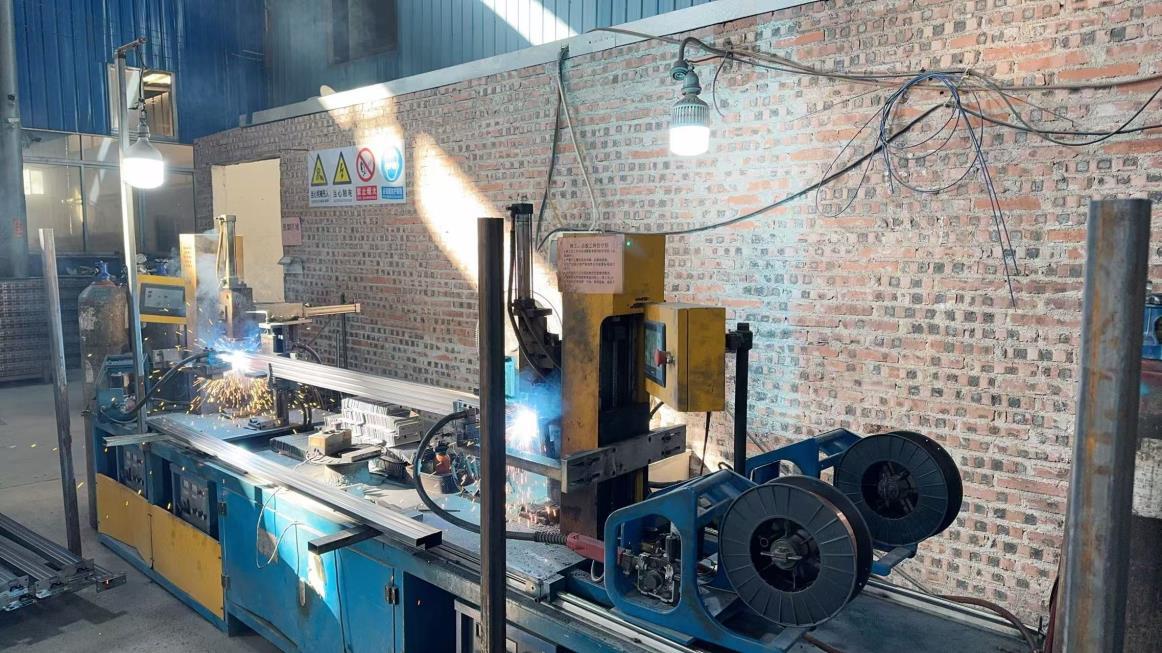
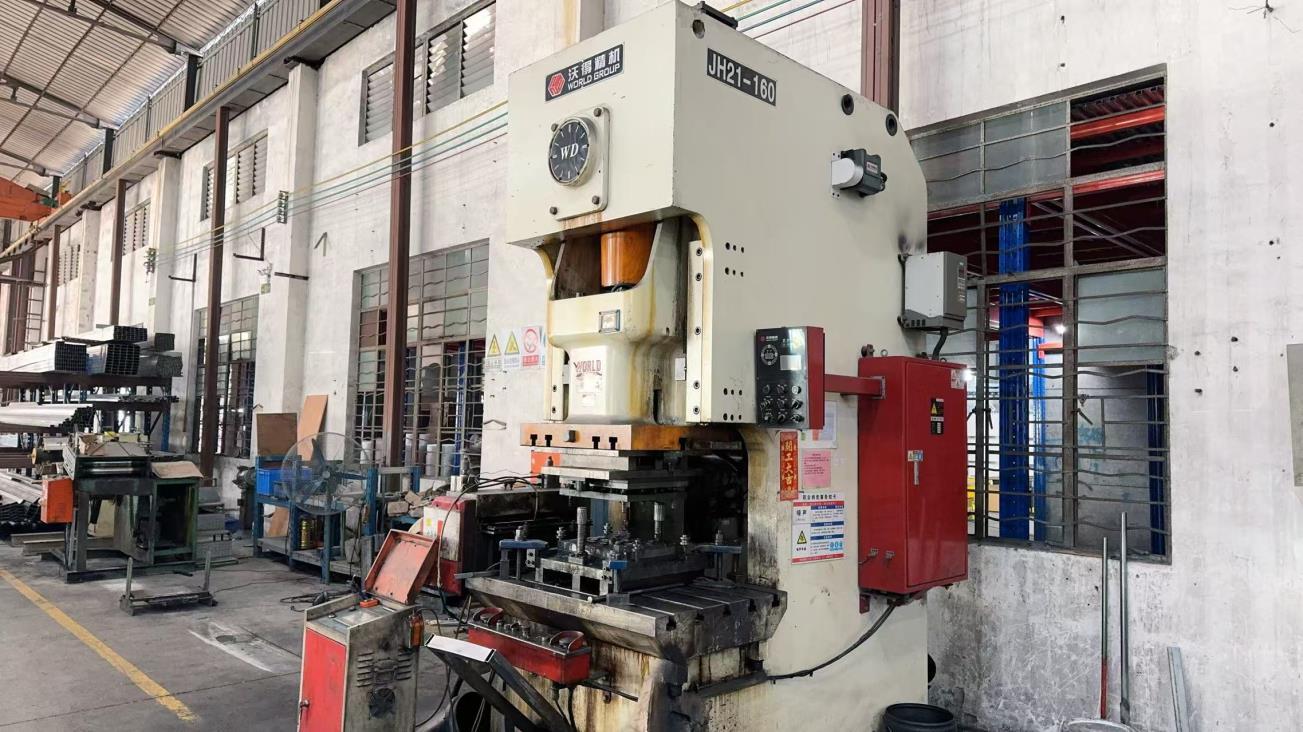
Every racking component undergoes a step-by-step manufacturing process at our facility. The integration of robotic welding and automated CNC roll-forming ensures high structural integrity and consistency.
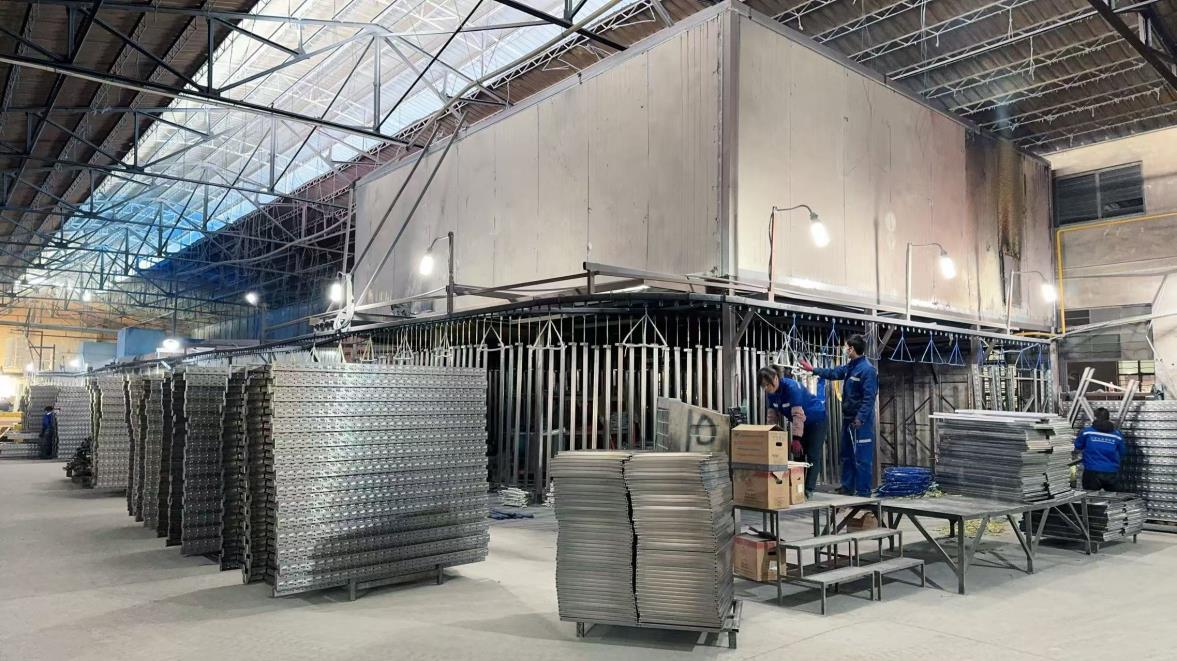
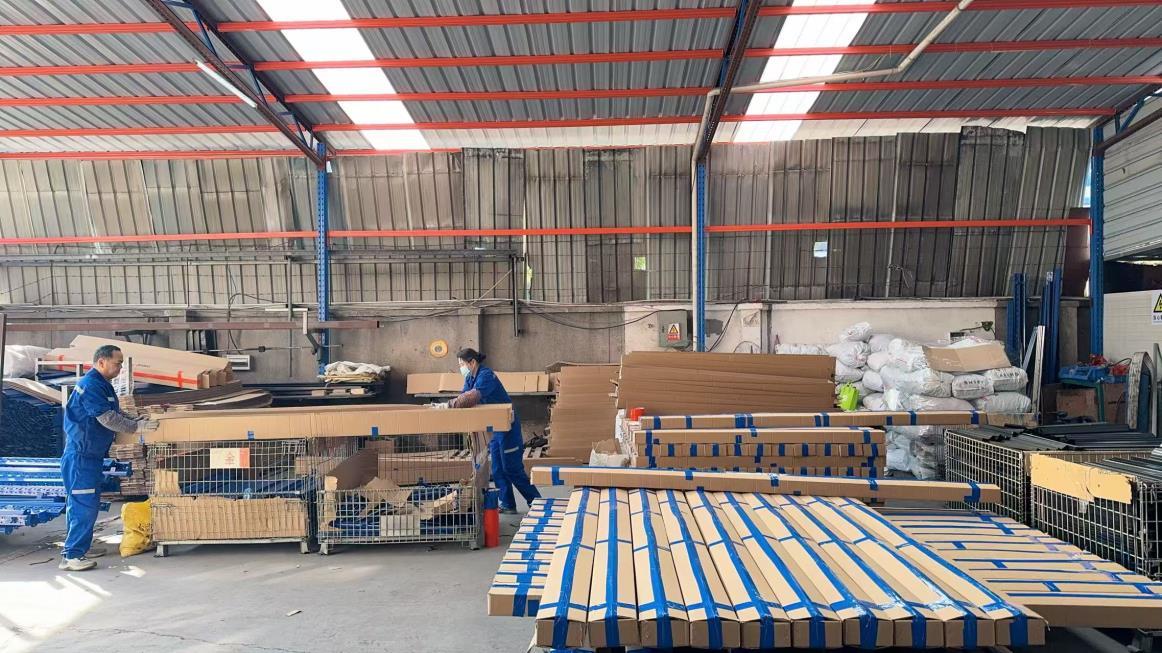
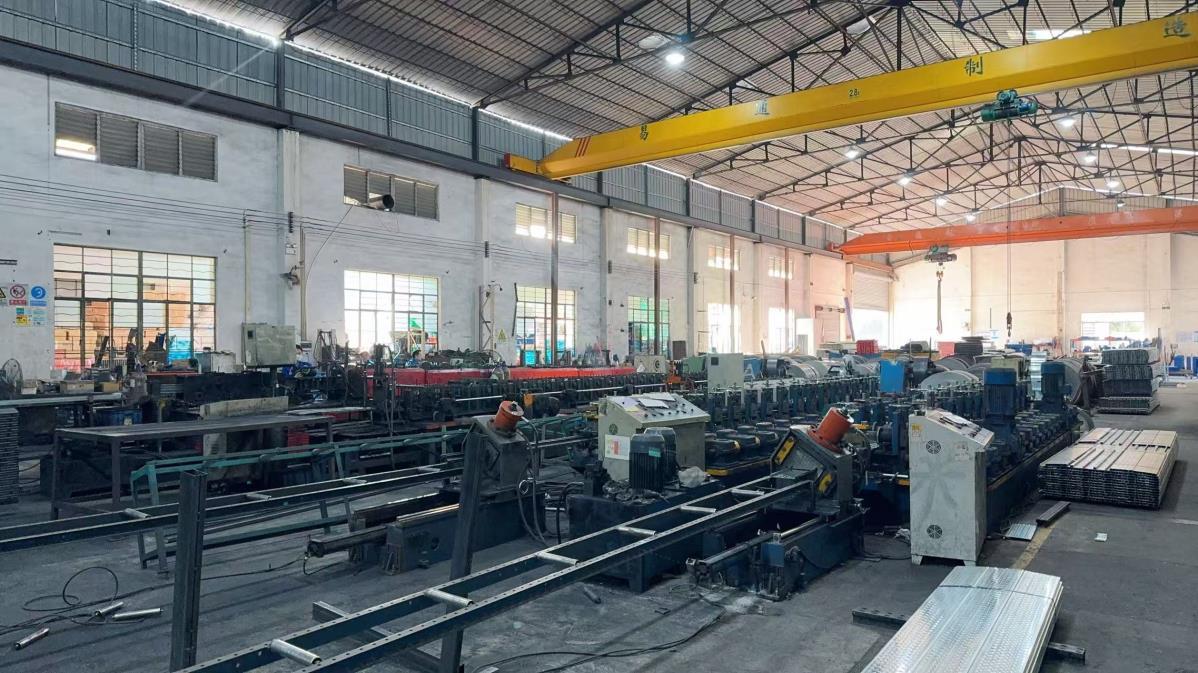
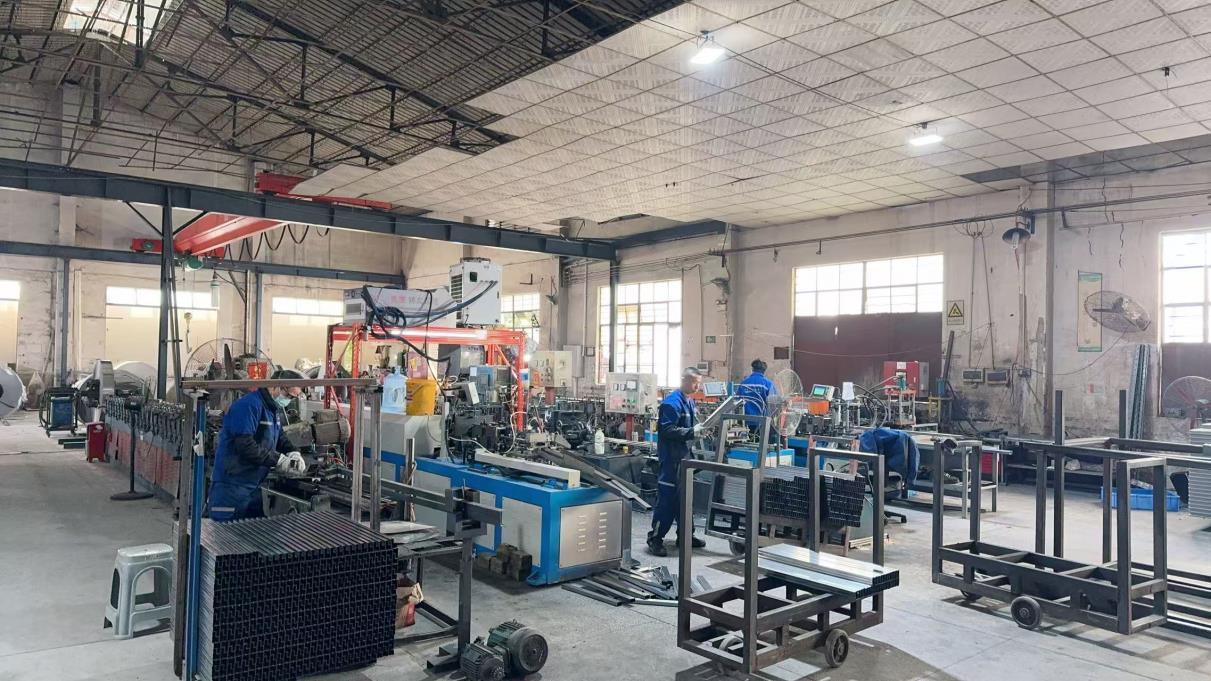
As modern logistics centers transition to automated facilities, structural design criteria must keep pace. Enterprise purchasing departments must verify and enforce safety standards tailored to regional risk factors. Buying dynamic structures like push-back racking involves analyzing structural steel specifications and compliance certifications.
Under seismic conditions, high-density racking behaves as an elevated load mass. Standard calculations require custom structural upright baseplates and thick anchor bolting. Our systems are engineered using FEA stress modeling to simulate zone 4 seismic events without component buckling.
For systems nested 4 to 6 deep, slight structural deformation can halt the gravity feed. Kimsuk guarantees rail deflection ratios below L/400 under maximum load capacity. This maintains smooth rolling dynamics across the system's operational lifespan.
Global logistics hubs require conformity with structural building codes. Our OEM facility certifies each run to comply with ANSI MH16.1 (USA), EN 15512 (Europe), and AS4084 (Australia) design parameters, ensuring rapid compliance sign-off.
To achieve these standards, Dongguan Kimsuk employs high-tensile structural steel (minimum yield strength of 235-345 MPa). Structural profiles are roll-formed to shape and cold-treated, enhancing the steel's structural integrity. Automated welding lines then join the components under inert-gas shielding to produce clean, high-strength structural connections.
Modern material handling is shifting toward hybrid warehousing solutions. High-density rack installations are no longer static shelves; they function as integrated components within active logistics networks. The following trends shape the deployment of push-back racking globally:
Cold storage facilities incur high energy costs per cubic meter, making spatial optimization vital. Push-back configurations maximize storage density, minimizing the active volume to heat or cool. Our cold storage carts feature low-viscosity grease bearings rated for -30°C.
Third-party logistics (3PL) providers handle changing SKU types. Dynamic push-back layouts allow warehouse managers to dedicate individual lanes to separate SKUs. This maintains high throughput and density while supporting swift configuration changes.
Modern setups combine gravity-fed push-back lanes with automated guided vehicles (AGVs). Integrating high-density LIFO lanes with computerized transport systems helps companies optimize their workforce and scale operational throughput.
Selecting the right warehouse solution requires balancing storage density with selectivity. While FIFO systems like Pallet Flow are necessary for perishable foods, push-back storage offers a cost-efficient, durable alternative for manufactured parts, paper products, beverages, and bulk consumer goods. It provides high volumetric efficiency without the high cost of fully automated shuttle systems.
Browse our specialized industrial storage line, featuring automated shuttle systems, structural mezzanines, and multi-tier storage platforms designed to maximize vertical warehouse space.
 Kimsuk Racking