Engineered for high density storage, dynamic logistics management, and heavy-duty load parameters.
Analyzing macro-level demand, supply chains, and engineering dynamics in modern material handling.
In the contemporary globalized economy, warehousing is no longer merely a mechanism for static storage. It has transitioned into a dynamic node within agile supply chains, directly impacting operational throughput, cost efficiency, and fulfillment speed. Consequently, standard "one-size-fits-all" storage fixtures are increasingly being replaced by engineered, custom OEM functionality racks. These intelligent, modular, and load-optimized configurations are designed to withstand structural loads while integrating seamlessly with mechanical interfaces and automated warehouse technologies.
Global supply chain demands—driven by the rapid expansion of cross-border e-commerce, strict cold chain requirements for temperature-sensitive goods, and the rise of automated distribution facilities—have created a critical need for structural diversity in racking designs. In North America and Western Europe, cold storage space optimization has driven demand for highly durable, low-temperature-resistant alloy shelves that maximize vertical space without structural degradation. In contrast, rapid logistics expansion throughout Southeast Asia and South America necessitates modular, corrosion-resistant designs suitable for high-humidity climates. Structural integrity, seismic zoning compliance (e.g., RMI, FEM, and CE codes), and finite element analysis (FEA) simulated loading capabilities are now mandatory criteria for choosing high-quality OEM racking partners.
OEM integration designed for compatibility with Automated Storage and Retrieval Systems (AS/RS), stacker cranes, and AGVs.
Strict structural adherence to local building codes, including dynamic wind loading, seismic zoning compliance, and cyclic fatigue tests.
Utilization of hot-rolled and cold-formed high-tensile steel, paired with electrostatic powder coatings, guarantees an extended service life.
A global leader in heavy-duty industrial warehouse racking systems and custom steel engineering solutions.
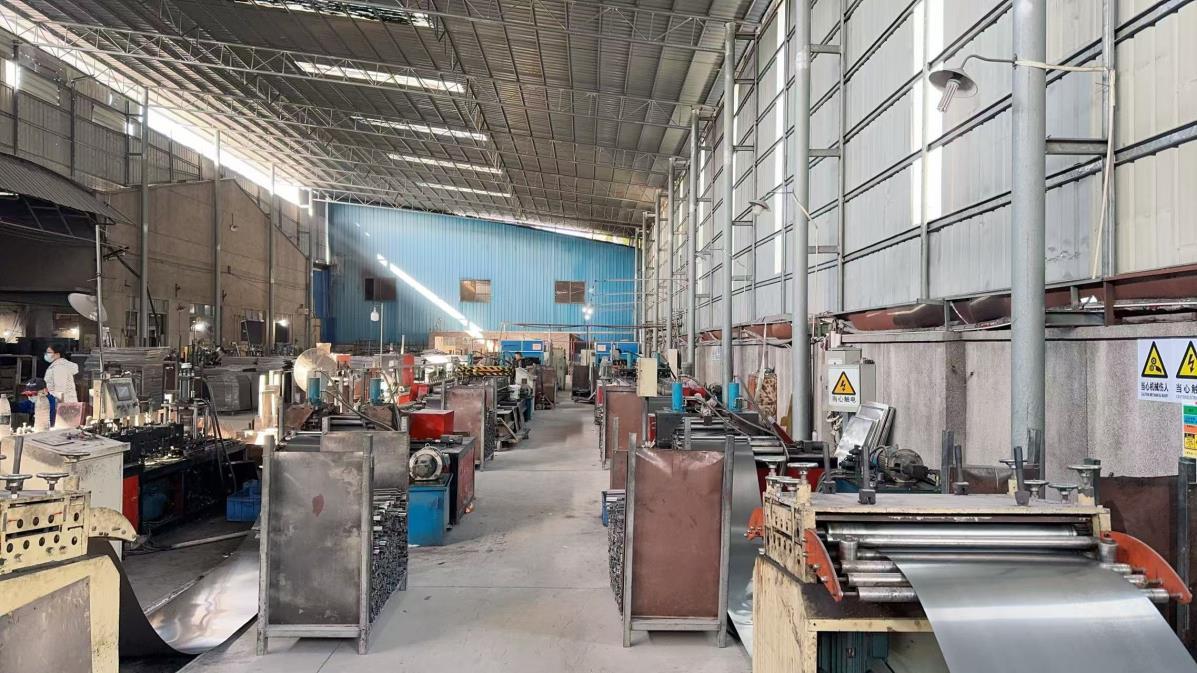
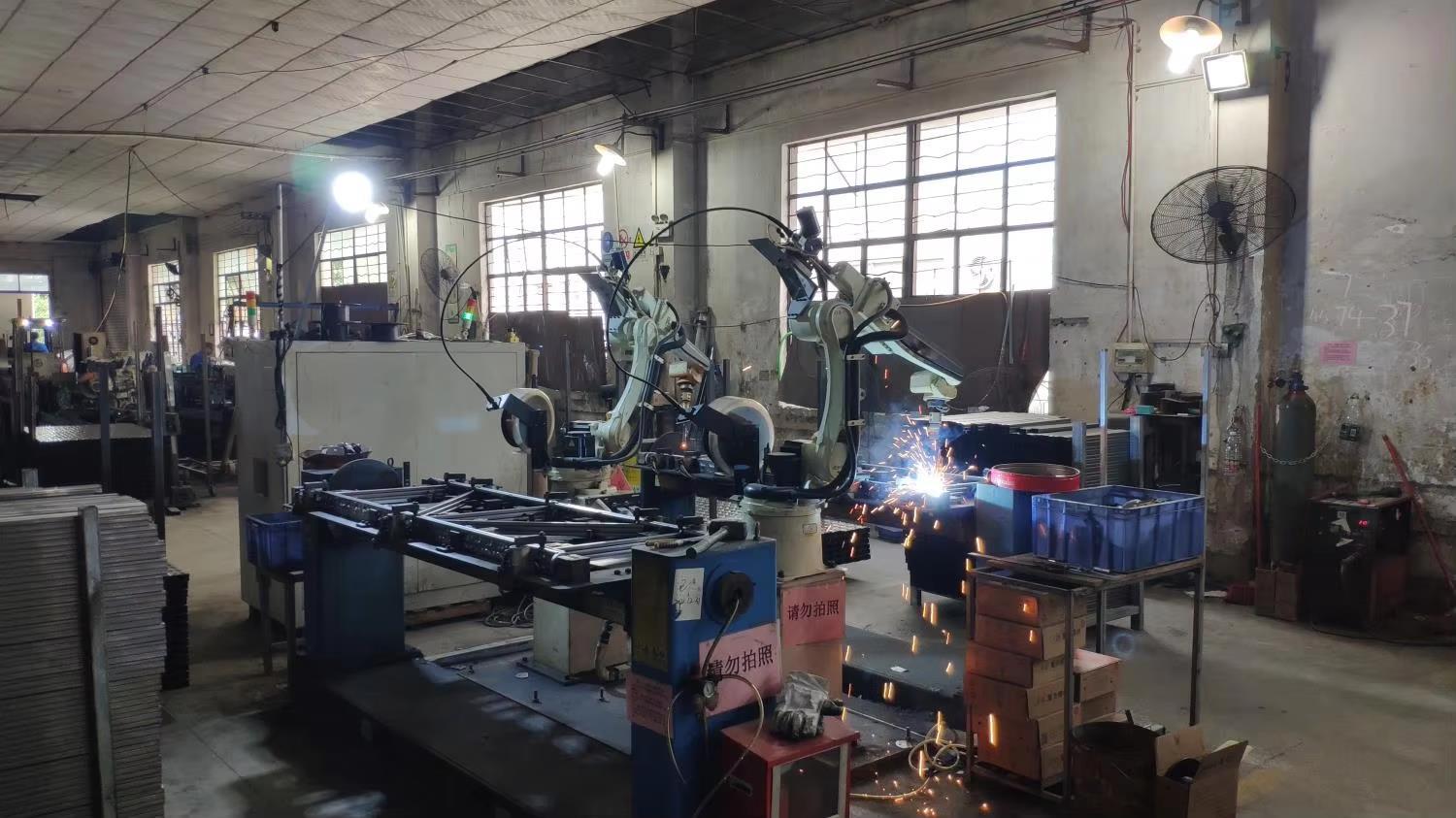
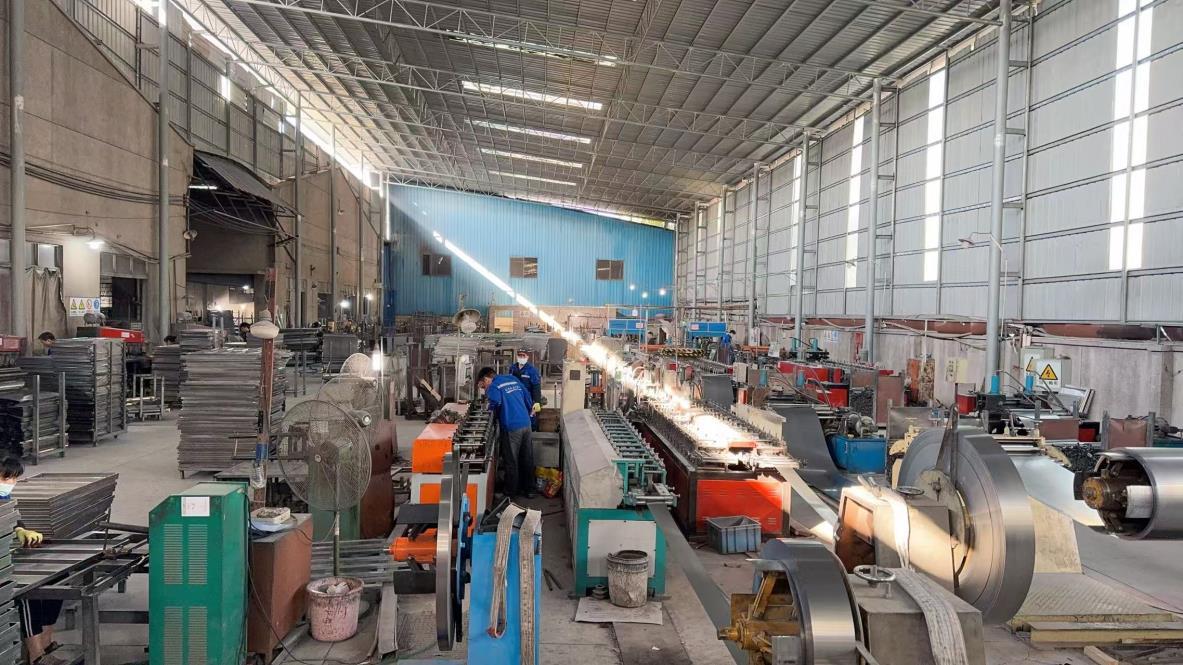
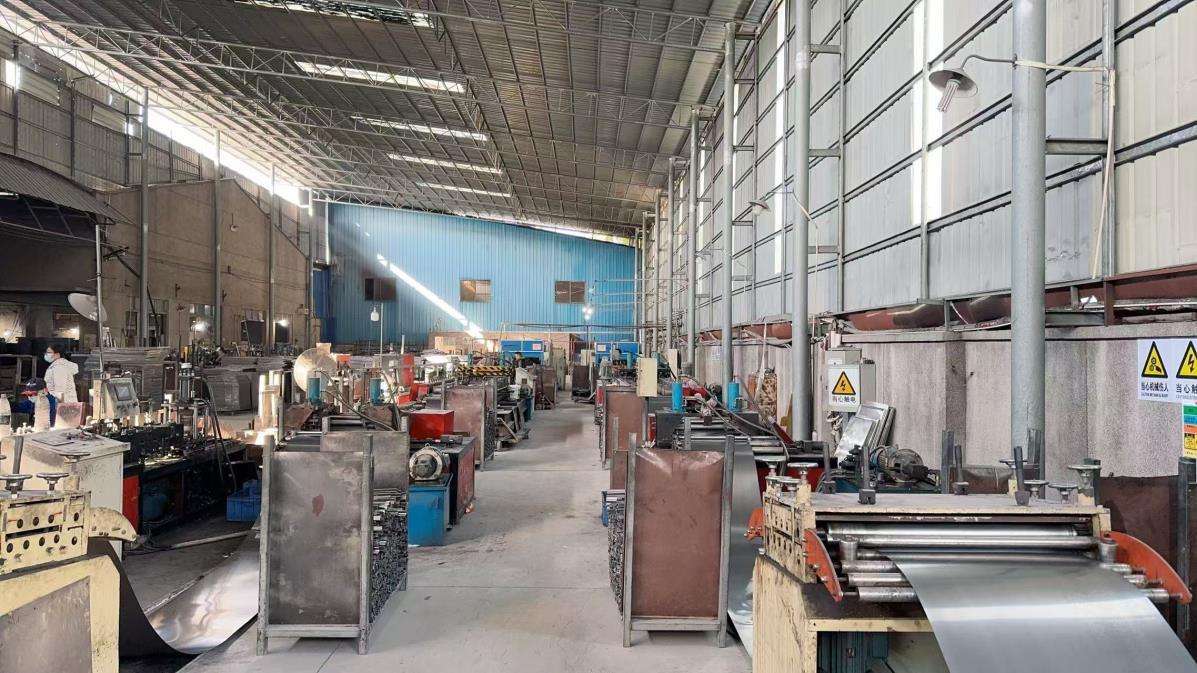
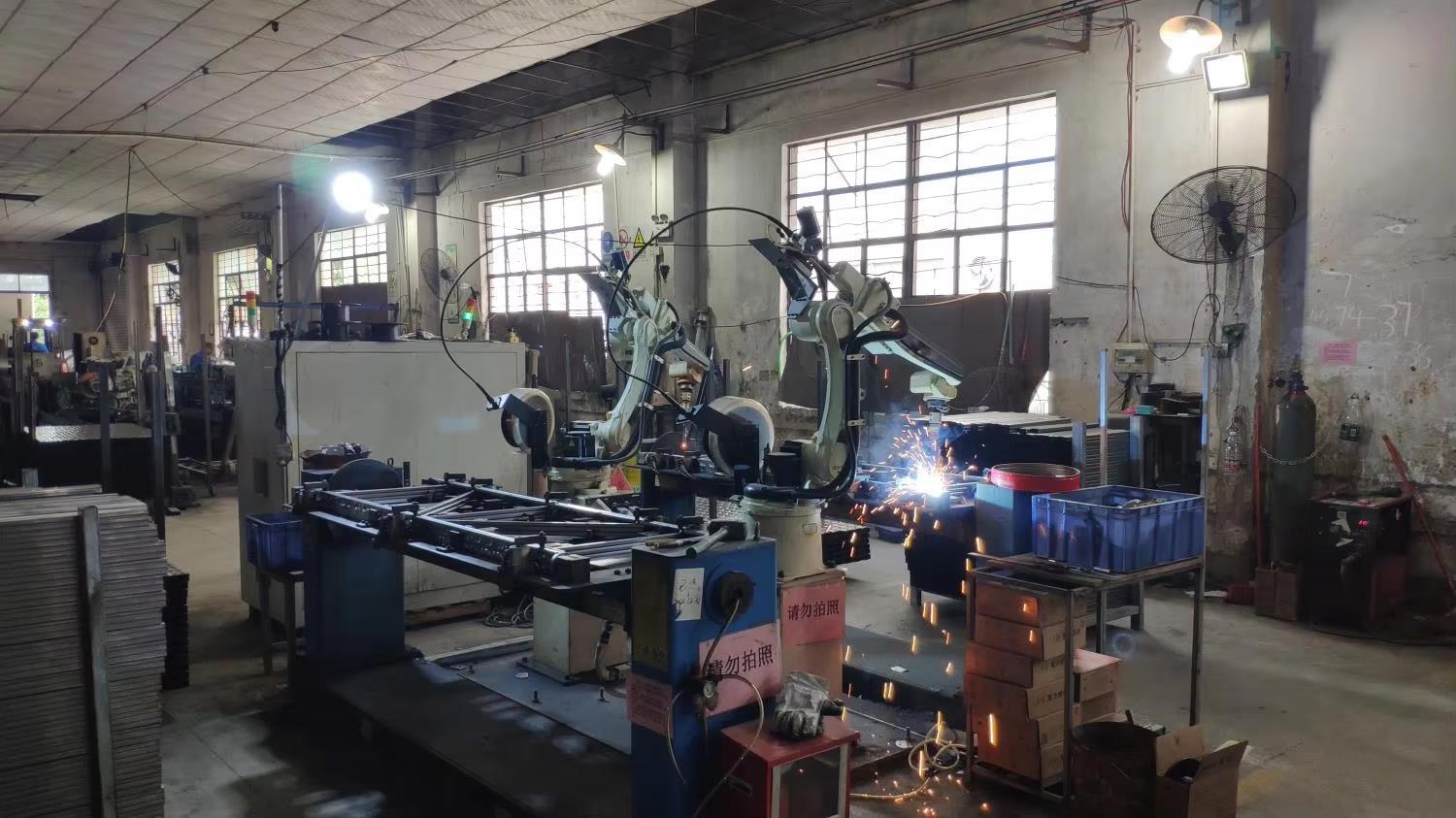
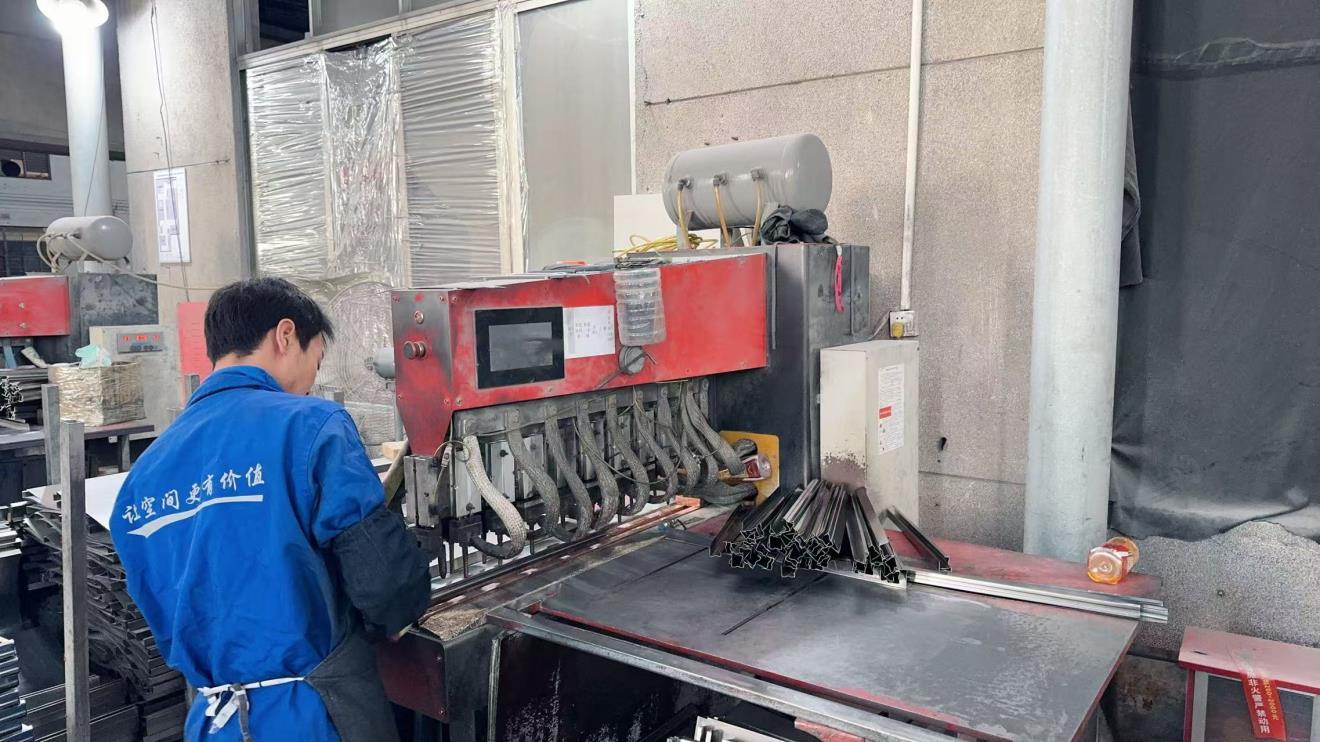
Founded in 2015, Dongguan Kimsuk Shelves Co., Ltd. is a premier manufacturer specializing in heavy-duty industrial warehouse racking systems, automated storage solutions, and customizable steel shelving. Spanning a state-of-the-art production facility of 38,000 square meters, Kimsuk combines advanced manufacturing infrastructure with high-precision engineering to deliver robust logistics and warehousing infrastructure globally. With over 15 years of industry experience and an 8+ year track record of direct export operations, Kimsuk has achieved a significant global presence, earning trust through comprehensive structural testing, high material reliability, and transparent technical documentation.
Maintaining safety and structural stability at extreme height-to-depth ratios requires rigorous validation processes. At Dongguan Kimsuk Shelves, a dedicated quality control division composed of 35 certified QC inspectors and material testing engineers oversees manufacturing from raw material sourcing to final dispatch. Quality control procedures include:
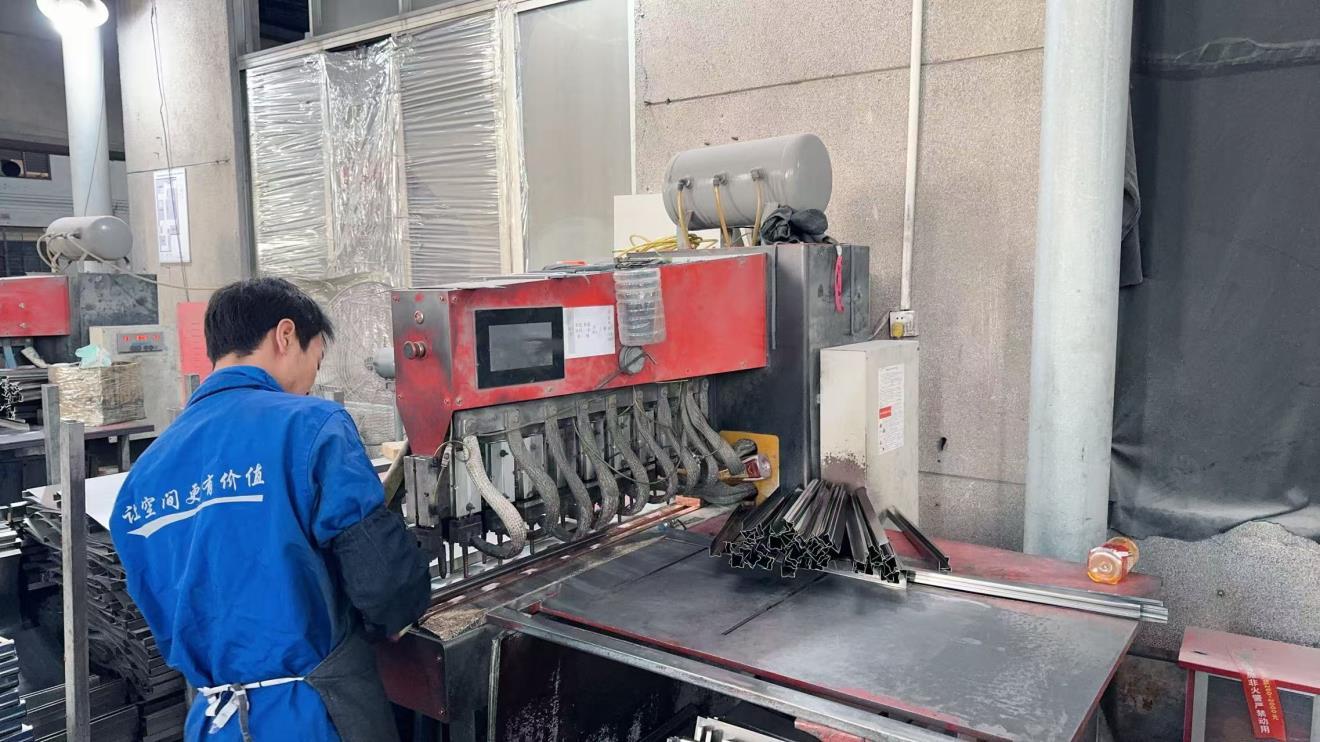
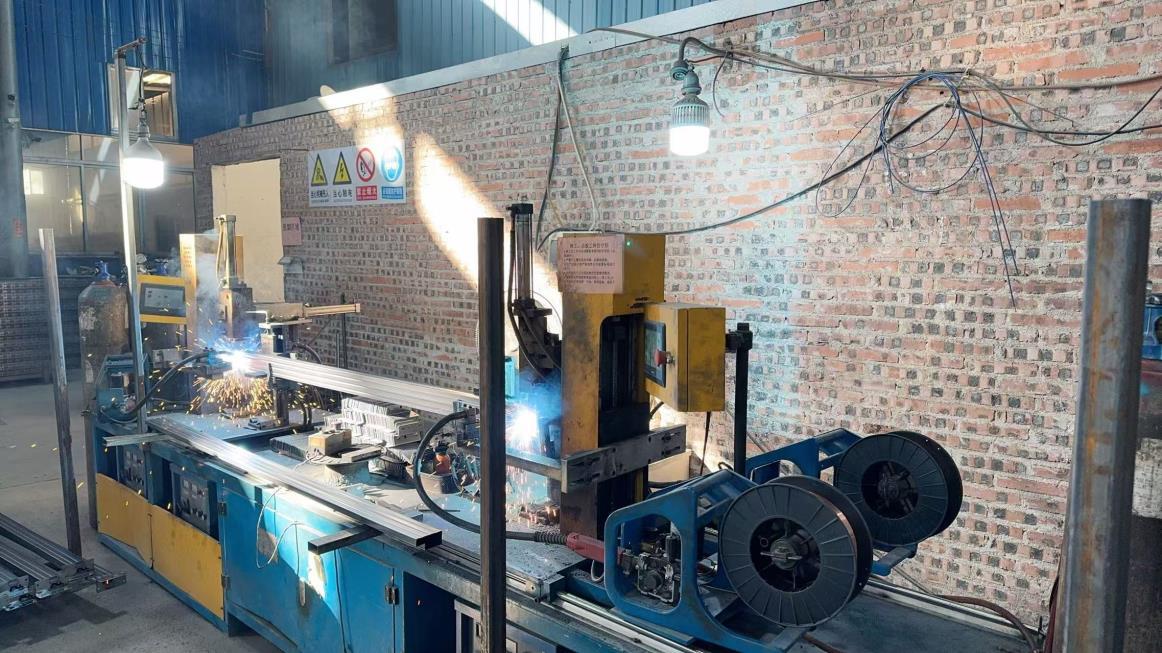
Showcasing our step-by-step raw material processing, automated welding capability, and advanced finishing lines.
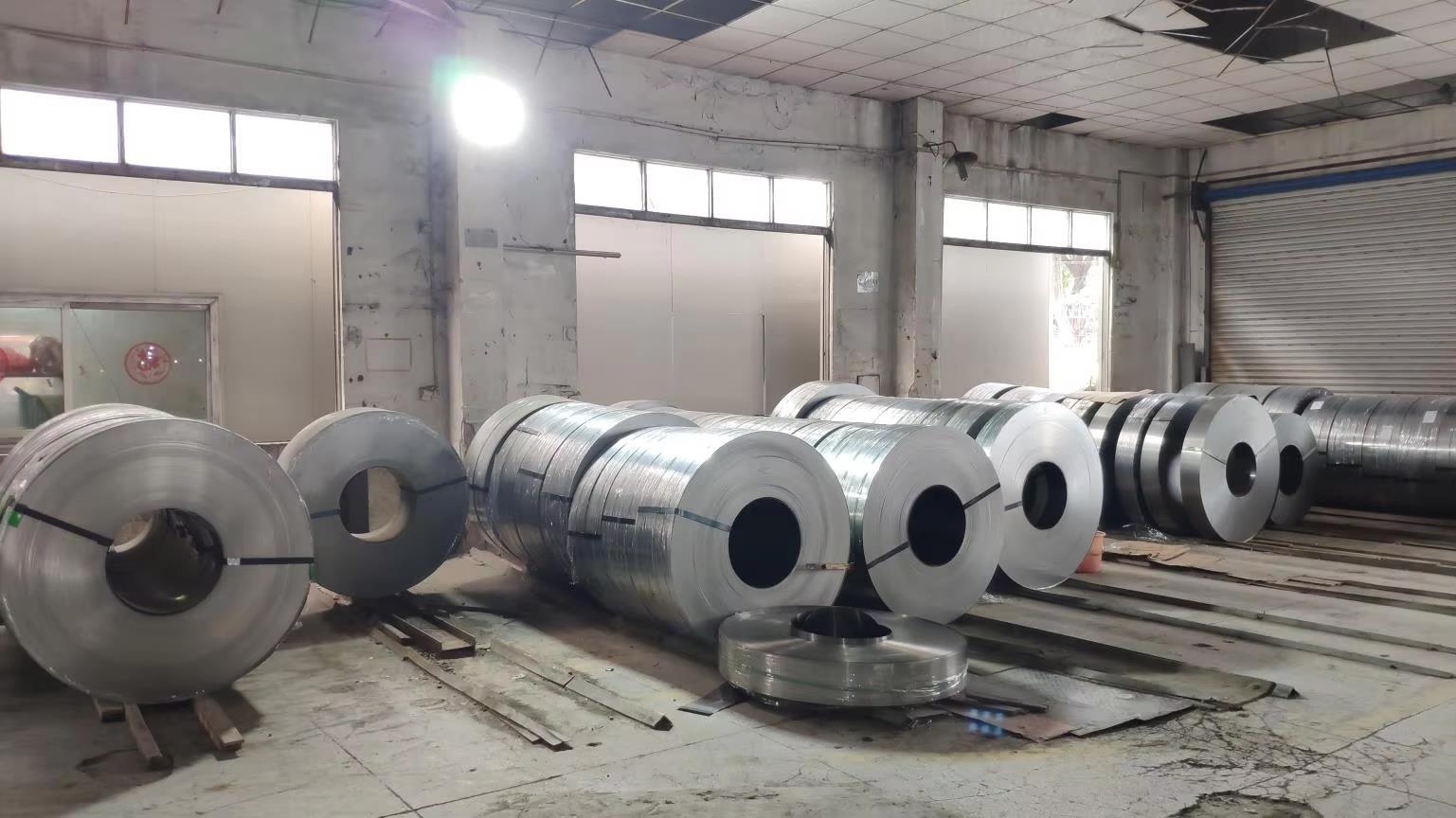
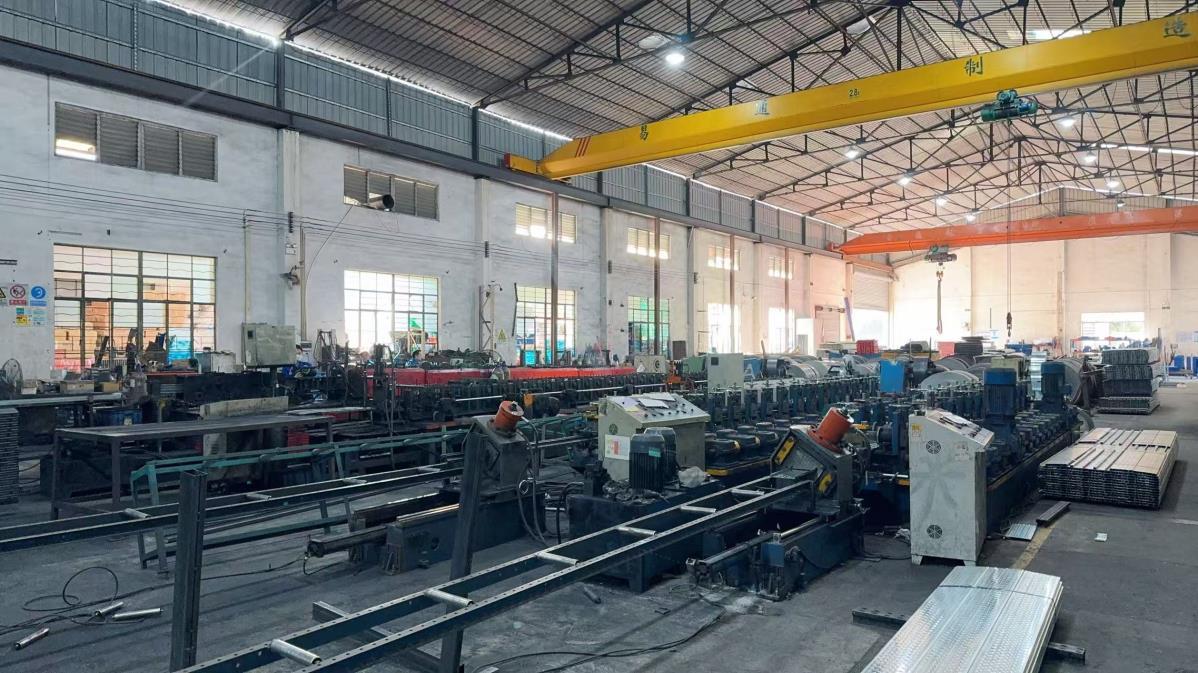
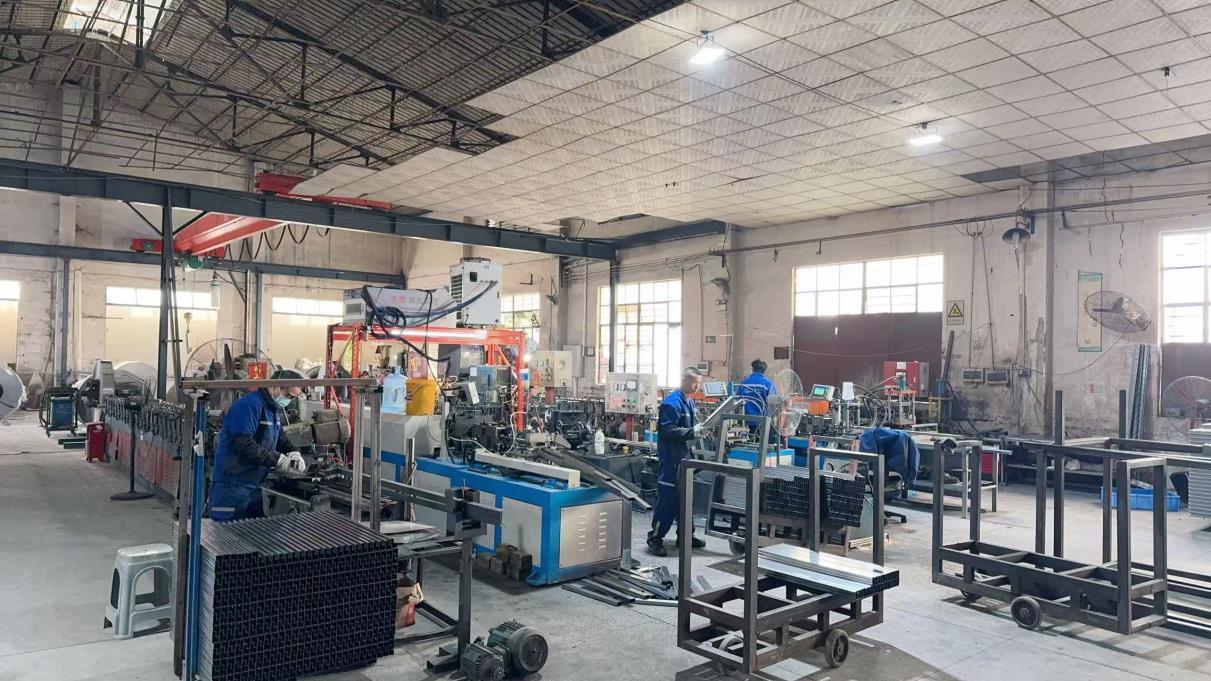
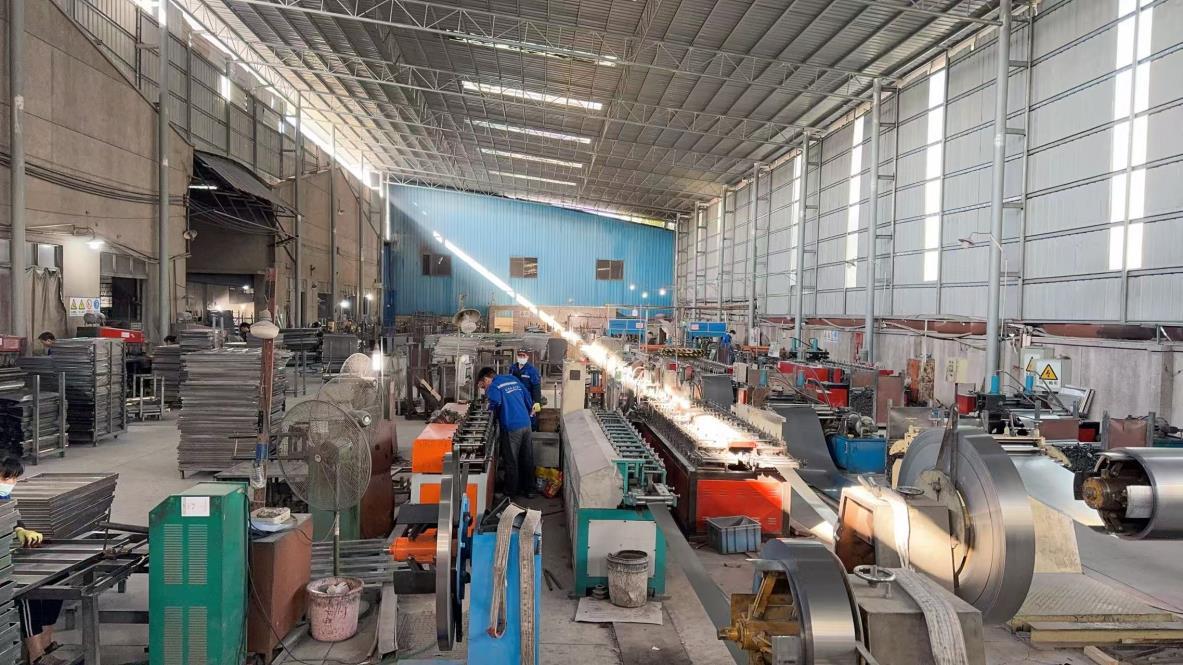
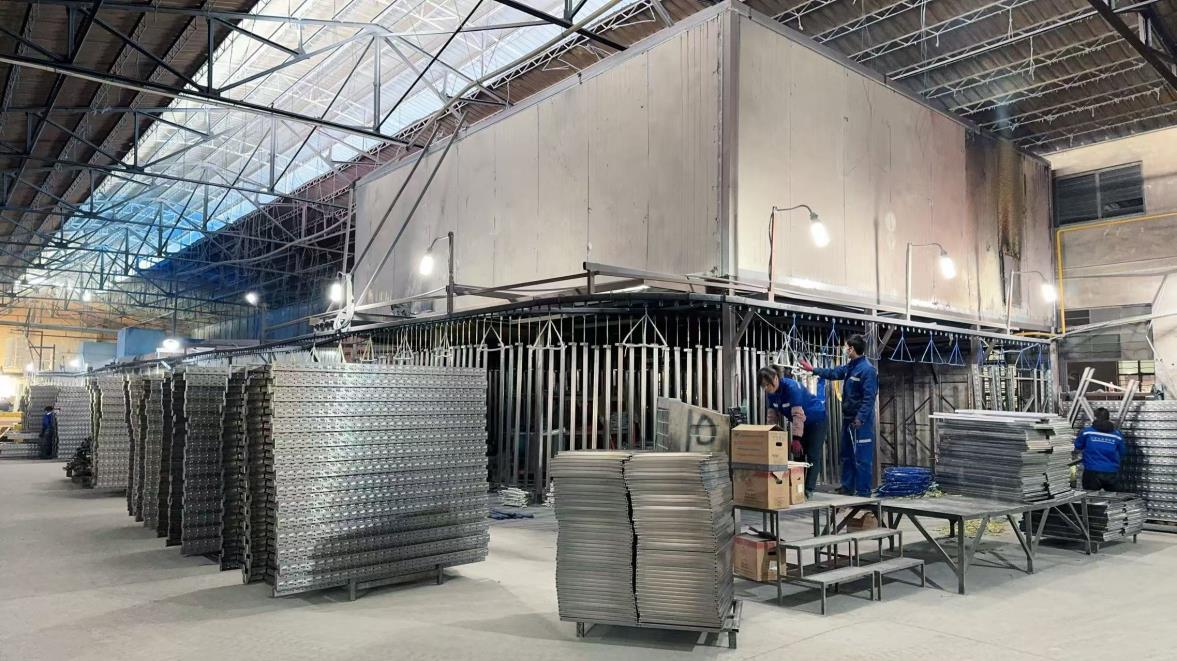
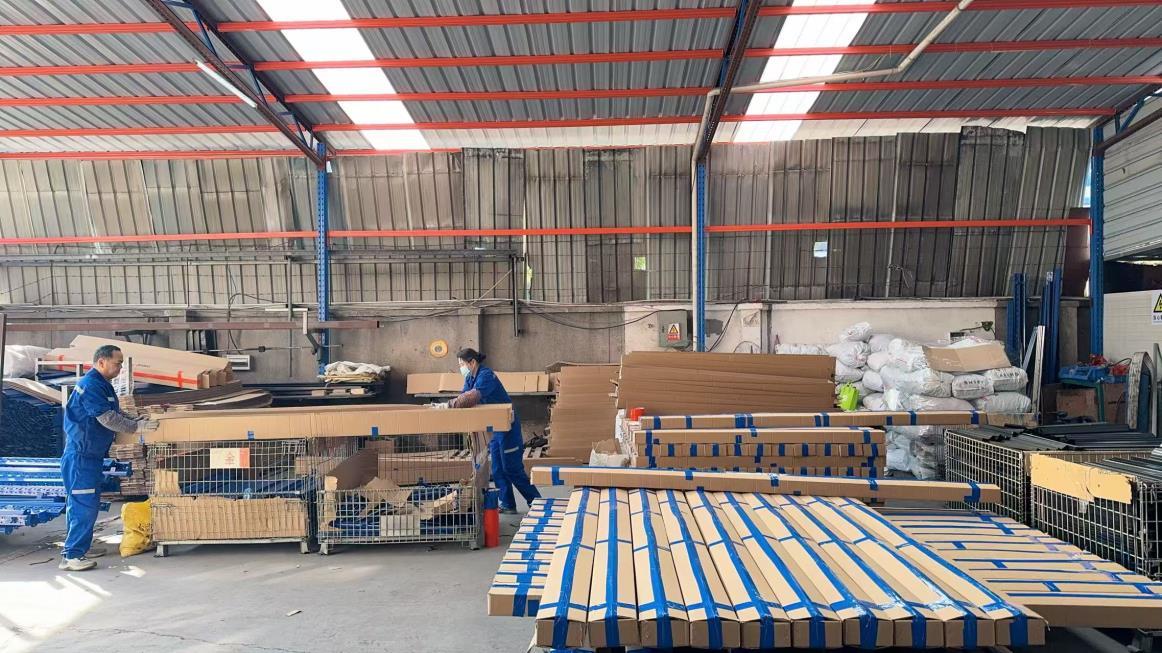
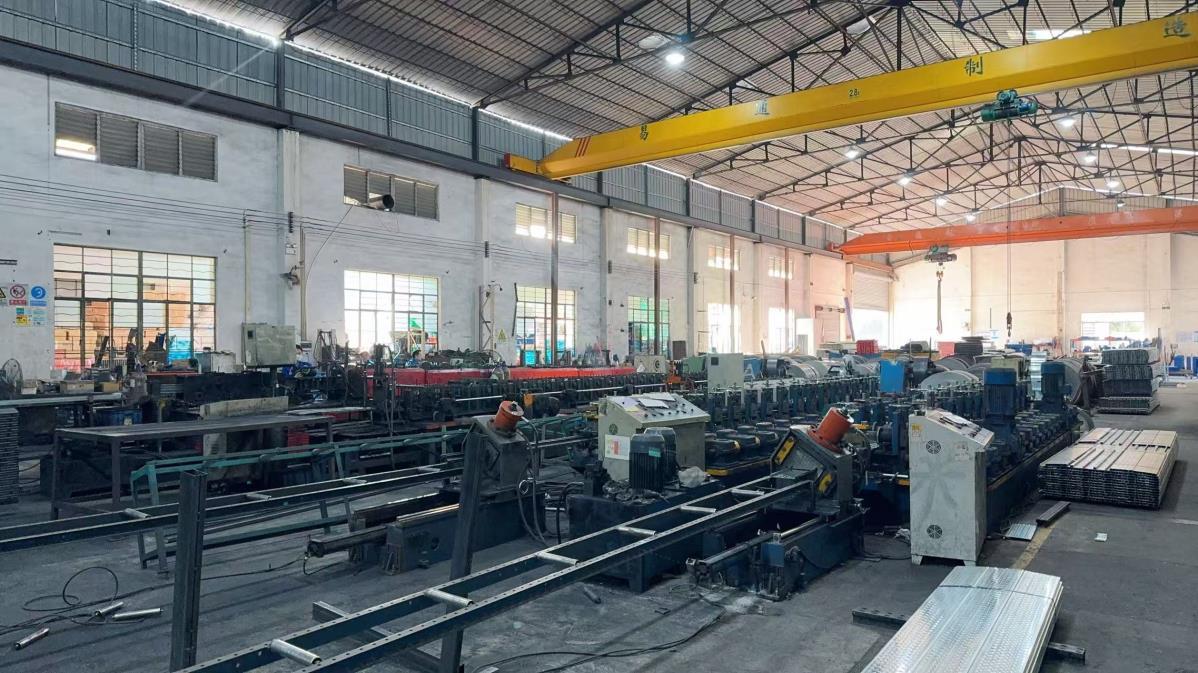
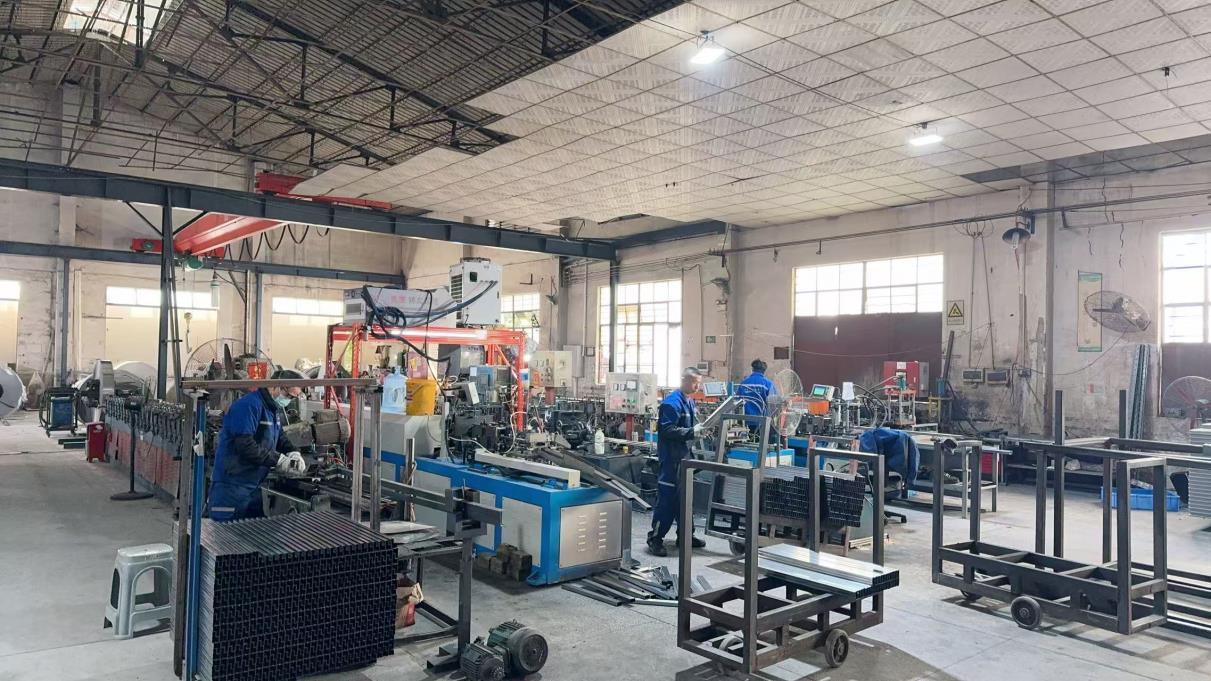
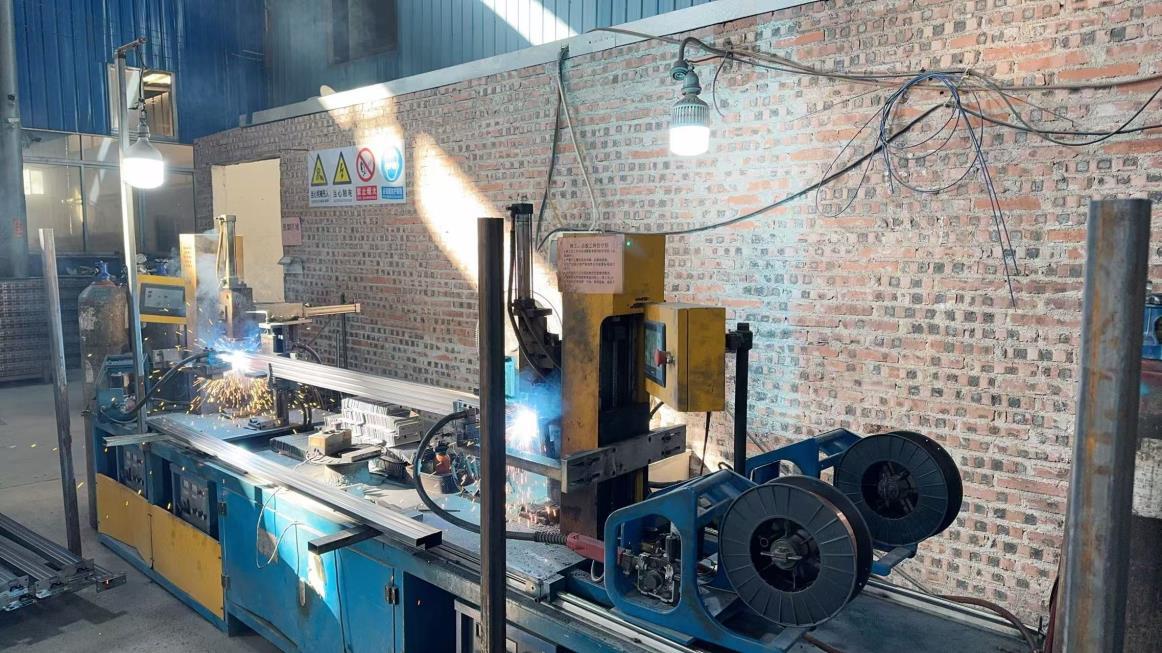
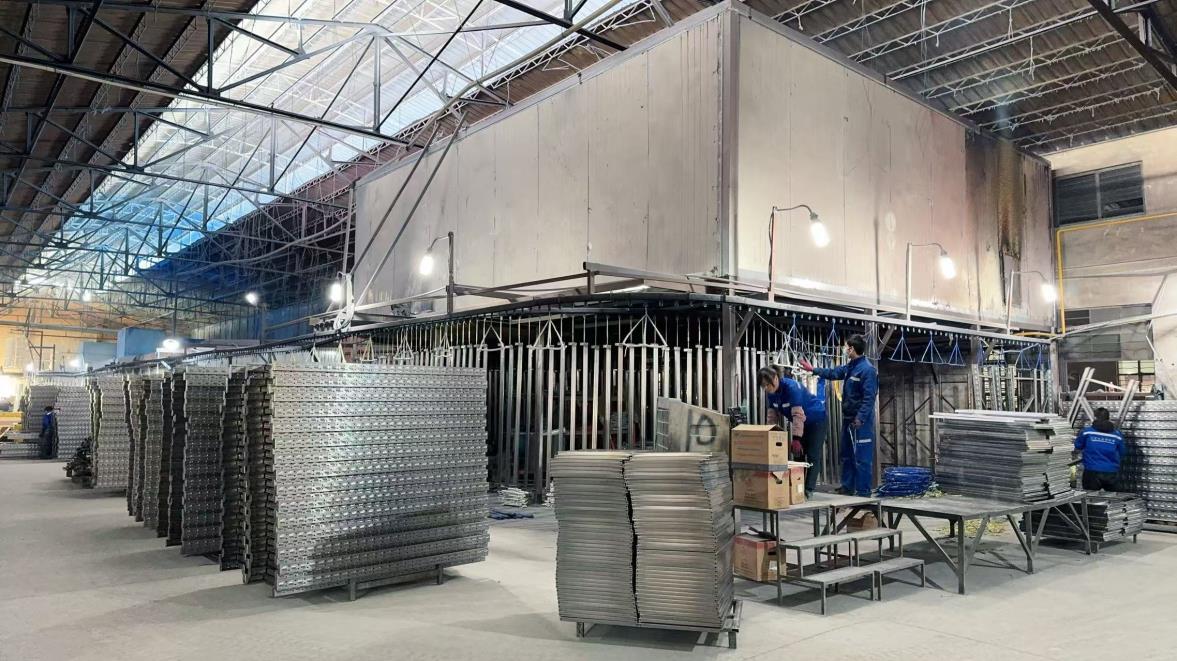
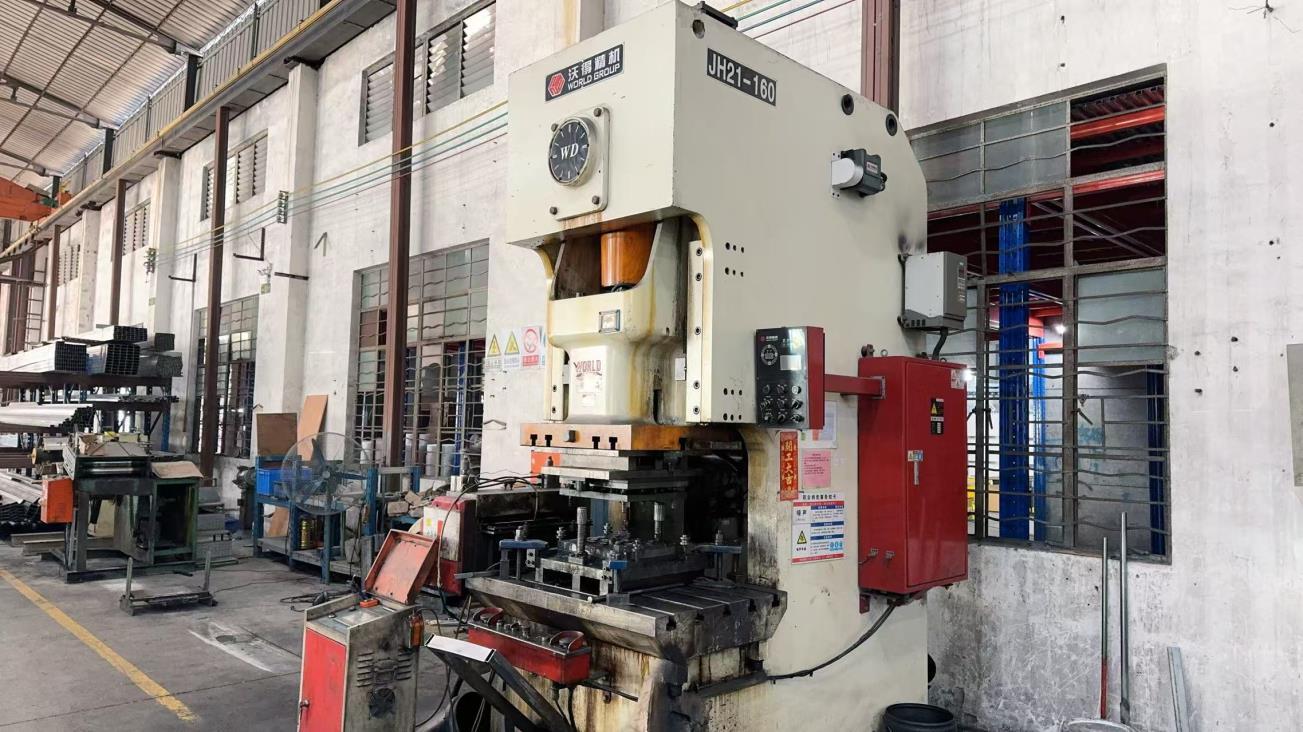
Key design considerations for modern structural warehouse rack configurations.
Modern high-bay racking systems must function under strict structural stability standards. Dynamic analysis using 3D BIM modeling and FEA software allows structural engineers to simulate load deflections, seismic disturbances, and wind loads. By modeling stresses at beam-to-column connections and structural joints, engineers can optimize steel cross-sections (e.g., configuring butterfly or tear-drop punch configurations) to maintain stability under seismic conditions without unnecessarily increasing total weight.
As logistics operations transition toward automation, racking systems must be engineered with high structural tolerances. Automated Storage and Retrieval Systems (AS/RS), stacker cranes, and automated guided vehicles (AGVs) require straightness, pitch, and deflection profiles with millimeter-level precision. Our R&D engineering team designs custom pallet guide rails, sensor mounting brackets, and robust run-out structural configurations that integrate directly with robotic machinery interfaces.
Corrosive environments, such as seafood processing cold chain facilities or chemical storage centers, accelerate the oxidation of standard mild steel. To mitigate this risk, the technological roadmap focuses on using pre-galvanized components, hot-dip galvanizing, and thermosetting powder coatings. These treatments protect critical structural profiles, including upright frames, support bracing, and heavy-duty box beams, from early-stage rust and degradation.
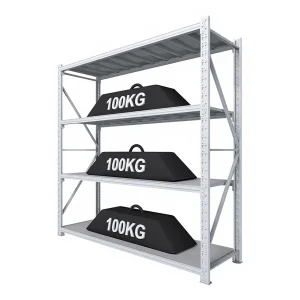
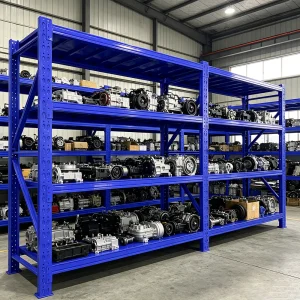
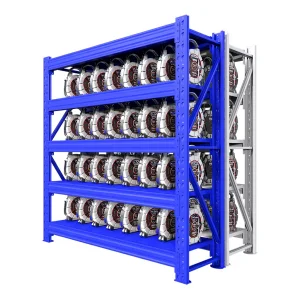
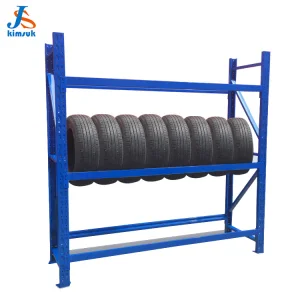
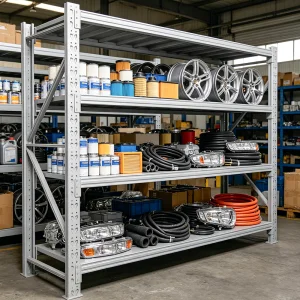
Specialized modular tire stacking systems, heavy-duty sheet metal racks, and custom engine parts platforms designed to maximize space and simplify forklift access.
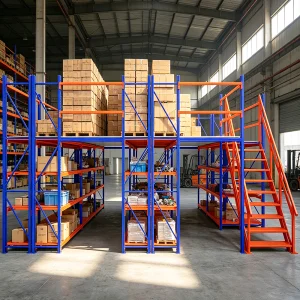
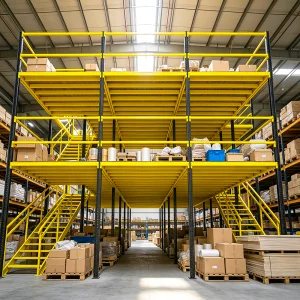
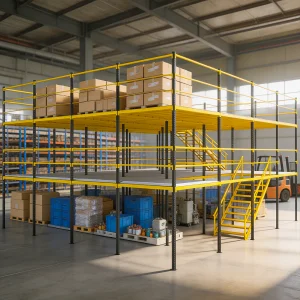
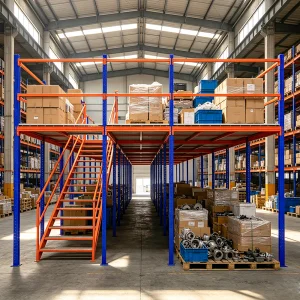
Multi-tiered mezzanine structures and high-density catwalk configurations with safety guardrails to facilitate manual order picking and automated vertical sorting.
Highly stabilized drive-in racking profiles designed to withstand sub-zero temperatures down to -30°C, ensuring optimal airflow and efficient structural load distribution.
Analyzing how different global sectors implement customized functional racking to optimize logistics processes.
In high-density commercial markets like Western Europe and North America, spatial limitations have driven the adoptability of Double-Deep Pallet Racks and VNA (Very Narrow Aisle) systems. These configurations reduce the required aisle width to as narrow as 1.6 meters, increasing space utilization by up to 40% compared to standard layout structures. However, these systems demand precision manufacturing tolerances; a minor tilt at ground level could result in several centimeters of misalignment at the top level of a 15-meter rack.
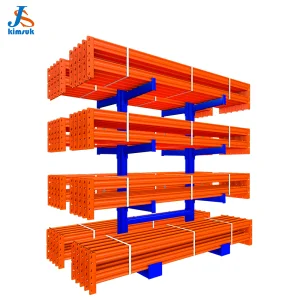
For industrial distribution hubs handling bulk goods and raw materials, Adjustable Cantilever Racking is a critical engineering solution. Cantilever arms provide open horizontal entry points, allowing for safe storage of long loads like structural steel beams, PVC piping, and heavy timber bundles without obstruction from vertical front columns. Standard load options are calculated with deflection ratios ranging from L/150 to L/300, and include mechanical stoppers to prevent cargo roll-off, ensuring safe material handling processes.
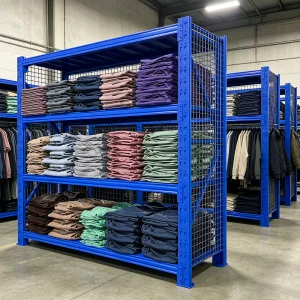
In retail and grocery supply chains, modularity and structural hygiene are critical requirements. The incorporation of stainless steel materials, wash-down capability, and boltless rivet configurations allows retail shelves to adjust to changing inventory profiles. These shelf systems support heavy loads, enabling warehouses to transition smoothly from palletized bulk storage to dynamic direct-to-consumer order picking operations.
Addressing structural engineering, load safety parameters, and custom configuration questions.
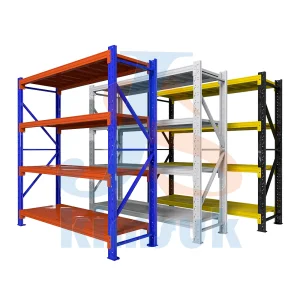
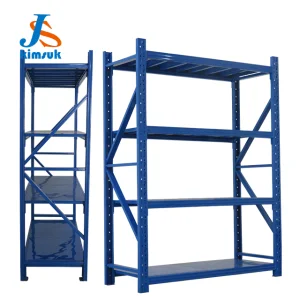
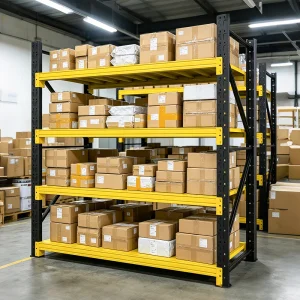
Heavy-duty steel platforms, specialized dynamic tire shelving, and multi-tier storage configurations.
 Kimsuk Racking