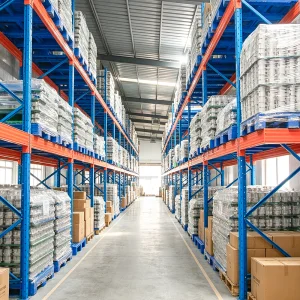
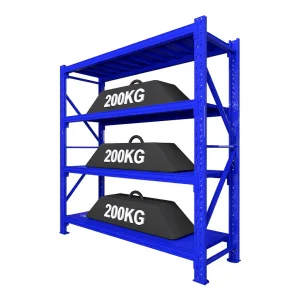
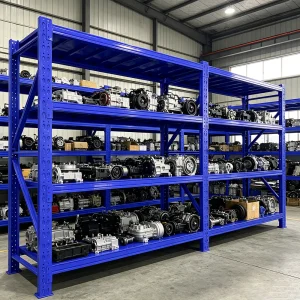
Precision-engineered systems designed to maximize vertical warehouse space while maintaining structural integrity.
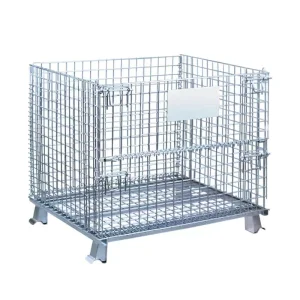
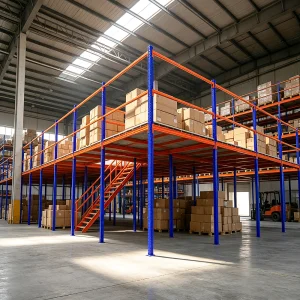
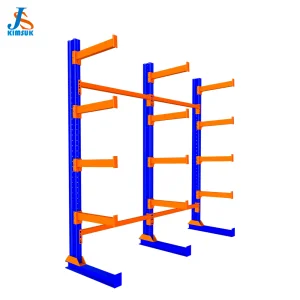
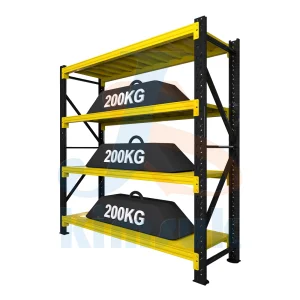
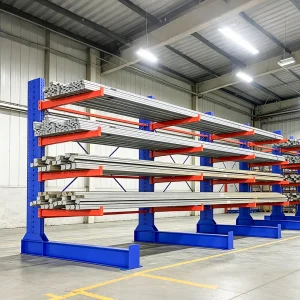
Engineered logistics storage optimization frameworks designed to eliminate operational bottlenecks across primary global supply chains.
Modern industrial supply chains demand more than generic shelving. High-density storage, rapid inventory turnover, and strict workplace safety protocols dictate that warehouse systems perform under extreme load conditions. As a leading manufacturer, Dongguan Kimsuk Shelves Co., Ltd. designs stacking rack systems tailored for specific vertical market applications.
Standard static pallet racking systems often suffer from poor air circulation in sub-zero environments, causing localized ice buildup and uneven temperature distribution. Kimsuk's custom post pallets and open-base nesting stack racks facilitate uninterrupted vertical and horizontal airflow. Manufactured using low-temperature resilient Q235B/Q355B steel, our racks prevent low-temperature embrittlement and resist structural cracking down to -40°C.
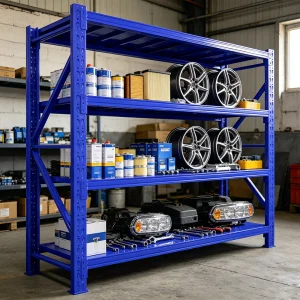
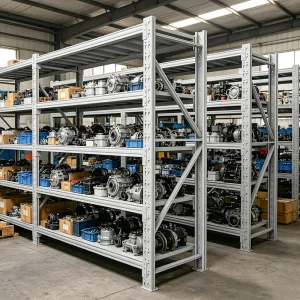
Automotive assembly lines require heavy-duty transportable containers for complex, high-weight castings, engines, and body panels. We engineer specialized foldout stackable steel cages and custom post-racking layouts that integrate with forklift guidance mechanisms. These designs isolate mechanical vibration during transit, protecting delicate structural components from fatigue defects before assembly.
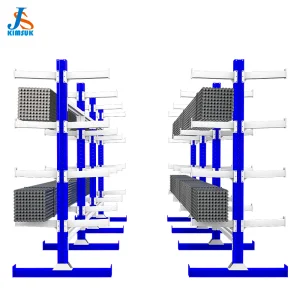
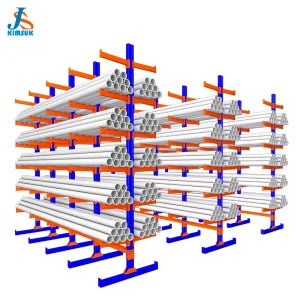
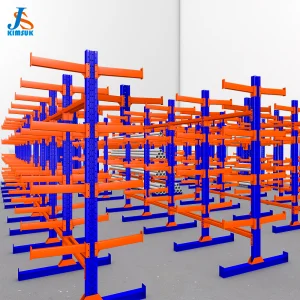
Standard selective pallet racks are inefficient for cylindrical, non-standard materials like fabric bolts, carpet rolls, and extruded industrial tubing. Our high-capacity cantilever structures and double-wide nesting stack racks accommodate oversized long-payload profiles. The boltless drop-in configuration allows warehouse managers to adjust vertical pitch, optimizing space utilization for variable production runs.
Dongguan Kimsuk Shelves Co., Ltd.: Standardizing global supply chain structures since 2015.
Founded in 2015, Dongguan Kimsuk Shelves Co., Ltd. is a premier manufacturer specializing in heavy-duty industrial warehouse racking systems, automated storage solutions, and customizable steel shelving. Spanning a state-of-the-art production facility of 38,000 square meters, Kimsuk combines advanced manufacturing infrastructure with high-precision engineering to deliver robust logistics and warehousing infrastructure globally. We serve global logistics hubs, enterprise e-commerce distribution centers, cold chain facilities, industrial equipment wholesalers, and Third-Party Logistics (3PL) operators.
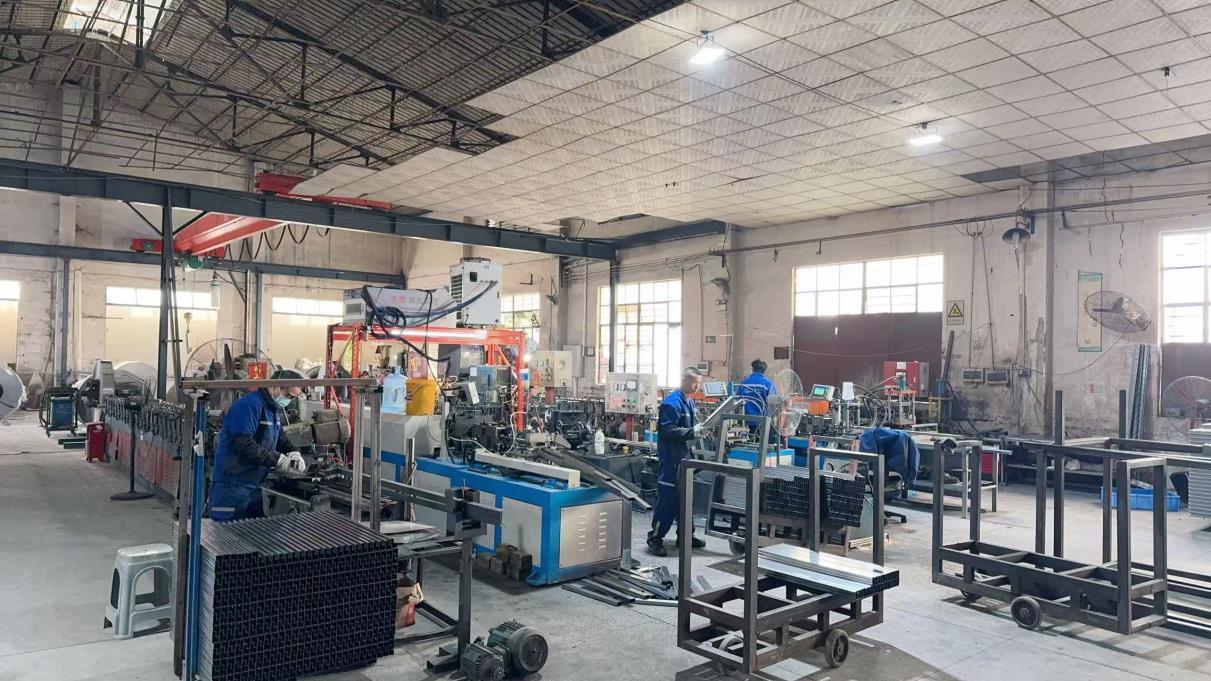
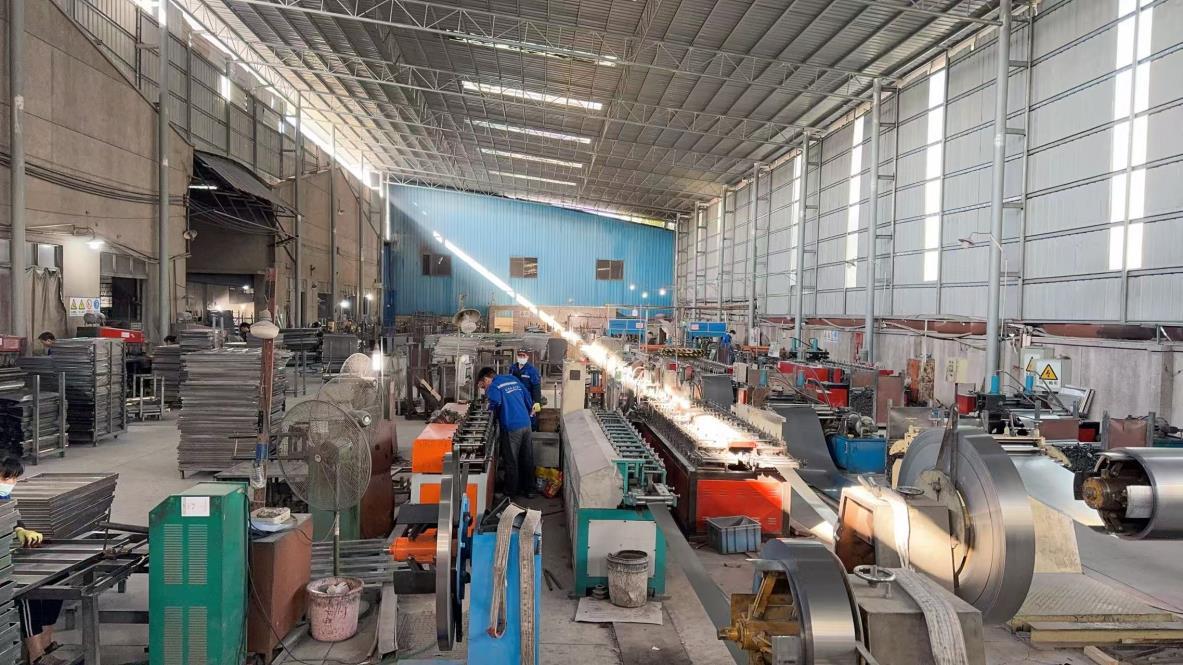
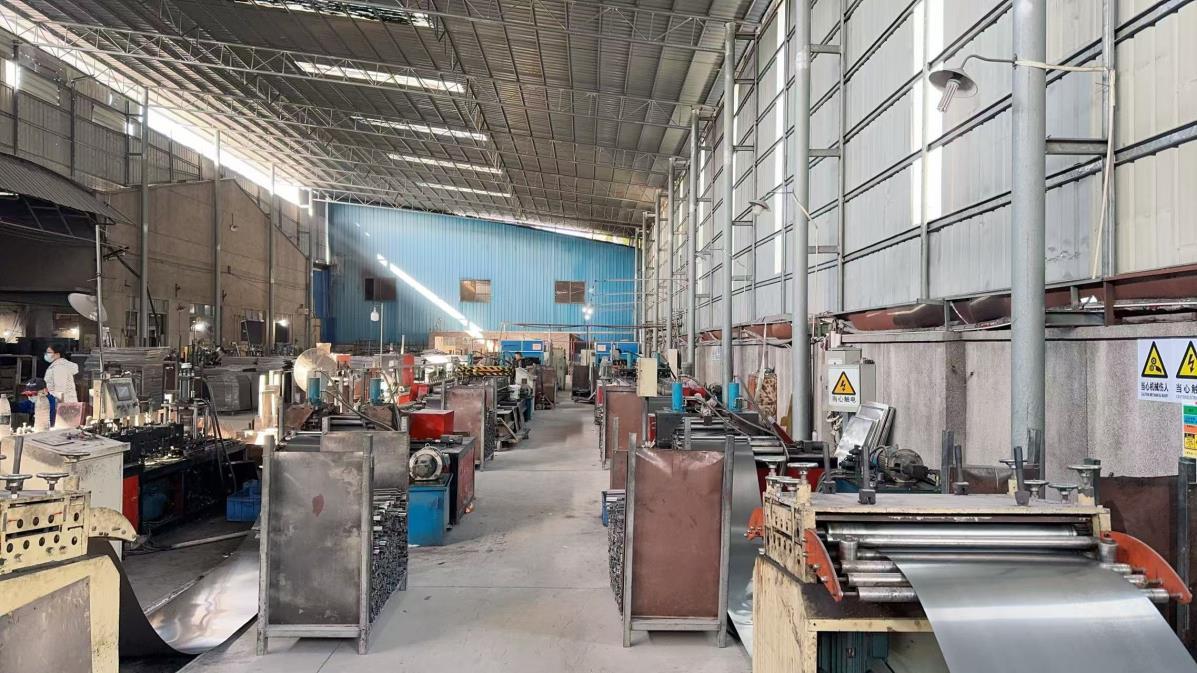
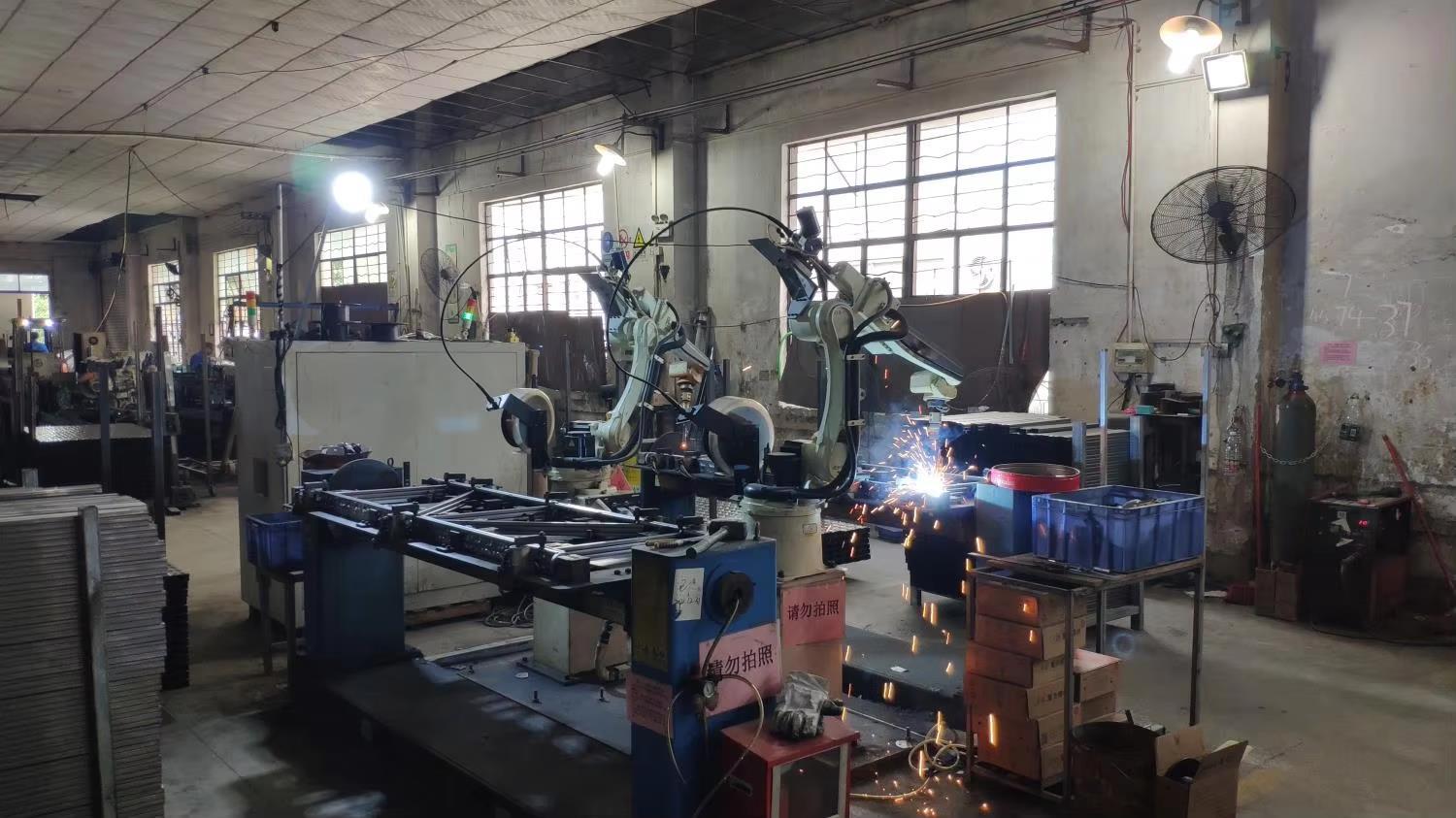
Explore Kimsuk's fully integrated processing lines, featuring raw material preparation, precision fabrication, robotic welding, and automated surface treatment.
By integrating automation and manufacturing execution systems (MES), our facility coordinates production flow to reduce defects and cut cycle times. This automated framework guarantees that load capacities are consistent across production runs.
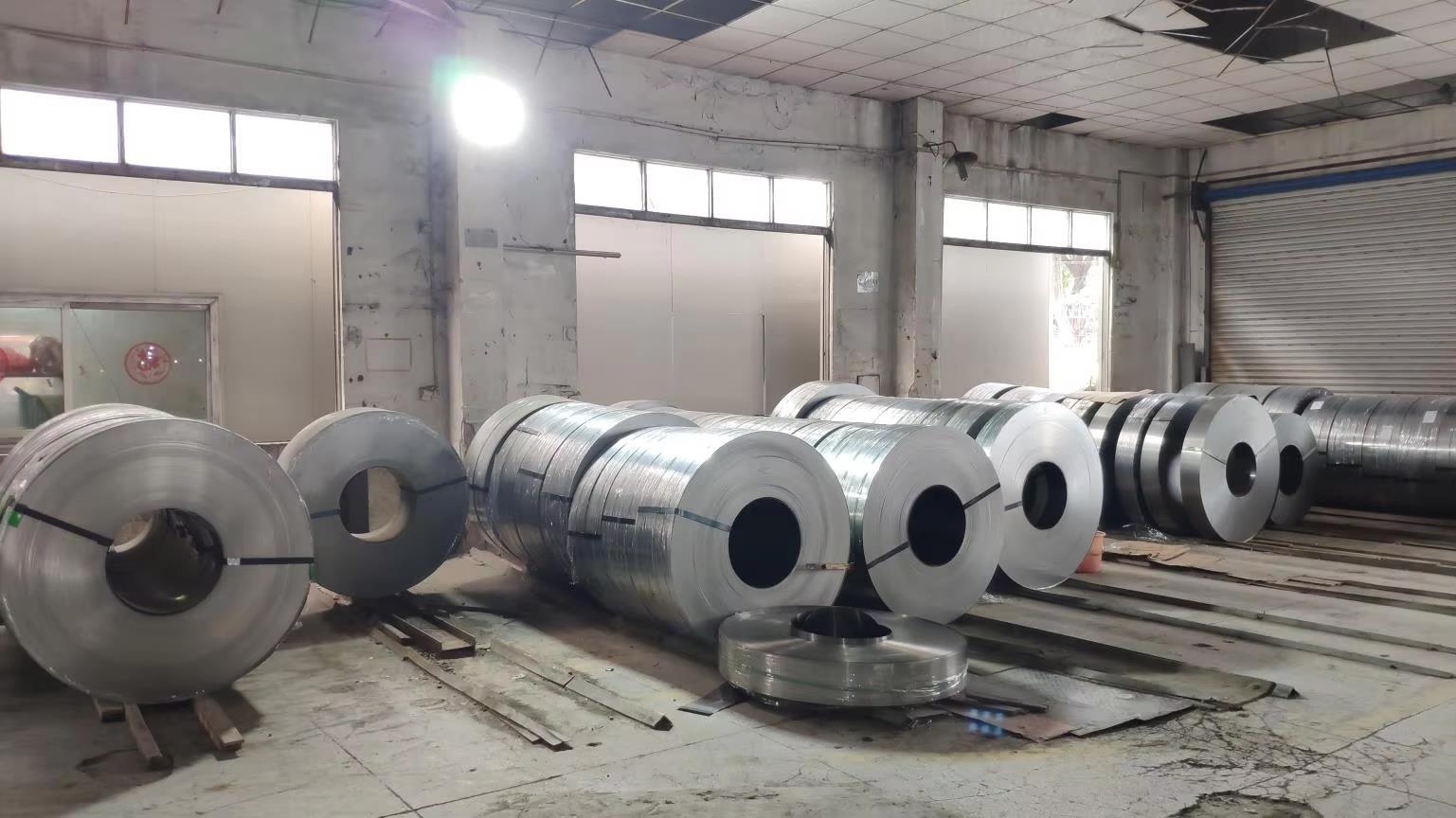
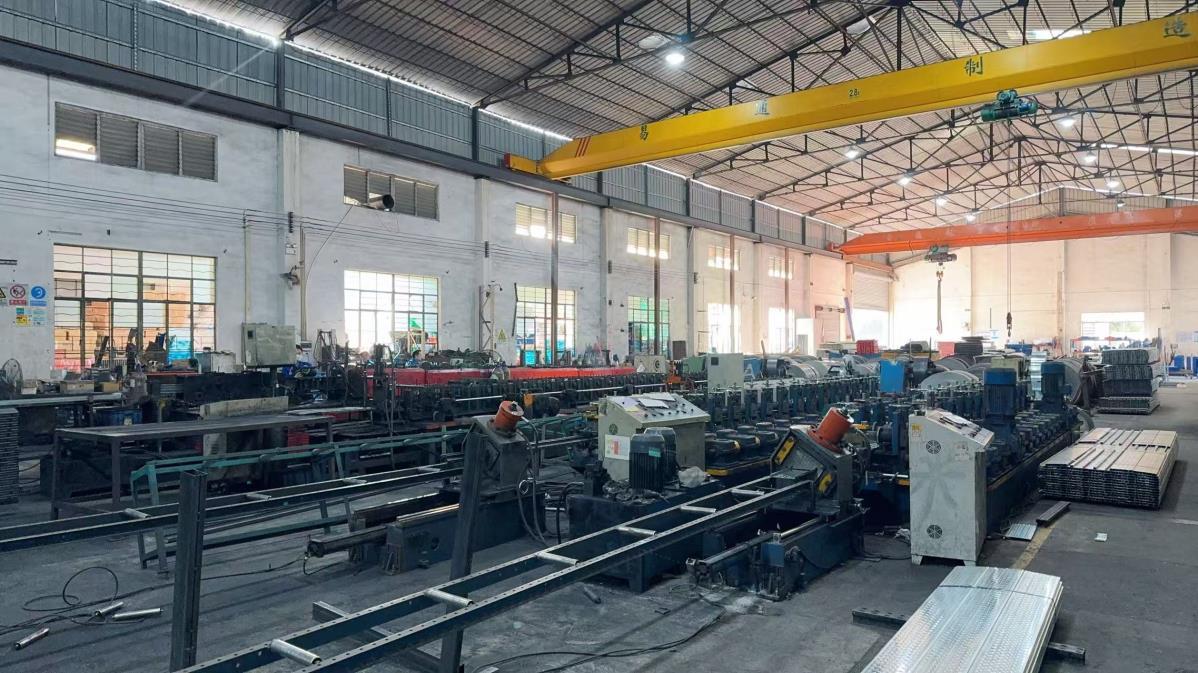
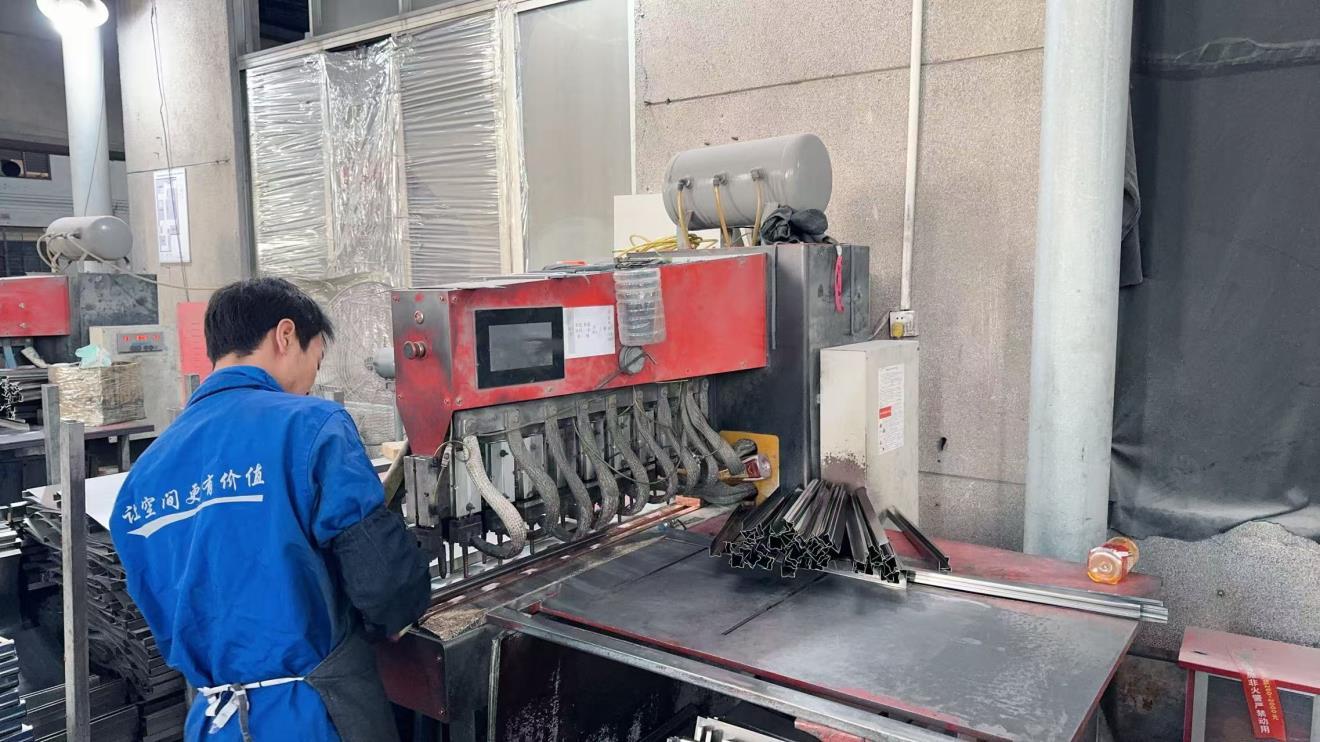
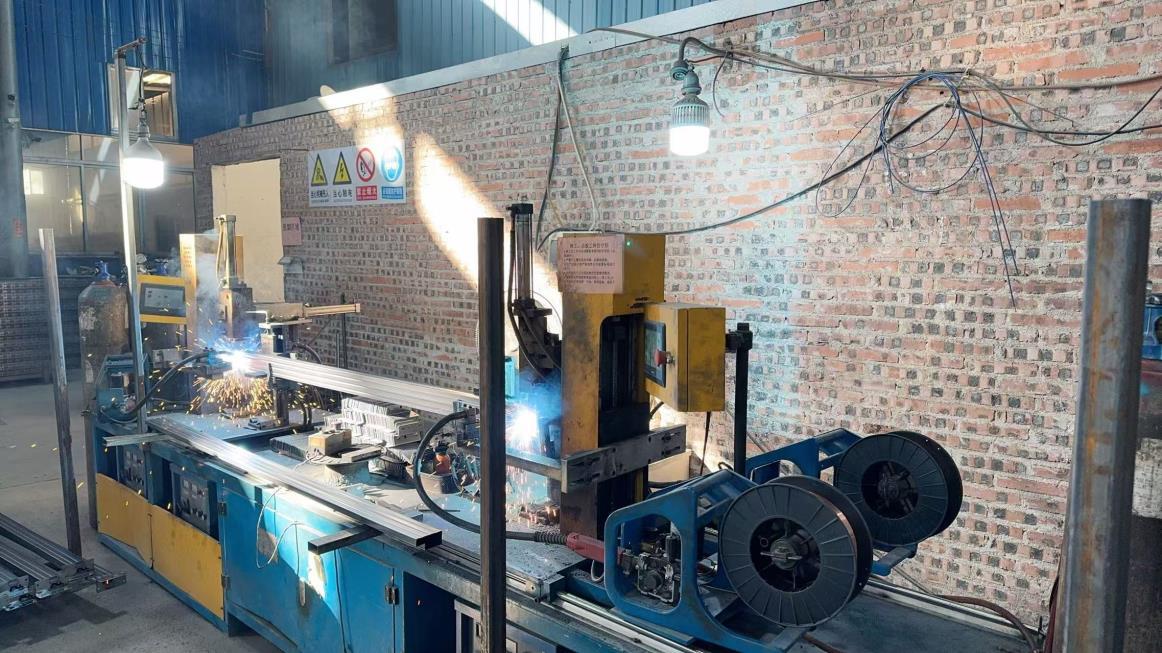
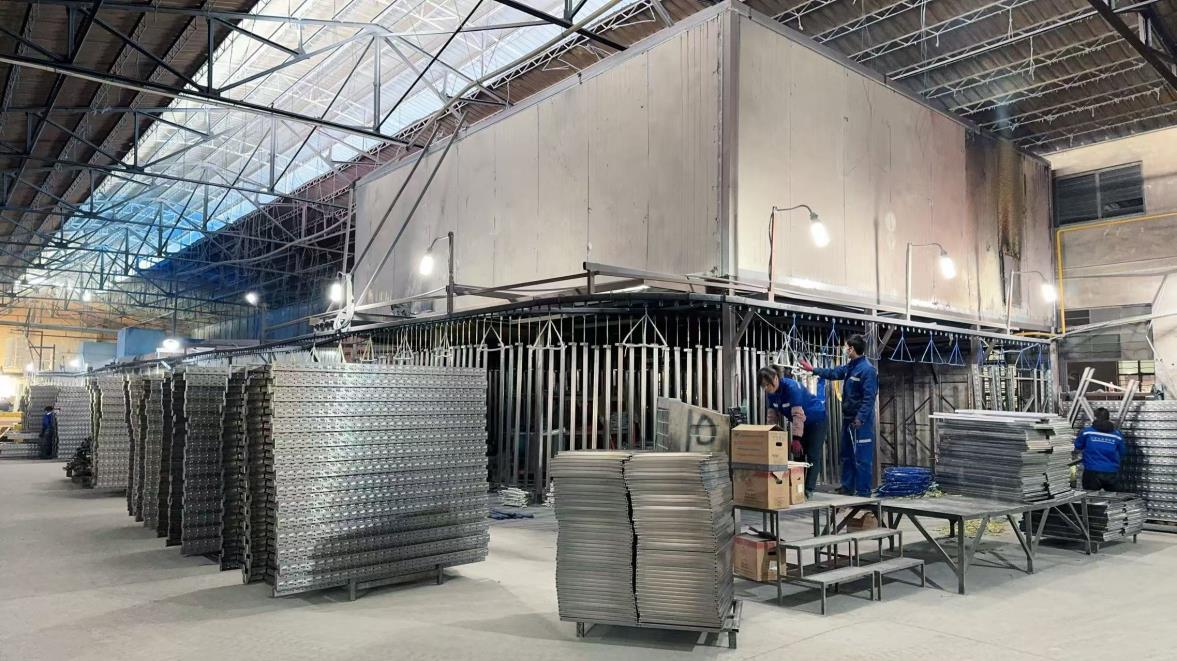
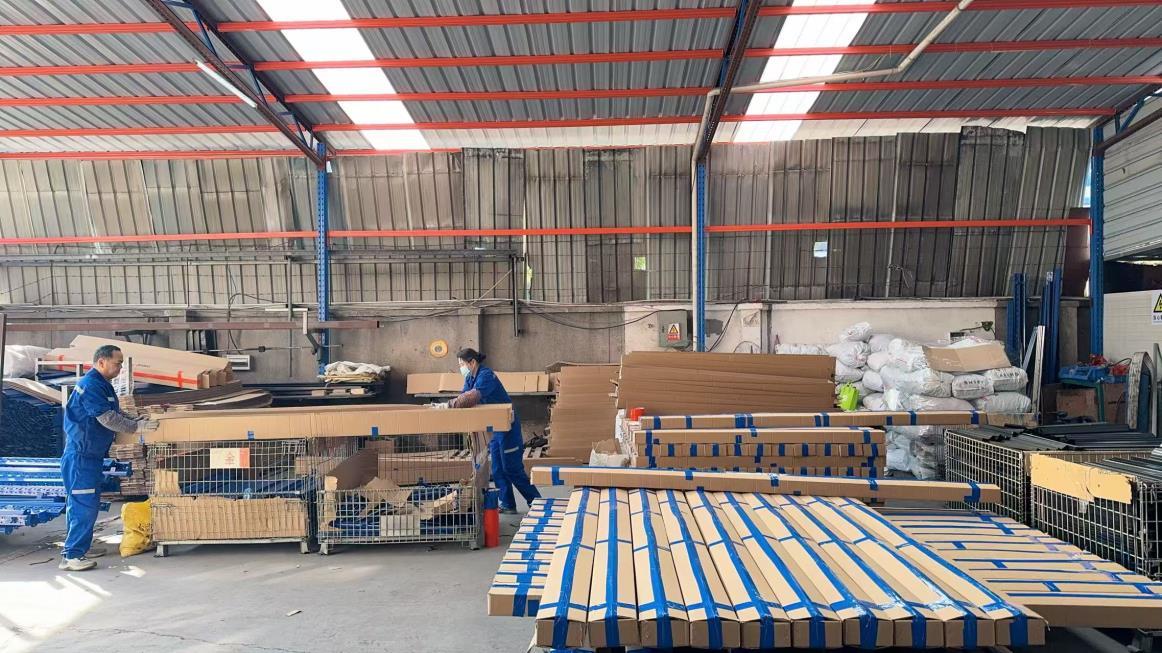
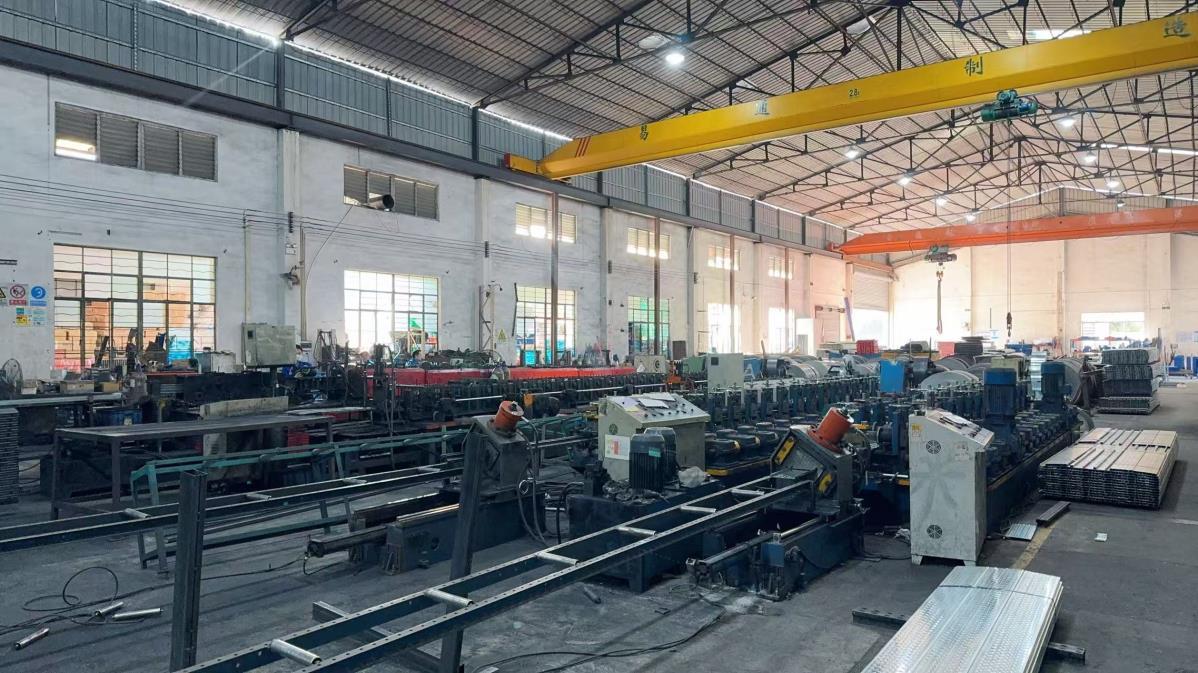
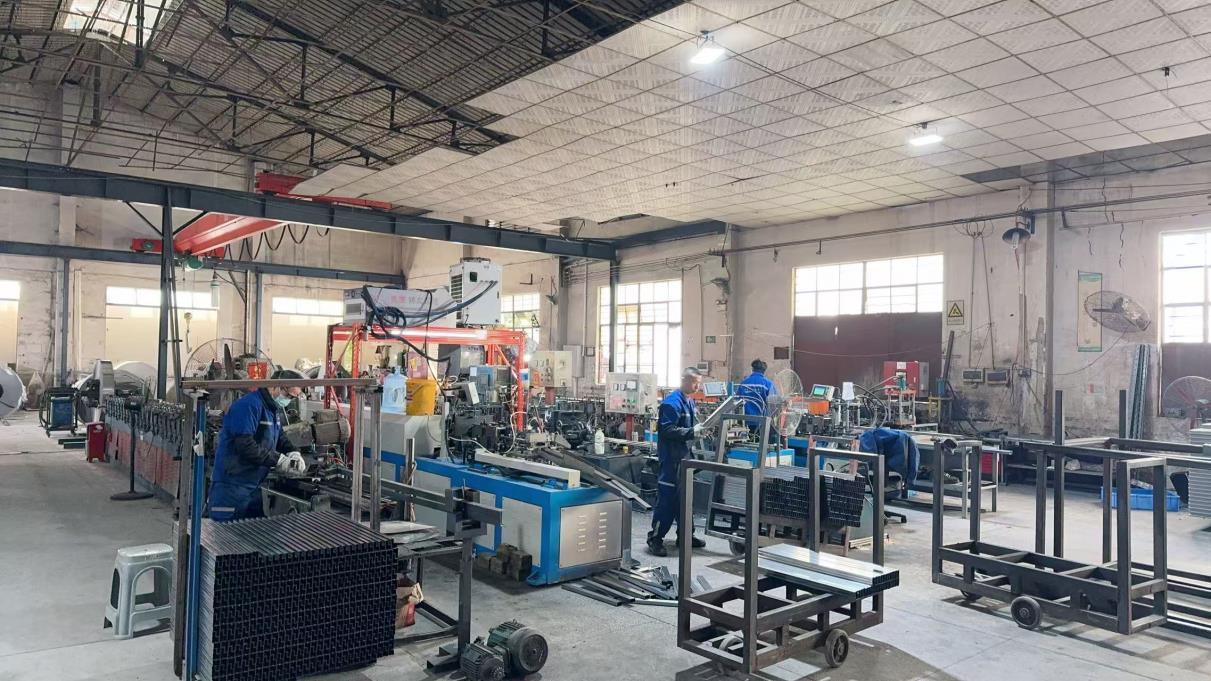
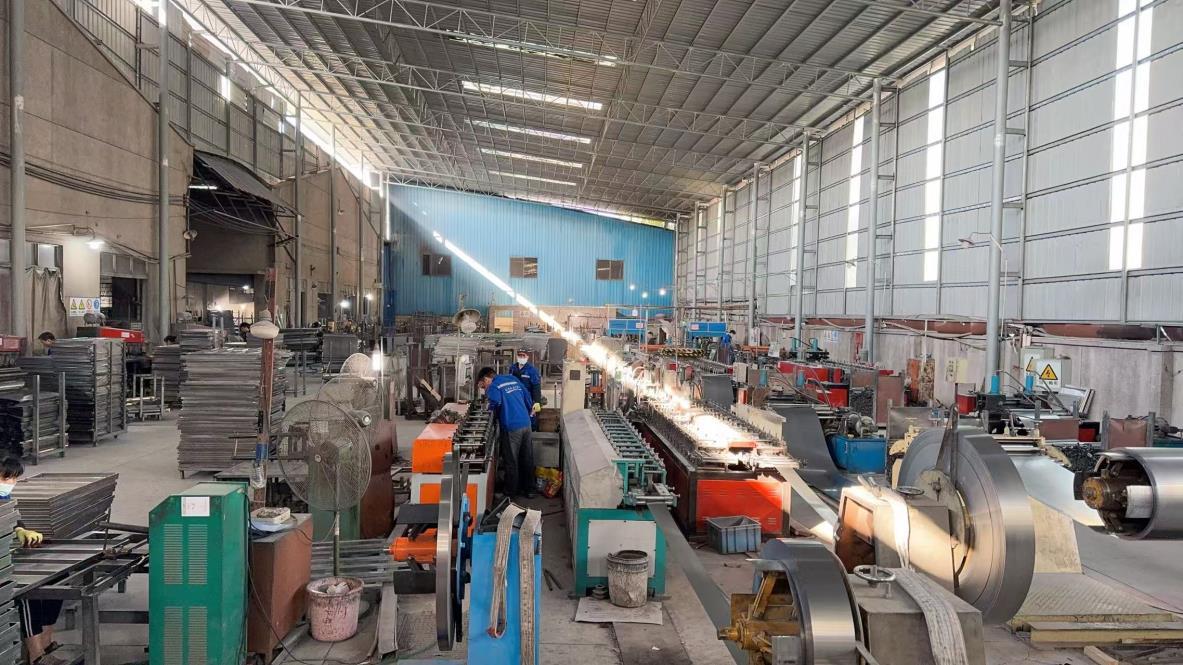
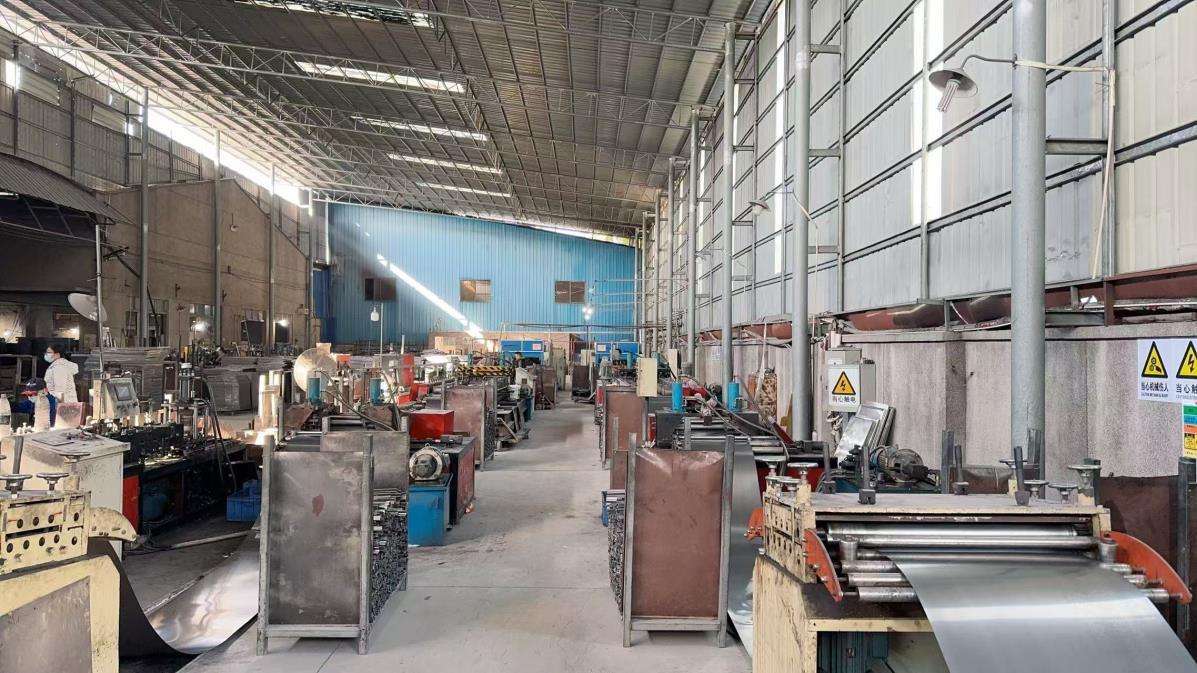
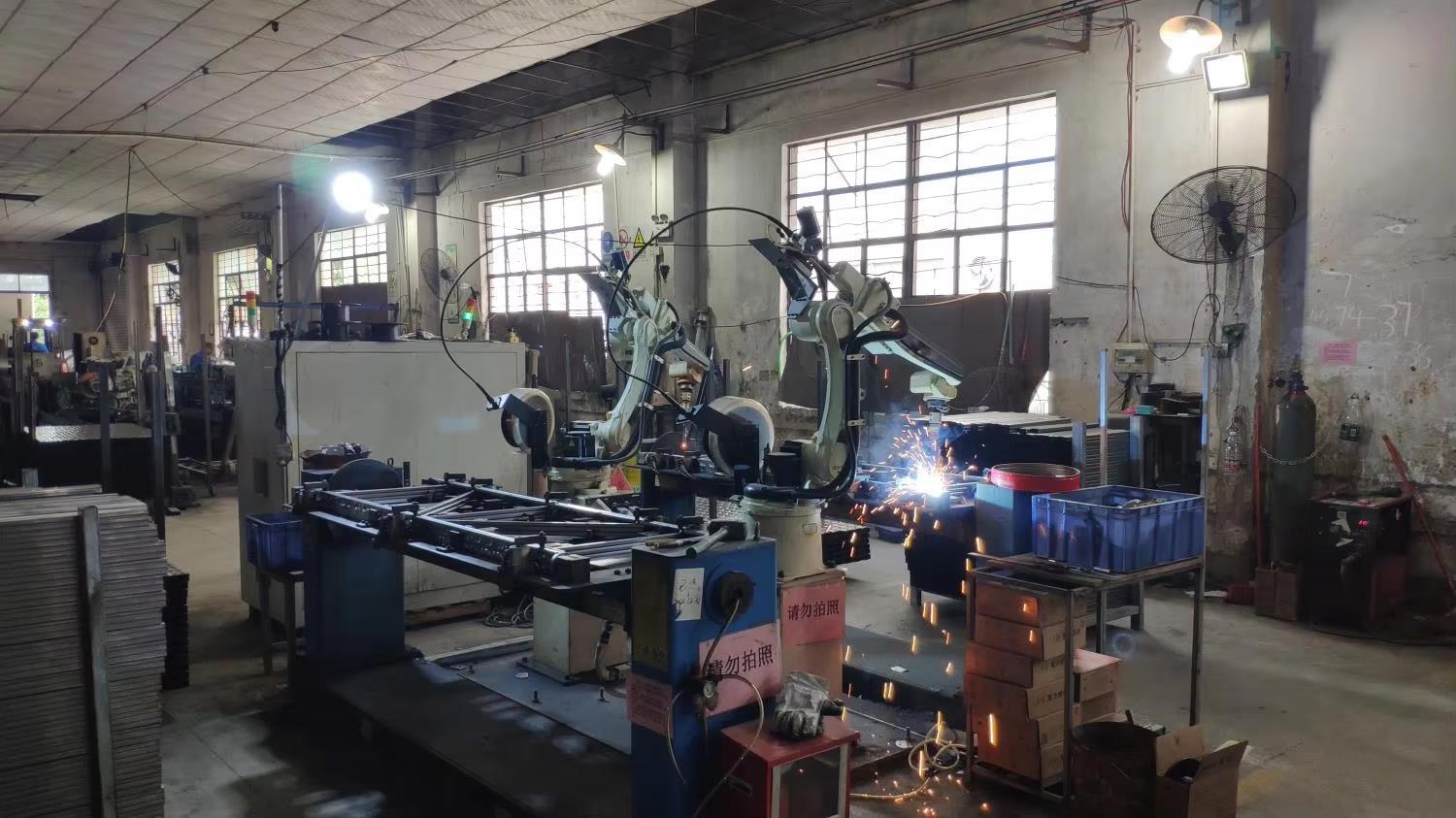
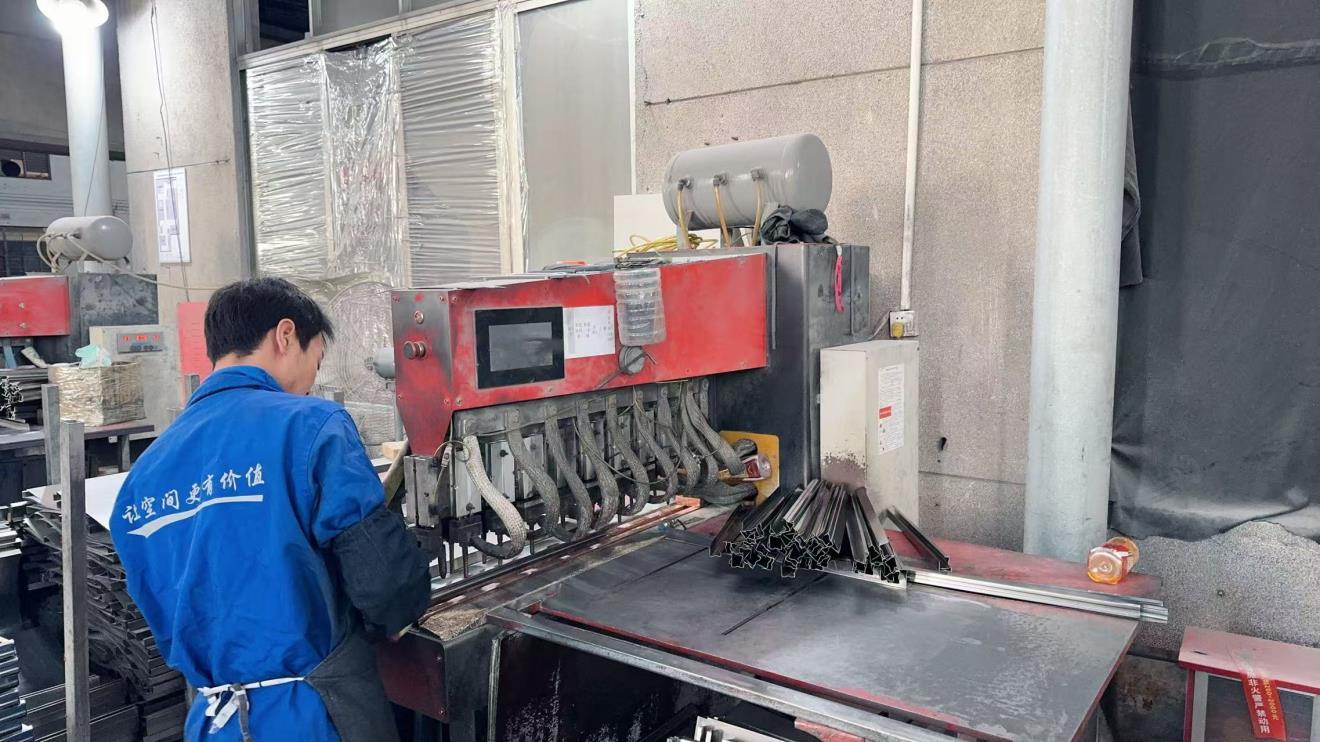
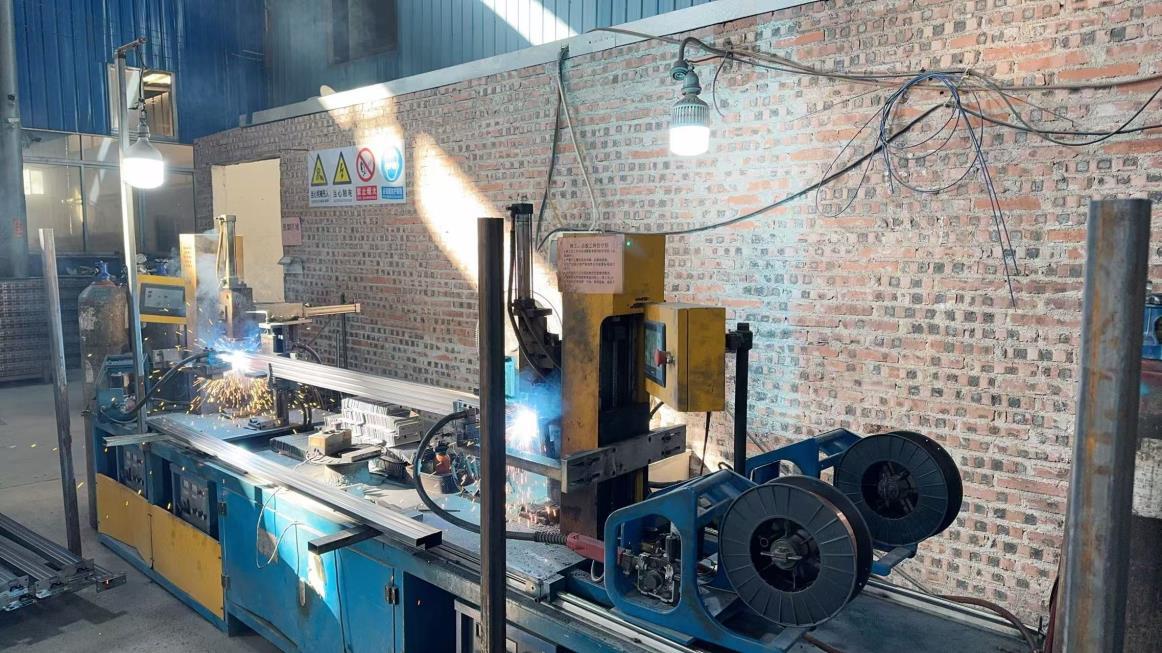
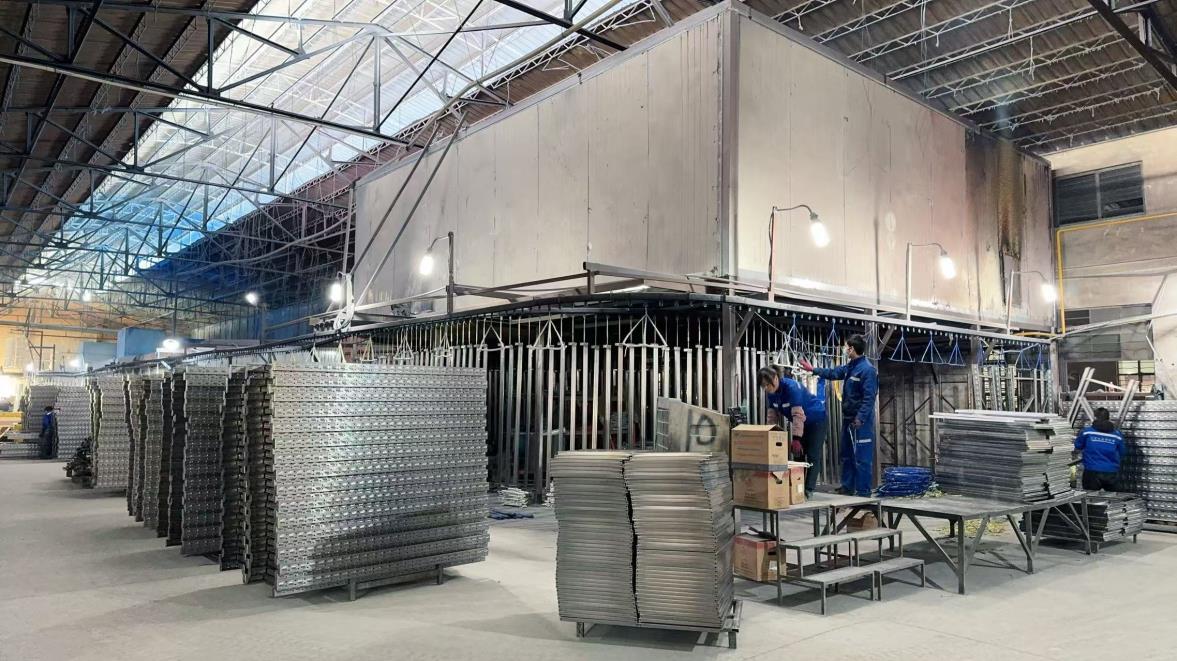
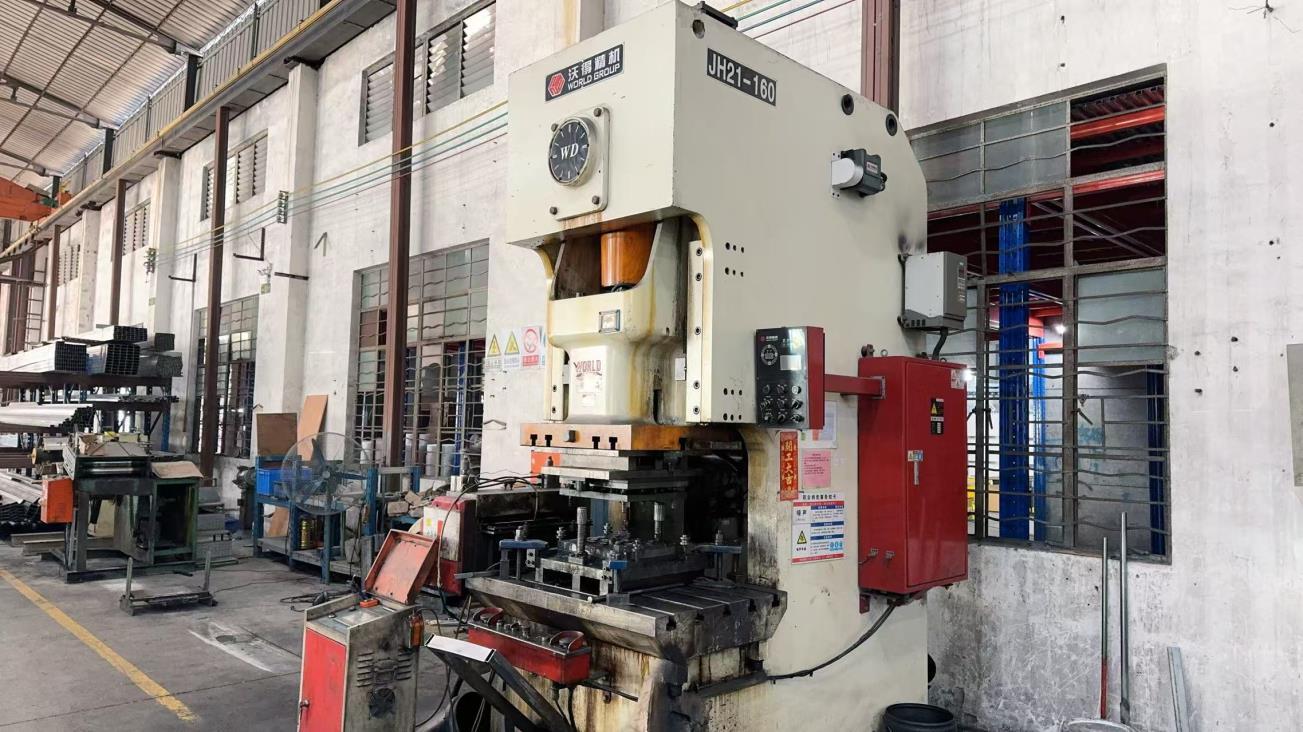
Next-generation R&D transforming raw steel profiles into dynamic, high-load physical data nodes.
As logistics complexes scale vertically, traditional static stacking racks face structural and mechanical limitations. At Kimsuk, our product development path incorporates three primary technological vectors to optimize safety, durability, and integration with modern automation systems.
By shifting from standard carbon steels to specialized low-alloy, high-strength structural configurations, we have reduced rack tare weight by 15% while improving dynamic load safety margins by 25%. This optimization reduces freight costs and decreases the environmental impact of raw material transport.
Every non-standard order undergoes virtual strain simulations under simulated seismic events. Using advanced FEA modeling, our engineers analyze stress concentrations at weld lines and connection nodes, optimizing beam designs before physical prototyping begins.
Traditional stacking racks require manual forklift alignment, which can lead to structural damage from operator error. Our latest dynamic nesting racks feature precision guide channels and optical indexing interfaces, allowing for seamless integration with automated guided vehicles (AGVs) and automated storage and retrieval systems (AS/RS).
A rigorous procurement checklist for enterprise warehouse designers and supply chain operations managers.
When sourcing heavy-duty steel stacking racks from China, raw unit price is only one part of the total cost of ownership. Enterprise buyers must evaluate key engineering parameters to ensure structural integrity and operational safety:
Navigating global safety frameworks and trade documentation with expert engineering oversight.
Deploying large-scale warehouse infrastructure requires strict compliance with regional safety codes, construction permits, and environmental regulations. Dongguan Kimsuk Shelves Co., Ltd. provides comprehensive engineering documentation to simplify local regulatory approval processes.
We configure system dynamics to comply with local seismic standards, including US IBC regulations and Australian AS4084 requirements. Using custom anchoring baseplates and structural cross-bracing, our installations are designed to maintain lateral stability during ground movement.
Every custom system is delivered with certified engineering drawings, finite element stress analysis reports, and material origin certificates. These documents help streamline permit approvals with local code enforcement and municipal building inspectors.
To reduce shipping costs, we flat-pack our modular stacking components to maximize ocean container volume. We coordinate freight logistics, customs clearance, and delivery to your warehouse site, ensuring on-time project completion.
Expert answers addressing the structural design, load limits, and material engineering of industrial racking systems.
Heavy-duty, adjustable, and specialized storage racks engineered to streamline your warehousing workflow.
 Kimsuk Racking