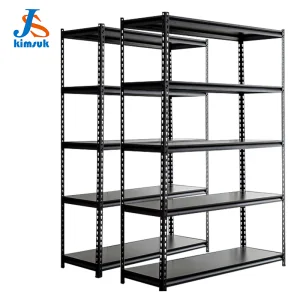
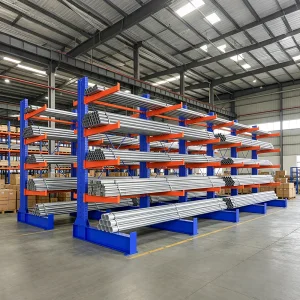
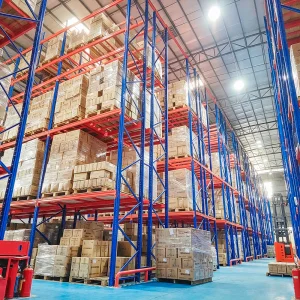
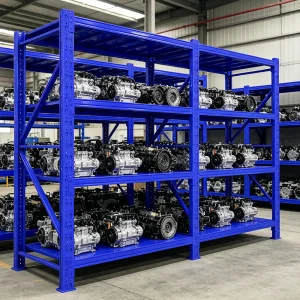
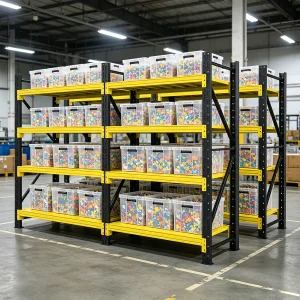
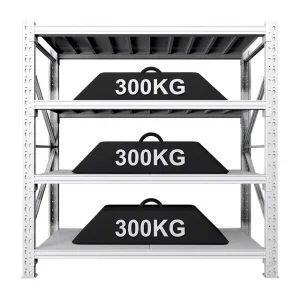
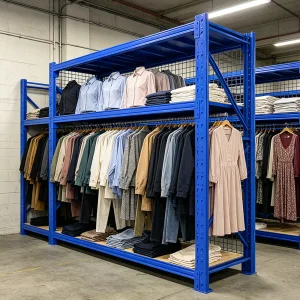
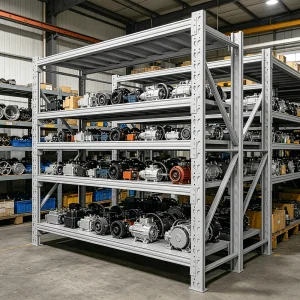
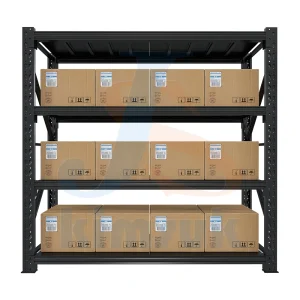
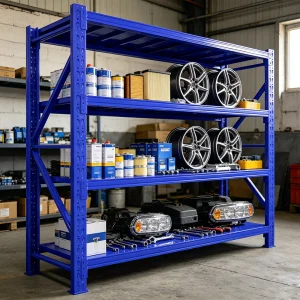
Explore our structural-grade material storage racks engineered to handle heavy weight capacities and optimize logistics warehouse workflows.
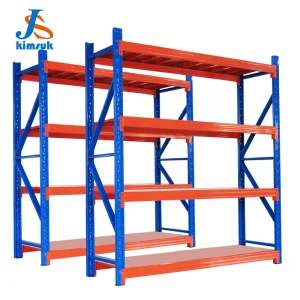
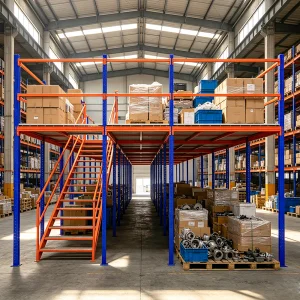
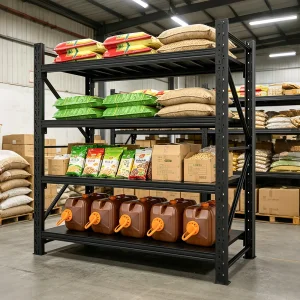
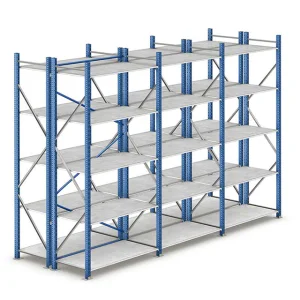
Analyzing global supply chain evolution, material specifications, and engineering requirements in high-capacity warehouse design.
In the era of hyper-optimized supply chains, the demand for industrial vertical storage has transitioned from simple floor shelving to highly integrated, multi-level structures. "Hanging Racks"—which encompass high-capacity suspended storage systems, industrial garment hanger systems, long-goods cantilever arrangements, and overhead retrieval designs—represent a critical tool for maximizing spatial efficiency. Industrial facilities are under constant pressure to achieve near-zero wastage of volume (cube utilization).
Modern industrial hanging racks and heavy pallet rack configurations leverage advanced high-strength steel alloys (such as Q235B and Q355B structural steel). By reducing the structural footprint while maximizing vertical loading limits, modern designs enable logistics centers to expand upward rather than outward. This transformation is highly driven by the surge of SKU complexity and the rapid cycle times of enterprise logistics hubs globally.
🚀 Semantic SEO Insight: Modern warehouse operators do not merely search for basic shelves; they require specific engineering systems capable of structural integrity under dynamic forklift loads, seismic vulnerability constraints, and automated retrieval system interface standards.
When sourcing industrial storage installations, enterprise procurement departments and third-party logistics (3PL) providers look far beyond the initial cost per bay. The selection process involves a stringent checklist focused on mitigating supply chain risk and guaranteeing facility safety:
Compliance with global design standards such as the European RMI/FEM guidelines, Australian AS4084 specifications, and ISO 9001:2015 quality management matrices is mandatory for industrial validation.
Advanced multi-stage surface treatments including electrostatic powder coatings, hot-dip galvanization, and epoxy-hybrid coats must pass rigorous salt-spray test certifications to ensure durability.
Rapidly changing inventory profiles require flexible shelving that supports vertical arm adjustments, expandable mezzanines, and adjustable cantilever lengths for diverse SKUs.
The manufacturing ecosystem in China has shifted from simple volume-based output to specialized, technology-driven Factory 4.0 standards. Advanced manufacturers like Dongguan Kimsuk Shelves Co., Ltd. leverage state-of-the-art automation infrastructure to achieve high production yields without compromising micro-tolerances. Through continuous robotic welding lines, computerized roll-forming setups, and integrated digital quality monitoring, Chinese fabrication centers ensure robust dimensional accuracy on structural vertical columns and horizontal support beams.
This localized supply chain integration provides substantial advantages in terms of material access and speed-to-market. By having direct pipelines to domestic high-grade steel mills, manufacturers maintain stable raw material pricing and can scale production rapidly to fulfill large international project demands. This efficiency is paired with comprehensive logistics routes, allowing seamless container dispatch to major deep-water ports for efficient global shipping.
Inspect our step-by-step manufacturing workflow and high-precision CNC machinery that ensure Kimsuk racking systems meet international load safety standards.
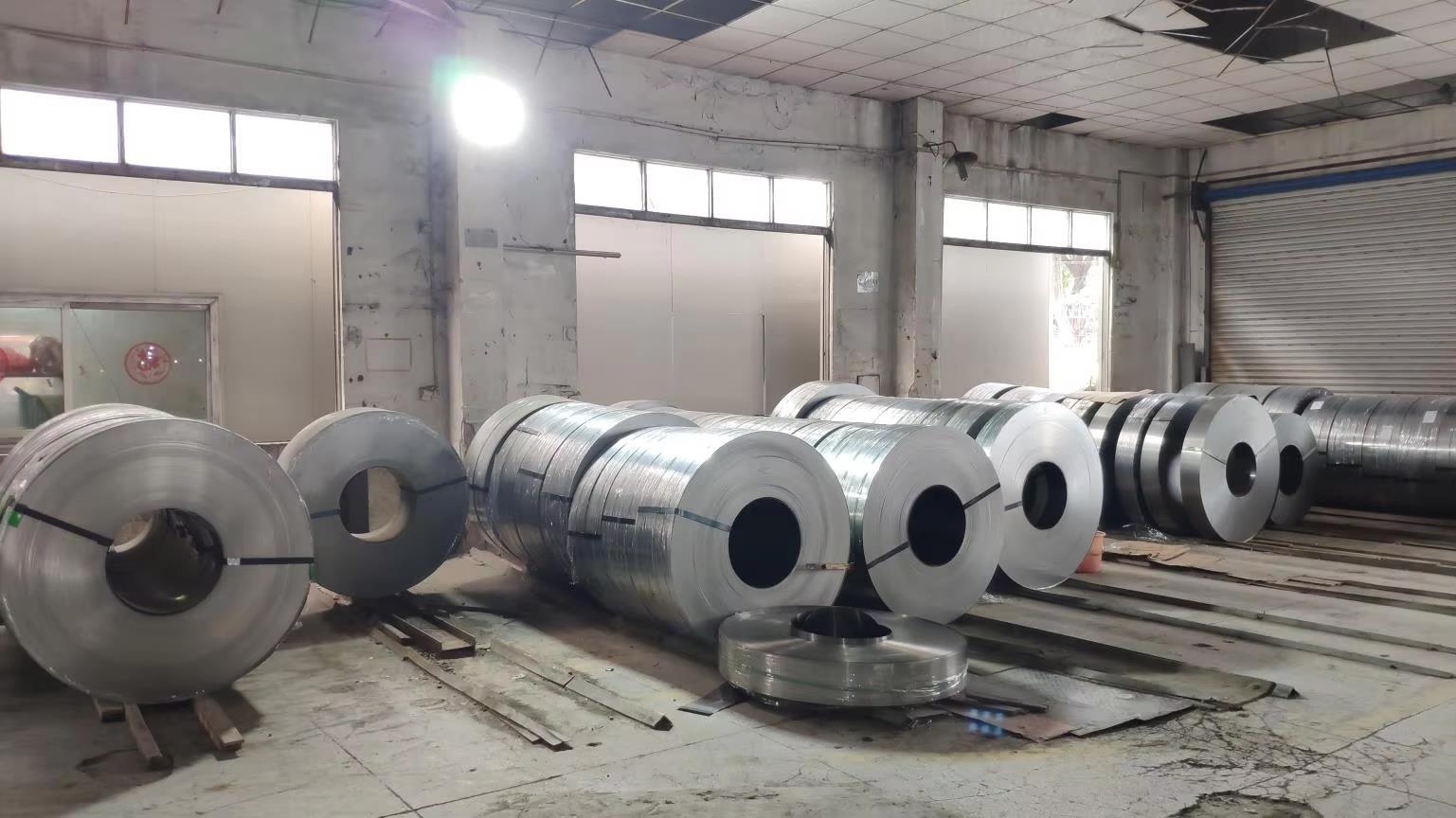
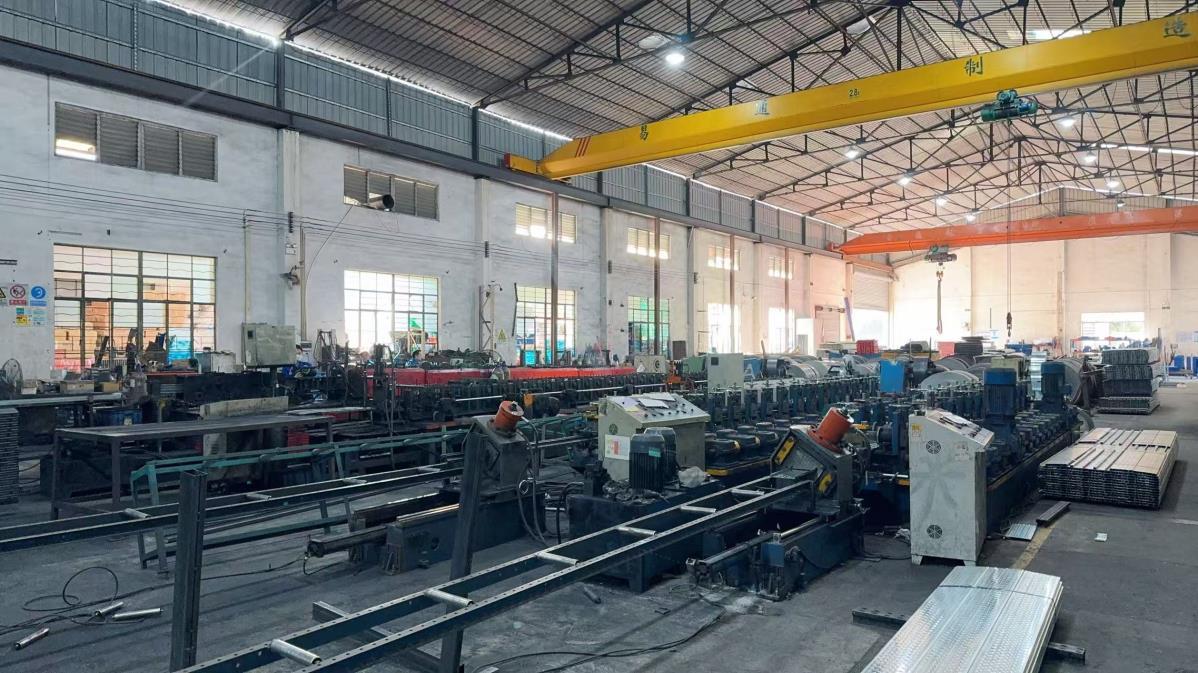
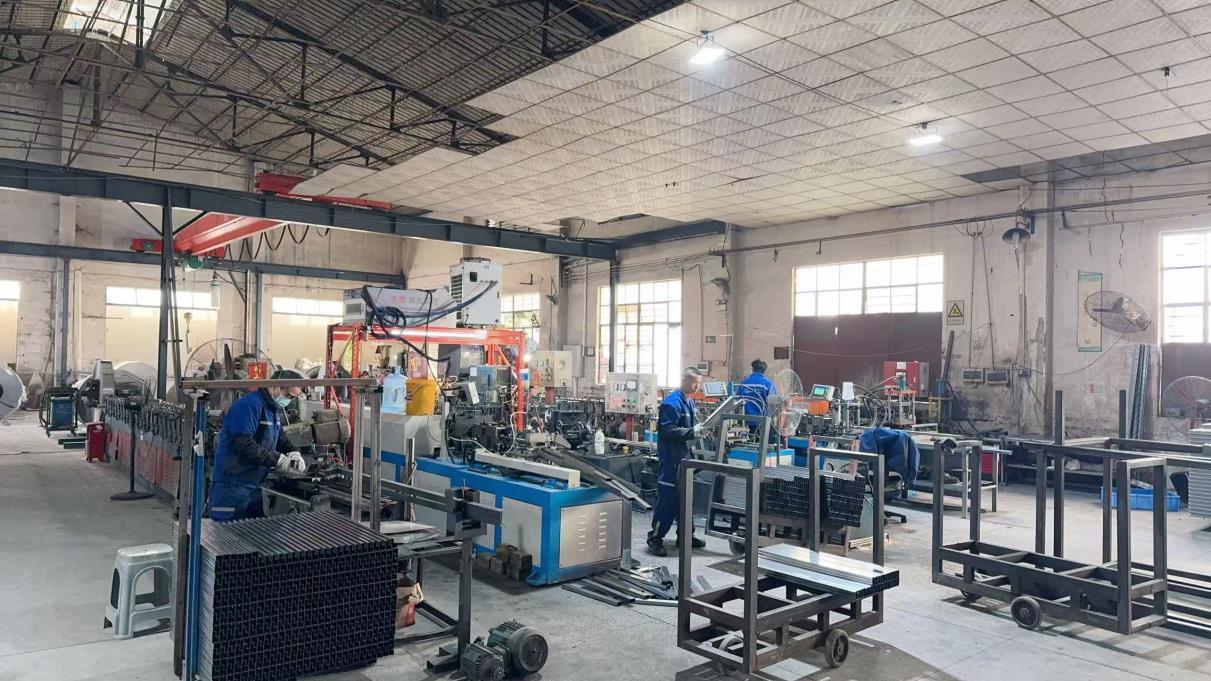
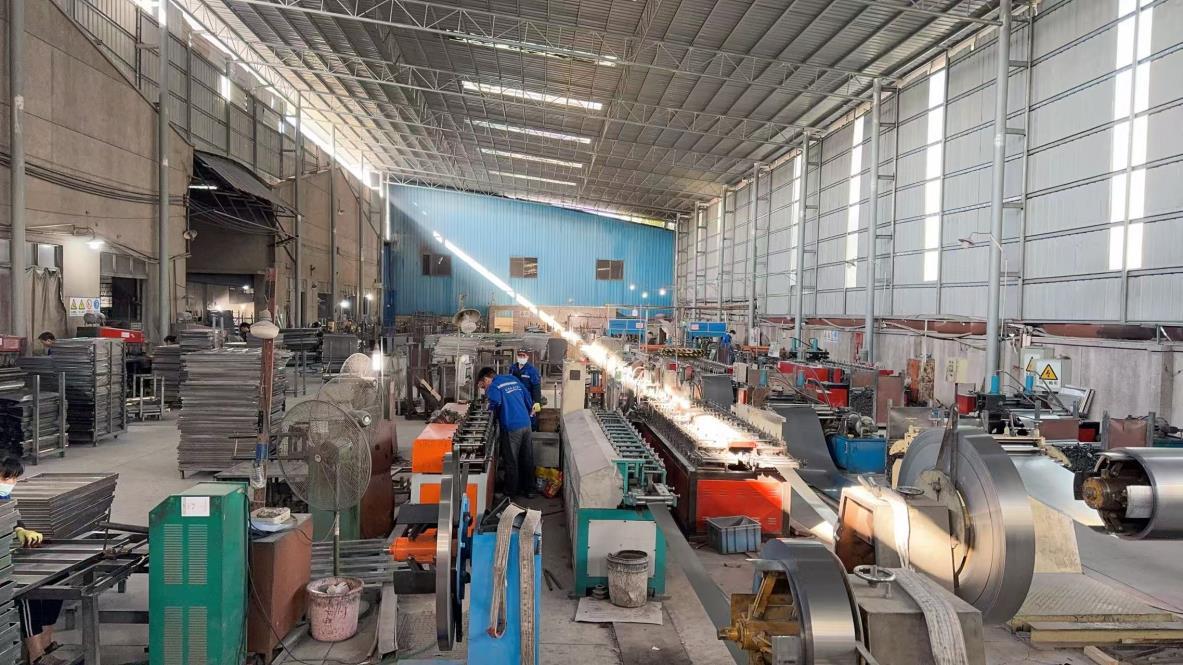
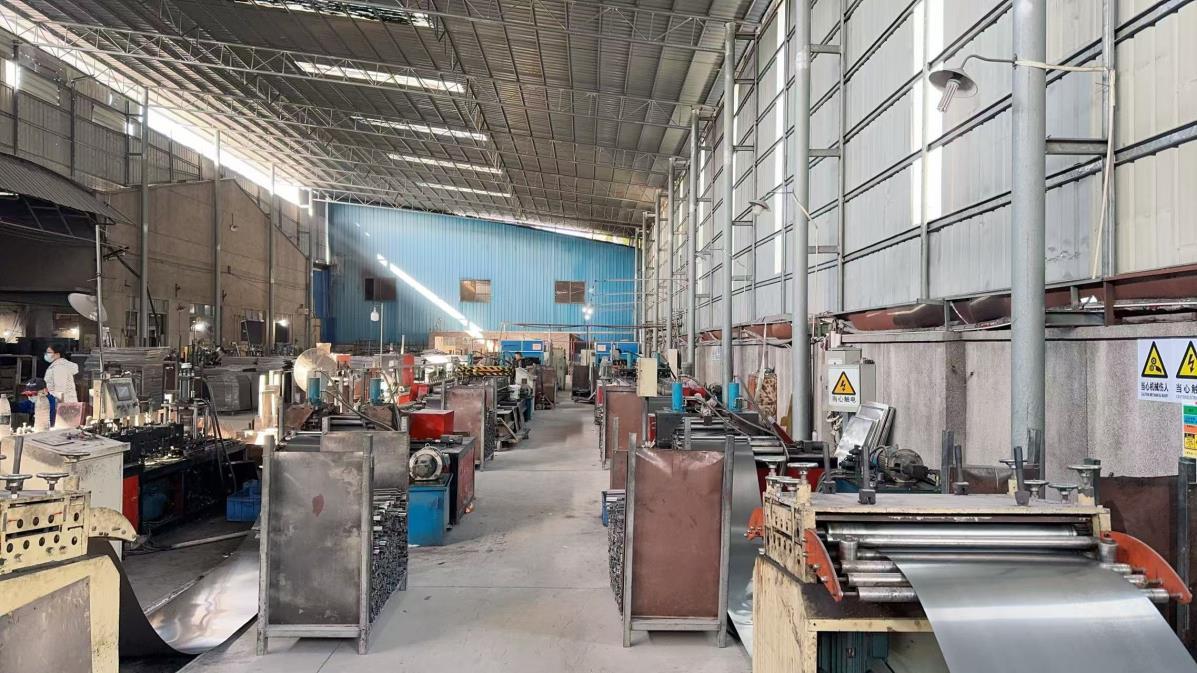
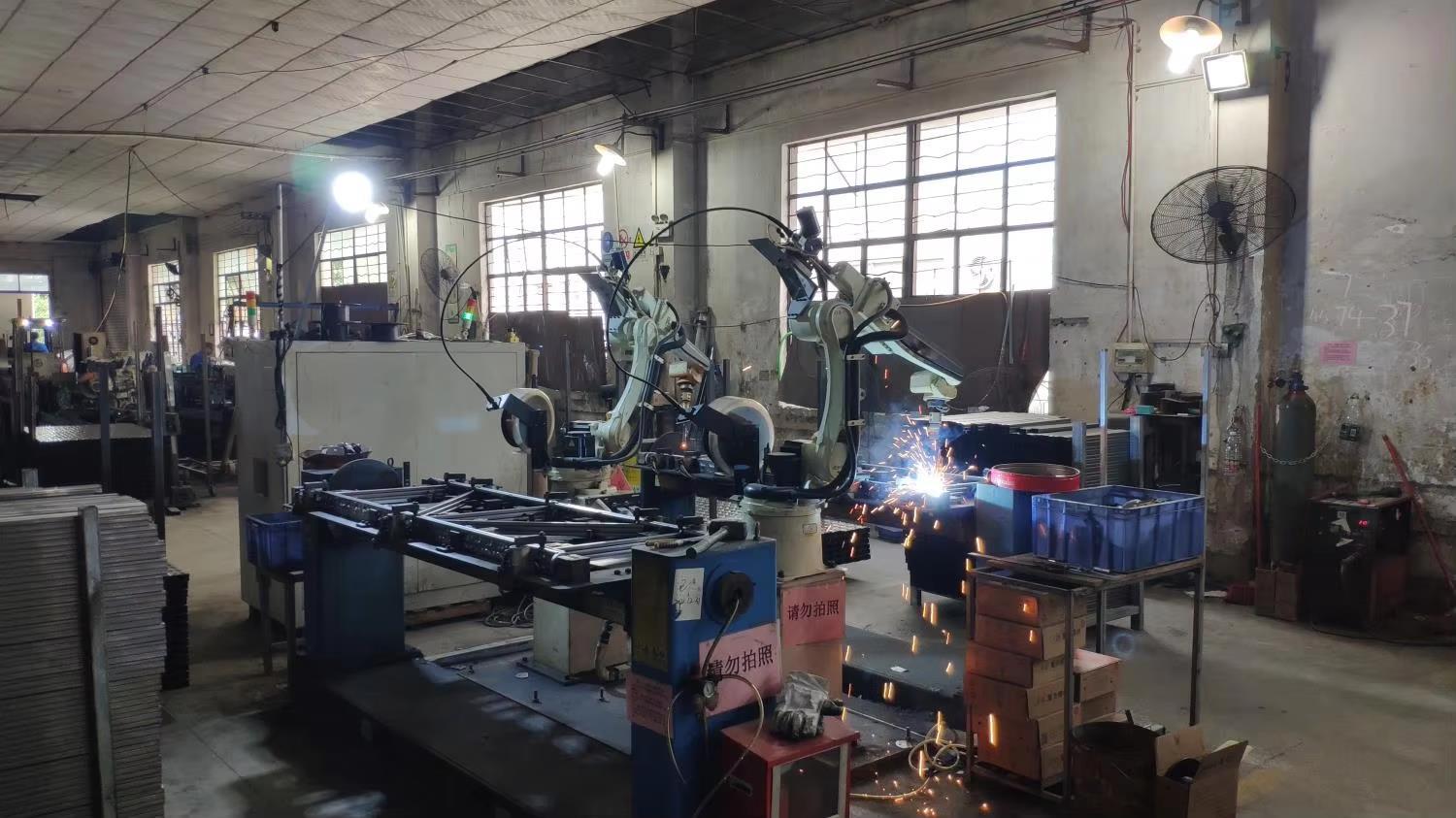
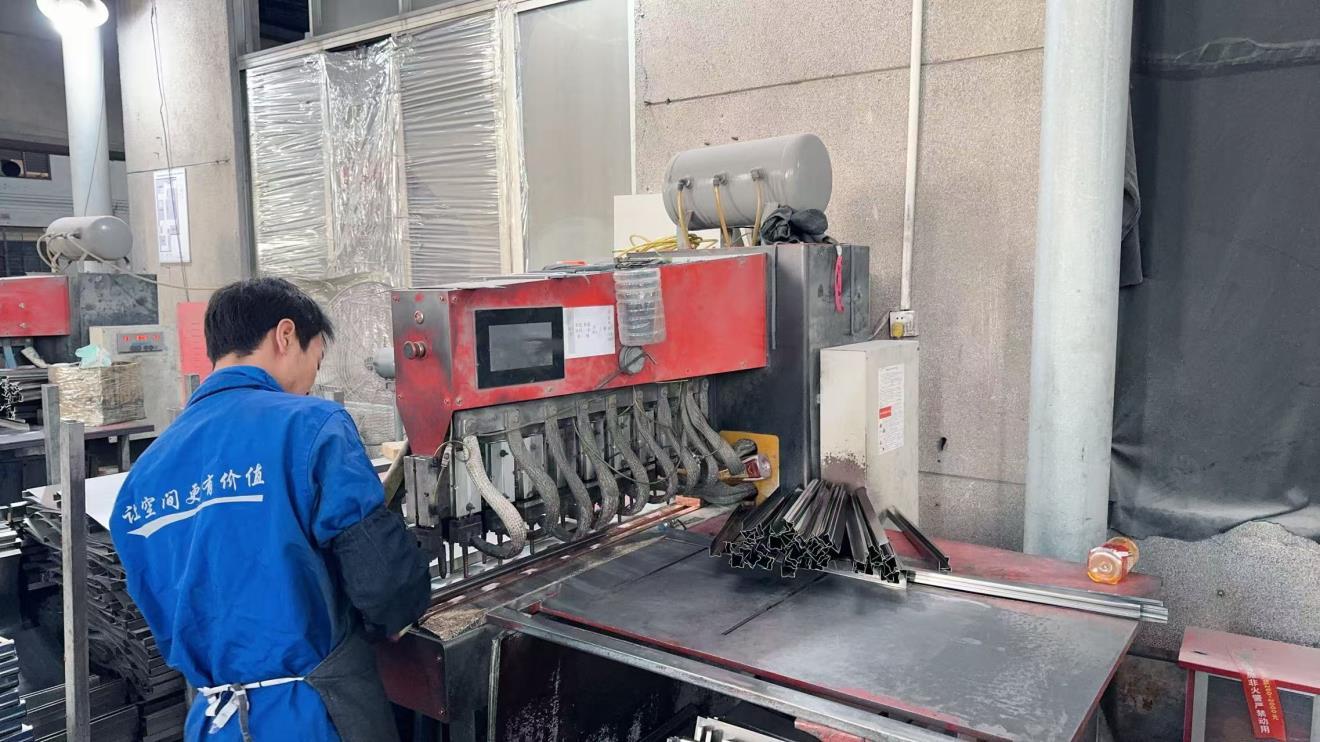
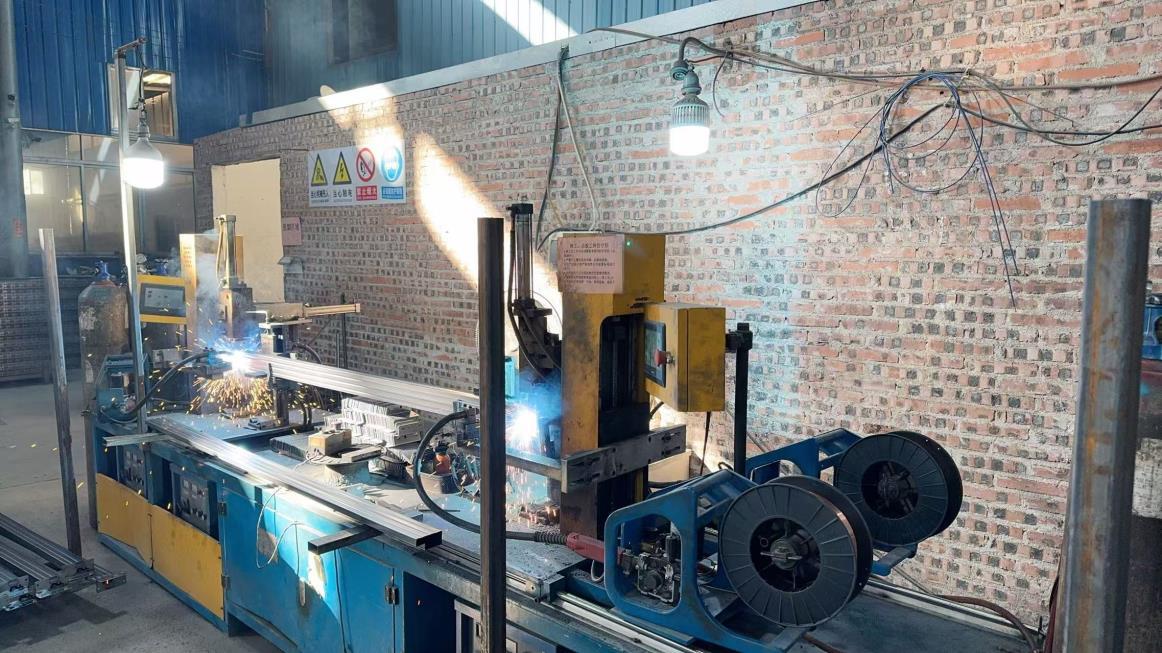
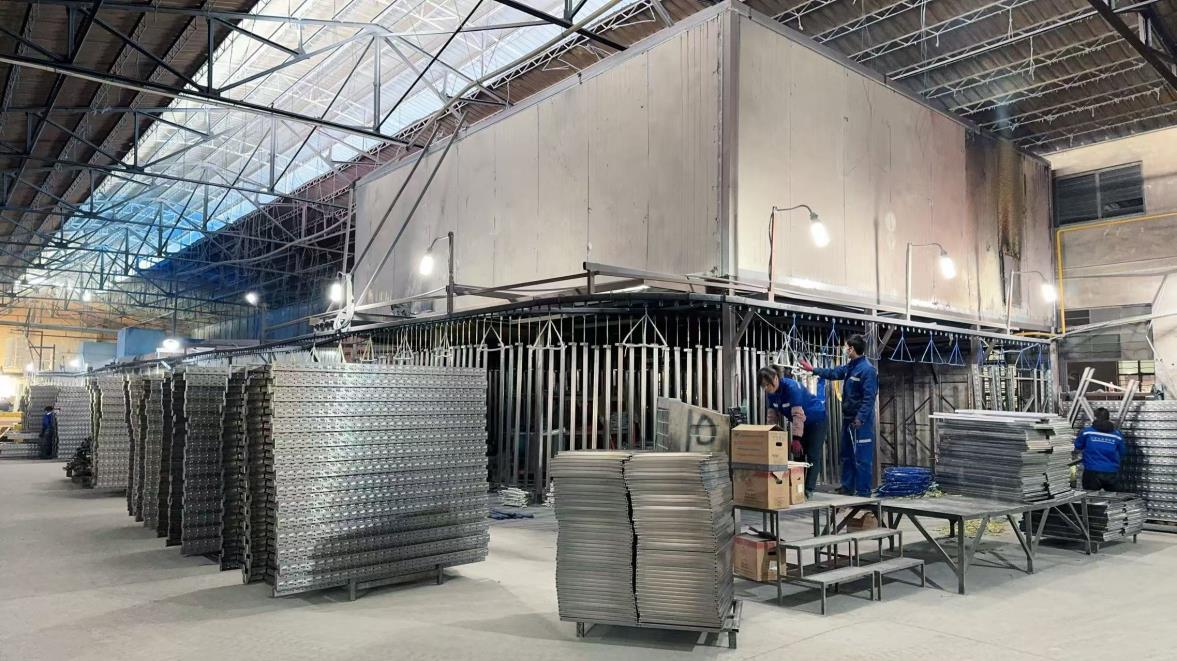
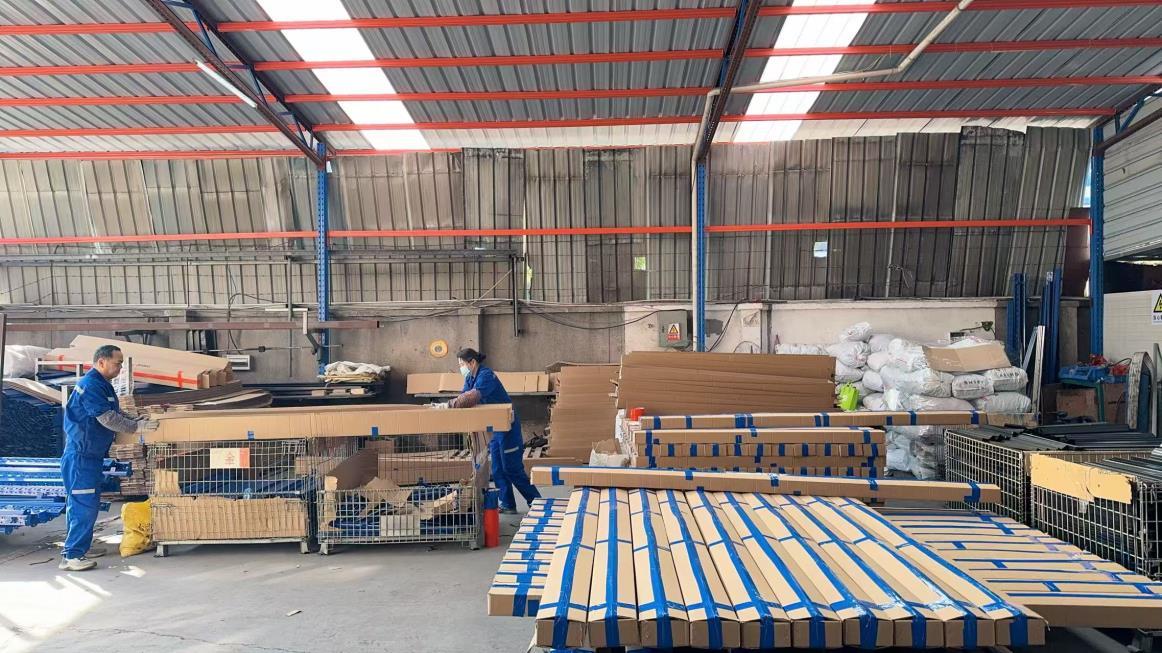
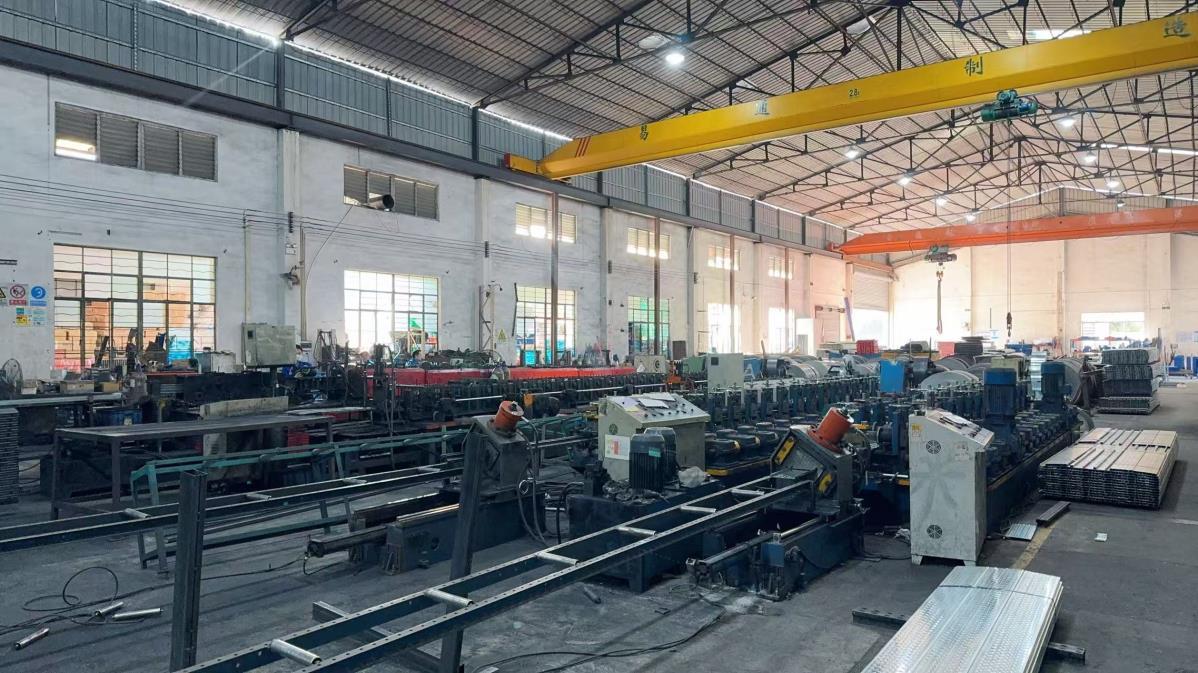
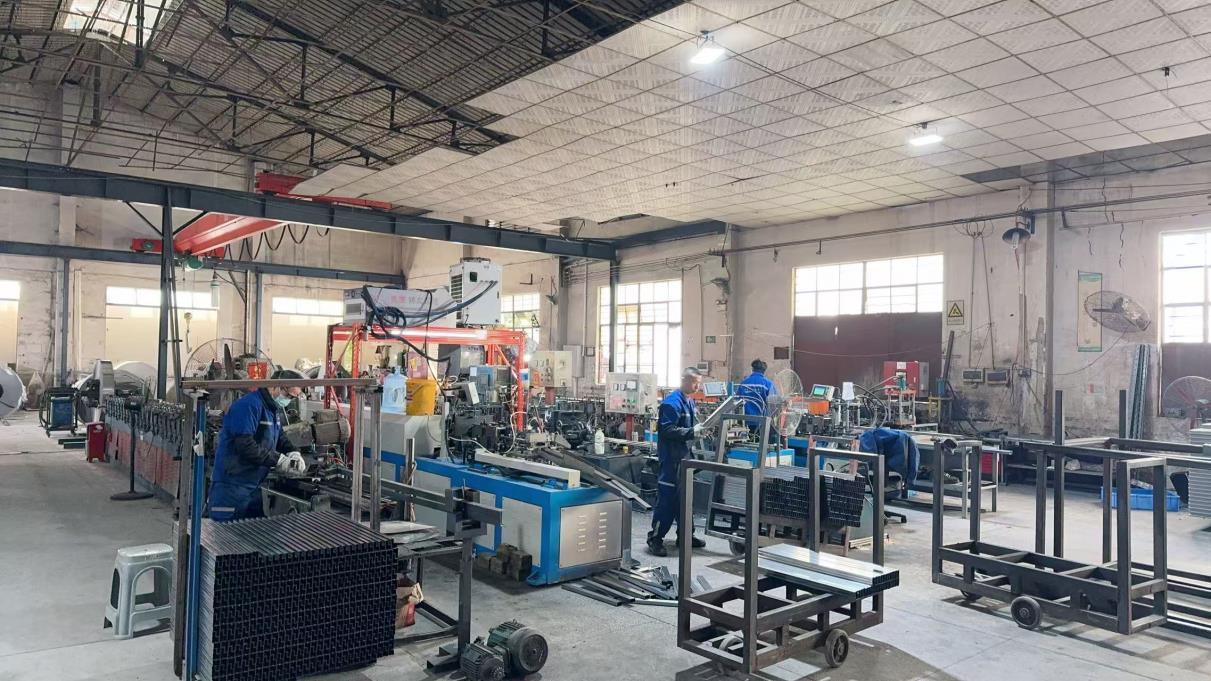
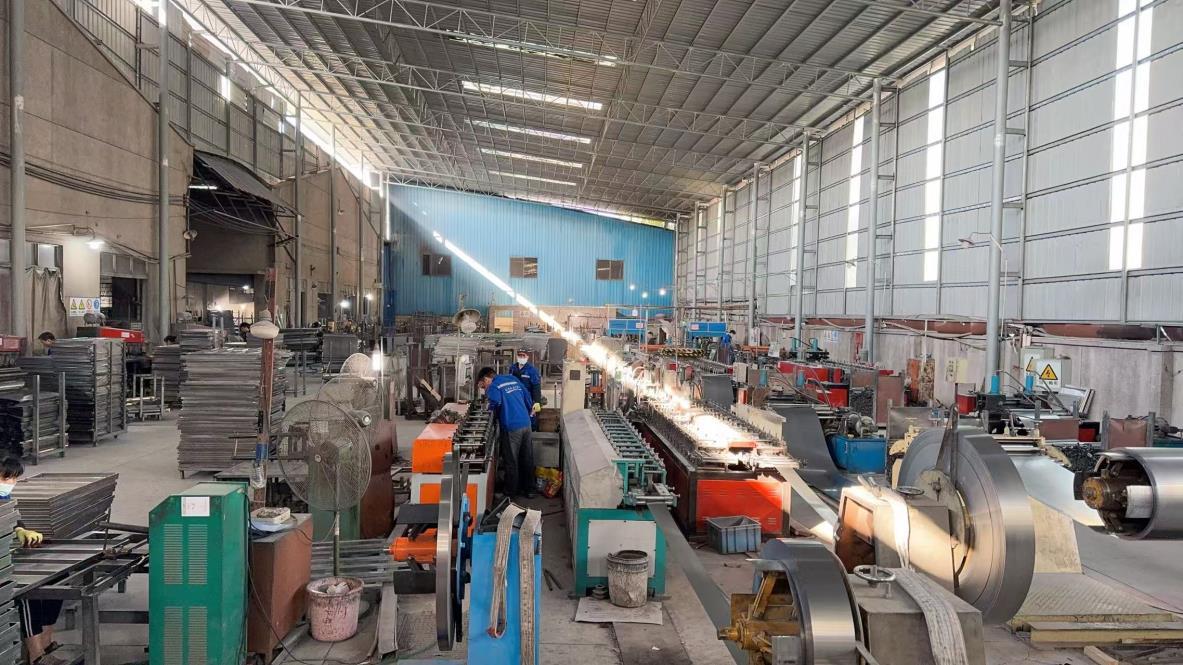
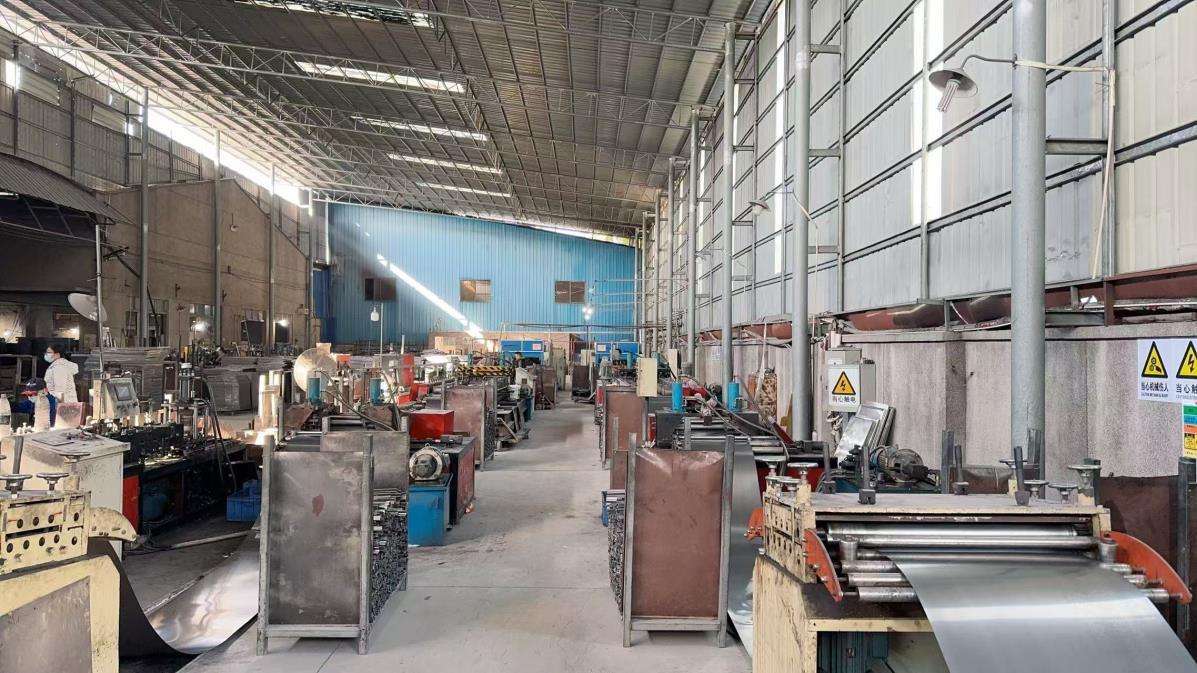
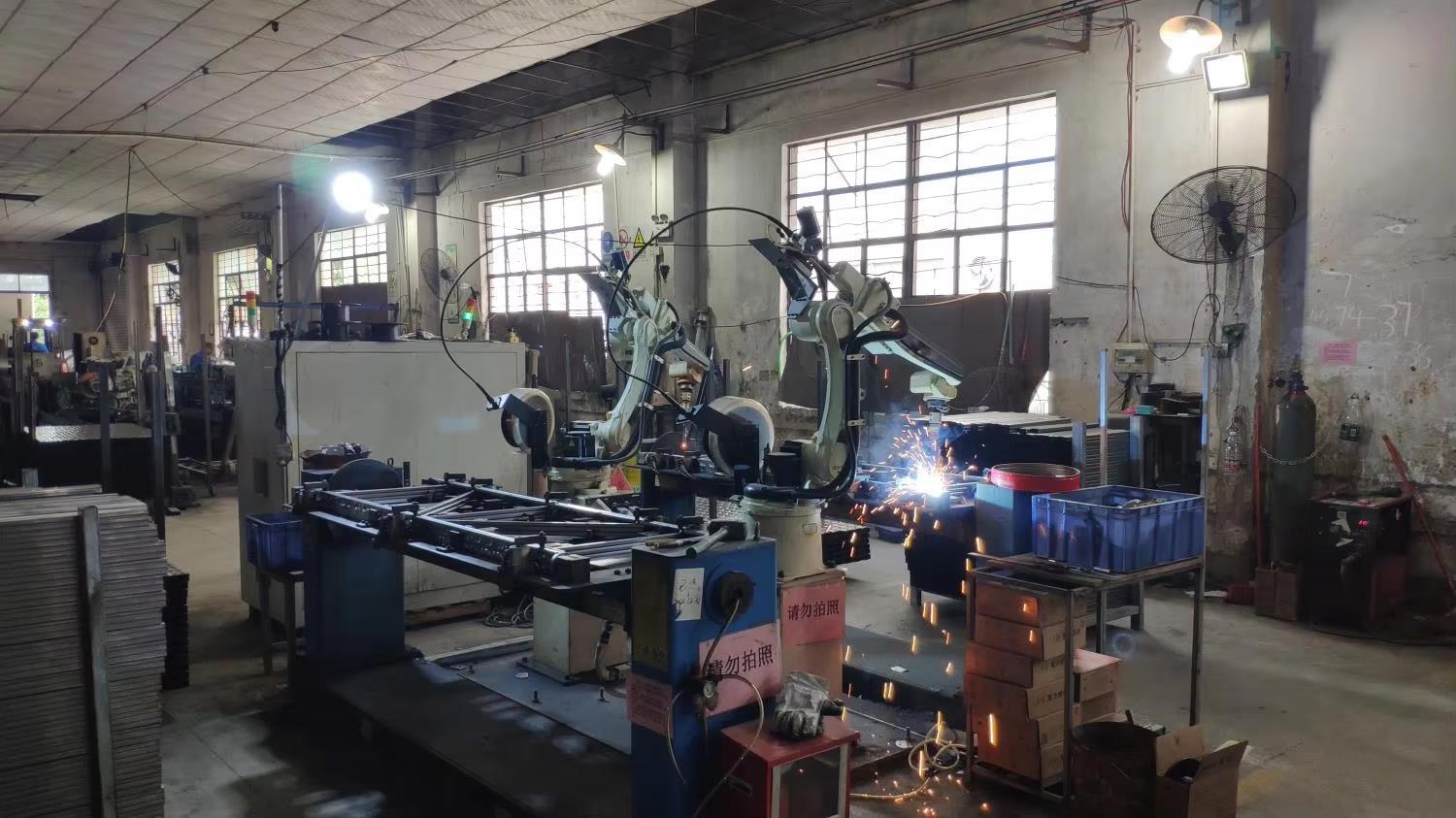
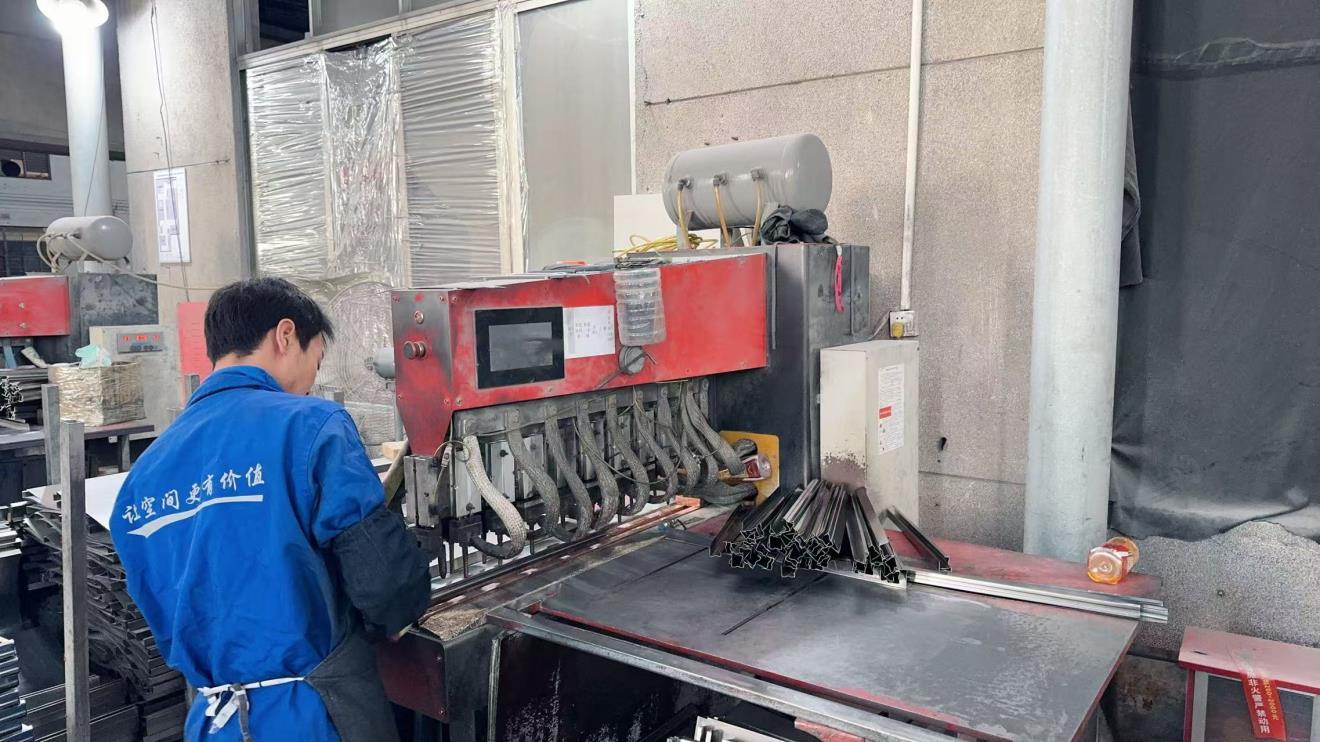
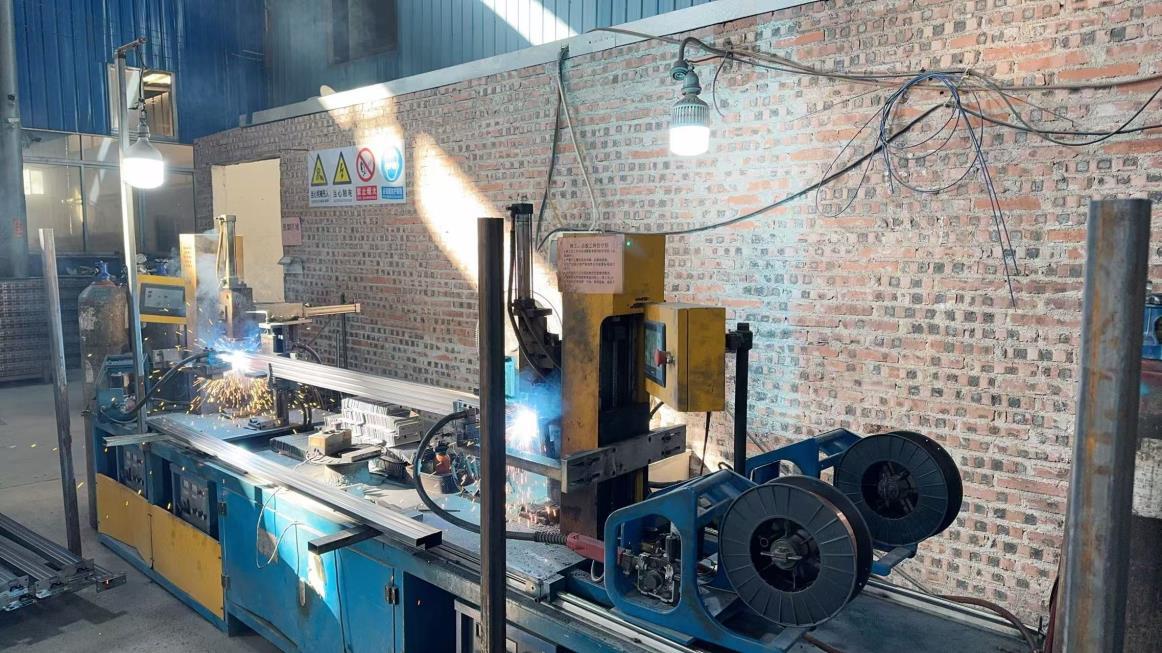
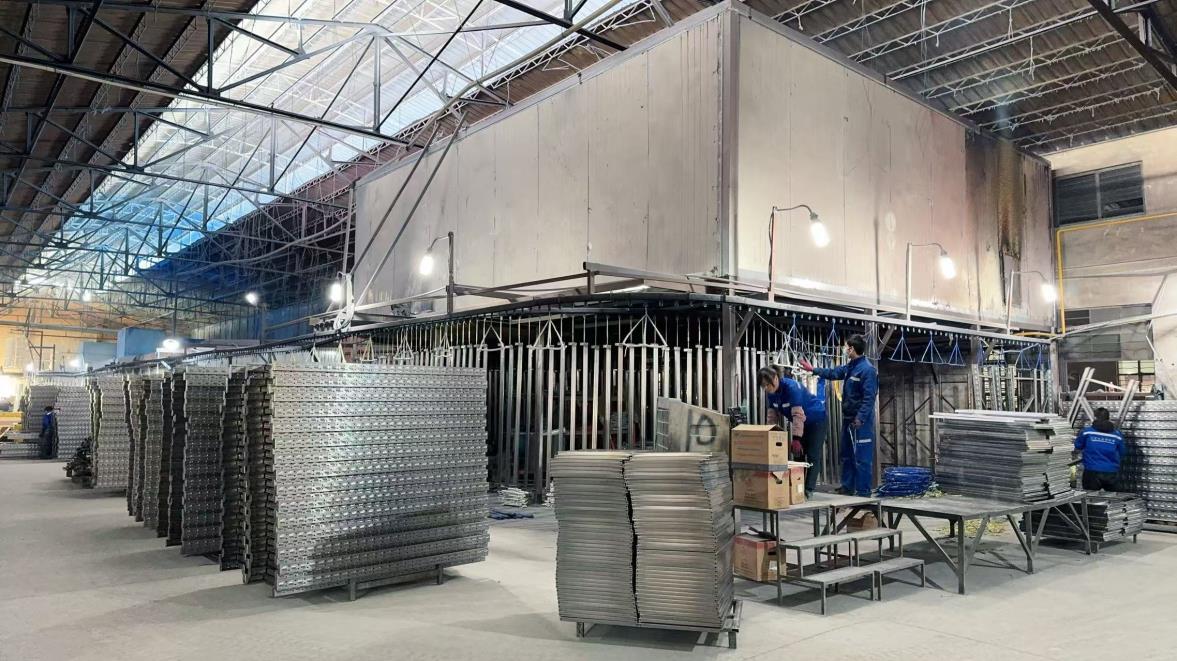
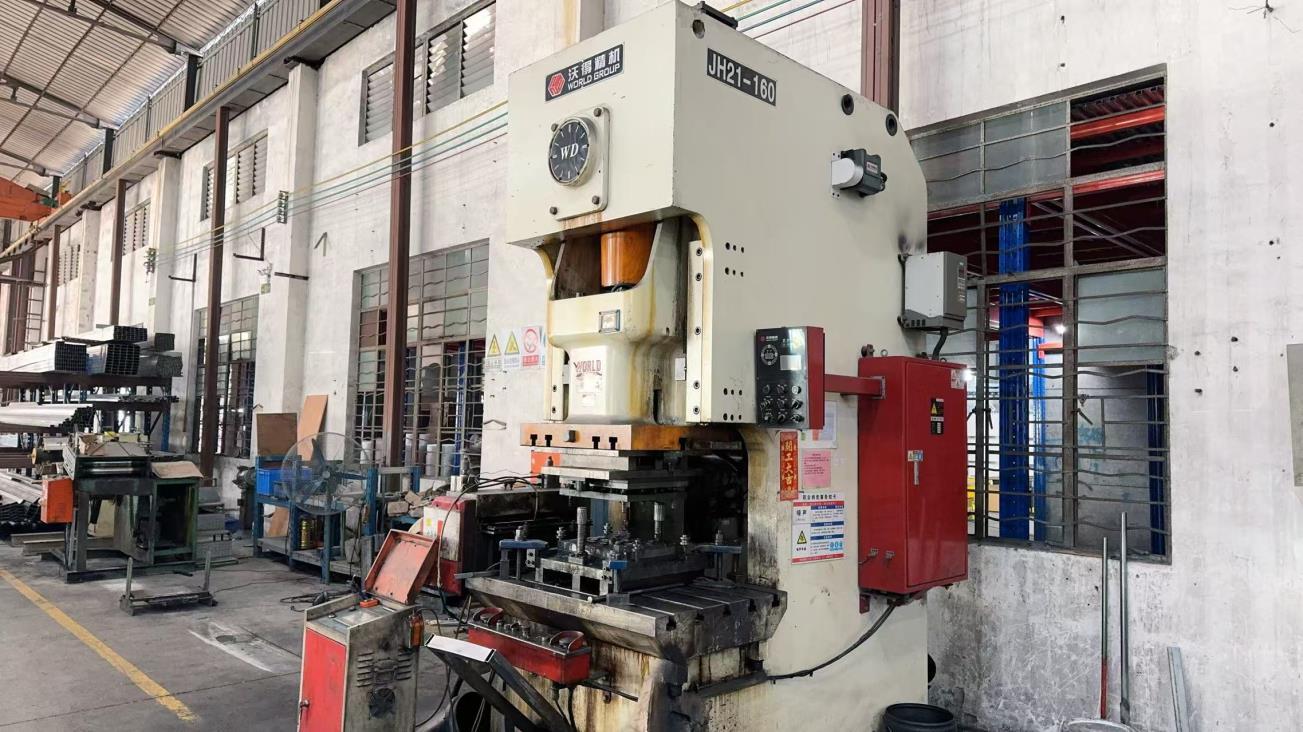
At Dongguan Kimsuk Shelves Co., Ltd., we approach industrial shelving not merely as storage frames, but as critical structural assemblies. Established in 2015, Kimsuk operates a 38,000 square meter production center specializing in heavy-duty racking systems, structural mezzanines, and custom pallet setups. Our engineering department uses Advanced Finite Element Analysis (FEA) to run simulated stress tests, evaluating structural deflection, shear stress limits, and seismic stability under varying load profiles. This ensures that every rack configuration we export meets regional safety codes, including the AS4084 standard in Australia and RMI requirements in North America.
A rigorous quality control flow is maintained by 35 certified QA/QC inspectors. Inspection protocols cover weld penetration, ultrasonic testing of cold-formed profiles, zinc/epoxy coating thickness validation, and structural load testing. This exhaustive oversight allows us to maintain a warranty rate below 0.05% across $28,000,000 in annual exports, making Kimsuk a trusted OEM/ODM partner for major global logistics hubs, retail wholesalers, and automated 3PL centers.
Industrial storage configurations differ significantly depending on the operational environment and regional regulations. By identifying these localized requirements, Kimsuk engineers custom storage solutions to maximize efficiency:
Designed with standard teardrop configurations to ensure compatibility with existing pallet racks, certified to exceed regional seismic load standards.
Aligned with FEM standards, utilizing Euro-pallet dimensions and multi-tier mezzanines to make the most of limited facility footprints.
Built with precise mechanical tolerances to interface with AS/RS crane corridors and computerized conveyor configurations.
Addressing engineering specifications, structural compliance, and global shipping operations for industrial buyers.
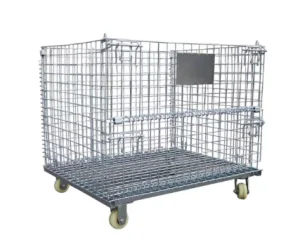
Review our specialized storage racks, industrial warehouse components, and modular wire containers for logistics and shipping applications.
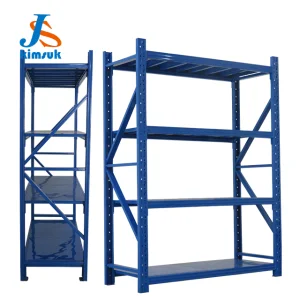
 Kimsuk Racking