Explore our heavy-duty engineering solutions and warehouse systems tailored for maximum load capacities, thermal resistance, and optimal space utilization.
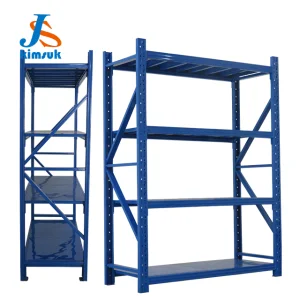
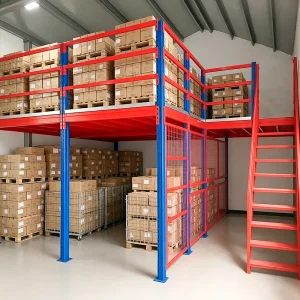
In modern cold chain logistics, the structural integrity of your warehousing rack is not just a matter of space storage efficiency—it is a critical safety threshold.
Warehouses operating in ultra-low temperatures ranging from 0°C to -30°C experience thermal stresses that compromise standard structural steel. As a leading manufacturer in the China wholesale cold storage racks sector, we supply global industries with robust, customized storage infrastructures that resist low-temperature embrittlement, prevent seismic-related structural collapse, and maximize high-density space utilization.
Cold storage facility operation carries astronomical overhead costs, with refrigeration cooling representing the highest expense. By designing custom racking configurations like Drive-In Racking, Mobile Pallet Racking, Shuttle Racking (AS/RS), and Push-Back Racks, we assist logistics centers in expanding their storage density up to 80% compared to standard selective setups. Our manufacturing capabilities ensure that global distribution partners benefit from optimal thermal dynamics, ensuring continuous airflow and cooling efficiency across high-density storage levels.
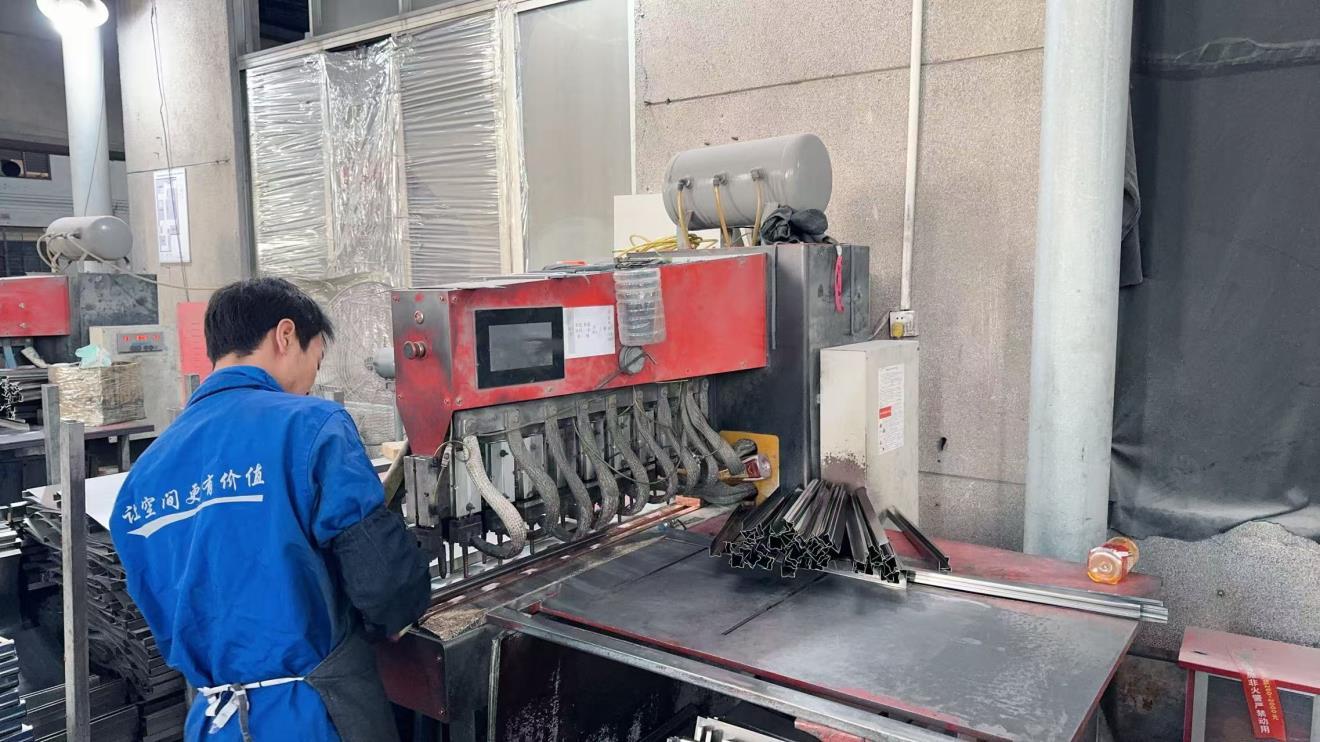
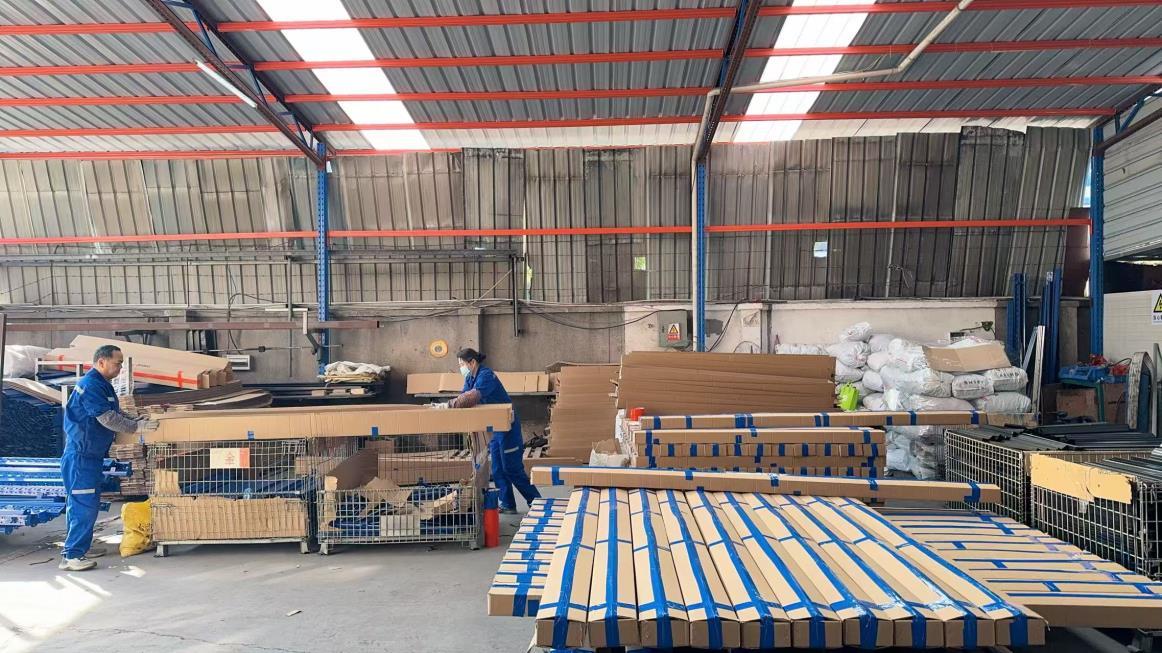
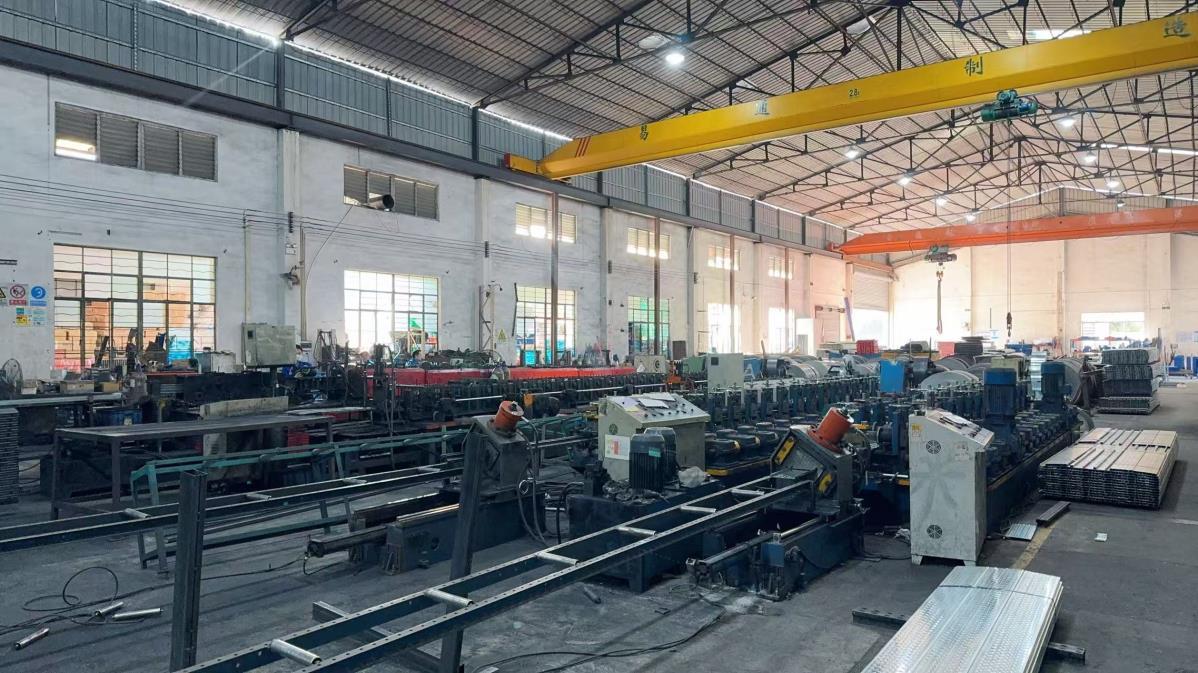
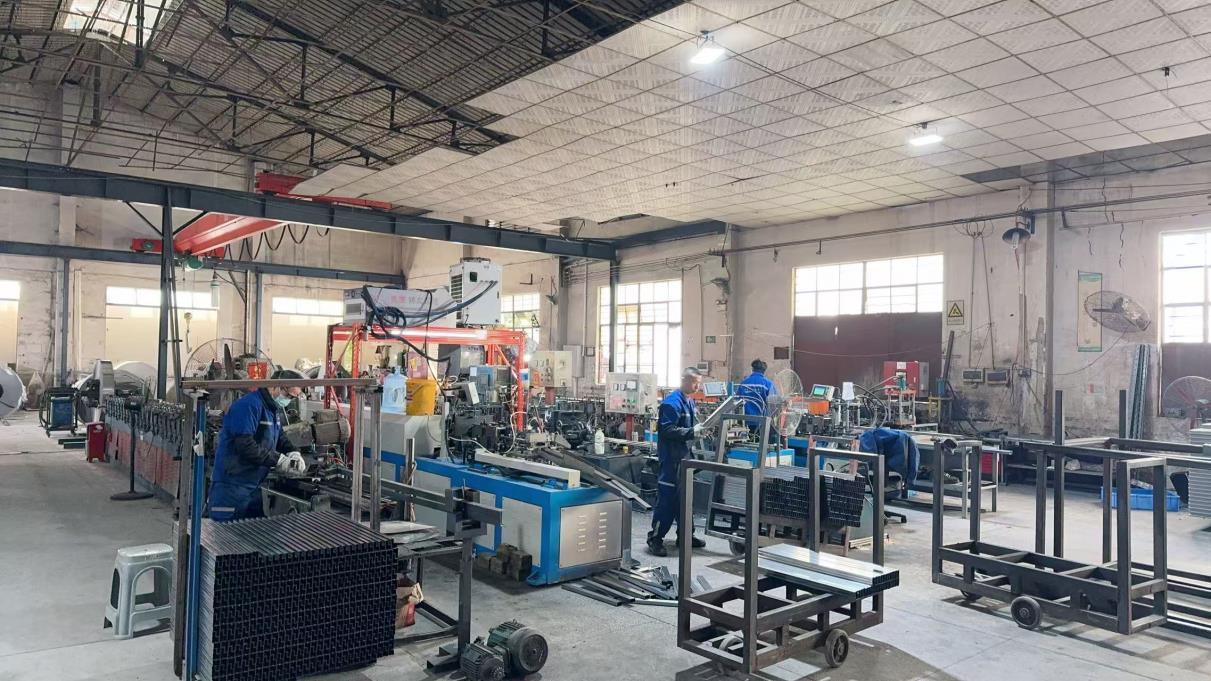
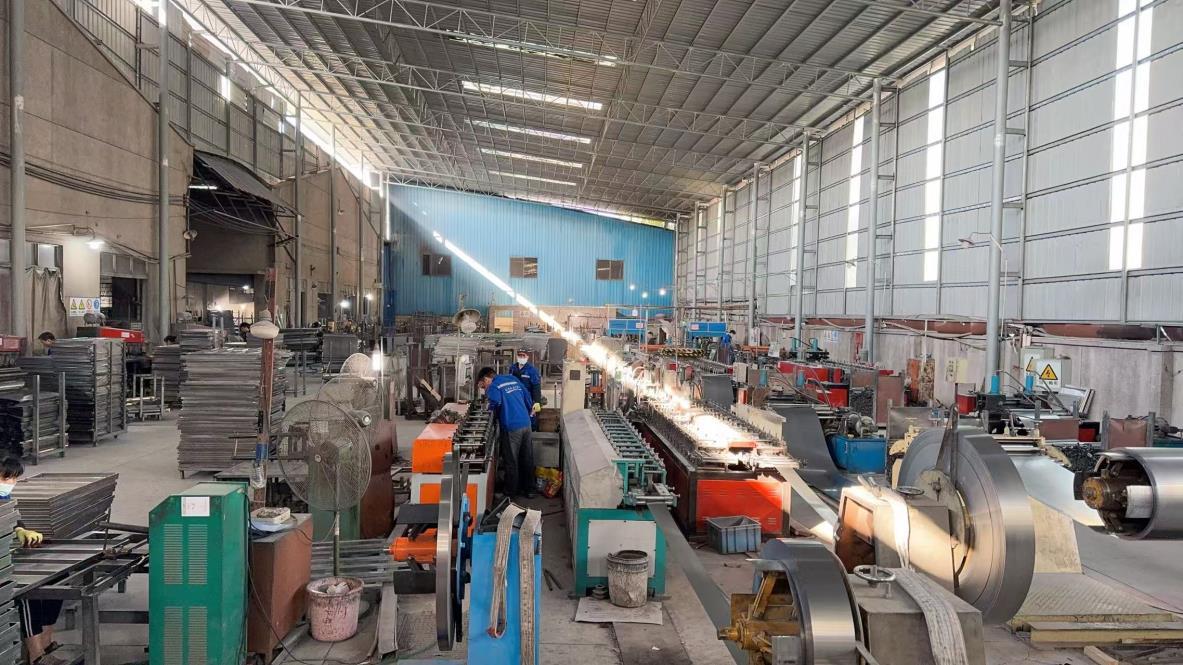
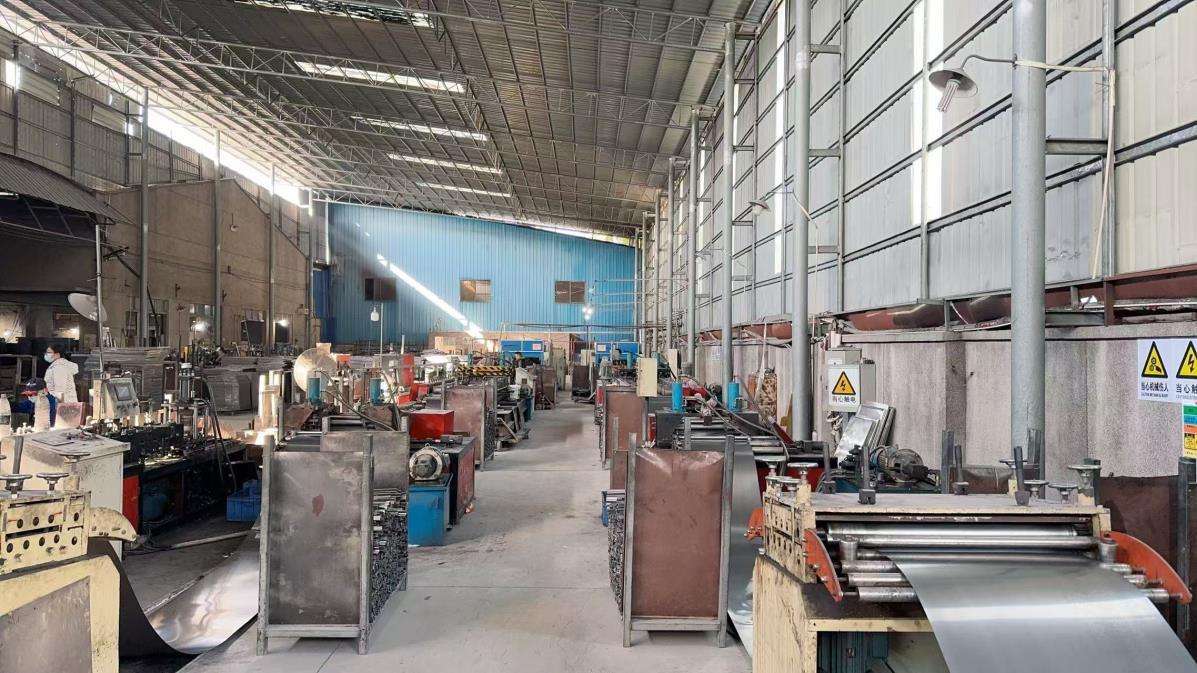
Founded in 2015, Dongguan Kimsuk Shelves Co., Ltd. is a premier manufacturer specializing in heavy-duty industrial warehouse racking systems, automated storage solutions, and customizable steel shelving. Spanning a state-of-the-art production facility of 38,000 square meters, Kimsuk combines advanced manufacturing infrastructure with high-precision engineering to deliver robust logistics and warehousing infrastructure globally.
Our operation maintains a certified ISO 9001:2015 Quality Management System, CE compliance, and rigid safety testing. Backed by 18 senior structural engineers and 35 certified QC inspectors, our facility ensures every custom cold storage rack satisfies international structural design standards, including the Rack Manufacturers Institute (RMI) guidelines and European FEM standards.
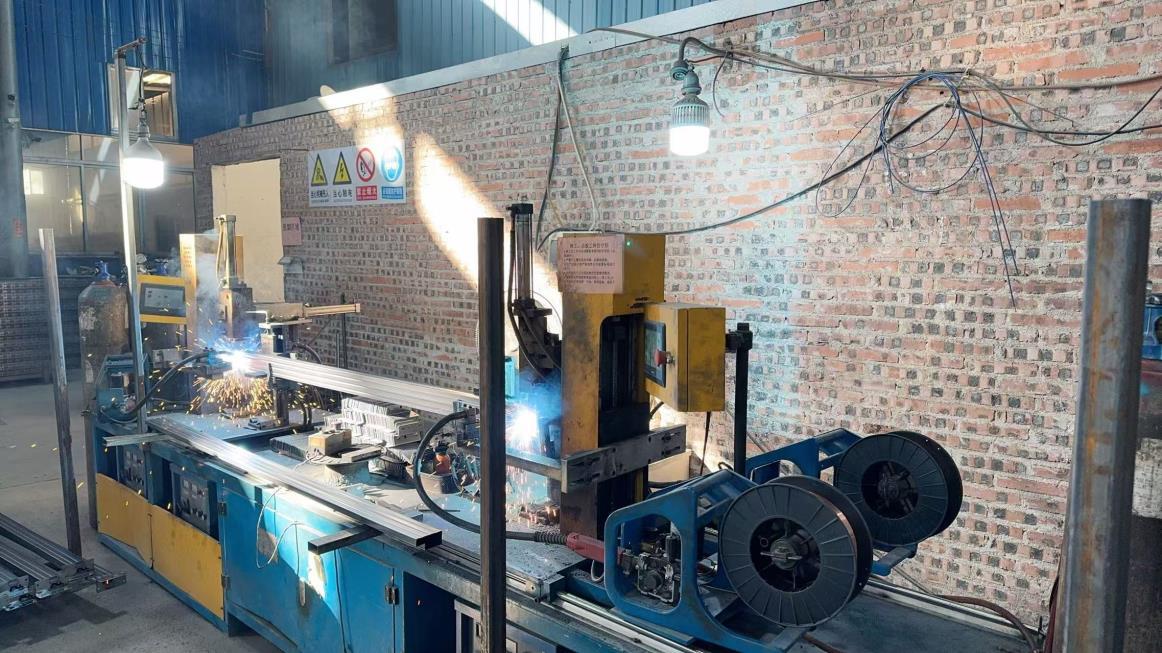
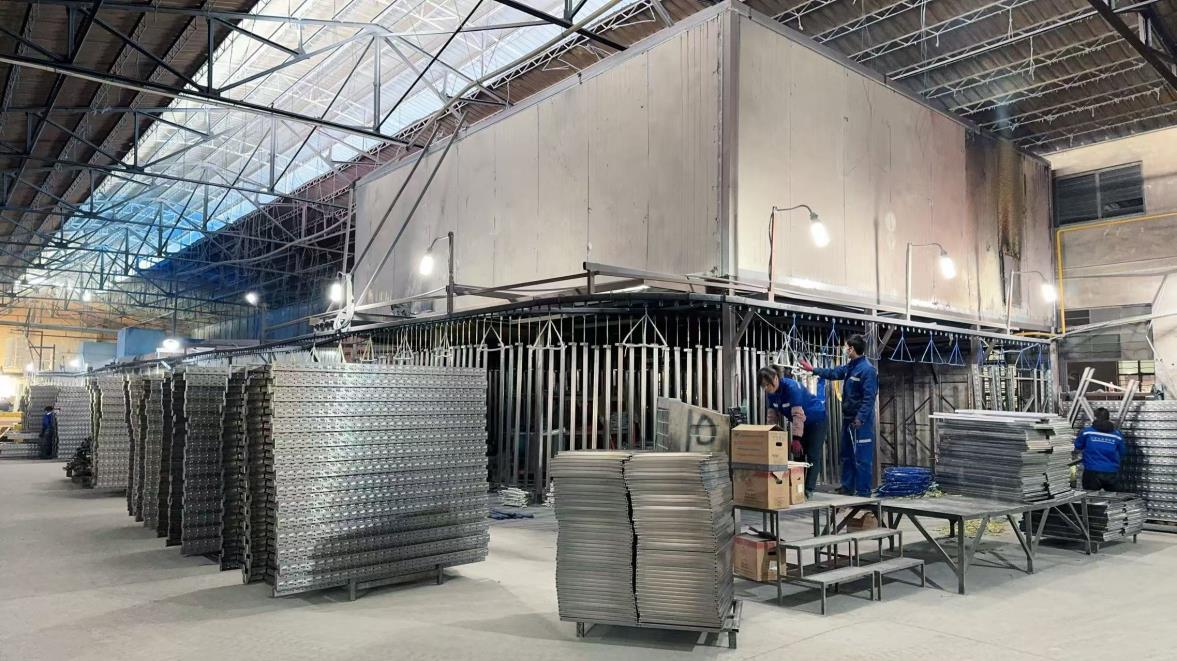
Witness our complete in-house manufacturing loop, featuring robotic welding systems, automated roll-forming, and electrostatic powder coating lines.
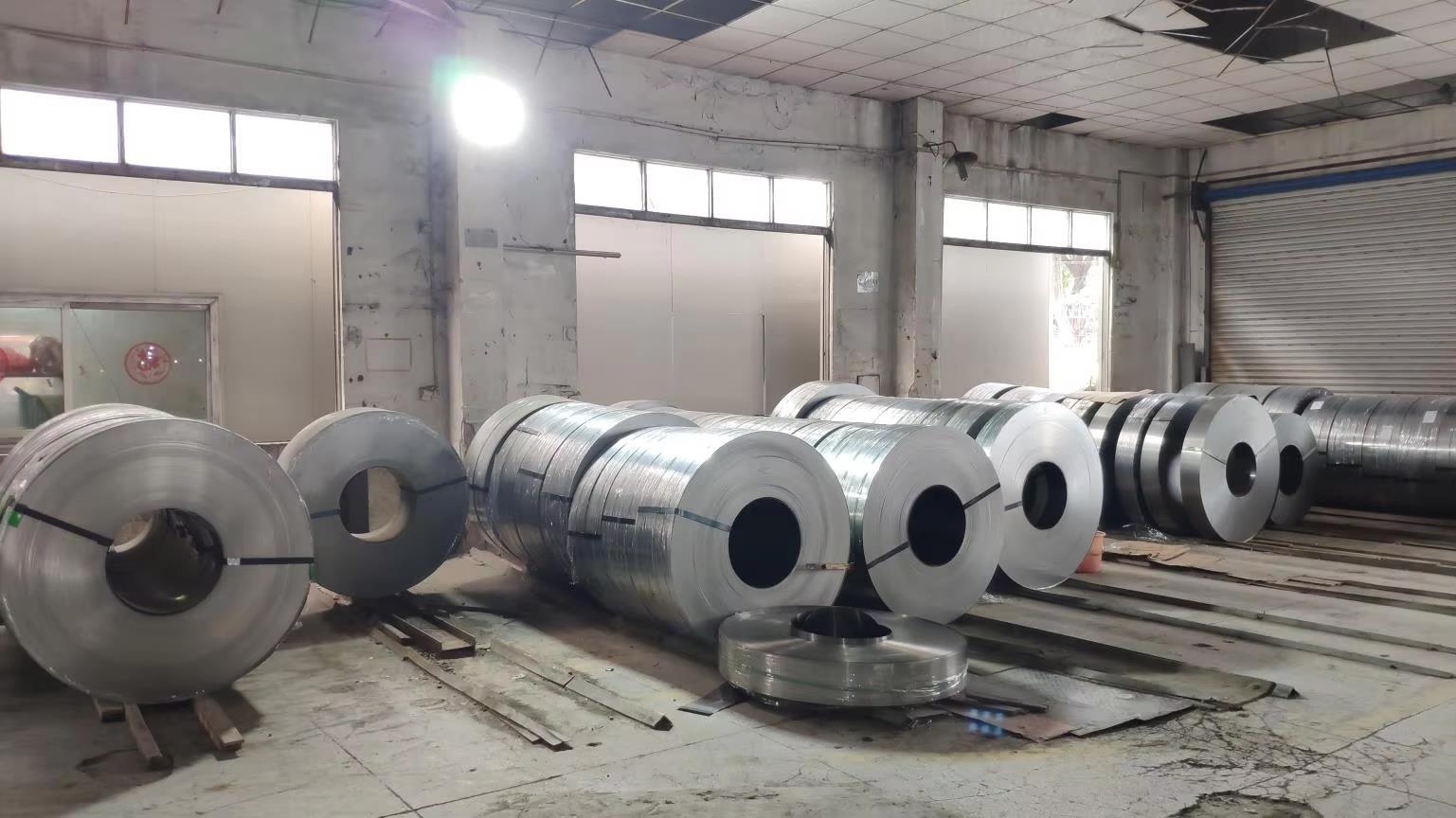
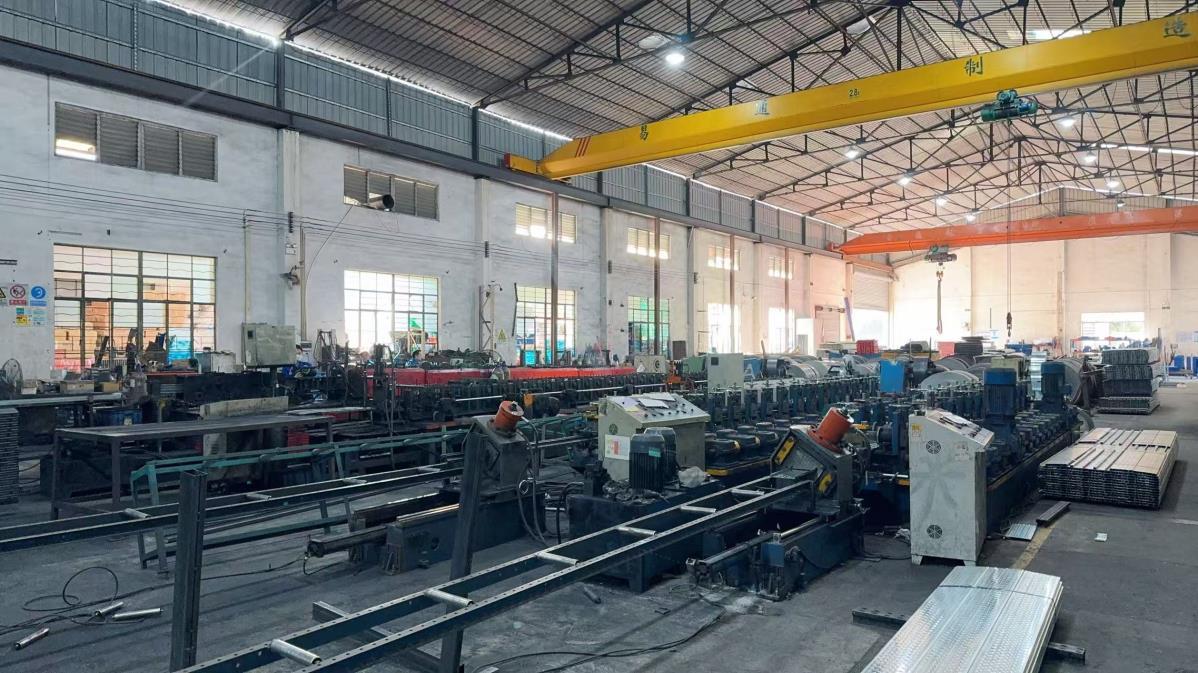
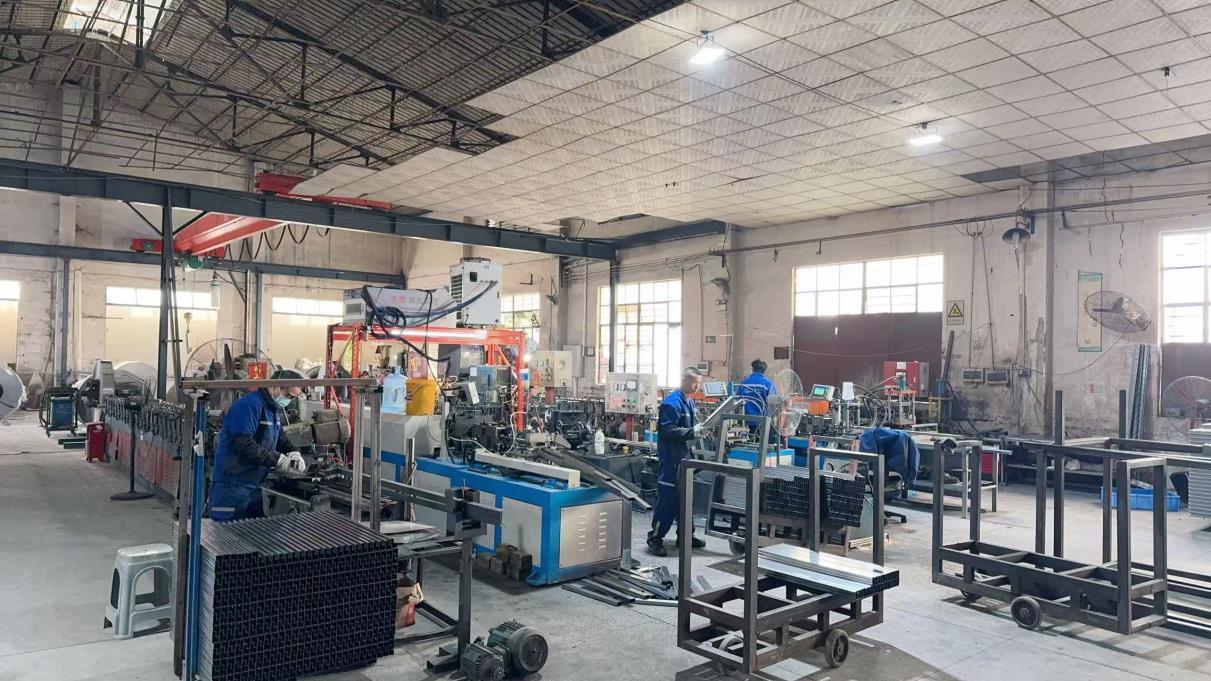
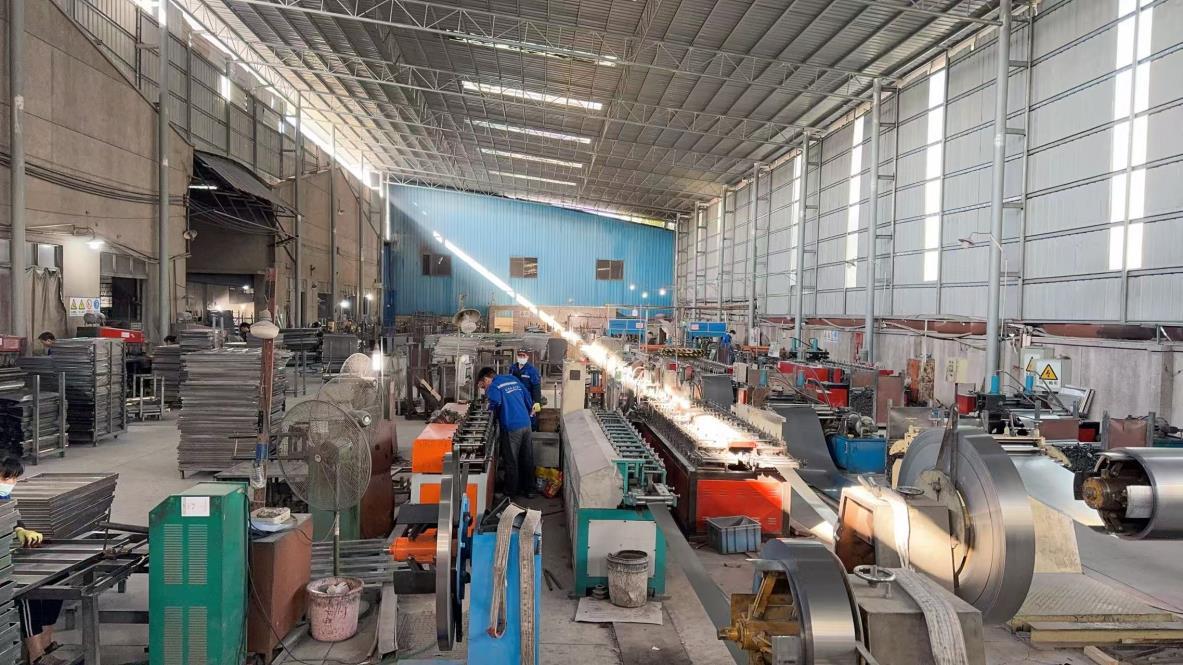
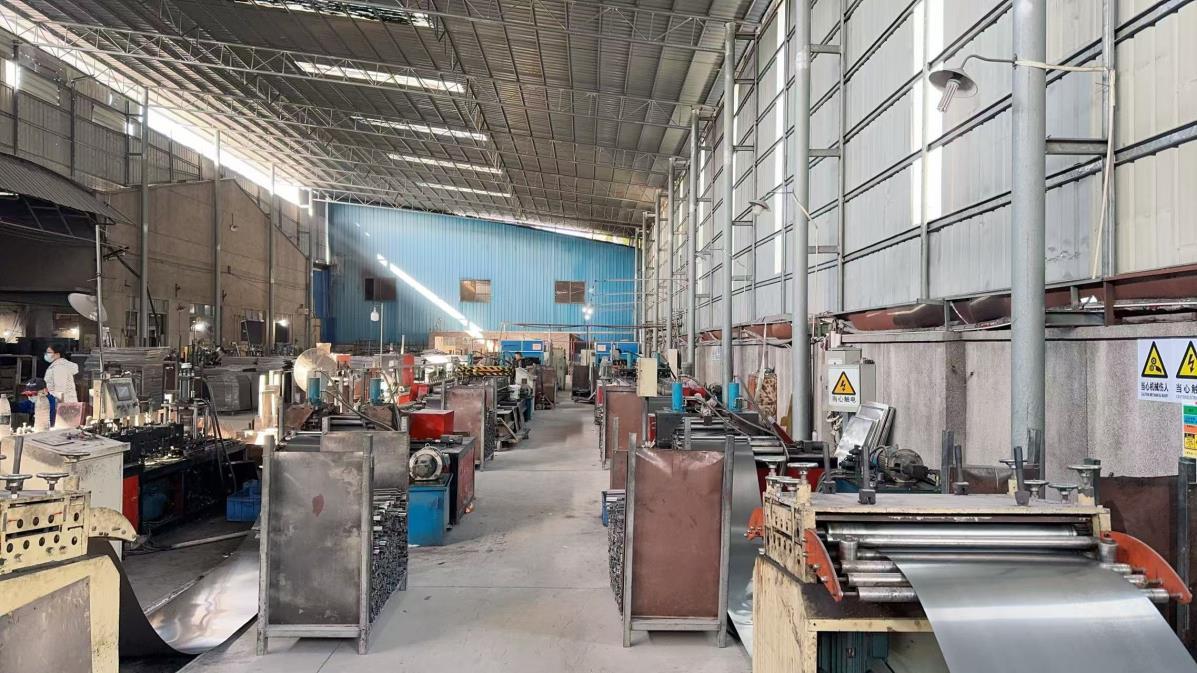
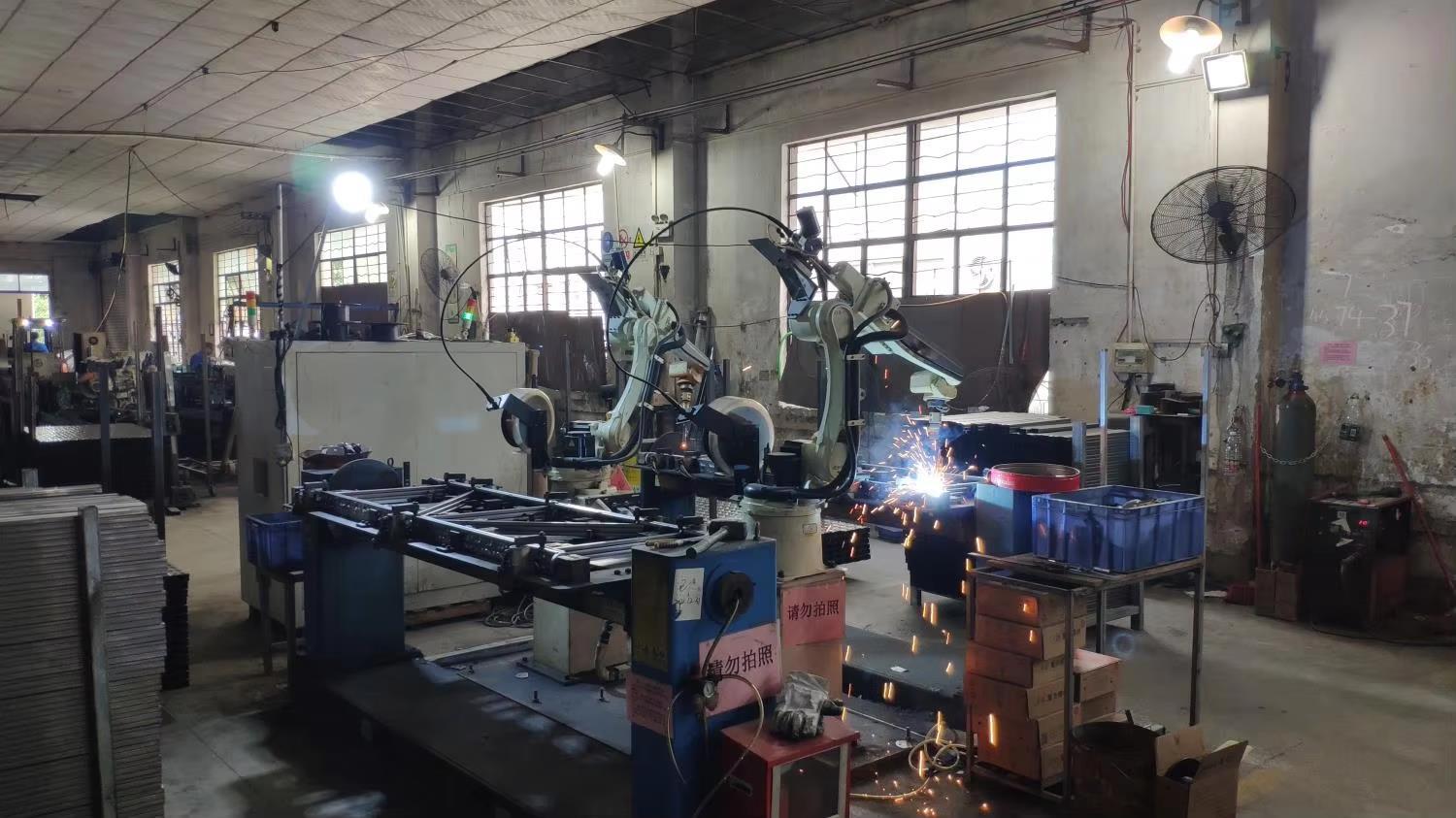
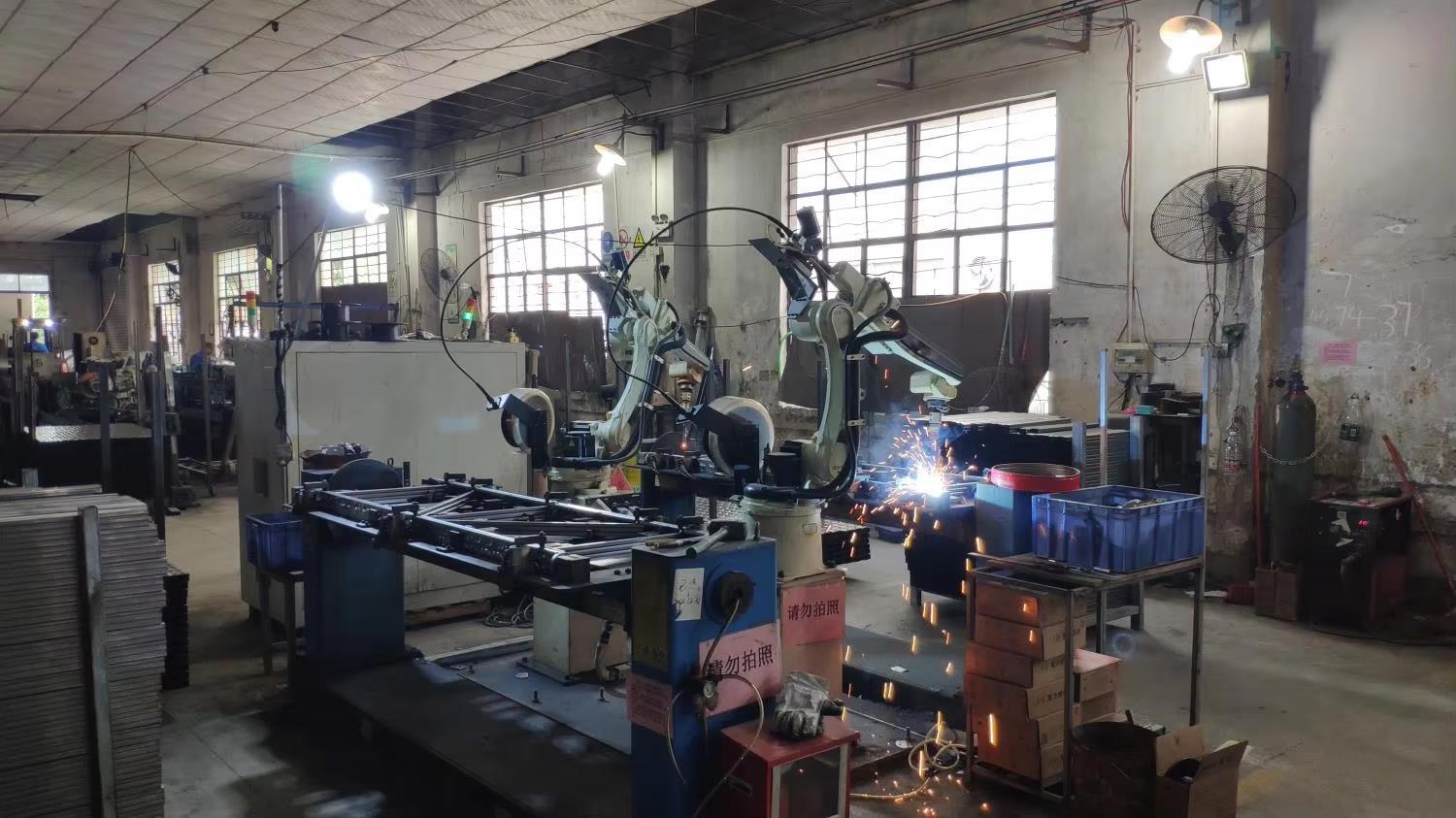
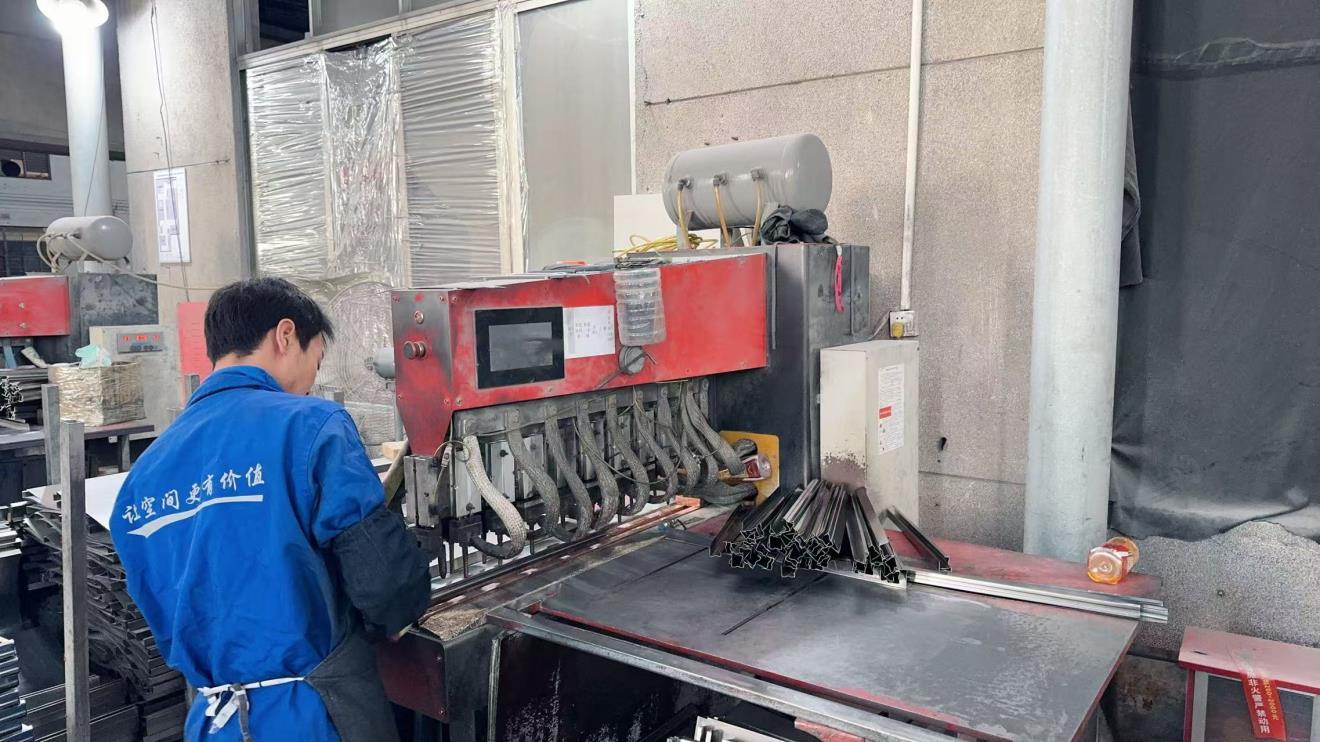
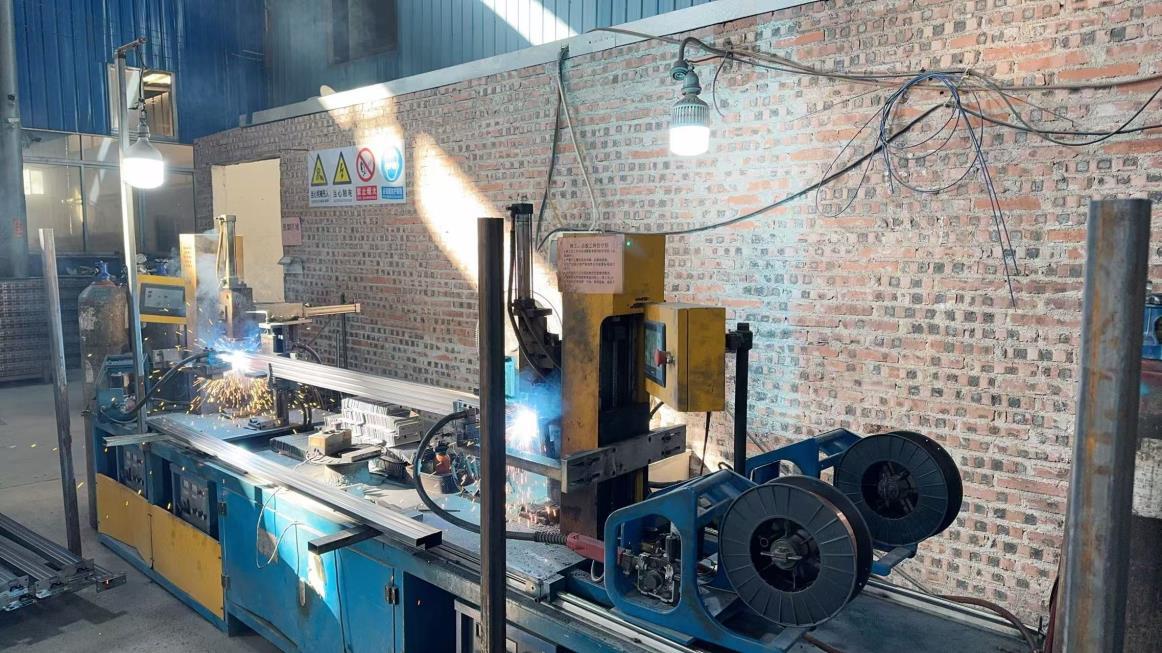
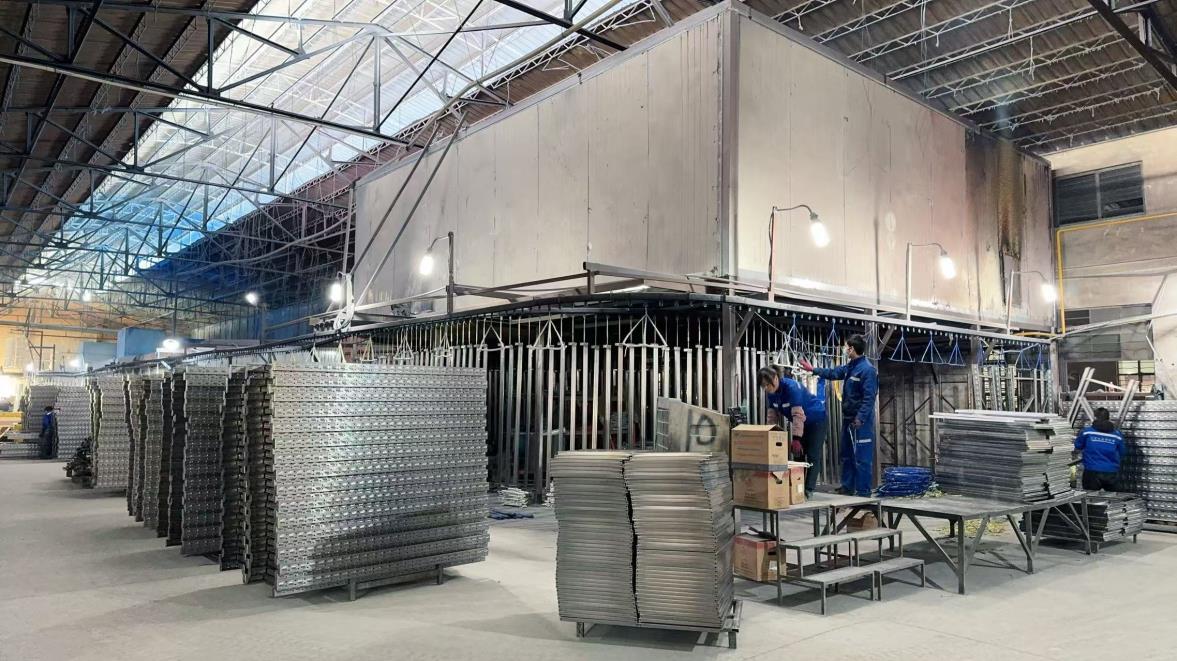
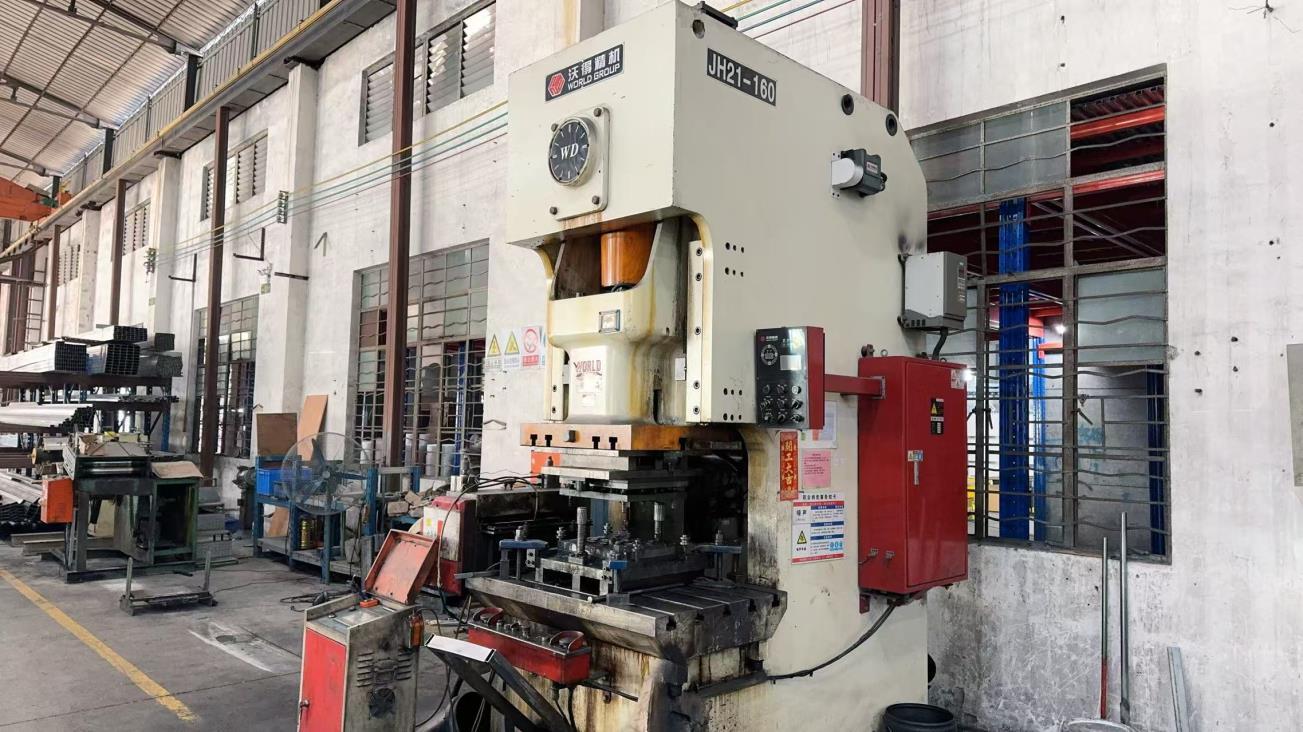
The global dominance of Chinese racking manufacturers stems from localized steel supply chains, integrated manufacturing ecosystems, and deep structural design capabilities.
When selecting a supplier for wholesale cold storage shelving, international procurement managers prioritize material strength and manufacturing compliance. Chinese manufacturers leverage direct access to raw carbon steel mills (sourcing grades such as Q235B and structural high-tensile Q355B). In extremely cold environments, steel characteristics change; it becomes brittle and prone to micro-cracking under stress. China's factories employ metallurgical engineering to ensure cold storage columns and rack frames maintain structural resilience at sub-zero temperatures.
Furthermore, the automated roll-forming and robotic welding systems utilized in Chinese factories achieve tight tolerances of ±0.5mm on complex profiles. This accuracy is paramount when integrating racking with automated shuttle cranes or AS/RS (Automated Storage and Retrieval Systems), where minor misalignment can trigger warehouse operational shutdowns. By consolidating custom engineering, high-volume production, hot-dip galvanization, and logistics under one roof, China's manufacturers minimize lead times and deliver structural products at a highly optimized total cost of ownership (TCO).
| Steel Grade Selection | Yield Strength (MPa) | Tensile Strength (MPa) | Suitable Storage Temperature | Recommended Applications |
|---|---|---|---|---|
| Q235B (Standard Carbon Steel) | ≥ 235 | 370 - 500 | Above 0°C (Dry Storage) | Selective Pallet Racking, Selective Shelving, Mezzanines |
| Q345B / Q355B (Low-Alloy High-Tensile) | ≥ 345 / 355 | 470 - 630 | -10°C to -30°C (Cold Rooms) | High-Rise Drive-In, Shuttle Racking Systems, Seismic Areas |
| Galvanized Cold-Rolled Steel | Dependent on core grade | Dependent on core grade | Down to -40°C (Blast Freezers) | Corrosive wet environments, Seafood and Fresh Food Storage |
How structural engineers design safe, long-lasting storage platforms within high-density refrigerated zones.
Designing racking systems for cold storage environments requires adjusting engineering parameters to account for structural stress variations. Standard structural carbon steel undergoes a *ductile-to-brittle transition* when temperatures drop below freezing. If standard grade steel is subjected to the concentrated dynamic impacts typical of forklift loading in narrow aisles, it can fracture. Below are the key engineering design components we utilize at Kimsuk to counter these hazards:
Cold storage units undergo continuous condensation during defrost cycles. Standard powder coatings will blister and peel under these conditions, exposing the steel beneath to rapid oxidation. Our factory applies a specialized marine-grade electrostatic double powder-coating system or hot-dip galvanization with a minimum zinc coating thickness of 60-80 μm. This provides an oxygen barrier and prevents rust creep in humid environments.
Because cold storage rooms utilize high-density systems (e.g., Drive-In or Shuttle lanes), the concentrated floor loading is significantly higher than in standard warehouses. Our design team carries out Finite Element Analysis (FEA) to confirm safety factors of 1.5 to 2.0. We add heavy-duty floor anchoring, column guards, and customized rack bracing to absorb horizontal forces and avoid catastrophic chain-reaction collapses.
Refrigeration costs depend on maintaining constant, uniform cooling throughout the room. If racking is designed without taking thermodynamic airflow into consideration, hot spots can form, causing food spoilage and uneven ice buildup. Our rack configurations incorporate engineered flue spaces (horizontal and vertical clearance gaps) to assist cooling fans in maintaining uniform temperatures across all pallet positions.
Operating forklifts inside cold chambers is challenging due to fogging and reduced driver visibility. To protect the structural integrity of upright frames, we install heavy-duty column protectors filled with shock-absorbing polyurethane or wrap-around steel guards. These absorb forklift impacts, shielding the rack structure from damage.
Matching specific warehouse layouts and racking styles with cold chain storage challenges.
Different cold-room configurations serve different business operations. A pharmaceutical cold facility, for instance, requires strict First-In, First-Out (FIFO) inventory tracking to prevent drug expiration, whereas a seafood distributor may prioritize maximum volume storage capacity (LIFO). Below is a breakdown of the primary cold storage setups we supply to global procurement groups:
Excellent for seasonal goods and high-volume single-SKU operations. Lift trucks drive directly into the racking bays to deposit pallets on continuous support rails. This setup removes standard access aisles, capturing up to 75% more pallet positions within the same cold storage square footage.
A semi-automated high-density system where remote-controlled shuttles move pallets inside deep storage lanes. Forklifts do not need to enter the racking structure. This limits damage to upright posts, boosts operator safety, and allows both FIFO and LIFO product rotations.
Pallet racks are mounted on motorized base units that move along floor-embedded rails. Aisles open dynamically only when accessed. This configuration condenses storage capacity, reducing cold-room floor footprints by up to 50% while maintaining direct access to every pallet.
Important factors to consider when ordering cold storage racking systems from China factories.
Purchasing heavy-duty steel structures internationally requires rigorous verification to prevent operational errors. Because cold storage structures carry heavy loads, standard structural analysis calculations must be confirmed by professional engineers before production begins. Keep this checklist in mind for your procurement planning:
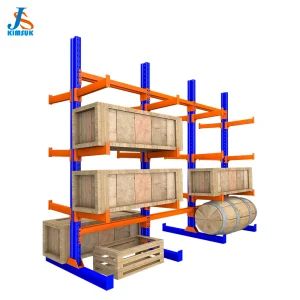
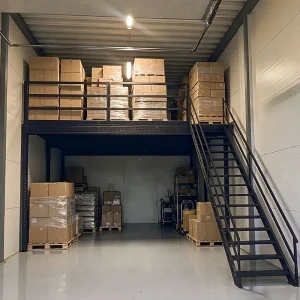
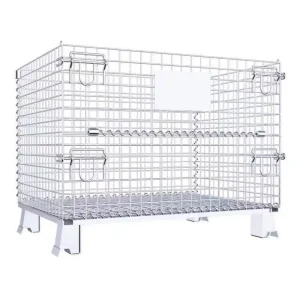
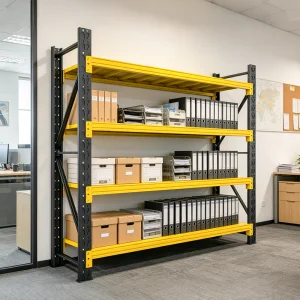
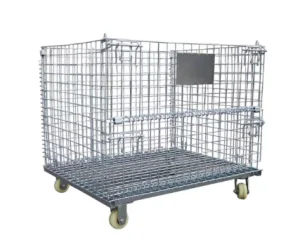
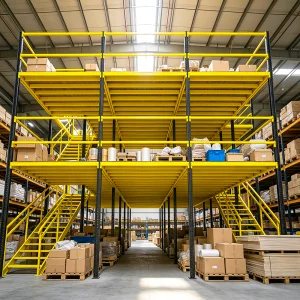
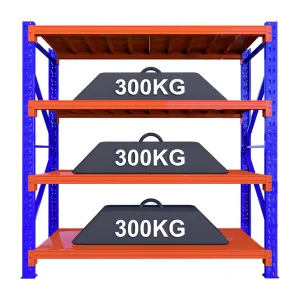
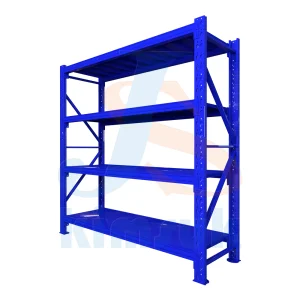
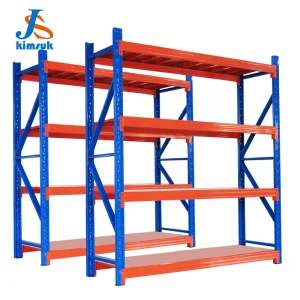
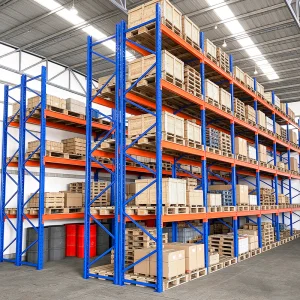
Explore our full range of heavy-load shelves, storage cages, and custom warehouse platforms designed to optimize logistics flow.
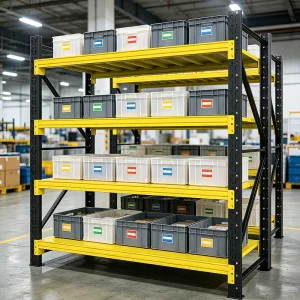
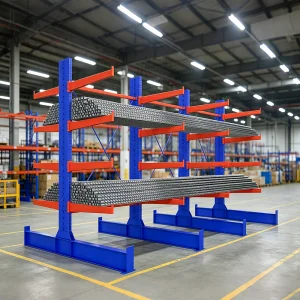
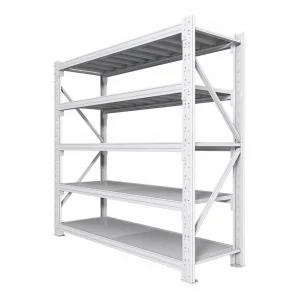
Get answers to common technical, design, and purchasing questions regarding cold-room shelving infrastructure.
 Kimsuk Racking