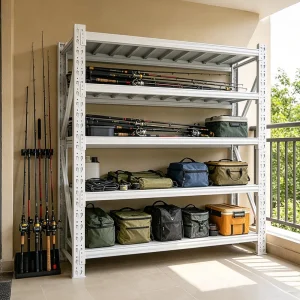
Engineered for high-density storage, structural stability, and peak operational efficiency in dynamic distribution hubs.
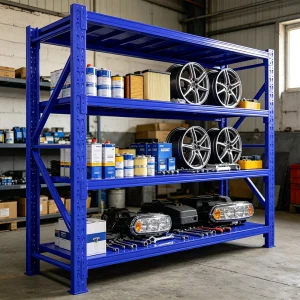
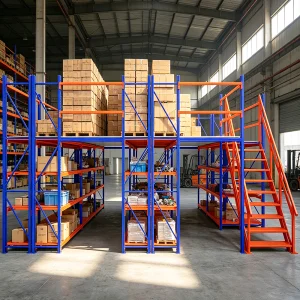
An Industrial Whitepaper on Dongguan Kimsuk Shelves Co., Ltd. and the Evolution of Smart Warehousing Architectures.
In modern industrial logistics, storage systems represent far more than static structural frames; they form the physical framework of the global supply chain. Dongguan Kimsuk Shelves Co., Ltd., established in 2015, stands at the cutting edge of industrial storage rack manufacturing. With over 15 years of deep industry expertise, Kimsuk engineers high-density, load-optimized racking configurations that adapt to automated storage systems, cold storage facilities, and high-throughput distribution environments.
Operating a modernized 38,000 m² factory floor, Kimsuk delivers end-to-end engineering, fabrication, and structural testing. Our facilities adhere strictly to ISO 9001:2015 quality standards, CE compliance, and relevant structural regulations (including FEM 10.2.02 and RMI standards). Backed by an annual export volume reaching $28,000,000 USD, Kimsuk works with enterprise logistics providers, 3PL distributors, and industrial equipment wholesalers across North America, Western Europe, Southeast Asia, Australia, and the Middle East.
Our engineering framework relies on raw material traceablity, precision cold roll-forming, and rigorous weld quality assessments. Below are the structural highlights and operational capabilities that define Kimsuk as a reliable global supply partner:
An Analysis of Seismic Compliance, High-Density Automation, and Material Innovation (2025 - 2030)
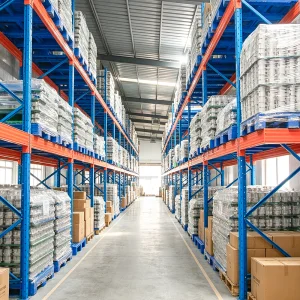
Industrial warehousing is experiencing rapid structural consolidation. With urban land prices rising globally, enterprises are moving away from wide floor footprints in favor of vertical high-bay storage. This shift requires pallet racking structures to tolerate much higher static loads (often exceeding 4000kg per bay) and dynamic loads from stacker cranes or automated shuttle systems. Standard roll-formed racking is increasingly replaced by heavy-duty structural steel profiles or precision cold-formed sections with tight manufacturing tolerances (typically within +/-0.5mm) to prevent automated shuttles from stalling or crashing.
Seismic structural design has become a standard procurement requirement across North America, Europe, and the Pacific Rim. Storage racking must be designed with dynamic load capacity calculations to handle ground accelerations during seismic events. This requires thick, baseplate-anchored upright systems, reinforced diagonal bracing, and high-tensile steel alloys (like Q235B or Q345B). Additionally, eco-friendly surface coatings are no longer optional. Modern buyers demand lead-free, non-toxic epoxy-polyester electrostatic powder coating processes that meet strict environmental regulations like REACH and RoHS, preventing toxic outgassing and micro-cracking in high-moisture or sub-zero environments.
International procurement managers face challenges including material price volatility, long lead times, and compliance with local construction codes. Top-tier manufacturers must offer more than just catalog products. They must provide complete Engineering, Procurement, and Construction (EPC) services, including 3D BIM modeling, Finite Element Analysis (FEA) testing of load points, and complete customs clearance documentation. Kimsuk addresses these demands through direct OEM/ODM customization, providing structural calculations and project-specific design drawings before mass production begins.
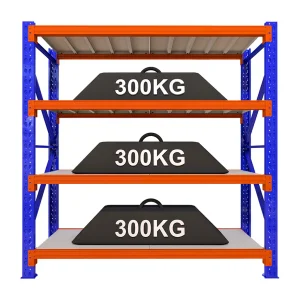
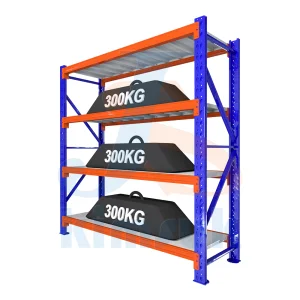
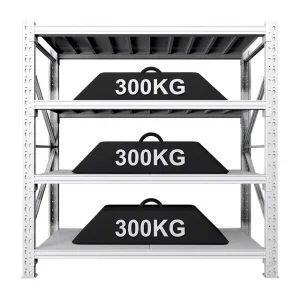
Fully customizable height, depth, and bay length configurations designed for specific weight classifications from 100kg to 5000kg per level.
Heavy-duty baseplate footings, portal tie bracing, and structural steel channels designed for active seismic zones worldwide.
Pre-treatment pickling, phosphating, and thick electro-powder coating systems verified by long-term salt spray testing.
Engineered precision tolerances for smooth, safe integration with automated shuttle carts, stackers, and robotic systems.
19-step raw material processing, robot welding systems, and automated electrostatic powder coating lines.
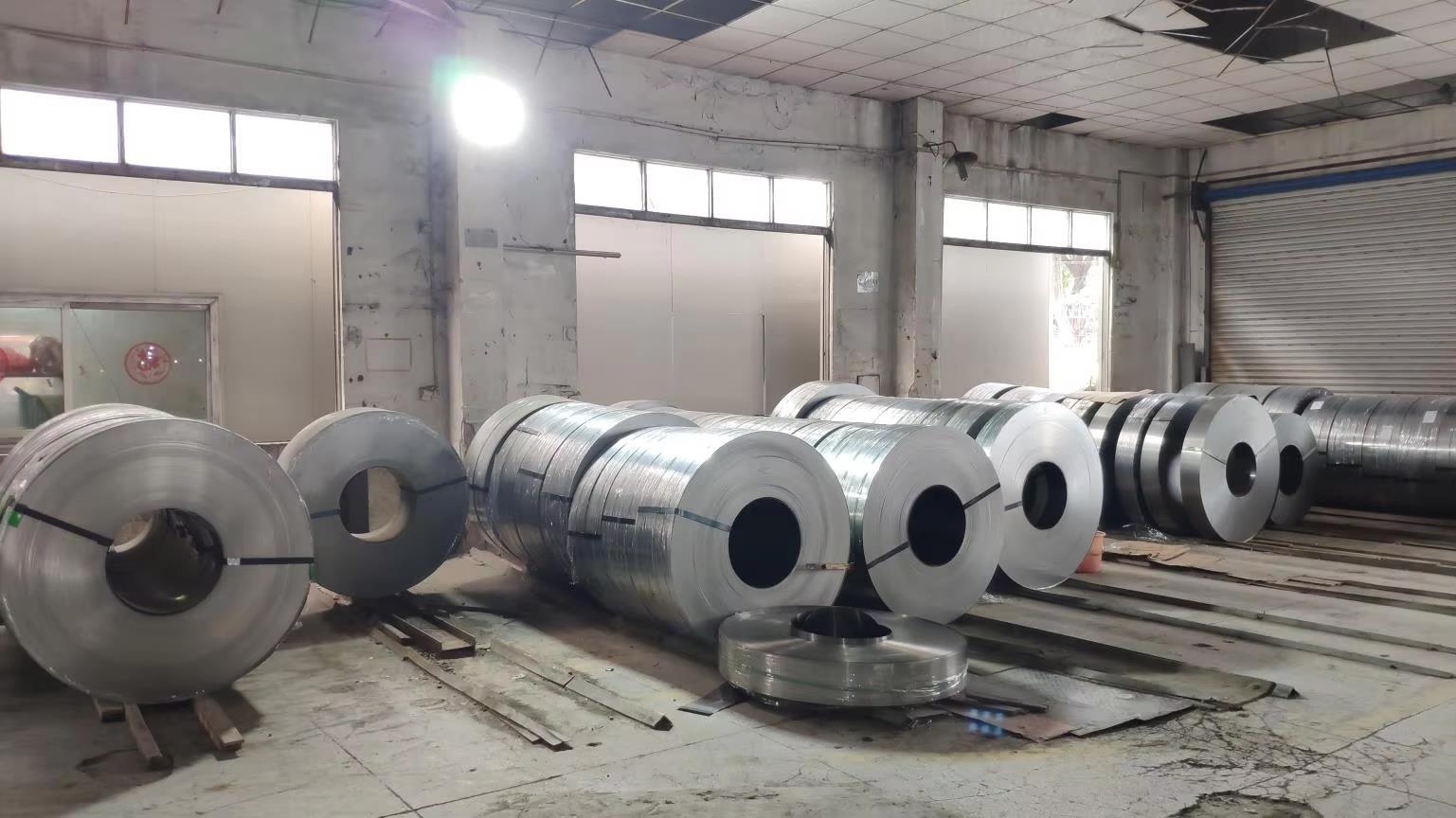
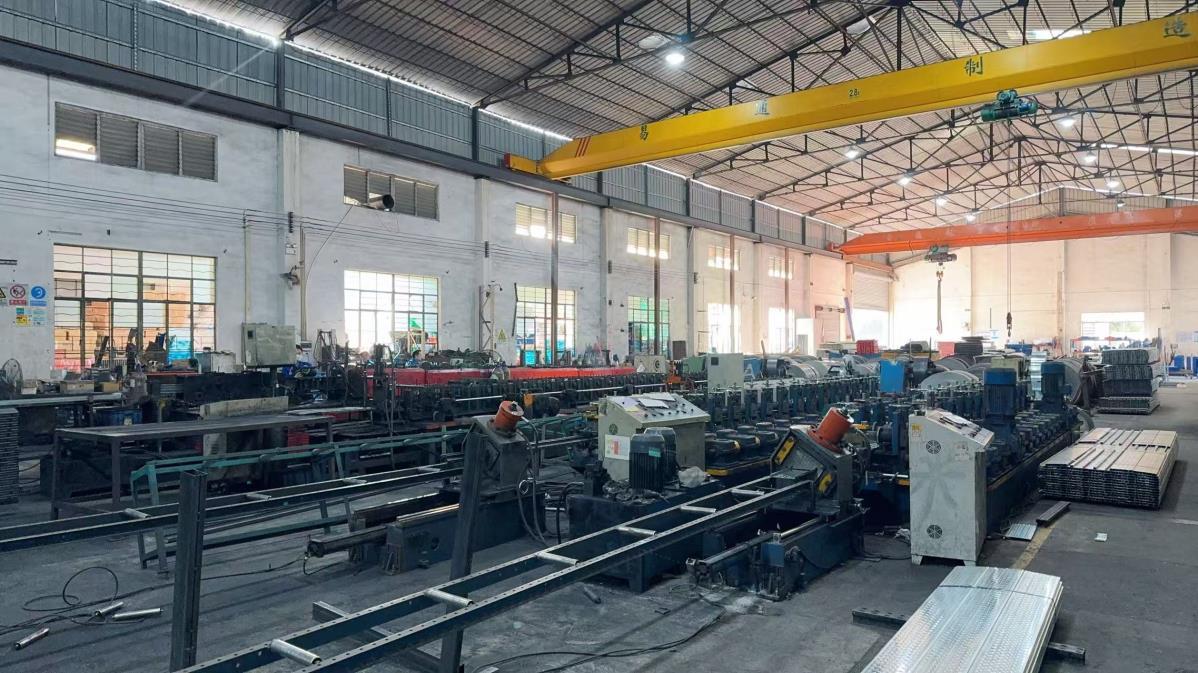
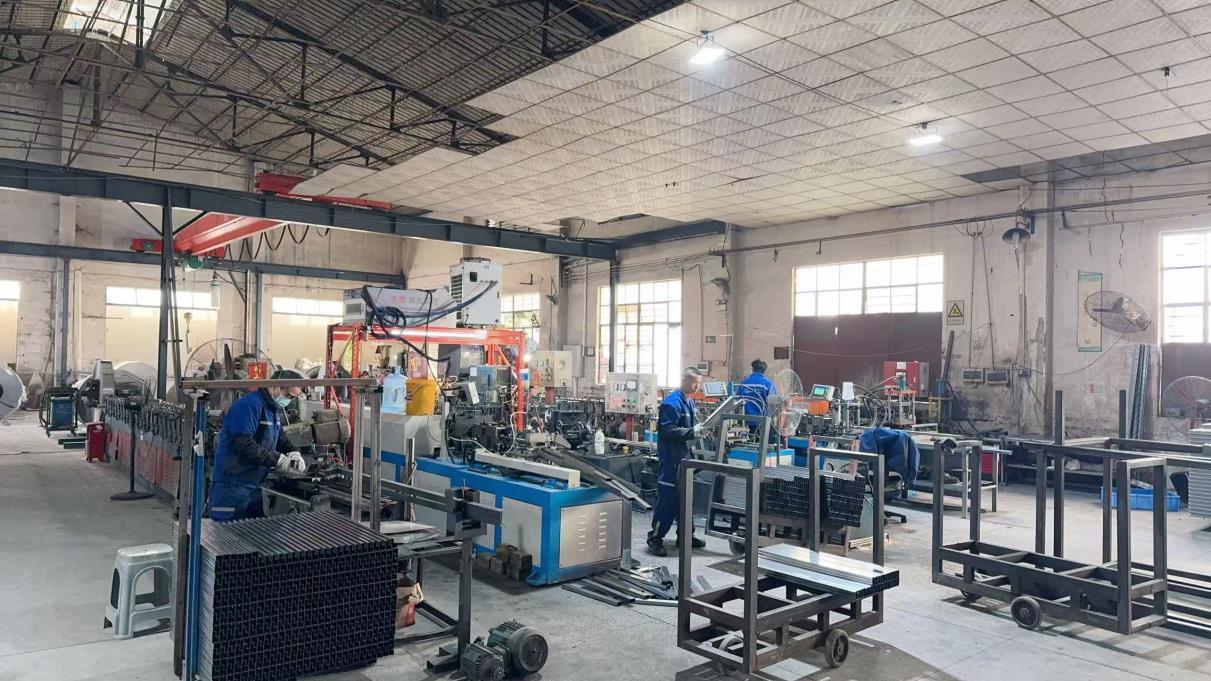
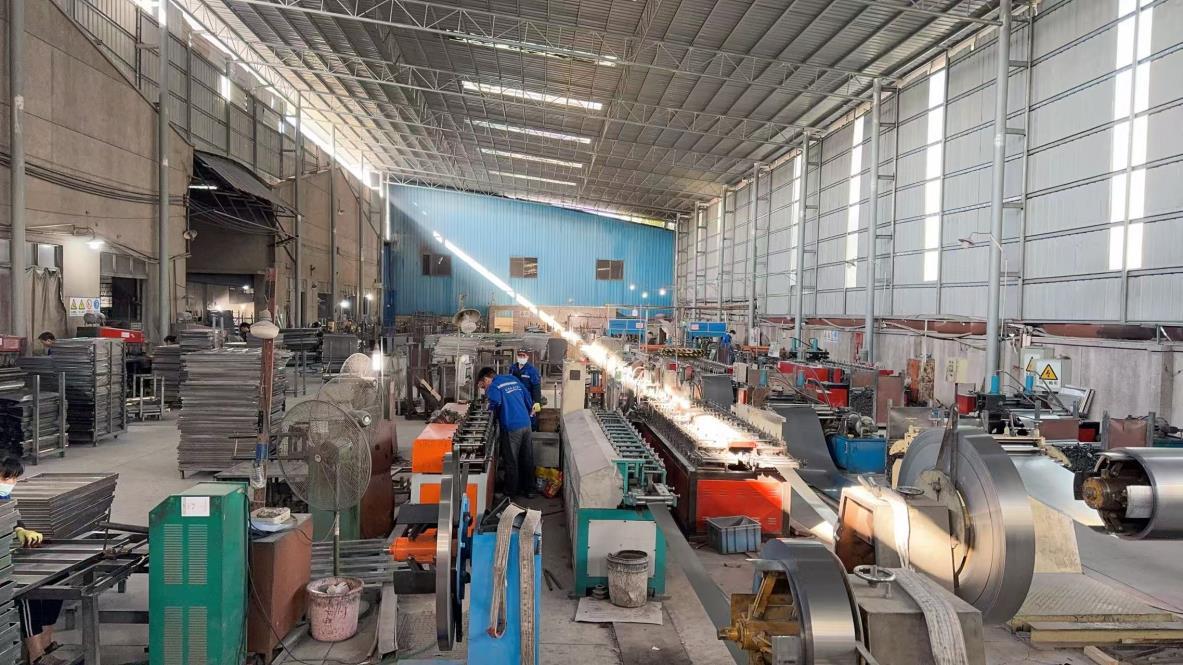
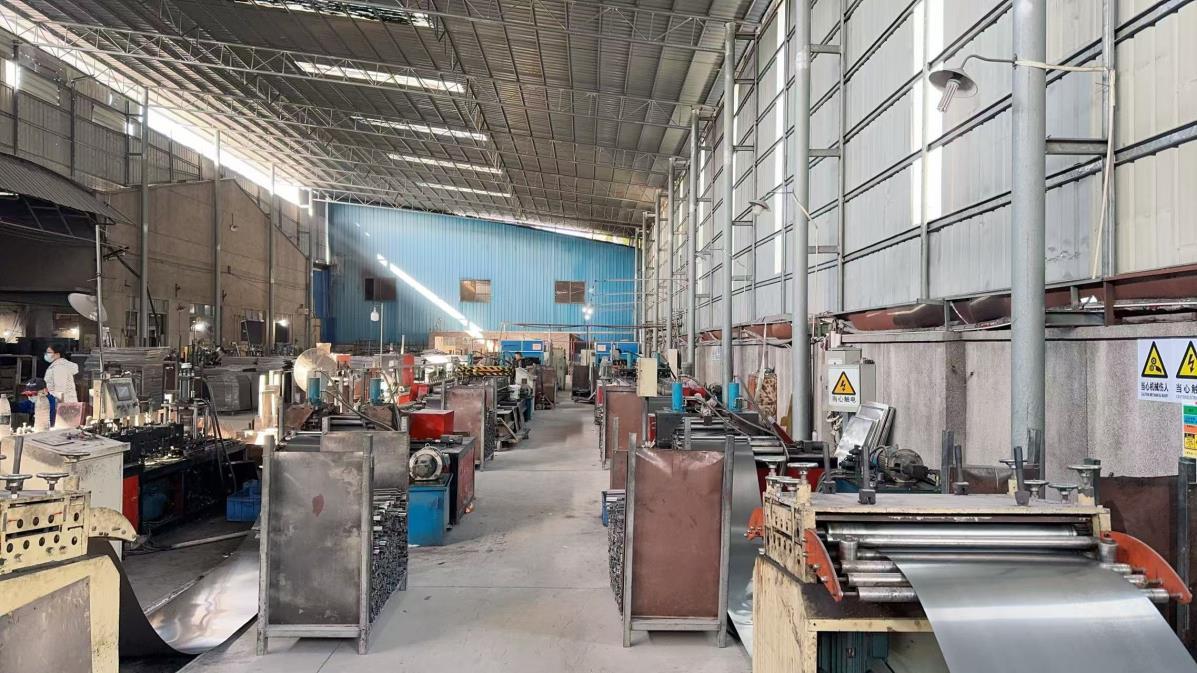
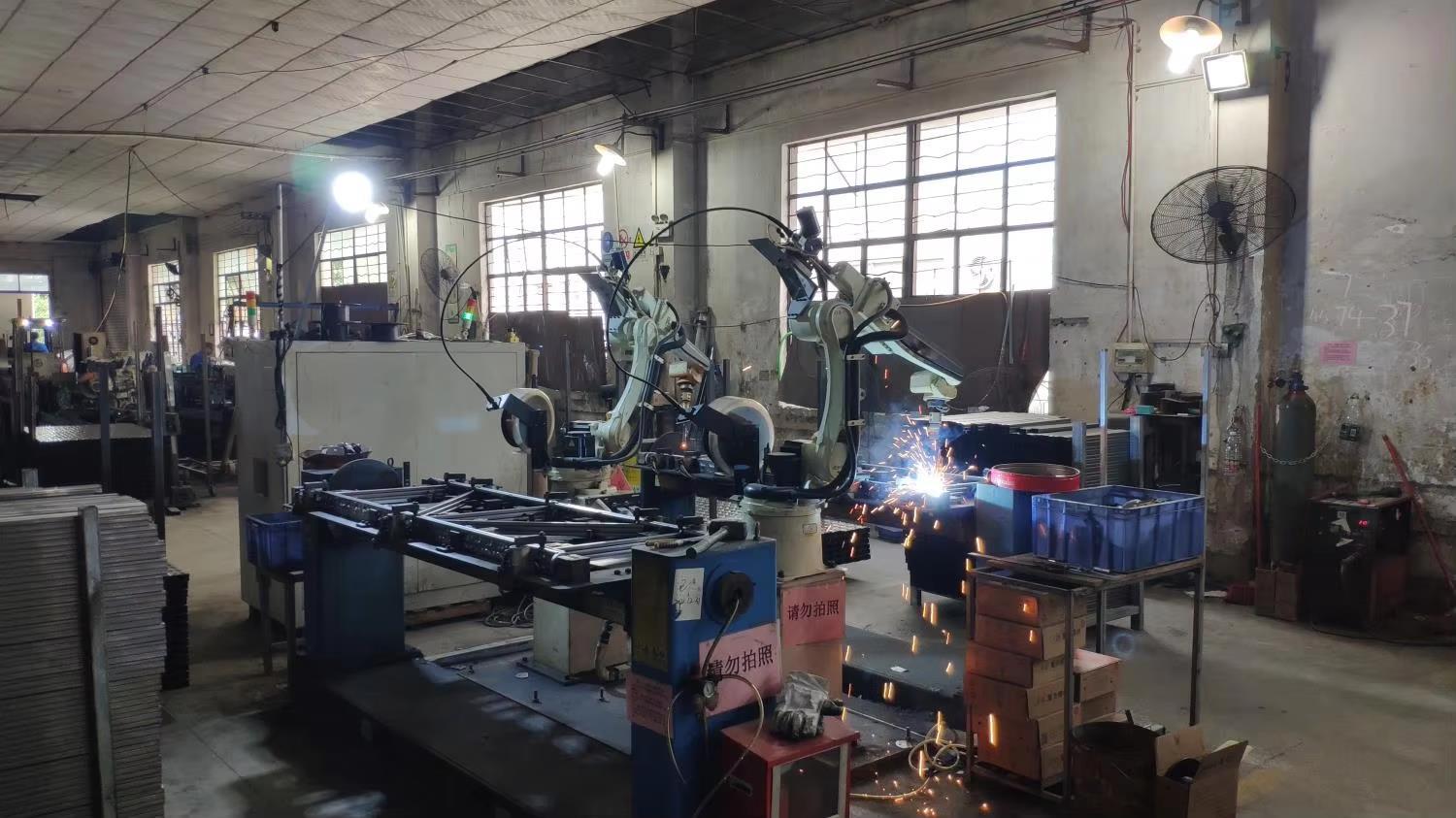
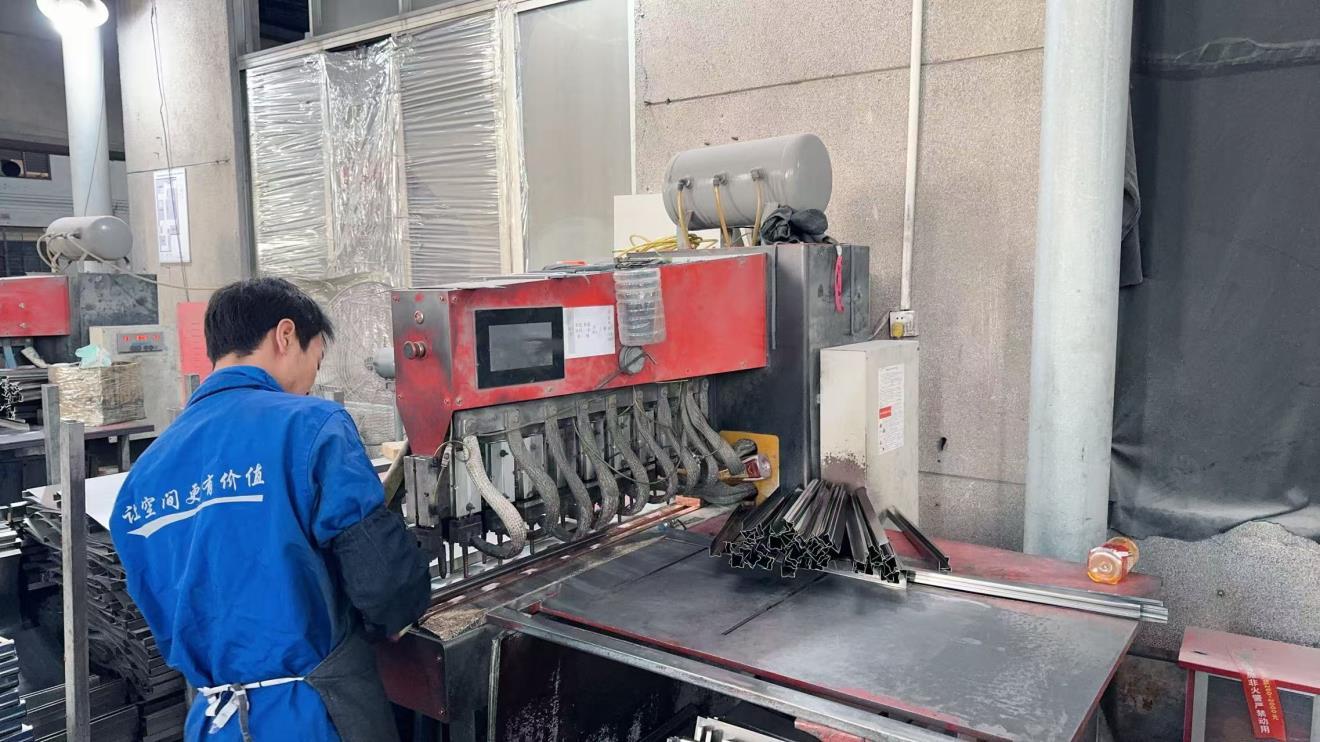
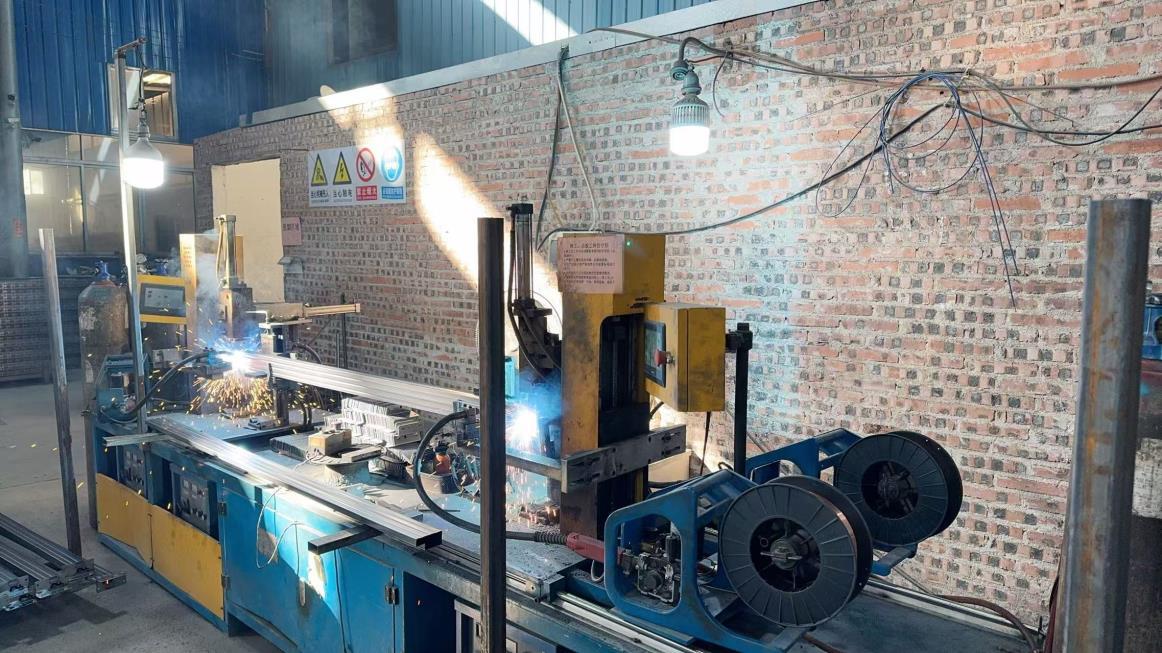
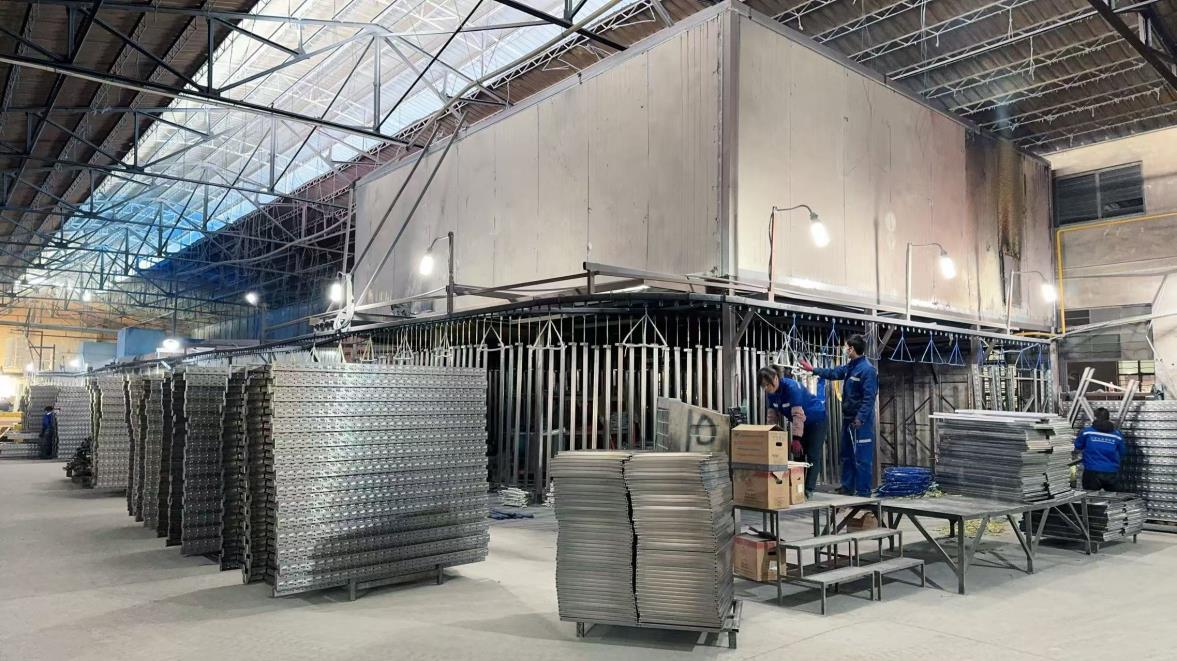
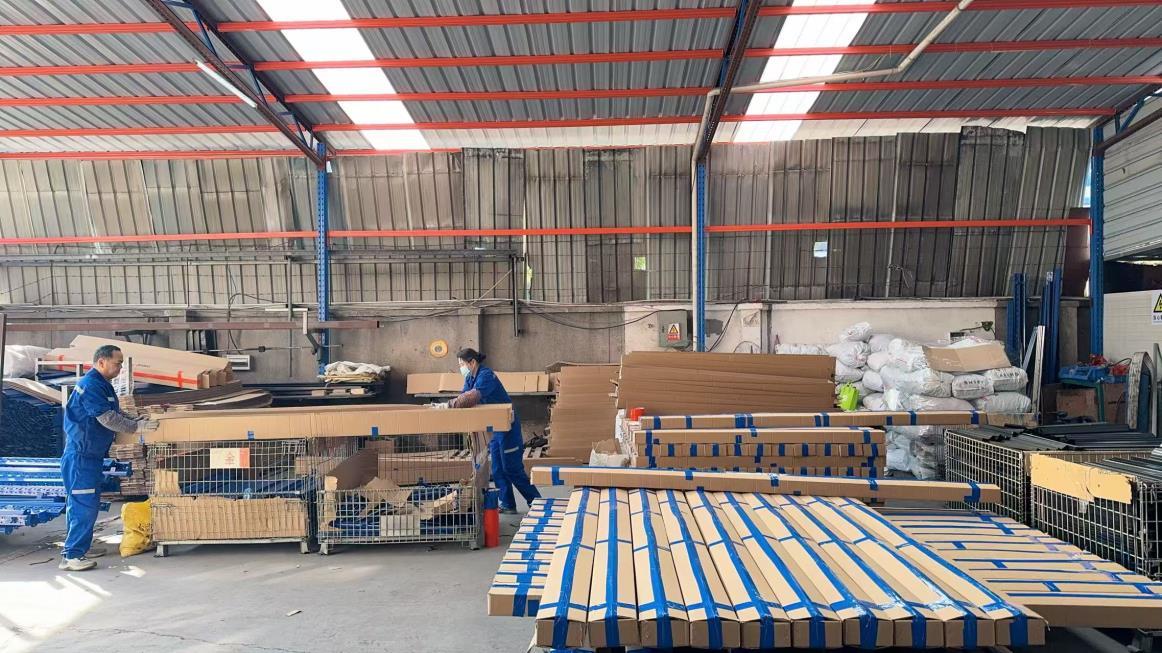
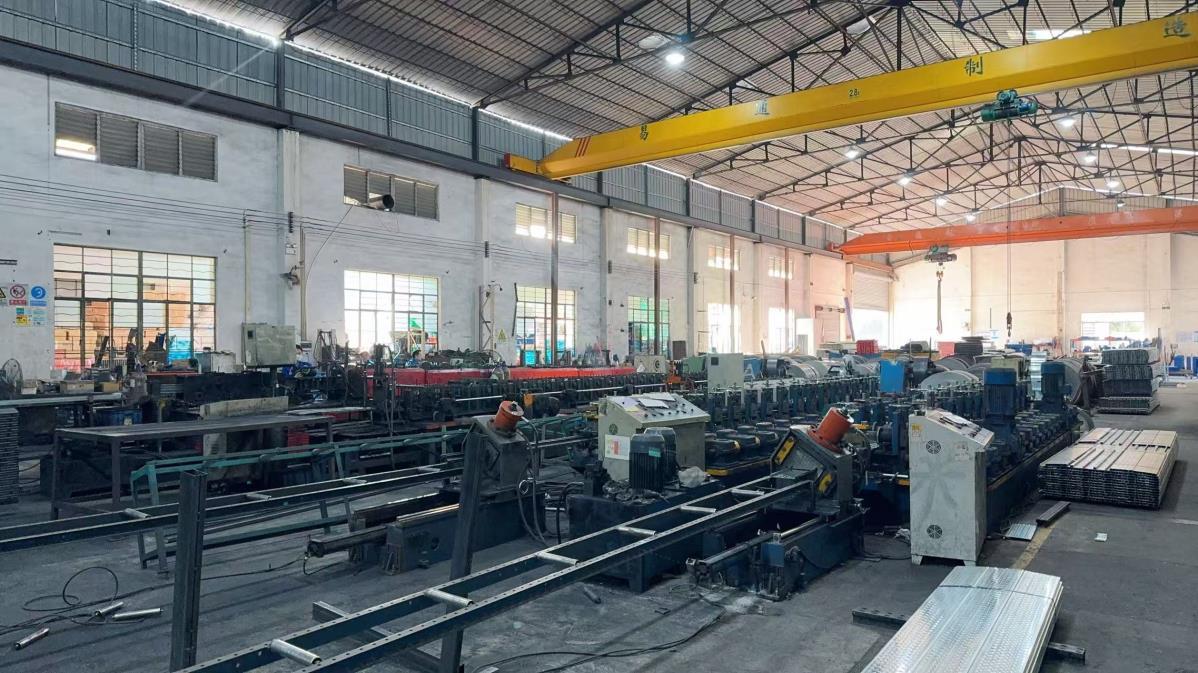
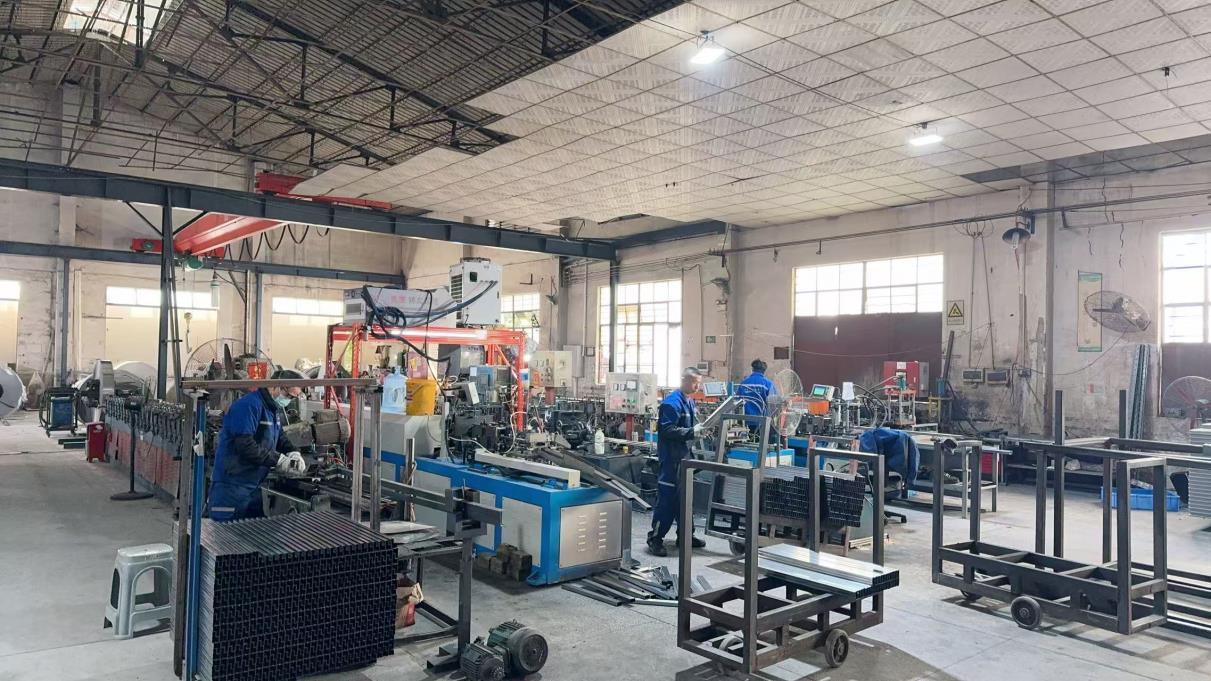
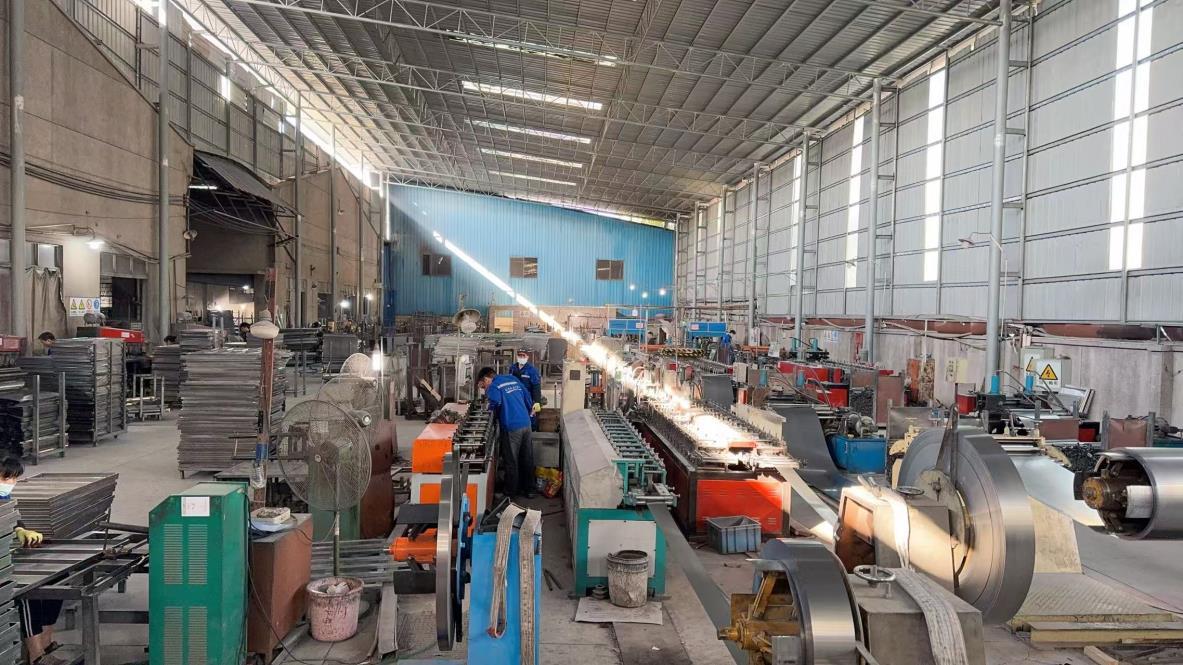
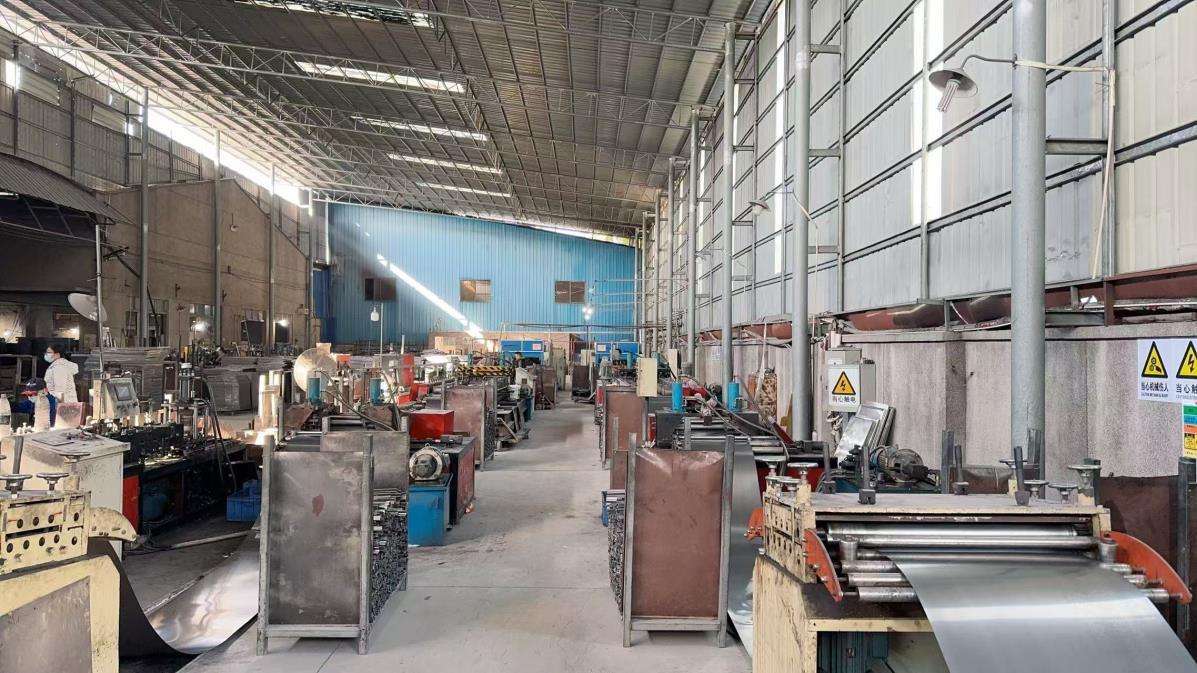
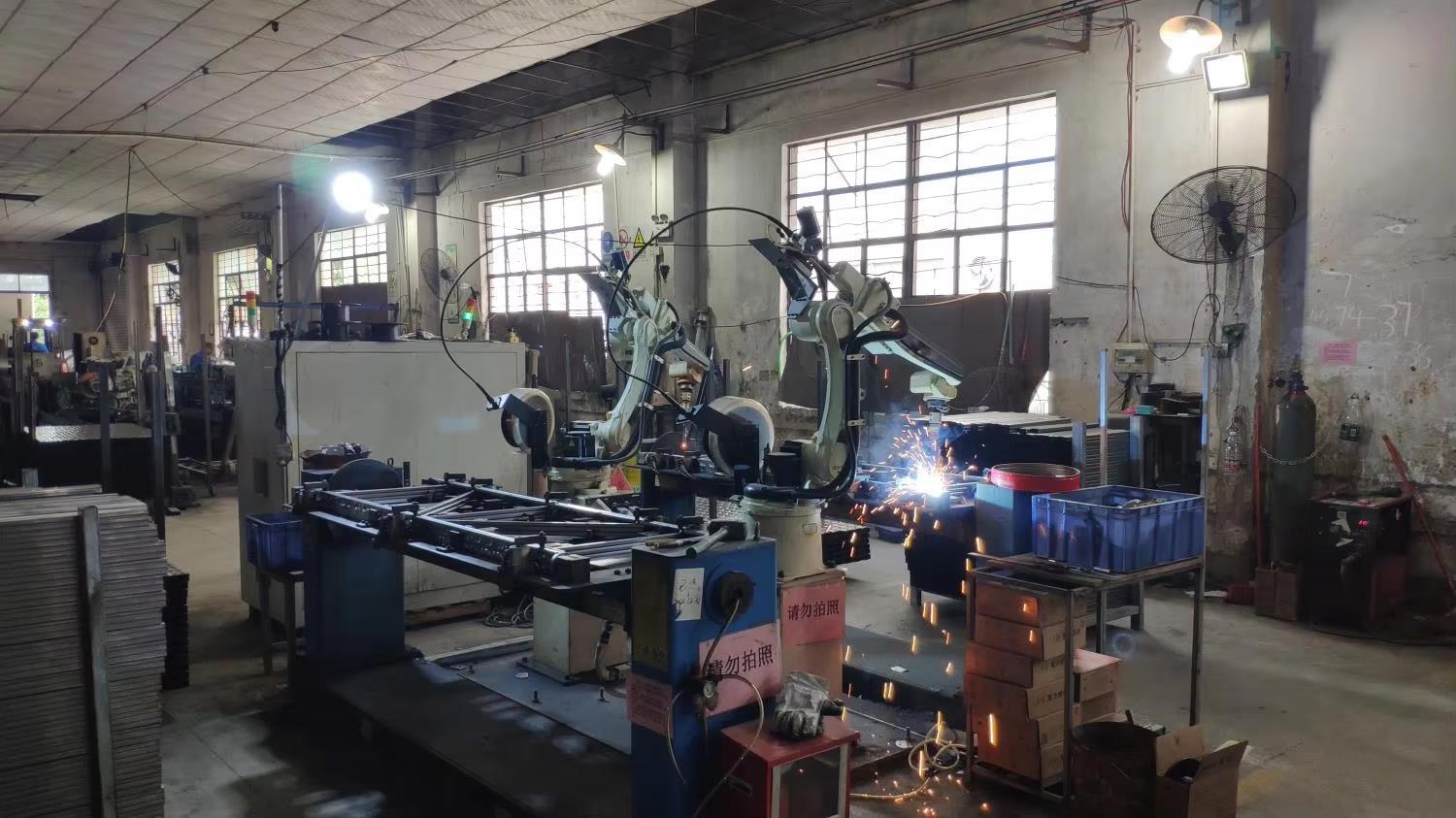
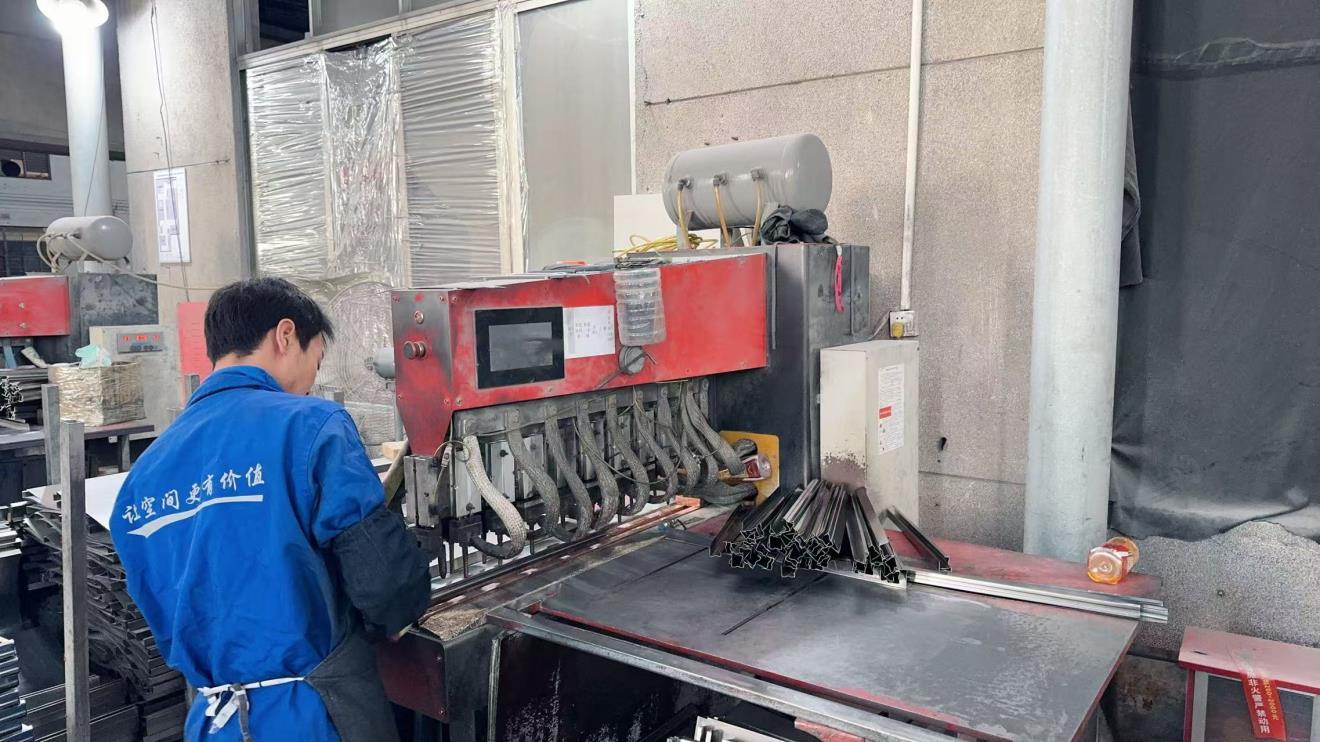
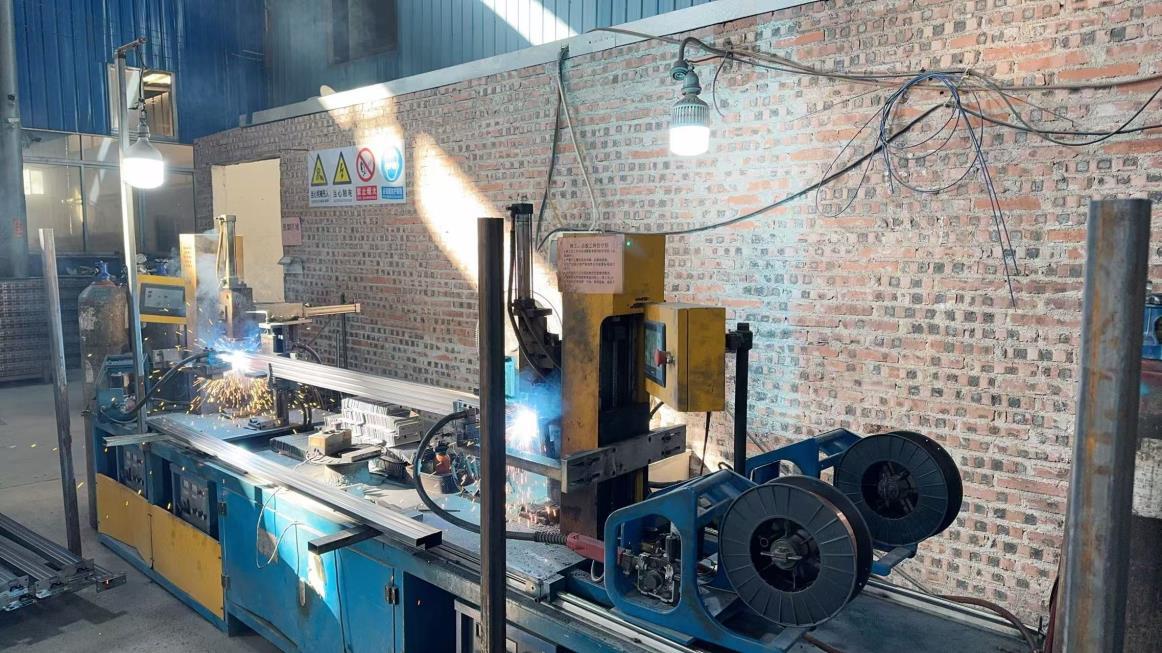
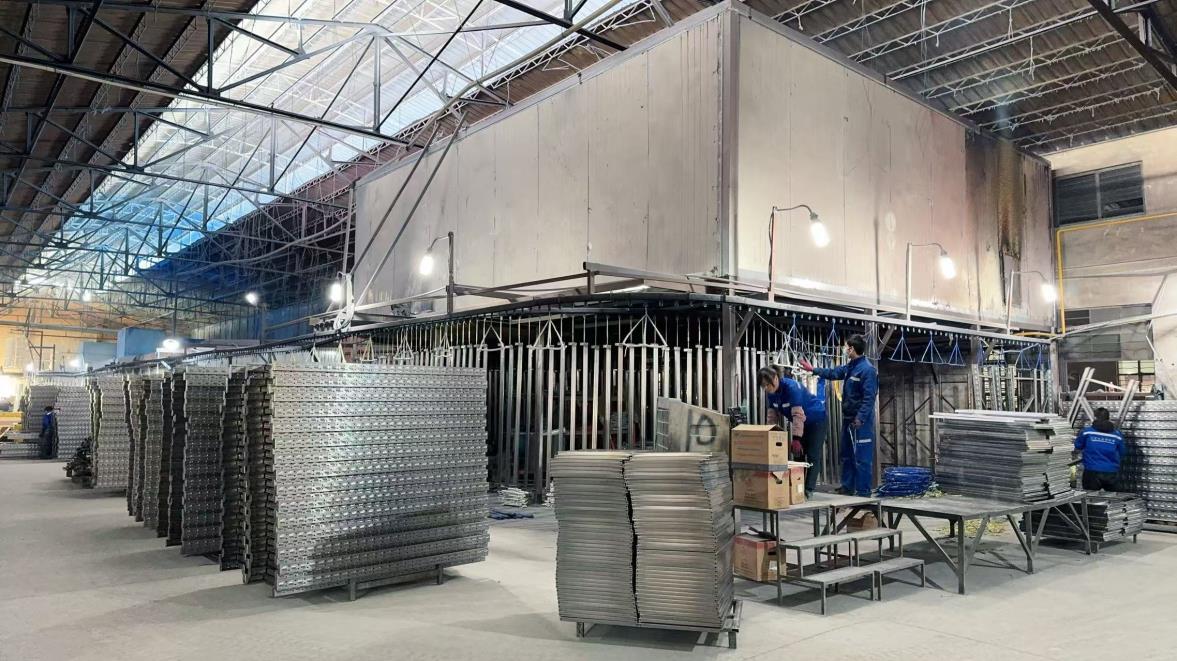
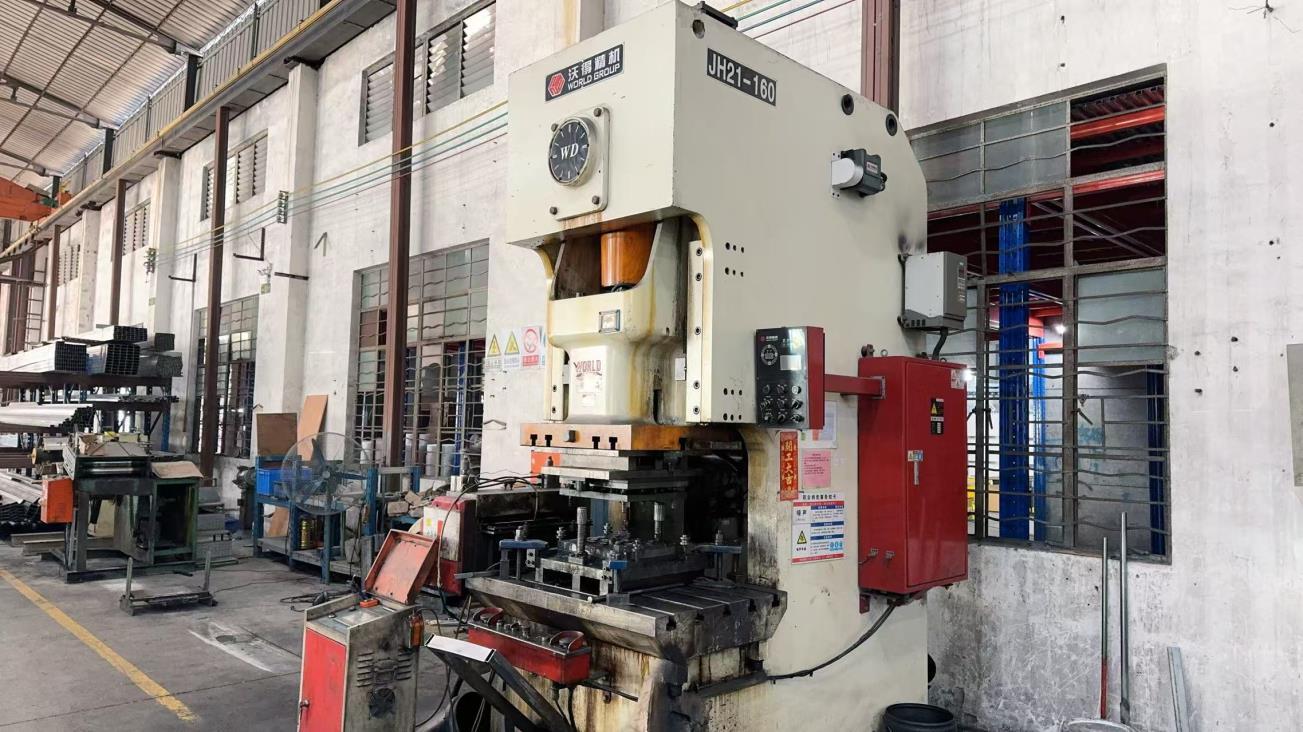
Our quality department employs 35 certified quality control inspectors who oversee manufacturing from raw steel coil arrival through final loading. Raw materials undergo structural composition verification at reception. During cold forming and punching, critical dimensions are measured every 100 meters of roll profiling. Weld integrity is verified using ultrasonic testing (UT) and magnetic particle testing (MT) to ensure dynamic load performance. Every batch of powder-coated components is tested for coating thickness (minimum 60-80 microns) and adhesion to prevent chips and rust in demanding environments.
Turnkey structural designs tailored to specific environmental and supply chain requirements.
Specifically engineered drive-in and shuttle racking systems built with impact-resistant low-temperature carbon steels (Q345D class), operating reliably at temperatures as low as -40°C.
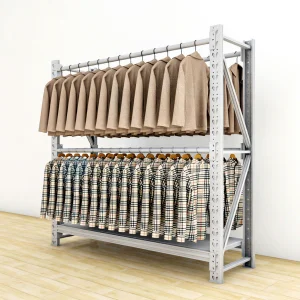
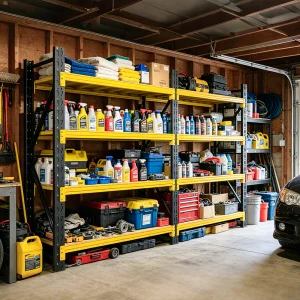
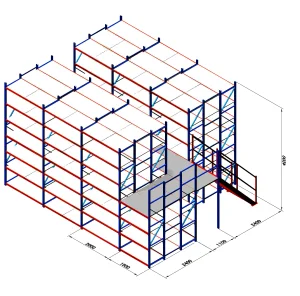
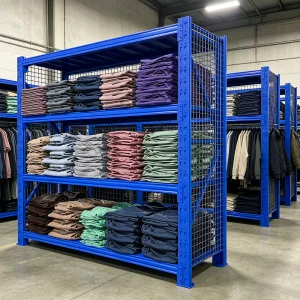
High-density multistory mezzanine systems and boltless modular shelving designed for rapid SKU access, integrating seamlessly with sorting conveyors and picking carts.
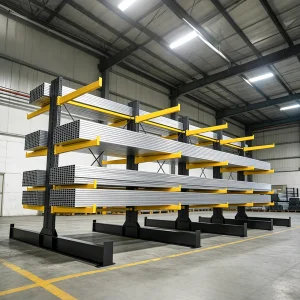
Robust structural steel pallet racking systems and heavy-duty cantilever racks designed to store long profiles, steel pipes, timber, and dies. Supporting weight configurations from 2000kg to 5000kg per level with integrated mechanical deflectors for safety.
Our long-term commitment to sustainability, structural strength, and next-generation steel engineering.
Through Finite Element Analysis (FEA) testing, Kimsuk engineers design custom steel profiles that reduce overall racking weight while maintaining full load capacities. This material optimization lowers shipping costs and carbon footprints without compromising safety.
We use dynamic simulation software to model real-world structural impacts, fork truck collisions, and localized floor loading. This ensures every rack configuration is optimized for load limits and material longevity.
We are developing racking systems with built-in digital interfaces. These allow for integrated optical alignment trackers, smart weight-sensor crossbeams, and real-time load displacement monitoring systems that sync directly with enterprise Warehouse Management Systems (WMS).
Key information regarding ordering, safety standards, load calculations, and global delivery.
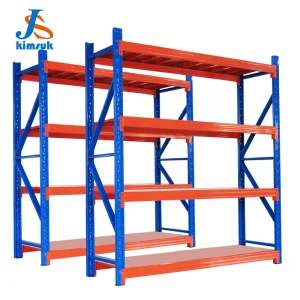
Heavy duty structural steel frames, cantilever units, and boltless modular storage rack designs.
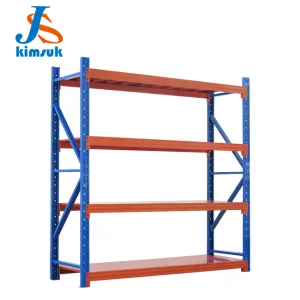
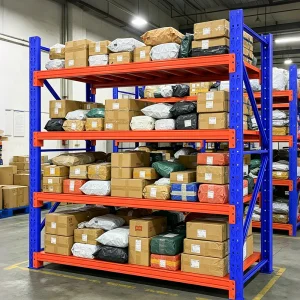
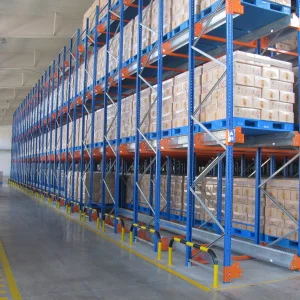
 Kimsuk Racking