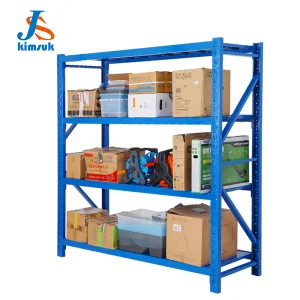
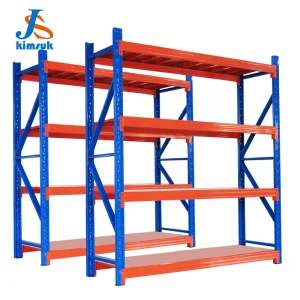
Engineered for extreme structural loads, seismic reliability, and optimized volumetric efficiency. Explore our signature product series below.
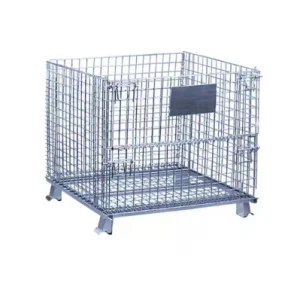
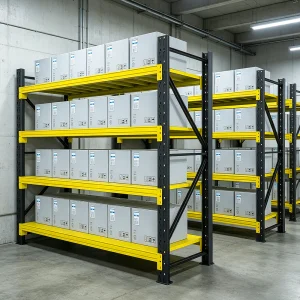
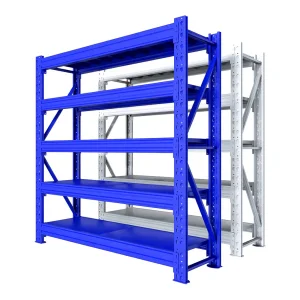
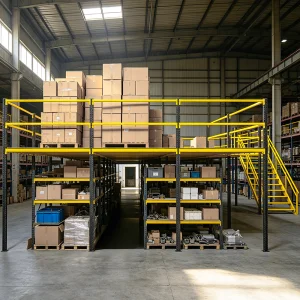
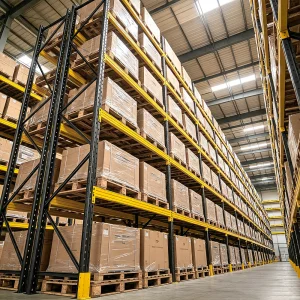
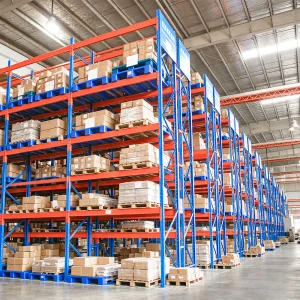
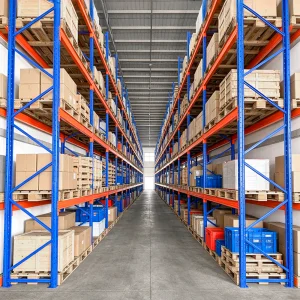
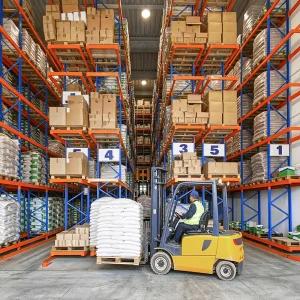
The global warehousing industry is undergoing a structural transition driven by the continuous expansion of enterprise e-commerce, the implementation of third-party logistics (3PL) models, and real estate space constraints. Modern warehouse development emphasizes vertical storage space utilization, elevating the performance requirements for heavy load racking systems to unprecedented levels. In this environment, heavy-duty racking is no longer a simple structural commodity but a critical component of dynamic, safe, and highly optimized supply chain operations.
To meet these technical demands, global manufacturers are implementing high-strength structural materials, sophisticated cold-roll-forming processes, and rigorous finite element analysis (FEA). Selecting the correct structural steel alloy (e.g., Q355B or Q235B steel) is vital to ensure long-term durability, prevent weld fatigue, and mitigate catastrophic structural failure risks. Consequently, sourcing reliable systems from experienced heavy load racking suppliers with certified production capabilities is a primary requirement for enterprise safety audits.
Modern warehouses require localized seismic load calculations. Heavy-duty uprights must be engineered with custom base plates, heavy brace profiles, and secure anchors compliant with local building codes, preventing collapses during seismic activity.
As logistics facilities transition toward automation, racking systems must maintain structural tolerances under 1.5mm to allow automated storage and retrieval systems (AS/RS), stacker cranes, and automated guided vehicles (AGVs) to operate without collision.
From sub-zero cold food chain facilities to hot, high-humidity manufacturing plants, high-quality electrostatic powder coating or hot-dip galvanization is necessary to prevent structural corrosion and ensure long-term structural integrity.
China is a primary hub for global steel production and precision manufacturing, offering structural engineering and industrial equipment advantages. Chinese heavy-duty racking factories combine complete steel supply chains, automated roll-forming technologies, and direct access to major global shipping ports (such as Shenzhen and Guangzhou). This localized manufacturing infrastructure provides competitive lead times and cost-effective shipping for global logistics projects.
A premier manufacturer specializing in heavy-duty industrial warehouse racking systems, automated storage solutions, and customizable steel shelving.
Operates under ISO 9001:2015 Quality Management Systems. Products comply with European CE structural standard directories and relevant international load-bearing safety certifications.
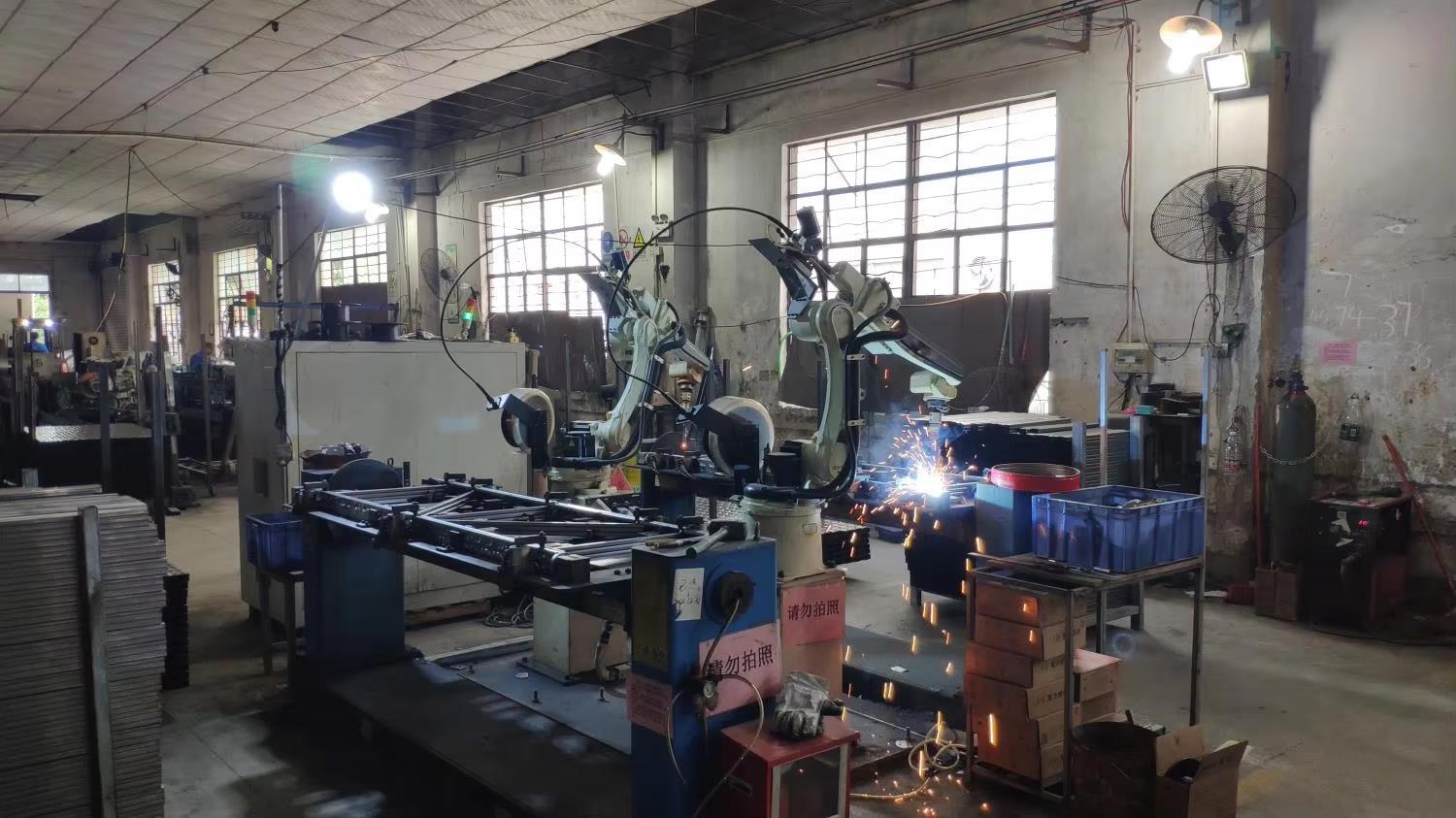
Quality assurance includes non-destructive ultrasonic testing, automated ultrasonic weld flaw detection, coating thickness verification, surface salt spray corrosion testing, and structural static/dynamic load testing.
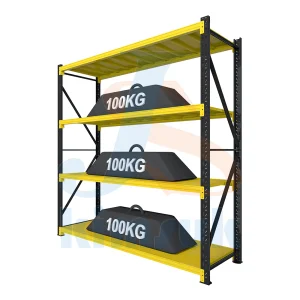
Provides custom dimensions, load capacities, powder-coated colors, seismic structural upgrades, and modular automated racking interfaces. Engineering tools include CAD/3D BIM Warehouse Modeling and Finite Element Analysis (FEA).
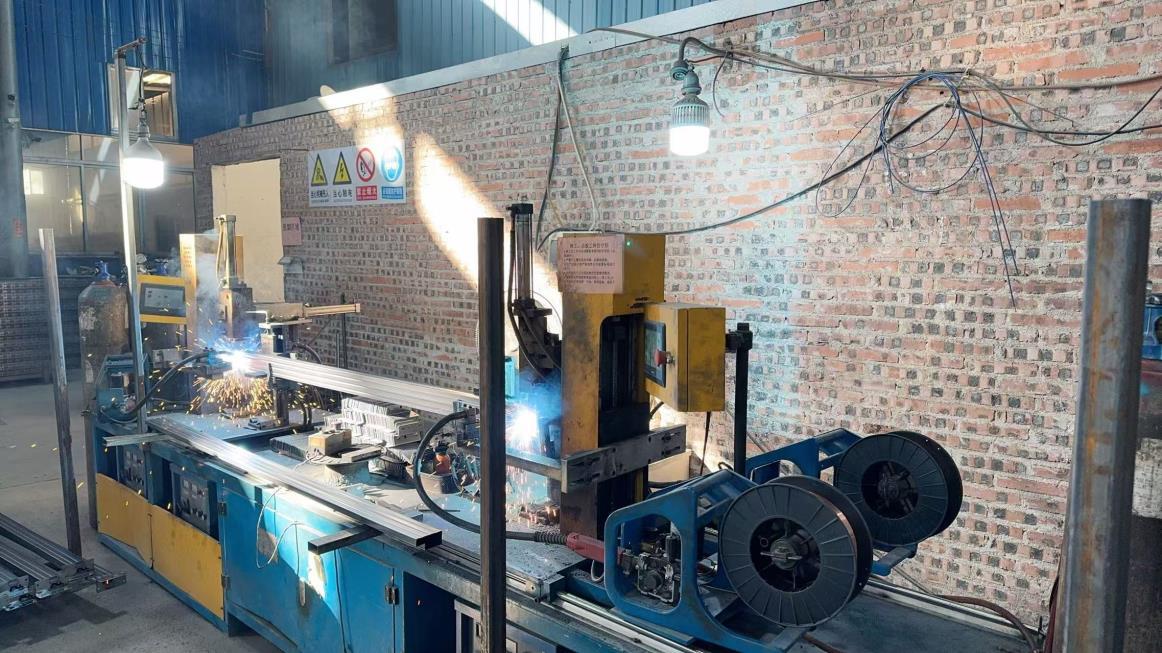
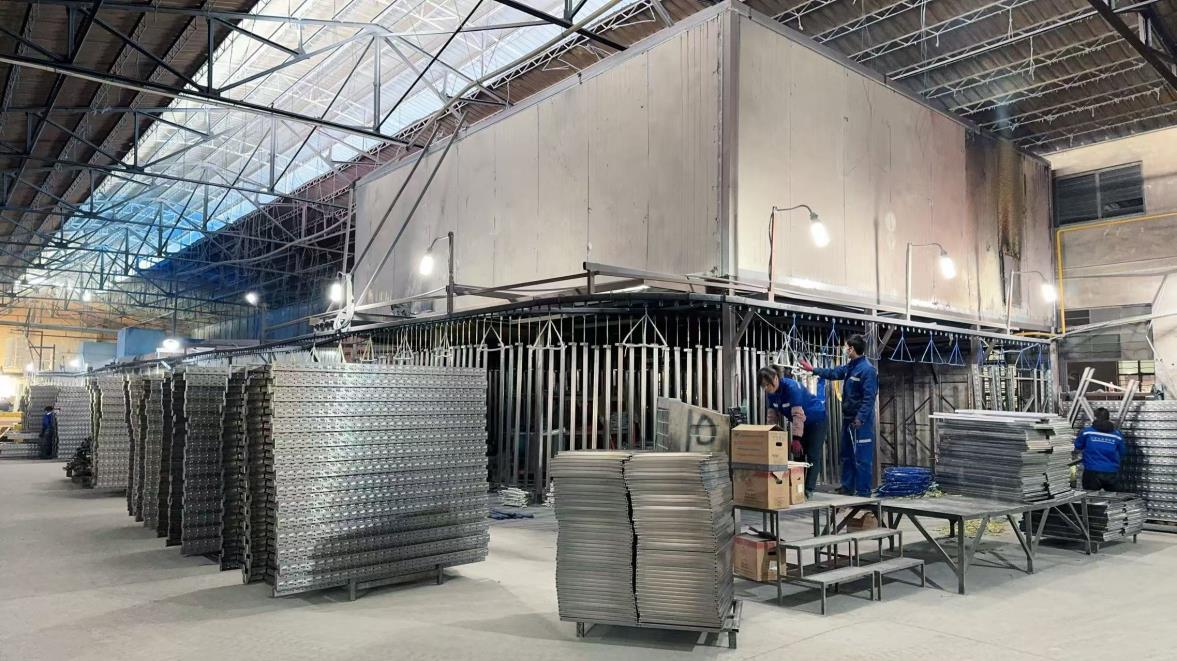
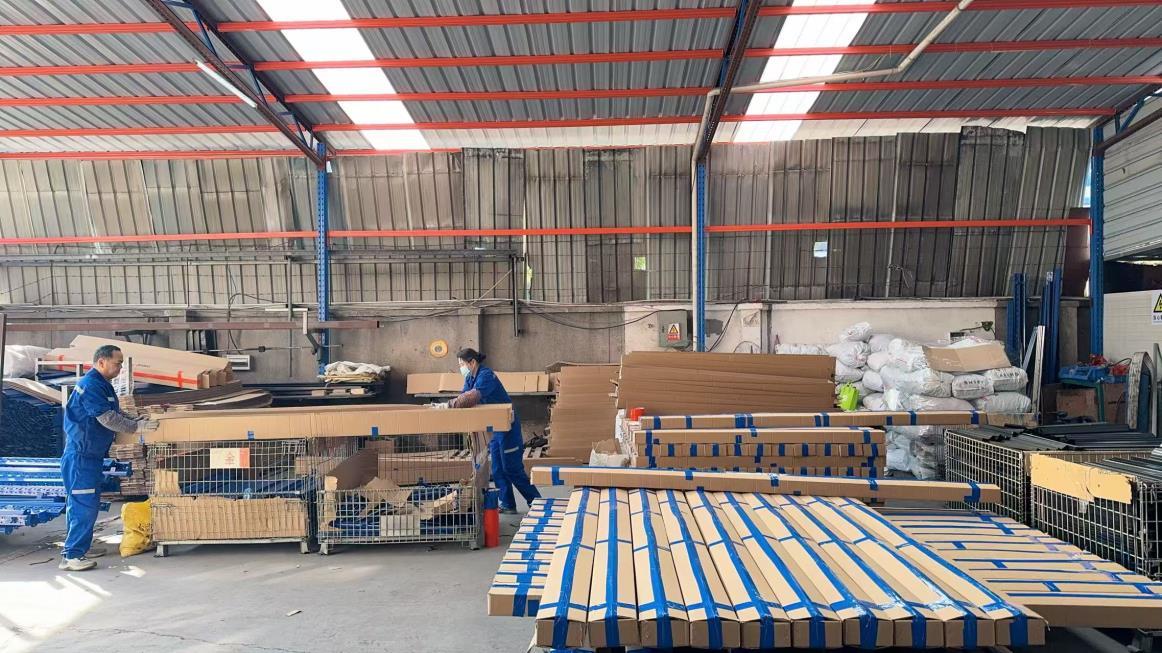
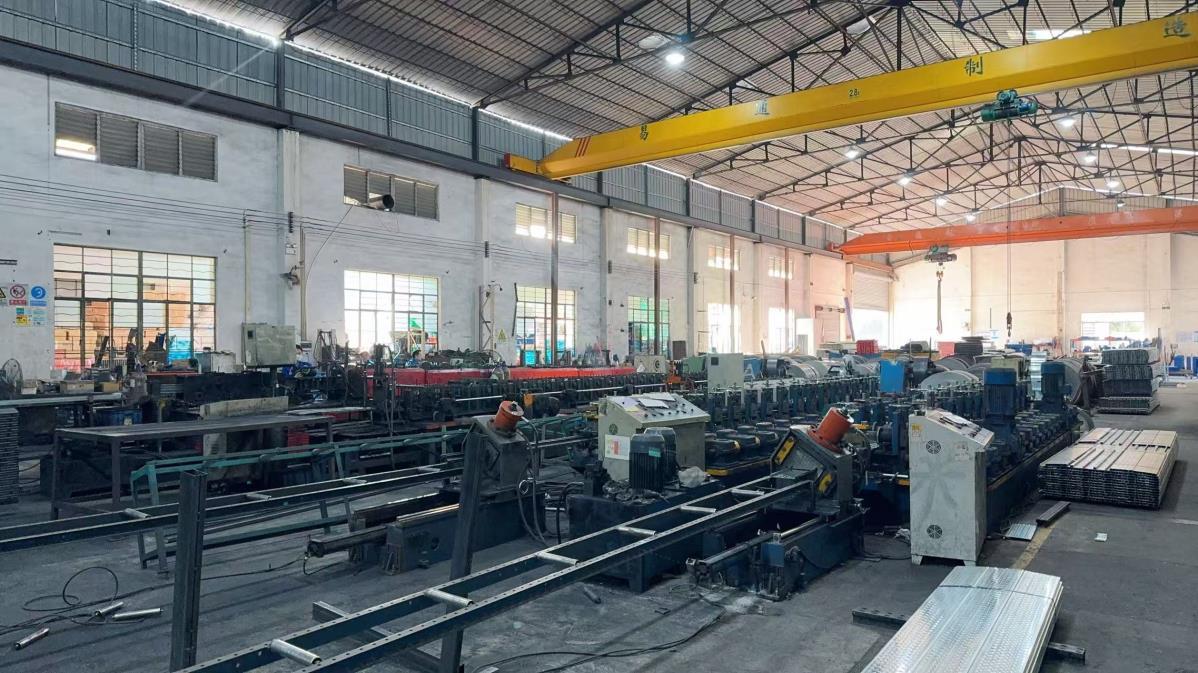
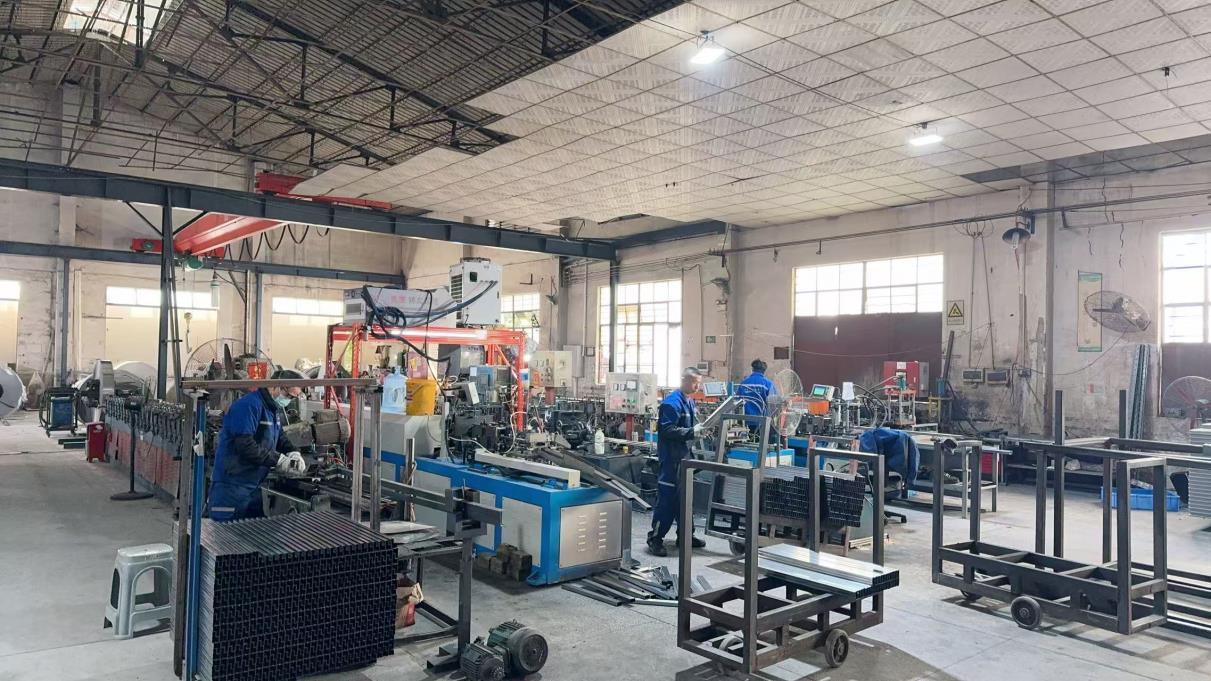
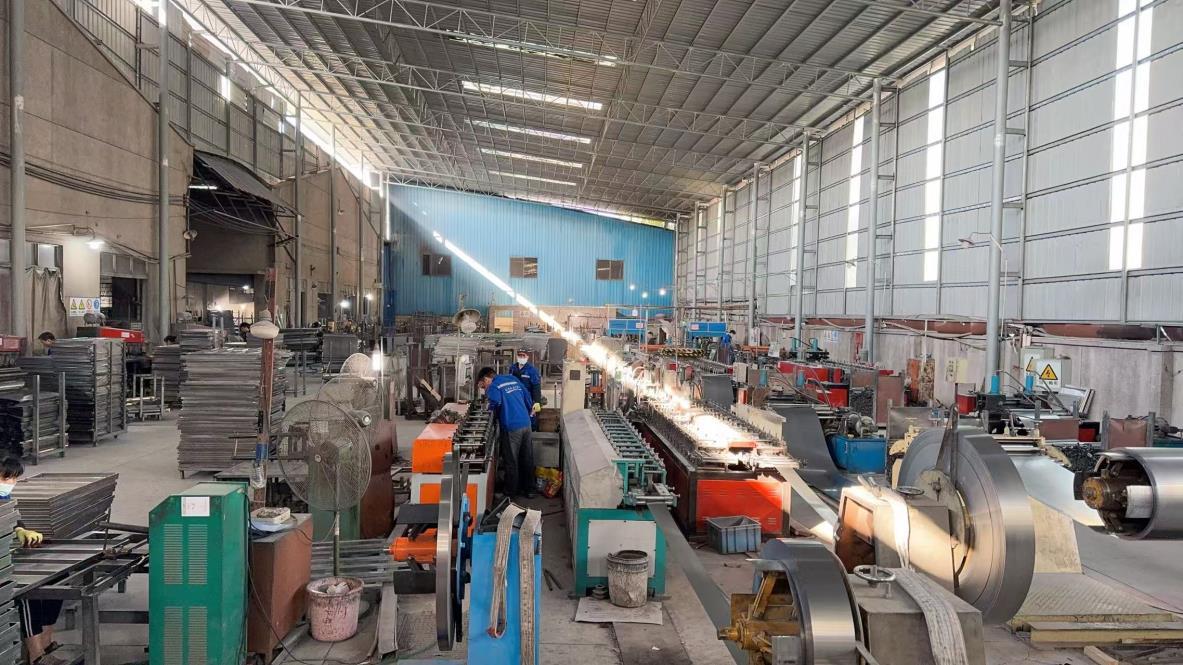
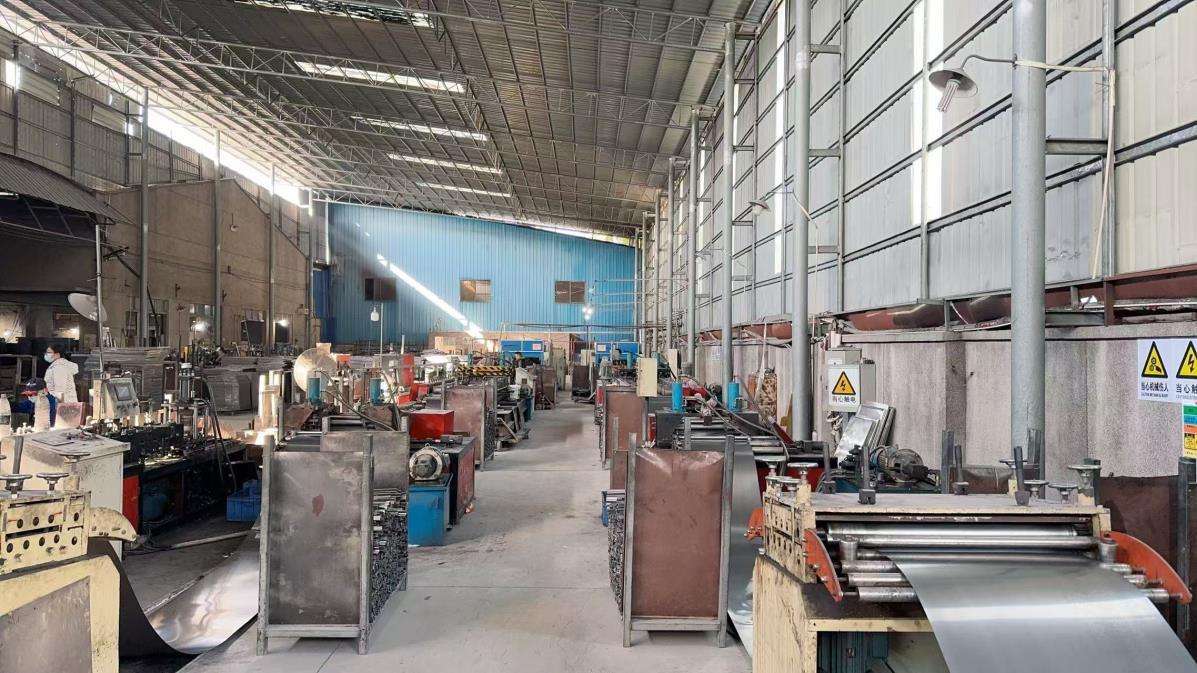
From raw steel coils to the finished products, our production line uses automated machinery to ensure structural performance.
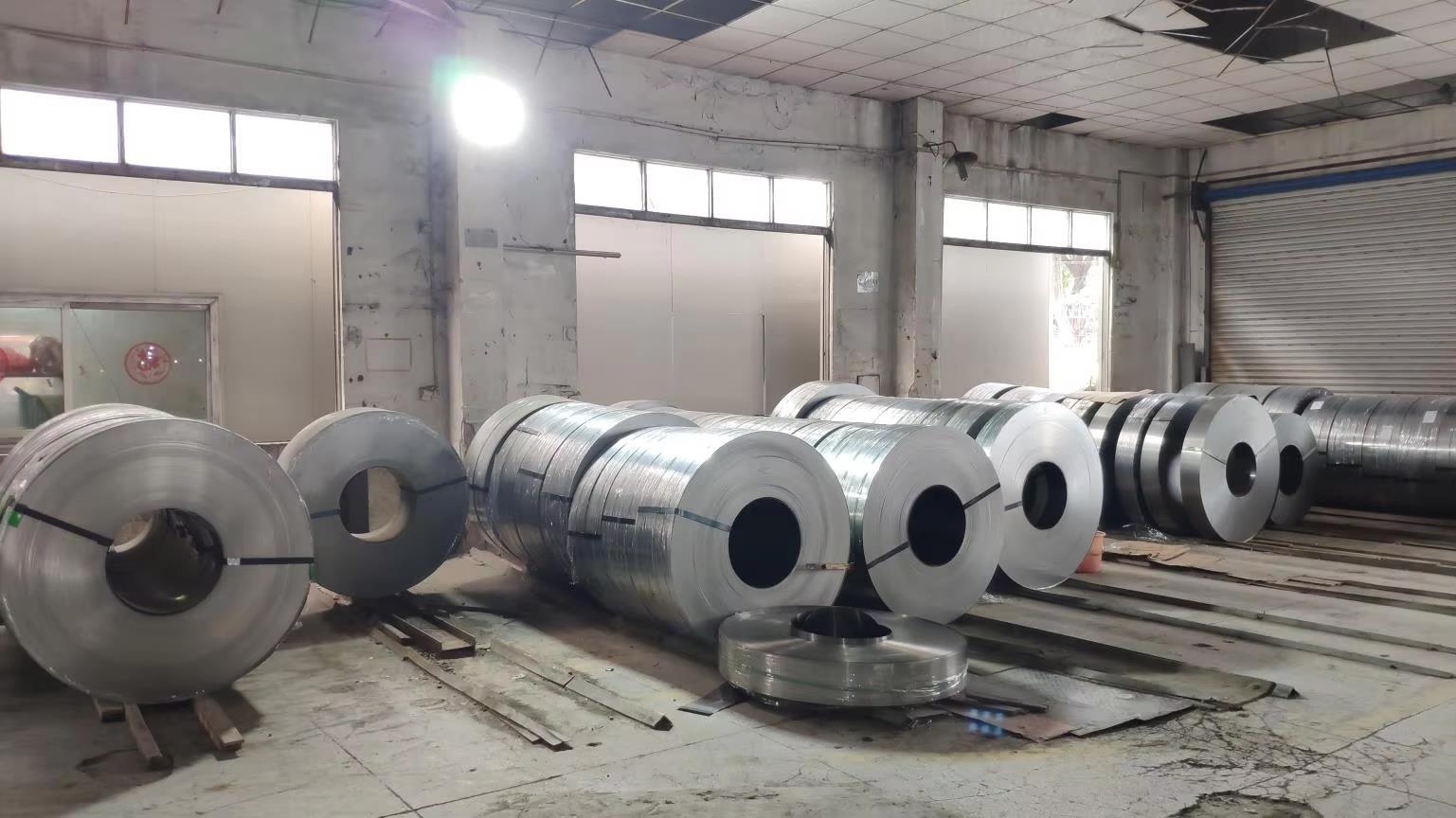
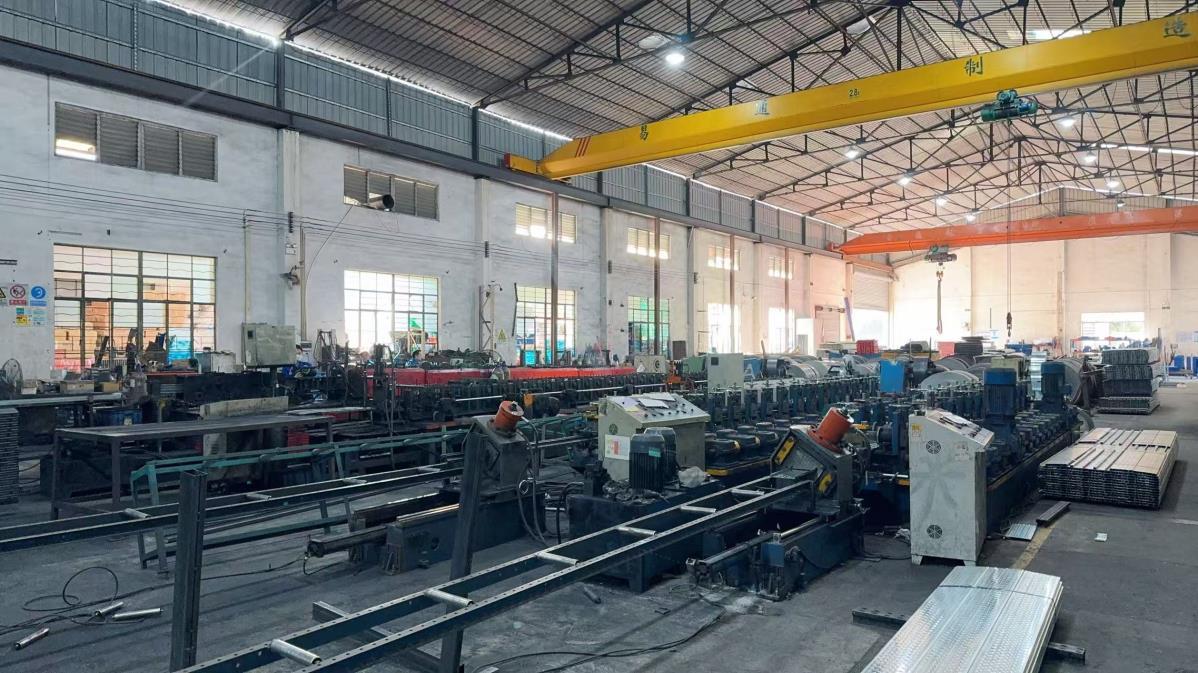
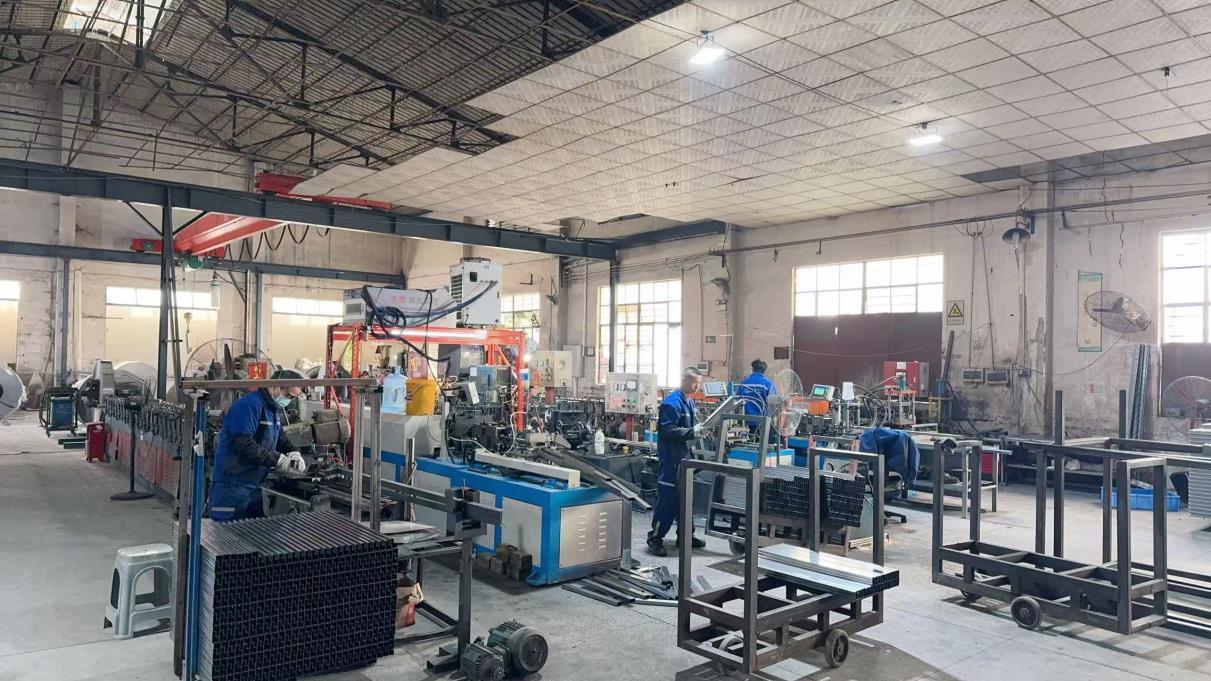
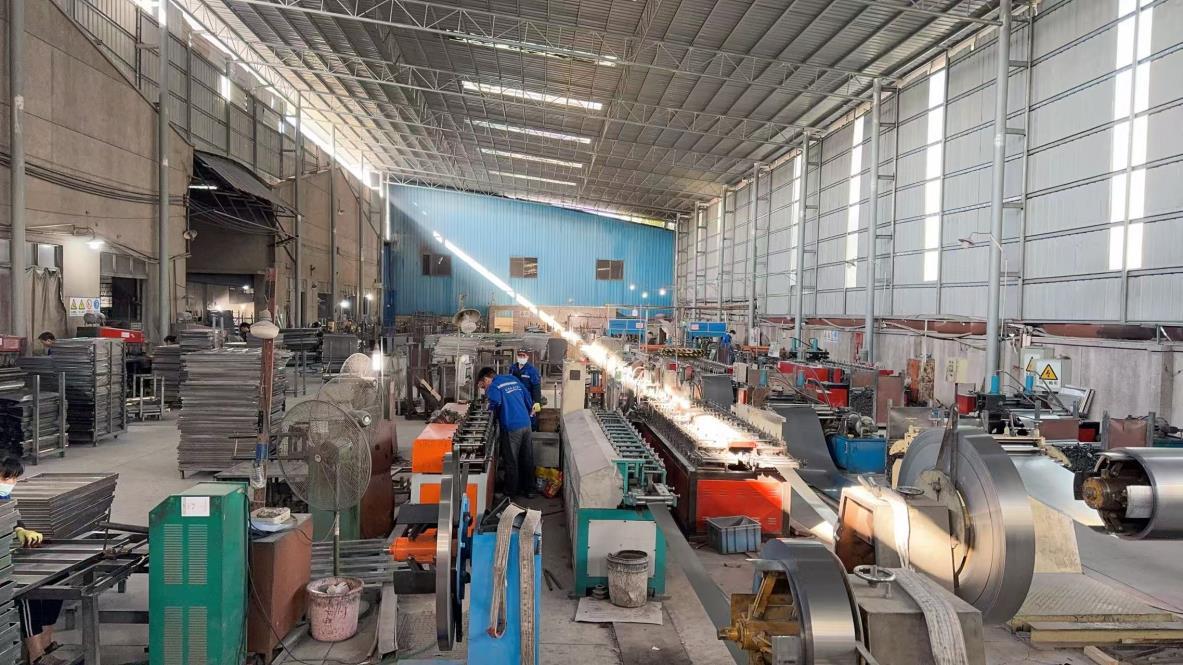
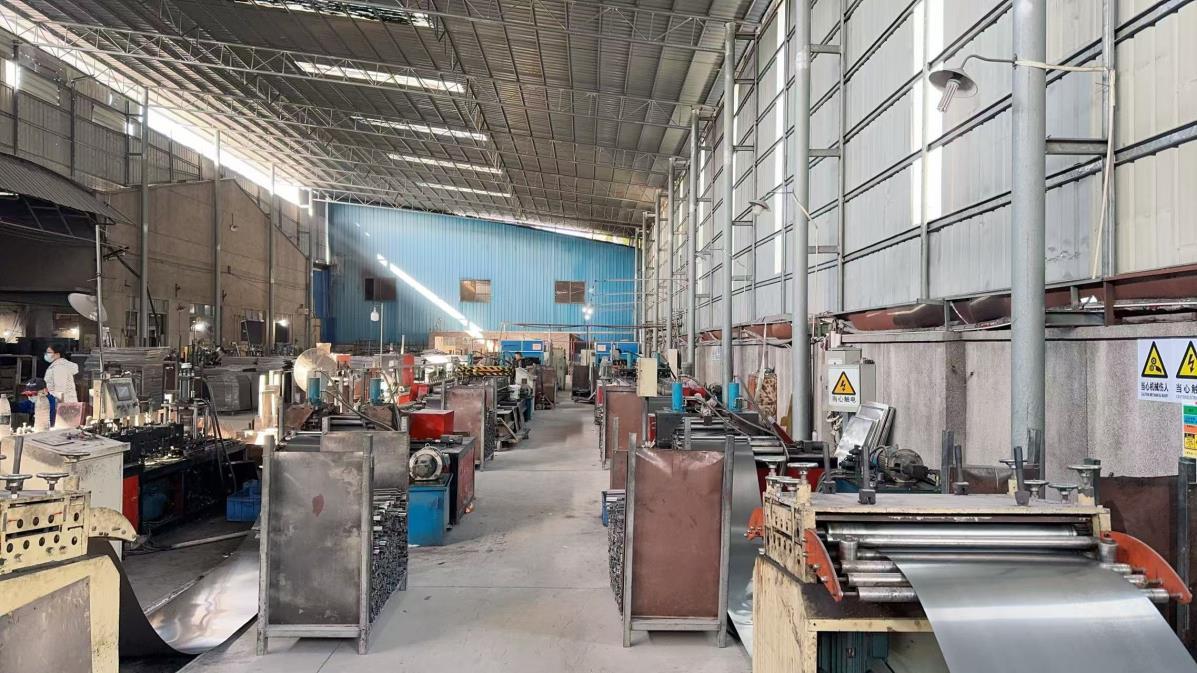
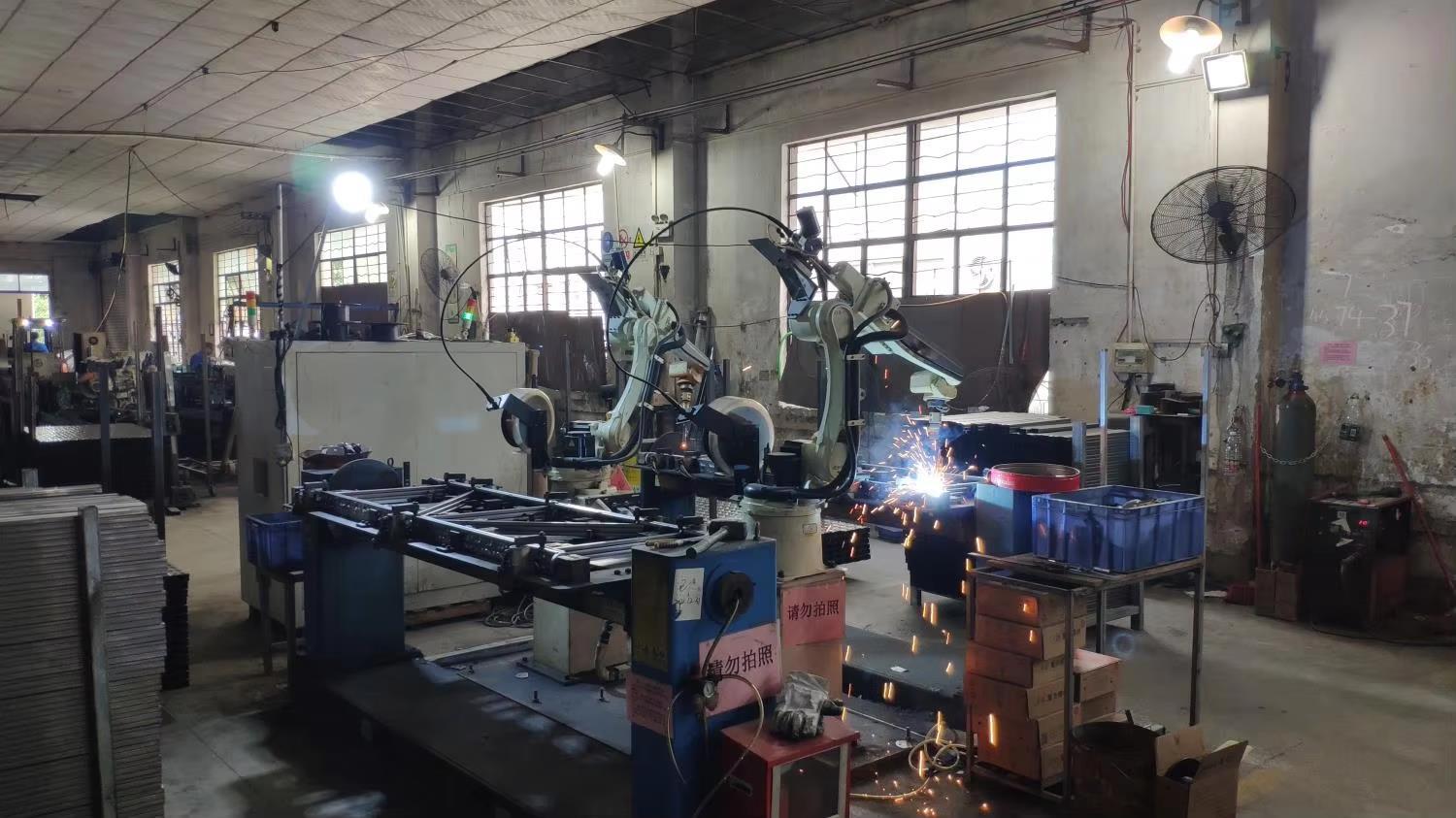
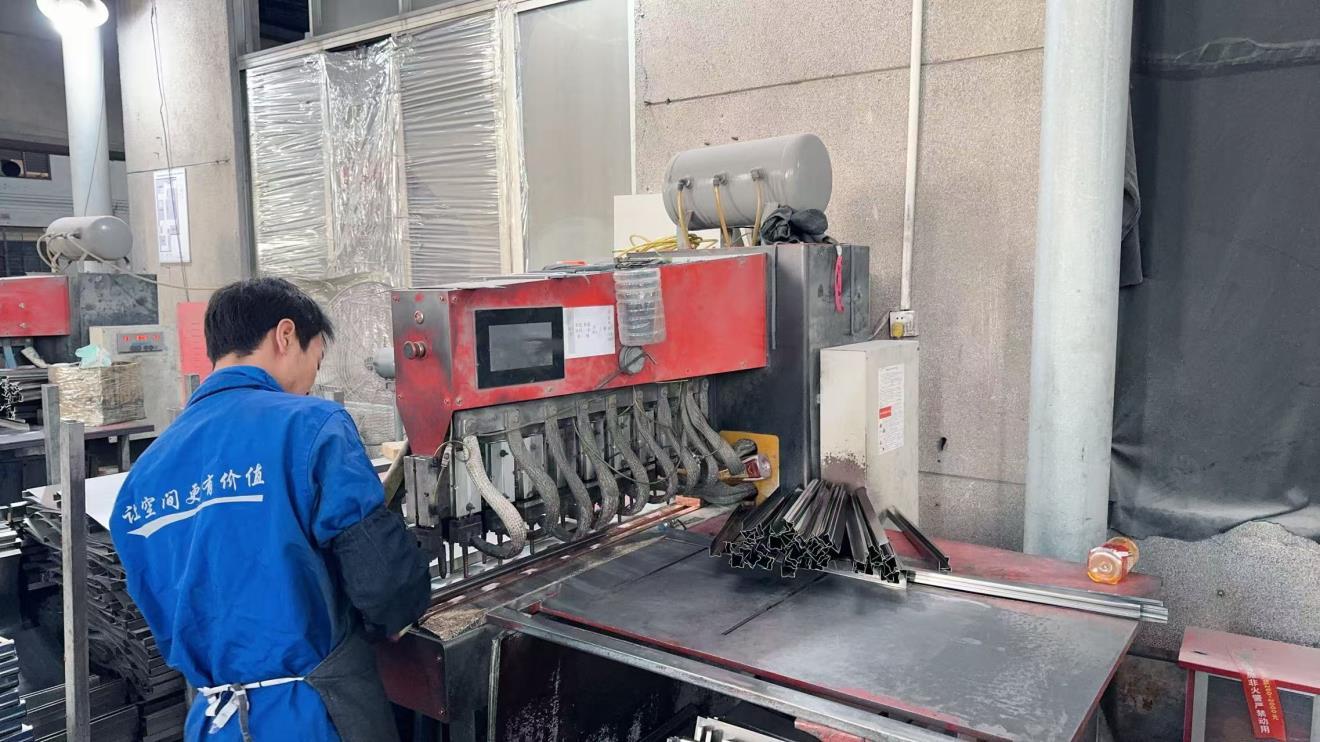
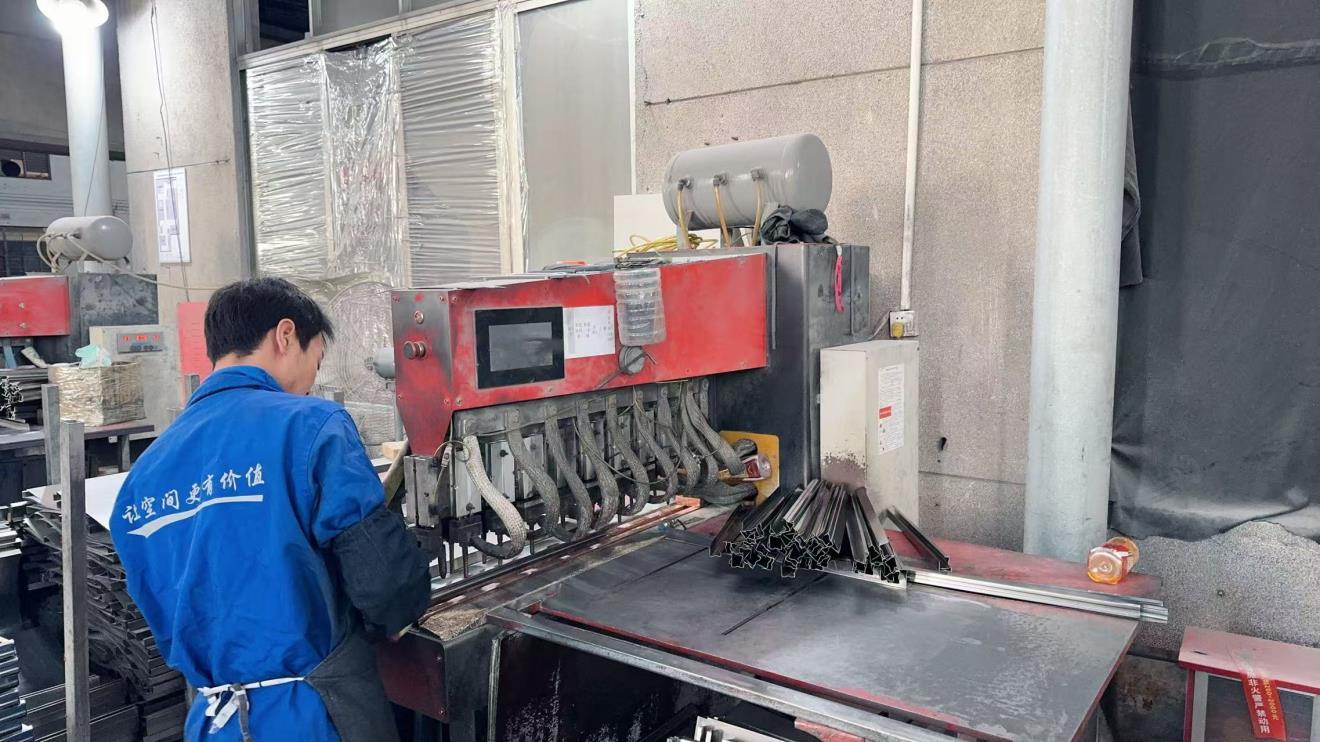
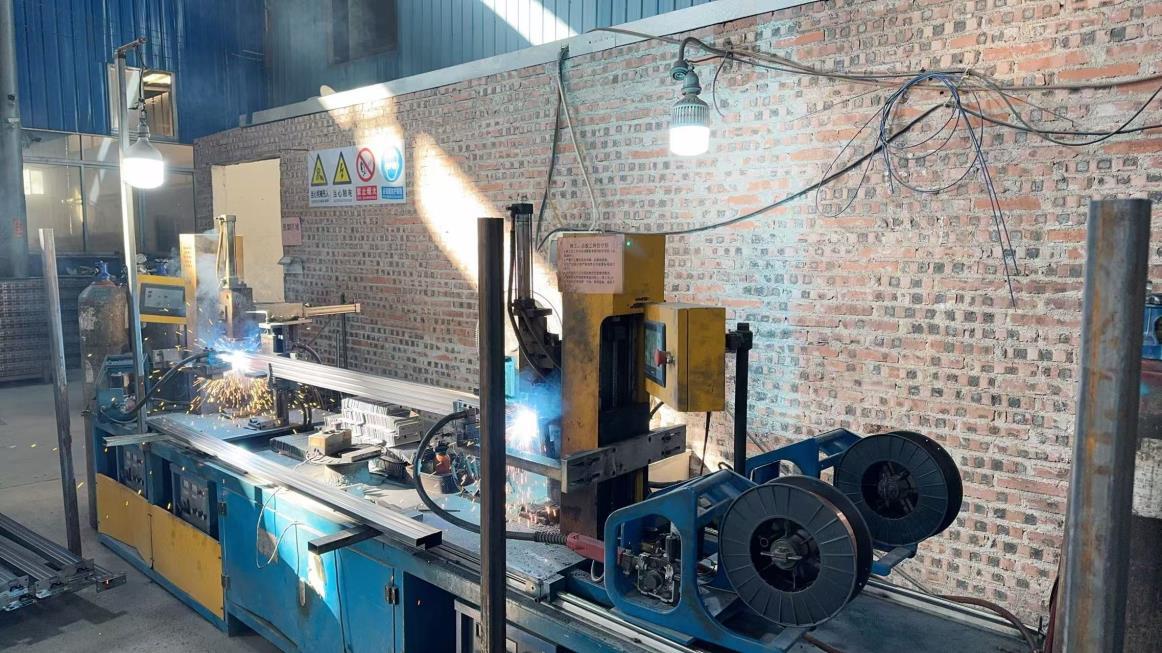
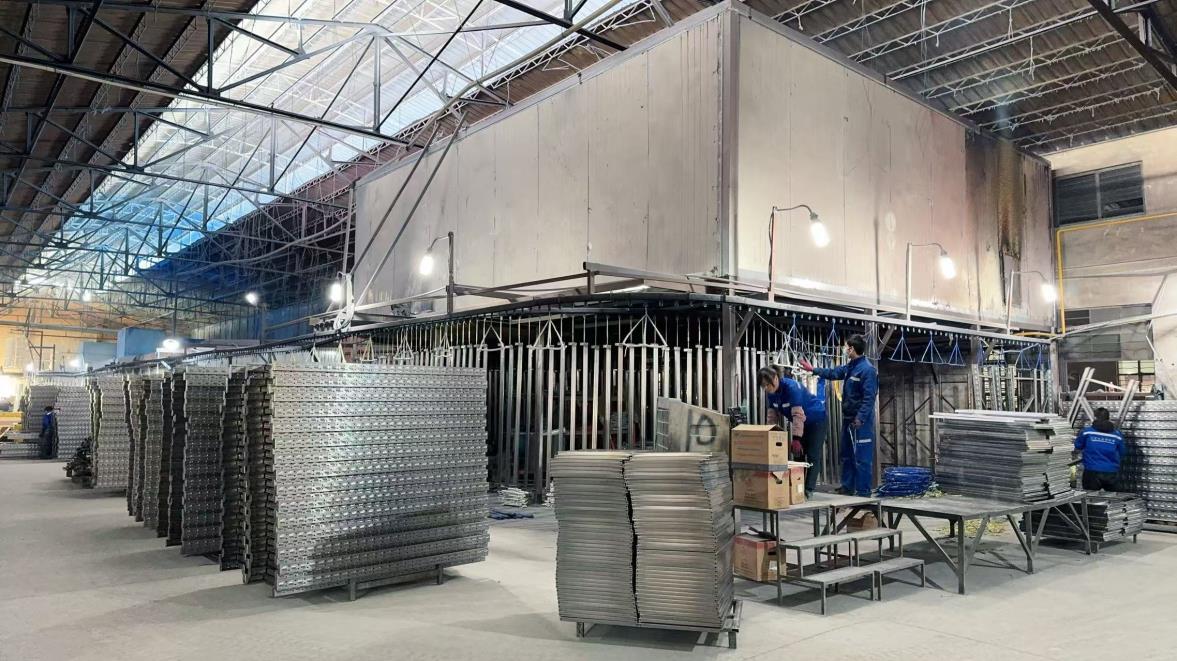
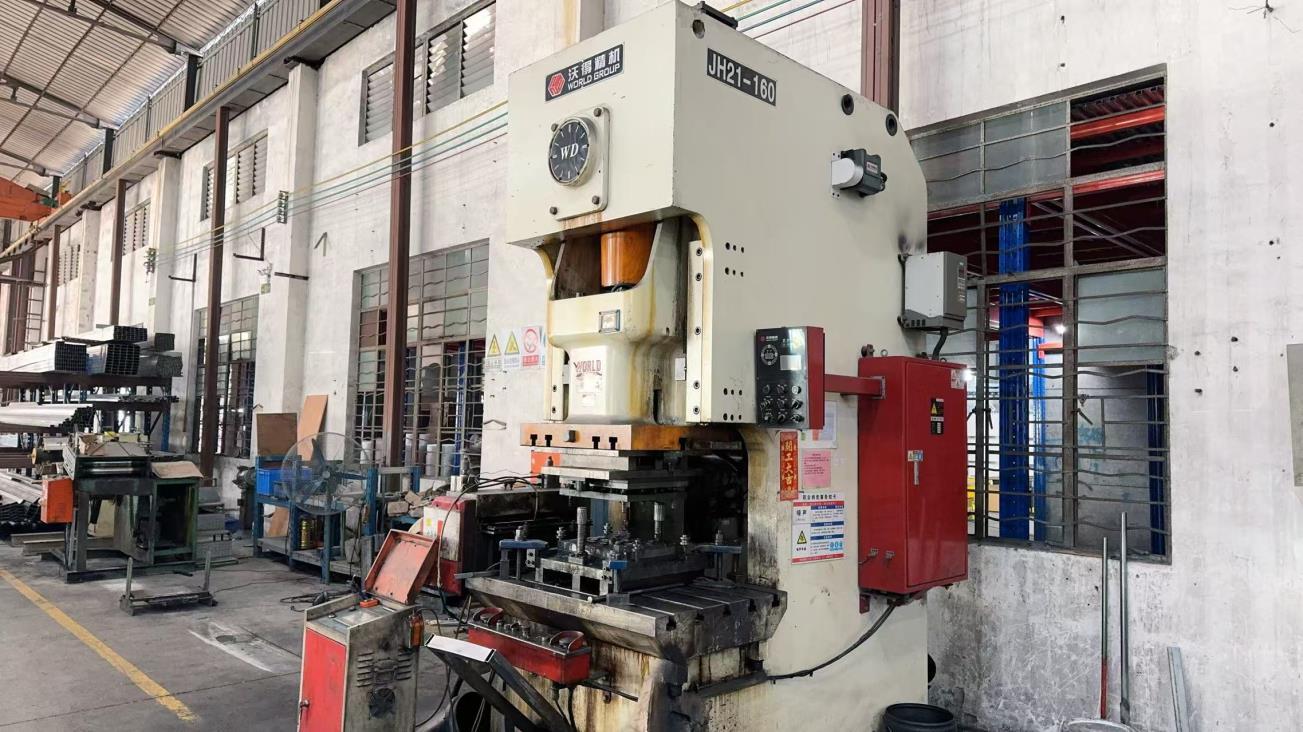
Heavy-duty storage systems require customization based on environmental factors, handling machinery, and material movement velocity. Standard layouts are rarely sufficient for complex logistics centers. Below are the key localized application scenarios for our heavy-duty racking systems:
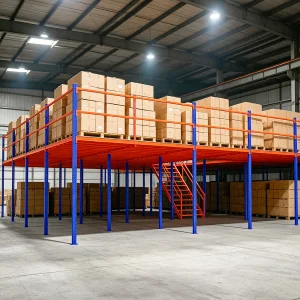
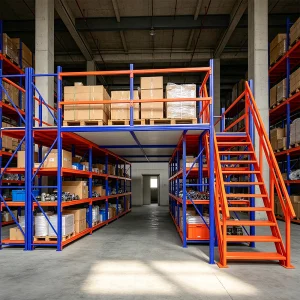
E-commerce hubs utilize automated multi-tier mezzanine platform systems to divide vertical space into multi-level picking areas. Integration with conveyor systems, spiral slides, and automated sorters increases processing throughput while maintaining accessibility to individual bins.
High-density selective pallet racking for cold storage is designed to withstand temperatures down to -30°C. Steels with specific low-temperature impacts are selected to prevent cold embrittlement, and the design optimizes space usage to minimize cooling energy costs.
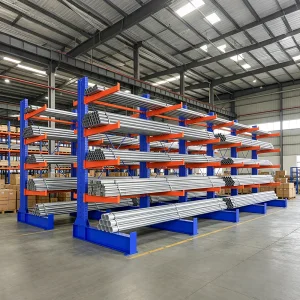
Heavy industrial facilities utilize heavy cantilever racking systems to organize long, irregular products like steel bars, copper tubing, sheets, and engine blocks. These structures employ heavy rolled structural steel members designed to withstand point loads from crane loading.
Modern warehouse design is evolving with developments in supply chain engineering, digital systems, and automation. Racking networks are transforming from static storage frameworks into integrated components of smart material-handling complexes.
1. Digital Twin Simulation: Advanced finite element models are paired with real-world sensor arrays to generate operational digital twins. By analyzing stress distribution patterns, warehouse managers can predict potential structural failures caused by forklift collisions or load exceedances before structural damage occurs.
2. Ecological and Sustainable Powder Coating Systems: Global manufacturing regulations require manufacturers to transition to zero-VOC, heavy-metal-free electrostatic powder coatings. This reduces environmental impact during production and ensures the coating is non-toxic for storage applications in food, medical, and consumer goods distribution.
3. Adaptive Automated Shuttle Racking (Radio Shuttles): Radio shuttle systems replace traditional drive-in racking by using semi-automated cart shuttles to transport pallets within deep storage lanes. This design reduces forklift travel times, decreases the potential for rack damage, and increases volumetric density by up to 80% compared to standard layout formats.
Sourcing heavy-duty industrial storage systems requires analyzing technical specifications to ensure workplace safety, regulatory compliance, and operational compatibility. Sourcing teams can utilize this checklist to evaluate prospective manufacturing partners:
Technical insights, installation instructions, and design considerations from our senior structural engineering team.
High-strength structures engineered to optimize warehouse storage space, load safety, and logistics flow.
 Kimsuk Racking