For global buyers, choosing the right Stacking Systems involves more than comparing storage capacity. Warehouse size, pallet dimensions, forklift access, product rotation, and local safety requirements all influence the final decision. A narrow aisle may increase density, but it can also slow handling. A wider layout may reduce capacity, yet improve daily movement.
This guide examines common options, including selective pallet racking, drive-in systems, push-back racking, pallet flow racking, and mobile storage solutions. Each type serves a different operational purpose. Selective systems support fast access to many stock-keeping units. Drive-in designs suit large quantities of similar products. Pallet flow systems can support first-in, first-out rotation when properly configured. Push-back racking offers useful depth without completely removing access flexibility.
Small details matter. A 1,000-kilogram pallet needs more than a strong-looking frame. Beam ratings, upright protection, floor conditions, and forklift turning space must be verified by qualified professionals. Buyers should request structural calculations, installation records, load plaques, inspection procedures, and references from comparable facilities. Local building codes and seismic conditions also deserve careful review.
No system is perfect. A high-density design may create slower picking or more complex maintenance. Even experienced buyers can overlook future product changes. That deserves reflection. The best choice is usually the system that balances capacity, safety, access, and long-term service support. Reliable suppliers explain limitations clearly, provide traceable documentation, and help buyers plan inspections, replacement parts, and safe operator training.
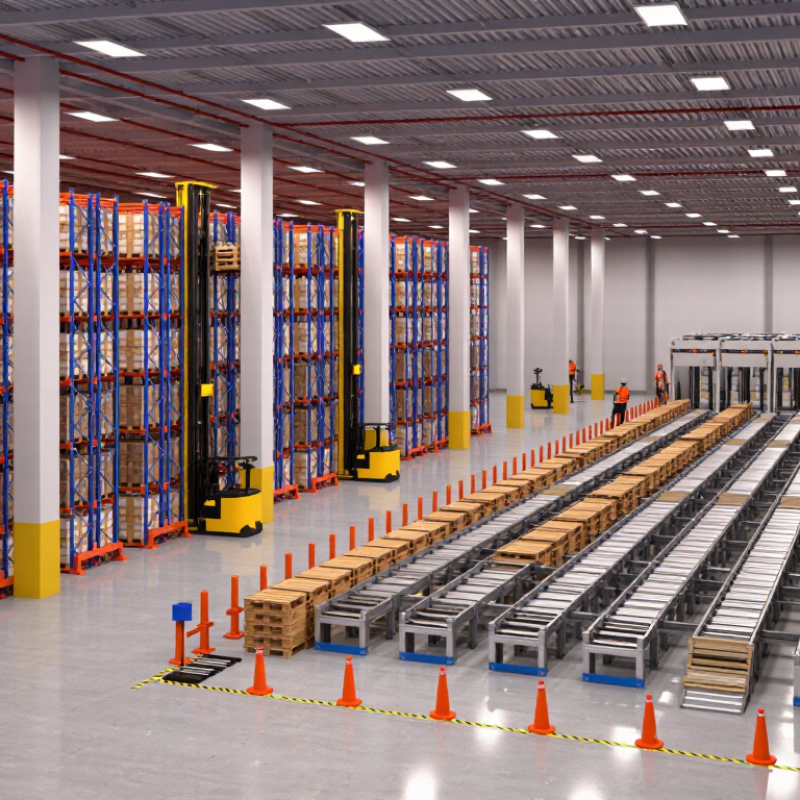
Top Types of Stacking Systems for Global Buyers
A stacking system organizes goods vertically when floor space is limited. It may use pallets, frames, bins, or adjustable supports. The right choice depends on load weight, product shape, access frequency, and local safety requirements. In daily warehouse work, these details matter more than impressive capacity claims. A stable system should keep aisles clear and help workers identify stock without awkward reaching. Some facilities need direct access to every pallet. Others can accept deeper storage for slower-moving inventory.
Selective pallet racking supports frequent picking because each load remains accessible. Drive-in designs store similar goods densely, but access follows a last-in, first-out pattern. Push-back units use sliding rails and suit several pallets of the same item. Cantilever systems handle long products such as pipes, timber, or metal profiles. For smaller components, stackable bins and mobile shelving reduce search time and protect loose parts. Each type solves a different problem. None is perfect.
Planning should include floor strength, ceiling height, forklift turning space, and expected load changes. Ask for structural calculations and inspection records before installation. Measurements taken on a busy floor can be surprisingly inaccurate. I have seen storage plans fail because packaging sizes changed after approval. A practical review should test loaded beams, damaged components, emergency routes, and employee reach. Adjustable systems offer flexibility, yet frequent changes can create unsafe loading habits. Clear labels, training, and scheduled checks make vertical storage more dependable.
| Stacking System | How It Works | Typical Storage Density | Typical Load Range | Best For | Main Advantages | Key Limitations | Important Selection Factors |
|---|---|---|---|---|---|---|---|
| Selective Pallet Racking | Each pallet is stored on an individual beam level and can be accessed directly from the aisle. | Low to medium | Approximately 500–4,000 kg per pallet position | Warehouses with many stock-keeping units and frequent product access | Direct access to every pallet, simple stock rotation, flexible beam adjustment, and easy inventory control. | Requires more aisle space than high-density systems and may provide lower storage capacity per square metre. | Pallet dimensions, forklift type, beam capacity, clear height, aisle width, and seismic requirements. |
| Drive-In Racking | Forklifts enter storage lanes to place pallets on continuous rails, creating deep lanes with limited internal aisles. | High | Approximately 500–1,500 kg per pallet position | Large quantities of the same product with relatively low SKU variety | Uses floor and vertical space efficiently, reduces aisle requirements, and supports high-density block storage. | Limited pallet selectivity, higher risk of rack impact, and less suitable for products requiring strict FIFO rotation. | Product uniformity, pallet quality, lane depth, forklift clearance, load stability, and LIFO or FIFO requirements. |
| Push-Back Racking | Pallets are loaded onto nested carts or inclined rails; loading a new pallet pushes earlier pallets toward the rear. | Medium to high | Approximately 500–1,500 kg per pallet position | Multiple pallets per SKU where higher density is needed without forklift entry into the rack | Good space utilization, faster loading than drive-in systems, and reduced forklift travel inside storage lanes. | Usually follows LIFO rotation, has limited access to rear pallets, and requires compatible pallet conditions. | Required lane depth, cart or roller design, pallet dimensions, load uniformity, and product turnover. |
| Pallet Flow Racking | Pallets move by gravity along rollers from the loading side to the picking side, normally supporting FIFO rotation. | High | Approximately 500–1,500 kg per pallet position | Perishable goods, date-sensitive inventory, and operations requiring controlled FIFO rotation | Clear separation of loading and unloading activities, efficient stock rotation, and reduced forklift travel. | Higher initial cost, more maintenance components, and stricter requirements for pallet quality and load consistency. | Roller capacity, pallet bottom design, lane length, braking devices, temperature conditions, and safety controls. |
| Double-Deep Racking | Two pallet rows are stored one behind the other, usually accessed with a reach truck or a specialized handling solution. | Medium to high | Approximately 500–1,500 kg per pallet position | Warehouses holding several pallets per SKU while seeking a balance between density and selectivity | Increases pallet positions without eliminating all direct access and can lower aisle requirements. | Reduced access to rear pallets, possible LIFO operation, and greater equipment reach requirements. | Forklift reach capability, pallet depth, SKU quantity, inventory rotation, rack stability, and building height. |
| Mobile Pallet Racking | Rack rows are mounted on motorized bases that move along floor rails, opening an aisle only where needed. | Very high | Approximately 500–2,000 kg per pallet position | Facilities where maximum floor utilization and controlled pallet access are priorities | Can significantly reduce fixed aisle space, offers direct access when an aisle is opened, and uses existing rack principles. | Higher investment, slower simultaneous access to multiple aisles, and greater dependence on power and control systems. | Floor flatness, rail installation, emergency access, electrical supply, operating temperature, and fire protection. |
| Cantilever Racking | Horizontal arms extend from upright columns to support long, bulky, or irregularly shaped items without front columns. | Medium for long-load storage | Commonly approximately 250–2,000 kg per arm level | Timber, pipes, metal profiles, panels, furniture, and other long or oversized products | Open-front design allows easy loading, adjustable arm levels, and efficient organization of non-palletized long goods. | Not designed for standard pallet storage and requires careful control of load overhang and center of gravity. | Product length, arm capacity, column spacing, floor anchoring, load distribution, and handling equipment. |
| Stacking Frames | Portable frames interlock or stack vertically to create stable storage for palletized or packaged goods without permanent rack installation. | Medium and variable | Often approximately 500–1,500 kg per frame position | Seasonal inventory, flexible layouts, returnable packaging, and temporary storage requirements | Flexible configuration, easy relocation, reduced permanent installation work, and useful separation of product batches. | Stacking height may be limited, access can be less selective, and stability depends on frame design and load uniformity. | Frame compatibility, maximum stacking height, floor condition, load center, product dimensions, and handling method. |
| Automated Storage and Retrieval System | Computer-controlled cranes, shuttles, or other carriers automatically store and retrieve pallets from high-density locations. | Very high | Approximately 500–1,500 kg per pallet position, depending on equipment design | High-throughput distribution, controlled environments, limited labor availability, and precise inventory tracking | High space utilization, consistent handling, improved inventory accuracy, and reduced manual travel in storage aisles. | High capital cost, greater system complexity, and dependence on software, maintenance, and reliable power. | Throughput targets, pallet quality, software integration, redundancy, service support, fire safety, and future expansion. |
| Carton Flow Racking | Cartons or totes move forward on slightly inclined rollers or wheels as items are picked from the front. | Medium to high for small-item storage | Typically approximately 50–250 kg per shelf or lane | Piece-picking operations, order assembly, spare parts, and fast-moving small products | Supports FIFO picking, improves product visibility, reduces picker travel, and keeps replenishment separate from picking. | Limited for heavy or oversized goods and requires suitable carton bases and regular replenishment planning. | Item dimensions, lane width, roller type, replenishment frequency, ergonomic height, and picking method. |
Load ranges are indicative planning values only. Actual capacity depends on the rack design, material specifications, pallet condition, building conditions, handling equipment, and applicable safety standards.
Block stacking places pallets directly on the floor. It suits stable, non-fragile goods with slow turnover. Access becomes difficult when pallets are buried. Small errors matter.
Selective pallet racking provides direct access to each pallet. It suits mixed inventory and frequent picking. It uses more floor space. That trade-off matters.
Drive-in storage suits dense, uniform loads with limited product variation. Pallets enter deep lanes. It improves capacity but reduces rotation flexibility.
Measure usable pallet positions, not total steel volume. A narrow aisle may add locations but slow forklift movement. Empty space is not always wasted space.
Check pallet size, load weight, aisle width, forklift reach, and clear ceiling height. Also inspect floor strength and sprinkler locations. Measure twice.
Pallet-flow systems use gravity rollers for controlled first-in, first-out movement. They suit date-sensitive goods and can speed picking. Installation needs careful planning.
Low ceilings can limit vertical storage. Uneven floors require engineering checks. Cold rooms, humidity, dust, and narrow aisles also affect equipment and materials.
Not always. A low-cost layout may cause damage, slow replenishment, or difficult picking. I might underestimate future changes without real operating data. Test it first.
Use real pallets, real routes, and realistic peak-season volumes. Watch forklift turns, blocked views, loading habits, and aisle waiting time. Paper plans can mislead.
Stacking Systems are essential warehouse solutions designed to organize goods vertically, improve space utilization, and support different storage requirements. Common options include floor stacking, block stacking, pallet stacking, rack-supported systems, and mobile or adjustable configurations. Each type offers a different balance of storage density, product access, handling efficiency, and operational flexibility. Understanding these differences helps buyers choose a system that fits their inventory volume, turnover rate, and workflow.
When comparing Stacking Systems, global buyers should evaluate load capacity, accessibility, expandability, installation requirements, and compatibility with available handling equipment. Facility height, floor strength, aisle layout, climate, safety procedures, and maintenance needs are also important considerations. The best choice depends on the products being stored, including their size, weight, packaging, and movement frequency. By matching the system to the facility and operating conditions, businesses can improve organization, reduce handling delays, and create a safer, more adaptable storage environment.

 Kimsuk Racking