In today's fast-paced logistics environment, optimizing your 4-Way Shuttle Storage solution can significantly enhance operational efficiency. According to a report by Logistics Management, automation in warehouse systems can improve storage density by up to 50%. This increase can save both space and costs, which is crucial as businesses strive for competitiveness.
Dr. Emily Chen, an expert in warehouse automation, once stated, "Efficient shuttle systems redefine storage capabilities and impact overall supply chain performance." Her insights underline the importance of focusing on storage optimization strategies.
Improving your 4-Way Shuttle Storage isn't just about technology; it's also about leveraging best practices. This involves refining storage configurations and ensuring seamless integration with existing systems. While technology provides the tools, human judgment is key for driving success and continuously assessing operational needs.
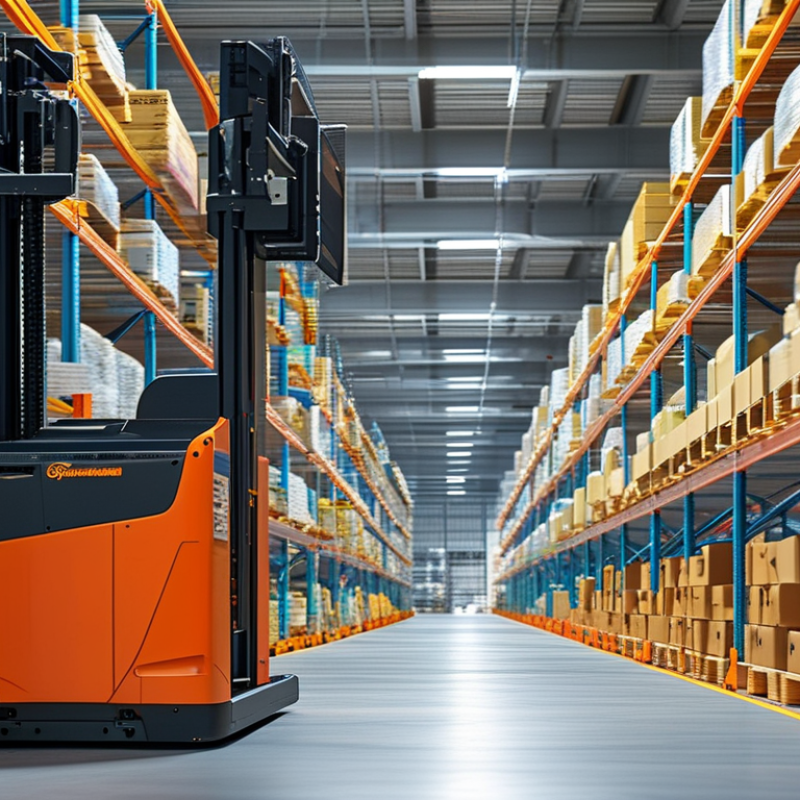
4-way shuttle storage systems offer significant advantages for modern warehouses. These systems provide flexibility by enabling storage and retrieval from multiple directions. This design maximizes space utilization and enhances operational efficiency. A well-implemented shuttle system can minimize travel time, thus improving overall productivity.
Understanding the components of these systems is crucial. They consist of shuttles, racking, and control software. Their integration simplifies inventory management. However, one must consider possible challenges. Equipment failures can cause significant disruptions. Regular maintenance is essential to avoid such issues. Additionally, staff training is necessary to ensure smooth operations.
The benefits of 4-way shuttle systems are clear. They improve organization and accessibility within the warehouse. Yet, relying solely on technology can be risky. Manual oversight is often needed to manage exceptions. Balancing automation with human intervention can lead to better outcomes. Analyzing operational performance regularly helps identify areas for improvement.
| Optimization Method | Description | Benefits | Implementation Tips |
|---|---|---|---|
| Maximize Vertical Space | Utilizing taller storage racks to increase storage capacity. | Increased storage efficiency and space optimization. | Conduct a height assessment and adjust your racks accordingly. |
| Implement Inventory Management System | Use software to track inventory in real-time. | Improved accuracy in stock levels and enhanced retrieval speed. | Choose a system that integrates well with existing operations. |
| Regular Maintenance | Scheduled inspections and upkeep of shuttle systems. | Increases reliability and reduces downtime. | Establish a maintenance calendar to ensure regular checks. |
| Employee Training | Training staff on new procedures and equipment usage. | Improved handling of materials and reduced error rates. | Conduct regular training sessions and assessments. |
: They are modern warehouse systems that allow storage and retrieval from multiple directions.
They minimize travel time and enhance space utilization, leading to better productivity.
Key components include shuttles, racking, and control software that streamline inventory management.
Equipment failures can disrupt operations, so regular maintenance is essential to avoid issues.
Adequate training ensures smooth operations and helps staff manage unexpected situations effectively.
Categorizing inventory improves access and efficiency, enhancing order fulfillment processes.
Technology can automate tracking but should not replace personal oversight to avoid gaps in management.
Regular audits help identify stagnant items that occupy valuable space and may need reassessment.
Use visual cues like color-coding to streamline recognition and retrieval of items.
Reflecting on current methods helps identify what works and what doesn’t, driving ongoing enhancements.
The article "4 Ways to Optimize Your 4-Way Shuttle Storage Solution" explores several key strategies to enhance the effectiveness of 4-Way Shuttle Storage systems. It begins by discussing the core benefits of these systems, emphasizing their ability to maximize space utilization and streamline operations within a warehouse. The piece then evaluates how proper space utilization can significantly impact overall productivity and efficiency.
Additionally, the article highlights the importance of implementing effective inventory management techniques to maintain optimal stock levels while reducing overhead costs. It further delves into the role of advanced automation technologies in boosting operational efficiency, allowing for faster and more accurate order processing. Finally, the article assesses how these shuttle systems can improve overall warehouse performance, ultimately leading to enhanced service levels and customer satisfaction.

 Kimsuk Racking