How to Choose the Right Wire Shelving for Your Business

Time:2026-11-06 Author:Isabella
0%

Choosing the right Wire Shelving can shape how safely and efficiently your team stores, finds, and replenishes inventory. The U.S. Census Bureau estimated 2024 retail e-commerce sales at $1.19 trillion, or 16.1% of total retail sales. That scale highlights the importance of organized stock and dependable access, though it does not determine which shelving system a business needs. Small details matter.

A practical choice starts with the products on each shelf. Consider item weight, package dimensions, picking frequency, available floor space, and exposure to moisture or dust. A shelf holding boxed supplies has different needs from one storing small parts in bins. Measure the actual space, including doorways and aisles. Then check the manufacturer’s stated load capacity and installation guidance; appearance alone is not a reliable measure of strength.

The right configuration also depends on how your operation changes. Adjustable shelves can accommodate shifting product sizes, while mobile units may help make better use of limited space. Not every setup fits. For example, a high-capacity unit may waste valuable aisle room in a small stockroom. This guide compares key factors, including materials, shelf dimensions, capacity, accessories, and maintenance. It also recognizes a common trade-off: the lowest upfront price may not deliver the most useful layout over time. The aim is a system that suits your inventory today and can adapt as your business grows.
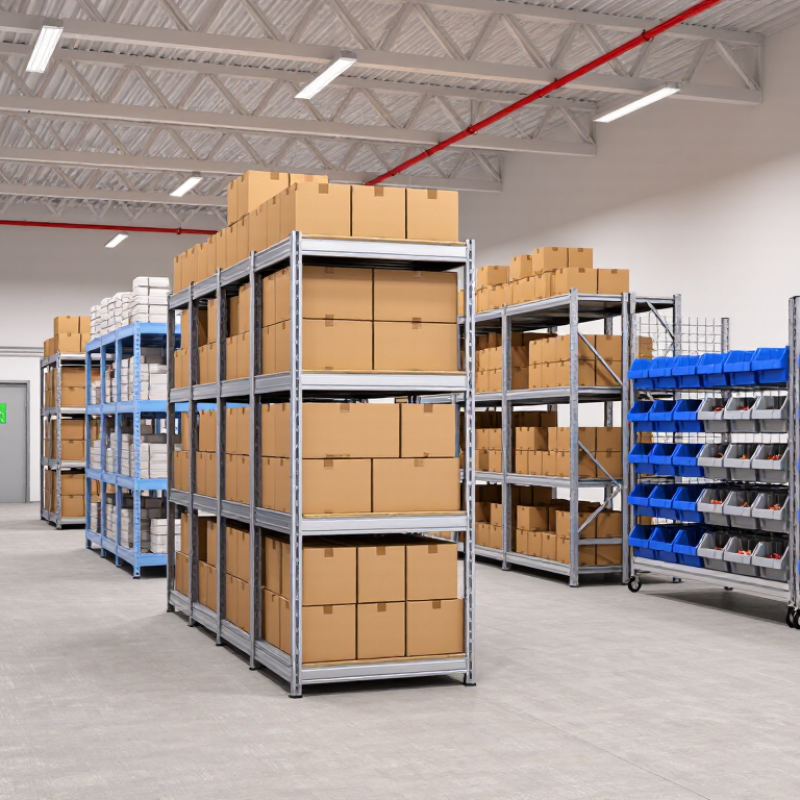
How to Choose the Right Wire Shelving for Your Business

Define Your Storage Needs and Operating Conditions

Before choosing wire shelving, list what your business stores and how often staff need access. Measure each item, including boxes that may bulge or hang over an edge. Then measure the floor area, doorways, and ceiling height. Measure twice. Note the heaviest items and check shelving load ratings against the actual weight, distributed as intended. Keep frequently handled goods between waist and shoulder height to reduce awkward lifting.

Tips: Record item dimensions, weight, access frequency, and seasonal changes. Leave room for hands and carts. Small clearances matter.

Operating conditions affect material and layout choices. A humid wash area, a dry stockroom, and a busy packing zone place different demands on shelving. Consider moisture, dust, temperature shifts, cleaning routines, and the risk of accidental impacts. Dust matters, too. Choose a finish and configuration suited to the environment, and confirm care instructions with the supplier. Keep aisles clear and allow enough space to remove bins safely. One assumption often proves wrong: today’s stock levels may not last. Recheck the plan after a few weeks of use, and adjust shelf spacing or capacity before clutter becomes routine.

Compare Materials, Finishes, and Load Capacities

Material choice should follow the room, not just the price tag. Chrome-plated steel suits dry stockrooms, where bright shelves make labels and dust easy to spot. In damp or washdown areas, stainless steel or a corrosion-resistant coated finish is usually a safer choice. The 2016 IMPACT study by NACE International estimated corrosion costs the global economy US$2.5 trillion annually, or about 3.4% of global GDP. That figure covers many industries, not shelving alone, but it shows why moisture protection deserves attention. Even so, a premium finish cannot fix poor cleaning or standing water.

Compare load ratings carefully. A shelf’s stated capacity often assumes weight is spread evenly across its surface. A dense box placed in the center can create a different stress than several light cartons. Check the rated load per shelf, total unit capacity, and any limits for the chosen shelf spacing or post height. Don’t guess. Ask for test conditions in writing.

Wire spacing also matters: small parts may tip or slip through open grids, while solid liners add weight and can affect airflow. One detail is easy to miss. Capacity may fall when shelves are moved or the unit is assembled unevenly. I would leave a margin below the published rating; the exact margin depends on the load and setting. A shelf that looks sturdy is not proof of its safe working capacity.

Choose Shelf Dimensions, Tiers, and Mobility Options

Start by measuring the items you actually store, not just the room. Include tote handles, carton overhang, and space needed to reach the back. Then check the shelving width and depth against aisle clearance and doorways. A shelf that fits on paper may still block a cart. Allow room to turn.

For tier spacing, use your tallest common item as a guide, then leave a little clearance for easy lifting. Adjustable shelves help when stock changes, but too many tiers can make small items awkward to retrieve. That detail matters. Check the stated load capacity for each shelf and the whole unit; distribute weight evenly rather than concentrating heavy boxes at one end. A quick sketch with shelf heights can expose problems before assembly.

Choose fixed feet for shelving that will stay in one place. For frequent restocking or cleaning, casters can help, especially on smooth floors. Look for locking wheels, and confirm the loaded unit is intended to move. On uneven flooring, mobility may feel convenient but become less stable. I would not assume larger casters solve every problem; measure thresholds and floor transitions first. A small test with one loaded section can reveal an inconvenient setup before you commit to several units.

Select Accessories and Safety Features for Your Workflow

Wire shelving accessories should match the work, not just the room. For picking small parts, add dividers and labeled bins so items stay visible and easy to reach. In damp or washdown areas, choose finishes suited to the environment and confirm compatibility with cleaning routines. Casters help when teams reposition shelves, but use locking wheels and avoid moving loaded units unless the manufacturer permits it. Small details matter.

Safety features deserve equal attention. The U.S. Bureau of Labor Statistics reported 4.8 recordable injury and illness cases per 100 full-time workers in warehousing and storage in 2022, compared with 2.7 across private industry. That figure is a reason to review handling practices, not proof that any single shelf feature prevents injuries. Use load labels, respect rated capacities, and distribute weight evenly. Add wall ties or other approved restraints where the layout and manufacturer’s guidance call for them. Keep heavy, frequently picked goods between knee and shoulder height when practical.

Check the floor, too. Uneven surfaces can make mobile shelving unstable. Protective posts may help guard shelf ends in busy aisles, while shelf liners can keep small items from slipping through. A layout can look perfect on paper and still create awkward reaches at peak hours. Test the setup with the people who use it; their feedback may reveal a missed hazard. Maybe the label is still too small.

How to Choose the Right Wire Shelving for Your Business - Select Accessories and Safety Features for Your Workflow
Workflow or Requirement Suitable Shelving Configuration Useful Accessories Safety Features to Consider Selection Check
Frequent picking of small items Adjustable wire shelves arranged so commonly picked items are easy to reach. Shelf dividers, label holders, and shelf liners where small items could slip through the wire grid. Secure the unit against tipping where required; keep frequently handled items within a comfortable reach range. Check that dividers and liners fit the shelf dimensions and do not obstruct access or airflow.
Storage of cartons or irregularly shaped products Shelves sized for the largest items and spaced to avoid wasted vertical clearance. Solid or perforated shelf liners, dividers, and end or back ledges if compatible with the shelving system. Keep stored items within the shelf edges and distribute weight evenly across each shelf. Measure product dimensions, including any overhang, before choosing shelf width and depth.
Mobile replenishment or order picking A mobile shelving unit with casters selected for the floor surface and expected load. Push handles, shelf liners, and casters with brakes where stationary parking is needed. Use brakes when the unit is parked; move it carefully and avoid pushing an overloaded or unstable unit. Confirm caster compatibility, total loaded capacity, and suitability for the route and floor conditions.
Food preparation or other washdown areas Corrosion-resistant wire shelving appropriate to the moisture, cleaning chemicals, and operating environment. Compatible shelf liners, hooks, or hanging accessories that can be cleaned and are approved for the intended use. Follow applicable hygiene procedures and keep shelves clean, dry, and free of damaged finishes. Verify material and finish compatibility with cleaning products and any applicable local requirements.
Cold rooms or humid environments Shelving with a material and finish specified for the temperature and moisture conditions. Label holders and compatible liners that remain suitable under the operating conditions. Inspect regularly for corrosion, loose components, and changes in stability. Check the supplier's stated environmental limits and any relevant load-rating conditions.
Heavy or dense inventory A shelving unit rated for the intended load, with shelf spacing matched to the stored items. Load labels and dividers where they help maintain organized, evenly distributed storage. Observe the stated per-shelf and total-unit load limits; place heavier items on lower shelves. Use the rating specified for the exact configuration, and account for the way the load is distributed.
Storage in a seismic or high-traffic area A stable shelving configuration positioned and installed according to site requirements. Compatible shelf ledges, dividers, and approved anchoring hardware where needed. Assess tipping and falling-object risks; use anchoring or other restraint measures when required by the site or local rules. Have the installation reviewed against applicable building, workplace, and seismic requirements.

Plan Installation, Inspection, and Ongoing Maintenance

Choosing wire shelving is only part of a reliable storage plan. Plan installation around the actual work area, not a catalog image. Measure doorways, aisle widths, ceiling height, and the largest items you expect to store. Check each shelf’s load rating and whether it assumes evenly distributed weight. Heavy cartons placed at one corner can strain a unit, even when the total load seems acceptable. On uneven floors, level every post and use suitable feet or approved anchoring. Leave enough clearance for safe access and cleaning. Don’t rush this step.

After loading, inspect the shelves for wobbling, bent wires, loose connectors, or shifting feet. Pay close attention to joints and corners. A monthly check can be a useful starting point, but busy areas or frequent restocking may call for more frequent checks. Follow the manufacturer’s guidance for your specific system. Remove stored goods before tightening or adjusting components, and replace damaged parts rather than improvising repairs. Keep a simple inspection log with dates and actions taken; a short note can reveal repeated problems. Dust and spills collect beneath open shelves, too, so include floors and lower corners in the cleaning routine. It is easy to overlook them. Revisit the layout when inventory changes, because a shelf that worked last season may now block access or carry a different load.

How to Choose the Right Wire Shelving for Your Business

Plan installation, inspection, and ongoing maintenance by choosing shelf dimensions that fit your space and stored items.

Common nominal shelf-depth examples are shown in inches, with approximate centimeter conversions. Before installation, measure the available space and confirm the shelf’s rated capacity and assembly requirements. Inspect shelving regularly for loose connections, damage, or overloading.

FAQS

What should I measure before choosing wire shelving?

Measure stored items, including boxes that bulge or overhang. Check floor space, doorways, and ceiling height. Measure twice.

How should I decide where to place frequently used goods?

Keep them between waist and shoulder height to reduce awkward lifting. Leave room for hands, carts, and safe bin removal. Small clearances matter.

Which conditions can affect shelving materials and layout?

Consider moisture, dust, temperature changes, cleaning routines, and accidental impacts. A wash area has different needs from a dry stockroom. Dust matters.

Which finish is suitable for damp areas?

Stainless steel or a corrosion-resistant coating is usually safer in damp or washdown areas. Standing water and poor cleaning can still cause problems.

How should I check a shelf’s load capacity?

Review the rated load per shelf and the unit’s total capacity. Check whether the rating assumes evenly distributed weight. Don’t guess.

Why does load distribution matter?

A dense box in the center creates different stress than several light cartons. Check the actual load pattern and test conditions.

Can changing shelf height affect capacity?

It may. Capacity can fall when shelves move or a unit is assembled unevenly. Confirm limits for your chosen spacing and post height.

Are wire shelves suitable for small parts?

Small parts may tip or slip through open grids. Solid liners can help, but they add weight and may affect airflow.

When should I review my shelving plan?

Recheck it after a few weeks and when stock levels change. I might assume today’s layout will work long-term, but that can be wrong. Adjust before clutter becomes routine.

Conclusion

Choosing the right Wire Shelving starts with understanding what you need to store, how often items are accessed, and the conditions in your workspace, such as moisture, temperature, and cleaning routines. Compare materials and finishes for durability, and check that each shelf’s load capacity suits both the weight and distribution of your items. Select dimensions and the number of tiers to make efficient use of available space while keeping products accessible.

Consider whether adjustable shelves, casters, or accessories such as dividers and protective liners will support your daily workflow. Safety features, including secure connections and stable placement, can help reduce the risk of shifting or tipping. Before installation, plan the layout and confirm the floor can support the shelving and its contents. Regular inspections, cleaning, and timely replacement of worn components help maintain reliable performance over time.

Isabella

Isabella

Isabella is a dedicated marketing professional with a sharp focus on driving brand growth and engagement through strategic content creation. With an extensive background in digital marketing, she combines her passion for storytelling with her keen understanding of industry trends to deliver......