Choosing the right Steel Containers can determine whether a global shipment arrives protected, compliant, and financially sensible. A container may look strong at the factory gate, yet perform poorly after months of lifting, stacking, salt air, and temperature changes. Buyers should examine steel grade, wall thickness, door construction, floor strength, corrosion protection, internal dimensions, and verified payload ratings. Small details matter.
Logistics analyst Lars Jensen offers a useful warning: “A resilient supply chain is not built by optimizing one link; it is built by understanding the entire system.” This principle applies directly to container selection. A low purchase price may hide higher repair costs, limited handling compatibility, or unsuitable dimensions for pallets and machinery. The best Steel Containers match the cargo, route, equipment, and expected service life.
Real-world planning also requires uncomfortable honesty. Shipping schedules change. Ports handle equipment roughly. Weather ignores forecasts. Even a certified container can suffer damage when maintenance is neglected. Therefore, responsible buyers should request inspection records, manufacturing information, load specifications, and evidence of coating performance. They should also confirm compatibility with cranes, chassis, vessels, and warehouse doors.
There is no perfect container.
The practical choice balances durability, availability, safety, and total cost. This guide explains how to compare Steel Containers for international movement, while recognizing that route conditions and cargo risks differ. A container suitable for dry machinery may be unsuitable for moisture-sensitive products. That distinction is easy to miss, and expensive to correct.
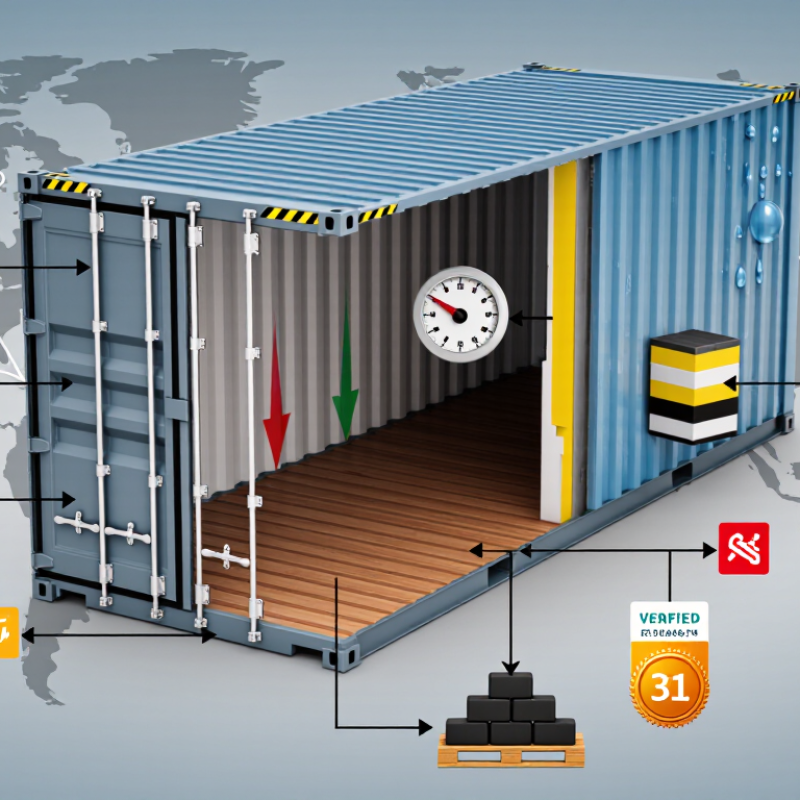
How to Choose the Best Steel Containers for Global Shipping?
A reliable container begins with a clear shipping profile. UNCTAD’s Review of Maritime Transport reports that more than 80% of global merchandise trade moves by sea. That exposure makes small design weaknesses expensive. Define the route, cargo weight, loading method, climate, and expected reuse cycle before comparing container prices. A 20-foot unit may suit dense machinery, while a 40-foot high-cube container offers more volume for lighter cartons. Measure carefully. Empty space still costs money.
Performance criteria should be specific and inspectable. Check the CSC safety plate, ISO dimensions, door locking rods, corner castings, welds, and floor condition. The ISO 1496-1 standard sets structural test requirements, but a certificate cannot reveal every hidden defect. Inspect for roof pinholes, bent rails, uneven doors, and corrosion around the bottom frame. Use the container’s verified gross mass, not an estimate; the International Maritime Organization requires accurate declared mass for safe stowage. UNCTAD also recorded severe schedule disruption during recent supply-chain shocks, so weather resistance and repeated handling deserve more attention. A container can pass a basic inspection and still fail after many crane lifts.
Record photographs and repair history. Ask for recent inspection dates. Do not trust a fresh coat of paint. It may conceal rust. In practice, selecting a stronger floor or newer door assembly can prevent delays, though the extra cost is easy to underestimate. Temperature-sensitive cargo needs additional controls, but steel walls alone provide limited insulation. A dry interior is not guaranteed. Recheck it before loading.
Identify the route, cargo weight, loading method, climate, and expected reuse cycle. Measure carefully. Empty space still costs money.
A shorter container can suit dense machinery. A taller, longer unit offers more volume for lighter cartons.
Check the safety plate, dimensions, locking rods, corner fittings, welds, roof, rails, doors, and floor. Look closely.
Use the container’s verified gross mass, not an estimate. Accurate weight supports safer handling and stable stowage.
No. A container may pass inspection yet fail after repeated crane lifts. Inspect for hidden corrosion and structural fatigue.
Carbon steel is strong and easy to repair, but exposed scratches can rust quickly. Weather-resistant steel helps in suitable conditions.
Not always. Some stainless grades resist salt better, but they cost more and require careful fabrication. No steel is corrosion-proof.
Review photographs, repair records, inspection dates, welds, floor edges, door seals, and drainage. Paint can lie.
No. Paint may conceal rust or rushed repairs. Check underneath when possible, especially around the bottom frame.
Steel walls provide limited insulation. Recheck the interior’s dryness before loading, and consider additional temperature controls. It is not perfect.
Choosing the best Steel Containers for global shipping begins with clearly defining cargo requirements, transport conditions, handling methods, and expected service life. Consider the container’s payload, stacking needs, ventilation, insulation, access points, and compatibility with different modes of transport. Steel type and grade also matter, as stronger materials can improve durability, while protective coatings, galvanization, and corrosion-resistant treatments help containers withstand moisture, salt air, temperature changes, and repeated use.
Next, compare available sizes and designs to ensure efficient loading, balanced weight distribution, and minimal unused space. Verify that each container meets applicable safety standards, inspection requirements, and international shipping regulations, with reliable documentation and certifications. Finally, evaluate total cost rather than purchase price alone, including transportation, maintenance, repairs, cleaning, and expected lifespan. Selecting a dependable supplier with consistent quality control and responsive support can improve long-term value, reduce operational risks, and ensure that the chosen Steel Containers perform effectively across global supply chains.

 Kimsuk Racking