Choosing the best Cantilever Storage solutions can significantly impact your operational efficiency. According to industry expert John Smith, "The right storage system can optimize space and enhance accessibility." Cantilever Storage systems are versatile and ideal for managing longer items like lumber or pipes. These systems can streamline your inventory process.
Understanding the strengths of Cantilever Storage is crucial. Options vary in height, arm length, and materials. Each choice affects weight capacity and accessibility. Businesses must evaluate their specific storage needs. The right design can save time and prevent accidents.
However, not every solution will suit every situation. Analyzing the layout and flow of your workspace is essential. Sometimes, a solution that seems perfect may not fit. Companies often overlook these details. Investing time in research can lead to better choices. Balancing budget constraints with functionality is ongoing. Ultimately, the goal is a storage system that meets operational demands.
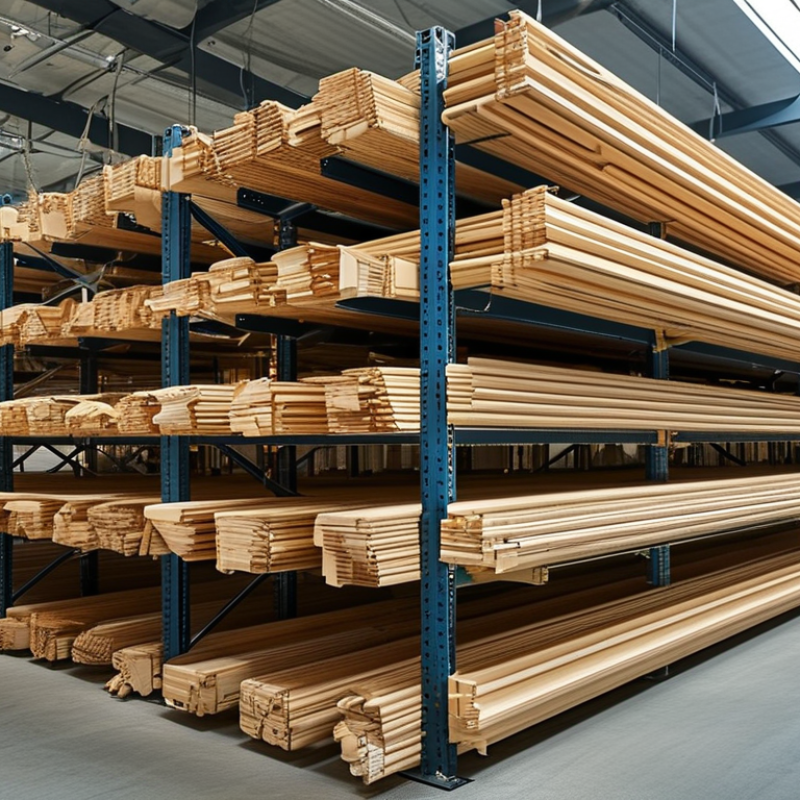
Cantilever storage is a popular solution for organizing long and bulky items. This type of storage system features horizontal arms that extend from vertical supports. It allows for easy access and maximizes space use, making it ideal for warehouses and garages. Key features include adjustable arm height, which accommodates items of various lengths. The open design minimizes obstructions, enhancing visibility and efficiency.
Choosing the right cantilever storage requires careful consideration. Aim for a system that matches your specific needs. Assess the weight capacity of each arm. Ensure they can support the items you plan to store. Durability is also crucial; look for weather-resistant materials if the storage will be outdoors.
Tip: Regularly inspect your storage system for wear and tear. This helps maintain safety and efficiency. Also, consider using labels to categorize your stored items. A well-organized system saves time and reduces frustration. The initial investment in a good cantilever storage solution often pays off through improved organization.
When selecting cantilever storage solutions, assessing your storage needs is crucial. Start by determining the dimensions of the items you plan to store. According to the Material Handling Industry of America, 30% of companies report inefficient use of warehouse space. Understanding your inventory’s height, width, and length will help you maximize vertical and horizontal space.
Weight capacity is another essential factor. Many cantilever racks can hold between 1,000 to 4,000 pounds per level. Knowing the total weight of your items prevents potential structural failures. A study by Warehouse Management Systems reveals that improper weight distribution is a significant cause of accidents.
Consider your future needs as well. Inventory fluctuates, and storage solutions should be scalable. Evaluate your current storage against projected growth to ensure longevity. Proper planning avoids the frequent need for adjustments or replacements, which can be costly and time-consuming. By focusing on dimensions and weight capacity, you can make informed decisions that enhance your storage effectiveness.
When selecting the best cantilever storage solutions, the choice of material is crucial.
Steel and aluminum stand out as popular options due to their unique properties.
Steel is known for its high strength and durability.
According to the American Institute of Steel Construction, steel has a tensile strength of around 370 megapascals.
This makes it an excellent choice for heavy loads and outdoor conditions.
On the other hand, aluminum is lighter and more resistant to corrosion. It is ideal for environments where weight is a concern.
The Aluminum Association reports that aluminum structures can reduce weight by up to 40% compared to steel.
However, this does come with a trade-off: aluminum typically has a lower load-bearing capacity.
It's important to assess your specific needs before making a decision.
High humidity or exposure to chemicals can affect longevity.
Other materials, like plastics and composites, are gaining popularity too.
They offer advantages in certain situations, like being non-corrosive and lightweight.
However, their strength may not match that of metal options.
Each material's properties must align with your operational requirements and storage environment.
It's essential to gather data and possibly conduct a cost-benefit analysis for the best outcome.
When designing a cantilever storage solution, considering layout and accessibility is crucial. A well-thought-out layout maximizes vertical space. This is vital for warehouses and inventory management. Analyze the flow of goods. Identify the areas that require easy access and organize items accordingly. High-traffic zones need to be carefully planned. Item placement matters in these spaces.
Accessibility goes hand-in-hand with layout optimization. Clear pathways reduce retrieval time. Workers can navigate the storage area smoothly. However, it’s easy to overlook the importance of aisles. Narrow pathways may seem efficient, but they can hinder movement. Reflect on the dimensions you’re working with. Are the aisles too confined?
Balancing space efficiency and worker convenience is challenging. It requires thought and adjustment. Each layout must adapt to different inventory types and volumes. Testing various designs can offer insights. Engage with those who utilize the space daily. Their feedback can illuminate blind spots in your plan.
When selecting cantilever storage solutions, budget considerations play a crucial role. The initial costs can vary widely. A recent industry report noted that effective cantilever systems start from approximately $3,000. This does not include installation costs, which can add another 20% to the total. It's essential to factor in these hidden costs when planning your budget.
Long-term value should influence your choice. A well-constructed cantilever system can have a lifespan of over 20 years. On average, businesses can recover their investment in 3-5 years through increased storage capacity and efficiency. The time saved in organizing materials contributes significantly to productivity. However, not every option offers this durability. Some cheaper alternatives may require early replacement, impacting your budget negatively.
Consider customizable options to suit specific needs. Directly addressing the types of materials stored can enhance efficiency. However, customization often comes with higher upfront costs, around 30% more. Assessing your long-term storage needs is vital. It’s a balance of cost versus future savings. Investing more initially may yield better returns in the long run.
: Steel and aluminum are popular choices. Each has unique properties that affect performance and durability.
Steel has a tensile strength of approximately 370 megapascals. This makes it suitable for heavy loads and outdoor use.
Aluminum is lighter and more resistant to corrosion. It can reduce weight by up to 40% compared to steel.
Yes, aluminum typically has a lower load-bearing capacity. It may not be suitable for all heavy-duty applications.
A well-structured layout maximizes space and improves accessibility. Clear pathways reduce retrieval time for workers.
Narrow aisles are often overlooked. They may seem efficient but can significantly hinder worker movement and access.
Initial costs can vary significantly. Hidden costs, such as installation, should be included in the budget plan.
A well-built solution can last over 20 years. Businesses often recover investment costs through increased efficiency.
Customization can enhance efficiency but may come with higher upfront costs. It’s essential to evaluate future storage needs.
Engaging daily users can reveal blind spots. Their feedback is invaluable for refining the layout and usage of space.
Cantilever storage is a flexible and efficient solution for organizing long and heavy items like lumber, pipes, and sheets. When selecting the best cantilever storage system, it is essential to understand its key features, such as its adjustable arms and robust construction. Begin by assessing your specific storage needs, considering factors like dimensions and weight capacity to ensure the system meets your requirements.
Additionally, material options play a significant role in durability and performance. Steel and aluminum are popular choices, each offering different benefits. Space optimization is also crucial; effectively planning the layout enhances accessibility and maximizes the use of available space. Finally, budget considerations cannot be overlooked. Evaluating initial costs alongside potential long-term value will help in making an informed decision for a cantilever storage solution that meets your needs.

Kimsuk Racking